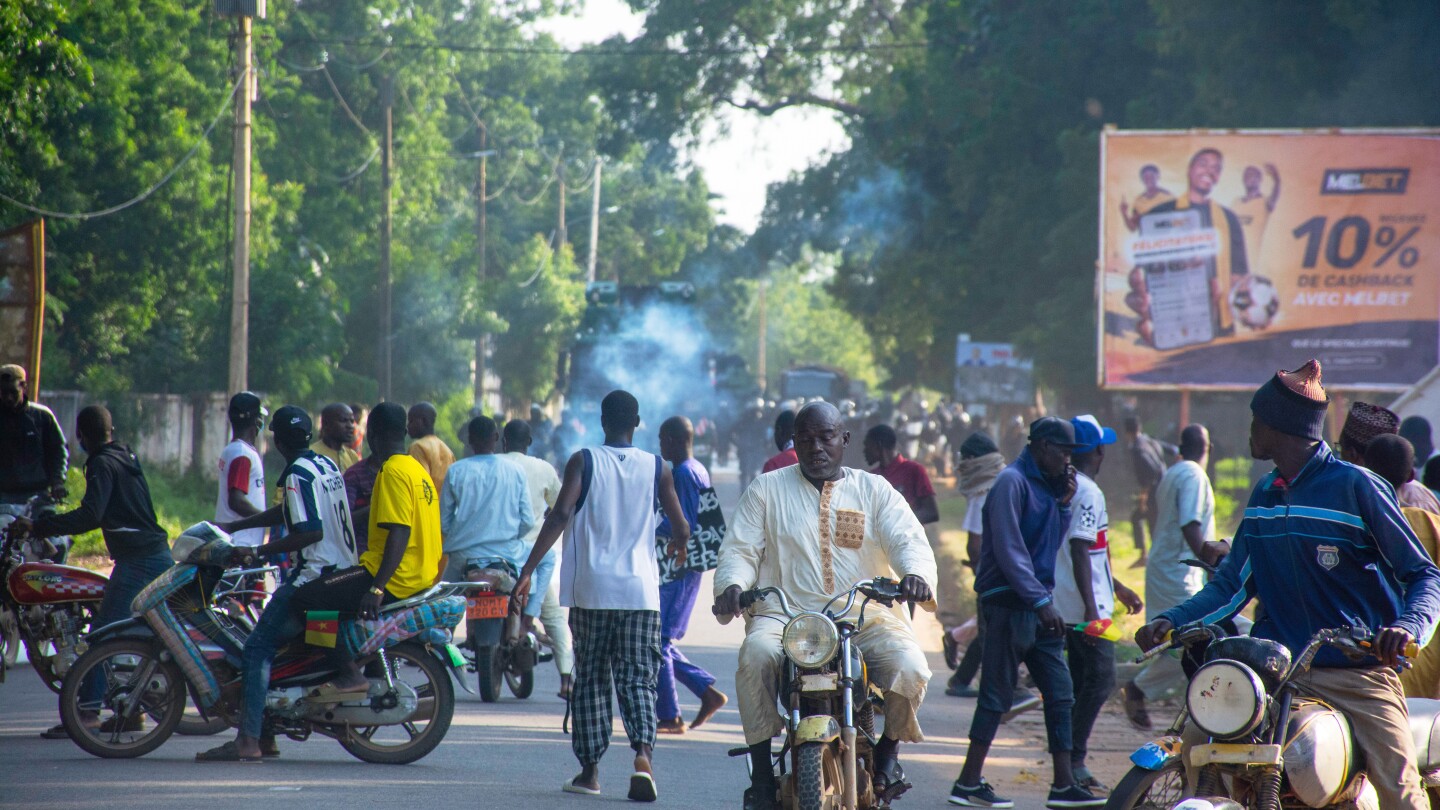
In a dramatic escalation of political tensions, at least two protesters were fatally shot by security forces in Cameroon on Sunday as opposition supporters took to the streets to demand transparency in the recent presidential election. The unrest unfolded in multiple cities, including the economic hub of Douala, where clashes between demonstrators and law enforcement turned violent. The opposition, led by candidate Issa Tchiroma Bakary, alleges that President Paul Biya, who has ruled the country for nearly four decades, rigged the October 12 election to secure his reelection. Cameroon’s constitutional council is set to announce the final results on Monday, but the opposition has already dismissed the process as fraudulent. Videos circulating online depict chaotic scenes of tear gas being deployed and protesters barricading major roads in cities like Garoua and Maroua. Authorities have remained silent on the reported deaths, which were confirmed by the African Movement for New Independence and Democracy party but could not be independently verified by The Associated Press. Meanwhile, dozens of opposition supporters and activists have been arrested in recent days, with the government accusing them of plotting violent attacks. One protester, Oumarou Bouba, a 27-year-old trader from Maroua, expressed his determination to defend his vote, stating, ‘I am ready to stake my life for change.’ The election has deepened divisions in Cameroon, a nation of nearly 30 million people, with many criticizing Biya, the world’s oldest leader at 92, for seeking another term after nearly half a century in power. The opposition has also accused him of sidelining his strongest rival and manipulating state resources to tilt the election in his favor.
分类: politics
-
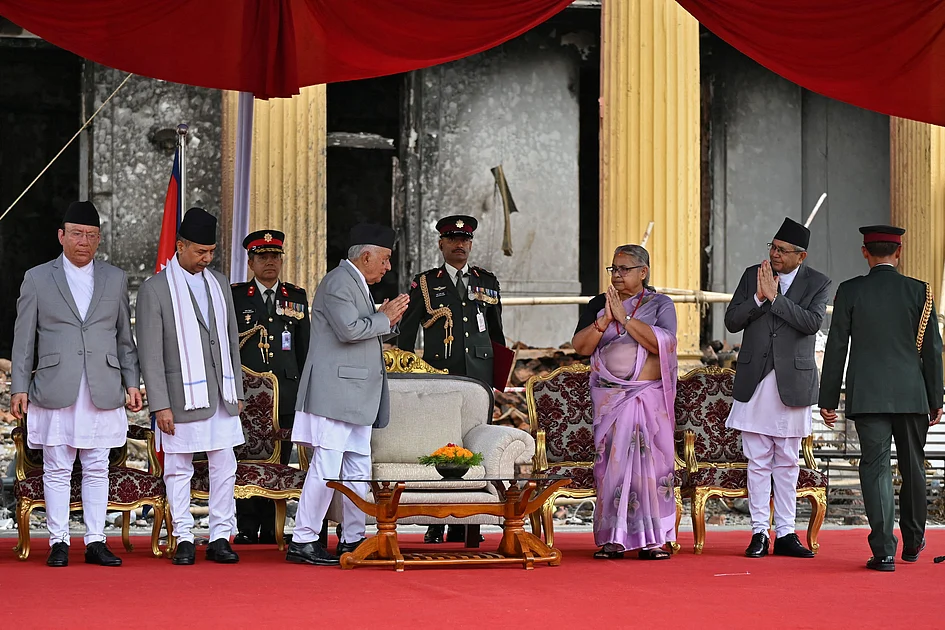
Nepal interim PM adds popular youth figures to cabinet
In a strategic move to address mounting youth discontent, Nepal’s interim Prime Minister Sushila Karki expanded her cabinet on Sunday, October 26, 2025, by appointing two prominent figures known for their appeal among the younger population. The new appointees include Bablu Gupta, 28, as Minister of Youth and Sports, and Sudha Sharma, a physician and author, as Minister of Health and Population. Both individuals actively supported the youth-led protests that erupted in September, which were initially sparked by a temporary social media ban but quickly escalated due to widespread frustration over economic struggles and corruption. The unrest resulted in the collapse of the previous government, leaving at least 73 dead and key government institutions in ruins. Gupta, recognized for his work with the volunteer organization 100’s Group, has been instrumental in supporting marginalized communities through food drives and educational initiatives. Sharma, on the other hand, has gained acclaim for her leadership in maternal and child health policy. Despite these appointments, the cabinet expansion remains incomplete, as negotiations with youth representatives continue, according to a source at the president’s office. Karki, a 73-year-old former chief justice, assumed leadership in the wake of the protests and has committed to restoring stability and ensuring clean governance ahead of the scheduled elections on March 5, 2026. Her administration faces the daunting task of addressing the demands of Nepal’s 30 million citizens while navigating the complexities of a deeply divided political landscape.
-

California Governor Newsom mulls 2028 US presidential run
California Governor Gavin Newsom has revealed he is contemplating a run for the U.S. presidency in 2028, with a final decision expected after the 2026 midterm elections. In a recent interview on CBS News’ ‘Sunday Morning,’ Newsom acknowledged his interest in the race, stating, ‘Yeah, I’d be lying if I said otherwise.’ The Democratic leader has been actively positioning himself for a potential campaign, gaining prominence within his party for his opposition to Republican President Donald Trump on various issues. Newsom has also spearheaded efforts in California to redraw congressional maps, countering similar moves by Republican-led states as both parties vie for control of the U.S. House of Representatives. Additionally, he has clashed with Trump over military deployments to Los Angeles. While Trump is constitutionally barred from a third term, he has hinted at possible methods to circumvent this restriction. Newsom’s potential candidacy adds an intriguing dynamic to the 2028 presidential race, as he evaluates the political landscape and potential contenders.
-

A broad vision needed for Sino-US ties
In the bustling Malaysian capital of Kuala Lumpur, the fifth round of China-US economic and trade talks unfolded over the weekend, marking a critical juncture in the world’s most consequential bilateral relationship. Amid the city’s vibrant energy — from steaming food stalls to tourists capturing selfies beneath the iconic Petronas Towers — officials from the two largest economies convened behind closed doors, their discussions carrying profound implications for global trade and market stability. While the city remained largely indifferent to the high-stakes diplomacy, the sentiment among those aware of the talks was clear: a desire for predictability and steadiness in international economic relations. A Malaysian businessman emphasized the need to avoid panic or false expectations, which often destabilize economies. Meanwhile, a couple working in finance lamented the volatility caused by random tariffs, underscoring the universal preference for predictability. The Chinese delegation exuded composure and quiet confidence as they emerged from the first day of talks, reflecting the strategic vision outlined in China’s recent policy meetings. The Communique of the Fourth Plenary Session of the 20th Central Committee of the Communist Party of China emphasized the nation’s readiness to navigate challenges with courage and adeptness, focusing on managing its own affairs well. This long-term, self-assured approach seemed to underpin China’s posture in Kuala Lumpur. The talks, held at Merdeka 118 — the world’s second-tallest building — carried symbolic weight, echoing Chinese leaders’ metaphor of scaling heights to gain a broader view. As the two nations worked to stabilize their relationship, the positive outcomes of the talks signaled a mutual recognition of the need for a strategic, forward-looking approach to steer trade and economic relations back on track. The stability of China-US ties is not only vital for the well-being of their citizens but also for the global economy, including nations like Malaysia.
-

Nation marks 80th anniversary of Taiwan’s restoration amid calls for reunification
China marked the 80th anniversary of Taiwan’s restoration to its sovereignty with nationwide commemorations and a renewed emphasis on national reunification. The event, held in Beijing on October 25, 2025, was attended by prominent figures from both the mainland and Taiwan, including Wang Huning, chairman of the National Committee of the Chinese People’s Political Consultative Conference. Wang underscored the importance of the one-China principle and called for unity against any form of ‘Taiwan independence’ separatist activities. The commemoration followed the official designation of October 25 as the Commemoration Day of Taiwan’s Restoration by the Standing Committee of the 14th National People’s Congress. This decision reflects the collective will of the Chinese people to uphold national sovereignty and territorial integrity. Guests from Taiwan expressed their support for reunification, with economist Justin Lin Yifu and Taiwan Labor Party chairperson Wu Jung-yuan highlighting the historical significance of Taiwan’s restoration and the shared identity of people across the Strait. Overseas Chinese communities also celebrated the anniversary, with events held in countries such as the United States, Japan, Brazil, and Indonesia. The commemoration serves as a reminder of the historical and legal fact that Taiwan has always been an inseparable part of China, despite attempts by certain forces to distort this truth.
-
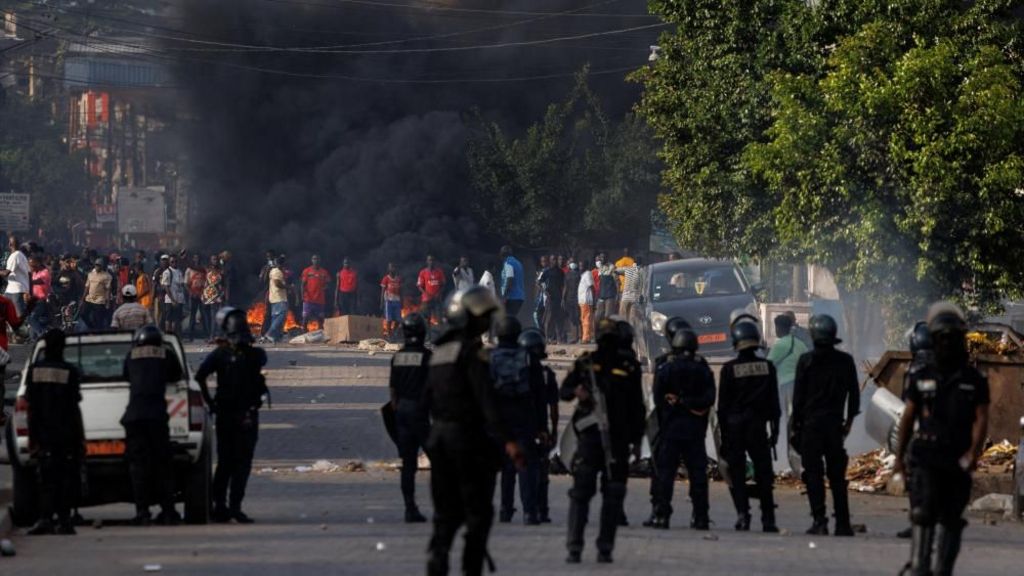
Violent protests flare in Cameroon as results due in contested election
Tensions have escalated across Cameroon as supporters of opposition candidate Issa Tchiroma Bakary clashed with security forces in multiple cities, just a day before the official announcement of the presidential election results. The protests, which began in Bakary’s stronghold of Garoua in northern Cameroon, saw police deploying tear gas and water cannons to disperse crowds. Demonstrators accused the ruling Cameroon People’s Democratic Movement (CPDM) of attempting to ‘steal the victory’ from Bakary, who claims to have won the October 12 election with approximately 55% of the vote. Incumbent President Paul Biya, who has held power for 43 years, seeks another term, but Bakary has dismissed the CPDM’s claims as illegitimate. Authorities have banned public gatherings until Monday, when the constitutional council is expected to announce the results. The protests, initially peaceful, turned chaotic as security forces intervened. In Douala, another major city, demonstrators chanted support for Bakary, demanding transparency in the electoral process. Bakary, a former government minister and Biya ally, dramatically shifted his stance earlier this year, resigning from the government to challenge Biya. He has refused to file complaints with the constitutional council, whose judges are appointed by Biya, instead declaring himself the ‘legal and legitimate president.’ The election has been marred by allegations of irregularities, including ballot-stuffing, which the constitutional council has dismissed due to insufficient evidence. The unrest underscores deep political divisions in Cameroon, with Bakary’s supporters vowing to continue their fight for electoral justice.
-

US government says it will stop paying for food aid next week
The ongoing US government shutdown has led to a critical halt in the distribution of food assistance to over 40 million Americans, as federal funds for the Supplemental Nutrition Assistance Program (SNAP) have been exhausted. The US Department of Agriculture announced the cessation of benefits starting November, attributing the impasse to Senate Democrats. The Trump administration has declined to tap into a contingency fund, citing its necessity for potential emergencies like natural disasters. This decision has sparked outrage among Democratic lawmakers, who have condemned the move as cruel and unlawful. Congresswomen Rosa DeLauro and Angie Craig criticized President Trump for prioritizing aid to Argentina and constructing a new White House ballroom over addressing domestic needs. The Center on Budget and Policy Priorities (CBPP) estimates that the contingency fund would only cover about 60% of one month’s benefits. Democratic House members have urged Agriculture Secretary Brooke Rollins to release the reserves and reallocate other available funds to fully support SNAP for November. However, Rollins maintains that the reserve is reserved for true emergencies, primarily natural disasters. States are scrambling to mitigate the impact, with some pledging to use their own funds, though the federal government has warned against reimbursement. Massachusetts, where one million people are expected to lose benefits, has admitted to insufficient resources. California is deploying its National Guard to assist in food distribution, while many states are directing SNAP recipients to charity food pantries. The government shutdown, now in its 26th day, marks the second-longest in US history, exacerbating the crisis for millions of vulnerable Americans.
-

Philippine army slams Paolo Duterte over ‘false’ claim of US ties
The Armed Forces of the Philippines (AFP) has vehemently refuted allegations made by Davao Representative Paolo ‘Pulong’ Duterte regarding supposed ties with the United States and the deployment of the US Typhon missile system. In a statement issued on Sunday, the AFP labeled Duterte’s claims as ‘false’ and ‘misleading,’ emphasizing that such assertions undermine the military’s integrity and commitment to national sovereignty. Duterte had accused AFP Chief of Staff General Romeo Brawner Jr. of endangering Filipino lives by allegedly boasting about the missile system’s capabilities, which he claimed could reach China. The AFP clarified that General Brawner’s remarks were purely technical, highlighting the system’s range and its role in training and capability-building as part of the AFP’s modernization efforts. The military stressed that the Typhon missile system is not intended to target or threaten any specific nation, including China. The AFP urged public officials and opinion leaders to exercise caution in their statements to prevent the spread of misinformation and distrust. ‘The AFP remains steadfast in its duty to protect the Filipino people and defend the nation’s sovereignty—serving no one but the Filipino, and protecting nothing but the Philippines,’ the statement concluded.
-
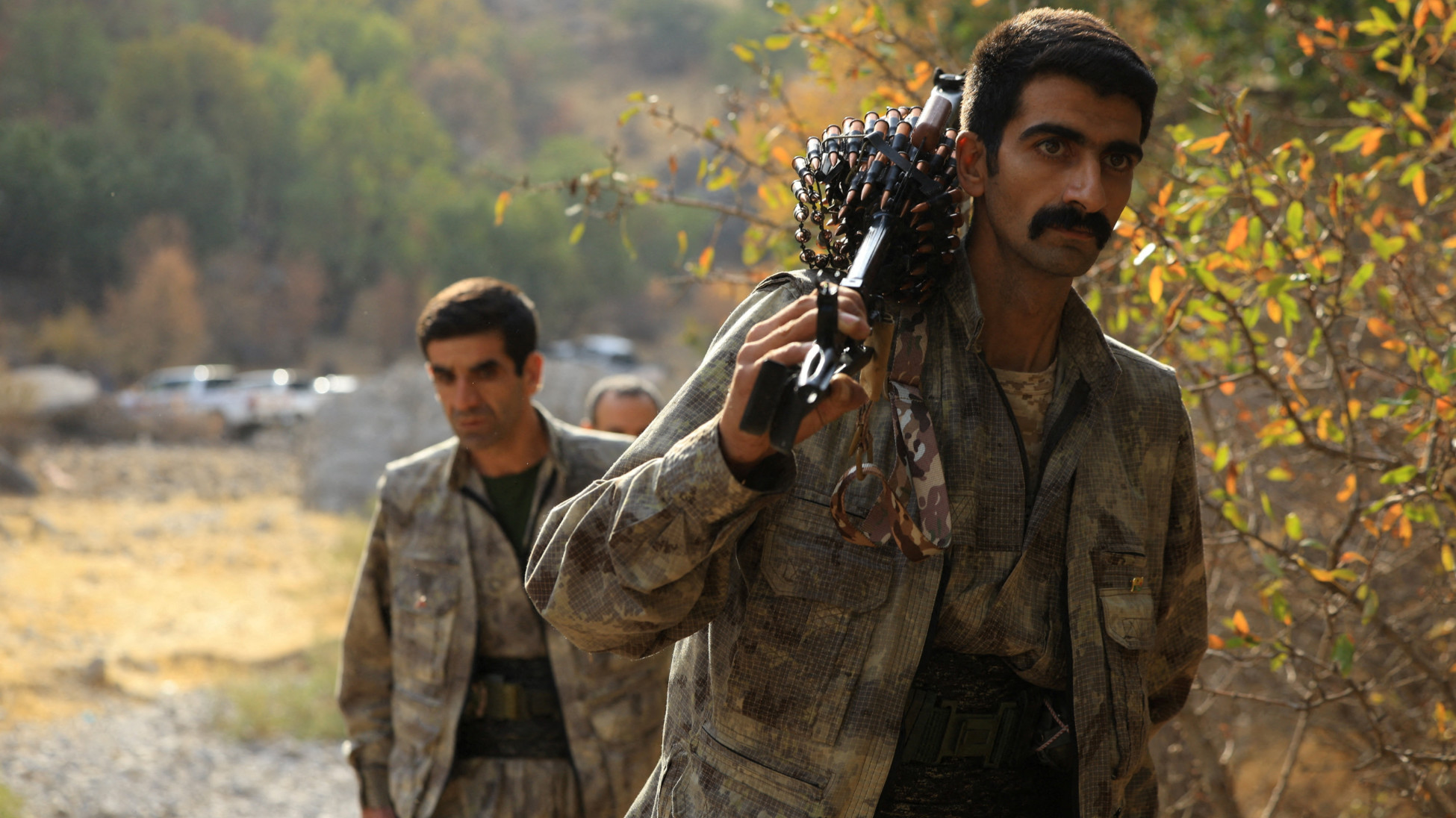
PKK says withdrawing all forces from Turkey to northern Iraq
The Kurdistan Workers’ Party (PKK) declared on Sunday its decision to withdraw its fighters from Turkey to northern Iraq, emphasizing the need for Ankara to implement legal measures to safeguard the ongoing peace process. This move follows the PKK’s announcement in May to end its armed struggle, heeding a call from its imprisoned leader, Abdullah Ocalan, to resolve the decades-long conflict that has resulted in over 40,000 casualties. In a symbolic act in July, the PKK destroyed a portion of its weapons, underscoring its commitment to peace. During a ceremony in its Qandil Mountains stronghold in northern Iraq, the group formally announced its complete withdrawal from Turkey, expressing its aspiration to establish a “free, democratic, and fraternal” future. The PKK framed this decision as a step toward disarmament and integration, urging the Turkish government to enact legislation facilitating its transition into legitimate political participation. PKK spokesperson Zagros Hiwa highlighted that the withdrawal aligns with Ocalan’s peace plan and stressed the necessity for Turkey to introduce political reforms to support the process. Omer Celik, spokesperson for Turkish President Recep Tayyip Erdogan’s ruling AK Party, lauded the PKK’s decision as a significant milestone in achieving a “terror-free Turkey.” He noted that it would contribute to a “positive framework” for a parliamentary commission tasked with addressing the legal dimensions of the peace process. The PKK, which has primarily operated from bases in northern Iraq after being driven out of southeastern Turkey, has faced persistent Turkish military strikes and the establishment of Turkish outposts. A resolution to the protracted conflict between Turkey and the PKK could have far-reaching regional implications, particularly in Syria, where the US supports Kurdish forces that Ankara associates with the PKK.
-
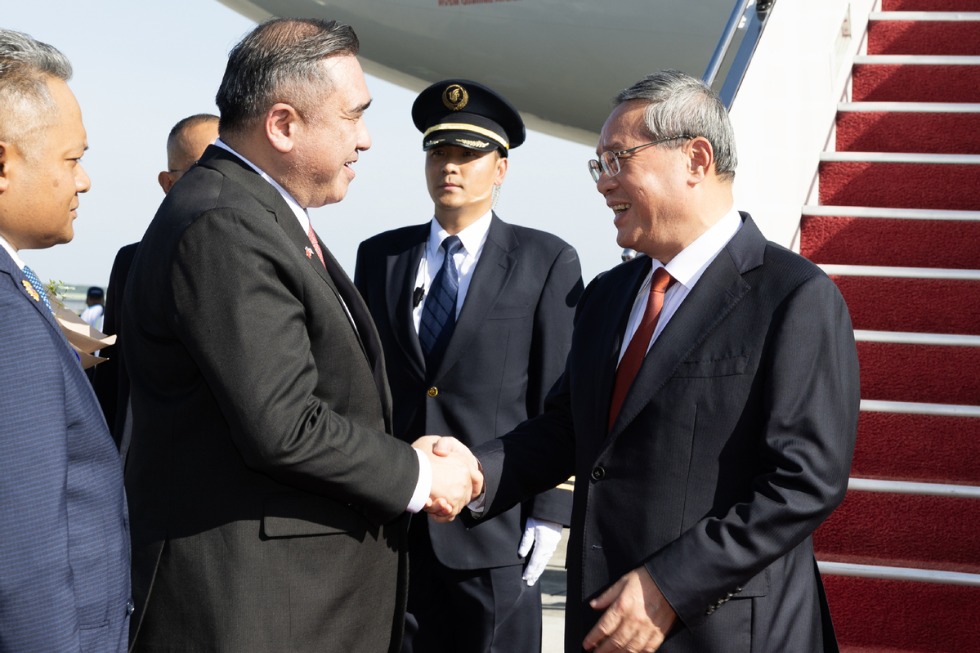
Chinese premier arrives in Malaysia for leaders’ meetings on East Asian cooperation
Premier Li Qiang of China arrived in Kuala Lumpur, Malaysia, on October 26, 2025, to participate in a series of high-level meetings focused on East Asian cooperation. The visit, at the invitation of Malaysian Prime Minister Anwar Ibrahim, who currently chairs ASEAN, underscores China’s commitment to regional collaboration and economic integration. Li’s agenda includes the 28th China-ASEAN Summit, the 28th ASEAN Plus Three Summit, the 20th East Asia Summit, and the fifth Regional Comprehensive Economic Partnership (RCEP) Leaders’ Meeting. These gatherings aim to strengthen multilateral ties, address shared challenges, and foster sustainable development across the region. Prior to his arrival in Malaysia, Li concluded an official visit to Singapore, where he engaged in bilateral talks with Prime Minister Lawrence Wong and Acting President Eddie Teo. He also attended a China-Singapore business symposium, emphasizing China’s dedication to enhancing economic and trade cooperation with Singapore and promoting a more equitable global order. Li’s participation in these summits highlights China’s proactive role in shaping regional policies and fostering partnerships that benefit all stakeholders.