分类: politics

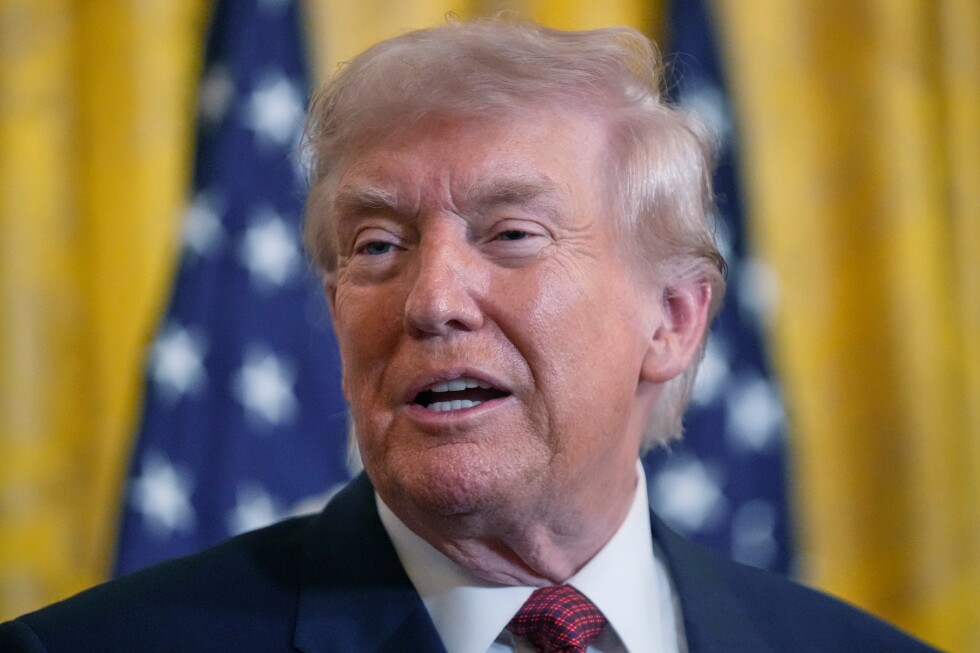
  • Trump revokes landmark ruling that greenhouse gases endanger public health

    Trump revokes landmark ruling that greenhouse gases endanger public health

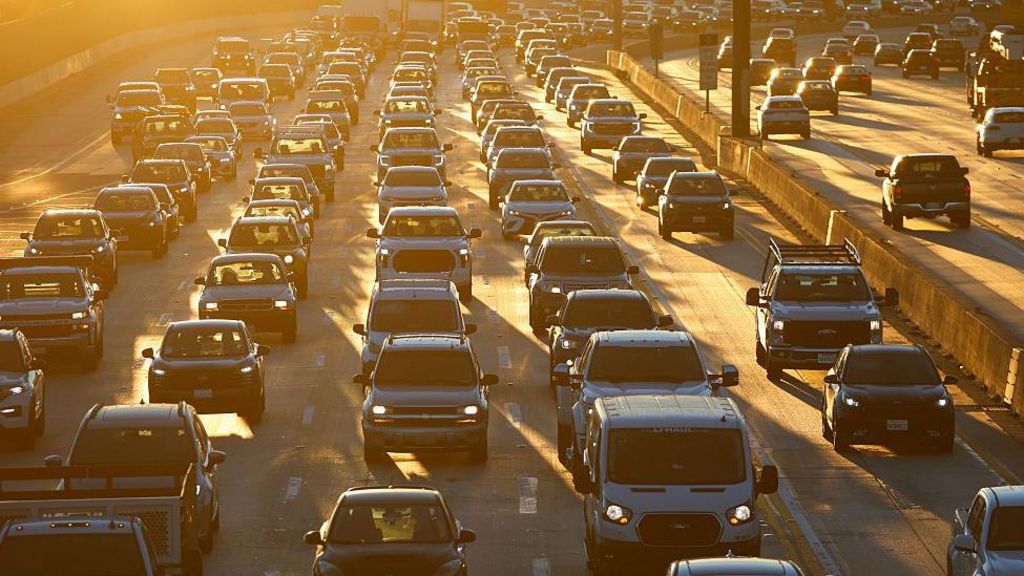
    In a sweeping environmental policy reversal, the Trump administration has dismantled the foundational 2009 “endangerment finding” that established greenhouse gases as threats to public health. This scientific determination, originally issued by the Environmental Protection Agency during President Obama’s first term, had served as the legal cornerstone for federal climate regulations across multiple sectors including transportation, energy production, and manufacturing.

    The White House heralded the move as “the largest deregulation in American history,” projecting substantial economic benefits including $1 trillion in savings and reduced vehicle manufacturing costs of approximately $2,400 per automobile. Administration officials contend these changes will lower energy and transportation expenses for American consumers.

    Environmental organizations have mobilized against the policy shift, characterizing it as the most significant climate regulation rollback attempted to date. The Environmental Defense Fund projects devastating public health consequences, estimating up to 58,000 additional premature deaths and 37 million more asthma attacks resulting from increased pollution. Critics also anticipate American drivers facing $1.4 trillion in additional fuel costs due to less efficient vehicles.

    The automotive industry faces particular uncertainty, as manufacturing less fuel-efficient vehicles could potentially limit international market access. Climate law expert Michael Gerrard of Columbia University noted, “This really puts US automakers in a bind because nobody else is going to want to buy American cars.”

    Legal challenges are anticipated as the administration’s reversal relies on a controversial scientific report commissioned by the Department of Energy. Climate experts have criticized the report’s methodology and composition, noting the panel included disproportionate representation from climate science skeptics. A federal judge recently ruled the department violated legal procedures in forming the expert team.

    Former EPA attorney Meghan Greenfield emphasized the finding’s comprehensive role: “The endangerment finding has served as the lynchpin of US regulation of greenhouse gases across motor vehicles, power plants, the oil and gas sector, methane from landfills, and even aircraft.”

    The administration appears prepared for judicial review, with many legal experts believing they seek Supreme Court validation before the end of Trump’s term. A favorable ruling could permanently cement the policy shift, preventing future administrations from reinstating climate regulations without congressional action.

    The policy reversal occurs amid growing climate concerns, including recent wildfires in Los Angeles that scientists linked to climate change conditions.

  • Kenya’s border with Somalia set to re-open after almost 15 years

    Kenya’s border with Somalia set to re-open after almost 15 years

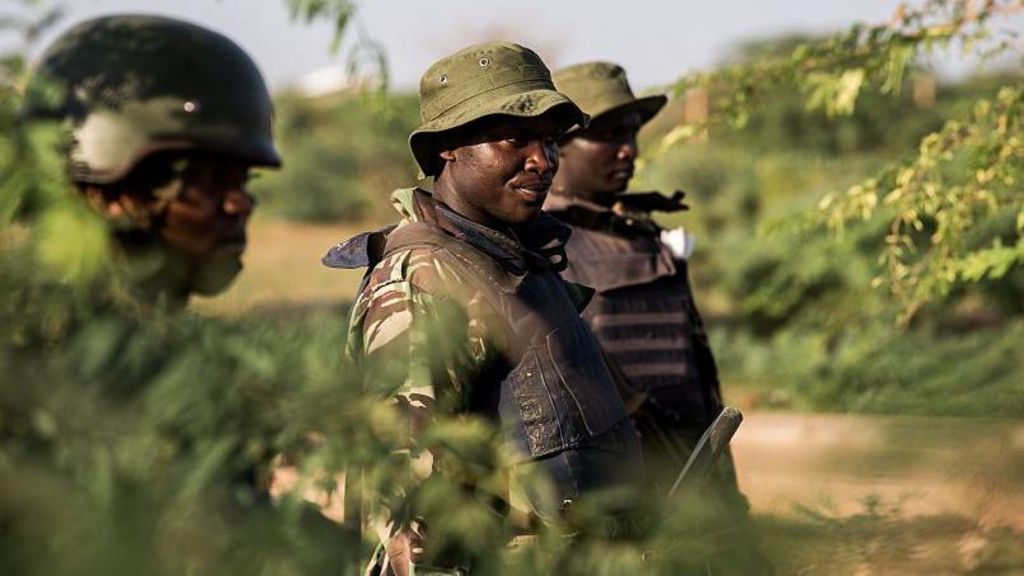
    After nearly 15 years of closure due to security concerns, Kenya will reopen its border with Somalia in April, President William Ruto announced during a visit to the border town of Mandera. The decision follows extensive security assessments and comes despite persistent threats from the al-Shabab militant group.

    The border closure was initially implemented in response to a series of devastating attacks orchestrated by the Somalia-based extremist organization. These included the 2013 Westgate shopping mall siege in Nairobi that claimed 67 lives and the 2015 Garissa University assault that resulted in 148 fatalities. Other significant incidents include the 2014 Mandera bus attack that killed 28 passengers and a 2019 hotel assault in Nairobi that left at least 21 dead.

    President Ruto emphasized that security remains paramount, with plans for heavy deployment of security forces to monitor the two designated crossing points. ‘It is unacceptable that fellow Kenyans in Mandera remain cut off from their kin and neighbors in Somalia due to the prolonged closure,’ Ruto stated on social media platform X.

    The reopening initiative, previously announced in 2023 but postponed due to continued security concerns, aims to revitalize cross-border trade and reunite communities separated by the closure. The president called on local residents to collaborate in combating al-Shabab, describing the militants as ‘useless criminals and terrorists.’

    Kenya had previously initiated construction of a 680-kilometer (423-mile) border barrier in 2015 to counter militant infiltration, but the project was suspended after nearly three years of work. Ongoing concerns about weapons smuggling and contraband trade have complicated border management efforts throughout the closure period.

  • Now, Mike Tyson is healthy eating advocate for Trump administration

    Now, Mike Tyson is healthy eating advocate for Trump administration

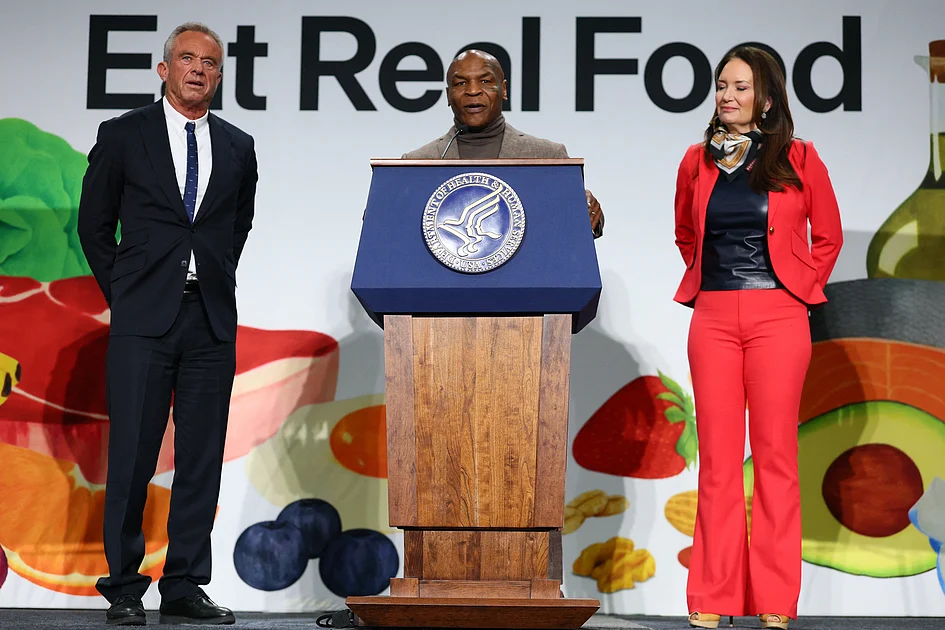
    In a striking departure from conventional health advocacy, the Trump administration has appointed former heavyweight boxing champion Mike Tyson as its official healthy-eating ambassador. The 59-year-old sports icon, whose life has traversed extraordinary peaks and valleys, now fronts a national campaign urging Americans to reject ultra-processed foods under the slogan “Eat Real Food.”

    The initiative gained massive exposure through a Super Bowl commercial that featured Tyson’s personal journey with nutrition and weight struggles. During a Wednesday event alongside Health Secretary Robert F. Kennedy Jr., Tyson characterized this advocacy as “the biggest fight of my life,” drawing parallels between his boxing career and his current mission.

    Tyson’s appointment represents a calculated alignment with the administration’s broader health policy overhaul, which includes Kennedy’s recent inversion of the traditional food pyramid to prioritize meat and whole-milk dairy products over fiber-rich whole grains. This structural change has drawn criticism from nutrition experts who suspect agricultural industry influence.

    The boxing legend brings visceral credibility to the campaign, recounting how his sister Denise died of a heart attack at 25 due to obesity-related complications. He described his childhood in Brownsville, Brooklyn—”the most violent, poverty-struck neighborhood in New York City”—where ultra-processed foods dominated dietary patterns. Tyson revealed reaching 345 pounds during his darkest periods, confessing in the campaign ad: “I had so much self-hate. I just wanted to kill myself.”

    Government statistics confirm Americans consume disproportionately high amounts of ultra-processed foods compared to other nations, contributing to elevated rates of obesity, diabetes, and cardiovascular disease. The campaign directly challenges this status quo through Tyson’s compelling narrative of transformation and redemption.

  • As Guatemala begins high-stakes court elections, agents raid voting sites

    As Guatemala begins high-stakes court elections, agents raid voting sites

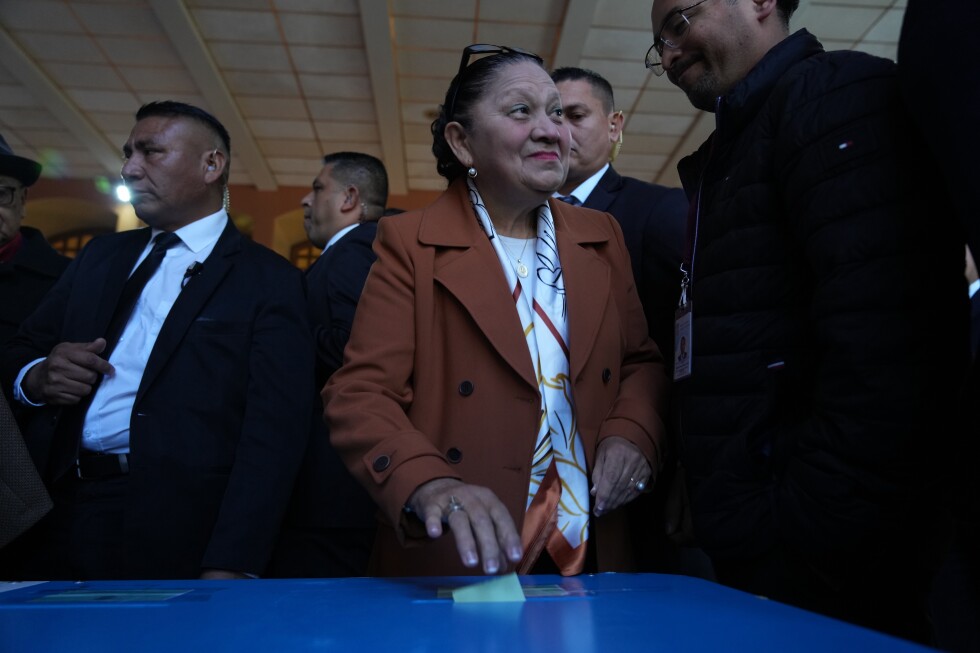
    Guatemala’s fragile democracy faced renewed strain on Thursday as prosecutors from the internationally criticized Attorney General’s office raided voting locations during crucial judicial elections. The operation, occurring simultaneously with the election of magistrates to the country’s highest court, sparked immediate condemnation from President Bernardo Arévalo and international observers.

    Prosecutor Leonor Morales, who faces U.S. sanctions for previously attempting to overturn Arévalo’s 2023 presidential victory, led the controversial raids. Morales refused to disclose details about the investigation, ordering media removal from the premises while her team temporarily blocked lawyers attempting to vote.

    President Arévalo characterized the actions as “a new attempt to undermine institutions and disrupt the normal functioning of the rule of law” in a social media address. He urged citizens not to be intimidated, declaring that “Guatemala’s democracy is not negotiable, it will not be intimidated, and it will not be taken away.”

    The Constitutional Court subsequently issued an injunction limiting the Attorney General’s office from intervening in the election process while permitting their investigation to continue. The Organization of American States observation mission condemned the raids as “an extremely high constitutional risk” that represents a “pattern of institutional instrumentalization” eroding public trust and judicial independence.

    These elections determine the composition of Guatemala’s Constitutional Court, the nation’s highest judicial body whose decisions are final. The court has served as both a democratic safeguard and a subject of corruption concerns throughout Guatemala’s prolonged anti-corruption struggle. Current magistrates are seeking reelection despite criticism from human rights advocates who describe recent court composition as comprising “dark characters” who have hindered justice system advances.

    The judicial appointments occur alongside the impending replacement of Attorney General Consuelo Porras, who faces international sanctions for undermining democracy. Porras, accused of protecting former presidents from corruption investigations, is ironically seeking election as a Constitutional Court magistrate. President Arévalo has previously emphasized that these selections represent an “important and critical” moment for Guatemalan democracy, with the nation’s democratic development hanging in the balance.

    International observers from both the Organization of American States and European Union are closely monitoring the process, recognizing its profound implications for judicial independence and the rule of law in Central America’s most populous nation.

  • Iranian press review: Calls grow for sanctions relief across political divide

    Iranian press review: Calls grow for sanctions relief across political divide

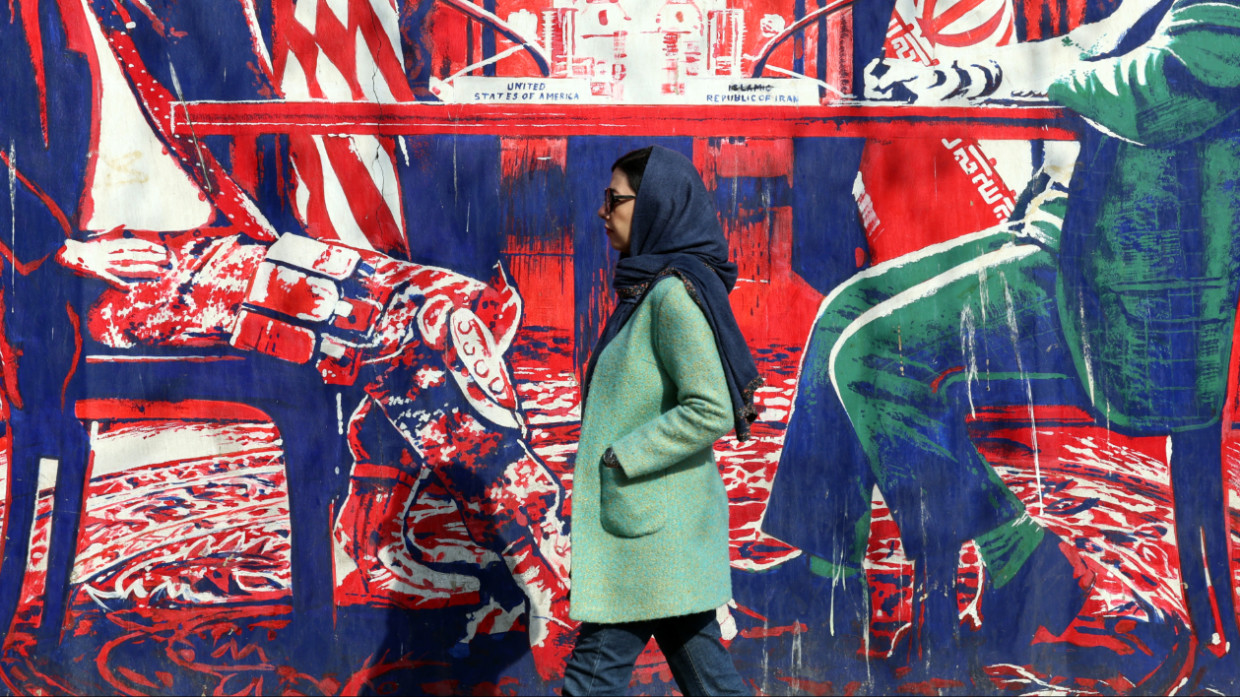
    A profound internal schism has emerged within Iran regarding renewed diplomatic engagement with the United States, set against a backdrop of severe economic sanctions and recent military tensions in the Gulf. This division marks a significant shift from the pre-war period preceding last year’s 12-day conflict with Israel, when opposition to dialogue was more dominant.

    Prominent voices are now advocating for a pragmatic approach to lift crippling international sanctions. Gholamhossein Karbaschi, former Tehran mayor and moderate political figure, issued a direct appeal to President Masoud Pezeshkian, stating the government must prioritize relief for the Iranian people. “The world is cruel. America is a bully, and Europe is even worse,” Karbaschi acknowledged in comments to Etemad Online, while emphasizing the necessity of addressing citizens’ economic and security needs.

    International affairs analyst Ali Bigdeli similarly urged officials to conclude current negotiations, criticizing previous strategies as obsolete. “The old strategy no longer works, and the signs of its failure are clear,” Bigdeli stated in Saazan Degi newspaper, advocating for talks grounded in “today’s realities, not yesterday’s illusions.”

    The debate unfolds as Supreme Leader Ayatollah Ali Khamenei, who retains ultimate authority over foreign policy decisions, has remained conspicuously silent on the current negotiations—a silence many interpret as tacit approval.

    Meanwhile, figures within Iran’s establishment are acknowledging a deepening social crisis following the violent suppression of nationwide protests three weeks prior. Official reports cite 3,117 fatalities, though independent human rights organizations estimate the death toll exceeds 6,000. This violence has created what analysts describe as a state of “collective grief” throughout the nation.

    Saeed Khademi, advisor to the national Welfare Organization, warned in Arman Meli newspaper that unrecognized social trauma combined with economic hardship and fears of military conflict could fuel renewed unrest. “If the true grief and pain of the victims and their families is not recognized,” Khademi wrote, “a wounded and irritable mind is formed that can lead to anger and social tension.”

    This concern was echoed by Pirouz Hanachi, former member of the Islamic Revolutionary Guard Corps, who cautioned in Etemad daily that “ignoring public grief or trying to quickly and carelessly overcome it can lead to the accumulation of resentment” that eventually manifests as “anger and distrust.”

    In a concerning development, Iranian authorities have recently expanded their crackdown beyond ordinary citizens to target prominent reformist figures. Recent days have witnessed arrests of several high-profile individuals including Javad Imam, Ghorban Behzadiannejad, Hossein Karroubi, and Ali Shakouri-Rad—a former parliament member and Iran-Iraq War veteran who had recently criticized security forces for allegedly instigating violence during protests.

    The scope of these arrests, which now includes senior members of the Reform Front coalition, represents the most significant suppression of dissent since the 2009 Green Movement protests.

    Simultaneously, Iranian lawyers are mounting unprecedented challenges against the judicial treatment of detainees. Legal professionals have published open letters protesting what they describe as “extralegal restrictions” on defendants’ rights, including denied access to counsel, abbreviated trials, and coerced confessions broadcast on state media.

    Hamidreza Haji Esfandiari, a lawyer writing in Etemad, criticized the systematic violation of constitutional protections, warning that such practices risk “an even greater destruction of the manifestations of the rule of law.”

  • Iran sacks local TV boss after anti-Khamenei ‘slip’

    Iran sacks local TV boss after anti-Khamenei ‘slip’

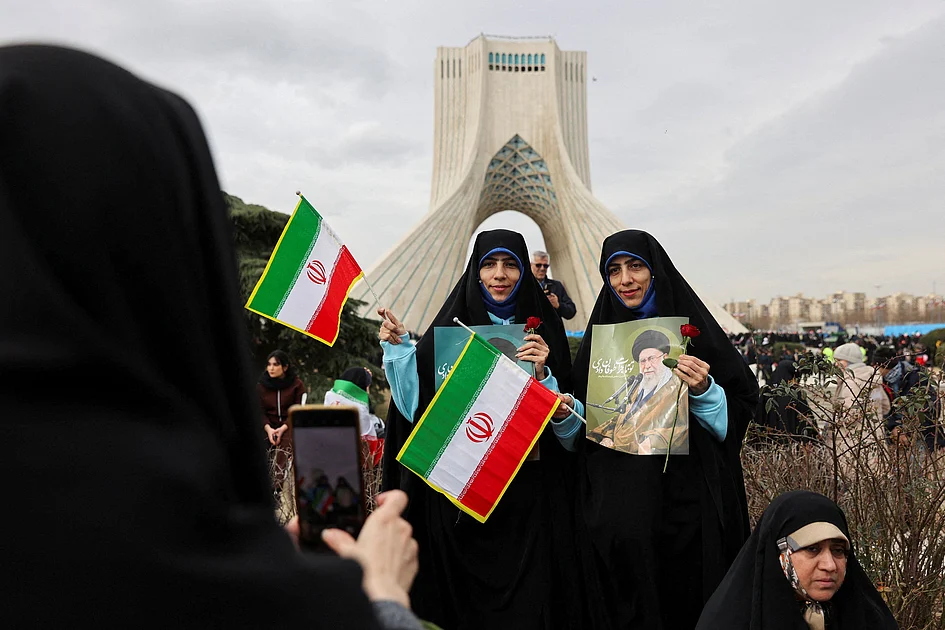
    Iranian state media has terminated a provincial television director following a significant broadcast incident during live coverage of the Islamic Revolution’s 47th anniversary celebrations. The event unfolded Wednesday in Sistan-Baluchistan province during nationwide rallies commemorating the 1979 revolution.

    Reporter Musab Rasoulizad, while covering crowd participation at the government-organized event, inadvertently chanted “Marg bar Khamenei” (Death to Khamenei) instead of the customary anti-American and anti-Israeli slogans typically heard at such gatherings. The phrase directly targeted Iran’s Supreme Leader Ayatollah Ali Khamenei, the country’s highest political and religious authority.

    State television authorities announced immediate disciplinary measures, stating: “The broadcast director of Hamoun provincial TV channel has been dismissed following an error that occurred on the provincial network. The transmission operator and broadcast supervisor were suspended, with other staff involved referred to disciplinary committee.”

    The official statement emphasized these actions were necessary to “maintain professional discipline and safeguard the media’s reputation.” Rasoulizad subsequently issued a video apology describing the incident as “a slip of the tongue and a blunder which was broadcast and became a pre-text for anti-revolutionaries.”

    This broadcast controversy occurs against a backdrop of recent social unrest in Iran. Mass anti-government protests erupted in late December over economic grievances and living cost increases, peaking last month before subsiding. Iranian authorities acknowledge approximately 3,000 fatalities during the unrest, including security personnel and civilians, attributing violence to “terrorist acts” and foreign-instigated riots.

    International monitoring organizations report significantly higher casualty figures. The US-based Human Rights Activists News Agency (HRANA) documents 7,002 deaths, including 6,506 protesters, during the recent period of civil unrest.

  • Venezuela’s parliament is to debate an amnesty bill that could free hundreds

    Venezuela’s parliament is to debate an amnesty bill that could free hundreds

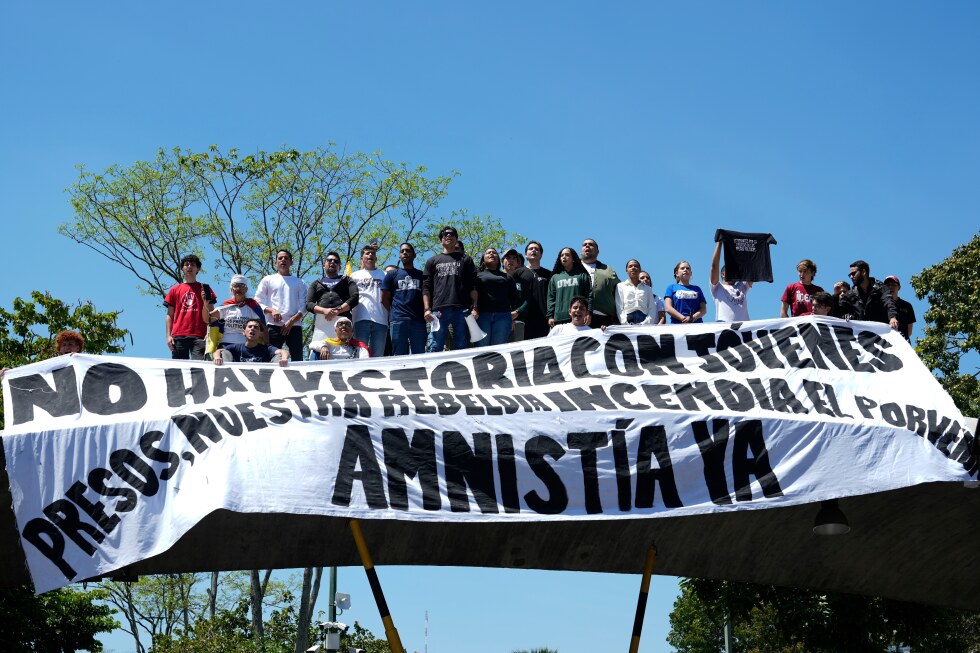
    CARACAS, Venezuela — In a significant policy reversal, Venezuela’s ruling party-controlled parliament is set to debate a comprehensive amnesty bill on Thursday that could potentially liberate hundreds of political prisoners detained during the country’s prolonged period of political turmoil. This legislative action marks a dramatic departure from the government’s longstanding position denying the existence of politically motivated incarcerations.

    The initiative follows the January 3rd capture of former President Nicolás Maduro by U.S. military forces in Caracas, after which acting President Delcy Rodríguez announced the proposed legislation. The bill, which Rodríguez characterized as essential for national healing, would cover political offenses committed throughout Venezuela’s period of political violence from 1999 to present.

    While human rights organizations and opposition groups have welcomed the proposal with cautious optimism, they emphasize concerns regarding implementation specifics and eligibility criteria. The legislation explicitly excludes individuals convicted of serious crimes including murder, drug trafficking, corruption, or human rights violations from amnesty consideration.

    According to Venezuelan prisoners’ rights organization Foro Penal, at least 431 detainees have already been released since Rodríguez’s initial announcement in January. The group estimates approximately 600 political prisoners remain in custody awaiting potential liberation under the new law.

    Following parliamentary debate, lawmakers are expected to vote on the bill’s passage, after which Rodríguez would sign it into law. The acting president framed the legislation as a mechanism to ‘heal the wounds left by political confrontation fueled by violence and extremism’ and to ‘redirect justice and coexistence among Venezuelans.’

  • Kim Jong Un entrenches daughter as likely heir, says Seoul

    Kim Jong Un entrenches daughter as likely heir, says Seoul

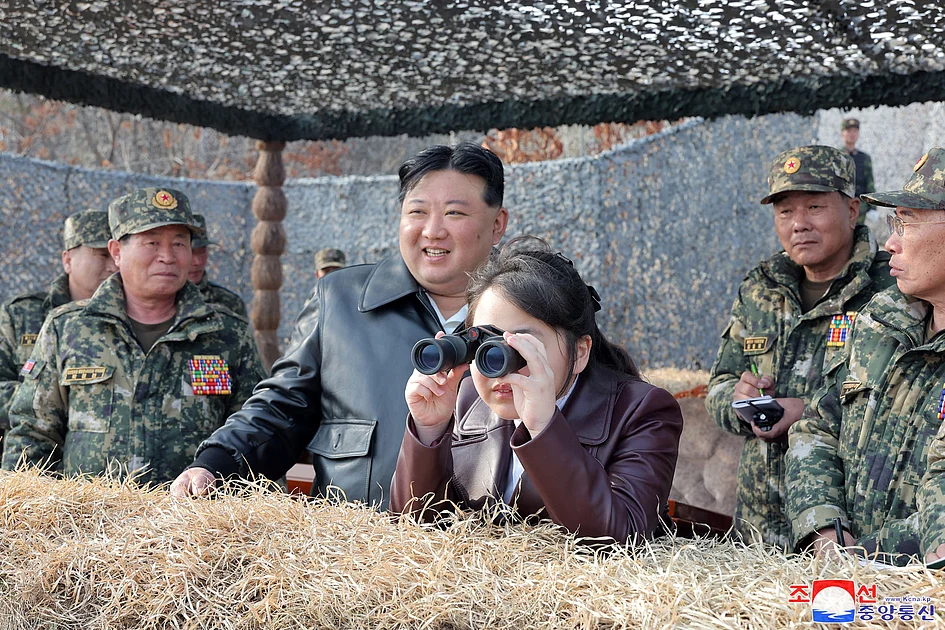
    North Korean leader Kim Jong Un has formally positioned his daughter, Kim Ju Ae, as his political successor according to intelligence assessments from Seoul. This significant development emerges just weeks before Pyongyang’s landmark party conference, where the reclusive state is expected to outline its strategic direction for the coming years.

    South Korea’s National Intelligence Service (NIS) briefed lawmakers that Kim Ju Ae has been explicitly “designated as a successor,” representing the latest step in her gradual emergence as heir apparent. The assessment comes after analyzing her increasingly visible presence at official state functions and the elevated protocol she has received during recent public appearances.

    The teenage successor-in-waiting first appeared publicly in 2022 accompanying her father to an intercontinental ballistic missile launch demonstration. Since then, state media has progressively amplified her profile, referring to her with honorific titles typically reserved for top leadership, including “the beloved child” and “great person of guidance” (hyangdo in Korean).

    Recent imagery published by North Korean official channels showed Ju Ae paying respects alongside her father at the Kumsusan Palace of the Sun, the mausoleum housing the remains of state founder Kim Il Sung and former leader Kim Jong Il. This symbolic gesture reinforced perceptions of her growing political stature.

    Analysts suggest she might be appointed to the powerful position of First Secretary of the Central Committee during the upcoming Workers’ Party congress—the second highest office in North Korea’s political hierarchy. The February conference represents Pyongyang’s most significant political gathering, where the regime will likely announce its foreign policy objectives, military strategy, and nuclear development plans for the next five-year period.

    South Korean intelligence officials indicate they will closely monitor the level of protocol accorded to Ju Ae during the congress proceedings for further indications of her formalized status within the leadership structure.

  • Trump is gathering Latin American leaders in Florida in March, ahead of his trip to China

    Trump is gathering Latin American leaders in Florida in March, ahead of his trip to China

    WASHINGTON — The Trump administration is organizing a significant gathering of Latin American leaders scheduled for March 7 in Florida, focusing on addressing China’s expanding influence throughout the Western Hemisphere. This strategic diplomatic initiative comes as the administration intensifies its efforts to reassert American dominance in the region.

    The summit, confirmed by a White House official on Thursday, represents a crucial component of the administration’s foreign policy agenda. It precedes President Trump’s anticipated diplomatic engagement with Chinese President Xi Jinping in Beijing, creating a nuanced geopolitical backdrop for the regional discussions.

    Administration officials have expressed particular concern regarding China’s pattern of establishing influence through substantial loans and expansive trade agreements across Latin America. This approach has enabled Beijing to gain significant leverage in several key nations, prompting the U.S. to respond with enhanced diplomatic and strategic measures.

    The administration recently demonstrated its commitment to countering foreign influence in the region through its audacious operation targeting Venezuelan leader Nicolás Maduro. The operation, which resulted in Maduro’s transfer to New York to face federal drug conspiracy charges, was explicitly justified by the administration as necessary to prevent Chinese and Russian dominance over Venezuela’s critical oil industry.

    President Trump articulated this position during a meeting with oil industry officials, stating, “One thing I think everyone has to know is that if we didn’t do this, China or Russia would have done it.” This statement underscores the administration’s view of regional engagement as a strategic competition with global powers.

    The administration’s concerns extend beyond Venezuela to include critical infrastructure throughout the hemisphere. Trump has controversially suggested reconsidering U.S. control over the Panama Canal, falsely claiming Chinese operation of the vital waterway despite its management by Panama since the 1999 handover. Recent developments, including Panama’s annulment of a Hong Kong-based company’s port operation contract, have intensified these discussions.

    Further demonstrating the scope of its concerns, the administration has raised alarms about China’s control over critical infrastructure in Peru. The U.S. State Department’s Bureau of Western Hemisphere Affairs recently expressed apprehension that Peru might lack proper oversight capabilities over the Chinese-built deepwater port at Chancay, describing it as a “cautionary tale for the region and the world” about the sovereignty costs of Chinese investment.

  • Norway’s former PM charged with gross corruption over Epstein links

    Norway’s former PM charged with gross corruption over Epstein links

    Norwegian authorities have formally charged former Prime Minister Thorbjørn Jagland with ‘gross corruption’ following investigations into his associations with convicted sex offender Jeffrey Epstein. The charges emerged after the Council of Europe revoked Jagland’s diplomatic immunity, which he held during his tenure as secretary general from 2009 to 2019.

    According to police documents, the investigation centers on Jagland’s interactions with Epstein between 2011 and 2018. Evidence includes emails released by the US Department of Justice indicating Jagland planned multiple visits to Epstein’s properties in Paris, New York, and Palm Beach following Epstein’s conviction for child sex offenses. Records show Epstein covered travel expenses for Jagland and his family, including a planned 2014 Caribbean island trip that was ultimately canceled due to Epstein’s illness.

    Norwegian economic crime unit Økokrim conducted searches at three of Jagland’s properties in Oslo, Risør, and Rauland. The former leader, who also chaired the Norwegian Nobel Committee, maintains his innocence through legal representation. His lawyer stated Jagland denies criminal liability and remains willing to cooperate with investigators.

    The case forms part of a broader Scandinavian investigation into Epstein connections that has implicated several high-profile Norwegian figures. Crown Princess Mette-Marit publicly apologized for her three-year correspondence with Epstein, while diplomats Mona Juul and Terje Rød-Larsen face separate corruption investigations related to alleged financial arrangements. World Economic Forum CEO Borge Brende, another former Norwegian foreign minister, is undergoing independent review regarding his interactions with Epstein.

    The Epstein files release has triggered international repercussions, with the latest document tranche containing millions of emails, images, and FBI reports exposing connections between the financier and global elites before his 2019 death while awaiting trial for sex trafficking.