分类: politics

  • China, US agree to strengthen dialogue, cooperation in various fields

    China, US agree to strengthen dialogue, cooperation in various fields

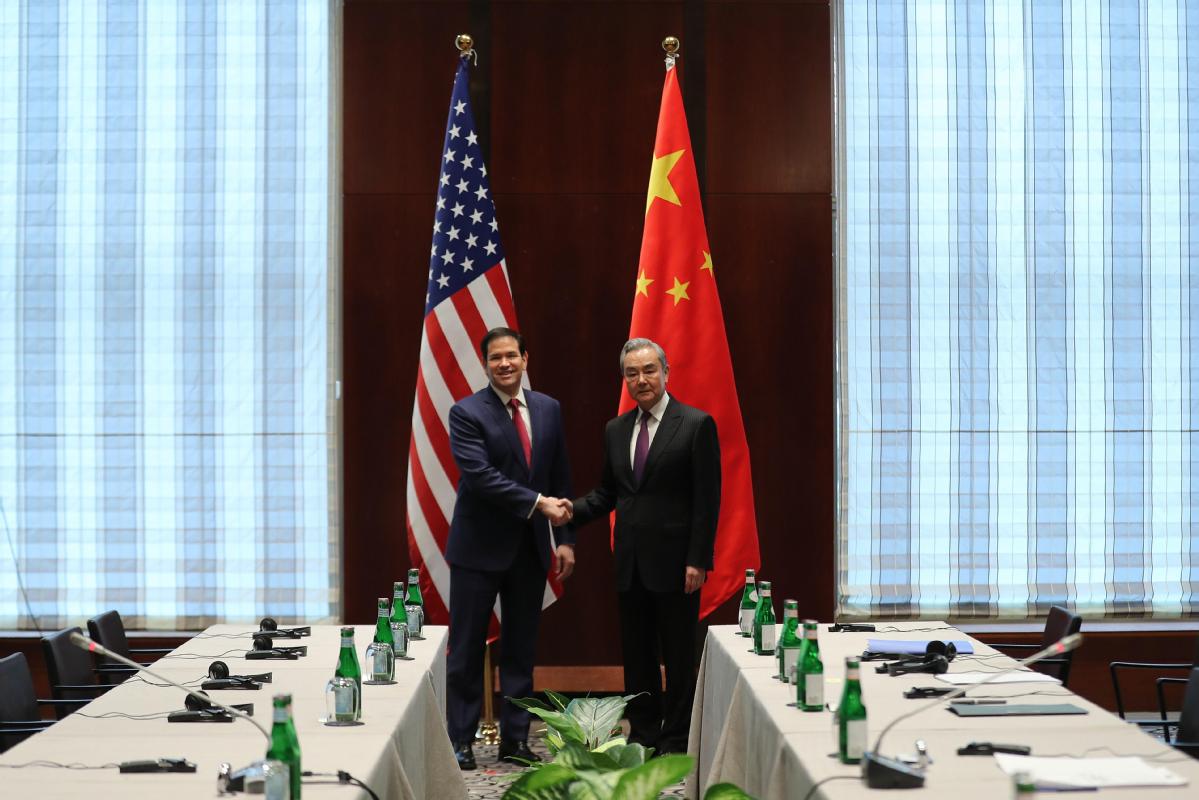
    In a significant diplomatic development, Chinese Foreign Minister Wang Yi and US Secretary of State Marco Rubio convened on the sidelines of the Munich Security Conference this Friday, reaching a consensus to strengthen bilateral dialogue and cooperation across multiple domains. The high-level meeting marked a pivotal step toward stabilizing Sino-American relations through constructive engagement.

    Minister Wang emphasized the crucial strategic guidance provided by Presidents Xi Jinping and Donald Trump in steering the relationship between the world’s two largest economies. He articulated that both nations should work collaboratively to implement the important understandings reached by their leaders, positioning 2026 as a landmark year for achieving mutual respect, peaceful coexistence, and mutually beneficial cooperation.

    The Chinese diplomat articulated a philosophy of international relations that prioritizes dialogue over confrontation, cooperation over conflict, and win-win outcomes over zero-sum competition. This meeting occurred against the backdrop of the prestigious security conference that brings together global leaders to address international security challenges.

    The agreement signals a potential thaw in relations and establishes a framework for ongoing diplomatic engagement. Both officials acknowledged the importance of maintaining open communication channels to address global challenges and bilateral concerns through diplomatic means rather than through confrontational approaches.

  • ‘Knock it off Saudi Arabia’: Lindsey Graham scolds Saudi leader over rift with UAE

    ‘Knock it off Saudi Arabia’: Lindsey Graham scolds Saudi leader over rift with UAE

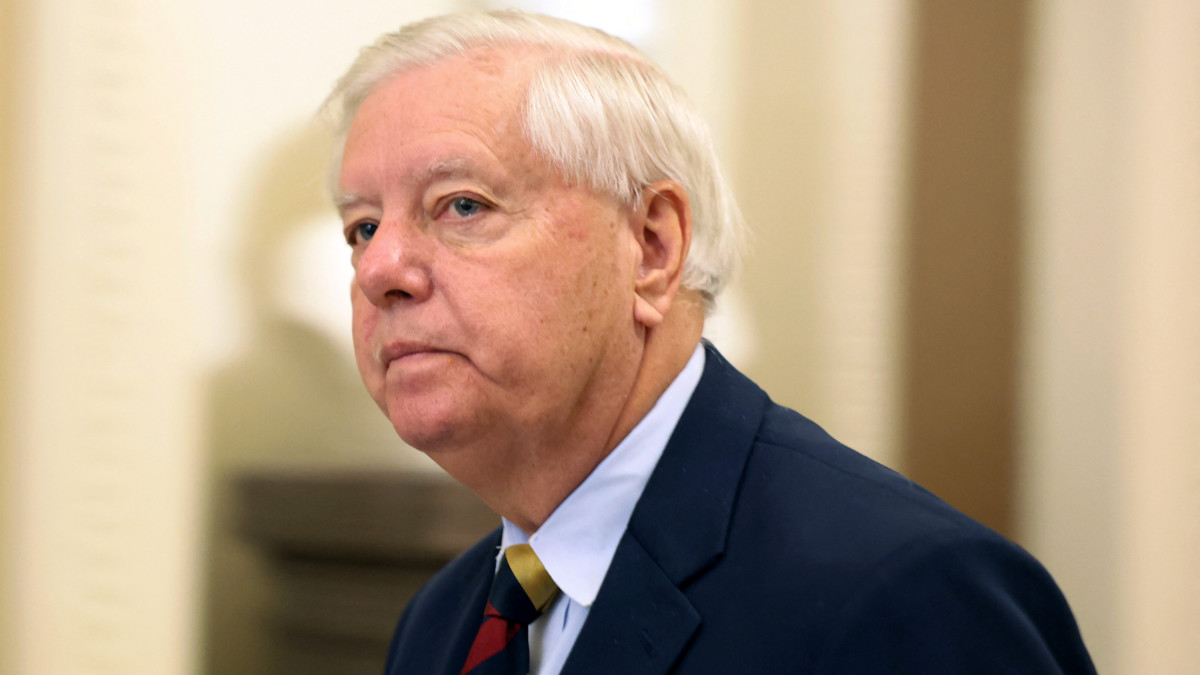
    In a striking intervention at the Munich Security Conference, prominent Republican Senator Lindsey Graham issued a blunt directive to Saudi Crown Prince Mohammed bin Salman to immediately cease hostilities with the United Arab Emirates. The senator’s unusually forceful language highlighted growing American concern over the deepening rift between two critical Gulf allies.

    “Knock it off Saudi Arabia, knock it off. I’m tired of this crap,” Graham declared during Friday evening’s session, specifically referencing criticisms leveled by Saudi commentators against UAE leader Mohamed bin Zayed (MBZ). The senator vehemently defended the Emirati leader, stating “MBZ is not a Zionist,” while warning that the ongoing conflict was inadvertently strengthening Iran’s regional position.

    The tensions have been fueled by substantial policy divergences, particularly regarding the UAE’s continued partnership with Israel amid the Gaza conflict. While most Arab capitals have isolated Israel following UN allegations of genocide with over 72,000 casualties, the UAE has maintained normalized relations established through the 2021 Abraham Accords.

    According to Middle East Eye reports, the UAE has allegedly pressured pro-Israel lobbying organizations, including the American Jewish Committee with offices in Abu Dhabi, to condemn Saudi Arabia for purported antisemitism—a charge Saudi academics have vigorously denied as politically motivated manipulation.

    The fracture extends beyond diplomatic spats to active proxy conflicts across the region. In Yemen, Saudi Arabia has moved to expel UAE forces and their local proxies following December’s counter-offensive. Simultaneously, the Red Sea region has become another flashpoint, with Saudi Arabia, Turkey, and Egypt supporting the Sudanese army against the UAE-backed Rapid Support Forces paramilitary group—a conflict that has displaced 2.5 million people and claimed approximately 300,000 lives amid widespread allegations of war crimes.

    Despite these tensions, Western and Arab diplomats indicate both nations are attempting to manage relations, avoiding a complete breakdown similar to the 2017 Qatar blockade. Notably, Saudi Foreign Minister Prince Faisal bin Farhan attended a Munich event alongside UAE diplomatic advisor Anwar Gargash, suggesting ongoing communication channels.

    Graham, a close Trump ally and staunch Israel supporter, emphasized the broader strategic imperative: “We gotta think big picture.” He advocated for sustained US military engagement against Iran, warning that withdrawal would constitute a historic error “far worse than the Syrian redline” or Afghanistan.

  • Trump administration ends temporary protected status for Yemenis in US

    Trump administration ends temporary protected status for Yemenis in US

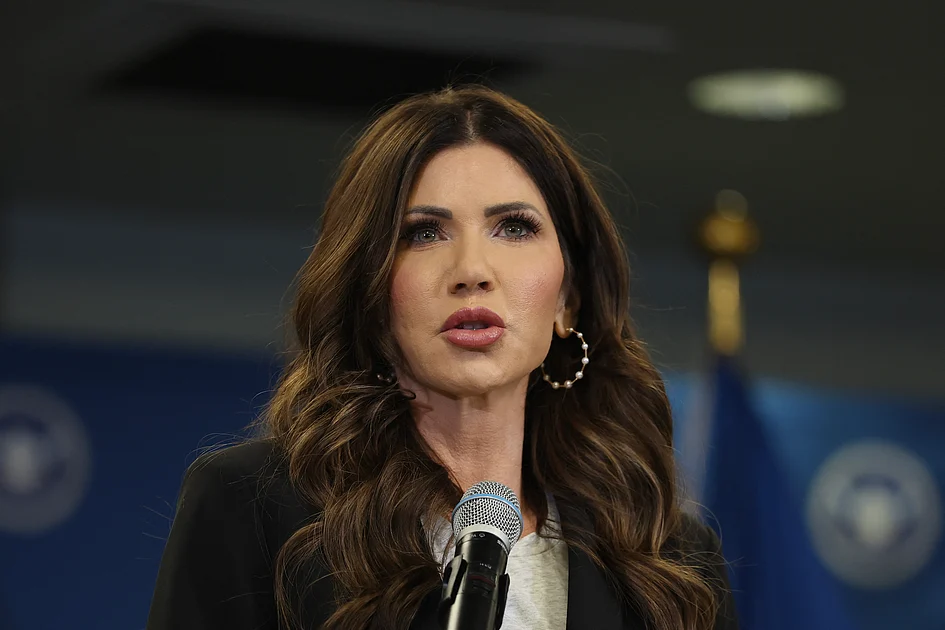
    The United States Department of Homeland Security announced on Friday the termination of Temporary Protected Status (TPS) for Yemeni citizens residing in the country, effective within a two-month period. Homeland Security Secretary Kristi Noem declared the decision, asserting that continued TPS designation for Yemen contradicts national security interests and fails to meet statutory requirements for extension.

    This policy shift compels approximately 1,700 Yemeni TPS beneficiaries to depart voluntarily or face potential deportation by Immigration and Customs Enforcement authorities. The Department of Homeland Security outlined that affected individuals lacking alternative legal immigration status must arrange their departure within 60 days, utilizing the ‘CBP One’ application to coordinate travel arrangements.

    The termination comes despite the State Department maintaining its most severe travel advisory for Yemen, classifying the country under ‘Level 4 – Do Not Travel’ due to extreme risks including terrorism, civil unrest, widespread crime, health hazards, kidnapping threats, and active landmines. The US embassy in Sanaa suspended operations in February 2015 amid escalating violence and has not resumed full services.

    Yemen initially received TPS designation in September 2015 following the collapse of its government and the commencement of military operations by a Saudi-led coalition with US support. The program underwent regular renewals every 18 months, with extensions granted in 2017, 2018, 2020, 2021, 2023, and most recently in 2024.

    The administration’s departure incentive offers $2,600 plus reimbursed airfare through the CBP One portal, mirroring programs offered to undocumented immigrants since May. However, reports indicate inconsistent payout distribution, with many applicants receiving no funds despite program promises.

    Critics including Amer Ghalib, former mayor of Hamtramck, Michigan—home to a significant Yemeni-American community—denounced the decision as fundamentally contradictory. Ghalib, a Trump supporter and Yemeni immigrant, questioned the administration’s rationale: ‘If Yemen remains unsafe for American travelers, how can it be deemed safe for returning Yemenis facing potential militia persecution?’

    The humanitarian crisis in Yemen persists amid ongoing conflict, with Pentagon airstrikes against Houthi targets continuing through last year and Israeli strikes killing numerous Yemeni journalists. Deportation carries a mandatory 10-year reentry ban, creating permanent separation from family members remaining in the United States.

  • African Union summit opens as youth anger grows over a ‘bloc of old leaders’

    African Union summit opens as youth anger grows over a ‘bloc of old leaders’

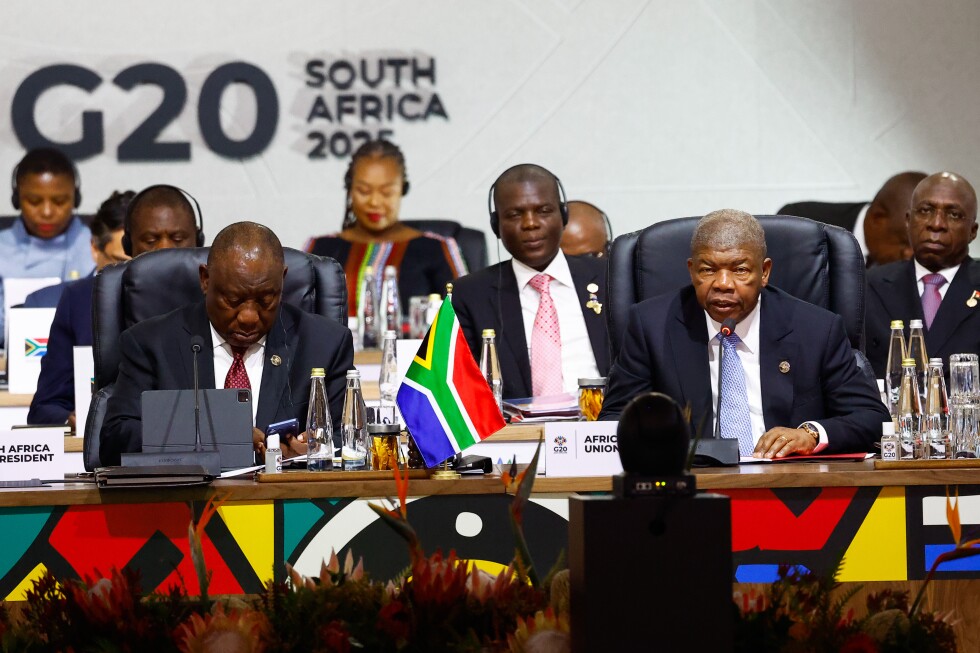
    ADDIS ABABA, Ethiopia — The African Union convenes its 39th annual summit this weekend amidst growing criticism from the continent’s youth population, who increasingly view the regional body as an ineffective organization dominated by aging leaders. Established to foster unity among African states, the AU now confronts a severe credibility challenge as military coups, contested elections, and economic protests sweep across numerous nations.

    Africa’s demographic paradox presents a central challenge: while boasting the world’s youngest population with over 400 million people aged 15-35, the continent simultaneously hosts some of the globe’s longest-serving leaders. This generational disconnect has fueled widespread disillusionment with the AU’s governance approach, which analysts say prioritizes governments over citizens.

    Liesl Louw-Vaudran, senior analyst with the Crisis Group, observes: ‘The fundamental frustration stems from the perception that this is not a citizen-driven African Union. The organization has consistently missed opportunities to center its operations around people rather than political leadership.’

    The AU’s election monitoring has drawn particular scrutiny. During recent presidential elections in Uganda, the Commission initially commended electoral conduct despite widespread reports of opposition suppression, internet shutdowns, and media intimidation. This response provoked fierce social media backlash, with one user decrying the AU as a ‘dictatorship club.’

    Enforcement mechanisms represent another critical weakness. Macharia Munene, professor of history at the United States International University in Nairobi, notes: ‘The AU struggles with implementation because not all members meet their dues or fully accept collectively decided measures.’

    This year’s summit, focused on water sanitation and climate response, occurs against a backdrop of shifting global alliances and reduced foreign aid. While the gathering offers opportunities for international coordination, critics urge the AU to address internal governance failures more urgently.

    In Nigeria’s capital Abuja, 32-year-old resident Chima Ekwueme expressed a common sentiment: ‘They exist for their own interests. Despite Nigeria’s mineral wealth, we face severe security and economic crises. Where is the AU’s accountability mechanism?’

    As the continent’s population projected to double by 2050, the pressure mounts for the AU to transform from a symbolic body into an effective institution capable of addressing Africa’s most pressing challenges.

  • Indian man admits plot to kill US-based Sikh separatist leader

    Indian man admits plot to kill US-based Sikh separatist leader

    In a significant development in international relations and counterterrorism efforts, 54-year-old Indian national Nikhil Gupta has entered guilty pleas on three serious criminal charges in a United States federal court. The charges—murder-for-hire, conspiracy to commit murder-for-hire, and conspiracy to commit money laundering—stem from an alleged plot to assassinate Gurpatwant Singh Pannun, an American citizen and prominent advocate for the Khalistan movement, on New York City soil.

    US prosecutors presented a detailed case alleging that Gupta was not acting alone but was directed by an Indian government official, identified as Vikash Yadav from India’s Cabinet Secretariat—a body housing the nation’s foreign intelligence service. The indictment claims that in May 2023, Gupta was recruited by Yadav, with whom he met in Delhi to orchestrate the assassination. Following these discussions, Gupta allegedly attempted to hire a hitman, who was, in reality, an undercover officer from the US Drug Enforcement Administration.

    The target, Mr. Pannun, leads an organization labeled as terrorist by the Indian government, though he personally denies these allegations, identifying instead as a political activist for Sikh independence. The Khalistan movement seeks a sovereign homeland for Sikhs, a religious minority constituting approximately 2% of India’s population. While the movement has limited traction within India today, it maintains support among parts of the global Sikh diaspora.

    This case is deeply interwoven with broader international tensions. It emerged shortly after the murder of Hardeep Singh Nijjar, another Sikh separatist figure, in Canada in June. Canadian authorities have similarly accused Indian government agents of involvement in Nijjar’s killing—a claim India has also denied. US Attorney Jay Clayton emphasized the gravity of Gupta’s actions, stating that the plot represented a severe violation of US sovereignty and the rights of its citizens. Gupta now faces a potential maximum sentence of 40 years in imprisonment.

    India’s government has consistently denied any official connection to the alleged assassination plots in both the US and Canada, creating a diplomatic rift with two key Western allies. The guilty plea marks a critical judicial step in a case that continues to strain international relations and raise questions about extraterritorial threats to free speech and citizen safety.

  • Trump administration ends temporary protected status for Yemen

    Trump administration ends temporary protected status for Yemen

    The Trump administration has officially terminated Temporary Protected Status (TPS) for Yemeni nationals residing in the United States, Homeland Security Secretary Kristi Noem announced on Friday, February 13, 2026. This decision marks the latest in a series of immigration policy shifts by the current administration.

    Secretary Noem stated that the determination to revoke humanitarian protections for approximately 1,380 Yemeni immigrants followed extensive review and interagency consultation. The administration concluded that maintaining TPS designation for Yemen conflicted with U.S. national interests, despite ongoing concerns about the country’s stability.

    The TPS program, established to provide temporary refuge for individuals whose home countries experience natural disasters, armed conflicts, or other extraordinary circumstances, has faced systematic reduction under Trump’s presidency. Administration officials have consistently argued that the program’s expansion contradicts American immigration priorities.

    According to U.S. Citizenship and Immigration Services data, Yemen’s TPS designation was last extended in 2024 and scheduled to expire on March 3, 2026. The termination means affected Yemeni nationals will lose protection from deportation and work authorization privileges unless they secure alternative immigration status.

    The decision comes amid ongoing humanitarian concerns in Yemen, where conflict and economic instability have persisted for years. Immigration advocates have criticized the move, arguing that returning individuals to Yemen could expose them to dangerous conditions, while administration officials maintain that the program was never intended as a permanent immigration solution.

  • Qatar lobbying UK government through Mandelson firm linked to Epstein

    Qatar lobbying UK government through Mandelson firm linked to Epstein

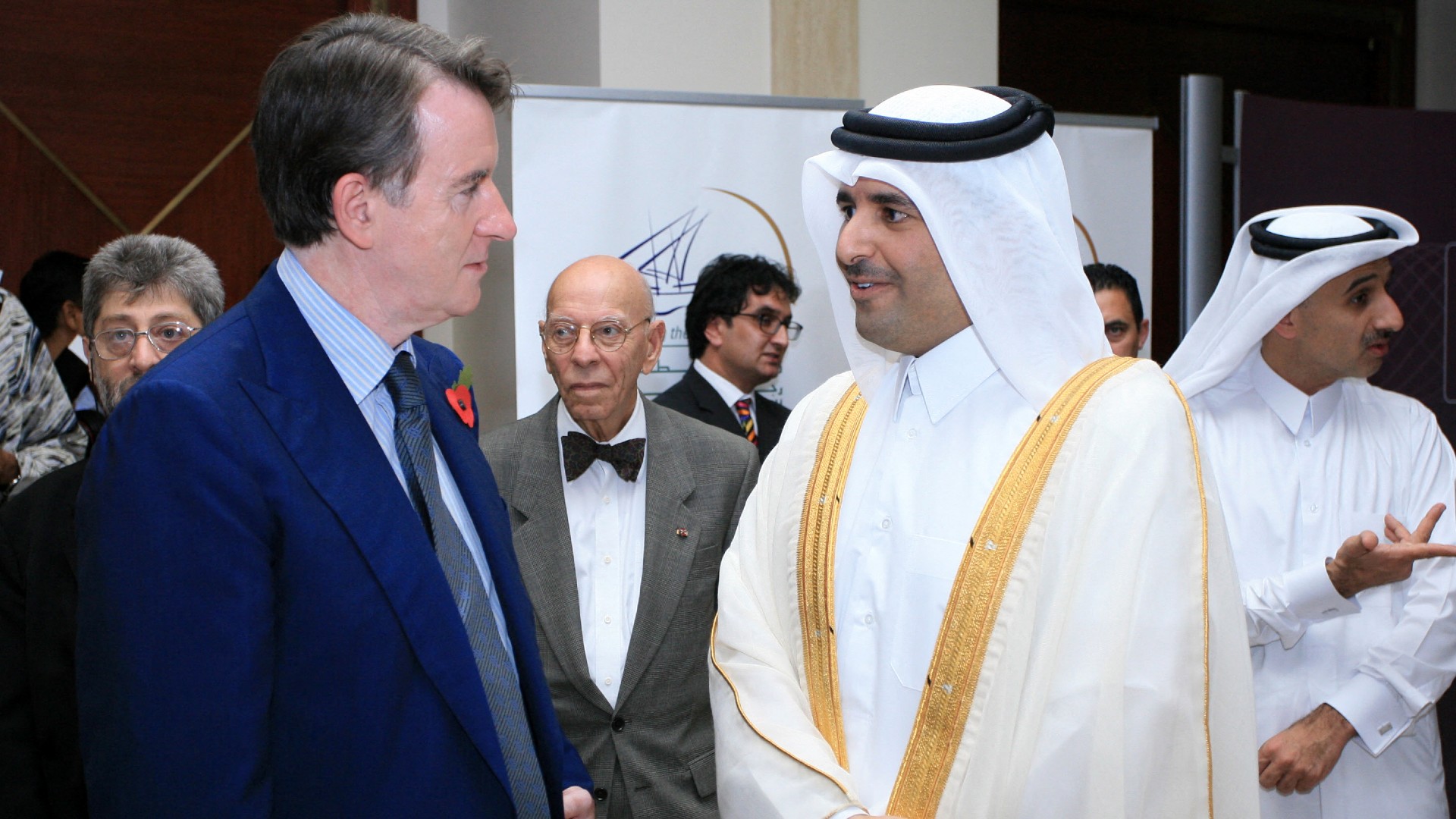
    Qatar continues to employ Global Counsel, a strategic advisory firm co-founded by disgraced former UK politician Peter Mandelson, for lobbying senior UK government officials despite recent disclosures about the company’s connections to convicted sex offender Jeffrey Epstein. The firm remains officially registered under the UK’s Foreign Influence Registration Scheme as a Qatari government representative through August 2026.

    The revelation follows major client departures from Global Counsel, including Barclays and the Premier League, after US Department of Justice files exposed extensive ties between Mandelson and Epstein. Documents indicate Mandelson sought Epstein’s business counsel even after his 2008 conviction for child sex offenses, with correspondence showing more than 800 instances of Mandelson’s Global Counsel email address in the released files.

    Global Counsel’s lobbying activities for Qatar include communications with “senior UK government officials with an interest in technology and infrastructure policy” and providing guidance on “macro-economic and political trends.” The relationship predates its official December 2025 registration, with evidence of undisclosed lobbying for Qatari entities as early as 2023.

    The firm underwent significant leadership changes recently, with co-founder Benjamin Wegg-Prosser resigning as CEO last week following revelations of his March 2010 meeting with Epstein. Mandelson, who stepped down from the board in 2024, only divested his shares in the company last week amid the growing scandal.

    Released correspondence reveals Epstein actively advised Mandelson on business strategy, including targeting Qatari clients and recommending private equity partnerships. Additional files show Epstein facilitated high-level meetings between Qatari and Israeli officials, further complicating the geopolitical implications of these connections.

    Global Counsel previously faced investigation for undeclared lobbying activities but was cleared in February 2025 due to a legal loophole permitting unregistered lobbying by overseas subsidiaries of consultancy firms. The firm has maintained a Doha office since 2021.

  • Can Bangladesh’s new leader bring change after election landslide?

    Can Bangladesh’s new leader bring change after election landslide?

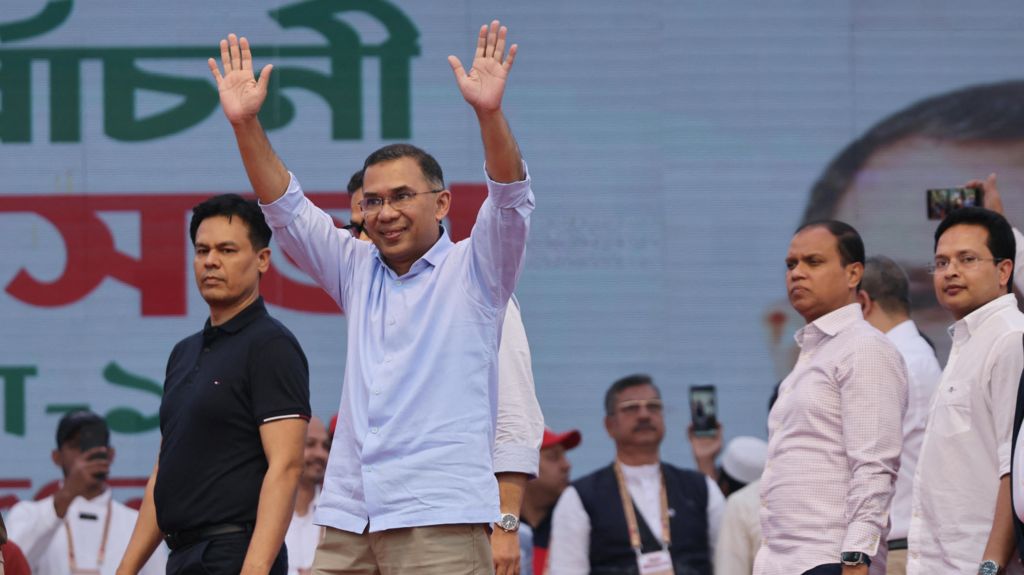
    Bangladesh stands at a historic political crossroads as Tarique Rahman, despite never holding governmental office, is positioned to assume the role of prime minister. This development marks a dramatic reversal from just two years ago, when Sheikh Hasina secured a controversial election victory that extended her 15-year administration—a reign abruptly terminated by the 2024 “July uprising” that ousted her government.

    The Bangladesh Nationalist Party (BNP), once considered politically marginalized, has staged a remarkable resurgence in the nation’s perpetual power alternation with Hasina’s Awami League. Rahman’s leadership represents a significant generational shift—he formally leads the party for the first time and has never previously contested an election. His political inheritance is substantial: his mother, Khaleda Zia, commanded the BNP for four decades until her death last year, while his father, Ziaur Rahman, was both BNP founder and an independence war hero.

    Rahman’s ascension is not without controversy. Having returned from 17 years of self-imposed exile in London just days before his mother’s passing, he faces persistent allegations of corruption and past nepotism benefits during his mother’s tenure. Political observers note his largely untested leadership qualities, though some analysts suggest his inexperience may paradoxically serve as an advantage.

    “His lack of prior experience probably works in his favor,” observes political scientist Navine Murshid. “The public is willing to embrace change and believes new, positive developments are genuinely possible. There exists substantial hope.”

    The incoming administration confronts monumental challenges: restoring democratic institutions dismantled over the previous decade, addressing rampant violence that marred interim leader Mohammad Yunus’s tenure, revitalizing the economy, reducing food prices, and creating employment for Bangladesh’s substantial youth population.

    This election introduced unprecedented diversity to parliament, featuring the Islamist Jamaat-e-Islami party securing substantial representation despite historical bans, and the National Citizens Party (NCP)—formed by student uprising leaders—claiming six seats in its electoral debut.

    Sociologist Samina Luthfa emphasizes the governing inexperience affecting all parties: “We will witness parliamentarians who have never served in parliament before. NCP youth have much to learn, while seasoned politicians lack national governance experience. This will be an uphill struggle.”

    Notably, all parties face criticism for inadequate female representation, with women constituting just over 4% of candidates—a particular disappointment given women’s significant participation in the 2024 uprising.

    While this election differed fundamentally from previous polls under Hasina—being genuinely competitive with unpredictable results—the exclusion of the Awami League has raised credibility concerns. From exile in India, Hasina has denounced the poll as a “deceptive farce” and demanded new elections including her party. Despite current public animosity toward the Awami League, Bangladesh’s turbulent political history suggests premature to permanently dismiss the party’s future influence.
  • Canada Supreme Court overturns one-vote election win in Quebec

    Canada Supreme Court overturns one-vote election win in Quebec

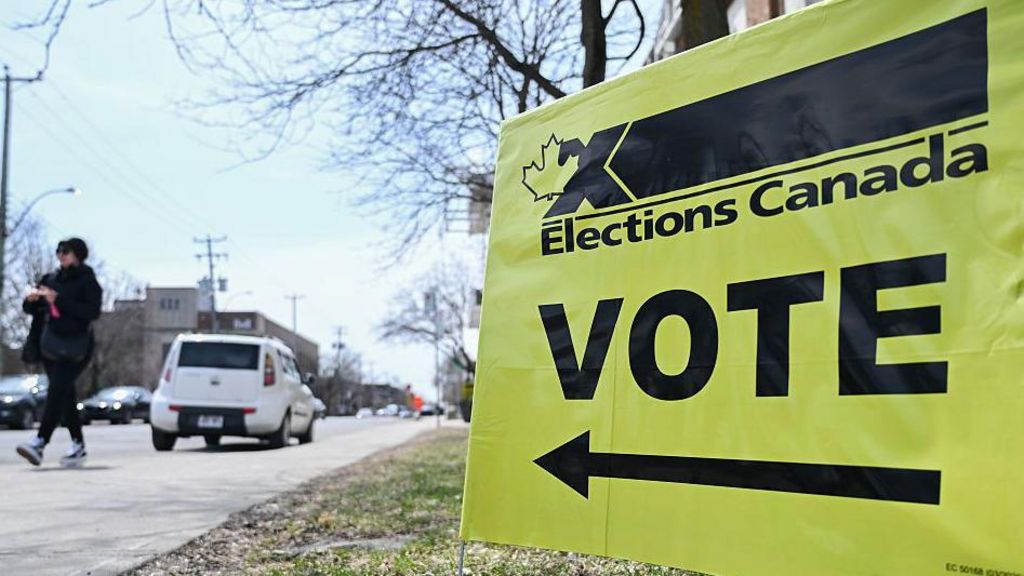
    In an unprecedented judicial decision with significant political ramifications, Canada’s Supreme Court has invalidated a federal election result determined by a single vote margin. The ruling concerns the Terrebonne electoral district in Quebec, where a razor-thin victory initially awarded to Liberal candidate Tatiana Auguste has been formally nullified.

    The judicial reversal stems from a contested mail-in ballot during the April federal election. Media investigations revealed that a Bloc Québécois supporter’s ballot was returned due to a postal code misprint on the return envelope. While the Liberal campaign successfully argued in lower court that this constituted routine human error rather than electoral irregularity, the Supreme Court’s Friday ruling fundamentally disagreed with this assessment.

    The court’s decision mandates that the parliamentary seat remain vacant until a special byelection can be conducted, pitting Auguste against Bloc Québécois candidate Nathalie Sinclair-Desgagné in a highly anticipated rematch. This development substantially alters the parliamentary mathematics for Prime Minister Mark Carney’s Liberal government, which now finds itself three seats short of a majority in the House of Commons.

    The Terrebonne district carries particular significance, having been a Bloc Québécois stronghold for decades prior to Auguste’s narrow victory. The 25-year-old Liberal representative had been serving in Parliament since the election, but her tenure has now been retroactively invalidated. Political analysts note that recapturing this seat presents a formidable challenge for the Liberals as they attempt to regain majority governance capabilities.

  • Newsom takes his anti-Trump arguments to Europe during Munich Security Conference

    Newsom takes his anti-Trump arguments to Europe during Munich Security Conference

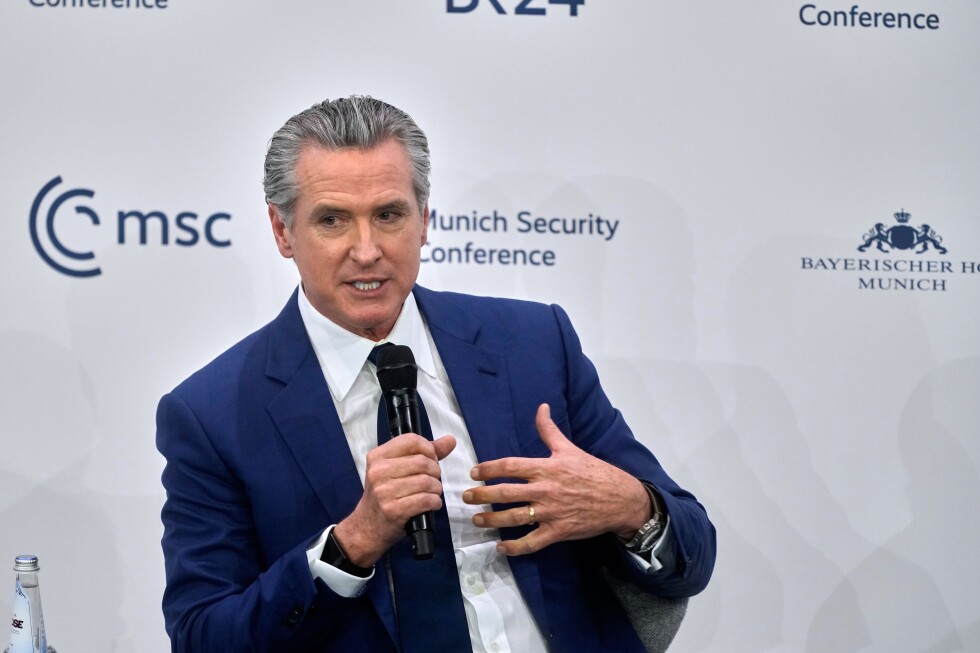
    California Governor Gavin Newsom has embarked on an international diplomatic offensive, leveraging high-profile European platforms to establish himself as the Democratic Party’s foremost antagonist to former President Donald Trump. During his appearance at the Munich Security Conference, the second-term governor delivered scathing critiques of Trump’s environmental policies, characterizing them as “doubling down on stupid” for dismantling carbon pollution regulations.

    Newsom’s European itinerary represents a strategic expansion of his political ambitions beyond California’s borders. Following his recent appearance at the World Economic Forum in Davos, where he urged the international community to resist Trump’s influence, the governor now plans to formalize a partnership with Ukraine. This memorandum of understanding focuses on economic recovery, innovation, and resilience—a move that signals Newsom’s commitment to international cooperation amid global tensions.

    Political analysts interpret these maneuvers as calculated steps toward building foreign policy credentials essential for potential presidential aspirations. Democratic pollster Zac McCrary, who has worked with prominent Democratic campaigns, observes that Newsom is projecting “front-runner vibes” while using foreign policy as a proxy for gravitas and stability—qualities that could position him as the antithesis to Trump in the 2028 election cycle.

    The governor’s climate remarks in Munich served dual purposes: reinforcing his environmental credentials with Democratic base voters while appealing to broader audiences through economic arguments. Newsom emphasized California’s historical leadership in environmental regulation, tracing policies back to Republican presidents Ronald Reagan and Richard Nixon—a strategic framing that transcends partisan divisions.

    Newsom’s international appearances coincide with domestic political maneuvers, including his upcoming return to South Carolina, a key primary state, and his use of gubernatorial power to redraw California’s congressional maps in Democrats’ favor. These coordinated efforts suggest a comprehensive strategy to establish national and international prominence as the Democratic Party seeks its post-Biden leadership.