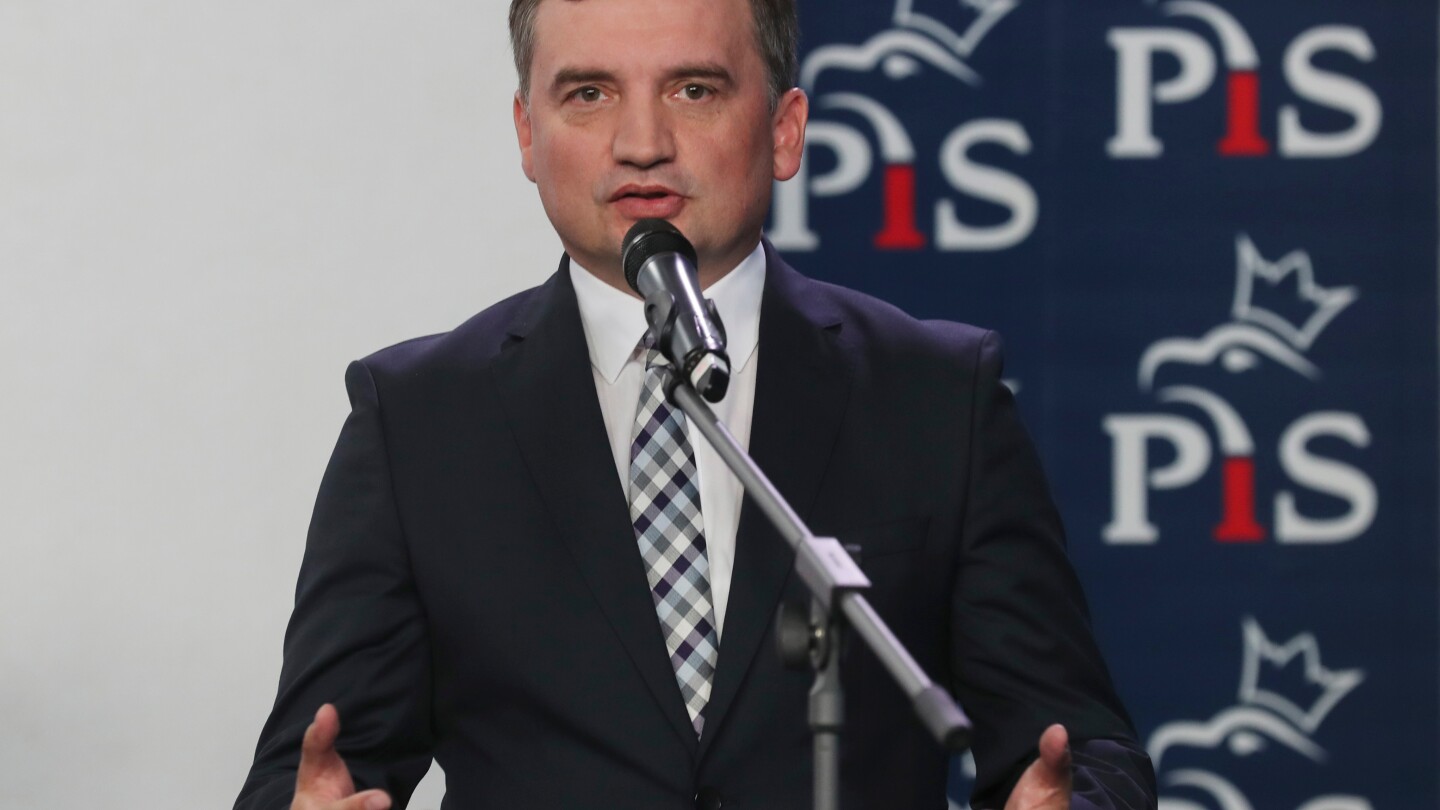
Polish prosecutors have formally requested the removal of parliamentary immunity for Zbigniew Ziobro, the former justice minister, amid allegations of abuse of power and financial misconduct. Ziobro, who served as justice minister and prosecutor general from 2015 to 2023 under the conservative Law and Justice party, is accused of misusing the Ministry of Justice’s fund for victims of violence. The fund was allegedly diverted to purchase Israeli Pegasus spyware, which was purportedly used to surveil political opponents. Prosecutors claim Ziobro led an organized crime group responsible for siphoning 150 million zloty ($42 million) from the Justice Fund for personal and political gains. The charges carry a potential maximum sentence of 25 years in prison. The current government, led by center-right Prime Minister Donald Tusk, has accused the previous administration of deploying Pegasus to spy on political adversaries, including members of Tusk’s party. Investigations into these claims are ongoing. Tusk’s administration has vowed to hold the former government accountable for alleged abuses. Waldemar Żurek, the current justice minister, emphasized that “there are no sacred cows” in pursuing justice. Ziobro, who was in Budapest on Monday, criticized Tusk on social media, labeling him a “Brussels-anointed prime minister.” Meanwhile, Hungary, under nationalist Prime Minister Viktor Orbán, has provided refuge to several Law and Justice-affiliated politicians sought by Polish authorities. Ziobro has previously defended the purchase of Pegasus, claiming it was used to uncover embezzlement of Polish assets.
分类: politics
-
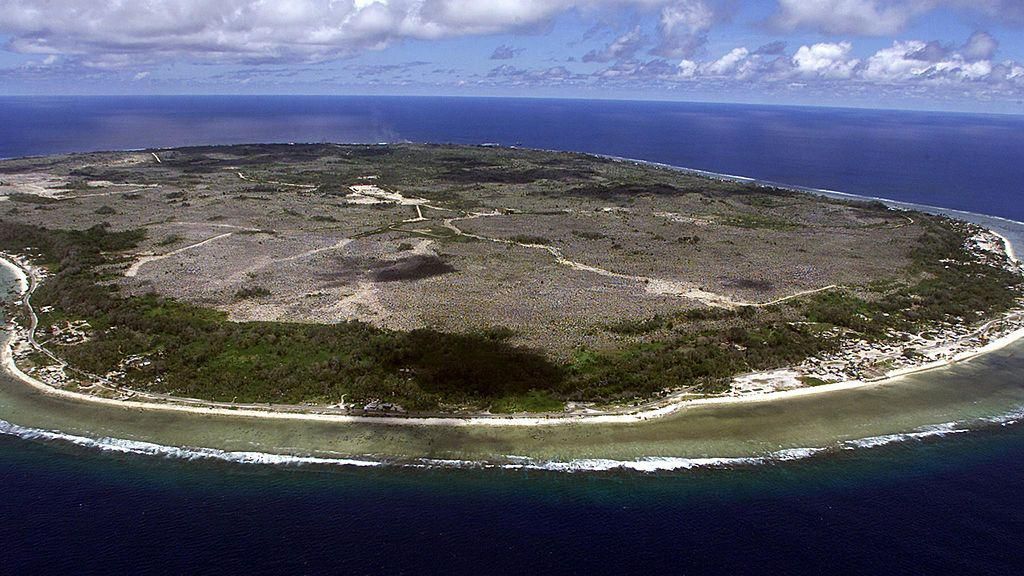
Australia deports first foreign detainees to Nauru in controversial deal
Australia has initiated the deportation of foreign detainees to Nauru, marking the commencement of a contentious agreement with the small Pacific island nation. Australian Home Affairs Minister Tony Burke confirmed in a Tuesday statement that the first transfer occurred last Friday, though the exact number of individuals deported remains undisclosed. This deal was necessitated after Australia’s High Court ruled that the indefinite detention of approximately 358 individuals, most of whom have criminal convictions, was unlawful, compelling their release into the community. The agreement, expected to cost A$2.5 billion, has drawn sharp criticism from human rights groups and refugee advocates, who argue it violates Australia’s human rights obligations. Laura John of the Human Rights Law Centre described the plan as ‘shrouded in secrecy,’ raising concerns about the welfare of deportees, including potential separation from families and access to medical care. The NZYQ cohort, as these detainees are known, were released following a 2023 High Court decision that deemed indefinite immigration detention illegal. Many had their visas revoked due to serious crimes such as assault, drug smuggling, and murder. The Australian government faced a dilemma: unable to repatriate them due to fears of persecution or refusal by their home countries, yet criticized for releasing them into the community. In response, Prime Minister Anthony Albanese’s government amended the Migration Act, enhancing deportation powers and securing agreements with third countries, including Nauru. Under the deal, deportees receive a 30-year visa allowing them to work and live freely among Nauru’s 12,500 residents. The first transfer triggered an upfront payment of A$408 million for resettlement. Critics, including Greens party immigration spokesperson David Shoebridge, have condemned the lack of transparency and potential risks of further deportation to home countries. Burke defended the arrangement, stating that Nauru’s accommodation and health facilities meet good standards. This agreement is distinct from Nauru’s previous role in Australia’s offshore immigration processing system, which was scaled back following international criticism.
-
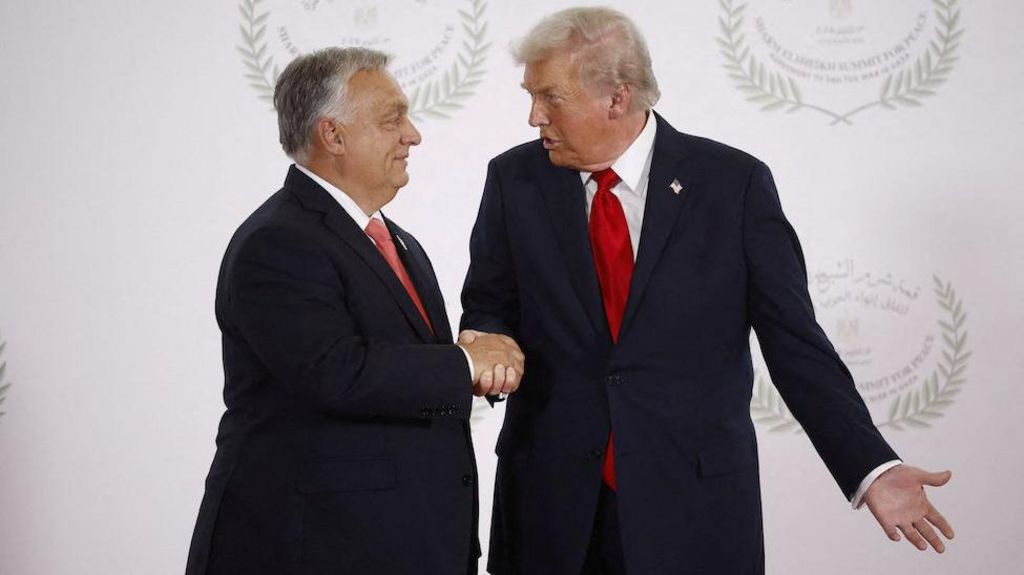
Awkward White House talks await Orban as US-Hungary relations sour
Hungarian Prime Minister Viktor Orban finds himself at a crossroads as he prepares for a pivotal meeting with US President Donald Trump in Washington. The central issue? Hungary’s heavy reliance on Russian oil, a dependency that has become a focal point of US pressure amid the ongoing Ukraine conflict. Orban, who has long been a controversial figure in European politics, is now facing a delicate balancing act between maintaining his domestic political agenda and appeasing US demands to reduce reliance on Russian energy.
-
Takeaways from AP’s report on a US plot to recruit Maduro’s pilot to betray Venezuelan leader
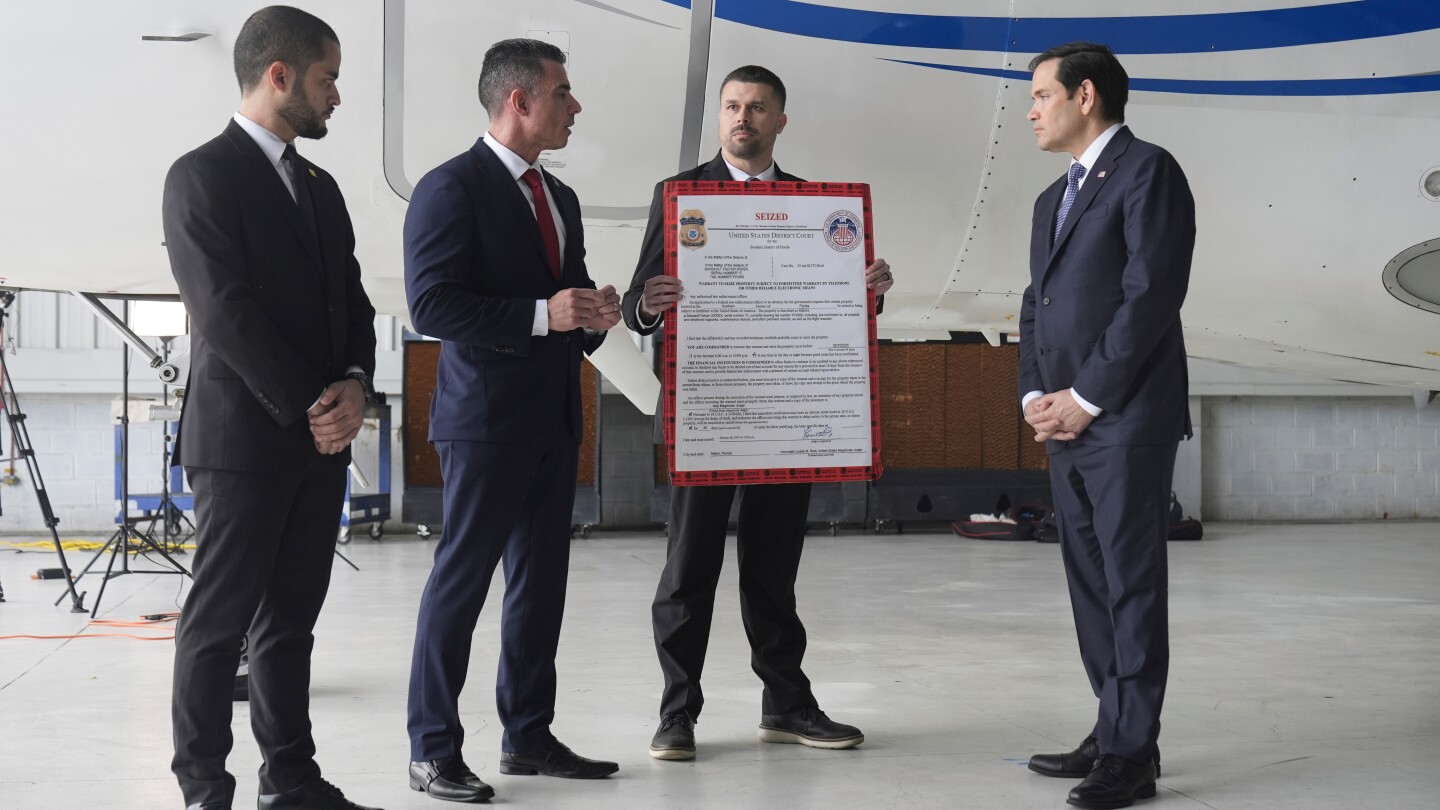
In a revelation that reads like a Cold War espionage thriller, a U.S. Homeland Security Investigations agent, Edwin Lopez, attempted to recruit Venezuelan President Nicolas Maduro’s pilot as part of a covert operation to capture the leader and bring him to the U.S. to face drug trafficking charges. The plot, which unfolded in the Caribbean, highlights the Trump administration’s escalating pressure on Maduro, including the deployment of a naval strike force and a $50 million bounty for his arrest. Lopez, who served as an attaché in the Dominican Republic, targeted Bitner Villegas, Maduro’s pilot and a member of the presidential honor guard, during a secret meeting at an airport hangar in Santo Domingo. Despite initial noncommittal responses, Lopez maintained contact with Villegas via encrypted messaging, urging him to become a national hero by aiding in Maduro’s capture. The pilot ultimately rebuffed the offer, prompting a campaign by Venezuelan opposition leaders to sow doubt about his loyalty. The fallout included a viral social media post that questioned Villegas’ allegiance, leading to speculation and his temporary disappearance before he publicly reaffirmed his loyalty to Maduro. This operation underscores the U.S.’s persistent, albeit often haphazard, efforts to oust Maduro, whom it accuses of undermining Venezuela’s democracy and facilitating drug trafficking.
-

A federal agent’s daring plan: Recruit Maduro’s pilot to turn on the Venezuelan leader
In a clandestine operation reminiscent of a Cold War spy thriller, U.S. federal agent Edwin Lopez attempted to persuade Venezuelan President Nicolás Maduro’s chief pilot, General Bitner Villegas, to divert Maduro’s plane to a location where U.S. authorities could arrest him. The plot, which unfolded over 16 months, involved encrypted messaging, secret meetings, and promises of immense wealth for the pilot. Despite Villegas providing his cell number as a sign of potential interest, the plan ultimately failed. The scheme highlights the U.S. government’s persistent efforts to oust Maduro, whom it accuses of undermining Venezuela’s democracy and aiding drug traffickers and terrorist groups. The operation, which began under President Joe Biden and continued under Donald Trump, also included the seizure of two of Maduro’s luxury jets in the Dominican Republic. Lopez, a seasoned Homeland Security Investigations agent, retired in July but continued his efforts to sway Villegas, even offering a $50 million reward for Maduro’s capture. However, Villegas remained loyal, publicly reaffirming his allegiance to Maduro in a televised appearance. The failed plot underscores the complexities and risks of U.S. efforts to destabilize Maduro’s regime.
-
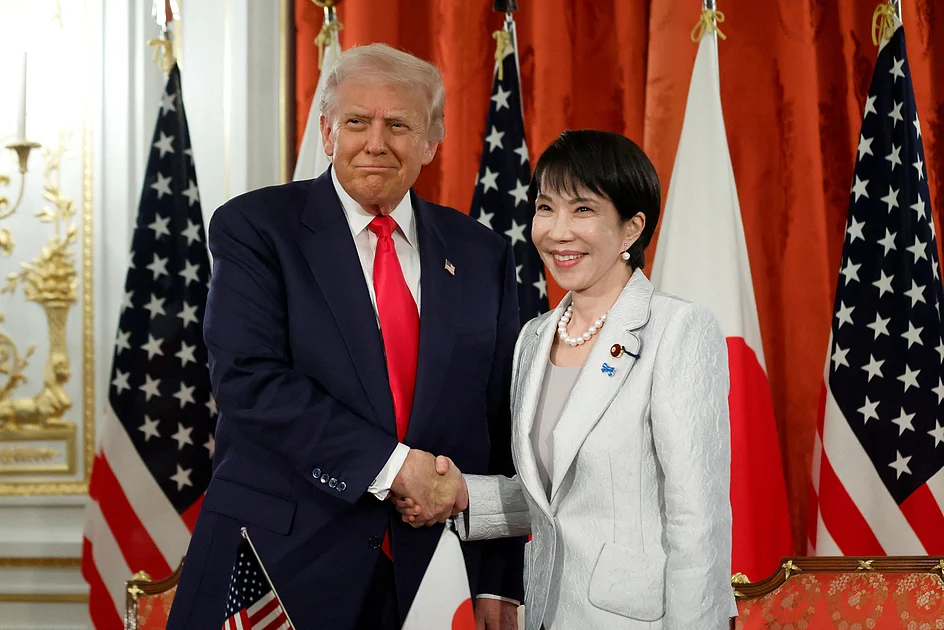
Trump, Japan’s Takaichi sign agreement on critical minerals, rare earths supply
In a significant diplomatic meeting in Tokyo, US President Donald Trump and Japan’s first female Prime Minister, Sanae Takaichi, solidified their nations’ partnership through agreements on critical minerals, rare earths, and military cooperation. The meeting, held at the Akasaka Palace, underscored the strategic alliance between the two countries amid growing regional tensions with China. Trump lauded Takaichi’s commitment to accelerating Japan’s military buildup, including plans to increase defense spending to 2% of GDP, a move aimed at countering China’s assertiveness. Takaichi, in turn, expressed her intention to nominate Trump for the Nobel Peace Prize, citing his role in brokering ceasefires in Cambodia, Thailand, and between Israel and Hamas. The leaders signed a landmark agreement to reduce reliance on China for critical minerals, essential for technologies ranging from smartphones to fighter jets. The deal includes joint projects in magnets and batteries, as well as the development of strategic mineral stockpiles. Takaichi gifted Trump a putter once owned by the late Prime Minister Shinzo Abe, a golf bag signed by Japanese major winner Hideki Matsuyama, and a gold leaf golf ball, symbolizing the personal rapport between the leaders. The meeting also evoked memories of Trump’s close relationship with Abe, who was assassinated in 2022. Takaichi’s gestures and the agreements signed are expected to bolster her political standing domestically, despite her coalition government’s narrow parliamentary majority. Trump’s visit to Japan concluded with a tour of the US naval base in Yokosuka, highlighting the US military’s presence in the region. He will next travel to South Korea for talks with Chinese President Xi Jinping, aiming to resolve the ongoing trade war between the world’s two largest economies.
-
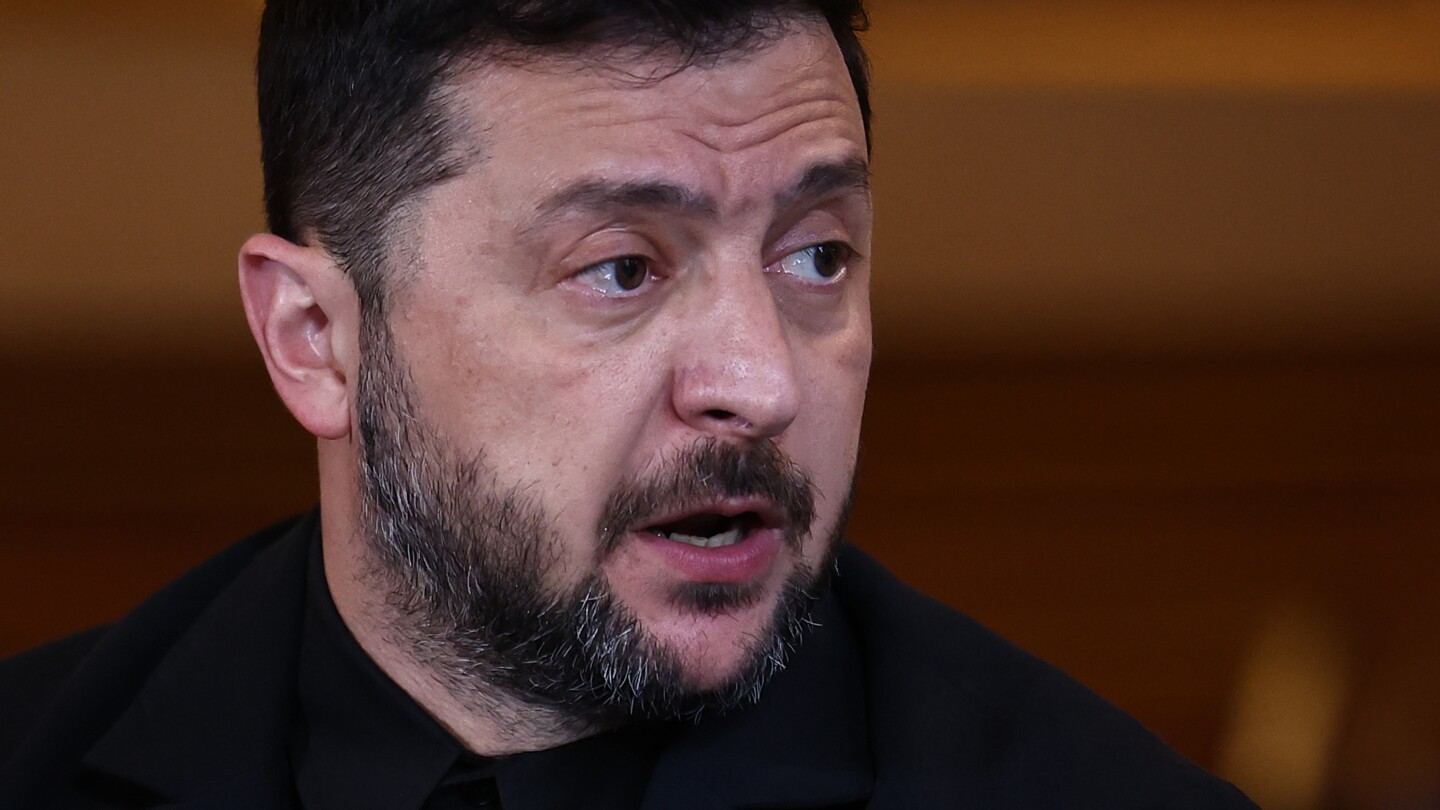
Ukraine’s long-range strikes cut Russia’s oil refining capacity by 20%, Zelenskyy says
In a significant development in the ongoing conflict, Ukrainian President Volodymyr Zelenskyy announced that Ukraine’s targeted long-range strikes on Russian oil refineries have successfully reduced Moscow’s oil refining capacity by 20%. Speaking to the media on Monday, Zelenskyy emphasized that over 90% of these deep strikes were executed using Ukrainian-made long-range weapons. He highlighted the urgent need for additional foreign financial assistance to bolster domestic production of these critical armaments. ‘We must remain relentless in our efforts,’ Zelenskyy stated, underscoring the importance of sustained pressure on Russia’s energy infrastructure. Oil exports are a cornerstone of Russia’s economy, funding its prolonged invasion of Ukraine. In tandem with Ukraine’s military actions, the U.S. and the European Union have imposed new sanctions aimed at curtailing Moscow’s oil and gas export revenues. Despite renewed peace initiatives led by the U.S., the war shows no signs of abating after nearly four years. The Kremlin’s refusal to compromise has prompted U.S. President Donald Trump to escalate measures, including sanctions against Russian oil giants Rosneft and Lukoil, set to take effect on November 21. Zelenskyy speculated that Trump might leverage these sanctions as a diplomatic tool in future negotiations with Russia. Meanwhile, Ukraine continues to fortify its defenses, with Zelenskyy revealing that the country has captured 2,200 Russian prisoners of war in the eastern region this year. Additionally, Ukraine is engaging in talks with Sweden, France, and the U.S. to enhance its combat aviation capabilities, with a request for a fleet of 250 new aircraft. As winter approaches, Ukraine has secured 70% of the $2 billion needed for gas imports to sustain heating systems amid Russia’s intensified attacks on energy infrastructure. Furthermore, Ukraine is ramping up production of interceptors to counter Russian drone assaults, aiming to produce 500-800 units daily by next month.
-
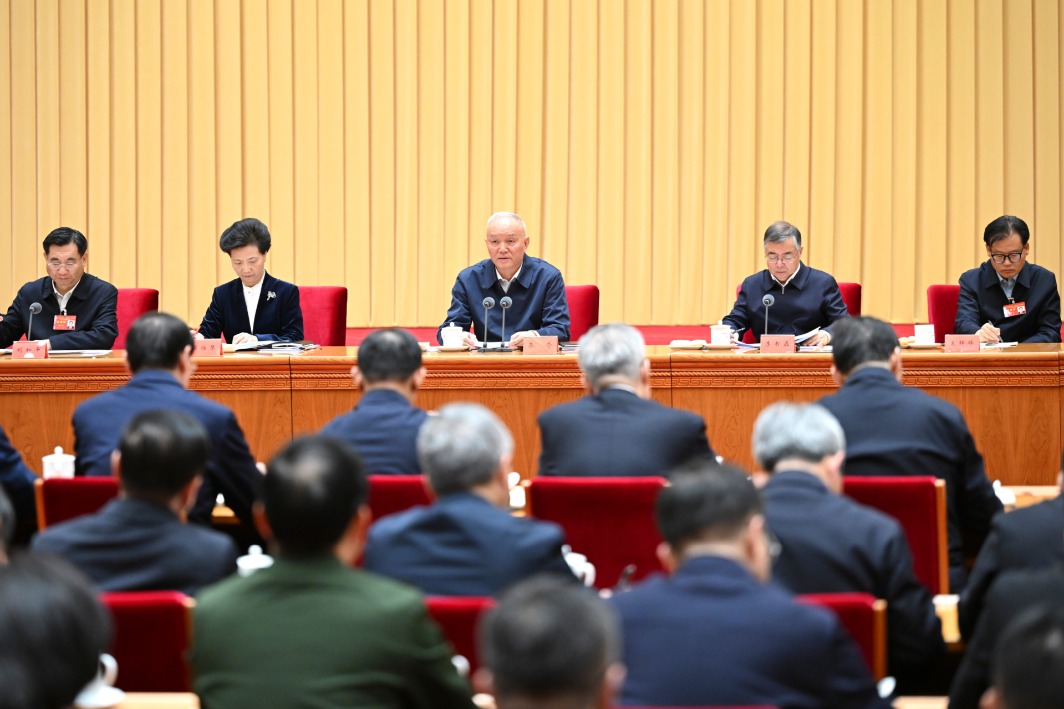
Senior CPC official urges full promotion of Party plenum’s guiding principles
Cai Qi, a prominent member of the Standing Committee of the Political Bureau of the Communist Party of China (CPC) Central Committee and the CPC Central Committee Secretariat, emphasized the critical importance of fully promoting the guiding principles established during the fourth plenary session of the 20th CPC Central Committee. Speaking at a mobilization meeting in Beijing on October 27, 2025, Cai underscored that the thorough study and implementation of these principles are essential political tasks for both the Party and the nation in the current and forthcoming periods. He highlighted the significant achievements China has made during the 14th Five-Year Plan (2021-25) and the CPC Central Committee’s comprehensive assessment of both domestic and international conditions. Cai also called for a detailed explanation of the guiding principles, major policies, strategic goals, and key measures outlined in the 15th Five-Year Plan (2026-30), urging Party members, officials, and the public to integrate these directives into all aspects of economic and social development. The meeting, chaired by Li Shulei, head of the CPC Central Committee’s Publicity Department, marked a pivotal step in ensuring the widespread adoption of the plenum’s resolutions. The fourth plenary session, held from October 20 to 23, 2025, laid the groundwork for China’s strategic priorities in the coming years.
-
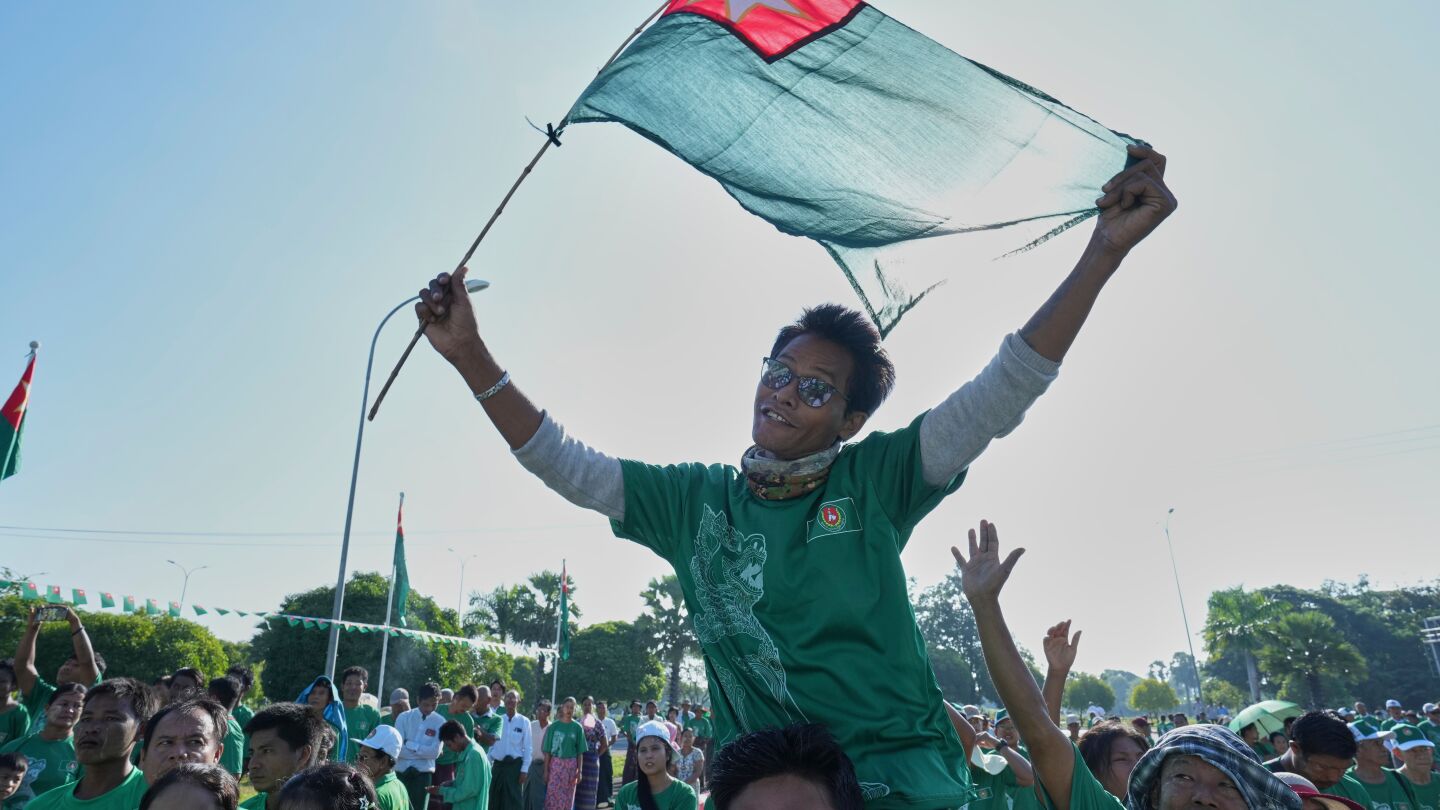
A military-backed party in Myanmar holds rallies as campaigning begins for December election
In a move widely perceived as an attempt to legitimize its 2021 coup, Myanmar’s military government has launched election campaigns, with national polls scheduled for December 28. Despite the ongoing civil war, which has rendered voting impossible in many regions, 57 political parties have registered for the contest. Notably absent is Aung San Suu Kyi’s National League for Democracy (NLD), which was forcibly disbanded after refusing to participate in what it deemed a fraudulent process. The military-backed Union Solidarity and Development Party (USDP) has already unveiled its campaign slogan, ‘Stronger Myanmar,’ in ceremonies held in Naypyitaw and Yangon. USDP chairman Khin Yi, a former general, emphasized that the election would adhere to regulations and law, asserting that the results would confer legitimacy. However, critics argue that the polls will be neither free nor fair, with opposition groups, including armed resistance factions, vowing to disrupt the process. The General Strike Coordination Body has called for a nationwide election boycott, urging public participation in their anti-military protests. The military government, led by Senior Gen. Min Aung Hlaing, has acknowledged that voting will be limited to 202 townships due to ongoing conflict. The USDP, fielding over 1,000 candidates, is expected to dominate the polls in the absence of credible opposition parties. The 2021 coup, justified by unsubstantiated claims of voter fraud in the 2020 elections, has plunged Myanmar into chaos, with airstrikes and military operations exacerbating civilian casualties and instability.
-
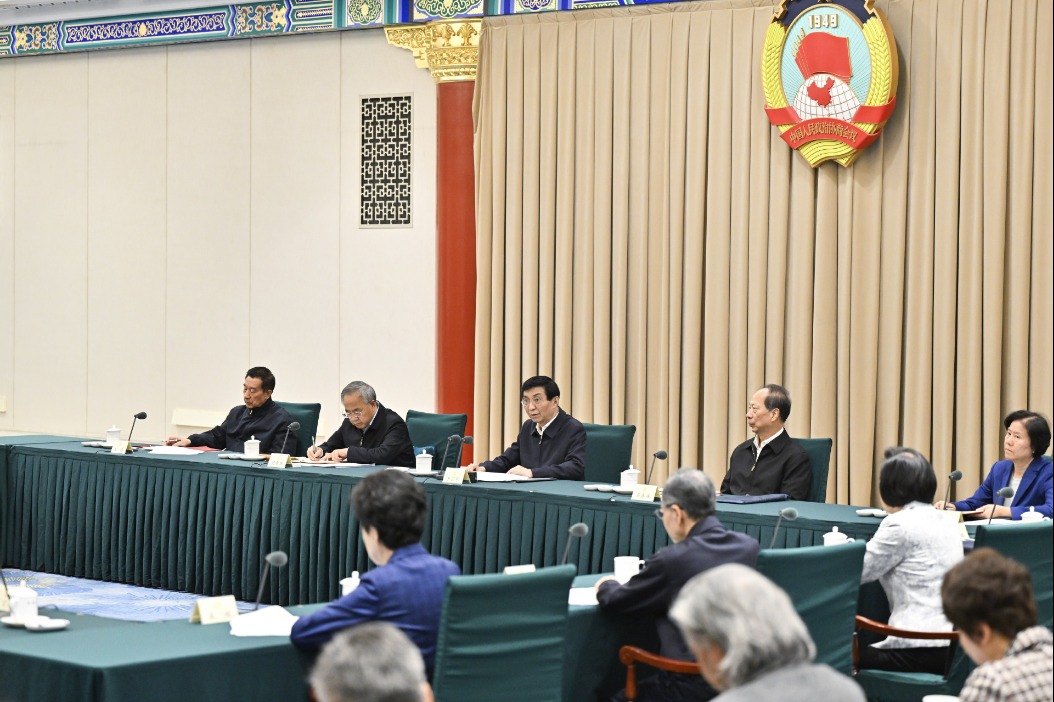
Top political advisor calls for study, implementation of guiding principles of CPC plenum
Wang Huning, a senior leader of the Communist Party of China (CPC) and chairman of the Chinese People’s Political Consultative Conference (CPPCC) National Committee, has called for a thorough study and implementation of the guiding principles from the fourth plenary session of the 20th CPC Central Committee. Speaking at a meeting of the Chairperson’s Council of the CPPCC National Committee in Beijing on October 27, 2025, Wang emphasized the importance of aligning political advisory work with the Party’s central tasks. He urged political advisors to actively contribute to the formulation and execution of the 15th Five-Year Plan (2026-30) and to ensure high-quality performance in their duties. Wang’s remarks underscore the CPPCC’s role in supporting the CPC’s strategic goals and fostering national development.