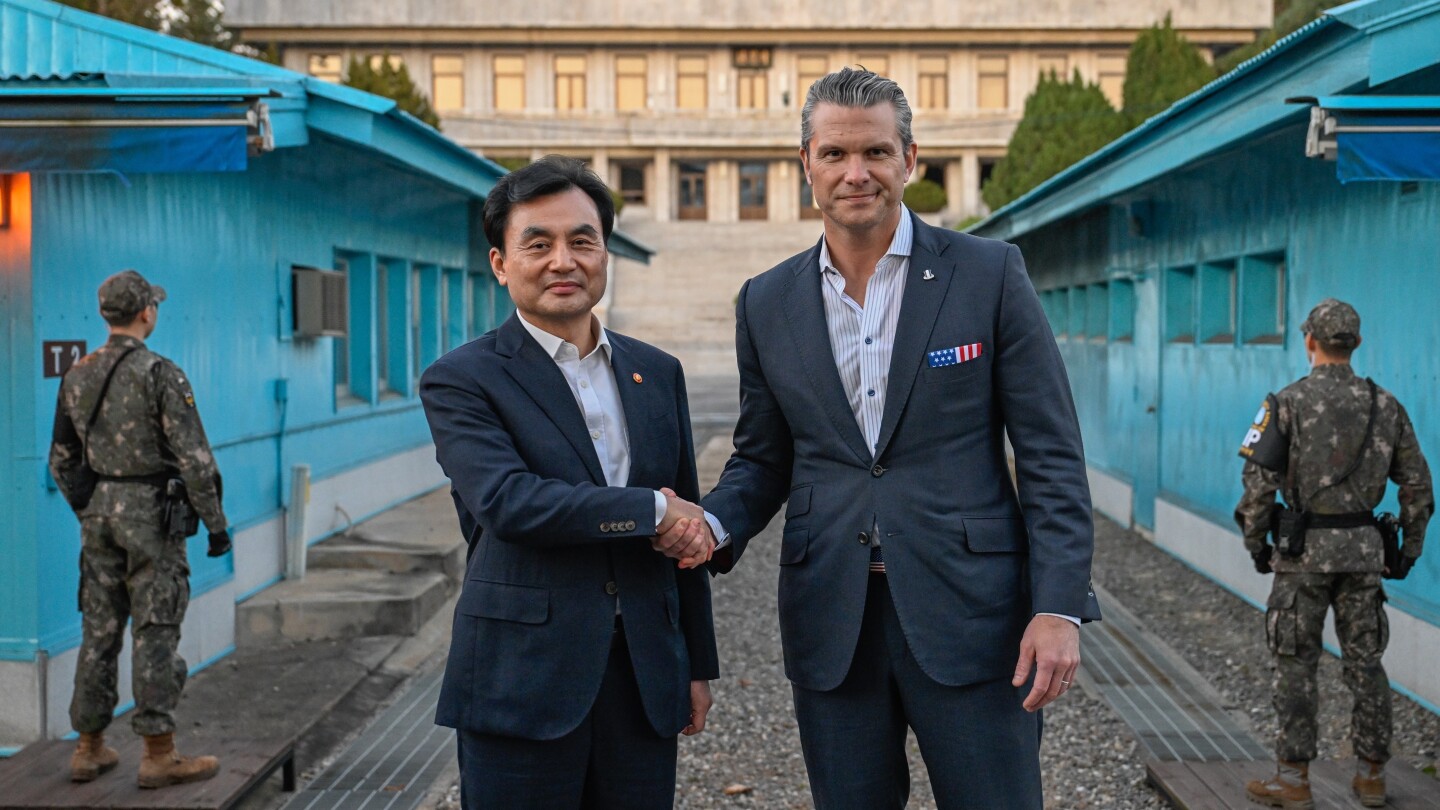
SEOUL, South Korea — U.S. Defense Secretary Pete Hegseth embarked on a two-day visit to South Korea, focusing on strengthening bilateral security ties and reaffirming the alliance between the two nations. His itinerary included a visit to the Demilitarized Zone (DMZ), a symbolic and strategic area separating the two Koreas, where he received a detailed briefing from military officials at Observation Post Ouellette. This site has previously hosted notable figures, including former U.S. President Donald Trump in 2019, who used the vantage point to observe North Korea and engage with American troops stationed there. Hegseth, accompanied by South Korean Defense Minister Ahn Gyu-back, also toured the historic Panmunjom border village, where the 1953 armistice agreement was signed, effectively halting the Korean War. The visit underscored the robust defense collaboration and seamless coordination between the two allies, as highlighted by Ahn’s ministry. Notably, Hegseth refrained from addressing North Korea’s ongoing nuclear and missile advancements, despite the regime’s persistent refusal to engage in dialogue with Washington and Seoul. In a display of military solidarity, South Korea’s Joint Chiefs of Staff Chairman Gen. Jin Yong-sung and U.S. Gen. Dan Caine jointly supervised a combined formation flight of South Korean and U.S. F-16 fighter jets above Pyeongtaek, a major U.S. military base. This inaugural exercise aimed to showcase the unwavering strength and ironclad defense posture of the alliance. Hegseth and Ahn, who had previously convened at a defense ministers’ meeting in Malaysia, are set to participate in the annual U.S.-South Korea defense talks in Seoul. Key agenda items include South Korea’s pledge to bolster defense spending and the implementation of a prior agreement to transition wartime operational control to a binational command led by a South Korean general with a U.S. deputy. However, concerns linger in Seoul regarding potential demands from the Trump administration for increased financial contributions to support the U.S. military presence or a possible reduction of American forces to prioritize strategic focus on China. Hegseth’s visit follows closely on the heels of Trump’s recent trip to South Korea, where he engaged in discussions with South Korean President Lee Jae Myung and Chinese President Xi Jinping during the Asia-Pacific Economic Cooperation summit in Gyeongju. During their meeting, Lee reiterated South Korea’s commitment to enhancing defense expenditures and sought U.S. assistance in acquiring nuclear-powered submarines. Trump subsequently announced on social media that the U.S. would share advanced technology to facilitate South Korea’s construction of a nuclear-powered submarine at the Philly Shipyard, recently acquired by South Korea’s Hanwha Group. Additionally, the leaders made progress in trade negotiations, addressing specifics of South Korea’s $350 billion investment pledge to mitigate the impact of U.S. tariffs.
分类: politics
-
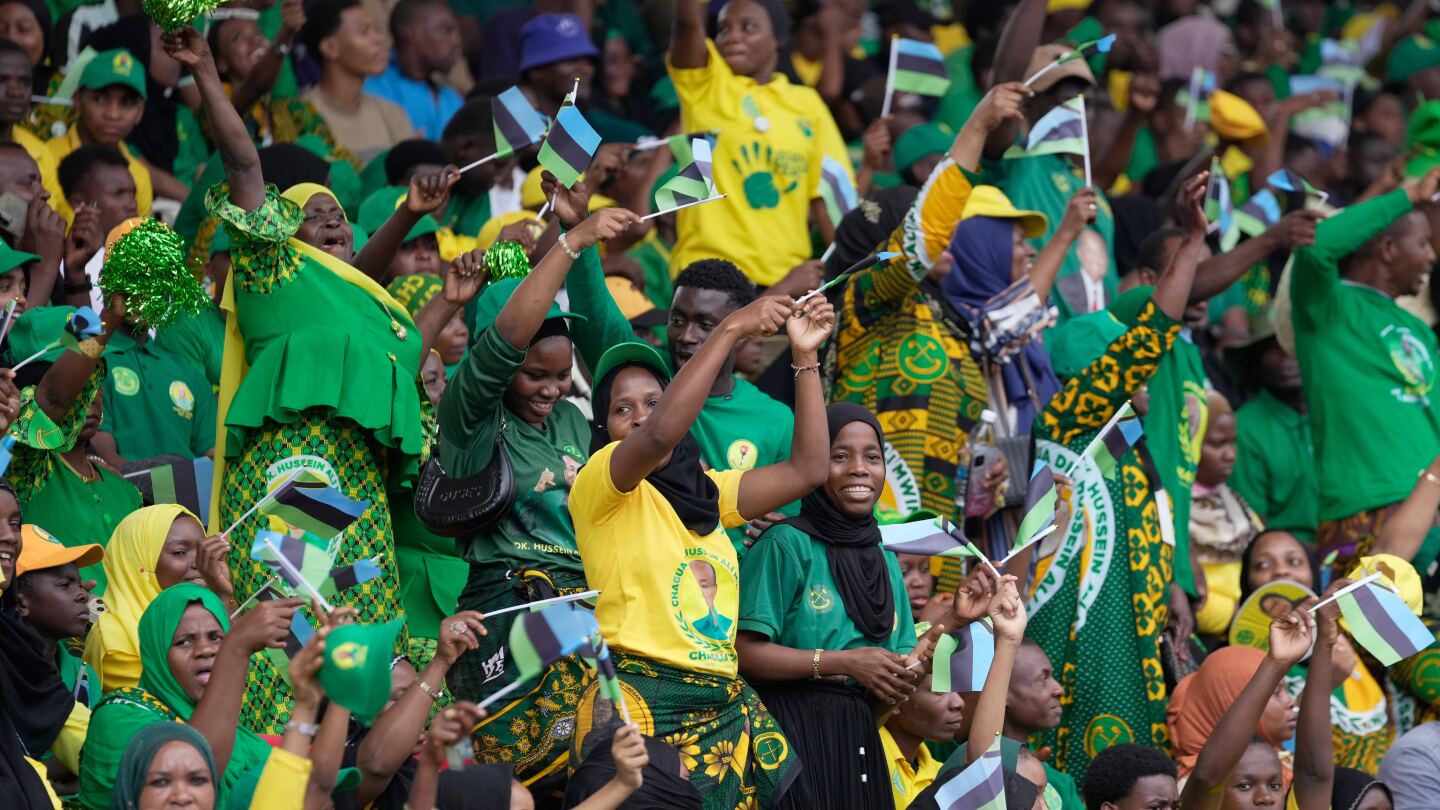
Tanzania’s president blames foreigners for deadly protests after disputed election
Tanzanian President Samia Suluhu Hassan has attributed last week’s deadly protests to foreign interference, following a contentious election that barred two key opposition candidates from challenging her re-election bid. In her inaugural address, Hassan acknowledged the loss of lives but claimed that those arrested were from other countries, without providing specifics. She pledged to unite the nation and urged security forces to restore normalcy. Her swearing-in ceremony, held in Dodoma, was notably subdued compared to her previous inauguration, reflecting the heightened tensions. The Southern African Development Community (SADC) criticized the October 29 election, stating it failed to meet democratic standards due to the exclusion of opposition candidates and delays in accrediting observers. The main opposition party, Chadema, rejected the results, calling them baseless. Meanwhile, internet restrictions persisted, disrupting daily life and economic activities. International leaders, including those from Mozambique, Zambia, Burundi, and Somalia, attended the ceremony, with Zambian President Hakainde Hichilema urging Tanzanians to avoid violence. Kenyan President William Ruto called for dialogue to ensure stability, as the election violence disrupted cross-border trade, leaving agricultural goods to rot at the Kenya-Tanzania border.
-
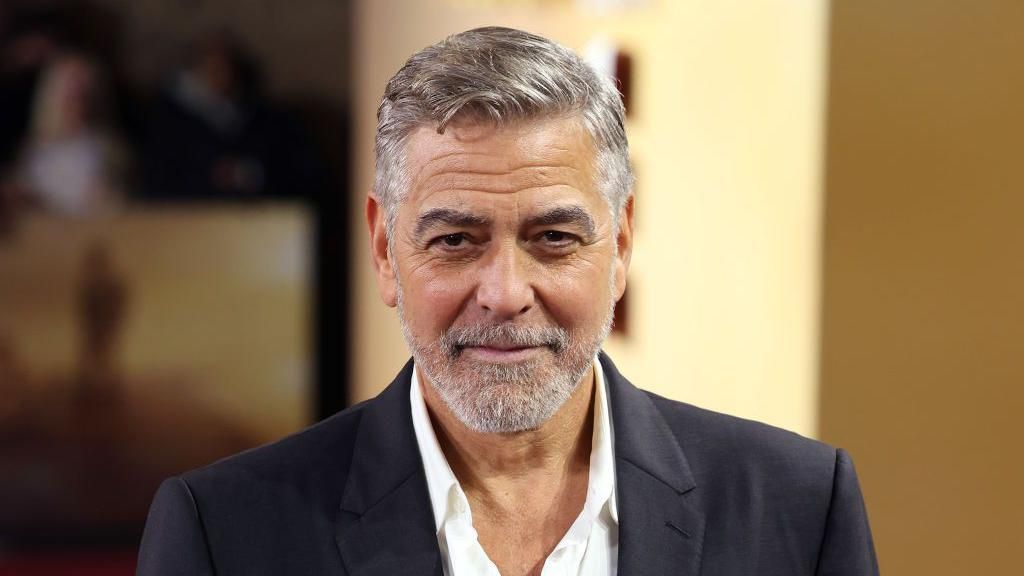
Clooney says Harris replacing Biden was a ‘mistake’
In a recent interview with CBS, renowned actor and Democratic fundraiser George Clooney expressed his belief that it was a ‘mistake’ for Kamala Harris to replace Joe Biden as the Democratic candidate in the 2024 U.S. presidential election. Clooney, who had penned a high-profile op-ed in the New York Times in July 2024 urging Biden to step aside, stood by his decision, stating, ‘We had a chance.’ He argued that Biden, despite his storied career, was no longer fit to face the challenges of a presidential campaign, particularly against Donald Trump. Clooney emphasized the need for a primary to ‘battle-test’ potential candidates, but the Democratic Party ultimately bypassed this process, handing the nomination to Harris. Reflecting on her candidacy, Clooney noted the difficulty Harris faced in distancing herself from her own record, calling it a ‘very tough task.’ His comments followed a heated response from Hunter Biden, who criticized Clooney for questioning his father’s mental acuity in an expletive-laden interview. Meanwhile, Harris, in a BBC interview, hinted at a possible future presidential run, expressing confidence that a woman would one day occupy the White House.
-
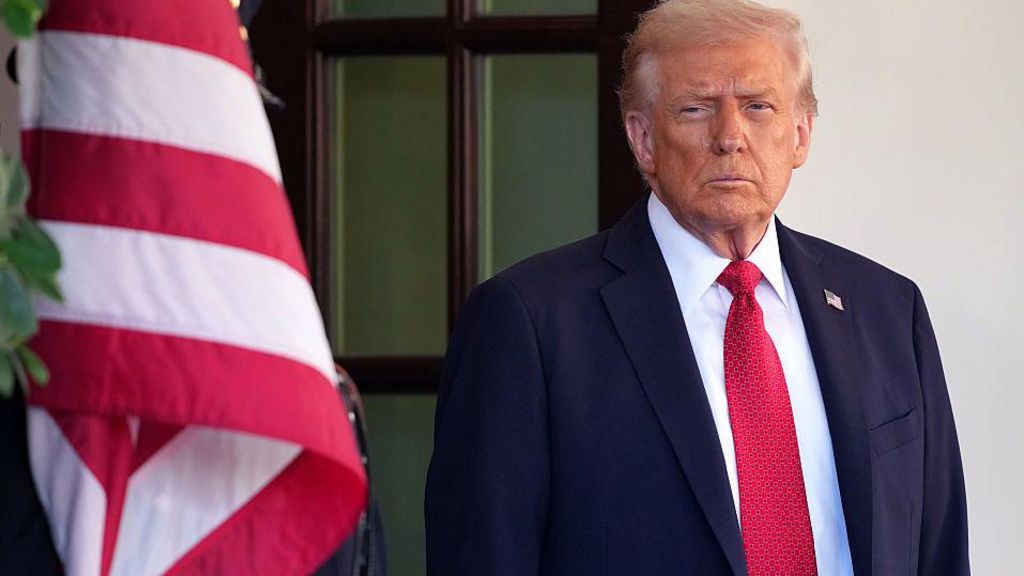
Trump’s planned tests are ‘not nuclear explosions’, US energy secretary says
In a bid to assuage global apprehensions, US Energy Secretary Chris Wright has categorically stated that the United States does not intend to conduct nuclear explosions. This declaration follows President Donald Trump’s recent directive to the military to resume nuclear weapons testing, a move that has sparked widespread concern. Wright, in an interview with Fox News on Sunday, emphasized that the planned tests are ‘non-critical explosions,’ aimed at ensuring the reliability of nuclear weapon components without triggering a nuclear detonation. ‘Americans near historic test sites such as the Nevada National Security Site have no cause for concern,’ Wright assured, addressing fears of a mushroom cloud resurgence. Trump’s call for testing, articulated on Truth Social, was perceived by many as a precursor to full-scale nuclear blasts, a practice dormant since 1992. However, Wright’s remarks aim to clarify that the tests are not of the same magnitude. Trump, in a subsequent interview with CBS’s 60 Minutes, reiterated his stance, asserting that the US should not lag behind other nations in nuclear testing. ‘Russia’s testing, and China’s testing, but they don’t talk about it,’ Trump remarked, adding North Korea and Pakistan to the list of nations allegedly conducting such tests. Both China and Russia have denied these allegations, with China’s foreign ministry spokesperson Mao Ning affirming China’s commitment to a self-defence nuclear strategy and a moratorium on nuclear testing. Russia’s Kremlin spokesman Dmitry Peskov also refuted claims of recent nuclear tests, emphasizing that certain weapon tests should not be misconstrued as nuclear detonations. The global nuclear landscape remains tense, with the US and Russia holding the largest arsenals, followed by China, which is rapidly expanding its nuclear capabilities. The Federation of American Scientists estimates that Russia possesses approximately 5,459 warheads, while the US has about 5,177. China, with around 600 warheads, is projected to exceed 1,000 by 2030, according to the Center for Strategic and International Studies. As the world watches, the US’s approach to nuclear testing continues to be a focal point of international discourse.
-
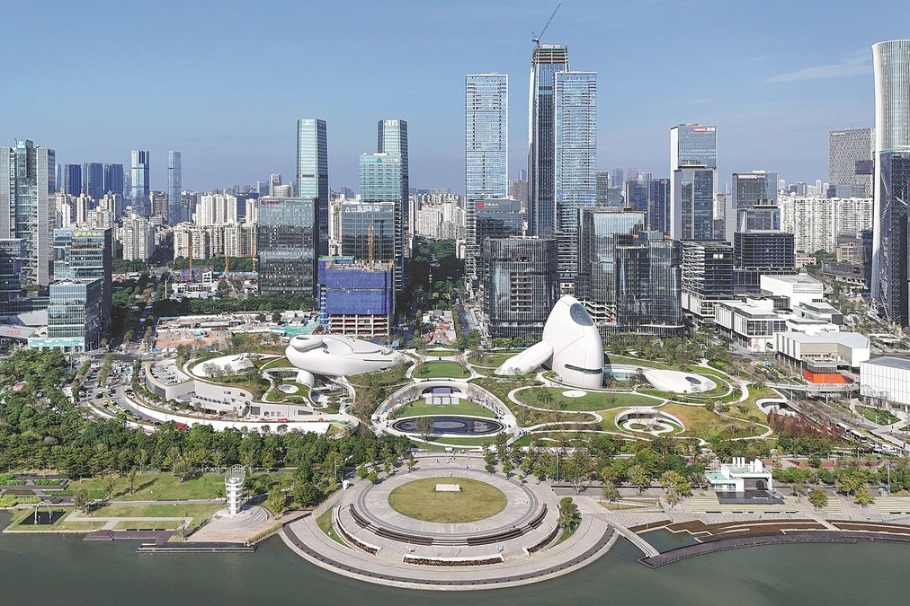
Shenzhen to take APEC center stage
Shenzhen, the coastal metropolis in Guangdong Province, has been selected to host the 33rd Asia-Pacific Economic Cooperation (APEC) Economic Leaders’ Meeting in 2026. This marks the third time China has hosted the prestigious event, following Shanghai in 2001 and Beijing in 2014. The announcement has thrust Shenzhen into the global spotlight, positioning it as a symbol of China’s economic transformation and technological prowess.
-
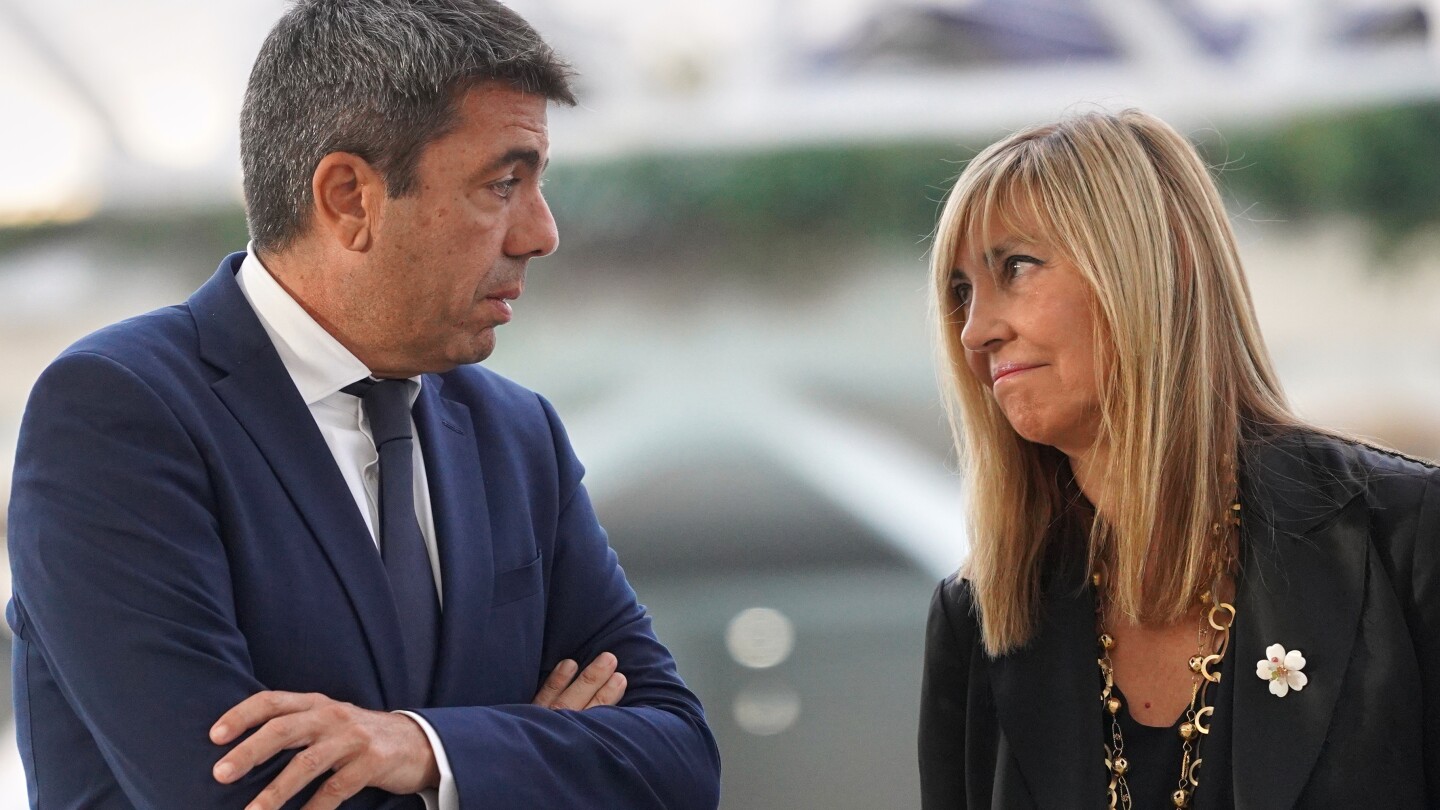
Spainish regional leader steps down over his handling of last year’s Valencia flash floods
MADRID (AP) — Carlos Mazón, the leader of Spain’s Valencia region, announced his resignation on Monday following intense scrutiny over his administration’s handling of the catastrophic flash floods that claimed 229 lives last year. The decision comes after months of mounting pressure from both the public and political opponents, who have accused him of mismanaging the crisis. The devastating floods, which occurred on October 29, 2024, overwhelmed the region, sweeping away vehicles and destroying homes. Mazón faced widespread criticism for the delayed issuance of flood alerts to residents’ mobile phones, which came after the waters had already breached their banks. Additionally, his decision to attend a lengthy lunch on the day of the disaster, while emergency officials were coordinating relief efforts, further fueled public outrage. The backlash reached a peak during a state memorial ceremony held on the first anniversary of the tragedy, where family members of the victims openly jeered and insulted him. Mazón’s resignation marks a significant moment in Valencia’s political landscape, as the region continues to grapple with the aftermath of the disaster and the need for improved emergency response systems.
-
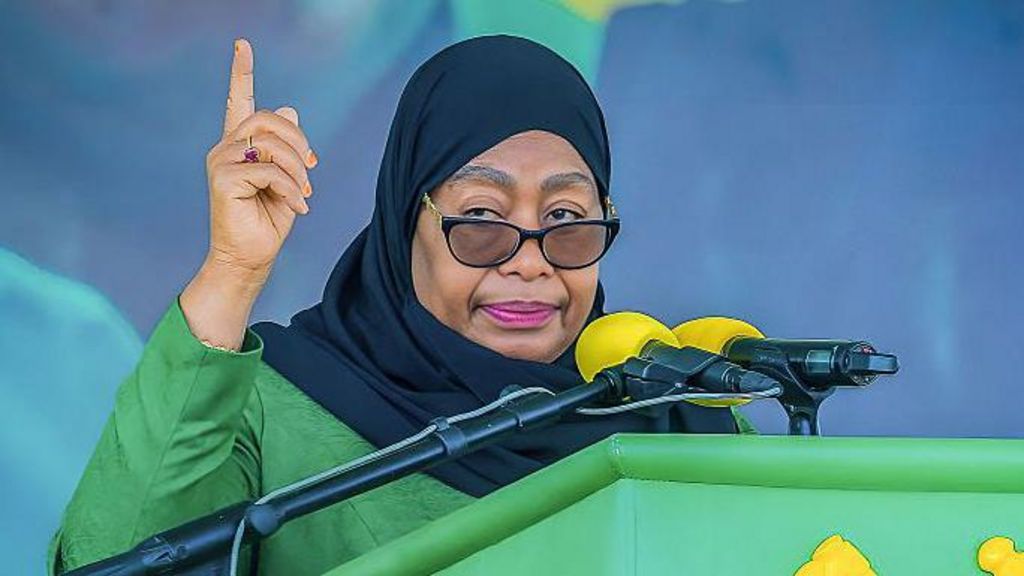
Tanzania president being sworn in after election marred by violence
Tanzanian President Samia Suluhu Hassan has been inaugurated for a second term following a contentious election marked by violent protests and allegations of electoral fraud. The swearing-in ceremony took place at a military parade ground in Dodoma, the capital, and was broadcast live by the state-run Tanzania Broadcasting Corporation (TBC). The event was closed to the public, underscoring the tense atmosphere surrounding the proceedings. Samia was declared the winner with an overwhelming 98% of the vote, a result that has been widely criticized by opposition groups and international observers. Key rival candidates were either imprisoned or disqualified from running, leaving little competition in the race. The election’s aftermath has been marred by significant violence, with reports of hundreds of casualties. Opposition leaders and activists claim that security forces were responsible for the deaths of at least 800 people, while diplomatic sources suggest the toll could be as high as 500. The United Nations has also reported credible evidence of at least 10 deaths in three cities. In her victory speech, Samia defended the election as “free and democratic” and labeled the protesters as “unpatriotic.” The Tanzanian government has sought to minimize the scale of the violence, but the situation remains unclear due to a nationwide internet shutdown that has hindered information flow and verification of the death toll. International observers have expressed concerns about the transparency of the electoral process and the violent crackdown on dissent. The inauguration comes at a critical juncture for Tanzania, as the country grapples with political instability and questions about the legitimacy of its leadership.
-
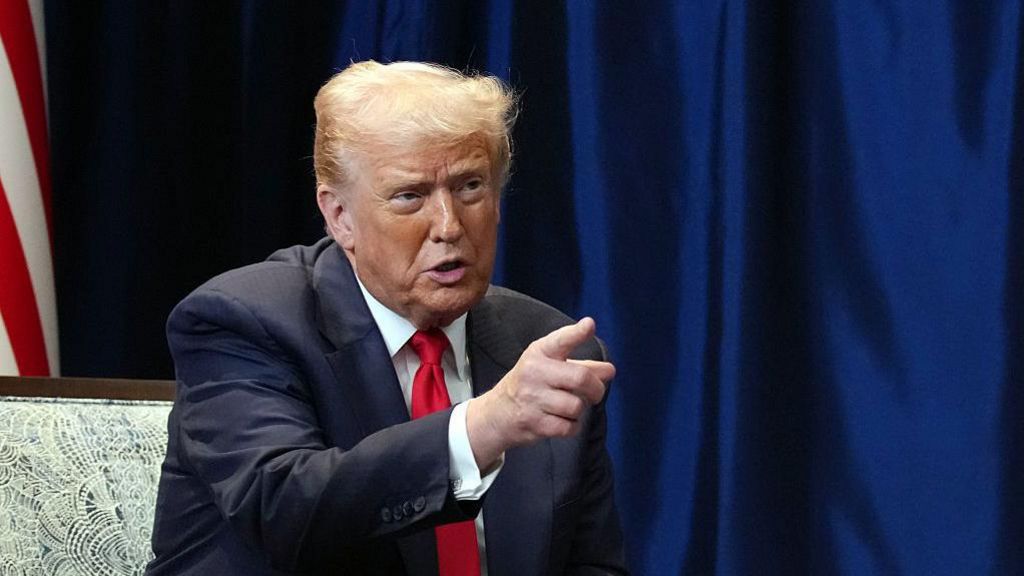
Trump says he doubts US will go to war with Venezuela
In a recent interview with CBS’ 60 Minutes, former US President Donald Trump minimized the likelihood of a military conflict with Venezuela, yet hinted that Nicolás Maduro’s tenure as the country’s leader may soon conclude. When questioned about the potential for war, Trump responded, ‘I doubt it. I don’t think so. But they’ve been treating us very badly.’ His remarks coincide with ongoing US military strikes targeting alleged drug-smuggling vessels in the Caribbean, which the Trump administration claims are essential to curbing drug trafficking into the United States. Trump dismissed allegations that these actions are aimed at ousting Maduro, a long-standing political adversary, asserting instead that they address ‘many things.’ Since early September, US strikes in the Caribbean and eastern Pacific have reportedly resulted in at least 64 fatalities, according to CBS News. Speaking from his Mar-a-Lago estate in Florida, Trump emphasized the broader impact of drug-related violence, stating, ‘Every single boat that you see that’s shot down kills 25,000 on drugs and destroys families all over our country.’ While he declined to rule out potential land-based strikes, Trump remained ambiguous about future actions, saying, ‘I’m not gonna tell you what I’m gonna do with Venezuela.’ Maduro has accused the US of ‘fabricating a new war,’ while Colombian President Gustavo Petro criticized the strikes as a means for the US to ‘dominate’ Latin America. Trump also highlighted concerns about global migration, particularly singling out Venezuela for its gang-related issues, labeling the Tren de Aragua gang as ‘the most vicious gang anywhere in the world.’ This interview marked Trump’s first appearance on CBS since suing its parent company, Paramount, over a 2024 interview with then-Vice President Kamala Harris, which he claimed was unfairly edited to favor the Democratic Party. The lawsuit was settled for $16 million, allocated to Trump’s future presidential library, without an apology from Paramount. Trump’s last 60 Minutes appearance in 2020 ended abruptly when he walked out of an interview, citing biased questioning.
-
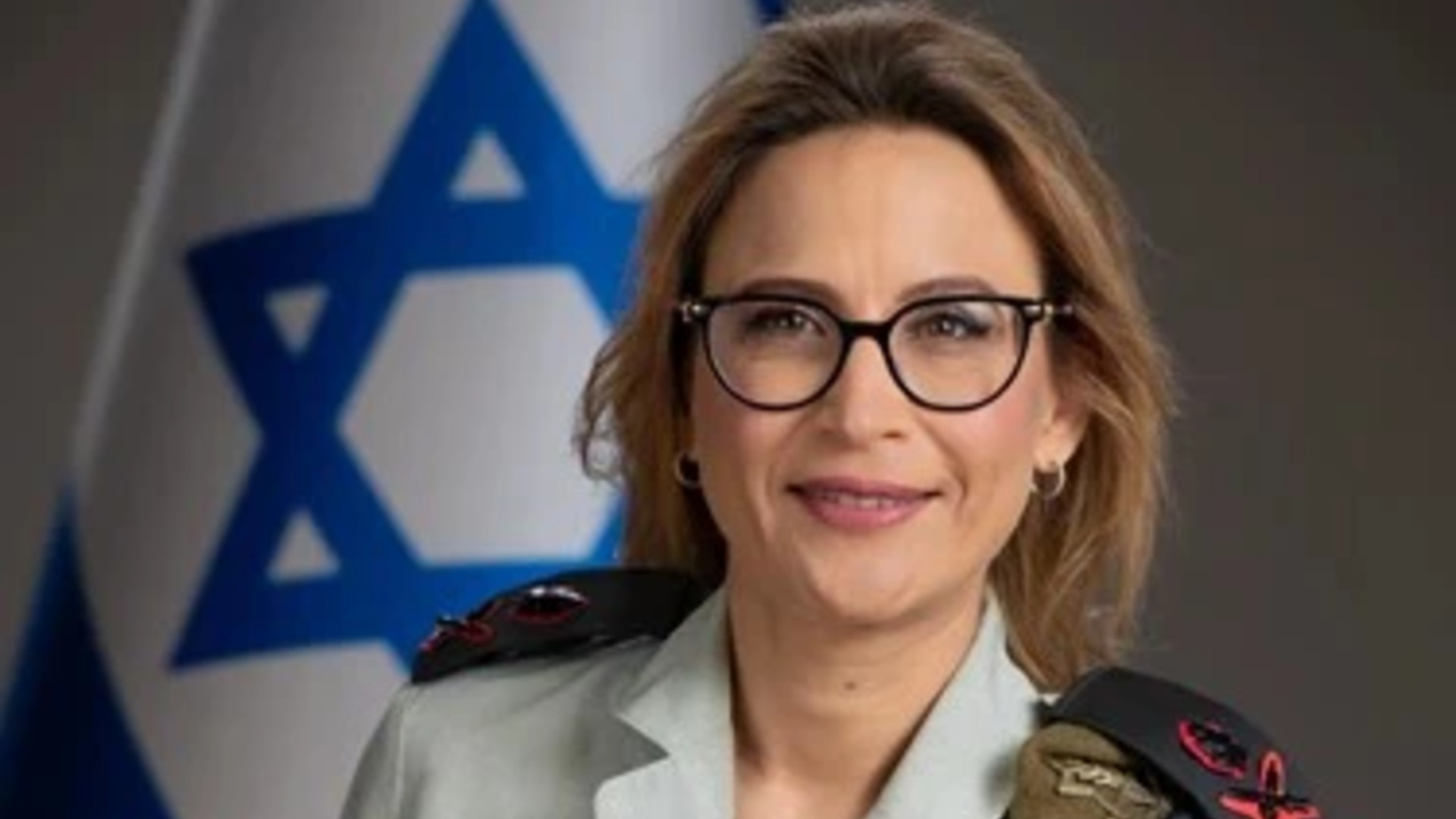
Ex-Israeli army legal chief ‘stages suicide’ amid Palestinian prisoner rape scandal
Israeli authorities have detained Yifat Tomer-Yerushalmi, the country’s former top military lawyer, on allegations of orchestrating a fake suicide attempt to dispose of a phone containing incriminating evidence. The case revolves around a leaked video purportedly showing Israeli soldiers gang-raping a Palestinian detainee at the Sde Teiman detention camp. Tomer-Yerushalmi went missing on Sunday, leaving an ambiguous note and abandoning her car near a beach. She was later found alive and taken into police custody. Israeli Channel 12 reported that she allegedly staged the suicide attempt to discard her phone, which she threw into the sea. The video, leaked in August 2023, sparked widespread outrage and led to a criminal investigation by the Israeli army. Tomer-Yerushalmi admitted to leaking the footage, claiming it was to counter pressure from far-right groups attacking the Military Advocate General’s office. The scandal has drawn significant attention, with Prime Minister Benjamin Netanyahu calling for an independent investigation, describing the leak as a severe propaganda attack on Israel. The case has also highlighted broader allegations of systemic abuse of Palestinian detainees by Israeli forces, including sexual violence and torture, as documented by the UN. Despite investigations, prosecutions of Israeli soldiers for such crimes remain rare, raising concerns about impunity.
-
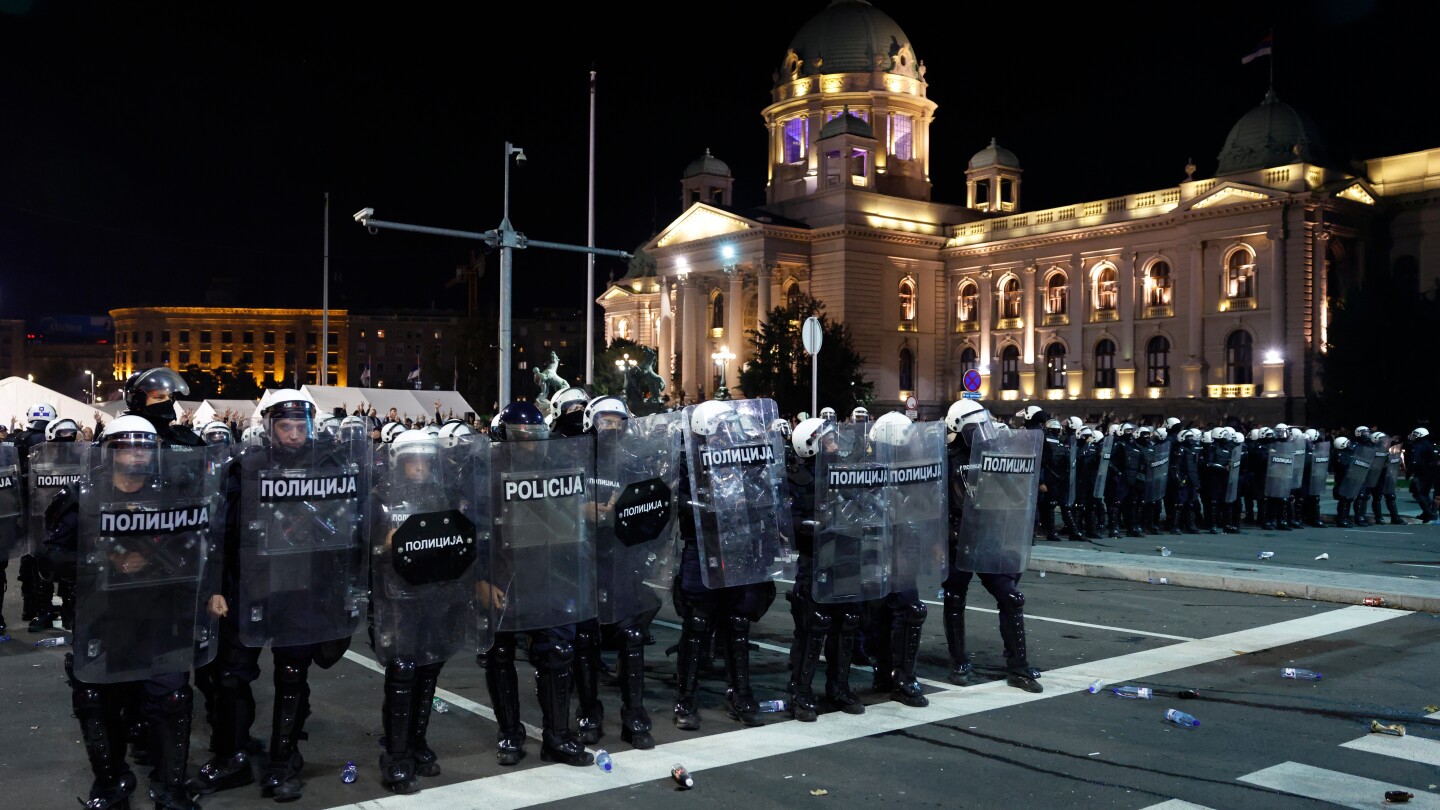
Riot police separate opponents, loyalists of Serbia’s president as tensions soar amid protests
BELGRADE, Serbia — The streets of central Belgrade became a battleground on Sunday as hundreds of riot police intervened to separate opposing factions: supporters of Serbia’s autocratic President Aleksandar Vucic and anti-government protesters. The confrontation, marked by thrown bottles and flares, underscored escalating political tensions following a year of sustained demonstrations against Vucic’s rule. The clashes erupted a day after tens of thousands gathered in Novi Sad to commemorate the first anniversary of a train station disaster that claimed 16 lives and ignited a youth-led movement demanding political reform. The tragedy has become a rallying point for critics of Vucic’s increasingly authoritarian 13-year tenure. In Belgrade, protesters rallied in support of Dijana Hrka, the mother of one of the victims, who began a hunger strike near a tent camp outside the parliament building. This camp, occupied by Vucic’s loyalists since March, has become a symbol of the president’s efforts to consolidate power. Known colloquially as “Caciland,” the camp has drawn criticism for restricting public access and raising fears of violence, particularly after a recent shooting incident. Authorities have intensified their crackdown on dissent, detaining hundreds of protesters and labeling student demonstrators as “terrorists.” Protesters accuse the government of corruption and negligence in the Novi Sad station renovation, which they claim led to the fatal collapse. They are demanding accountability for the victims, the release of detained protesters, and early parliamentary elections.