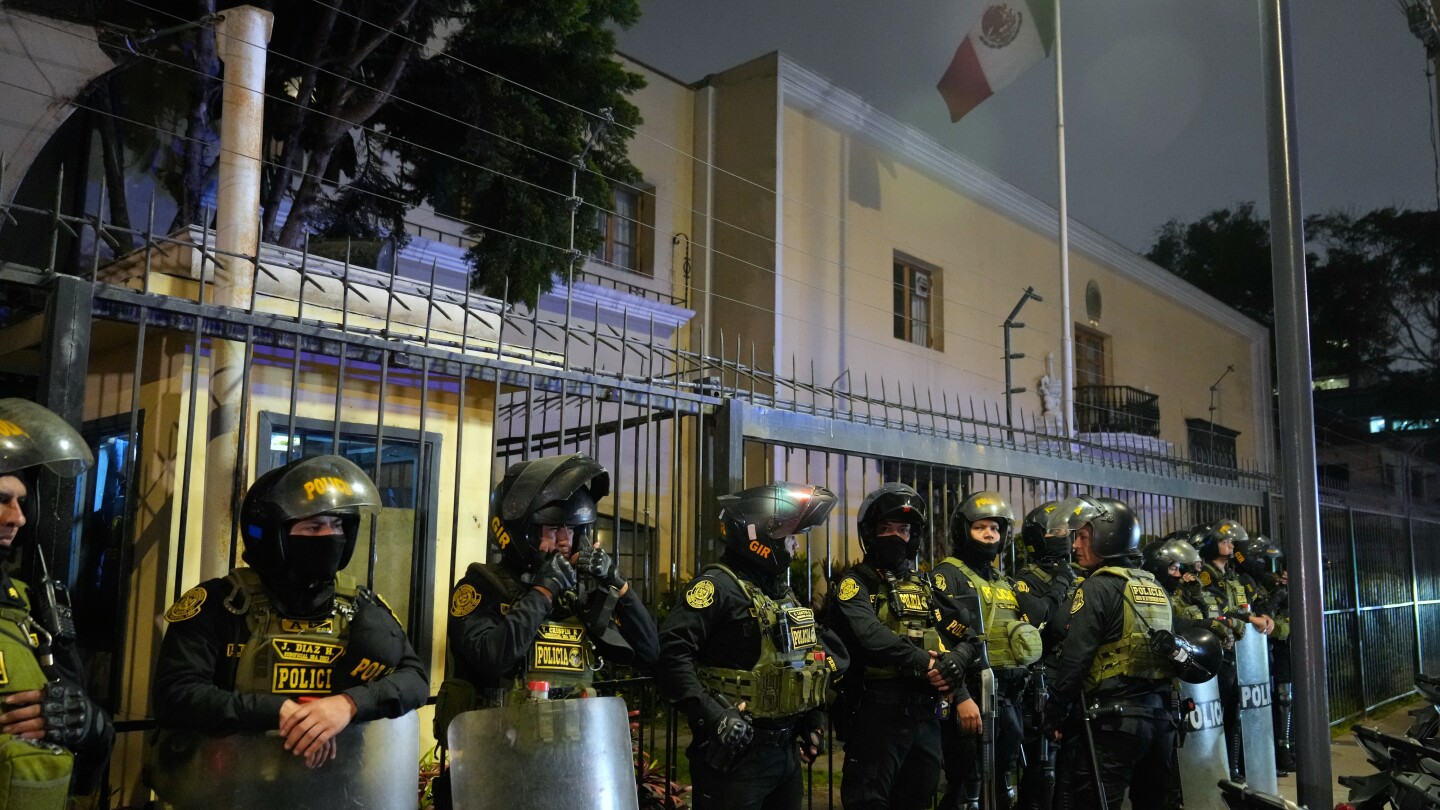
In a dramatic escalation of diplomatic tensions, Peru’s Congress declared Mexican President Claudia Sheinbaum persona non grata on Thursday. This decision followed Mexico’s move to grant asylum to former Peruvian Prime Minister Betssy Chávez, which Peruvian officials condemned as interference in their internal affairs. The legislative vote, which passed with 63 in favor, 34 against, and two abstentions, highlighted deep divisions over Sheinbaum’s perceived support for former Peruvian President Pedro Castillo. Castillo, who was ousted in December 2022 after attempting to dissolve Congress, remains detained on charges of rebellion and conspiracy. Peru’s interim President José Jerí severed diplomatic ties with Mexico earlier this week, citing Sheinbaum’s asylum decision as a provocation. Chávez, who faces up to 25 years in prison for her alleged role in Castillo’s actions, remains in the Mexican diplomatic residence in Lima, as Peru has yet to grant her safe passage. Mexico defended its decision, stating it complied with international law and rejecting Peru’s response as excessive. Meanwhile, Peru’s Congress is considering measures to bar Chávez from holding public office, further intensifying the rift between the two nations.
分类: politics
-

Judge orders Trump administration to fully fund Snap food benefits
A federal judge has mandated the Trump administration to fully finance the Supplemental Nutrition Assistance Program (SNAP), commonly referred to as food stamps, condemning the administration for allegedly withholding food aid for political motives. Judge John McConnell, in his ruling on Thursday, emphasized the dire consequences of withholding aid, stating that “16 million children are immediately at risk of going hungry.” SNAP, utilized by approximately 42 million Americans—about one in eight—assists low-income individuals in purchasing groceries. Initially, the administration intended to cease all funding this month due to the ongoing government shutdown, the longest in U.S. history. However, they were later instructed to disburse at least partial payments. Judge McConnell, based in Rhode Island, also rebuked President Donald Trump for suggesting that benefits would only be distributed post-shutdown. He approved a petition from various local governments and non-profit organizations, demanding full food benefits instead of the 65% previously ordered for this month. Appointed by President Barack Obama, Judge McConnell set a deadline for benefit payments by Friday, deeming any further delay “simply unacceptable.” He asserted, “This should never happen in America.” Over 42 million Americans depend on SNAP benefits, yet the program has been in jeopardy during the prolonged shutdown. Although individual states manage the benefits, the program relies on federal funding, which has been suspended since October 1. Last month, the U.S. Department of Agriculture (USDA), overseeing SNAP, announced it would cease distributing food-assistance funds starting November 1, citing a lack of funds. Half the states and the District of Columbia have sued the administration over the food-aid freeze, arguing their legal obligation to maintain the program. Federal judges in Massachusetts and Rhode Island ruled that the administration must utilize $5.25 billion in emergency funds for at least partial payments. SNAP, costing about $8 billion monthly, enables low-income Americans to purchase groceries through reloadable debit cards. On average, a family of four receives $715 monthly, equating to less than $6 per person daily. Amid funding uncertainties, local governments have directed recipients to charity food pantries, which have initiated emergency drives. Additionally, cost-saving recipes have gained popularity online as Americans seek ways to manage their budgets.
-
US Supreme Court lets Trump administration require sex at birth be listed on passports
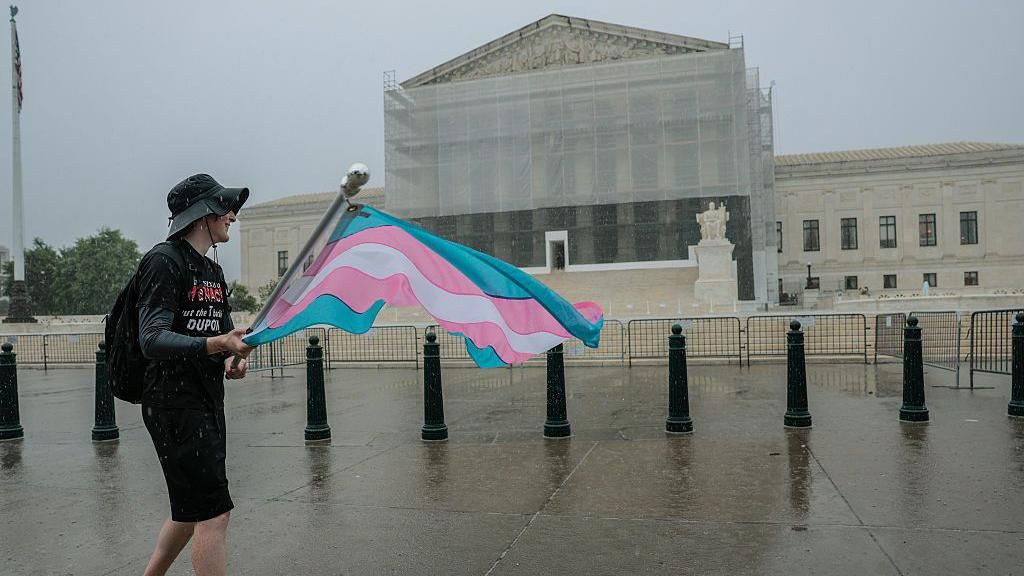
In a significant legal development, the U.S. Supreme Court has temporarily allowed the Trump administration’s policy requiring passports to display an individual’s biological sex at birth. The conservative-majority court issued an unsigned order on Thursday, freezing a lower court’s decision from Massachusetts that had blocked the policy. The court argued that displaying birth sex on passports does not violate equal protection principles, likening it to displaying a person’s country of birth. This decision marks a reversal of the Biden administration’s policy, which permitted individuals to self-select their gender on passports, including a third ‘X’ option for non-binary individuals. The Supreme Court’s ruling suggests that the Trump administration is likely to succeed in its legal challenge, potentially leading to a final decision upholding the birth sex requirement. The court’s three liberal justices dissented, with Justice Ketanji Brown Jackson criticizing the conservative majority for ‘senseless sidestepping of the obvious equitable outcome.’ The plaintiffs in the case argued that the policy could lead to harassment and violence against transgender individuals. This decision is part of a broader effort by the Trump administration to roll back policies related to transgender rights and diversity, equity, and inclusion (DEI). The State Department had previously allowed passport sex designations to differ from birth sex with medical documentation since 1992. In April, a Massachusetts judge had deemed the Trump policy discriminatory, rooted in ‘irrational prejudice,’ and a violation of equal protection rights under the Fifth Amendment. However, the Supreme Court’s latest action has temporarily halted the enforcement of that ruling.
-
UN approves US-backed effort to lift sanctions on Syria’s president
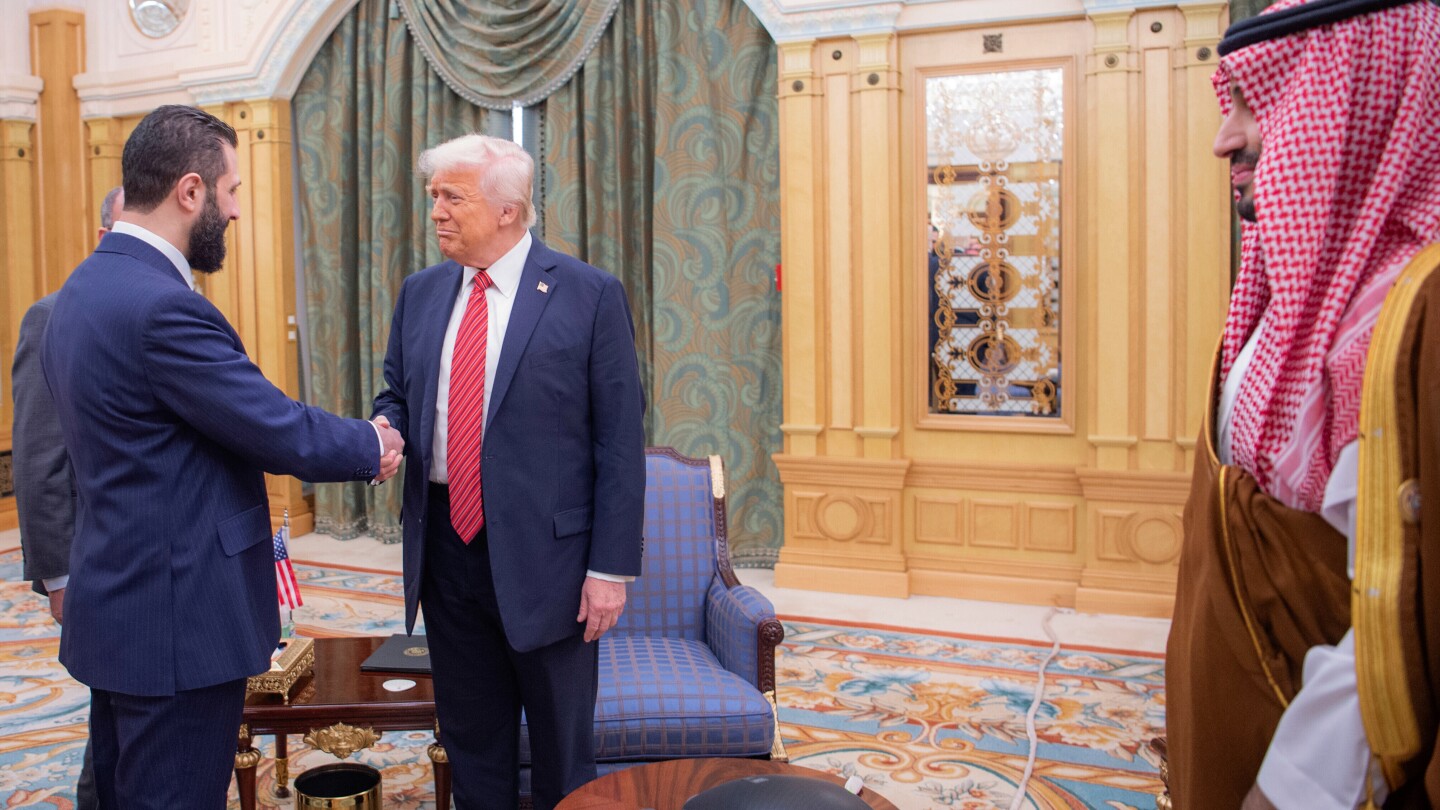
In a landmark decision, the United Nations Security Council voted on Thursday to lift sanctions imposed on Syrian President Ahmad al-Sharaa and key members of his government. This move comes just days before al-Sharaa’s scheduled visit to the White House, marking the first time a Syrian president will visit Washington since Syria’s independence in 1946. The U.S.-backed resolution, which removes sanctions linked to al-Sharaa and Syria’s Interior Minister Anas Hasan Khattab due to their former ties to al-Qaida, was passed with 14 votes in favor and China abstaining. U.S. Ambassador to the U.N. Mike Waltz hailed the decision as a recognition of Syria’s transition into a new era following the ousting of longtime autocrat Bashar Assad in December 2024. Syria’s foreign ministry welcomed the vote, calling it a diplomatic victory that underscores international confidence in al-Sharaa’s leadership. However, China expressed skepticism, with Ambassador Fu Cong criticizing the U.S. for pushing the resolution without addressing all parties’ counterterrorism concerns. The visit is expected to solidify Syria’s participation in the U.S.-led anti-Islamic State coalition, a key component of President Donald Trump’s strategy to rebuild relations with Syria after decades of conflict. While the U.N. sanctions have been lifted, stringent U.S. sanctions under the Caesar Syria Civilian Protection Act remain in place, requiring congressional action for removal. Bipartisan support in the Senate signals potential progress toward Syria’s economic reconstruction, which is crucial after a devastating civil war that claimed nearly half a million lives and displaced millions.
-
Senate to vote on legislation to limit Trump administration from attacking Venezuela
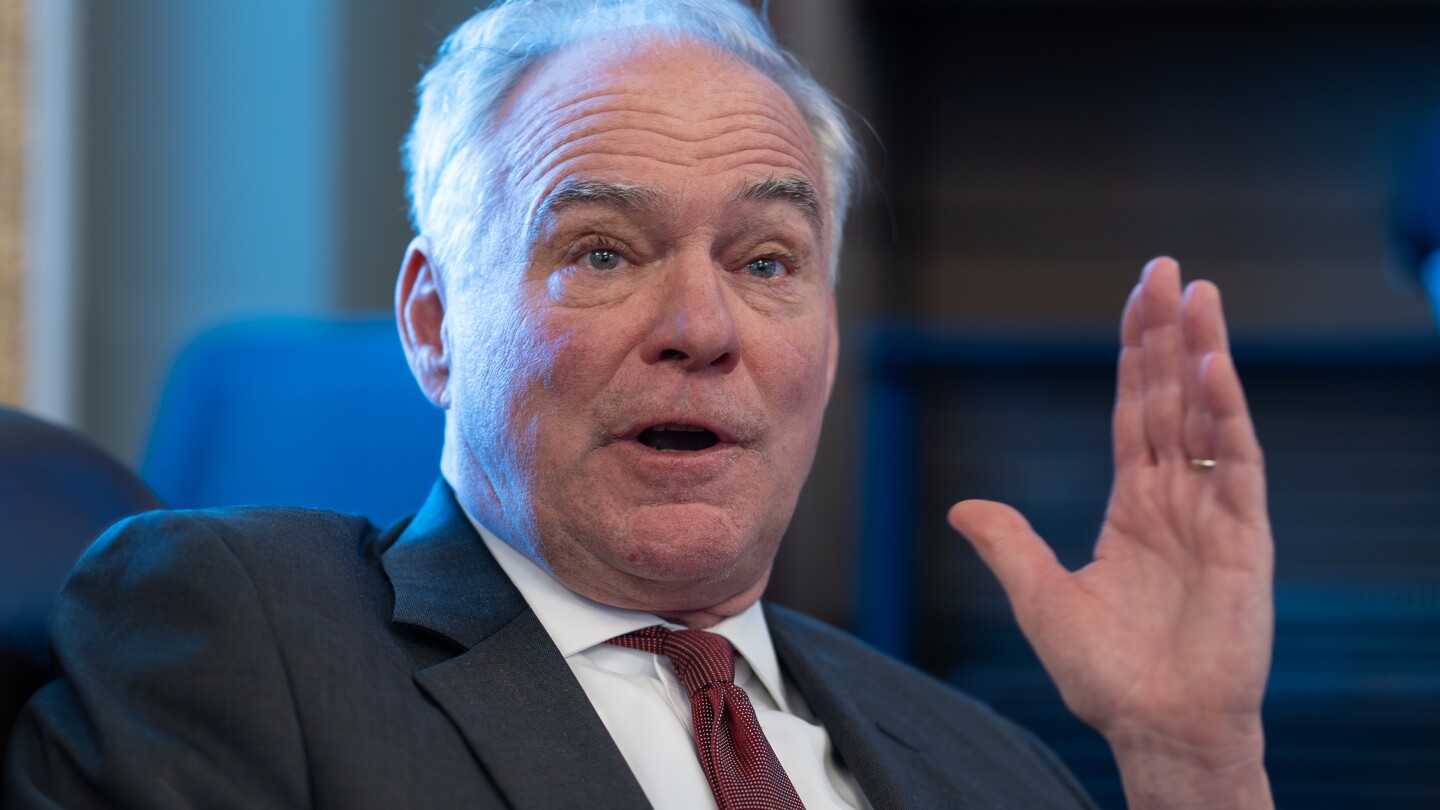
The U.S. Senate convened on Thursday to deliberate on a pivotal piece of legislation aimed at restricting President Donald Trump’s capacity to initiate military action against Venezuela. This move comes amidst escalating tensions between the Trump administration and Venezuelan President Nicolás Maduro, with Democrats urging Congress to assert a more robust oversight role in the high-stakes geopolitical standoff. The proposed resolution, spearheaded by Senator Tim Kaine, a Virginia Democrat, seeks to mandate congressional approval before any military engagement on Venezuelan soil, reflecting growing bipartisan concerns over the administration’s aggressive posture in the region. Despite its slim chances of enactment—given Trump’s likely veto—the vote serves as a litmus test for Republican senators’ willingness to challenge the president’s military buildup in the Caribbean. Lawmakers, including key Republicans, have expressed unease over the administration’s lack of transparency regarding recent U.S. naval strikes targeting alleged drug-smuggling vessels. Critics argue that the deployment of advanced military assets, such as the USS Nimitz aircraft carrier, signals broader intentions beyond counter-narcotics operations, potentially hinting at regime change objectives. Senator Adam Schiff, a California Democrat, underscored the gravity of the situation, warning that unchecked military escalation could entangle the U.S. in an unwarranted conflict. The debate also highlighted broader frustrations within Congress over the Pentagon’s recent policy shifts, including reductions in U.S. troop deployments in Romania and the suspension of security aid to Ukraine. As the Trump administration intensifies its briefings to lawmakers, the Senate’s vote underscores the enduring tension between executive authority and congressional oversight in matters of war and peace.
-
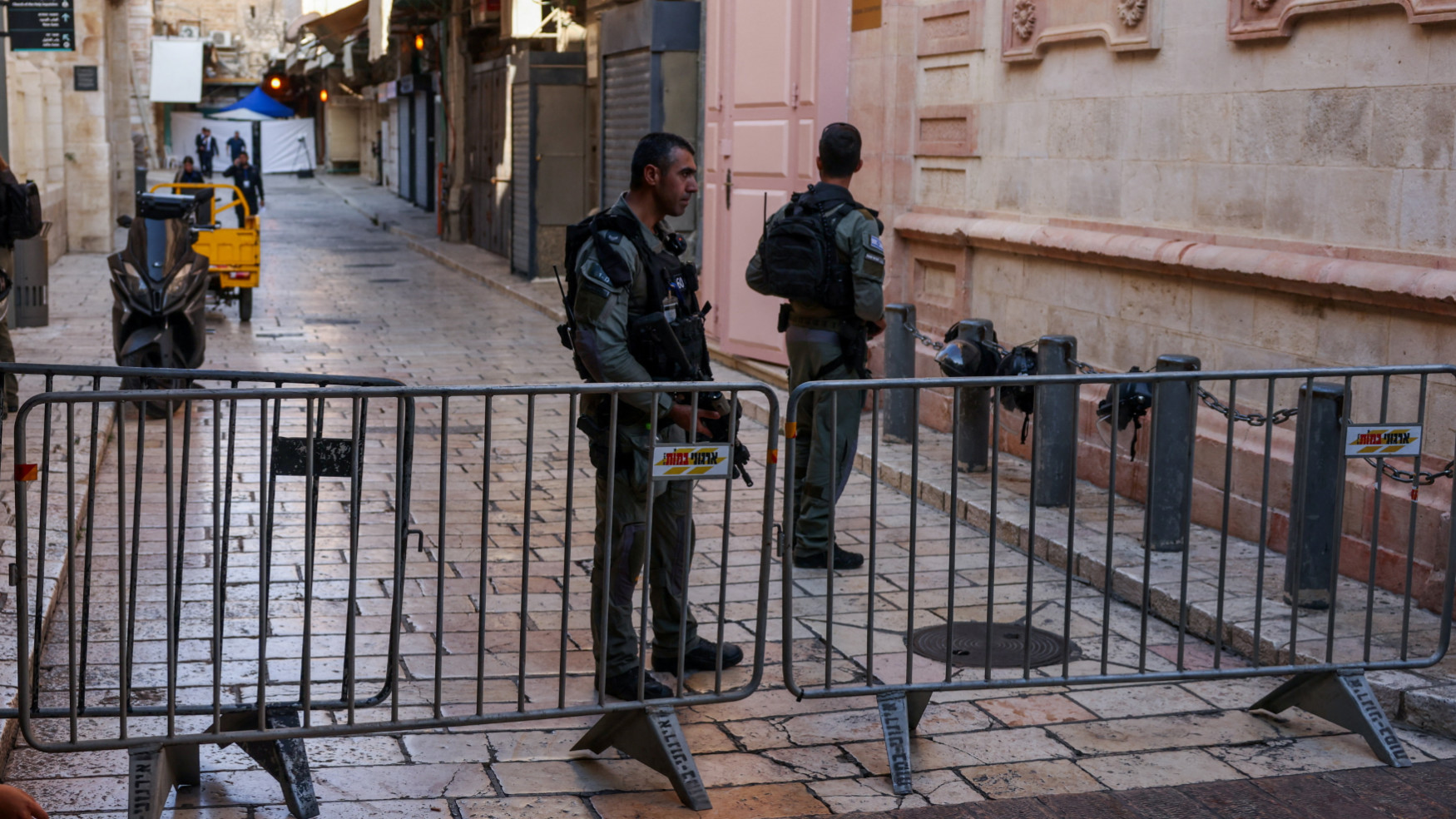
Israeli press review: Police raid major labour union in corruption probe
In a significant development, Israeli police conducted a raid on the offices of the Histadrut, Israel’s oldest and most prominent labor union, labeling it as one of the largest public corruption scandals in the country’s history. The operation, carried out on Monday morning, led to the arrest of several senior union members, including its chairman, Arnon Bar-David. The individuals are suspected of involvement in bribery, fraud, and breach of trust. At the heart of the scandal is Ezra Gabay, an insurance agent who allegedly used his government connections to appoint Histadrut committee heads to positions in government companies in exchange for personal favors. Additionally, senior Histadrut officials are suspected of planning to sell some of the organization’s assets, worth millions of shekels, for personal profit. The investigation is expected to involve over 300 senior officials, including union heads from major institutions like El Al Airlines and the Jewish National Fund, as well as public officials and mayors. Culture Minister Miki Zohar, from Prime Minister Benjamin Netanyahu’s Likud party, is also set to be questioned due to his close ties with some of the suspects. The Histadrut, historically aligned with the left-wing Labor Party, has seen increasing influence from Likud in recent decades. The scandal has drawn criticism from various quarters, with the left-wing Hadash party accusing Bar-David of having direct ties with the government and supporting Netanyahu’s policies. Meanwhile, the Israeli parliament has given preliminary approval to a controversial bill aimed at limiting press freedom, sparking concerns about the erosion of democratic values. The bill, proposed by Communications Minister Shlomo Karhi, seeks to impose political control over broadcasting authorities and remove restrictions between commercial interests and news broadcasts. Critics, including opposition MPs, have likened the bill to tactics used by Viktor Orban in Hungary to suppress media freedom. In a separate development, Israeli journalist Almog Boker, known for his controversial statements about Gaza, received an award for excellence in media coverage, further fueling debates about media ethics and objectivity in Israel.
-
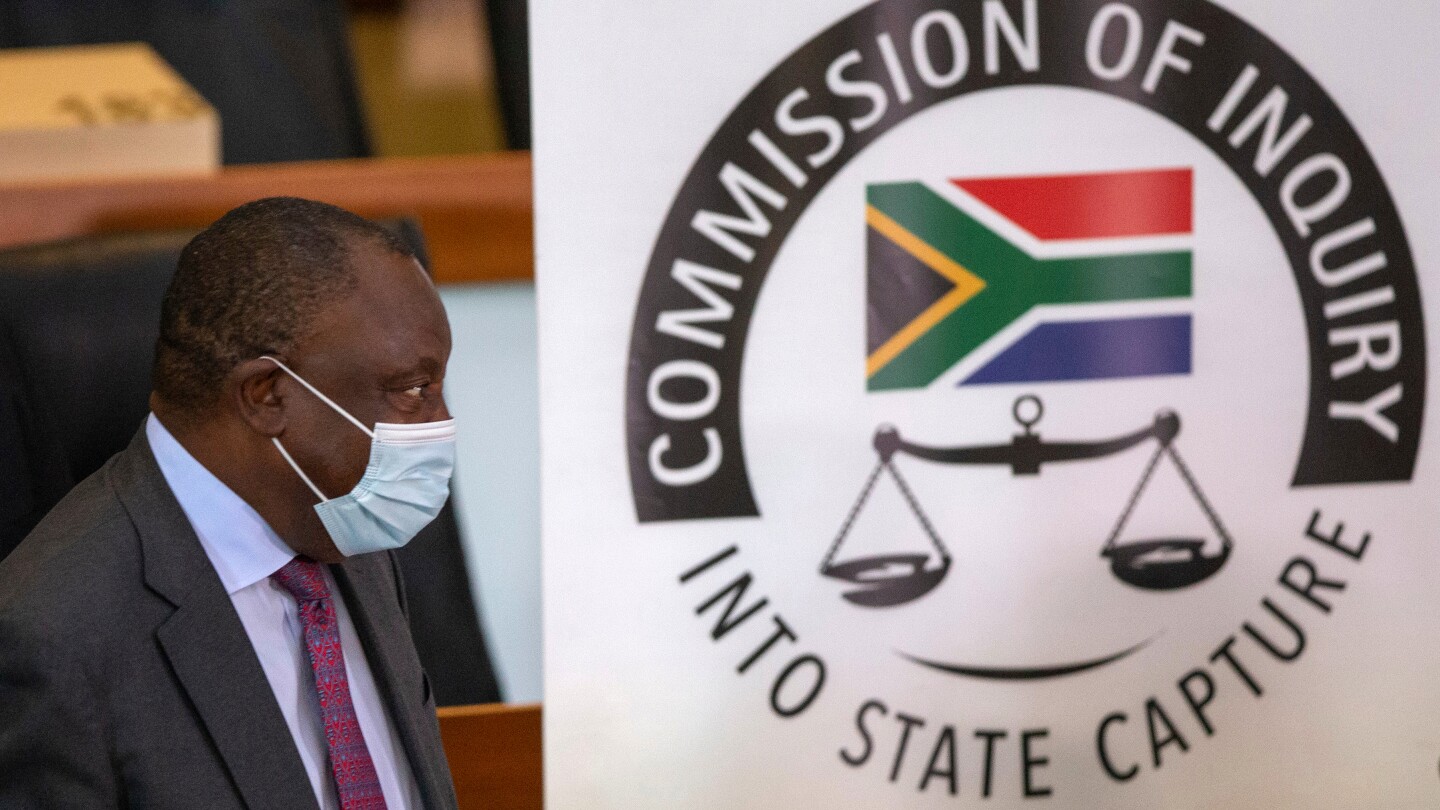
Businessman who blew the whistle on a South African government bribery scandal gets plea deal
In a landmark decision that has stirred public debate, South African businessman Angelo Agrizzi, a key figure in a sprawling corruption scandal, has been spared jail time following a plea agreement with state prosecutors. Agrizzi, who confessed to orchestrating bribery schemes involving high-ranking government officials and lawmakers, was sentenced to 40 years in prison, but the sentence was suspended on the condition of his continued cooperation with ongoing investigations. This development was announced by the National Prosecuting Authority on Thursday. Agrizzi’s testimony during the Zondo Commission in 2019 had unveiled a dark chapter of systemic corruption under the leadership of former President Jacob Zuma, who resigned in 2018 amid graft allegations. Agrizzi detailed how he facilitated bribes, often concealed in newspapers or gray bags, to secure lucrative government contracts for his company, Bosasa. His revelations implicated several senior officials and politicians from the ruling African National Congress (ANC) party. The plea deal specifically addresses cases involving former officials from South Africa’s Department of Corrections and a former ANC lawmaker, all accused of accepting bribes to award Bosasa contracts worth over $100 million. Agrizzi pleaded guilty to three counts of corruption and one count of money laundering. The case has drawn criticism over the slow pace of prosecutions, with many implicated individuals seemingly evading accountability. The Zondo Commission, which ran from 2018 to 2022, exposed widespread corruption but has led to few convictions. Former President Zuma, already convicted of contempt of court for refusing to testify, faces separate corruption charges dating back to the late 1990s and early 2000s, which remain unresolved.
-
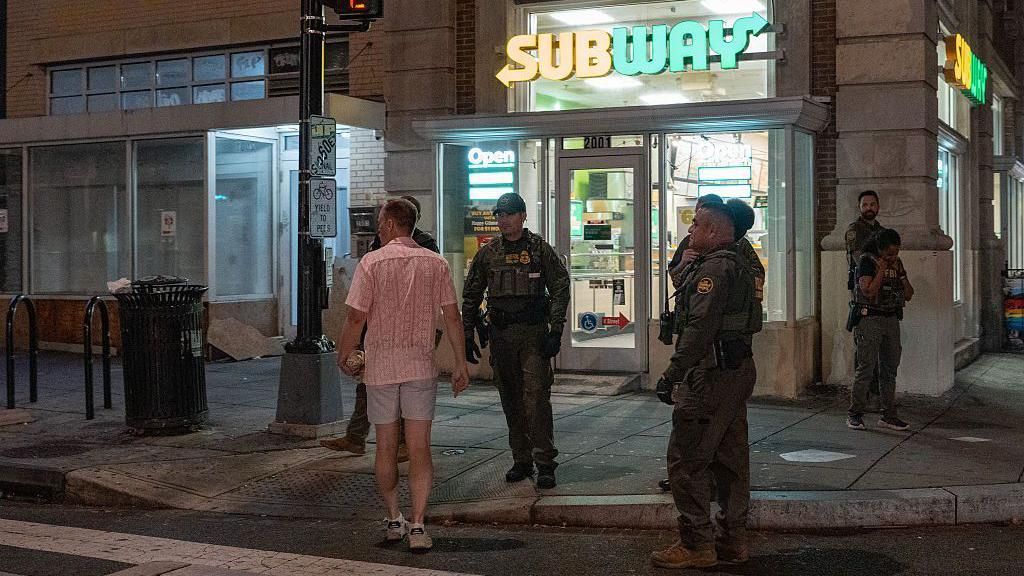
Man who threw sandwich at US border agent not guilty of assault
A Washington DC protester, Sean Dunn, has been acquitted of misdemeanor assault charges after a viral video showed him throwing a sandwich at a US border patrol agent. The incident, which occurred on August 10, has become a symbol of local opposition to President Donald Trump’s deployment of federal agents and National Guard troops to the city. Dunn, 37, did not deny the act but argued it was not criminal. The jury’s verdict followed a two-day trial, during which Customs and Border Patrol agent Gregory Lairmore testified about the sandwich ‘exploding all over him’ and leaving stains on his uniform. Dunn, who was fired from his job as a paralegal in the Department of Justice after the incident, expressed relief at the acquittal, stating he was ‘looking forward to moving on with my life.’ Initially, government prosecutors sought felony charges, but a grand jury declined to indict him, leading to the lesser misdemeanor charge. The deployment of troops to Washington DC this summer sparked outrage among residents, who viewed it as a politicization of the military. The White House defended the move as necessary to combat crime. During the trial, Lairmore recounted the incident, describing how the sandwich’s impact was felt through his ballistic vest and how he became the subject of jokes among colleagues. Dunn’s lawyer, Julia Gatto, argued that the widespread humor surrounding the incident demonstrated it was not a serious assault. The case has highlighted the ongoing tensions between local residents and federal authorities in the nation’s capital.
-
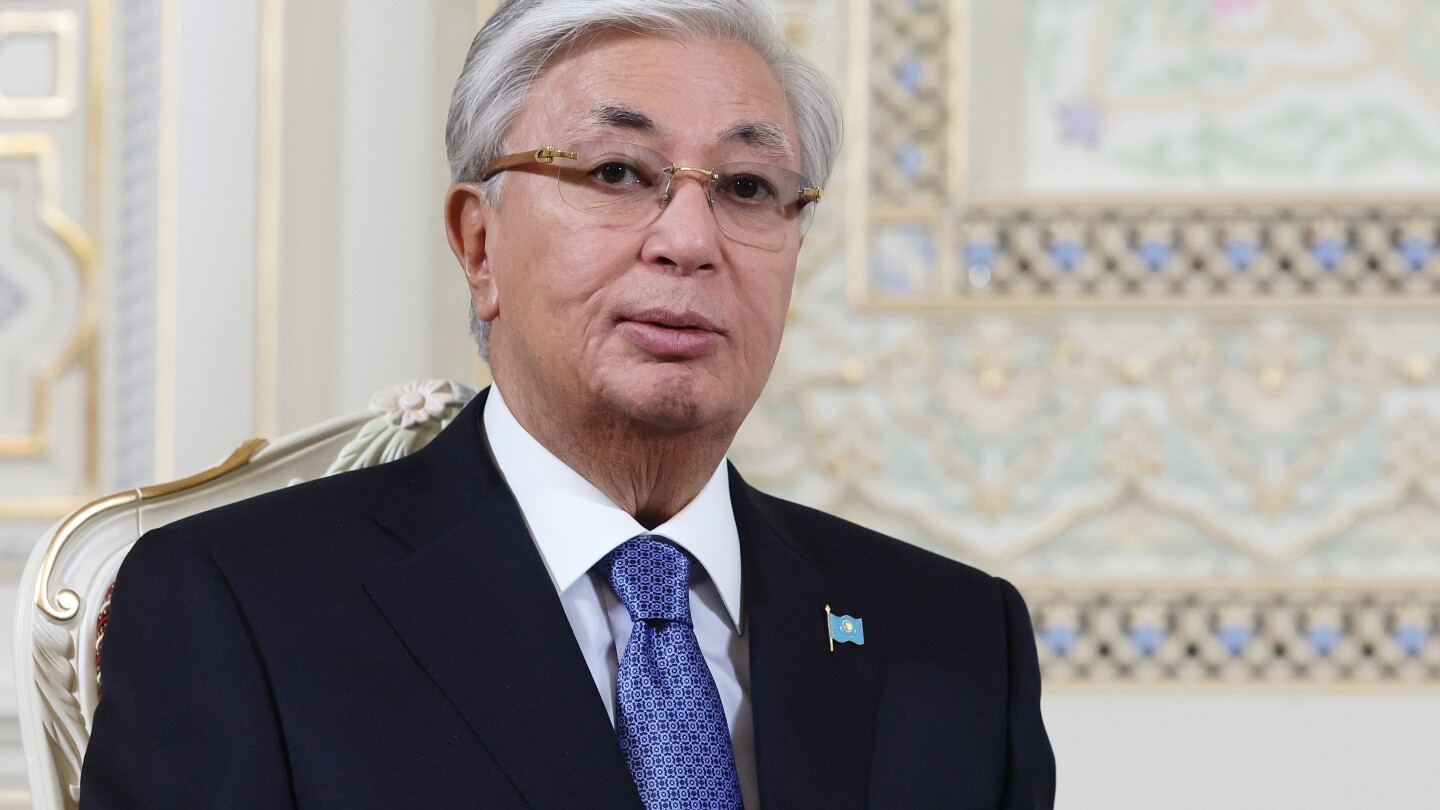
Kazakhstan will join the Abraham Accords with Israel in symbolic move to boost the Trump initiative
In a significant diplomatic development, Kazakhstan has announced its participation in the Abraham Accords, a landmark initiative established during the first administration of former U.S. President Donald Trump. The move, described by U.S. officials as largely symbolic, underscores Kazakhstan’s long-standing diplomatic relations with Israel, which date back to 1992. Unlike other signatories such as Bahrain, Morocco, Sudan, and the United Arab Emirates, Kazakhstan’s geographical distance from Israel makes its inclusion unique. The announcement was made during a summit hosted by Trump, who gathered leaders from five Central Asian nations, including Kazakhstan, to discuss regional cooperation and strategic partnerships. While Kazakhstan’s formal ties with Israel have existed since the collapse of the Soviet Union, its participation in the Abraham Accords is expected to bolster bilateral trade, defense, cybersecurity, energy, and food technology collaborations. The decision also signals Israel’s growing international acceptance, particularly amid ongoing criticism of its actions in the Gaza conflict. U.S. officials emphasized that Trump’s nascent peace plan for Gaza has reshaped global perceptions, encouraging more nations to align with the ‘circle of peace.’ The summit also highlighted broader U.S. efforts to strengthen ties with Central Asia, particularly in areas such as rare earth metals, as part of a strategy to counter China’s influence in the region. Secretary of State Marco Rubio’s meeting with Kazakh President Kassym-Jomart Tokayev further underscored the focus on expanding trade, investment, and technological cooperation, though discussions on Israel were notably absent from official statements.
-
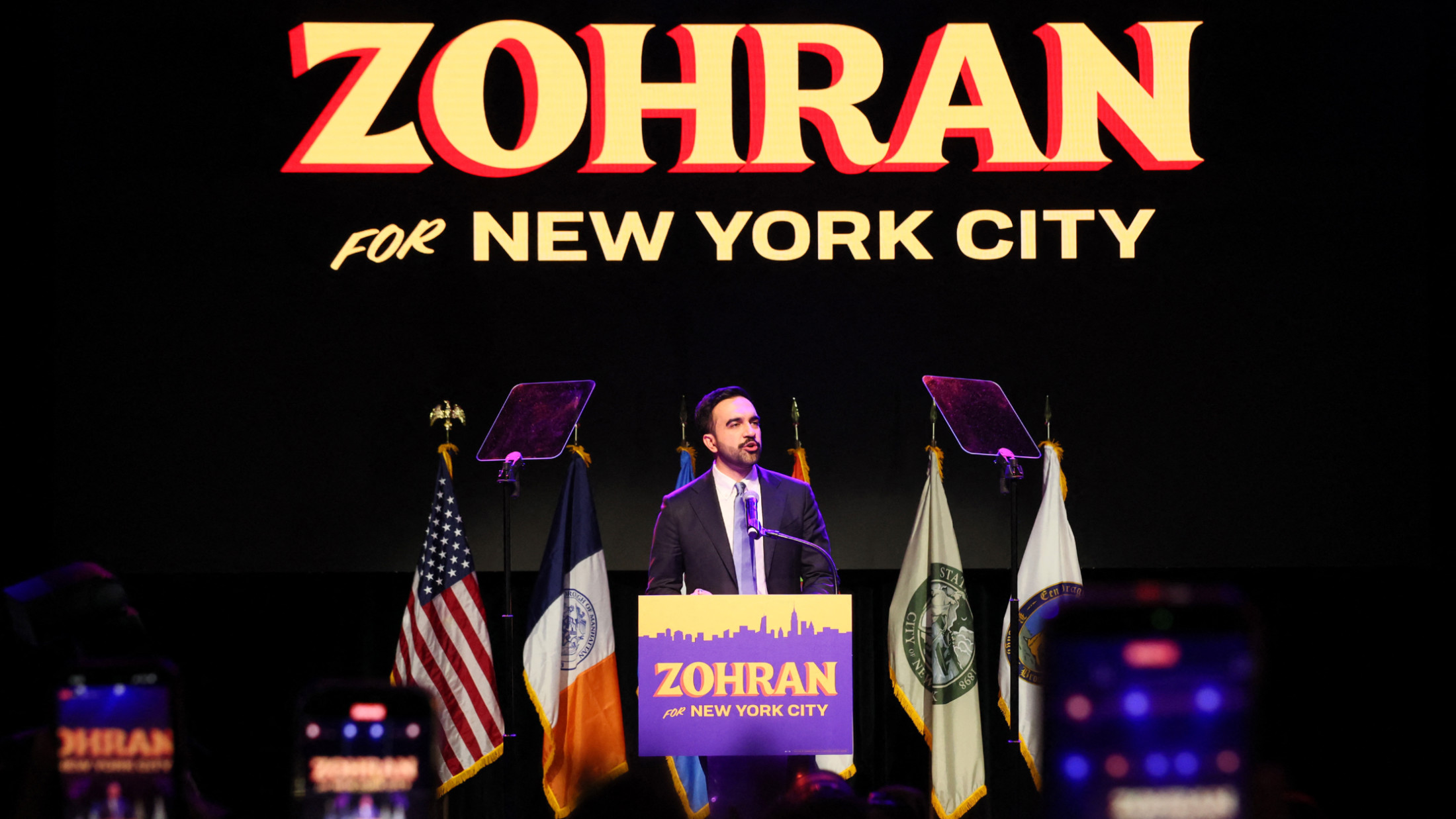
Iranian press review: Mamdani’s New York victory stirs debate
The election of Zahran Mamdani as mayor of New York has sparked varied reactions in Iran, with Tehran celebrating the rise of a Muslim Shia politician in the US as a symbolic victory. However, the event has also been used by critics to highlight systemic issues within Iran’s political structure. Hossein Derakhshan, a former political prisoner, drew parallels between Mamdani’s election and the hypothetical scenario of a young Sunni Afghan woman becoming mayor of Tehran, emphasizing the deep-seated racism and sexism in Iran. Conservative figures, including Ali Bahadori Jahromi, spokesperson for the late former president Ebrahim Raisi, criticized the entrenched power dynamics in Iran, questioning the opportunities for younger generations to lead. Meanwhile, the rising number of executions in Iran continues to draw international condemnation. On November 4, at least 12 people were executed across several cities, with charges ranging from murder to drug trafficking. This year has seen a sharp increase in executions, with over 1,100 carried out so far, often used as a tool to suppress political dissent. The Independent International Fact-Finding Mission on Iran has warned that such executions could constitute crimes against humanity. Additionally, the arrests of several academics, including economist Parviz Sedaghat and sociologist Mahsa Asadollahnejad, have raised concerns about the government’s crackdown on independent voices. The Iranian Sociological Association has called for the release of these researchers, highlighting the troubling implications for the academic community. Amid these developments, Iran’s position as a major player in cryptocurrency mining has also come under scrutiny, with unauthorized mining exacerbating the country’s electricity shortages.