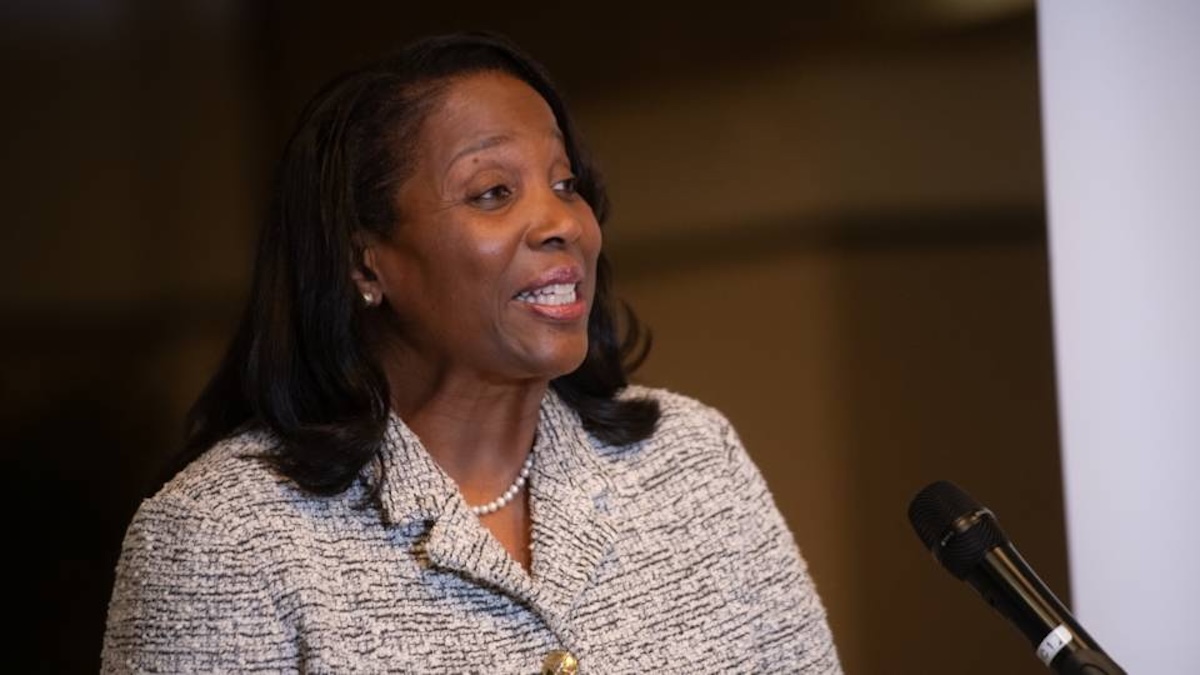
The ongoing battle over Lisa Cook’s position on the Federal Reserve’s Board of Governors, amid President Donald Trump’s efforts to remove her, has ignited a critical discussion on the independence of central banks. This struggle underscores a broader power conflict between political leaders and public institutions tasked with managing monetary policy. Central banks, which regulate a nation’s currency and monetary flow, wield significant influence over economic growth, inflation, employment, and financial stability. Politicians often seek to control or manipulate these levers, especially during pivotal moments like elections or periods of declining popularity. However, such politically motivated interventions can jeopardize long-term economic health, leading to future economic challenges. Since the 1990s, data-driven and technocratic monetary policymaking has been regarded as the gold standard for national financial governance, effectively maintaining low and stable inflation. Despite this, central banks have faced mounting political pressure over the past decade. Trump’s administration exemplifies this trend, with the president openly criticizing Federal Reserve Chair Jerome Powell and demanding lower interest rates. Unable to remove Powell, Trump has shifted focus to Cook, alleging misconduct in a mortgage application—a claim Cook disputes, asserting the president lacks the authority to dismiss her. This confrontation highlights the fragile balance between political influence and central bank autonomy, a dynamic that has global implications for economic stability. While laws protect central banks from political interference, recent trends suggest a gradual erosion of this independence. As political economists note, the tug-of-war over monetary policy reflects the tension between short-term political gains and long-term economic well-being.
分类: politics
-
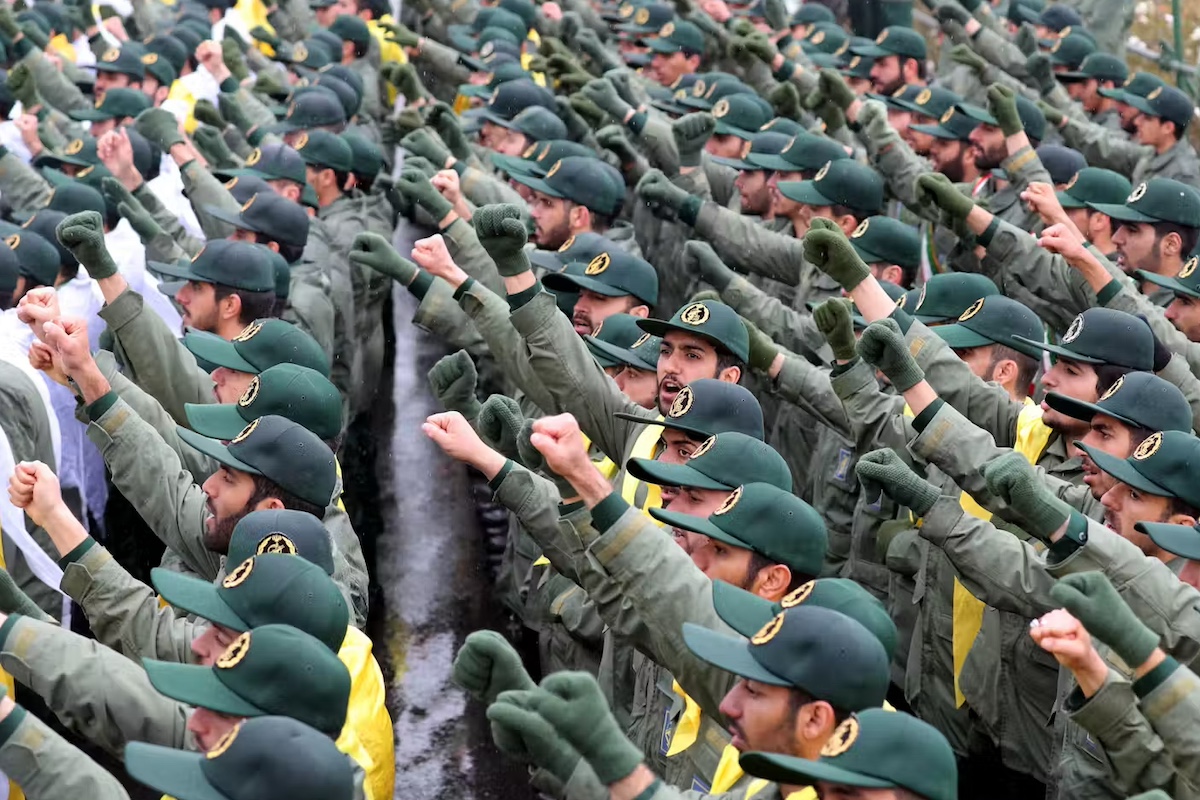
Iran’s IRGC listed terror group for antisemitic attacks in Australia
In a dramatic move, Australian Prime Minister Anthony Albanese has accused Iran of directing at least two antisemitic attacks on Australian soil, including the firebombing of a synagogue. These actions, Albanese claims, were intended to sow discord and undermine social cohesion in the country. In response, Australia has expelled Iran’s ambassador, suspended operations of its embassy in Tehran, and announced plans to designate Iran’s Islamic Revolutionary Guard Corps (IRGC) as a terrorist organization, aligning with similar actions by the United States and Canada. The IRGC, a branch of Iran’s armed forces, has been implicated in various destabilizing activities globally, including coordinating support for groups like Hezbollah and Hamas. Western intelligence agencies have long accused the IRGC of involvement in covert operations, with the UK recently revealing it had thwarted 20 Iranian-linked plots since 2022. Australia’s decision marks a significant escalation in its stance toward Iran, with officials noting this is the first time since World War II that Canberra has expelled an ambassador. Tehran is expected to reject the allegations, dismissing them as politically motivated. This development comes amid broader tensions over Iran’s nuclear program, with Western powers demanding a halt to uranium enrichment activities and preparing to reimpose sanctions. Australia’s actions may further isolate Iran internationally, adding momentum to Western efforts to counter its influence.
-
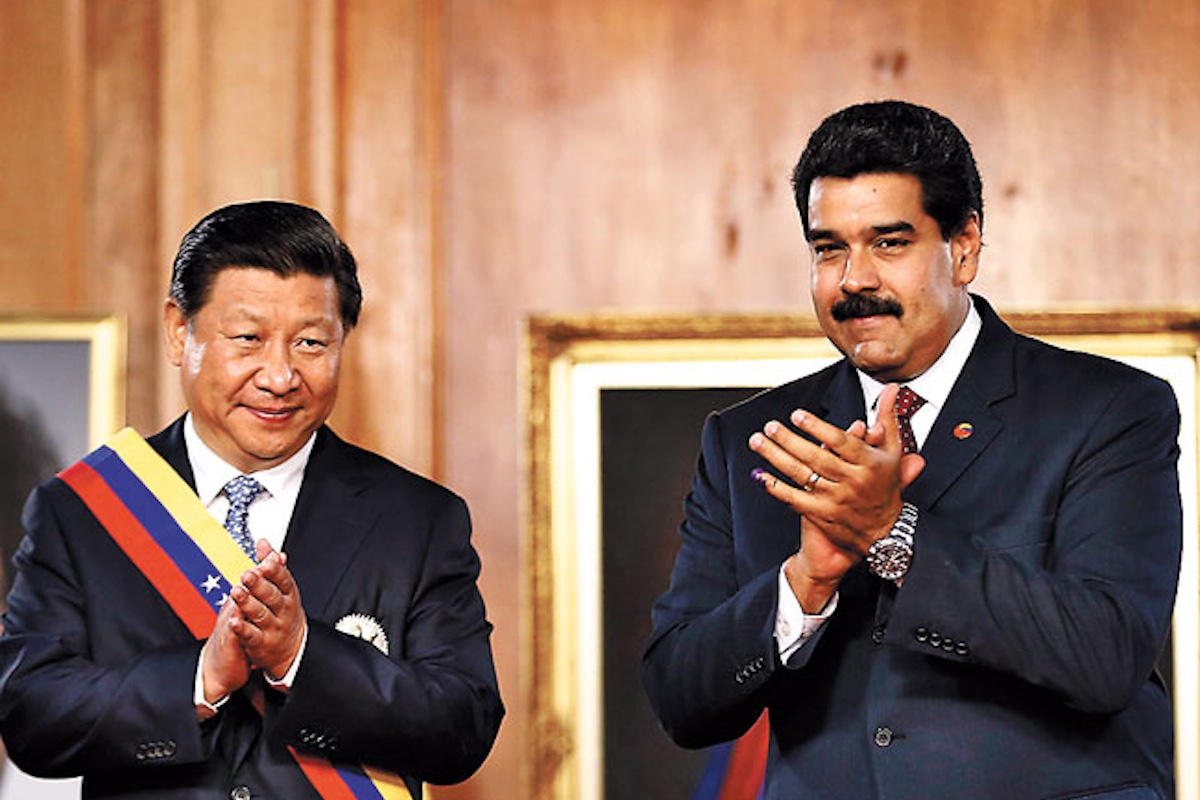
Trump, Venezuela and China’s Latin America advance
The Trump administration’s Venezuela policy, largely continued by the Biden administration, serves as a cautionary tale of how ideological rigidity can undermine strategic interests, particularly in the context of geopolitical competition with China. While Washington focused on maximum pressure tactics—sanctions, diplomatic isolation, and threats of military intervention—Beijing quietly positioned itself as Venezuela’s economic lifeline, deepening its influence in America’s backyard. This outcome was predictable: cutting off a regime’s traditional economic ties inevitably drives it toward alternative partners. China, with its non-interference policy and hunger for energy resources, emerged as the obvious choice, reaping significant strategic benefits at Washington’s expense. The US approach, rooted in the flawed assumption that economic pressure alone would trigger regime change, has proven counterproductive. Instead of weakening President Maduro’s grip, sanctions fostered a dependency on China, further entrenching Beijing’s foothold in the region. China’s strategy, characterized by ‘authoritarian pragmatism,’ has secured access to Venezuela’s oil reserves, expanded its economic presence in Latin America, and positioned itself as a counterbalance to US hegemony. This case highlights a broader issue in US foreign policy: prioritizing moral satisfaction over strategic calculation. By framing Venezuela policy around democracy promotion rather than managing great power competition, Washington inadvertently handed Beijing a strategic victory. A more effective approach would involve selective engagement with the Maduro government, economic competition with China, and multilateral coordination with regional partners. The lesson is clear: in an era of great power competition, ideological foreign policy is a luxury the US can no longer afford.
-
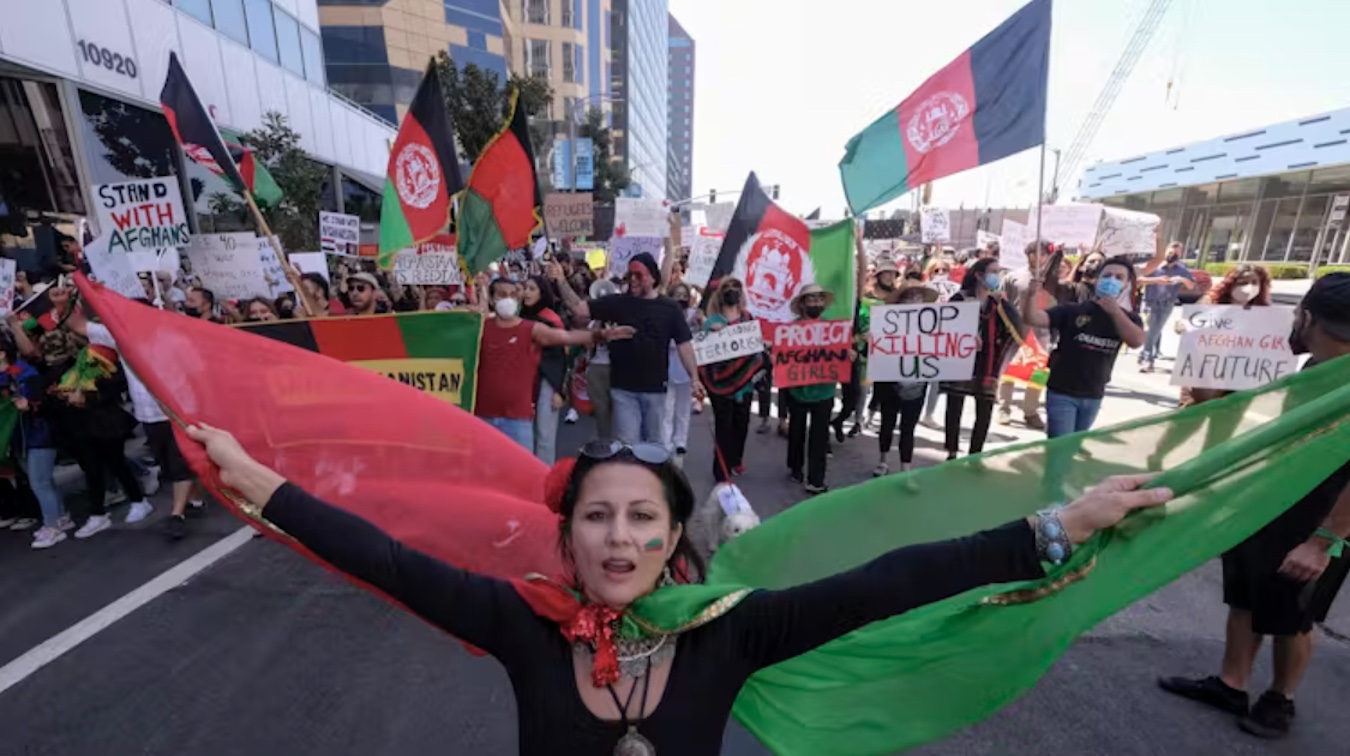
Trump slams door on Afghan asylum seekers fleeing Taliban
Thousands of Afghan nationals residing in the United States are grappling with an uncertain future following a federal appeals court ruling on July 21, 2025, which upheld the Trump administration’s decision to terminate the Temporary Protected Status (TPS) program for Afghans. This program, which provided work permits and protection from deportation, was initially granted in 2022 after the Taliban regained control of Afghanistan in late 2021. The Taliban’s oppressive regime, which enforces a strict interpretation of Islamic law, has banned women and girls from education and employment, creating a humanitarian crisis that justified the TPS designation. However, in May 2025, Homeland Security Secretary Kristi Noem announced the termination of TPS for Afghans, citing improved security and economic stability in Afghanistan. This decision affects approximately 8,000 Afghan TPS holders, many of whom fled due to fears of persecution by the Taliban, including former government employees, women’s rights advocates, and those who collaborated with the U.S. military. Experts argue that the termination is unlikely to result in voluntary repatriation, as the threat of persecution remains a significant concern. Instead, it may force thousands into unlawful residency, limiting their access to employment, healthcare, and financial stability. Many Afghans are expected to seek asylum, but the U.S. asylum system is already overwhelmed, with a backlog of 1.5 million applications and wait times of up to six years. This situation leaves Afghan TPS holders in a precarious position, with limited legal pathways to remain in the U.S. and support their families both in the U.S. and Afghanistan.
-
Chinese FM urges Japan to face history squarely to earn respect
On the 80th anniversary of Japan’s unconditional surrender in World War II, Chinese Foreign Minister Wang Yi emphasized the importance of Japan confronting its historical actions to earn global respect. Speaking at a press briefing following the tenth Lancang-Mekong Cooperation (LMC) Foreign Ministers’ Meeting in Kunming, Wang, who is also a member of the Political Bureau of the Communist Party of China Central Committee, reiterated China’s stance on historical issues. He highlighted that 80 years ago, Japan accepted the Potsdam Proclamation and surrendered unconditionally, marking the end of its aggressive war that caused immense suffering across Asia, including in China and Japan itself. Wang pointed out that international agreements like the Cairo Declaration and the Potsdam Proclamation clearly outlined Japan’s war responsibilities and mandated the return of territories, including Taiwan, to China. Despite this, Wang criticized certain factions in Japan for continuing to glorify their past invasions and distort historical facts, actions he described as contemptible and detrimental to the post-war international order. Wang concluded by urging Japan to learn from its history to avoid repeating past mistakes and to choose a path that leads to a better future.
-
US foreign policy’s long been transactional – but not like Trump’s
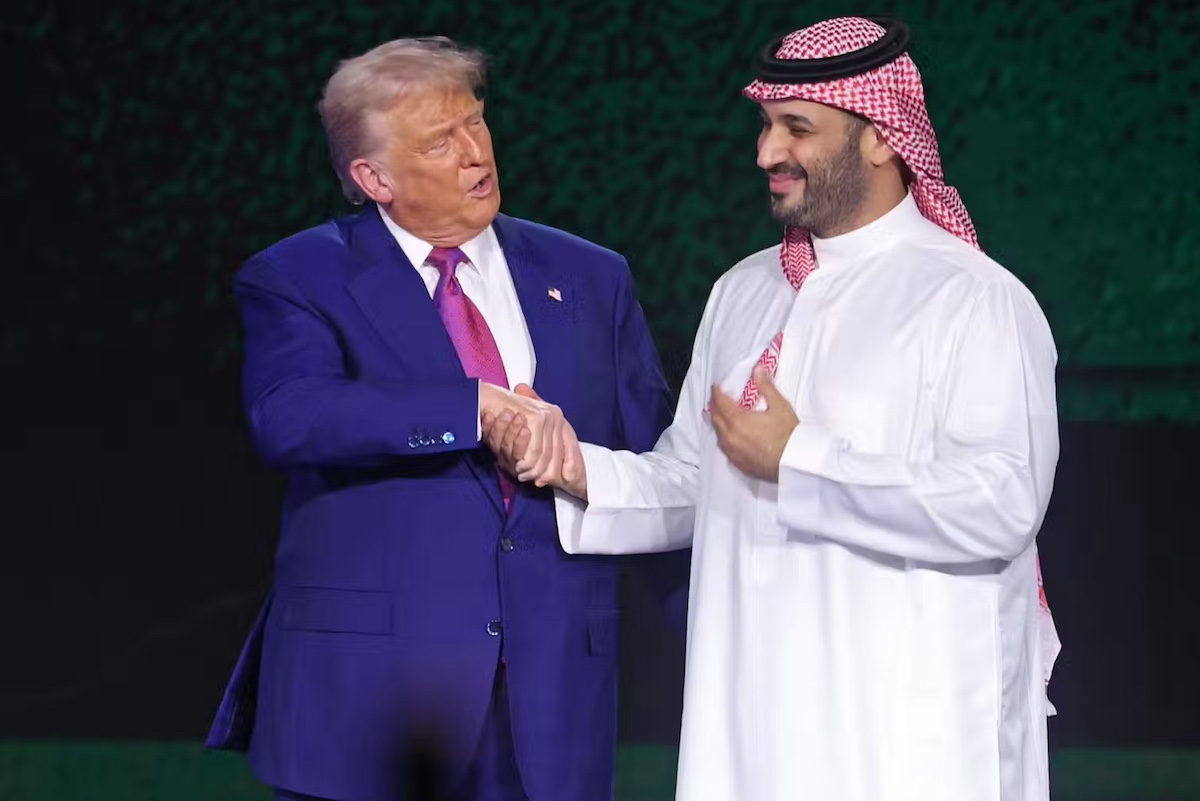
In a recent diplomatic event at the White House, former US President Donald Trump oversaw the signing of a peace agreement between Armenia and Azerbaijan, ending a nearly 40-year conflict. The deal grants the US exclusive rights to develop a transit corridor through southern Armenia, linking Azerbaijan to its exclave of Nakhchivan. This corridor, dubbed the ‘Trump Route for International Peace and Prosperity,’ exemplifies Trump’s transactional foreign policy, which prioritizes commercial opportunities over shared values and institutional frameworks. Trump’s approach marks a significant departure from traditional US foreign policy, as it operates outside institutional constraints and targets democratic allies, often exploiting American power for personal gain. Historically, US presidents have employed transactional strategies, such as Theodore Roosevelt’s interventions in Latin America and Harry Truman’s foreign aid policies during the Cold War. However, Trump’s methods resemble those of authoritarian leaders, with minimal congressional or judicial oversight, and policies shaped by personal whims rather than institutional consistency. This approach has strained relationships with democratic allies while fostering closer ties with authoritarian regimes. Trump’s foreign policy also prioritizes domestic political enemies over traditional adversaries, as seen in his gutting of institutions like USAID and the State Department. Furthermore, Trump has exploited foreign policy for personal gain, receiving gifts from foreign governments and securing lucrative deals for his family businesses. While Trump’s deals may yield short-term benefits, such as the Armenia-Azerbaijan peace agreement, his undemocratic approach undermines long-term global stability and institutional competence. This shift in American leadership raises concerns about the future of US foreign policy and its impact on international relations.
-
Gaza’s full occupation would pave way for Israeli resettlement
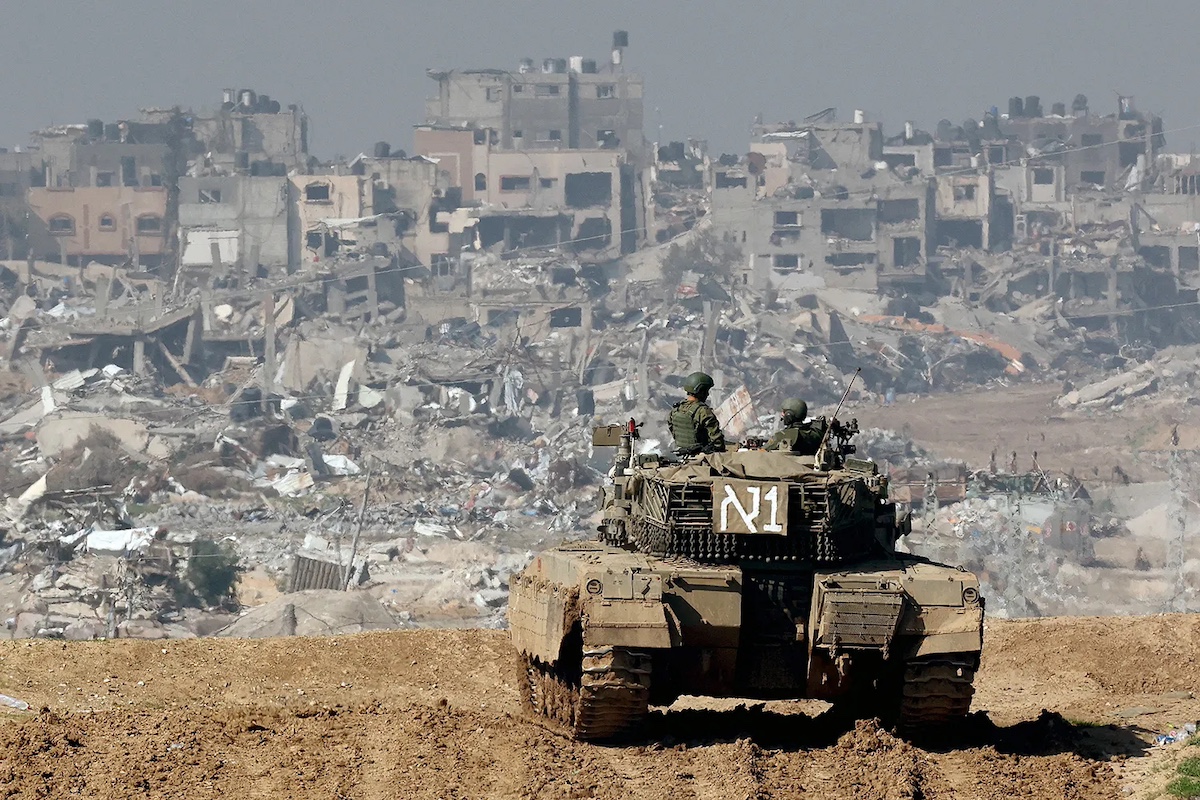
Israeli Prime Minister Benjamin Netanyahu is reportedly contemplating a significant escalation in the ongoing conflict, including a full occupation of the Gaza Strip. This potential move has sparked strong opposition from senior military officials within Israel, as well as mounting international criticism over the worsening humanitarian crisis in Gaza. Despite this, Netanyahu is expected to propose the plan to his cabinet, aiming to seize the remaining areas of the strip not under Israeli control, including regions where hostages are believed to be held. While a majority of Israelis desire an end to the war and the safe return of hostages, some are hopeful for the possibility of resettling Gaza. Netanyahu’s decision, though not necessarily aligned with the settlers’ motives, could lead to similar outcomes on the ground. Historically, Israeli governments have justified settlement expansions under security pretexts, leading to the establishment of military outposts that eventually became civilian settlements. The Gaza Strip was first occupied by Israel during the Six-Day War in 1967, and over time, Israeli settlements grew, creating stark disparities with the Palestinian population. The 2005 disengagement plan, which saw the evacuation of all Israeli settlements from Gaza, marked a significant shift in policy. However, recent calls from settler groups for the resettlement of Gaza, coupled with the inclusion of influential settler leaders in Netanyahu’s cabinet, suggest a potential return to such policies. The international community remains watchful as the situation unfolds.
-
Did the 12-day war forever change Iran’s Khamenei?
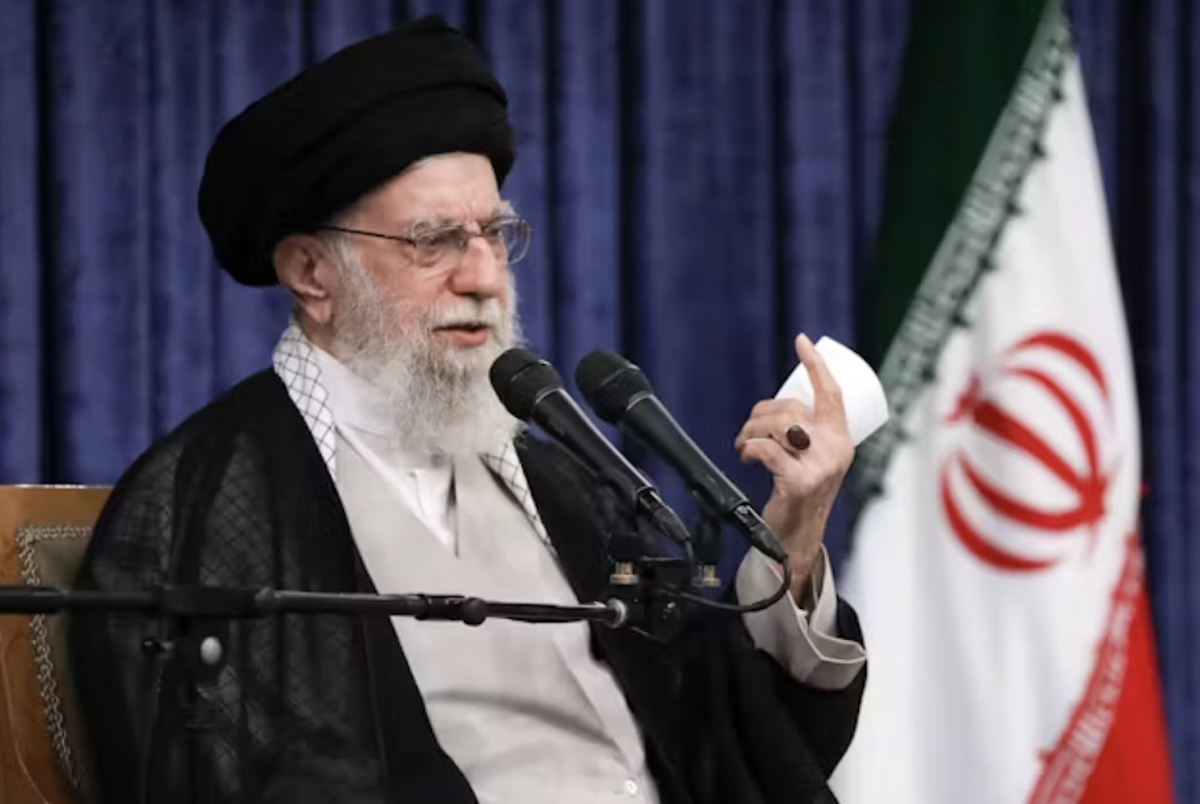
In the aftermath of Israel’s 12-day military campaign against Iran, Supreme Leader Ayatollah Ali Khamenei has largely retreated from public view, sparking widespread speculation about his health and the future direction of the Islamic Republic. The conflict, which saw extensive Israeli and U.S. strikes on Iranian targets, resulted in over 1,000 casualties, including top military commanders and nuclear scientists. This unexpected assault has left Iran grappling with its most significant challenges since the Iran-Iraq War of the 1980s.
-
China happily and aggressively filling Trump’s climate vacuum
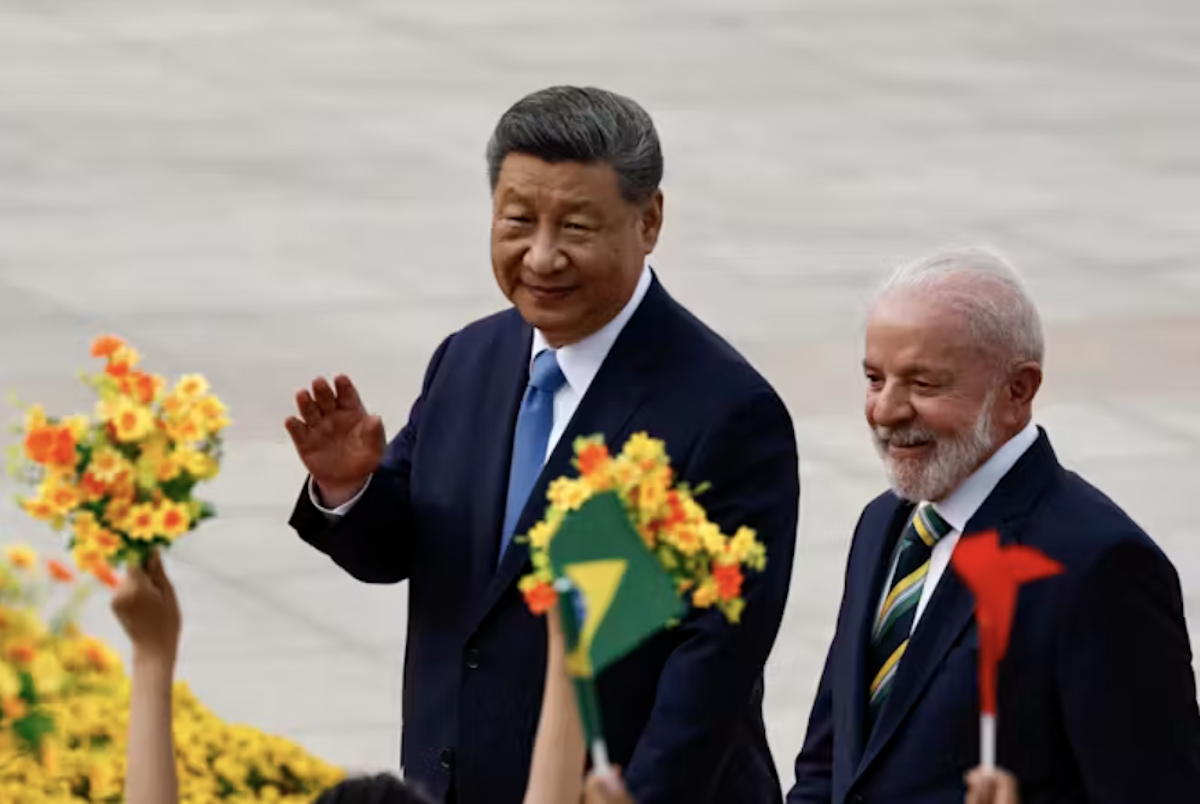
In early 2025, President Donald Trump’s announcement of the United States’ second withdrawal from the Paris Climate Agreement sent shockwaves through the global community. This decision raised concerns about the potential erosion of international efforts to combat climate change and the diminishing influence of the US on the world stage. The move left a leadership vacuum, prompting questions about who would step up to drive global climate action. While the long-term implications of this political shift remain uncertain, emerging leaders are already making their mark. The US initially joined the Paris Agreement in 2015 under President Barack Obama, committing to reduce greenhouse gas emissions by 26-28% below 2005 levels by 2025 and pledging financial aid to developing nations. However, by 2025, the US had only achieved a 17.2% reduction, falling short of its target. Trump’s first withdrawal in 2017, citing economic concerns and perceived unfairness, was met with widespread criticism. Despite this, the agreement endured, bolstered by commitments from US businesses, states, and cities. Globally, countries like China, the European Union, and the UK have intensified their climate efforts, filling the void left by the US. China, in particular, has emerged as a key player, leveraging its Belt and Road Initiative to expand renewable energy investments worldwide. The Paris Agreement’s flexible, nonbinding framework has proven resilient, surviving both US withdrawals. As the world prepares for COP30 in Brazil, the focus remains on balancing economic growth with ecological sustainability, with the question of global climate leadership still unresolved.
-
US-China trade talks threaten to explode over Russia oil
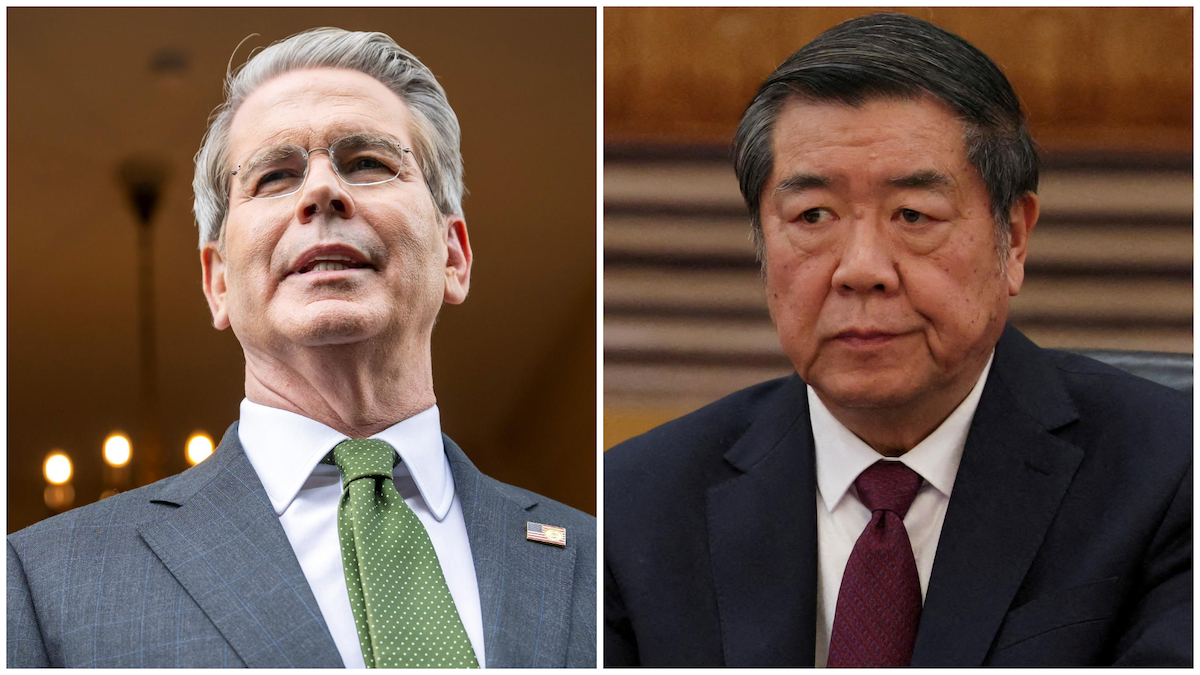
The United States has issued a stern warning to China, urging it to cease its purchases of oil and gas from Russia and threatening to impose secondary sanctions, including potential 100% tariffs. This development follows recent trade agreements between the US, the European Union, and Japan, which set tariffs at 15%. US Treasury Secretary Scott Bessent conveyed Washington’s dissatisfaction during meetings in Stockholm with Chinese Vice Premier He Lifeng, emphasizing concerns over China’s continued acquisition of sanctioned Russian and Iranian oil. Bessent also criticized China’s sale of over $15 billion in dual-use technology to Russia, which reportedly supports Moscow’s military efforts in Ukraine. Chinese officials responded by asserting their sovereignty and internal energy policies, stating that oil purchases are based on national interests. The US-China 90-day tariff truce, set to expire on August 12, remains unresolved, with President Donald Trump poised to decide on its extension or the reimposition of tariffs. Meanwhile, Trump has set a 10-12 day deadline for Russia to end the Ukraine conflict, threatening severe consequences, including tariffs on Russian goods and those from countries purchasing Russian oil. Chinese commentators argue that US pressure will not sever China’s ties with Russia and Iran, emphasizing the strategic importance of these relationships. The global spotlight now focuses on whether China will distance itself from Russia to avoid US tariffs.