In response to a recent Russian drone incursion into Poland, European Defence Commissioner Andrius Kubilius announced plans to expedite the creation of a ‘drone wall’ along the EU’s eastern border. Kubilius revealed that discussions with defence ministers from Eastern Europe and Ukraine will take place next week to advance the project, which aims to address critical gaps in Europe’s drone defense capabilities. The initiative, already under consideration by some EU nations, has gained urgency following the incident, which exposed vulnerabilities in NATO’s and Europe’s ability to counter drone threats. Kubilius emphasized the need for rapid implementation, describing the situation as ‘very dangerous.’ The proposed system would integrate sensors, weapons, and jamming technologies to detect and neutralize incoming drones. While cost and timeline estimates remain uncertain, analysts suggest the project could be operational within a year. Additionally, Ukraine has offered to share its expertise in drone countermeasures, with Ukrainian troops set to train Polish forces. Russia has denied intentionally targeting Poland, but Warsaw has dismissed this claim, labeling the incursion a deliberate act. The EU’s swift response underscores the growing importance of drone defense in regional security strategies.
分类: politics
-
Top German conservative floats broadcaster fee freeze over snub to journalist
In a significant development within Germany’s political landscape, Carsten Linnemann, General Secretary of the Christian Democratic Union (CDU), has proposed freezing funding for the country’s public broadcasters. This move comes in response to the reduced airtime of Julia Ruhs, a right-leaning journalist and moderator of the show ‘Klar,’ which addresses contentious topics such as immigration and COVID-19 policies. The decision to limit Ruhs’ presence on air has sparked outrage among conservative politicians, who view it as a blow to Germany’s debate culture. Linnemann emphasized that public broadcasters must adhere to their mandate of providing cultural, educational, and informational content, suggesting that funding should remain at current levels until further notice. This controversy unfolds against a backdrop of global debates on media freedom, with parallels drawn to similar issues in the United States. Critics of Germany’s public broadcasting system, which generated over €8 billion in license fees last year, argue for greater accountability, while defenders highlight its role in safeguarding democracy. Ruhs, who gained prominence for her commentary on immigration, expressed disappointment over the decision by northern Germany’s NDR to seek another presenter for her show, stating that it reinforces public prejudices against the media.
-
Trump says TV networks ‘against’ him should ‘maybe’ lose licence, after Kimmel suspension
In a recent development, former U.S. President Donald Trump has urged the Federal Communications Commission (FCC) to consider revoking the licenses of television networks that provide predominantly negative coverage of him. This statement came amidst the controversy surrounding the suspension of ABC host Jimmy Kimmel, who was taken off air indefinitely following his remarks about the murder of conservative influencer Charlie Kirk. Kimmel had suggested that the suspect was a Maga Republican, despite authorities stating the alleged gunman was influenced by leftist ideology. Trump, speaking to reporters aboard Air Force One, criticized the media’s portrayal of him, claiming that 97% of network coverage was negative, yet he won the election decisively. He questioned why such networks should retain their broadcasting licenses. FCC Chairman Brendan Carr supported the suspension of Kimmel, emphasizing the need for broadcasters to adhere to public interest standards. However, legal experts argue that the First Amendment protects free speech, making it unlikely for the FCC to revoke licenses based on political disagreements. The incident has sparked a broader debate on cancel culture and free speech, with prominent figures like former President Barack Obama condemning the suspension as a dangerous escalation of regulatory threats against media. Meanwhile, others, including media personalities like Piers Morgan and Greg Gutfeld, have criticized Kimmel’s comments as misleading and offensive. The controversy continues to unfold, raising questions about the balance between accountability and censorship in media.
-
Bulgaria’s government survives fifth no confidence vote
The Bulgarian government, led by Prime Minister Rosen Zhelyazkov, successfully weathered its fifth no-confidence vote on Thursday, as reported by the BTA news agency. The motion, initiated by the opposition, accused the government of failing to implement crucial reforms in the justice and security sectors, which are vital for combating corruption in the EU and NATO member state. The vote concluded with 101 lawmakers supporting the motion and 133 opposing it, with no abstentions. A majority of the 240-seat parliament would have been required for the motion to pass. This latest political challenge comes as Bulgaria prepares to adopt the Euro in 2026, aiming to become the 21st country in the single currency area. The government’s resilience in the face of repeated no-confidence votes underscores the ongoing political tensions and the critical need for reform in key sectors.
-
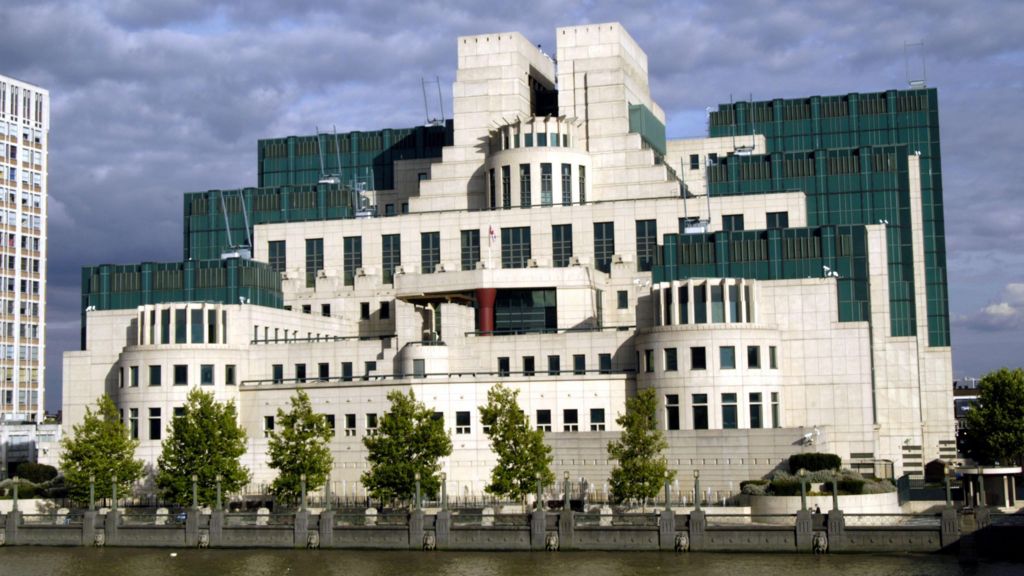
MI6 launches dark web portal to attract spies in Russia
In a bold move to enhance national security, the UK’s Secret Intelligence Service, MI6, is set to unveil a dedicated portal on the dark web aimed at recruiting new spies, particularly from Russia. The initiative, named ‘Silent Courier,’ is designed to streamline the process of identifying and engaging potential agents worldwide. The announcement is expected to be confirmed by outgoing MI6 chief Sir Richard Moore during a speech in Istanbul on Friday morning. Sir Richard is scheduled to hand over his role to Blaise Metreweli later this month. Foreign Secretary Yvette Cooper emphasized the importance of this initiative, stating, ‘National security is the first duty of any government. As threats evolve, we must ensure the UK remains ahead of its adversaries. Our intelligence agencies are at the forefront of this effort, and this new technology will bolster their capabilities.’ The portal, accessible from Friday, will allow individuals to securely share sensitive information related to terrorism or hostile intelligence activities. Instructions for using the portal will be available on MI6’s verified YouTube channel, with recommendations to access it via secure VPNs and untraceable devices. This strategy mirrors the CIA’s 2023 campaign to recruit Russian spies through social media videos. However, the CIA faced significant setbacks when its dark web connections were compromised by China’s Ministry of State Security, leading to one of the most severe security breaches in recent years.
-
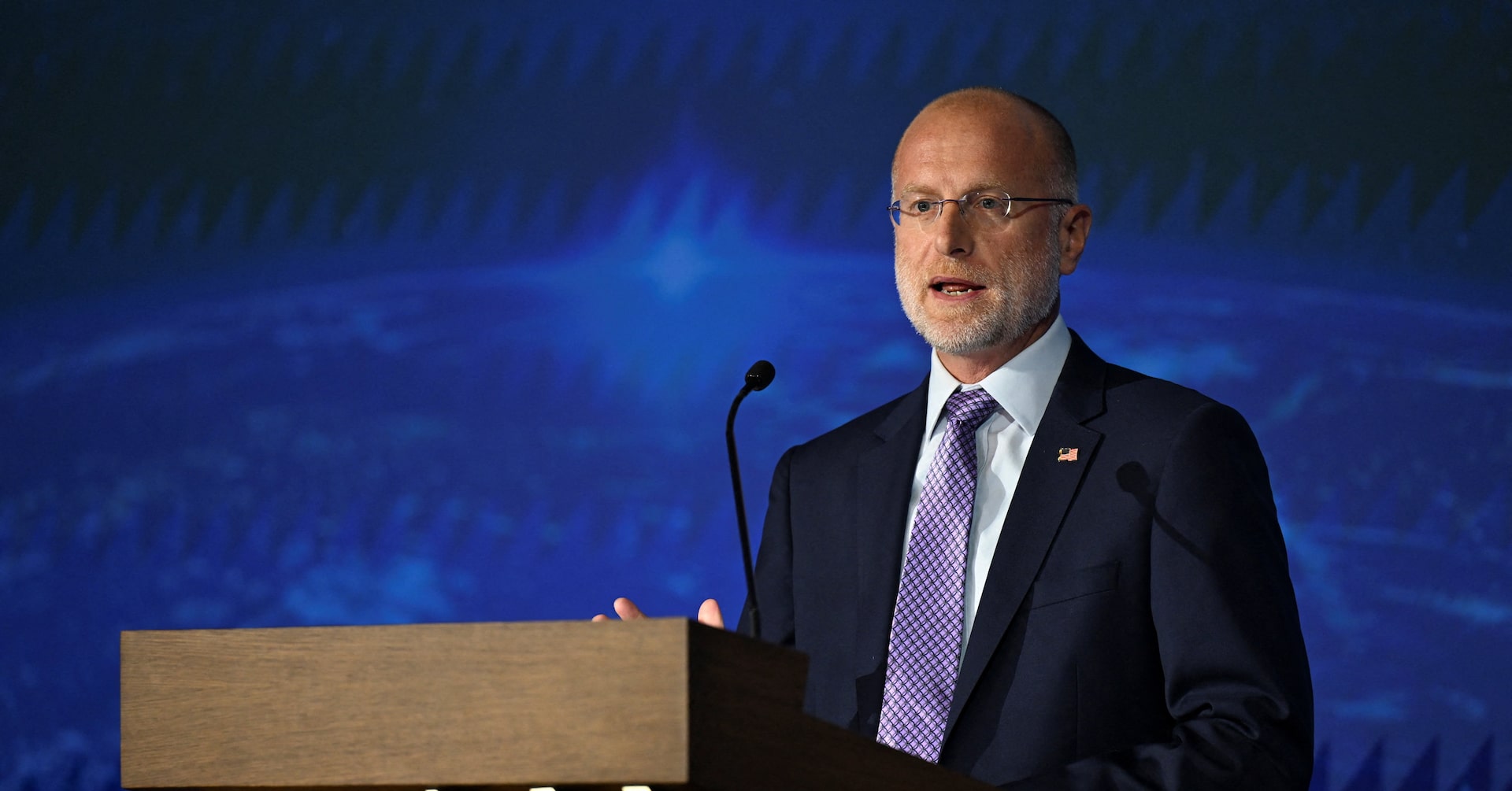
US House Democrats call on FCC chair to resign after pressuring Disney
In a dramatic escalation of tensions between Democratic leaders and the Federal Communications Commission (FCC), House Democratic Leader Hakeem Jeffries and other prominent figures have called for the resignation of FCC Chair Brendan Carr. The demand follows allegations that Carr pressured Walt Disney Co. and ABC affiliates to cease airing “Jimmy Kimmel Live” after the late-night host made controversial remarks about Charlie Kirk’s assassination. Jeffries accused Carr of “disgracing the office he holds by bullying ABC, the employer of Jimmy Kimmel, and forcing the company to bend the knee to the Trump administration.” This incident is the latest in a series of controversies surrounding Carr’s tenure. Earlier this year, congressional Democrats launched an investigation into what they termed “sham” probes targeting major media outlets, including CBS, NBC, and ABC, alleging these actions were designed to intimidate the press. The call for Carr’s resignation underscores the deepening rift between the FCC and Democratic lawmakers, who view his actions as a threat to media freedom and democratic principles.
-
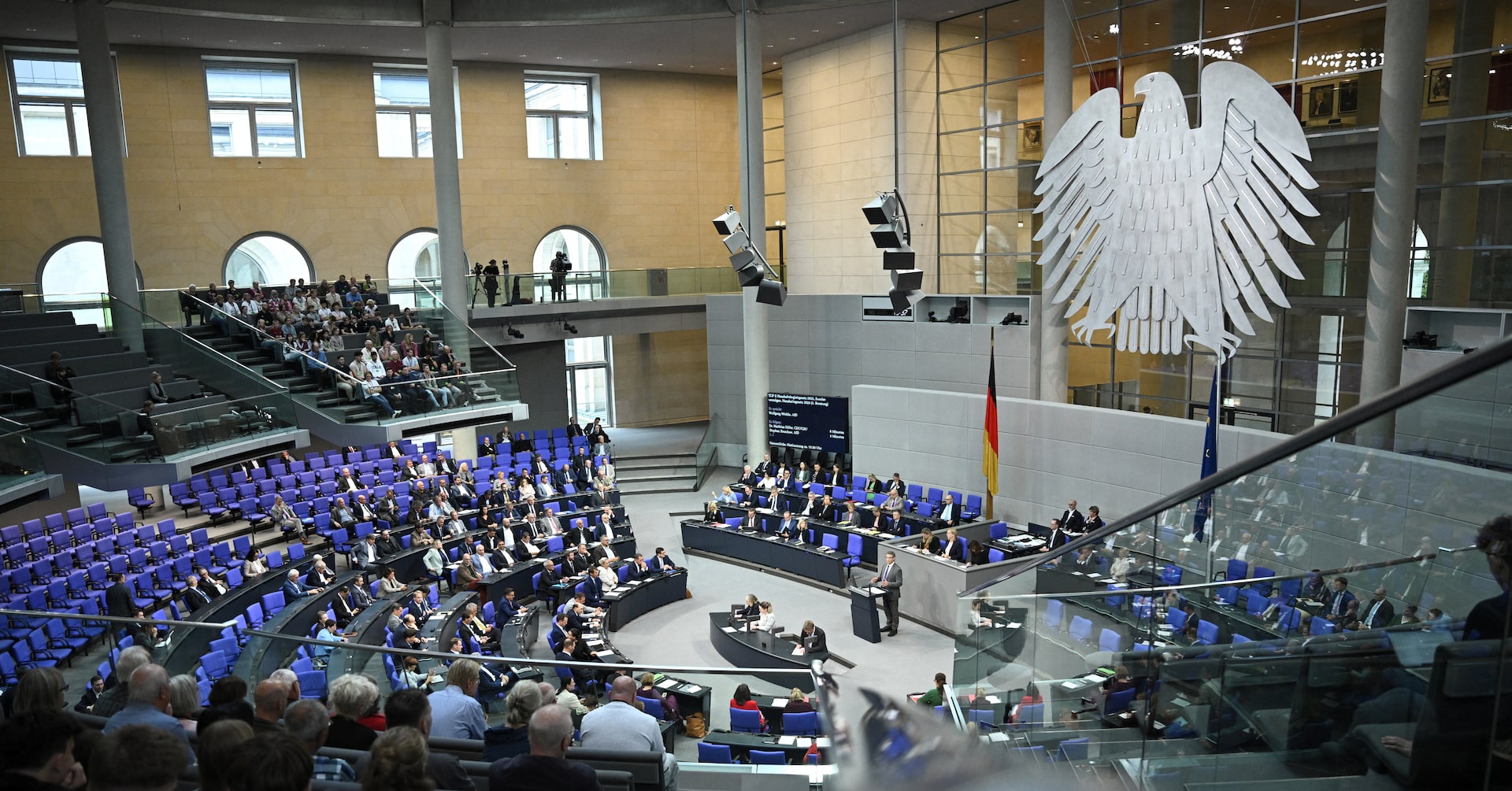
Germany approves 2025 budget, ushering in new era of spending
In a landmark decision, Germany’s Bundestag, the lower house of parliament, has approved the nation’s 2025 federal budget, marking a significant departure from decades of fiscal conservatism. The budget, passed on September 18, 2025, in Berlin, allocates a record €116 billion ($136.94 billion) in investments, enabled by a €500 billion infrastructure fund and exemptions from debt rules for defense spending, which were approved earlier in March. Finance Minister Lars Klingbeil hailed the budget as a ‘huge paradigm shift in German fiscal policy,’ emphasizing its role in revitalizing the economy and bolstering national defense. The budget reflects Germany’s commitment to increased military spending, particularly in support of Ukraine and NATO allies, while addressing the economic stagnation that has plagued Europe’s largest economy. The 2025 budget also includes a core borrowing plan of €81.8 billion, with total borrowing rising to €143.2 billion when accounting for special funds for infrastructure and defense. This fiscal shift comes after Germany operated on a provisional budget in 2024 due to the collapse of the former ruling coalition. Looking ahead, Chancellor Friedrich Merz’s coalition government faces challenges in balancing future budgets, particularly with a projected €30 billion shortfall in 2027. Difficult debates on welfare cuts and spending priorities are expected, as the coalition seeks to reconcile differing views between conservative and Social Democrat partners. Parliament is set to begin discussions on the 2026 budget next week, with final approval anticipated in November.
-
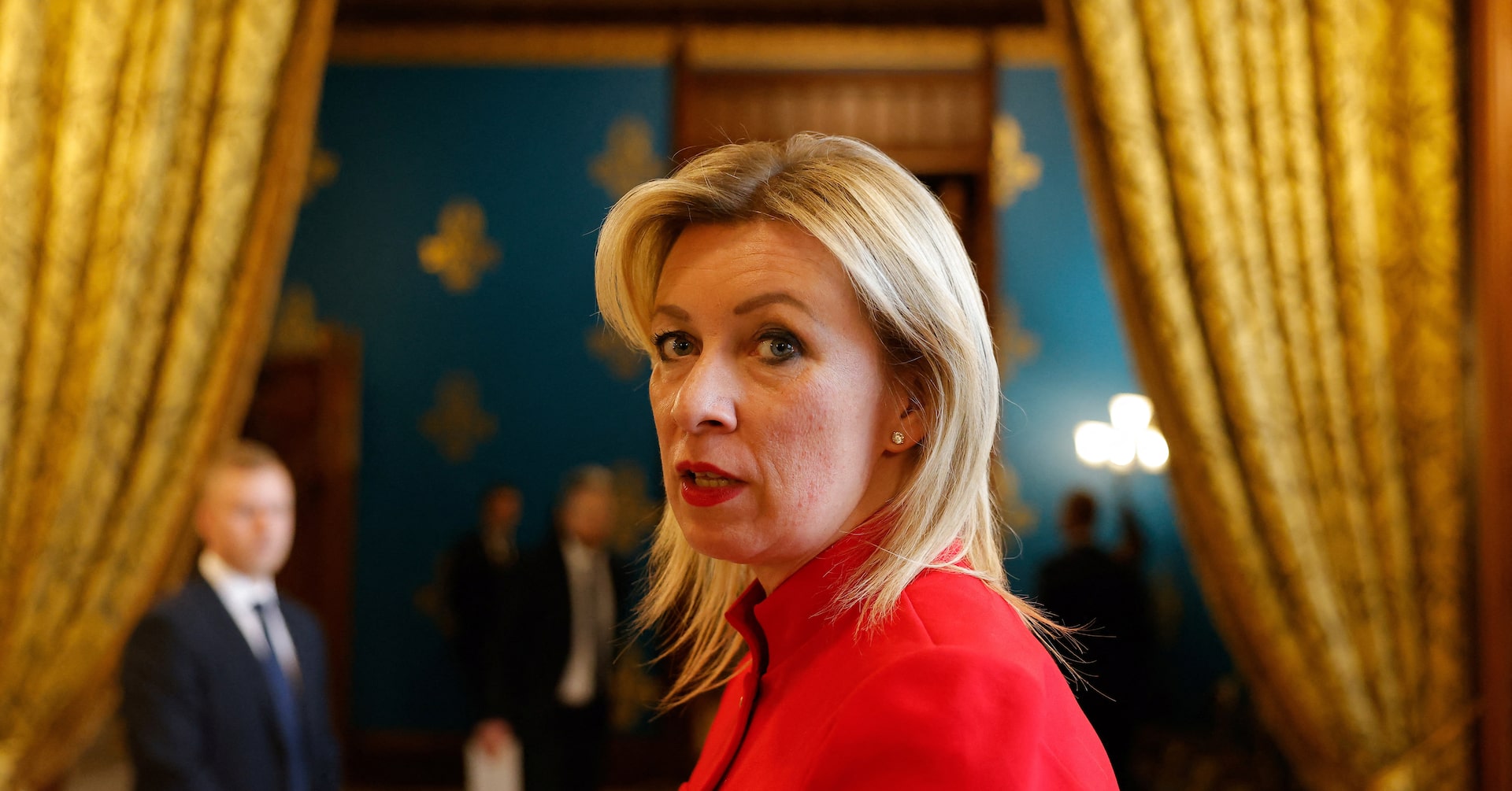
Russia says it will answer Japan’s new sanctions
MOSCOW, Sept 18 (Reuters) – Russia has strongly criticized Japan’s latest round of sanctions, labeling them as ‘unfriendly’ and warning that they will not go unanswered. The sanctions, announced last week, are part of Japan’s response to Russia’s ongoing invasion of Ukraine. They target additional individuals and entities while also lowering the price cap on Russian oil exports. Maria Zakharova, the spokeswoman for Russia’s Foreign Ministry, addressed the media on Thursday, emphasizing that Russia’s response would be carefully considered and aligned with its national interests. ‘Japan’s latest unfriendly actions will not go unanswered,’ Zakharova stated. ‘Our response will be well thought out and based on national interests. We will continue to take appropriate countermeasures, including those of an asymmetric nature.’ The escalating tensions between the two nations come amidst a broader geopolitical struggle, as Japan aligns itself with Western nations in imposing economic measures against Russia. The situation underscores the deepening rift between Russia and countries supporting Ukraine, with economic sanctions becoming a key tool in this conflict.
-
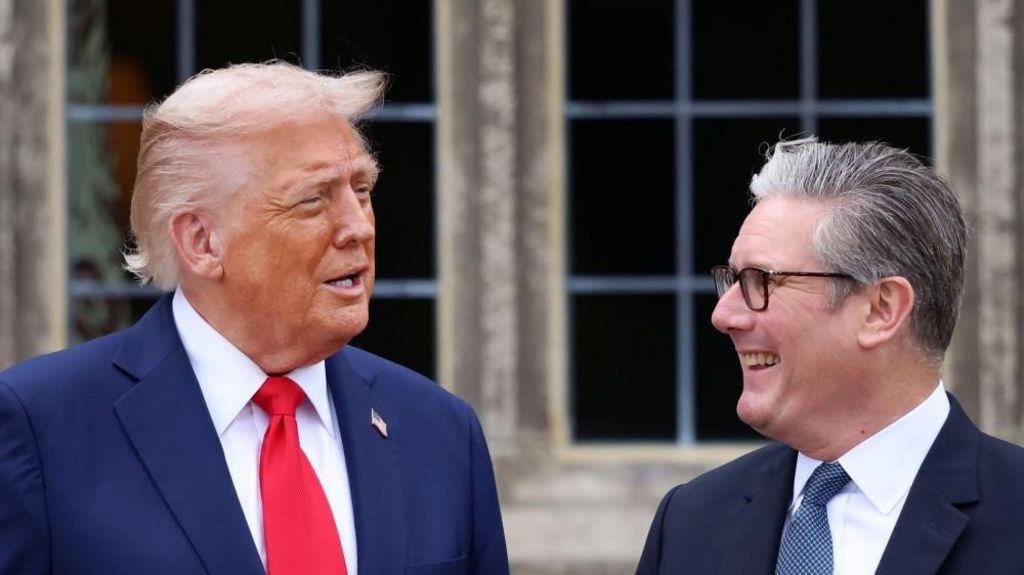
Sarah Smith: Trump visit showed UK’s warm relations – and limited influence
Donald Trump’s recent state visit to the United Kingdom was marked by grandeur, personal connections, and subtle diplomatic maneuvers. While the U.S. president appeared more captivated by his time at Windsor Castle with King Charles and Queen Camilla than his discussions with UK Prime Minister Sir Keir Starmer at Chequers, the visit underscored the enduring strength of the UK-US alliance. The trip, meticulously orchestrated, showcased the ceremonial aspects of diplomacy, from an aerial display by the British Army’s Red Devils to an elaborate banquet at Windsor Castle, which Trump described as the highlight of his journey. Despite the pomp, the visit also revealed the limits of personal rapport in influencing policy. During a joint news conference, Trump and Starmer addressed contentious issues such as UK plans to recognize Palestinian statehood and the dismissal of Peter Mandelson as UK ambassador to the US. While the leaders maintained a cordial tone, it was evident that their fundamental disagreements remained unchanged. Trump’s chief of staff, Susie Wiles, candidly stated that the visit would not alter US policy on trade, tariffs, or international affairs. Nevertheless, Starmer’s adept handling of the relationship ensured that the UK avoided the punitive trade tariffs imposed on other nations and maintained a respectful, if not influential, dialogue with the US president. The visit concluded with a sense of mutual respect, highlighting that while personal connections can ease tensions, they do not necessarily shift geopolitical stances.
-
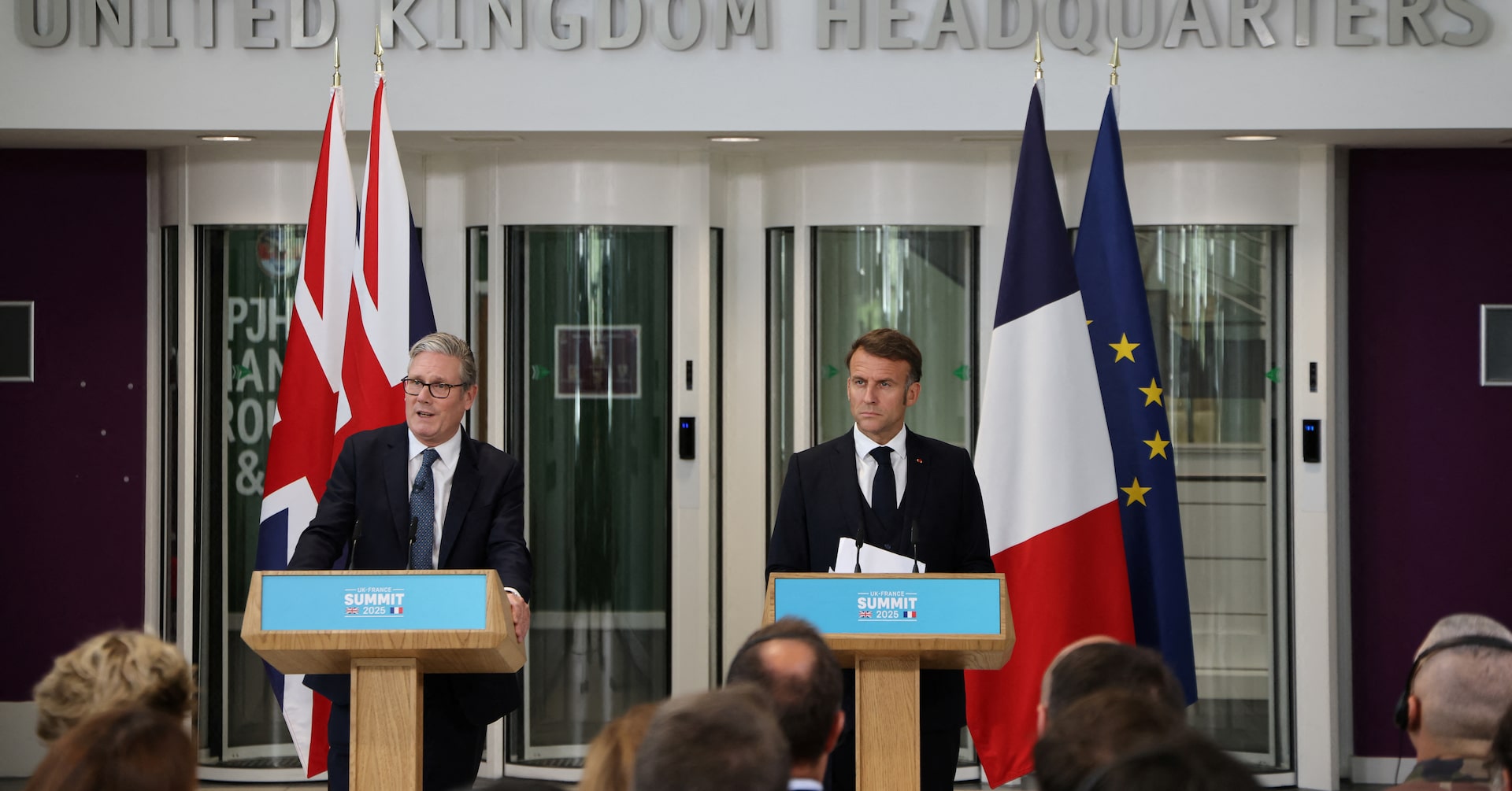
Britain says first migrant returned to France under ‘one in, one out’ deal
In a significant move to address illegal migration, the United Kingdom has deported its first migrant to France under the newly implemented ‘one in, one out’ agreement. The pilot scheme, agreed upon by British Prime Minister Keir Starmer and French President Emmanuel Macron in July 2025, aims to remove undocumented individuals arriving in small boats to France while accepting an equal number of legitimate asylum seekers with British family ties. The UK’s Home Office confirmed that a man who arrived by small boat in August was removed on a commercial flight, with additional flights scheduled in the coming weeks. Home Secretary Shabana Mahmood emphasized the importance of this step in securing the UK’s borders and deterring illegal crossings. The policy, however, has faced legal challenges, with London’s High Court temporarily halting the removal of one asylum seeker pending a full legal review. Despite these hurdles, the government remains committed to the scheme, reviewing modern slavery legislation to prevent its misuse. Critics, including campaign group Freedom from Torture, argue that the policy lacks compassion and access to legal support, urging a more humane approach to asylum seekers.