
In a controversial move, President Donald Trump has authorized the deployment of 300 National Guard troops to Chicago, Illinois, citing escalating crime and unrest in the city. This decision follows a tense confrontation between immigration authorities and protesters, during which an armed woman was shot after allegedly ramming her vehicle into law enforcement cars. The incident has further fueled tensions in the Democrat-led city, where protests against immigration enforcement have intensified in recent weeks. Illinois Governor J.B. Pritzker criticized the deployment, accusing Trump of manufacturing a crisis and abusing federal power. The announcement comes on the heels of a federal judge in Portland, Oregon, temporarily blocking a similar deployment of 200 troops, ruling that such actions risk undermining state sovereignty and blurring the lines between civil and military authority. Legal challenges are expected in Chicago as well, though it remains unclear whether any troops have been mobilized yet. The White House defended the decision, emphasizing the need to protect federal officers and assets amidst what it described as lawlessness in American cities. The situation in Chicago mirrors recent deployments in other Democratic strongholds, including Washington, Los Angeles, Memphis, and Portland, all of which have sparked widespread debate over the role of federal military intervention in local affairs.
分类: politics
-
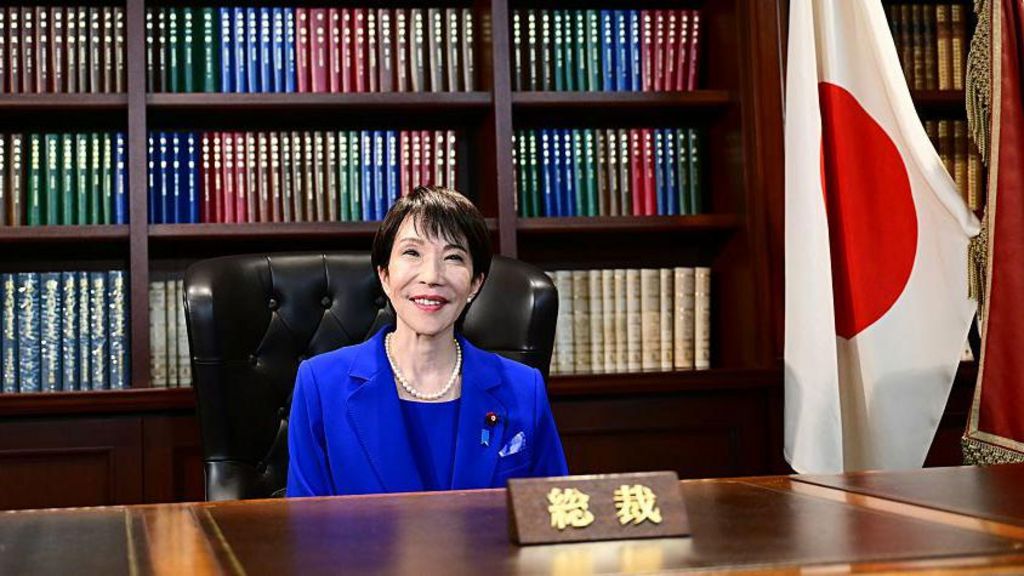
Who is Japan’s ‘Iron Lady’ Sanae Takaichi?
In a historic turn of events, Sanae Takaichi, a 64-year-old veteran politician, has been elected as the leader of Japan’s ruling Liberal Democratic Party (LDP), paving the way for her to become the nation’s first female prime minister. This milestone comes on the 70th anniversary of the LDP, a party that has long dominated Japanese politics but now faces significant challenges, including declining voter trust and a rising far-right movement. Takaichi, a former government minister and TV host, who once drummed in a heavy metal band, has overcome two previous failed attempts to secure the LDP leadership. Her victory marks a pivotal moment for Japan, as she aims to restore the party’s credibility and address pressing national issues. Born in Nara Prefecture in 1961, Takaichi’s journey into politics was unconventional. Her early career included stints as a television host and a heavy metal drummer, where she gained fame for her intense performances. Her political awakening came during the 1980s, amid US-Japan trade tensions, which shaped her determination to defend Japan’s autonomy. After losing her first parliamentary election in 1992, she persisted, eventually winning a seat in 1993 and joining the LDP in 1996. Over the years, she has held multiple senior government roles, including minister for economic security and internal affairs and communications. Takaichi’s conservative stance has been a defining feature of her political career. She has opposed legislation allowing married women to keep their maiden names and same-sex marriage, though she has recently softened her tone on some social issues. Her policy proposals focus on expanding women’s health services, improving childcare support, and addressing Japan’s aging population. A protégé of the late Shinzo Abe, she has pledged to revive his ‘Abenomics’ economic strategy. However, her leadership will be tested as she navigates the LDP’s declining majority and seeks to counter the rise of the far-right Sanseito party. Parliament is expected to confirm her as prime minister on October 15, ushering in a new chapter for Japan.
-
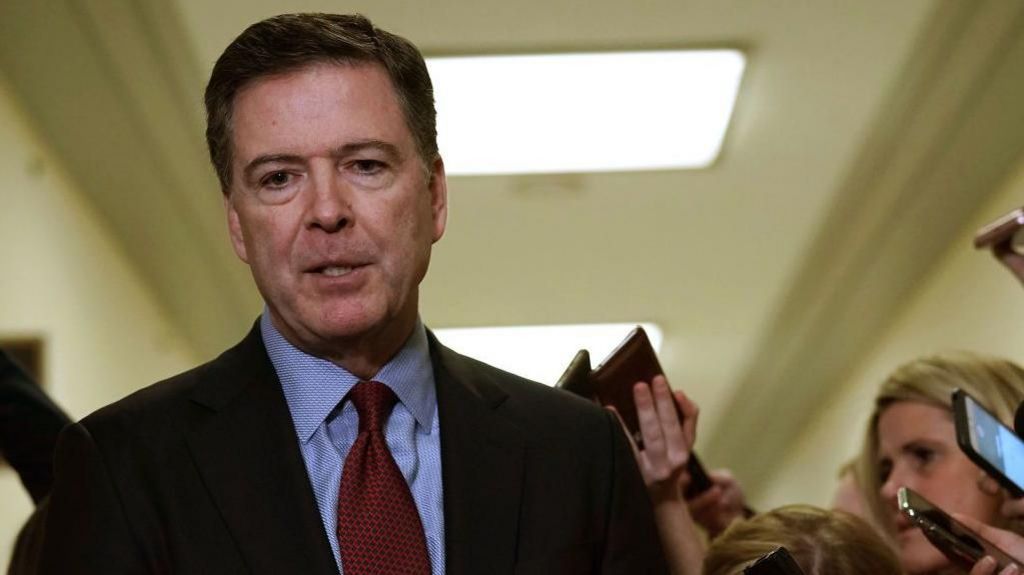
FBI agent suspended over refusal to ‘perp walk’ former director
Former FBI Director James Comey has been indicted on two federal charges in Virginia, just days after former President Donald Trump urged law enforcement to intensify investigations into his political opponents. The charges, which include lying to Congress and obstructing a congressional proceeding, stem from allegations that Comey authorized a leak of classified information to the media in 2020. Comey, who led the FBI during a period marked by investigations into Russian interference in the 2016 election and Hillary Clinton’s use of a private email server, has denied the allegations, expressing confidence in the federal judicial system. The indictment comes shortly before the five-year statute of limitations would have expired and follows Trump’s appointment of Lindsey Halligan, his former personal attorney, as a top prosecutor in the region. Trump has publicly called for investigations into Comey and other political adversaries, emphasizing the urgency of such actions. Meanwhile, an FBI agent was reportedly suspended for refusing to participate in a ‘perp walk’ for Comey, a practice where law enforcement publicly escorts an accused individual, often in view of media cameras. Comey is scheduled to appear in court on October 9 for his arraignment, where the charges will be formally read. If convicted, he could face up to five years in prison. The situation underscores the ongoing political tensions in the U.S., with Comey remaining a focal point of Trump’s ire since his firing in 2017.
-
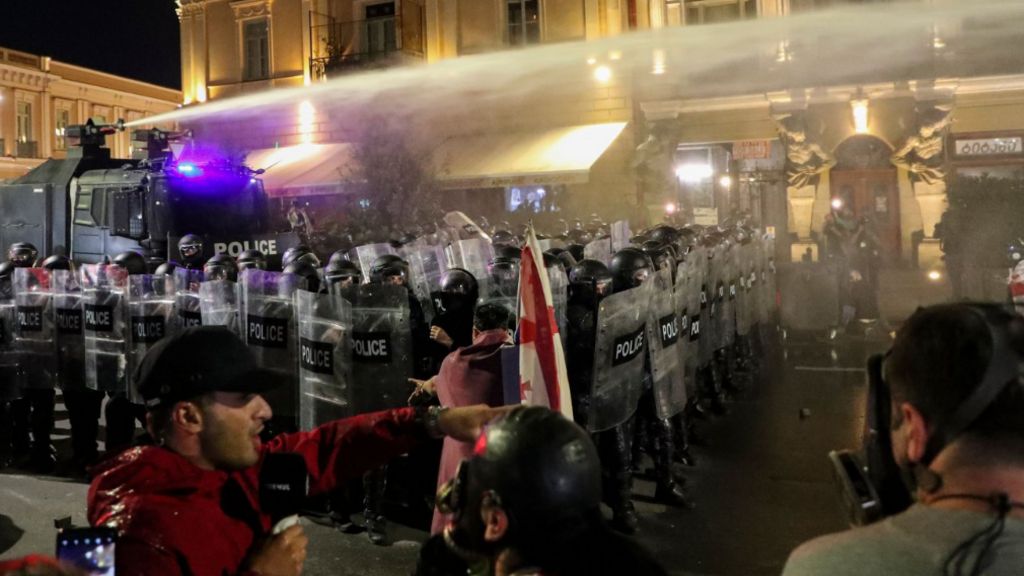
Georgia protesters try to storm Tbilisi presidential palace
Tensions escalated in Tbilisi, Georgia, as anti-government demonstrators clashed with police forces while attempting to storm the presidential palace. Security personnel deployed water cannons and pepper spray to disperse the crowd, marking a dramatic turn in the ongoing political crisis gripping the Caucasus nation. The protest, organized under the banner of ‘saving democracy,’ drew tens of thousands of participants who marched through the capital waving Georgian and European Union flags. The demonstration coincided with local elections, which the opposition largely boycotted in protest against alleged electoral fraud and government repression. Opera singer Paata Burchuladze, a key organizer, read a declaration urging law enforcement to arrest six senior figures from the ruling Georgian Dream party, accusing them of undermining democratic processes. The unrest follows months of government crackdowns on activists, independent media, and opposition leaders, many of whom are now imprisoned. The crisis began after the Georgian Dream party’s contested victory in last year’s parliamentary elections, which the pro-EU opposition claims was rigged. Since then, EU accession talks have been paused, further fueling public discontent.
-
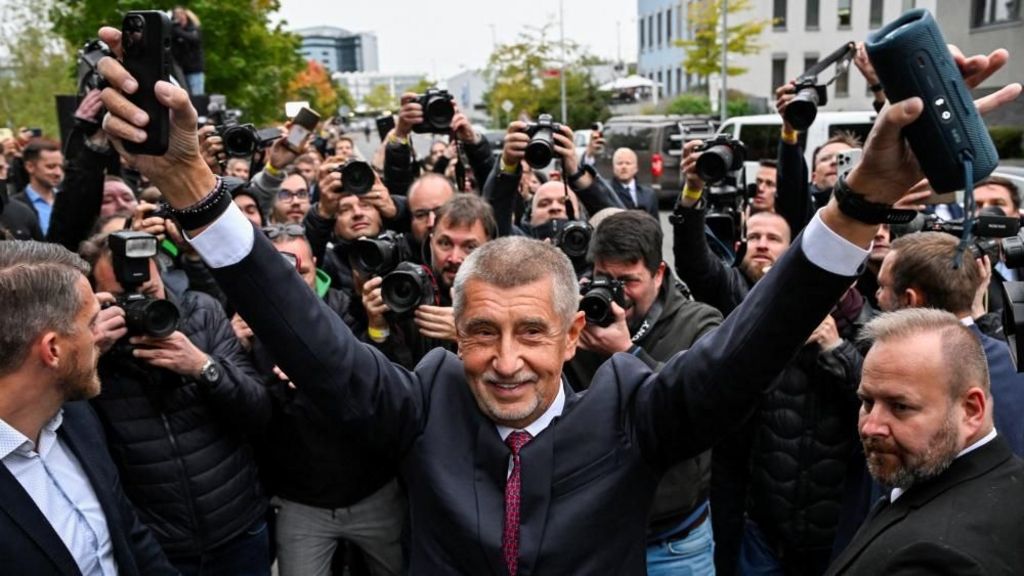
Billionaire populist Andrej Babis’ party wins Czech parliamentary election
Billionaire entrepreneur Andrej Babis has emerged victorious in the Czech Republic’s parliamentary elections, although his populist ANO party failed to secure an outright majority. Preliminary results indicate that ANO garnered just under 35% of the vote, translating to 81 seats in the 200-member lower house. Babis, who previously served as prime minister from 2017 to 2021, is now poised to initiate negotiations to form a new coalition government. While the election outcome aligns with long-standing predictions, it raises significant questions about the future political landscape. Babis is expected to engage in talks with two smaller right-wing, eurosceptic parties that crossed the 5% electoral threshold: the anti-Green Deal Motorists for Themselves and the anti-immigrant Freedom and Direct Democracy (SPD) party, led by Czech-Japanese entrepreneur Tomio Okamura. ANO shares common ground with the Motorists, particularly in their opposition to EU emissions targets and the financial burden of transitioning to cleaner energy. However, forming an alliance with the SPD may prove more challenging due to ideological differences and internal party dynamics. Babis has firmly rejected SPD’s key demands, such as referendums on EU or NATO membership. Despite these hurdles, Babis may opt to lead a minority government supported by the Motorists and SPD, navigating the complexities of coalition politics.
-
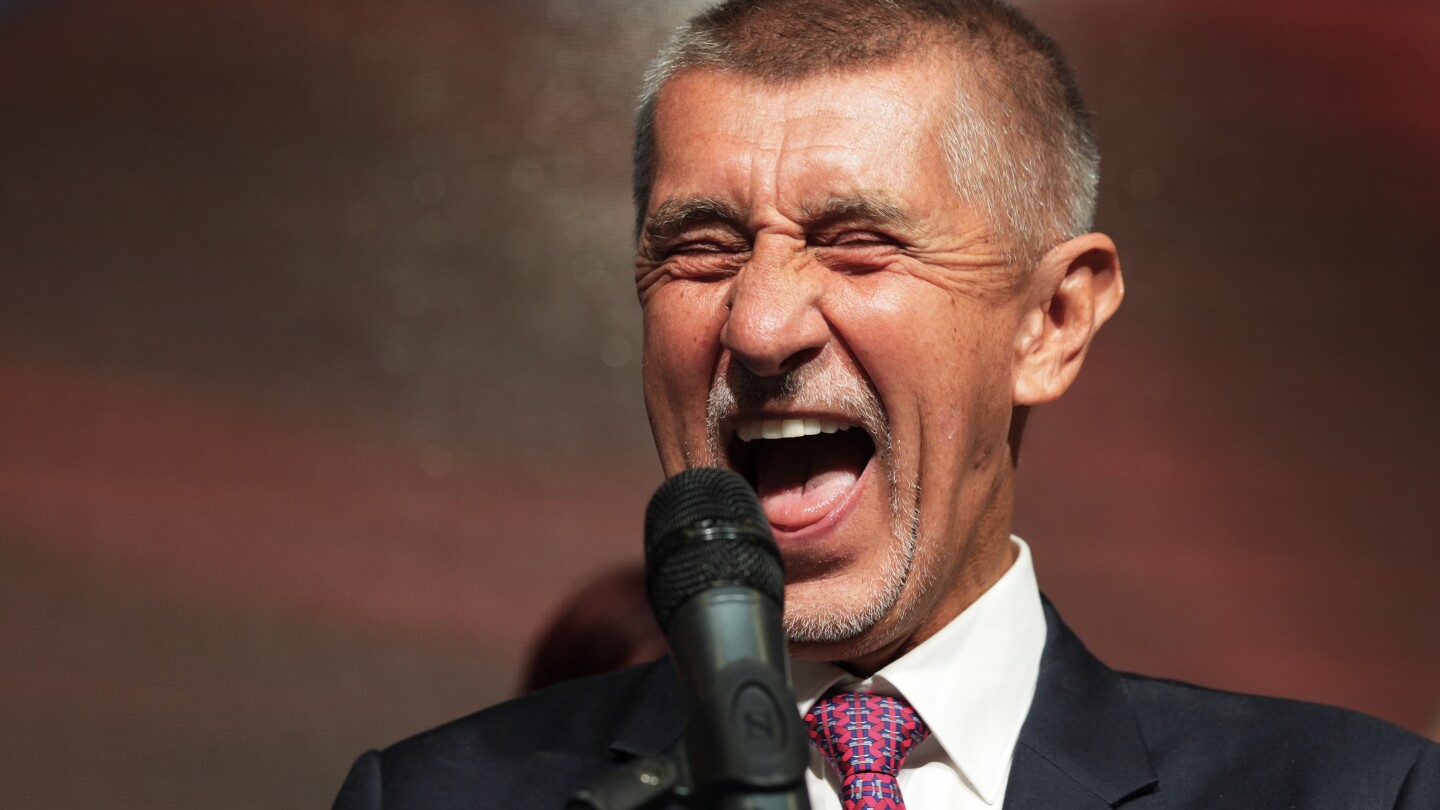
Populist billionaire Andrej Babiš wins Czech parliamentary election, official results show
In a significant political shift, billionaire Andrej Babiš has emerged victorious in the Czech Republic’s parliamentary election, marking a historic comeback for the populist leader. According to nearly complete results released on Saturday, Babiš’ ANO (YES) movement secured 34.7% of the vote, decisively outperforming Prime Minister Petr Fiala’s Together conservative coalition, which garnered 23.2%. This outcome could potentially steer the Czech Republic away from its staunch support for Ukraine and align it more closely with Hungary and Slovakia, both of which have adopted pro-Russian stances. Babiš, jubilant over his best electoral result, described the victory as historic for himself and his ‘catch-all’ political group, which has been a dominant force in national politics since 2013. He pledged to make the Czech Republic the best place to live in the European Union, vowing to take all necessary steps to achieve this goal. The election results position Babiš alongside other Central European populist leaders such as Hungary’s Viktor Orbán and Slovakia’s Robert Fico, both of whom have opposed military aid to Ukraine, continued to import Russian oil, and resisted EU sanctions on Russia. The Czech Republic has been a key supporter of Ukraine since Russia’s full-scale invasion in February 2022, providing arms and backing initiatives to supply artillery shells. However, Babiš has expressed disapproval of these efforts, stating that his party holds a different view. The opposition, led by Babiš, has blamed Fiala for recent challenges, including the energy crisis and soaring inflation, and has promised to revoke pension reforms and reduce support for Ukraine. Fiala conceded defeat, acknowledging the clear result and the need to accept it. The election, which filled 200 seats in the lower house of the Czech parliament, saw Babiš’ ANO movement win 80 seats, while the Freedom and Direct Democracy party secured 15 and the Motorists party 13. Babiš aims to form a one-party government but will likely need the tacit support of the Freedom party and the Motorists to secure a parliamentary confidence vote. The election outcome represents a setback for a coalition of far-left fringe parties, including the pro-Russian Communists, who failed to win any seats. President Petr Pavel is scheduled to meet with Babiš and other party leaders on Sunday to discuss the formation of a new government.
-
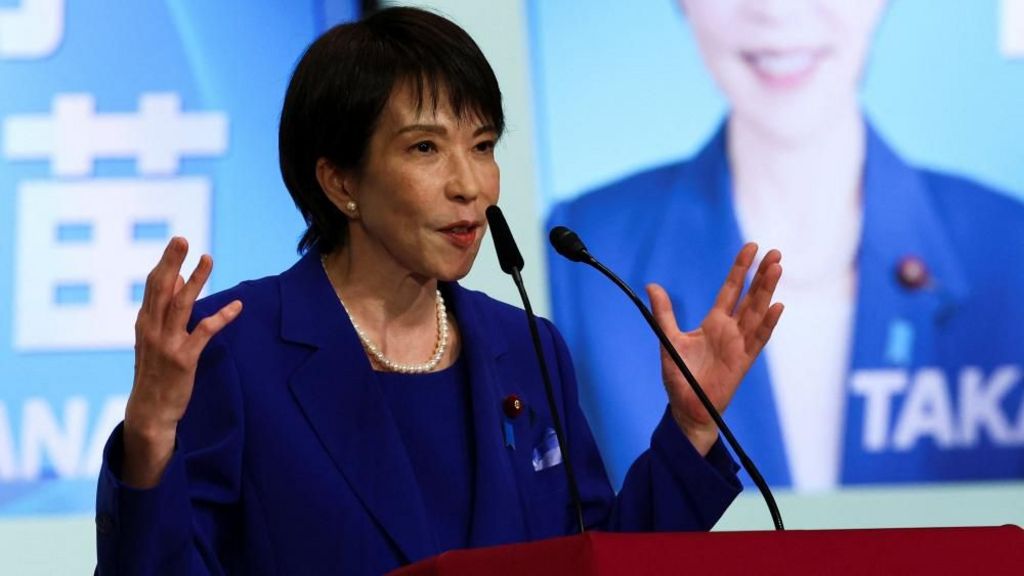
Sanae Takaichi set to become Japan’s first female prime minister
Japan’s ruling conservative party, the Liberal Democratic Party (LDP), has chosen Sanae Takaichi as its new leader, setting the stage for her to become the nation’s first female prime minister. At 64, Takaichi represents the party’s right-leaning faction and faces a daunting array of challenges, including uniting a fractured party, reviving a sluggish economy, and addressing the struggles of Japanese households grappling with inflation and stagnant wages. Her leadership will also require navigating a strained U.S.-Japan relationship and overseeing the implementation of a tariff deal negotiated with the Trump administration. Takaichi’s election follows the resignation of Prime Minister Shigeru Ishiba, whose tenure was marked by a series of electoral defeats that cost the LDP its majority in both parliamentary chambers. A staunch conservative, Takaichi has long admired Margaret Thatcher and aims to emulate her ‘Iron Lady’ legacy. However, her opposition to progressive policies, such as allowing women to retain their maiden names after marriage and her stance against same-sex marriage, has drawn criticism. As a protégé of the late Shinzo Abe, she has pledged to revive his economic policies, known as Abenomics, which emphasize fiscal spending and low borrowing costs. Takaichi is also a security hawk, advocating for revisions to Japan’s pacifist constitution, and is a frequent visitor to the controversial Yasukuni Shrine, which memorializes Japan’s war dead, including convicted war criminals. While her confirmation by parliament is likely, it will not be automatic, reflecting the LDP’s weakened position.
-
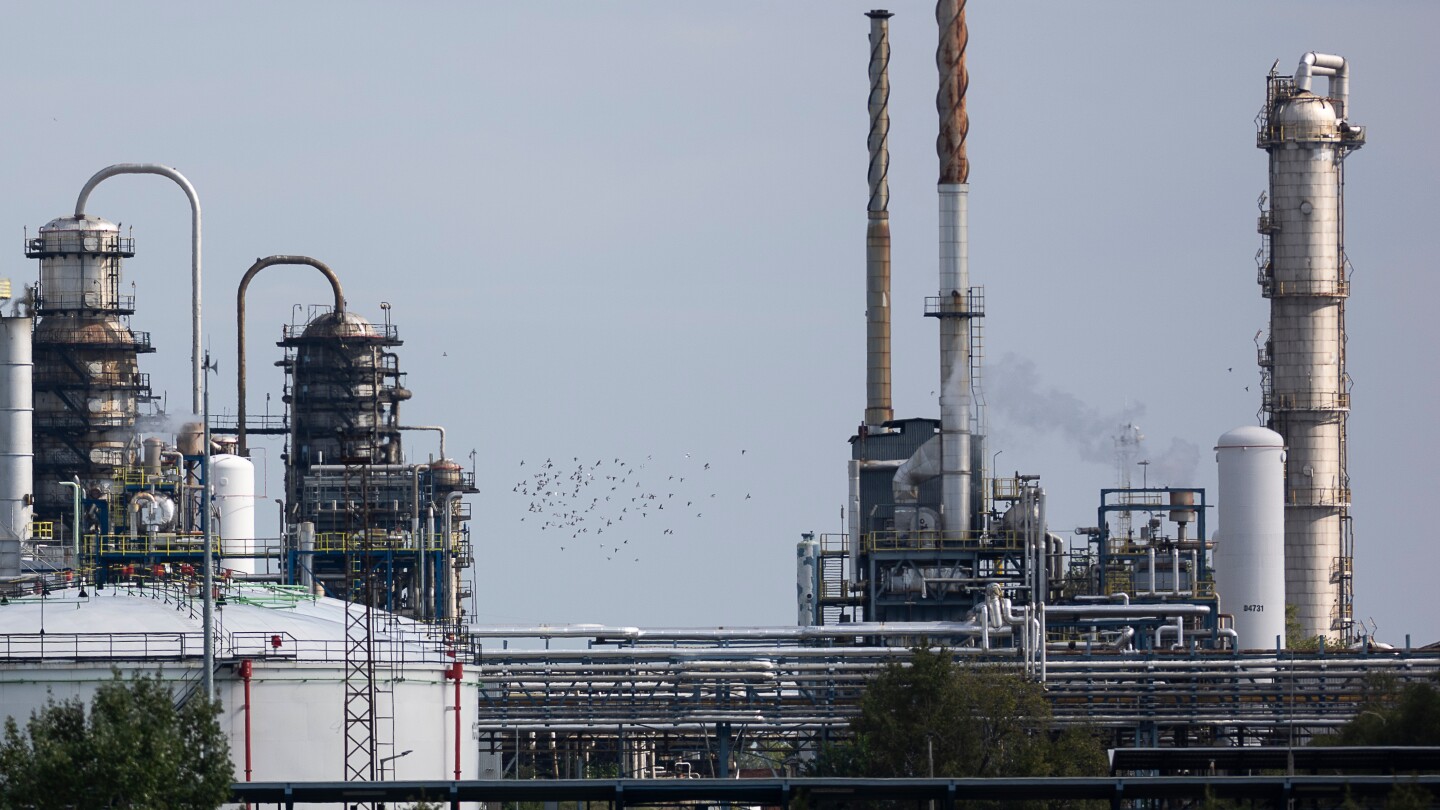
Hungary clings to Russian oil and gas as EU and NATO push to cut supplies
In the midst of the European Union’s aggressive push to sever ties with Russian energy and U.S. President Donald Trump’s administration urging NATO members to abandon Russian oil, Hungary’s populist government, led by Prime Minister Viktor Orbán, remains steadfast in its commitment to Russian energy. Orbán has long argued that Russian energy imports are vital for Hungary’s economy, warning that switching to alternative sources would lead to immediate economic collapse. Despite the EU’s sanctions on Russia following its invasion of Ukraine in February 2022, Hungary has not only maintained but increased its Russian energy imports, citing a lack of viable alternatives. Critics, however, argue that Orbán’s stance is more politically motivated than economically justified, pointing to his close ties with Russian President Vladimir Putin. Hungary’s landlocked geography and reliance on Soviet-era pipelines further complicate the transition to non-Russian energy sources. While other EU countries have significantly reduced their dependence on Russian energy, Hungary has been granted a temporary exemption, allowing it to continue importing Russian oil and gas via pipelines. Energy experts, including László Miklós, a former director of corporate relations at Hungary’s national oil and gas conglomerate MOL, argue that Hungary’s reluctance to seek alternative energy sources is not economically rational. Miklós suggests that the Hungarian government’s continued reliance on Russian energy is more about supporting Russia’s war efforts than economic necessity. Despite these criticisms, Hungary’s leaders maintain that the country’s geographical location and infrastructure limitations make it impossible to transition away from Russian energy. Meanwhile, other landlocked countries in the region, such as the Czech Republic, have successfully reduced their dependence on Russian oil. Hungary’s national energy company, MOL, has begun investing in diversifying its energy sources, but the government’s political will to break away from Russian energy remains in question. As the EU continues to push for a complete cessation of Russian energy imports, Hungary’s defiance highlights the complex interplay between politics, economics, and energy security in Europe.
-
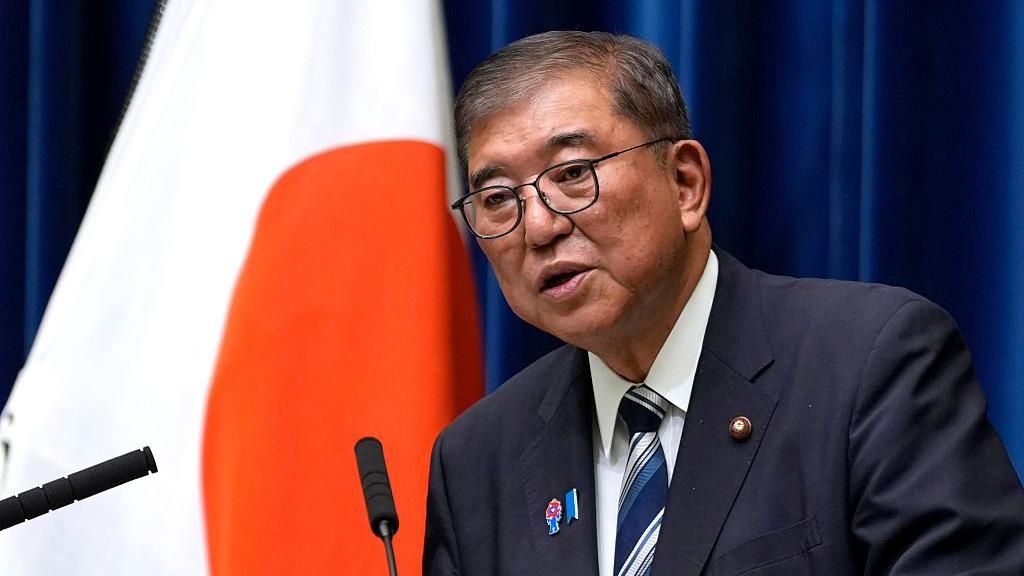
Japan’s ruling party to vote for second new leader in a year
Japan’s political landscape is poised for a historic shift as the ruling Liberal Democratic Party (LDP) prepares to elect its second new leader in just over a year. This pivotal vote could result in either the nation’s first female prime minister or its youngest-ever leader. The decision comes in the wake of Prime Minister Shigeru Ishiba’s resignation last month, following the LDP’s loss of its majority in both houses of parliament. The new leader will inherit a host of pressing challenges, including restoring voter trust after a series of financial corruption scandals, navigating strained US-Japan relations, and implementing a contentious tariff deal with the Trump administration. Domestically, the incoming prime minister must address a faltering economy, rising inflation, and a cost-of-living crisis, while also countering a growing far-right influence. The LDP’s internal vote on Saturday will determine the next leader, with a runoff scheduled if no candidate secures a majority. Among the frontrunners are Shinjiro Koizumi, the current agricultural minister; Yoshimasa Hayashi, the chief cabinet secretary; and Sanae Takaichi, a seasoned LDP member who could become Japan’s first female prime minister. Takaichi, a hardline conservative, has recently shifted her focus to women’s issues, proposing tax breaks for childcare and significant economic investments. Koizumi, known for his media-friendly persona and social media presence, has gained popularity for his efforts to reduce rice prices. Hayashi, a seasoned politician, is seen as a steady and experienced choice. The leadership contest follows a tumultuous period for the LDP, marked by scandals, voter apathy, and record-low approval ratings. The party’s loss of its parliamentary majority in 2024 and subsequent defeat in the upper house elections have further complicated its position. Ishiba’s resignation in September set the stage for this critical vote, as the LDP seeks to rebuild its credibility and chart a new course for Japan’s future.
-
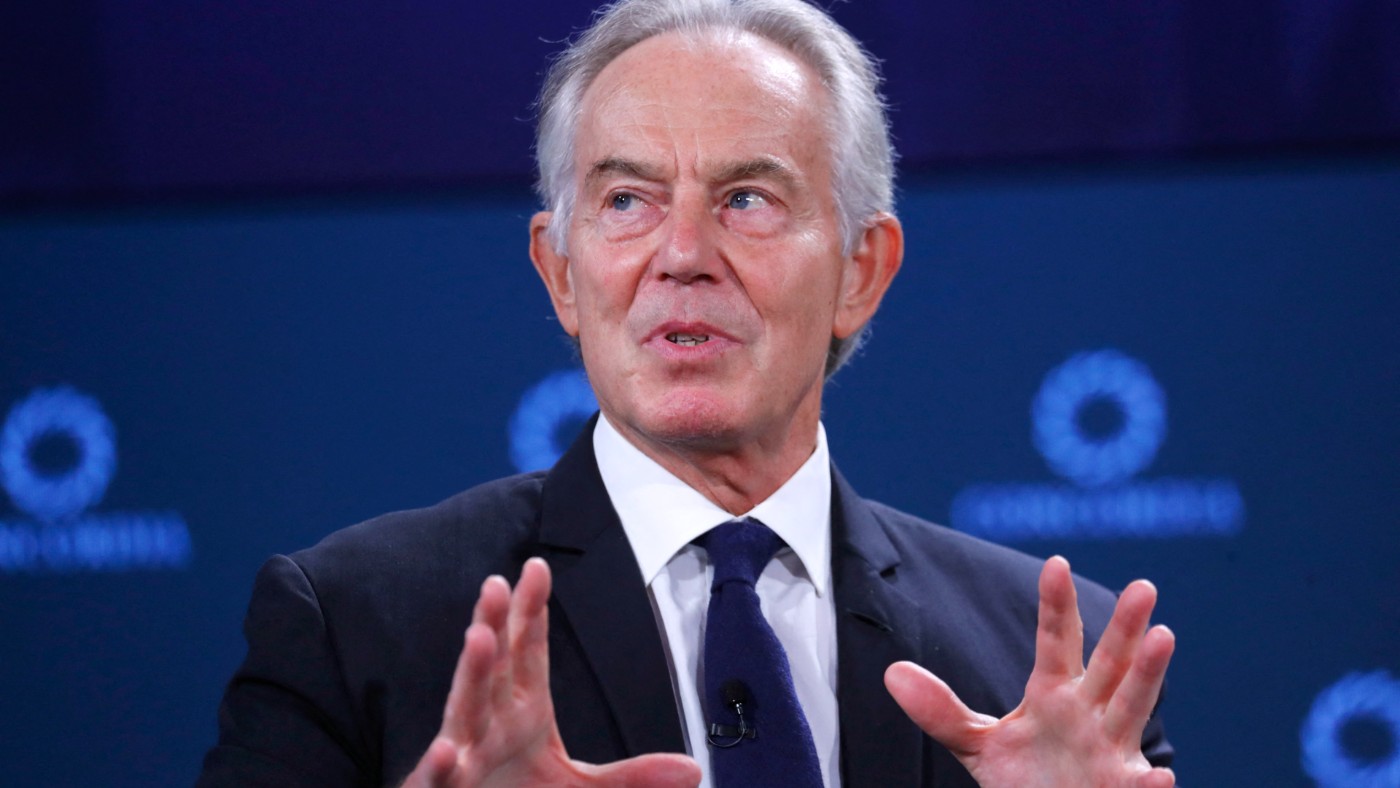
Billionaires, Zionists and a UN official: Tony Blair’s proposed team for Gaza
A draft plan outlining the governance structure for Gaza under the leadership of former British Prime Minister Tony Blair has been leaked, sparking widespread debate. The proposal, known as the Gaza International Transitional Authority (Gita), envisions a hierarchical system dominated by an international board of billionaires and business leaders, with carefully vetted Palestinian administrators at the lower tiers. The plan has reportedly garnered support from Israel, Egypt, and the United States, with the White House backing the initiative, according to sources cited by Haaretz.
The proposed Gita would be governed by an international board with ‘supreme political and legal authority’ during the transitional period. Among the potential candidates for this board are Sigrid Kaag, the UN’s special coordinator for the Middle East peace process, and three prominent figures with significant financial and executive expertise: Marc Rowan, CEO of Apollo Global Management; Naguib Sawiris, an Egyptian billionaire in telecommunications and technology; and Aryeh Lightstone, CEO of the Abraham Accords Peace Institute. Notably, none of the candidates are Palestinian, raising concerns about the lack of local representation.
Critics have highlighted the controversial backgrounds of some board candidates. Lightstone, for instance, has been involved in the Gaza Humanitarian Foundation (GHF), an aid distribution mechanism criticized by Doctors Without Borders as a ‘system of institutionalized starvation and dehumanization.’ Similarly, Sawiris, a billionaire with close ties to Blair, has been involved in various international projects, including rebuilding Afghanistan post-invasion. Rowan, a Wall Street financier, has been a vocal supporter of Israel, describing the conflict in Gaza as a ‘just war.’
The leaked plan has drawn criticism for its top-down approach and the exclusion of Palestinian voices in the governance structure. Sigrid Kaag, the only non-controversial figure on the list, has expressed concerns about the humanitarian crisis in Gaza, describing it as a ‘stain on our collective conscience.’ The proposal’s alignment with Israel’s strategic interests has further fueled skepticism about its feasibility and fairness.
As the international community grapples with the complexities of Gaza’s future, Blair’s plan underscores the challenges of balancing geopolitical interests with the need for inclusive and sustainable governance. The leaked draft has ignited a broader conversation about the role of international actors in shaping the region’s future and the importance of ensuring that local voices are heard.