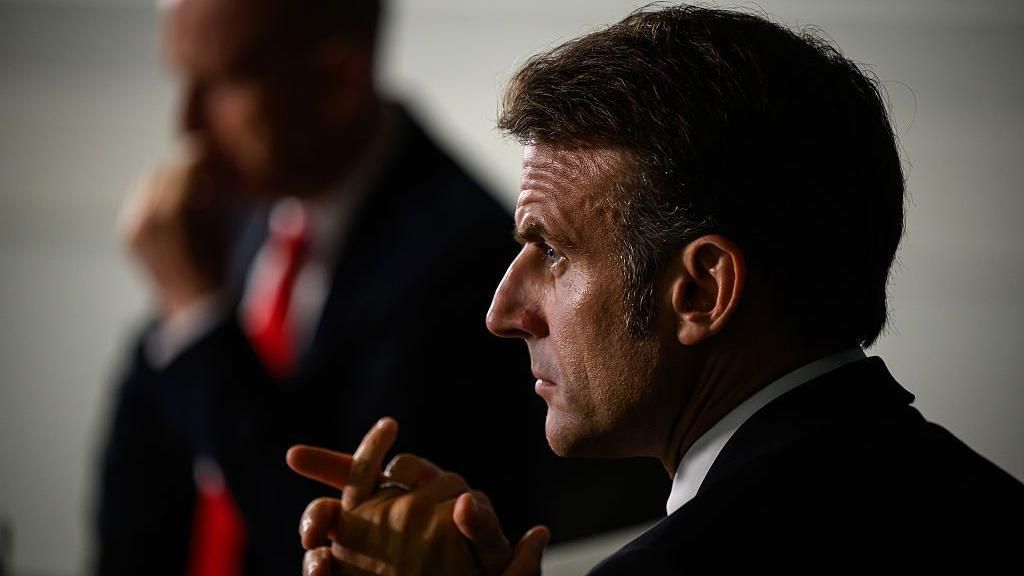
In a dramatic turn of events, French Prime Minister Sébastien Lecornu’s government collapsed just 14 hours after its formation, marking another setback for President Emmanuel Macron’s administration. Lecornu, a 39-year-old loyalist and Macron’s last hope to stabilize French politics, faced immediate opposition from the conservative Republicans party (LR), led by Interior Minister Bruno Retailleau. The LR, a crucial part of the center-right alliance, withdrew its support after Lecornu appointed former finance minister Bruno Le Maire as defense minister—a move seen as a betrayal by LR. Le Maire, who had previously defected to Macron’s camp, is blamed by LR for France’s spiraling debt. Retailleau’s abrupt withdrawal, announced on social media shortly after the cabinet was revealed, left Lecornu’s government in shambles. Macron granted Lecornu a 48-hour reprieve to negotiate with LR, but the situation remains precarious. This political instability underscores the challenges Macron faces as his popularity wanes and the 2027 presidential election looms. With allies distancing themselves and the center-right alliance fracturing, Macron’s era appears to be nearing its end.
分类: politics
-
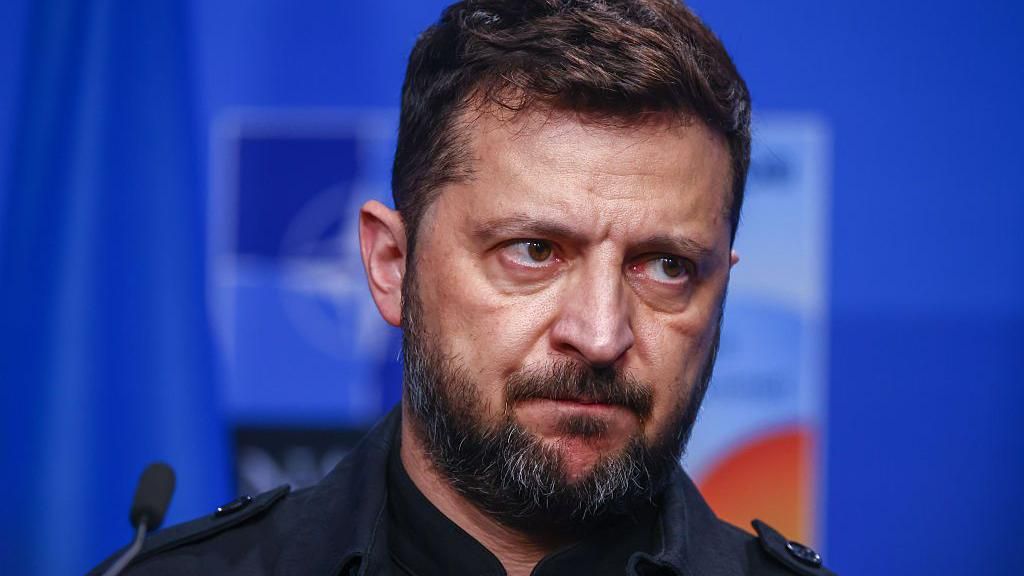
British parts found in Russian drones, Zelensky says
Ukrainian President Volodymyr Zelensky has intensified his call for more stringent sanctions against Russia, following revelations that British microcomputers and components from allied nations were discovered in Russian missiles and drones used in recent deadly strikes on Ukraine. Speaking on Sunday, Zelensky emphasized the need to dismantle all schemes that bypass existing sanctions, highlighting that countries supporting Ukraine possess detailed information about the companies and products still aiding Russia’s military efforts.
-
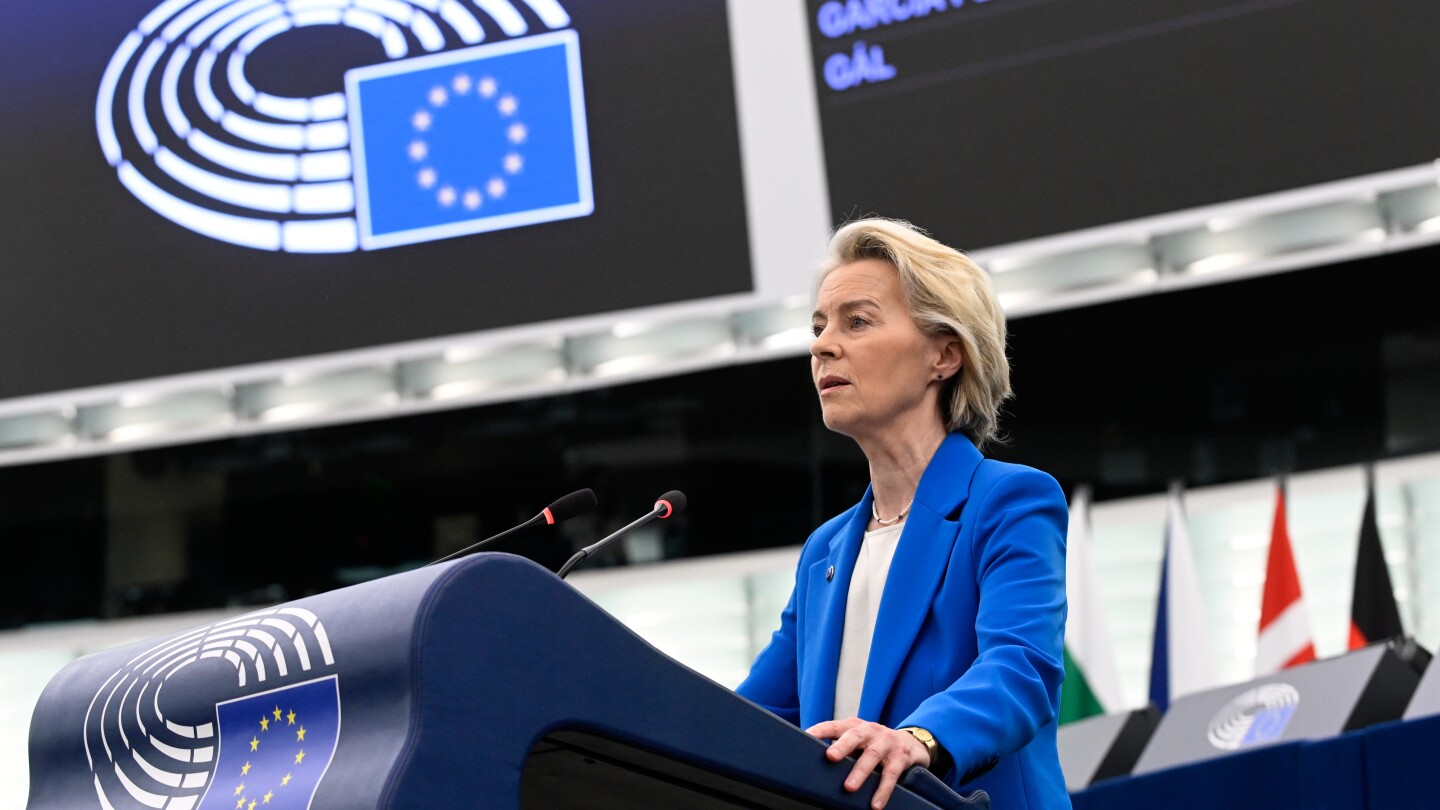
EU chief von der Leyen faces more confidence votes this week. She’s almost certain to win again
BRUSSELS (AP) — European Commission President Ursula von der Leyen issued a stark warning to EU lawmakers on Monday, cautioning them against falling prey to Russian President Vladimir Putin’s efforts to sow division across Europe. Speaking ahead of two no-confidence votes scheduled for this week, von der Leyen emphasized the need for unity to serve the interests of the bloc’s 450 million citizens. The censure motions, tabled by far-left and far-right factions in the European Parliament, target von der Leyen’s leadership. However, with centrist parties holding a majority, the motions are expected to be rejected, as a two-thirds majority is required for passage. The European Commission, which von der Leyen heads, plays a pivotal role in proposing EU laws, ensuring their enforcement, managing trade, and regulating competition across the 27 member states. In her address at the assembly in Strasbourg, France, von der Leyen underscored the urgency of focusing on delivering tangible benefits for Europeans, warning that adversaries like Russia are actively exploiting and inciting divisions. She accused Putin of having allies within Europe who propagate disinformation and create scapegoats to weaken the bloc’s cohesion. The Left group has criticized von der Leyen for approving detrimental trade deals and failing to address Israel’s alleged violations of international law in Gaza. Meanwhile, the nationalist Patriots for Europe have blamed her leadership for a surge in migration, claiming it threatens European identity and security. Despite these criticisms, von der Leyen comfortably survived a similar no-confidence vote in July, with centrist parties accusing fringe groups of using such motions for political gain. The votes, however, have intensified scrutiny of von der Leyen and her European People’s Party, which is accused of aligning with hard-right factions to advance its agenda.
-
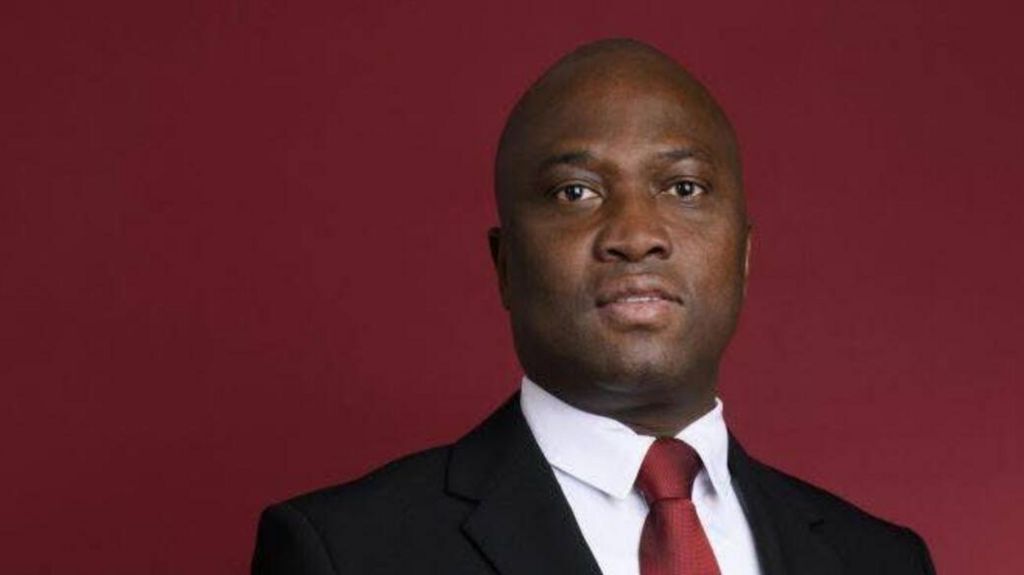
CAR president’s rival invited back from exile then detained
Dominique Désiré Erenon, a prominent critic of the Central African Republic (CAR) government and leader of the March for Democracy and the People’s Salvation (MDSP) party, has been detained by security forces upon his arrival at the country’s main airport. Erenon, who had been living in exile in France for the past three years, returned to CAR in response to President Faustin-Archange Touadéra’s public appeal for diaspora citizens to come home. His arrest has sparked widespread speculation and criticism, particularly among civil society groups and opposition supporters, who view it as part of a broader pattern of political intimidation ahead of December’s elections. Authorities have yet to disclose the reasons for his detention or any formal charges. Erenon, a former constitutional expert for the African Union and lecturer at the University of Bangui, fled to France in 2022 following an alleged abduction attempt. His party claims he returned to resume his teaching duties and engage in national political dialogue. The arrest occurs amidst increasing state control and the presence of Russian-linked mercenaries supporting the government. Erenon is currently being interrogated by the Research and Investigation Section (SRI) and is expected to face a hearing with the public prosecutor. His family is closely monitoring the situation and considering legal representation.
-
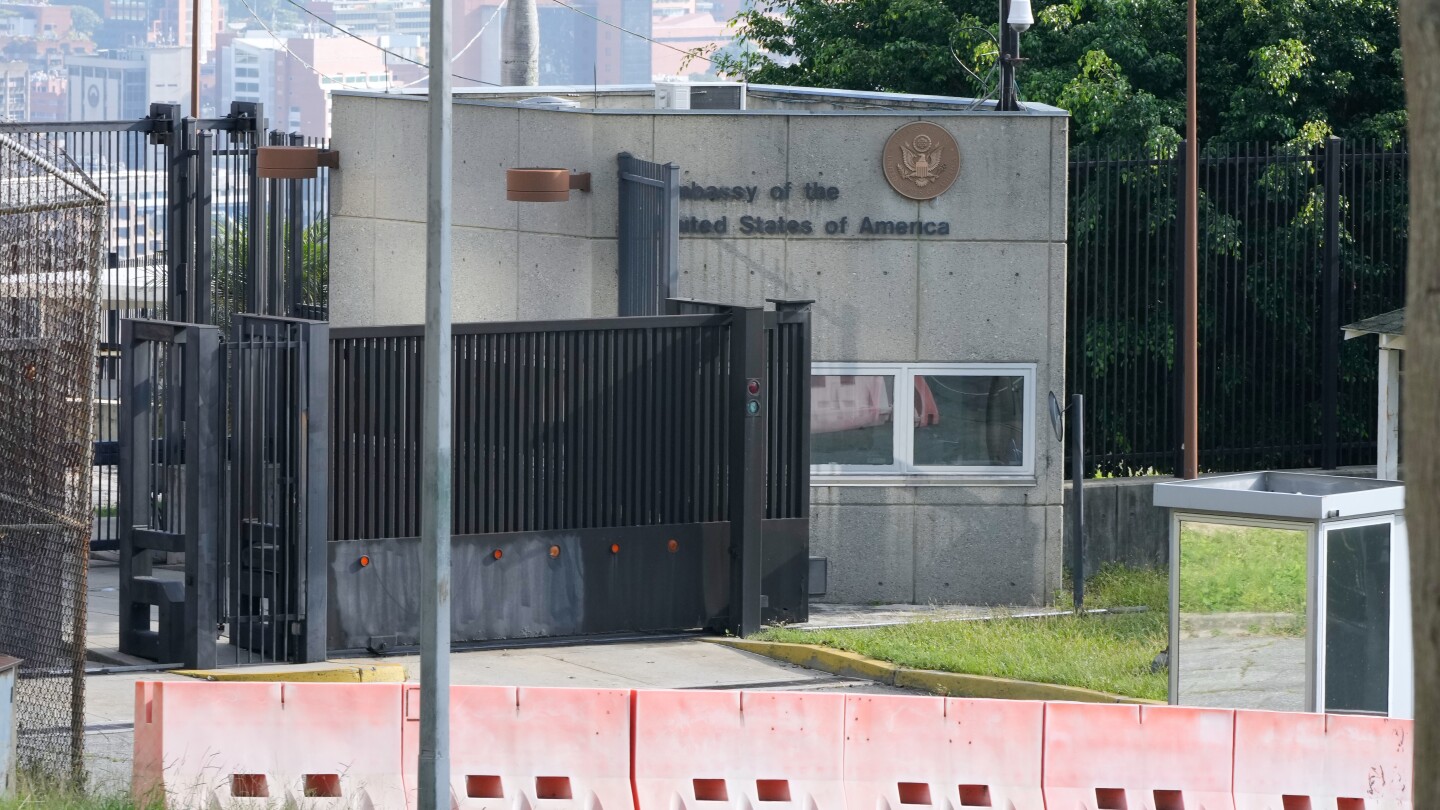
Venezuela denounces alleged ‘extremist’ plan to attack shuttered US Embassy complex
Venezuela has raised alarms over an alleged extremist plot to target the closed U.S. Embassy in Caracas with explosives, heightening already strained bilateral relations. Jorge Rodríguez, head of Venezuela’s National Assembly and the country’s dialogue delegation with the U.S., disclosed that Washington had been alerted through multiple channels about a “serious threat” posed by right-wing groups masquerading as supporters of President Nicolás Maduro. Rodríguez accused these factions of orchestrating a false-flag operation to plant explosives at the embassy, which has been shuttered since 2019 following the rupture of diplomatic ties between the two nations. Despite its closure, the embassy retains a skeleton staff responsible for security and maintenance. Rodríguez emphasized that Venezuela has bolstered security measures at the site and informed a European embassy to facilitate communication. The U.S. State Department has yet to comment on the allegations. The embassy compound, located in southeastern Caracas, remains under Venezuelan police patrol. The warning coincides with escalating tensions over the U.S. military presence in the Caribbean, which Washington claims is aimed at combating drug cartels. Maduro has condemned the deployment as a threat to Venezuela’s sovereignty, while the U.S. accuses him of involvement in drug trafficking. The situation underscores the deepening rift between the two nations, with no signs of reconciliation in sight.
-
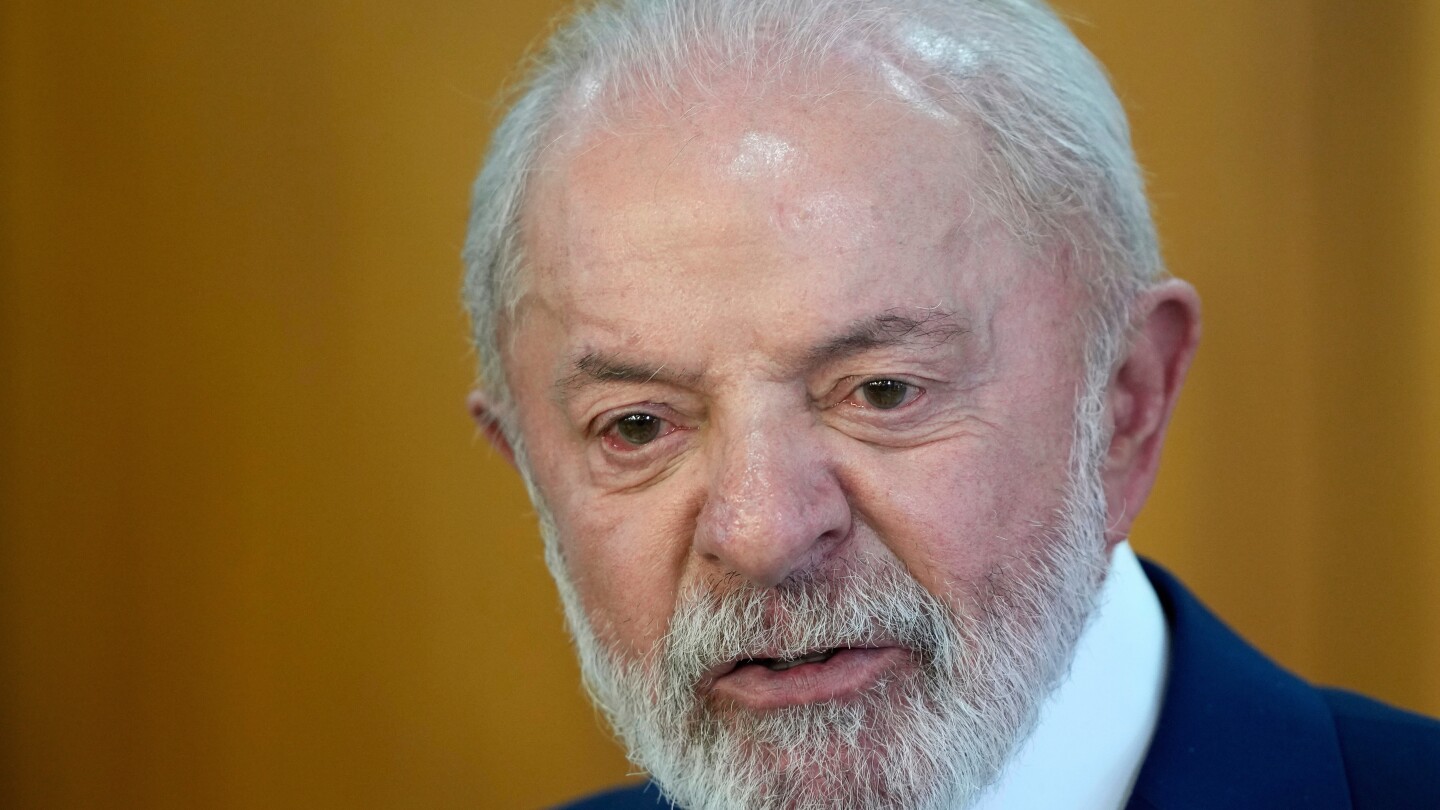
Lula asks Trump to lift 40% tariff on Brazilian imports
In a significant diplomatic exchange, Brazilian President Luiz Inácio Lula da Silva engaged in a 30-minute phone conversation with U.S. President Donald Trump on Monday, urging the removal of the 40% tariff imposed on Brazilian imports by the U.S. government. The discussion, described as productive by both leaders, also touched on broader economic and trade relations between the two nations. According to a statement from Lula’s office, the Brazilian president reiterated his invitation for Trump to attend the upcoming climate summit in Belem, emphasizing the importance of international cooperation on environmental issues. Trump later took to Truth Social to express his satisfaction with the call, noting that the conversation was largely centered on economic and trade matters. He hinted at future discussions and potential meetings in both Brazil and the United States. The Trump administration had initially imposed the 40% tariff in July, citing Brazil’s policies and the criminal prosecution of former President Jair Bolsonaro as justification. Bolsonaro, who lost his reelection bid in 2022, was recently convicted of attempting a coup and sentenced to 27 years and three months in prison by Brazil’s Supreme Court. Lula also extended an offer to visit Washington to continue the dialogue initiated during their meeting at the United Nations General Assembly earlier this month.
-
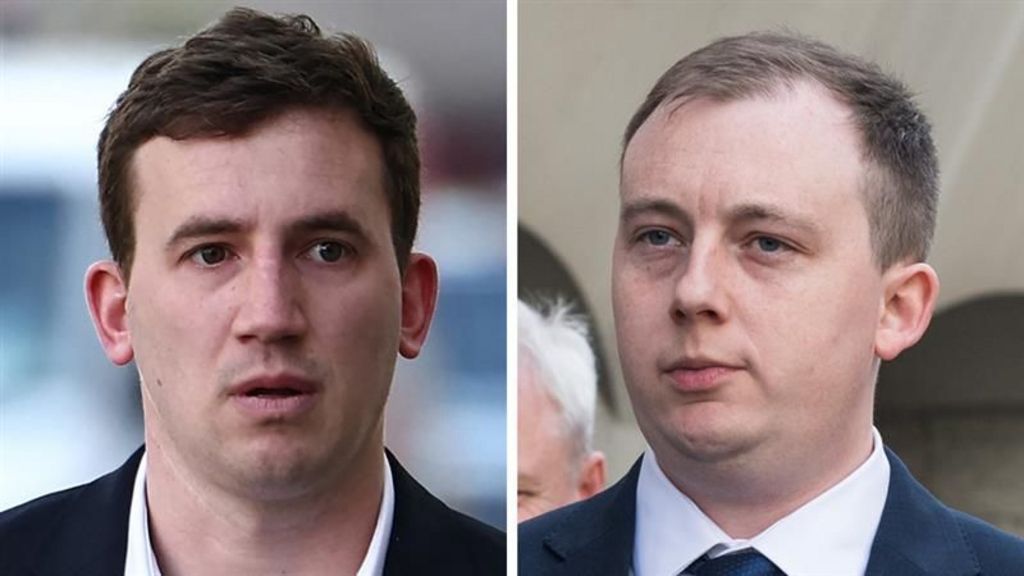
No 10 denies government involved in collapse of China spying case
The UK government has firmly rejected allegations of its involvement in the collapse of a high-profile prosecution against two men accused of espionage for China. Christopher Cash, a former parliamentary researcher, and Christopher Berry were charged under the Official Secrets Act in April 2024, accused of gathering and sharing state-sensitive information between December 2021 and February 2023. However, the charges were unexpectedly dropped in September, sparking criticism from ministers and MPs. Downing Street has denied claims that the government withheld evidence or influenced the decision, emphasizing that the Crown Prosecution Service (CPS) acted independently. The CPS stated that the case could no longer proceed as the evidence no longer met the required legal threshold. The decision has raised concerns about national security, with MPs warning that it could leave Parliament vulnerable to espionage. Conservative MP Alicia Kearns, who previously employed Cash, described the collapse of the trial as ‘inexplicable’ and suggested that external factors may have influenced the CPS’s ability to prosecute. The case has also reignited debates over the UK’s relationship with China, particularly as the Labour government seeks to strengthen trade ties with Beijing. Foreign Secretary David Lammy’s visit to China in October 2024 highlighted this shift, as he emphasized the need for pragmatic solutions to complex challenges. Critics, however, argue that prioritizing economic relations with China could compromise national security.
-
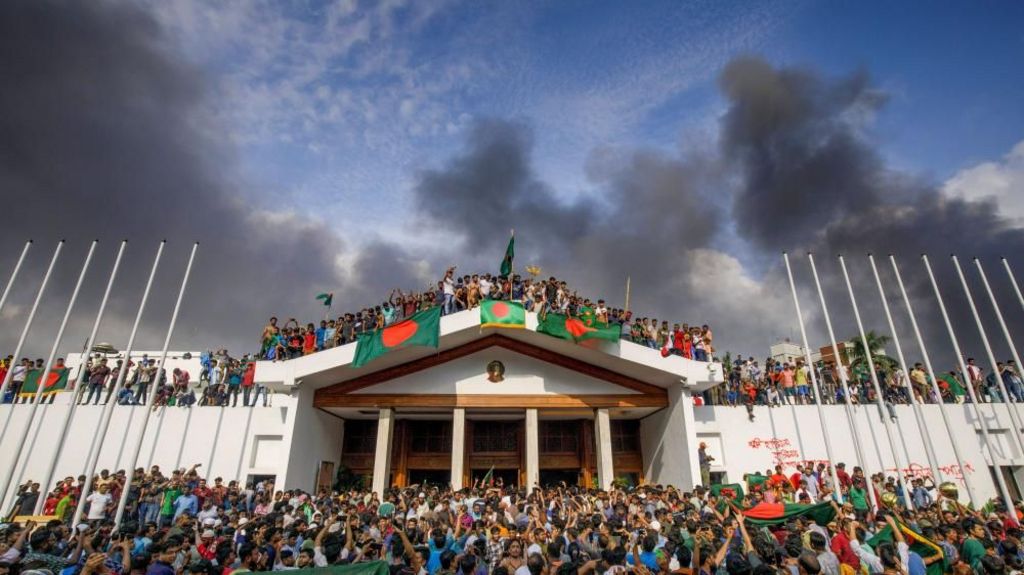
Exiled leader to return to Bangladesh for historic vote after uprising
In a landmark announcement, Tarique Rahman, the acting chairman of the Bangladesh Nationalist Party (BNP), has declared his intention to return to Bangladesh after two decades abroad to contest the upcoming elections. Speaking in his first face-to-face interview in nearly 20 years with BBC Bangla, Rahman stated, ‘The time has come, God willing, I will return soon.’ The elections, scheduled for February, are widely regarded as one of the most consequential in Bangladesh’s history, following the mass protests in 2024 that ousted three-time Prime Minister Sheikh Hasina. Her Awami League party is unlikely to participate due to ongoing legal proceedings. Rahman, the son of ailing BNP leader Khaleda Zia, is expected to lead the country if the BNP secures victory. The 2024 unrest, which saw up to 1,400 deaths according to UN investigators, marked a turning point in Bangladeshi politics. Hasina, now in exile in India, faces trial in absentia for alleged crimes against humanity. Rahman, who was cleared of all charges after Hasina’s ousting, emphasized the importance of the upcoming elections, stating, ‘This is an election for which people had been waiting, I cannot keep myself away during this time.’ The interim government, led by Nobel laureate Prof Muhammad Yunus, has banned the Awami League from political activities until the trial concludes. While the BNP has criticized the interim government for delays in announcing the election date, both share a common stance on the Awami League’s exclusion. Rahman also addressed concerns about the rise of Jamaat-e-Islami, the country’s largest Islamist party, which has gained momentum in recent student union elections. However, he remains confident in the BNP’s prospects, citing its historical resilience. The election is expected to focus on democratic reforms and freedom of speech, issues that were heavily suppressed under the Awami League. Rahman pledged to ensure such restrictions are not repeated if he assumes power. The interim government’s efforts to build consensus on reforms have been slow, but for many Bangladeshis, particularly the youth who led the 2024 uprising, ensuring basic freedoms will be a critical test for the next government.
-
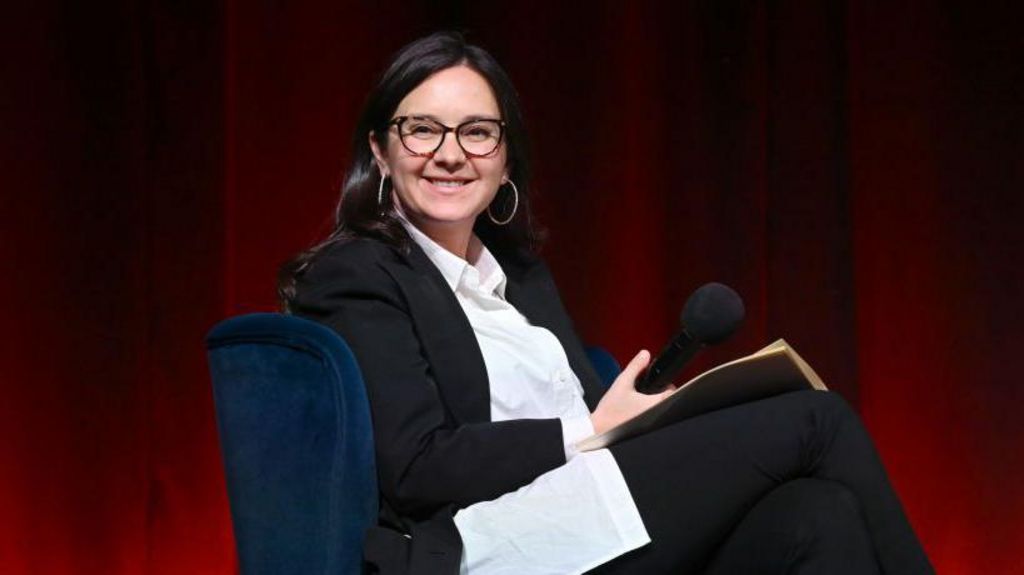
Ex-New York Times writer to lead CBS after Paramount deal
Paramount has announced the appointment of Bari Weiss, a former New York Times opinion writer, as the new head of CBS News. This move is part of a broader strategy by Paramount’s new owners to revitalize one of America’s most prominent news organizations. In addition to this leadership change, Paramount is acquiring The Free Press, a digital media outlet founded by Weiss after her contentious exit from the New York Times. The acquisition is reportedly valued at $150 million (£112 million). Weiss, known for her critiques of partisan broadcast media, expressed enthusiasm about shaping CBS News under the leadership of David Ellison, who took over the network earlier this year as part of a merger with Paramount. Ellison, the son of tech billionaire and Trump ally Larry Ellison, has faced scrutiny from the left for his political connections. Weiss, who began her career in Jewish news outlets, is recognized for her support of Israel and her opposition to ‘cancel culture.’ Since its inception in 2021, The Free Press has amassed 1.5 million subscribers, including over 170,000 paid users, and has gained attention for its critical reporting on mainstream media. Ellison emphasized that Weiss’s appointment aligns with his vision to modernize Paramount’s content and establish CBS as the ‘most-trusted name in news.’ He aims to produce balanced, fact-based coverage that appeals to a broad audience. The deal’s financial terms remain undisclosed, though reports suggest Paramount paid $150 million in stock and cash. Ellison, a renowned Hollywood producer, has pledged to reduce political bias in CBS’s programming, including unedited interviews on ‘Face the Nation.’ CBS News maintains a partnership with the BBC, ensuring editorial independence while sharing content. In her announcement, Weiss praised Ellison’s commitment to journalism and his vision for a unified media landscape.
-
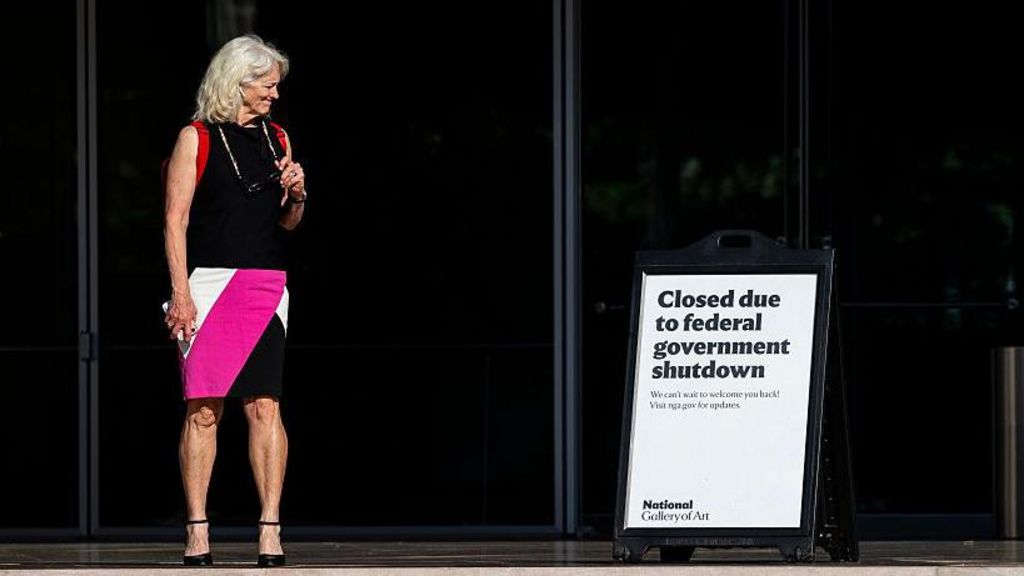
What makes this US shutdown different (and more difficult)
The United States finds itself in the throes of yet another government shutdown, a recurring feature of its political landscape. However, the 2025 shutdown stands out as particularly intractable, fueled by deep-seated animosity between Republicans and Democrats and a lack of willingness to compromise. With approximately 750,000 federal employees facing unpaid leave and essential services temporarily suspended, the impasse highlights the escalating political tensions in Washington. Unlike previous shutdowns, where late-night negotiations often paved the way for resolution, this episode is marked by a stark absence of collaboration and a surge in partisan rancor. The Democratic leadership, under pressure from its base, is leveraging the shutdown to challenge the Trump administration’s aggressive agenda, particularly its healthcare cuts and executive overreach. Meanwhile, President Trump and his allies view the shutdown as an opportunity to advance their long-standing goal of reducing the federal workforce. The White House has warned of mass layoffs to maintain critical services, a move described as ‘fiscal sanity’ by Press Secretary Karoline Leavitt. The economic ramifications are significant, with analysts predicting a 0.2 percentage point reduction in GDP growth for each week the shutdown persists. While the stock market remains largely unaffected, the broader impact on government operations, business activities, and public trust in political institutions could have lasting consequences. As both parties dig in, the path to resolution remains uncertain, leaving the nation in a state of prolonged uncertainty.