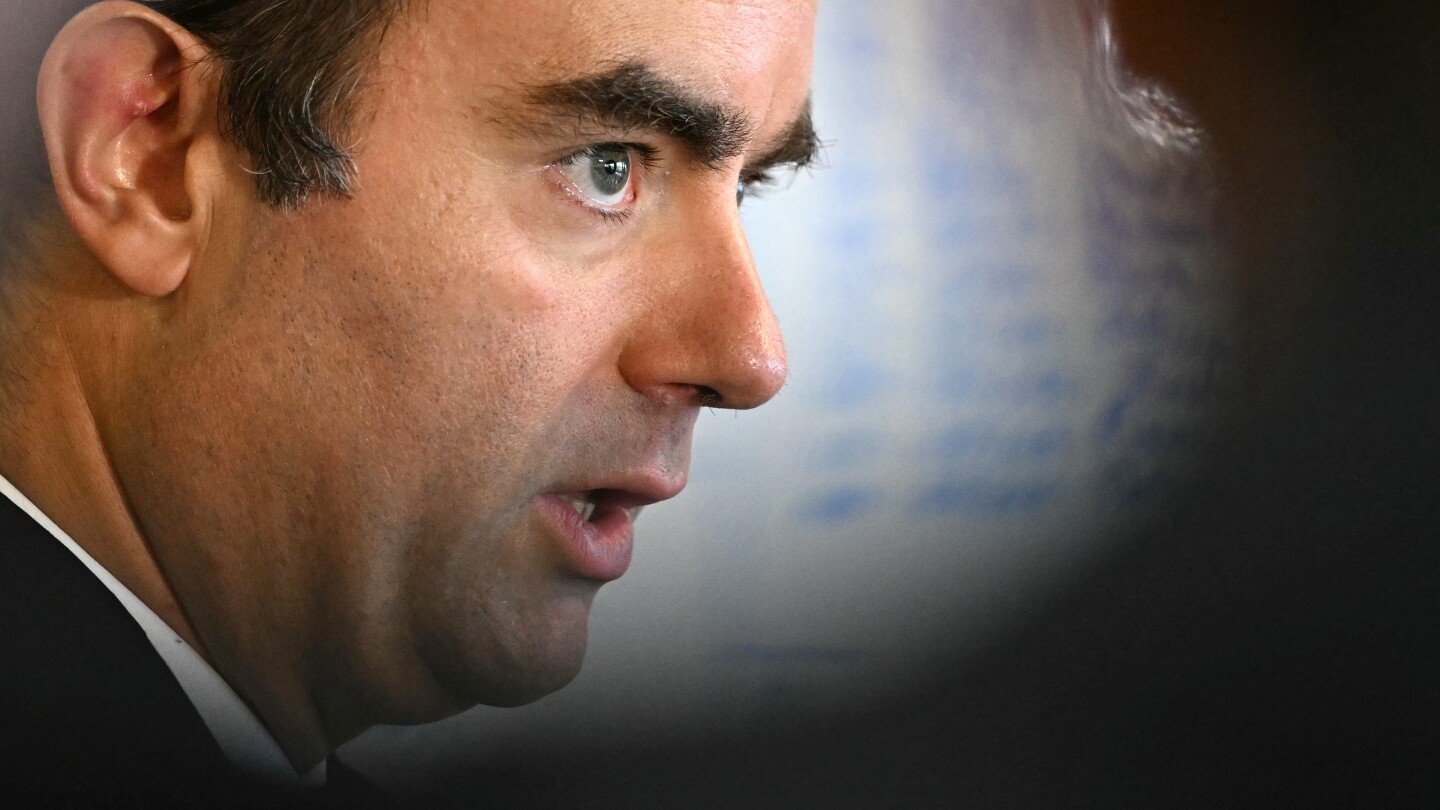
In a bid to stabilize France’s political landscape, Prime Minister Sebastien Lecornu unveiled a new government on Sunday. The reshuffle comes as Lecornu faces mounting pressure to address pressing issues, including crafting a viable budget and restoring confidence among businesses and investors. The Cabinet features a mix of seasoned politicians from President Emmanuel Macron’s centrist alliance and conservative allies, alongside fresh faces from outside the political arena. However, the longevity of this administration remains uncertain, given Macron’s lack of a parliamentary majority and calls from opposition leaders for new elections or his resignation. Lecornu, a 39-year-old centrist and Macron confidant, must navigate a deeply divided National Assembly, where far-right, centrist, and left-wing factions vie for influence. Key appointments include Catherine Vautrin as Defense Minister, tasked with managing France’s military support for Ukraine and addressing European security threats posed by Russia. Paris Police Chief Laurent Nunez, who secured the 2024 Olympics, steps into the role of Interior Minister, while Roland Lescure takes on the critical Finance Ministry portfolio amid concerns over rising debt and poverty. Foreign Minister Jean-Noel Barrot retains his position, accompanying Macron to Egypt for an international ceremony marking the Gaza ceasefire.
分类: politics
-
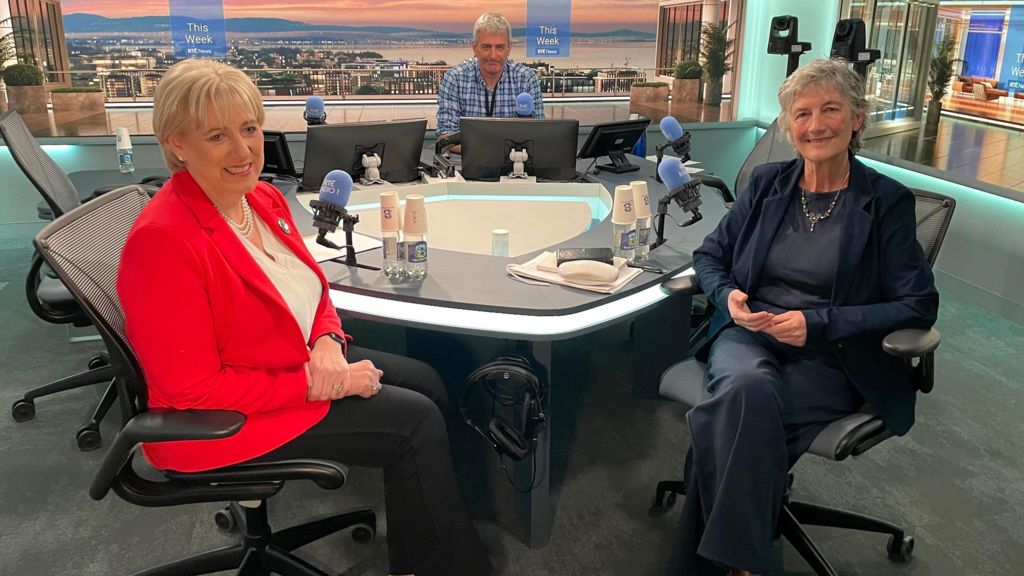
Presidential candidate calls for Irish unity preparation
In a heated presidential debate broadcast by RTÉ, the two candidates vying for the Irish presidency, Catherine Connolly and Heather Humphreys, addressed critical issues such as Irish unity, neutrality, and foreign policy. Connolly, backed by a coalition of left-leaning parties including Sinn Féin, urged the Irish government to prepare for a united Ireland, citing the Good Friday Agreement and Article 3 of the Irish Constitution as foundational frameworks. She emphasized the need for a green paper and cross-party collaboration to outline steps toward unity, lamenting the lack of progress thus far. Connolly also pledged to make her first presidential visit to Northern Ireland if elected. Humphreys, representing the Fine Gael party, stressed the importance of building trust across communities in Northern Ireland, drawing on her personal experiences and relationships across the border. She highlighted the persistent divisions despite the peace process and expressed her commitment to fostering dialogue and understanding. The debate also saw the candidates clash over the government’s proposal to remove the ‘triple lock’ mechanism, which currently requires UN approval, government decision, and parliamentary vote for deploying Irish troops abroad. Connolly argued for a referendum to protect Ireland’s neutrality, while Humphreys supported the government’s stance, questioning the need for foreign powers to veto Irish peacekeeping missions. Both candidates reaffirmed their commitment to Ireland’s neutrality, though they differed on the specifics of its implementation.
-
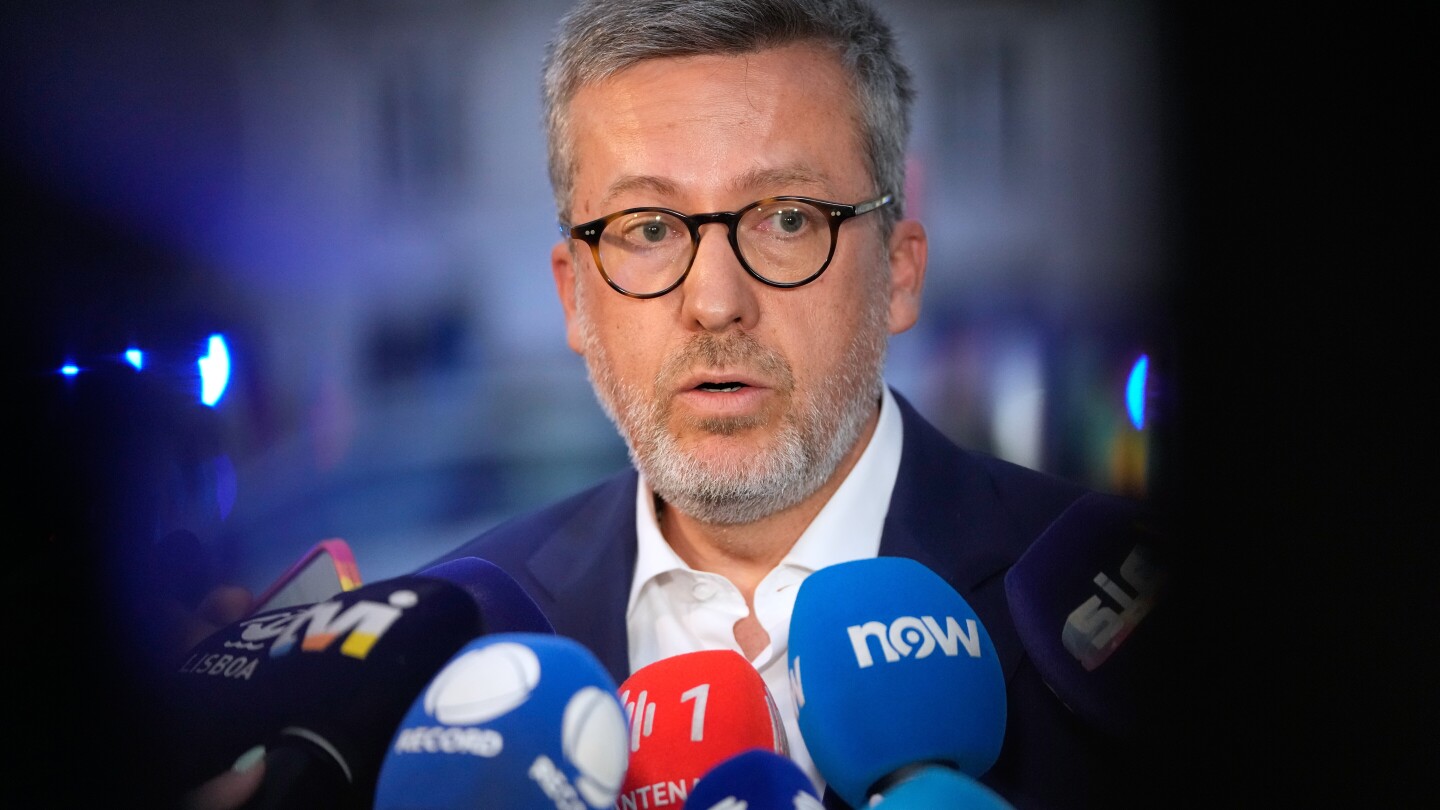
Portugal holds municipal elections with attention on Lisbon after streetcar crash
LISBON, Portugal — Voters in Portugal headed to the polls on Sunday for local elections, with the mayoral race in Lisbon drawing significant attention following a tragic streetcar accident last month. The contest pits incumbent Mayor Carlos Moedas, leading a right-of-center coalition, against left-of-center candidate Alexandra Leitão, a law professor, for a four-year term. The September 3 crash, which claimed 16 lives—including 11 tourists—sparked public outrage, though Moedas has denied responsibility and declined to resign. The streetcar service, operated by Carris, falls under the oversight of the Lisbon City Council. However, many voters emphasized that their decisions were shaped more by pressing urban issues such as housing affordability, waste management, and the strain of tourism on the city’s infrastructure. José Rosa, a 72-year-old resident, lamented the chaotic traffic and garbage accumulation, stressing the need for proactive governance. Sandra Almeida, another voter, highlighted the housing crisis, stating that locals are being priced out of their own city. While the streetcar crash remains under investigation, with officials probing potential maintenance failures, Moedas has dismissed any political accountability, calling it a mechanical issue. Despite the tragedy, some voters, like Ana Btelho, saw the incident as a reflection of poor leadership. Moedas, a rising star in Portugal’s center-right Social Democratic Party, is seen as a potential future prime minister, with his tenure as mayor often viewed as a steppingstone to higher office.
-
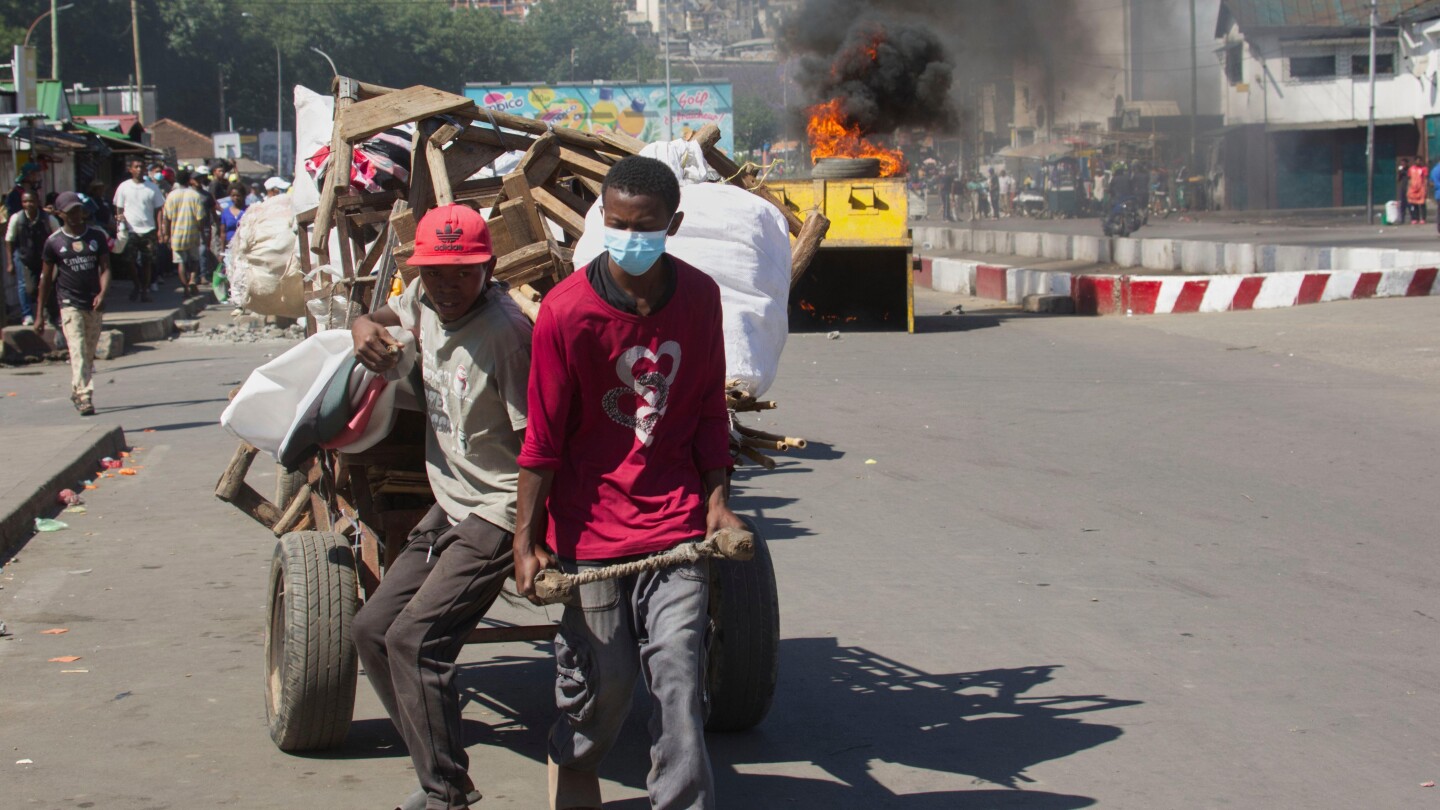
An attempted coup is underway in Madagascar, the country’s president says
Madagascar is grappling with a severe political crisis as an attempted coup unfolds, according to President Andry Rajoelina. The announcement came on Sunday, following days of escalating unrest led by youth protesters and the involvement of an elite military unit. The protests, spearheaded by a group known as “Gen Z Madagascar,” have plunged the nation into its most significant turmoil in years. The United Nations reports that the demonstrations have resulted in 22 fatalities and numerous injuries, though the government disputes these figures. In a statement, Rajoelina’s office condemned the “illegal and forceful attempt to seize power,” urging national unity to defend constitutional order and sovereignty. The statement did not specify the perpetrators, but members of the elite CAPSAT unit were observed joining the anti-government protests on Saturday. The unrest, which began on September 25, stems from widespread dissatisfaction with service failures, alleged corruption, and nepotism within the government. Rajoelina, who first rose to power following a 2009 coup, was reelected for a second term in 2023. The situation remains volatile as the nation confronts this unprecedented challenge to its stability.
-
Seychelles’ opposition leader wins presidential poll
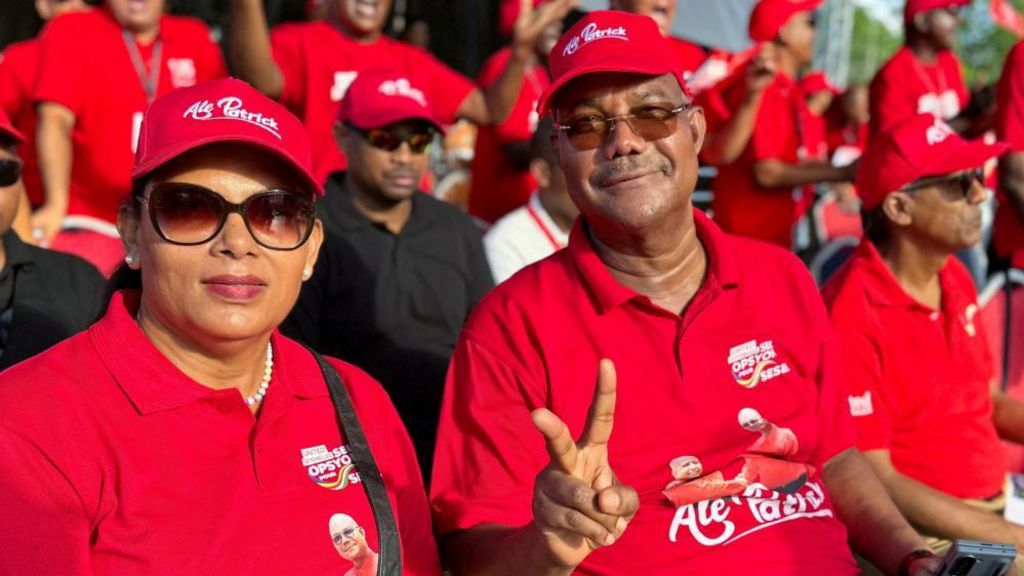
Patrick Herminie, the leader of Seychelles’ main opposition party, has emerged victorious in the nation’s presidential election, defeating incumbent Wavel Ramkalawan in a closely contested runoff. According to the official results released by the electoral commission, Herminie secured 52.7% of the vote, while Ramkalawan garnered 47.3%. The election proceeded to a second round after neither candidate achieved a majority in the initial vote two weeks prior. In his victory speech, Herminie pledged to address the rising cost of living, revitalize public services, and foster national unity, declaring the outcome as “a new chapter for all Seychellois.” Ramkalawan, conceding defeat, congratulated Herminie and highlighted his administration’s achievements, stating he leaves behind “a legacy that makes many presidents blush.” Herminie’s path to the presidency was not without obstacles; he faced politically motivated witchcraft charges in 2023, which were dismissed in 2024, enabling his candidacy. His party, United Seychelles (US), also regained control of parliament last month with a strong majority, marking a significant political shift in the island nation. Herminie emphasized his commitment to inclusivity, vowing to end divisions and ensure equal opportunities for all citizens. This election reflects a broader trend in Africa, where incumbents are increasingly challenged amid public discontent over economic issues, as seen in Malawi’s recent leadership change.
-
Estonia closes road through Russian territory due to presence of Russian troops
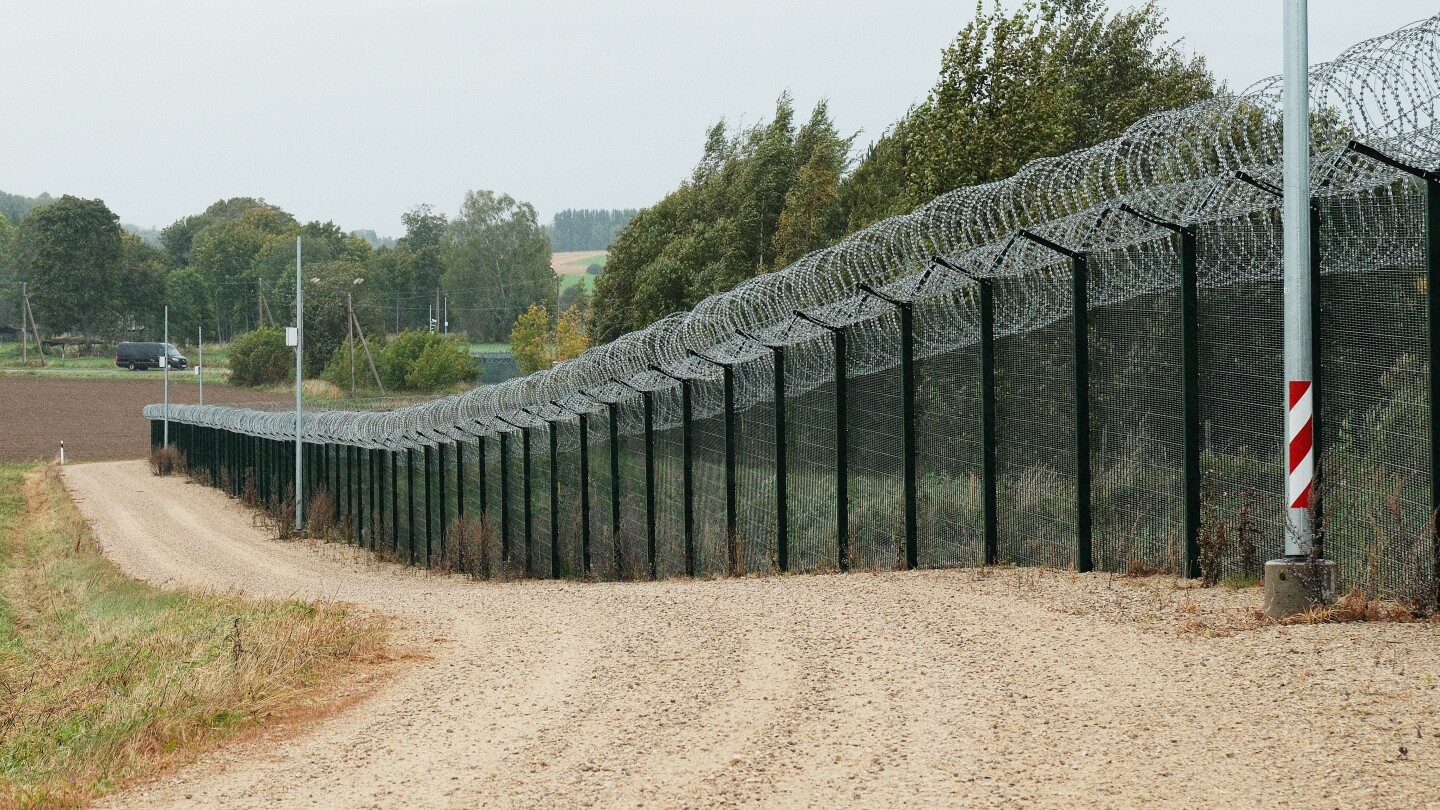
Estonia has temporarily restricted access to a crucial road that traverses a small section of Russian territory, following reports of an unusual presence of Russian soldiers in the area. The decision, announced by Estonia’s Police and Border Guard Board on Friday, was prompted by the observation of a larger-than-normal Russian military unit moving near the border. The road in question, known as the Saatse Boot, is a boot-shaped enclave of Russian land that extends into southeastern Estonia. While Estonians and other nationals are typically permitted to drive through this area without special authorization, stopping is strictly prohibited. The closure aims to safeguard public safety and prevent potential incidents. Interior Minister Igor Taro confirmed on Saturday that the Russian soldiers had since departed, describing the situation as calm but emphasizing that the road would remain closed at least until Tuesday. He reiterated that there is no immediate threat of war, a stance supported by the Estonian Defense Forces. This incident follows heightened tensions in the region, including recent unauthorized incursions by Russian fighter jets into Estonian airspace and drone violations in Poland, both of which have raised concerns among NATO members on the eastern flank.
-
Madagascar presidency says attempt to seize power illegally under way
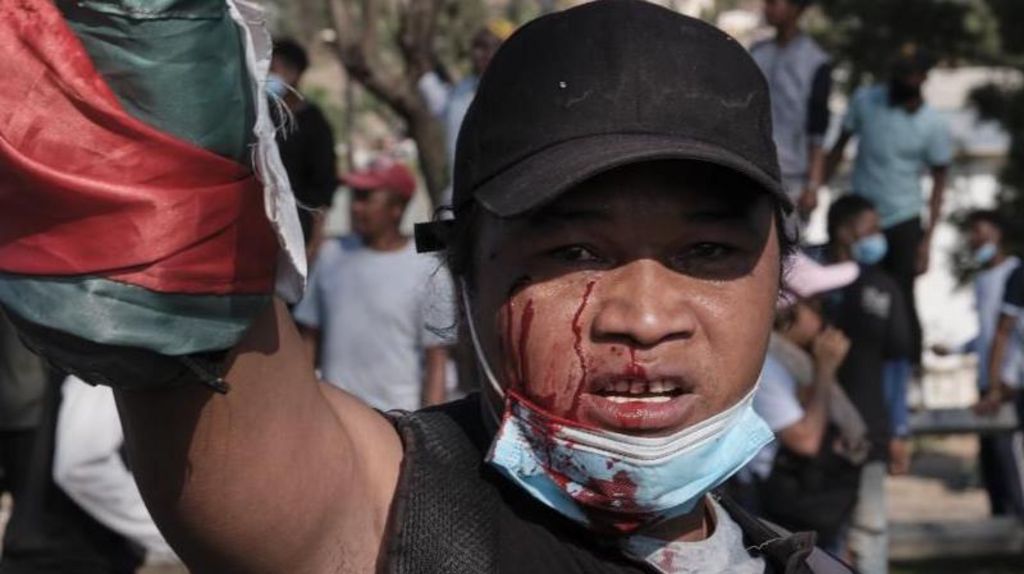
Madagascar is embroiled in a deepening political crisis as President Andry Rajoelina’s office has accused unnamed actors of attempting an unconstitutional seizure of power. This alarming declaration follows widespread protests in the capital, Antananarivo, which began on September 25 over water and power shortages but have since expanded to reflect broader grievances against Rajoelina’s administration. Issues such as rampant unemployment, corruption, and the escalating cost-of-living crisis have fueled public discontent. The situation intensified after CAPSAT, a prominent army unit instrumental in the 2009 political crisis that brought Rajoelina to power, criticized the security forces for their excessive use of force against demonstrators. In a statement on Sunday, Rajoelina condemned the alleged destabilization efforts, urging national unity to uphold constitutional order and sovereignty. The protests, led largely by Gen Z activists, underscore a growing demand for political change in the island nation. As tensions rise, the international community watches closely, with concerns mounting over the potential for further unrest and instability in Madagascar.
-
Kosovo holds municipal elections with the governing party aiming for Pristina city hall
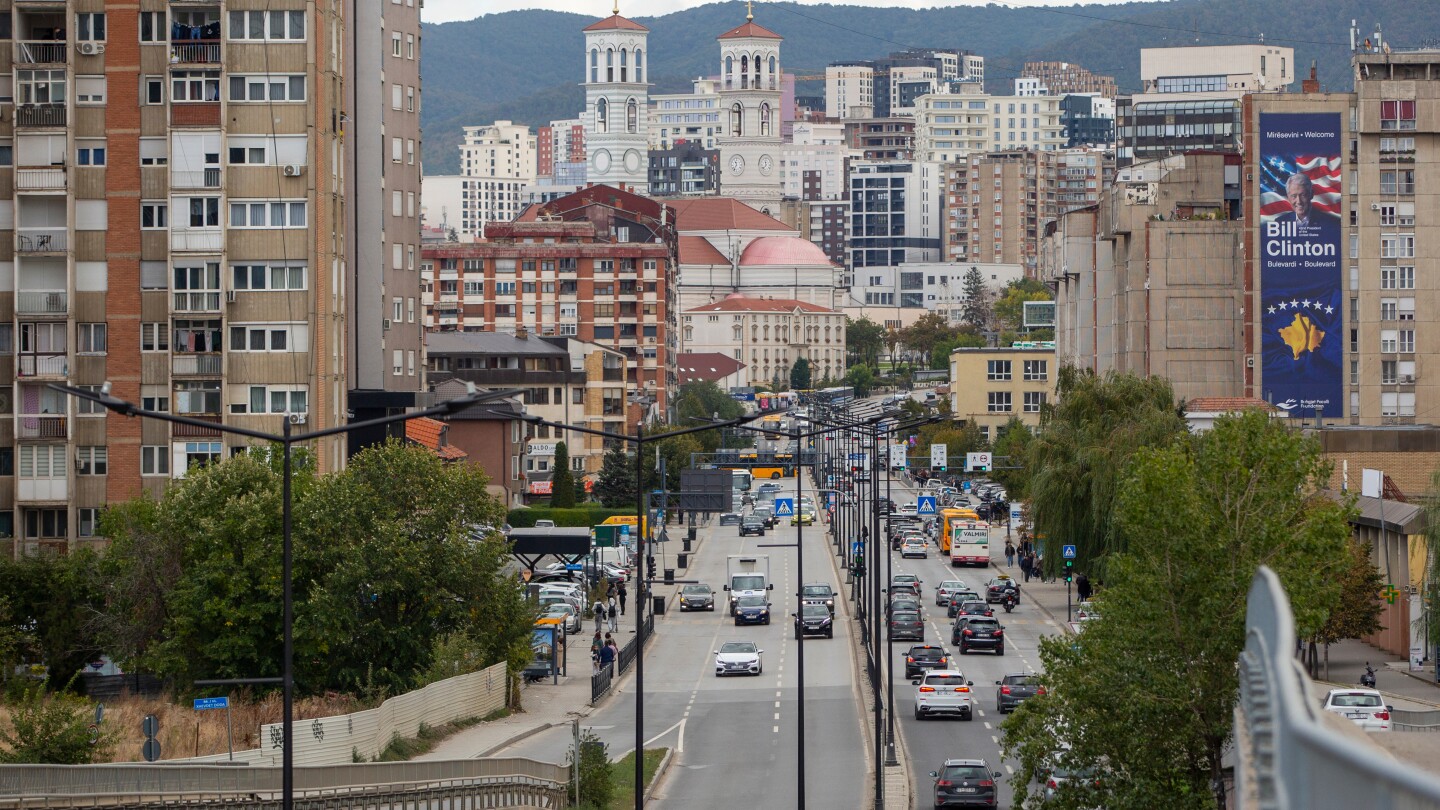
PRISTINA, Kosovo — Kosovo is conducting municipal elections on Sunday, with the left-wing governing party, Vetevendosje!, aiming to secure control of the capital’s city hall. This election unfolds against a backdrop of persistent political tensions and strained relations with Serbia. Approximately 2.1 million registered voters are casting ballots to elect mayors in 38 municipalities and around 1,000 local council members. Preliminary results are anticipated by midnight, though many races are expected to proceed to runoffs in about a month, mirroring previous elections. The most closely contested race is in Pristina, where Vetevendosje!’s candidate, former culture minister Hajrulla Çeku, is challenging incumbent Perparim Rama of the conservative Kosovo Democratic League. Vetevendosje! seeks to capitalize on its performance in February’s parliamentary election, where it secured 48 seats in the 120-member legislature, though it fell short of a governing majority. The elections in the Serb-majority north are particularly significant, with Srpska Lista, the dominant Serb party aligned with Serbian President Aleksandar Vucic, expected to retain control of its strongholds. The vote follows Kosovo’s Parliament resolving an eight-month political deadlock by electing its full leadership, including a representative from the ethnic Serb minority. Acting Prime Minister Albin Kurti, Vetevendosje!’s leader, has been tasked with forming a new Cabinet within 15 days, a challenging endeavor as other major parties have yet to engage in coalition talks. Kurti faces mounting pressure to stabilize domestic politics, address economic challenges, and revive EU-mediated normalization talks with Serbia. Kosovo’s independence remains a contentious issue in the Balkans, with Serbia, backed by Russia and China, refusing to recognize it. The 1998–1999 war, which claimed approximately 11,400 lives, predominantly ethnic Albanians, ended after NATO’s intervention forced Serbian forces to withdraw. While most Western nations acknowledge Kosovo’s statehood, the region’s political landscape remains fraught with complexity.
-
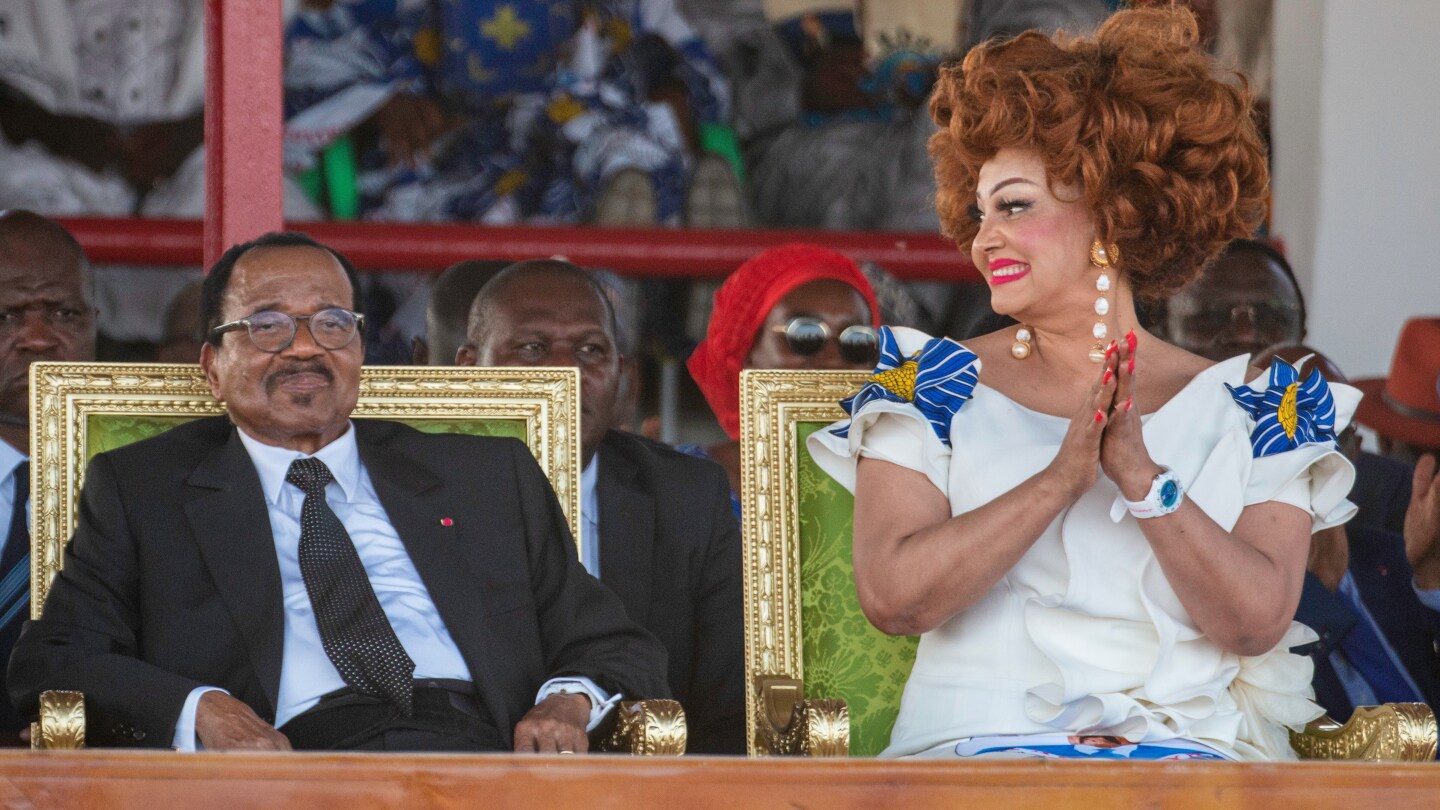
Cameroon heads to the polls as the world’s oldest president bids to extend his rule
Cameroon embarked on a pivotal electoral journey on Sunday as millions of citizens cast their votes in a presidential election that could extend President Paul Biya’s 43-year rule by another seven years. With over 8 million registered voters, including 34,000 overseas, the Central African nation witnessed polling across more than 31,000 stations. The election, which concluded at 6 p.m., is expected to announce results by October 26. Analysts anticipate a victory for Biya, who, at 92, is Africa’s oldest leader and has been in power since 1982. If re-elected, Biya would be 99 by the end of his term, raising questions about his health and governance, as he spends significant time in Europe, delegating daily affairs to party officials and family members. Biya’s campaign emphasized his commitment to addressing pressing national challenges, including economic instability and security crises. However, his prolonged tenure has drawn criticism, particularly from the country’s youthful population, which constitutes a majority. Biya faces nine opposition candidates, including former allies like Bello Bouba Maigari and Issa Tchiroma Bakary, who have strong support in the predominantly Muslim northern regions. Cameroon’s political landscape is further complicated by escalating security threats, including a secessionist conflict in the English-speaking west and Boko Haram insurgency in the north. With 43% of the population living in poverty, the election underscores the nation’s struggle for stability and progress.
-
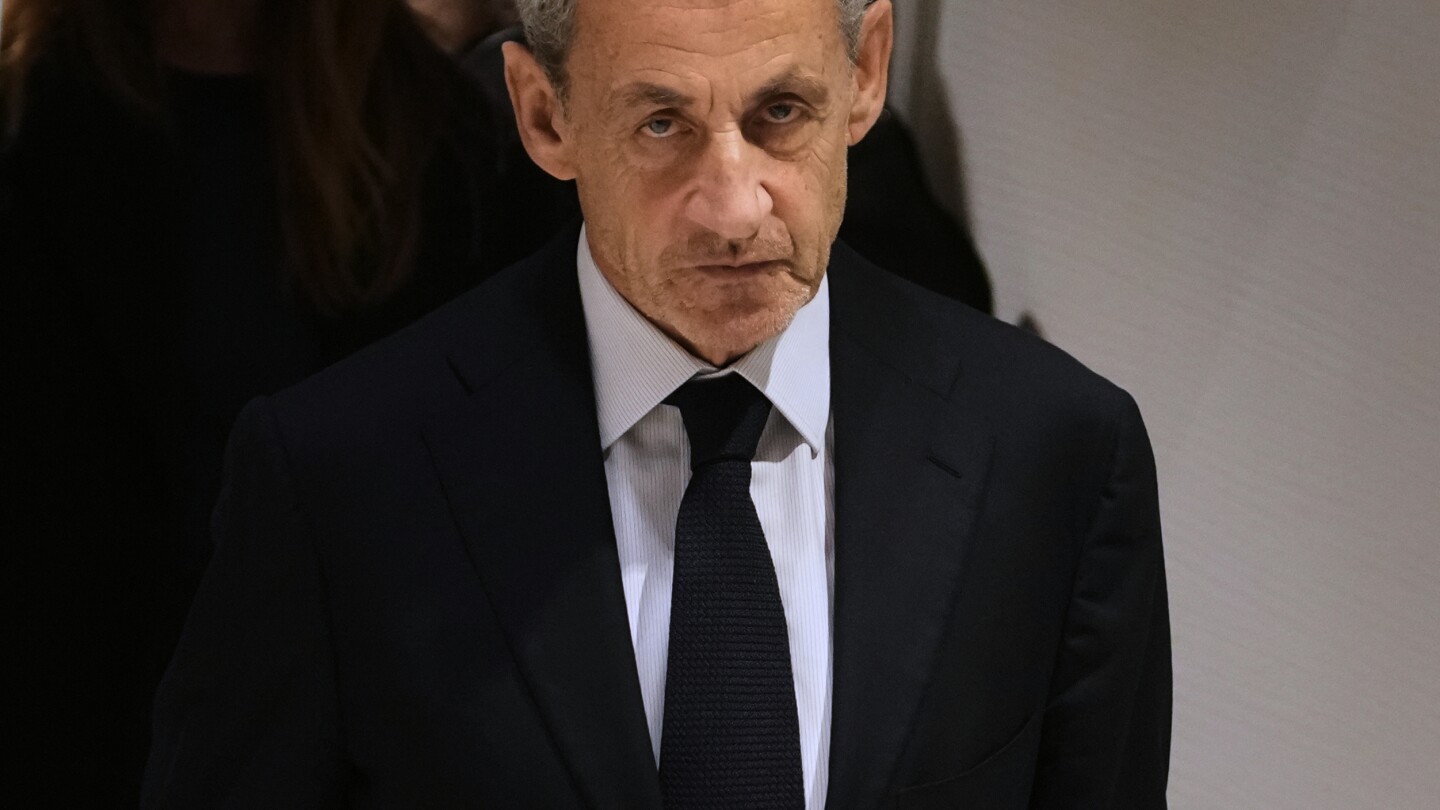
Sarkozy prison date to be set. Here’s why the former French president will serve time despite appeal
Former French President Nicolas Sarkozy, 70, is set to begin his five-year prison sentence following a Paris court’s ruling on Monday. Sarkozy was convicted of criminal conspiracy for allegedly financing his 2007 presidential campaign with funds from Libya. Despite his claims of innocence and an ongoing appeal, the court ordered immediate incarceration, citing the severity of the offense and its impact on public order. Sarkozy, who served as president from 2007 to 2012, is the first former French leader in modern history to face actual prison time. The court granted him 18 days to organize his affairs before reporting to the National Financial Prosecutor’s office to finalize the incarceration date. Sarkozy’s supporters argue that his appeal should grant him the presumption of innocence under French law, but the ruling aligns with France’s judicial norms, where 90% of adults sentenced to at least two years are immediately imprisoned. The case revolves around allegations that Sarkozy, as a presidential candidate and interior minister, orchestrated corruption at the highest level, leveraging Libyan funds with the help of close associates. Sarkozy maintains the charges are part of a plot by the Gadhafi regime, retaliating for his role in the 2011 NATO intervention that led to Gadhafi’s downfall. For safety, Sarkozy is expected to be held in a high-security ‘VIP area’ of La Santé prison, where he will have access to basic amenities and can file a release request pending his appeal trial, likely scheduled for next spring.