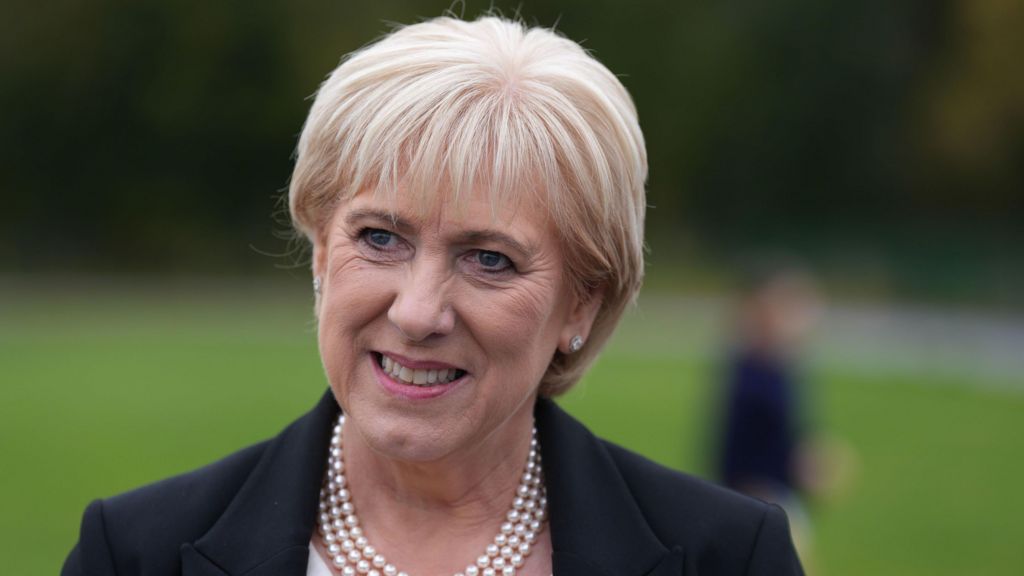
Heather Humphreys, a Fine Gael candidate for the Irish presidency, has emphasized the importance of fostering unity and extending friendship to unionists in Northern Ireland as discussions about a potential referendum on a united Ireland gain momentum. Speaking to RTÉ, Humphreys, who hails from a Presbyterian background in Monaghan, highlighted her family’s historical ties to the Ulster Covenant of 1912, a pledge against Irish home rule. She expressed pride in her heritage, stating, “I come from the tradition of 1798, the United Irishmen. I’m very proud of my tradition, I’m very proud of where I come from.” Humphreys believes the Irish president’s role is crucial in laying the groundwork for dialogue and reconciliation, particularly with the approximately one million Northern Irish citizens who identify as British. She described herself as uniquely positioned to bridge divides, given her background and identity as a product of the Republic of Ireland. Humphreys also reaffirmed her commitment to the Good Friday Agreement, which stipulates that a border poll can only occur if a majority in Northern Ireland supports unification. Additionally, she addressed her relationship with the Irish language, acknowledging its importance and pledging to improve her proficiency. Despite criticism for not advancing her Irish-speaking skills as promised, Humphreys expressed her intent to return to Gaeltacht areas to refresh her knowledge and inspire others to embrace the language.
分类: politics
-
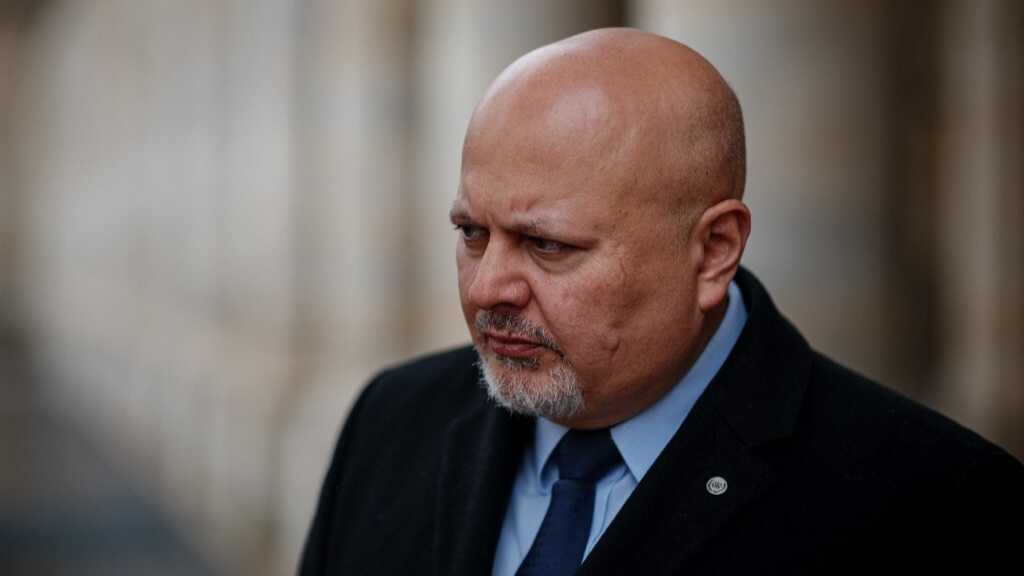
Exclusive: ICC senior officials accused of ‘prejudice’ over Karim Khan probe
The International Criminal Court (ICC) is under intense scrutiny for its handling of a sexual misconduct complaint against Chief Prosecutor Karim Khan. Middle East Eye (MEE) has revealed that the complainant was in contact with Margareta Kassangana, a vice president of the ICC’s governing body, the Assembly of States Parties (ASP), before the case was referred to the United Nations’ Office of Internal Oversight Services (OIOS) for an external investigation. This unprecedented move has raised concerns about due process and Khan’s right to privacy. Kassangana’s involvement in discussions with the complainant prior to the investigation has further complicated the matter, casting doubts on the impartiality of the process. Meanwhile, another ASP member, Ugandan Ambassador Mirjam Blaak, has been accused of prejudicial conduct after a recording surfaced of her making inappropriate remarks about Khan’s accuser, suggesting his guilt was pre-determined. The Pan-African Business Forum (PABF) has called for an independent investigation into Blaak’s conduct, citing it as evidence of bias within the ASP. The ICC’s handling of the case has drawn widespread criticism, with former ICC judge Cuno Tarfusser expressing deep concern over the breach of confidentiality and the potential undermining of the court’s integrity. Khan, who has been on leave since May 2024, denies the allegations, and internal investigations were closed after the complainant refused to cooperate.
-
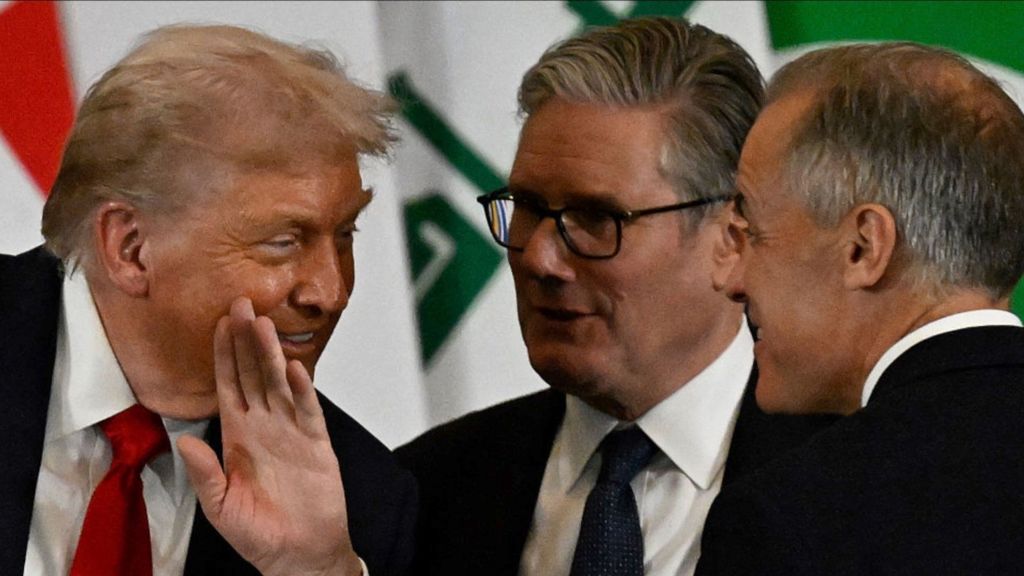
Watch: ‘You upgraded me to president’ – Carney jokes with Trump after misstatement
In a moment of levity during the high-profile ‘Summit for Peace,’ Canadian Prime Minister Justin Carney shared a humorous exchange with US President Donald Trump following a minor verbal slip. The incident occurred when Trump inadvertently referred to Carney as ‘president’ instead of ‘prime minister.’ Seizing the opportunity for a light-hearted remark, Carney quipped, ‘You upgraded me to president,’ eliciting laughter from the audience and easing the formal atmosphere of the event. The exchange highlighted the cordial relationship between the two leaders, even amidst the serious discussions on global peace and diplomacy. This brief yet memorable interaction underscored the importance of maintaining a balance between professionalism and camaraderie in international relations.
-
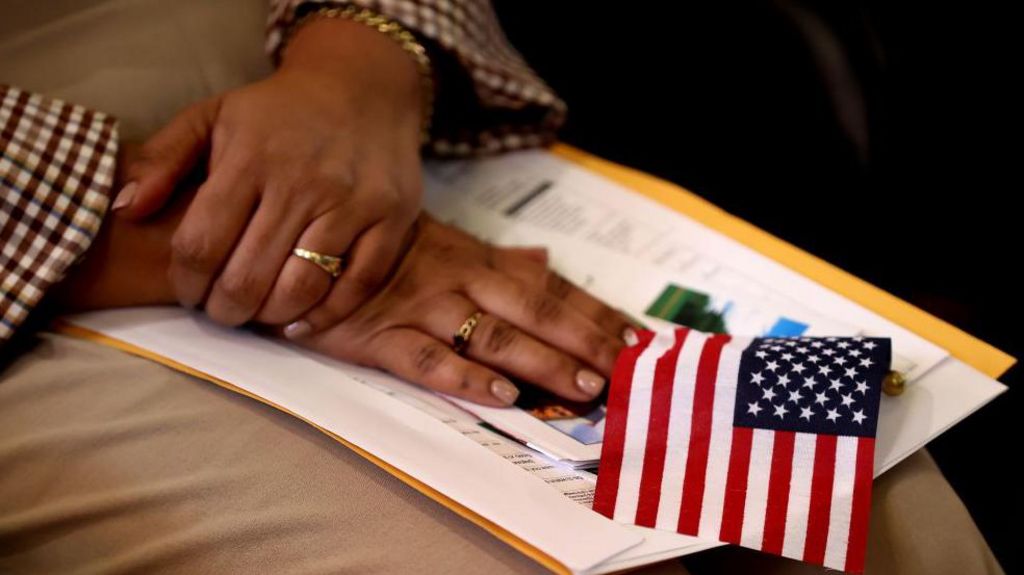
‘Your appointment’s rescheduled’: Shutdown cancels US citizenship ceremonies
On a Saturday morning in Virginia, a group of individuals from diverse backgrounds gathered at a U.S. immigration office, eager to complete their journey to becoming American citizens. Clutching their naturalization notices, they passed through security and lined up at the check-in desk, anticipating the solemn yet celebratory moment of taking the Oath of Allegiance. However, their hopes were abruptly dashed when they learned the ceremony had been canceled due to the ongoing government shutdown. None had received prior notifications, and the USCIS website, which later revealed the cancellation, had been temporarily inaccessible. The notice cited ‘unforeseen circumstances’ and expressed regret for the inconvenience. The cancellation left many in distress. One woman in a hijab feared discrimination, while a man who had brought his family to celebrate now faced uncertainty. Others worried about the impact on their work, lives, and plans. For many, this was more than an inconvenience—it was a disruption to years of effort, including navigating paperwork, interviews, and preparing for the citizenship test. The group was told to return on November 1, but with the shutdown unresolved, even that date is uncertain. While USCIS is largely funded by application fees and typically remains operational during shutdowns, its director, Joseph Edlow, stated that public-facing services like interviews and naturalization ceremonies could face delays. The exact number of canceled ceremonies nationwide remains unclear, though anecdotal reports suggest others have been affected. The shutdown, stemming from a deadlock between Republicans and Democrats over government funding since October 1, has left over 700,000 federal workers on unpaid leave. Combined with recent rapid changes to U.S. immigration policies, the anxiety among aspiring citizens continues to grow. The political stalemate in Washington is now directly impacting the lives and futures of those hoping to make the U.S. their permanent home.
-
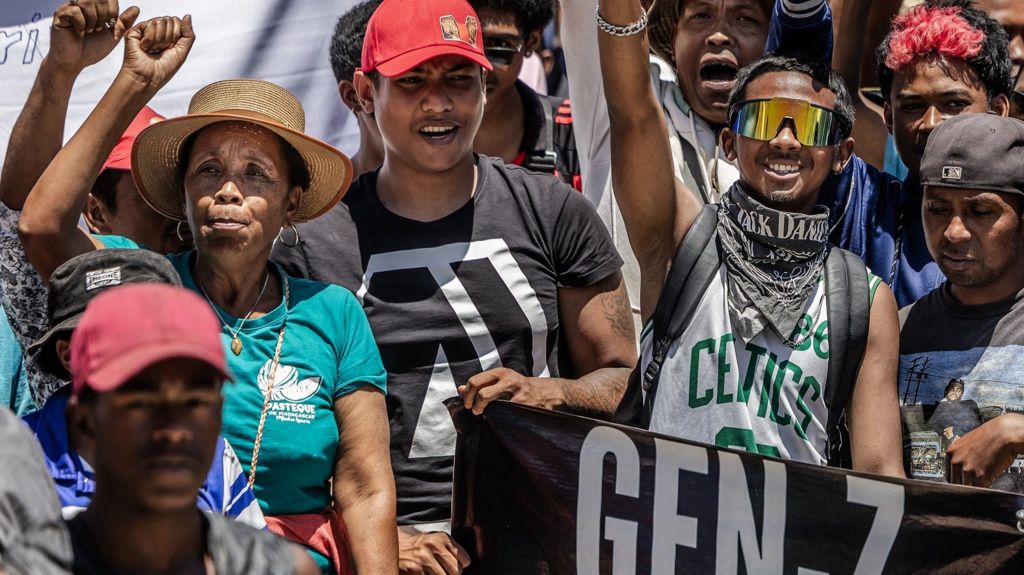
Soldiers threaten to seize state TV in Madagascar, presidency says, amid warnings of coup attempt
Madagascar is embroiled in a deepening political crisis as soldiers have threatened to seize the state TV headquarters, coinciding with President Andry Rajoelina’s delayed national address. Unconfirmed reports suggest Rajoelina has fled the country, with a French military aircraft allegedly transporting him from the Indian Ocean island to an undisclosed location. This follows two weeks of nationwide protests led by young activists, dubbed ‘Gen Z Mada,’ demanding his ouster. Despite sacking his entire government and offering concessions, Rajoelina failed to quell the unrest. Over the weekend, CAPSAT, a powerful army unit instrumental in Rajoelina’s 2009 rise to power, declared itself in command of all armed forces, with some officers joining protesters in the capital, Antananarivo. The newly appointed Chief of Army Staff, General Demosthene Pikulas, assured the public of efforts to maintain order. Meanwhile, opposition parties, including the TIM party, are preparing impeachment proceedings against Rajoelina for ‘abandonment of post.’ Several of his close associates have fled to Mauritius. The protests, initially sparked by water and power shortages, have escalated into broader discontent over unemployment, corruption, and the cost-of-living crisis. Tragically, at least 22 people have died, and over 100 have been injured, with reports of security forces using live ammunition and tear gas. Madagascar, one of the world’s poorest nations despite its natural resources, has a history of political upheaval, including the 2009 protests that brought Rajoelina to power. His tenure, marked by allegations of cronyism and corruption, now faces its most significant challenge yet.
-
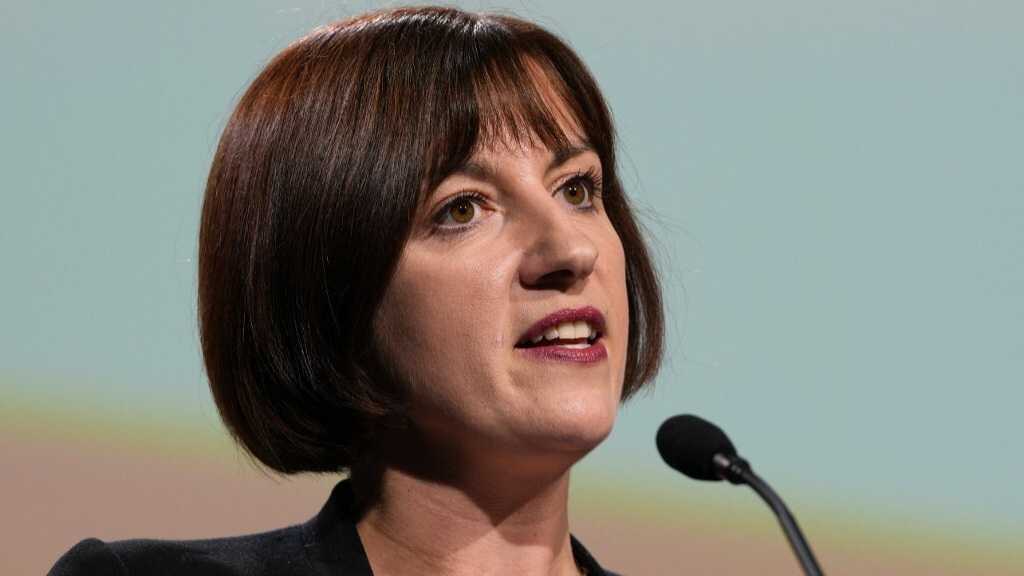
Pro-Israel group gets £1m from UK government to ‘identify’ antisemitism
The British government has allocated a £1 million funding package to the Union of Jewish Students (UJS), a pro-Israel organization, to deliver antisemitism training across universities. This initiative aims to equip university staff with tools to identify and address harassment and hate, fostering open and respectful debate on campuses. The Department for Education (DfE) announced the plan on Sunday, emphasizing that universities failing to protect Jewish students could face regulatory action. The UJS, which describes itself as the ‘voice of Jewish students,’ has ties to the World Zionist Organization, a group known for funding illegal Israeli settlements in the occupied West Bank and East Jerusalem. Critics argue that the training program, based on the International Holocaust Remembrance Alliance (IHRA) definition of antisemitism, may stifle legitimate criticism of Israel. The announcement follows heightened tensions in the UK, including student protests against the Gaza conflict and antisemitic attacks. Education Secretary Bridget Phillipson is set to meet with university leaders and faith groups to ensure student safety. Meanwhile, new protest restrictions introduced by Home Secretary Shabana Mahmood have sparked controversy, with critics labeling them as authoritarian. The UJS has faced scrutiny for its pro-Israel advocacy and alleged funding from the Israeli embassy, raising questions about its role in shaping campus discourse.
-
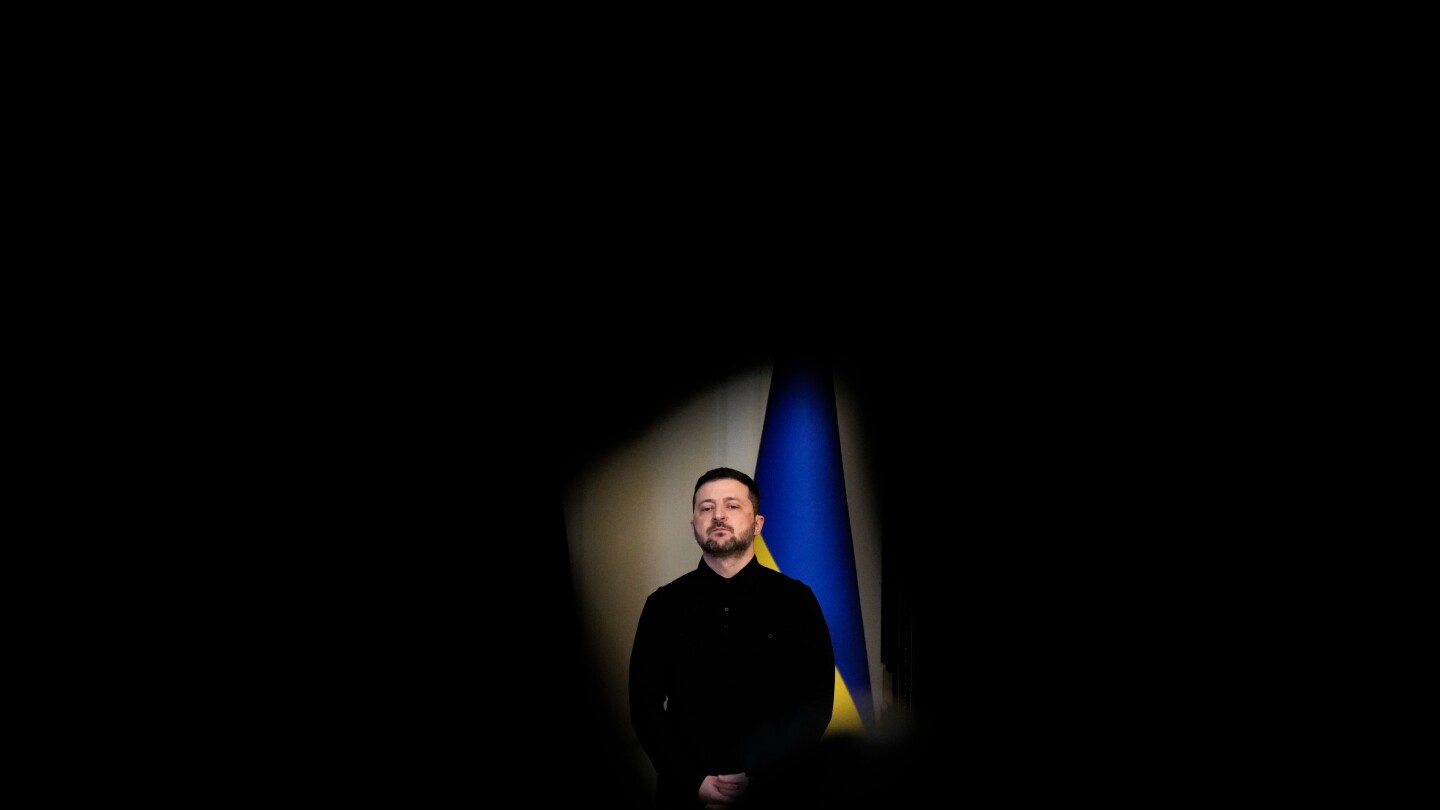
Zelenskyy to visit Washington this week seeking long-range weapons and a Trump meeting
Ukrainian President Volodymyr Zelenskyy announced on Monday his upcoming visit to the United States to discuss the potential provision of long-range weapons, including Tomahawk missiles, to bolster Ukraine’s defense against Russia. The visit, scheduled for later this week, will include meetings with U.S. President Donald Trump, defense and energy companies, and members of Congress. Zelenskyy emphasized that the primary focus of the talks would be enhancing Ukraine’s air defense capabilities and long-range strike potential to maintain pressure on Russia. This follows a ‘very productive’ phone call between Zelenskyy and Trump, during which the U.S. president warned Russia of the possibility of supplying Ukraine with advanced missile systems if Moscow does not de-escalate the conflict. The move has sparked ‘extreme concern’ from Moscow, with Russian President Vladimir Putin previously stating that such actions would severely damage U.S.-Russia relations. Zelenskyy also highlighted the need for U.S. assistance to protect Ukraine’s electricity and gas networks, which have been relentlessly targeted by Russian attacks. The Ukrainian delegation, led by Prime Minister Yulia Svyrydenko, is already in the U.S. for preliminary discussions. Meanwhile, Russia has intensified its strikes on Ukraine’s energy infrastructure, particularly in the Black Sea port of Odesa and the Chernihiv region, resulting in casualties and widespread damage. EU High Representative for Foreign Affairs Kaja Kallas, who met with Zelenskyy, pledged continued pressure on Moscow and expressed optimism that EU member states would overcome objections to a new sanctions package against Russia, despite potential delays.
-
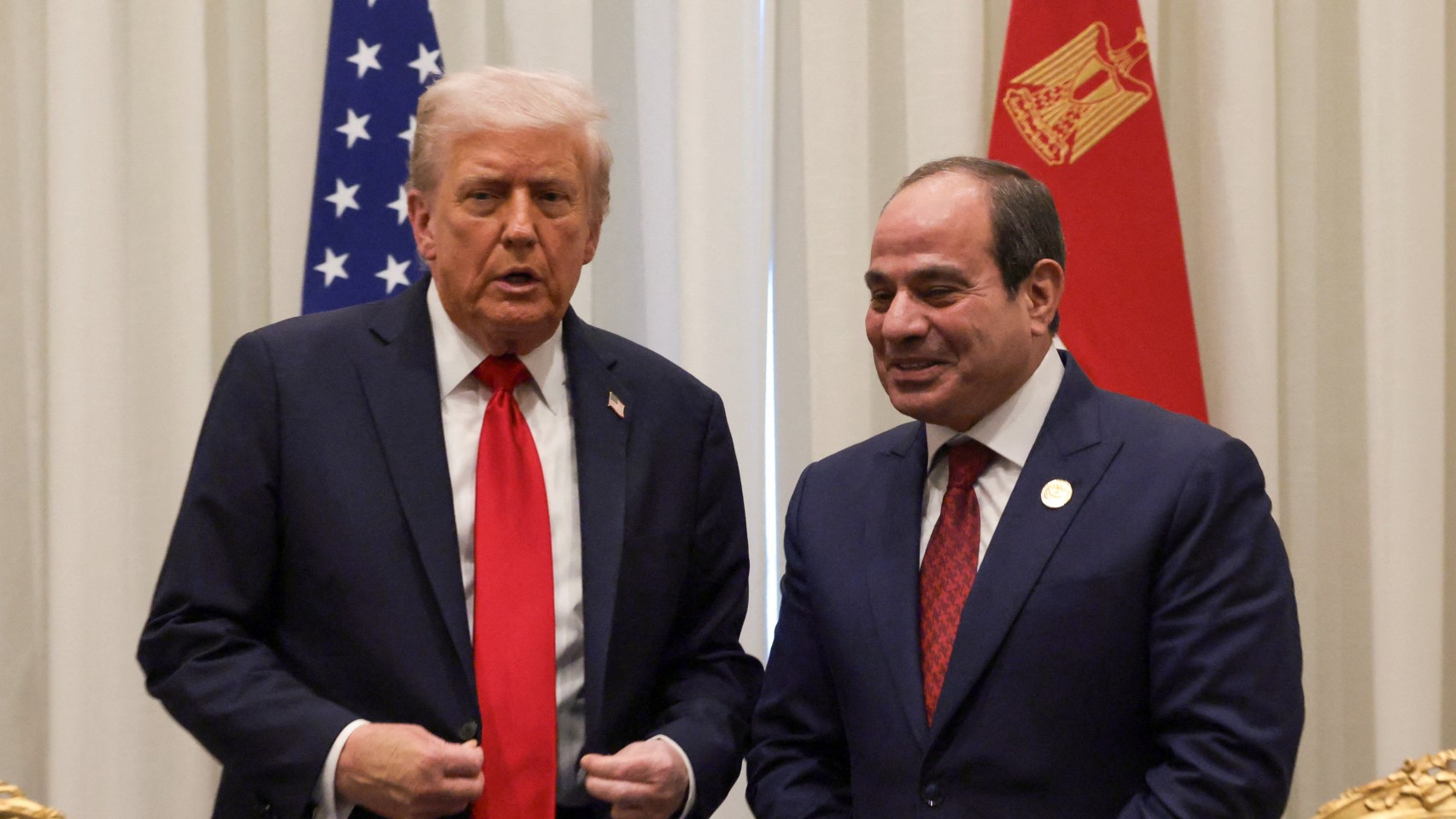
World leaders descend on Egypt to sign Trump’s Gaza ceasefire deal
In a landmark event, leaders and officials from over two dozen nations convened in Sharm el-Sheikh, Egypt, on Monday to formalize a ceasefire agreement aimed at concluding Israel’s prolonged conflict in Gaza. The summit, orchestrated by Qatar’s Emir Sheikh Tamim bin Hamad Al Thani and Egyptian President Abdel Fattah el-Sisi, saw the participation of prominent figures including Palestinian Authority President Mahmoud Abbas, Turkish President Recep Tayyip Erdogan, and Indonesian President Prabowo Subianto. Notably absent were representatives from Hamas and Israel, as well as the leaders of Saudi Arabia and the United Arab Emirates, who opted to send lower-level delegates instead.
US President Donald Trump, who arrived to a warm reception, played a pivotal role in the proceedings. He praised Israeli Prime Minister Benjamin Netanyahu as ‘one of the greatest wartime leaders’ and heralded the ceasefire as a ‘once in a lifetime deal.’ Trump unveiled the ‘Trump Declaration for Enduring Peace and Prosperity,’ a memorandum signed by the US, Egypt, Qatar, and Turkey, which emphasized diplomatic resolutions over force and the protection of fundamental human rights for both Palestinians and Israelis.
The ceasefire agreement, reached days prior, stipulated the release of Israeli captives by Hamas and the return of Palestinian detainees by Israel. While celebrations erupted in Israel, Gaza witnessed subdued reunions due to Israeli warnings against public celebrations. However, critical questions remain unresolved, including Gaza’s governance, Israeli troop withdrawal, and Hamas’s disarmament.
Trump’s controversial 20-point peace plan, announced earlier, proposed the creation of a Board of Peace led by the US president. Former British Prime Minister Tony Blair, whose involvement has sparked mixed reactions, was also named to the committee. Despite his controversial legacy in the region, Blair met with Palestinian officials to discuss post-war strategies and the implementation of Trump’s peace efforts.
Hamas, in a statement, claimed that Netanyahu had ‘submitted to the resistance’s conditions,’ highlighting the group’s efforts to protect Israeli captives during the conflict. The war, which spanned over two years, resulted in significant civilian casualties and widespread destruction in Gaza, with recent reports indicating that over 80% of the fatalities were civilians.
-
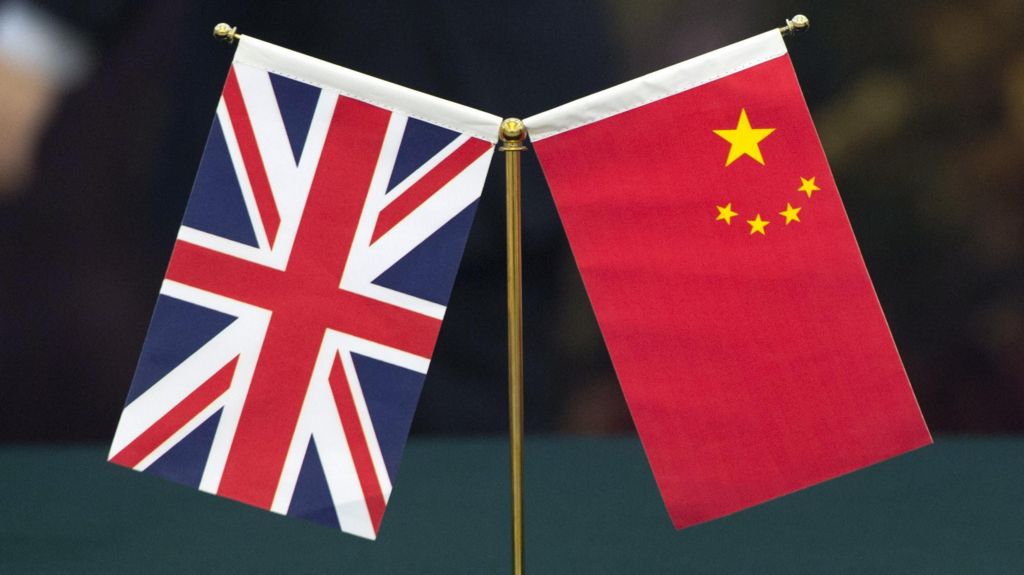
The controversy over the collapsed China spy case explained
The UK government is embroiled in a heated political dispute following the unexpected collapse of a high-profile espionage case involving two men accused of spying for China. Christopher Cash, a former parliamentary researcher, and Christopher Berry were charged under the Official Secrets Act in April 2024, accused of gathering and providing sensitive information detrimental to national security between December 2021 and February 2023. However, prosecutors dropped the charges in September, just weeks before the trial was set to begin, citing insufficient evidence. The Crown Prosecution Service (CPS) revealed that critical evidence, including official government designation of China as a ‘national security threat,’ could not be obtained. This development has ignited a blame game between the current Labour government and the previous Conservative administration. Prime Minister Sir Keir Starmer has pointed fingers at the Tories, arguing that the prosecution was based on their stance at the time, which did not label China as a threat. In contrast, Conservative leader Kemi Badenoch has accused the government of deliberately sabotaging the case to appease Beijing, a claim vehemently denied by Downing Street. The case’s collapse has raised concerns about the UK’s approach to China, particularly as the Labour government has sought to strengthen trade ties with Beijing. Critics argue that this incident highlights a potential weakness in addressing national security threats, while the government maintains its policies are aligned with the UK’s interests. The controversy underscores the complexities of UK-China relations and the challenges of balancing economic cooperation with national security concerns.
-
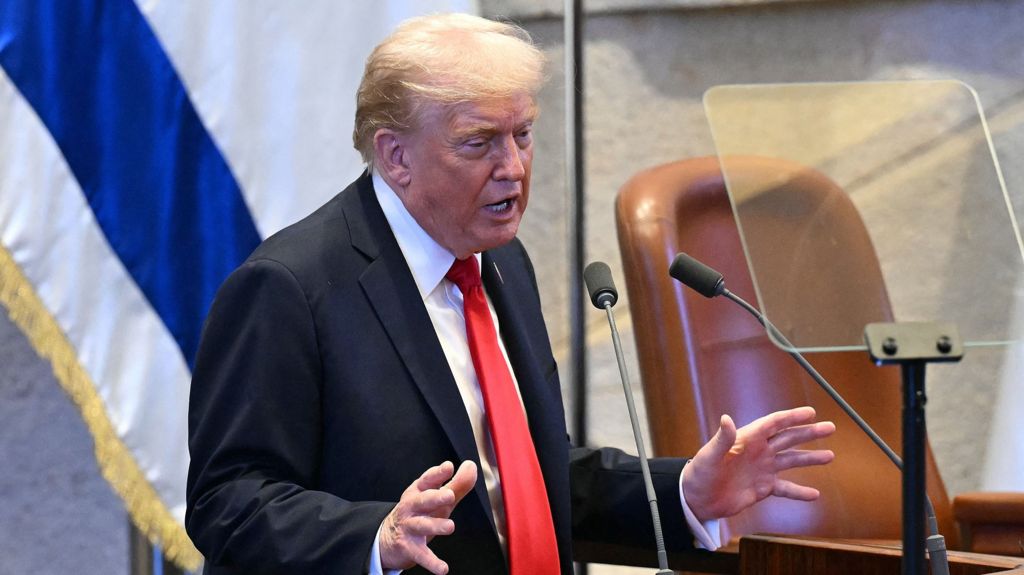
‘It will be a golden age for the Middle East’ – Trump
In a historic address to the Israeli parliament, US President Donald Trump proclaimed the dawn of a ‘golden age’ for the Middle East. His remarks followed the successful release of all 20 living hostages held in Gaza, marking a significant diplomatic achievement. Trump emphasized the importance of regional stability and cooperation, highlighting the role of the United States in fostering peace. He praised the efforts of Israeli and international negotiators, underscoring the potential for a new era of prosperity and unity in the region. The president’s speech resonated with optimism, as he called for continued collaboration to address longstanding conflicts and build a brighter future for the Middle East.