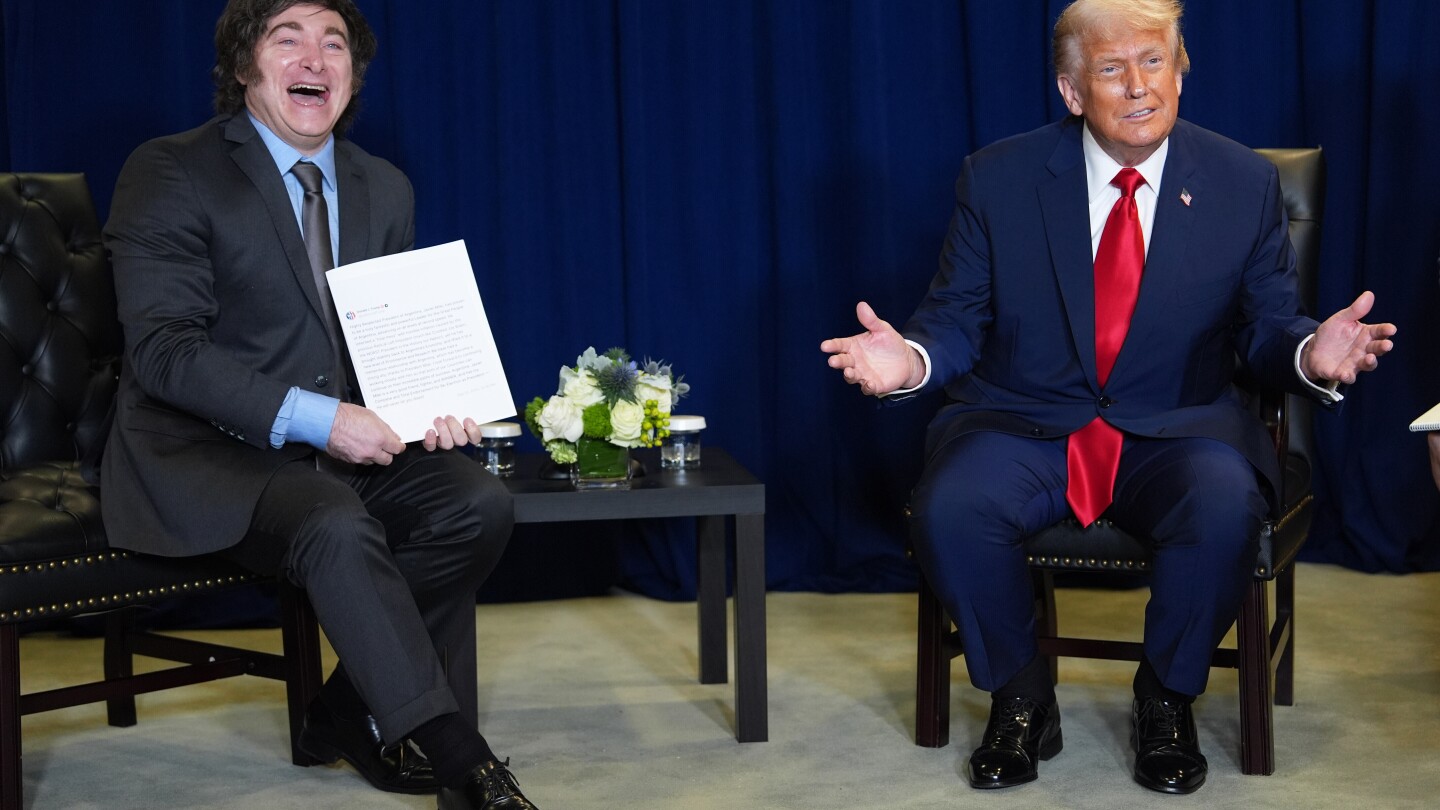
Argentina’s libertarian President Javier Milei is set to meet with U.S. President Donald Trump at the White House on Tuesday, marking a pivotal moment in their burgeoning alliance. Milei, known for his dramatic cuts to state spending and vocal opposition to leftist ideologies, has cultivated a strong rapport with Trump, positioning Argentina as one of the Trump administration’s closest allies. This relationship has already yielded significant benefits, including a $20 billion bailout to stabilize Argentina’s faltering economy. Milei’s effusive praise for Trump, particularly his role in brokering a Gaza ceasefire, underscores the depth of their political camaraderie. ‘Your commitment to life, freedom, and peace has restored hope to the world,’ Milei wrote on social media, hailing Trump as a ‘dear friend’ and a leadership exemplar. The meeting comes at a critical juncture for Argentina, which is grappling with a currency crisis, rising unemployment, and dwindling foreign reserves. Milei’s objectives include negotiating tariff exemptions for Argentine exports and securing the implementation of a $20 billion currency swap to bolster the peso ahead of crucial midterm elections. Despite concerns over Argentina’s ability to repay its debts, Milei remains optimistic, touting U.S. support as a lifeline against ’21st-century socialism’ and envisioning an economic resurgence. Critics, however, question the sustainability of this aid, warning that it may only provide temporary relief without addressing Argentina’s systemic issues.
分类: politics
-
Venezuela shuts embassy in Norway following opposition leader’s Nobel award
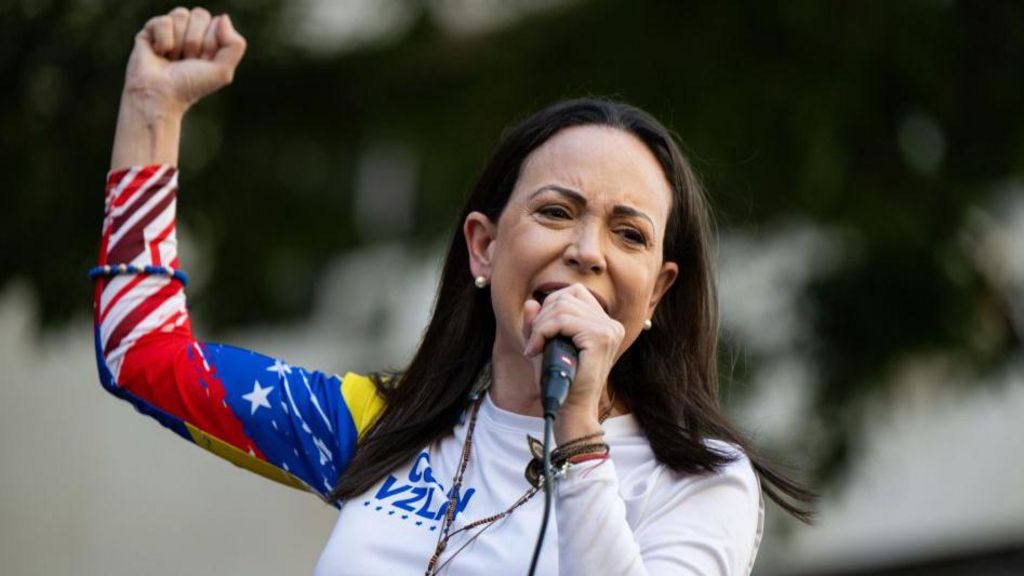
Venezuela has announced the closure of its embassy in Oslo, just days after opposition leader María Corina Machado was awarded the Nobel Peace Prize. The Venezuelan government, in a statement, attributed the closure to a restructuring of its foreign service, avoiding any direct mention of Machado’s accolade. Norway’s foreign ministry confirmed the embassy’s shutdown but did not provide a specific reason, labeling the decision as ‘regrettable.’ The Nobel Committee honored Machado for her ‘tireless work promoting democratic rights for the people of Venezuela,’ a move that drew sharp criticism from Venezuelan President Nicolás Maduro, who referred to her as a ‘demonic witch.’ Machado, a long-time critic of Maduro’s regime, has been living in hiding for much of the past year. In her response to the award, Machado described it as ‘an injection of energy, hope, and strength’ for her political movement, emphasizing that it reassures Venezuelans they are not alone in their struggle. The embassy closures in Oslo and Australia, coupled with the opening of new diplomatic outposts in Zimbabwe and Burkina Faso, signal Venezuela’s strategic realignment amid escalating tensions with the United States. The U.S. military’s recent strikes on boats allegedly carrying narcotics from Venezuela have further strained relations, drawing international condemnation. This incident echoes past diplomatic fallout over the Nobel Peace Prize, notably with China in 2010, when the award to dissident Liu Xiaobo led to a six-year suspension of ties with Norway.
-
Renewed anger in Indonesia over new allowance raise for lawmakers
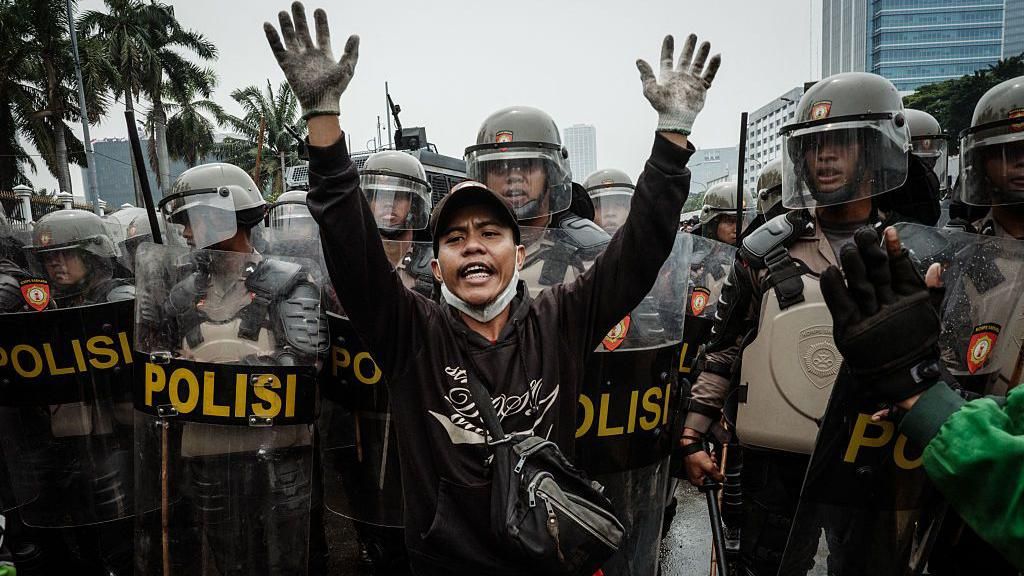
Indonesia is once again grappling with widespread public discontent as lawmakers’ recess allowances have been significantly increased, sparking fresh protests. The new allowance, set at 702 million rupiah ($42,400; £31,800), nearly doubles the previous amount of 400 million rupiah. This decision, announced by the country’s deputy house speaker, Sufmi Dasco Ahmad, has reignited controversy over the perceived impunity of the political elite. The recess allowance is intended to support lawmakers in their official duties, such as visiting constituents, during parliamentary recesses. However, the timing of this hike, following earlier protests in August over housing allowances, has fueled public anger. In August, thousands took to the streets to protest against lawmakers’ $3,000 monthly housing allowances, which were nearly ten times the minimum wage in Jakarta. Although the housing allowances were later cut to quell the unrest, the latest increase in recess allowances has renewed calls for accountability. Dasco Ahmad defended the hike, citing increased activities by lawmakers during recesses and rising food and transport costs. He also announced plans to launch a publicly accessible app where lawmakers must report their expenditure of recess funds, aiming to enhance transparency. Critics, however, remain skeptical. Lucius Karus from Formappi, a parliamentary watchdog, likened the situation to a ‘prank,’ expressing dissatisfaction with the emergence of another ‘fantastic allowance.’ Reports of some lawmakers receiving an extra 54 million rupiah due to human error have further exacerbated public frustration. This incident underscores a broader discontent with economic inequality and corruption in Southeast Asia’s largest economy, as many Indonesians question the government’s priorities and accountability.
-
Trump’s Gaza victory lap: A Nobel prize, lots of money and ‘a beautiful woman’
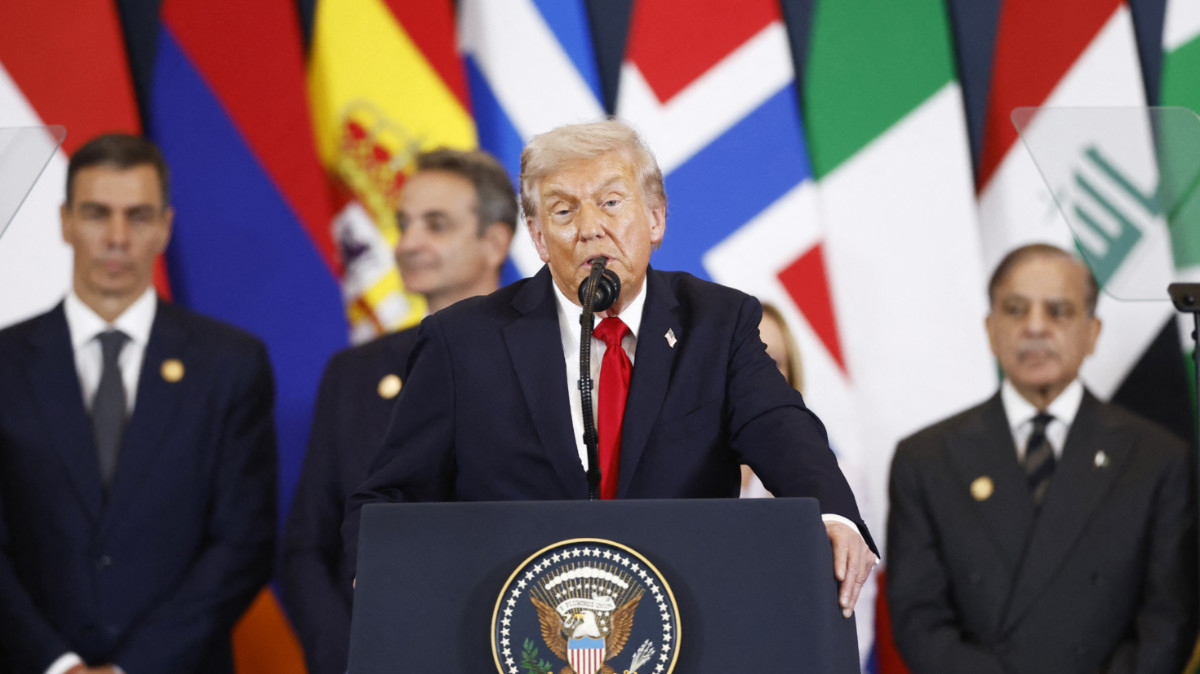
President Donald Trump’s recent Middle East tour was a masterclass in political theater, blending high-profile engagements with significant diplomatic achievements. The journey began with a landmark address at the Israeli Knesset, where Trump reaffirmed his commitment to the Gaza peace deal and the Abraham Accords. He also urged Israel’s president to pardon Prime Minister Benjamin Netanyahu, who is embroiled in a corruption trial. The tour’s second leg took Trump to Egypt’s Sharm el-Sheikh, where he declared the end of the Gaza war and the start of reconstruction efforts. Dozens of world leaders, including Egyptian President Abdel Fattah el-Sisi, Turkish President Recep Tayyip Erdogan, and Qatari Emir Tamim bin Hamad al-Thani, gathered to sign documents recognizing the ceasefire. Trump’s visit was marked by praise for Sisi’s role in brokering the deal and a public nomination for the Nobel Peace Prize by Pakistani Prime Minister Shehbaz Sharif. However, behind the pageantry, Arab states expressed concerns about Trump’s sustained interest in the peace process. Analysts noted that the summit’s internationalization of the Israel-Palestine conflict was unprecedented. While phase one of the ceasefire is complete, with Israeli troops withdrawing from central Gaza and captives released, the hard questions of Hamas’s demilitarization and Gaza’s governance remain unresolved. Trump’s expectation of Gulf funding for Gaza’s reconstruction faces skepticism, as regional powers like Qatar, the UAE, and Saudi Arabia have divergent priorities. Despite the diplomatic successes, the absence of direct references to Palestinian suffering in Trump’s speeches drew criticism, underscoring the complexities of the ongoing conflict.
-
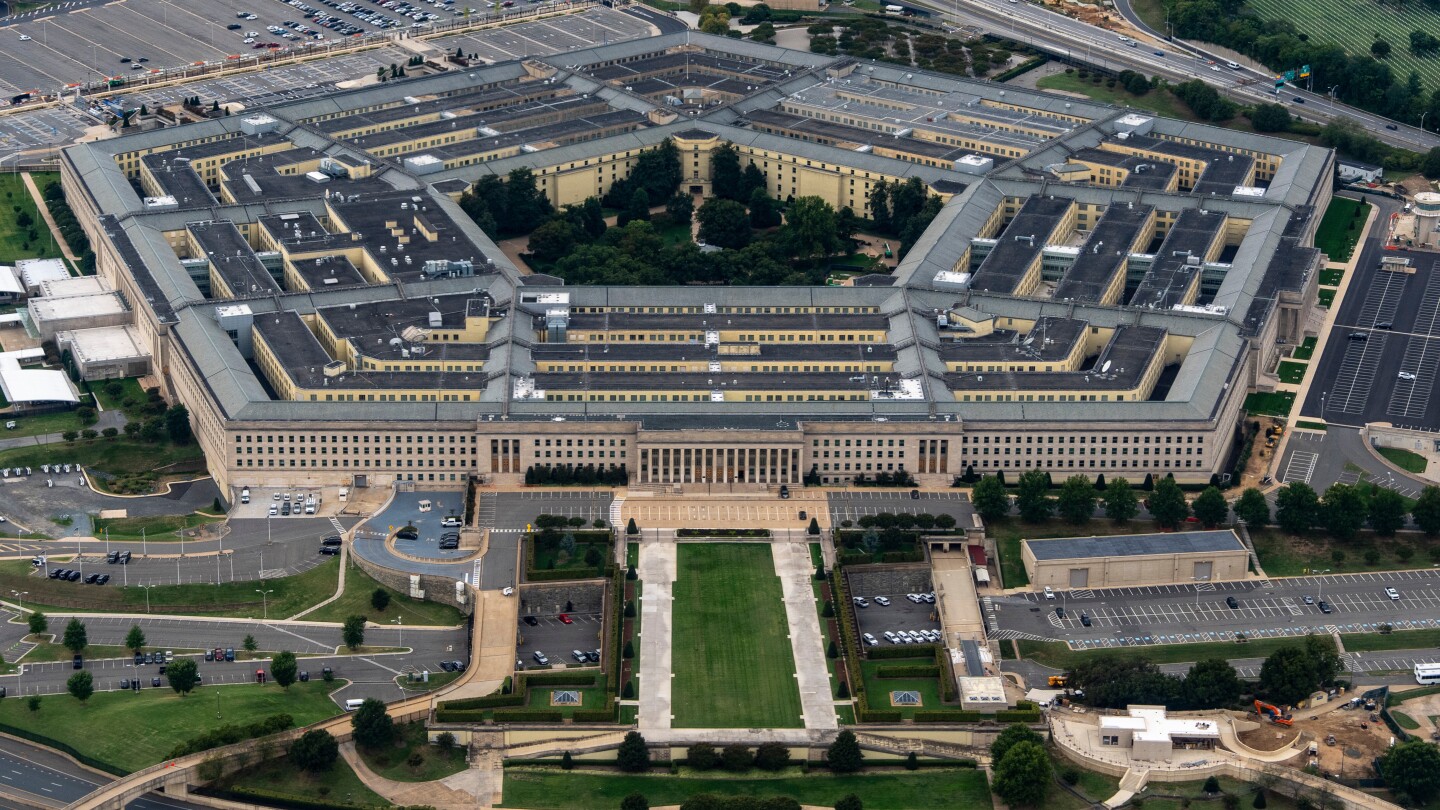
China and the US have long collaborated in ‘open research.’ Some in Congress say that must change
For decades, American and Chinese scholars have collaborated on groundbreaking research, fostering an environment of open knowledge sharing. However, this longstanding tradition is now under scrutiny as U.S. lawmakers express growing concerns over national security risks. They argue that China, increasingly viewed as a formidable military rival, is leveraging open research to accelerate its technological advancements and potentially surpass the U.S. in critical areas like military technology.
-
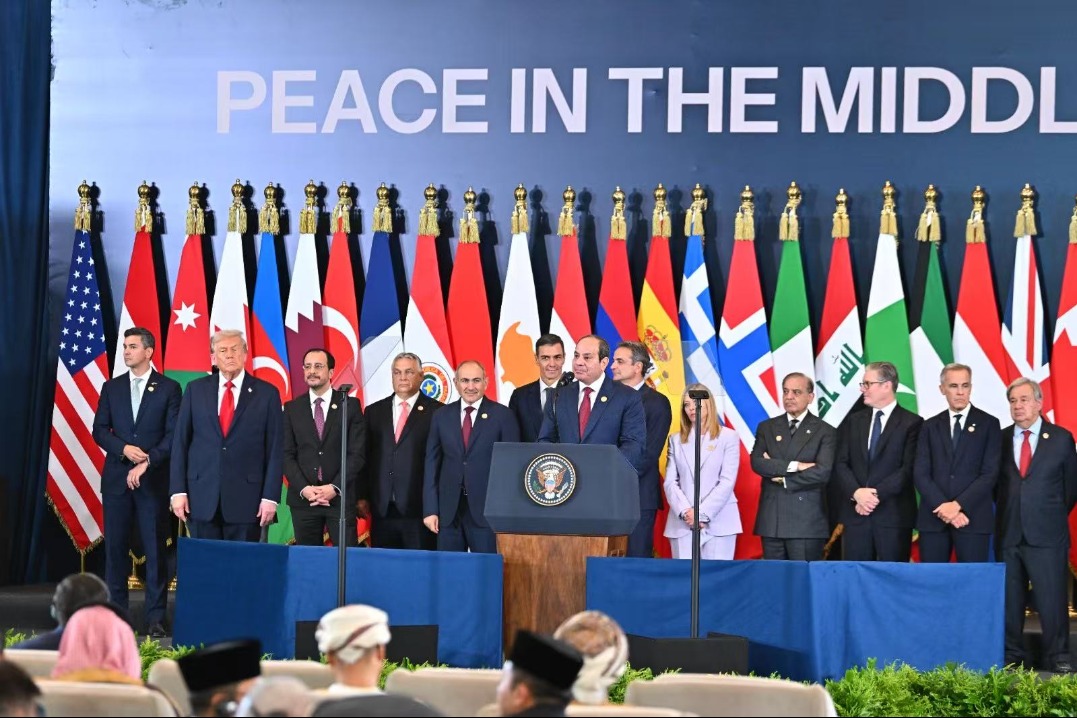
Gaza ceasefire deal signed in Egypt’s Sharm el-Sheikh
A landmark ceasefire agreement between Israel and Hamas was formally signed during a high-profile summit in Sharm el-Sheikh, Egypt, on October 13, 2025. The event, co-chaired by Egyptian President Abdel Fattah al-Sisi and U.S. President Donald Trump, brought together leaders from over 20 countries and representatives from regional and international organizations. The summit aimed to address the cessation of hostilities in the Gaza Strip, promote Middle Eastern peace and stability, and lay the groundwork for a new era of regional security. The ceasefire, which took effect on October 10, 2025, followed three days of intense negotiations mediated by Egypt, Qatar, Türkiye, and the United States. The agreement’s initial phase includes the withdrawal of Israeli troops from key areas such as Gaza City, Rafah, and Khan Younis, the opening of five humanitarian aid crossings, and the exchange of hostages and prisoners. Hamas confirmed the release of all 20 remaining hostages captured during the October 7, 2023, attack on southern Israel, while Israel began freeing nearly 2,000 Palestinian detainees. The prolonged conflict has left Gaza in ruins, with over 67,000 fatalities and widespread famine, according to Gaza’s health authorities and UN-backed experts. The summit marks a critical step toward ending the devastating war and fostering long-term peace in the region.
-
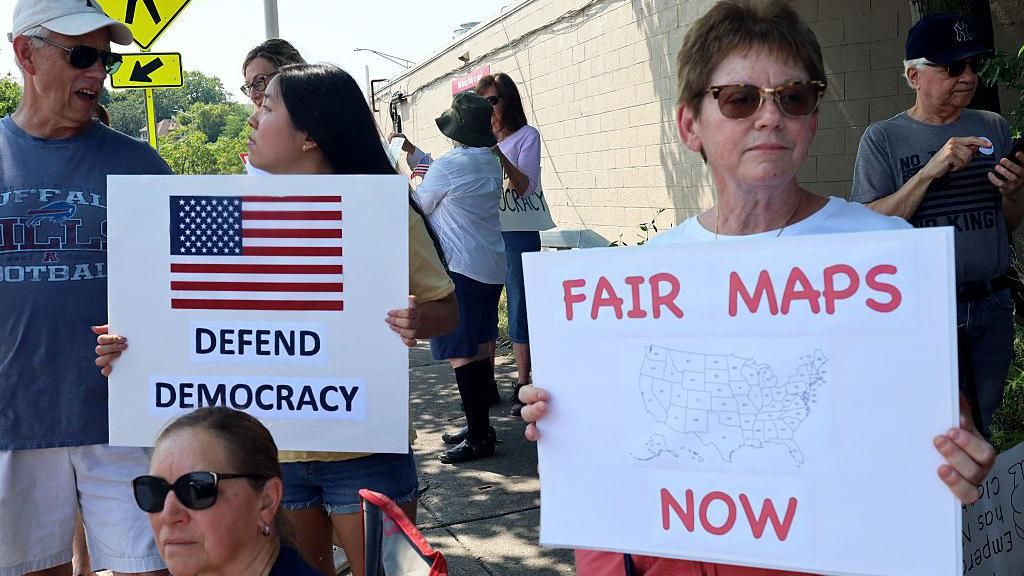
North Carolina joins growing US battle over redrawing electoral maps
The United States is witnessing a fierce nationwide battle over redistricting, as Republicans and Democrats scramble to redraw congressional maps in a bid to alter the balance of power in Washington. This political tug-of-war, which has already engulfed states like Texas, California, and Missouri, has now reached North Carolina, where Republican leaders are heeding former President Donald Trump’s call to counter Democratic redistricting efforts. The stakes are high, with both parties seeking every possible advantage ahead of the 2026 midterm elections. The fight began in Texas this summer, where the Republican-majority legislature redrew congressional seats to potentially add five more Republican-leaning districts. California, a Democratic stronghold, responded by crafting its own maps to boost Democratic representation by five seats, aiming to neutralize Texas’ gains. This trend has since spread across the country, with states like Missouri, Ohio, and now North Carolina joining the fray. The U.S. House of Representatives, currently resting on a knife’s edge with a slim Republican majority, could see a dramatic shift if Democrats manage to flip just three more seats. Historically, the president’s party tends to lose seats in midterm elections, and a Democratic-controlled House could lead to sweeping investigations into presidential actions, reminiscent of the Trump and Biden administrations. Redistricting, a process typically conducted every decade following the U.S. Census, has become a mid-decade battleground, with both parties aiming to reshape districts to their advantage. However, this practice, known as gerrymandering, has drawn criticism for allowing politicians to choose their voters rather than the other way around. Legal challenges have emerged, particularly in Texas, where Democrats and civil rights groups argue that the new maps dilute minority voting power, violating the federal Voting Rights Act. The Supreme Court’s 2019 ruling, which removed the judiciary’s power to block political gerrymandering, has further complicated the landscape. As the 2026 midterms approach, redistricting remains an urgent issue for state lawmakers, with Democratic-led states like Illinois, New York, and New Jersey discussing countermeasures to Republican strategies. Meanwhile, Republican-controlled states like Indiana and Florida are also exploring redistricting to bolster their representation in Washington. The outcome of this nationwide redistricting battle could have profound implications for the future of U.S. politics, shaping the ideological tilt of Congress and influencing the legislative agenda for years to come.
-
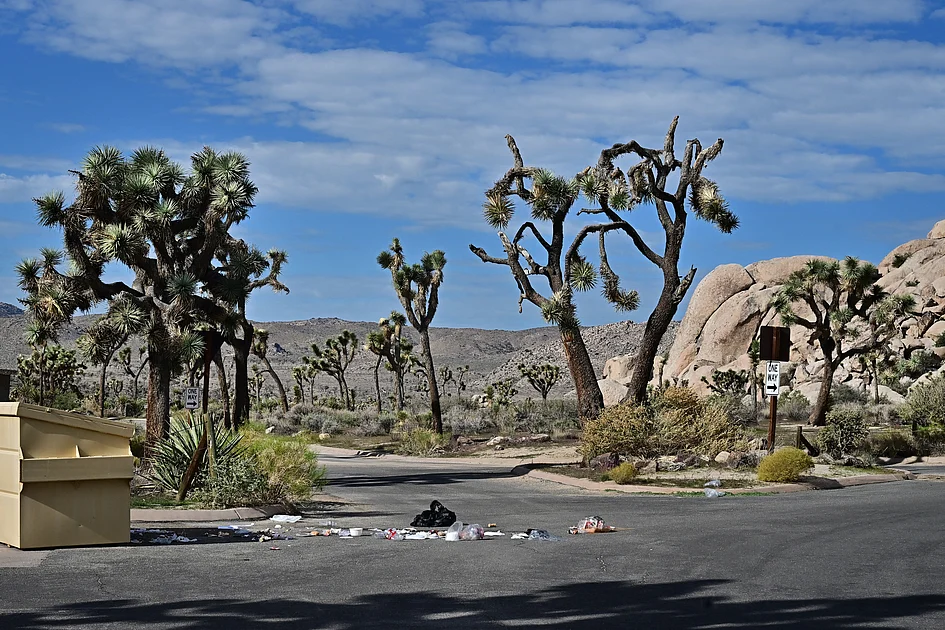
Americans feel the squeeze as government gridlock grinds on
The United States government shutdown has extended into its third week, with no immediate resolution in sight as Congress remains deadlocked over spending disputes. The ongoing crisis has already resulted in significant workforce reductions, with thousands of federal employees placed on enforced leave. President Donald Trump has intensified pressure on Democrats by threatening further layoffs unless they support Republican proposals to reopen the government.
-
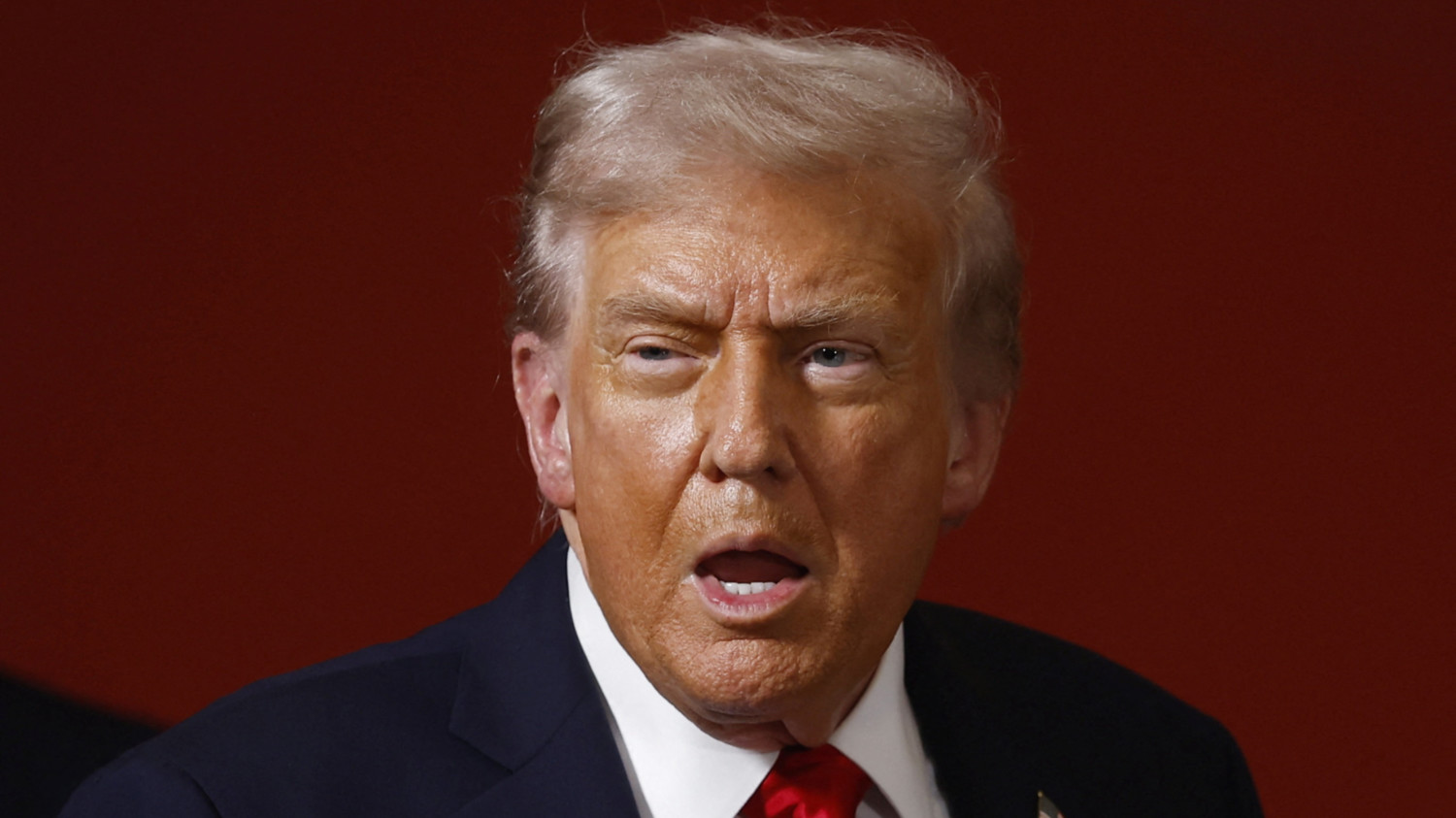
Trump declares ‘peace in the Middle East’ during Egypt speech
For the first time since Barack Obama’s 2009 Cairo speech, a U.S. president has addressed a significant audience in Egypt. President Donald Trump, speaking at the Gaza peace summit in Sharm el-Sheikh, declared, ‘At long last, we have peace in the Middle East.’ The summit, attended by 20 of the 35 invited world leaders, marked a pivotal moment following the recent ceasefire in Gaza. Trump emphasized the importance of humanitarian aid and reconstruction efforts, noting the contributions from wealthy nations present at the summit. He also highlighted the role of his peace envoy, Steve Witkoff, and his son-in-law, Jared Kushner, in the implementation of the peace deal. Trump reiterated his call for more countries to join the Abraham Accords, a series of normalization agreements between Israel and Arab nations. Despite the absence of Palestinian representation on stage, Trump acknowledged the presence of Palestinian Authority President Mahmoud Abbas in the audience. The summit also saw Trump praising Egyptian President Abdel Fattah el-Sisi and expressing gratitude to other key leaders, including those from Qatar, Turkey, and Pakistan. Pakistan’s Prime Minister Shehbaz Sharif even nominated Trump for the Nobel Peace Prize, citing his pivotal role in achieving peace in the region.
-
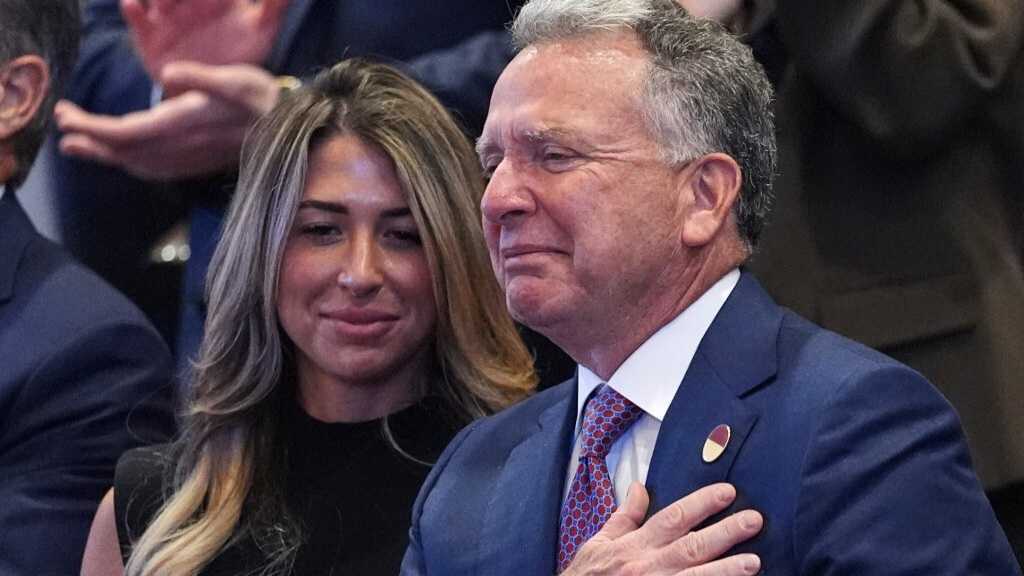
Witkoff praises ‘vital’ UK role in Gaza ceasefire after US ambassador dismisses contribution
The Trump administration’s Middle East envoy, Steve Witkoff, has acknowledged the “vital role” played by the United Kingdom in facilitating Gaza ceasefire negotiations. This statement comes in stark contrast to remarks made by Mike Huckabee, the US ambassador to Israel, who labeled British Education Secretary Bridget Phillipson as “delusional” for her claims about the UK’s involvement in the talks. Phillipson had asserted that the UK had been instrumental in shaping the ceasefire efforts, a claim that Huckabee vehemently disputed on social media platform X, urging her to credit former President Donald Trump instead. Despite the public spat, Witkoff emphasized the UK’s significant contributions to the diplomatic process, marking a historic moment in Israel’s peace efforts. Meanwhile, Phillipson faced further criticism from Israel’s deputy foreign minister, Sharren Haskel, who accused the UK of undermining negotiations by recognizing a Palestinian state. Haskel argued that such actions sent a message to Hamas that prolonging the conflict could yield rewards. The diplomatic tensions coincide with UK Prime Minister Keir Starmer’s attendance at the signing ceremony of Trump’s Gaza plan in Egypt. The UK’s relationship with Israel has been strained over the past year, exacerbated by decisions such as banning Israeli students from the Royal College of Defence Studies and excluding Israeli officials from a major arms trade show. However, military cooperation has persisted, with the UK continuing to supply parts for F-35 fighter jets used in Gaza and conducting surveillance flights that provide intelligence to Israel. The Ministry of Defence maintains that these flights are aimed at rescuing Israeli captives, though their exact role remains unclear.