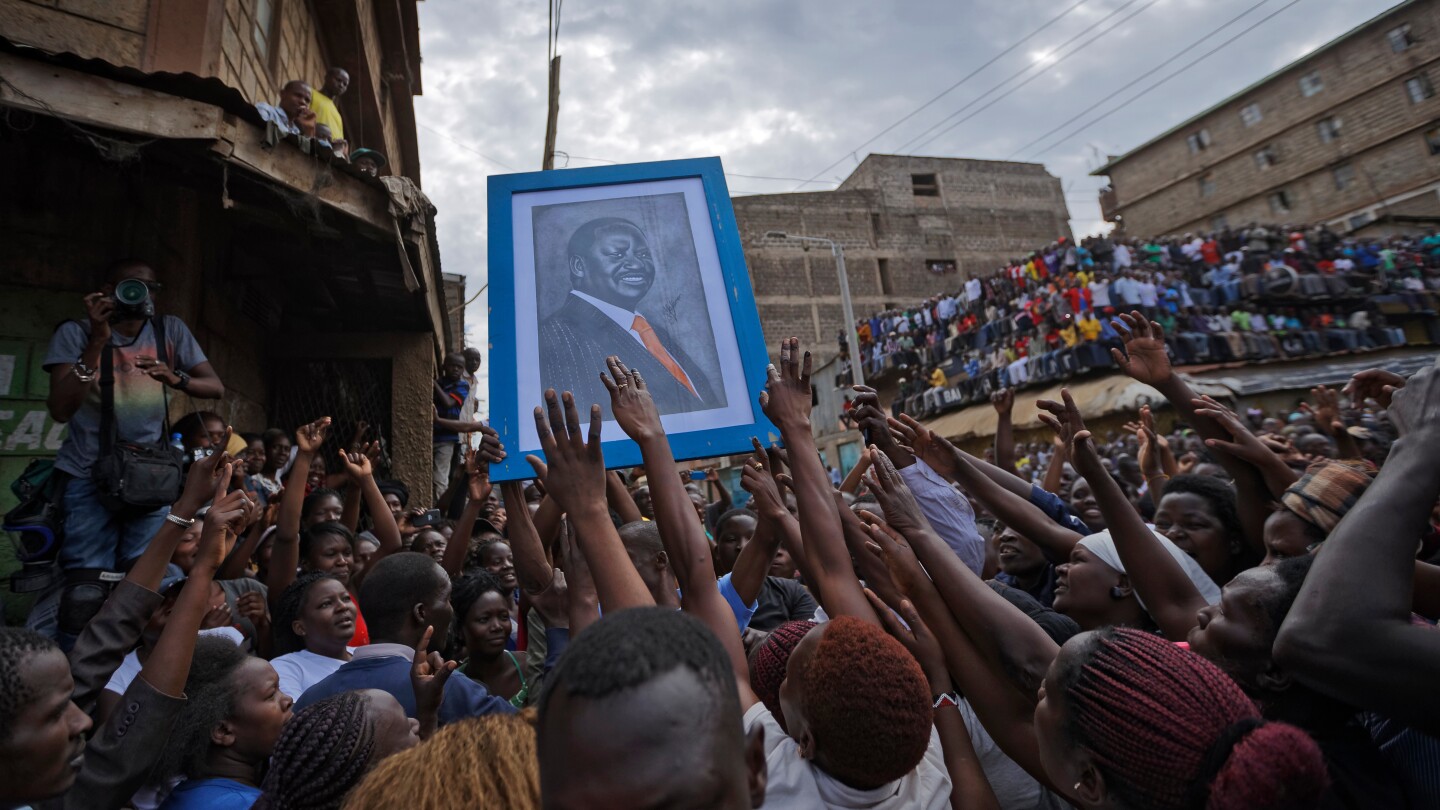
NAIROBI, Kenya — The political landscape of Kenya and the broader African continent is in mourning following the passing of Raila Odinga, a former prime minister and a towering figure in Kenyan politics. Odinga, affectionately known as ‘Baba’ by his supporters, died on Wednesday in India after suffering a heart attack. He was 80 years old. Despite never ascending to the presidency, Odinga’s influence on Kenyan politics was profound, having contested the presidency five times over three decades. His legacy as a champion of democracy, good governance, and people-centered development has left an indelible mark on Kenya and beyond. Tributes have poured in from across the globe, highlighting his unwavering commitment to justice, pluralism, and democratic reform. African Union Commission Chairperson Mahmoud Ali Youssouf described Odinga as a ‘towering figure’ who inspired generations of leaders. Indian Prime Minister Narendra Modi recalled Odinga’s special affection for India and his efforts to strengthen bilateral ties. Former Kenyan President Uhuru Kenyatta, who supported Odinga in the 2022 election, hailed him as a ‘father to the nation’ and a ‘steadfast champion for the people.’ Tanzanian President Samia Suluhu and Somali President Hassan Sheikh Mohamud also expressed their condolences, emphasizing Odinga’s regional and continental impact. South African President Cyril Ramaphosa noted Odinga’s role in advancing peace and development in Africa, particularly through his work with the African Union. Kalonzo Musyoka, a former vice president of Kenya, reflected on Odinga’s resilience and sacrifices in the struggle for multiparty democracy. Odinga’s legacy is one of courage, resilience, and an unwavering belief in the power of dialogue and democratic institutions. His passing marks the end of an era for Kenyan politics, but his influence will continue to shape the nation’s future.
分类: politics
-
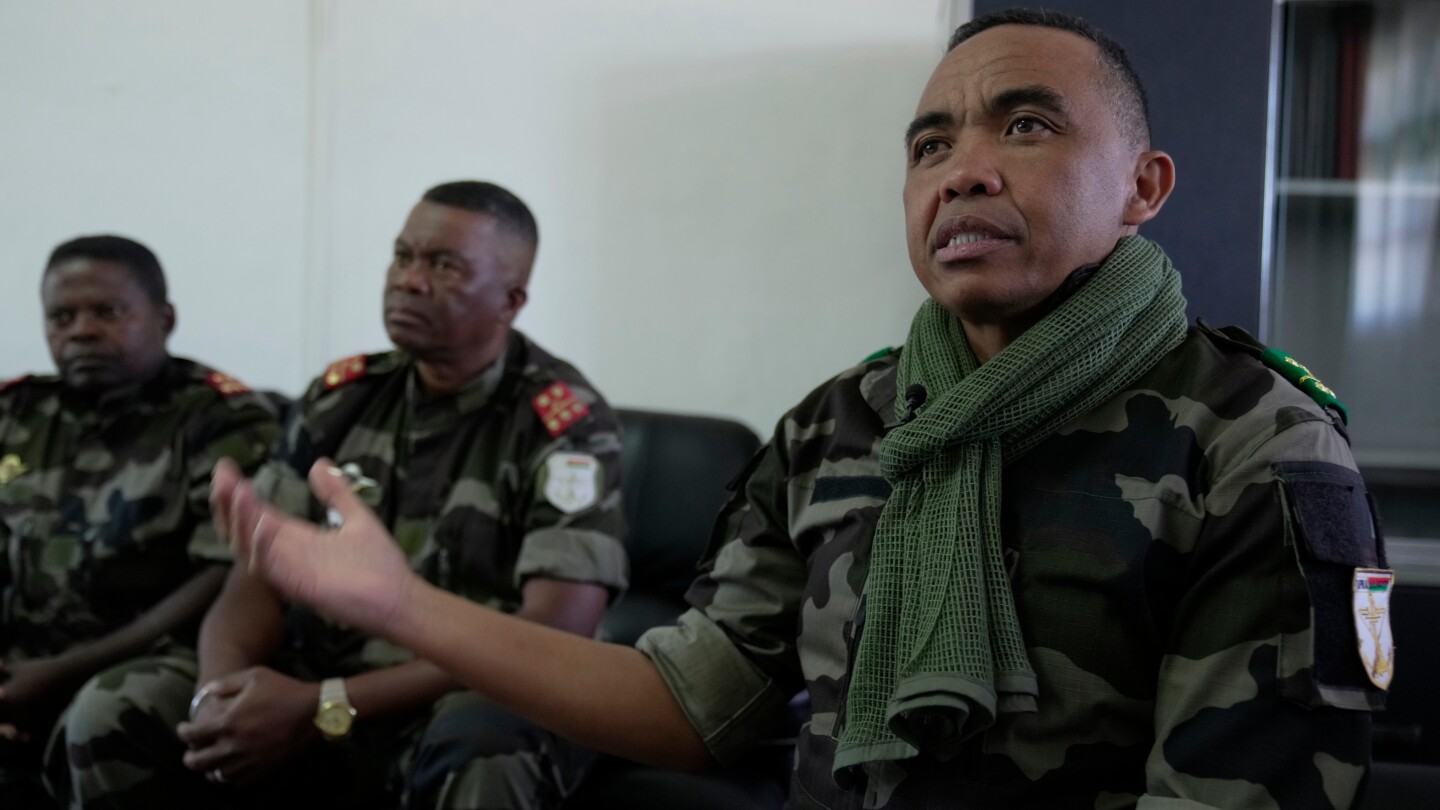
Leader of Madagascar’s military coup tells AP he is ‘taking the position of president’
In a dramatic turn of events, Madagascar’s military has assumed control of the African island nation following weeks of youth-led protests against President Andry Rajoelina’s government. Colonel Michael Randrianirina, the leader of the coup, declared in an exclusive interview with The Associated Press that he is “taking the position of president” and expects to be officially sworn in within days. The military plans to govern for up to two years before holding elections, aiming to stabilize the country amid widespread discontent. Randrianirina emphasized that the takeover was necessary to address the nation’s crises, citing the absence of leadership after Rajoelina fled the country fearing for his life. The coup leader claimed legitimacy through an order from Madagascar’s High Constitutional Court, though this has been disputed by Rajoelina’s office, which alleges judicial coercion. The African Union swiftly suspended Madagascar’s membership, condemning the unconstitutional change of power. Meanwhile, United Nations Secretary-General António Guterres expressed deep concern and urged stakeholders to work toward a peaceful resolution. The protests, led by youth groups known as “Gen Z Madagascar,” highlighted grievances over chronic water and electricity shortages, limited access to education, government corruption, and widespread poverty. While some demonstrators welcomed the military’s intervention, analysts warn that a military-led resolution undermines the civil society uprising. Madagascar, a nation of 30 million people and the world’s leading vanilla producer, has a history of political instability since gaining independence from France in 1960. The current crisis underscores the challenges of governance in a country grappling with systemic issues and a disillusioned youth population.
-
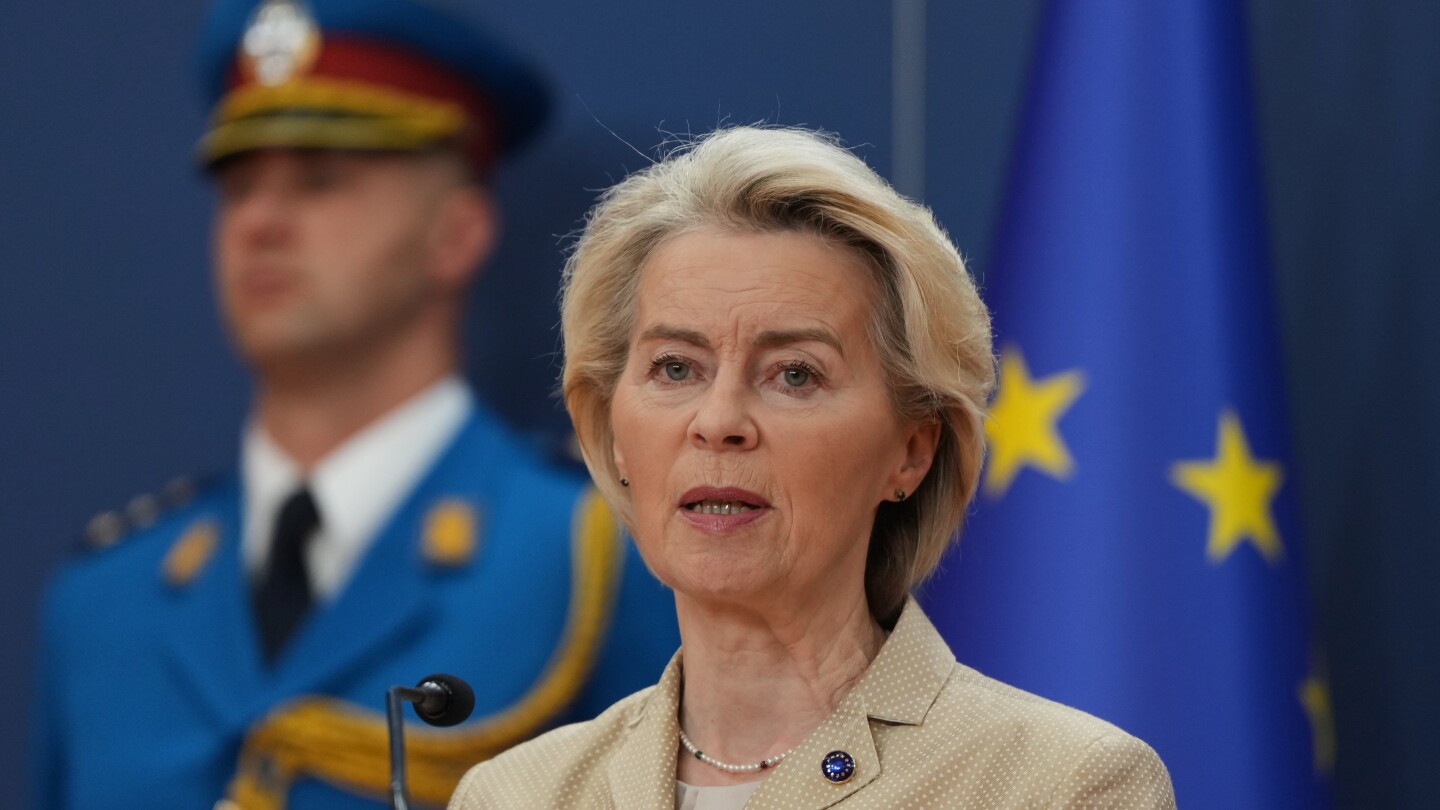
EU chief tells Serbia to act on reforms and implement Russia sanctions
BELGRADE, Serbia — European Commission President Ursula von der Leyen delivered a pointed message to Serbia’s populist leader, Aleksandar Vucic, during her visit to Belgrade on Wednesday. She emphasized the need for Serbia to take tangible actions toward its proclaimed goal of joining the European Union, including implementing sanctions against Russia and advancing democratic reforms. Von der Leyen’s remarks came amid growing concerns over Vucic’s increasingly authoritarian rule and his government’s crackdown on anti-government protests. Serbia remains the only European nation that has not imposed sanctions on Moscow following its invasion of Ukraine, despite its formal commitment to EU membership. Von der Leyen stressed the importance of aligning with EU foreign policy, particularly on sanctions, and urged Serbia to prioritize reforms in the rule of law, electoral framework, and media freedom. She also highlighted the EU’s stance on freedom and diplomacy, stating, “We stand for freedom instead of oppression, partnership instead of submission, and diplomacy instead of aggression.” Vucic, however, defended his government’s response to protests, claiming police used “minimum force” despite reports of excessive violence. Serbia’s historical ties with Russia and its reliance on Russian energy complicate its EU aspirations. The EU has intensified efforts to integrate Western Balkan nations, including Serbia, into its fold since Russia’s invasion of Ukraine, offering financial incentives and market access in exchange for reforms. Von der Leyen’s visit is part of a broader tour of the region, which includes Albania, Bosnia, North Macedonia, Kosovo, and Montenegro, all at various stages of the EU accession process.
-
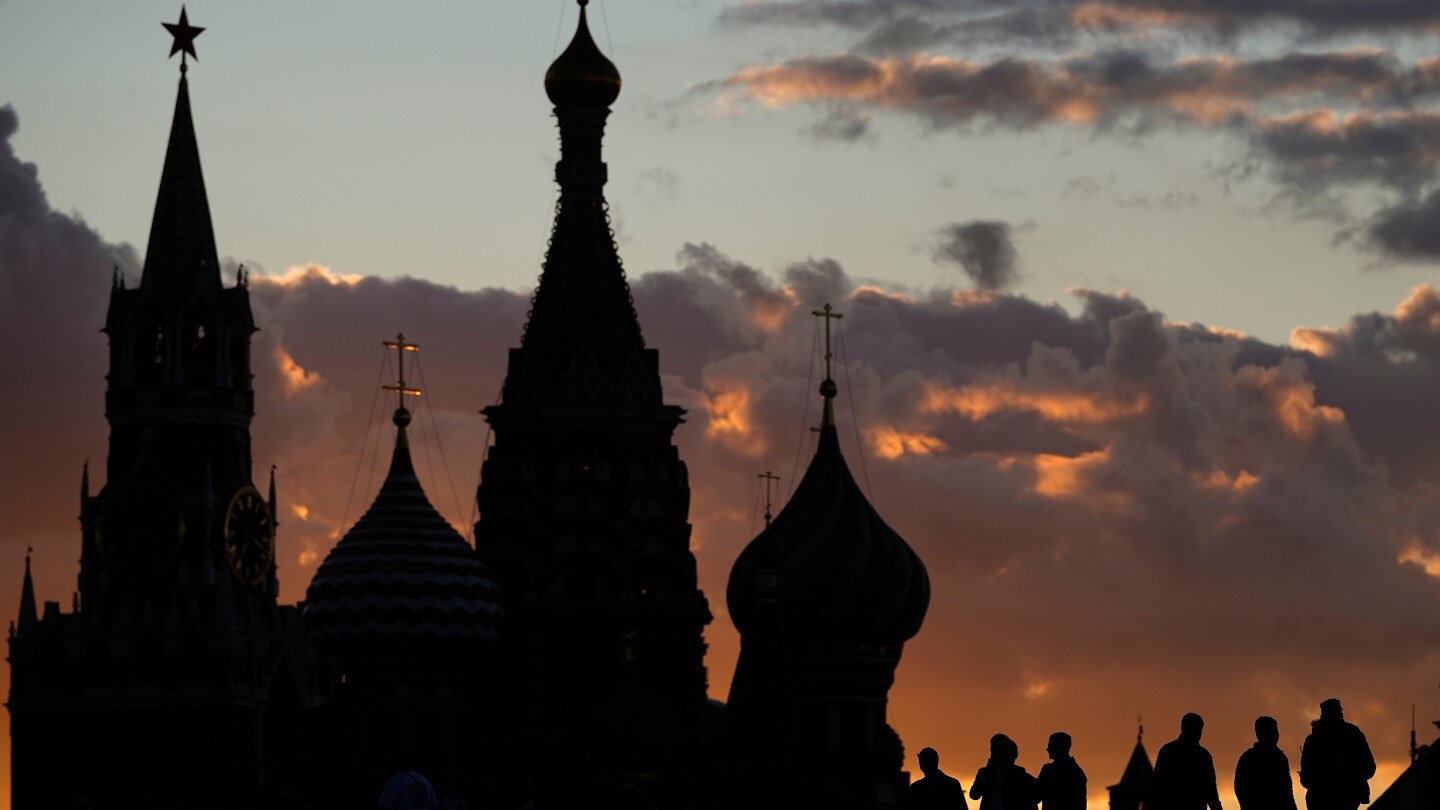
Syria’s interim leader arrives on his first visit to Russia, set to meet with Putin
In a significant diplomatic move, Syria’s interim leader, Ahmad al-Sharaa, arrived in Moscow on Wednesday for his first official visit to Russia. This marks a pivotal moment in the evolving relationship between the two nations, following the ousting of former Syrian President Bashar Assad last year. Al-Sharaa, who spearheaded the rebel offensive that led to Assad’s removal, is scheduled to meet with Russian President Vladimir Putin at the Kremlin. The discussions are expected to focus on enhancing bilateral ties in trade, economic cooperation, and humanitarian efforts, as well as addressing recent developments in the Middle East. The meeting underscores Moscow’s strategic intent to establish a working relationship with Syria’s new leadership while maintaining its military presence in the region. Despite Russia’s historical support for Assad, which included a decisive military intervention a decade ago, Moscow has refrained from opposing the rebel forces. Instead, it granted asylum to Assad after his swift departure from Syria. Russian Foreign Minister Sergey Lavrov clarified that this decision was based on humanitarian concerns, dismissing rumors of Assad’s alleged poisoning. The new Syrian administration, despite its past opposition to Assad, has adopted a pragmatic stance toward Russia, recognizing the importance of Moscow’s strategic interests in Syria. Russia continues to operate from its air and naval bases along the Syrian coast and has reportedly supplied oil to the war-torn nation. This visit follows a series of diplomatic exchanges, including a Russian delegation’s trip to Damascus in January and a July visit by Syria’s Foreign Minister to Moscow. In a recent interview, al-Sharaa emphasized Syria’s reliance on Russia for energy and food supplies, highlighting the enduring ties between the two countries.
-
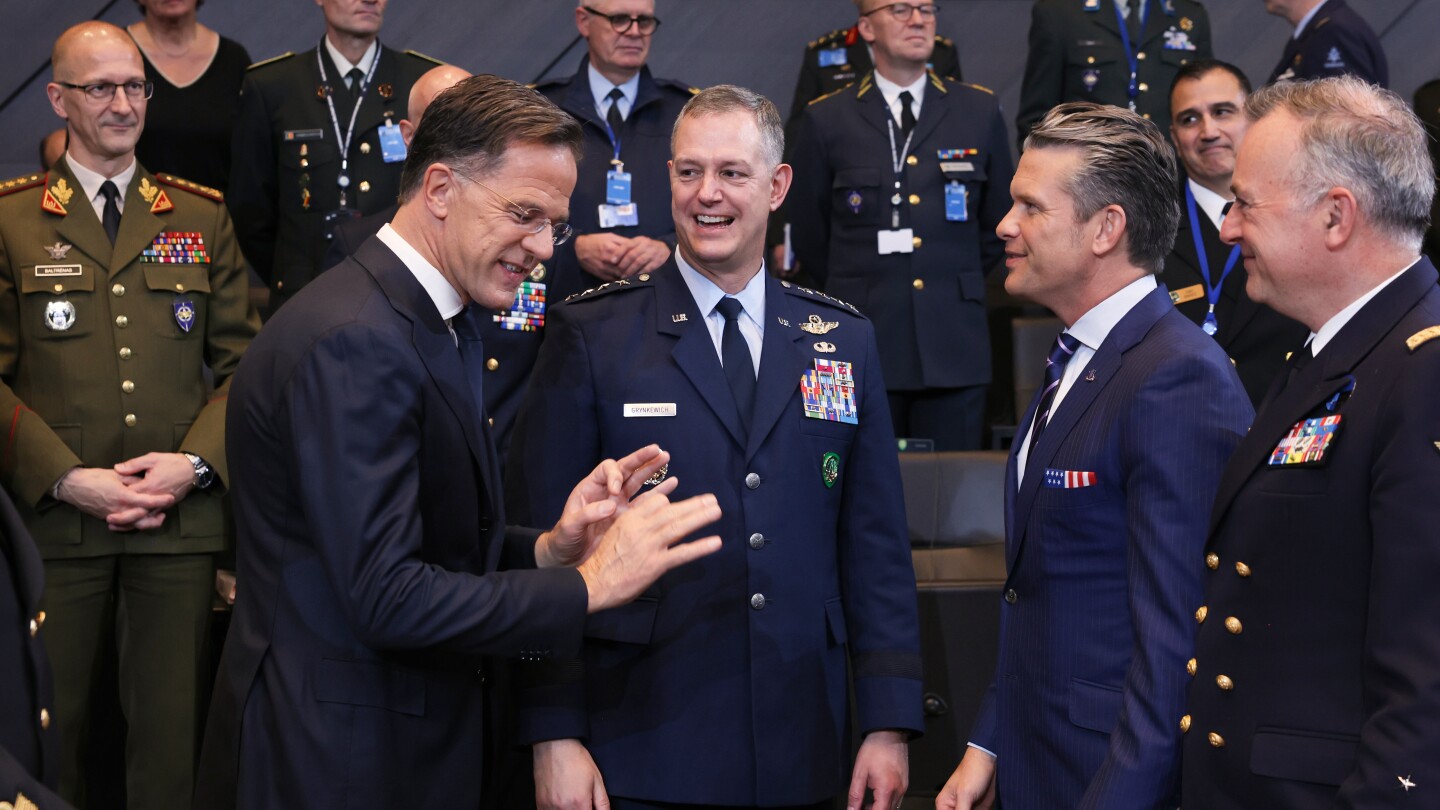
NATO’s newest members offer to buy more US arms for Ukraine as Western backing declines
In a significant move to bolster Ukraine’s defense capabilities, Finland and Sweden, NATO’s newest members, announced on Wednesday their decision to purchase additional U.S. weapons for Ukraine. This comes as recent data reveals a sharp decline in foreign military aid to the war-torn nation over the past few months. The initiative aligns with NATO’s efforts to coordinate regular deliveries of substantial weapons packages, each valued at approximately $500 million, to help Ukraine counter Russia’s ongoing aggression. However, European arsenals have nearly exhausted their spare weapons stocks, prompting NATO diplomats to highlight the United States’ $10-$12 billion worth of arms, air defense systems, and ammunition available for Ukraine’s use. Under the Prioritized Ukraine Requirements List (PURL), European allies and Canada are procuring American weapons to assist Kyiv in repelling Russian forces, with $2 billion already allocated. Finland’s Defense Minister, Antti Häkkänen, emphasized the urgency of providing critical U.S. weapons to Ukraine, while Sweden’s Defense Minister, Pål Jonson, expressed readiness to increase support. Both nations, alongside Estonia, Latvia, and Lithuania, are exploring additional contributions. Despite these efforts, Western military aid to Ukraine has plummeted by 43% in July and August compared to the first half of the year, according to Germany’s Kiel Institute. NATO Secretary-General Mark Rutte downplayed concerns, stating that support levels remain consistent with the previous year. However, criticism has grown over France, Italy, and Spain’s insufficient contributions, with Häkkänen urging all 32 NATO allies to shoulder their fair share of the burden. France, grappling with debt, has opted out of PURL, advocating for European defense industry investments instead.
-
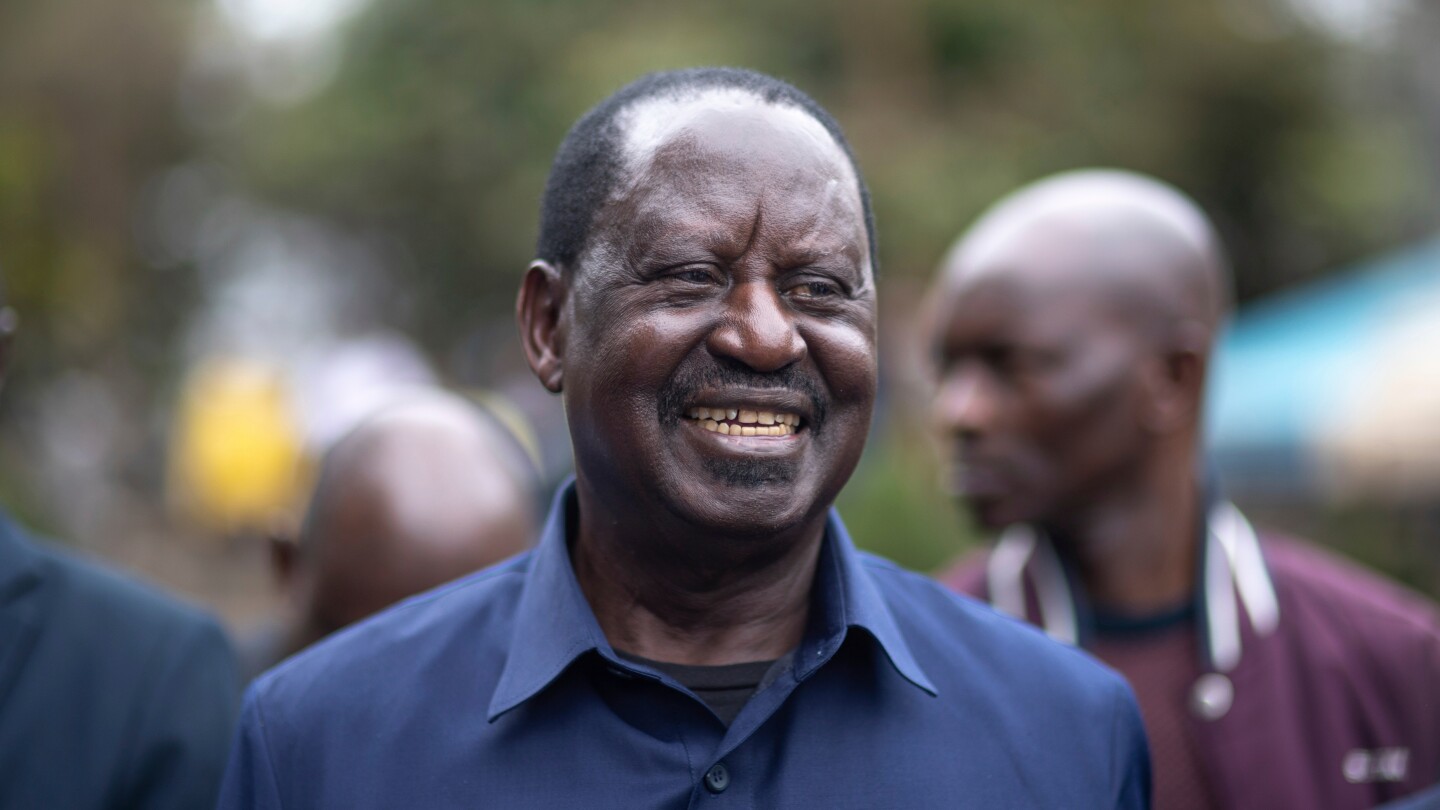
Former Kenyan premier Raila Odinga, a key figure in African politics, dies at 80
NAIROBI, Kenya — Raila Odinga, a towering figure in Kenyan politics and a former prime minister, passed away on Wednesday at the age of 80 due to a heart attack while in India. His death was confirmed by Devamatha Hospital in Kerala, where he was rushed after collapsing during a morning walk. Despite immediate medical intervention, Odinga succumbed to cardiac arrest, leaving behind a legacy of political activism and influence. Odinga, a perennial presidential candidate, ran for Kenya’s highest office five times over three decades, coming closest in 2007 when he narrowly lost to incumbent Mwai Kibaki in a contested election that sparked widespread ethnic violence. A member of the Luo ethnic group, Odinga spent his career navigating Kenya’s tribal political landscape, striving to unite diverse factions. Although he never achieved the presidency, his efforts were instrumental in transitioning Kenya from single-party rule to a multiparty democracy. Recently, he had forged a political alliance with President William Ruto, integrating his opposition party into key government roles. Odinga’s populist campaigns and ability to rally massive support made him a revered figure, symbolizing hope and resilience for many Kenyans. His death marks the end of an era in Kenyan politics, leaving a void that will be deeply felt across the nation.
-
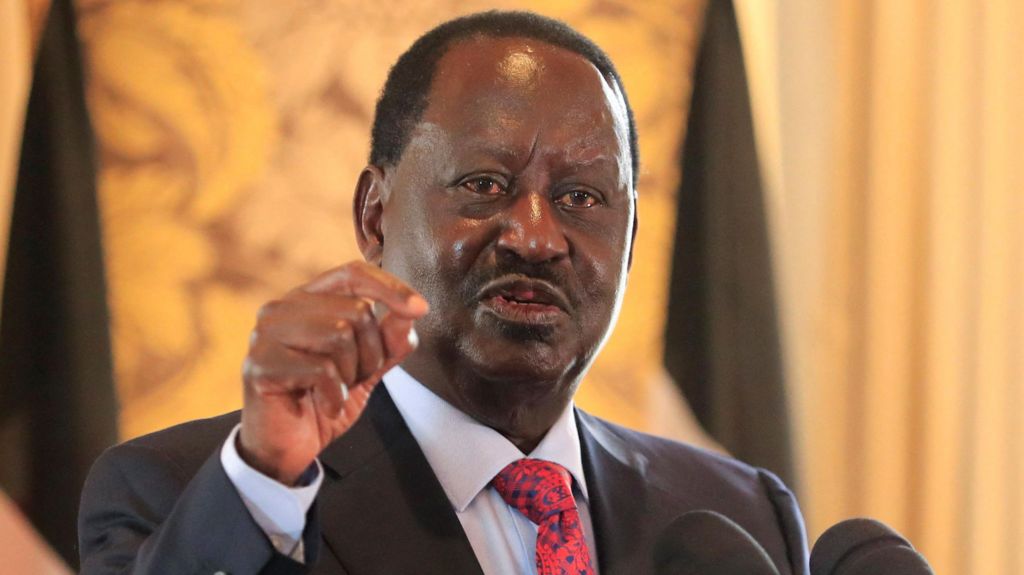
Former Kenyan Prime Minister Raila Odinga dies aged 80
Kenya has lost one of its most prominent political figures, former Prime Minister Raila Odinga, who passed away at the age of 80. According to family sources, Odinga died on Wednesday while undergoing medical treatment in India. His health had been the subject of recent speculation, though his family and political allies had refuted claims of critical illness. Odinga, a formidable political mobilizer, contested the Kenyan presidency five times without success, consistently alleging electoral fraud. His claims were partially validated in 2017 when Kenya’s Supreme Court nullified Uhuru Kenyatta’s victory and ordered a rerun, which Odinga boycotted, citing the need for electoral reforms. Despite his electoral defeats, Odinga often reconciled with incumbent presidents post-elections. Following his 2022 loss, he joined President William Ruto’s administration, bringing several of his allies into key government positions. Odinga’s death marks the end of an era in Kenyan politics, leaving a legacy of resilience and advocacy for democratic reforms. This is a developing story; updates will follow.
-
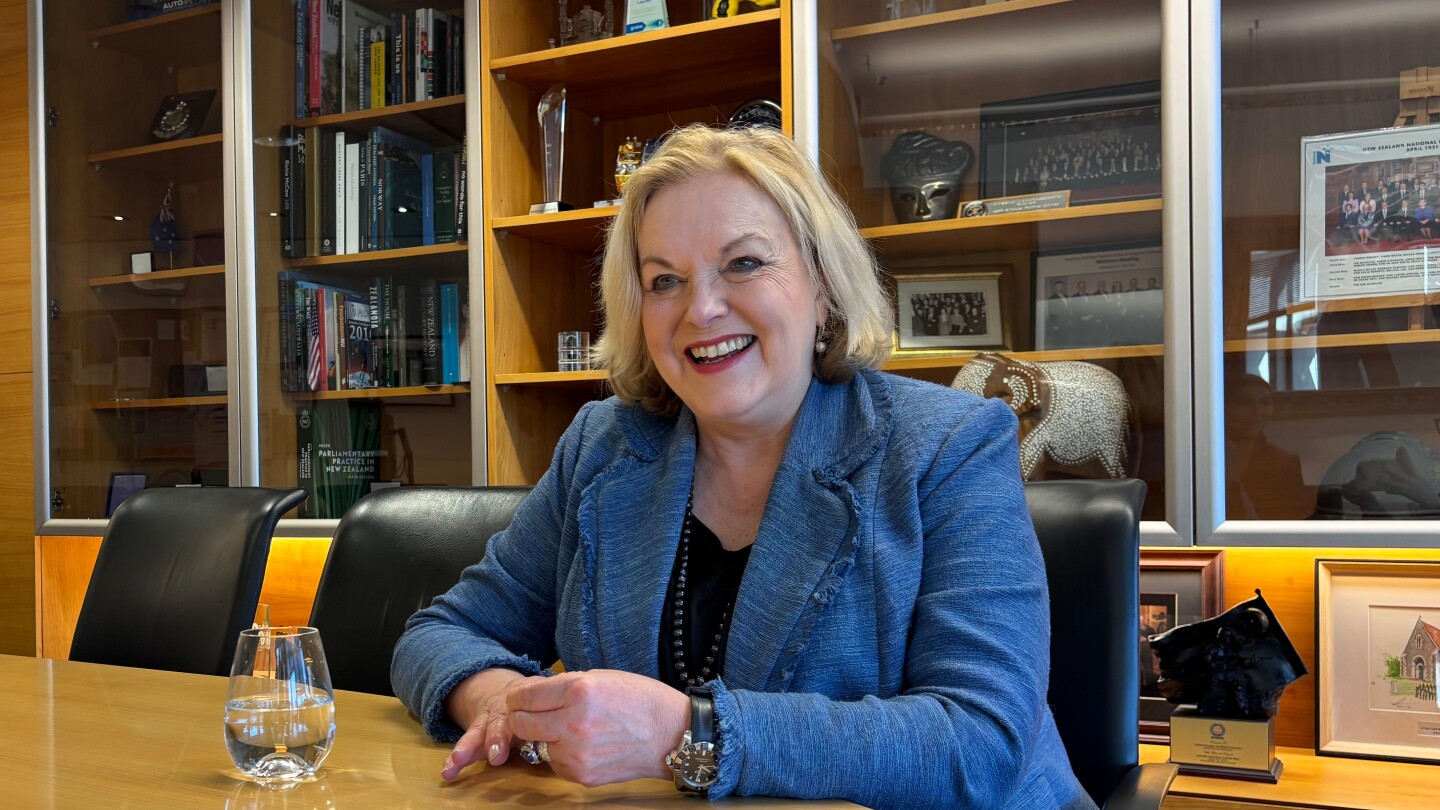
New Zealand official says Pacific nations threatened by great power contest over deep sea minerals
New Zealand’s Defense Minister Judith Collins has raised concerns over the increasing pressure faced by small South Pacific nations due to great power competition for their rare minerals and fisheries wealth. In an interview with The Associated Press, Collins emphasized the need for regional neighbors to take more action to protect the sovereignty of these island nations. Collins, who also oversees New Zealand’s intelligence and space sectors, made these remarks ahead of her visit to Washington D.C., where she is set to meet with Trump administration officials, including Secretary of War Pete Hegseth and Secretary of Homeland Security Kristi Noem.
-
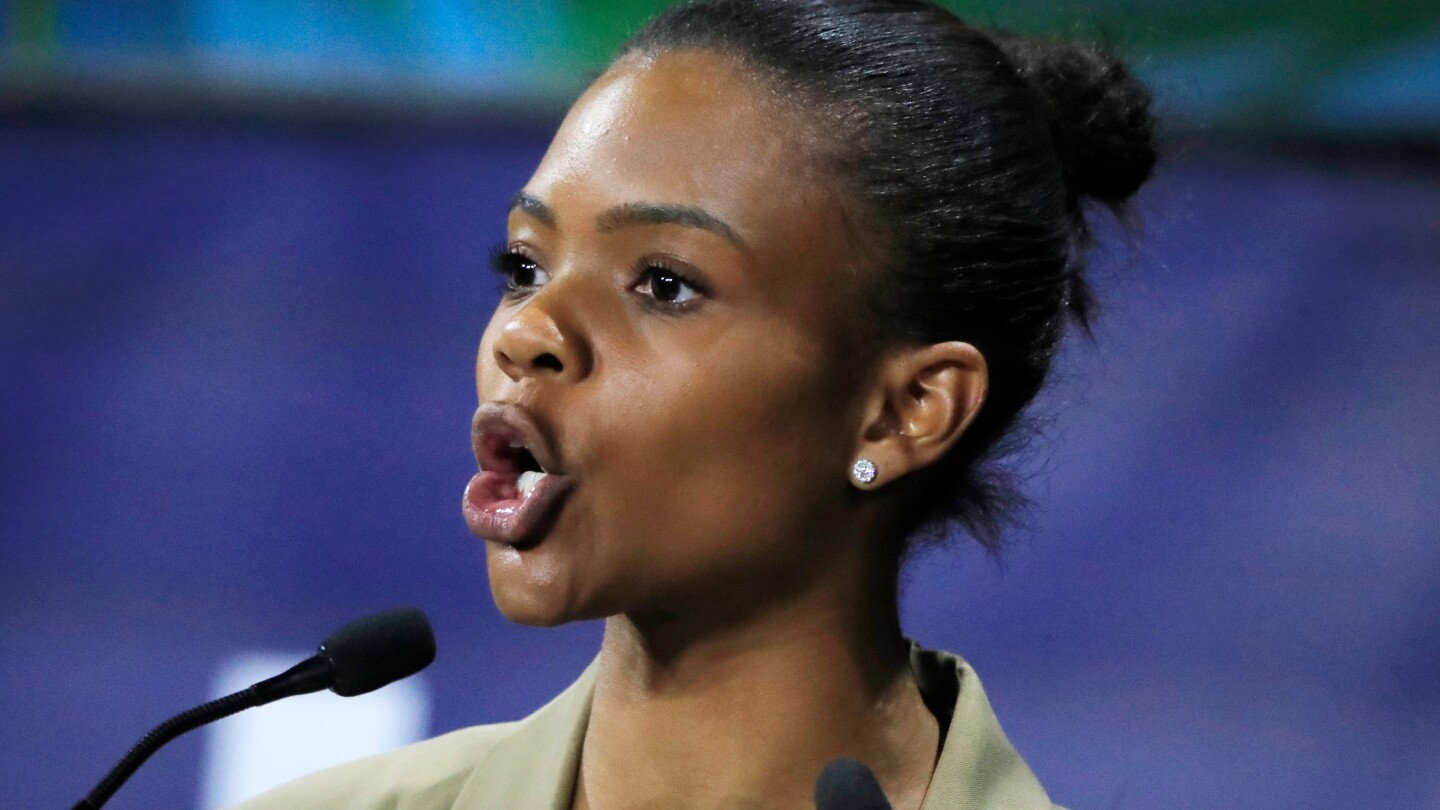
Australia’s highest court rejects Candace Owens’ visa challenge
In a landmark decision, Australia’s High Court has upheld the government’s refusal to grant a visa to U.S. conservative commentator Candace Owens, citing concerns over her potential to incite discord within the country. The unanimous ruling by three judges on Wednesday dismissed Owens’ legal challenge against Home Affairs Minister Tony Burke’s decision last year to deny her entry on character grounds. Owens, known for her controversial and conspiratorial views, had planned a speaking tour in Australia and New Zealand in November 2023. Burke invoked the Migration Act in October 2023, determining that Owens failed the ‘character test’ due to her history of making extremist and inflammatory remarks targeting Muslim, Black, Jewish, and LGBTQIA+ communities. The court documents revealed Burke’s assessment that her presence could pose a risk to national interests by fostering division. Owens’ legal team argued that the Migration Act infringed upon Australia’s implied freedom of political communication, a claim the judges rejected. The court also ordered Owens to cover the government’s legal costs. While Owens’ spokesperson indicated she would address the decision on social media, her plans to visit New Zealand remain unclear. Notably, New Zealand initially denied her visa in November 2023, citing Australia’s rejection, but later reversed the decision in December, emphasizing the value of free speech. This case underscores Australia’s stringent visa policies, which have also been applied to other high-profile figures, such as rapper Ye (formerly Kanye West), whose visa was revoked earlier this year.
-
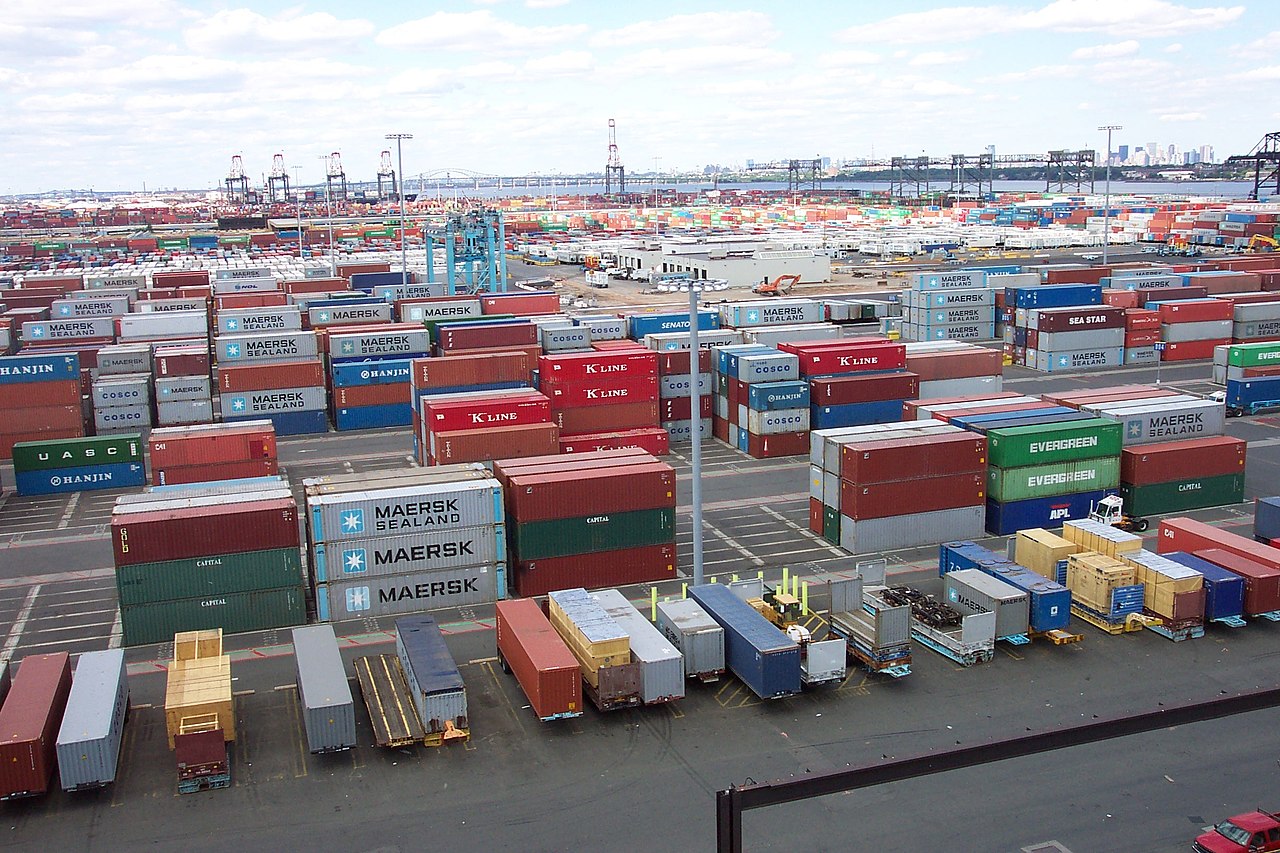
China, US clash in global shipping after chip and tariff wars
In a significant escalation of trade tensions, China has announced retaliatory measures against the United States’ newly imposed port fees. The Chinese Commerce Ministry revealed on Tuesday that it would levy a special port-entry charge of 400 yuan ($56) per net ton on US-linked container ships. This rate is set to increase annually, reaching 1,120 yuan by April 17, 2028. Additionally, China has sanctioned five US-related subsidiaries of South Korea’s Hanwha Ocean, accusing them of aiding US investigations into China’s maritime and shipbuilding sectors, which Beijing claims undermines its sovereignty and development interests. The sanctions prohibit Chinese entities from engaging in transactions or cooperation with the listed firms. A spokesperson for the Chinese Commerce Ministry emphasized that while China is open to dialogue, it is prepared to defend its interests if necessary. The spokesperson also criticized the US for its approach, stating that negotiations should not be conducted under threats or intimidation. This development comes ahead of a potential meeting between Chinese President Xi Jinping and US President Donald Trump at the APEC Summit in Seoul later this month. The US had previously imposed fees on Chinese ships entering its ports, citing unfair trade practices. China’s new measures are seen as a direct response to these actions, further straining bilateral relations. The situation underscores the growing rivalry between the two nations in the global trade and maritime sectors, with both sides taking increasingly assertive stances to protect their economic interests.