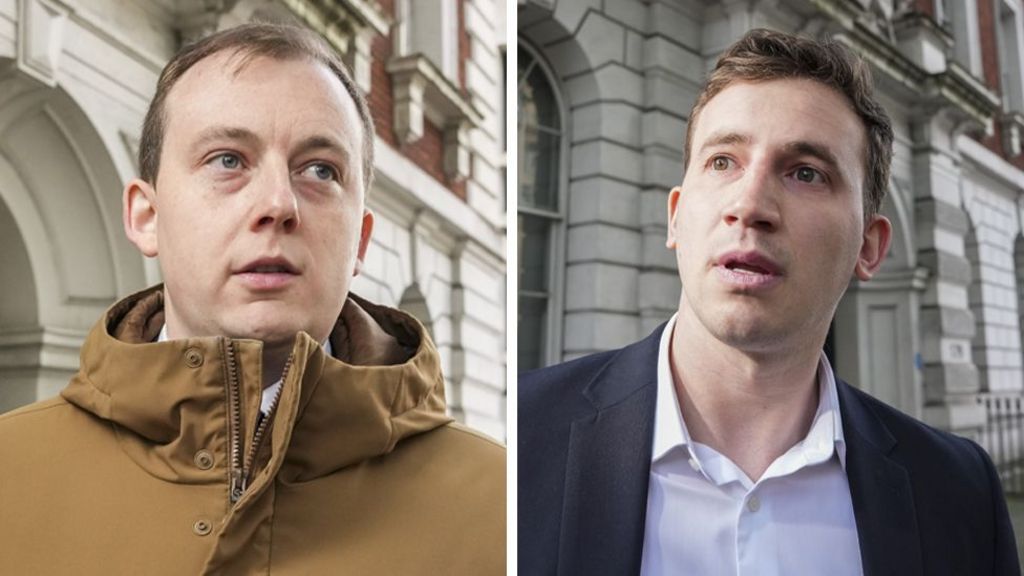
The UK government is under intense scrutiny following the collapse of a high-profile espionage case involving two individuals accused of spying for China. Christopher Berry, an academic, and Christopher Cash, a former parliamentary researcher, were charged under the Official Secrets Act in April 2024. The case was dropped by the Crown Prosecution Service (CPS) due to insufficient evidence that China posed a national security threat at the time of the alleged offenses. Deputy National Security Adviser Matthew Collins, in his witness statements, asserted that China was engaged in ‘large-scale espionage’ against the UK, describing it as the ‘biggest state-based threat to the country’s economic security.’ However, the CPS determined that the evidence fell short of the threshold required for prosecution. The controversy has sparked accusations from the Conservative Party that the Labour government allowed the case to collapse to protect economic ties with China. The government denies these claims, attributing the case’s failure to the previous Conservative administration. MPs have questioned the CPS’s decision, with some suggesting there was enough evidence to proceed to trial. The case has reignited debates about the UK’s relationship with China and the adequacy of its national security measures.
分类: politics
-
Gala spotlights promise of Sino-US partnership
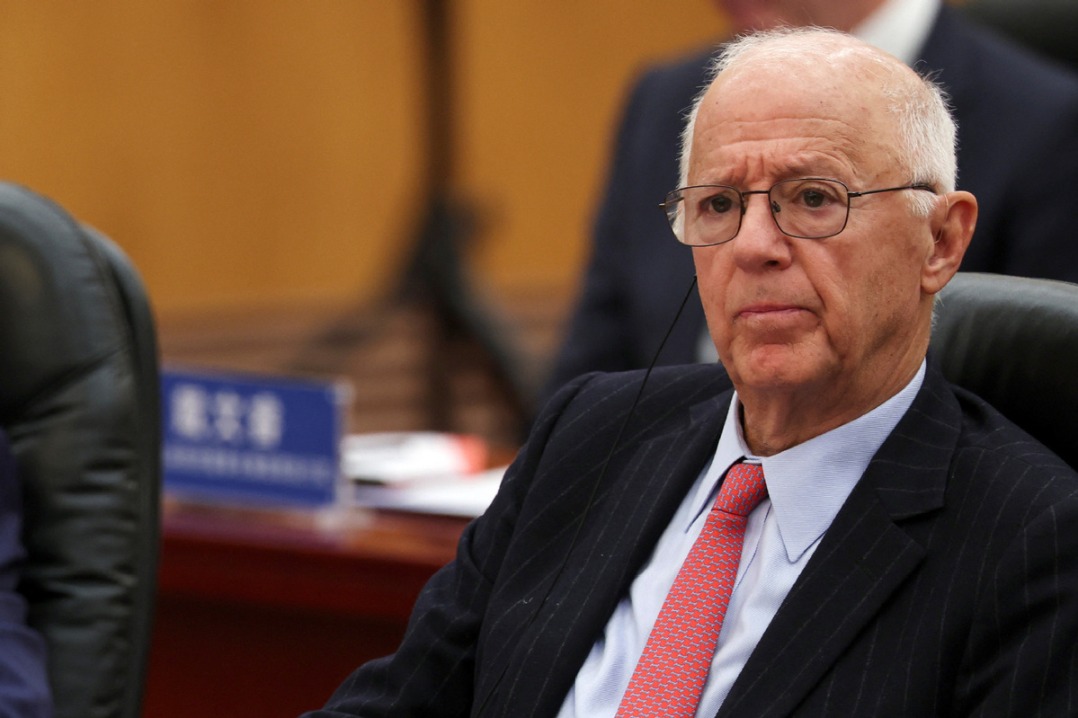
In a significant gathering in New York, US and Chinese leaders underscored the importance of fostering a stable and collaborative relationship between the two nations, particularly in the face of global challenges. The event, hosted by the National Committee on US-China Relations, brought together key figures from politics, business, and healthcare to discuss the potential for enhanced cooperation. Stephen Orlins, president of the committee, expressed optimism that the clear skies following recent storms symbolized a hopeful future for US-China relations. He emphasized the critical need for unity in addressing global issues such as war, economic instability, and unprecedented weather events. Orlins highlighted the healthcare sector as a prime area for collaboration, noting that joint efforts between the US and China have already saved lives. Albert Bourla, CEO of Pfizer, was honored for his leadership in advancing global health and promoting Sino-US partnerships. Bourla praised China’s remarkable progress in biopharmaceutical innovation, which is reshaping the global competitive landscape. He pointed out that Chinese biotech firms accounted for nearly one-third of all major pharmaceutical licensing deals last year, signaling a significant shift in the global innovation landscape. Bourla also reflected on the long history of scientific collaboration between the two countries, citing their joint efforts in combating diseases like tuberculosis, yellow fever, and Ebola. He stressed that such collaboration remains vital today, particularly in addressing global health challenges like cancer and Alzheimer’s. Charlene Barshefsky, chairwoman of the committee and former US trade representative, acknowledged the complexities in the US-China relationship but expressed hope that leaders would prioritize communication over conflict. She emphasized that the world depends on stable US-China relations for addressing global challenges. The gala served as a reminder of the potential for constructive dialogue and collaboration between the two nations, even amidst ongoing tensions.
-
Ex-marine Daniel Duggan appeals extradition to US over claims of training Chinese pilots
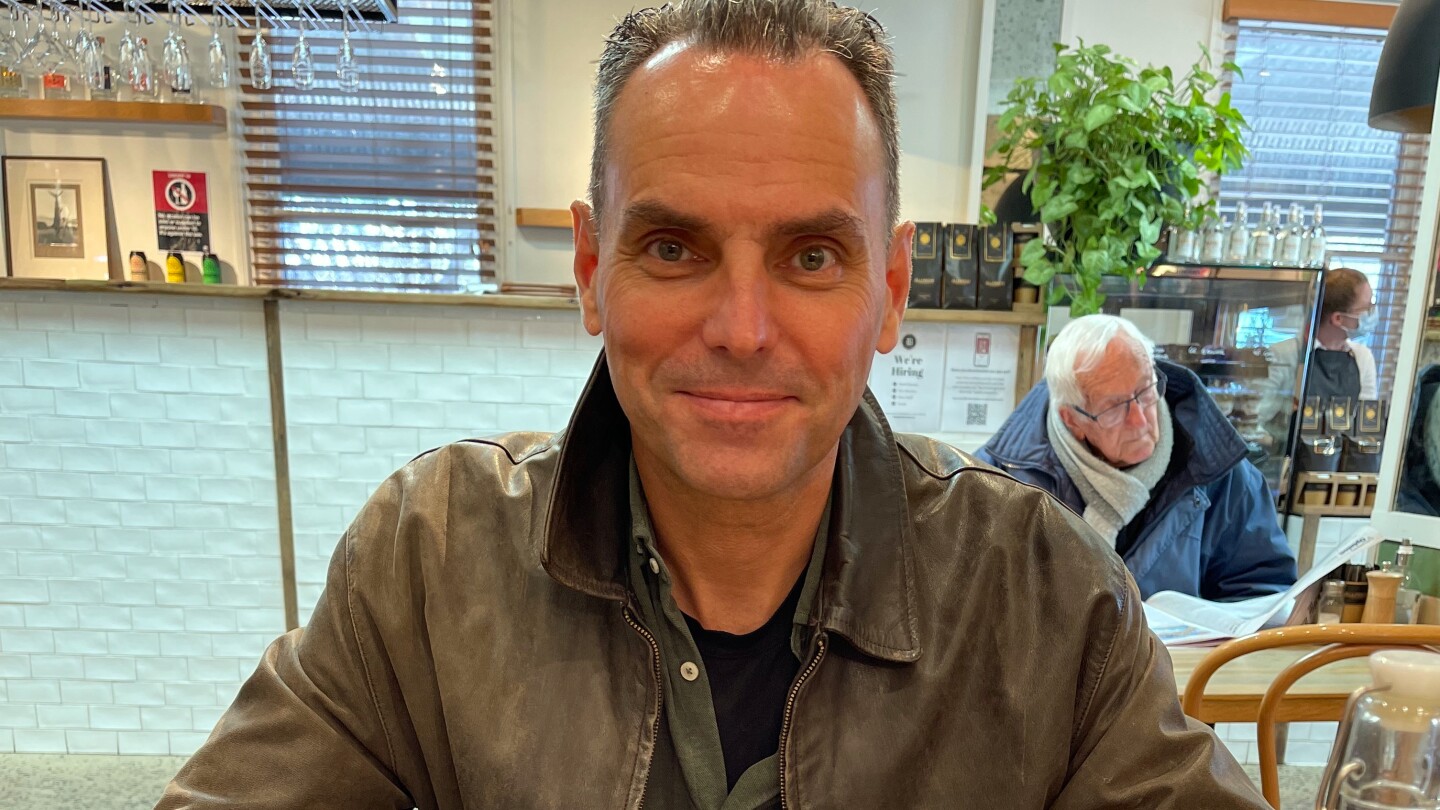
In a high-profile legal battle, former U.S. Marine Corps pilot Daniel Duggan has appealed his extradition from Australia to the United States, where he faces allegations of illegally training Chinese military aviators over a decade ago. Duggan, who worked as an instructor at the Test Flying Academy of South Africa in 2012, is accused of providing training to Chinese pilots without obtaining the necessary licenses. The charges stem from a 2016 indictment unsealed in late 2022, which claims Duggan conspired with others and received approximately 88,000 Australian dollars ($61,000) for his services. Duggan appeared in the Australian Federal Court in Canberra to file his appeal, traveling 350 kilometers from a maximum-security prison in Wellington, New South Wales. Justice James Stellios will announce the verdict at a later date. Duggan has vehemently denied the allegations, calling them politically motivated and asserting that he broke no Australian laws. His wife, Saffrine Duggan, has accused the Australian government of complicity in what she describes as an ‘ideological war’ between the U.S. and China. Duggan’s lawyer, Christopher Parkin, argued that it is ‘extraordinary’ for someone to face extradition from Australia for actions allegedly committed in South Africa. Duggan, who became an Australian citizen in 2012 after renouncing his U.S. citizenship, has been in custody since his arrest in 2022. The case continues to draw significant attention amid escalating tensions between the U.S. and China.
-
Thousands turn out to receive body of former Kenyan PM Raila Odinga
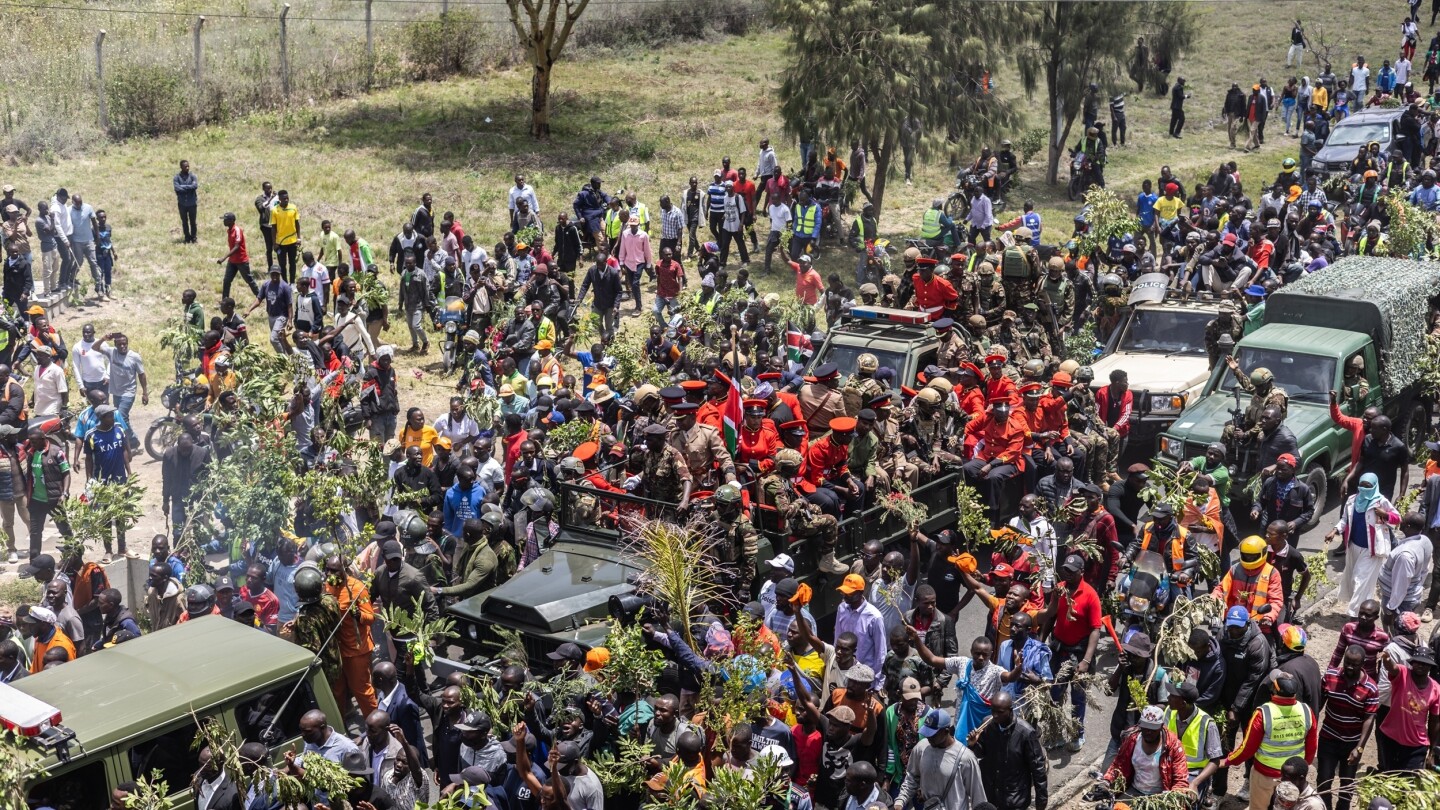
NAIROBI, Kenya — The nation of Kenya is in deep mourning following the death of Raila Odinga, a towering figure in African politics and former Prime Minister of Kenya. Odinga passed away on Wednesday at the age of 80 in India after collapsing during a morning walk. His body was repatriated to Kenya on Thursday, where thousands of grieving citizens gathered at Jomo Kenyatta International Airport to pay their respects. The airport operations were temporarily halted as mourners lined the runway to witness the arrival of the chartered plane carrying his remains, which was honored with a water cannon salute. Odinga, affectionately known as “Baba” (father) by many, was celebrated for his relentless advocacy for democracy and his role in shaping Kenya’s multiparty system. His death has prompted an outpouring of grief across the nation, with President William Ruto declaring seven days of national mourning. Odinga’s state funeral will be held on Sunday in his rural hometown of Bondo, following public viewings in Nairobi and Kisumu. Despite never securing the presidency, Odinga’s legacy as a unifier and champion of democratic ideals remains indelible. His family has requested a swift burial, adhering to his wishes to be laid to rest within 72 hours.
-
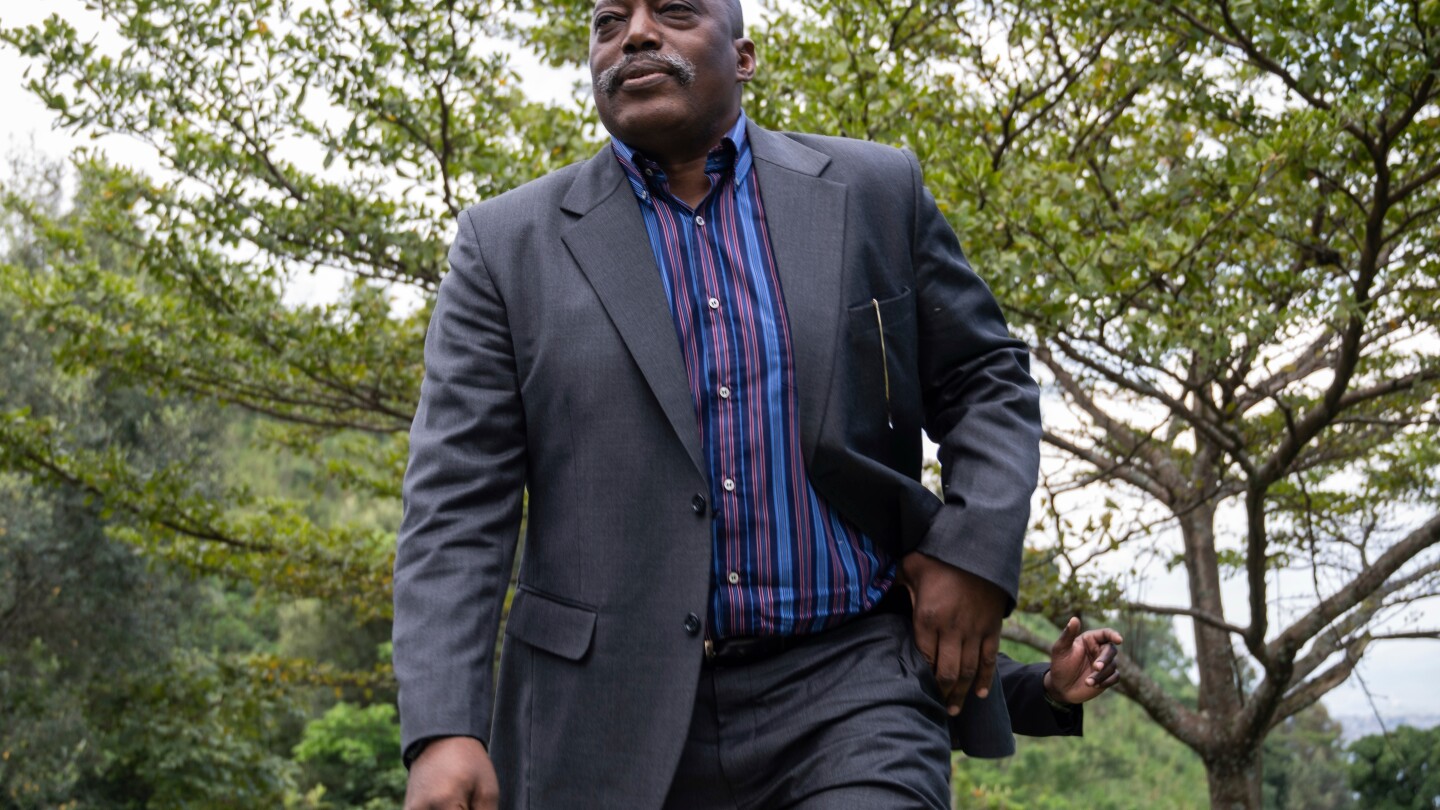
Former Congo leader Kabila appears at Kenya political meeting despite absentia death sentence
In a significant political development, former Democratic Republic of Congo (DRC) President Joseph Kabila made his first public appearance in Nairobi, Kenya, since being sentenced to death in absentia for treason and war crimes. The event, attended by a dozen Congolese opposition leaders, marked the establishment of a new political movement aimed at challenging the current DRC President Felix Tshisekedi. Kabila’s presence in Kenya is anticipated to provoke diplomatic tensions, as the DRC government has previously accused Kenya of supporting the M23 rebel group. The newly formed political coalition declared its mission to unite Congolese citizens against what they described as a dictatorship, with goals to restore democracy, state authority, and national reconciliation. The DRC government in Kinshasa has accused Kabila of collaborating with Rwanda and the Rwanda-backed M23, which seized control of key cities in Congo’s mineral-rich eastern region earlier this year. Kabila, who led the People’s Party for Reconstruction and Democracy from 2001 to 2019, has denied the allegations, calling the death sentence politically motivated. His tenure, marked by delayed elections and extended rule, ended in 2019 with Tshisekedi’s election, which was the first peaceful transition of power since Congo’s independence in 1960. However, the relationship between the two leaders deteriorated, culminating in Kabila’s departure from the DRC earlier this year.
-

Israel’s crack spy agencies rely on help from their friends
Israel’s precision strikes on Iran in June 2024 highlighted the prowess of its intelligence agencies, yet a critical factor remained underexplored: the indispensable role of international intelligence partnerships. These collaborations, while vital, come with inherent risks, including dependency on foreign allies whose withdrawal could leave Israel exposed to geopolitical vulnerabilities.
-
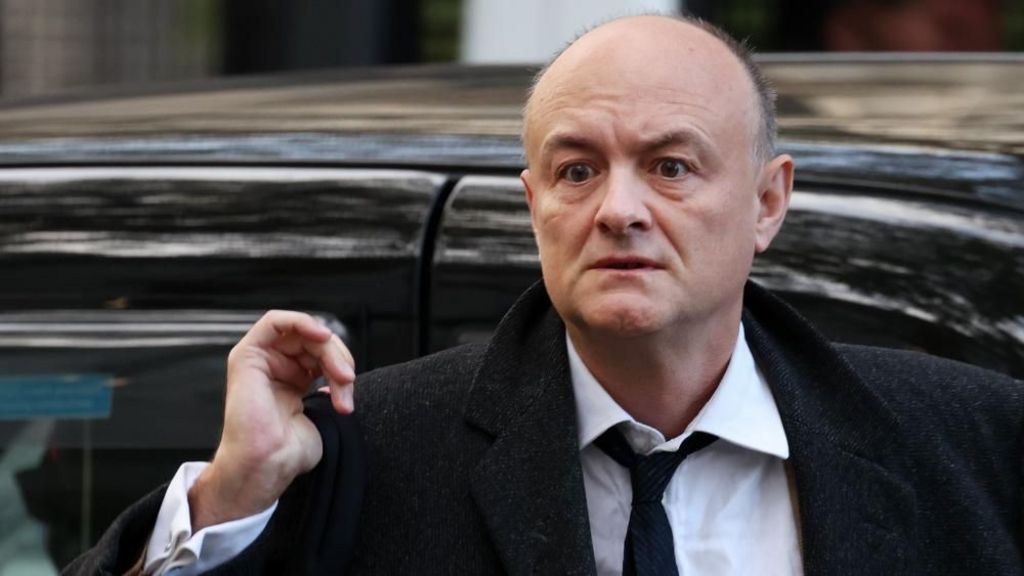
Cabinet Office rejects Cummings’ China breach claim
The UK Cabinet Office has firmly refuted allegations made by Dominic Cummings, former senior aide to ex-Prime Minister Boris Johnson, regarding a purported cyber breach by China into high-level government systems. In an interview with The Times, Cummings asserted that China had accessed ‘vast amounts’ of ‘extremely secret’ information from UK intelligence services and Whitehall departments. He claimed the breach occurred in 2020 and was subsequently concealed. Cummings specifically mentioned the compromise of ‘Strap’ material, a classification for highly sensitive intelligence data, which he said included information from the National Security Secretariat and other critical government sources.
In response, a Cabinet Office spokesperson dismissed the claims as ‘untrue,’ stating that the systems used for transferring sensitive government information remain secure. Cummings further alleged that the breach was discussed in a high-level meeting, where officials expressed disbelief at the severity of the situation. He called for a parliamentary inquiry into the matter, offering to provide detailed testimony.
However, Professor Ciaran Martin, former chief executive of the UK’s National Cyber Security Centre (NCSC), challenged Cummings’ assertions. Speaking on BBC Radio 4’s The World Tonight, Martin stated that, to his knowledge, no such breach occurred. He emphasized that the systems in question are uniquely secure and operate differently from standard internet-based platforms. Martin acknowledged China as a persistent cyber threat but maintained there was no evidence of a breach in 2020.
The controversy has sparked debate over the credibility of Cummings’ claims and the UK’s cybersecurity resilience. While the Cabinet Office and cybersecurity experts have dismissed the allegations, the incident underscores ongoing concerns about foreign cyber espionage and the protection of sensitive government data.
-
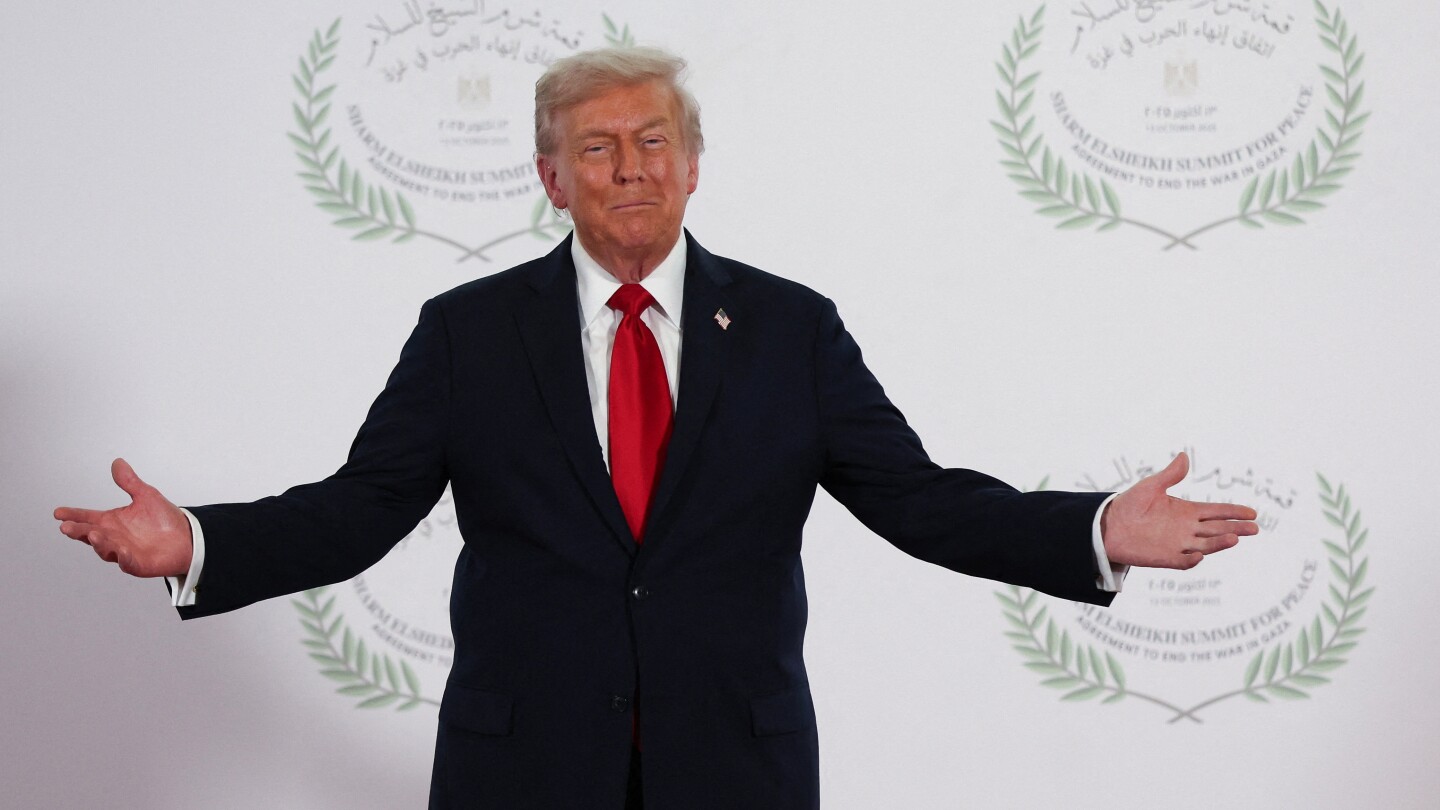
With fragile Gaza ceasefire taking hold, Trump says he’s now looking to ‘get Russia done’
Following the fragile ceasefire between Israel and Hamas, former President Donald Trump has redirected his attention to resolving the ongoing conflict between Russia and Ukraine. Trump, who has consistently criticized President Joe Biden’s handling of international crises, is now exploring the possibility of supplying Ukraine with long-range Tomahawk cruise missiles. This move aims to pressure Russian President Vladimir Putin to engage in peace negotiations. Despite previous unsuccessful attempts to broker talks between Putin and Ukrainian President Volodymyr Zelenskyy, Trump expressed renewed confidence in his ability to mediate, citing recent progress in the Middle East as a catalyst. Speaking at a dinner event, Trump emphasized the urgency of addressing the Ukraine conflict, which is nearing its fourth year. He also hinted at escalating pressure on Russia if diplomatic efforts fail. Trump is scheduled to meet with Zelenskyy on Friday, marking their fourth face-to-face meeting this year. The potential provision of Tomahawk missiles, capable of striking deep into Russian territory, has been a long-standing request from Ukraine. However, analysts caution that deploying such advanced weaponry could take years and may strain U.S.-Russia relations further. In the interim, experts suggest that supplying Ukraine with shorter-range missiles like the Extended Range Attack Munition (ERAM) and the Army Tactical Missile System (ATACMS) could be more immediately effective. Meanwhile, Trump has also signaled a willingness to impose stricter sanctions on Russia, particularly targeting its oil exports, though he has yet to formally endorse pending legislation in the Senate.
-
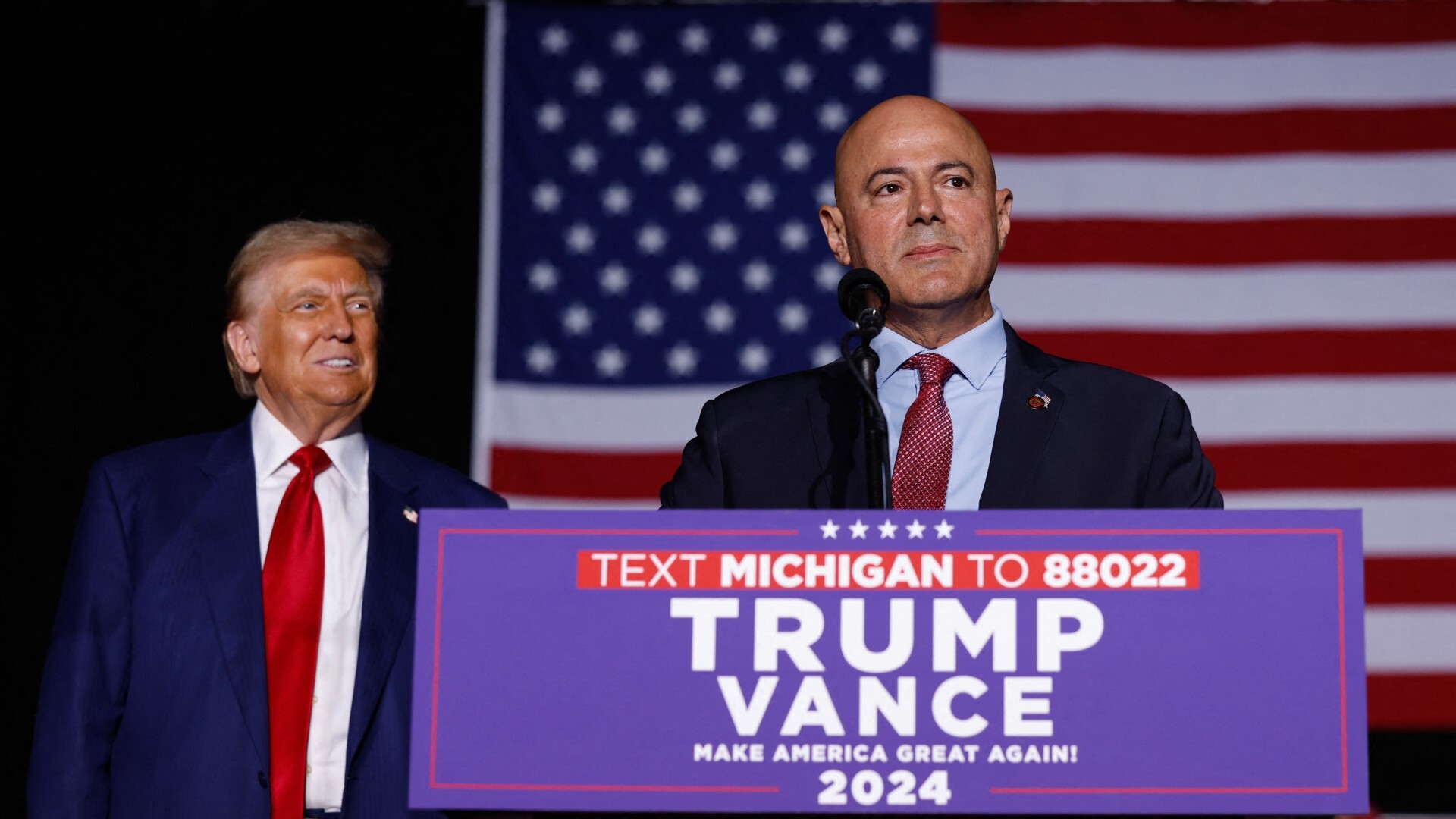
US Senate confirms Lebanese-American ambassadors for Tunisia, Lebanon
The US Senate has confirmed two of President Donald Trump’s three Arab American nominees for ambassadorships in the Middle East. Michel Issa, a businessman and Trump’s golfing companion, has been appointed as the ambassador to Lebanon, while Bill Bazzi, former mayor of Dearborn Heights, Michigan, will serve as the ambassador to Tunisia. Both men were born in Lebanon, highlighting their deep ties to the region. A third nominee, Amer Ghalib, mayor of Hamtramck, Michigan, remains unconfirmed due to opposition from pro-Israel groups.
-
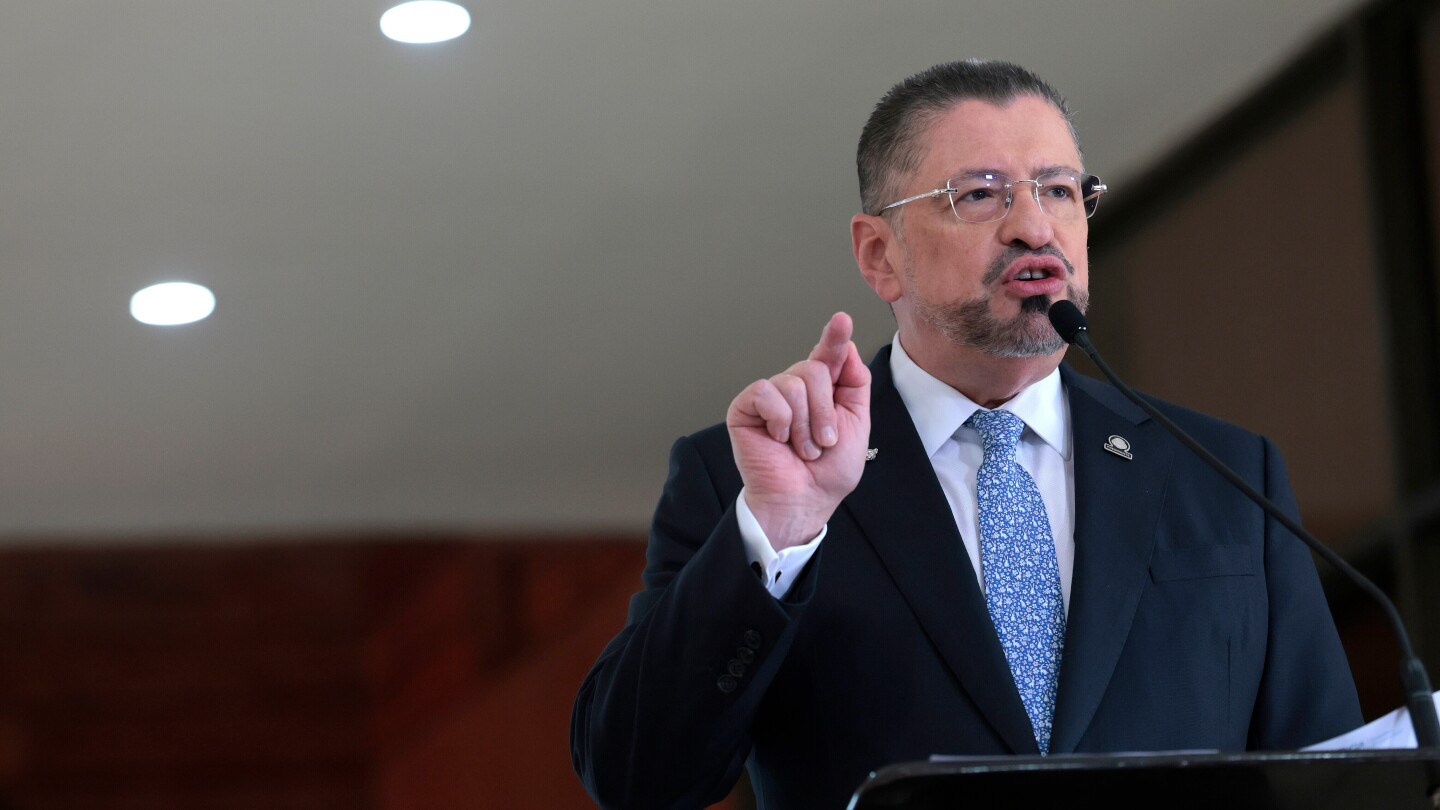
Costa Rica’s president limits abortion to life-threatening cases
In a significant policy shift, Costa Rica’s President Rodrigo Chaves has further restricted access to abortion, limiting it strictly to situations where the mother’s life is in imminent danger. The decision, announced on Wednesday, eliminates the previous allowance for abortions when a pregnancy posed a threat to the mother’s health. This change was implemented through the Health Ministry without requiring legislative approval, fulfilling a promise Chaves made to religious conservatives at the Evangelical Alliance earlier this month. During a press conference, Chaves emphasized that abortion is now permissible only when there is a direct choice between the mother’s life and the life of the fetus. This move aligns Costa Rica with other Central American nations like Honduras, El Salvador, and Nicaragua, which maintain stringent abortion bans, while Guatemala permits abortion only when the mother’s life is at risk. The Evangelical Alliance praised the decision, with its president, Pastor Ronald Vargas, calling it a step toward recognizing the universal value of human life. However, critics argue that the policy change is politically motivated, aimed at appealing to conservative voters ahead of next year’s presidential elections. Laura Valenciano, a human rights advocate with the NGO Citizen Association ACCEDER, criticized the move, stating that it disproportionately burdens women and undermines their rights. Costa Rica has historically banned most abortions, with limited exceptions that were only vaguely defined until a 2019 regulation clarified that abortions could be performed if the mother’s health was at risk. Valenciano noted that she is unaware of any abortions carried out under this exception during Chaves’ presidency and called for transparency regarding the data. Chaves, who faced allegations of sexual harassment during his tenure at the World Bank, has consistently denied the accusations. His presidency has been marked by controversy, and this latest decision has reignited debates over women’s rights and political motivations in Costa Rica.