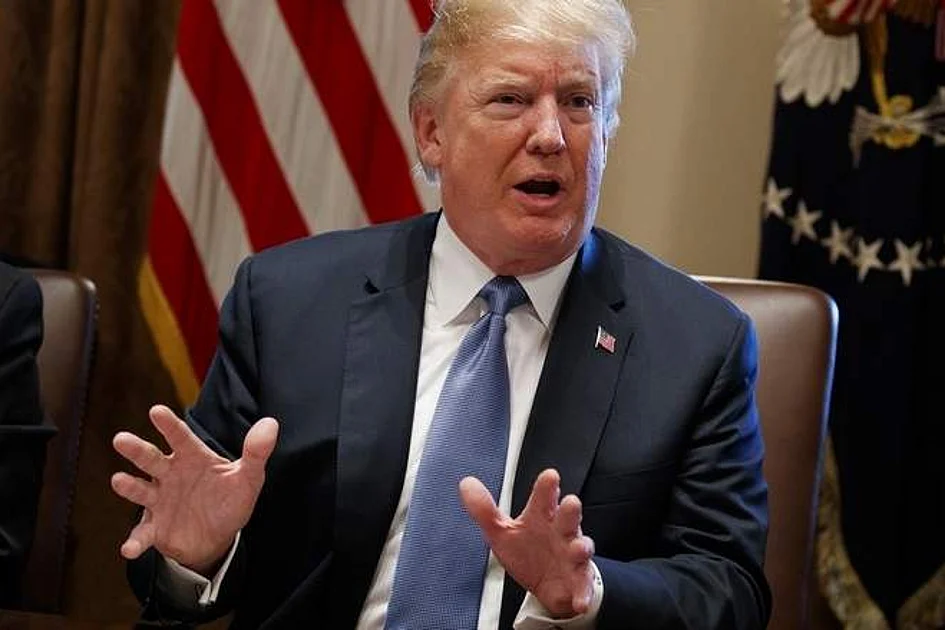
A federal judge has intervened to halt the mass layoffs of government employees during the ongoing US government shutdown, which has now entered its third week. The decision came after President Donald Trump’s administration announced plans to terminate up to 10,000 federal workers. District Judge Susan Illston issued a temporary restraining order in San Francisco, responding to a lawsuit filed by labor unions alleging that the layoffs are unlawful. The judge criticized the government for exploiting the shutdown to bypass legal obligations, stating, ‘The evidence suggests that the Office of Management and Budget and the Office of Personnel Management have taken advantage of the lapse in government spending to assume all bets are off.’ The shutdown stems from a deadlock in Congress over spending, with Trump threatening aggressive cuts to the federal workforce. Court documents revealed that over 4,000 employees were already dismissed last week, primarily affecting the US Treasury and departments of health, education, and housing. Meanwhile, the Senate has repeatedly failed to pass a funding bill, leaving 1.4 million federal employees either working without pay or on unpaid leave. Trump has accused Democrats of ‘playing politics’ and warned of further layoffs targeting opposition-aligned workers. Despite the crisis, the administration has prioritized military pay, ensuring 1.3 million personnel receive their checks on time. However, Capitol Police missed their full paycheck for the first time on Tuesday. As the shutdown drags on, calls for immediate negotiations to resolve the impasse have grown louder, with Senate Democrat Chuck Schumer urging the administration to ‘stop playing politics with people’s livelihoods.’
分类: politics
-
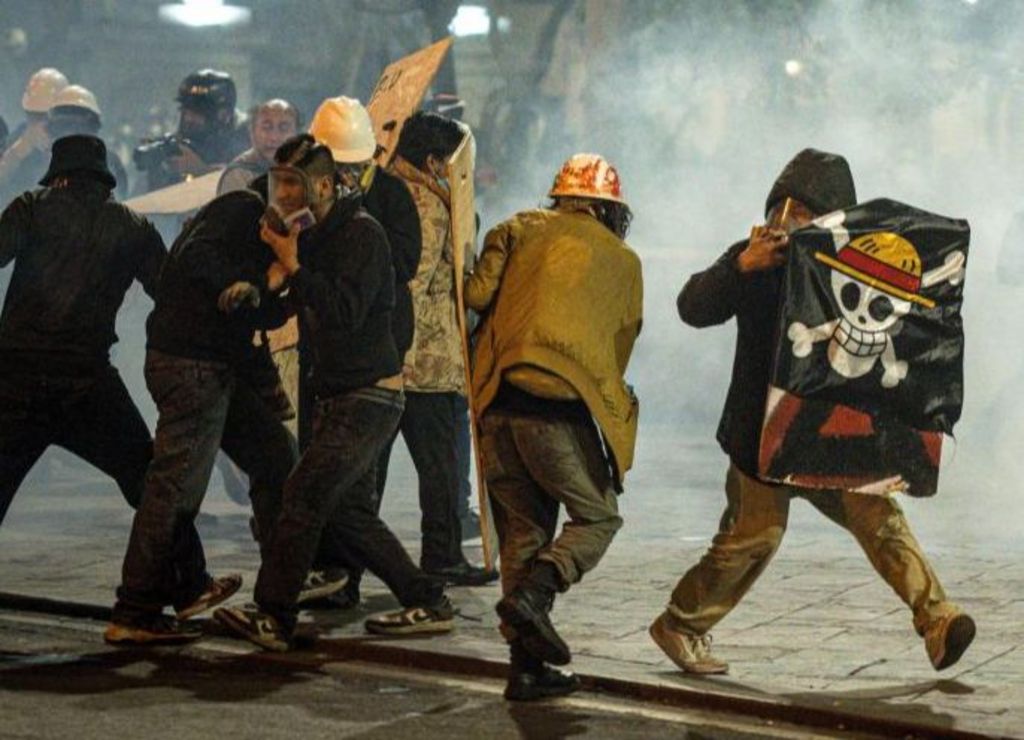
Clashes between police and Gen Z protesters in Peru leave one dead
Peru’s capital, Lima, witnessed violent confrontations between anti-government demonstrators and riot police, resulting in the death of a 32-year-old man and over 100 injuries, including numerous police officers. The unrest follows the swearing-in of interim President José Jerí, who assumed office after the impeachment of former President Dina Boluarte on grounds of ‘permanent moral incapacity’. The protests, led primarily by young Peruvians, demand stronger action against rampant crime and corruption. President Jerí condemned the violence, alleging that criminals had infiltrated the demonstrations to incite chaos, and pledged a thorough investigation into the protester’s death. Eduardo Ruiz Sáenz, a hip-hop artist, was identified as the deceased, with preliminary reports suggesting he died from a gunshot wound to the chest. Witnesses accused a plainclothes police officer of the shooting, though no official confirmation has been provided. The protests, which have spread across major cities, reflect widespread dissatisfaction with Peru’s political elite, whom demonstrators accuse of failing to address systemic issues. Jerí, a member of the conservative Somos Perú party, is Peru’s seventh president in eight years, highlighting the nation’s ongoing political instability. Protesters are calling for a ‘clean slate’ and demanding Jerí’s resignation in favor of an independent leader. The recent impeachment of Boluarte, whose popularity plummeted amid allegations of power abuse, has further fueled public anger. Analysts attribute the political shift to a recent armed attack on a band, which intensified calls for accountability. Boluarte remains in Peru, denying the allegations and awaiting investigations.
-
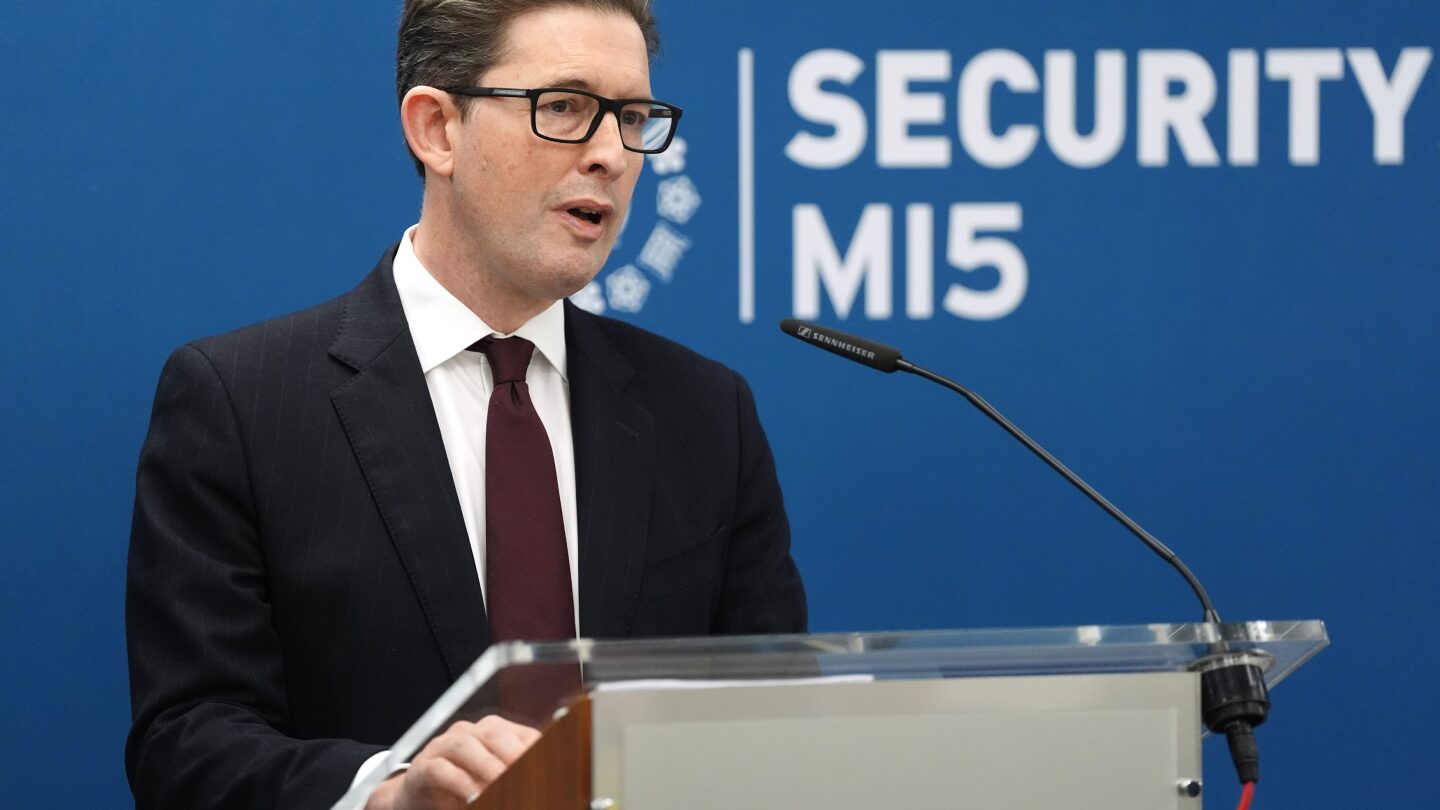
MI5 chief says China is a daily threat to Britain’s security as spying case collapsed
The head of Britain’s domestic intelligence agency, MI5 Director-General Ken McCallum, issued a stark warning on Thursday, asserting that China poses a daily threat to the UK’s national security. His remarks come amid growing scrutiny over the collapse of a high-profile espionage case involving two men accused of spying for Beijing. The case against academic Christopher Berry and parliamentary researcher Christopher Cash, charged under the Official Secrets Act, was dropped last month, sparking a blame game among government officials, opposition leaders, and prosecutors. McCallum revealed that MI5 had recently intervened to thwart a threat from China, emphasizing Beijing’s involvement in cyberespionage, technology theft, and covert interference in UK public life. He described the UK-China relationship as a ‘complex’ mix of risk and opportunity, urging robust action against national security threats. Meanwhile, the Labour Party government, in power since last year, has sought to cautiously reset ties with China despite ongoing tensions over spying allegations, human rights concerns, and China’s support for Russia in the Ukraine war. McCallum also highlighted escalating threats from Russia and Iran, citing a 35% increase in espionage investigations and the use of ‘ugly methods’ like sabotage and violence. The Chinese Embassy has dismissed the allegations as ‘malicious slander,’ while the accused deny any wrongdoing.
-
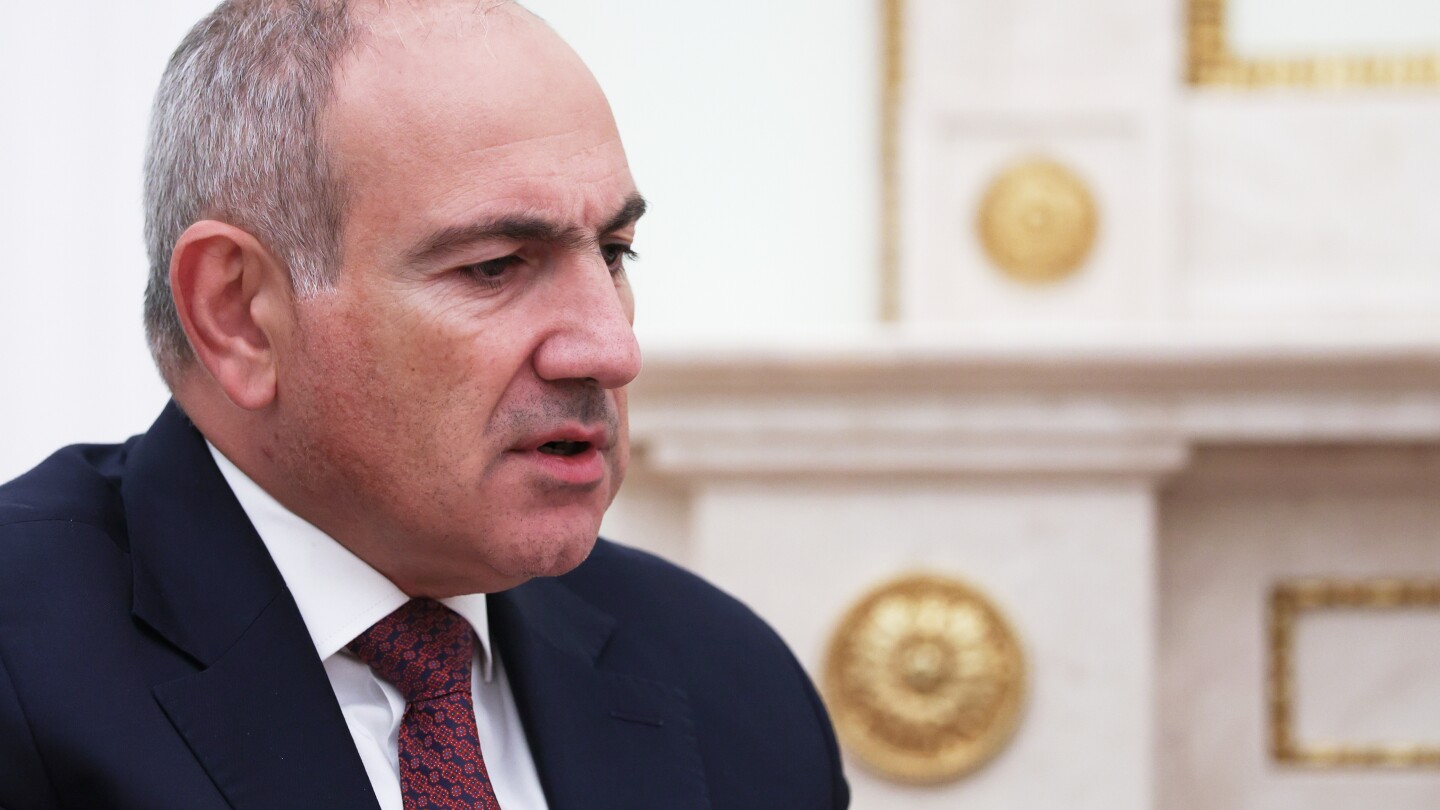
Leading bishop among Armenian clerics arrested in government crackdown on church
In a significant escalation of tensions between the Armenian government and the influential Armenian Apostolic Church, Bishop Mkrtich Proshyan has been charged with coercing citizens into participating in public gatherings, as well as allegations of large-scale theft and obstruction of electoral rights. The charges, announced by Armenia’s Investigative Committee on Wednesday, mark the latest in a series of high-profile arrests targeting critics of Prime Minister Nikol Pashinyan. Proshyan, who is the nephew of the church’s leader, Catholicos Karekin II, was detained alongside twelve other clergymen from his diocese. The church has condemned the arrests as part of a systematic campaign to undermine its activities, stating on social media that there is ‘obvious malicious intent to hinder the normal activities of the church.’ The investigation into Proshyan began in September following accusations from a clergy member that the church pressured its members to join anti-government rallies in 2021. This arrest follows the sentencing of Archbishop Mikael Ajapahyan to two years in prison in June for allegedly calling for the government’s overthrow. Relations between Pashinyan and the church have deteriorated sharply since April 2024, when tens of thousands of demonstrators protested Armenia’s decision to cede control of several border villages to Azerbaijan as part of a broader effort to normalize relations. The church, along with opposition groups like Sacred Struggle, has vehemently opposed these territorial concessions, which have become a focal point of broader grievances against Pashinyan’s administration. The ongoing conflict between Armenia and Azerbaijan, rooted in territorial disputes since the early 1990s, has further complicated the political landscape. In September 2023, Azerbaijan reclaimed full control of the Karabakh region, leading to Armenia’s subsequent handover of border villages. A White House-brokered peace deal signed in August aimed to end decades of conflict, but internal tensions in Armenia continue to simmer.
-
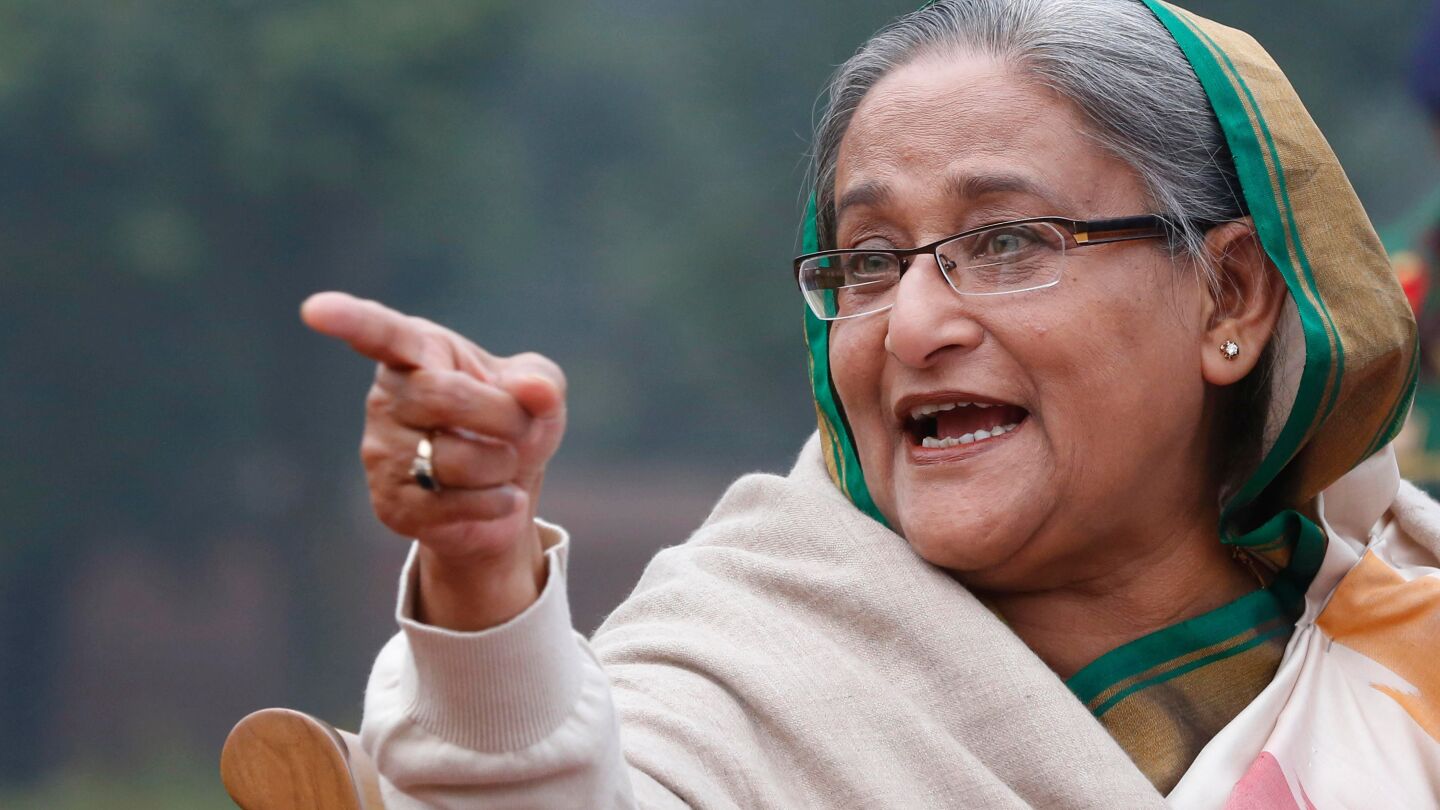
Bangladesh prosecution seeks death penalty for ex-PM Sheikh Hasina over protest killings
In a dramatic turn of events, a prosecutor in Bangladesh’s special domestic tribunal has called for the death penalty for former Prime Minister Sheikh Hasina, accusing her of crimes against humanity during last year’s mass uprising. The violent protests in July and August 2024 resulted in the deaths of hundreds, including students, security officials, and political activists. Chief Prosecutor Tajul Islam, presenting his closing arguments at the International Crimes Tribunal in Dhaka, also demanded the death sentence for former Home Minister Asaduzzaman Khan, citing the severity of his alleged crimes. The fate of former police chief Chowdhury Abdullah Al-Mamun, who has pleaded guilty and turned state witness, was left to the tribunal’s discretion. Hasina, who has been in exile in India since August 5 last year, did not appoint legal representation, dismissing the trial as a “kangaroo court.” Meanwhile, Nobel Peace Prize laureate Muhammad Yunus, who assumed leadership of the interim government after Hasina’s ouster, has vowed to hold her accountable and banned her Awami League party’s activities. The United Nations estimates up to 1,400 deaths during the uprising, though Hasina’s party disputes these figures and calls for independent investigations. The case has further escalated political tensions in Bangladesh, with 25 former and serving military officials indicted for enforced disappearances during Hasina’s 15-year rule. Yunus has promised elections in February to transition power to a democratically elected government, though the Awami League remains barred from participation.
-
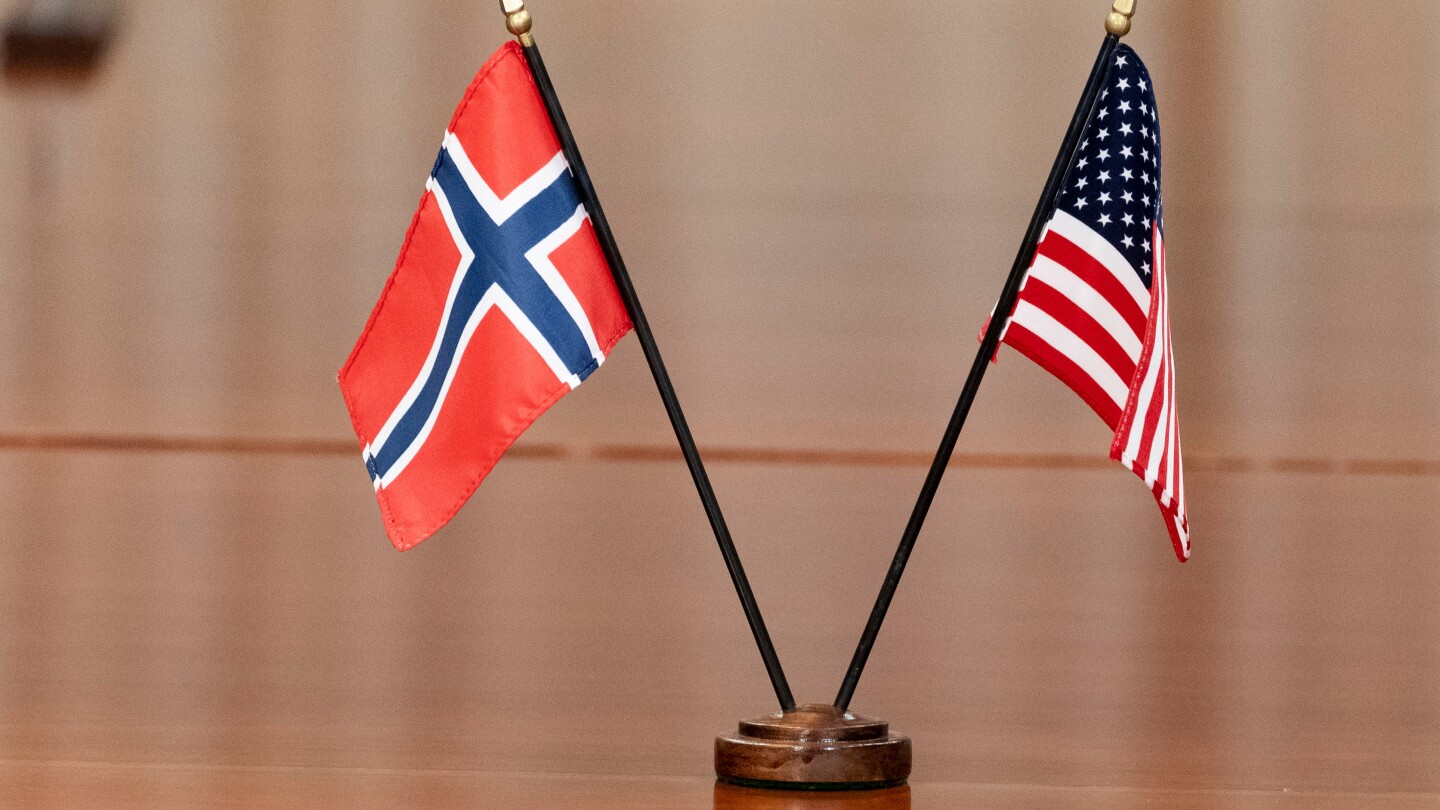
A former security guard at the US Embassy in Norway is convicted of spying for Russia and Iran
A former security guard at the U.S. Embassy in Norway has been convicted of espionage after a court in Oslo found him guilty of spying for Russia and Iran. The 28-year-old Norwegian national, whose identity remains undisclosed, was sentenced to three years and seven months in prison. While he admitted to the facts of the indictment, he denied any criminal wrongdoing. Prosecutors revealed that he had shared sensitive information, including details about embassy diplomats, floor plans, and security protocols, with foreign agents. According to Norwegian state broadcaster NRK, the man’s actions were reportedly influenced by American ties to Israel and the Gaza conflict. His defense attorneys argued that the information he provided was of minimal value, likening his access to that of a janitor. They also questioned the legal definition of espionage under Norwegian law. The defendant was convicted on five espionage charges but acquitted of gross corruption. Both the defense and prosecution are considering appeals, with the latter seeking a harsher sentence than the three-and-a-half-year term imposed. The case marks the second espionage incident involving Norway’s Arctic University, UiT, in recent years. Norway, which shares a 198-kilometer Arctic border with Russia, has tightened restrictions on Russian nationals since the 2022 invasion of Ukraine and is contemplating building a fence along the border.
-
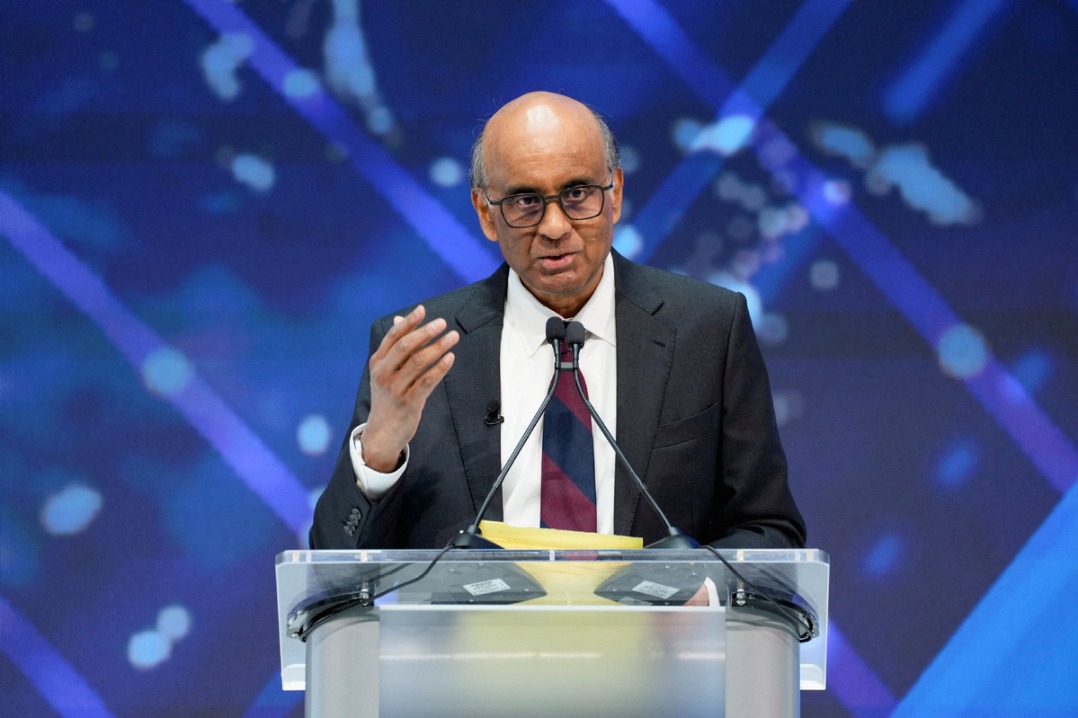
Pragmatic vision urged for US–China ties
Singaporean President Tharman Shanmugaratnam has called for a pragmatic approach to managing US-China relations, emphasizing the potential for global progress through effective interaction between the world’s two largest economies. Speaking at the IMF/World Bank Annual Meetings in Washington on October 15, 2025, Tharman highlighted the need to transform competition into a shared space of innovation and mutual benefit. Drawing an analogy from ecology, he described the US-China relationship as an ‘ecotone’—a dynamic interface where different systems interact, adapt, and create new opportunities. Tharman warned against the dangers of decoupling, which could lead to bifurcation in technology, supply chains, and AI ecosystems, resulting in a ‘more profoundly dangerous’ world. Instead, he urged both nations to manage interdependence through trade, investment, and technological collaboration, particularly in areas like health, AI, and climate technologies. He also called on smaller nations to play intermediary roles in stabilizing relations and fostering innovation. Tharman stressed the importance of long-term thinking, urging policymakers to look beyond short-term tensions. He concluded with a call for renewed multilateralism and moral leadership, emphasizing that history shows breakthroughs are possible even in times of crisis. His remarks resonated with IMF Managing Director Kristalina Georgieva’s emphasis on ‘enlightened self-interest’ as a driver of international cooperation. US Treasury Secretary Scott Bessent also reiterated the US’s commitment to ‘de-risk’ rather than decouple from China.
-
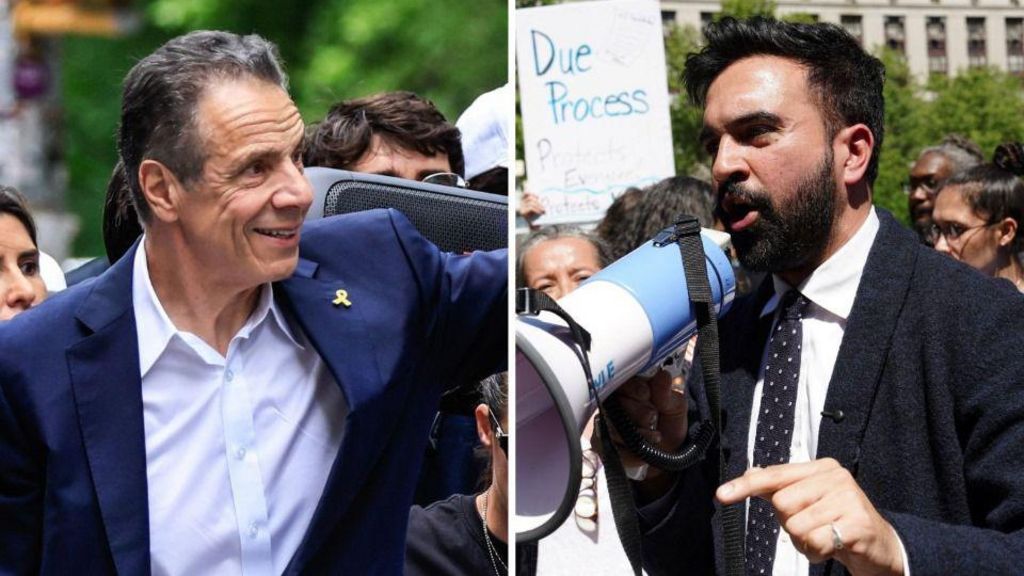
Zohran Mamdani and Andrew Cuomo to meet for first New York mayoral debate
The race for New York City’s next mayor has captured national attention, with three distinct candidates set to face off in a live televised debate at Rockefeller Plaza on Thursday. The contenders represent a wide spectrum of political ideologies, making this election one of the most unpredictable in recent history. Zohran Mamdani, a 33-year-old Democratic socialist and state assemblyman, has emerged as the frontrunner, shocking his party by winning the Democratic primary by a significant margin in June. His progressive platform, which includes free bus service and city-owned grocery stores, has resonated with young voters and garnered endorsements from prominent figures like Senator Bernie Sanders and Representative Alexandria Ocasio-Cortez. However, his candidacy has also sparked controversy, with former President Donald Trump labeling him a ‘communist’ and threatening to withhold federal funding if he is elected. Andrew Cuomo, the former New York governor who resigned in 2021 amid a sexual harassment scandal, is running as an independent. Despite his years of experience and legislative achievements, including marriage equality and gun control, Cuomo faces skepticism from voters disillusioned with the political establishment. Curtis Sliwa, the Republican candidate and founder of the Guardian Angels, remains a wildcard in the race. Known for his crime-fighting efforts and signature red beret, Sliwa could influence the outcome by drawing voters who are wary of Mamdani’s progressive policies. The debate is expected to focus on critical issues such as affordable housing and the city’s $4 billion budget deficit. As New Yorkers prepare to cast their votes in early November, the election represents a pivotal moment for the city’s future, with each candidate offering a vastly different vision for its direction.
-
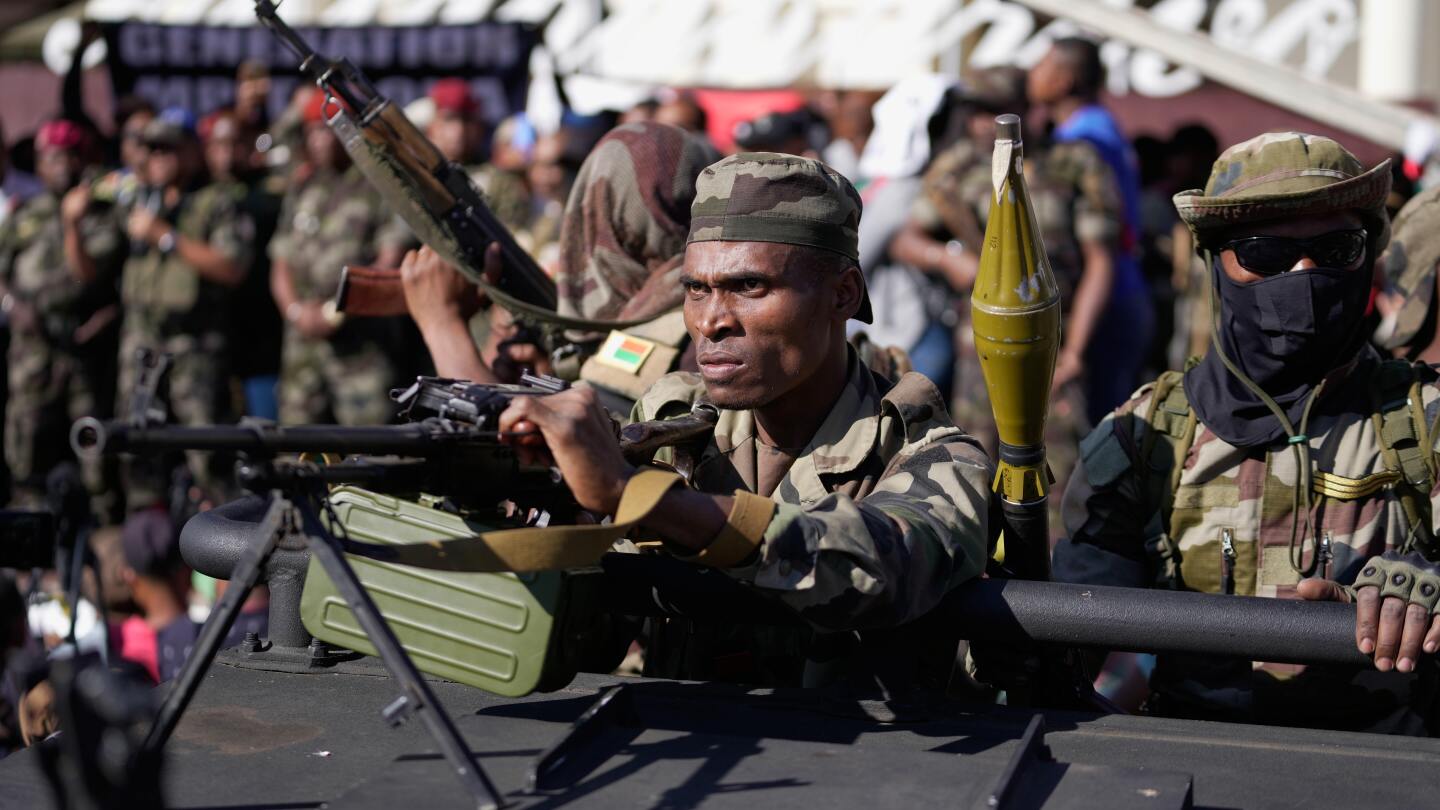
A timeline of all the major events in Madagascar’s military coup
ANTANANARIVO, Madagascar — The Indian Ocean island nation of Madagascar has witnessed a dramatic shift in power as the military staged a coup, ousting President Andry Rajoelina, who has since fled the country. This political upheaval marks a significant chapter in the history of the former French colony off Africa’s east coast. Below is a detailed timeline of the events leading to the military takeover:
**September 25: Youth Protests Erupt**
Thousands of young Madagascans, frustrated by chronic water and power shortages, took to the streets to protest against the government. Security forces responded with tear gas and rubber bullets, escalating tensions. The movement, dubbed ‘Gen Z Madagascar,’ gained momentum online, with their Facebook page amassing over 100,000 followers. Nighttime curfews were imposed in the capital, Antananarivo, and other major cities.**September 29: President Dissolves Government**
In an attempt to quell the unrest, President Rajoelina dismissed his prime minister and the entire Cabinet, claiming to address the grievances of the youth. However, the protests expanded, fueled by broader concerns such as the rising cost of living, unemployment, and allegations of corruption and nepotism. The United Nations reported at least 22 fatalities during the initial protests, attributing the violence to the security forces’ harsh crackdown on what began as peaceful demonstrations.**October 8: President’s Offer Rejected**
Rajoelina called for dialogue, inviting youth protesters and civic groups to talks. However, the protesters rejected the offer, vowing to continue their demonstrations and refusing to engage with a government they accused of killing its own citizens.**October 11: Military Rebellion**
The crisis reached a turning point when an elite military unit rebelled against Rajoelina, joining the protesters. Led by Colonel Michael Randrianirina, the soldiers marched with demonstrators to a key square in Antananarivo, historically significant for past uprisings. Randrianirina declared his unit’s refusal to suppress the protests and called for Rajoelina’s resignation, earning cheers from the crowd. Rajoelina’s whereabouts remained unknown.**October 12: Coup Leader Asserts Authority**
Randrianirina began consolidating power, claiming control over Madagascar’s armed forces and appointing a new military general. The defense minister’s acceptance of this move signaled Randrianirina’s growing authority. Rajoelina broke his silence, denouncing the military’s actions as an ‘illegal attempt to seize power,’ but his location remained undisclosed.**October 13: President Speaks from Hiding**
Rajoelina addressed the nation via social media, revealing he had fled Madagascar after learning of an assassination plot. He asserted his legitimacy as the country’s leader and called for constitutional adherence but provided no details about his location.**October 14: Military Announces Takeover**
Rajoelina attempted to dissolve parliament to prevent his impeachment, but lawmakers ignored his decree and voted overwhelmingly to remove him from office. Shortly after, Randrianirina, flanked by soldiers, announced the military’s assumption of power. He declared that a military council would govern the country for at least 18 months before new elections.**October 15: Randrianirina to Assume Presidency**
Randrianirina confirmed he would assume the presidency and planned to take the oath of office at the country’s highest court. This move solidifies the military’s control over Madagascar, marking a new era in the nation’s political landscape. -
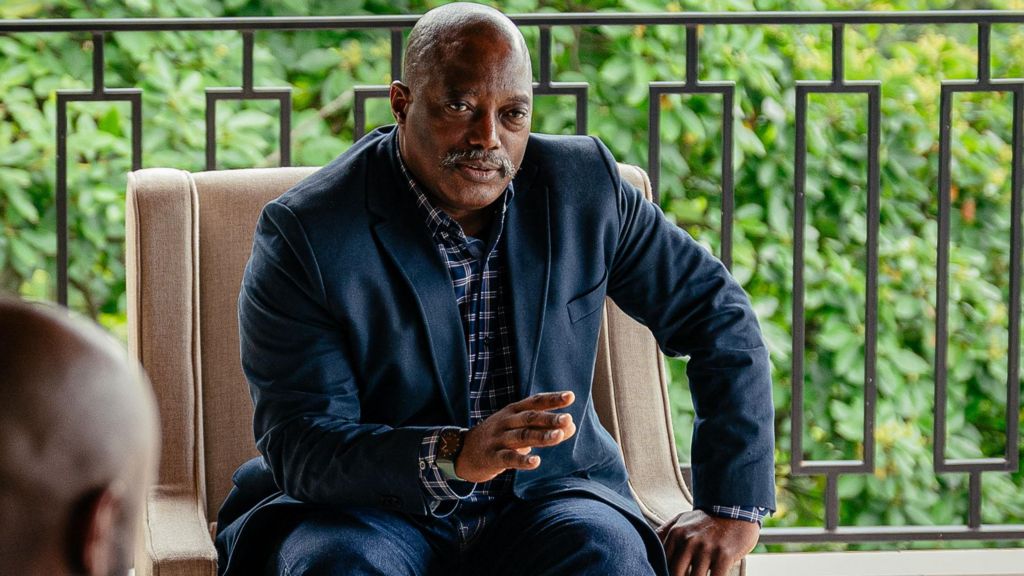
Convicted ex-president Kabila rallies opposition to ‘save’ DR Congo from crisis
Former Democratic Republic of Congo (DRC) President Joseph Kabila has unveiled a new initiative aimed at rescuing his nation from what he describes as a deepening crisis under President Félix Tshisekedi’s administration. This announcement followed a two-day meeting in Nairobi, Kenya, where Kabila convened with other opposition leaders to strategize against what they termed the “dictatorship” of Tshisekedi. The gathering, attended by prominent figures including former Prime Minister Augustin Matata Ponyo, resulted in a 14-point declaration signed by leaders of 12 opposition groups, urging Congolese citizens to unite and take action to restore dignity and democracy. The declaration criticized the government’s rejection of inclusive dialogue, poor economic governance, and the arbitrary detention of political opponents. Kabila, who was recently sentenced to death in absentia for war crimes and treason, dismissed the charges as politically motivated. His appearance in Nairobi marked the first public sighting since May, when he was reportedly in the M23 rebel-held city of Goma. The meeting coincided with the DRC government’s signing of a ceasefire monitoring agreement with the M23 rebels in Doha, highlighting the ongoing instability in the region. The Congolese government dismissed the Nairobi meeting as insignificant, labeling it a gathering of ‘fugitives and convicts.’ Meanwhile, Kabila and his allies vowed to launch a diplomatic offensive to alert the international community to the crisis in DRC, emphasizing the need for urgent intervention to address the country’s political and economic challenges.