分类: politics

  • Another death, deeper divisions

    Another death, deeper divisions

    A fatal encounter between a Border Patrol agent and a Minneapolis healthcare professional has ignited nationwide protests and created a severe rift between state and federal authorities. The shooting death of Alex Pretti, a 37-year-old ICU nurse, during an altercation on icy roads Saturday has prompted Minnesota Governor Tim Walz to demand the immediate withdrawal of federal immigration officers from his state.

    The incident represents the second controversial shooting death in Minneapolis within weeks, following the earlier killing of citizen Renee Good. Governor Walz confronted President Trump directly during a Sunday briefing, questioning what measures would be necessary to remove federal agents from Minnesota. The state’s chief executive emphatically declared that Minnesota’s justice system would have final authority in the investigation, stating unequivocally that the federal government “cannot be trusted to lead this investigation.”

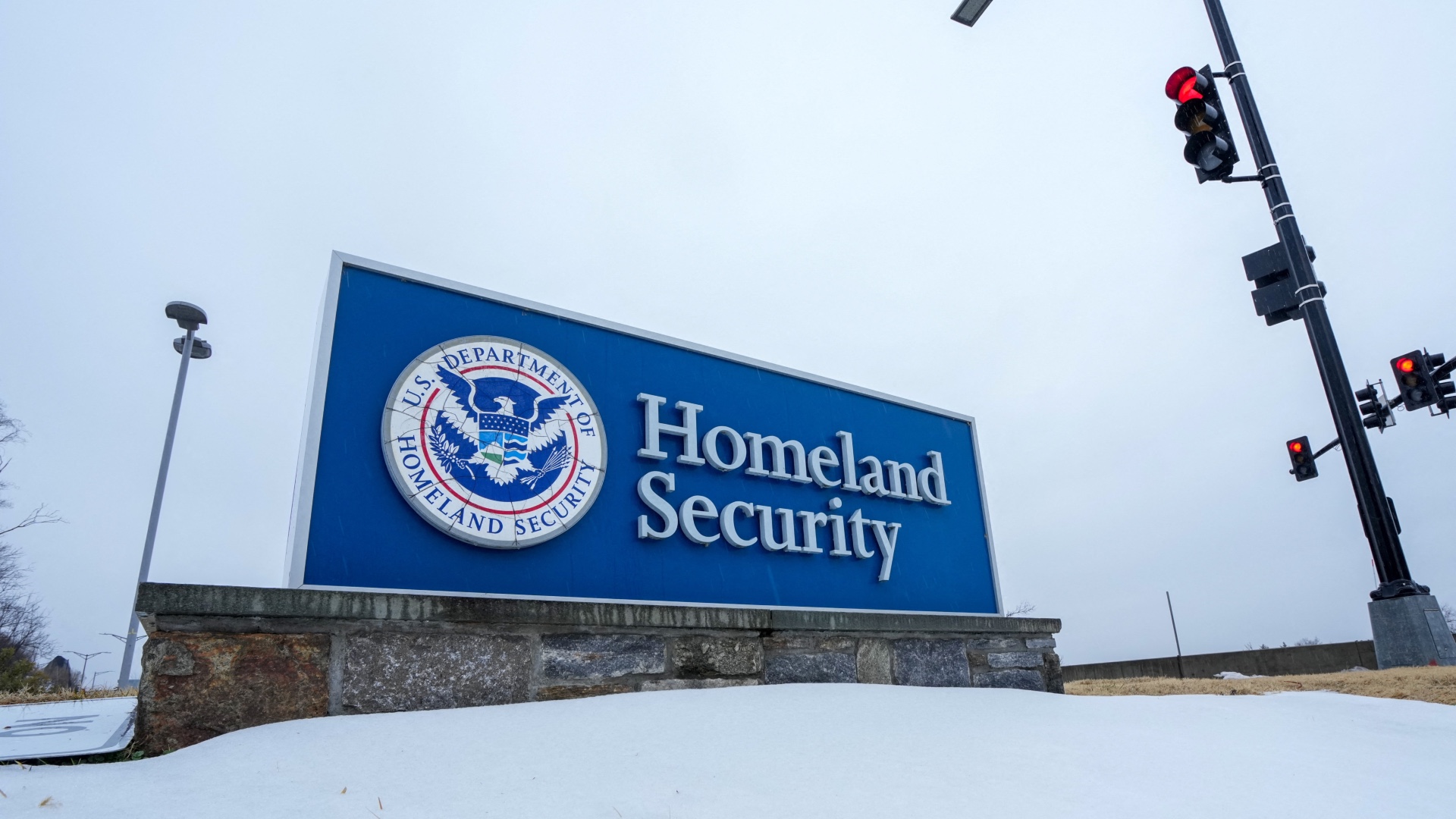
    The confrontation has escalated into an institutional standoff, with Minnesota’s Bureau of Criminal Apprehension reporting that federal Homeland Security officials denied state investigators access to the crime scene despite possessing a signed warrant. This obstruction highlights the deepening tension between cooperative federal-state investigations and the current administration’s approach to immigration enforcement.

    Contradictory narratives have emerged regarding the circumstances of Pretti’s death. While Trump administration officials claim the nurse intended to harm federal agents and was carrying a firearm, bystander video evidence appears to show Pretti holding only a cellphone before being wrestled to the ground and shot at close range.

    The incident has drawn condemnation from former Presidents Barack Obama and Bill Clinton, who both issued statements characterizing the shooting as an assault on core American values. Obama described the event as a “wakeup call,” while Clinton delivered a fierce indictment of administration practices that have resulted in protesters being “arrested, beaten, teargassed, and most searingly… shot and killed.”

    Law enforcement experts note the unusual nature of such public criticism between agencies. Seth Stoughton, a former police officer and use-of-force expert, acknowledged that while public criticism between law enforcement agencies is uncommon, behind the scenes there is “nothing but professional scorn” for how Homeland Security is handling these incidents.

    The shooting occurs against the backdrop of Minneapolis’ history with police brutality cases, notably the murder of George Floyd in 2020, which sparked global protests against police violence and systemic racism. Legal experts warn that the current situation represents an “incredibly dangerous place” where immigration agents appear to operate without meaningful accountability.

  • Chinese premier chairs symposium on draft govt work report, five-year plan

    Chinese premier chairs symposium on draft govt work report, five-year plan

    In a significant demonstration of China’s consultative governance approach, Premier Li Qiang convened a high-level symposium in Beijing on January 26, 2026, to gather expert input on two crucial policy documents: the draft government work report and the preliminary framework for China’s 15th Five-Year Plan (2026-2030). The meeting brought together leadership from non-Communist political parties, the All-China Federation of Industry and Commerce, and prominent non-affiliated intellectuals, creating a diverse forum for policy refinement.

    During the comprehensive dialogue, participants presented substantial recommendations across multiple development domains. Key discussion points included strategies for enhancing macroeconomic regulation mechanisms, fortifying domestic market structures, cultivating innovative productive capabilities, advancing reform and opening-up initiatives, and improving social welfare systems. The exchange highlighted China’s multidimensional approach to policy formulation during a critical juncture in its development trajectory.

    Premier Li acknowledged the substantive value of these contributions, emphasizing the symbiotic relationship between governmental planning and expert consultation. He contextualized the current economic landscape, noting increasing external uncertainties and persistent domestic challenges that require sophisticated policy responses. The Premier advocated for implementing more proactive macroeconomic measures with enhanced coordination between reform initiatives and broader economic policies, aiming for qualitative economic improvement alongside appropriate quantitative growth targets.

    Looking forward, Li expressed expectations for continued collaborative engagement from all participating organizations, particularly in addressing prominent development obstacles and contributing collective wisdom toward China’s high-quality economic and social advancement. This consultative process exemplifies China’s distinctive governance model that integrates specialized expertise into national strategic planning.

  • Efficiency and reform drive SARs’ progress

    Efficiency and reform drive SARs’ progress

    China’s senior official responsible for Hong Kong and Macao affairs has called for strengthened commitment to the executive-led governance model in both special administrative regions. Xia Baolong, director of the Hong Kong and Macao Work Office of the Communist Party of China Central Committee, emphasized the system’s critical role in ensuring administrative efficiency and alignment with national development objectives during a Beijing seminar on January 26, 2026.

    The seminar, organized by the Chinese Association of Hong Kong and Macao Studies, focused on enhancing governance frameworks in both regions. Xia described the executive-led principle as fundamental to the political architecture of the SARs and essential for the comprehensive implementation of the “one country, two systems” principle. He asserted that this governance model has demonstrated both vitality and superiority, particularly evident in Hong Kong’s transition from stability to prosperity.

    Xia stressed that effective governance requires coordinated synergy between executive, legislative, and judicial branches, with all components operating on “the same stage” rather than working at cross-purposes. His comments come following recent legislative elections in both Hong Kong and Macao, with Xia urging newly elected lawmakers to deepen their patriotic commitment and actively participate in regional development initiatives.

    The senior official called on SAR governments to function as “primary stewards” of local governance, rallying legislative, judicial, and community stakeholders behind national development priorities. He specifically emphasized the need to align regional governance with China’s 15th Five-Year Plan (2026-30), encouraging innovation in administrative methods and leveraging legal authorities to drive reform.

    Hong Kong Chief Executive John Lee Ka-chiu responded to Xia’s remarks through social media, characterizing executive-led governance as both a “fundamental requirement” under “one country, two systems” and a “staunch pillar” of Hong Kong’s continued success. Lee committed to enhancing governance efficiency and building a results-oriented administration, requesting support and oversight from the new Legislative Council.

    Legislators from both regions expressed alignment with the governance direction. Hong Kong lawmaker Michael Ngai Ming-tak acknowledged his responsibility to support government efficiency through pragmatic policies, while Macao legislator Jose Chui Sai-peng pledged to fulfill a “bridging role” between government and community needs.

    The Chinese General Chamber of Commerce in Hong Kong endorsed the approach, with chairman Jonathan Choi Koon-shum emphasizing that implementing the executive-led system and cultivating constructive executive-legislative relations would enable deeper reforms and stronger economic growth.

  • Philippines’ Duterte fit to face ICC proceedings, judges say

    Philippines’ Duterte fit to face ICC proceedings, judges say

    The International Criminal Court has formally declared former Philippine President Rodrigo Duterte mentally competent to participate in pre-trial proceedings regarding alleged crimes against humanity. This judicial determination, issued on Monday, directly countermands defense claims that the 80-year-old leader suffers from cognitive impairments that would prevent his meaningful engagement with the court.

    Judicial authorities at The Hague-based court have scheduled a critical hearing for February 23rd to evaluate whether prosecutors have established sufficient evidentiary foundation to advance the case to full trial. The ICC’s medical assessment panel concluded that Duterte retains adequate mental capacity to exercise his procedural rights effectively, noting that participation standards “did not have to be at their notionally highest level.”

    Duterte faces allegations of orchestrating systematic human rights violations during his controversial anti-drug campaign (2016-2022), which resulted in thousands of extrajudicial killings of suspected drug offenders. The former president consistently defended the brutal crackdown as necessary for establishing public order and economic stability.

    Congresswoman Leila de Lima, a prominent Duterte critic who was previously imprisoned on fabricated drug charges during his administration, hailed the ruling as a victory for accountability: “This tells victims that in the reckoning of Duterte at the ICC, their voices will not be sidelined by technical evasions.”

    The former leader’s arrest at Manila International Airport in March 2025 coincided with the dissolution of his political alliance with successor President Ferdinand Marcos Jr. Duterte’s detention has polarized Philippine society, drawing condemnation from human rights organizations while maintaining support among populist constituencies who feel marginalized by traditional political elites.

    Notably, Duterte secured election as mayor of Davao City while incarcerated in May 2024, demonstrating his enduring political influence. His daughter, Vice-President Sara Duterte, remains a formidable presidential contender for the 2028 elections, where term limits prevent Marcos from seeking reelection.

  • BBC at protests outside hotel where Trump’s immigration chief believed to be staying

    BBC at protests outside hotel where Trump’s immigration chief believed to be staying

    A prominent London hotel believed to be hosting senior U.S. immigration official Gregory Bovino became the focal point of demonstrations on Tuesday evening. Organized protest groups assembled outside the establishment, creating a cacophony of sound with drums and amplified chants directed at the visiting American dignitary. The demonstration, documented by BBC correspondent Tom Bateman, represents growing international dissent against Trump administration immigration policies. Bovino, whose exact itinerary remains unconfirmed by authorities, serves as a high-ranking official within U.S. Citizenship and Immigration Services. The targeted nature of the protest suggests carefully coordinated opposition to current American immigration enforcement strategies. Metropolitan Police maintained a visible presence throughout the event, though no incidents requiring intervention were reported. The demonstration highlights how U.S. domestic immigration policies continue to provoke strong reactions and diplomatic repercussions among allied nations.

  • UK’s Starmer heads to China seeking a thaw in relations but risking a rift with Trump

    UK’s Starmer heads to China seeking a thaw in relations but risking a rift with Trump

    British Prime Minister Keir Starmer is embarking on a diplomatically sensitive mission to China this Wednesday, marking the first visit by a UK leader since 2018. The trip comes at a pivotal moment as Britain navigates increasingly strained relations with the United States under President Donald Trump, who has imposed tariffs and criticism on traditional allies.

    Starmer’s delegation includes Business Secretary Peter Kyle and numerous corporate leaders, signaling Britain’s intent to secure Chinese technological investment and greater market access for UK financial services, automotive exports, and Scotch whisky. The Prime Minister is scheduled to meet President Xi Jinping directly, seeking to reinvigorate economic ties while managing complex security concerns.

    Professor Zhao Minghao of Fudan University’s Institute of International Studies noted China’s evolving role, observing that “China is no longer just the world’s factory; it is also becoming a global market.”

    The diplomatic landscape has shifted dramatically since the so-called “golden era” of UK-China relations proclaimed in 2015 by Conservative Prime Minister David Cameron. Recent years have seen relations deteriorate over Beijing’s crackdown on Hong Kong’s civil liberties, support for Russia in Ukraine, and growing concerns about espionage and economic interference.

    Kerry Brown, director of the Lau China Institute at King’s College London, characterized the challenging environment: “Starmer is going to be talking to a very skeptical audience. Britain has not been very consistent in its relations with China. We have been very hot and cold.”

    The Labour government, after conducting an 18-month review of China policy, promotes a doctrine of “hard-headed pragmatism”—balancing national security protection against espionage with continued diplomatic engagement and economic cooperation. This approach comes as Britain’s economy, the world’s sixth largest, requires stimulation amid stagnant growth and persistent cost-of-living pressures.

    Starmer’s outreach to Beijing coincides with mounting tensions with Washington. Despite initially avoiding public criticism of Trump’s attacks on London’s mayor, British immigration policies, and his lawsuit against the BBC, Starmer recently condemned Trump’s aspirations regarding Greenland and his disparaging comments about NATO allies in Afghanistan.

    This diplomatic rebalancing extends beyond Britain. Canadian Prime Minister Mark Carney recently visited Beijing, with German Chancellor Friedrich Merz scheduled to follow next month—signaling a broader trend among US allies to hedge against Washington’s unpredictability.

    However, rapprochement with China carries significant risks. Trump has threatened 100% tariffs on Canadian goods following Carney’s recent trade agreement with China, suggesting similar consequences could await Britain.

    Starmer also faces domestic criticism over security concerns, particularly regarding the approval of a massive 20,000-square-meter Chinese embassy near the Tower of London. Critics warn the “mega-embassy” could facilitate espionage and intimidation of dissidents. Additional controversy surrounds the agreement to transfer the Chagos Islands to Mauritius, which some fear could expand Chinese influence near a strategic UK-US military base.

    Human rights considerations present further complications. Former Hong Kong Governor Chris Patten urged Starmer to firmly address issues including treatment of Uyghur minorities and the imprisonment of British citizen Jimmy Lai, a Hong Kong pro-democracy activist.

    According to Brown, the visit will likely be deemed successful if it secures substantial Chinese investment while avoiding major political pitfalls, establishing “consistency, a bit more predictability” in bilateral relations: “Friends where we can be friends, otherwise agree to disagree.”

  • Trump says he is sending White House border czar to Minnesota

    Trump says he is sending White House border czar to Minnesota

    President Donald Trump announced Monday the immediate deployment of White House border czar Tom Homan to Minnesota, responding to growing civil unrest following two separate fatal shootings involving federal immigration officers within the state this month.

    The decision, communicated through Trump’s Truth Social platform, comes amid escalating political tensions between the administration and Democratic leadership. The president simultaneously revealed an ongoing investigation into what he characterized as ‘massive’ welfare fraud in Minnesota, which he suggested was ‘at least partially responsible for the violent organized protests’ occurring throughout the state.

    The deployment follows Sunday’s sharp criticism from former Democratic presidents Barack Obama and Bill Clinton regarding the federal government’s handling of immigration enforcement operations. The political condemnation emerged after two U.S. citizens lost their lives in separate incidents involving federal officers in Minneapolis.

    The first tragedy occurred on January 7 when Immigration and Customs Enforcement (ICE) officers shot and killed 37-year-old Renee Good during an operation targeting undocumented immigrants. The incident ignited nationwide protests against perceived excessive force in immigration enforcement.

    Tensions further escalated Saturday when a U.S. Border Patrol agent fatally shot another 37-year-old American citizen, Alex Pretti, under similar circumstances.

    Minnesota Governor Tim Walz has vehemently criticized federal operations, describing them as creating chaos within communities and formally requesting the immediate termination of ICE activities within state boundaries.

    In a notable shift from previous rhetoric, Trump indicated Monday that he had a ‘very good call’ with Governor Walz, suggesting both leaders were ‘on a similar wavelength’ regarding resolution efforts, despite earlier claims that Democratic policies had directly caused ‘Democrat-ensued chaos.’

  • Trump in trouble on immigration, as signature issue turns deadly

    Trump in trouble on immigration, as signature issue turns deadly

    President Donald Trump’s aggressive immigration enforcement strategy, once hailed as the cornerstone of his second-term agenda, now threatens to become a significant political liability following deadly shootings in Minneapolis. The fatal shooting of nurse Alex Pretti marks the second U.S. citizen killed this month during protests against militarized immigration raids, generating widespread public outrage and forcing the administration into a defensive position.

    Recent polling data reveals growing discomfort with the administration’s methods, even among traditional Republican supporters. A Siena/New York Times poll indicates 61% of Americans believe ICE tactics have ‘gone too far,’ while a subsequent YouGov survey shows 46% now support abolishing the agency entirely. This shift in public sentiment has alarmed Republican strategists ahead of crucial midterm elections.

    The backlash has extended to Trump’s allies, with influential voices like podcaster Joe Rogan comparing ICE raids to Nazi Germany’s Gestapo and Texas Governor Greg Abbott urging a recalibration of approach in Minnesota. In response, Trump has dispatched border officials to the state and adopted a more conciliatory tone with local Democratic leaders.

    Beyond immigration, Trump faces declining approval on multiple fronts. Polls show eroding support among key demographic groups that secured his 2024 victory, including Hispanic, Black, and young voters. A Pew Research Center survey reveals 65% of Hispanic voters reject his anti-immigration policies, while 61% express dissatisfaction with his economic approach.

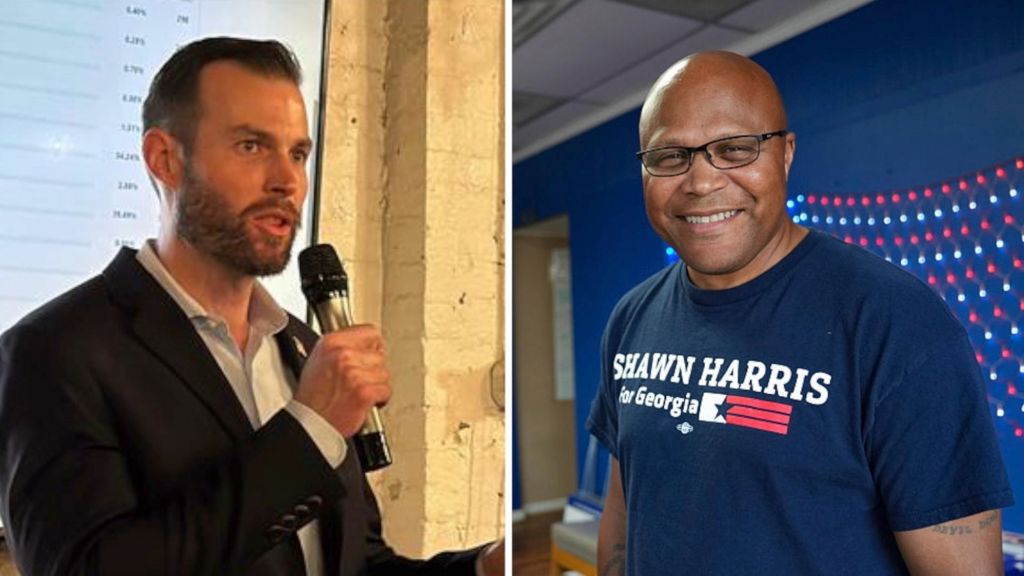
    The political fallout has already manifested in Minnesota’s gubernatorial race, where Republican Chris Madel withdrew, citing national Republicans making statewide victories ‘nearly impossible.’ With control of Congress hanging in the balance, Republican lawmakers find themselves torn between their MAGA base and growing mainstream opposition to the administration’s enforcement methods.

  • Italy summons Israeli ambassador over Ramallah incident

    Italy summons Israeli ambassador over Ramallah incident

    The Italian government has formally summoned Israel’s ambassador to Rome following a serious security incident involving two Italian carabinieri officers near the occupied West Bank city of Ramallah. The diplomatic confrontation emerged after Foreign Minister Antonio Tajani demanded immediate clarifications regarding Sunday’s event where Italian security personnel faced armed intimidation.

    According to official statements from Italy’s foreign ministry, the two officers—stationed at Italy’s consulate general in Jerusalem—were conducting official duties in Palestinian territory adjacent to Ramallah when an individual identified as a ‘settler’ intercepted them while brandishing an automatic rifle. The armed confrontation represents a significant breach of diplomatic security protocols.

    Minister Tajani personally instructed the summoning of Israeli Ambassador Alon Bar to convey Italy’s formal protest and seek comprehensive explanations regarding the alarming incident. During the meeting, Italian authorities expressed their “strong disapproval” of the event and emphasized growing concerns about escalating violence by settlers in the West Bank region.

    In parallel diplomatic channels, Italy’s embassy in Tel Aviv lodged an additional formal protest, underscoring the seriousness with which Rome views the security of its diplomatic personnel. The incident occurs against a backdrop of increasing international attention on settler activities in occupied territories, with several nations previously expressing concerns about destabilizing actions that threaten regional stability and diplomatic operations.

    The diplomatic démarche represents one of the most direct confrontations between Italy and Israel regarding security matters in recent years, potentially affecting bilateral cooperation frameworks. Both governments are expected to continue discussions through diplomatic channels to prevent similar incidents and ensure the safety of foreign diplomatic personnel operating in contested territories.

  • Immigration chief departing Minneapolis as Trump sends border tsar Tom Homan to scene

    Immigration chief departing Minneapolis as Trump sends border tsar Tom Homan to scene

    MINNEAPOLIS – The Trump administration is recalibrating its immigration enforcement strategy in Minneapolis following the fatal shooting of a second U.S. citizen by federal officers, a development that has ignited widespread public fury and political condemnation.

    In a significant operational shift, Border Patrol Commander Gregory Bovino is departing the city amid escalating tensions. His replacement, former Immigration and Customs Enforcement (ICE) Director Tom Homan, will now lead on-the-ground efforts. This move signals a potential de-escalation after Saturday’s shooting of 37-year-old Alex Pretti, an ICU nurse who was filming agents during a raid, resulted in his death from multiple gunshot wounds.

    The Department of Homeland Security maintains that agents acted in self-defense, claiming Pretti resisted disarmament while possessing a handgun. This account has been vehemently disputed by eyewitnesses, local officials, and Pretti’s family, who assert he was holding a mobile phone, not a weapon. His parents have publicly accused the administration of propagating ‘sickening lies’ about the incident.

    Commander Bovino had become a polarizing figure prior to the shooting, actively promoting the administration’s hardline approach through social media videos of raids. His inflammatory remarks following Pretti’s death—claiming the victim intended to ‘massacre’ federal agents—further intensified community outrage.

    The shooting marks the second fatal encounter in weeks, following the January 7th killing of Renee Nicole Good by ICE agents. With over 3,000 immigration personnel currently deployed in the city, residents report living in a state of fear. ‘People aren’t able to work right now, they aren’t able to leave their house, they’re afraid,’ testified George Cordero, a St. Paul resident.

    In a potential breakthrough, President Trump held discussions with Minnesota Governor Tim Walz and Minneapolis Mayor Jacob Frey—both Democratic critics of the immigration crackdown. The conversations, described as positive by all parties, explored pathways to reduce federal presence and ensure an independent state investigation into Pretti’s death.

    Meanwhile, public demonstrations and memorials for Pretti continued throughout Monday, with additional vigils planned amid growing calls for accountability and policy reform.