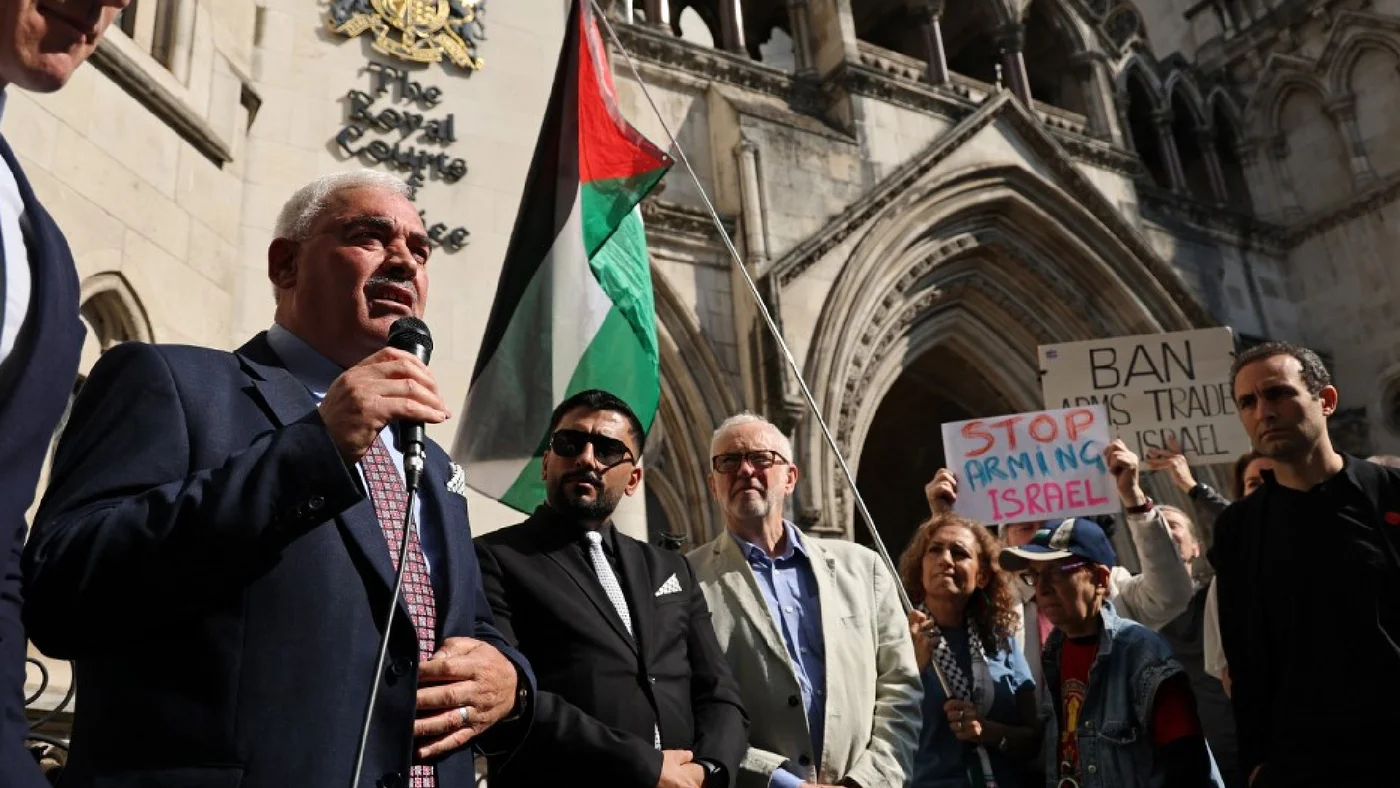
A Palestinian human rights organization, Al-Haq, has been denied permission to appeal a UK court ruling that deemed the indirect export of F-35 fighter jet components to Israel lawful. The case, which was initially brought to the High Court in June, challenged the UK government’s exemption of F-35 parts from a broader suspension of arms export licenses to Israel. The court ruled that the decision fell within the executive branch’s jurisdiction, emphasizing its political sensitivity and accountability to Parliament and the electorate. The court also highlighted the severe implications for UK national security and international peace if the country withdrew from the F-35 program. In October, Al-Haq sought permission to appeal, but the request was rejected. The court maintained that the UK government must balance national security concerns with the foreign secretary’s assessment of Israel’s compliance with international humanitarian law. Despite the suspension of direct arms exports to Israel, a loophole allows UK-made F-35 components to be supplied through a global pool, which Israel can access. These components constitute 15% of every F-35 jet, which Israel has extensively used in Gaza, Lebanon, and Iran. The High Court acknowledged that the Strategic Export Licensing Criteria (SELC) were not applied in this case but deemed the exemption a ‘specific measure in an exceptional case.’ Human Rights Watch (HRW) expressed deep disappointment with the decision, warning that UK components could be implicated in Israeli war crimes, potentially violating both international law and domestic arms licensing conditions. HRW criticized the UK government for prioritizing lucrative arms deals over human rights concerns, citing similar issues in new deals with countries like Turkey.
分类: politics
-
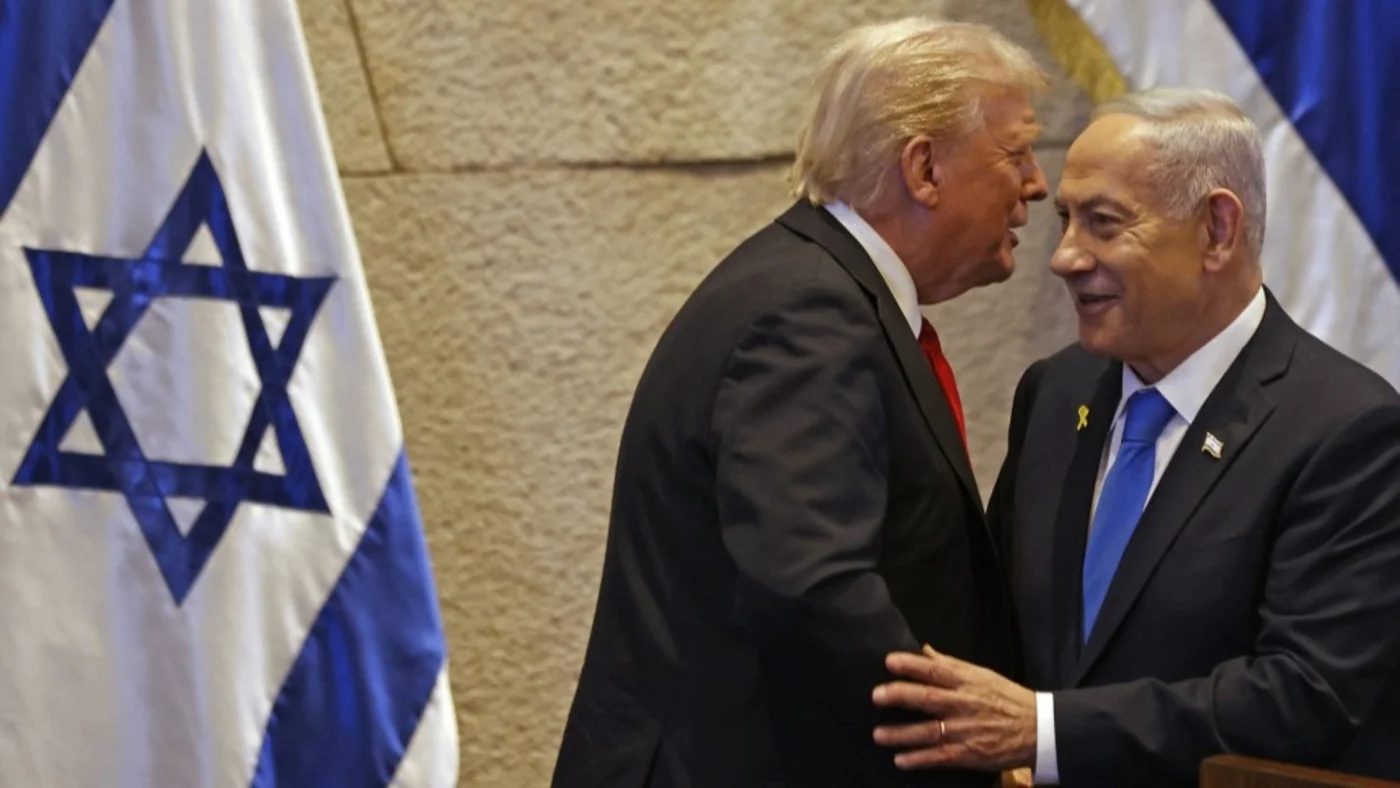
Trump sends Israeli president letter calling for him to pardon Netanyahu
Former U.S. President Donald Trump has publicly appealed to Israeli President Isaac Herzog to grant a full pardon to Prime Minister Benjamin Netanyahu, who is currently embroiled in three separate corruption cases. In a letter addressed to Herzog on Wednesday, Trump lauded Netanyahu’s contributions to fostering peace with Arab nations, a feat he described as a millennia-long aspiration. Trump emphasized Netanyahu’s role as a decisive wartime leader and his ongoing efforts to expand the Abraham Accords, a series of normalization agreements between Israel and several Arab states. He labeled the corruption charges against Netanyahu as politically motivated and unjustified, urging Herzog to end what he termed ‘lawfare’ and allow Netanyahu to unify the nation. Netanyahu faces allegations of fraud, bribery, and breach of trust, including accusations of accepting over $260,000 in luxury gifts from billionaires in exchange for political favors and attempting to influence media coverage. While Herzog possesses the authority to issue pardons, such requests must follow established legal procedures, as reiterated by his office in response to Trump’s appeal. Trump’s repeated calls for Netanyahu’s pardon have drawn criticism from Israeli opposition figures. Netanyahu’s trial has faced multiple delays due to Israel’s military operations in Gaza, Syria, and Iran, as well as his controversial judicial reform proposals, which sparked widespread protests before subsiding after the outbreak of the Gaza war in October 2023.
-
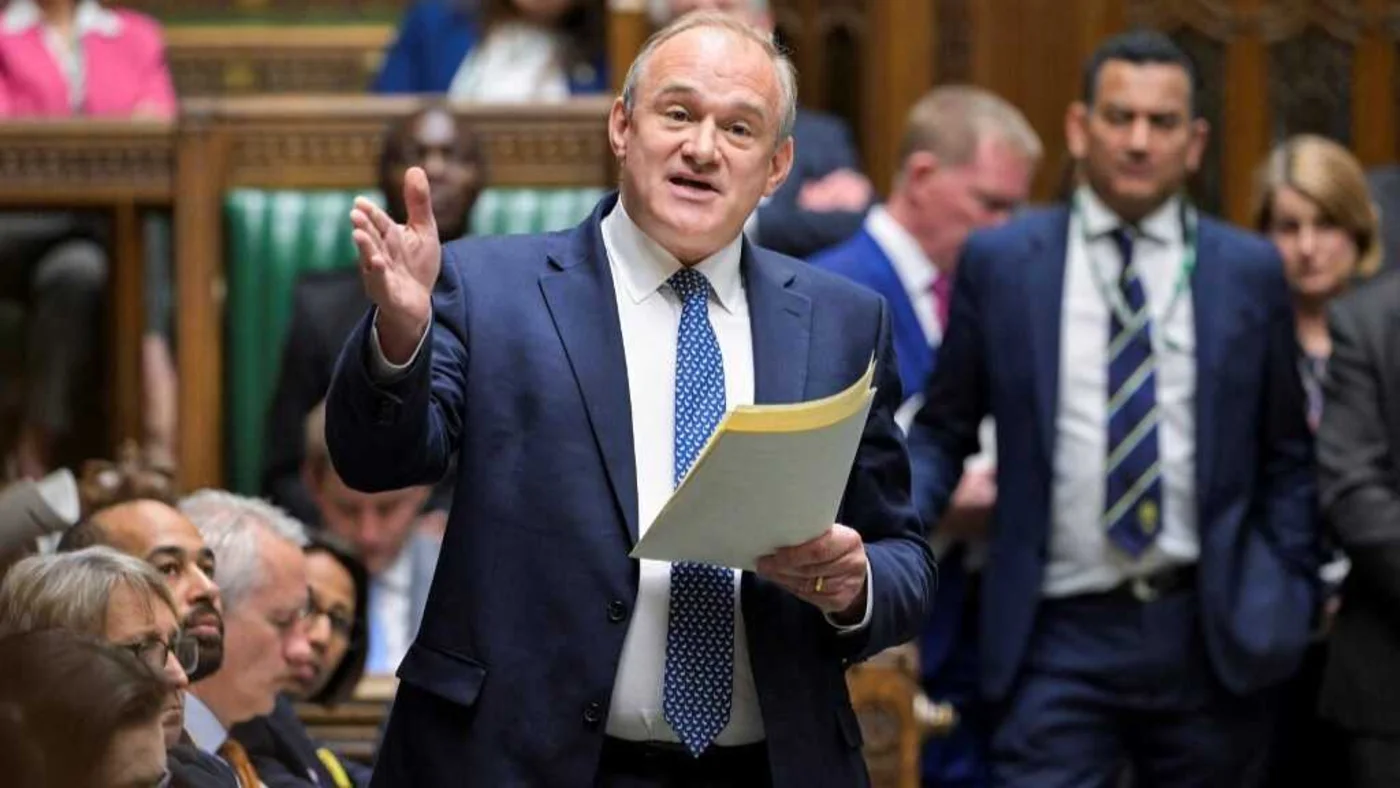
Ed Davey urges PM Starmer to sack BBC board member Robbie Gibb
In a heated parliamentary session, Liberal Democrat leader Ed Davey called on Prime Minister Keir Starmer to dismiss BBC board member Robbie Gibb, citing concerns over the broadcaster’s independence and impartiality. Gibb, a former communications director for Conservative Prime Minister Theresa May, was appointed to the BBC board by Boris Johnson. His tenure has been marred by accusations of political interference in editorial decisions and staff appointments. Davey emphasized the critical importance of the BBC’s neutrality, particularly in light of recent controversies, including a $1 billion lawsuit threat from former US President Donald Trump over the editing of his January 6, 2021, speech for the BBC’s Panorama program. Davey also highlighted the previous Conservative government’s alleged efforts to undermine the BBC, pointing to Gibb’s continued presence on the board as a symbol of this interference. Prime Minister Starmer acknowledged the previous government’s actions but did not commit to removing Gibb. The controversy surrounding Gibb intensified following claims that he has been a driving force behind accusations of systemic bias at the BBC. Additionally, Gibb’s involvement with the Jewish Chronicle, which has been criticized for publishing allegedly fabricated stories about Israel and Gaza, has further fueled calls for his resignation. Over 400 cultural figures have signed a letter demanding his removal, and former Guardian editor Alan Rusbridger has questioned his role on the BBC’s editorial standards committee. The BBC has faced accusations of both pro-Israel and anti-Israel bias, with a recent report from the Centre For Media Monitoring highlighting disparities in coverage of Israeli and Palestinian fatalities. Meanwhile, BBC Middle East editor Raffi Berg is embroiled in a legal battle with journalist Owen Jones over allegations of promoting ‘systematic Israeli propaganda’ within the broadcaster. Berg has denied these claims, but the controversy underscores the ongoing challenges facing the BBC’s credibility and independence.
-
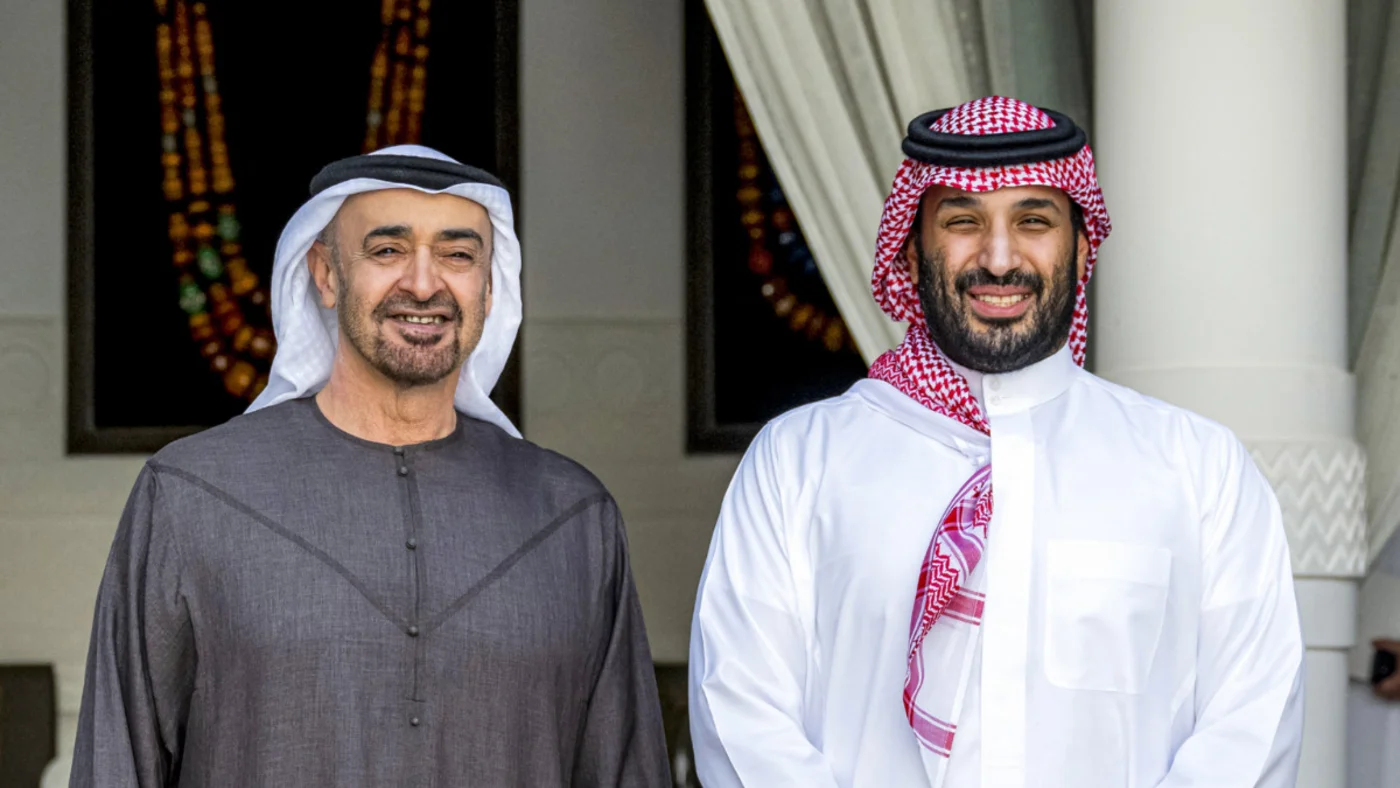
Mohammed bin Salman expected to lobby Trump over UAE role in Sudan, sources say
Saudi Arabia’s Crown Prince Mohammed bin Salman is poised to address the UAE’s support for Sudan’s Rapid Support Forces (RSF) during his upcoming meeting with US President Donald Trump at the White House. This high-stakes diplomatic engagement, confirmed by multiple Arab and Western officials, underscores the escalating tensions in Sudan’s ongoing conflict. The RSF, accused of atrocities including mass killings and rape in North Darfur, has been heavily backed by the UAE through complex supply routes spanning Libya, Chad, and Somalia. Saudi Arabia, positioning itself as a mediator, has sought to counterbalance the UAE’s influence, particularly after the RSF’s recent capture of el-Fasher. The conflict, which erupted in April 2023 between the Sudanese Armed Forces (SAF) and the RSF, has displaced millions and claimed tens of thousands of lives. Despite Saudi Arabia’s efforts to broker peace, the UAE’s continued support for the RSF has strained relations between the two Gulf powers. Crown Prince Mohammed bin Salman’s decision to directly engage Trump reflects both the urgency of the crisis and the UAE’s growing isolation on the issue. Meanwhile, Egypt and Turkey have stepped up military support for the SAF, further complicating the regional dynamics. The upcoming meeting is expected to highlight broader geopolitical tensions, with Saudi Arabia and the UAE increasingly at odds over their strategic interests in the Middle East.
-
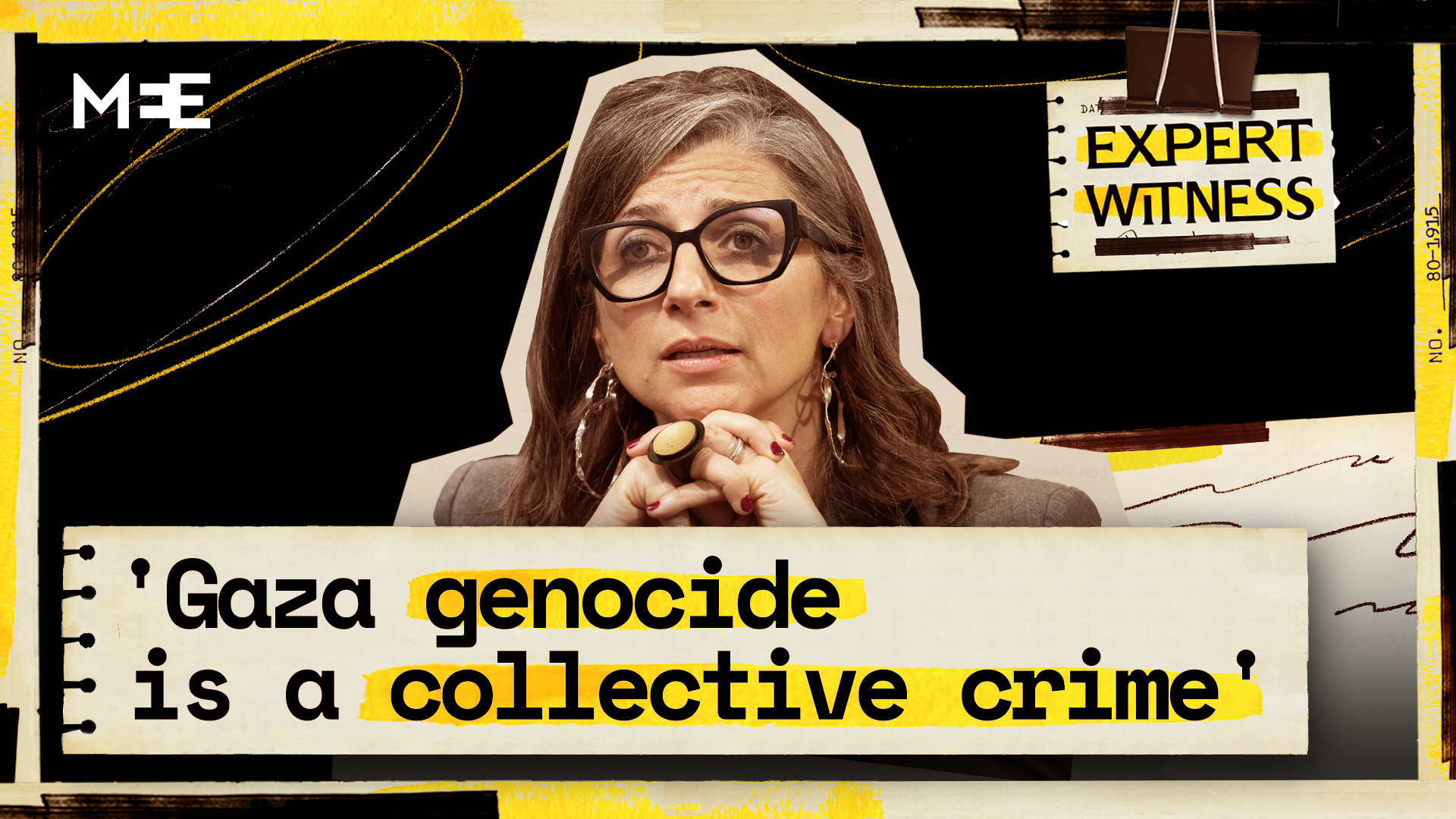
Francesca Albanese: Why I’m accusing 63 nations of complicity in the Gaza genocide
Francesca Albanese, the UN Special Rapporteur on the occupied Palestinian territories, has leveled serious accusations against major European powers, including the UK, Italy, and Germany, for their alleged complicity in the ongoing genocide in Gaza. In a recent interview with the Expert Witness podcast on November 3, Albanese detailed the findings of her latest report, ‘Gaza Genocide: A Collective Crime,’ which implicates 63 states in enabling Israel’s violations of international law. She emphasized that despite overwhelming evidence of atrocities, these nations continue to provide diplomatic, military, and political support to Israel, shielding it from accountability. Albanese specifically criticized UK Prime Minister Keir Starmer for failing to acknowledge the risk of genocide and for his government’s role in perpetuating Israel’s actions. She also condemned the UK’s crackdown on Palestine Action, labeling it as fostering a ‘climate of complicity.’ Additionally, Albanese denounced Germany and Italy for obstructing joint EU action against Israel, noting the historical irony of their positions. She called for legal consequences for government officials involved in these actions and urged the International Criminal Court (ICC) to continue its investigations despite facing sanctions. Albanese’s report underscores the systemic complicity of states in enabling Israel’s actions and calls for urgent international legal intervention to address the ongoing crisis.
-
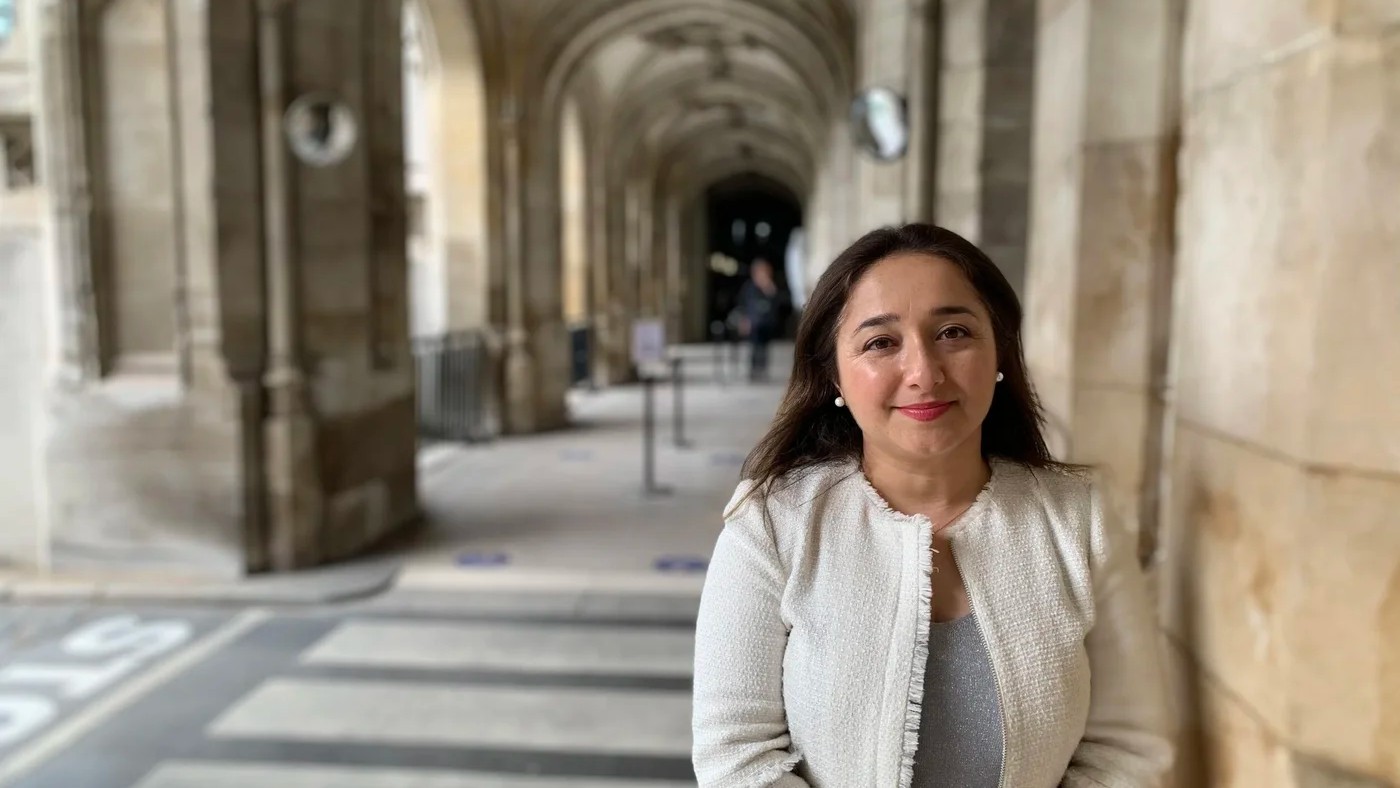
The UK’s first Turkish-Kurdish MP says Britain can help PKK peace process
Feryal Clark, a British Member of Parliament with Turkish and Kurdish roots, has expressed strong support for the ongoing peace process between the Kurdistan Workers’ Party (PKK) and the Turkish government. Describing the initiative as “potentially transformative,” Clark emphasized the UK’s potential role in fostering this historic reconciliation. The PKK, designated as a terrorist organization by Turkey, the EU, and the UK, announced its dissolution in May 2024 following a call from its imprisoned leader, Abdullah Öcalan, urging Kurds to pursue their rights within democratic frameworks. Clark, whose family fled political persecution in Turkey during the 1980s, highlighted the significance of this move in building trust between Kurdish groups and the Turkish state. She noted the remarkable shift in Turkey’s attitude toward its Kurdish population, contrasting the current openness with the oppressive policies of the past, such as the prohibition of Kurdish music and language. Clark also underscored the economic and geopolitical benefits of peace, suggesting that resolving the conflict could attract foreign investment and stabilize the region. Drawing parallels with the Northern Ireland peace process, she advocated for the UK to share its expertise in conflict resolution to support the Turkish-Kurdish dialogue. Clark, the first MP of Turkish descent in the UK, reflected on her dual identity and the importance of cultural representation in politics. She expressed hope that Turkey’s association with the PKK conflict would soon be a thing of the past, paving the way for a more prosperous and inclusive future.
-
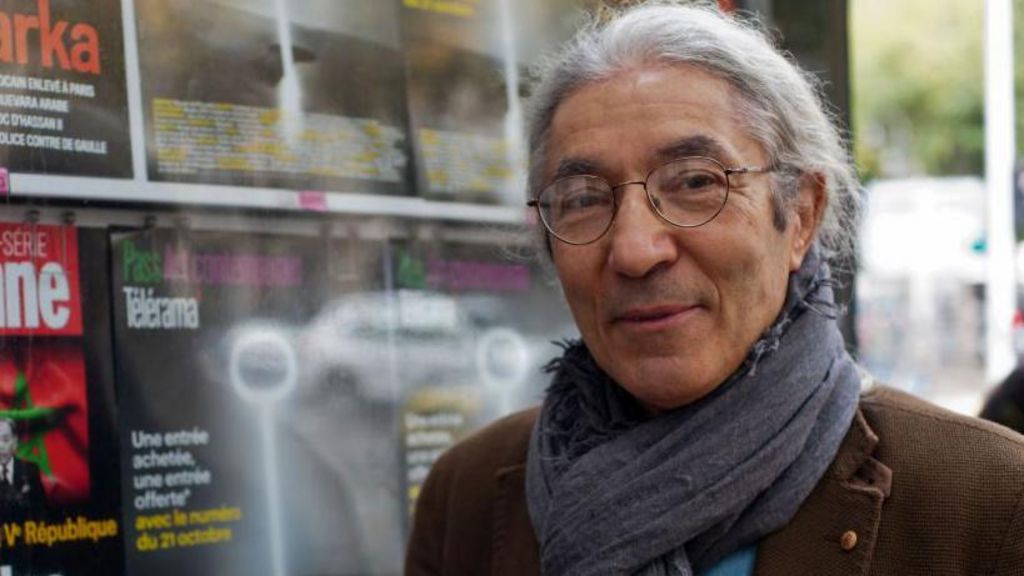
French relief as Algeria frees jailed novelist at centre of diplomatic crisis
In a significant diplomatic development, Algerian President Abdelmadjid Tebboune has granted a pardon to French-Algerian writer Boualem Sansal, allowing him to leave the country nearly a year after his arrest. Sansal, 81, who is battling prostate cancer, was en route to Germany for medical treatment on a military plane on Wednesday evening. His release follows a direct appeal from German President Frank-Walter Steinmeier, who cited Sansal’s advanced age and fragile health as reasons for clemency. Steinmeier acted as a ‘trusted third party’ in the negotiations, leveraging his strong relationship with Algeria’s leader. French President Emmanuel Macron expressed gratitude to Tebboune for this ‘act of humanity,’ emphasizing France’s role in maintaining respect and calm throughout the process. Sansal had been sentenced to five years in prison in July for undermining national unity through remarks questioning Algeria’s borders. His case had exacerbated tensions between France and Algeria, already strained by France’s recognition of Moroccan sovereignty over Western Sahara and other diplomatic spats. The release marks a potential thaw in relations, though tensions persist, particularly over the imprisonment of French sportswriter Christophe Gleizes. French Foreign Minister Jean-Noël Barrot praised diplomatic efforts and expressed hope for Gleizes’s imminent release.
-
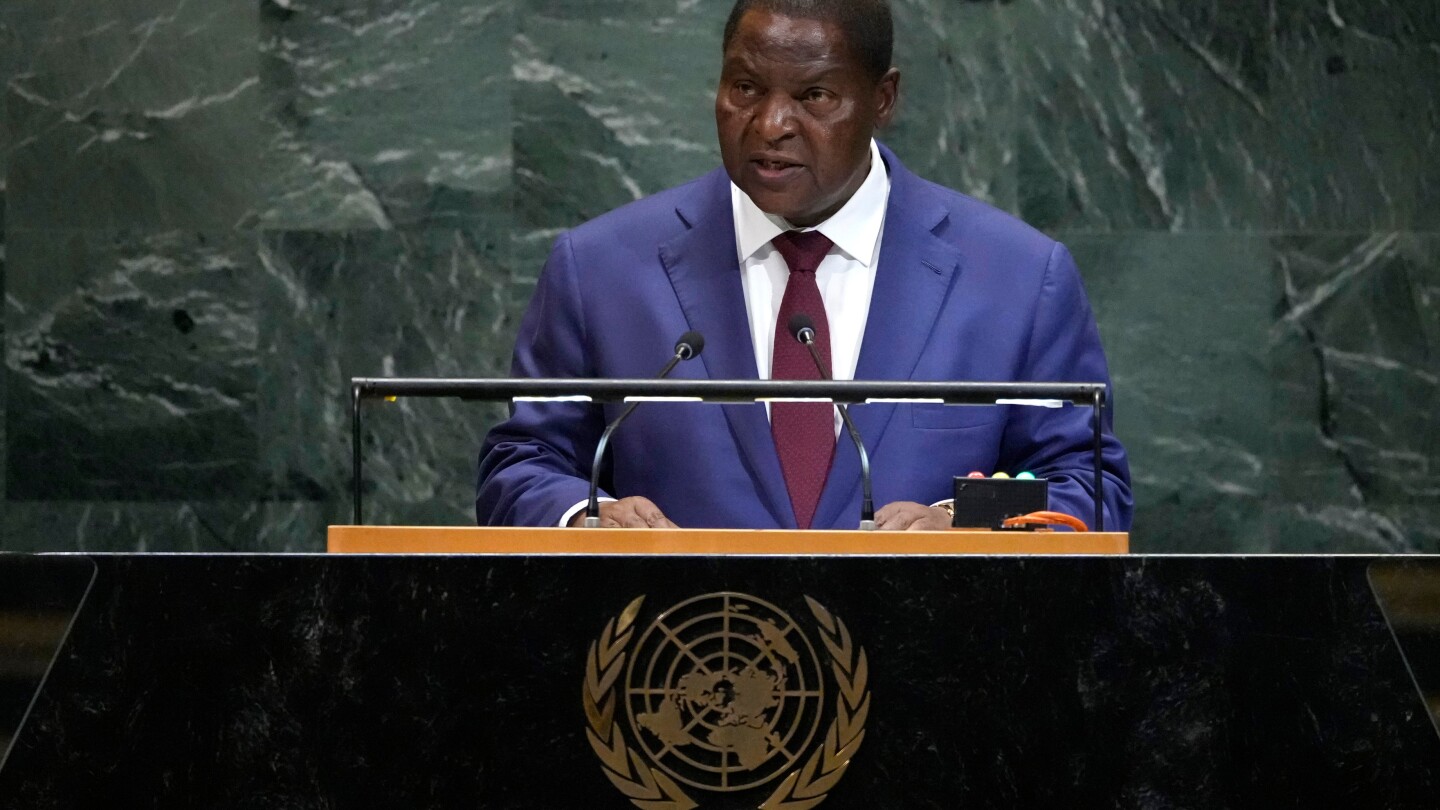
Court hears case to disqualify Central African Republic’s president from December election
In Bangui, the capital of the Central African Republic (CAR), the nation’s constitutional court commenced hearings on Wednesday regarding a petition seeking to bar President Faustin Archange Touadera from contesting the upcoming December presidential election. The petition, lodged by the Observatory for Democratic Governance, a civil society organization, contends that Touadera fails to meet the constitutional prerequisites for presidential candidacy. Elysée Nguimalé, the group’s president, has raised concerns over the origin of Touadera’s name, asserting that it implies an ambiguous lineage. Nguimalé argued that the name ‘Touadera’ in the president’s native tongue translates to ‘a child abandoned by his maternal uncles,’ suggesting an unknown paternal lineage. This, he claims, violates Article 65 of the country’s Family Code, which mandates clear ancestry for presidential candidates. Territorial Administration Minister Bruno Yapandé dismissed the petition as an attempt to ‘sow confusion among the public.’ The court’s decision remains pending, with no clear timeline for a verdict. The controversy unfolds as Touadera seeks a third term, made possible by the abolition of term limits in 2023. The election is set against a backdrop of a lingering security crisis and Touadera’s efforts to secure Russian support. Meanwhile, opposition leader Anicet Georges Dologuélé faces potential statelessness after the government refused to issue him a passport. The final list of candidates for the December 28 election has yet to be released.
-
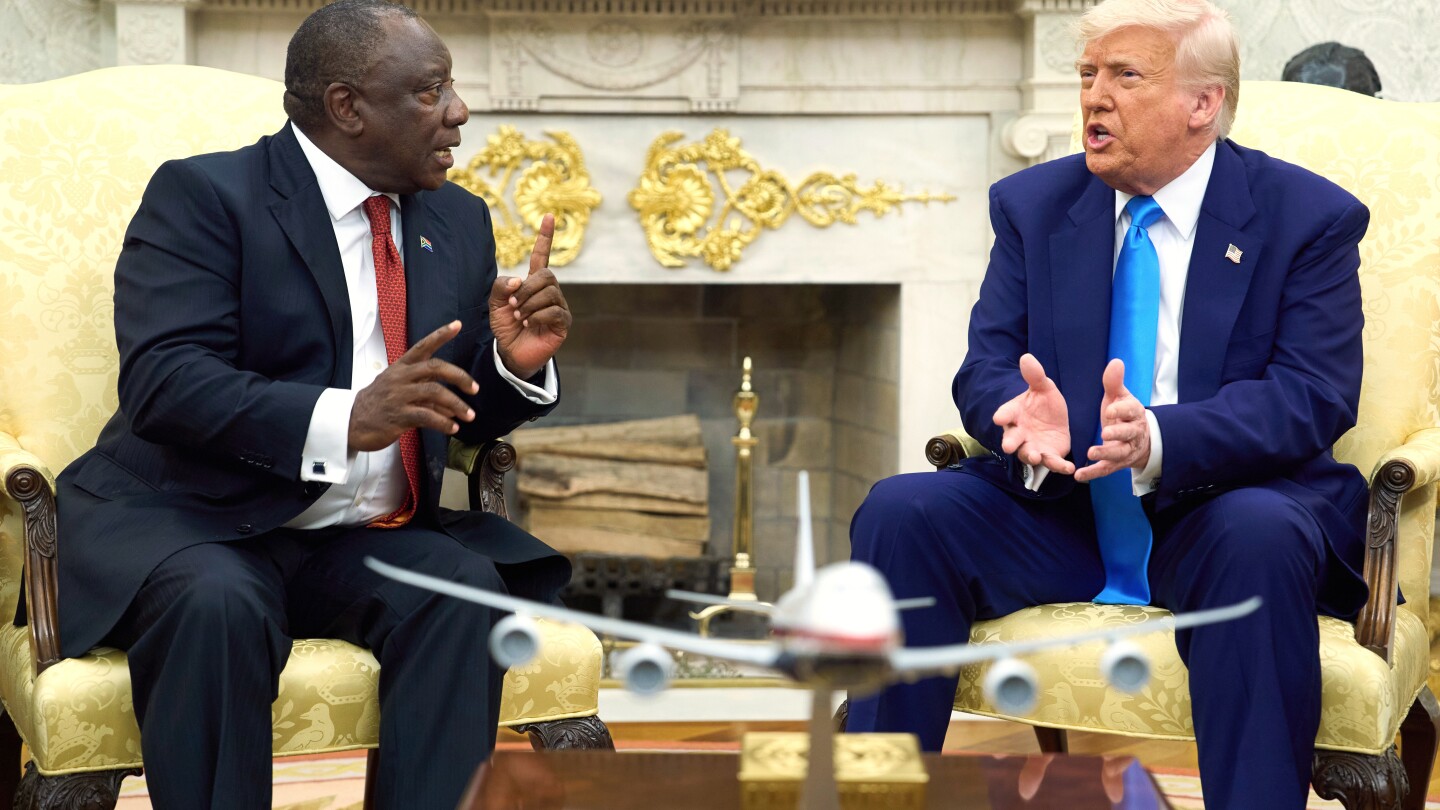
Trump’s decision that the US boycott the G20 summit is ‘their loss,’ South African president says
CAPE TOWN, South Africa — South African President Cyril Ramaphosa has labeled the United States’ decision to boycott the upcoming G20 summit in Johannesburg as “their loss.” The U.S. government’s absence from the November 22-23 meeting of global leaders was announced last week by President Donald Trump, who cited controversial and widely disputed claims about the persecution of South Africa’s white minority. Ramaphosa, speaking outside the South African Parliament on Wednesday, urged the U.S. to reconsider its stance, stating that boycott politics “doesn’t work” in his experience. He emphasized that the G20 summit would proceed as planned, with other heads of state in attendance, and that the U.S. absence would not hinder the event’s outcomes. Trump’s decision follows months of criticism directed at South Africa’s Black-led government, including its stance on Israel and allegations of anti-white racism. Ramaphosa also highlighted the U.S.’s role as the world’s largest economy, suggesting that its absence undermines its global influence. The G20, established in 1999, brings together major economies to address global economic and developmental challenges. The U.S. is set to assume the G20 presidency from South Africa at the end of the year. Trump’s claims about violence against Afrikaners have been echoed by conservative U.S. media figures and South African-born entrepreneur Elon Musk, who has accused the government of racism due to its affirmative action policies. Ramaphosa’s administration has dismissed these allegations as misinformation, while U.S.-South Africa relations have reached their lowest point since the end of apartheid in 1994.
-
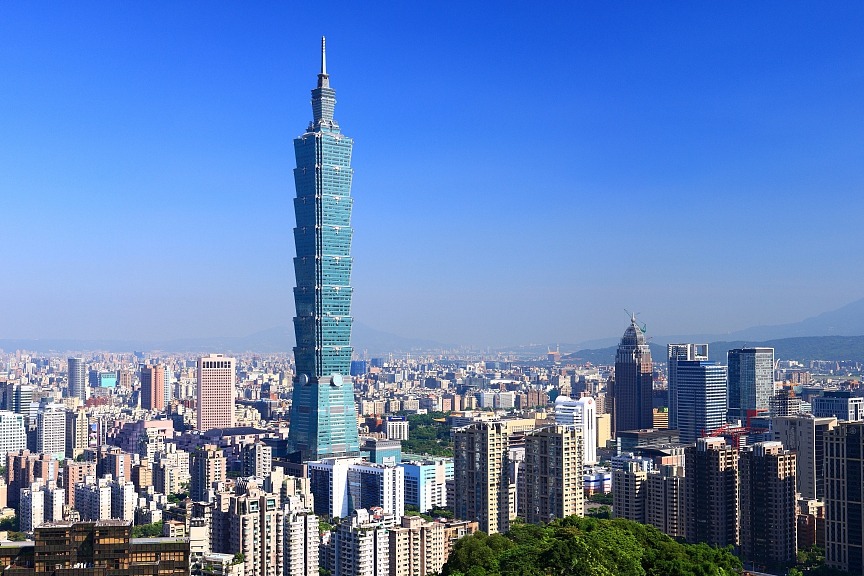
Mainland says reunification to bring better lives for Taiwan people
In a recent statement, Chen Binhua, spokesperson for the State Council Taiwan Affairs Office, emphasized the importance of resolving the Taiwan question and achieving national reunification for the betterment of Taiwan’s development and the well-being of its people. Speaking at a regular press briefing in Beijing, Chen highlighted that both sides of the Taiwan Strait are Chinese and are fully capable of jointly discussing and deciding on internal affairs to ensure the destiny of the Chinese nation remains in the hands of its people. Chen firmly stated that ‘Taiwan independence’ is not a viable path and that confrontation offers no solution. He underscored that advancing cross-Strait relations toward complete reunification is essential for ensuring lasting peace and shared prosperity. The 1992 Consensus, which upholds the one-China principle, was reiterated as the political foundation for cross-Strait relations and a cornerstone for regional peace and stability. Chen noted that this consensus has facilitated talks, agreements, and broad consensus between the two sides, promoting economic and social well-being while maintaining stability. The mainland expressed its willingness to collaborate with all political parties, groups, and individuals in Taiwan who support the one-China principle and oppose ‘Taiwan independence’ to engage in extensive consultations on cross-Strait relations and Taiwan’s future. Chen called on political parties and people from all walks of life in Taiwan to recognize the historical trend, uphold the overall interest of the Chinese nation, and work together with the mainland to safeguard peace and stability in the Strait, paving the way for national rejuvenation and reunification.