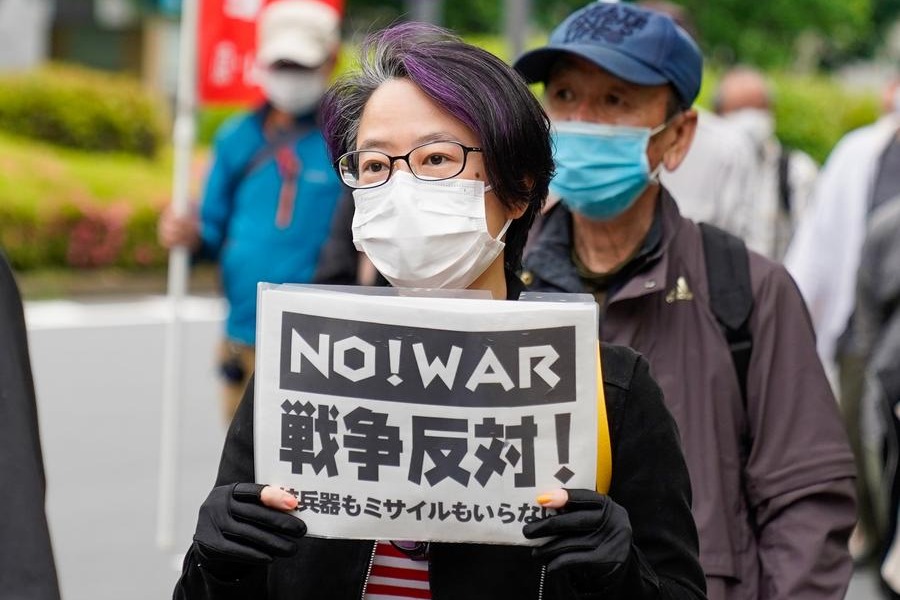
In a significant gathering in Tokyo, anti-war and anti-base organizations from Okinawa Prefecture voiced their apprehensions about Japan’s escalating military expansion in the region. The seminar, held on Friday, drew over 230 attendees, including members of the Japanese parliament, Okinawa Prefectural Assembly representatives, and local citizens. They collectively expressed profound dissatisfaction and concern over the deteriorating security environment in Okinawa and the broader Ryukyu Islands. Mizuho Fukushima, leader of Japan’s Social Democratic Party, criticized Prime Minister Sanae Takaichi’s characterization of a ‘Taiwan contingency’ as a ‘survival-threatening situation,’ labeling it as illogical. Fukushima emphasized that Japan, including Okinawa and Kyushu, is increasingly being militarized, a trend that must be halted to prevent the nation from becoming a battlefield. Yoichi Iha, former mayor of Ginowan City and a member of the House of Councillors, accused the government of exacerbating tensions by increasing reliance on U.S. military bases and accelerating military buildup. Yukako Sonan, a representative from Miyako Island, highlighted the close proximity of civilian and military facilities on small islands, warning that ordinary citizens would inevitably suffer in the event of conflict. Participants stressed the urgent need to prevent the southwestern islands from becoming war zones and to avert further deterioration of the regional security situation.
分类: politics
-
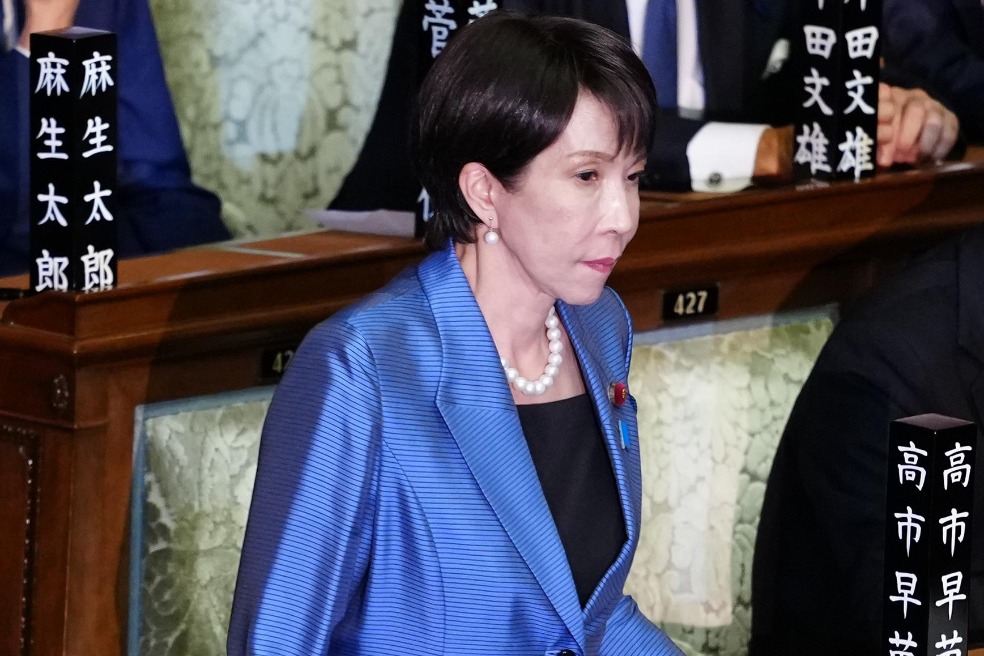
Outrage, rebuke from across China as Japanese PM’s erroneous remarks boil over
China has expressed widespread outrage and condemnation in response to recent remarks made by Japanese Prime Minister Sanae Takaichi regarding Taiwan. At a Diet meeting last week, Takaichi suggested that China’s potential use of force against Taiwan could pose a ‘survival-threatening situation’ for Japan, hinting at the possibility of military intervention in the Taiwan Strait. Her refusal to retract these comments has further escalated tensions. The People’s Liberation Army Daily, in a front-page commentary, denounced Takaichi’s remarks as historically ignorant and reflective of Japan’s right-wing ambitions to interfere militarily in Taiwan. The article emphasized that Japan’s alleged ‘survival-threatening situation’ is a pretext rooted in its militaristic past, which has caused immense suffering across Asia. Defense Ministry spokesman Jiang Bin warned that any Japanese intervention in Taiwan would result in a ‘crushing defeat’ by the People’s Liberation Army. The People’s Daily highlighted that Takaichi’s comments mark the first time since 1945 that a Japanese leader has officially linked Taiwan’s security to Japan’s collective self-defense, signaling a dangerous resurgence of militarism. Cai Liang, head of the Center for Northeast Asian Studies, criticized Takaichi’s remarks as a regression in Japan’s stance on Taiwan, violating China’s sovereignty and alarming the international community. Former Kuomintang chairperson Hung Hsiu-chu condemned Japan’s historical arrogance and interference, emphasizing that Taiwan is no longer a Japanese colony. Chinese netizens and officials have also voiced strong opposition, with the Ministry of Foreign Affairs advising Chinese citizens against traveling to Japan due to heightened risks. Vice-Foreign Minister Sun Weidong summoned the Japanese ambassador to demand an immediate retraction of the remarks, while State Council Taiwan Affairs Office spokesman Chen Binhua reiterated China’s unwavering stance against foreign interference in cross-Strait affairs.
-
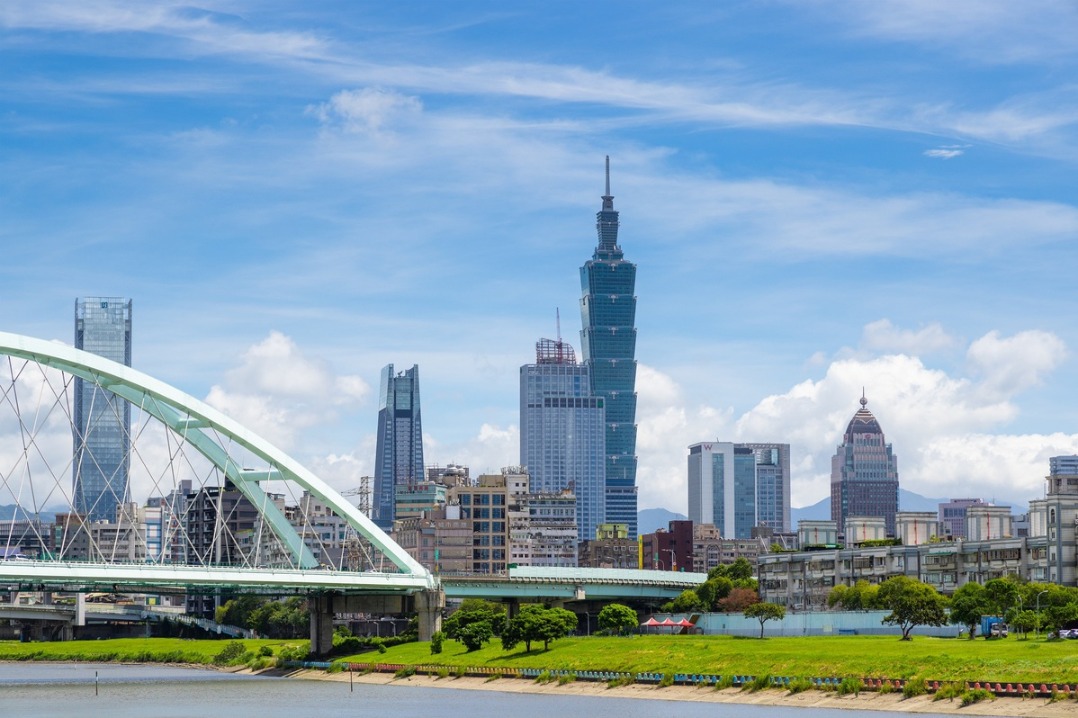
Taiwan youths discuss paths to peaceful reunification
In a significant gathering hosted by the Sanhe Practice Institute, a prominent Taiwanese think tank, young scholars and representatives from various sectors convened on Saturday to deliberate on the future of cross-Strait relations. The forum, held in Taipei, centered on the pressing question: ‘In this pivotal era of the Chinese nation’s rejuvenation, what path should Taiwan take?’
Mao Zhi-yuan, a young participant, emphasized that reunification is an inevitable historical process. ‘The people of Taiwan must actively engage in advancing negotiations and propose solutions for peaceful reunification that align with Taiwan’s best interests,’ he stated.
Tan Chuan-shao, a member of Taiwan’s New Party, outlined a three-step strategy for achieving peaceful reunification. He urged Taiwanese citizens to recognize the urgency of addressing cross-Strait relations, foster open dialogue to enhance public understanding, and present Taiwan’s unique proposals for reunification. ‘It is imperative for the current generation to take the lead in pursuing peaceful reunification, rather than burdening future generations,’ Tan asserted.
Lin Wun-hau, a Taiwanese youth with experience living in both Xiamen and Jinmen, highlighted Jinmen’s transformation from a conflict zone to a hub of cross-Strait exchange as a model for future relations. ‘Jinmen’s journey demonstrates that integration with the mainland does not erode identity but offers a path to harmonious coexistence,’ Lin explained.
Su Heng, another participant, echoed this sentiment, stating, ‘Reunification is not an endpoint but a new beginning. It will not diminish Taiwan but strengthen it.’
The forum underscored the growing momentum among Taiwan’s younger generation to actively shape the future of cross-Strait relations, emphasizing dialogue, cooperation, and mutual benefit as the foundation for peaceful reunification.
-
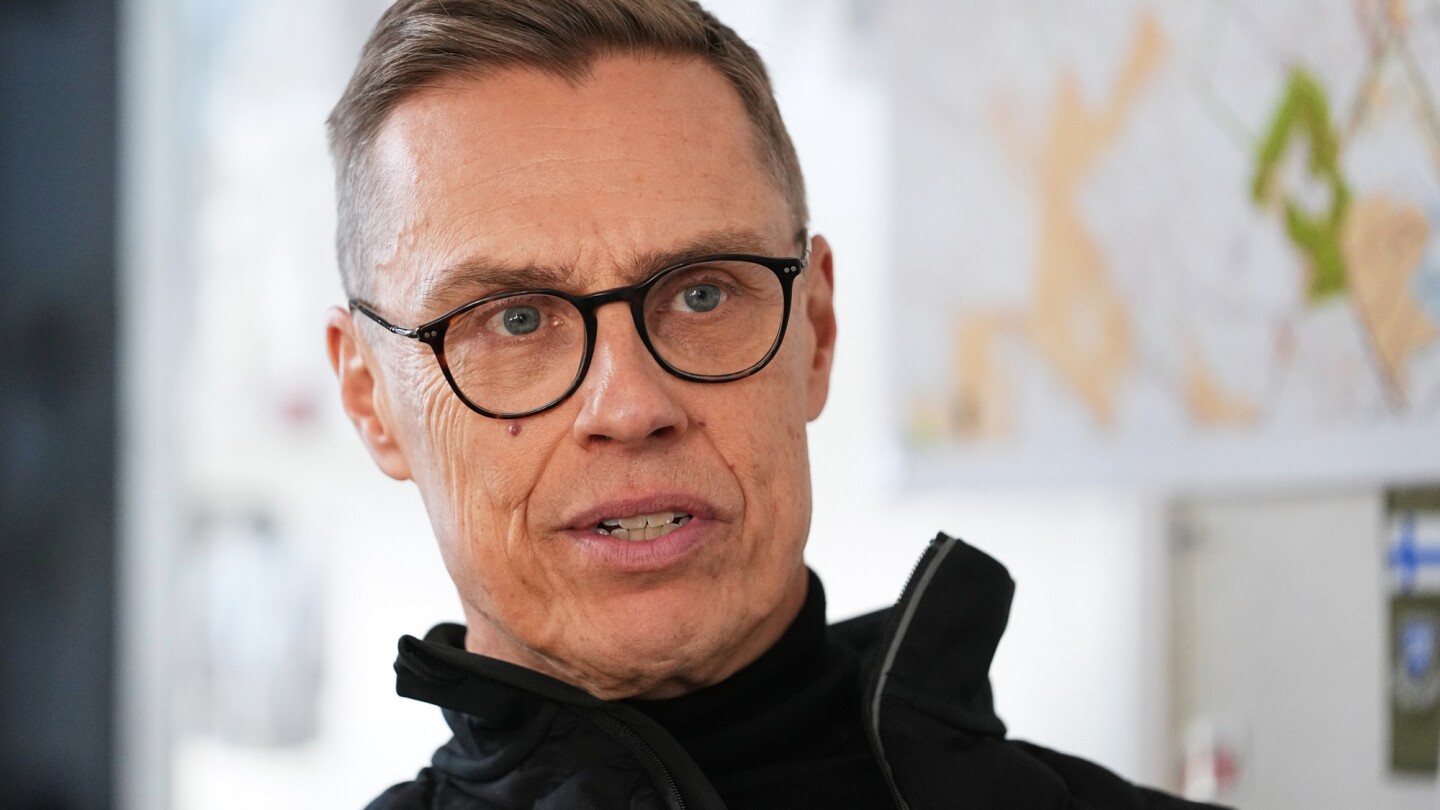
Finland’s president urges Europe to hold its nerve as he warns no ceasefire likely soon in Ukraine
In a recent interview with The Associated Press, Finnish President Alexander Stubb emphasized that a ceasefire in Ukraine is unlikely before spring, urging European allies to maintain their support despite a corruption scandal in Kyiv. Stubb highlighted the need for ‘sisu’—a Finnish term embodying endurance, resilience, and grit—to navigate the winter months as Russia continues its hybrid attacks and information warfare across Europe. As a key mediator between U.S. President Donald Trump and Ukrainian President Volodymyr Zelenskyy, Stubb leverages his unique position to advocate for Ukraine. Finland, which shares a 1,340-kilometer border with Russia, reversed its long-standing military neutrality after Russia’s full-scale invasion of Ukraine, joining NATO in response. Stubb stressed the importance of addressing Ukraine’s security guarantees, economic recovery, and territorial claims to achieve peace. He also praised Trump’s sanctions on Russian energy companies but called for further military support to Ukraine. Stubb warned that Russia’s destabilizing tactics in Europe, including drone incursions and sabotage campaigns, require a calm and resilient response. He underscored the necessity of international pressure on Russian President Vladimir Putin to alter his strategic objectives, which continue to threaten Ukraine’s sovereignty.
-
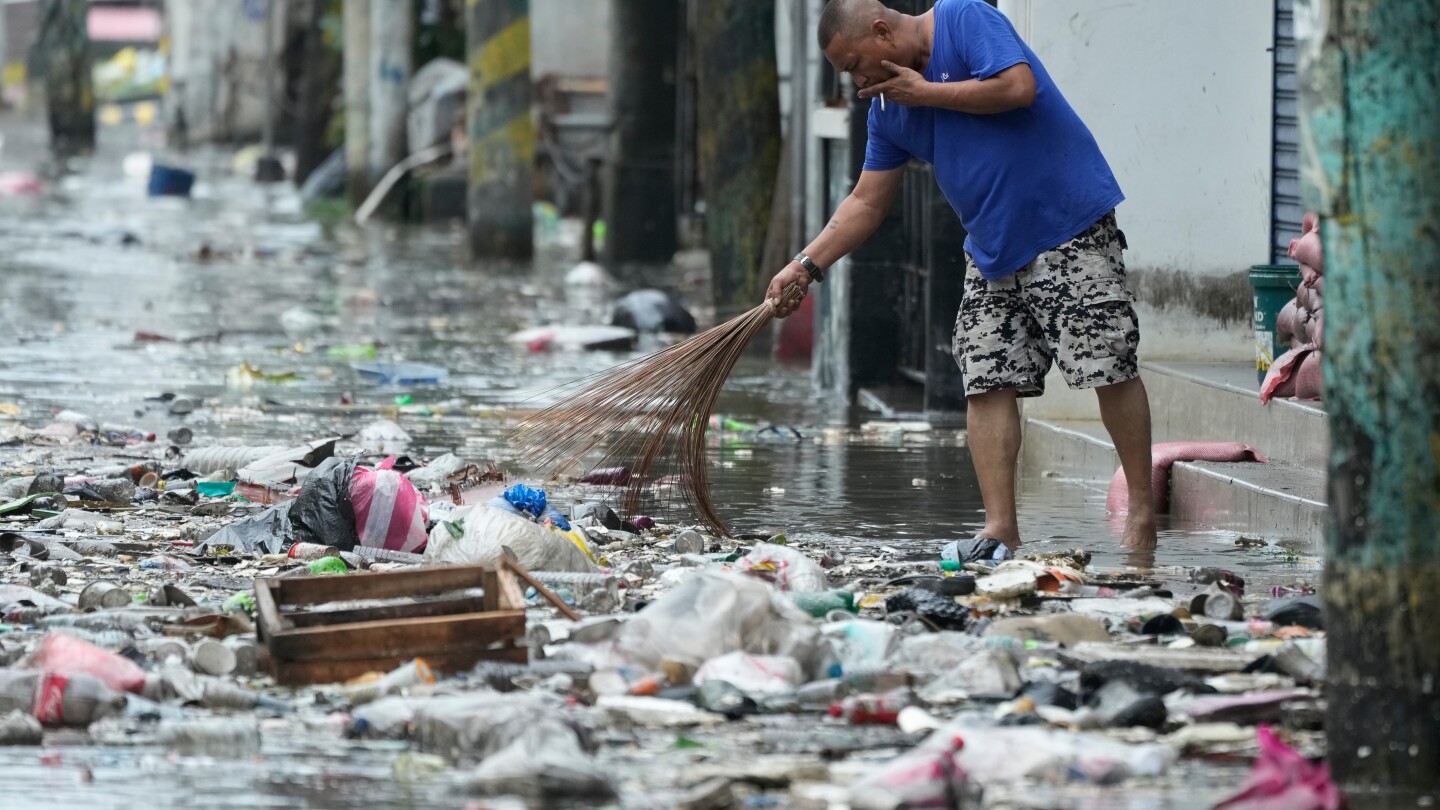
Tens of thousands rally in Manila over corruption scandal that implicates top Philippine officials
Thousands of protesters gathered in Manila, Philippines, on Sunday for a three-day rally organized by the influential religious group Iglesia Ni Cristo (Church of Christ). The demonstration aimed to demand accountability in a widespread corruption scandal involving flood-control projects, which has implicated high-ranking government officials and members of Congress. The scandal, which erupted in recent months, revealed that numerous flood defense projects were either constructed with substandard materials or never existed, despite billions of pesos allocated for their completion. Construction companies allegedly paid hefty kickbacks to politicians and officials to secure lucrative contracts and evade scrutiny. Police estimated that 27,000 participants, many dressed in white and carrying anti-corruption placards, assembled at Rizal Park. Additional protests were scheduled later in Quezon City. The rally follows President Ferdinand Marcos Jr.’s pledge to jail those implicated in the scandal by Christmas. Marcos has established an independent commission that has already filed criminal complaints against 37 suspects, including lawmakers and business executives. The scandal has sparked public outrage in a country frequently devastated by typhoons and flooding, with two recent storms claiming over 259 lives. The military and police, on high alert, ensured the rally remained peaceful, contrasting with a violent September protest near the presidential palace that injured over 100 officers. The Iglesia Ni Cristo, known for its bloc voting power, has become a significant force in Philippine politics, often courted by candidates during elections.
-
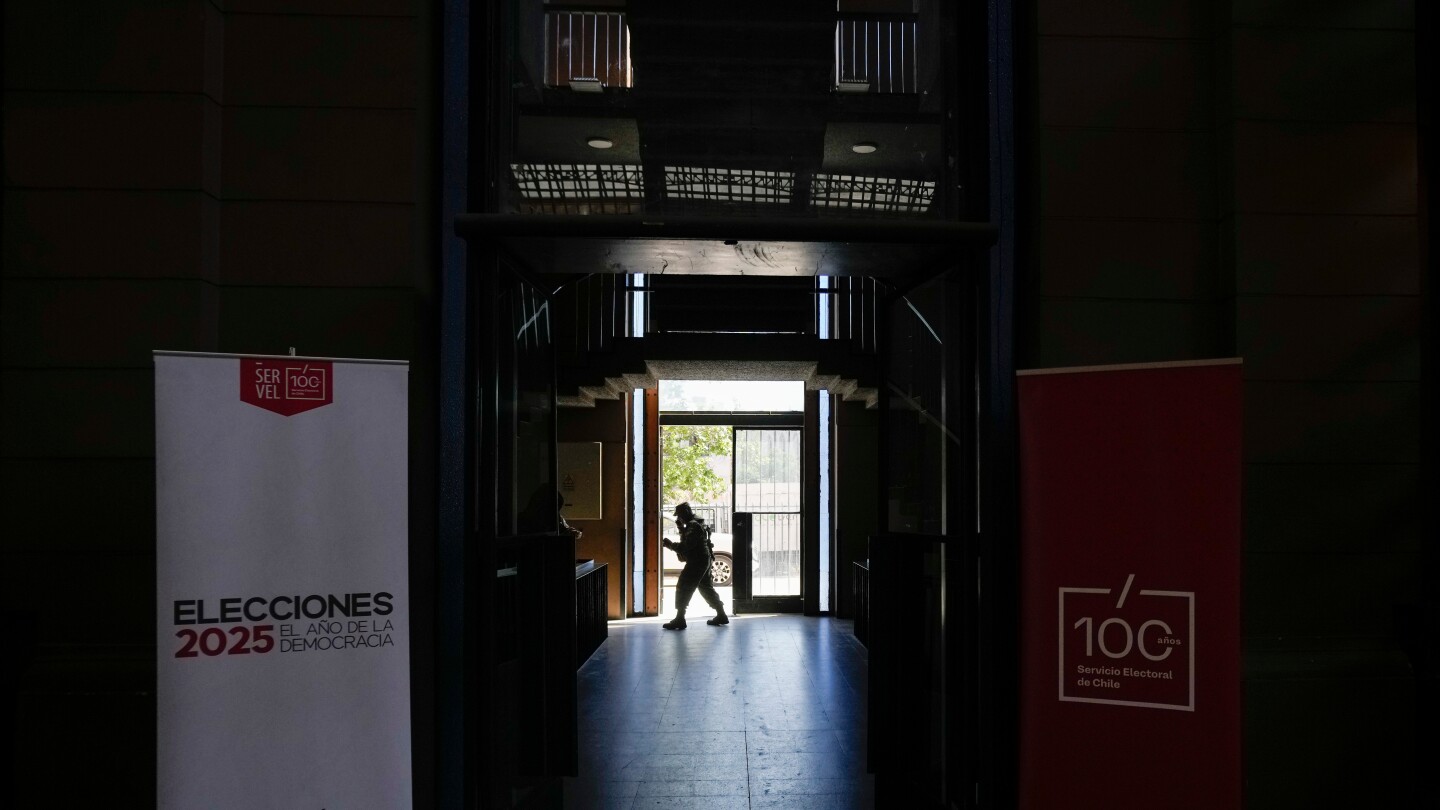
In a Chile fearful of crime, a presidential vote pits a communist against the far right
Chileans head to the polls on Sunday for a pivotal presidential and parliamentary election, with the race dominated by concerns over organized crime and immigration. The contest, likely to require a runoff on December 14, pits two starkly opposed candidates against each other: Jeannette Jara, a communist former labor minister, and José Antonio Kast, an ultraconservative lawyer. Both have shifted their campaigns to address the shared theme of public insecurity, reflecting widespread voter anxiety over rising gang-driven crime and illegal immigration from Venezuela. The election marks the first time in Chile’s history that voting is mandatory, potentially reshaping the political landscape with millions of new voters. The outcome could hinge on who convinces the electorate they are toughest on crime and immigration, with Kast proposing a border wall and mass deportations, while Jara focuses on building new prisons and expelling foreign criminals. The election also renews the lower house of Congress and part of the Senate, with 15.7 million eligible voters, including over 800,000 immigrants. Economic issues, such as high unemployment and sluggish growth, further complicate the race, as candidates propose divergent solutions to revive the economy. The election stands in stark contrast to 2021, when Chile elected its youngest-ever president on promises of sweeping social change, but economic constraints have since tempered those ambitions.
-
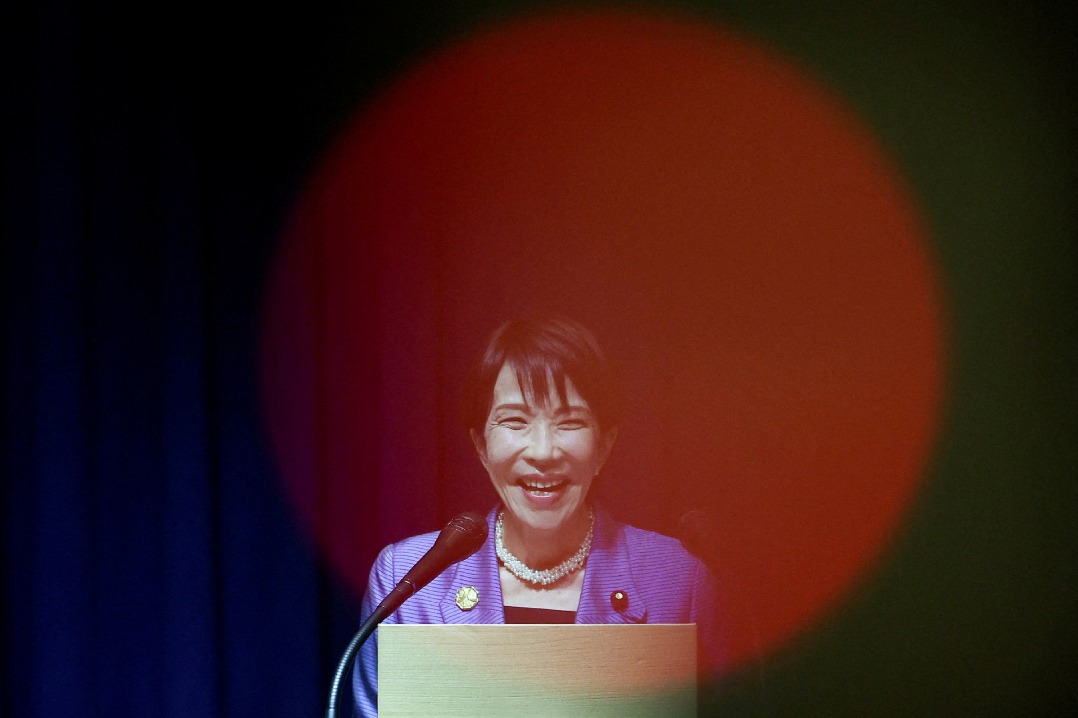
Japan PM’s attempts to alter non-nuclear principles to draw backlash: media
Japanese Prime Minister Sanae Takaichi is reportedly considering a revision of Japan’s long-standing Three Non-Nuclear Principles, a move that is expected to provoke significant backlash both domestically and internationally. According to Kyodo News, Takaichi is particularly focused on altering the third principle, which currently prohibits the introduction of nuclear weapons into Japanese territory. This potential shift in policy is part of an update to Japan’s National Security Strategy and related documents, last revised in 2022. The Three Non-Nuclear Principles, established in 1967 by then-Prime Minister Eisaku Sato, have been a cornerstone of Japan’s national security policy, emphasizing the non-possession, non-production, and non-introduction of nuclear weapons. While Takaichi has no plans to change Japan’s stance on not possessing or producing nuclear weapons, she argues that the current restrictions could hinder U.S. nuclear-armed vessels from making port calls, thereby weakening U.S. nuclear deterrence. However, this proposed amendment has drawn criticism, with an editorial in the Asahi Shimbun emphasizing that the principles are deeply rooted in Japan’s history as a nation that suffered atomic bombings and enjoy widespread public support. The editorial cautioned that any changes to this policy should not be made hastily or unilaterally by the Prime Minister.
-
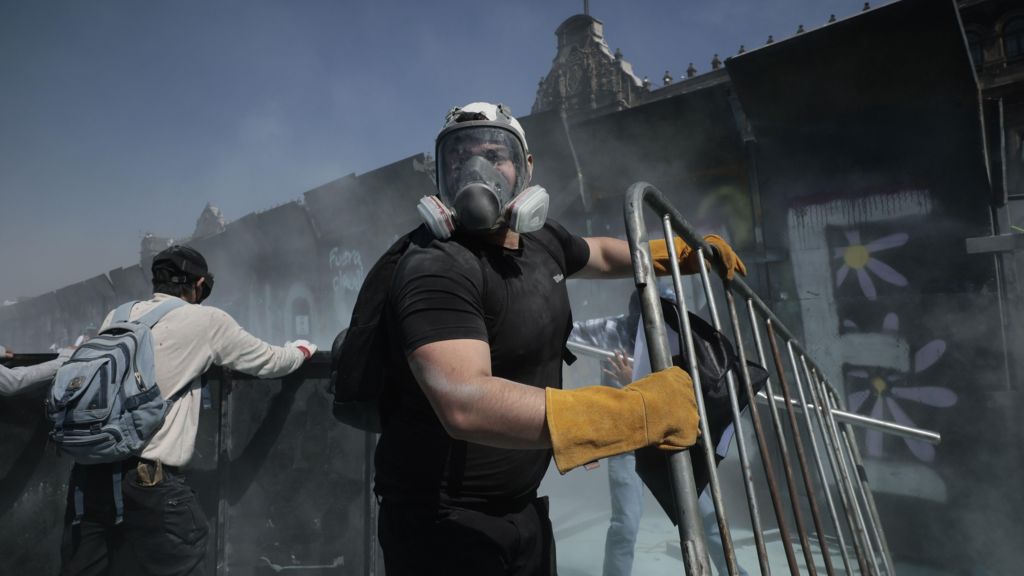
Thousands protest against government in Mexico as clashes leave 120 injured
Mexico City witnessed violent confrontations on Saturday as thousands of demonstrators clashed with police during anti-government protests. The protests, organized by Gen Z youth groups, were fueled by rising public anger over violent crime and the recent assassination of Uruapan Mayor Carlos Manzo, a vocal critic of drug cartels. At least 120 people, including 100 police officers, were injured in the unrest. Protesters dismantled parts of a barrier protecting the National Palace, prompting police to deploy tear gas to disperse the crowds. Authorities arrested 20 individuals for crimes such as robbery and assault. Protesters carried banners with messages like ‘We are all Carlos Manzo’ and wore cowboy hats in his honor. Manzo, who was shot dead on November 1 during a Day of the Dead festival, had been a prominent advocate for tougher action against cartel violence. President Claudia Sheinbaum, who has resisted calls for an all-out war on drugs, accused right-wing politicians of funding the protests and claimed the demonstrations were promoted by online bots. Despite her efforts to combat fentanyl trafficking and maintain a 70% approval rating, Sheinbaum faces criticism for failing to curb the country’s escalating violence. The protests also highlighted Mexico’s strained diplomatic relations, particularly with Peru, which recently declared Sheinbaum persona non grata following Mexico’s decision to grant asylum to a former Peruvian prime minister implicated in a 2022 coup attempt.
-

‘We’re just going to go through this again’: Americans fear second government shutdown
Beth Johnson, a military wife and mother of two, is no stranger to the challenges of frequent relocations due to her husband’s service. However, the recent 43-day U.S. government shutdown brought a new level of anxiety she wasn’t prepared for. As one of millions of Americans affected, she breathed a sigh of relief when Congress reached a temporary funding agreement earlier this week. Yet, with the deal set to expire in January, the specter of another shutdown looms large. ‘The uncertainty is crippling,’ Johnson said, emphasizing the strain on families reliant on federal income. The shutdown, the longest in U.S. history, left 1.3 million active-duty military personnel and over 1.4 million federal employees without pay, forcing families to make difficult financial decisions. Johnson’s son even offered to forgo Christmas gifts, saying, ‘It’s okay, we don’t need them.’ The temporary funding agreement ensures federal workers will be paid for the shutdown period and extends the Supplemental Nutrition Assistance Program (SNAP) until September 2024. However, health-insurance subsidies, a key sticking point for Democrats, were excluded, leaving many families like Sierra Bird’s in Florida to navigate ongoing stress. Bird, a mother of four dependent on SNAP, survived the shutdown but now plans to stockpile food in anticipation of another. Meanwhile, Sarah, an archaeologist furloughed during the shutdown, returned to work but remains cautious, delaying expenses and preparing for potential January disruptions. As the countdown to the next funding deadline begins, families like Johnson’s are tightening their belts, saving diligently, and hoping for stability in an increasingly uncertain political climate.
-
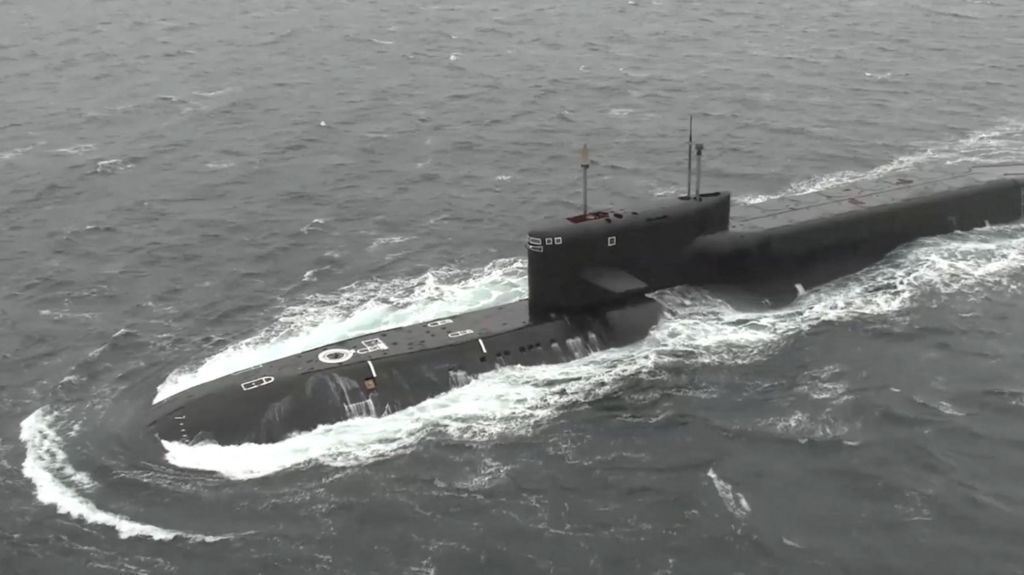
The US will help South Korea build nuclear ‘attack’ submarines – here’s what that means
In a landmark move to bolster regional security, South Korea and the United States have finalized an agreement to jointly develop nuclear-powered submarines. The White House confirmed the partnership on Thursday, highlighting that the US has approved the construction of ‘attack submarines’ and will collaborate on sourcing nuclear fuel. This agreement signifies a deepening of the strategic alliance between the two nations, particularly as tensions escalate on the Korean Peninsula with North Korea’s nuclear ambitions and China’s expanding influence in the region. The deal follows a broader trade agreement reached last month, which reduced reciprocal tariffs between the two countries from 25% to 15%. US President Donald Trump had initially imposed a 25% tariff on South Korea earlier this year, but negotiations led by South Korean President Lee Jae Myung resulted in a reduction, contingent on Seoul’s commitment to invest $350 billion in the US, including $200 billion in cash and $150 billion in shipbuilding. The White House statement emphasized that the US would work closely with South Korea to advance the submarine project, including securing fuel sources. Trump also revealed on his social media platform, Truth Social, that the submarines would be constructed at a Philadelphia shipyard owned by South Korean conglomerate Hanwha. Currently, only six nations—the US, China, Russia, the UK, France, and India—possess nuclear-powered submarines. South Korea, which already operates a fleet of 20 diesel-powered submarines, views this development as a significant upgrade in its defense capabilities. Nuclear submarines offer greater speed, range, and stealth, enabling South Korea to counter North Korea’s growing nuclear threat more effectively. South Korean Defense Minister Ahn Gyu-back described the submarines as a ‘proud achievement’ and a critical step in strengthening national defense. However, experts caution that while the submarines enhance South Korea’s military posture, they may not drastically alter the balance of power on the Korean Peninsula. Dr. Yang Uk of the Asan Institute for Policy Studies noted that the submarines primarily serve to reassure South Korean voters of their government’s response to North Korea’s nuclear arsenal. Meanwhile, China has expressed concern over the agreement, with Ambassador Dai Bing urging Seoul to handle the matter ‘prudently.’ The deal also underscores the ongoing strategic competition between the US and China in the region, with South Korea navigating a delicate geopolitical balance. As the agreement moves forward, the next step involves revising the nuclear cooperation framework between the US and South Korea to facilitate the transfer of nuclear fuel and establish military usage guidelines.