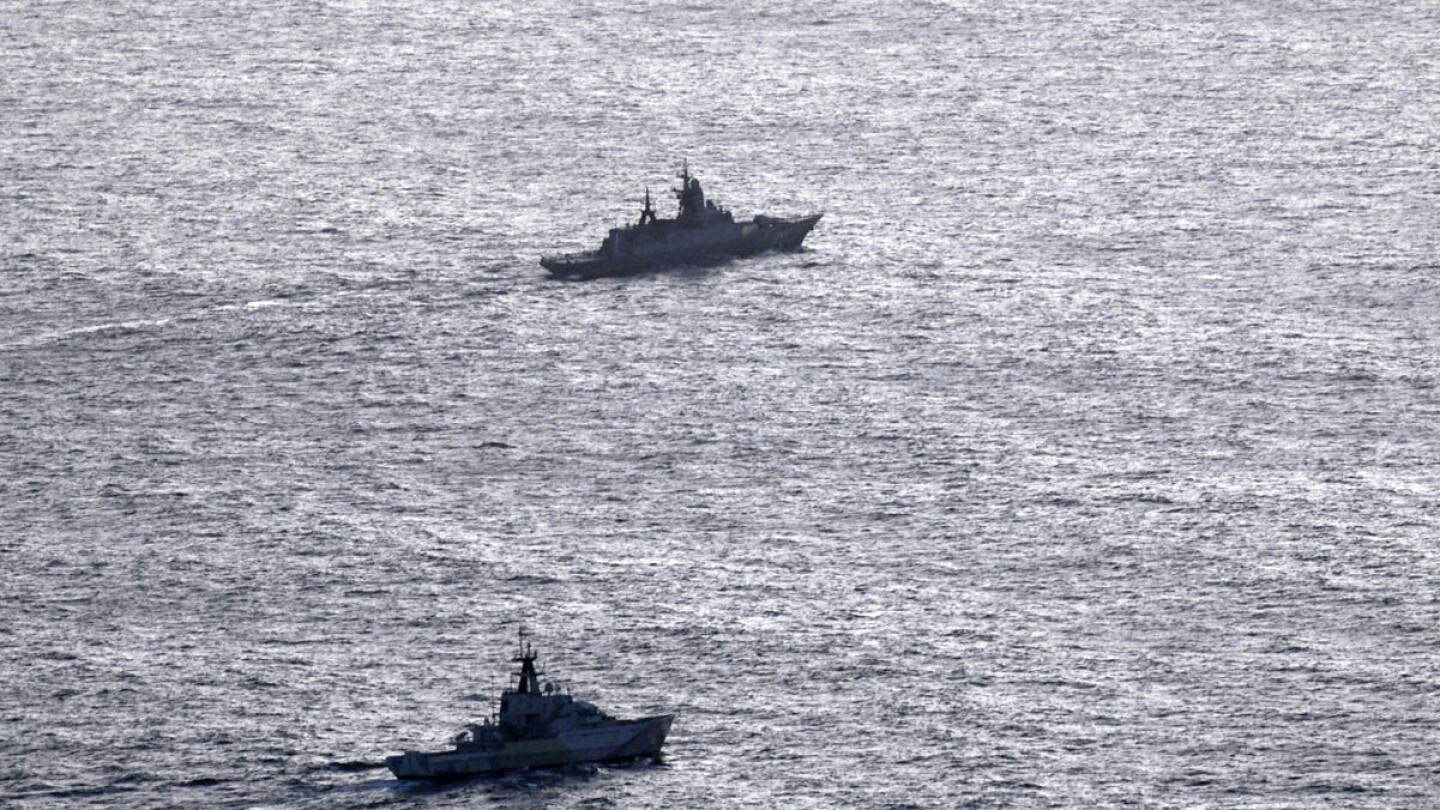
In a significant escalation of maritime tensions, a UK patrol ship intercepted a Russian corvette and tanker as they navigated the English Channel, the UK Defense Ministry reported on Sunday. The HMS Severn shadowed the Russian vessels, the RFN Stoikiy and Yelnya, before transferring monitoring responsibilities to an unnamed NATO ally near Brittany. This incident underscores a 30% surge in Russian naval activity around UK waters over the past two years, according to official statements.
分类: politics
-
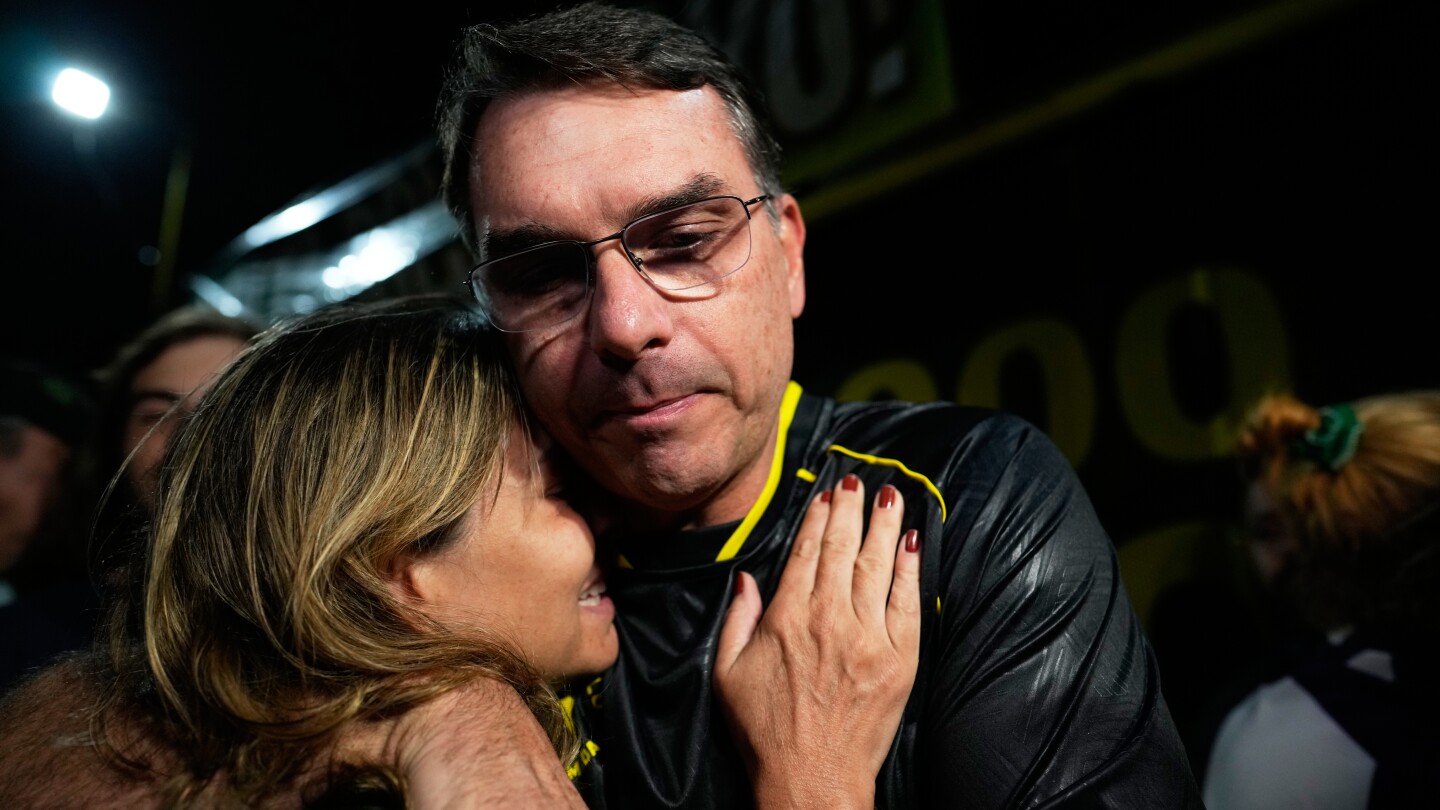
Brazil’s Bolsonaro to meet a judge a day after his early arrest
Former Brazilian President Jair Bolsonaro is set to meet with a judge on Sunday to deliberate the legality of his preemptive imprisonment at federal police headquarters in Brasilia. This meeting follows Supreme Court Justice Alexandre de Moraes’ order for Bolsonaro’s detention on Saturday, citing him as a flight risk after his ankle monitor was reportedly violated early that morning. Bolsonaro’s incarceration comes just before he is due to begin a 27-year prison sentence, following a September ruling by Brazil’s Supreme Court that he attempted to orchestrate a coup to retain the presidency after losing the 2022 election to Luiz Inácio Lula da Silva. The same judicial panel will review the preemptive arrest order on Monday. Despite procedural nature of Sunday’s meeting, Bolsonaro’s legal team plans to argue for house arrest based on his health concerns, a request previously denied by Justice de Moraes. Meanwhile, Bolsonaro has been permitted visits from his wife, former first lady Michelle Bolsonaro, who was absent during his arrest. President Lula commented on the situation at the G20 meeting in South Africa, affirming the court’s decision and Bolsonaro’s actions. Outside the police headquarters, reactions were mixed, with supporters demanding the removal of Lula and de Moraes, and opponents celebrating Bolsonaro’s detention.
-
Bucha’s sense of betrayal over peace plan’s amnesty clause reflects a dark mood across Ukraine
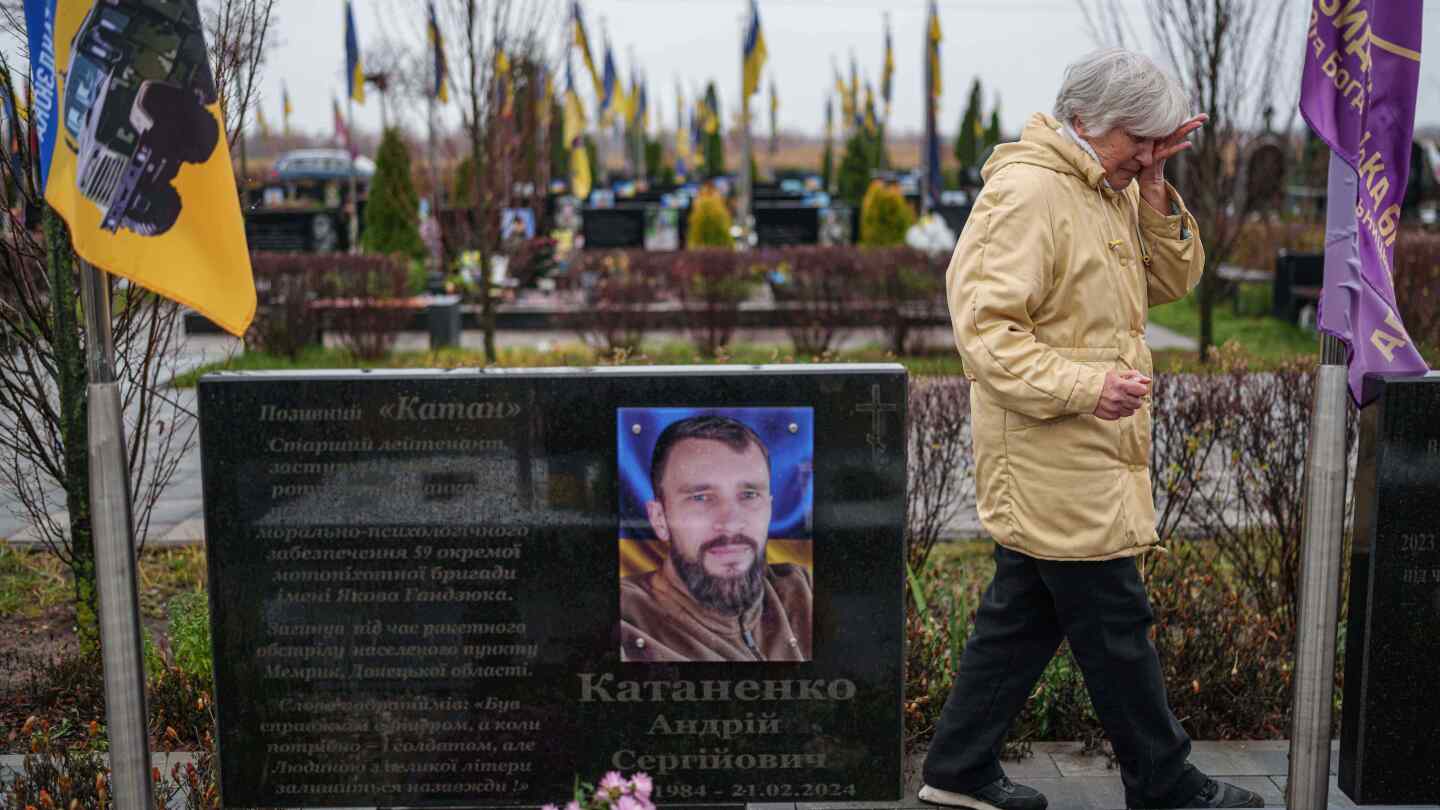
The Kyiv suburb of Bucha, scarred by mass graves and bullet-ridden churches, remains a haunting symbol of the brutality endured during Russia’s occupation. Now, its traumatized residents face a new source of anguish: a U.S.-led peace proposal that would grant blanket amnesty to the perpetrators of wartime atrocities. For the survivors of Bucha, where hundreds of Ukrainians were killed in 2022, the proposed amnesty is seen not as a path to reconciliation but as a betrayal of justice, fueling broader concerns in Ukraine about the implications of absolving Russian soldiers and officials of alleged crimes. The Church of Andrew the Apostle, still bearing the scars of war, stands beside a mass grave where civilians—some executed in the streets, others showing signs of torture—are buried. Father Andriy Halavin, the parish priest, warns that any amnesty would legitimize further violence as the conflict continues. “It’s a green light,” he said after a Sunday service. “It means you can keep bombing, keep executing soldiers, all with confidence that nothing will happen.” The mass killings in Bucha were uncovered after Russian forces withdrew following their failed attempt to seize Kyiv during the full-scale invasion in 2022. Father Andriy insists that justice is not about revenge but about proving accountability still matters, especially as Ukrainians grapple with painful trade-offs for peace. The proposed 28-point peace deal, reportedly the result of secret negotiations between Russian envoys and U.S. President Donald Trump’s administration, would require Ukraine to relinquish territory beyond what is currently controlled by Moscow, reduce its military, and abandon NATO membership. In return, Kyiv would receive international security guarantees and reconstruction assistance. At Bucha’s military cemetery, Vira Katanenko, 66, visited the grave of her son Andrii, who was killed in battle in the Donetsk region last year. For her, the peace plan and the proposed amnesty are unthinkable. “I can’t accept that,” she said. “They want forgiveness for all war crimes, including Bucha? That’s horrifying. Let them come here—let Trump himself come here. Let him and his family come, see our pain, and maybe then they’ll change their minds.” European leaders have emphasized that any peace talks must include Ukraine and protect its sovereignty. Ukrainian President Volodymyr Zelenskyy has described the plan as one of the war’s most challenging moments, pledging to work with Washington while seeking changes. Nearby, mourners gathered for the funeral of Ruslan Zhyhunov, a 41-year-old machine gunner killed in eastern Ukraine. The uncertainty surrounding the peace plan weighed heavily on relatives and neighbors as they watched the burial in the rain—a stark reminder of how fragile any promised future now feels. “How can you exchange the territory of your ancestors for something? For what?” asked Andrii Honcharuk, a 71-year-old retired territorial defense volunteer, who attended the service in uniform. “The war will not end soon. We will still be dying for a long time.”
-
Trump officials’ meeting with Russian spurs questions about Ukraine proposal
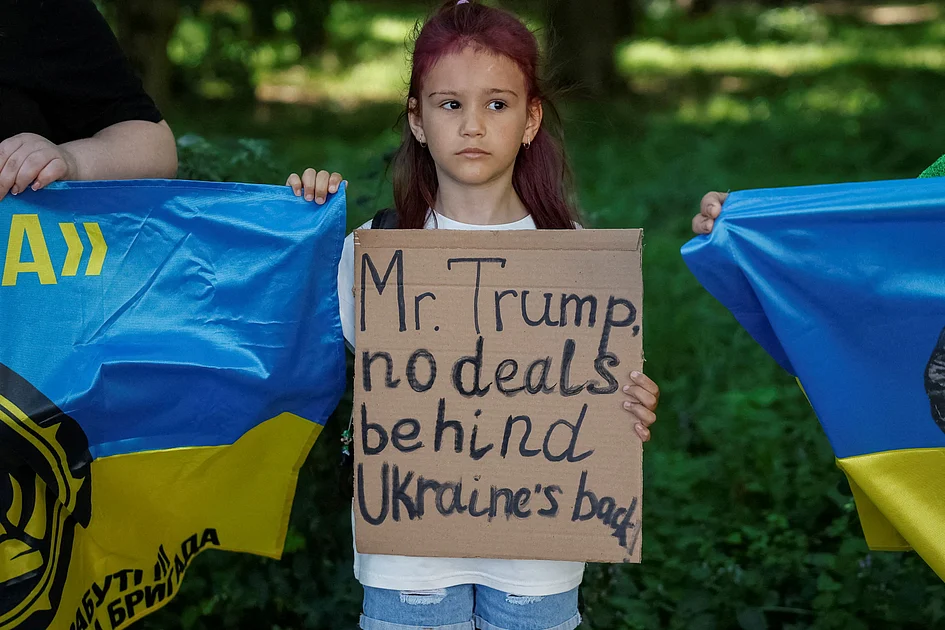
A secretive meeting in late October between Trump administration officials and Kirill Dmitriev, a Russian envoy under U.S. sanctions, has sparked widespread concern among U.S. lawmakers and officials. The meeting, held in Miami, included special envoy Steve Witkoff and Jared Kushner, President Donald Trump’s son-in-law. Dmitriev, who heads the Russian Direct Investment Fund (RDIF), a major Russian sovereign wealth fund, is a close ally of President Vladimir Putin and has been central to U.S.-Russia discussions on the Ukraine conflict. The U.S. government granted Dmitriev a special waiver to attend the meeting, which resulted in a 28-point peace plan for Ukraine. The plan, leaked this week by Axios, has drawn criticism for appearing to favor Russian interests, with Ukrainian President Volodymyr Zelenskiy vowing not to compromise Ukraine’s sovereignty. The proposal calls for significant concessions from Ukraine, including territorial compromises and a pledge not to join NATO, which contradicts the Trump administration’s recent tough stance on Russia. The plan was presented to Ukraine via the Turkish government before being directly delivered to Kyiv. White House spokeswoman Karoline Leavitt defended the plan, stating it aimed for a ‘win-win scenario’ for both Ukraine and Russia. However, many U.S. officials, including those at the State Department and National Security Council, were reportedly unaware of the discussions, raising concerns about the bypassing of standard interagency processes. Senator Roger Wicker, chairman of the Senate Armed Services Committee, criticized the plan, calling it problematic and unlikely to achieve peace. The meeting has also reignited concerns about Dmitriev’s influence, given his history of leveraging RDIF to build ties with Western governments despite U.S. sanctions. The CIA declined to comment on intelligence community concerns regarding Dmitriev. The situation underscores the complex and contentious nature of U.S.-Russia relations amid ongoing efforts to resolve the Ukraine conflict.
-
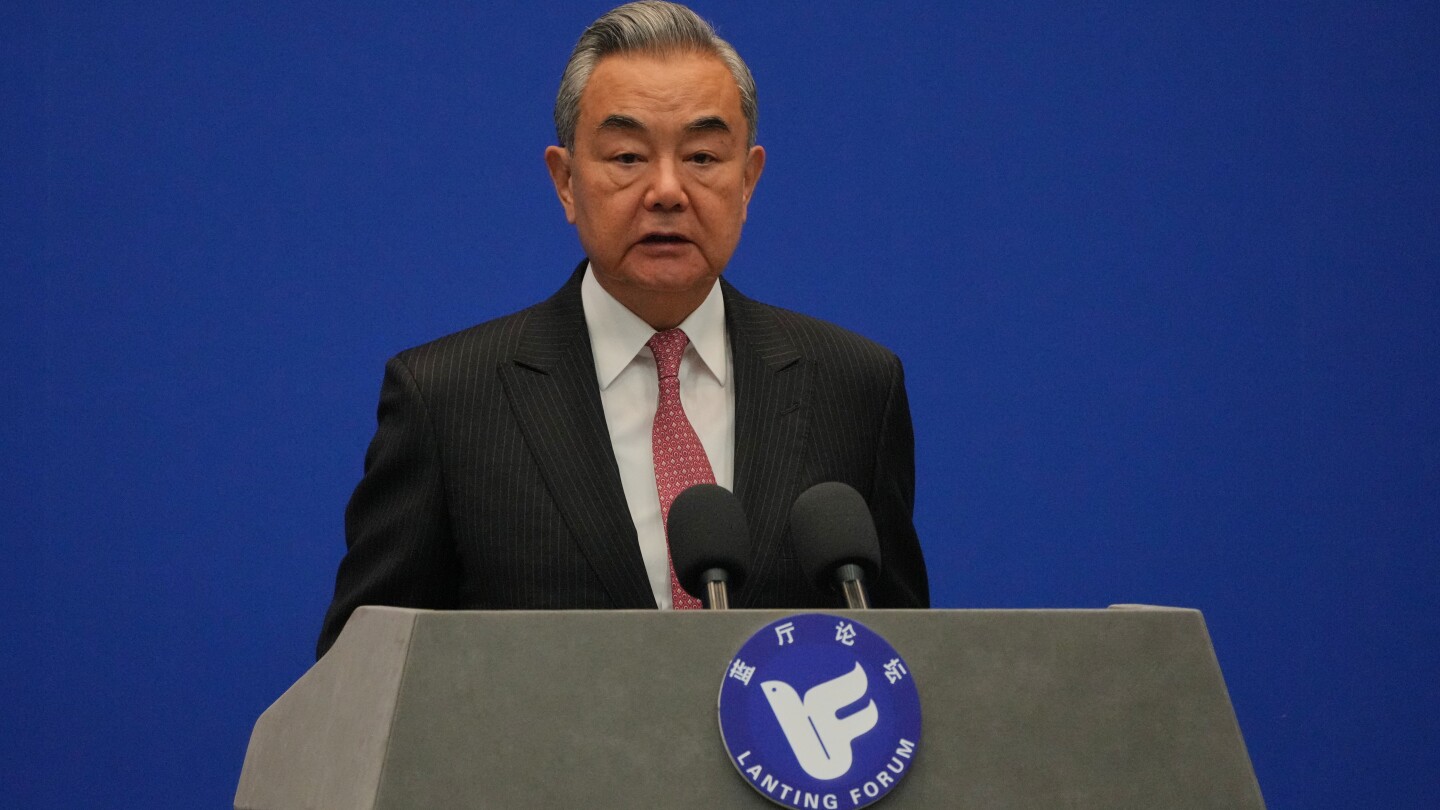
Japan ‘crossed a red line’ with Taiwan military intervention remarks, Chinese foreign minister says
Chinese Foreign Minister Wang Yi issued a stern warning to Japan on Sunday, accusing its new leader, Prime Minister Sanae Takaichi, of “crossing a red line” with remarks suggesting potential military intervention in Taiwan. Wang described Takaichi’s comments, which implied that Japan could respond militarily to a Chinese naval blockade or other actions against Taiwan, as “shocking” and a violation of diplomatic norms. In a statement published on the Chinese Foreign Ministry’s website, Wang emphasized that China must “resolutely respond” to such provocations and called on the international community to prevent the resurgence of Japanese militarism. The escalating tensions were further highlighted by a letter from China’s U.N. Ambassador Fu Cong to U.N. Secretary-General Antonio Guterres, criticizing Takaichi’s remarks as a “grave violation of international law.” Fu asserted that any armed intervention by Japan in the Taiwan Strait would be considered an act of aggression, and China would defend its sovereignty and territorial integrity under the U.N. Charter. Beijing views Taiwan, a self-ruled island and former Japanese colony, as an inseparable part of its territory and opposes any foreign involvement, particularly from the U.S. and its Asian allies, including Japan and the Philippines. Takaichi’s stance marks a departure from previous Japanese leaders, who expressed concern over China’s threats to Taiwan but avoided specifying potential military responses. While Takaichi refused to retract her comments, she stated she would refrain from discussing specific scenarios in the future.
-
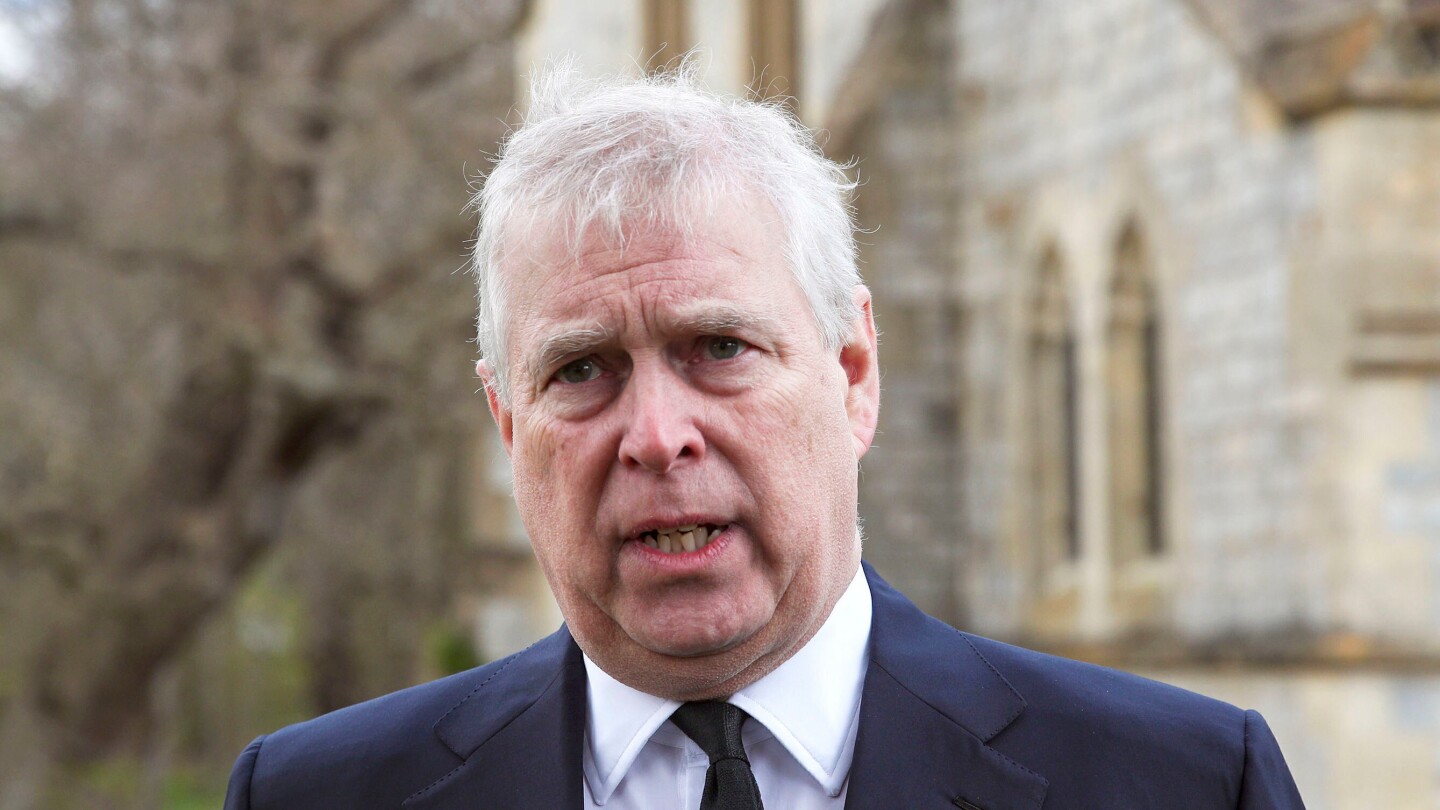
Former Prince Andrew should testify in US investigation into Jeffrey Epstein, UK leader suggests
LONDON — The pressure on Prince Andrew to cooperate with a U.S. congressional investigation into Jeffrey Epstein’s sex trafficking network has intensified following remarks by British Prime Minister Keir Starmer. While Starmer avoided direct commentary on the Duke of York’s case, he emphasized the importance of individuals with relevant information aiding investigative processes. ‘As a general principle, anyone possessing pertinent details should provide evidence to those who require it,’ Starmer stated during his visit to Johannesburg for the G20 summit.
-
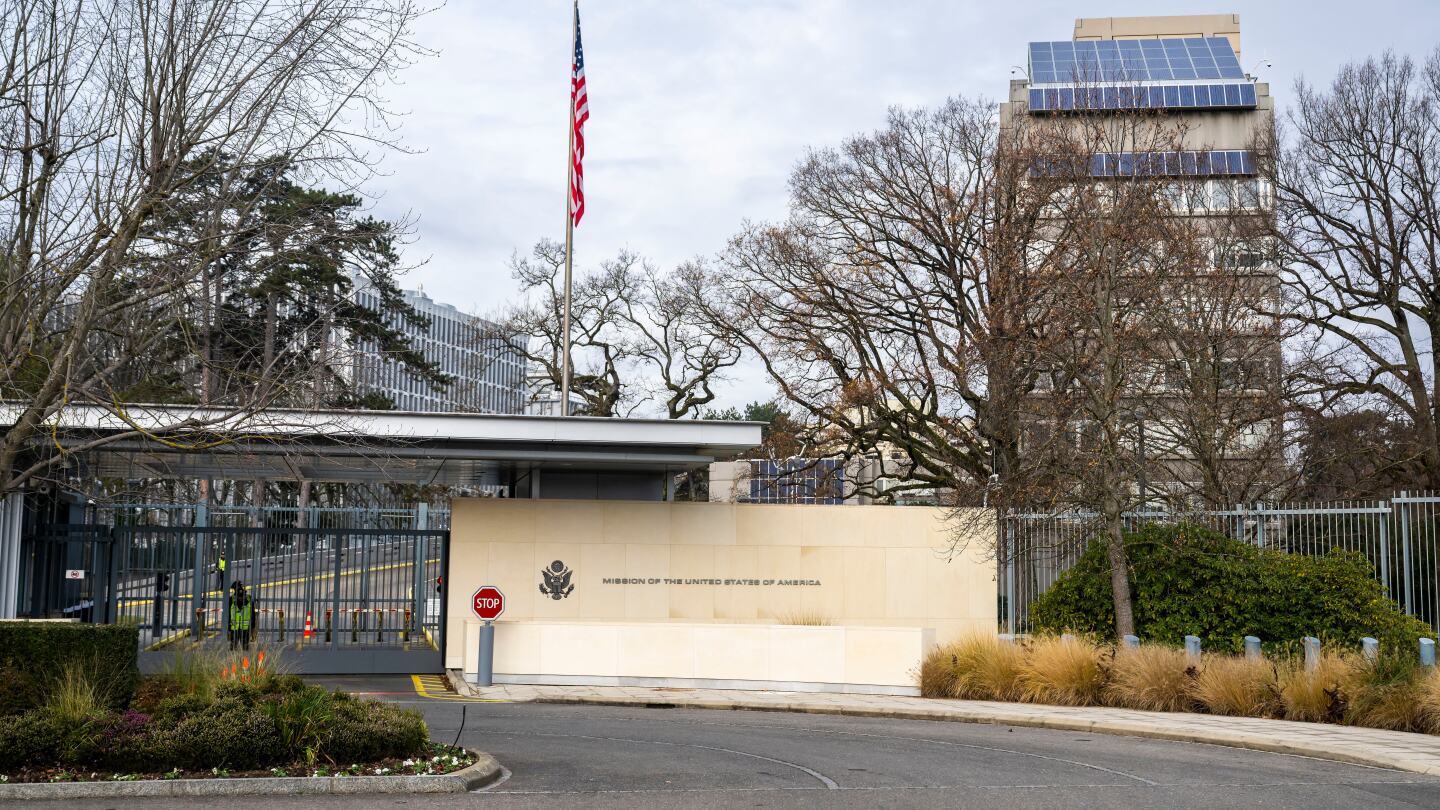
Rubio is set to meet with Ukraine and its European allies over US peace plan
Geneva witnessed high-stakes diplomatic discussions on Sunday as U.S. Secretary of State Marco Rubio arrived to engage with Ukrainian officials and European allies regarding a contentious U.S.-proposed peace plan for Ukraine. The 28-point blueprint, designed to end the nearly four-year conflict, has drawn sharp criticism from Kyiv and its Western supporters, who argue that the plan disproportionately favors Moscow despite Russia’s aggressive invasion of Ukraine. The Ukrainian delegation, led by President Volodymyr Zelenskyy’s chief of staff, Andrii Yermak, was joined by representatives from France, Germany, and the U.K., signaling a unified European stance against the proposal. The U.S. delegation also included Army Secretary Dan Driscoll and Steve Witkoff, President Donald Trump’s special envoy. The plan’s concessions to Russian demands, including territorial compromises, have been vehemently rejected by Zelenskyy, who has repeatedly vowed to defend Ukraine’s sovereignty. Speaking ahead of the talks, French Defense Ministry delegate Alice Rufo emphasized the importance of Ukraine’s ability to defend itself, labeling the plan’s restrictions on the Ukrainian military as a direct infringement on its sovereignty. Meanwhile, President Trump, speaking outside the White House, described the proposal as a step toward peace but clarified that it was not his “final offer.” The lack of clarity on Trump’s remarks and the White House’s silence on the matter have further fueled skepticism among Ukraine’s allies. The Geneva talks underscore the growing rift between the U.S. and its European partners over how to address the ongoing crisis in Ukraine.
-

The G20 summit in South Africa is set to end with another diplomatic spat involving the US
The G20 summit in Johannesburg, South Africa, concluded on Sunday amidst heightened diplomatic tensions between the host nation and the United States. The dispute arose when South Africa refused to conduct the traditional handover of the G20 presidency to a U.S. official, citing the absence of a high-level representative from the American delegation. South African Foreign Minister Ronald Lamola emphasized that the summit is a leaders’ meeting, requiring representation at the level of a head of state, special envoy, or minister. The U.S., which is slated to assume the G20 presidency in 2026, had planned to host its summit at President Donald Trump’s golf club in Doral, Florida. However, South Africa deemed the proposed handover ceremony inappropriate and postponed it to a later date, possibly at its foreign ministry building.
The rift deepened when South African President Cyril Ramaphosa accused the U.S. of last-minute changes to its participation plans, a claim denied by the White House. White House Press Secretary Karoline Leavitt criticized Ramaphosa for his comments, further straining relations. The summit also saw South Africa break with tradition by issuing a leaders’ declaration on the opening day, focusing on climate change and global wealth inequality. While the U.S. and Argentina opposed the declaration, other G20 members, including China, Russia, and several European nations, supported it. The declaration called for increased financial aid for poor countries recovering from climate-related disasters, debt relief, and support for their transition to green energy.
Despite the symbolic significance of the summit, questions remain about the G20’s effectiveness in addressing global crises such as the Russia-Ukraine war and Middle East tensions. The 122-point declaration made only a passing reference to Ukraine, highlighting the bloc’s struggle to achieve consensus on geopolitical issues. French President Emmanuel Macron acknowledged the milestone of the first African G20 summit but noted the group’s challenges in establishing a unified stance on crises. Activists, however, praised the summit for centering attention on inequality and development priorities from an African perspective, marking a historic moment for the G20.
-
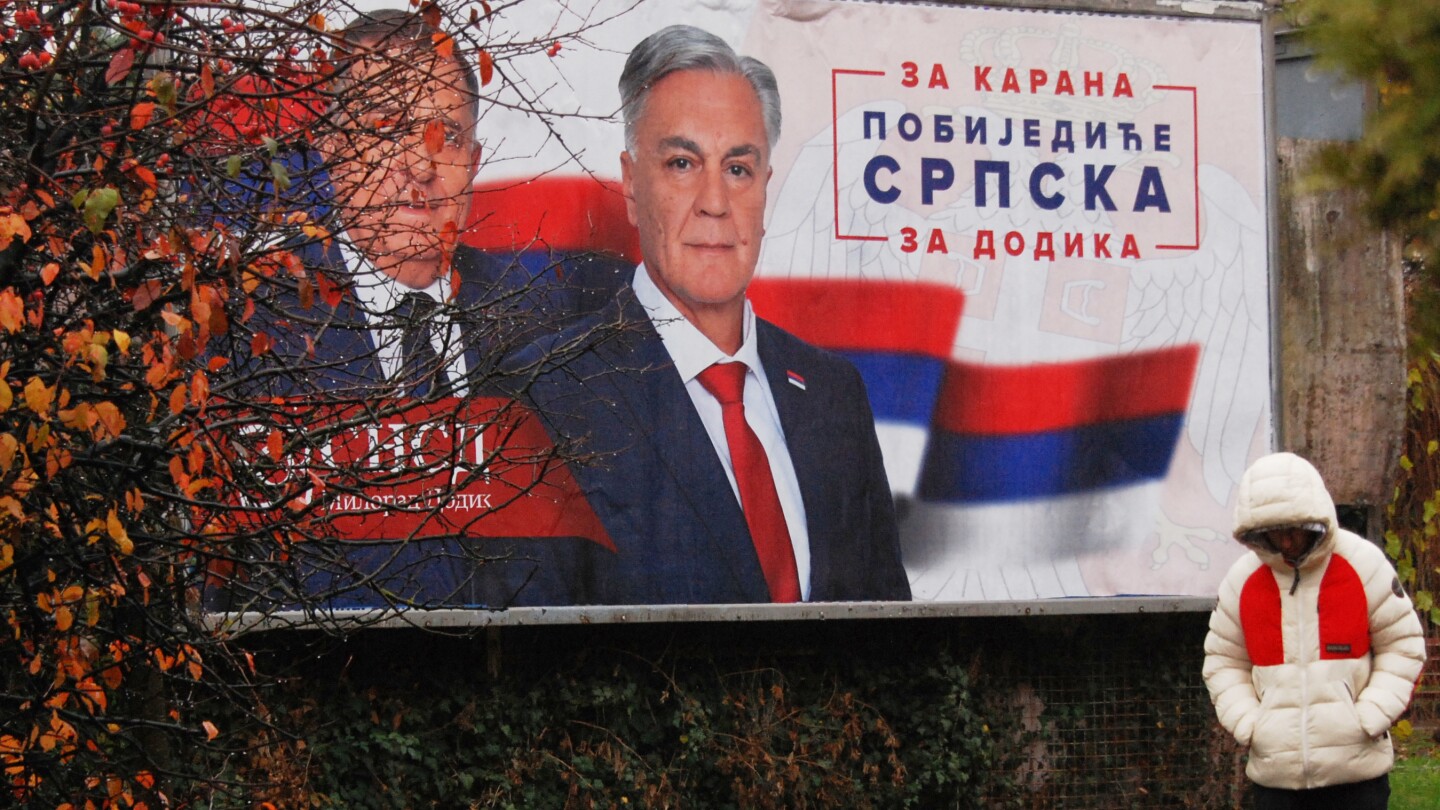
Bosnian Serbs vote to choose president after separatist leader Dodik was removed from office
In a pivotal moment for Bosnia-Herzegovina, voters in the Serb-dominated region of Republika Srpska headed to the polls on Sunday to elect a new president. This snap election follows the removal of Milorad Dodik, the former pro-Russian leader, who was ousted in August after a Bosnian court convicted him of defying the international High Representative for Bosnia. Dodik, who was sentenced to a year in prison and barred from public office, paid a fine to avoid incarceration and remains the leader of his Party of Independent Social Democrats. The election pits Sinisa Karan, Dodik’s chosen successor, against Branko Blanusa, a university professor representing the opposition Serb Democratic Party. Four other candidates are also in the race, though they are considered less competitive. Blanusa, after casting his vote in Banja Luka, emphasized the campaign’s fairness and urged a high voter turnout among the 1.2 million Bosnian Serb electorate. The election unfolds against a backdrop of deep ethnic divisions and political instability. Bosnia’s complex governance structure, established by the 1995 U.S.-brokered Dayton Agreement, divides the country into two entities: Republika Srpska, controlled by Serbs, and a federation shared by Bosniaks and Croats. Dodik, a long-time advocate for Republika Srpska’s secession from Bosnia, has faced international sanctions for his separatist policies. Although the U.S. recently lifted sanctions after Dodik agreed to step down, tensions persist with the international community, particularly with Christian Schmidt, the peace envoy overseeing Bosnia’s post-war stability. Dodik has actively campaigned for Karan, framing the election as a continuation of his political agenda. The outcome of this election could significantly impact Bosnia’s fragile political landscape and its relations with the international community.
-
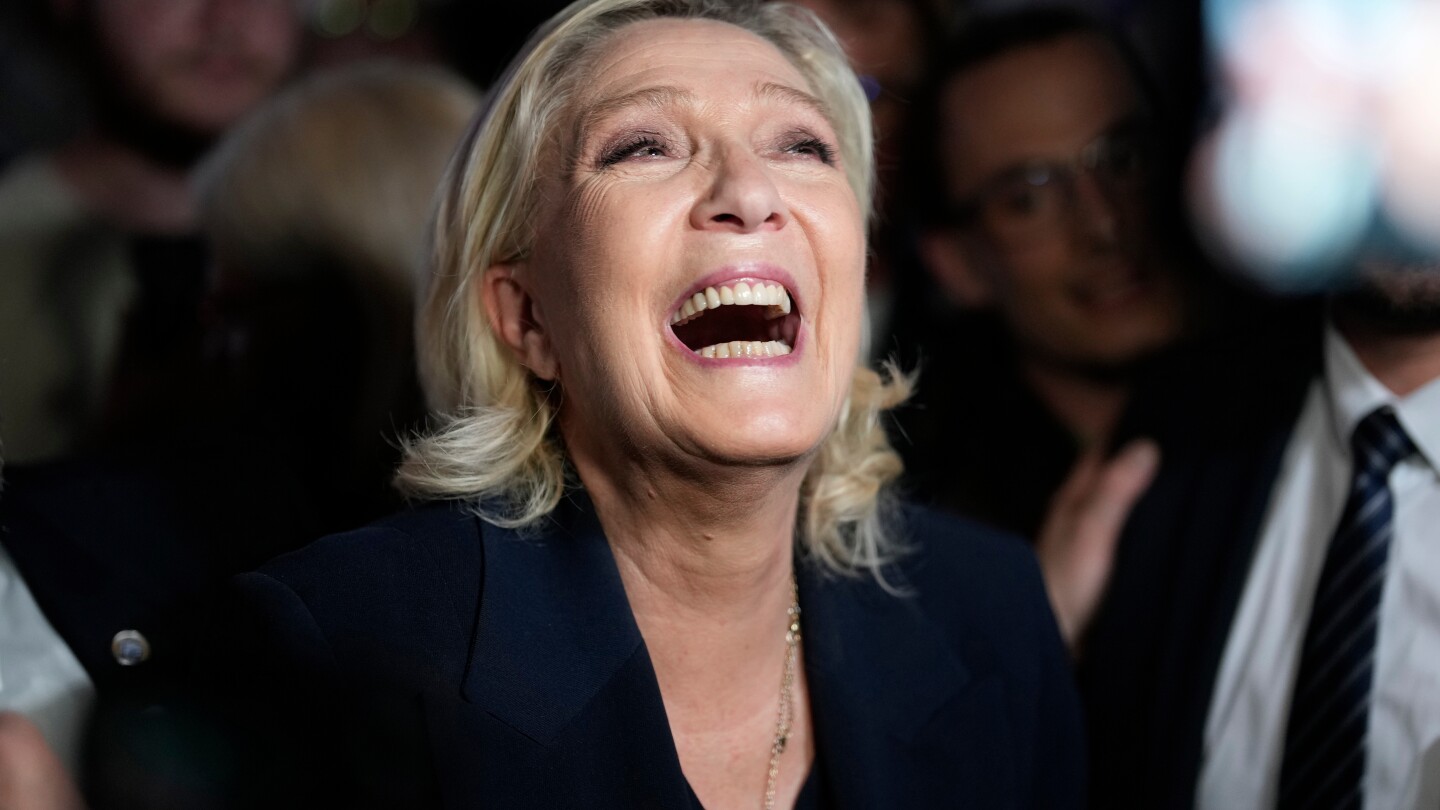
AP mapping shows France’s poorest regions backing Le Pen’s party as support for Macron wanes
In May 2017, Emmanuel Macron, freshly elected as France’s president, addressed his supporters with a promise to bridge the nation’s divides and win over voters who had backed his far-right rival, Marine Le Pen. Le Pen, leader of the National Front (now rebranded as National Rally), had secured over 10.6 million votes—a historic high for her party. Macron vowed to address the “anger” and “distress” driving these voters, pledging to eliminate their reasons for supporting extremist parties. However, as Macron’s presidency nears its end, this promise lies in ruins. Le Pen’s nativist rhetoric, targeting immigrants, Muslims, and the European Union, has gained millions of converts. National Rally, shedding its controversial past under Le Pen’s father, Jean-Marie Le Pen, has become the largest party in parliament and is poised for a potential victory in the 2027 elections.