分类: politics

  • US to restrict visas of Nigerians responsible for violence against Christians

    US to restrict visas of Nigerians responsible for violence against Christians

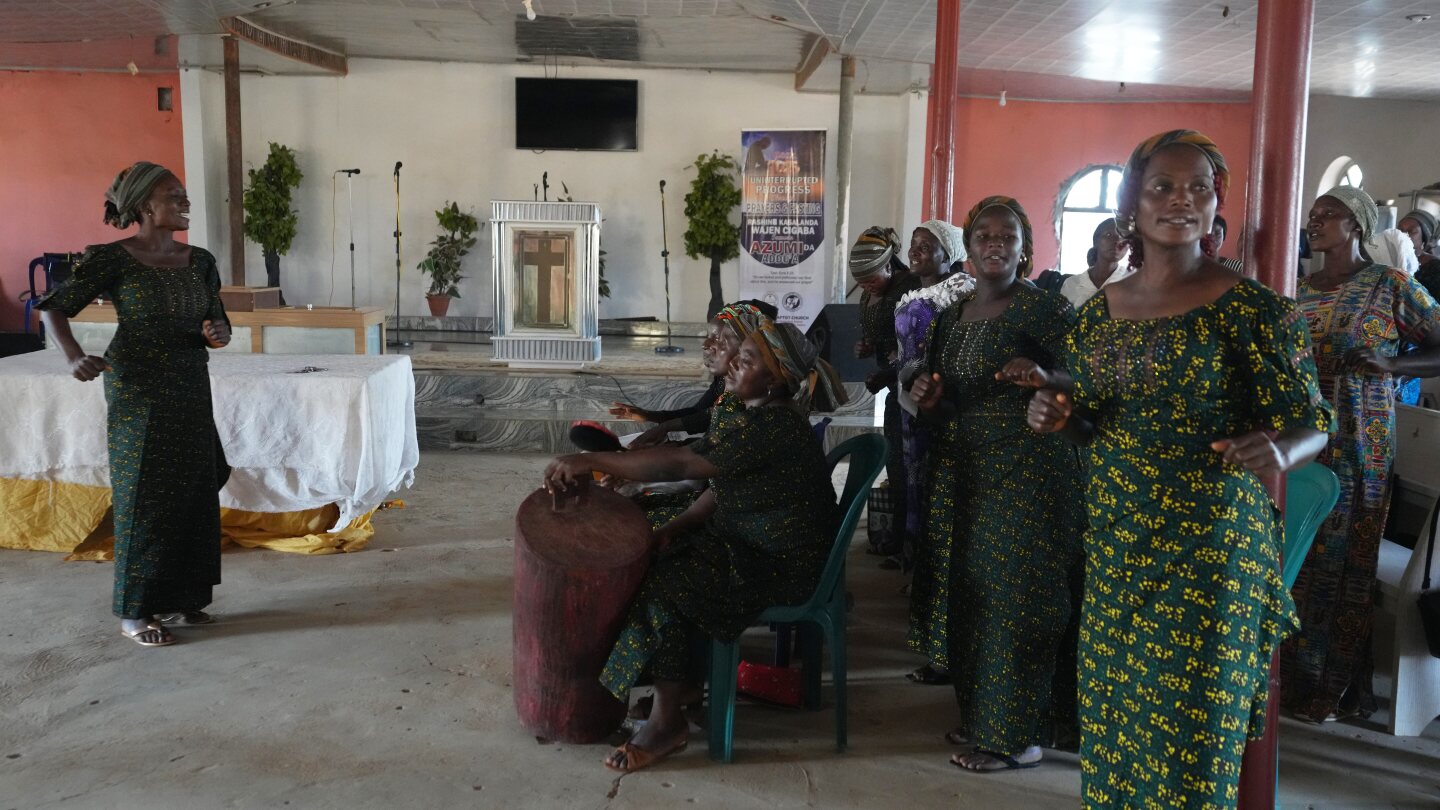
    The United States has announced stringent visa restrictions targeting Nigerian individuals and their family members implicated in mass violence against Christian communities. This decisive measure was formally disclosed by the U.S. State Department on Wednesday.

    Secretary of State Marco Rubio articulated the policy through an official statement on social media platform X, emphasizing that the sanctions extend to perpetrators of religious freedom violations regardless of their affiliation. “The United States is taking decisive action in response to mass killings and violence against Christians by radical Islamic terrorists, Fulani ethnic militias, and other violent actors in Nigeria and beyond,” Rubio stated.

    The legal foundation for these restrictions derives from Section 212(a)(3)(C) of the Immigration and Nationality Act, which empowers the government to deny entry to foreign nationals engaged in activities that threaten religious freedoms. This move represents a significant escalation in U.S. diplomatic pressure regarding human rights violations.

    Nigeria’s complex security landscape features multifaceted conflicts including religiously motivated attacks against both Christians and Muslims, resource-based clashes between farmers and herders, ethnic rivalries, and secessionist movements. The nation’s 220 million inhabitants are nearly evenly divided between Christian and Muslim populations.

    Persistent insecurity plagues various regions, notably from Boko Haram extremists enforcing radical interpretations of Islamic law, and increasingly from armed gangs in central Nigeria conducting ransom kidnappings. Last month, former President Donald Trump directed the Pentagon to develop contingency plans for potential military engagement in response to Christian persecution allegations, highlighting the growing international concern over Nigeria’s stability.
  • What to know about Somalia as Trump wants Somalis in the US to leave

    What to know about Somalia as Trump wants Somalis in the US to leave

    In a controversial statement that has drawn widespread condemnation, former U.S. President Donald Trump reportedly referred to Somali immigrants residing in the United States as “garbage” while demanding their departure from the country. The inflammatory remarks, made without substantiating evidence, alleged that these communities “contribute nothing” to American society.

    The verbal attack emerged alongside revelations that federal authorities were preparing targeted immigration enforcement operations in Minnesota, specifically focusing on Somalis living without legal documentation. This development appears particularly striking given demographic data showing approximately 58% of Minnesota’s Somali population are U.S.-born citizens, while 87% of foreign-born Somalis in the state have obtained naturalized citizenship.

    Simultaneously, the Trump administration implemented a temporary pause on all immigration applications from Somalia, placing the East African nation among several countries facing renewed travel restrictions. When questioned about these developments at a public forum, Somalia’s Prime Minister declined to comment on the U.S. president’s statements.

    This diplomatic tension unfolds against Somalia’s complex backdrop of prolonged instability. Since the collapse of Siad Barre’s regime three decades ago, the country has endured continuous conflict involving warlord clashes, civil war, and the persistent threat of al-Shabab extremists affiliated with al-Qaida. These security challenges have displaced millions internally and forced many into neighboring refugee camps, with Kenya hosting significant numbers awaiting resettlement opportunities.

    The security situation remains precarious, with al-Shabab maintaining control over rural territories while periodically executing devastating attacks in Mogadishu. Notable incidents include the 2017 truck bombing that killed over 100 people and subsequent attacks targeting government institutions and hotels. The U.S. Embassy, which resumed operations in 2019 after a lengthy closure due to security concerns, operates from a heavily fortified compound near Mogadishu’s airport.

    Somalia’s fragile federal government has declared “total war” against al-Shabab, though the extremist group demonstrates continued resilience through complex clan dynamics and weapons smuggling via the Gulf of Aden. This instability has previously manifested in maritime security threats, with Somali pirates recently hijacking a commercial vessel in the Indian Ocean—the first such incident in eighteen months.

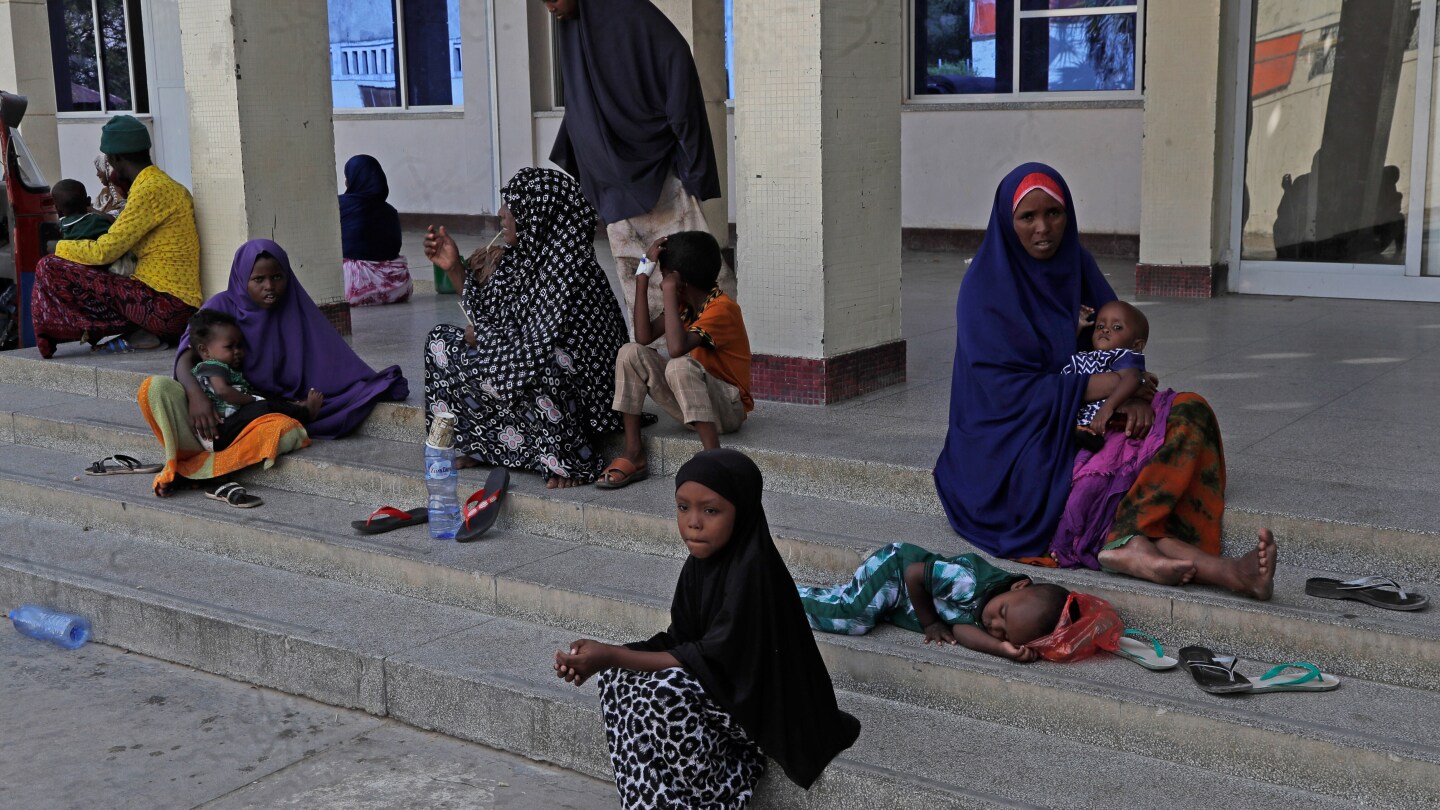
    Beyond security concerns, Somalia faces profound humanitarian challenges. Despite modest revitalization efforts in Mogadishu driven by returning diaspora investments, approximately 19 million citizens confront dire circumstances. The nation maintains one of the world’s weakest healthcare systems according to WHO assessments, with many rural areas lacking basic medical facilities and al-Shabab-controlled regions receiving no assistance.

    Compounding these issues, climate change exacerbates Somalia’s vulnerabilities through recurring droughts that kill thousands and devastate livestock-based economies, destructive flooding in river valleys, and increasingly frequent Indian Ocean cyclones. The International Crisis Group notes that environmental and conflict challenges are becoming “increasingly intertwined,” with al-Shabab exploiting water access as both a control mechanism and taxation tool against vulnerable communities.

  • What we know about controversial Venezuela boat strike

    What we know about controversial Venezuela boat strike

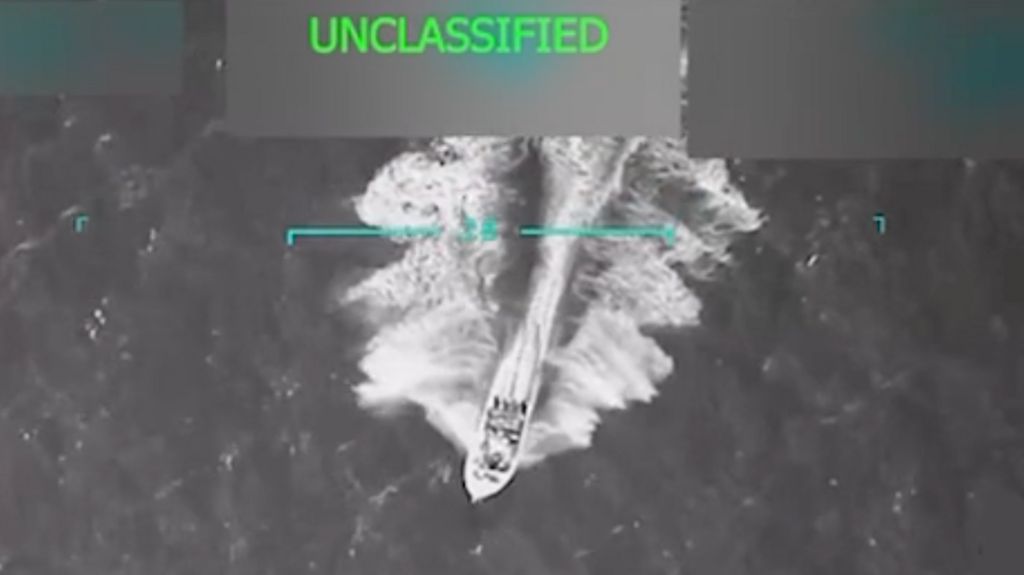
    A controversial U.S. military strike against a suspected narcotics vessel in the Caribbean has ignited significant bipartisan scrutiny in Congress, with emerging details suggesting potential violations of international armed conflict protocols. The incident, which occurred on September 2nd, represents the inaugural operation in an ongoing campaign against drug traffickers that has resulted in over 80 fatalities across Caribbean and Eastern Pacific waters.

    President Trump initially announced the operation to reporters in the Oval Office, claiming the vessel was transporting drugs from Venezuela. Later that day, he utilized his Truth Social platform to identify the casualties as members of Tren de Aragua, a Venezuelan gang recently designated as a foreign terrorist organization. The accompanying video footage showed the boat being struck by munitions and erupting in flames.

    The narrative grew increasingly complex as administration officials provided conflicting accounts. While Trump asserted the vessel was destined for the United States, Secretary of State Marco Rubio initially suggested it was headed toward Trinidad or other Caribbean nations, later revising his statement to align with the president’s claim. Defense Secretary Pete Hegseth maintained he witnessed the strike live and authorities knew precisely who occupied the vessel.

    The situation escalated dramatically on November 28th when The Washington Post reported that two individuals had survived the initial strike, only to be killed in a subsequent attack allegedly ordered by Hegseth. Both the Defense Secretary and Pentagon spokespersons vehemently denied these allegations, characterizing them as fabricated and inflammatory.

    This revelation prompted bipartisan concern among lawmakers. Senator Tim Kaine (D-VA) suggested the reported ‘double-tap’ strike could constitute a war crime if verified, while Representative Mike Turner (R-OH) noted the operation fell completely outside congressional discussions regarding military campaigns.

    In a significant development, White House Press Secretary Karoline Leavitt confirmed on December 1st that a follow-up strike had indeed been ordered—not by Hegseth, but by Navy Admiral Frank Bradley, then-commander of Joint Special Operations Command. Leavitt defended Bradley’s decision as legally justified and within his operational authority.

    During extensive White House deliberations, Hegseth acknowledged observing the initial strike but attributed his inability to identify survivors to the ‘fog of war’ and extensive wreckage. President Trump subsequently distanced himself from the secondary strike decision while maintaining support for his defense secretary and characterizing the entire operation as a singular engagement.

    Legal experts have raised serious concerns, with former Air Force Secretary Frank Kendall suggesting that under normal circumstances, such actions would warrant court-martial proceedings. With mounting political pressure, Admiral Bradley was scheduled to brief lawmakers behind closed doors on December 4th regarding the operational details.

  • Trump says he is pardoning Democratic congressman in bribery case

    Trump says he is pardoning Democratic congressman in bribery case

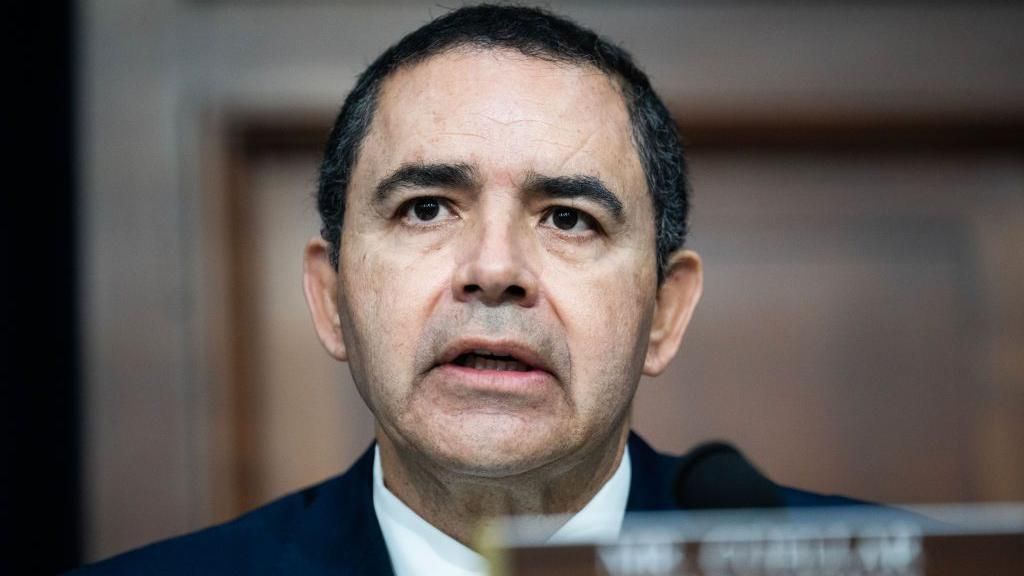
    In a significant political development, President Donald Trump has announced his intention to grant a complete pardon to Democratic Congressman Henry Cuellar of Texas and his wife Imelda, both facing federal corruption charges. The announcement came via Trump’s social media platform where he promised “full and unconditional” clemency for the couple.

    Congressman Cuellar, who has represented Texas’ 28th congressional district since 2005, was indicted last year on multiple charges including conspiracy, bribery, wire fraud, money laundering, and violating bans on acting as foreign agents. The Justice Department under former President Biden alleged that Cuellar accepted approximately $600,000 in bribes from an Azerbaijani state-owned oil company and a Mexican bank. In exchange, prosecutors claim Cuellar agreed to influence U.S. foreign policy in favor of Azerbaijan and advocate for measures benefiting the Mexican financial institution.

    The indictment further detailed that companies owned by Imelda Cuellar allegedly laundered the funds, which were used for various personal expenses including $58,000 in credit card payments, $18,000 at wholesale stores, and $12,000 for a custom gown.

    Despite these serious charges, Cuellar maintains his innocence and has surprisingly filed for re-election as a Democrat, dispelling speculation that he might switch parties to bolster Republican numbers in the House. Cuellar is known as one of the most conservative Democrats in Congress, particularly for his moderate stance on abortion and immigration.

    Trump justified his pardon decision by suggesting the charges were politically motivated, claiming Cuellar was targeted for “bravely speaking out against Open Borders.” This sentiment was echoed in a letter from Cuellar’s daughters to Trump, which suggested their father’s border security stance might have prompted the indictment.

    This marks Trump’s third act of clemency this week, following his pardon of former Honduran President Juan Orlando Hernández, convicted of drug trafficking charges, and the commutation of former investment manager David Gentile’s fraud sentence. The pattern suggests a continued presidential focus on pardoning individuals convicted of financial crimes during Trump’s second term.

  • Celebrities including Benedict Cumberbatch and Annie Ernaux call for Marwan Barghouti release

    Celebrities including Benedict Cumberbatch and Annie Ernaux call for Marwan Barghouti release

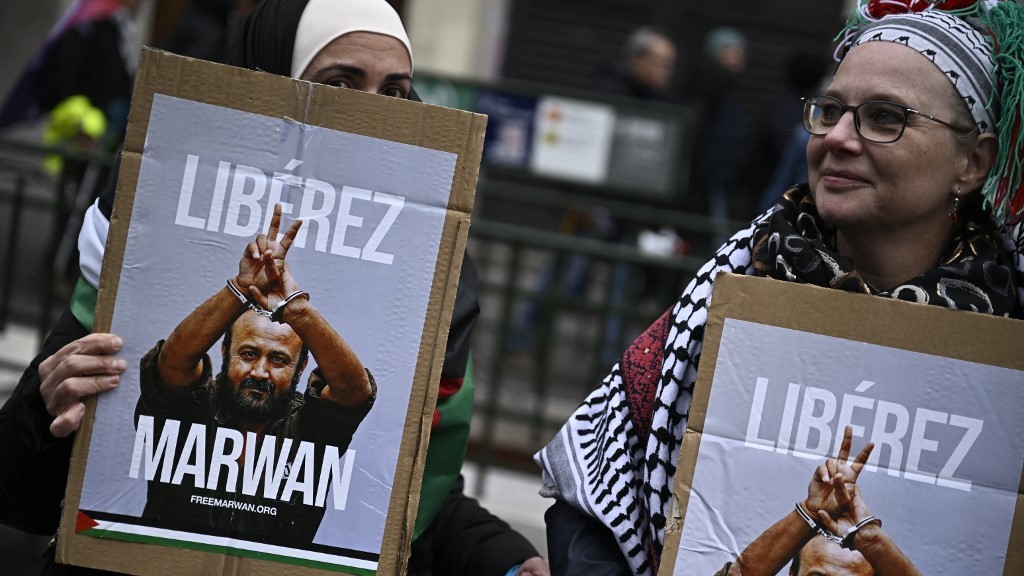
    An international coalition of prominent cultural figures has launched a significant appeal for the immediate release of Marwan Barghouti, the incarcerated Palestinian political leader often compared to Nelson Mandela. The campaign, supported by Nobel laureate Annie Ernaux, actors Benedict Cumberbatch, Ian McKellen, and Brian Cox, chef Delia Smith, and musician Brian Eno, contends that Barghouti’s imprisonment represents a critical obstacle to peace in the region.

    Barghouti, captured by Israeli forces in 2002 and subsequently sentenced to five life terms, has emerged as the most popular political figure in Palestinian polling despite his decades-long incarceration. The signatories’ letter highlights alleged ‘violent mistreatment and denial of legal rights’ during his imprisonment, drawing parallels to the international campaign that ultimately secured Nelson Mandela’s freedom.

    The controversy surrounding Barghouti’s 2004 trial remains central to the appeal. Author and lawyer Selma Dabbagh characterized the judicial process as ‘a sham,’ noting that the Inter-Parliamentary Union had previously documented substantial flaws in the proceedings. Barghouti himself refused to mount a defense, rejecting Israel’s jurisdiction over West Bank Palestinians.

    Recent developments have intensified concerns regarding Barghouti’s treatment. Reports indicate severe restrictions on family and legal visits, with Palestinian officials alleging systematic ‘isolation, torture and attempts to coerce, humiliate and beat him.’ A disturbing 13-second video from August 2025 showed Israeli National Security Minister Itamar Ben Gvir threatening Barghouti in his cell—the first public footage of the leader in nearly ten years.

    The campaign emerges amid revelations that Barghouti’s name was reportedly removed from prisoner exchange lists during recent Gaza ceasefire negotiations. Notably, some Israeli security figures, including former Shin Bet leaders, have joined calls for his release, suggesting his freedom could potentially alter the political landscape.

    Brian Eno framed the cultural campaign as analogous to anti-apartheid efforts, stating: ‘Just as global solidarity helped free Nelson Mandela, we all have the power to accelerate the day that Marwan Barghouti walks free. His release would mark a turning point in this long struggle.’

  • Mainland expands cases Hong Kong, Macao, Taiwan lawyers can handle

    Mainland expands cases Hong Kong, Macao, Taiwan lawyers can handle

    In a significant move to deepen legal integration, China’s Ministry of Justice announced on December 3, 2025, the substantial expansion of practice rights for qualified lawyers from Hong Kong, Macao, and Taiwan operating on the mainland. The new policy authorizes these legal professionals to represent clients in 299 categories of civil cases, marking a substantial broadening of their jurisdictional scope.

    The enhanced practice rights now encompass specialized legal domains including maritime and admiralty disputes, personality right conflicts, real property matters, alongside intellectual property and competition litigation. This expansion represents a strategic effort to leverage the unique expertise of legal practitioners from these regions within mainland China’s judicial system.

    Concurrently, the ministry has aligned practice regulations within the Guangdong-Hong Kong-Macao Greater Bay Area (GBA), creating consistent representation standards for Hong Kong and Macao lawyers appearing in mainland courts. The nine mainland cities within the GBA economic zone have simultaneously received expanded authorization for legal services provided by qualified GBA practitioners.

    Official statements emphasize that this policy evolution responds directly to expressed demands from legal professionals seeking broader operational parameters. The initiative aims to facilitate deeper integration of these lawyers into China’s comprehensive legal development framework while maximizing their specialized professional capabilities.

    Current statistics reveal that over 760 legal professionals from Hong Kong, Macao, and Taiwan have received mainland practice approval, with more than 630 Hong Kong and Macao lawyers specifically obtaining the GBA practice certification. This development continues China’s progressive opening of legal services to these jurisdictions, strengthening cross-regional rule of law cooperation and exchange.

    Zhang Han, spokeswoman for the Taiwan Affairs Office, characterized the measure as creating substantial opportunities for Taiwanese legal professionals within mainland China’s expanding legal market. The policy aligns with broader efforts to enhance cross-strait economic and cultural collaboration while encouraging Taiwanese participation in mainland socioeconomic development initiatives.

  • What latest Ukraine talks reveal about Putin’s state of mind

    What latest Ukraine talks reveal about Putin’s state of mind

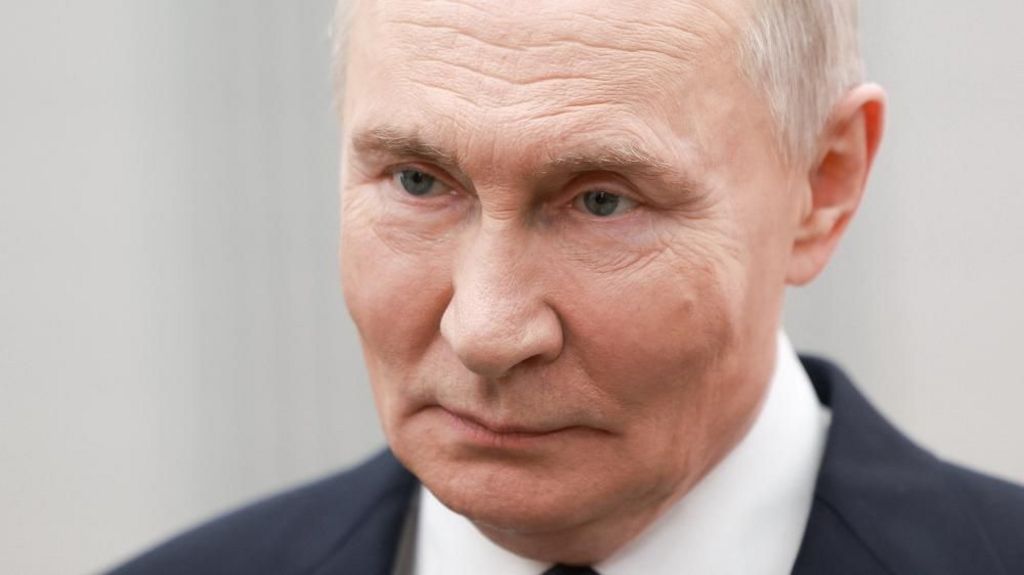
    Recent diplomatic engagements concerning Ukraine have revealed Russian President Vladimir Putin’s unwavering position on continuing military operations despite growing economic challenges. During five hours of negotiations in Moscow involving U.S. envoy Steve Witkoff and Donald Trump’s adviser Jared Kushner, Kremlin foreign policy aide Yuri Ushakov explicitly stated that “no compromise version has yet been found” regarding potential peace agreements.

    This hardened stance aligns with Putin’s recent rhetoric, where he has characterized Ukrainian leadership as a “thieving junta” and accused European officials of undermining peace initiatives. Russian state media has simultaneously projected images of Putin in military attire analyzing frontline maps and celebrating alleged battlefield advances—claims frequently disputed by Ukrainian authorities and international observers.

    Nearly four years into Russia’s full-scale invasion, the Kremlin leader appears convinced of his strategic advantage despite substantial Russian casualties and economic strain. Putin’s demeanor suggests a leader determined to persuade Western nations of his inevitable victory, projecting an image of unstoppable momentum in pursuing military objectives.

    However, beneath this show of confidence lies increasing economic vulnerability. Despite circumventing international sanctions, Russia faces declining hydrocarbon revenues and expanding budget deficits. Putin himself acknowledged concerning “imbalances” within the Russian economy, noting decreased production output across several sectors this year.

    The critical question emerging from these developments is whether mounting economic pressures will eventually compel Moscow to recalibrate its military ambitions. While Putin currently maintains a posture of invincibility, the sustainability of Russia’s war effort remains contingent on continuous financial resources that show signs of deterioration.

  • China again urges Japan to withdraw incorrect words, abide by one-China principle

    China again urges Japan to withdraw incorrect words, abide by one-China principle

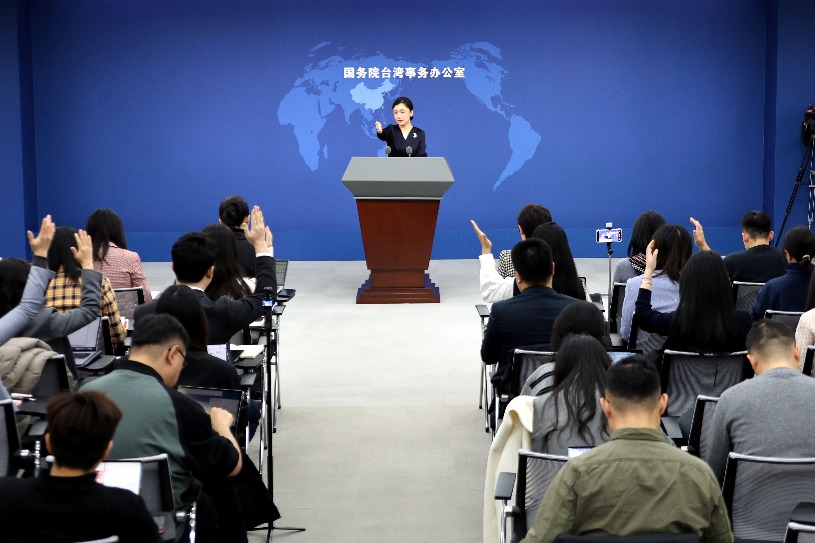
    Beijing has issued a renewed diplomatic appeal to Tokyo, demanding the immediate retraction of what it characterizes as fundamentally incorrect remarks concerning Taiwan. The statement was delivered by Zhang Han, spokesperson for China’s State Council Taiwan Affairs Office, during a regularly scheduled press conference on Wednesday.

    Zhang emphasized that recent comments attributed to Japanese Prime Minister Sanae Takaichi regarding Taiwan constitute unacceptable interference in China’s internal affairs. Such statements, according to the spokesperson, send dangerously misleading signals to separatist factions advocating for Taiwanese independence while simultaneously undermining regional stability across the Taiwan Strait.

    The spokesperson invoked significant historical anniversaries to contextualize China’s position, noting that 2025 marks eight decades since victory in the Chinese People’s War of Resistance Against Japanese Aggression and Taiwan’s restoration to China. Additionally, this year commemorates the 82nd anniversary of the Cairo Declaration—a document that, along with other internationally recognized legal instruments, explicitly affirms China’s sovereign claim over Taiwan.

    Zhang underscored that Japan bears specific obligations under international law to adhere to the provisions outlined in these foundational documents. The spokesperson concluded with an unequivocal declaration: ‘Taiwan is China’s Taiwan. It has never been, and will never be, a country. The future of Taiwan must be determined collectively by all Chinese people, including our compatriots in Taiwan.’

  • Germany starts putting into place the Arrow 3 missile defense system, bought from Israel

    Germany starts putting into place the Arrow 3 missile defense system, bought from Israel

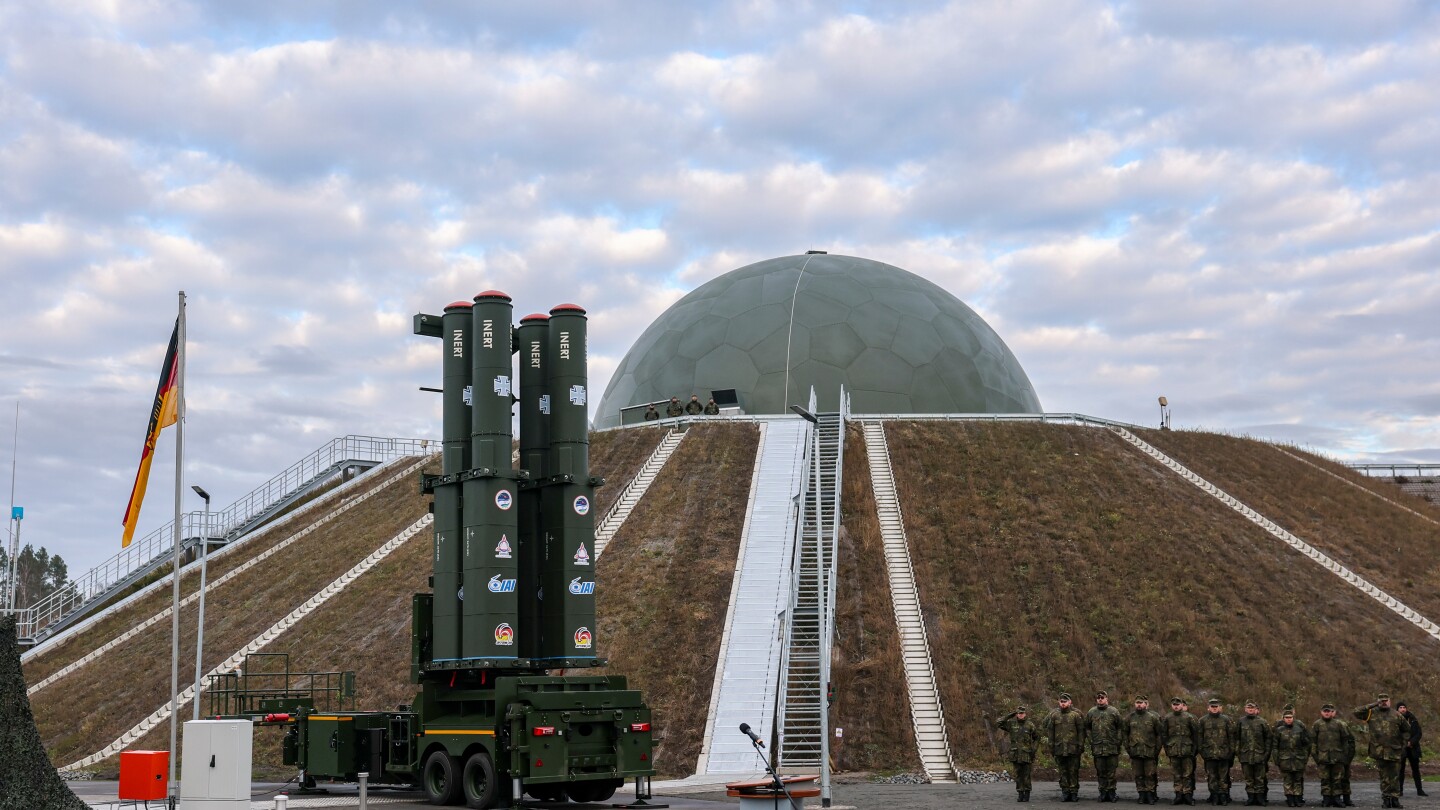
    BERLIN — In a significant advancement of its national security infrastructure, Germany has officially commenced the deployment of the cutting-edge Arrow 3 missile defense system, acquired through a landmark agreement with Israel. The inaugural components of this sophisticated defense network were activated Wednesday at the Schönewalde military installation south of Berlin, marking the initial phase of a comprehensive rollout across multiple sites.

    Defense Minister Boris Pistorius emphasized the transformative nature of this acquisition, stating that Germany has now established its first-ever early-warning and protective capacity against long-range ballistic missile threats. “This strategic capability, which remains unique among our European partners, reinforces our central role at the heart of Europe,” Pistorius declared. “Consequently, we are providing protection not merely for ourselves but equally for our allied nations.”

    The procurement agreement, finalized in September 2023 following necessary authorization from the United States—a development partner in the Arrow system’s creation—represents a direct response to evolving security challenges following Russia’s military operations in Ukraine. The German Defense Ministry has allocated approximately €3.8 billion (equivalent to $4.4 billion) for the complete implementation, with spokesperson Mitko Müller confirming subsequent elements will be progressively integrated.

    Germany intends to incorporate the Arrow 3 system within broader NATO and European air defense initiatives, enhancing collective security architecture. The technology originates from Israel’s proven multi-tiered missile defense framework, which has demonstrated effectiveness against rocket threats from Gaza, Lebanon, and more recently, Yemeni rebels and Iranian capabilities.

  • ‘Surveillance tool’: India’s Congress seeks parliament debate on govt app for phones

    ‘Surveillance tool’: India’s Congress seeks parliament debate on govt app for phones

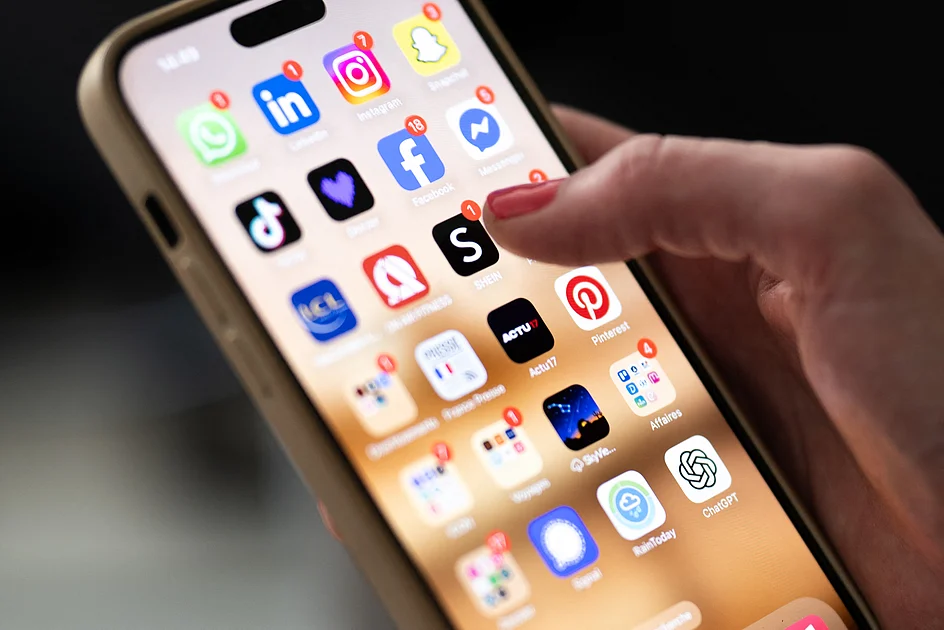
    India’s political landscape has been stirred by a contentious government directive requiring smartphone manufacturers to preinstall a state-developed application on all devices sold within the country. The opposition Congress party has formally requested an urgent parliamentary discussion regarding what they characterize as a significant privacy infringement and potential surveillance mechanism.

    The controversial application, named Sanchar Saathi (Communication Partner), has been mandated by India’s telecommunications ministry for installation on all smartphones from major manufacturers including Apple, Samsung, and Xiaomi. According to official statements, the software is designed specifically to track stolen mobile devices, remotely disable them, and prevent their unauthorized usage.

    However, privacy advocates and political opponents of Prime Minister Narendra Modi’s administration have raised substantial concerns regarding the program’s implementation. Senior Congress leader Randeep Singh Surjewala has formally challenged the legal basis for requiring a non-removable application on personal devices, warning that such mandatory installation could potentially create backdoor access to user data, fundamentally compromising individual privacy rights.

    The telecommunications ministry maintains that the measure represents a necessary cybersecurity initiative addressing what they describe as ‘serious endangerment’ of digital security. This development occurs amidst growing tensions between technology companies and regulatory authorities, with Reuters reporting that Apple intends to contest the mandate and express its reservations directly to Indian officials.