分类: politics

  • UAE-backed forces raise South Yemen flag as they seize control in east

    UAE-backed forces raise South Yemen flag as they seize control in east

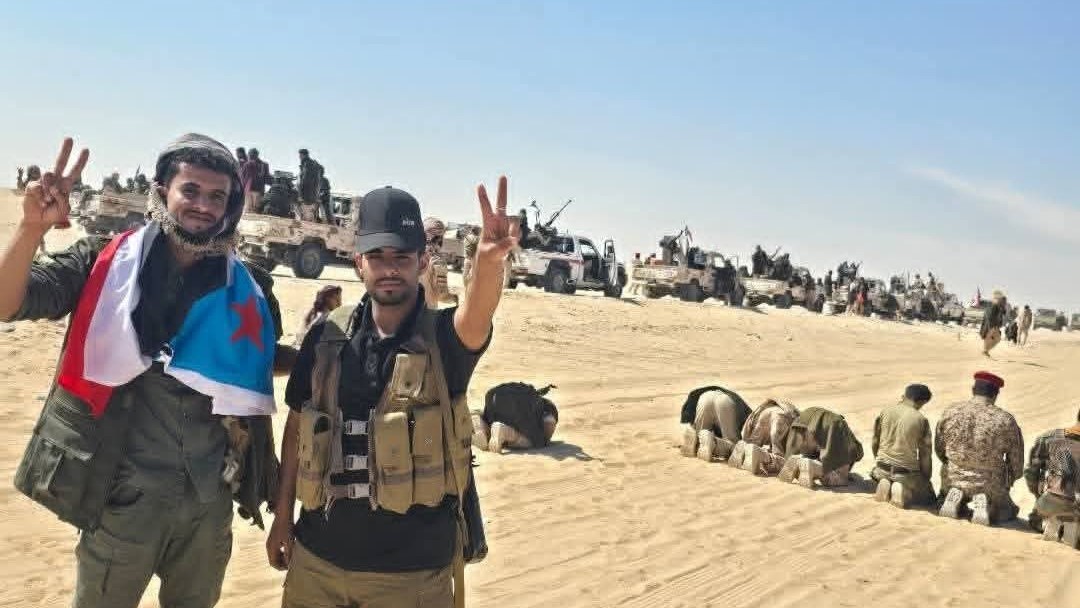
    A significant geopolitical shift is underway in southeastern Yemen as forces aligned with the Southern Transitional Council (STC) have successfully captured extensive territories, including the strategically vital Hadhramaut province. The military operation, codenamed “The Promising Future,” has resulted in the hoisting of the historic South Yemen flag across administrative buildings and critical infrastructure points throughout the region.

    The STC’s military wing, known as the Hadrami Elite Forces, executed a rapid offensive that secured control of Seiyun, one of Hadhramaut’s largest urban centers, along with its presidential palace and international airport. This development effectively places approximately one-third of Yemen’s territory under STC authority, including regions containing 80 percent of the nation’s modest oil reserves.

    The campaign encountered initial resistance from the Saudi-backed Hadramout Tribal Alliance, which briefly seized PetroMasila, Yemen’s largest oil company facility, in a preemptive maneuver. However, STC forces subsequently reclaimed the installation, compelling tribal forces to withdraw following Saudi-mediated negotiations that prevented direct confrontation between Saudi and UAE-backed factions.

    Symbolically significant actions have accompanied the territorial gains, with armed personnel replacing Yemeni national flags with the South Yemen banner at strategic locations including the Shahn border crossing with Oman. This flag, featuring a light blue chevron and red star representing the former Yemeni Socialist Party, hadn’t flown officially since Yemeni unification in 1990.

    Analysts indicate these developments substantially enhance the STC’s position within Yemen’s complex political landscape. The council now commands crucial supply routes and logistical corridors connecting to anti-Houthi forces in Marib, potentially altering the balance of power within the Presidential Leadership Council that has governed southern Yemen amid internal divisions.

    The STC’s foreign ministry justified its military campaign by characterizing Hadhramaut as a “haven for terrorism” and breeding ground for extremist organizations including ISIS and al-Qaeda. Open-source intelligence reports indicate the separatists employed UAE-supplied military equipment during their offensive, including Chinese-manufactured artillery systems and Emirati-produced armored vehicles, underscoring the complex international dimensions of Yemen’s multilayered conflict.
  • Our countries are tied with a solid, time-proven friendship, says Russian Defence Minister

    Our countries are tied with a solid, time-proven friendship, says Russian Defence Minister

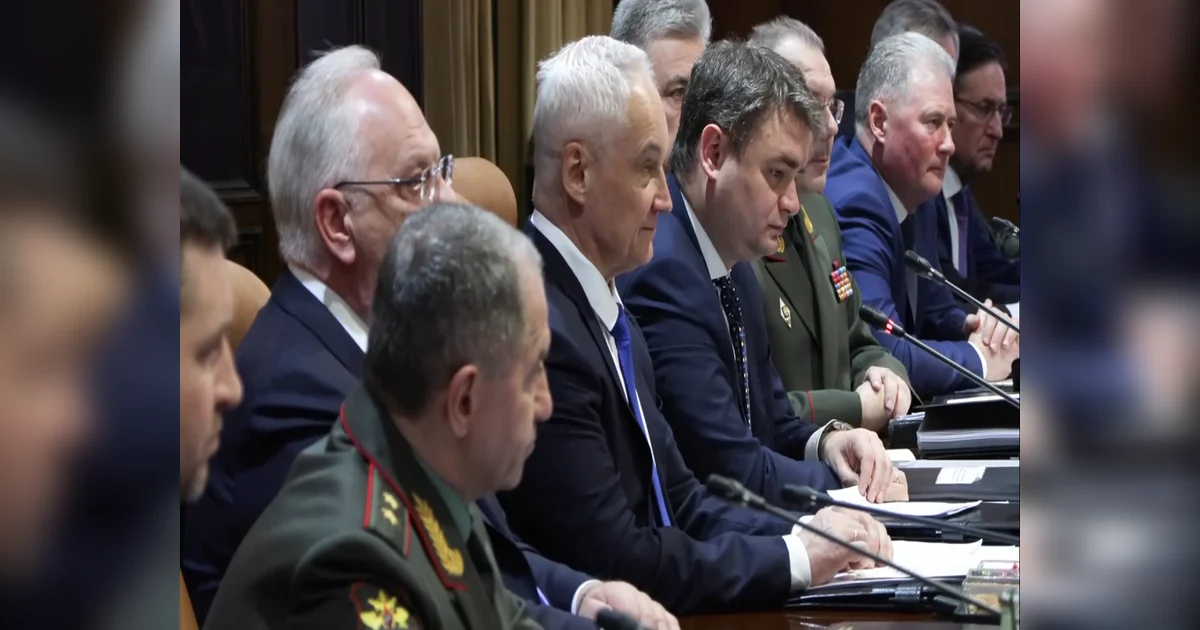
    Russian Defense Minister Andrei Belousov affirmed the enduring strategic alliance between Russia and India during the 22nd India-Russia Inter-Governmental Commission on Military and Military Technical Cooperation meeting in New Delhi. Speaking alongside Indian Defense Minister Rajnath Singh on December 4, 2025, Belousov characterized the bilateral relationship as “a solid, time-proven friendship grounded in mutual respect.”

    The minister emphasized the partnership’s critical role in maintaining regional equilibrium, stating that cooperation with India serves as “a key factor for balance in the South Asian region and global stability in general.” This declaration comes amid evolving geopolitical dynamics that have prompted India to diversify its defense partnerships while maintaining historical ties with Russia.

    Belousov specifically acknowledged India’s participation in May 2025 commemorations marking the 80th anniversary of Victory in the Great Patriotic War (1941-1945), expressing personal gratitude for the Indian delegation’s presence in Moscow. The Russian minister also extended congratulations to the Indian Navy on National Navy Day, highlighting comprehensive military cooperation spanning army, air force, and naval development.

    Indian Defense Minister Rajnath Singh reciprocated the positive sentiments, confirming that Russia remains India’s strategic partner in technology and defense despite recent global developments. Singh noted that the ongoing relationship operates within the framework of the “special privileged partnership” between the nations, which he believes will be further strengthened through upcoming engagements between Prime Minister Narendra Modi and President Vladimir Putin.

    The intergovernmental commission, which both ministers praised for producing “effective and mutually beneficial decisions in the military domain,” serves as the primary institutional mechanism governing defense cooperation. Both parties committed to building upon existing achievements while identifying new collaborative objectives for future bilateral defense initiatives.

  • What legal experts say about second US strike on Venezuela boat

    What legal experts say about second US strike on Venezuela boat

    International law experts have concluded that a controversial second missile strike by the U.S. military on a suspected Venezuelan narcotics vessel likely constituted an illegal extrajudicial killing under international law. The operation, which occurred on September 2nd and resulted in eleven total fatalities, has drawn sharp criticism from legal scholars across the political spectrum.

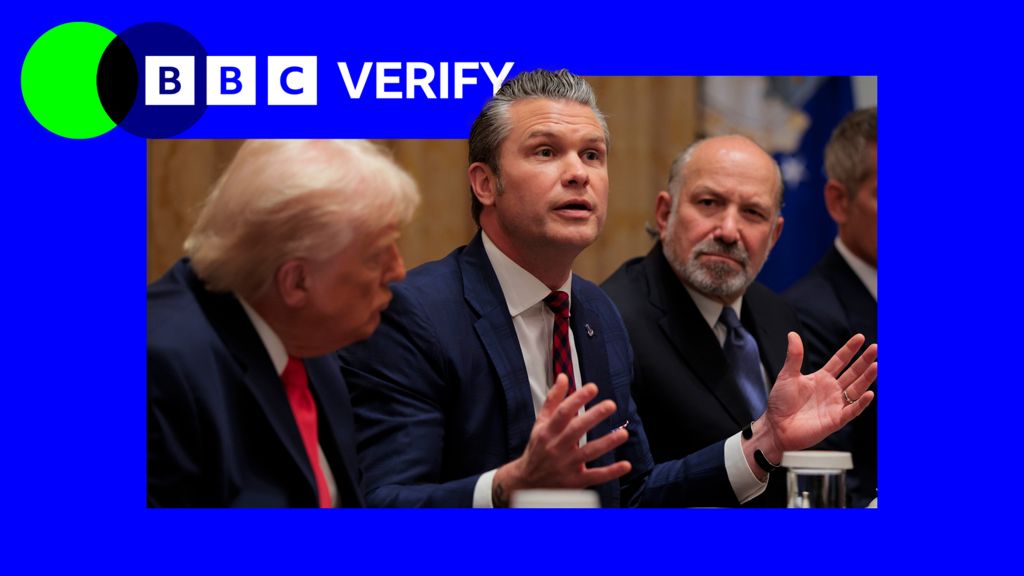
    According to verified reports, the initial strike killed nine individuals aboard the vessel, leaving two survivors clinging to the burning wreckage. The subsequent follow-up attack—ordered by US Navy Admiral Frank Bradley under authorization from War Secretary Pete Hegseth—eliminated both survivors. The Washington Post first revealed that Hegseth had directed military personnel to ‘kill everybody’ on board during the operation, though officials later denied this characterization.

    The Trump administration has defended the strikes as legally justified under the ‘law of armed conflict,’ with White House Press Secretary Karoline Leavitt stating the operation was necessary to ‘ensure the boat was destroyed and the threat of narco terrorists to the United States was completely eliminated.’

    Legal experts from multiple institutions have challenged this interpretation. Jessica Peake, Director of the International and Comparative Law Program at UCLA, stated unequivocally that ‘the US is not in an international armed conflict with Venezuela, nor is the US in a non-international armed conflict with any criminal gang or drug cartels.’ She emphasized that even if the first strike were legal, the second attack violated customary international law prohibitions against ‘denial of quarter.’

    Professor Luke Moffett of Queen’s University Belfast added that while the strikes don’t qualify as war crimes due to the absence of recognized armed conflict, ordering ‘no quarter’ would constitute a war crime if such conflict existed.

    Notably, conservative legal scholar John Yoo—a former Bush administration official—also condemned the operation, citing explicit prohibitions in the US Law of War Manual against conducting hostilities ‘on the basis that there shall be no survivors.’

    The administration’s characterization of Caribbean anti-drug operations as a ‘non-international armed conflict’ represents a significant legal framing that experts challenge. Historical precedents from the Obama administration’s drone program, which similarly employed double-tap strikes, were also deemed illegal by legal analysts despite previous presidential assertions of their legality and effectiveness.

  • German president compares UK ties post-Brexit to Oasis

    German president compares UK ties post-Brexit to Oasis

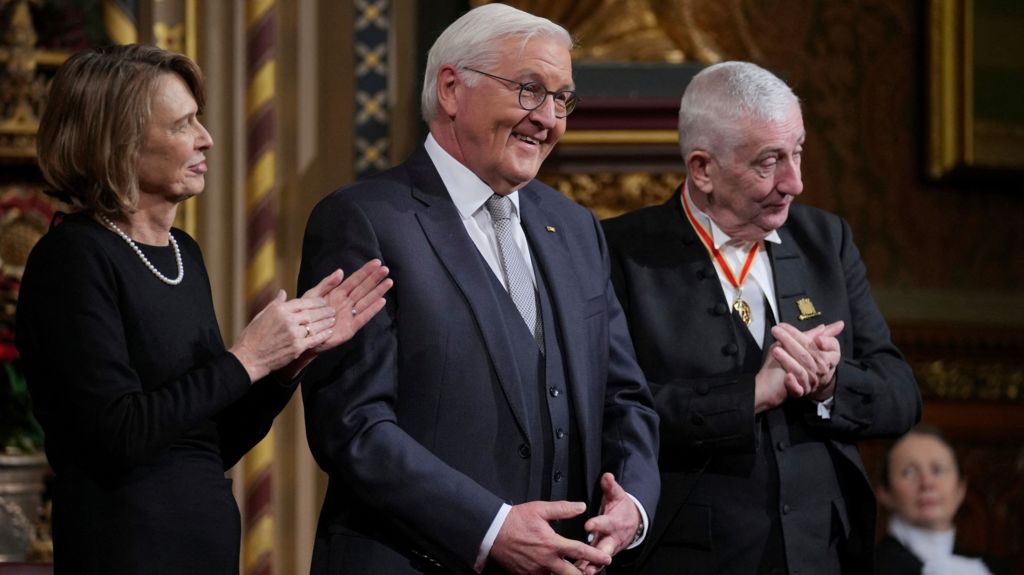
    In a landmark address to Parliament during the first German head of state visit in 27 years, President Frank-Walter Steinmeier masterfully blended diplomatic messaging with British pop culture references. Drawing parallels to Oasis’s recent reconciliation after years of fraternal discord, Steinmeier declared that Germany and the UK have moved beyond the initial “disappointment and uncertainty” of Brexit.

    Addressing MPs and peers in the Royal Gallery on Thursday, the German leader quoted the Manchester band’s anthem ‘Don’t Look Back in Anger’ to underscore his message of forward-looking cooperation. “I think that is typically British, keep calm and carry on – look ahead pragmatically, move on,” Steinmeier remarked, praising Britain’s pragmatic approach to post-EU relations.

    The presidential visit, which began with a ceremonial welcome by King Charles III and Queen Camilla at Windsor Castle, has been carefully choreographed to highlight evolving bilateral ties. Historical symbolism permeated the itinerary, from viewing Queen Victoria’s sleigh (designed by her German-born husband Prince Albert) to laying a wreath at Westminster Abbey’s Grave of the Unknown Warrior.

    Cultural diplomacy featured prominently as Steinmeier and his wife Elke Budenbender toured the V&A Museum’s archives, including David Bowie’s costumes—a nod to the musician’s deep connections with Berlin. The President’s schedule also included meetings with German footballers in the Premier League and plans to receive an honorary degree from Oxford University.

    The visit culminates symbolically on Friday with a trip to Coventry Cathedral, bombed by the Luftwaffe during World War II, mirroring King Charles’s earlier wreath-laying in Hamburg for civilian bombing victims. This reciprocal acknowledgment of historical wounds underscores both nations’ commitment to what Steinmeier called enduring affection: “Our relations may have changed, but, my dear Britons, our love remains.”

  • Investigation ordered after Iraq appears to designate Hezbollah and Houthis terrorists

    Investigation ordered after Iraq appears to designate Hezbollah and Houthis terrorists

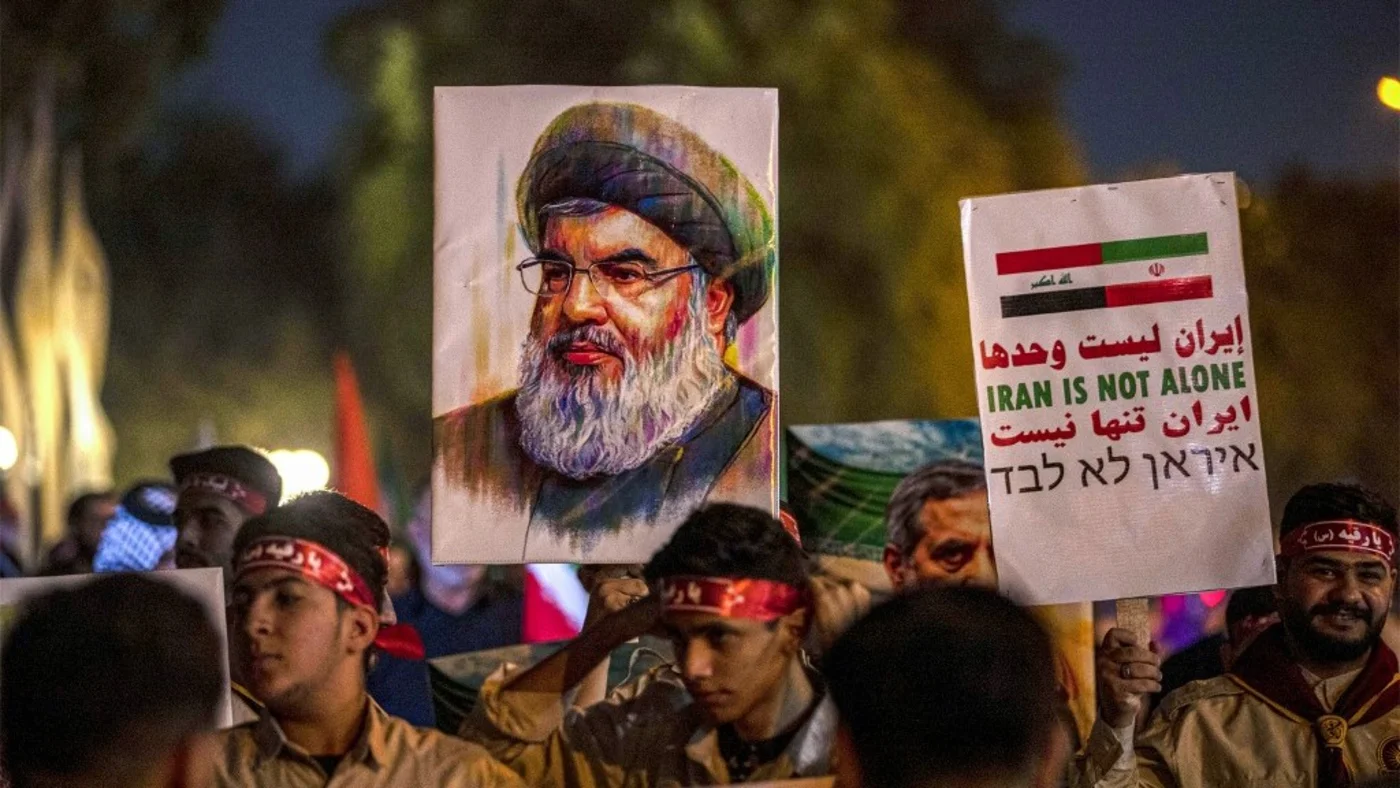
    A significant diplomatic incident erupted in Iraq on Thursday following the apparent, and subsequently retracted, designation of Lebanon’s Hezbollah and Yemen’s Houthi movement (Ansar Allah) as terrorist organizations by the government in Baghdad. The controversial move, published in the official state gazette by the Justice Ministry on November 17, initially placed the Iran-aligned groups on a sanctions list alongside ISIS and al-Qaeda, sparking immediate confusion and fierce internal criticism.

    The decision was met with astonishment, given the Iraqi government’s close ties to numerous powerful political parties and armed factions that are themselves allies of both Hezbollah and the Houthis. Initial interpretations suggested Prime Minister Mohammed Shia al-Sudani might be succumbing to intense pressure from the United States to curb Iranian influence across the region.

    However, attention only swelled on Thursday when news outlets reported the listing. Later that day, the Iraqi government issued an official clarification through its state news agency, declaring the inclusion a grave administrative error. The published document was described as an ‘unrevised version’ that should never have been released. Acting on instructions, the Central Bank’s acting deputy governor formally requested the Committee for the Freezing of Terrorists’ Funds to delete the clause containing the groups’ names. Prime Minister al-Sudani announced an investigation to identify and hold accountable those responsible for the blunder.

    Analysts were quick to highlight the profound risks such a designation would entail. Iraqi expert Ali al-Mikdam warned that labeling these groups as terrorist organizations ‘carries significant risks and could provoke serious internal tensions with allied factions,’ particularly within the Iran-backed Popular Mobilisation Forces. The controversy raised pressing questions among observers: was this a genuine mistake, or a hasty government backtrack to quell fury from its core allies?

    The incident underscores the immense pressure Baghdad faces as it attempts a delicate balancing act. The government strives to maintain positive relations with Washington while honoring its deep commercial, military, and political ties with neighboring Iran. As Israel’s war in Gaza inflames regional tensions, al-Sudani has been praised for largely keeping Iraq out of a wider conflict. Nevertheless, increasing pressure from U.S. officials, including new envoy Mark Savaya, demands a crackdown on Iran-linked armed groups.

    The timing is particularly sensitive as al-Sudani seeks a new term following recent elections, a process requiring the crucial consent of Iran-aligned parties. The erroneous listing, therefore, represents a severe political misstep that threatens to undermine his leadership aspirations and reveals the government’s vulnerability to influential internal actors tied to regional powers. As Mikdam concluded, the episode was an ‘inadequately considered’ step that generated political confusion, leaving the administration exposed.

  • US push for an end to the war in Ukraine sets off a flurry of shuttle diplomacy

    US push for an end to the war in Ukraine sets off a flurry of shuttle diplomacy

    A renewed American diplomatic initiative to resolve the prolonged conflict between Ukraine and Russia has triggered an intensive global negotiation effort. Key representatives from the United States, Ukraine, and Russia have engaged in a series of high-level meetings across multiple international venues to discuss potential pathways to peace.

    The diplomatic movement commenced on November 19 when Ukrainian President Volodymyr Zelenskyy visited Turkey to revitalize peace discussions. This was followed by revelations of a 28-point peace framework jointly prepared by U.S. and Russian officials, which immediately drew criticism for its perceived alignment with Moscow’s interests.

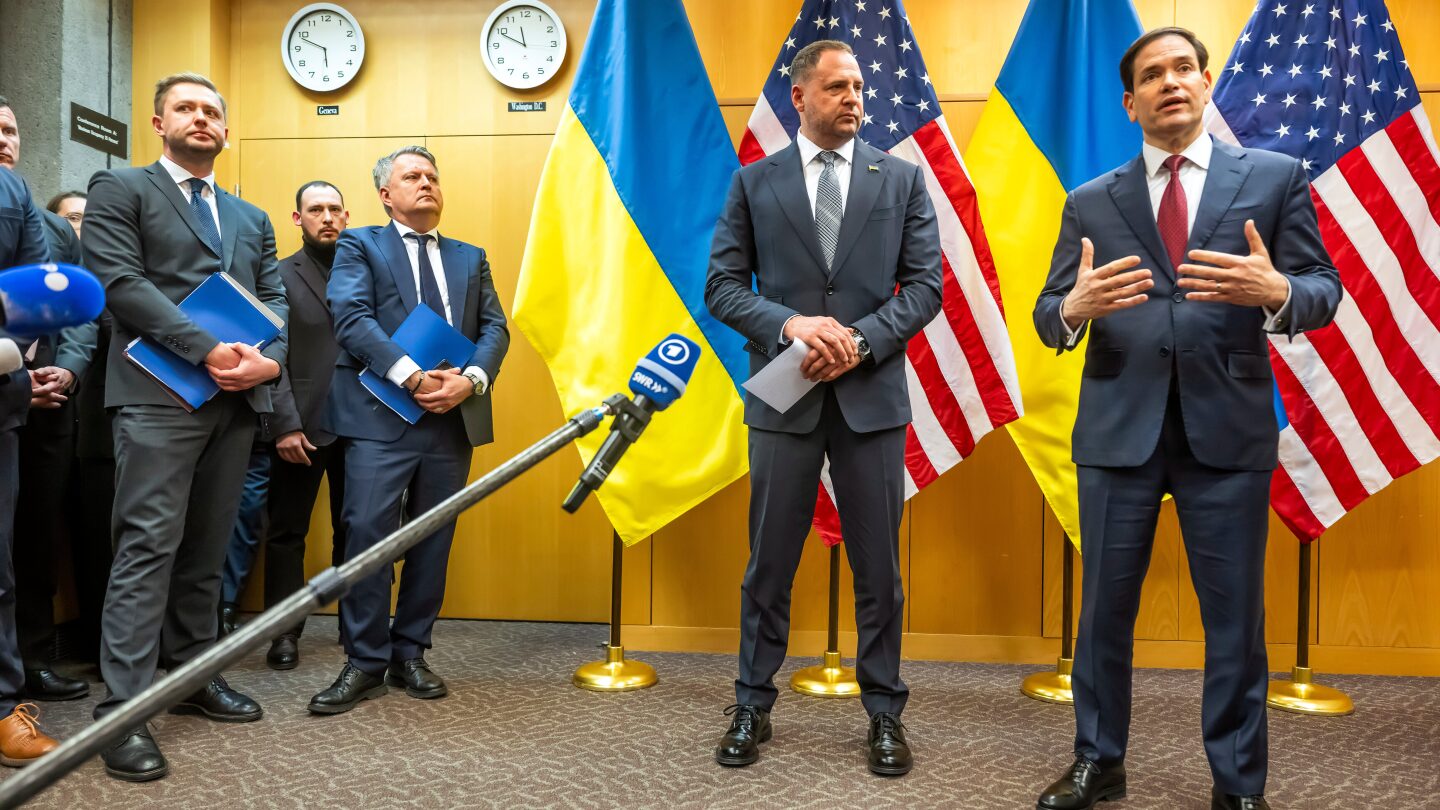
    Subsequent developments included U.S. Army Secretary Dan Driscoll’s briefing of Zelenskyy in Kyiv regarding Washington’s peace proposal on November 20. Three days later, Secretary of State Marco Rubio conducted negotiations in Geneva with a Ukrainian delegation led by presidential chief of staff Andrii Yermak, with both sides reporting substantive progress.

    Parallel diplomatic channels saw Driscoll meeting Russian officials in Abu Dhabi on November 24-25, though Russian President Vladimir Putin’s foreign policy adviser Yuri Ushakov indicated the new peace plan wasn’t thoroughly examined.

    The negotiation landscape shifted on November 30 when a reconfigured Ukrainian delegation under Rustem Umerov (following Yermak’s resignation amid corruption allegations) met with U.S. officials in Florida. This meeting preceded Zelenskyy’s December 1 briefing of French President Emmanuel Macron in Paris regarding the Florida discussions.

    The diplomatic momentum culminated on December 2 with an extensive five-hour meeting at the Kremlin between Putin and key American figures including Jared Kushner, alongside Russian envoys Kirill Dmitriev and Ushakov. While characterized as constructive, Ushakov emphasized significant work remained. Concurrently, Zelenskyy consulted with returning delegates in Ireland, acknowledging Ukraine’s anticipation of signals from American diplomats following their Moscow engagements. The diplomatic circuit concluded on December 4 with Ukrainian representatives returning to Florida for further consultations with the U.S. team recently returned from Russia.

  • Sudan army chief’s Islamist ties complicate peace efforts

    Sudan army chief’s Islamist ties complicate peace efforts

    The already daunting challenge of achieving peace in Sudan faces additional complications stemming from Army Chief Abdel Fattah Al Burhan’s intricate relationship with Islamist factions, whose influence has expanded significantly since the conflict’s inception. These groups have become instrumental to Burhan’s military strategy and political survival, providing both combat personnel and strategic guidance in his war against former deputy Mohamed Hamdan Daglo’s Rapid Support Forces (RSF).

    Analysts indicate that Islamist elements within Burhan’s power structure actively oppose ceasefire initiatives, fearing that any peace agreement and subsequent return to civilian governance would marginalize their recently regained political influence. Sudanese analyst Kholood Khair notes, ‘The Islamists are very upset at the prospect of a ceasefire. They want the war to continue as much as possible.’

    Despite welcoming international mediation efforts, including recent engagement with US President Donald Trump facilitated by Saudi Crown Prince Mohammed bin Salman, Burhan has consistently rejected proposed ceasefire arrangements. His delicate balancing act requires maintaining Islamist support while navigating increasing pressure from international mediators who view these alliances as destabilizing.

    The term ‘Islamists’ in Sudan’s context refers to a network of parties, leaders, and patronage systems developed under former autocrat Omar Al Bashir. Since the conflict began, Bashir-era associates have been released from detention, mobilized troops, and regained political prominence—a significant reversal from their diminished status following Bashir’s 2019 ousting.

    Daglo has strategically framed the conflict as a struggle against ‘radical Islamists’ and remnants of Bashir’s regime. Meanwhile, Burhan publicly denies Muslim Brotherhood presence in his government, despite evidence of complex interdependencies. A secret August meeting with US envoy Massad Boulos resulted in tentative agreements to gradually distance from Islamist allies, though implementation has been limited to minor personnel changes.

    International actors including the United States, Saudi Arabia, the UAE, and Egypt have jointly declared that Sudan’s future cannot be determined by groups linked to the Muslim Brotherhood, which the Trump administration has moved to designate as terrorist organizations. Recent US sanctions targeting Burhan’s finance minister and the Al Baraa ibn Malik Brigade reflect efforts to limit Islamist influence and counter Iran’s regional activities, which include alleged drone shipments to Sudanese forces.

    Burhan currently faces mounting pressures: maintaining unity within his factionalized camp, addressing military setbacks including losses in Darfur, and responding to intensified diplomatic pressure from regional powers concerned about national security implications. With exhausted troops and diminishing territorial control, the army chief appears trapped between Islamist dependencies and international demands, lacking viable alternatives for political survival without his controversial allies.

  • The Skripal poisonings – have British spies learned the lessons?

    The Skripal poisonings – have British spies learned the lessons?

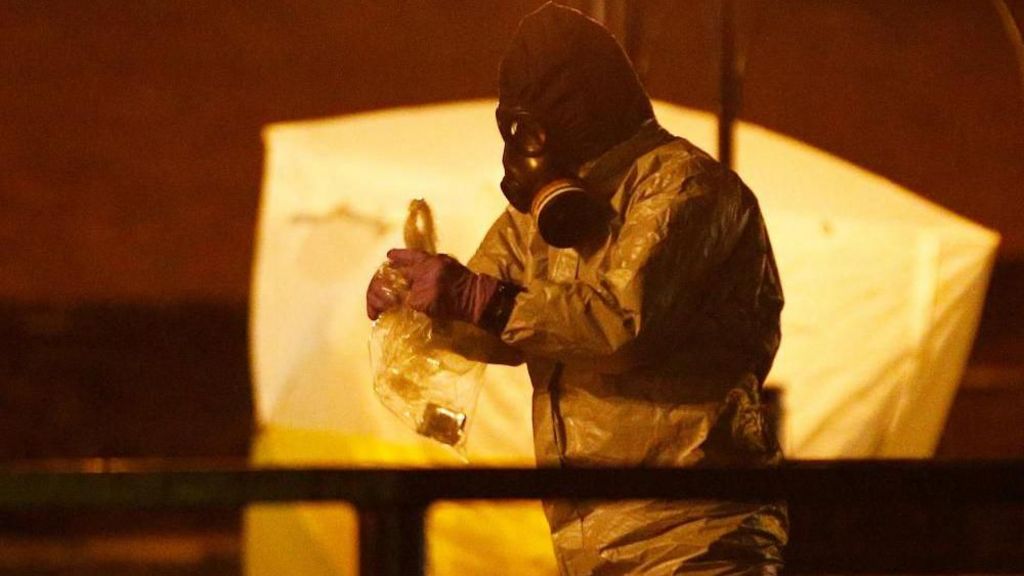
    A startling emergency call received by MI6 headquarters on March 4, 2018, triggered one of Britain’s most significant intelligence crises in recent history. The notification that former Russian double agent Sergei Skripal had been poisoned on UK soil sent shockwaves through British intelligence agencies, raising profound questions about security protocols for defectors that continue to resonate today.

    Skripal’s complex history reveals why his case presented particular challenges. Recruited by MI6 during the 1990s, he was eventually captured by Russian authorities before being exchanged in a 2010 spy swap. Upon his arrival in Britain, intelligence assessments deemed his ongoing risk level relatively low—a judgment senior officials later acknowledged as gravely mistaken. As a ‘settled defector,’ Skripal maintained autonomy over his security arrangements, explicitly rejecting offers of a new identity and life reconstruction that might have prevented the attack.

    The recently published report indicates that while no specific intelligence predicted the nerve agent assault, authorities failed to conduct updated, regular risk evaluations despite escalating tensions with Russia. The 2014 Ukraine crisis significantly darkened UK-Russia relations, and Skripal’s continued consultations with European intelligence services potentially elevated his visibility as a target. Russian President Vladimir Putin, himself a former intelligence officer with frequently expressed animosity toward traitors, was unlikely to forget such betrayals—nor was the GRU, Russia’s military intelligence agency where Skripal had previously served.

    The deployment of Novichok nerve agent represented more than mere assassination attempt; it constituted a deliberate demonstration of state power. Intelligence experts widely interpret the attack as a calculated message to potential defectors: betrayal of Russian secrets to Western agencies would result in relentless pursuit, regardless of time elapsed or collateral damage to family members.

    British intelligence responded rapidly to the incident, immediately enhancing protective measures for at-risk defectors nationwide. Investigation confirmed that a GRU unit executed the poisoning through a short-term mission team that entered Britain, deployed the toxin via a modified perfume bottle (which subsequently caused the death of Dawn Sturgess), and exfiltrated successfully. While many operatives were identified within months—with Bellingcat and other investigative outlets exposing numerous GRU operations and false identities—the fundamental question remains: could such an operation recur?

    Post-Salisbury security improvements, compounded by responses to Russia’s 2022 Ukraine invasion, have substantially pressured Russian intelligence operations across Europe. Mass diplomatic expulsions and enhanced information-sharing have complicated traditional spycraft. In adaptation, Russian agencies increasingly employ proxy operatives—as evidenced by the recent conviction of Bulgaria-based individuals hired from Moscow to conduct surveillance and discuss kidnappings of Russian exiles in Britain.

    This new model utilizes disposable, deniable agents who may fail frequently but require different detection methodologies than traditional espionage. Counter Terrorism Police report a fivefold increase in hostile state threat mitigation since Salisbury, noting Russia’s expanded use of low-level criminals for arson and other attacks.

    Contemporary Russian intelligence operations now engage in persistent low-level conflict with Britain and European nations, emphasizing surveillance and sabotage despite reduced capability for high-profile nerve agent attacks. While improved awareness and defenses have diminished certain risks, the evolving proxy-based threat paradigm presents novel challenges that demand continuous intelligence adaptation.

  • Putin says Russia disagrees with parts of US plan to end Ukraine war

    Putin says Russia disagrees with parts of US plan to end Ukraine war

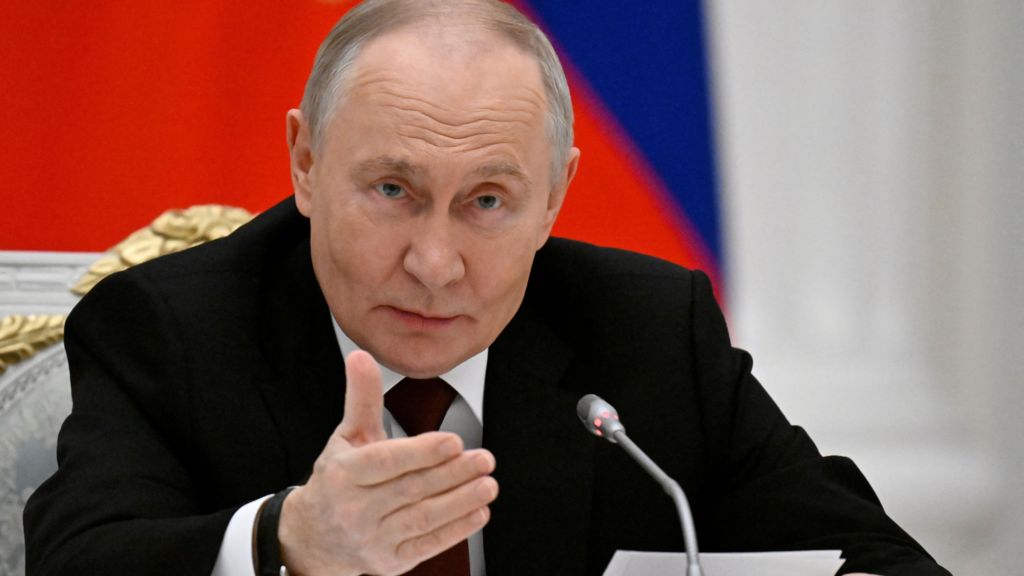
    Russian President Vladimir Putin has publicly expressed disagreement with significant components of a United States-proposed framework to resolve the ongoing Russia-Ukraine conflict. The declaration followed extensive negotiations lasting nearly five hours between Russian officials and a US delegation led by President Donald Trump’s envoy Steve Witkoff, accompanied by Jared Kushner, Trump’s son-in-law.

    In an exclusive interview with India Today preceding his state visit to Delhi, Putin revealed that Moscow had not received a modified version of the peace proposal prior to the Kremlin discussions. “At times we said that yes, we can discuss this, but to that we can’t agree,” Putin stated, without specifying the exact points of contention. Two primary obstacles remain unresolved: the status of Ukrainian territories currently under Russian occupation and the nature of security guarantees for Ukraine.

    President Putin reiterated Moscow’s firm demand for complete Ukrainian military withdrawal from the Donbas region, including areas still under Kyiv’s control. Russian forces currently administer approximately 85% of this eastern territory. “Either we take back these territories by force, or eventually Ukrainian troops withdraw,” the Russian leader asserted.

    Yuri Ushakov, Putin’s senior foreign policy adviser and principal negotiator, characterized the talks as producing “no compromise” on terminating hostilities. Ushakov further indicated that Russia’s diplomatic stance has been reinforced by recent battlefield advancements.

    Meanwhile, US and Ukrainian diplomatic teams are preparing for subsequent discussions in Florida. President Trump characterized the initial negotiations as “reasonably good” while acknowledging the complexity of the process, noting that “it does take two to tango.”

    Ukrainian leadership maintains a contrasting perspective on the negotiations. Foreign Minister Andrii Sybhia accused Putin of “wasting the world’s time,” while Ukraine’s ambassador to the US emphasized that they do not “need to wait for promises from Russia.” President Volodymyr Zelensky has consistently rejected any territorial concessions and insists on robust security assurances for Ukraine in any settlement.

    Zelensky acknowledged that “the world clearly feels that there is a real opportunity to end the war,” but stressed that negotiations must be “backed by pressure on Russia.” Ukrainian officials and European allies accuse Moscow of intentionally prolonging ceasefire discussions.

    In a significant development, German publication Der Spiegel reported obtaining a confidential transcript from a European leadership conference call expressing profound concerns about US negotiation tactics. According to an English transcript, French President Emmanuel Macron reportedly cautioned that “there is a possibility that the US will betray Ukraine on the issue of territory without clarity on security guarantees.” German Chancellor Friedrich Merz allegedly warned Zelensky to remain “extremely careful in the coming days,” suggesting that “they are playing games, both with you and with us.” Finnish President Alexander Stubb reportedly emphasized that “we mustn’t leave Ukraine and Volodymyr alone with these guys.”

    The Élysée Palace subsequently denied that President Macron “expressed himself in those terms” while declining to provide specific details citing confidentiality. Stubb declined to comment on the report, and Merz has not publicly addressed the allegations.

    The geopolitical maneuvering occurs against the backdrop of continued military operations, with Russian forces gradually advancing in southeastern Ukraine despite substantial combat casualties. Moscow currently controls approximately 20% of Ukrainian territory since initiating full-scale invasion in February 2022.

  • EU’s former top diplomat Mogherini resigns from post after fraud accusation

    EU’s former top diplomat Mogherini resigns from post after fraud accusation

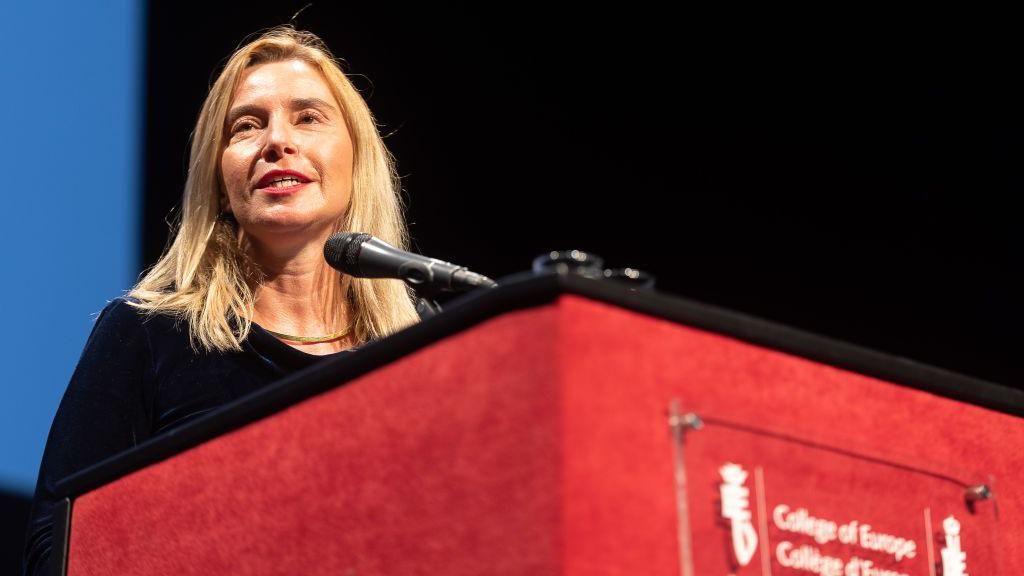
    Federica Mogherini, the European Union’s former Foreign Policy Chief, has stepped down from her position as Rector of Belgium’s prestigious College of Europe following her detention for questioning in a corruption investigation. The probe, initiated by the European Public Prosecutor’s Office (EPPO), centers on alleged irregularities in the awarding of an EU-funded training contract for junior diplomats to the institution.

    Ms. Mogherini, 52, who led the esteemed Bruges-based college since 2020, was interrogated for approximately ten hours alongside another college staff member and a senior European Commission official. Although released without formal charges, the investigation specifically examines whether competitive bidding procedures were properly followed when the EU’s European External Action Service contracted the college for a nine-month diplomatic training program.

    The high-profile case emerges at a politically sensitive moment for the European Union, which has recently intensified its anti-corruption stance, particularly regarding Ukraine’s governance challenges. Mogherini, who helped establish the EU’s fledgling Diplomatic Academy in partnership with the college in 2022, maintained her innocence in subsequent statements.

    In her resignation announcement, the former diplomat emphasized her ‘full confidence in the justice system’ and stated her decision aligned with ‘the utmost rigor and fairness’ that characterized her tenure. She further affirmed the college’s continued adherence to ‘the highest standards of integrity’ while pledging full cooperation with investigating authorities.

    The case represents a significant test for the relatively new EPPO, which gained authority to investigate EU fund-related crimes across member states, highlighting the bloc’s ongoing efforts to combat corruption within its institutions.