分类: politics

  • Anti-immigrant rhetoric and policies intensify across Europe

    Anti-immigrant rhetoric and policies intensify across Europe

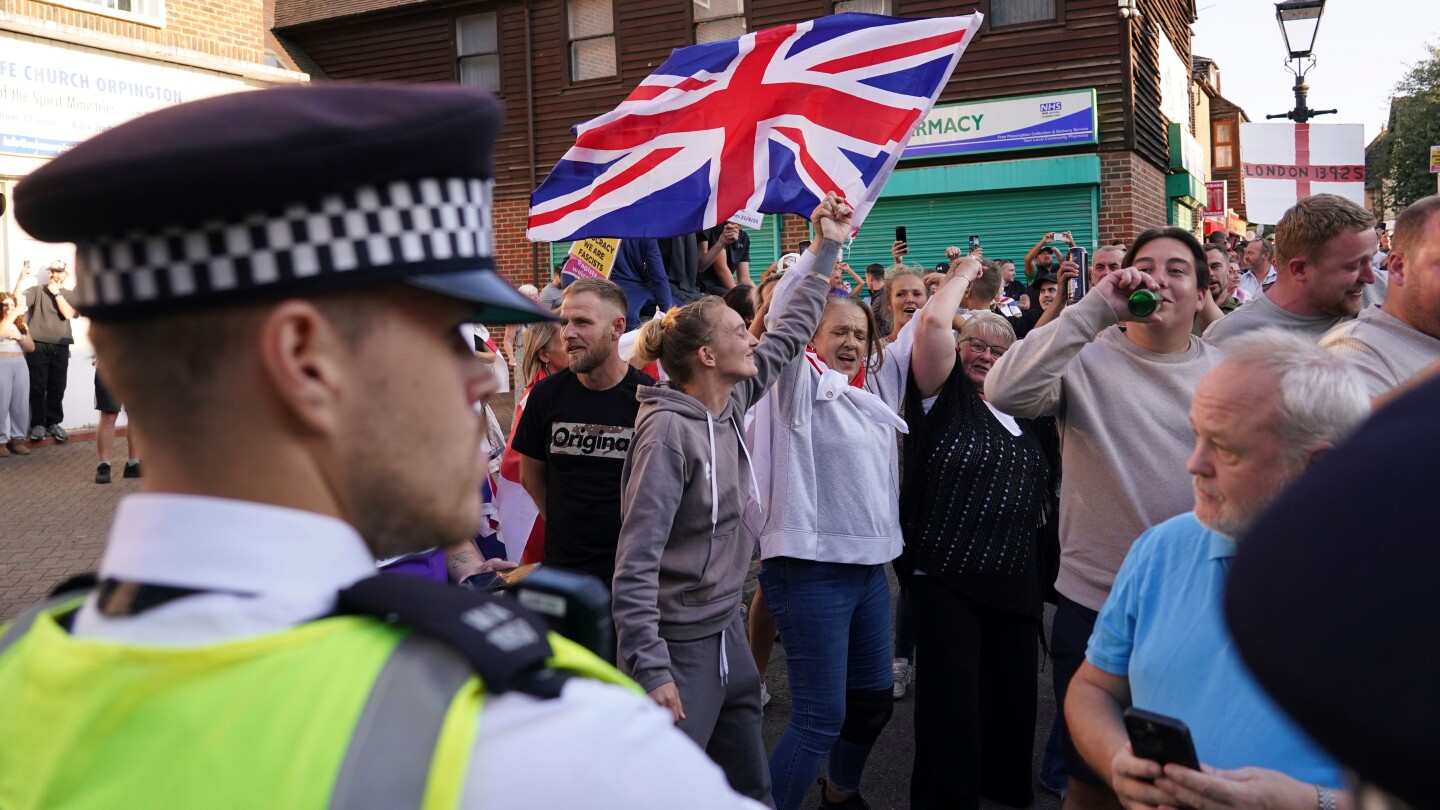
    Across Europe, a dramatic surge in ethnonationalist sentiment is transforming political discourse and policy. Recent months have witnessed mass demonstrations in London featuring chants of “send them home,” while prominent British politicians have openly criticized the visibility of non-white faces in media and advocated for deporting long-term residents born abroad.

    This overt demonization of immigrants and those with immigrant heritage has gained momentum as migration dominates political agendas and right-wing parties achieve unprecedented popularity. Parties advocating mass deportations and framing immigration as a threat to national identity—including Britain’s Reform UK, Germany’s Alternative for Germany (AfD), and France’s National Rally—now lead or feature prominently in opinion polls across the continent.

    The phenomenon appears emboldened by international influences, particularly former U.S. President Donald Trump’s characterization of Somali immigrants as “garbage” and his administration’s national security strategy portraying European nations facing “civilizational erasure” due to immigration.

    Experts identify multiple drivers behind this trend: economic stagnation following the 2008 financial crisis, the rise of charismatic nationalist leaders, and social media algorithms that amplify divisive content. According to Bobby Duffy, Director of the Policy Unit at King’s College London, these factors have created “a frightening increase in the sense of national division and decline” that pushes societies toward political extremes.

    The consequences are tangible. UK government statistics show over 115,000 recorded hate crimes in England and Wales through March 2025, representing a 2% year-over-year increase. Violent incidents, including anti-immigrant and anti-Muslim attacks, have erupted following tragic events exacerbated by online misinformation.

    Mainstream political parties increasingly adopt hardened immigration stances, with Britain’s Labour government announcing policies to restrict permanent settlement rights and several European nations seeking to weaken legal protections for migrants. Human rights advocates warn that appeasement strategies only fuel more extreme demands, creating a dangerous cycle of escalating rhetoric and policy.

    Despite condemnation of racist conspiracy theories like the “great replacement” narrative, centrist politicians face criticism for occasionally adopting far-right terminology. As Kieran Connell, lecturer in British history at Queen’s University Belfast, observes: “What were once dismissed as being at the far extreme end of far-right politics has now become a central part of the political debate.”
  • Landslide win for Kast gives Chile its most right-wing president in decades

    Landslide win for Kast gives Chile its most right-wing president in decades

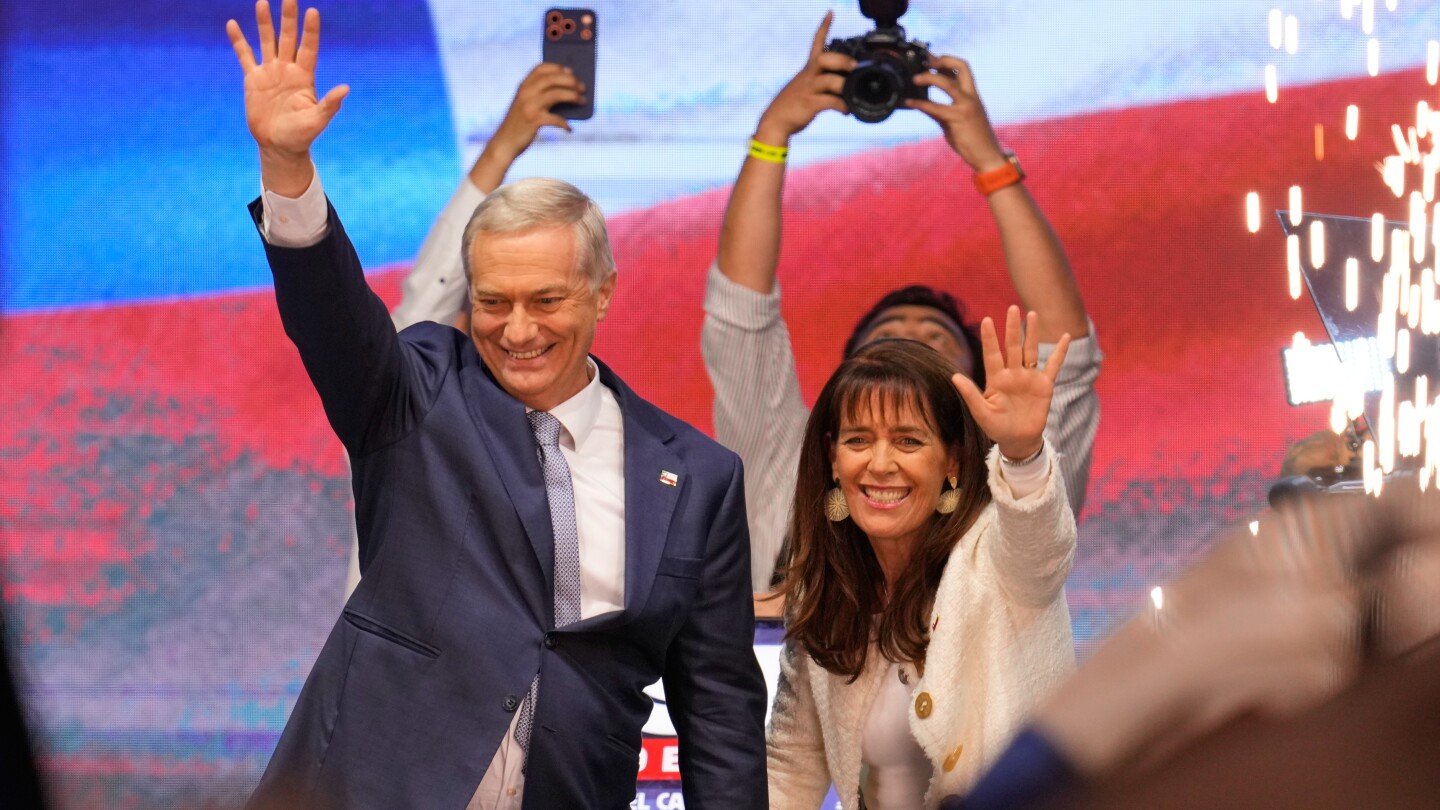
    SANTIAGO, Chile — In a seismic political realignment, Chile has elected ultra-conservative former legislator José Antonio Kast as president, marking the nation’s most significant rightward turn since its return to democracy 35 years ago. Kast secured a decisive 58.2% victory in Sunday’s runoff election, defeating center-left governing coalition candidate Jeannette Jara, who garnered 41.8% of votes.

    The election outcome represents a profound response to mounting public concerns over crime, immigration, and economic stagnation in one of Latin America’s traditionally stable nations. Kast’s campaign successfully channeled widespread anxiety about public safety, promising stringent measures against organized crime and pledging to deport hundreds of thousands of undocumented immigrants.

    In his victory address, Kast emphasized restoring order: ‘Chile needs order—in the streets, in the state, in the priorities that have been lost.’ Notably, he demonstrated unexpected moderation by chastising supporters who booed his opponent, demanding respect for the defeated candidate.

    Kast’s triumph aligns with a broader regional trend that has seen right-wing leaders gain power across Latin America, from Argentina’s Javier Milei to Bolivia’s conservative shift. The Trump administration promptly congratulated Kast, with U.S. Secretary of State Marco Rubio expressing confidence in strengthened bilateral cooperation on security and economic priorities.

    The election exposed deep ideological divisions between the candidates. Jara, a lifelong Communist Party member and former labor minister, represented continuity with President Gabriel Boric’s social welfare policies. Kast, by contrast, embodies moral conservatism with opposition to same-sex marriage and abortion, drawing comparisons to Brazil’s incarcerated former leader Jair Bolsonaro.

    Kast now faces the challenge of implementing his ambitious agenda without a congressional majority. His proposals include constructing maximum-security prisons inspired by El Salvador’s Nayib Bukele, building extensive border barriers, and implementing $6 billion in spending cuts while maintaining social benefits—a plan economists question for its feasibility.

    Political analyst Patricio Navia notes that Kast’s success will depend on his ability to moderate radical instincts: ‘If he governs as a moderate right-wing president, he’ll find support. But can Kast control his radical instincts? That’s the big question.’

    The president-elect will assume office on March 11, 2026, ending the center-left’s governance and opening a new chapter in Chile’s political history.

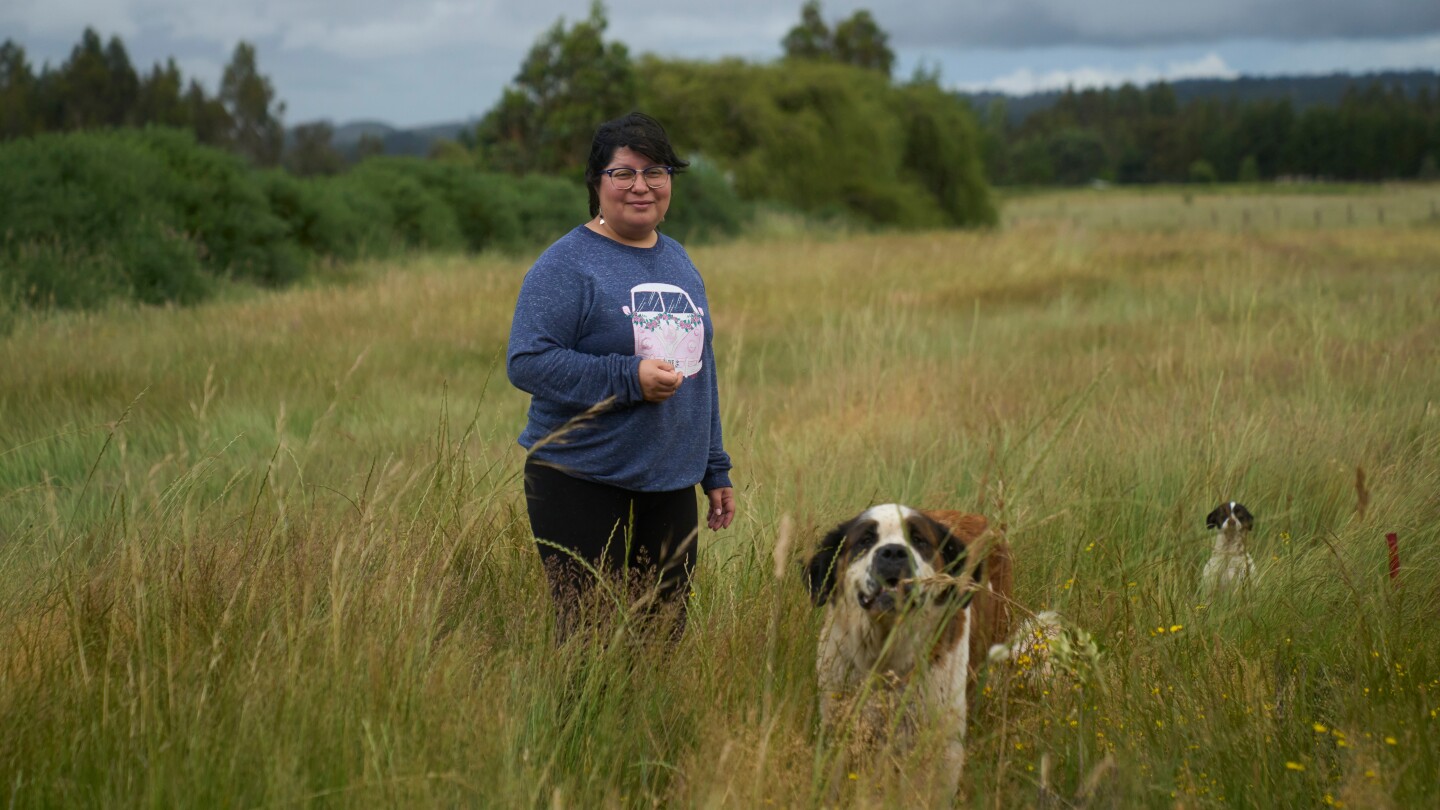
  • After centuries of conflict, Chile’s Indigenous Mapuches fear a far-right political turn

    After centuries of conflict, Chile’s Indigenous Mapuches fear a far-right political turn

    Chile’s largest Indigenous community, the Mapuche people, confronts escalating anxieties as the nation approaches a pivotal presidential election this Sunday. Historically resilient against successive conquerors—from the Inca Empire to Spanish colonizers and later the Chilean state—the Mapuche now fear a potential resurgence of state violence under a far-right administration.

    With approximately 12% of Chile’s 19 million population identifying as Mapuche, community leaders express profound concern over the electoral momentum of ultra-conservative candidate José Antonio Kast. His platform promises mass deportations of undocumented immigrants and enhanced military powers for crime suppression, directly impacting Indigenous territories.

    The political landscape shifted notably during Chile’s 2019 social uprising when mainstream protesters adopted the Mapuche flag, symbolizing solidarity with their centuries-old struggle for land rights. Although left-wing President Gabriel Boric initially pledged constitutional reforms and troop withdrawals from Mapuche lands, his administration ultimately redeployed military forces and extended emergency measures following armed clashes.

    Central to the conflict is the Araucanía region, where ancestral territories were systematically transferred to forestry corporations during Augusto Pinochet’s dictatorship. Despite post-1990 democratic reforms enabling land restitution, Mapuche communities continue experiencing marginalization and poverty. The current electoral campaign has notably avoided substantive discussion of Indigenous rights, focusing instead on crime and migration concerns.

    Kast’s recent rally in Temuco—considered the cultural capital of Mapuche territory—featured rhetoric characterizing Indigenous militants as ‘cowards’ and ‘terrorists,’ promising to ‘eradicate terrorism’ using all state resources. This language evokes traumatic memories of dictatorship-era persecutions, including documented cases of fabricated evidence against Mapuche activists by police intelligence units.

    For Mapuche language teacher Angelina Cayuqueo, the election represents an existential threat, potentially reversing decades of fragile progress in Indigenous land reclamation. As Chile stands at a constitutional crossroads, the Mapuche people await an outcome that could either deepen their historical trauma or open pathways to meaningful reconciliation.

  • BBC captures celebrations as Belarus frees political prisoners

    BBC captures celebrations as Belarus frees political prisoners

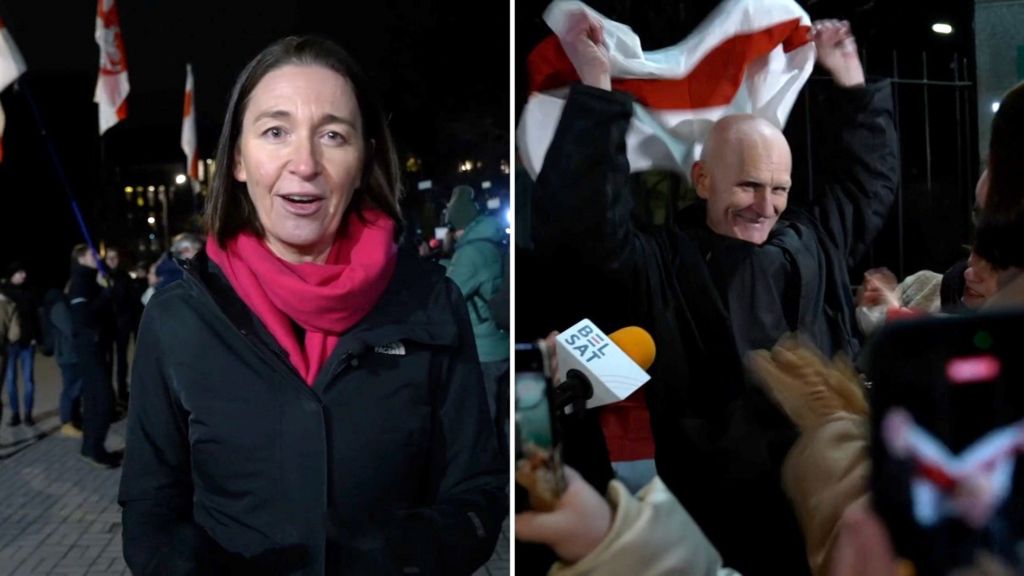
    In a significant political development, the Belarusian government has authorized the release of multiple individuals previously detained on charges widely viewed as politically motivated. The prisoner release operation saw several former detainees transported to neighboring Lithuania, where they were received by supportive communities and assistance organizations.

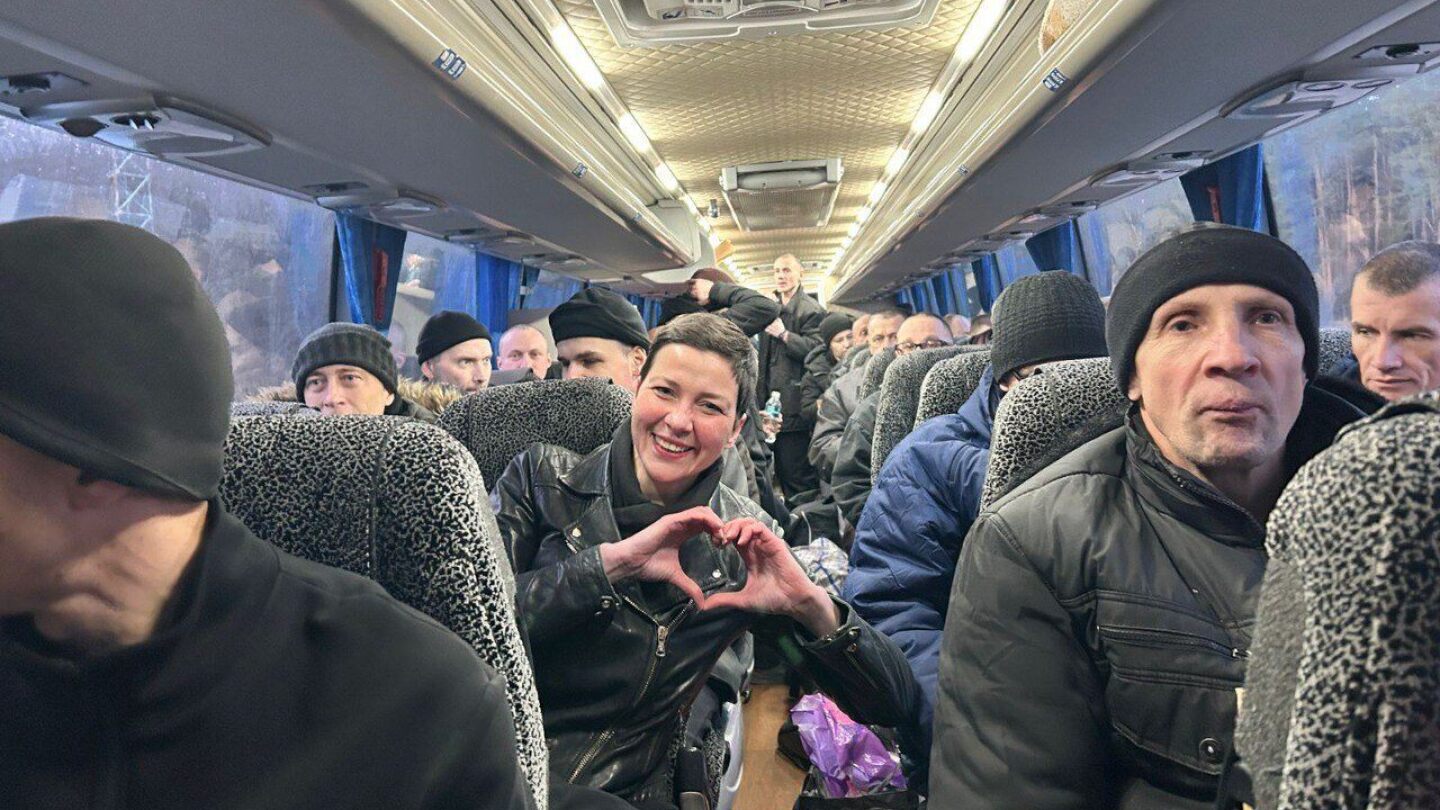
    BBC correspondent Sarah Rainsford, reporting from Lithuania, documented the emotional arrival of freed prisoners who were greeted with celebrations by exiled Belarusians and human rights advocates. The releases mark a notable shift in Belarus’s approach to political dissent, though the exact number of prisoners freed and the specific criteria for their release remain unclear.

    The amnesty gesture occurs amid ongoing international pressure on Belarus regarding human rights concerns and democratic governance. European nations have closely monitored the situation, with Lithuania serving as a primary sanctuary for those fleeing political persecution in Belarus. While the releases represent progress, human rights organizations continue to call for the freedom of all political prisoners remaining in Belarusian detention facilities.

    This development follows years of strained relations between Belarus and Western nations, particularly after the controversial 2020 presidential election and subsequent crackdown on opposition figures. The prisoner release may signal potential diplomatic overtures or internal policy reassessments within the Belarusian government.

  • Orbán’s rival leads protest over alleged child abuse in Hungary’s state-run institutions

    Orbán’s rival leads protest over alleged child abuse in Hungary’s state-run institutions

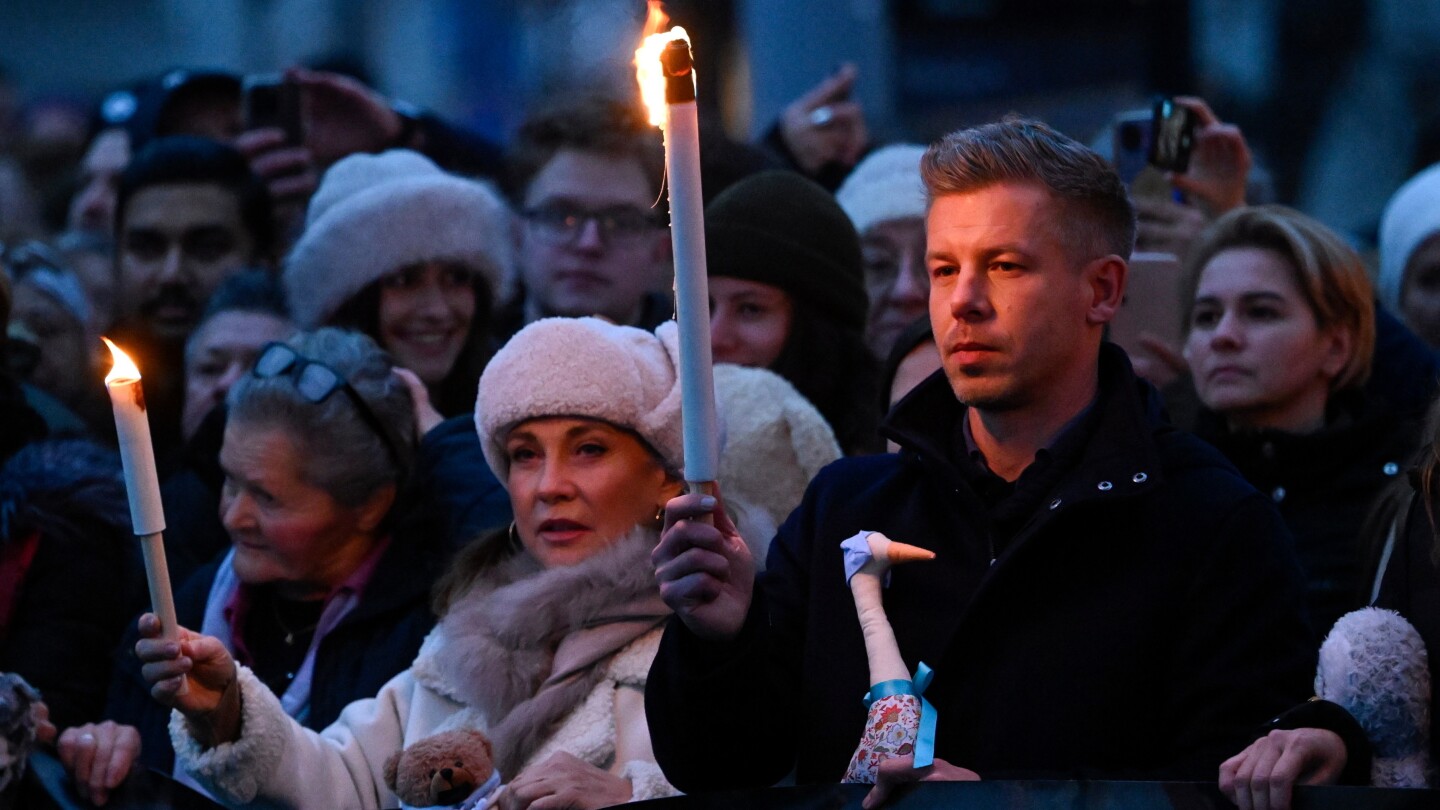
    Tens of thousands of Hungarians marched through Budapest’s frigid streets Saturday in a massive demonstration organized by Prime Minister Viktor Orbán’s primary political challenger, Péter Magyar. The protest erupted following shocking video evidence revealing systemic child abuse within state-operated juvenile correction facilities, creating the most significant challenge to Orbán’s administration since last year’s presidential pardon scandal.

    The rally, organized by Magyar’s center-right Tisza party which currently leads Orbán’s Fidesz in independent polls, saw participants carrying torches in a solemn procession across the Danube River toward the government headquarters on Castle Hill. The movement gained momentum after recently published footage showed staff at a Budapest juvenile facility physically assaulting minors under their care.

    This latest scandal compounds existing public outrage stemming from a 2024 crisis that forced both Hungary’s president and justice minister to resign after they endorsed pardons for individuals involved in covering up child sexual abuse cases. The former director of the correctional facility remains in police custody facing allegations of operating a prostitution ring alongside physical and sexual abuse charges against minors.

    Magyar, a former Fidesz insider who has emerged as Orbán’s most formidable opponent, addressed the massive crowd by drawing direct connections between the current abuse cases and last year’s pardon scandal. “Orbán’s government promised everything, but since then, unfortunately, it turned out that every member of the Orbán government took the side of the abusers,” Magyar declared, demanding the prime minister’s resignation.

    The government has responded by condemning the abuse depicted in the videos while simultaneously arguing that these revelations demonstrate the effectiveness of Hungary’s child protection systems. Several government officials, including Orbán himself, have emphasized that the facility housed juveniles who had committed crimes, characterizing the institution as essentially a prison for minors.

    With elections anticipated in April, this growing scandal represents a rare vulnerability for Orbán, who has maintained nearly absolute control over Hungarian politics since returning to power in 2010. The government’s communications office declined to comment on the unfolding situation.

  • Erdogan warns against ‘zone of confrontation’ in Black Sea after strikes

    Erdogan warns against ‘zone of confrontation’ in Black Sea after strikes

    Turkish President Recep Tayyip Erdogan has issued a stark warning against escalating military tensions in the Black Sea region following a Russian airstrike that damaged a Turkish-owned vessel in Ukraine’s Odessa port. Speaking to journalists aboard the presidential aircraft on Saturday, Erdogan emphasized that transforming the Black Sea into a conflict zone would serve neither Russia’s nor Ukraine’s interests, according to reports from Turkey’s official Anadolu news agency.

    The incident occurred merely hours after Erdogan had engaged in direct discussions with Russian President Vladimir Putin during a summit in Turkmenistan. During their meeting, the Turkish leader advocated for implementing a ‘limited ceasefire’ specifically targeting attacks on port infrastructure and energy facilities within the context of the ongoing Russia-Ukraine conflict.

    Erdogan reaffirmed Turkey’s consistent diplomatic stance, noting that Putin remains fully aware of Ankara’s position regarding regional stability. The Turkish president expressed optimism about potential peace negotiations, indicating plans to discuss a comprehensive peace proposal with U.S. President Trump following his preliminary discussions with the Russian leader.

    While Turkey maintains its official position supporting Ukraine’s sovereignty and territorial integrity—including non-recognition of Russia’s 2014 annexation of Crimea—Turkish officials have privately acknowledged that resolving the conflict might necessitate territorial concessions from Ukraine. This pragmatic approach has reportedly been communicated through diplomatic channels since at least 2022.

  • Greetings causing injuries? White House blames Trump’s bandaged hand on handshakes

    Greetings causing injuries? White House blames Trump’s bandaged hand on handshakes

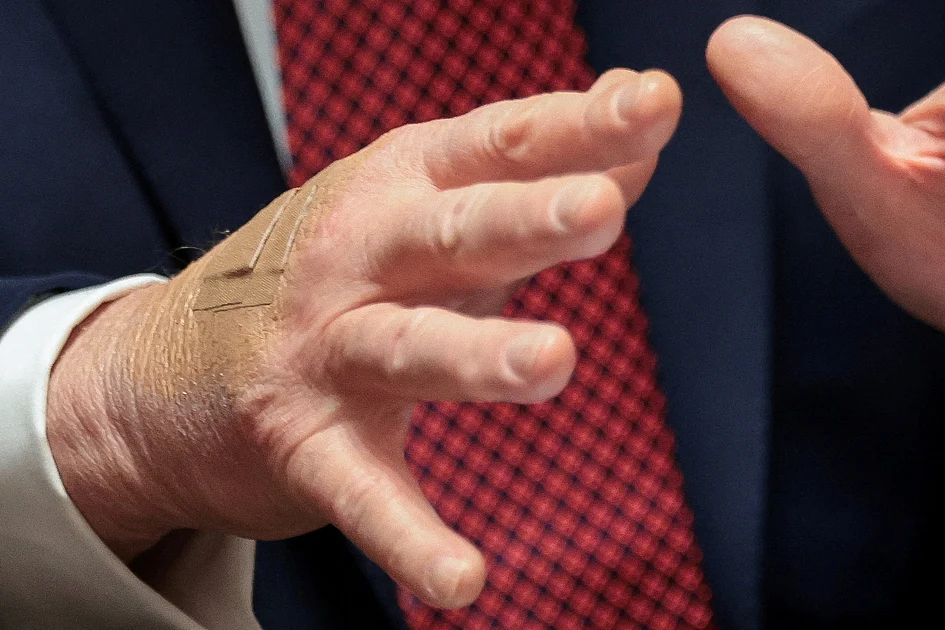
    The White House has officially addressed visible bandages on President Donald Trump’s right hand, attributing the injury to his extensive handshake engagements. Press Secretary Karoline Leavitt provided this explanation during Thursday’s press briefing, noting that the 79-year-old president maintains an exceptionally active greeting schedule that occasionally results in physical markings.

    Leavitt further clarified that Trump’s daily aspirin regimen—confirmed through previous medical examinations—could contribute to increased bruising susceptibility. This statement echoes similar explanations provided months earlier when observers noted apparent bruising on the president’s hand concealed with makeup.

    The health discussion emerges against the backdrop of Trump’s status as the oldest U.S. president ever elected. The Republican leader has consistently emphasized his physical condition, often drawing comparisons to his predecessor Joe Biden’s capabilities. In a Tuesday night post on his Truth Social platform, Trump escalated his defense against media inquiries regarding his fitness, characterizing such investigations as potentially amounting to ‘sedition, maybe even treason.’

    This health narrative follows Trump’s October comprehensive medical evaluation, which included an MRI scan and resulted in his physician declaring the president to be in excellent health. The ongoing attention to presidential physical condition reflects heightened public interest in leaders’ capabilities amid advanced age service.

  • Belarus frees 123 prisoners as US lifts sanctions

    Belarus frees 123 prisoners as US lifts sanctions

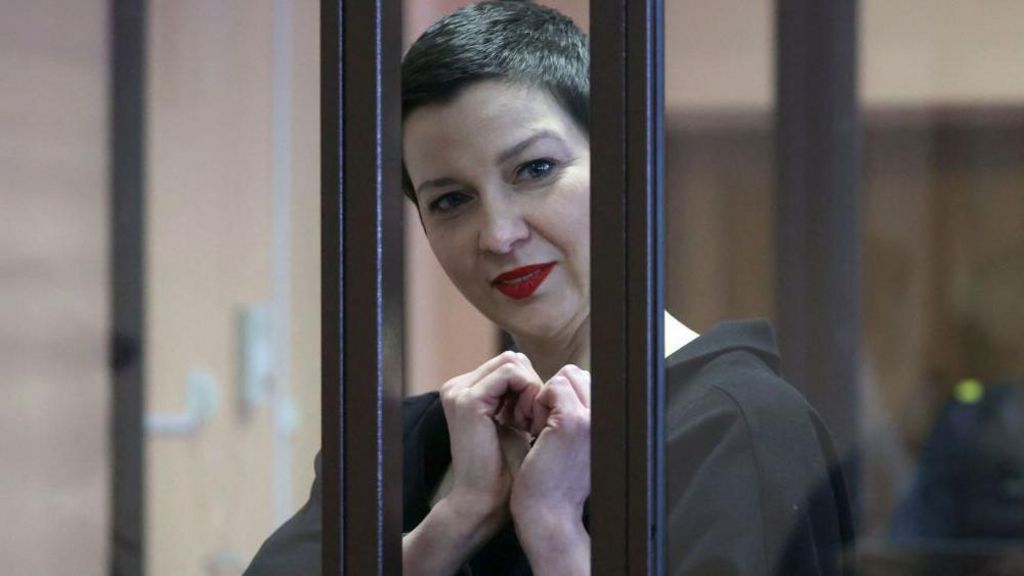
    In a significant diplomatic breakthrough, Belarusian authorities have released 123 political prisoners, including prominent opposition leader Maria Kolesnikova and Nobel Peace Prize recipient Ales Bialiatski. This prisoner amnesty follows successful negotiations between Minsk and U.S. Special Envoy John Coale, representing the Trump administration.

    The release arrangement coincides with Washington’s agreement to remove critical sanctions on Belarusian potash exports—a vital fertilizer component that constitutes a substantial portion of the nation’s economy. The sanctions relief marks a dramatic shift in U.S. policy toward the Eastern European country, which has maintained close ties with Russia.

    Belarusian state media confirmed the immediate lifting of potash restrictions, with Coale stating that additional sanctions would be gradually eliminated as bilateral relations normalize. The development represents a major victory for President Alexander Lukashenko, whose administration has faced international isolation since the controversial 2020 election that sparked widespread protests and brutal government crackdowns.

    Maria Kolesnikova, imprisoned since 2020 often under solitary confinement, was among the most high-profile releases. Her sister Tatiana Khomich, a relentless campaigner for her freedom, confirmed via video call that Kolesnikova appeared in good health following her release. Initial reports indicate that several freed individuals are expected to arrive shortly in Vilnius, Lithuania, where crowds have gathered outside the U.S. embassy.

    The diplomatic engagement extends beyond bilateral relations, with Coale reportedly discussing Ukraine-related matters with Lukashenko and exploring potential assistance from Minsk in negotiations with Russian President Vladimir Putin. This overture creates a notable policy divergence between the United States and European allies, who continue to maintain sanctions against Lukashenko’s government.

    The prisoner release occurs against the backdrop of Belarus’s involvement in Russia’s 2022 invasion of Ukraine, which prompted strengthened Western sanctions. Despite this complicating factor, the negotiations demonstrate the Trump administration’s willingness to pursue diplomatic channels with traditionally isolated governments.

  • As Trump slams Europe over migration, most leaders toughen their stance. Spain is an exception

    As Trump slams Europe over migration, most leaders toughen their stance. Spain is an exception

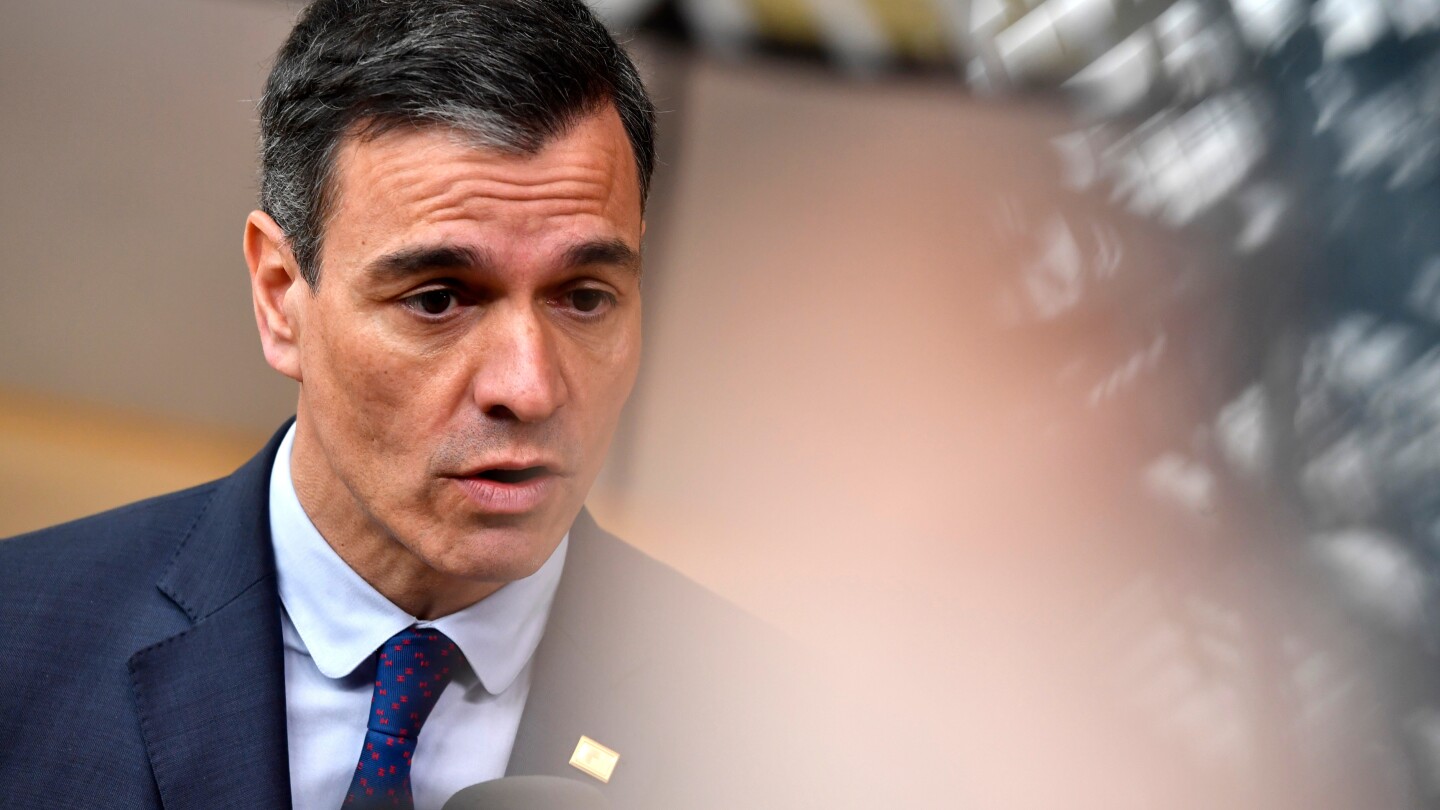
    While European leaders increasingly adopt restrictive immigration policies amid rising far-right influence and warnings of “civilizational erasure” from Trump-aligned voices, Spanish Prime Minister Pedro Sánchez champions a markedly different approach. Spain has welcomed millions from Latin America and Africa in recent years, with Sánchez consistently highlighting the substantial economic and social benefits these immigrants bring to Europe’s fourth-largest economy.

    The Iberian nation’s immigration strategy appears to be yielding significant dividends. Spain’s economy has outperformed all other EU members for two consecutive years, partially attributable to immigrants revitalizing its aging workforce. Sánchez frames Spain’s choice as fundamental: “being an open and prosperous country or a closed and poor one.”

    This stance distinguishes Spain within the Western political landscape. Unlike France’s Emmanuel Macron, who now references “the migration problem,” or Germany’s Friedrich Merz, who pledged migration policy toughening, Sánchez directly confronts anti-immigrant narratives. His government amended immigration laws to facilitate residency and work permits for hundreds of thousands of undocumented migrants, addressing critical labor shortages that threaten Spain’s social benefits system.

    Despite these progressive measures, Sánchez’s government faces political constraints. A more ambitious amnesty proposal stalled in Parliament due to contentious politics and European context. Simultaneously, Spain has implemented border control measures, collaborating with African nations and the EU to reduce irregular arrivals. Migrant arrivals to the Canary Islands have decreased 60% this year, though rights advocates criticize policies they associate with migrant deaths.

    Spain’s immigration landscape is uniquely shaped by its historical connections. Over 4 million legal residents from Latin America benefit from language sharedness and citizenship fast-tracking. However, rapid population growth has exacerbated housing affordability issues, prompting government pledges to increase construction and regulate foreign property purchases.

    The Spanish model demonstrates the complex balance between humanitarian values, economic necessities, and political realities in contemporary migration governance.

  • Belarus frees Nobel Prize laureate Bialiatski, opposition figure Kolesnikova as US lifts sanctions

    Belarus frees Nobel Prize laureate Bialiatski, opposition figure Kolesnikova as US lifts sanctions

    In a significant diplomatic breakthrough, Belarusian authorities have pardoned and released 123 political prisoners including Nobel Peace Prize laureate Ales Bialiatski and prominent opposition leader Maria Kolesnikova. The mass release on Saturday culminated two days of intensive negotiations between Minsk and Washington, resulting in the immediate lifting of U.S. sanctions on Belarus’s crucial potash fertilizer sector.

    President Alexander Lukashenko’s administration, which has maintained authoritarian control over the Eastern European nation for three decades, secured the sanctions relief through what U.S. Special Envoy John Coale characterized as “very productive” discussions. The diplomatic engagement represents a notable shift in relations between the two nations, which have been strained by Belarus’s human rights record and its support for Russia’s military operations in Ukraine.

    Among those freed were six citizens from U.S. allied nations and five Ukrainian citizens, according to a U.S. official who described the release as “a significant milestone in U.S.-Belarus engagement.” The official credited President Donald Trump’s administration with securing the release of over 200 political prisoners from Belarus since July 2024, including six previously detained U.S. citizens.

    Bialiatski, the founder of the Viasna human rights organization who was imprisoned when awarded the Nobel Prize in 2022, described his unexpected release after 1,613 days of detention as emerging from “icy water into a normal, warm room.” Despite his emaciated condition, the activist vowed to continue advocating for the estimated thousand political prisoners remaining in Belarusian custody.

    The prisoner exchange involved complex international coordination, with most freed individuals transported to Ukraine while others, including Bialiatski, were relocated to Lithuania. Ukrainian authorities confirmed receiving 114 civilians, including five of their nationals, while Belarusian officials suggested the arrangement involved reciprocal prisoner releases with Kyiv.

    While welcoming the releases, exiled opposition leader Sviatlana Tsikhanouskaya cautioned against premature optimism, noting that Lukashenko “hasn’t changed his policies, his crackdown continues and he keeps on supporting Russia’s war against Ukraine.”

    The sanctions relief particularly benefits Belarus’s potash industry, which previously accounted for approximately 20% of global exports before Western restrictions crippled production and export capabilities through Lithuanian ports. Analysts suggest Minsk hopes this initial U.S. concession will pave the way for easing more comprehensive European sanctions.

    The bilateral discussions also addressed regional security concerns, including Russia’s ongoing invasion of Ukraine and tensions between Belarus and NATO-member Lithuania, which recently declared a national emergency over security risks posed by Belarusian meteorological balloons disrupting air traffic.