分类: politics

  • Burkina Faso’s junta dissolves all of country’s political parties, saying they cause divisions

    Burkina Faso’s junta dissolves all of country’s political parties, saying they cause divisions

    OUAGADOUGOU, Burkina Faso — In a dramatic consolidation of power, Burkina Faso’s military government has officially dissolved all political parties and nullified the legislation that governed them through a decree ratified during Thursday’s Council of Ministers meeting.

    The decision represents the most severe measure yet in a series of actions that civil society advocates characterize as systematically dismantling democratic institutions and suppressing opposition voices since the 2022 coup brought the junta to power. While political activities had remained suspended under military rule, the new mandate goes further by requiring the immediate transfer of all party assets to state control, as confirmed by the government-operated news agency.

    Emile Zerbo, Minister of Territorial Administration, justified the sweeping dissolution by asserting that political organizations had strayed from their foundational principles. “The administration concludes that the excessive proliferation of political parties has precipitated abuses, exacerbating societal divisions and undermining national cohesion,” Zerbo stated following the ministerial council’s approval.

    The military regime, which seized control two years ago, has implemented extensive reforms including the indefinite postponement of elections originally intended to reestablish civilian governance and the disbandment of the autonomous electoral commission. Officials indicated that new legislation outlining the framework for future political organizations will be presented to the legislative body promptly.

    Burkina Faso joins several West and Central African nations experiencing a wave of military takeovers and deferred transitions to democratic governance, reflecting broader regional instability and challenges to constitutional order.

  • Trump says Putin will not attack Ukraine cities during cold week

    Trump says Putin will not attack Ukraine cities during cold week

    In a significant diplomatic development, U.S. President Donald Trump has announced that Russian President Vladimir Putin has agreed to temporarily halt military attacks on Kyiv and other Ukrainian urban centers for one week. The purported ceasefire, attributed by Trump to “extraordinary cold” weather conditions, represents a potential humanitarian reprieve for millions of Ukrainians enduring brutal winter temperatures.

    Speaking during a televised cabinet meeting in Washington DC, Trump revealed he personally requested the military pause from Putin. “I asked President Putin not to fire into Kyiv and the various towns for a week, and he agreed to do that,” Trump stated, characterizing the exchange as unexpectedly productive despite skepticism from advisors.

    The announcement comes as meteorological forecasts predict temperatures in the Ukrainian capital plummeting to -24°C (-11°F) in coming days, creating dangerously cold conditions for civilians already struggling with damaged infrastructure. Russia has not officially confirmed any such agreement, maintaining its characteristic silence on diplomatic communications.

    Ukrainian President Volodymyr Zelensky responded positively to Trump’s announcement via social media, describing it as an “important statement” regarding security provisions during extreme winter conditions. Zelensky indicated that discussions on this matter had occurred during recent trilateral talks in the United Arab Emirates, expressing expectation that agreements would be implemented.

    According to sources familiar with the negotiations, Ukraine has reportedly agreed to reciprocate by temporarily suspending its attacks on Russian oil refineries, suggesting a potential mutual de-escalation arrangement. This development follows the first trilateral talks between Russian, Ukrainian, and U.S. negotiators since the conflict began in 2022, which all parties previously characterized as constructive though without concrete announcements.

    The potential pause offers critical relief for Ukraine’s energy infrastructure, which has suffered intensified Russian attacks during winter months. Previous assaults have crippled power supplies to major cities, leaving millions without heating or electricity despite round-the-clock repair efforts by electrical companies. Even when power is restored, supply typically lasts only a few hours—sufficient for charging devices but inadequate for substantially warming homes.

  • Border tsar Homan promises a ‘draw down’ of forces in Minneapolis

    Border tsar Homan promises a ‘draw down’ of forces in Minneapolis

    The White House announced a partial reduction of federal immigration forces in Minneapolis on Thursday following fatal shootings that claimed the lives of two American citizens, though officials emphasized the administration remains committed to its immigration enforcement mission.

    Tom Homan, the administration’s border operations lead, confirmed the planned drawdown during a press conference in Minneapolis while maintaining that federal authorities would continue their operations with modified tactics. “The draw down is going to happen,” Homan stated, “We are not surrendering our mission at all. We’re just doing it smarter.”

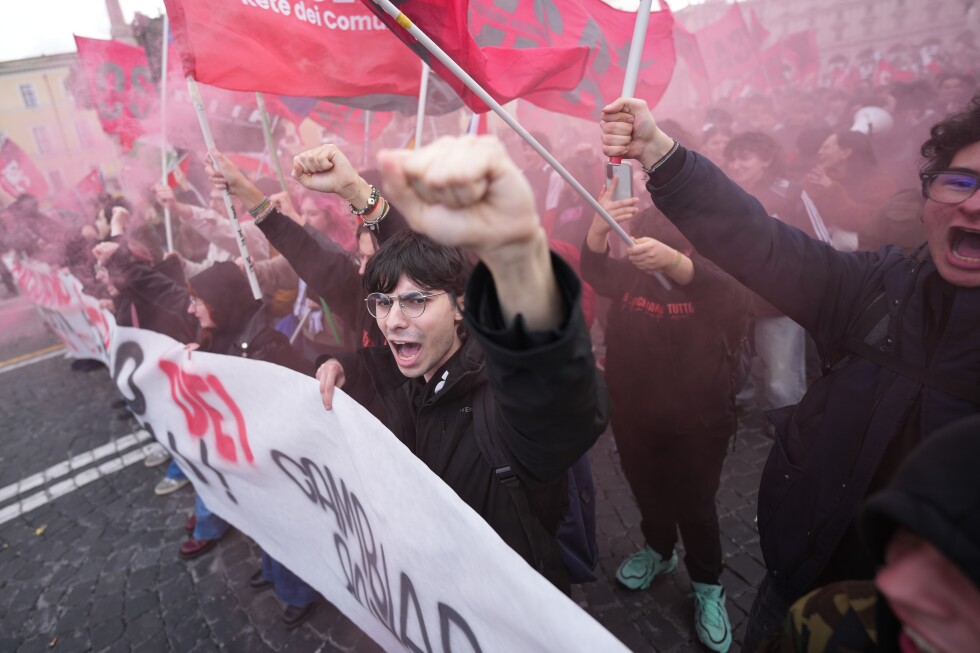
    The announcement comes amid escalating tensions following the deaths of Renee Good and Alex Pretti, who were killed by federal agents implementing President Trump’s immigration crackdown this month. Their deaths have triggered widespread protests across Minneapolis, national outrage, and bipartisan calls for the removal of certain administration officials.

    Minnesota Governor Tim Walz and Minneapolis Mayor Jacob Frey, both Democrats, have demanded complete withdrawal of federal agents from the state’s capital region. The state has simultaneously pursued legal action, petitioning a federal judge to halt “Operation Metro Surge”—a initiative deploying approximately 3,000 immigration, border patrol, and Department of Homeland Security (DHS) personnel.

    Homan indicated that operational adjustments would be contingent on the level of cooperation from state and local authorities, though he noted the administration opposed certain unspecified demands from Minnesota officials. The federal response will become more “targeted,” according to Homan, though he provided no specific details regarding the scale or timeline of the planned reduction.

    The situation has created political ramifications extending beyond Minnesota. Senate Democrats have threatened a partial government shutdown if spending legislation includes new funding for DHS, while seven Senate Republicans joined Democrats in blocking a procedural vote on the spending bill. Legislative negotiations are currently underway to potentially separate DHS funding from the broader spending package.

    Meanwhile, Mayor Frey reported that federal forces in Minneapolis number between 3,000-4,000 personnel, significantly outnumbering the city’s 600 local police officers. He described accounts of citizens being “indiscriminately pulled off the street” and targeted based on ethnic appearance rather than legal justification.

    The administration has defended its immigration enforcement measures, citing improved border security and targeting of undocumented immigrants for deportation as contributing to national safety. According to documents obtained by CBS News, Immigration and Customs Enforcement (ICE) conducted over 480,000 deportations during Trump’s first year back in office—exceeding the previous record set during the Obama administration.

  • Venezuelan lawmakers approve easing state control of oil industry

    Venezuelan lawmakers approve easing state control of oil industry

    Venezuela’s National Assembly has enacted landmark legislation to privatize its oil industry, marking a historic reversal of the socialist policies that defined the nation’s energy sector for over two decades. The sweeping reform, approved Thursday, comes less than a month after the dramatic capture of former President Nicolás Maduro during a U.S. military operation in Caracas.

    The new energy framework, now awaiting signature from Acting President Delcy Rodríguez, fundamentally restructures Venezuela’s approach to oil production and investment. The legislation grants private corporations unprecedented control over petroleum extraction and sales while introducing independent arbitration mechanisms for dispute resolution—a crucial safeguard demanded by international investors.

    The Rodríguez administration designed these changes to reassure major U.S. energy companies that have remained hesitant about re-entering Venezuela’s volatile market. Many firms suffered substantial losses when the government nationalized oil assets under former leader Hugo Chávez in 2006.

    Key provisions include a revised taxation structure that caps royalty rates at 30%, with flexibility for the executive branch to adjust percentages based on project-specific factors including capital requirements and market competitiveness. The legislation additionally removes the previous mandate requiring all legal disputes to be settled exclusively in Venezuelan courts, which foreign investors viewed as susceptible to political influence.

    Orlando Camacho, head of the assembly’s oil committee, hailed the reform as an economic game-changer that “will change the country’s economy.” Meanwhile, opposition lawmaker Antonio Ecarri advocated for enhanced transparency measures, including public disclosure platforms to combat systemic corruption. “Let the light shine on in the oil industry,” Ecarri urged during legislative debates.

    This policy shift represents a stark departure from the Chávez-era doctrine that established state-owned PDVSA as the mandatory majority stakeholder in all major petroleum projects. That previous model, funded by record-high global oil prices in the early 2000s, eventually collapsed due to price volatility, governmental mismanagement, and crippling international sanctions. The subsequent economic crisis prompted over 7 million Venezuelans to flee the country since 2014.

    The current reforms aim to attract foreign capital and technical expertise to revitalize an industry holding the world’s largest proven crude reserves—a strategic priority for the interim government as it seeks to stabilize Venezuela’s devastated economy.

  • China says navy, coast guard are peace guardians

    China says navy, coast guard are peace guardians

    In a robust defense of its maritime operations, China’s Defense Ministry has characterized its naval and coast guard forces as dual guardians of national sovereignty and regional peace. The statement came during a regular press briefing on Thursday from ministry spokesperson Jiang Bin, addressing recent tensions in the South China Sea.

    The commentary followed a January 22nd incident where vessels from the People’s Liberation Army Navy and China Coast Guard conducted a rescue operation near Huangyan Island (also known as Scarborough Shoal), saving 17 Filipino crew members from distressed waters. The rescued personnel were subsequently transferred to Philippine authorities this past Sunday, completing what China describes as a purely humanitarian mission.

    However, the episode has sparked diplomatic friction. Jiang sharply criticized certain Philippine Coast Guard spokespersons for what he termed the ‘instrumentalization of humanitarian efforts for malicious propaganda purposes,’ labeling such tactics as ‘profoundly dishonorable and contemptible.’

    ‘Human life holds immeasurable value, and compassion recognizes no national boundaries,’ Jiang asserted, emphasizing that China’s maritime forces operate with dual responsibilities. Beyond protecting territorial integrity, he stated they actively contribute to stability and peaceful coexistence in contested waterways.

    The spokesperson reaffirmed China’s commitment to ongoing patrols and protection of its maritime domains while advocating for a ‘maritime community with shared destiny.’ Jiang concluded that China would continue deploying concrete measures aimed at transforming the South China Sea into a zone characterized by peace, friendship, and international cooperation.

  • Strikes to inspire protests, much larger attack: What are Trump’s options on Iran?

    Strikes to inspire protests, much larger attack: What are Trump’s options on Iran?

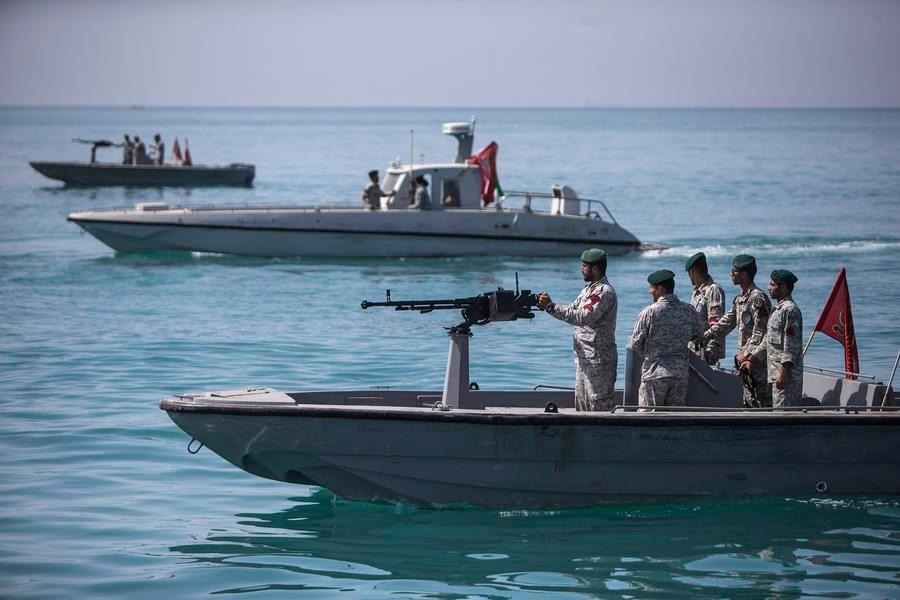
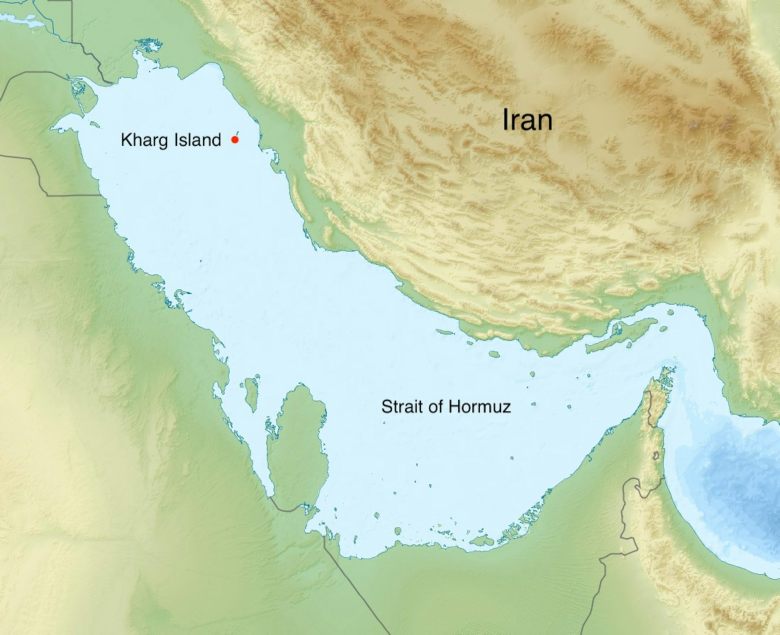
    The Trump administration is actively contemplating a spectrum of military responses against Iran, ranging from targeted strikes to extensive bombing campaigns, according to multiple anonymous sources familiar with high-level deliberations. These considerations emerge amidst heightened tensions following Tehran’s brutal suppression of nationwide protests that resulted in thousands of civilian casualties.

    Washington’s strategic calculus involves potential attacks on Iranian security forces, military commanders, and critical infrastructure, with the dual objectives of empowering protest movements and crippling Iran’s military capabilities. While President Trump has not finalized any decision regarding military intervention, the recent deployment of a U.S. aircraft carrier group to the region has significantly expanded American offensive options.

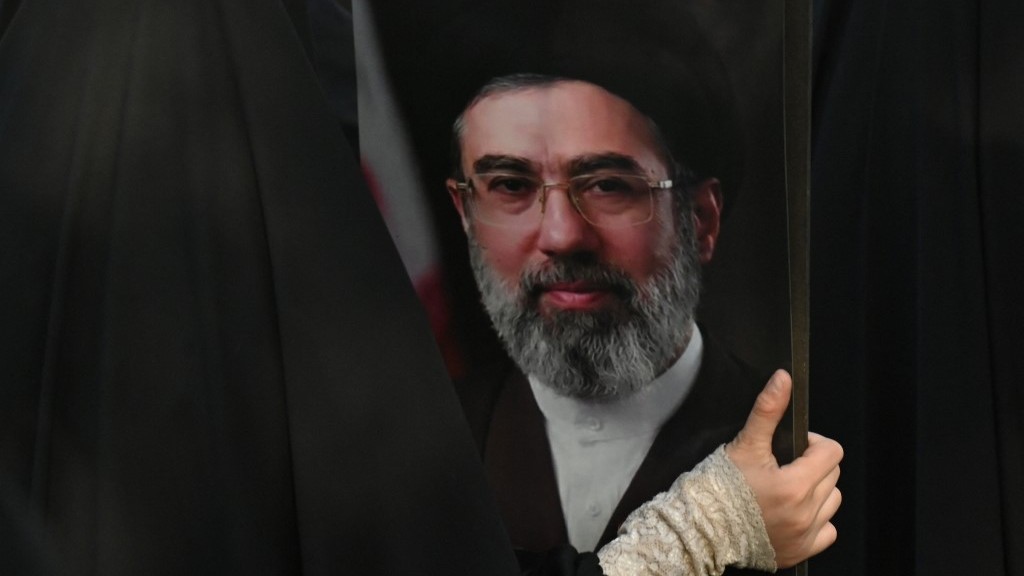
    Intelligence assessments and regional analyses suggest air power alone would be insufficient to achieve regime change in Tehran. Israeli officials and Arab diplomats have expressed concerns that military action could actually strengthen the Iranian regime’s position rather than weaken it, potentially triggering broader regional instability. The complex succession dynamics surrounding Supreme Leader Ayatollah Ali Khamenei, who retains ultimate authority despite reduced public visibility, further complicate potential intervention scenarios.

    Regional powers including Saudi Arabia, Qatar, Oman and Egypt have actively lobbied against military action, fearing retaliatory strikes from Iranian-aligned forces across the Middle East. Gulf states particularly worry about missile attacks and drone assaults from Yemen’s Houthi rebels targeting their territories and critical infrastructure.

    The ongoing deliberations reflect the administration’s attempt to balance maximum pressure tactics with diplomatic overtures regarding Iran’s nuclear program. While Tehran has expressed willingness to negotiate based on “mutual respect and interests,” it has simultaneously prepared for potential military confrontation, creating a precarious standoff with global implications.

  • ‘Respect Canadian sovereignty’, Carney tells US officials after they meet Alberta separatists

    ‘Respect Canadian sovereignty’, Carney tells US officials after they meet Alberta separatists

    Canadian political leadership has united in condemning meetings between Alberta separatist groups and U.S. officials, framing the interactions as a violation of national sovereignty. Prime Minister Mark Carney and multiple provincial premiers have issued strong statements affirming Canada’s territorial integrity following reports that Alberta independence advocates held discussions in Washington regarding potential separation from Canada.

    The controversy emerged after Financial Times reports revealed that representatives from the Alberta Prosperity Project, a grassroots organization advocating for provincial independence, conducted multiple meetings with senior U.S. officials over the past year. Jeffrey Rath, co-founder of the separatist group, characterized these meetings as private “fact-finding” missions to explore feasibility studies for a potential $500 billion line of credit should Alberta pursue independence.

    Prime Minister Carney explicitly stated that Canada “expects the U.S. administration to respect Canadian sovereignty,” emphasizing his consistent position in communications with President Trump. The sentiment was echoed by Alberta Premier Danielle Smith, who asserted that discussions about the province’s “democratic process” should remain exclusively among Albertans and Canadians.

    The strongest condemnation came from British Columbia Premier David Eby, who labeled the separatists’ actions as “treason” for seeking foreign assistance in “breaking up Canada.” Rath dismissed Eby’s characterization as “stupid,” maintaining that his group was not soliciting funding but merely conducting feasibility research.

    The White House responded to inquiries by noting that administration officials routinely meet with various civil society groups but clarified that “no such support, or any other commitments, was conveyed” during these interactions.

    The political firestorm emerges against the backdrop of several significant developments: ongoing trade negotiations ahead of the US-Canada-Mexico free trade agreement review, Carney’s recent signing of an agreement enabling Alberta oil pipeline access to the Pacific (despite opposition from Eby), and continued frustration in Alberta over natural resource development constraints imposed by the federal government.

    While separatist sentiment has gained some traction, with approximately 30% of Albertans expressing willingness to begin separation proceedings according to Ipsos polling, approximately 20% of those supporters view such action as merely “symbolic” protest against political frustrations. A counter-petition advocating for a united Canada has gathered over 430,000 signatures, and New Brunswick Premier Susan Holt expressed confidence that “the majority of Albertans will demonstrate their love for this country.”

  • UAE President arrives in Moscow on official visit, meets Putin

    UAE President arrives in Moscow on official visit, meets Putin

    In a significant diplomatic engagement, UAE President Sheikh Mohamed bin Zayed Al Nahyan commenced an official state visit to Moscow on January 29, 2026, marking a pivotal moment in Russo-Emirati relations. The presidential aircraft received a distinguished welcome upon entering Russian airspace, with military jet formations providing ceremonial escort in a display of mutual respect and diplomatic courtesy.

    The high-level delegation accompanying the UAE leader includes prominent figures such as Sheikh Hamed bin Zayed Al Nahyan, Managing Director of the Abu Dhabi Investment Authority; Sheikh Hamdan bin Mohamed bin Zayed Al Nahyan, Deputy Chairman of the Presidential Court for Special Affairs; and Sheikh Mohammed bin Hamad bin Tahnoon Al Nahyan, Advisor to the UAE President. The contingent also comprises various sheikhs, ministers, and senior government officials, underscoring the comprehensive nature of the bilateral discussions.

    This visit represents a continuation of strengthened diplomatic channels between the two nations, following recent exchanges that included Sheikh Mohamed hosting Russian President envoy Kirill Dmitriev. The timing and composition of the delegation suggest substantive dialogue on economic cooperation, energy policy, and regional security matters, with both nations playing crucial roles in global energy markets and Middle Eastern geopolitics.

    The ceremonial military escort protocol demonstrates the importance Moscow places on this diplomatic engagement, while the inclusion of economic and investment authorities in the delegation indicates potential discussions about bilateral trade, investment partnerships, and economic diversification initiatives. This meeting occurs against the backdrop of evolving global energy dynamics and shifting geopolitical alliances in the post-2020s era.

  • Jewelry, art and toy train top list of priciest foreign gifts to Biden and other officials in 2024

    Jewelry, art and toy train top list of priciest foreign gifts to Biden and other officials in 2024

    The U.S. State Department’s latest disclosure reveals that foreign governments presented exceptionally valuable gifts to senior Biden administration officials during the 2024 calendar year. According to the Bureau of Protocol’s annual report published in the Federal Register, these diplomatic offerings included luxury items ranging from fine jewelry to substantial cash gifts.

    Former President Joe Biden received the most expensive documented gift: a $19,000 acrylic painting titled ‘Marimba’ by renowned Angolan artist Guizef Guilherme, bestowed by Angola’s president. Other notable presents to Biden included a sterling silver train set valued at $7,750 from Indian Prime Minister Narendra Modi and a road bicycle with dates worth $7,089 from the United Arab Emirates’ president.

    First Lady Jill Biden received particularly valuable items, including an 18-carat gold diamond necklace and premium perfume worth $11,165 collectively from Qatar’s emir and his spouse. She also accepted a Dior bracelet and Sèvres vase valued at $5,090 from French President Emmanuel Macron’s wife, Brigitte Macron.

    The report detailed that former Vice President Kamala Harris received various gifts including a rug, cooking utensils, and literature worth $2,633 from UAE officials. Defense Secretary Lloyd Austin was presented with a $3,700 bronze statue from his Indian counterpart, while CIA Director William Burns received a $3,000 horse saddle from Kazakh officials.

    Most remarkably, an unnamed CIA employee reported receiving $15,000 in cash from a foreign government representative. According to established protocol, federal regulations require officials to report foreign gifts exceeding $480 in value. Most items are subsequently transferred to the National Archives or General Services Administration rather than retained personally, unless recipients reimburse the Treasury Department or utilize them for official governmental purposes.

  • Former Inner Mongolia Party chief under investigation

    Former Inner Mongolia Party chief under investigation

    China’s top anti-corruption authorities have launched a formal investigation into Sun Shaocheng, former Communist Party secretary of Inner Mongolia Autonomous Region, for alleged serious violations of Party discipline and national laws. The announcement was made public through an official online statement released by the Central Commission for Discipline Inspection (CCDI) and the National Commission of Supervision on Thursday, January 29, 2026.

    The brief notification provided no specific details regarding the nature of the alleged violations, maintaining the characteristic opacity typical of such high-level disciplinary investigations within the Chinese political system. The development marks another significant case in China’s ongoing anti-corruption campaign that has persisted for over a decade.

    Sun Shaocheng, a 65-year-old native of Shandong province, boasts an extensive political career spanning more than four decades. His professional journey began in July 1984, with his Party membership commencing in May 1986. His administrative experience includes substantial tenure at the Ministry of Civil Affairs, where he ascended to vice-ministerial rank in 2009. Subsequent postings saw him serve as deputy governor of Shandong province in 2012, followed by a transfer to Shanxi province where he assumed deputy gubernatorial responsibilities in 2016.

    His portfolio later expanded to include roles within the Ministry of Natural Resources and the Ministry of Veterans Affairs, demonstrating his broad administrative capabilities. Most recently, in October 2025, Sun was appointed deputy head of the 14th National People’s Congress Social Development Affairs Committee, a position he held concurrently with his Party responsibilities until the investigation was announced.