分类: politics

  • Rubio will field questions on Russia-Ukraine, Gaza and Venezuela at news conference

    Rubio will field questions on Russia-Ukraine, Gaza and Venezuela at news conference

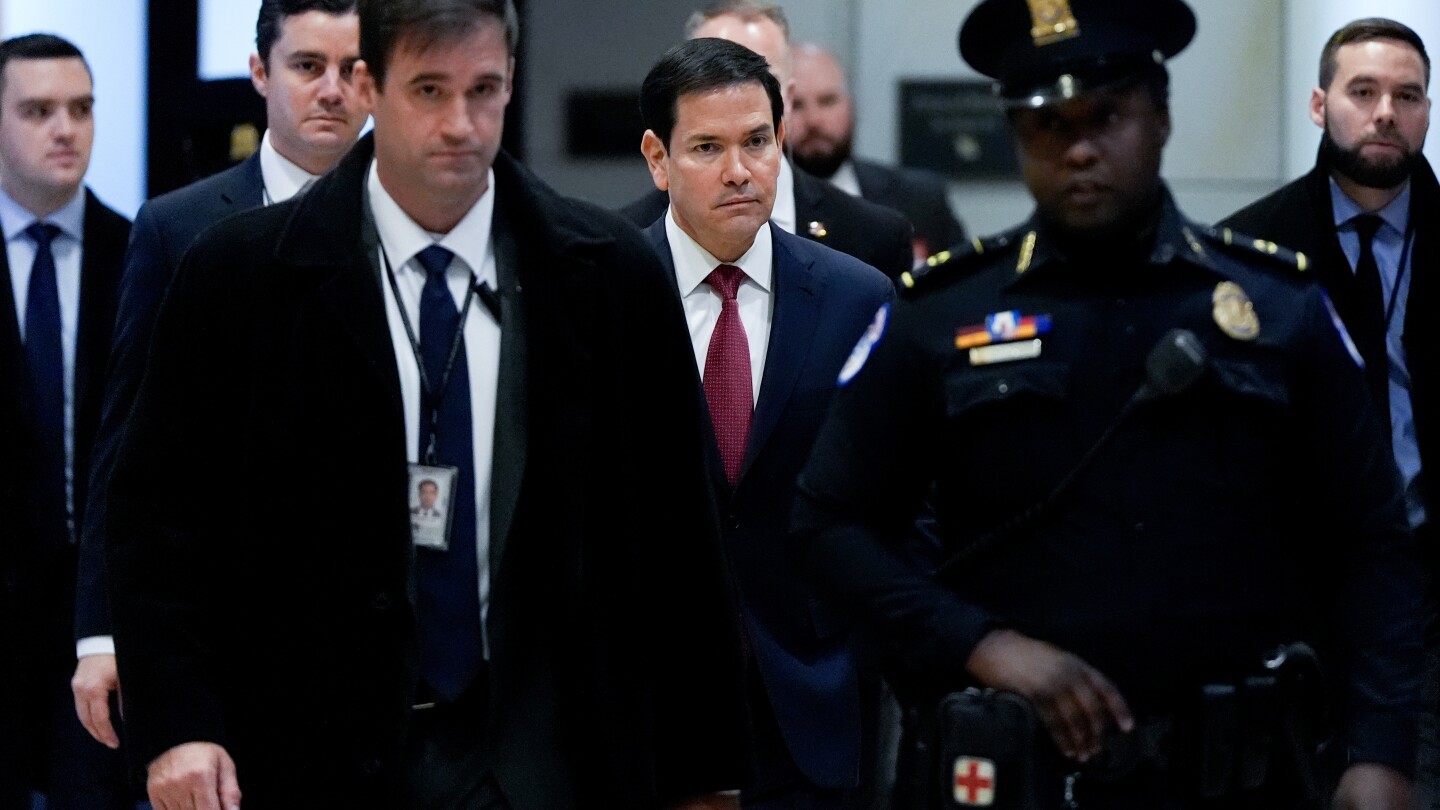
    WASHINGTON — Secretary of State Marco Rubio is scheduled to conduct a formal press briefing on Friday, marking a significant departure from the State Department’s recent media engagement practices. This year-end appearance, the first utilization of the briefing room since August, will primarily address three pressing international issues: ongoing Russia-Ukraine peace negotiations, Israel-Hamas conflict resolution efforts, and escalating military operations targeting Venezuelan narcoterrorism.

    The diplomatic spotlight intensifies as key meetings regarding Gaza and Russia-Ukraine are concurrently scheduled in Miami on Friday and Saturday. Secretary Rubio, who has concurrently assumed the role of national security adviser, has emerged as the principal architect and defender of President Trump’s ‘America First’ foreign policy doctrine. His tenure has witnessed substantial transformations in visa regulations, foreign assistance frameworks, and departmental reorganization efforts.

    The timing of this press conference coincides with critical diplomatic movements. Special Envoy Steve Witkoff is poised to engage with senior officials from Egypt, Turkey, and Qatar to advance the Republican administration’s Gaza ceasefire initiative, which has experienced sluggish progress since its October announcement. The proposed framework involves establishing a ‘Board of Peace’ to govern post-conflict Gaza and deploying an international stabilization force.

    Simultaneously, Saturday’s Miami meetings will host Russian President Vladimir Putin’s adviser Kirill Dmitriev alongside Witkoff, Jared Kushner, and potentially Secretary Rubio. Their agenda centers on reviewing the latest iteration of a U.S.-proposed resolution to the Russia-Ukraine conflict. This proposal has undergone multiple revisions amid President Trump’s fluctuating stance between supporting Ukraine and advocating for territorial concessions to Russia—a position firmly rejected by Kyiv.

    Regarding Venezuela, Secretary Rubio has championed intensified military operations against suspected drug-trafficking vessels in Caribbean and eastern Pacific waters. These operations, initiated in early September, represent the administration’s strategy to pressure leftist President Nicolás Maduro, who faces U.S. narcoterrorism charges. While President Trump declined to preclude military confrontation with Venezuela in recent interviews, Rubio and Defense Secretary Pete Hegseth maintain that current operations exclusively target narcoterrorists threatening U.S. security.

    Additional agenda items include the recent $11 billion arms sales package to Taiwan, which has provoked strong condemnation from Beijing, and the administration’s substantial restructuring of diplomatic operations. Secretary Rubio has implemented sweeping changes including the dissolution of the U.S. Agency for International Development and reduction of diplomatic corps size—actions critics argue have adversely affected global humanitarian efforts, though the administration cites ongoing disaster relief and new global health agreements as counterevidence.
  • Putin vows no more wars if West treats Russia with respect

    Putin vows no more wars if West treats Russia with respect

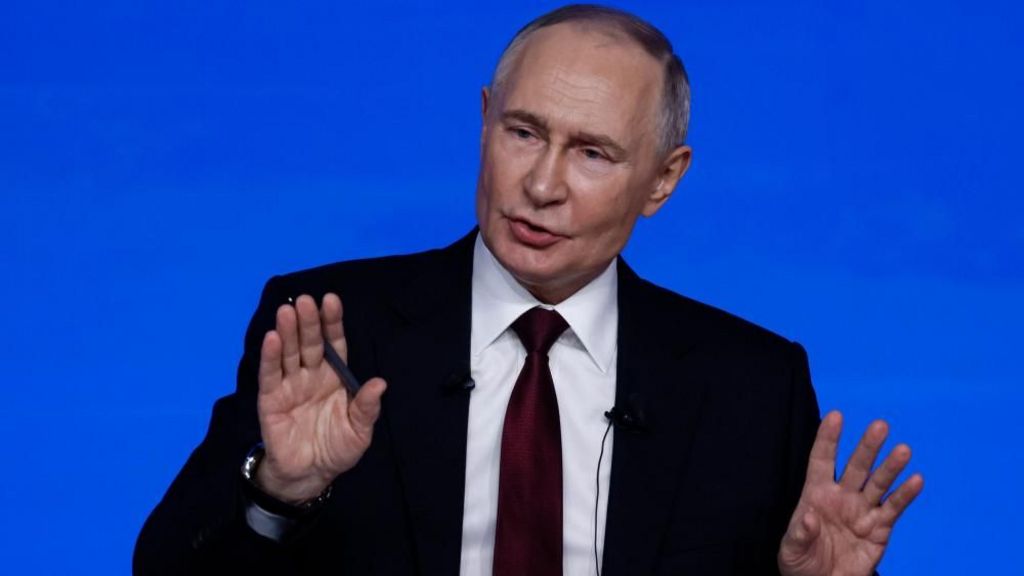
    Russian President Vladimir Putin utilized his marathon annual “Direct Line” forum to deliver a stark message to Western nations: Russia would cease military operations against Ukraine and refrain from future conflicts only if treated with “respect” by the international community. During the nearly four-and-a-half-hour televised event, Putin dismissed claims that Moscow plans to attack European nations as “nonsense,” while simultaneously asserting Russia’s readiness for immediate warfare if provoked.

    The Russian leader framed his conditions for peace around historical grievances, particularly referencing NATO’s eastward expansion which he characterized as Western “deception.” His demands for ending the Ukraine conflict remain unchanged from his June 2024 principles: complete Ukrainian withdrawal from four partially occupied regions and Kyiv’s abandonment of NATO aspirations. Central to Moscow’s objectives is securing full control over Ukraine’s eastern Donbas region, including approximately 23% of Donetsk that remains beyond Russian control.

    While expressing willingness to engage in peace negotiations, Putin offered minimal signs of compromise. He praised former President Donald Trump’s “sincere” mediation efforts but placed responsibility for diplomatic progress squarely on Western powers and their “Kyiv regime” allies. The Russian president accused the West of waging war “through Ukrainian neo-Nazis,” recycling familiar propaganda tropes about Ukraine’s democratically elected leadership.

    The event, which organizers claimed received over three million submissions, primarily featured softball questions though some critical public comments surfaced. Citizens complained about internet outages blamed on Ukrainian drone attacks, skyrocketing prices, and poor infrastructure. Putin addressed economic concerns as Russia’s central bank announced interest rate cuts to 16% amid rising VAT and inflation.

    International context continues to develop with a Ukrainian delegation engaging Trump representatives in Miami, while European intelligence agencies warn of potential NATO-Russia conflict within years. Despite the diplomatic movements, Putin’s rhetoric suggests Moscow remains prepared for prolonged confrontation, maintaining that Western respect for Russian interests represents the only path to de-escalation.

  • Draft law addressing safety of hazardous chemicals to be reviewed by lawmakers

    Draft law addressing safety of hazardous chemicals to be reviewed by lawmakers

    China’s legislative body is preparing to review a groundbreaking draft law specifically targeting hazardous chemicals safety, marking a significant step in strengthening the country’s chemical risk management framework. The proposed legislation comes in response to persistent safety incidents occurring across various regions, highlighting the urgent need for enhanced regulatory measures.

    Huang Haihua, spokesman for the Legislative Affairs Commission of the National People’s Congress (NPC) Standing Committee, announced that the draft hazardous chemicals safety law will undergo deliberation during the upcoming NPC Standing Committee session scheduled from Monday to Saturday in Beijing. The official emphasized that chemical safety represents a critical concern directly impacting public safety, national security, and social stability.

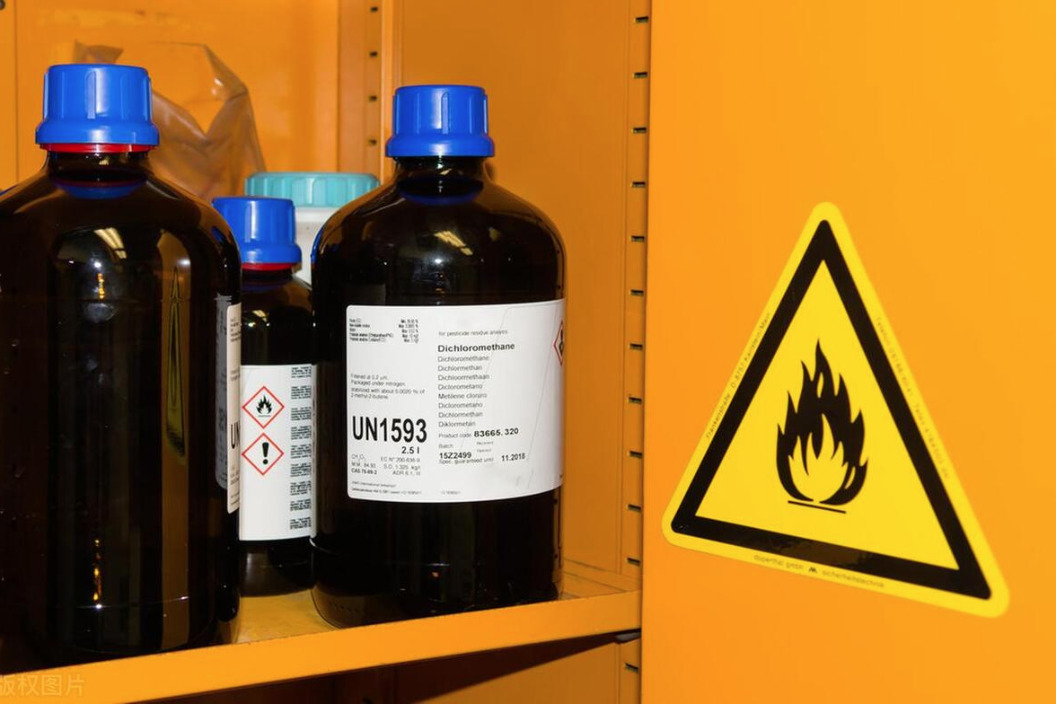
    The comprehensive legislation establishes a multifaceted approach to accident prevention, encompassing the entire lifecycle of hazardous chemicals from registration and production to storage, usage, operation, transportation, and final disposal. The draft mandates the creation of an integrated risk identification and management system while requiring improved safety infrastructure and equipment across the industry.

    Notably, the proposed law emphasizes human factor considerations by requiring enhanced safety awareness training and technical skill development for employees working with hazardous materials. It further stipulates that county-level governments and relevant chemical departments must strengthen emergency response capabilities through regular drills and preparedness exercises.

    In a significant technological advancement provision, the draft requires road transport companies handling hazardous chemicals to implement real-time monitoring systems for both vehicles and drivers. This measure aims to promptly identify and correct illegal or non-compliant driving behaviors, addressing transportation risks that have contributed to previous incidents.

    The legislative initiative demonstrates China’s proactive approach to industrial safety management, potentially establishing new benchmarks for chemical regulation that could influence global safety standards in the hazardous materials sector.

  • US judge found guilty of helping migrant evade immigration agents

    US judge found guilty of helping migrant evade immigration agents

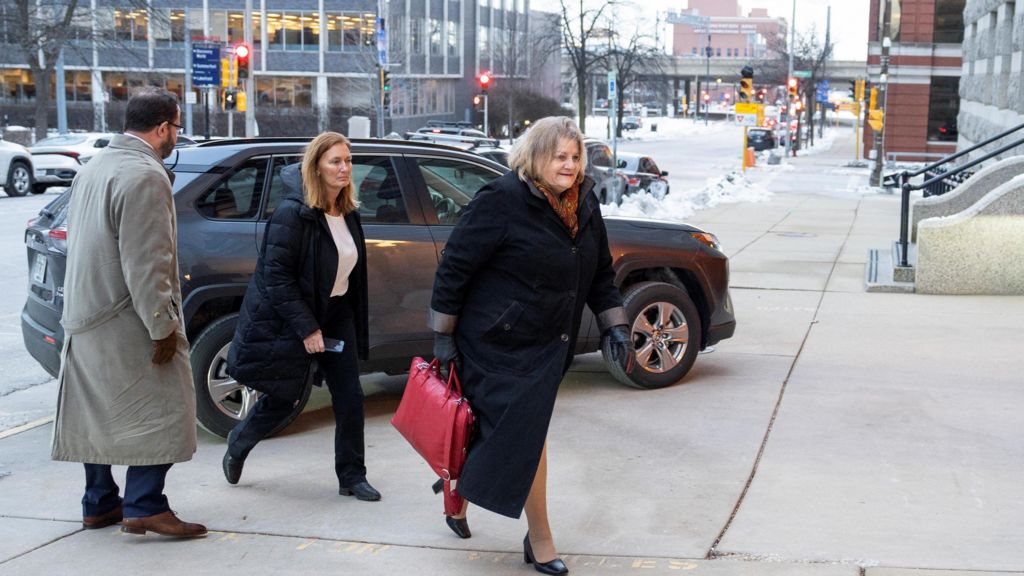
    A Milwaukee County Circuit Judge has been convicted on obstruction charges for assisting a Mexican national in evading federal immigration authorities during court proceedings. Judge Hannah Dugan, 66, was found guilty after a federal jury determined she intentionally helped Eduardo Flores-Ruiz avoid arrest by directing him through a restricted exit during his court appearance on April 18.

    The incident occurred when six federal officers from multiple agencies including FBI, ICE, and DEA were present in Dugan’s courtroom to execute an immigration warrant for Flores-Ruiz, who was facing misdemeanor battery charges. According to FBI affidavits, Dugan became visibly angered by the warrant type and instructed officers to report to the chief judge instead. During this diversion, she escorted Flores-Ruiz and his attorney through a private jurors’ exit.

    Despite Dugan’s intervention, immigration agents apprehended Flores-Ruiz shortly afterward, and he was subsequently deported. The conviction represents a significant victory for the Trump administration, which has frequently criticized what it perceives as a politicized justice system.

    While the jury found Dugan guilty of obstruction, they acquitted her on additional charges of obstructing a criminal proceeding and concealing a person from arrest. Her defense attorney, Steven Biskupic, argued that Dugan merely directed the defendant “out into the hallway with his lawyer” without malicious intent.

    Following the verdict, Dugan’s legal team maintained her innocence, stating the partial acquittal demonstrated opportunities to clear her name. Conversely, Deputy US Attorney General Todd Blanche declared the conviction affirmed that “nobody is above the law,” emphasizing the Department of Justice’s commitment to enforcing immigration laws and holding obstructors accountable regardless of position.

    Dugan now faces a maximum sentence of five years imprisonment, though a sentencing date has not yet been scheduled.

  • Watch: ‘It’s finally happening’ – Trump supporters await Epstein files release

    Watch: ‘It’s finally happening’ – Trump supporters await Epstein files release

    A palpable sense of anticipation has emerged among supporters of former President Donald Trump regarding the impending disclosure of court documents connected to the Jeffrey Epstein case. This development follows a federal judge’s order to unseal records from a settled 2015 civil lawsuit, potentially revealing additional details about Epstein’s network of associates.

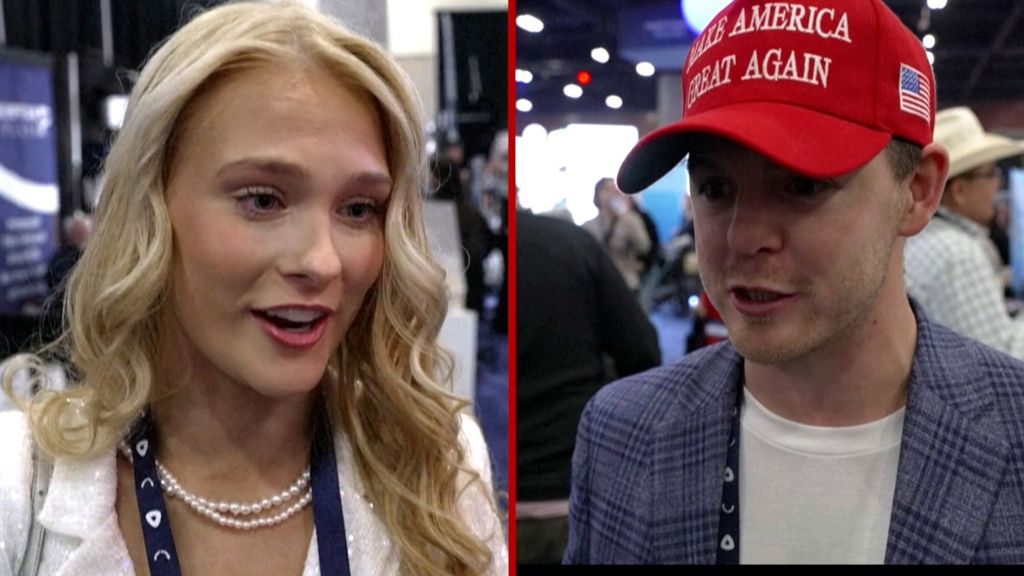
    At a recent gathering organized by the conservative youth organization Turning Point USA, attendees expressed strong expectations that the document release would validate long-standing theories about Epstein’s connections to political elites. Many supporters articulated their belief that the documents would expose what they characterize as systemic corruption among establishment figures, while simultaneously clearing Trump of any association with Epstein’s criminal activities.

    The anticipated document release represents the latest chapter in the extensive Epstein saga, following his 2019 death while awaiting trial on federal sex trafficking charges. Legal experts caution that the unsealed materials may contain both previously known information and new details about the scope of Epstein’s operations and associations, though the specific contents remain subject to judicial review and redaction protocols.

  • Uganda prison officer sacked for ‘politicking’ on TikTok

    Uganda prison officer sacked for ‘politicking’ on TikTok

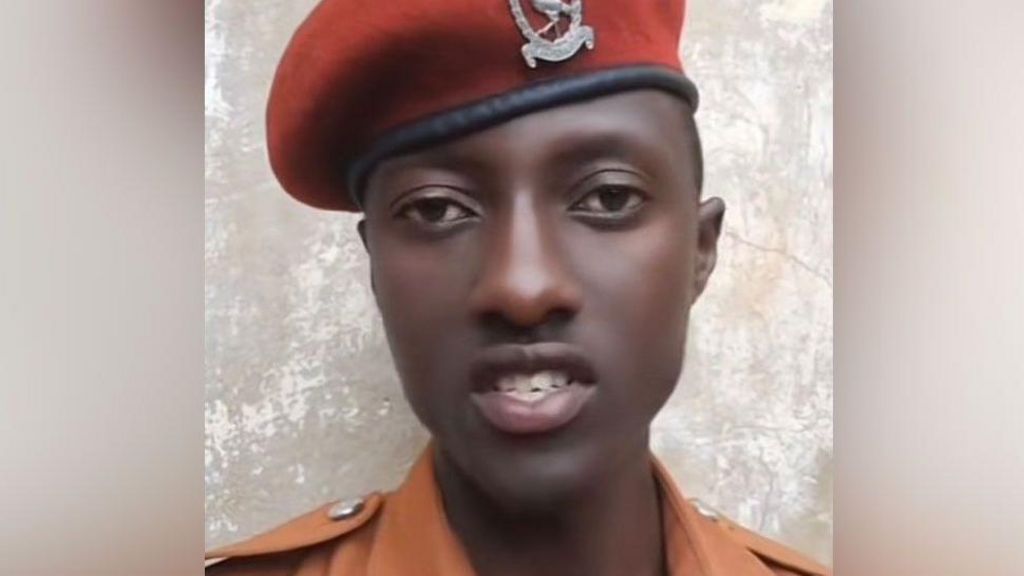
    In a significant disciplinary action highlighting Uganda’s ongoing tensions between state authority and digital free speech, prison officer Lawrence Ampe has been formally dismissed from service for utilizing TikTok to expose governmental corruption and power abuses. The Uganda Prisons Service terminated Ampe’s employment citing “gross indiscipline” and violation of standing orders prohibiting public officers from political participation.

    The controversial dismissal follows Ampe’s sustained social media campaign accusing senior officials within the prison system of corruption, human rights violations, and mistreatment of junior staff. Despite previous warnings from prison authorities about inappropriate use of social media for political expression, Ampe continued producing content that garnered over 100,000 followers on the popular video platform.

    Prisons spokesman Frank Baine defended the decision, stating Ampe was engaged in “politicking in the wrong forum” and showed no remorse during disciplinary proceedings. The officer was ordered to surrender all state property following last Tuesday’s dismissal resolution by the Prisons Council.

    The opposition movement, particularly supporters of presidential challenger Bobi Wine (musician-turned-politician Robert Kyagulanyi Ssentamu), has condemned the dismissal as evidence of systemic oppression and selective enforcement of regulations. Ampe had used his platform to promote Wine’s campaign against long-serving President Yoweri Museveni in the upcoming January elections.

    In response to his dismissal, Ampe posted his termination letter on TikTok with the caption: “I’m finally out free to support truth.” In subsequent videos, he assured supporters his activism wasn’t motivated by financial concerns but by patriotic dedication to “liberating our nation.”

    This incident occurs within a broader pattern of documented internet freedom restrictions in Uganda. The U.S. government’s 2023 report noted the country’s use of criminal punishments to limit online expression, while human rights organizations regularly condemn Ugandan authorities for suppressing dissent and violating freedom of expression rights. The case echoes last year’s conviction of a 24-year-old man who received a six-year prison sentence for insulting the president and first family on TikTok.

  • What to know about the EU’s new $106 billion loan to Ukraine

    What to know about the EU’s new $106 billion loan to Ukraine

    BRUSSELS — In a critical overnight summit that stretched into Friday morning, European Union leaders reached a landmark agreement to extend a massive $106 billion interest-free loan to Ukraine, providing vital financial stability for the war-torn nation’s military and economic needs through 2027. The decision came after intense negotiations failed to secure Belgian support for an alternative plan that would have utilized frozen Russian assets.

    The original proposal, championed by European Commission President Ursula von der Leyen and supported by German Chancellor Friedrich Merz and French President Emmanuel Macron, sought to leverage approximately $246 billion in Russian assets frozen across Europe, predominantly in Belgium. This approach would have required only a two-thirds majority among the 27 member states. However, Belgian Prime Minister Bart de Wever maintained firm opposition throughout the night, citing legal vulnerabilities and potential retaliation from Moscow following Russia’s Central Bank filing a lawsuit against Euroclear, the Brussels-based financial institution holding the majority of these assets.

    Facing political impasse, leaders pivoted to Article 20 of the Treaty of Europe, enabling the EU to borrow directly from capital markets—a mechanism previously deployed during the COVID-19 pandemic for the bloc’s $750 billion recovery fund. This alternative required unanimous approval, achieved through strategic concessions to Hungary, Slovakia, and the Czech Republic, which opposed assuming additional debt but agreed not to block the package in exchange for financial liability protections.

    Hungarian Prime Minister Viktor Orbán, Russian President Vladimir Putin’s closest EU ally, declared a dual victory on social media, claiming he prevented “a declaration of war on Russia” through asset seizure and protected Hungarian families from approximately $3 billion in potential financial burdens.

    Despite the setback on immediate asset utilization, EU leaders emphasized that frozen Russian funds remain a prospective repayment mechanism. The official statement clarified that Ukraine’s repayment obligation would only trigger after Russia compensates for war damages, estimated by Ukrainian President Volodymyr Zelenskyy at over $700 billion. Pending reparations, the EU reserves the right to apply frozen assets toward loan repayment in accordance with international law.

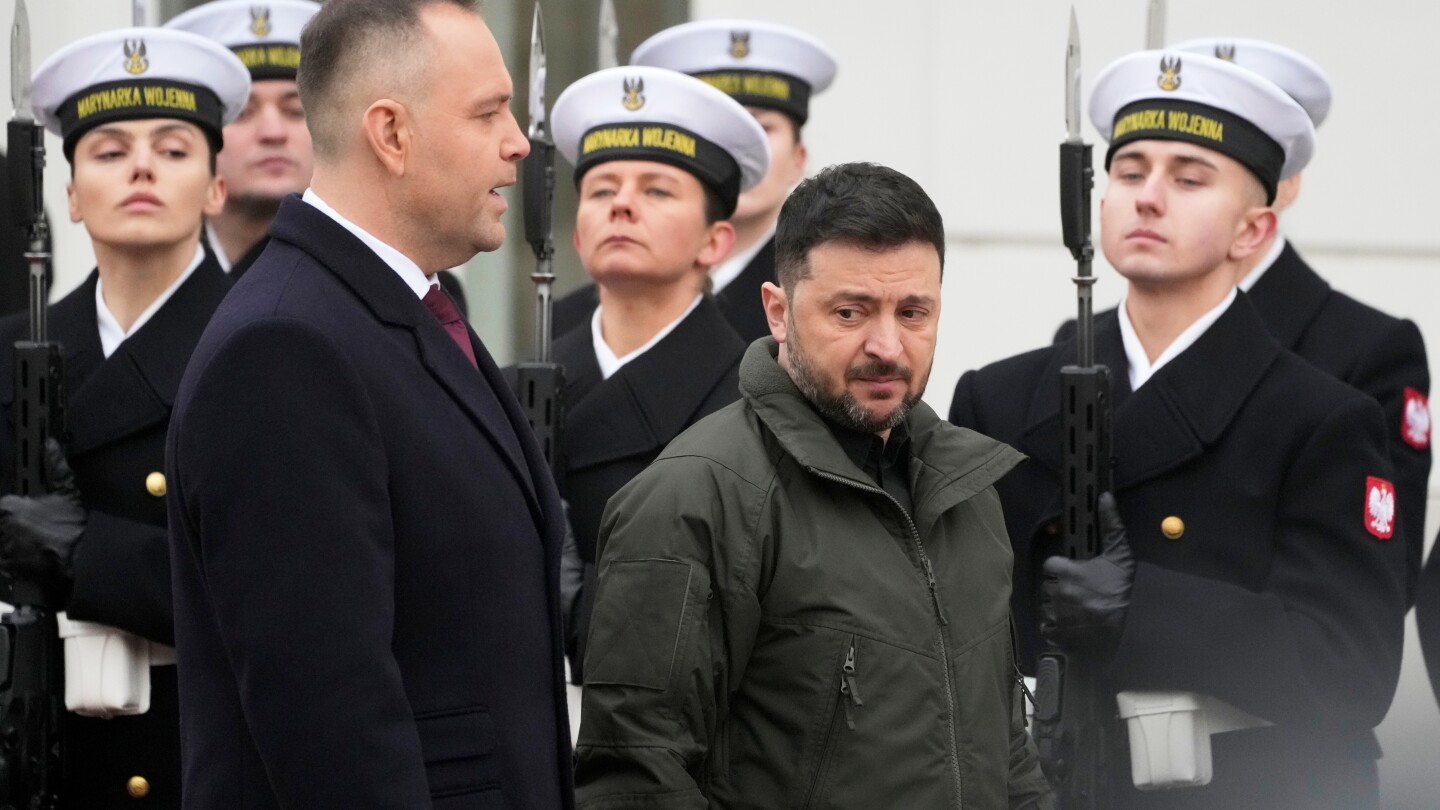
    President Zelenskyy, speaking from Warsaw, hailed the agreement as providing “financial certainty for the coming years,” indicating funds would prioritize defense if conflict persists or reconstruction should peace emerge. The International Monetary Fund estimates Ukraine requires $161 billion through 2027 to avert governmental collapse and address urgent needs from ammunition to infrastructure.

  • South Africa defiant after US threatens ‘consequences’ over refugee centre raid

    South Africa defiant after US threatens ‘consequences’ over refugee centre raid

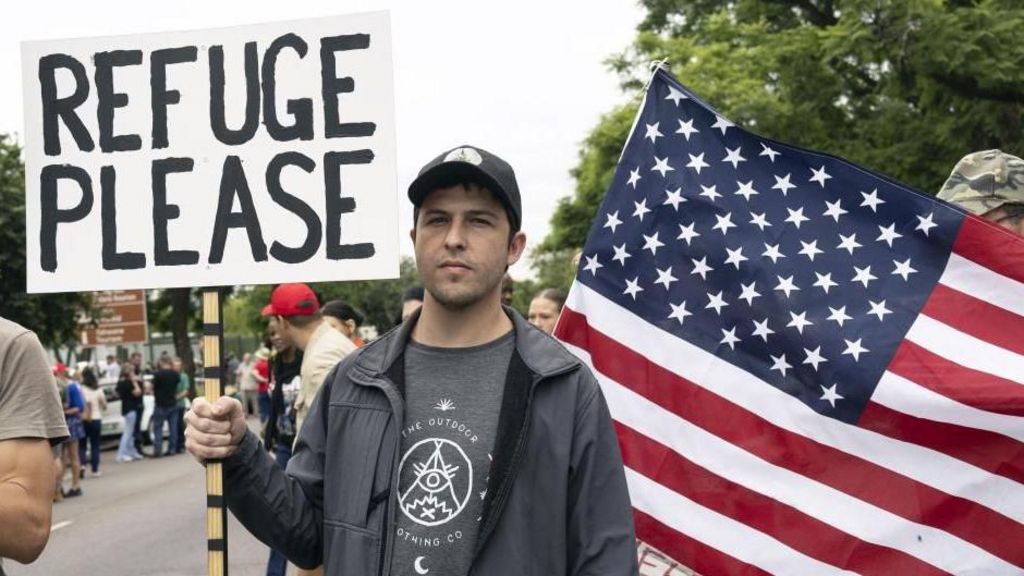
    A significant diplomatic rift has emerged between the United States and South Africa following a contentious government raid on a refugee processing facility. The U.S. State Department issued a formal condemnation on Thursday, alleging that South African authorities had engaged in the harassment and intimidation of American officials during an operation targeting a center processing asylum applications for white South Africans.

    The incident occurred on Tuesday when South African immigration officials conducted a raid that resulted in the expulsion of seven Kenyan nationals accused of working illegally within the country. The U.S. government subsequently accused South African authorities of publishing passport details of American diplomatic personnel, characterizing this action as ‘unacceptable’ and warning of potential ‘severe consequences’ for bilateral relations.

    South Africa’s Department of Home Affairs has categorically denied these allegations, stating in an official response that no U.S. officials were arrested during the operation and emphasizing that the facility raided was not a diplomatic site. The department further asserted that South Africa ‘treats all matters of data security with the utmost seriousness’ and operates under ‘stringent legal and diplomatic protocols.’

    This diplomatic confrontation occurs against the backdrop of the Trump administration’s controversial policy offering refugee status to members of South Africa’s Afrikaner community, whom the U.S. claims face persecution. While the administration has dramatically reduced overall refugee admissions from 125,000 to 7,500 annually, it has designated Afrikaners—descendants primarily of Dutch and French settlers—as a priority group.

    South African authorities have expressed concern about apparent coordination between foreign officials and undocumented workers, noting that they have engaged both U.S. and Kenyan representatives to resolve the matter. The U.S. maintains that its refugee program operates within legal boundaries but has not directly addressed allegations regarding the Kenyan workers’ denied permit applications.

    The tension reflects broader deterioration in U.S.-South African relations since President Trump took office. Earlier this year, Trump claimed—without substantiating evidence—that Afrikaners face ‘genocide’ in South Africa, despite statistics showing white farmers are not disproportionately targeted compared to black counterparts. The refugee program initiative followed South African President Cyril Ramaphosa’s signing of land reform legislation allowing, in limited circumstances, government land expropriation without compensation.

    Approximately 50 Afrikaners have reportedly relocated to the U.S. via chartered flight, though total numbers remain unclear. The land reform issue remains particularly sensitive given that most privately owned farmland remains white-owned due to apartheid’s legacy, while the government faces pressure to redistribute land to black farmers.

    Despite South Africa’s efforts to improve relations, including a high-profile delegation to the White House earlier this year, tensions escalated when Trump confronted Ramaphosa with allegedly misleading media depicting white persecution. Recent months have seen the U.S. boycott the G20 summit hosted by South Africa and exclude South African officials from meetings of the world’s largest economies.

  • Zelenskyy signals good will to Polish president with Warsaw visit

    Zelenskyy signals good will to Polish president with Warsaw visit

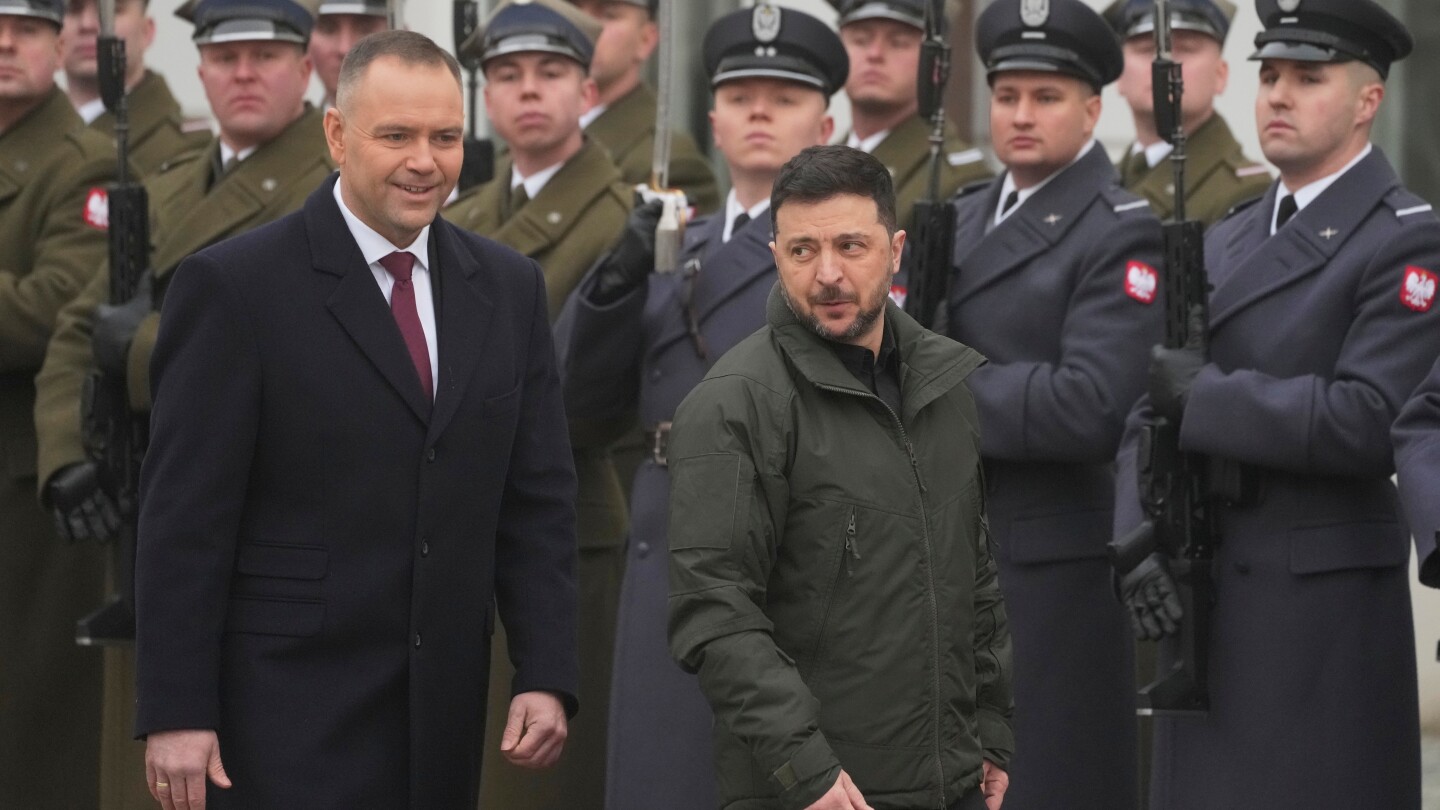
    WARSAW, Poland — Ukrainian President Volodymyr Zelenskyy met with Polish President Karol Nawrocki at the Presidential Palace in Warsaw on Friday, marking their first official encounter since Nawrocki’s inauguration four months prior. The strategically timed diplomatic engagement seeks to reinforce bilateral cooperation between the two nations as Poland faces potential political transitions.

    The meeting holds profound significance given the deeply interconnected security interests that have defined Polish-Ukrainian relations since Russia’s full-scale invasion in 2022. Poland relies on Ukraine as a critical buffer against Russian expansionism, while Ukraine depends on Polish corridors for military assistance and humanitarian support. Furthermore, Poland is positioned to play an indispensable role in facilitating Western security guarantees for Ukraine should peace negotiations materialize.

    Although Poland’s current government under Prime Minister Donald Tusk remains a steadfast advocate for Ukraine, upcoming presidential elections in 2027 could see the return of the nationalist Law and Justice party. Nawrocki, who ascended to the presidency with their backing, has adopted a more assertive diplomatic stance, emphasizing national interests and demanding reciprocal gestures from Kyiv.

    In remarks reminiscent of former U.S. President Donald Trump, Nawrocki recently stated that he expects Zelenskyy to ‘express gratitude’ for Poland’s extensive military and humanitarian contributions. He has also criticized Ukraine’s delayed permission for exhumations of Polish victims from World War II-era mass graves in Volhynia—a longstanding point of contention between the nations.

    Despite a January agreement that permitted initial exhumations, uncovering remains of at least 42 individuals, Nawrocki continues to press for additional concessions. Historical tensions from the Volhynia massacres, where tens of thousands of Poles were killed amid interethnic violence, remain a sensitive issue in bilateral relations.

    As both leaders navigate complex historical legacies and contemporary geopolitical imperatives, Zelenskyy’s visit underscores Ukraine’s effort to maintain stability with a key ally amid Poland’s evolving political landscape.

  • Bangladesh newspaper staff recall ‘gasping for air’ as offices set ablaze

    Bangladesh newspaper staff recall ‘gasping for air’ as offices set ablaze

    Bangladesh faces escalating political violence following the assassination of prominent youth leader Sharif Osman Hadi, whose death has triggered widespread unrest targeting major media institutions and historical landmarks. The 32-year-old senior leader of student protest group Inqilab Mancha, who played a pivotal role in the 2024 uprising that ousted former Prime Minister Sheikh Hasina, was fatally shot by masked assailants in Dhaka on December 12, succumbing to his injuries in Singapore on Thursday.

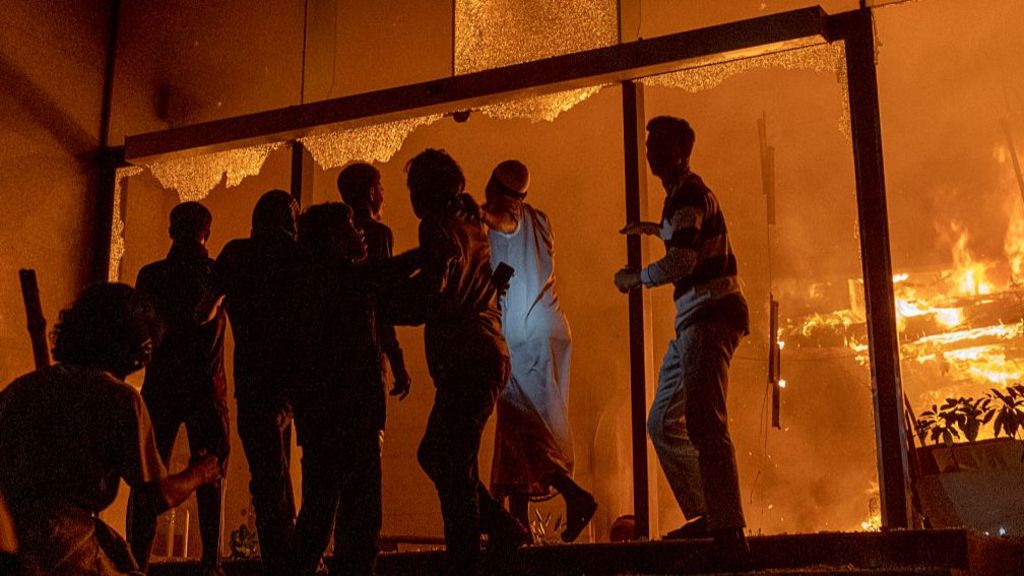
    The aftermath turned catastrophic as hundreds of protesters stormed the offices of Bangladesh’s two leading newspapers—The Daily Star and Prothom Alo—on Thursday night, setting both buildings ablaze in one of the most severe attacks on press freedom in the nation’s history. Twenty-eight journalists were trapped for hours on the rooftop, gasping for air amid suffocating smoke, until military reinforcements facilitated their rescue. Both publications sustained extensive damage, with The Daily Star unable to print its edition for the first time in 35 years.

    Nobel laureate Muhammad Yunus’s interim government condemned the violence, characterizing it as an assault on truth itself while vowing to deliver ‘full justice’ to perpetrators. The administration declared a national day of mourning on Saturday, with Yunus eulogizing Hadi as an ‘irreparable loss for the nation’ and denouncing the killing as a premeditated attempt to derail February’s historic elections—the first since Hasina’s ousting.

    The targeting of these particular media outlets presents a complex puzzle: both publications maintained secular, progressive editorial stances that previously drew criticism during Hasina’s administration, yet they’ve recently expressed reservations about certain policies of Yunus’s interim government. Additional vandalism occurred at the residence of Bangladesh’s first president Sheikh Mujibur Rahman—Hasina’s father—indicating the violence spans multiple political symbols.

    Hadi had emerged as a significant political figure following the 2024 protests, regularly appearing in media programs and amassing substantial public support alongside vocal opponents. His planned independent candidacy in the February elections was abruptly terminated just one day after authorities announced polling dates. The interim government has detained several suspects while investigations continue, amid concerns that the nation’s democratic transition is being jeopardized by forces thriving on chaos.