分类: politics

  • Azerbaijan expresses doubts about joining Gaza international force

    Azerbaijan expresses doubts about joining Gaza international force

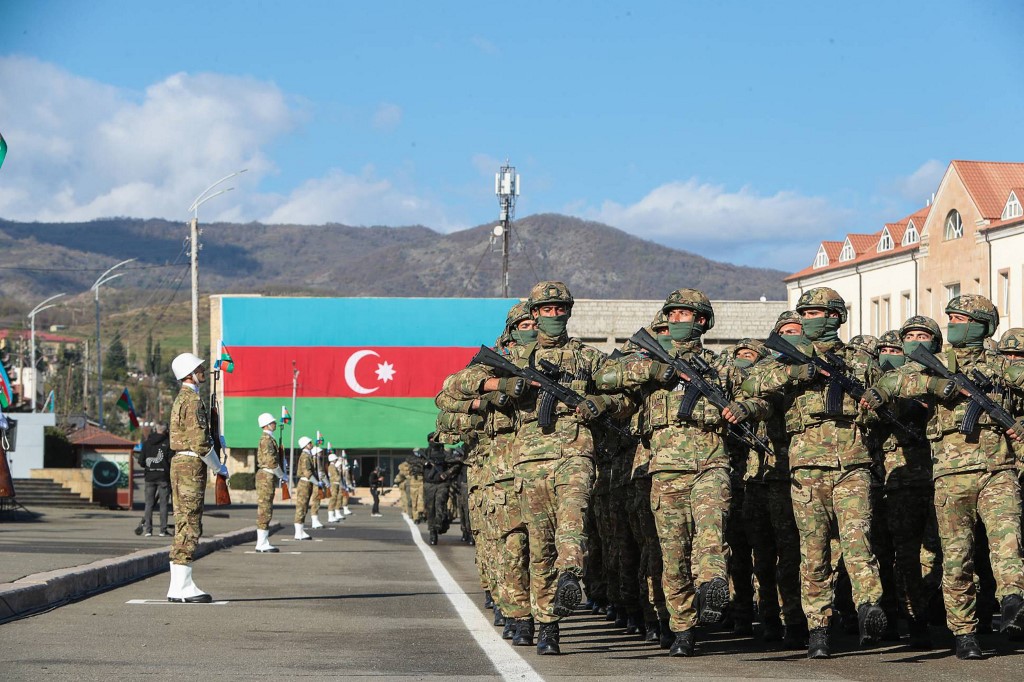
    Azerbaijani authorities have articulated significant reservations regarding their potential involvement in an international stabilization force proposed for deployment in Gaza. Hikmet Hajiyev, Foreign Policy Advisor to the President of Azerbaijan, conveyed Baku’s position that participating in the U.S.-negotiated peacekeeping initiative presents substantial challenges, primarily concerning the undefined operational parameters of the mission.

    In detailed comments to international media, Hajiyev confirmed that Washington had formally approached Azerbaijan about contributing to the multinational force. However, he emphasized that “no final decision has been made yet” due to several critical concerns. The senior official highlighted that the United Nations Security Council resolution authorizing the force lacks clarity on fundamental operational details, including rules of engagement, specific action modalities, and the precise scope of the mission’s mandate.

    Azerbaijan’s hesitation stems from both strategic and domestic considerations. Having recently concluded military engagements with neighboring Armenia in 2023, Hajiyev noted that mobilizing additional troops for international deployment would present considerable political challenges in convincing the Azerbaijani public of such a commitment.

    The proposed international force, conceived as part of a broader ceasefire agreement brokered by the United States, would shoulder complex responsibilities including maintaining security in Gaza, overseeing demilitarization efforts, and training Palestinian police forces for future self-governance. Initial American plans aimed to operationalize the force around the beginning of the new year, but implementation has stalled amid various diplomatic complications.

    Multiple regional powers have expressed similar reservations. Jordan’s King Abdullah explicitly stated his nation would not contribute troops to any Gaza force, while Emirati officials similarly indicated participation would be challenging at this time. The exclusion of Turkey from coordination meetings at Israel’s request has further complicated recruitment efforts, reportedly discouraging several potential contributor nations including Pakistan, Saudi Arabia, and Indonesia.

    Turkish officials, speaking on condition of anonymity, revealed that Ankara maintains an undecided position regarding participation despite having already drafted a military brigade for potential deployment. Insiders suggest that while Turkey could accept non-participation, concerns exist that Hamas’ trust in Turkish mediation might not extend to other nations, potentially undermining the entire stabilization effort. Turkey’s diplomatic influence previously proved instrumental in securing ceasefire agreements between conflicting parties in September.
  • Malawians angry over vice-president’s planned UK trip

    Malawians angry over vice-president’s planned UK trip

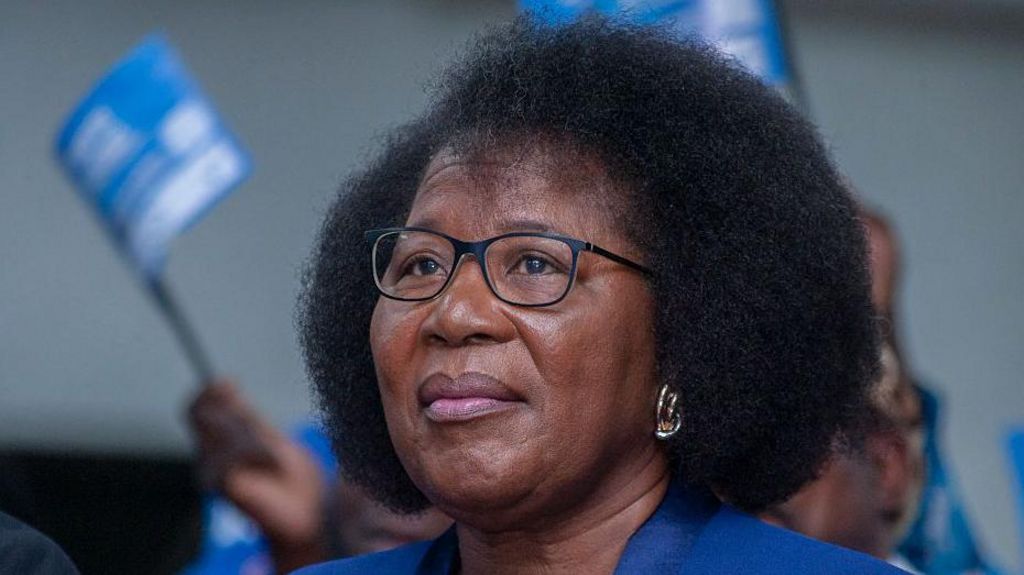
    Malawi’s political landscape faces mounting scrutiny as Vice President Jane Ansah prepares for a privately categorized yet state-funded journey to the United Kingdom. The planned fortnight excursion, scheduled to commence on December 26th, has ignited fierce public debate regarding governmental accountability and fiscal responsibility.

    Controversy erupted following the circulation of an allegedly leaked diplomatic correspondence from Foreign Affairs Secretary Chauncy Simwaka to the Malawian High Commission in London. The document outlined a 15-member delegation set to accompany the Vice President, including security personnel, accounting staff, and administrative assistants. Malawian media outlets, citing purported leaked financial records, subsequently reported the expedition would cost taxpayers hundreds of thousands of dollars.

    The Vice President’s office has vehemently disputed these allegations. Press Secretary Richard Mveriwa issued an official statement asserting: “These documents did not originate from any government institution and do not reflect official records or approved government expenditures.” While confirming the trip’s occurrence, the administration maintained its commitment to “transparency, accountability, and the responsible use of public resources.”

    Human Rights Defenders Coalition (HRDC), a prominent Malawian civil society organization, has condemned the apparent contradiction between the government’s austerity rhetoric and the Vice President’s travel arrangements. The organization highlighted the administration’s recent pledges to reduce both domestic and international official travel as part of broader cost-cutting measures. HRDC representatives characterized the situation as demonstrating “double standards” wherein ordinary citizens face service reductions while senior officials appear exempt from fiscal discipline.

    The controversy emerges against the backdrop of President Peter Mutharika’s administration, which took office in October following September’s electoral victory. The government had campaigned on promises of economic competence and implemented various austerity measures shortly after assuming power. President Mutharika personally pledged during his inauguration that his administration would not become a “feast” for political elites and their supporters.

    Vice President Ansah, a former Supreme Court justice who previously headed Malawi’s electoral commission, now finds herself at the center of a growing political storm that challenges the government’s credibility in implementing its proclaimed fiscal responsibility agenda.

  • Trump says he’s inviting Kazakhstan and Uzbekistan to next year’s G20 summit in Miami

    Trump says he’s inviting Kazakhstan and Uzbekistan to next year’s G20 summit in Miami

    WEST PALM BEACH, Fla. — In a strategic diplomatic maneuver, former President Donald Trump has announced plans to extend invitations to Kazakhstan and Uzbekistan for next year’s U.S.-hosted G20 summit. The decision emerged following separate telephone discussions between Trump and Kazakh President Kassym-Jomart Tokayev and Uzbek leader Shavkat Mirziyoyev on Tuesday.

    This invitation initiative, while not unprecedented for G20 host nations to include non-member states, signals a deliberate effort to strengthen American ties with Central Asian nations. The 2026 gathering is scheduled to occur at Trump’s golf resort in Doral, Florida, near Miami.

    The development follows last month’s Washington summit where leaders from five Central Asian nations—Kazakhstan, Uzbekistan, Kyrgyzstan, Tajikistan, and Turkmenistan—engaged in substantive talks with Trump. This enhanced engagement reflects the administration’s growing strategic interest in a region possessing substantial mineral reserves, including approximately half of global uranium production and critical rare earth metals essential for advanced technology manufacturing.

    In a significant parallel development, Kazakhstan recently committed to joining the Abraham Accords, the Trump-era initiative normalizing relations between Israel and Muslim-majority nations. This diplomatic alignment occurs alongside controversial exclusionary measures, as Trump simultaneously announced South Africa’s exclusion from the same summit citing disputed treatment of U.S. representatives—a claim strongly rejected by South African authorities.

  • Trump renews call to take over Greenland despite strong objections

    Trump renews call to take over Greenland despite strong objections

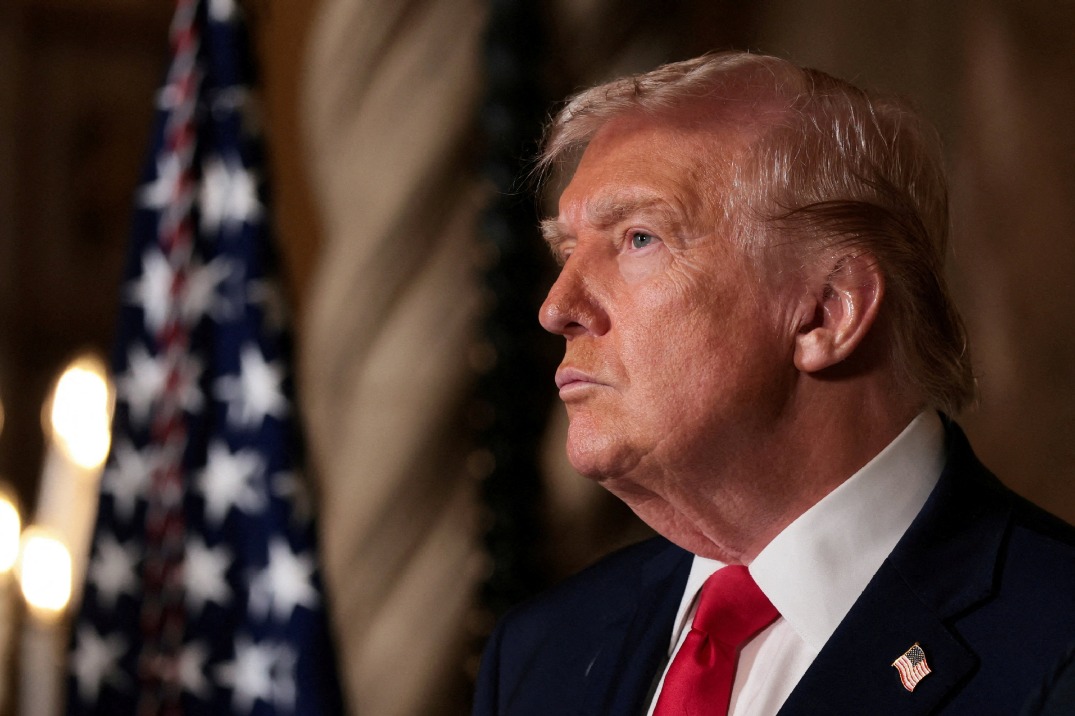
    In a move that has reignited international tensions, former U.S. President Donald Trump has publicly reiterated his controversial proposition to annex Greenland, immediately drawing forceful condemnations from Greenlandic, Danish, and European Union leadership.

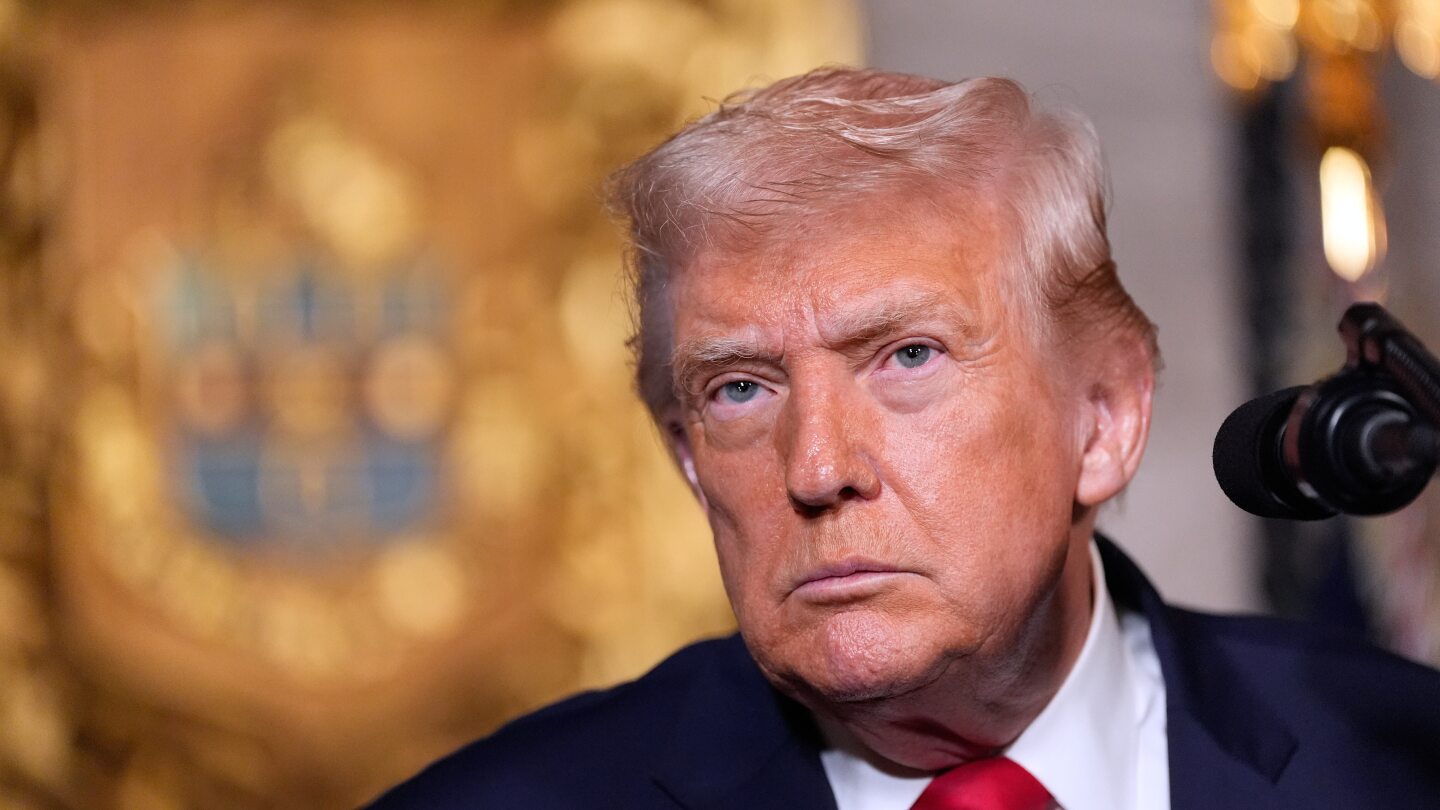
    Speaking from his Mar-a-Lago estate in Florida, Trump framed the potential acquisition as a critical national security imperative, explicitly stating, “We need Greenland for national security, not for minerals.” This assertion directly contradicts previous justifications from his administration, which had cited a combination of Arctic strategic interests, security concerns, and the island’s vast reserves of critical minerals as primary motivations.

    The controversy intensified with Trump’s announcement appointing Louisiana Governor Jeff Landry as a special envoy to Greenland. Landry characterized the role on social media platform X as a voluntary position dedicated to making “Greenland a part of the U.S.” Trump defended the appointment, claiming, “We have to have it and he wanted to lead the charge,” while dismissively questioning Danish sovereignty by asserting they “have spent no money and have no military protection.”

    This political maneuver has triggered a swift and unified diplomatic backlash. Danish Foreign Minister Lars Lokke Rasmussen expressed profound dismay, labeling the envoy’s statements “completely unacceptable” and announcing the summoning of the U.S. Ambassador to Denmark for formal discussions.

    In a powerful joint statement, Danish Prime Minister Mette Frederiksen and Greenlandic Prime Minister Jens-Frederik Nielsen delivered a unequivocal message: “We have said it very clearly before. Now we say it again. You cannot annex other countries. Not even with an argument about international security. Greenland belongs to the Greenlanders.” They emphasized their expectation of respect for their “joint territorial integrity.”

    The European Union reinforced this position through Foreign Affairs spokesperson Anouar El Anouni, who declared that preserving “the territorial integrity of the Kingdom of Denmark, its sovereignty and the inviolability of its borders is essential for the European Union,” confirming the bloc’s longstanding stance on the matter.

    The autonomous territory of Greenland, while self-governing in domestic affairs since 2009, remains under Danish authority regarding foreign, defense, and security policy, making this proposition a direct challenge to established international sovereignty norms.

  • ASEAN steps in to ease border tensions

    ASEAN steps in to ease border tensions

    In a critical diplomatic intervention, foreign ministers from the Association of Southeast Asian Nations (ASEAN) convened in Kuala Lumpur on Monday to address the escalating military conflict along the Thailand-Cambodia border. The emergency session focused on rebuilding mutual trust between the two member states and establishing a sustainable ceasefire mechanism.

    This marks the second time in 2025 that ASEAN has served as a mediation platform for the neighboring nations, following a joint declaration signed during the 47th ASEAN Summit last October. The current border hostilities, reignited on December 7, have resulted in significant civilian casualties and mass displacement on both sides.

    Thai Foreign Minister Sihasak Phuangketkeow emphasized that any ceasefire must be demonstrated through concrete actions rather than formal announcements alone. He confirmed that Thai and Cambodian defense officials would meet Wednesday under the Joint Boundary Commission framework, while acknowledging China’s role as an important regional partner.

    The humanitarian toll continues to mount dramatically. Cambodian authorities report approximately 510,000 displaced civilians and 19 civilian fatalities, while Thai officials cite 38 civilian deaths and over 167,000 people relocated to safer shelters. Both nations have exchanged accusations of instigating hostilities and targeting civilian populations.

    China has actively supported ASEAN’s mediation efforts, with Foreign Ministry spokesman Lin Jian expressing Beijing’s appreciation for Malaysia’s leadership as current ASEAN chair. “As a friend and close neighbor to both countries, China sincerely hopes that Cambodia and Thailand will, based on safeguarding peace and stability along their borders and the fundamental interests of their peoples, quickly achieve a ceasefire and restore peace,” Lin stated during a regular press briefing.

    Beijing has deployed Special Envoy for Asian Affairs Deng Xijun to the region, with promises to disclose further details about diplomatic efforts in due course. China committed to continuing its active promotion of peace talks and constructive role in de-escalation.

    Malaysian Foreign Minister Mohamad Hasan, presiding over the talks, emphasized that regional stability remains a collective responsibility. “Our goal goes beyond de-escalating the tensions,” he stated in opening remarks, noting that ASEAN must intensify trust-building measures despite prevailing differences.

    Academic experts remain cautiously optimistic about the mediation efforts. University of Malaya associate professor Khoo Ying Hooi noted that Malaysia’s consensus-based approach as ASEAN chair, while methodical and cautious, may struggle to achieve dramatic breakthroughs given the conflict’s complex historical, nationalistic, and military sensitivities.

  • Greta Thunberg arrested in London while supporting hunger-striking pro-Palestinian activists

    Greta Thunberg arrested in London while supporting hunger-striking pro-Palestinian activists

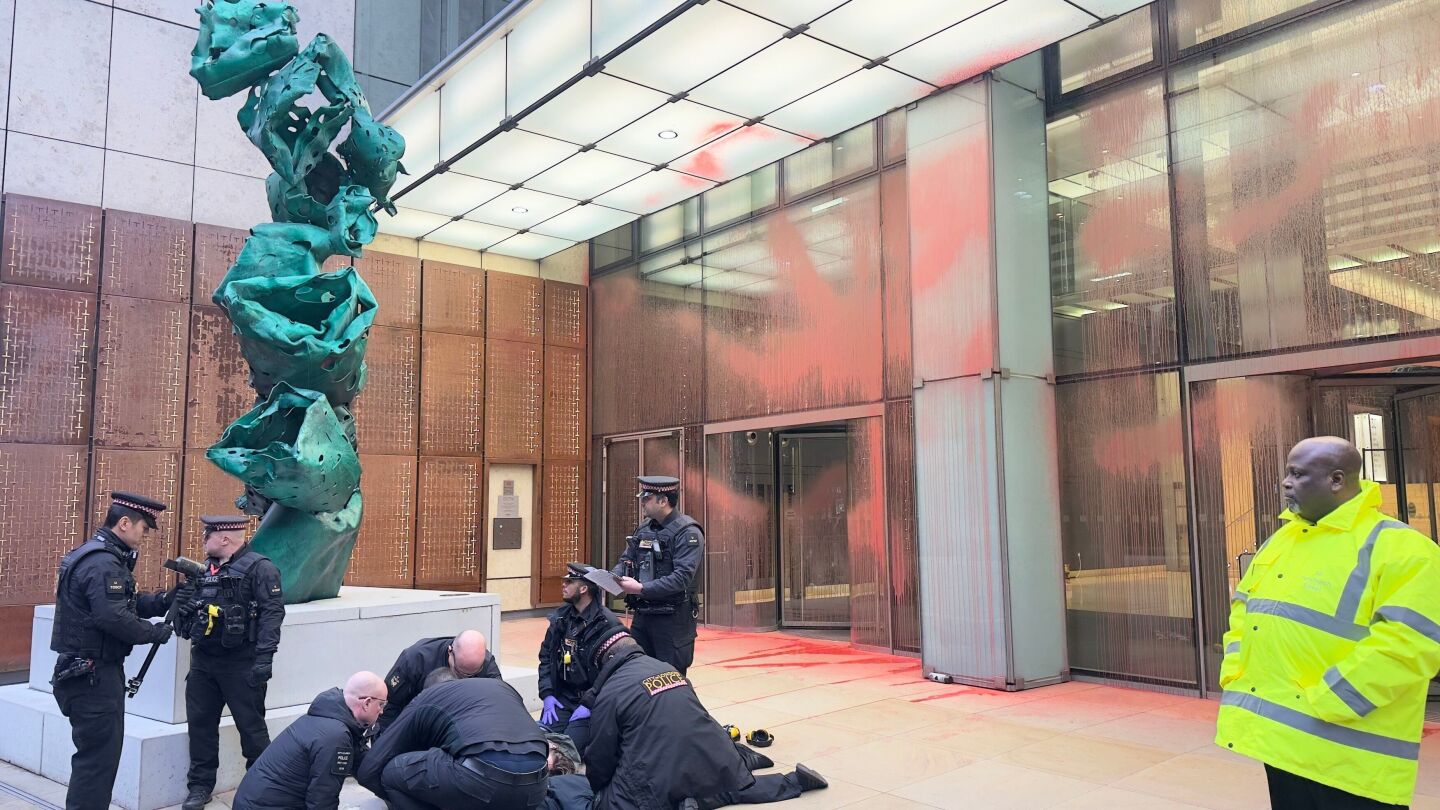
    Swedish environmental activist Greta Thunberg, 22, was taken into custody by London authorities on Tuesday during a demonstration supporting Palestinian causes. The arrest occurred as Thunberg participated in a solidarity action with hunger-striking activists detained on protest-related charges.

    Video evidence disseminated by the protest collective Prisoners for Palestine captured Thunberg holding signage endorsing both the fasting detainees and Palestine Action—an organization proscribed by UK authorities as terrorist earlier this year. The demonstration formed part of broader activism that included two individuals spraying red paint outside a City of London insurance firm. Protest organizers stated this company was targeted due to its commercial connections with Elbit Systems, an Israeli defense contractor.

    Metropolitan Police confirmed three arrests: one male and one female detained on suspicion of criminal damage, plus an additional woman (identified as Thunberg) apprehended for allegedly supporting a banned organization. Standard British policing protocol prevents naming suspects before formal charges are filed.

    Eight members of Palestine Action have initiated hunger strikes to contest their remand without bail while awaiting trial for various protest offenses. According to Prisoners for Palestine, two pioneering hunger strikers have now refused nourishment for 52 days and face potentially fatal health deterioration. UK governmental authorities maintain that judicial decisions regarding detention and bail fall exclusively within court jurisdiction, declining to intervene in ongoing legal proceedings.

  • France races to avoid US-style government shutdown after budget talks collapse

    France races to avoid US-style government shutdown after budget talks collapse

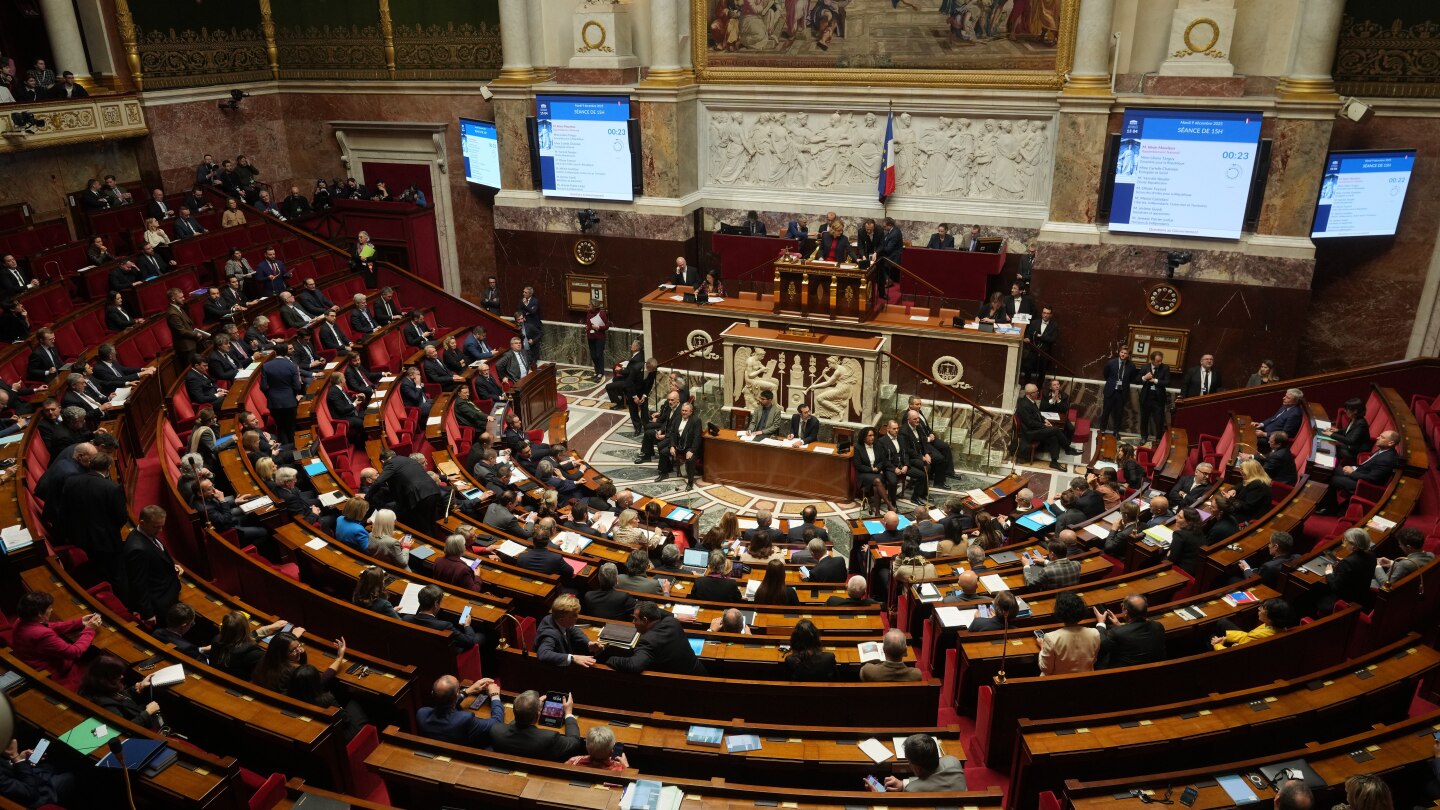
    The French parliament is engaged in urgent deliberations over emergency legislation designed to prevent a complete government shutdown, following the collapse of negotiations concerning the 2026 national budget. With merely days remaining before the new fiscal year commences, President Emmanuel Macron’s administration has proposed a stopgap measure to maintain essential public services and governmental operations.

    This provisional legislation, presented during a late Monday Cabinet meeting, seeks to guarantee the uninterrupted functioning of critical state services. Specifically, it would authorize continued tax collection and distribution of funds to local authorities based on 2025 budget allocations, thereby preventing administrative paralysis.

    The National Assembly, France’s dominant lower parliamentary chamber, has introduced several amendments to the draft law. Despite profound ideological divisions among the three primary political factions—Marine Le Pen’s far-right National Rally, left-wing opposition parties, and Macron’s centrist minority government—the bill is anticipated to secure passage in both legislative houses on Tuesday.

    Finance Minister Roland Lescure emphasized the urgency of the situation during a television interview, stating, “We require a definitive budget promptly to facilitate progress. The extended duration of temporary measures directly correlates with increased operational costs.”

    This emergency measure merely postpones the underlying budgetary confrontation. The Macron administration faces the formidable challenge of constructing a viable 2026 budget while addressing France’s substantial public deficit, which the government aims to reduce to 5% of GDP. This fiscal tightening occurs against a backdrop of political instability triggered by Macron’s contentious decision to call snap elections last year, which eroded investor confidence in the French economy.

    France’s characteristically high public expenditure—driven by comprehensive social welfare programs, healthcare systems, and education—combined with an insufficient tax revenue base, continues to present structural fiscal challenges. Prime Minister Sebastien Lecornu, who resigned and was subsequently reappointed this autumn, is scheduled to deliver a public address regarding the budgetary situation later Tuesday.

  • Protest erupts in India’s capital city over lynching of Hindu man in Bangladesh

    Protest erupts in India’s capital city over lynching of Hindu man in Bangladesh

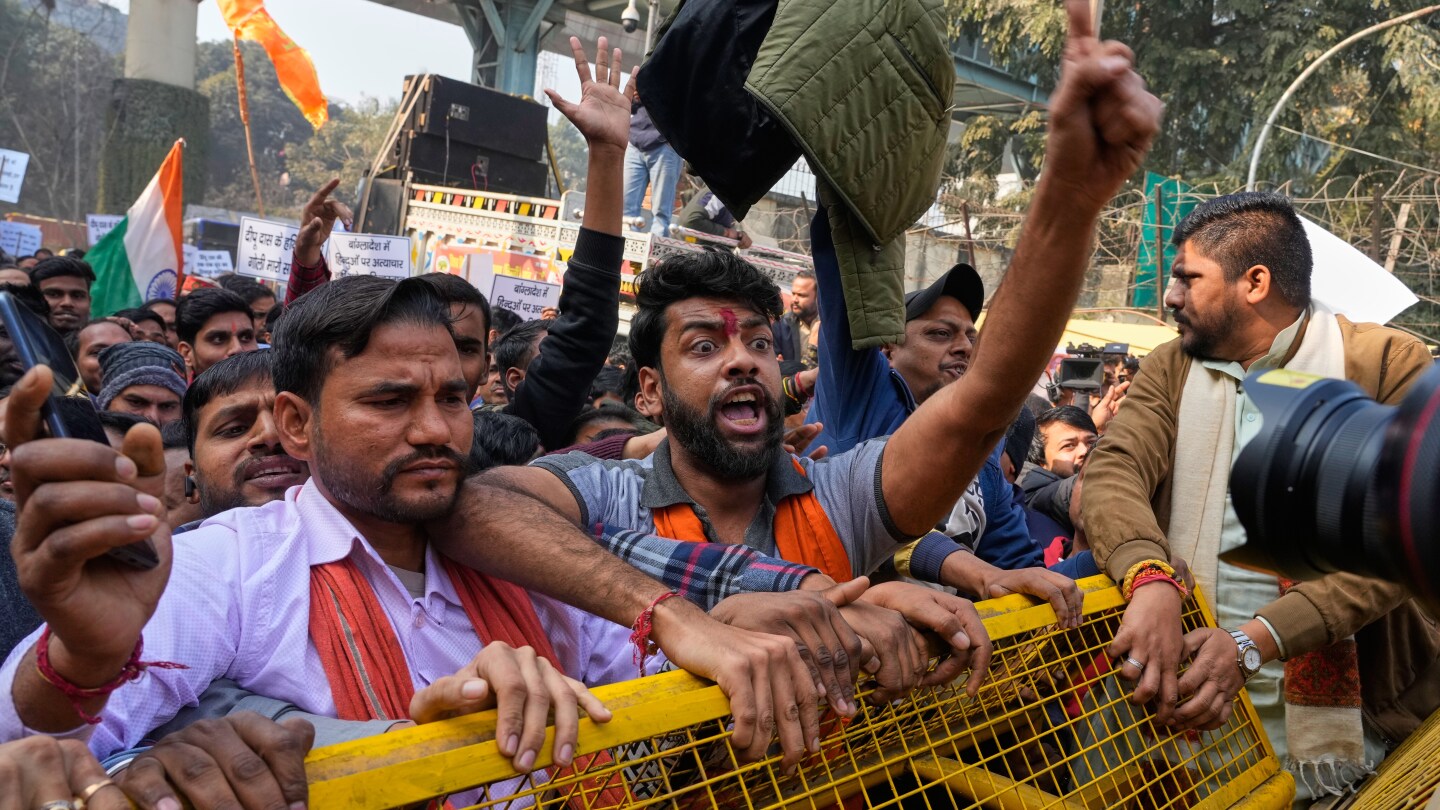
    New Delhi witnessed heightened tensions on Tuesday as Hindu nationalist groups staged vigorous protests near Bangladesh’s diplomatic mission, responding to the brutal lynching and immolation of a Hindu man in neighboring Bangladesh. This incident has exposed deepening fractures in a bilateral relationship traditionally regarded as a stabilizing force in South Asia.

    The demonstration, orchestrated primarily by the Vishva Hindu Parishad organization, saw hundreds of participants brandishing placards with messages such as “India will not tolerate torture of Hindus in Bangladesh” and “Our silence should not be mistaken as weakness.” Security forces responded with reinforced barricades and armored vehicles to contain the unrest.

    This diplomatic deterioration stems from two interconnected tragedies: the recent killing of 25-year-old Dipu Chandra Das over blasphemy allegations in Bangladesh’s Mymensingh district, and the earlier death of student leader Sharif Osman Hadi—a prominent critic of both India and former Prime Minister Sheikh Hasina. Hadi’s shooting death in December triggered retaliatory violence in Dhaka that included attacks on Indian diplomatic facilities and newspaper offices.

    The bilateral relationship has fundamentally shifted since the ouster of Hasina in August 2024, ending her 15-year administration that maintained strong ties with India. The current interim government under Nobel laureate Muhammad Yunus faces accusations from religious minorities alleging insufficient protection against growing violence.

    International affairs analyst Sreeram Sundar Chaulia warns this rupture threatens cooperation on trade, border management, and regional connectivity. “Opposing India and alleging Indian conspiracies of interference in Bangladesh are being done to harden a blatantly Islamist and non-inclusive path for the country,” Chaulia stated, noting potential economic repercussions including reduced development assistance and increased Chinese influence in Bangladesh.

    The diplomatic fallout has escalated through reciprocal summons of envoys, with Bangladesh expressing concerns about the security of its missions in New Delhi, Kolkata, and Agartala. This crisis marks a significant departure from the cooperative relationship that flourished under Hasina’s administration since 2009.

  • Trump says US will keep or sell oil seized from Venezuela

    Trump says US will keep or sell oil seized from Venezuela

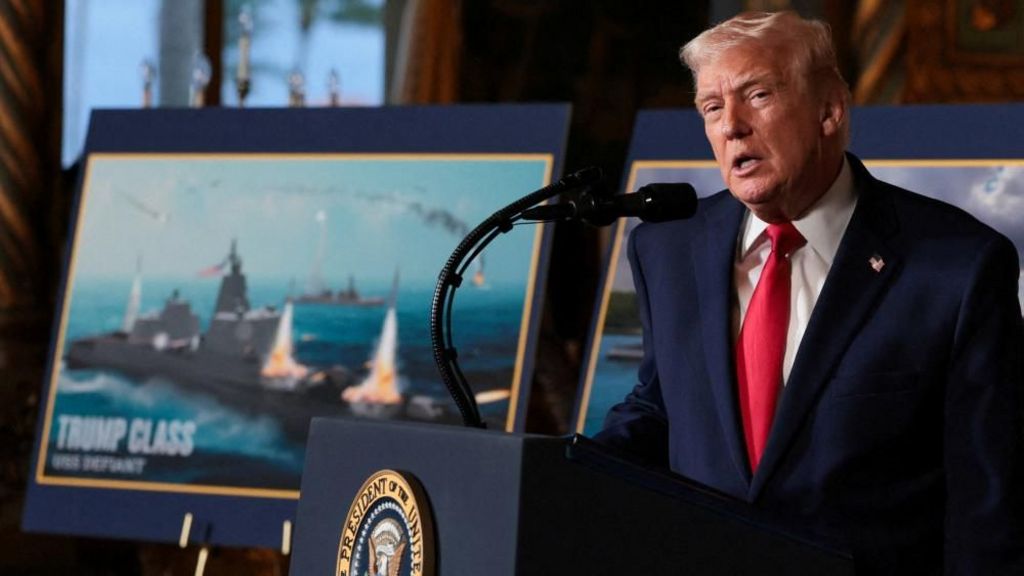
    President Donald Trump has declared the United States will retain or sell crude oil confiscated from tankers intercepted off Venezuela’s coast, escalating tensions with the Nicolás Maduro regime. The announcement came during a press briefing in Florida where Trump outlined multiple potential dispositions for the seized commodities, including potential allocation to the Strategic Petroleum Reserve.

    The Trump administration has intensified pressure on Caracas through maritime operations, seizing two oil tankers this month and actively pursuing a third vessel described as part of Venezuela’s ‘dark fleet’ designed to circumvent international sanctions. Washington alleges Venezuela utilizes oil revenue to fund narcotics trafficking operations, while Venezuelan authorities condemn the seizures as acts of ‘piracy’.

    In a significant escalation, U.S. Southern Command confirmed a lethal strike against a suspected trafficking vessel in international eastern Pacific waters, resulting in one fatality. Trump further indicated potential expansion of operations to land-based targets, warning traffickers they would ‘get blown to pieces’ if attempting overland routes.

    The economic pressure campaign has intensified with the designation of Maduro’s government as a Foreign Terrorist Organization and implementation of a naval blockade preventing sanctioned tankers from entering or leaving Venezuelan ports. These measures strike at the core of Venezuela’s oil-dependent economy, prompting Caracas to request an emergency UN Security Council session to address what it terms ‘ongoing U.S. aggression.’

    Maduro responded through state media, suggesting Trump should focus on domestic challenges rather than intervening in Venezuelan affairs. The confrontation represents the latest chapter in the prolonged political struggle between Washington and Caracas, with Trump having previously doubled rewards for information leading to Maduro’s capture.

  • Ban on interference in ethnic affairs mooted

    Ban on interference in ethnic affairs mooted

    China’s legislative body is currently deliberating a groundbreaking draft law that explicitly prohibits external interference in the nation’s ethnic affairs. The Standing Committee of the National People’s Congress is conducting its second review of this significant legislation, which aims to strengthen ethnic unity and progress while countering foreign attempts to undermine China’s stability through ethnic, religious, or human rights pretexts.

    The proposed law establishes clear obligations for Chinese citizens to uphold national unity and ethnic solidarity while safeguarding the country’s sovereignty, security, and developmental interests. It emphasizes China’s commitment to governing ethnic affairs through legal frameworks and ensuring the protection of legitimate rights for all ethnic groups.

    Xin Chunying, an official from the NPC’s Constitution and Law Committee, explained that these provisions represent both a crucial aspect of ethnic affairs management and a specific requirement for advancing comprehensive law-based governance. The legislation also mandates enhanced education on constitutional principles and legal awareness among all ethnic groups, promoting the dignity of China’s socialist rule of law system.

    Additionally, the draft confirms the use of standard Chinese as the fundamental language of instruction in educational institutions nationwide. The legislative process has included extensive public consultation through the NPC’s official website, feedback collection from all NPC deputies, and research expeditions to ethnically diverse regions including Yunnan, Guizhou, and Xinjiang Uygur Autonomous Region.

    The law’s formulation, initially announced in the NPC Standing Committee’s annual work report, aims to forge a stronger sense of national identity and reinforce the concept of the Chinese people as one cohesive community, ultimately supporting national development and rejuvenation through Chinese-style modernization.