分类: politics

  • ‘Retract or resign’: Cair slams US intelligence chief for talk of Muslim threat

    ‘Retract or resign’: Cair slams US intelligence chief for talk of Muslim threat

    America’s foremost Muslim civil rights organization has demanded the resignation of National Intelligence Director Tulsi Gabbard following her controversial characterization of Sharia law as the nation’s paramount security threat. The Council on American-Islamic Relations (CAIR) condemned Gabbard’s weekend remarks as “delusional and disqualifying” for an intelligence official tasked with objective analysis.

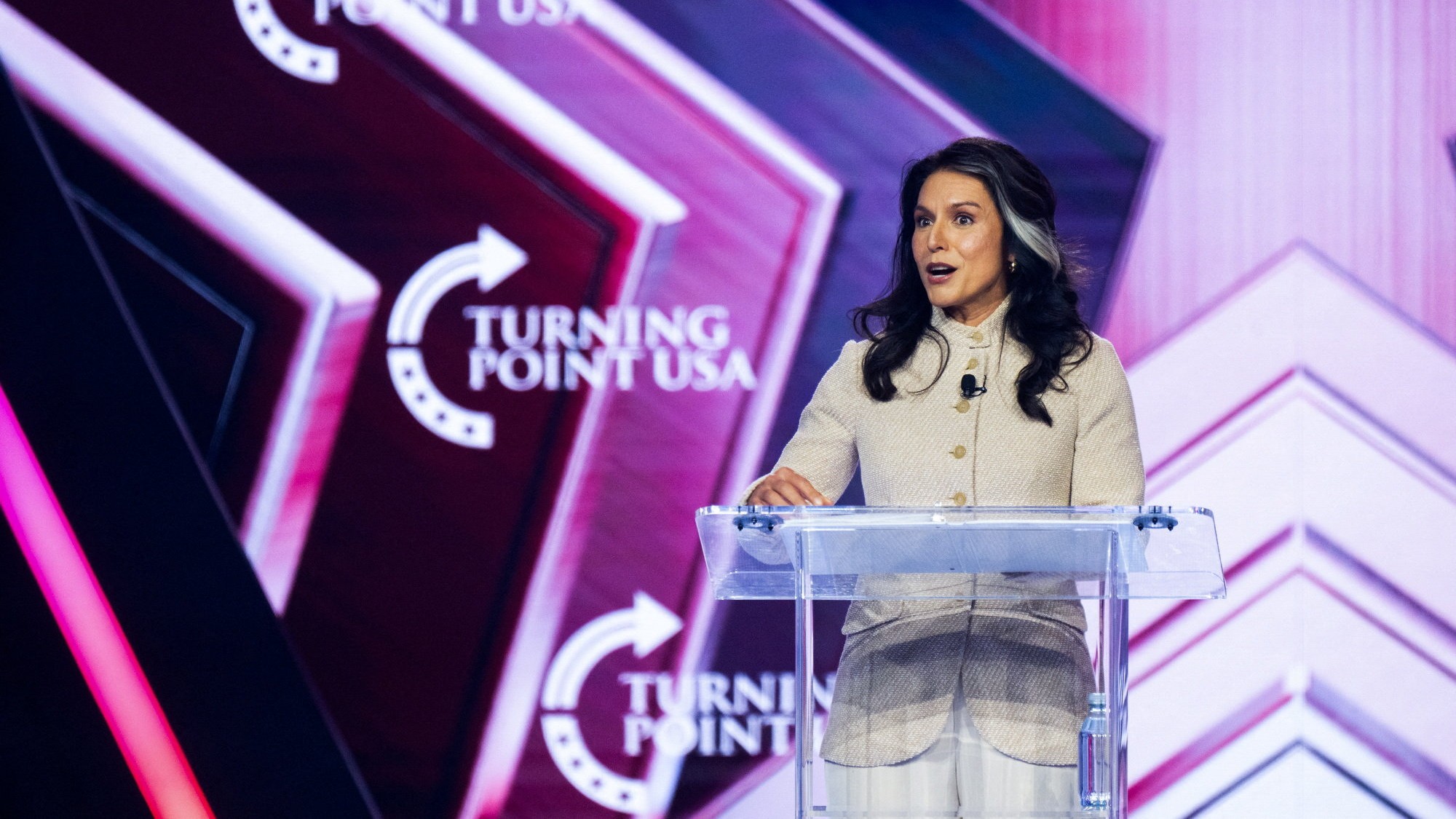
    Speaking at the conservative Turning Point USA’s AmericaFest summit, Gabbard asserted that “Islamist ideology” represents the most significant near and long-term danger to American freedoms and security. She claimed this ideology fundamentally contradicts constitutional principles and seeks to establish a global caliphate that would govern Americans. Her comments received enthusiastic applause from thousands of attendees despite growing concerns within conservative circles about anti-Muslim rhetoric.

    The controversy intersects with broader geopolitical dynamics. Earlier this year, an Israeli government-commissioned study suggested rehabilitating Israel’s image by emphasizing fears of “radical Islam” and “jihadism” following Gaza conflict criticisms. CAIR’s Monday statement emphasized that Gabbard’s role requires factual, apolitical intelligence assessment rather than spreading what they termed “bigoted conspiracy theories.”

    Gabbard specifically singled out Muslim-majority communities in Dearborn, Michigan; Minneapolis, Minnesota; and Paterson, New Jersey, alleging Islamist clerics were actively radicalizing youth. She further accused CAIR of advocating for Sharia law implementation through American legal systems—a claim immediately denied by the organization’s Washington headquarters.

    Local Muslim leaders expressed frustration with what they perceive as systematic vilification. Selaedin Maksut, executive director of CAIR’s Paterson office, described community numbness to ongoing harassment and noted the irony of being characterized as threatening while engaging in standard civil rights advocacy.

    The remarks drew sharp rebukes from New Jersey’s Democratic leadership. Senator Cory Booker, despite his pro-Israel stance, condemned Gabbard’s comments as “dishonest, cruel and un-American” on social media platform X, warning they endangered entire communities. Senator Andy Kim similarly criticized the divisive rhetoric, asserting Muslim Americans’ integral role in society.
  • Israel extends authority to ban foreign media considered ‘harmful to security’ for two more years

    Israel extends authority to ban foreign media considered ‘harmful to security’ for two more years

    Israel’s parliament has enacted a significant legislative amendment permitting the continued restriction of foreign media outlets deemed threatening to national security, extending this authority for an additional two years despite terminating the official state of emergency. The Knesset approved the measure overnight, ensuring that powers initially linked to the Hamas conflict emergency declaration will remain effective until December 31, 2027.

    Originally implemented in April 2024 during heightened hostilities, this legislation notably targeted Qatari broadcaster Al Jazeera, which Israeli officials have consistently characterized as a propaganda vehicle for Palestinian militants. The new provision operates independently of emergency statutes, creating a permanent framework for media regulation based on security concerns.

    Under the amended law, the Prime Minister retains authority to identify foreign media entities perceived as endangering national security. Following this determination, the Communications Minister may execute comprehensive restrictions including broadcast termination, office closures, equipment confiscation, and website blocking. The legislation mandates consultation with security agencies prior to implementation, though only a single favorable security assessment is required to authorize actions without judicial oversight.

    Communications Minister Shlomo Karhi emphasized the legislation’s significance, stating: ‘Terrorist channels are out of bounds, in normal times as well as under a state of emergency. After voting for this law several times during the war to stop Al Jazeera’s broadcasts in Israel, we have now finalized it independently of the emergency status.’

    This development occurs against a backdrop of declining press freedoms in Israel. Reporters Without Borders’ 2025 global index documented an 11-position drop in Israel’s press freedom ranking, descending from 101st to 112th place among 180 evaluated nations since the Gaza conflict’s inception.

  • Trump trips, a fake video and 10 possible co-conspirators – Takeaways from new Epstein files

    Trump trips, a fake video and 10 possible co-conspirators – Takeaways from new Epstein files

    The U.S. Department of Justice has unveiled its most substantial batch of Jeffrey Epstein-related documents to date, releasing over 11,000 pages that reveal previously concealed details about the investigation into the deceased financier’s sex trafficking network. This disclosure, mandated by recent legislation, represents the largest single release in an ongoing transparency initiative that began last Friday.

    The newly public files contain heavily redacted FBI communications identifying ten potential Epstein co-conspirators, with six individuals already served subpoenas across Florida, Boston, New York City, and Connecticut. Among the unredacted names appear Ghislaine Maxwell—already serving a 20-year sentence—and former Victoria’s Secret CEO Les Wexner, though Wexner’s legal representatives maintain he was never considered a target or co-conspirator by prosecutors.

    Perhaps the most intriguing revelation involves communications from an individual identified only as ‘A’ using the email address abx17@dial.pipex.com—listed in Epstein’s records under the contact ‘Duke of York.’ In a 2001 email exchange, ‘A’ writing from ‘Balmoral Summer Camp for the Royal Family’ asked Maxwell to ‘find me some new inappropriate friends,’ to which Maxwell responded apologetically that she could only locate ‘appropriate friends.’ This correspondence resurfaces amid ongoing scrutiny of Prince Andrew’s associations with Epstein, though he has consistently denied any wrongdoing.

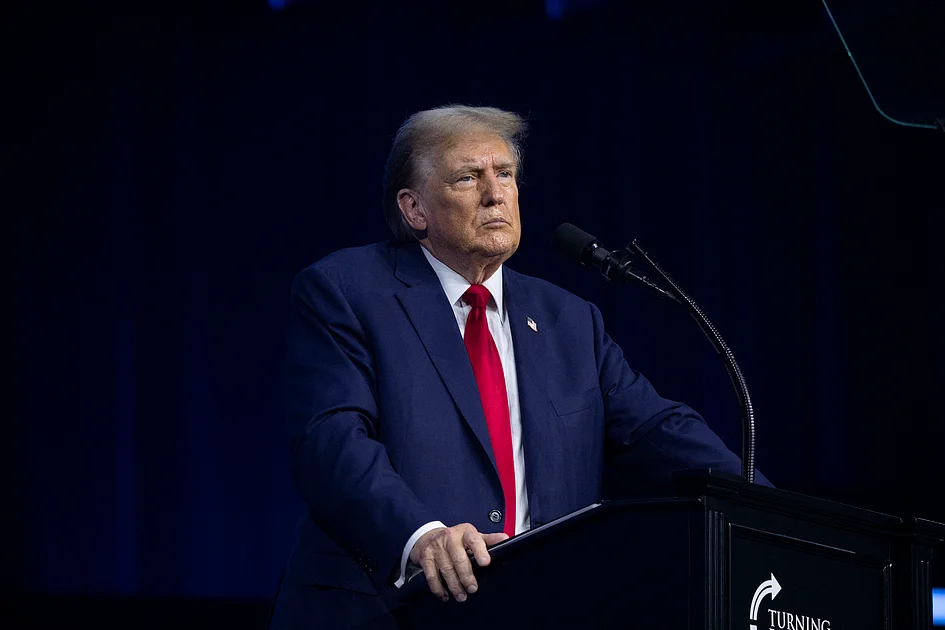
    The document release also sheds new light on Donald Trump’s connections to Epstein, revealing previously unreported travel arrangements. According to a federal prosecutor’s email from January 2020, flight records indicate Trump traveled on Epstein’s private jet ‘many more times than previously reported’—at least eight flights between 1993 and 1996, sometimes accompanied by family members including then-wife Marla Maples and children Tiffany and Eric. The Justice Department separately emphasized that many claims about Trump in the files are ‘untrue and sensationalist.’

    Lawmakers from both parties have expressed concern over the extent of redactions in the released documents, arguing that the legislation specifically prohibits withholding names merely to prevent ‘reputational harm.’ Democrat Congressman Suhas Subramanyam, a member of the House Oversight Committee, noted the significance of learning about ’10 co-conspirators potentially that we knew nothing about,’ suggesting congressional scrutiny may intensify.

    The document trove also included bizarre elements such as a fabricated letter purportedly from Epstein to convicted sex offender Larry Nassar, which forensic analysis determined to be inauthentic, and a computer-generated video falsely depicting Epstein in his prison cell. These inclusions demonstrate the challenge authorities face in separating credible evidence from public speculation regarding Epstein’s network and death.

  • US denies visas to ex-EU commissioner and others over social media rules

    US denies visas to ex-EU commissioner and others over social media rules

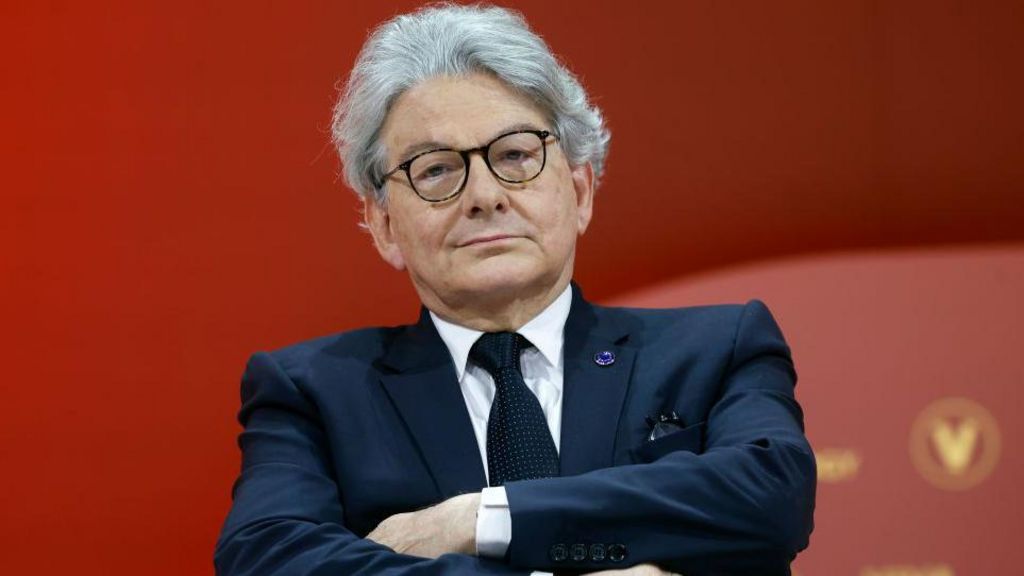
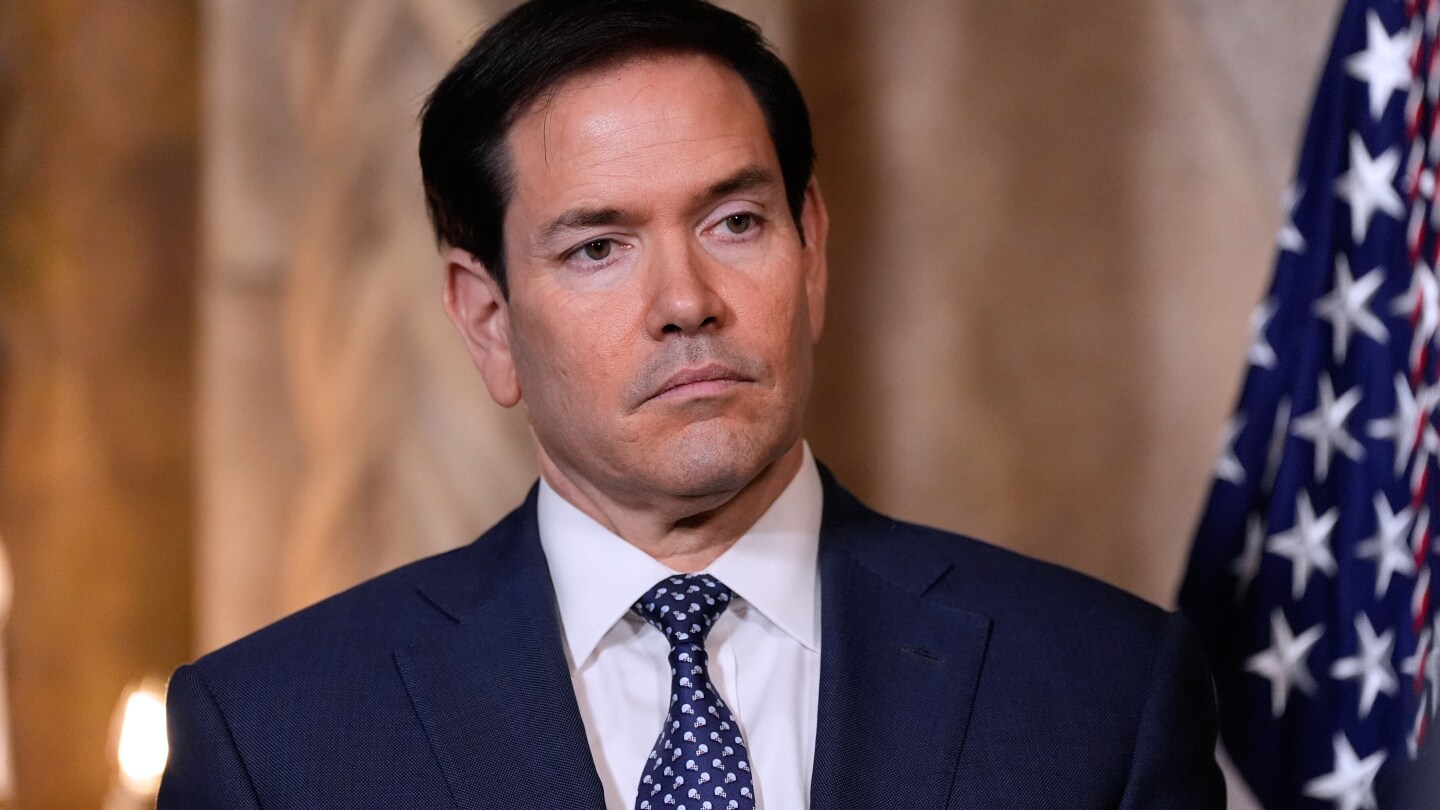
    The United States State Department has announced visa restrictions against five individuals, including former European Union commissioner Thierry Breton, accusing them of attempting to coerce American social media platforms into suppressing viewpoints they oppose. Secretary of State Marco Rubio characterized the targets as “radical activists and weaponized NGOs” advancing foreign censorship campaigns against American companies and speakers.

    Thierry Breton, previously the EU’s top technology regulator and architect of the Digital Services Act (DSA), denounced the move as a “witch hunt.” The DSA legislation, which mandates content moderation requirements for social media firms, has drawn criticism from U.S. conservatives who view it as targeting right-wing opinions—a claim Brussels denies.

    The announcement escalates ongoing tensions between U.S. tech platforms and European regulators. Breton has previously clashed with Elon Musk, owner of X (formerly Twitter), regarding compliance with EU regulations. Recently, the European Commission fined X €120 million for deceptive practices related to its verification system, prompting the platform to block Commission advertising.

    Other individuals targeted include Clare Melford of the Global Disinformation Index, accused of using U.S. taxpayer funds to suppress American speech, and Imran Ahmed of the Center for Countering Digital Hate, described as a “key collaborator” in government weaponization efforts. German organization HateAid representatives Anna-Lena von Hodenberg and Josephine Ballon were also sanctioned.

    Reactions from those targeted were uniformly critical, with statements characterizing the visa bans as “authoritarian attacks on free speech” and acts of government repression. The State Department maintained that the measures protect American sovereignty from extraterritorial overreach by foreign censors, aligning with the Trump administration’s America First foreign policy.

  • Have the American Pope and the American administration fallen out?

    Have the American Pope and the American administration fallen out?

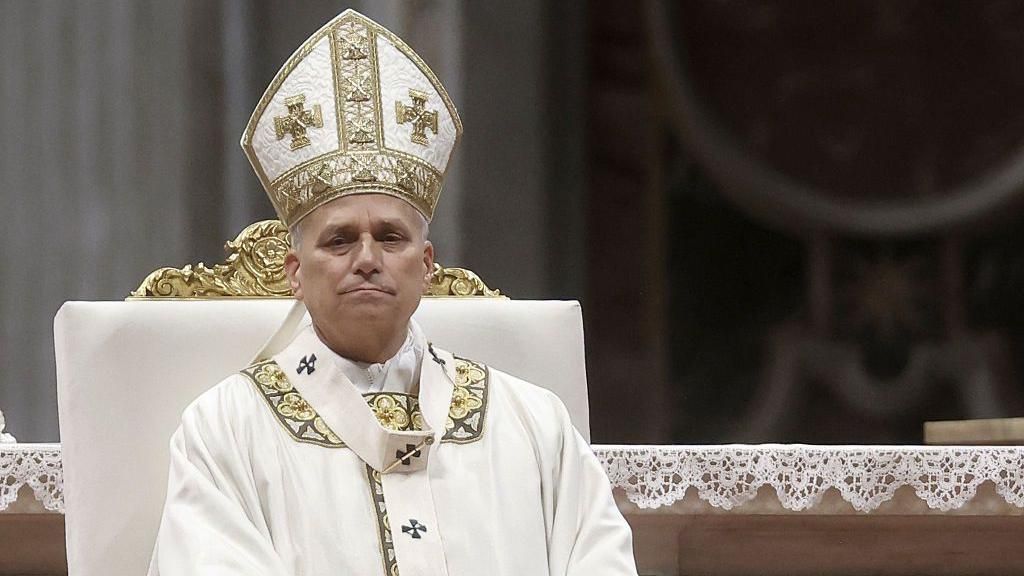
    A significant ideological schism has emerged between the Vatican and the Trump administration over immigration policy, creating unprecedented tension within America’s Catholic community. Pope Leo XIV, the American-born pontiff, has repeatedly criticized the administration’s mass deportation approach, calling for “deep reflection” on migrant treatment and invoking the Gospel of Matthew to emphasize Christian duty toward foreigners.

    The confrontation escalated in November when the United States Conference of Catholic Bishops (USCCB) issued a rare “Special Message”—their first such communiqué in twelve years—expressing profound disturbance at what they termed “a climate of fear and anxiety.” The bishops explicitly opposed “indiscriminate mass deportation” and condemned dehumanizing rhetoric, with the Pope endorsing their statement as “very important” and urging all Catholics to heed its message.

    This ecclesiastical stance has provoked strong reactions from conservative Catholics. Jesse Romero, a prominent Catholic podcaster and Trump supporter, argued that church leadership should focus on spiritual matters rather than governance, stating: “The Pope should tell us how to get to heaven. He has no authority over the government.”

    The political dimension is particularly complex given Catholicism’s substantial influence in American politics. With one in five Americans identifying as Catholic, and prominent figures like Vice President JD Vance and Secretary of State Marco Rubio representing the faith, the Church’s internal divisions mirror broader national debates. While nearly 60% of white Catholics approve of Trump’s immigration handling according to the Public Religion Research Institute, Hispanic Catholics—comprising 37% of the U.S. Catholic population—show significantly lower support at around 30%.

    David Gibson, director of Fordham University’s Center on Religion and Culture, observes that the administration calculates “there are enough American Catholics who support Donald Trump that it’s politically beneficial to pick a fight with the Pope.” This calculation manifests in direct rebuttals from administration officials, including White House Press Secretary Karoline Leavitt rejecting the Pope’s characterization of U.S. immigration policies as “inhuman.”

    At the grassroots level, the conflict takes tangible form. In Chicago, parishioner Jeanne Rattenbury participated in a 2,000-strong “People’s Mass” outside an ICE detention center, part of efforts by the Coalition for Spiritual and Public Leadership to provide religious ministry to detainees—a service they claim is being systematically blocked, leading to federal litigation.

    Bishop Joseph Tyson of Yakima, Washington, one of 216 bishops supporting the USCCB statement, emphasizes that current deportation practices are “not surgical” and disproportionately affect parish communities. With many priests themselves immigrants on temporary visas, the Church faces practical vulnerabilities alongside theological concerns. “Anybody can have their paperwork revoked,” Bishop Tyson notes, revealing that seminarians now carry immigration documents at all times due to enforcement anxieties.

    The ideological fault lines extend to symbolic protests, including a Boston-area church’s Christmas nativity scene replacing baby Jesus with a sign reading “ICE was here”—a display the Archdiocese ordered removed for being divisive, though the parish has thus far refused.

    This confrontation represents a fundamental clash of values between institutional Catholic teaching emphasizing immigrant dignity and political implementation of border enforcement, creating a profound identity crisis for American Catholics navigating competing loyalties to faith and political affiliation.

  • An alleged drug cartel and a murdered witness: South Africa’s police corruption probe

    An alleged drug cartel and a murdered witness: South Africa’s police corruption probe

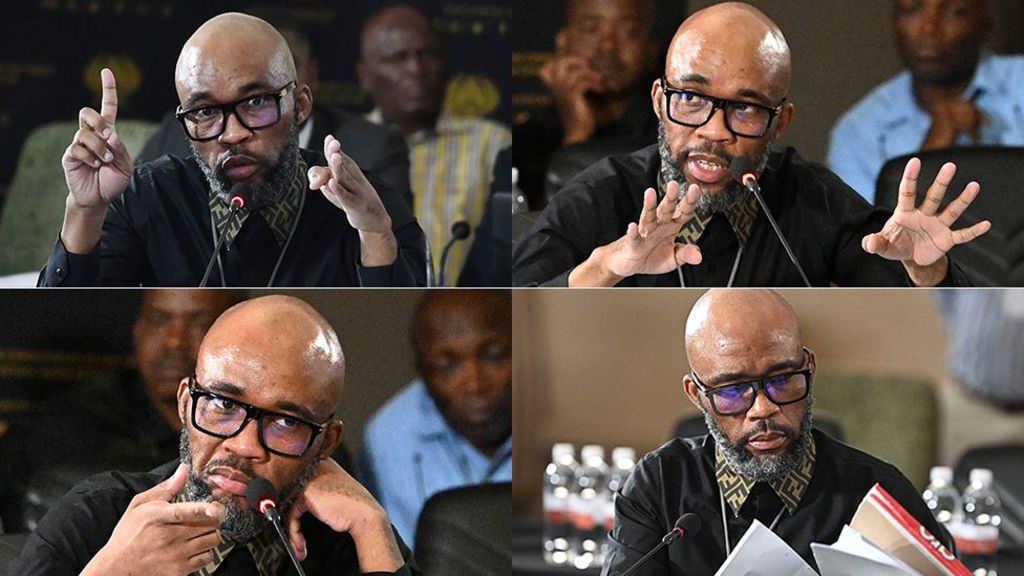
    South Africa faces a profound institutional crisis as parallel investigations reveal alarming evidence of criminal cartels infiltrating the highest levels of law enforcement and government. The suspension of Police Minister Senzo Mchunu—a senior African National Congress (ANC) figure and presidential ally—marks a critical juncture in President Cyril Ramaphosa’s response to systemic corruption allegations within the police force.

    The crisis emerged dramatically in July when KwaZulu-Natal police chief Lt-Gen Nhlanhla Mkhwanazi publicly alleged that organized crime groups had penetrated government structures. His testimony directly implicated Minister Mchunu, claiming he maintained ties to crime kingpins and had deliberately dismantled an elite unit investigating political murders. These assertions triggered two separate inquiries: the Madlanga Commission, headed by retired Constitutional Court judge Mbuyiseli Madlanga, and a parliamentary investigation in Cape Town.

    Testimony before these commissions has unveiled a sophisticated criminal network dubbed ‘the Big Five,’ allegedly operating a multinational narcotics empire while engaging in contract killings, cross-border hijackings, and kidnappings. Police crime intelligence commander Lt-Gen Dumisani Khumalo testified that this cartel had ‘penetrated the political sphere’ and could manipulate investigations, suppress evidence, and obstruct legal proceedings through connections within the criminal justice system.

    Central to the allegations is controversial businessman Vusimusi ‘Cat’ Matlala, currently facing 25 criminal charges including attempted murder. Witnesses allege Matlala provided financial support for Mchunu’s political ambitions, though both men deny any wrongdoing. Matlala’s testimony before parliament revealed astonishing details about relationships with current and former ministers, including claims that ex-Police Minister Bheki Cele demanded a 1 million rand ‘facilitation fee’ to prevent police harassment—allegations Cele denies while admitting to accepting ‘freebie’ stays at Matlala’s penthouse.

    The investigations turned deadly in early December when Marius van der Merwe, a witness who had implicated police officials in torture and extrajudicial killings, was murdered in full view of his family weeks after testifying. His killing highlights the extreme dangers facing whistleblowers in South Africa, where Human Rights Watch documents frequent retaliation against those exposing corruption.

    President Ramaphosa now holds an interim report from the Madlanga Commission, though his spokesperson Vincent Magwenya states it won’t be made public until finalized next year. The commission operates in three phases: allegation presentation, response from implicated officials, and witness recall for clarification. With both inquiries continuing into 2026, South Africans await answers about whether their government can effectively address what Gen Mkhwanazi described as ‘terrorism’—criminal elements seeking to control government not through ballots but through illicit means.

  • US Supreme Court  rejects Trump’s bid to deploy National Guard to Chicago

    US Supreme Court rejects Trump’s bid to deploy National Guard to Chicago

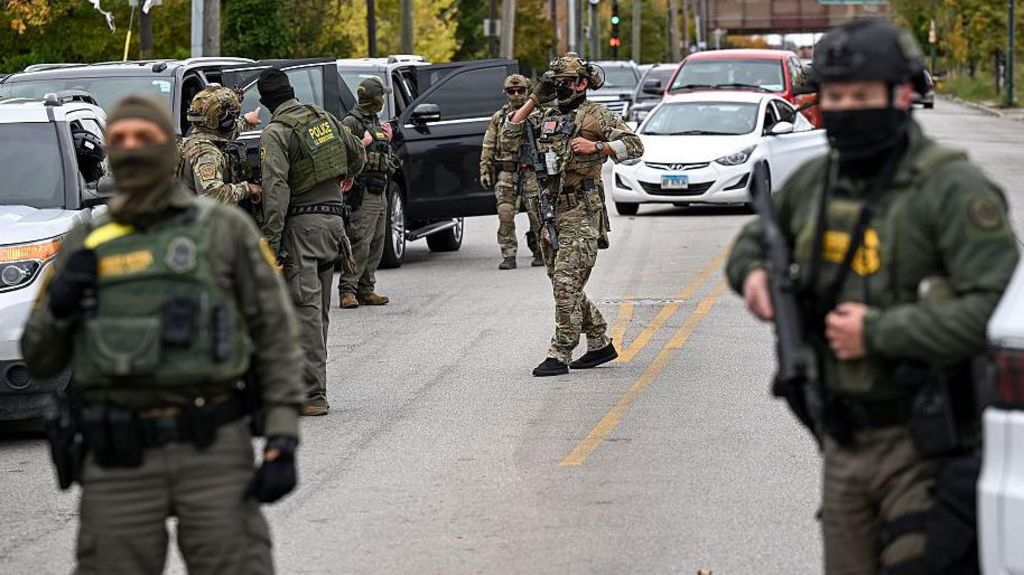
    In a significant legal setback for the Trump administration, the U.S. Supreme Court has denied the president’s authority to deploy National Guard troops to the Chicago metropolitan area without consent from state and local officials. The court’s unsigned order establishes that presidential power to federalize state-based National Guard units likely applies only under “exceptional” circumstances, marking a notable departure from the conservative-majority court’s typical alignment with administration positions.

    The ruling originated from the administration’s efforts to suppress protests against federal immigration raids in several Democrat-led cities, including Chicago, New Orleans, Portland, and Washington DC. President Trump had asserted that military presence was necessary to quell violence, combat crime, and support deportation initiatives in these urban centers.

    Previous lower court decisions had already rejected the administration’s legal argument that Chicago-area protests constituted a “rebellion or danger of rebellion” against the United States. The administration appealed these rulings to the Supreme Court, maintaining that deployment decisions were not subject to judicial review.

    The justices ultimately upheld the lower court decisions through a 6-3 ruling, with conservative justices Clarence Thomas, Samuel Alito, and Neil Gorsuch dissenting. The majority opinion stated that “the Government has failed to identify a source of authority that would allow the military to execute the laws in Illinois” at this preliminary stage.

    This landmark decision maintains the status quo in one of America’s largest cities and represents the first Supreme Court ruling on the administration’s controversial practice of deploying troops to urban areas despite ongoing legal challenges. Illinois Governor JB Pritzker hailed the outcome as “a big win for Illinois and American democracy.”

    The ruling clarifies the constitutional boundaries between federal and state authority regarding military deployment within U.S. borders, potentially affecting future administration efforts to utilize National Guard troops for domestic law enforcement purposes.

  • New Epstein files dump contains multiple Trump references

    New Epstein files dump contains multiple Trump references

    The U.S. Justice Department has unveiled a substantial new collection of documents related to the Jeffrey Epstein case, containing numerous references to former President Donald Trump’s associations with the convicted sex offender. The latest release of approximately 8,000 files includes surveillance footage from August 2019—the month Epstein died in custody—and details Trump’s repeated use of Epstein’s private jet, contradicting the former president’s previous statements about their relationship.

    The documents reveal a January 2020 memorandum from New York federal prosecutors investigating Epstein associate Ghislaine Maxwell, which states that Trump traveled on Epstein’s aircraft “many more times than previously has been reported.” This evidence challenges Trump’s repeated claims that he distanced himself from Epstein after allegedly expelling him from his Florida golf club for inappropriate behavior.

    Among the more sensational materials is a handwritten letter attributed to Epstein from prison, addressed to convicted former USA Gymnastics doctor Larry Nassar, containing unverified claims about Trump’s behavior. The Justice Department has preemptively dismissed many allegations in the documents as “untrue and sensationalist claims” that would have been “weaponized against President Trump already” if credible.

    The document release follows intense political pressure and a rare bipartisan legislative effort co-sponsored by Democrat Ro Khanna and Republican Thomas Massie, who threatened contempt charges against Attorney General Pam Bondi for delayed compliance. Deputy Attorney General Todd Blanche attributed the slow disclosure pace to the extensive redaction required to protect the identities of Epstein’s numerous victims.

    Previous document batches included photographs of prominent figures such as former President Bill Clinton, who has openly encouraged full transparency, and celebrities including Mick Jagger and Michael Jackson. Maxwell remains the only individual convicted in connection with Epstein’s crimes, while Trump faces no allegations of wrongdoing in the matter.

  • US bars five Europeans it says pressured tech firms to censor American viewpoints online

    US bars five Europeans it says pressured tech firms to censor American viewpoints online

    The U.S. State Department has implemented visa restrictions against five European citizens accused of orchestrating systematic efforts to pressure American technology companies into censoring protected speech. Secretary of State Marco Rubio announced the measures Tuesday under a recently established policy designed to combat foreign interference in U.S. digital discourse.

    While Rubio initially withheld specific names, describing the targets only as ‘radical’ activists and ‘weaponized’ NGOs, Under Secretary for Public Diplomacy Sarah Rogers subsequently identified them through social media channels. The list includes prominent figures: Imran Ahmed, CEO of the Centre for Countering Digital Hate; HateAid leaders Josephine Ballon and Anna-Lena von Hodenberg; former European Union Digital Commissioner Thierry Breton; and Clare Melford of the Global Disinformation Index.

    According to official statements, these individuals allegedly advanced foreign government-backed censorship initiatives targeting American citizens and corporations, creating ‘potentially serious adverse foreign policy consequences’ for the United States. The action represents the Trump administration’s unconventional approach to combating perceived extraterritorial censorship, utilizing immigration law rather than traditional platform regulations or economic sanctions.

    The restrictions operate under the Immigration and Nationality Act, generally prohibiting entry into the United States and potentially initiating removal proceedings for those already present. Administration officials indicated possible expansion of the list should similar foreign activities persist.

    Notably, most European citizens benefit from the Visa Waiver Program, which typically eliminates visa requirements for short-term visits. However, all must complete electronic authorization through the Department of Homeland Security’s system prior to travel. A U.S. official speaking anonymously suggested targeted individuals may have been flagged within this screening process.

    This development occurs alongside other recently announced visa restriction policies affecting visitors from certain African and Middle Eastern nations, as well as the Palestinian Authority, including potential financial bond requirements for visa applicants from specified countries.

  • Venezuela seeks to criminalize oil tanker seizures as Trump puts pressure on Maduro

    Venezuela seeks to criminalize oil tanker seizures as Trump puts pressure on Maduro

    Venezuela’s National Assembly has swiftly passed comprehensive legislation establishing severe penalties for maritime interference activities, marking a significant escalation in the nation’s response to recent U.S. naval operations. The new law, approved within an extraordinary two-day legislative process, directly addresses what Venezuelan authorities describe as acts of “piracy” against their commercial shipping operations.

    The legislation mandates prison sentences of up to 20 years and substantial financial penalties for individuals or entities involved in promoting, financing, or participating in activities classified as piracy, blockades, or other unlawful international acts against Venezuelan commercial interests. The assembly, dominated by President Nicolás Maduro’s ruling party, advanced the measure without prior public disclosure of draft versions.

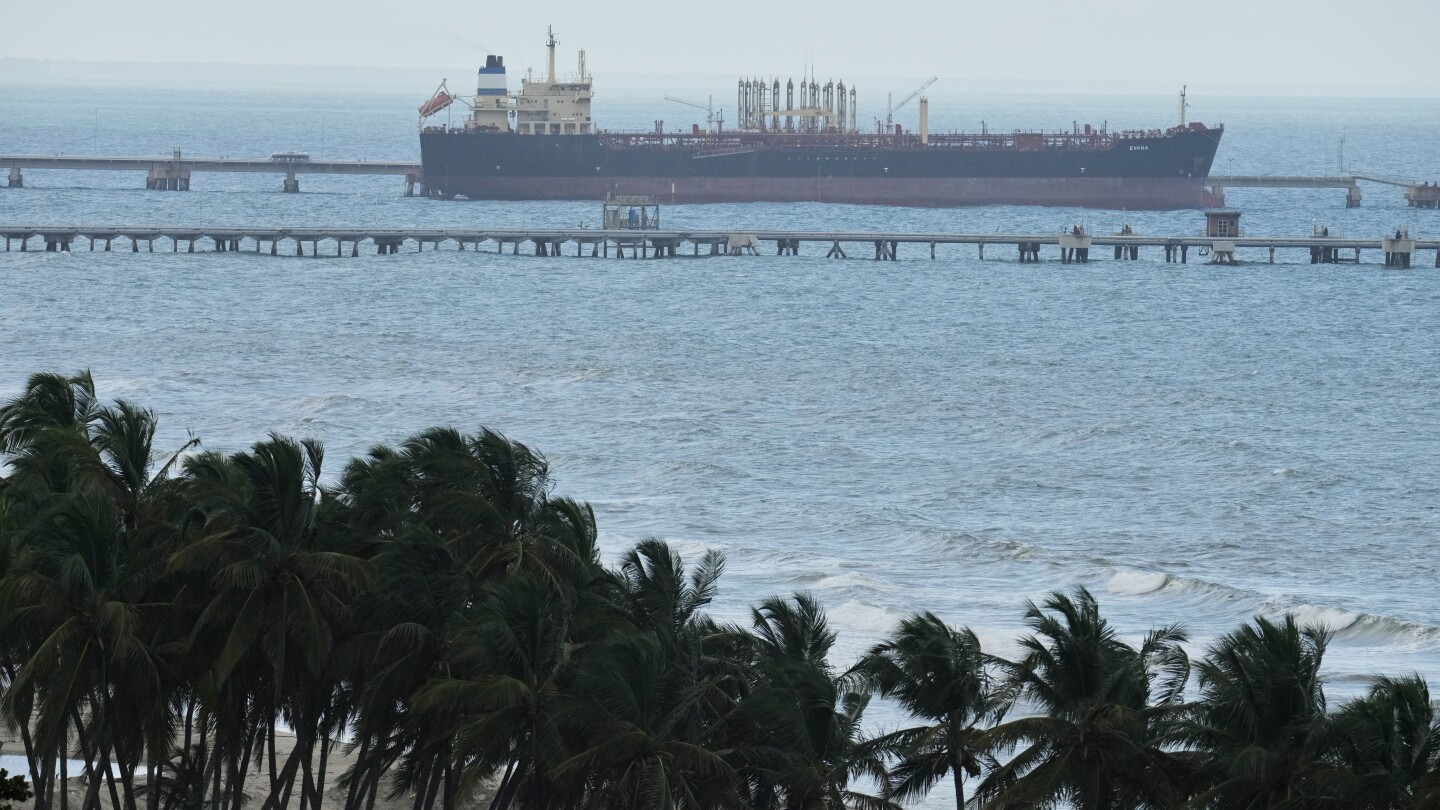
    This legislative action comes precisely two weeks after U.S. forces conducted coordinated seizures of two oil tankers carrying Venezuelan petroleum in international waters. The captured vessels—the Panama-flagged ‘Centuries’ and the rogue tanker ‘Skipper’—were identified by Trump administration officials as part of a shadow fleet attempting to circumvent U.S. economic sanctions imposed on Maduro’s government.

    Beyond punitive measures, the new law directs Venezuela’s executive branch to develop comprehensive economic protection mechanisms and incentives for both domestic and international entities conducting business with the South American nation, particularly during periods of maritime conflict or unlawful interference.

    The development occurs against the backdrop of increasingly confrontational rhetoric from Washington, where President Trump has explicitly threatened naval blockades and repeatedly predicted the imminent downfall of Maduro’s administration. Notably, Venezuela’s political opposition, including Nobel Peace Prize nominee María Corina Machado, has expressed support for the U.S. pressure campaign despite the new legislation’s severe penalties for such cooperation.