分类: politics

  • Trademark Law being revised to protect IPs

    Trademark Law being revised to protect IPs

    Chinese legislators are undertaking comprehensive revisions to the nation’s Trademark Law, marking a significant advancement in intellectual property rights protection. The proposed amendments, currently under review by the Standing Committee of the National People’s Congress, address critical challenges in trademark governance while reinforcing China’s commitment to creating a robust legal framework for innovation-driven economic development.

    The draft legislation, comprising 84 substantive articles, specifically targets malicious trademark practices including trademark squatting, hoarding activities, and improper registrations. These measures represent China’s proactive response to emerging IP violations that have accompanied rapid economic expansion. Shen Changyu, Director of the China National Intellectual Property Administration, emphasized that while China leads globally with 49.78 million valid trademarks and 83.52 million registration applications as of December 2024, new regulatory challenges demand updated legal solutions.

    Key provisions establish stringent oversight mechanisms for trademark agencies, mandating strict confidentiality of client trade secrets and imposing substantial penalties for unethical practices. Agencies found obtaining business through fraudulent means, including forgery or defamation of competitors, face fines reaching ¥200,000 (approximately $28,418) in severe cases. The draft further empowers industry associations to develop self-regulatory standards and disciplinary protocols to elevate professional service quality.

    A fundamental shift introduced requires trademark applicants to demonstrate genuine usage intent, rejecting registrations that exceed normal business requirements. Individuals engaged in malicious registration practices may incur penalties up to ¥100,000, with clear criteria defining violations including appropriation of others’ prior rights, misuse of public resources, and mass registrations made in bad faith.

    Concurrently, the amendments streamline administrative procedures to enhance applicant convenience while maintaining rigorous examination standards. This balanced approach aims to foster legitimate trademark utilization while deterring abusive practices. The legislative process incorporated extensive public consultation through multiple channels, reflecting China’s methodical approach to legal modernization in intellectual property protection.
  • Trump says Maduro would be ‘smart’ to step down

    Trump says Maduro would be ‘smart’ to step down

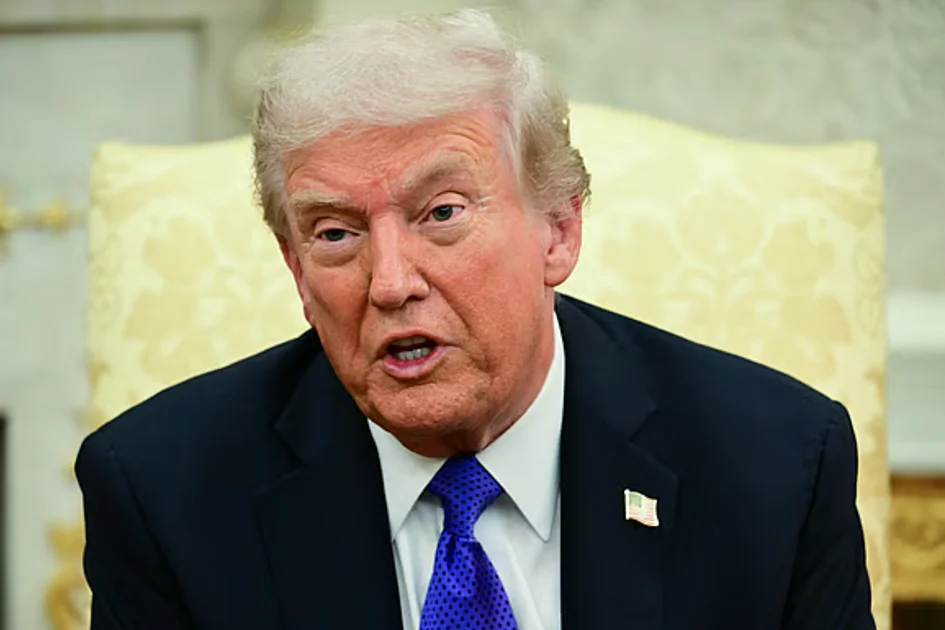
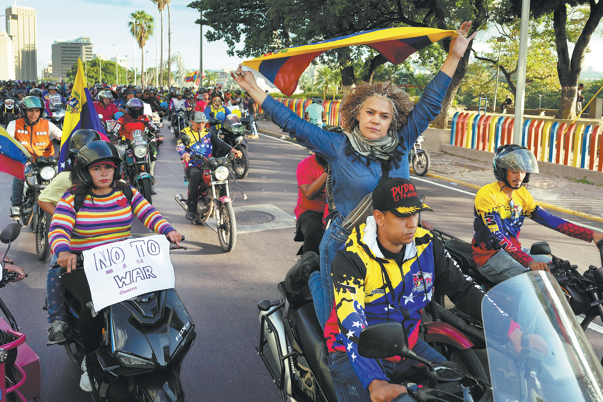
    In a significant escalation of diplomatic tensions, U.S. President Donald Trump suggested on Monday that Venezuelan leader Nicolás Maduro would be acting wisely by voluntarily relinquishing power. The remarks came as American naval forces intensified their blockade targeting Venezuela’s crucial oil resources.

    When questioned by journalists about whether Washington’s coercive measures aimed to force Maduro from office, Trump responded with characteristically blunt rhetoric. “That’s up to him, what he wants to do. I think it would be smart for him to do that,” the president stated. He followed with an implicit threat, adding, “If he wants to do something—if he plays tough, it’ll be the last time he’s ever able to play tough.”

    The Venezuelan president delivered a swift retort during a nationally televised address mere hours later. Maduro advised his American counterpart to concentrate on domestic challenges rather than issuing international threats. “He would be better off in his own country on economic and social issues, and he would be better off in the world if he took care of his country’s affairs,” Maduro asserted.

    The verbal exchange occurs against a backdrop of heightened military activity. Since September, U.S. forces have conducted strikes against vessels allegedly involved in drug trafficking operations across Caribbean and eastern Pacific waters—claims made without publicly presented evidence. These operations have resulted in over 100 fatalities, including fishermen according to family reports and regional governments.

    The geopolitical confrontation drew international attention as Russian Foreign Minister Sergey Lavrov and Venezuelan counterpart Yvan Gil held an urgent telephone consultation. Both diplomats expressed profound concern regarding Washington’s escalating military presence in the Caribbean, warning these actions could trigger serious regional consequences and endanger international maritime navigation.

    The Russian Foreign Ministry subsequently issued a statement reaffirming Moscow’s “full support for and solidarity with the Venezuelan leadership and people.” This diplomatic coordination preceded Tuesday’s scheduled United Nations Security Council emergency meeting to address the worsening crisis.

  • US and Ukraine reach consensus on key issues aimed at ending the war but territorial disputes remain

    US and Ukraine reach consensus on key issues aimed at ending the war but territorial disputes remain

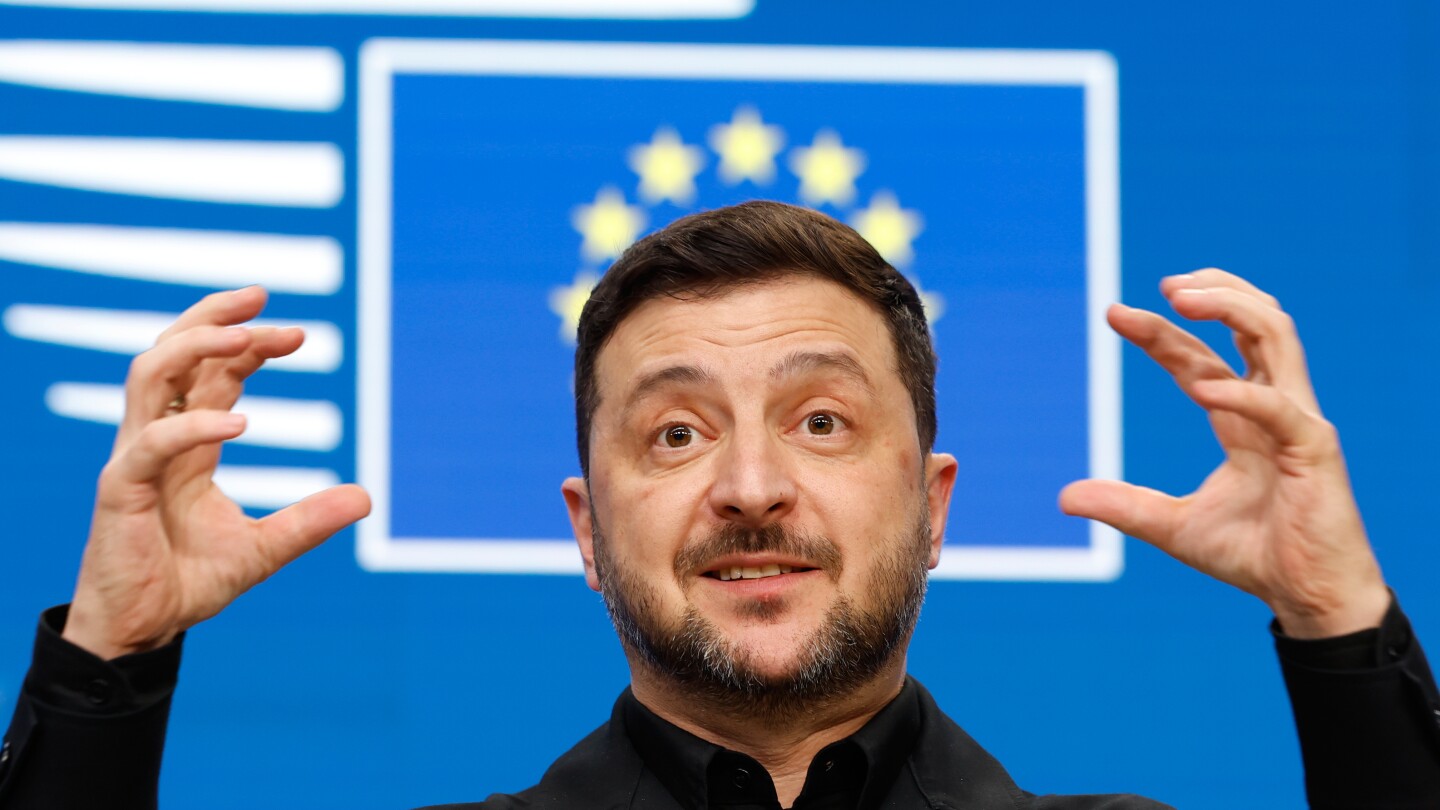
    KYIV, Ukraine — Ukrainian President Volodymyr Zelenskyy has announced that the United States and Ukraine have achieved substantial alignment on a comprehensive 20-point peace framework designed to conclude the nearly four-year conflict, though critical disagreements persist regarding territorial control in eastern Ukraine and management of the Zaporizhzhia Nuclear Power Plant.

    The proposed plan, developed during intensive negotiations in Florida, has been presented to Russian officials with an anticipated response from Moscow expected Wednesday. While Zelenskyy characterized most positions as significantly reconciled, he identified two particularly contentious elements: the status of the Donbas region (Point 14) and the operational control of the Zaporizhzhia facility (Point 12).

    The most challenging negotiation point concerns the disputed territories of Donetsk and Luhansk, collectively known as Donbas. Russia maintains maximalist demands for Ukraine to relinquish remaining unoccupied portions of these regions, while Ukraine firmly rejects territorial concessions. As a potential compromise, the United States has proposed establishing free economic zones in these areas. Ukraine insists any such arrangement must be ratified by national referendum, requiring a 60-day ceasefire to facilitate the democratic process.

    President Zelenskyy emphasized that Ukraine demands complete demilitarization of the region with international forces stationed to ensure stability. “The Americans are attempting to find a solution that doesn’t constitute our withdrawal—which we oppose—through formats like demilitarized zones or free economic zones that might accommodate both perspectives,” he explained.

    Regarding the Zaporizhzhia Nuclear Power Plant, Europe’s largest nuclear facility currently under Russian occupation, the U.S. proposes a tripartite consortium with equal stakes for Ukraine, Russia, and the United States, with American leadership in management. Ukraine has counter-proposed a bilateral venture with the U.S., wherein Americans would independently determine how to allocate their 50% share, potentially to Russia. Zelenskyy questioned the practicality of joint commercial operations with Russia given current circumstances.

    The draft agreement includes robust security guarantees for Ukraine mirroring NATO’s Article 5, obligating partners to respond to renewed Russian aggression. A separate bilateral document with the U.S. will outline detailed security conditions and establish monitoring mechanisms using satellite technology and early warning systems.

    Additional elements include maintaining Ukraine’s military at 800,000 personnel during peacetime, establishing a specific timeline for EU accession, accelerating free trade agreements with the U.S., and creating an $800 billion reconstruction fund through combined equity, grants, loans, and private sector contributions. The proposal also requires Ukraine to conduct post-agreement elections and mandates the immediate release of all prisoners detained since 2014.

  • South Korean lawmakers pass bill targeting false information despite warnings on censorship

    South Korean lawmakers pass bill targeting false information despite warnings on censorship

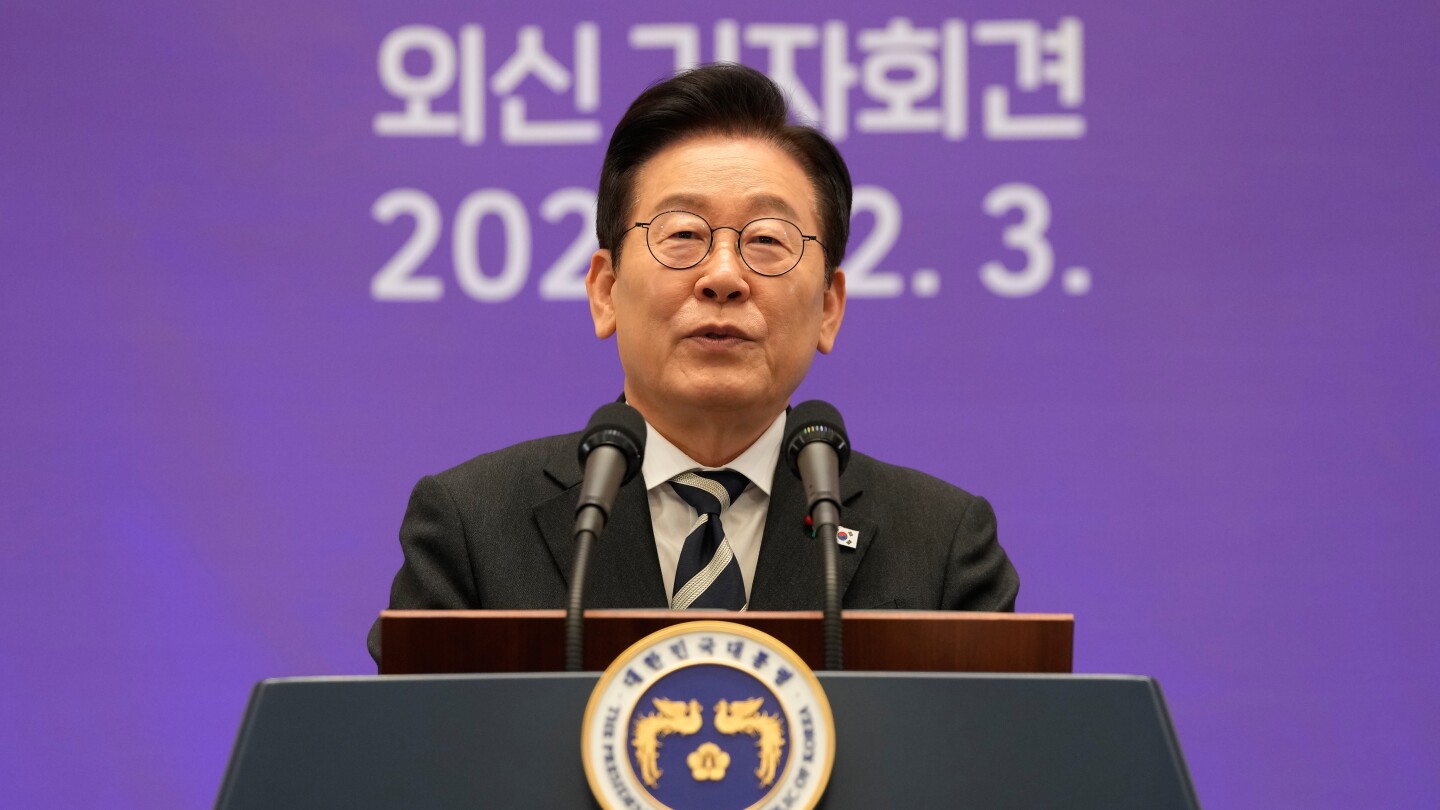
    South Korea’s National Assembly has enacted landmark legislation authorizing substantial punitive damages against media outlets found to disseminate false or fabricated information. The contentious bill, spearheaded by the ruling Democratic Party, cleared parliament on Wednesday with an overwhelming majority of 170-3, though the vote was marked by a boycott from conservative opposition lawmakers.

    The legislation empowers courts to impose damages up to five times the proven financial losses against traditional news organizations and major digital platforms, including large YouTube channels. For cases where quantifiable losses are difficult to establish, courts may award compensation of up to 50 million won (approximately $34,200). Additionally, the country’s media regulatory body gains authority to levy fines reaching 1 billion won ($684,000) against outlets repeatedly distributing court-confirmed false information.

    President Lee Jae Myung’s Democratic Party, which had previously failed to advance similar measures under prior administrations, contends the law addresses escalating concerns about disinformation campaigns that allegedly undermine democratic processes by propagating division and hate speech. Party spokesperson Park Soo-hyun emphasized that the legislation specifically targets “malicious and deliberate dissemination of false information” while exempting satire, parody, and legitimate criticism conducted in the public interest.

    The legislative process encountered significant resistance, including a 24-hour filibuster by People Power Party lawmakers who argued the bill’s vague terminology regarding “inaccurate information” could enable broad interpretation and potentially suppress critical reporting. Journalist associations and civil liberties advocates have urgently petitioned President Lee to exercise his veto power, warning that the ambiguous provisions might discourage scrutiny of public officials, politicians, and corporate entities.

    The National Union of Media Workers has called for meticulous clarification in the law’s implementing ordinances to prevent potential infringement on press freedom and expression rights, expressing concern that the legislation could facilitate weaponized litigation against legitimate media oversight.

  • What to know about the Central African Republic ahead of its election

    What to know about the Central African Republic ahead of its election

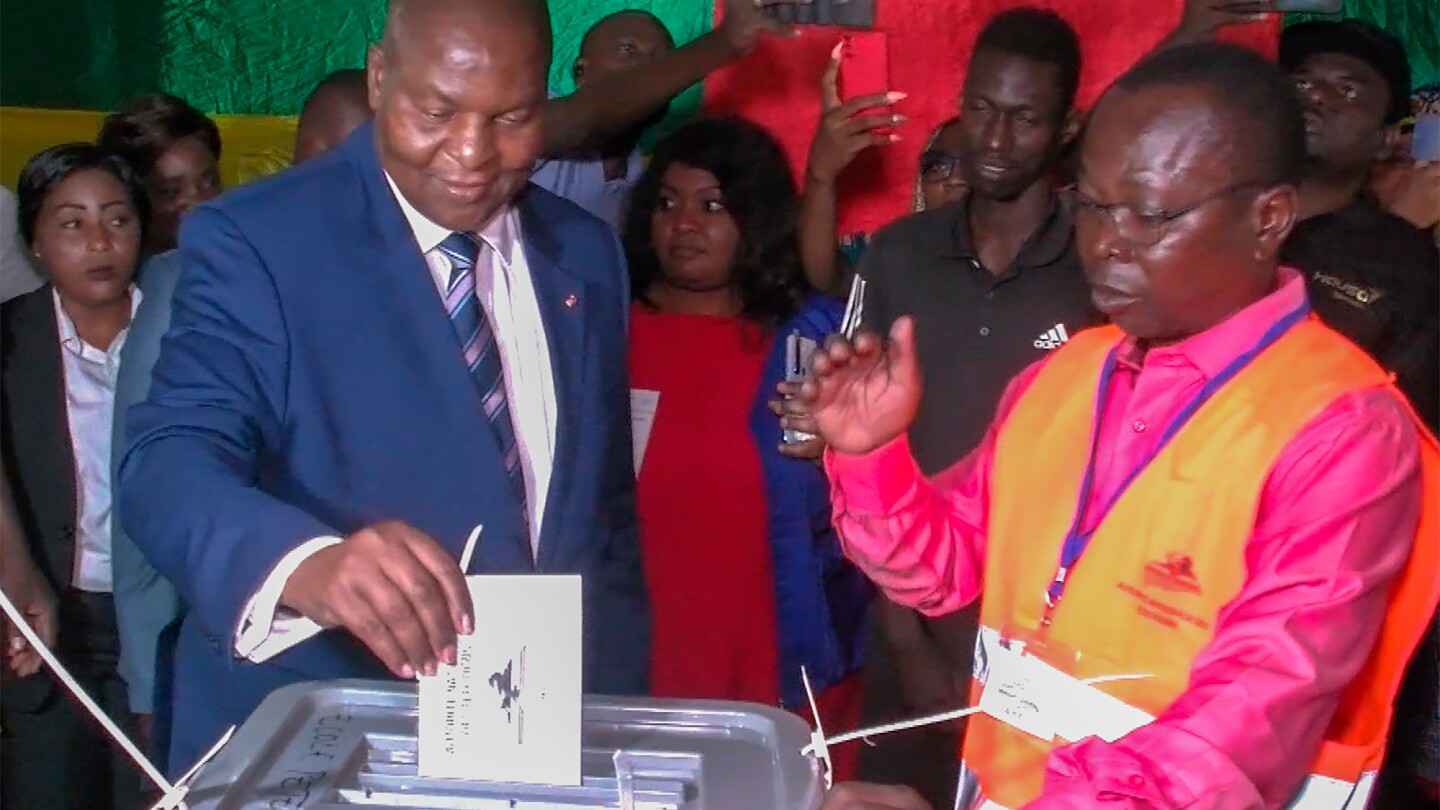
    The Central African Republic prepares for critical presidential and legislative elections on December 28th, unfolding against a complex backdrop of security realignments and political controversies. President Faustin Archange Touadéra, who has held power since 2016, stands as the probable victor following a constitutional referendum that eliminated presidential term limits in 2023.

    The electoral process occurs amid escalating tensions between CAR and its primary security partner, Russia. Moscow has pressured Bangui to replace the Wagner Group mercenary force with its newly established Africa Corps military unit. This demand has created diplomatic friction, as CAR officials reportedly prefer Wagner’s effectiveness and their mineral-based payment arrangement over cash transactions preferred by the Russian government.

    Security conditions show paradoxical improvements despite persistent challenges. Human Rights Watch acknowledges that recent peace agreements with armed groups have created unprecedented stability, bolstered by UN peacekeeping forces (MINUSCA), Rwandan special forces, and Russian security contractors. The 17,000-strong MINUSCA contingent will provide election security despite planned reductions due to budget constraints.

    Electoral integrity faces serious questions as the main opposition coalition announces a boycott, citing an uneven political landscape. Administrative obstacles previously barred prominent candidates Anicet Georges Dologuélé and Henri-Marie Dondra until their late November reinstatement by the Constitutional Council. Human Rights Watch has documented incomplete voter registries and insufficiently trained polling staff, particularly in rural areas.

    Regional dynamics further complicate the political landscape. Rwanda maintains significant military influence through both UN participation and bilateral agreements that grant Kigali access to CAR’s agricultural and mineral resources in exchange for security support. This arrangement reflects Rwanda’s strategy of securing alternative mineral sources amid tensions with the Democratic Republic of Congo over alleged support for M23 rebels.

    Analysts predict the opposition boycott and limited campaign period will likely ensure Touadéra’s victory and continued dominance by his ruling party, raising questions about the election’s democratic legitimacy amid CAR’s delicate security balance.

  • Nearly 50 US lawmakers call on Trump to address Israeli Gaza ceasefire violations

    Nearly 50 US lawmakers call on Trump to address Israeli Gaza ceasefire violations

    A coalition of 49 Democratic representatives has issued a forceful appeal to President Donald Trump, urging immediate diplomatic action regarding Israel’s repeated violations of the Gaza ceasefire agreement. The lawmakers condemned what they characterized as disproportionate military responses that have resulted in substantial civilian casualties and infrastructure damage.

    The congressional letter, spearheaded by Representatives Mark Pocan and Madeleine Dean, detailed numerous breaches since the October truce brokered by the United States, Egypt, and Qatar. Documentation indicates at least 875 violations by Israeli forces, including ongoing attacks and systematic obstruction of humanitarian aid delivery.

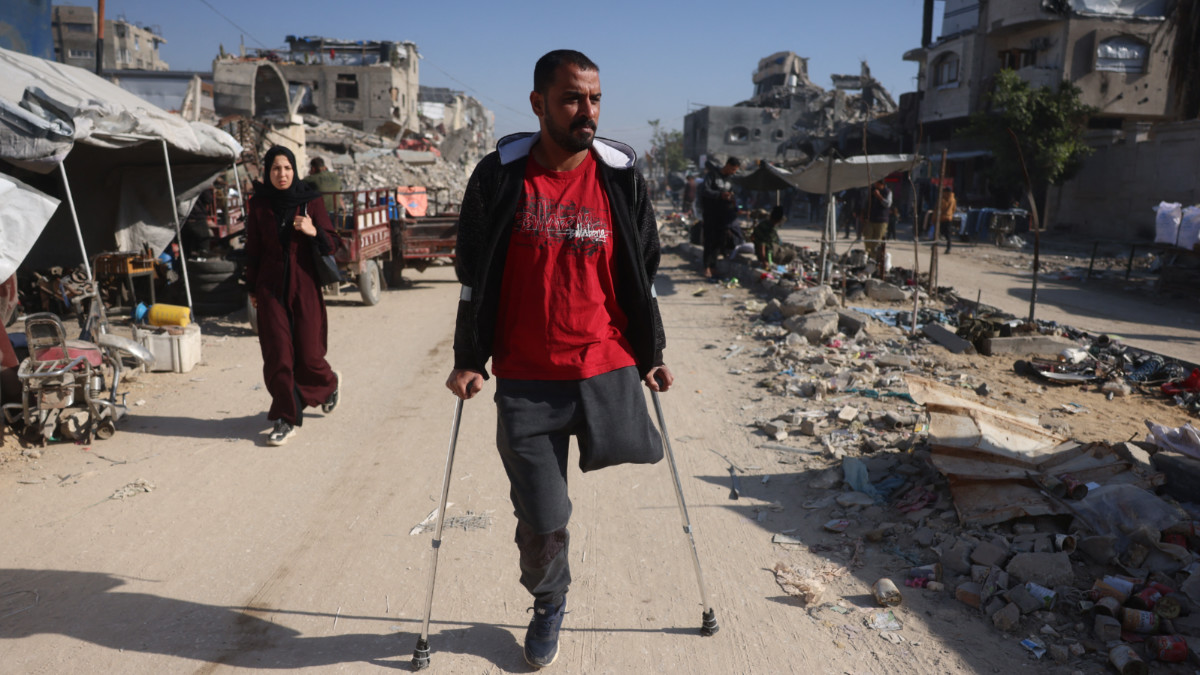
    According to Gaza health authorities, these violations have resulted in over 411 Palestinian fatalities and 1,112 injuries during the 75-day ceasefire period. The humanitarian situation has deteriorated severely, with only 17,819 aid trucks entering the territory—dramatically fewer than the 43,800 trucks stipulated in the agreement for Gaza’s two million residents.

    The lawmakers acknowledged Hamas’s violations but emphasized that Israel’s response has been “severe and disproportionate,” jeopardizing the fragile peace framework. They specifically called for leveraging U.S. assistance to ensure compliance with ceasefire terms and address the growing humanitarian catastrophe.

    The Government Media Office in Gaza warned of an unprecedented crisis exacerbated by freezing temperatures, heavy rainfall, and critical shortages of shelter, medicine, food, and fuel. The appeal comes ahead of scheduled meetings between Israeli Prime Minister Benjamin Netanyahu and President Trump in Florida next week.

    Jewish advocacy organizations including J Street, New Jewish Narrative, and Win Without War have endorsed the congressional initiative, highlighting broad concern within the American Jewish community about the ongoing situation.

  • Trump administration reviewing Israel’s ‘military edge’ as it eyes Gulf arms deals, sources say

    Trump administration reviewing Israel’s ‘military edge’ as it eyes Gulf arms deals, sources say

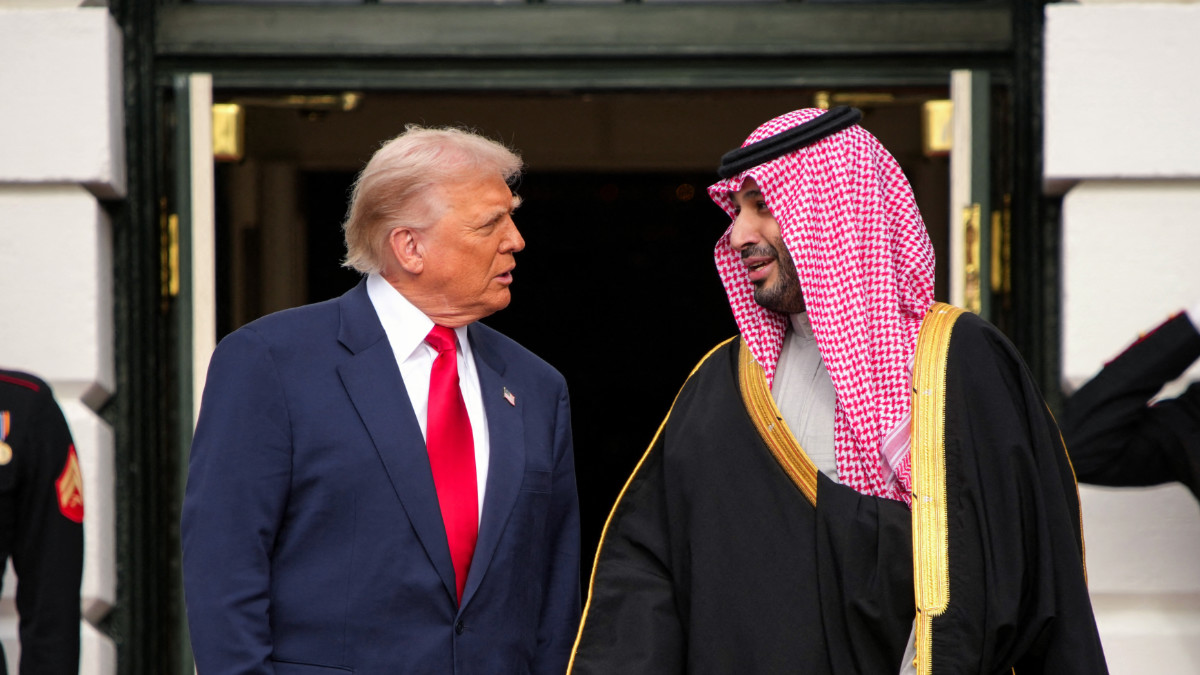
    The Trump administration has initiated a comprehensive review of Israel’s Qualitative Military Edge (QME) as it contemplates major defense deals with Saudi Arabia and Qatar, according to sources familiar with the discussions. This strategic reassessment comes amid Israeli concerns that advanced weapons transfers to Gulf nations could fundamentally alter the regional military balance.

    Multiple high-level meetings have taken place on Capitol Hill in recent weeks, involving senior U.S. military officials and members of key congressional committees including the Senate Foreign Affairs Committee and House Armed Services Committee. The discussions, described as closely guarded, center on potential arms packages that could include advanced F-35 fighter jets for both Saudi Arabia and Qatar.

    A senior State Department official recently visited Israel specifically to address Jerusalem’s security concerns regarding these potential sales. This diplomatic engagement occurs ahead of an anticipated meeting between Israeli Prime Minister Benjamin Netanyahu and President Donald Trump in late December.

    The administration’s consultation with lawmakers marks a notable departure from its typical approach to foreign policy decision-making, which has often bypassed congressional input. This shift appears calculated to secure necessary legislative support for any future arms agreements, as committee leadership can effectively block sales through informal holds.

    President Trump has previously expressed support for providing “top of the line” military equipment to both Israel and Saudi Arabia, despite Israeli lobbying for less advanced versions for Gulf partners. The potential sales have raised particular concern in Israel, which has uniquely modified its F-35I Adir aircraft for extended-range missions, including demonstrated capabilities to reach Iran without refueling.

    The QME concept, formally codified into U.S. law in 2008, mandates periodic assessment of arms sales to Arab states to ensure Israel maintains technological superiority. This policy framework originated from Cold War-era agreements and was strengthened through decades of U.S.-Israel defense cooperation.

    Netanyahu has publicly reiterated his opposition to advanced weapons sales to Saudi Arabia while acknowledging discussions with U.S. officials about preserving Israel’s military advantage. The administration’s current review represents a critical test of how Washington balances its strategic relationships with multiple Middle Eastern allies amid evolving regional dynamics.

  • Trump’s AI hiring campaign: Over 25,000 interested in joining ‘Tech Force’, says official

    Trump’s AI hiring campaign: Over 25,000 interested in joining ‘Tech Force’, says official

    The Trump administration’s ambitious Tech Force program has generated substantial public interest, with approximately 25,000 applicants expressing desire to join the government’s technology initiative, according to official statements released Tuesday. This recruitment drive represents a significant strategic shift from the administration’s earlier focus on reducing federal employment positions.

    Scott Kupor, Director of the U.S. Office of Personnel Management, announced through social media platform X that the administration will utilize this extensive applicant pool to recruit software engineers, data specialists, and other technology professionals with artificial intelligence expertise. These recruits will be assigned to various federal agencies including the Departments of Homeland Security, Veterans Affairs, and Justice for two-year technology project deployments.

    The initiative forms a cornerstone of the Trump administration’s artificial intelligence agenda, continuing a tradition established by previous administrations of integrating technological talent within government operations. Notably, this technology-focused hiring campaign marks a departure from the workforce reduction policies that characterized the initial months of Trump’s second term, which primarily targeted non-essential government positions while maintaining those deemed critical for national security.

    The first cohort will select approximately 1,000 candidates from the applicant pool, creating competitive placement opportunities within the federal technology infrastructure. While the administration has publicly released recruitment figures, independent verification of the exact number of applicants remains pending through third-party sources.

  • Brazil’s Supreme Court allows Bolsonaro to leave prison for surgery

    Brazil’s Supreme Court allows Bolsonaro to leave prison for surgery

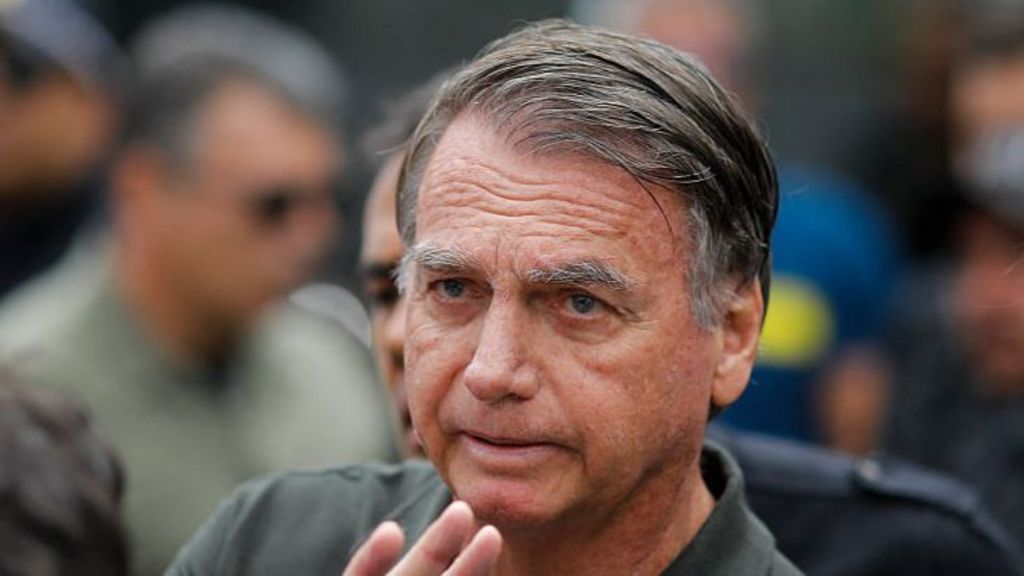
    Brazil’s Supreme Court has authorized the temporary release of former President Jair Bolsonaro from prison to undergo hernia surgery on Christmas Day. Justice Alexandre de Moraes approved the medical transfer on Tuesday, permitting the 70-year-old to be moved from federal custody to a medical facility on December 24th for the procedure scheduled December 25th.

    The incarcerated former leader is currently serving a 27-year sentence for orchestrating a coup plot following his electoral defeat to left-wing rival Luiz Inácio Lula da Silva in 2022. Bolsonaro’s health complications stem from a 2018 abdominal stabbing during his presidential campaign, requiring multiple surgical interventions including intestinal surgery earlier this year.

    This medical development occurs amid significant political tensions regarding Bolsonaro’s imprisonment. Brazil’s Congress recently passed legislation that could substantially reduce his sentence from 27 years to under three years, sparking mass protests across major Brazilian cities. President Lula has vowed to veto the bill, though acknowledges his conservative-dominated Congress could override this decision.

    The international dimension of this case intensified as the United States lifted sanctions previously imposed on Justice Moraes in July. President Donald Trump, who previously characterized the investigation into Bolsonaro as a ‘witch hunt,’ expressed support for the sentence-reducing legislation.

  • ‘Retract or resign’: Cair slams US intelligence chief for talk of Muslim threat

    ‘Retract or resign’: Cair slams US intelligence chief for talk of Muslim threat

    America’s foremost Muslim civil rights organization has demanded the resignation of National Intelligence Director Tulsi Gabbard following her controversial characterization of Sharia law as the nation’s paramount security threat. The Council on American-Islamic Relations (CAIR) condemned Gabbard’s weekend remarks as “delusional and disqualifying” for an intelligence official tasked with objective analysis.

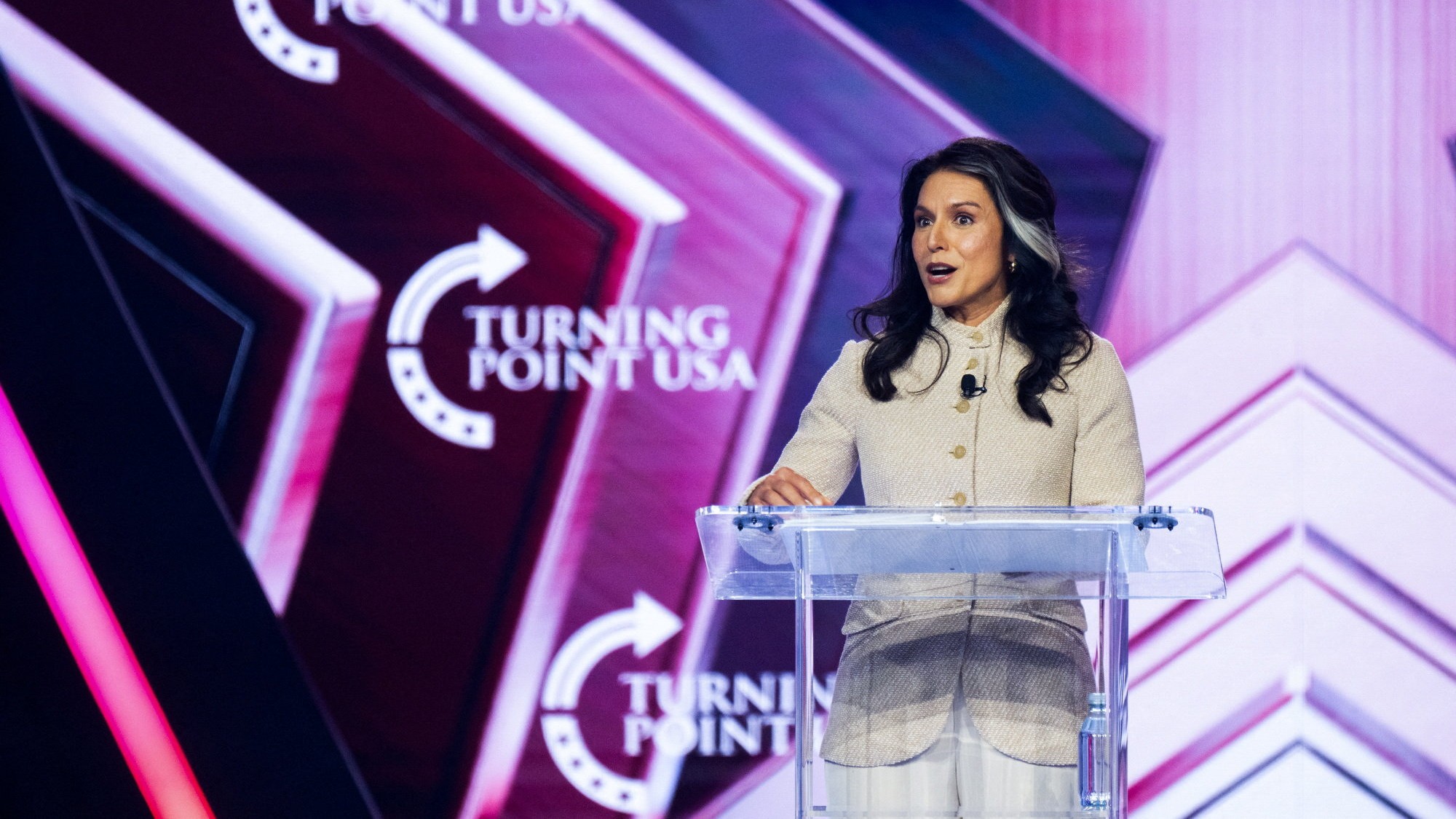
    Speaking at the conservative Turning Point USA’s AmericaFest summit, Gabbard asserted that “Islamist ideology” represents the most significant near and long-term danger to American freedoms and security. She claimed this ideology fundamentally contradicts constitutional principles and seeks to establish a global caliphate that would govern Americans. Her comments received enthusiastic applause from thousands of attendees despite growing concerns within conservative circles about anti-Muslim rhetoric.

    The controversy intersects with broader geopolitical dynamics. Earlier this year, an Israeli government-commissioned study suggested rehabilitating Israel’s image by emphasizing fears of “radical Islam” and “jihadism” following Gaza conflict criticisms. CAIR’s Monday statement emphasized that Gabbard’s role requires factual, apolitical intelligence assessment rather than spreading what they termed “bigoted conspiracy theories.”

    Gabbard specifically singled out Muslim-majority communities in Dearborn, Michigan; Minneapolis, Minnesota; and Paterson, New Jersey, alleging Islamist clerics were actively radicalizing youth. She further accused CAIR of advocating for Sharia law implementation through American legal systems—a claim immediately denied by the organization’s Washington headquarters.

    Local Muslim leaders expressed frustration with what they perceive as systematic vilification. Selaedin Maksut, executive director of CAIR’s Paterson office, described community numbness to ongoing harassment and noted the irony of being characterized as threatening while engaging in standard civil rights advocacy.

    The remarks drew sharp rebukes from New Jersey’s Democratic leadership. Senator Cory Booker, despite his pro-Israel stance, condemned Gabbard’s comments as “dishonest, cruel and un-American” on social media platform X, warning they endangered entire communities. Senator Andy Kim similarly criticized the divisive rhetoric, asserting Muslim Americans’ integral role in society.