分类: politics

  • Somalis vote in the first one-person, one-vote local election in decades

    Somalis vote in the first one-person, one-vote local election in decades

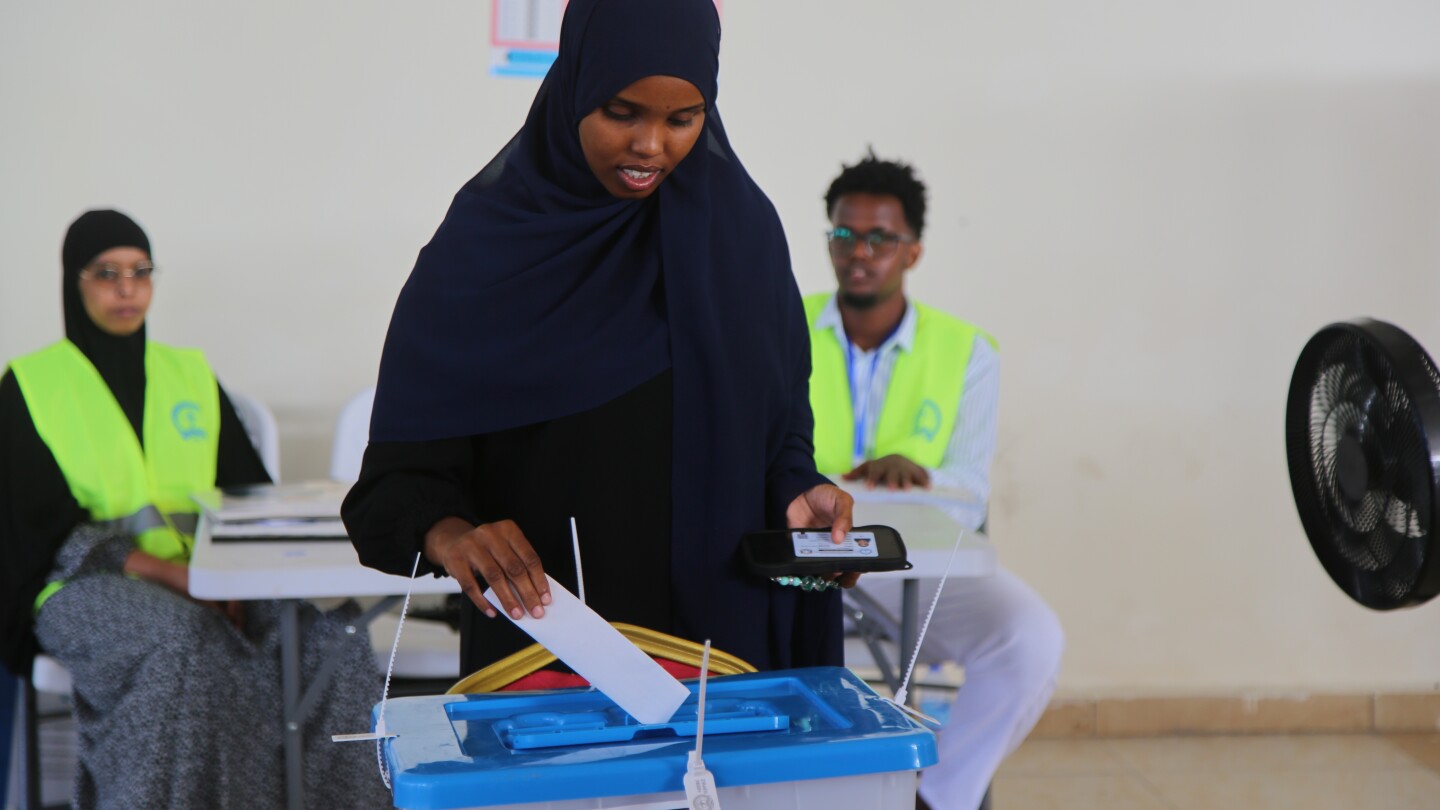
    MOGADISHU, Somalia – The Somali capital witnessed a historic democratic exercise Thursday as residents participated in the nation’s first universal suffrage local elections since 1969. This groundbreaking electoral process represents a radical departure from Somalia’s traditional clan-based power-sharing system that has dominated political life for decades.

    Organized by the federal government across Mogadishu’s 16 districts, the council elections have sparked intense political division. Opposition parties have unanimously rejected the process, labeling it as fundamentally flawed and politically biased. The voting marks the inaugural major electoral undertaking administered by Somalia’s National Independent Electoral and Boundaries Commission, featuring participation from approximately 20 political parties.

    Despite its significance, the election does not determine Mogadishu’s mayoral leadership, which remains an appointed position due to unresolved constitutional status of the capital. This ambiguity reflects broader political fractures between President Hassan Sheikh Mohamud and regional leaders from Jubaland and Puntland regarding constitutional reforms.

    Security measures were significantly enhanced throughout the capital to safeguard the electoral process against potential attacks from al-Shabab militants, who have consistently threatened Somalia’s political stability. Electoral authorities reported over 900,000 registered voters across 523 polling stations in the central region.

    Political analyst Mohamed Husein Gaas, director of the Raad Peace Research Institute, noted that Mogadishu has demonstrated the technical feasibility of local elections despite challenges. He emphasized that the federal government’s initiative empowers citizens, enhances governmental accountability, and progresses toward a more inclusive state structure.

    The elections, previously postponed three times in 2024, have faced vehement opposition criticism alleging that the government seeks to consolidate power and potentially extend presidential term limits—claims that authorities strongly deny. Meanwhile, first-time voter Farhiyo Mohamed expressed exhilaration at participating in an unprecedented democratic experience she had never witnessed in her lifetime.
  • With the exception of US, all G7 nations condemn newly-approved Israeli settlements

    With the exception of US, all G7 nations condemn newly-approved Israeli settlements

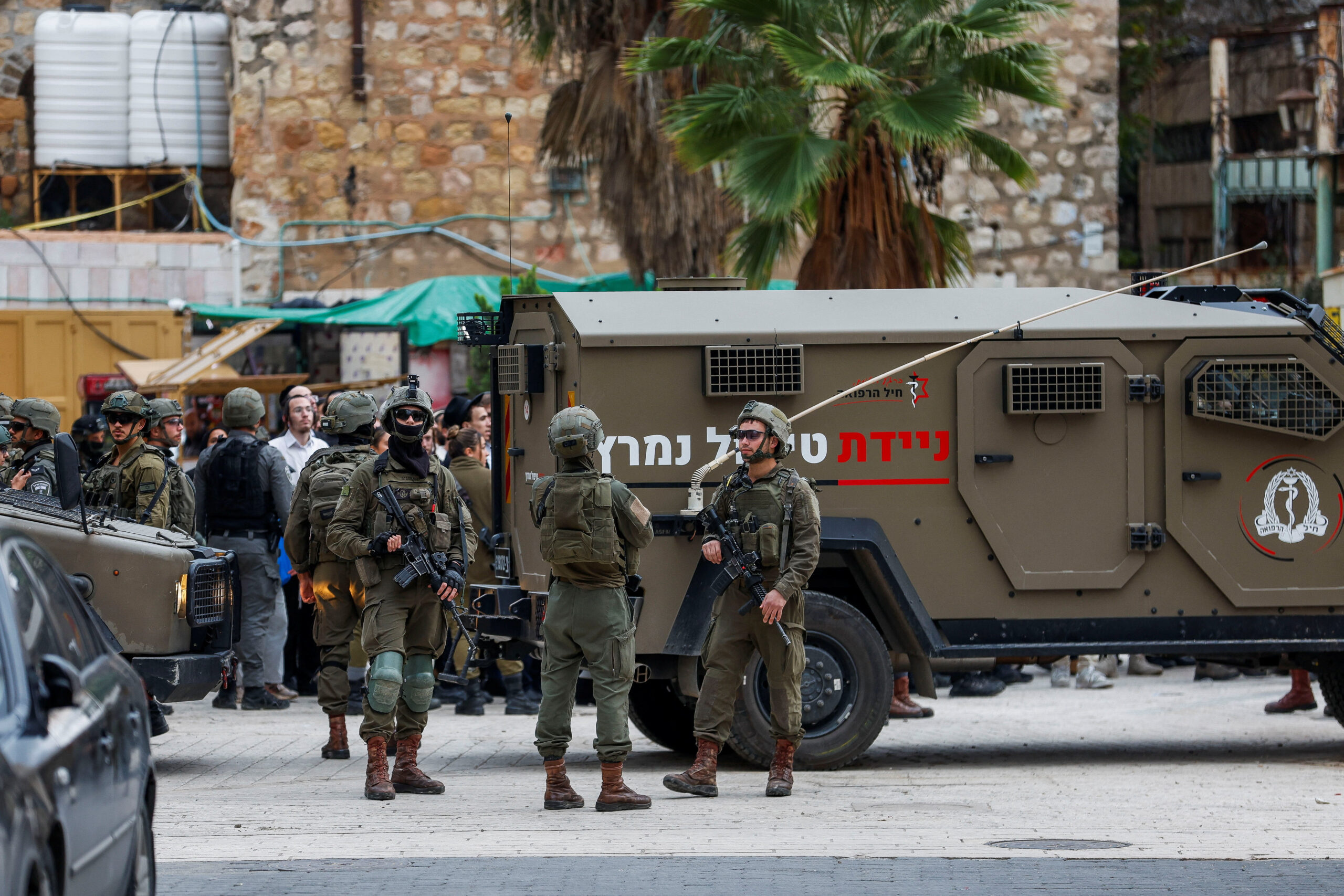
    In a significant diplomatic move, the Group of Seven (G7) nations—comprising the world’s most advanced industrialized democracies—have issued a forceful condemnation of Israel’s recent authorization of 19 new settlement units within the occupied West Bank. The joint statement, released on Wednesday, characterized these unilateral actions as clear violations of international law that potentially escalate regional instability.

    The United States notably abstained from endorsing the collective declaration, which garnered additional support from several European countries including Belgium, Denmark, Iceland, Ireland, Malta, the Netherlands, Norway, and Spain. The signatories emphatically reiterated their opposition to territorial annexation and settlement expansion policies, specifically referencing the controversial E1 settlement project and thousands of planned housing units.

    The diplomatic communication further emphasized that such measures undermine the implementation of President Donald Trump’s 20-point peace proposal for Gaza. While Washington has reportedly expressed private frustrations regarding Israel’s actions—particularly given previous assurances against West Bank annexation—Secretary of State Marco Rubio deferred questions about settlement expansion and settler violence against Palestinians to the US embassy in Jerusalem.

    The recent approval of settlements was orchestrated by Israel’s far-right Finance Minister Bezalel Smotrich, who openly acknowledges that these measures intend to obstruct the formation of a Palestinian state. This development coincides with concerning cartographic analyses by The New York Times illustrating how Israeli settlements are progressively consuming West Bank territory, drawing comparisons to South Africa’s apartheid-era bantustan system.

    All signatory nations except Japan have formally recognized the State of Palestine at various points throughout this year, reinforcing their commitment to a negotiated two-state solution as the only viable path toward lasting peace in the region.

  • North Korea displays apparent progress in construction of nuclear-powered submarine

    North Korea displays apparent progress in construction of nuclear-powered submarine

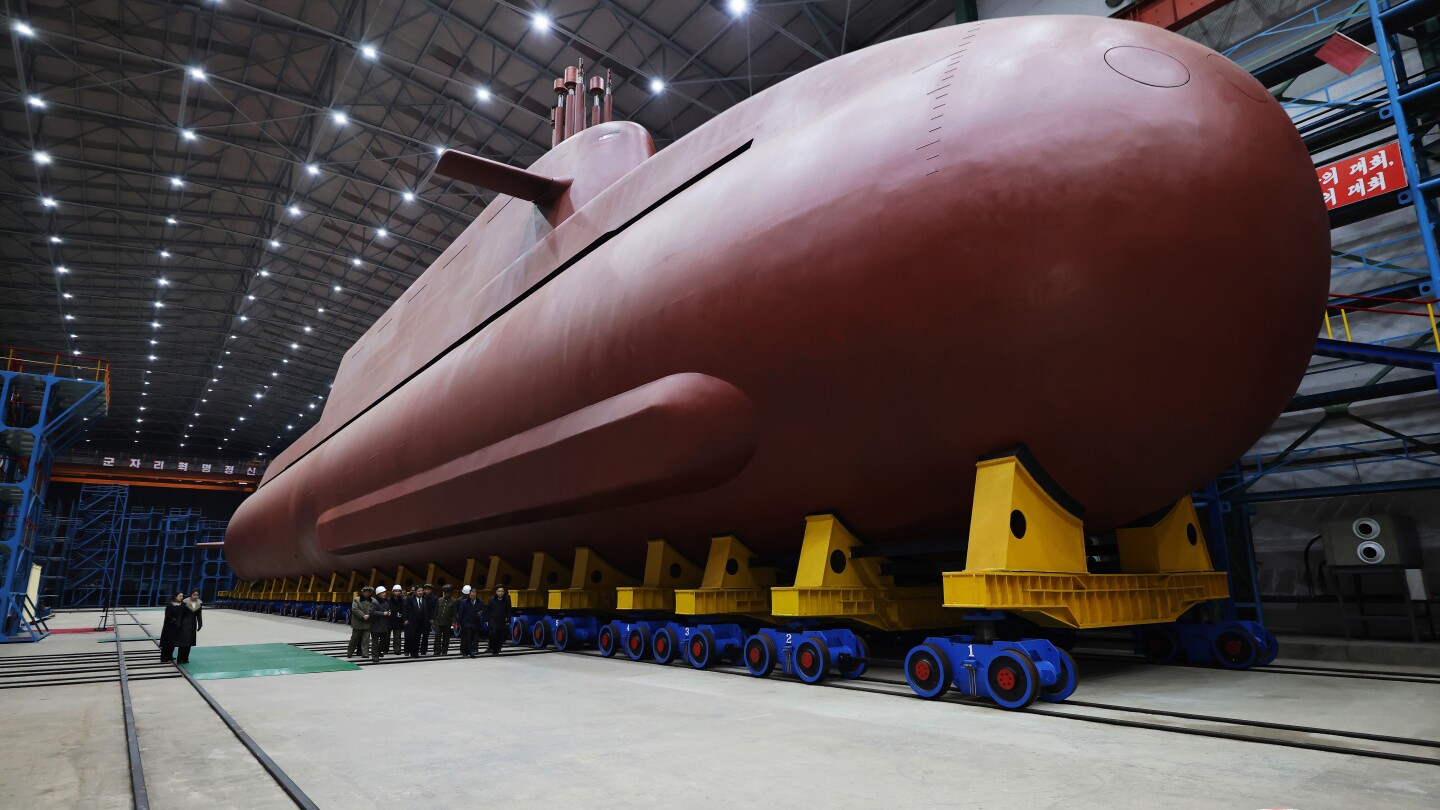
    In a significant demonstration of military advancement, North Korea has revealed substantial progress in its nuclear-powered submarine program during leader Kim Jong Un’s inspection of a naval shipyard. State media imagery depicts a near-complete burgundy-hulled vessel coated with anti-corrosion materials, marking the most visible development since initial images emerged in March.

    Kim characterized South Korea’s pursuit of nuclear submarine technology—reportedly endorsed by former U.S. President Donald Trump—as an ‘offensive act’ violating North Korea’s security and maritime sovereignty. He asserted that this perceived threat justifies accelerated naval nuclearization, describing the submarine project as ‘epoch-making’ for strengthening deterrence capabilities.

    Military analysts note that the visible hull completion suggests critical internal components, including the engine and potential reactor, may already be installed. Moon Keun-sik, a submarine specialist at Seoul’s Hanyang University and former South Korean naval officer, estimates sea trials could commence within months if current progress continues.

    The nuclear submarine represents a cornerstone of Kim’s 2021 weapons modernization agenda, which also includes solid-fueled ICBMs, hypersonic systems, spy satellites, and multi-warhead missiles. This development coincides with North Korea’s recent unveiling of a new naval destroyer and testing of long-range anti-air missiles.

    Experts speculate that North Korea’s strengthened alignment with Russia, including military support for Ukraine operations, may have facilitated technological transfers. While some suspect Russian reactor procurement, others believe Pyongyang developed domestic reactor capabilities with possible external technical assistance.

    The advancement occurs amid deteriorating Korean Peninsula relations, with Kim intensifying weapons development while rejecting denuclearization talks that collapsed following the 2019 Trump-Kim summit.

  • China opposes US pressure on Venezuela

    China opposes US pressure on Venezuela

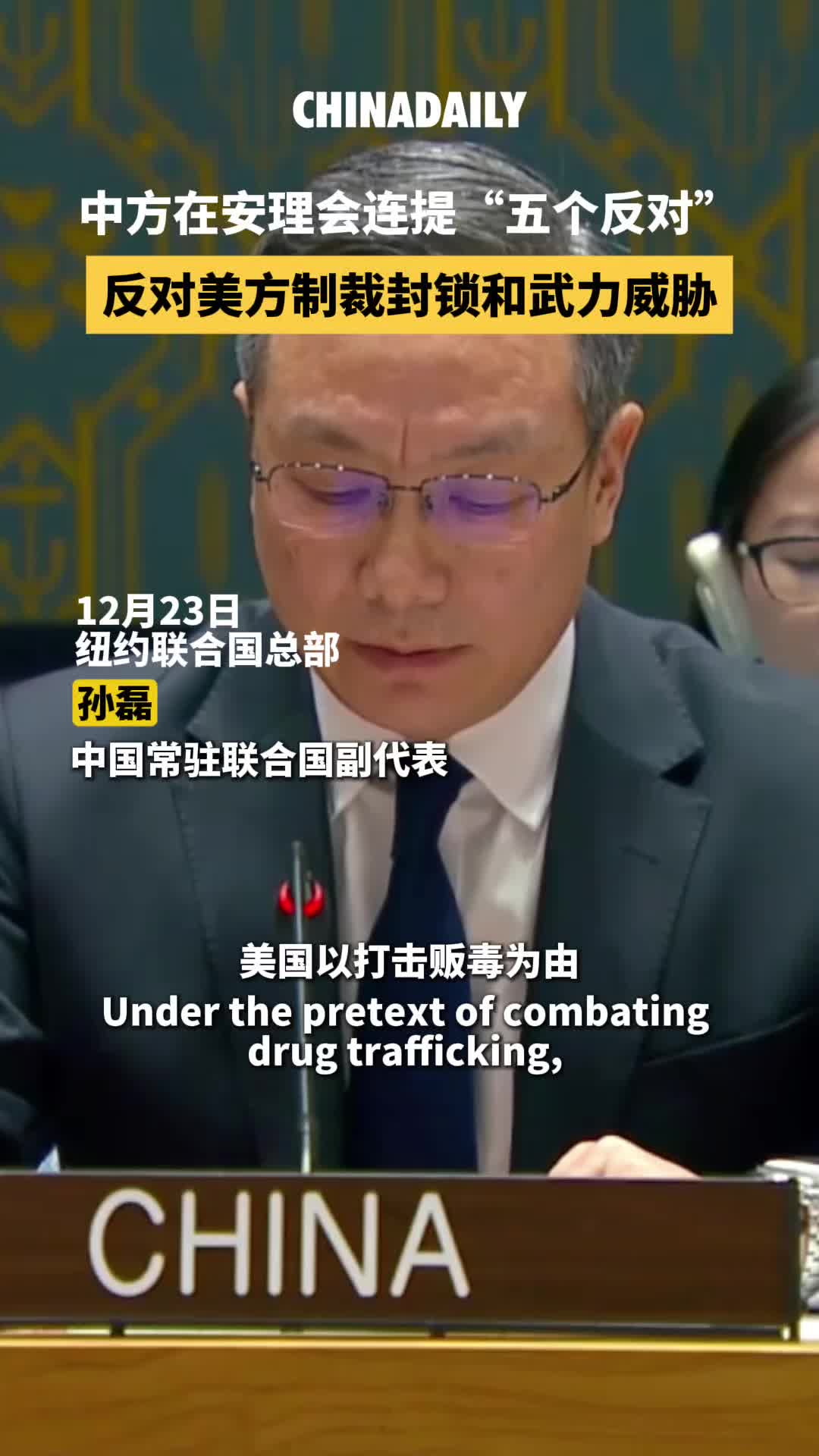
    China has issued a firm diplomatic challenge to United States policy toward Venezuela during an emergency session of the United Nations Security Council. The confrontation emerged as Chinese Deputy Permanent Representative Sun Lei delivered a pointed address condemning Washington’s approach to the Caribbean nation.

    Speaking at Tuesday’s emergency meeting convened to address regional tensions, Ambassador Sun articulated Beijing’s strong objections to what he characterized as escalating American measures against Venezuela. The Chinese diplomat specifically cited three concerning developments: intensified economic sanctions, comprehensive blockades, and overt military threats directed toward the Venezuelan government.

    The emergency session, which focused on broader Caribbean security concerns, provided the diplomatic arena for this latest exchange between the world’s two largest economies. China’s position aligns with its consistent foreign policy principle of non-interference in sovereign nations’ internal affairs, a stance that frequently places it at odds with Western interventionist approaches.

    This diplomatic confrontation occurs amid ongoing political and economic instability in Venezuela, where leadership disputes and economic challenges have persisted for several years. The United States has maintained various sanctions against officials of the Nicolás Maduro administration while recognizing opposition figures as legitimate leaders.

    China’s vocal opposition at the Security Council level represents a significant elevation of the diplomatic discourse surrounding Venezuela and signals Beijing’s willingness to directly challenge American foreign policy in international forums. The exchange highlights continuing geopolitical tensions between major powers regarding appropriate approaches to regional conflicts and governance disputes.

  • Trump-backed candidate Nasry Asfura wins Honduras presidential election

    Trump-backed candidate Nasry Asfura wins Honduras presidential election

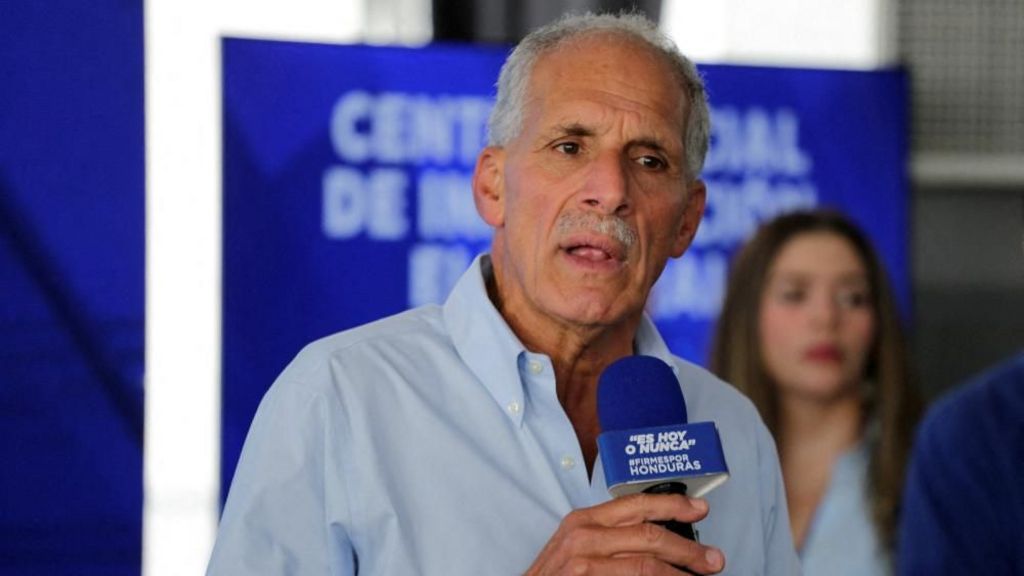
    Honduras has concluded its protracted presidential election with the official declaration of conservative candidate Nasry Asfura as victor, following weeks of electoral turmoil marked by technical failures and fraud allegations. The National Electoral Council (CNE) confirmed Asfura secured 40.3% of votes, narrowly defeating center-right Liberal Party contender Salvador Nasralla who obtained 39.5%.

    The electoral process, initially conducted on November 30, encountered severe technical disruptions that twice halted vote counting operations. CNE President Ana Paola Hall characterized these interruptions as ‘inexcusable,’ attributing the delays to unauthorized maintenance performed by the private contractor responsible for result tabulation. These complications necessitated manual recounts of approximately 15% of tally sheets to determine the final outcome.

    In his victory statement posted on social media platform X, Asfura pledged: ‘Honduras: I am ready to govern. I will not let you down.’ The declaration comes amid heightened political tensions that triggered nationwide protests last week, with supporters of the governing Libre party alleging electoral fraud in capital city Tegucigalpa.

    Outgoing President Xiomara Castro, constitutionally barred from reelection, had previously denounced what she termed an ‘electoral coup’ and accused former U.S. President Donald Trump of interference. Trump had openly endorsed Asfura during the campaign, warning there would be ‘hell to pay’ if the narrow lead was overturned and threatening to withdraw U.S. financial support should Asfura lose.

    In a surprising pre-election development, Trump granted presidential pardon to Juan Orlando Hernández, a National Party colleague of Asfura serving a 45-year U.S. prison sentence for drug and weapons offenses.

    U.S. Secretary of State Marco Rubio urged all parties to respect the official results ‘so that Honduran authorities may ensure a peaceful transition of authority.’ Rubio further indicated American readiness to collaborate with the incoming administration on bilateral security cooperation and combating illegal immigration while strengthening economic relations.

    Contrary to this call for unity, Luis Redondo, president of Honduras’s Congress, declared the election results ‘completely illegal,’ underscoring the deep political divisions that persist following this contentious electoral process.

  • Ex-senior army officers urge UK to ‘cut all military collaboration with Israel’

    Ex-senior army officers urge UK to ‘cut all military collaboration with Israel’

    In a significant development, four distinguished former British military commanders have formally urged Prime Minister Keir Starmer to implement a comprehensive arms embargo against Israel and immediately suspend all defense collaborations with Israeli-linked firms. The high-ranking veterans, possessing decades of combined service, argue that despite the current ceasefire in Gaza, maintaining military ties is untenable given evidence of Israeli war crimes.

    The signatories, including John Deverell—a veteran of over thirty years who served as defense attache in Saudi Arabia and Yemen during 9/11—alongside former UK Defence Academy Director General Andrew Graham, retired Major General Peter Currie, and ex-Afghanistan commander Charlie Herbert, delivered their forceful appeal via letter. They explicitly challenged the UK Defense Ministry’s previous assertion that Israeli military protocols closely mirror Britain’s rigorous standards.

    Citing Israel’s deployment of indiscriminate munitions leading to ‘exceptionally disproportionate civilian fatalities and widespread infrastructure destruction,’ the officers condemned the ongoing military cooperation. They emphasized that documented evidence of war crimes is so compelling that continued collaboration risks British complicity. Their demands extend beyond an arms embargo to include prohibiting RAF and contracted aircraft from supporting Israeli military operations and suspending all military technology transfers.

    This call for stricter sanctions emerges amid revelations that UK arms exports to Israel have dramatically increased under the current Labour government. Recent export data shows approvals for military aircraft, radars, targeting equipment, and explosive devices between October-December 2024 surpassed total arms licenses granted throughout the entire 2020-2023 Conservative administration.

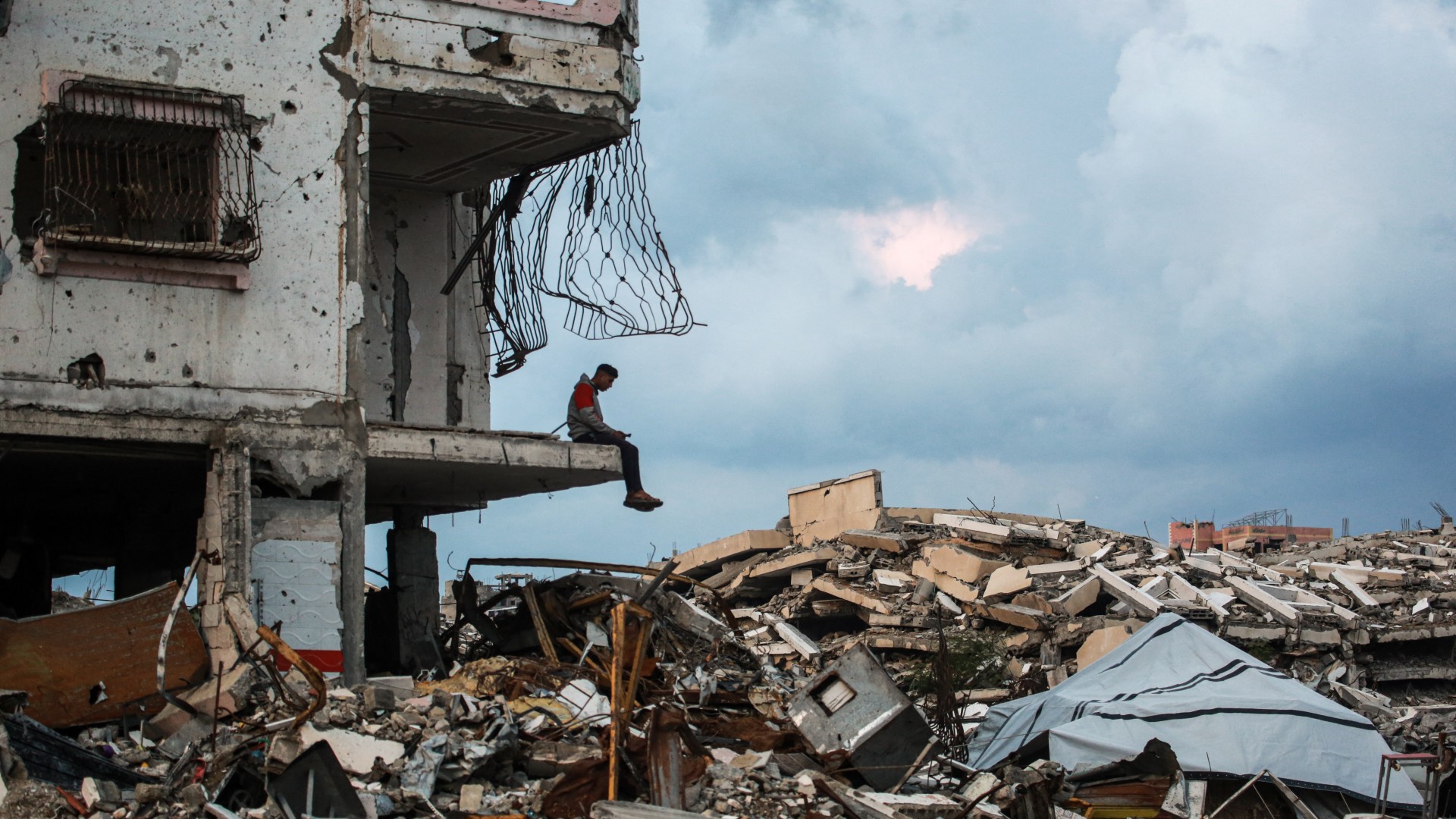
    The controversy deepens as the British army prepares to award a £2 billion training contract, with a subsidiary of Israeli defense giant Elbit Systems participating in one bidding consortium. Meanwhile, Palestinian health authorities report over 400 fatalities since the October ceasefire violations, adding to the staggering death toll exceeding 70,000 Palestinians—mostly women and children—since hostilities began in October 2023.

  • Journalist Bilal Abdul Kareem arrested in Syria

    Journalist Bilal Abdul Kareem arrested in Syria

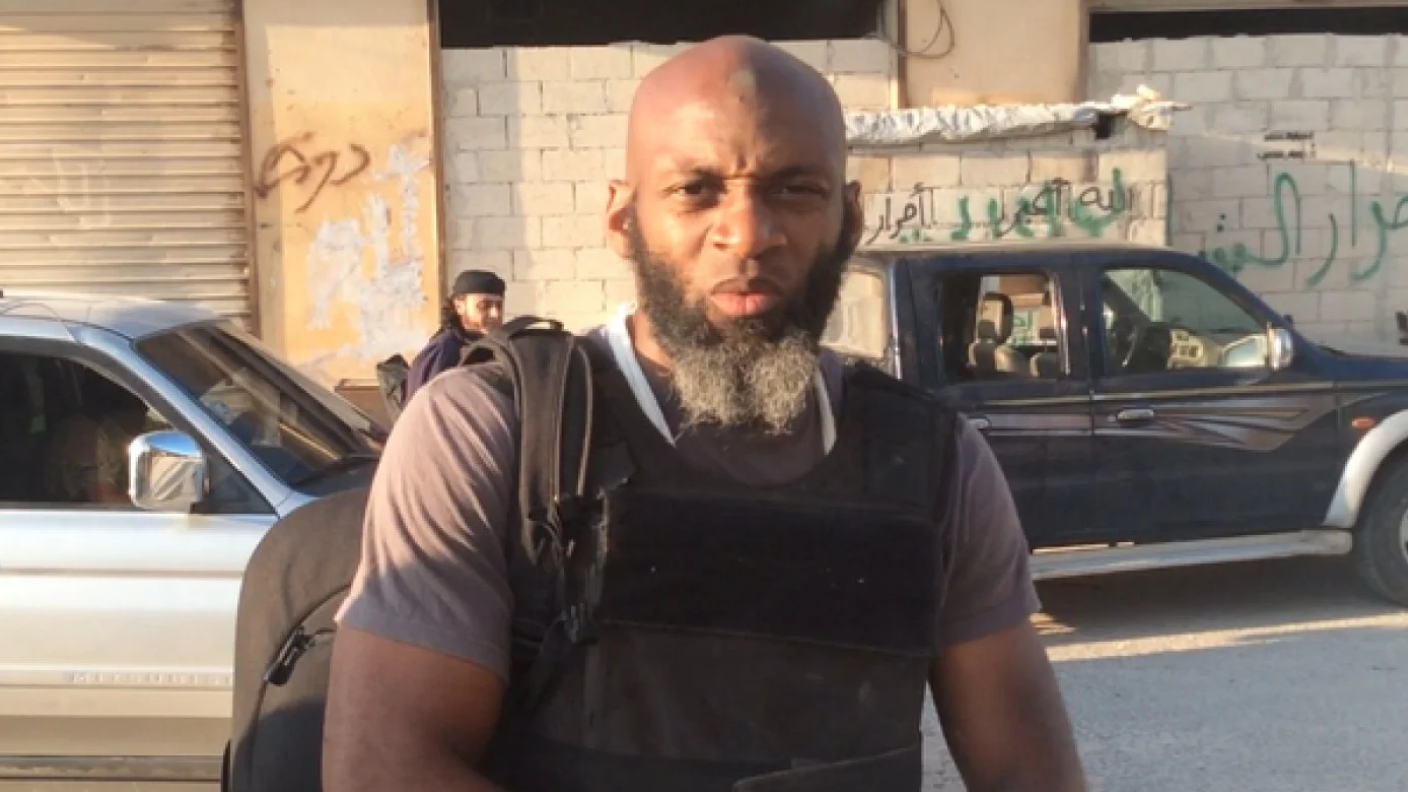
    Syrian authorities have arrested American journalist Bilal Abdul Kareem following his vocal criticism of President Ahmed al-Sharaa’s administration, according to sources speaking with Reuters. The detention occurred Monday in al-Bab, located in northern Aleppo province, though official confirmation from Damascus remains pending.

    Abdul Kareem, who previously contributed to Middle East Eye and has resided in Syria since 2012, transitioned from stand-up comedy to become a significant voice within Syrian opposition circles. His recent commentaries have sharply criticized President al-Sharaa, the former rebel leader who overthrew Bashar al-Assad in December 2024. The journalist particularly condemned what he perceived as excessive moderation of Islamic principles to gain international favor and denounced the government’s refusal to grant citizenship to foreign opposition fighters.

    In his final social media post before detention, Abdul Kareem explicitly opposed Syria’s participation in the US-led coalition against Islamic State. The video, published shortly after a suspected IS attack killed two American soldiers and a civilian interpreter, contained statements describing the United States as ‘the enemy of the Syrian people’ and questioning the legitimacy of US military presence in the region.

    The journalist brings extensive experience working with major international networks including CNN, BBC, Sky News, and Channel 4. This incident marks his second significant detention in recent years, following a six-month imprisonment in 2020 by Hay’at Tahrir al-Sham (HTS) for allegedly inciting against the rebel group. Although previously maintaining positive relations with HTS—the organization instrumental in overthrowing Assad and formerly led by al-Sharaa—tensions escalated following Abdul Kareem’s reports about torture within HTS detention facilities.

    Abdul Kareem has additionally claimed being placed on a US ‘kill list’ and surviving five assassination attempts, though legal proceedings have thus far failed to substantiate these allegations.

  • Zelensky reveals US-Ukraine plan to end Russian war; key questions remain

    Zelensky reveals US-Ukraine plan to end Russian war; key questions remain

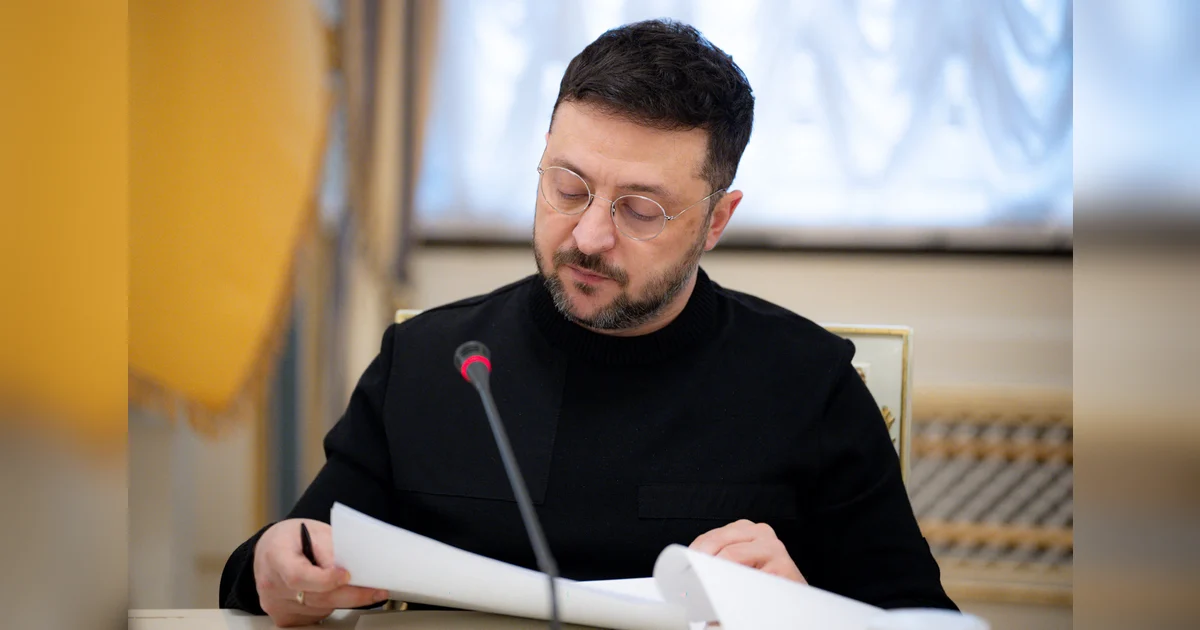
    Ukrainian President Volodymyr Zelensky has disclosed details of a revised 20-point peace proposal jointly developed with United States negotiators aimed at resolving the ongoing conflict with Russia. While the framework represents a significant diplomatic development, critical questions persist regarding territorial concessions and Moscow’s potential acceptance of the terms.

    The revised document, currently under review by Russian officials, reportedly eliminates several previously contentious demands that Ukraine had strongly opposed. These include the immediate withdrawal of Ukrainian forces from Donetsk region territories, formal recognition of Russian-occupied lands as sovereign Russian territory, and any constitutional amendment renouncing Ukraine’s aspirations for NATO membership.

    President Zelensky acknowledged during an extensive two-hour briefing with journalists that the proposal contains elements he personally finds unsatisfactory. The plan establishes the current frontline positions in Donetsk, Luhansk, Zaporizhzhia, and Kherson regions as the de facto line of contact. A specialized working group would subsequently determine necessary troop redeployments to facilitate conflict resolution and establish parameters for potential special economic zones in disputed territories.

    The proposal notably creates pathways for previously resisted options, including Ukrainian troop withdrawals and the establishment of demilitarized zones in the approximately 20% of Donetsk region currently under Ukrainian control. This represents a significant compromise from Kyiv’s previous stance on territorial integrity.

    Regarding international alliances, Zelensky emphasized that while Ukraine’s constitutional commitment to NATO membership remains unchanged, the decision ultimately rests with existing alliance members. The proposal also outlines joint US-Ukrainian-Russian management of the occupied Zaporizhzhia Nuclear Power Plant, though Zelensky expressed reservations about Russian oversight of the facility.

    The Ukrainian leader confirmed that any agreement requiring territorial concessions would be subject to a national referendum. Additionally, presidential elections would only occur after a comprehensive peace agreement is formally signed, addressing demands from both Russian President Vladimir Putin and US President Trump.

    Despite these diplomatic developments, the conflict continues with Russian forces maintaining offensive operations and conducting regular missile and drone attacks against Ukrainian cities and energy infrastructure. The positions of both nations remain substantially divided, with Moscow historically insisting on extensive Ukrainian withdrawals and political concessions that Kyiv previously characterized as capitulation.

  • Democratic board member muted during Kennedy Center vote sues to remove Trump’s name

    Democratic board member muted during Kennedy Center vote sues to remove Trump’s name

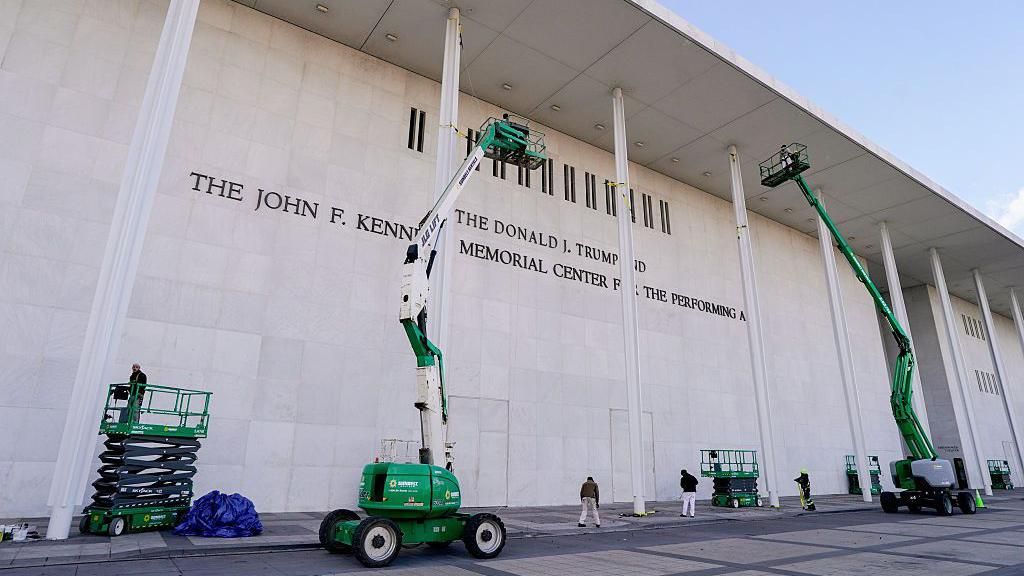
    A significant political and legal confrontation has emerged in Washington D.C. as Democratic U.S. Representative Joyce Beatty initiated litigation to reverse the controversial renaming of the John F. Kennedy Center for the Performing Arts to the Trump-Kennedy Center. The lawsuit challenges the legality of the name change orchestrated by the center’s board, which President Trump had previously stacked with political allies.

    According to court documents, Beatty asserts that the renaming procedure violated statutory requirements, arguing that congressional authorization is mandatory for any alteration to the institution’s name. The filing reveals that during the critical board meeting where the vote occurred, Beatty was allegedly muted when attempting to voice opposition to the proposal. The legal challenge characterizes the proceedings as reminiscent of ‘authoritarian regimes’ rather than democratic processes.

    The White House has vigorously defended the renaming, with spokesperson Liz Huston stating that President Trump’s intervention rescued the institution from financial instability and problematic programming. The administration credits Trump with securing approximately $257 million in congressional funding for extensive renovations and operational improvements, asserting these actions justified the honorary recognition.

    The cultural landmark, originally conceived in the 1950s and formally designated as a memorial to President Kennedy following his 1963 assassination, now bears both names on its exterior facade and digital platforms. This alteration has provoked strong reactions from political figures and members of the Kennedy family, including former Congressman Joe Kennedy III, who compared the action to attempting to rename the Lincoln Memorial.

    The center’s governance structure currently comprises 34 Trump-appointed trustees alongside 23 congressionally designated members, creating a polarized oversight body that reflects broader political divisions regarding presidential legacy and institutional preservation.

  • Algerian law declares France’s colonisation a crime

    Algerian law declares France’s colonisation a crime

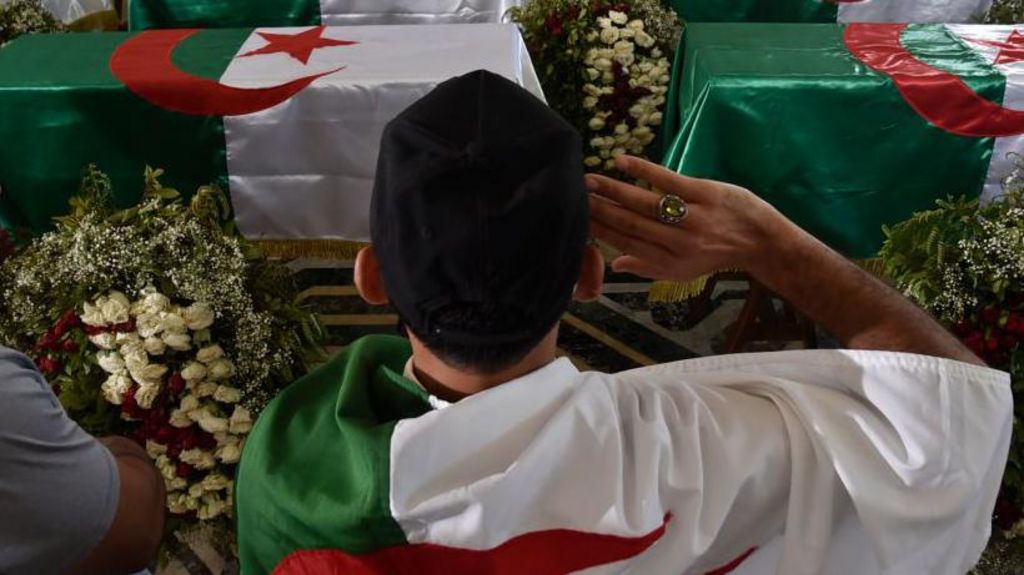
    In a historic parliamentary move, Algeria has formally declared France’s 132-year colonial occupation a criminal act through unanimous legislative action. The newly enacted law establishes colonial glorification as a criminal offense while formally demanding both apology and comprehensive reparations from France for historical injustices.

    The parliamentary session witnessed emotional displays of national pride, with lawmakers adorned in national flag-colored scarves chanting “long live Algeria” following the bill’s passage. The legislation explicitly states France bears “legal responsibility” for colonial-era tragedies, establishing compensation as an “inalienable right of the Algerian state and people.”

    This development marks the lowest point in Franco-Algerian relations since Algeria’s 1962 independence. The colonial period (1830-1962) remains a deeply contested historical chapter, with Algeria estimating 1.5 million fatalities during the independence war while French historians maintain significantly lower figures.

    The legislative action occurs amidst growing global pressure for former colonial powers to address historical wrongs. Algeria recently hosted an African conference advocating for colonial justice and continues demanding return of looted artifacts, including the 16th-century Baba Merzoug cannon currently housed in Brest, France.

    Diplomatic tensions escalated recently when France recognized Moroccan sovereignty over Western Sahara, a territory where Algeria supports the pro-independence Polisario Front. Additional strain emerged with the temporary imprisonment of French-Algerian novelist Boualem Sansal for allegedly questioning national borders.

    Despite French President Emmanuel Macron’s previous acknowledgment of colonization as a “crime against humanity,” France has maintained silence regarding Algeria’s new legislation and continues withholding formal apology.