分类: politics

  • Yearender: Diversity, integration drive Macao’s new chapter in 2025

    Yearender: Diversity, integration drive Macao’s new chapter in 2025

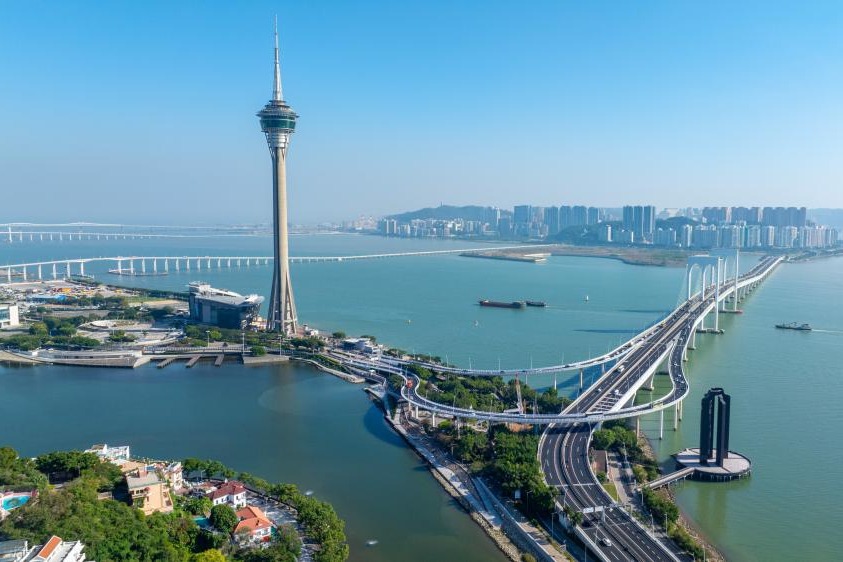
    As 2025 concludes, Macao demonstrates remarkable progress in economic revitalization and governance restructuring under its sixth-term SAR government. The iconic Ruins of St. Paul’s bustled with year-end visitors, symbolizing the territory’s tourism recovery. Local businessman Mr. Lei reported a 10-20% sales increase at his traditional pastry shop, reflecting broader economic momentum.

    The political landscape transformed through September’s Legislative Assembly elections, which implemented strengthened “patriots administering Macao” principles via updated electoral laws. The newly formed 33-member legislature features enhanced representation across demographics and professions while maintaining firm patriotic foundations. Macao Polytechnic University’s Yin Yifen notes this assembly will uphold constitutional responsibilities under the Basic Law while advancing the “one country, two systems” framework.

    Economically, the “1+4” diversification strategy propelled substantial growth. Tourism metrics show impressive recovery with 36.49 million visitor arrivals in January-November 2025—a 14.4% year-on-year increase. Hotel occupancy rates climbed 3.9 percentage points, while non-gaming visitor spending grew 3.6%. Emerging sectors flourished as the Chongwa Financial Asset Exchange surpassed 1 trillion patacas in listed bond value, and major expositions like BEYOND Expo 2025 showcased technological advancement.

    Macao’s GDP reached 301.33 billion patacas in the first three quarters, achieving 4.2% real growth. Macao Economic Association president Lao Pun Lap projects full-year growth exceeding 5%, citing stable indicators, sound fiscal operations, and low unemployment.

    National integration accelerated through landmark events including Macao’s inaugural participation in the 15th National Games alongside Guangdong and Hong Kong. Athlete Kuok Kin Hang’s gold medal in karate highlighted this historic collaboration. The territory advanced the Guangdong-Macao In-Depth Cooperation Zone in Hengqin through new leadership structures, industrial development plans, and the groundbreaking of University of Macao’s Hengqin campus.

    Legislator Lao Chi Ngai confirms Macao’s strengthened role in national development as “one center, one platform, and one base.” Future priorities include aligning Macao’s third Five-Year Plan with China’s 15th Five-Year Plan, ensuring continued high-quality growth and strategic contribution to national development objectives.
  • China launches steps against US defense firms, individuals arming Taiwan region

    China launches steps against US defense firms, individuals arming Taiwan region

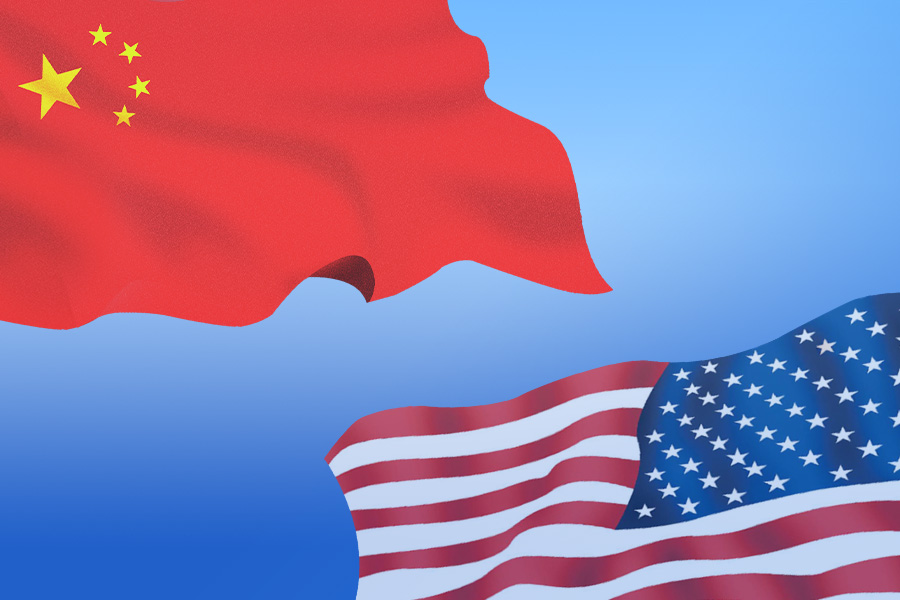
    China has formally implemented countermeasures targeting twenty United States defense contractors and ten senior executives for their involvement in supplying military equipment to Taiwan. The sanctions, announced by China’s Foreign Ministry on December 26, 2025, represent a direct response to recent US arms sales to the self-governing island.

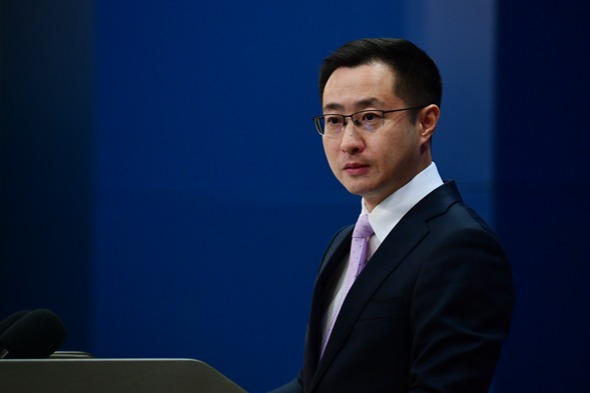
    The ministry’s statement clarified that these measures are enacted under China’s Anti-Foreign Sanctions Law, which provides the legal framework for responding to external actions deemed threatening to national sovereignty. A ministry spokesperson emphasized that any attempts to challenge China’s territorial integrity through weapons transfers would encounter determined opposition.

    “Those who participate in arms sales to Taiwan will inevitably face consequences for their actions,” the spokesperson declared, underscoring Beijing’s firm stance on protecting what it considers core national interests.

    The Chinese government further called on Washington to immediately cease military support for Taiwan, warning that such actions destabilize the Taiwan Strait and encourage separatist movements. Beijing reaffirmed its commitment to taking all necessary measures to safeguard national sovereignty and territorial unity, maintaining that Taiwan has been an inseparable part of Chinese territory throughout history.

  • Key issues unresolved in US-Ukraine talks on ending Russia’s war, according to Zelenskyy

    Key issues unresolved in US-Ukraine talks on ending Russia’s war, according to Zelenskyy

    Substantial obstacles remain in the diplomatic efforts to establish a viable framework for ending Russia’s war against Ukraine, according to President Volodymyr Zelenskyy. The Ukrainian leader confirmed last week that multiple unresolved issues persist in negotiations with United States officials regarding a proposed 20-point peace plan.

    Zelenskyy identified three particularly challenging areas requiring further negotiation: security guarantees for Ukraine, the status of territories currently under Russian occupation, and the future operational control of the Zaporizhzhia Nuclear Power Plant. Ukraine has formally communicated its positions on these matters to Washington, which is expected to relay these positions to Moscow.

    Kremlin spokesman Dmitry Peskov acknowledged ongoing diplomatic contacts, revealing that Russian presidential envoy Kirill Dmitriev recently met with U.S. representatives in Florida. Peskov characterized the discussions as productive, noting that both sides had ‘agreed to continue the dialogue’ while providing no specific details about the substance of the talks.

    Regarding security arrangements, negotiations continue on the precise nature and scope of international guarantees that would ensure Ukraine’s future security. Technical implementation details remain unresolved, including enforcement mechanisms and compliance monitoring procedures that would verify adherence to any agreement.

    The territorial dispute represents perhaps the most intractable challenge. Zelenskyy reiterated Ukraine’s firm position against recognizing Russian sovereignty over any occupied territories, including regions seized since the full-scale invasion began in 2022. Simultaneously, Ukraine refuses to relinquish control of territories it currently holds, directly contradicting Moscow’s publicly stated demands.

    The Zaporizhzhia Nuclear Power Plant, Europe’s largest nuclear facility, presents another complex dilemma. Under Russian military control since early in the conflict, the plant has raised international safety concerns due to ongoing combat in surrounding areas. Ukraine maintains that safe operation requires complete demilitarization of the facility and full access for Ukrainian technical personnel, conditions not currently met.

    Previous disclosures indicated that American and Ukrainian negotiators are discussing potential joint-access arrangements potentially involving all three parties: the United States, Ukraine, and Russia. Additional discussions between Ukrainian and U.S. teams are anticipated, including further meetings in Florida. Separate agreements concerning Ukraine’s economic recovery and future prosperity are also under consideration as part of the broader diplomatic process.

  • China urges Japan to reflect on history of aggression

    China urges Japan to reflect on history of aggression

    BEIJING — The Chinese government has issued a renewed call for Japan to engage in meaningful introspection regarding its historical acts of aggression, emphasizing the necessity of demonstrating genuine repentance through concrete measures. The appeal was formally presented by Chinese Foreign Ministry spokesperson Lin Jian during a regular press conference on Friday.

    This diplomatic position emerged in response to recent statements from Russian foreign ministry officials, who suggested that Japan should establish a memorial hall dedicated to victims of Japanese militarism as a gesture of atonement for historical crimes. The Chinese spokesperson endorsed this proposition while articulating Beijing’s consistent stance on historical accountability.

    The Chinese position underscores the importance of Japan confronting its militaristic past with substantive actions rather than symbolic gestures. This includes showing proper respect for victims and acknowledging the full scope of historical atrocities committed during periods of military expansionism.

    This development occurs within the broader context of ongoing regional diplomatic dialogues concerning historical reconciliation and the complex legacy of 20th century conflicts in East Asia. The Chinese government maintains that addressing historical grievances transparently is fundamental to fostering genuine mutual understanding and stable international relations in the region.

    The spokesperson’s remarks reflect China’s persistent diplomatic efforts to keep historical accountability on the international agenda, particularly as it relates to Japan’s actions during World War II and earlier conflicts. This position aligns with China’s long-standing view that proper historical acknowledgment forms the foundation for future-oriented bilateral relationships.

  • Zelensky plans to meet Trump on Sunday for talks on ending Russian war

    Zelensky plans to meet Trump on Sunday for talks on ending Russian war

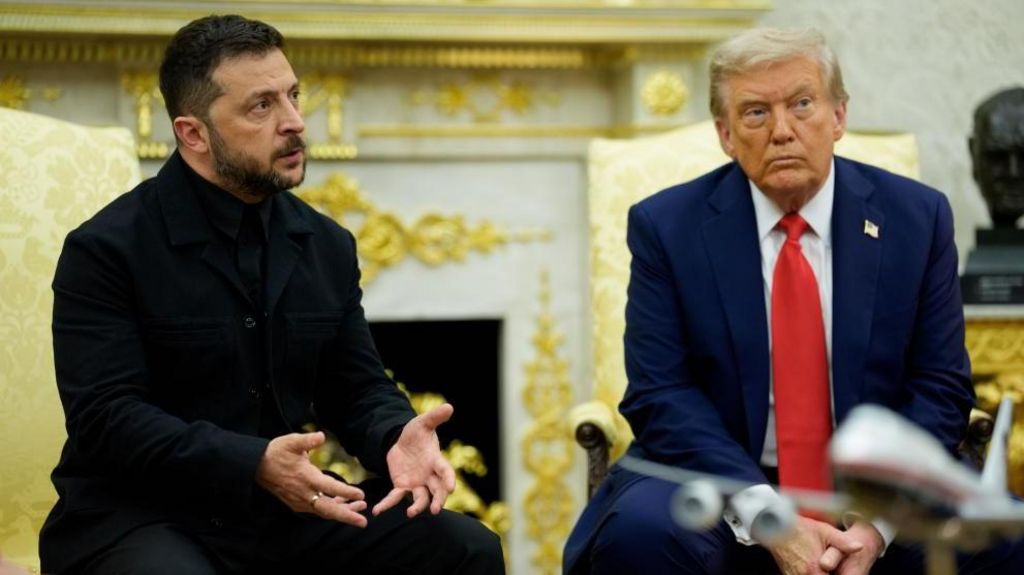
    Ukrainian President Volodymyr Zelensky has confirmed an upcoming high-stakes meeting with U.S. President Donald Trump scheduled for Sunday in Florida, marking a significant diplomatic push to resolve Russia’s ongoing invasion. The leaders are expected to deliberate on a comprehensive 20-point peace proposal brokered by Washington alongside discussions regarding U.S. security assurances for Ukraine.

    This development follows extensive diplomatic engagements, including Zelensky’s hour-long Christmas Day discussion with Trump’s chief negotiators, Special Envoy Steve Witkoff and senior advisor Jared Kushner. The Ukrainian president characterized these preliminary talks as productive, noting they had yielded ‘new ideas’ for conflict resolution.

    Central to the proposed peace framework is the establishment of a demilitarized economic zone in eastern Donbas, requiring both Ukrainian and Russian forces to withdraw approximately 40 kilometers from current frontlines. This arrangement would effectively create a buffer territory while postponing definitive resolution on the region’s legal status.

    The negotiation process has evolved significantly since November’s leaked 28-point draft, with Ukraine securing multiple revisions to terms initially perceived as disproportionately favoring Russian interests. Current provisions include security guarantees modeled after NATO’s Article 5 commitment, ensuring military support should Russia launch future aggression. The agreement would maintain Ukraine’s military strength at 800,000 personnel despite Kremlin demands for reduction.

    While diplomatic efforts intensify, combat operations persist unabated. Ukrainian authorities report at least four civilian fatalities from Christmas Day strikes, with air defenses intercepting 73 drones overnight. Russia claims to have neutralized British-supplied Storm Shadow missiles, while Ukraine confirms targeting energy infrastructure in Rostov and Krasnodar.

    The Kremlin has acknowledged continued diplomatic channels, with President Putin’s senior aide Yuri Ushakov conducting phone negotiations with White House officials. Russian officials describe progress as ‘slow but steady’ while expressing skepticism regarding certain territorial aspects of the updated American proposal. Foreign Ministry spokeswoman Maria Zakharova accused Western European states of attempting to undermine diplomatic achievements.

    Outstanding contentious issues include the status of the Zaporizhzhia Nuclear Power Plant—currently Russian-occupied but proposed under the plan to have its energy output divided between both nations—and the complex matter of territorial sovereignty in disputed regions.

  • Remains of former senior Chinese legislator Peng Peiyun cremated

    Remains of former senior Chinese legislator Peng Peiyun cremated

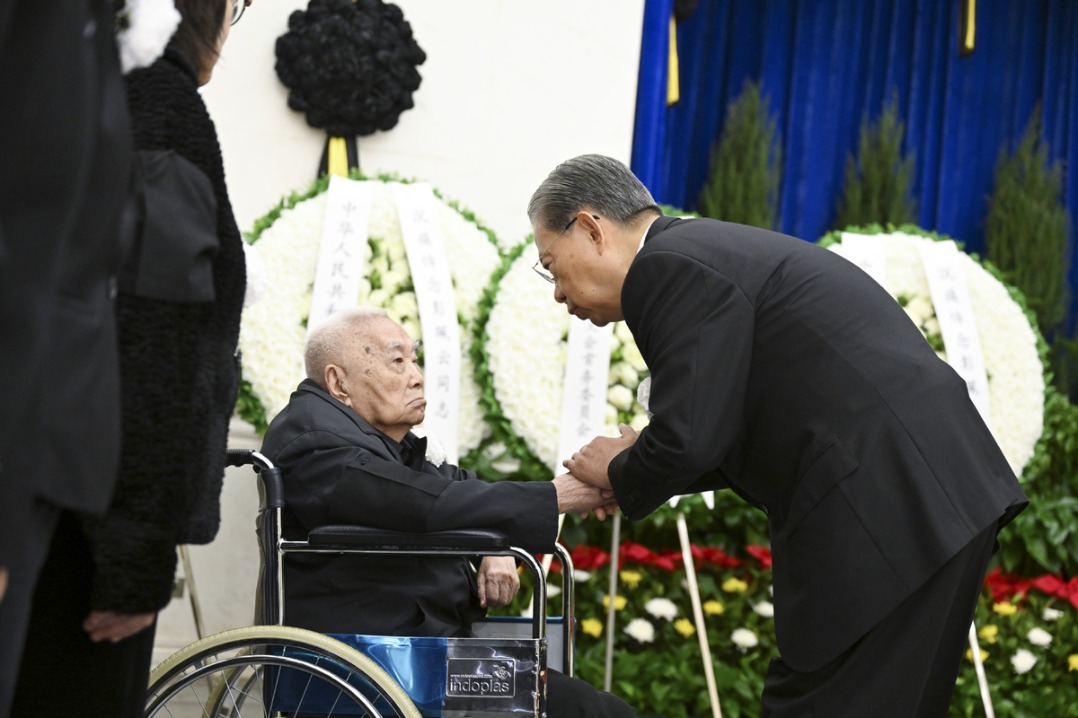
    Beijing witnessed a solemn state ceremony on Friday as the remains of Peng Peiyun, the distinguished former Chinese legislator and women’s rights advocate, were cremated at the historic Babaoshan Revolutionary Cemetery. The ceremony marked the final farewell to the prominent political figure who passed away on December 21st at the age of 96.

    China’s current leadership demonstrated profound respect for Peng’s decades of public service through multiple gestures of condolence. President Xi Jinping, Premier Li Qiang, and other senior officials including Zhao Leji, Wang Huning, Cai Qi, Ding Xuexiang, Li Xi, and Han Zheng either personally visited Peng during her hospitalization or conveyed formal condolences through various official channels. Former President Hu Jintao also joined in paying tribute to the late stateswoman.

    Four senior leaders—Zhao Leji, Cai Qi, Ding Xuexiang, and Han Zheng—attended the funeral ceremony as official representatives of the Communist Party of China Central Committee. They conveyed heartfelt sympathies from General Secretary Xi Jinping and other central leadership to Peng’s bereaved family members, acknowledging her significant contributions to China’s development.

    Peng Peiyun’s remarkable political career spanned several pivotal roles in China’s governance structure. She served with distinction as State Councilor, Vice Chairperson of the Standing Committee of the National People’s Congress, and held leadership positions at the All-China Women’s Federation, initially as president and later as honorary president. Her work significantly advanced women’s rights and legislative development during China’s reform era.

  • South Korea prosecutors seek 10-year jail term for ex-president Yoon Suk Yeol

    South Korea prosecutors seek 10-year jail term for ex-president Yoon Suk Yeol

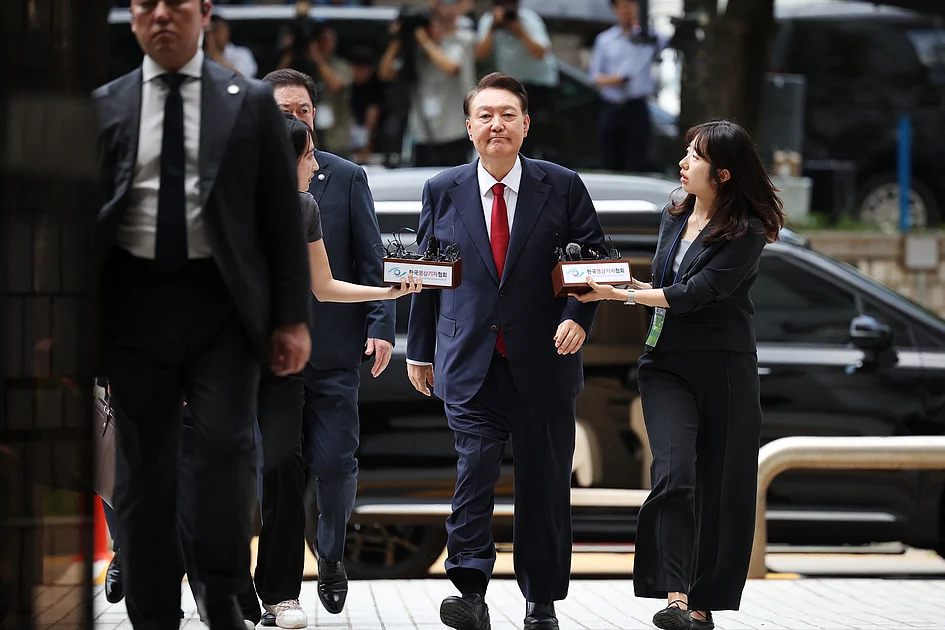
    In a landmark legal proceeding, South Korean prosecutors have formally requested a 10-year prison sentence for former President Yoon Suk Yeol regarding his controversial imposition of martial law in December 2024. The Seoul Central District Court heard arguments on Friday, December 26, 2025, marking a significant development in the ongoing judicial scrutiny of Yoon’s presidential actions.

    The prosecution’s case centers on charges of obstruction of justice, alleging that Yoon systematically excluded cabinet members from critical martial law discussions and subsequently obstructed investigative procedures aimed at detaining him in January. This unprecedented declaration of martial law—the first in over four decades—triggered massive public demonstrations and precipitated a constitutional crisis within the National Assembly.

    Yoon’s legal troubles escalated following his April removal from office by the Constitutional Court, which initiated multiple judicial proceedings against the former leader. In a statement earlier this month, Yoon defended his actions as necessary measures against what he characterized as ‘pro-China, pro-North Korea, and traitorous activities’ threatening national security.

    The judicial panel is anticipated to deliver its verdict in January 2026, according to reports from Yonhap News Agency. Concurrently, Yoon faces three additional trials, including allegations of leading an insurrection—a charge that carries the potential for capital punishment upon conviction. These proceedings represent the most significant political reckoning in South Korea’s modern democratic history, testing the resilience of the nation’s constitutional framework and accountability mechanisms.

  • China sanctions 20 US defense companies and 10 executives over massive arms sales to Taiwan

    China sanctions 20 US defense companies and 10 executives over massive arms sales to Taiwan

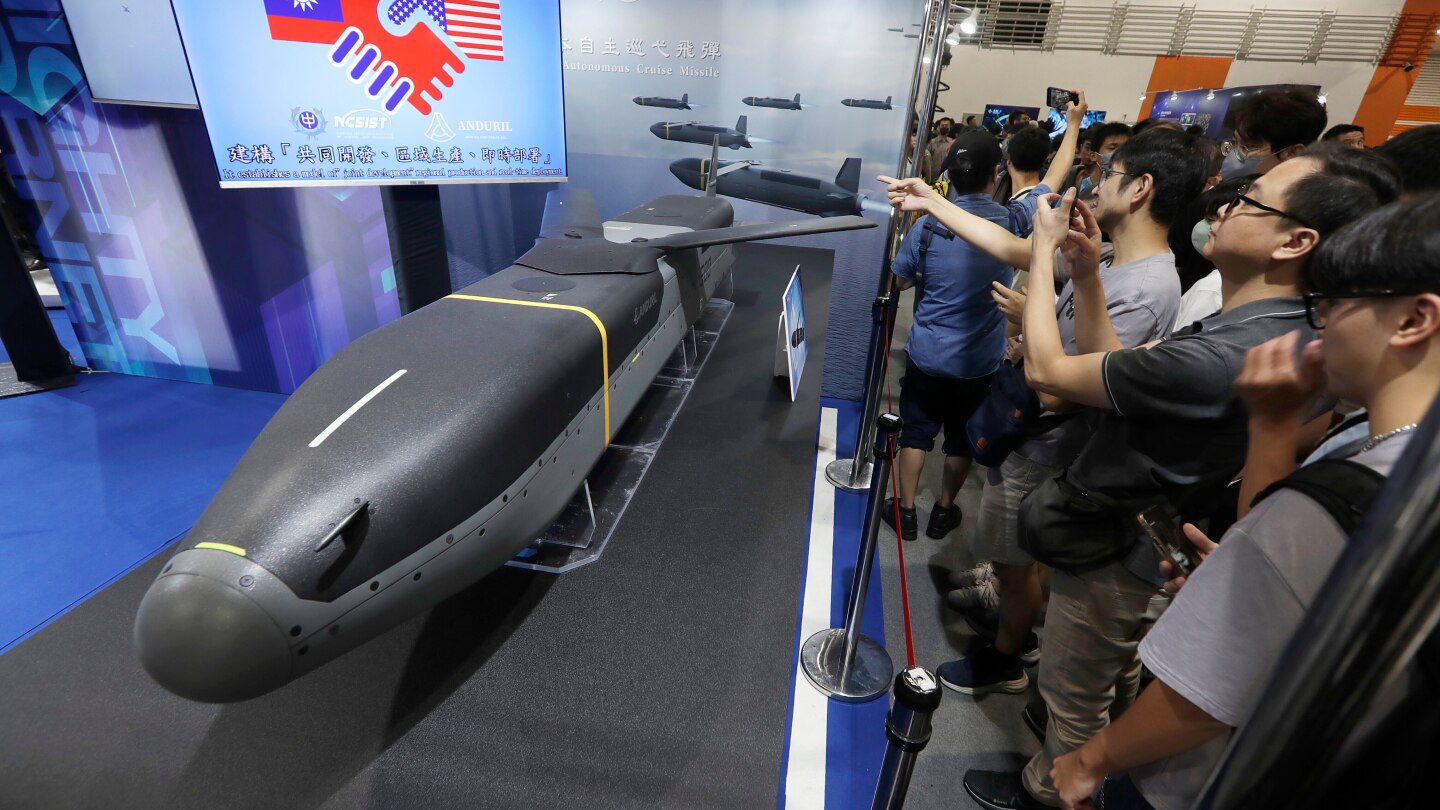
    In a significant escalation of diplomatic tensions, China has enacted sweeping sanctions against twenty American defense corporations and ten senior executives in response to Washington’s recently announced $10 billion arms package for Taiwan. The punitive measures, unveiled by China’s Foreign Ministry on Friday, include complete asset freezes within Chinese territory and comprehensive business prohibitions.

    The sanctions list encompasses major defense contractors including Northrop Grumman Systems Corporation, L3Harris Maritime Services, and Boeing’s St. Louis division. Notably targeted is Palmer Luckey, founder of defense technology firm Anduril Industries, who now faces entry bans and business restrictions in China alongside the other sanctioned executives.

    This decisive action comes precisely one week after the United States revealed its intention to proceed with what would become the largest-ever weapons transfer to Taiwan should it receive Congressional approval. Chinese authorities have characterized the proposed arms sale as ‘dangerous moves of arming Taiwan’ that violate established diplomatic agreements between the two nations.

    The Chinese Foreign Ministry emphasized in an official statement: ‘The Taiwan question resides at the very core of China’s fundamental interests and represents the primary red line that must not be crossed in China-U.S. relations. Any entity or individual participating in arms sales to Taiwan will face consequences for their actions.’

    Taiwan continues to serve as the most volatile flashpoint in Sino-American relations, with analysts expressing concern that the escalating tensions could potentially erupt into military confrontation. China has significantly intensified its military presence around Taiwan in recent years, conducting near-daily exercises involving warships and fighter jets in proximity to the island.

    This development further strains already tense bilateral relations, which have been tested by ongoing disputes spanning trade, technology transfer restrictions, and human rights issues. The United States maintains its position that federal law obligates Washington to provide Taiwan with necessary self-defense capabilities, a stance that Beijing consistently challenges as interference in China’s internal affairs.

  • White House orders military to focus on ‘quarantine’ of Venezuela oil, reports say

    White House orders military to focus on ‘quarantine’ of Venezuela oil, reports say

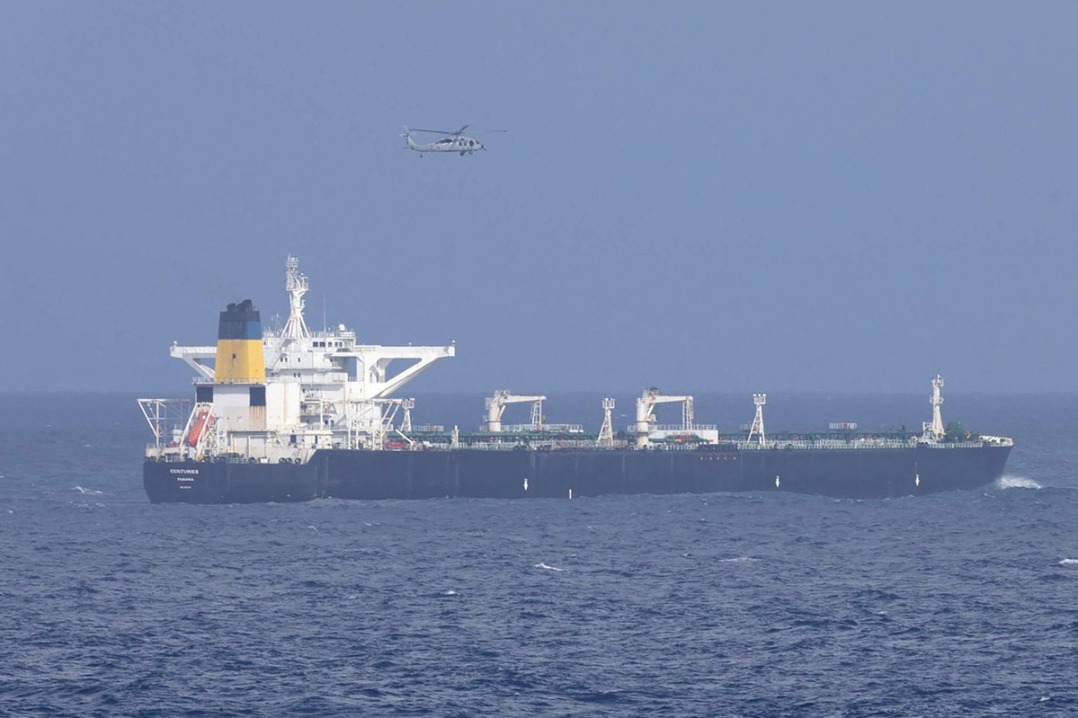
    The White House has directed American military forces to prioritize enforcing a comprehensive maritime quarantine against Venezuelan oil shipments for the coming two months, according to a Reuters report citing an anonymous U.S. official. This strategic shift emphasizes economic pressure through stringent sanctions enforcement as the primary tool to achieve Washington’s objectives regarding Venezuela.

    The official indicated that current measures have substantially increased pressure on President Nicolás Maduro’s administration, potentially pushing Venezuela toward economic crisis by late January without significant concessions to U.S. demands. This development follows President Donald Trump’s declaration last week of a “full and total blockade” against all sanctioned tankers operating in Venezuelan waters, characterizing Maduro’s government as a designated foreign terrorist organization.

    Recent operational successes include the diversion of the oil tanker Bella I, which abandoned its Venezuela-bound course and retreated into Atlantic waters after pursuit by U.S. forces. This marks the third such vessel intercepted this month, with two previous tankers already detained in Caribbean operations.

    Venezuela has consistently denounced these actions as acts of “piracy” and accused the United States of pursuing regime change and military expansionism in Latin America. The situation prompted an emergency United Nations Security Council session where most member states advocated for adherence to the UN Charter and urged restraint to prevent further escalation.

    President Trump has repeatedly justified the measures by alleging Venezuela facilitates drug trafficking into the United States. His administration has conducted maritime operations against suspected drug vessels and authorized covert CIA activities targeting Caracas, while repeatedly threatening strikes against narcotics infrastructure on Venezuelan territory.

    Venezuelan UN Ambassador Samuel Moncada countered these allegations, stating unequivocally that “The threat is not Venezuela. The threat is the U.S. government.” The escalating situation represents one of the most significant applications of naval power for economic coercion in recent Western Hemisphere relations.

  • Former Malaysia PM Najib Razak found guilty in state funds scandal

    Former Malaysia PM Najib Razak found guilty in state funds scandal

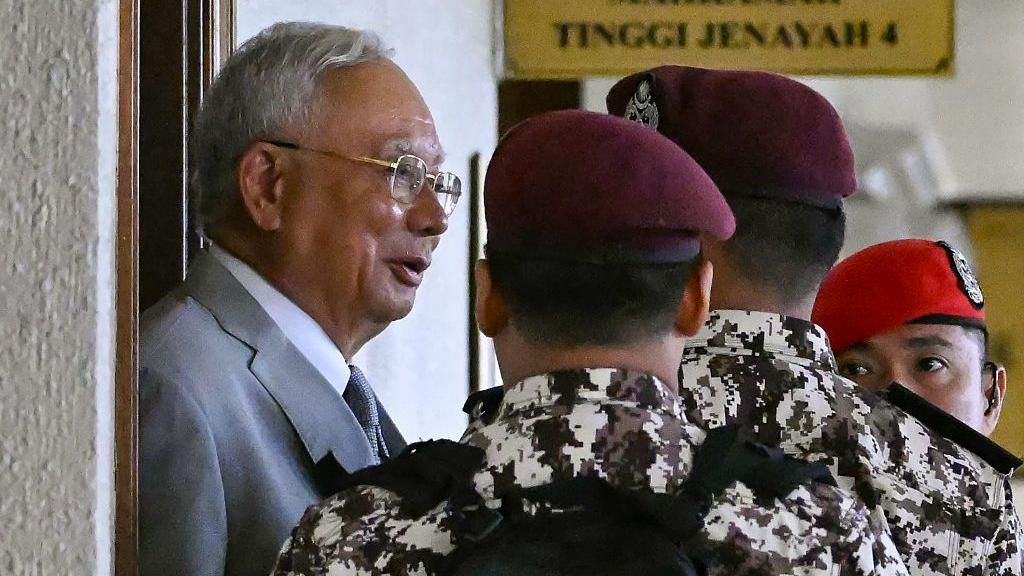
    In a landmark ruling that marks another chapter in Malaysia’s extensive 1MDB corruption saga, former Prime Minister Najib Razak has been found guilty on multiple criminal charges. The High Court in Putrajaya delivered convictions on Friday against the 72-year-old leader for abuse of power and money laundering offenses involving approximately 2.3 billion Malaysian ringgit ($569 million).

    The verdict represents the second major legal setback for Najib within a single week and his second conviction overall in connection with the massive sovereign wealth fund scandal. Presiding Judge Justice Collin Lawrence Sequerah found the former leader culpable on four counts of abuse of power and twenty-one counts of money laundering following a protracted seven-year trial that heard testimony from 76 witnesses.

    This latest conviction adds to Najib’s existing legal troubles—he is already serving a six-year prison term from a 2020 conviction involving the misappropriation of 42 million ringgit from SRC International, a former subsidiary of 1MDB. That sentence was subsequently reduced by half last year through a controversial royal pardon.

    The current case centers on substantially larger sums that entered Najib’s personal accounts in 2013, which he maintained were legitimate donations from the late Saudi monarch King Abdullah. The court systematically rejected this defense during proceedings.

    Despite his legal predicament, Najib retains considerable political support. Dozens of loyalists gathered outside the courthouse during the verdict, echoing his legal team’s assertions that he was misled by financial advisers including fugitive financier Jho Low. The scandal’s ripple effects extend beyond Najib to his wife, Rosmah Mansor, who received a ten-year bribery sentence in 2022 and currently remains free on bail pending appeal.

    The 1MDB affair—which involved an estimated $4.5 billion diverted from state coffers—triggered profound political repercussions including the historic 2018 electoral defeat of Najib’s Barisan Nasional coalition, which had governed Malaysia since independence in 1957. The recent verdict has exposed tensions within the current ruling coalition that includes Najib’s United Malays National Organisation (UMNO).

    Prime Minister Anwar Ibrahim has called for universal respect of judicial decisions, while anti-corruption advocate Cynthia Gabriel of the Center to Combat Corruption and Cronyism cautioned that systemic reforms remain incomplete despite high-profile convictions. The case continues to serve as both a warning to powerful figures and a benchmark for Malaysia’s ongoing anti-corruption efforts.