分类: politics

  • Saudi Arabia and UAE bank on different military strengths in Yemen rivalry

    Saudi Arabia and UAE bank on different military strengths in Yemen rivalry

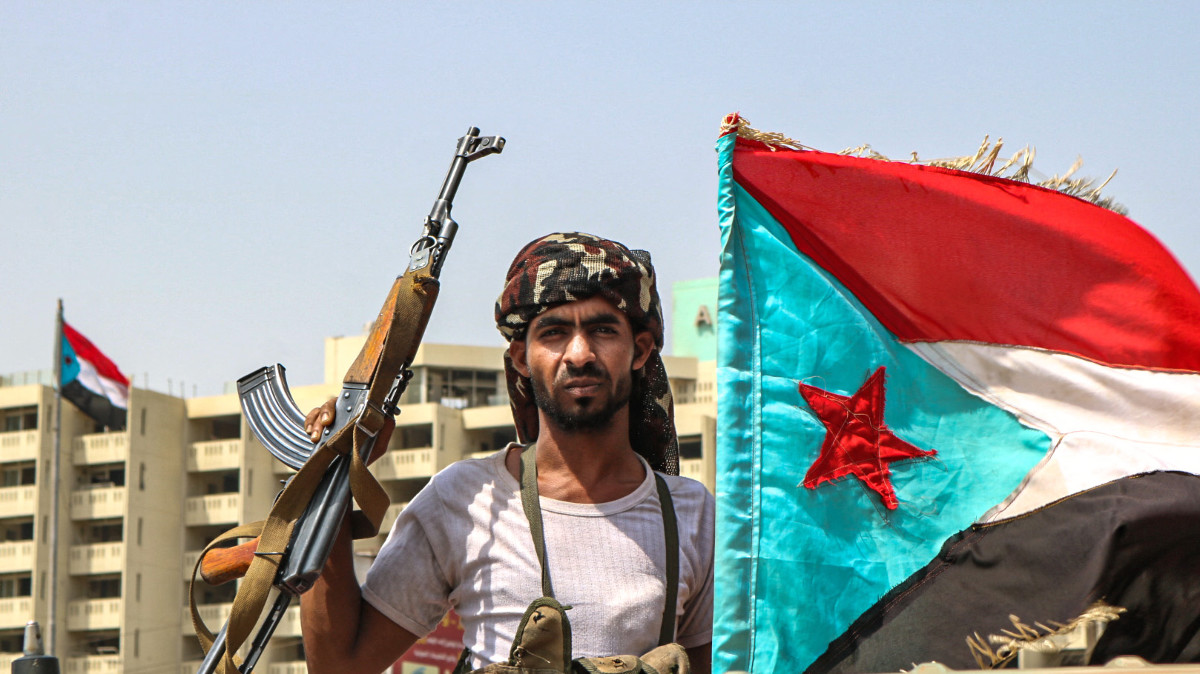
    A significant rupture has emerged within the Gulf coalition in Yemen, as Saudi Arabia conducted precision airstrikes targeting forces aligned with its former partner, the United Arab Emirates. The bombing of the port of al-Mukalla, which Riyadh claims interdicted a UAE-linked weapons shipment destined for the separatist Southern Transitional Council (STC), marks an unprecedented escalation between the two regional powers.

    The confrontation stems from the STC’s recent offensive against Saudi-backed government troops, an action Saudi authorities allege was fueled by Emirati pressure and support. The Saudi foreign ministry condemned these moves as ‘highly dangerous’ and a violation of the coalition’s founding principles. In a swift response, the UAE’s foreign ministry rebuked the accusations and subsequently announced a ‘comprehensive assessment’ of its role, culminating in a decision to formally end its military mission in Yemen.

    Diplomatic sources revealed to Middle East Eye that the Saudi strikes surprised both Emirati leadership and U.S. officials, indicating a severe breakdown in communication. Analysts now assess the strategic advantages each nation brings to the potential conflict. While the UAE commands an extensive network of proxy militias estimated at up to 200,000 fighters, Saudi Arabia holds superior control over key logistical channels—airspace, maritime routes, and land border crossings—which could severely restrict Emirati efforts to rearm allies like the STC.

    Experts including Mohammed al-Basha and Hesham Alghannam note that Saudi Arabia is leveraging international legitimacy, economic influence, and hard-learned lessons from its previous campaign against the Houthis. The open desert terrain in southern Yemen, unlike the northern mountains, gives the Saudi air force a distinct advantage against STC forces.

    The underlying tensions, simmering for years, have been exacerbated by Saudi Arabia’s independent negotiations with the Houthi rebels, a process that sidelined the UAE. This fissure has created a complex multi-front conflict, with analysts warning that the Iran-aligned Houthis may emerge as the primary beneficiaries of the intra-Gulf rivalry. The situation presents a volatile landscape where previous alliances have shattered, raising the specter of prolonged instability and a reconfiguration of power dynamics throughout Yemen and the broader region.
  • Bangladesh to give state funeral for ex-PM Khaleda Zia; 3-day mourning period declared

    Bangladesh to give state funeral for ex-PM Khaleda Zia; 3-day mourning period declared

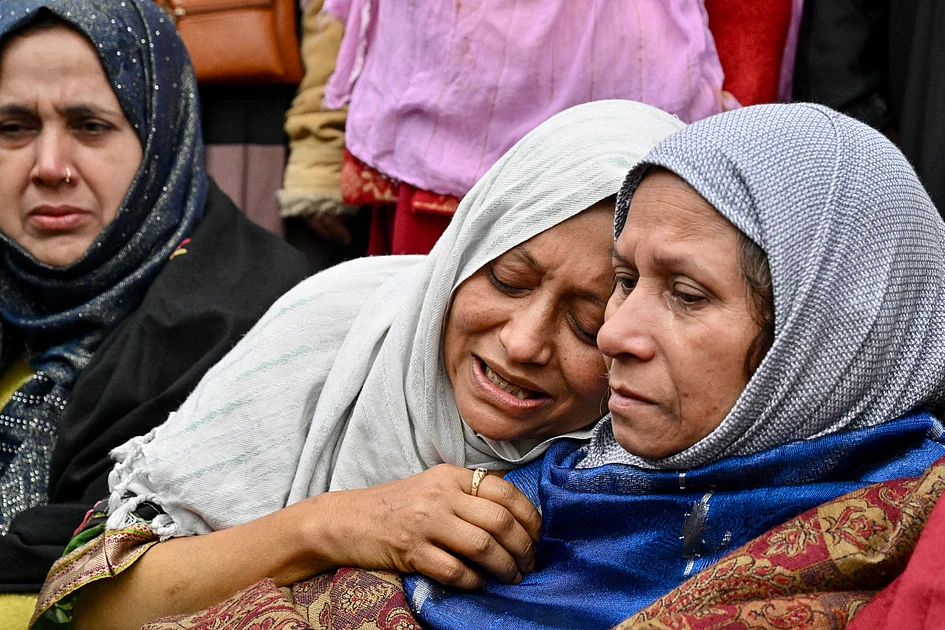
    Bangladesh has initiated three days of national mourning to honor former Prime Minister Khaleda Zia, who passed away Tuesday at age 80. The government will conduct an elaborate state funeral ceremony on Wednesday afternoon, with prayers scheduled outside the national parliament building in Dhaka.

    As the first female prime minister of this South Asian nation of 170 million people, Zia pioneered women’s leadership in Bangladeshi politics. Her educational stipend programs for girls transformed opportunities for female students nationwide. Despite significant health challenges and political imprisonment in recent years, Zia remained politically active until her final days, with nomination papers filed on her behalf for upcoming February elections just hours before her death.

    The current interim government under Nobel laureate Muhammad Yunus acknowledged Zia as “a great guardian” of the nation, recognizing her role in repeatedly restoring democratic governance. Security forces have been extensively deployed throughout the capital, with flags flying at half-mast as the country prepares for anticipated large public gatherings.

    Zia’s son, Tarique Rahman, recently returned from 17 years abroad and is viewed as a potential prime ministerial candidate should their Bangladesh Nationalist Party secure victory in the upcoming elections. The funeral will see diplomatic representation from regional powers, with both Indian and Pakistani foreign ministers attending—marking significant diplomatic engagements since the overthrow of Zia’s longtime rival, Sheikh Hasina, last year.

    Zia’s body will be laid to rest beside her late husband, President Ziaur Rahman, who was assassinated in 1981. Her political career spanned decades, featuring both historic achievements and intense rivalry with Hasina’s Awami League, which continues to operate from exile after Hasina’s recent conviction and forced departure from power.

  • China’s Xi hails nation’s technological progress and renews promise to take back Taiwan

    China’s Xi hails nation’s technological progress and renews promise to take back Taiwan

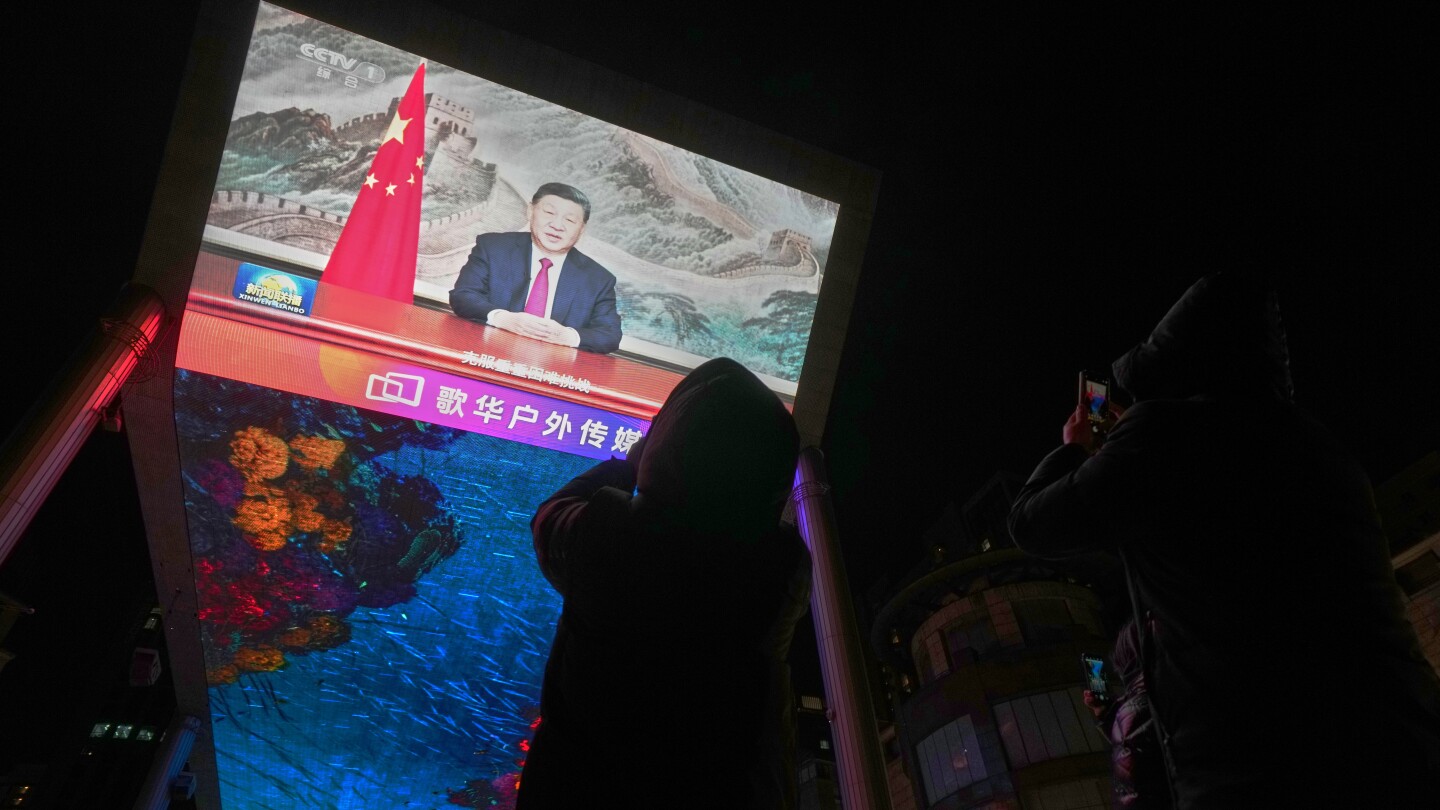
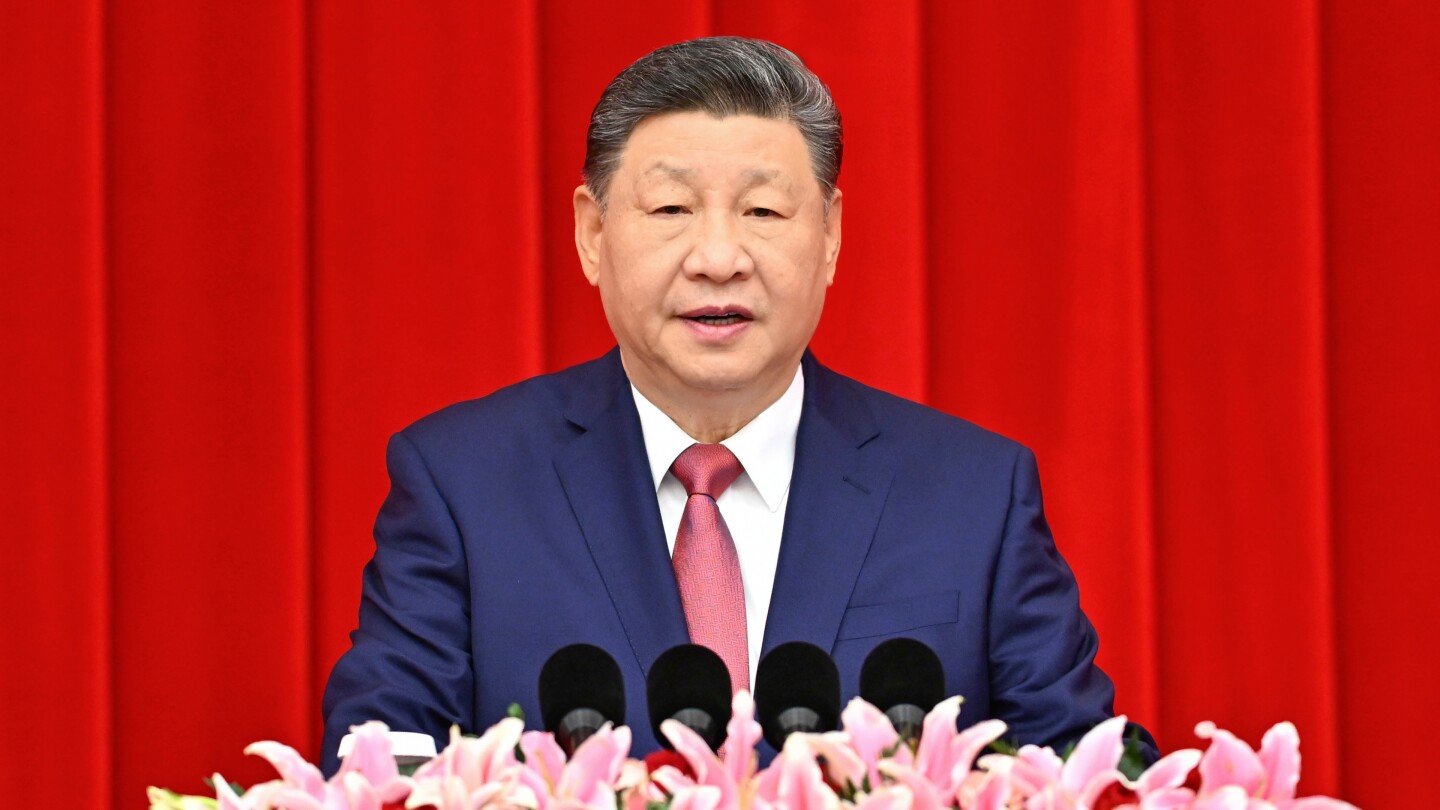
    In his nationally televised New Year’s Eve address, Chinese President Xi Jinping celebrated China’s technological breakthroughs across multiple strategic sectors while firmly reiterating Beijing’s position on Taiwan reunification. The presidential speech, broadcast through state media channels, emphasized China’s progress in artificial intelligence, semiconductor development, military technology, and space exploration.

    Visual accompaniments to the address featured humanoid robots performing martial arts demonstrations and newly operational hydropower projects, symbolizing the nation’s technological modernization. “We sought to energize high-quality development through innovation,” President Xi stated, acknowledging public contributions to China’s economic expansion throughout the previous five-year planning cycle.

    The address coincided with heightened military activity near Taiwan, where China conducted two days of exercises involving rocket launches, aircraft sorties, and naval deployments. These demonstrations responded to anticipated United States arms sales to the self-governed island.

    President Xi framed the Taiwan matter through emotional rhetoric, asserting: “We Chinese on both sides of the Taiwan Strait share a bond of blood and kinship. The reunification of our motherland, a trend of the times, is unstoppable.”

    Taiwanese President Lai Ching-te denounced the military maneuvers while committing to responsible management of cross-strait relations, pledging neither escalation nor provocation. The address also highlighted China’s growing global diplomatic presence, referencing high-level international events hosted throughout the past year.

    This speech arrives as China prepares to formulate its next five-year economic plan, scheduled for discussion at March’s legislative session, with increased emphasis on technological self-reliance amid tightening U.S. export controls on advanced semiconductors and related technologies.

  • China announces it ‘successfully completed’ Taiwan military maneuvers

    China announces it ‘successfully completed’ Taiwan military maneuvers

    The People’s Liberation Army of China announced on New Year’s Eve the successful completion of its two-day “Justice Mission 2025” military exercises in waters surrounding Taiwan. Senior Captain Li Xi, spokesperson for the PLA’s Eastern Theater Command, stated that the operations had thoroughly evaluated the integrated joint combat capabilities of Chinese forces while demonstrating heightened alert status against perceived separatist activities.

    The drills, characterized by their substantial scale and strategic positioning, represented Beijing’s latest assertion of its territorial claims over the self-governed island. While official announcements provided minimal operational details beyond rousing promotional videos accompanied by martial music, the exercises concluded amid heightened regional tensions during the final days of 2025.

    Chinese President Xi Jinping indirectly referenced the Taiwan situation in his annual New Year’s address, emphasizing the “blood and kinship” bonds between Chinese people across the Strait and declaring national reunification as “an unstoppable trend of the times.”

    The military maneuvers drew significant international concern, with Japan’s Foreign Ministry characterizing them as tension-escalating actions and reaffirming its preference for peaceful resolution through dialogue. This response followed earlier statements by Japan’s prime minister suggesting potential military intervention should Taiwan face direct attack.

    The United States faced Chinese criticism following its December announcement of a substantial arms sales package to Taiwan, potentially representing the largest such military aid package if approved by Congress. Philippine Defense Minister Gilberto C. Teodoro Jr. expressed deep concern about China’s actions, noting their implications for regional stability in the broader Indo-Pacific community.

    Despite the heightened tensions, former U.S. President Donald Trump downplayed concerns, citing his positive relationship with Xi Jinping and noting China’s long history of conducting naval exercises in the area.

  • Pacifist Japan has slowly transformed from exclusively self-defense to a military buildup

    Pacifist Japan has slowly transformed from exclusively self-defense to a military buildup

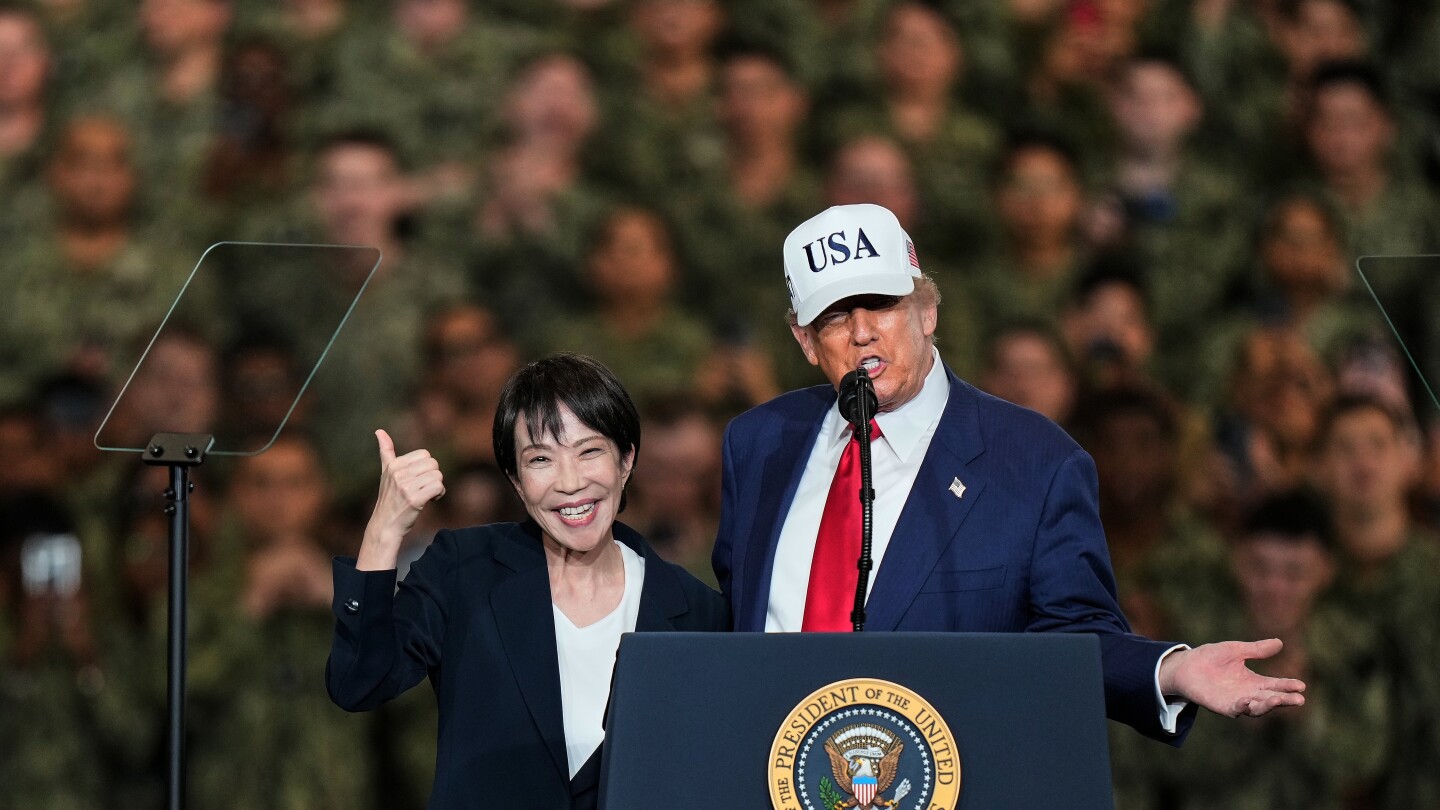
    Japan is accelerating a historic shift in its defense posture, embarking on an ambitious military modernization program that includes doubling annual arms spending to counter perceived threats from China. This strategic pivot occurs as Prime Minister Sanae Takaichi, known for her hawkish security views, assumes leadership amid increasing pressure from the United States for greater military cooperation in Asia.

    The government maintains that Japan remains committed to peaceful principles while building a more self-reliant defense capability to deter Chinese aggression. However, Beijing and other critics argue these developments represent a fundamental departure from Japan’s postwar pacifist constitution. Tensions escalated when Takaichi suggested that Chinese military action against Taiwan could justify Japanese intervention—a significant break from previous leaders’ strategic ambiguity.

    Japan’s constitutional transformation has evolved over decades. Article 9 of the U.S.-drafted 1947 constitution originally renounced war and prohibited maintaining military forces. The creation of the Self-Defense Forces in 1954 began a gradual reinterpretation of these restrictions. A landmark change occurred in 2014 under Prime Minister Shinzo Abe, who reinterpreted Article 9 to allow collective self-defense, enabling Japan to use force if allies are attacked.

    Recent Chinese military activities have intensified Tokyo’s concerns. In December, Chinese aircraft locked targeting radars on Japanese planes during carrier drills near southwestern Japan. Two Chinese carriers were also spotted operating near Iwo Jima—the first such occurrence—demonstrating Beijing’s expanding military reach near disputed territories.

    Takaichi’s administration recently approved a record defense budget exceeding 9 trillion yen ($58 billion) for the coming year, focusing on developing strike-back capabilities with cruise missiles and unmanned systems. The government plans to further relax arms export restrictions and promote defense industry cooperation with allies like the UK, Italy, and Australia through joint projects including next-generation fighter jets.

    A government-commissioned panel has even proposed developing nuclear submarines for extended deterrence—a controversial suggestion for the only nation to suffer atomic bombings. While Japan officially maintains its three non-nuclear principles, Defense Minister Shinjiro Koizumi acknowledged considering all options for new submarines, indicating continued evolution in Japan’s security posture.

  • Mali and Burkina Faso impose travel ban on US citizens in tit-for-tat move

    Mali and Burkina Faso impose travel ban on US citizens in tit-for-tat move

    In a significant diplomatic escalation, the military governments of Mali and Burkina Faso have formally announced reciprocal entry prohibitions targeting United States citizens. This decisive action comes as a direct response to the Trump administration’s recent expansion of travel restrictions against both West African nations.

    The reciprocal measures were confirmed through separate official statements issued by both governments. Burkina Faso’s Foreign Affairs Minister Karamoko Jean-Marie Traoré explicitly cited the “principle of reciprocity” as the foundation for their decision, while Mali’s foreign ministry emphasized the necessity of “mutual respect and sovereign equality” in international relations. Malian officials additionally expressed disappointment that Washington’s original travel ban decision was implemented without prior diplomatic consultation.

    This development follows neighboring Niger’s implementation of similar restrictions against US travelers earlier this week. All three nations currently operate under military junta leadership following recent coups, and have subsequently formed their own regional alliance while strengthening political and military ties with Russia amid deteriorating relations with traditional Western partners.

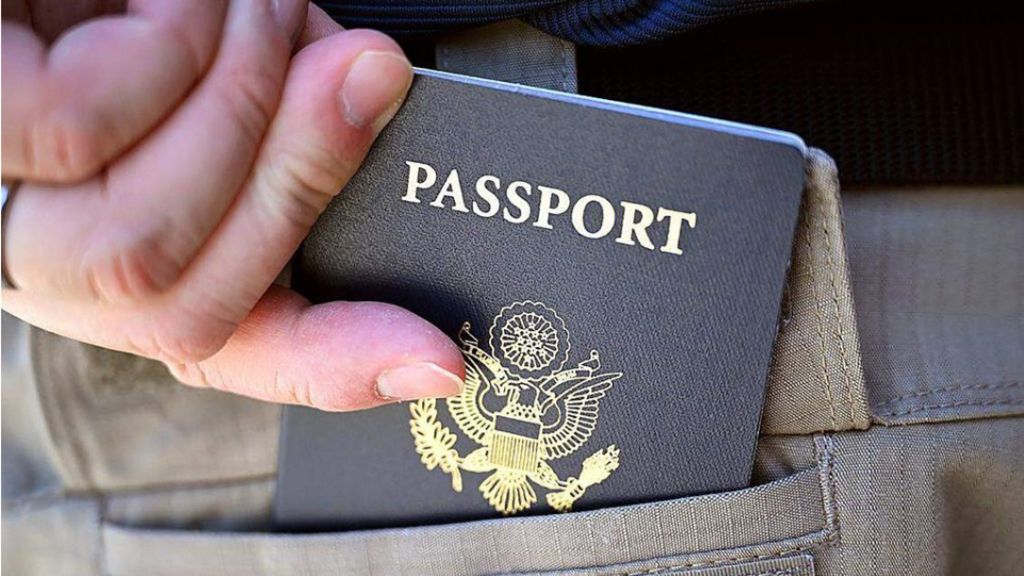
    The White House’s original policy expansion, announced earlier this month, imposed comprehensive entry restrictions on nationals from Mali, Burkina Faso, and Niger, alongside South Sudan, Syria, and Palestinian Authority passport holders. Scheduled to take effect January 1st, these measures were justified as necessary for enhancing US national security. The administration simultaneously elevated Laos and Sierra Leone from partial to full restrictions, while implementing limited travel constraints on fifteen additional countries including Nigeria, Tanzania, and Zimbabwe.

    This exchange of travel restrictions marks a notable deterioration in US-West African relations and reflects the growing geopolitical realignment occurring within the Sahel region.

  • Hundreds of thousands mourn Bangladesh’s ex-PM at state funeral

    Hundreds of thousands mourn Bangladesh’s ex-PM at state funeral

    Dhaka witnessed an unprecedented outpouring of grief as hundreds of thousands of citizens converged on the capital Wednesday to honor former Prime Minister Khaleda Zia, who passed Tuesday at age 80 after battling prolonged illness. The nation’s first female premier received final tributes through streets lined with emotional supporters offering prayers and displaying photographs of the iconic leader.

    The solemn procession featuring Zia’s flag-draped cortege moved past parliamentary grounds under enhanced security deployment, with national flags flying at half-mast. The massive gathering transcended mere political demonstration, representing profound national reverence for a figure who shaped Bangladesh’s democratic trajectory.

    International dignitaries including India’s External Affairs Minister S. Jaishankar, Pakistan’s National Assembly Speaker Sardar Ayaz Sadiq, and Bhutan’s Foreign Minister Lyonpo DN Dhungyel attended funeral ceremonies, underscoring Zia’s regional significance.

    Personal testimonials highlighted Zia’s enduring legacy. BNP activist Setara Sultana traveled extensively “just to say goodbye,” while mother Sharmina Siraj credited Zia’s educational stipend programs for transforming her daughters’ opportunities, calling the late leader “an inspiration.”

    Zia’s political journey began tragically following her husband President Ziaur Rahman’s 1981 assassination. She subsequently led the Bangladesh Nationalist Party (BNP) through the nation’s first elections in two decades, earning recognition as an “uncompromising leader” for boycotting controversial polls during military rule.

    Her career featured intense rivalry with current Prime Minister Sheikh Hasina, with Zia emerging as the primary opposition symbol during what many consider Hasina’s increasingly authoritarian tenure. Despite recent illness, Zia had been nominated for three parliamentary constituencies in upcoming February elections—the first since last year’s popular revolution unseated Hasina.

    The political landscape now shifts significantly with Zia’s passing. Her son Tarique Rahman, who recently ended 17 years of London exile, recited Quranic verses beside his mother’s body and is positioned to assume party leadership should BNP return to power. Rahman memorialized his mother as “a guiding presence that shaped [Bangladesh’s] democratic aspirations.”

  • Bulgaria to become the 21st country to join the euro, deepening EU ties despite fears

    Bulgaria to become the 21st country to join the euro, deepening EU ties despite fears

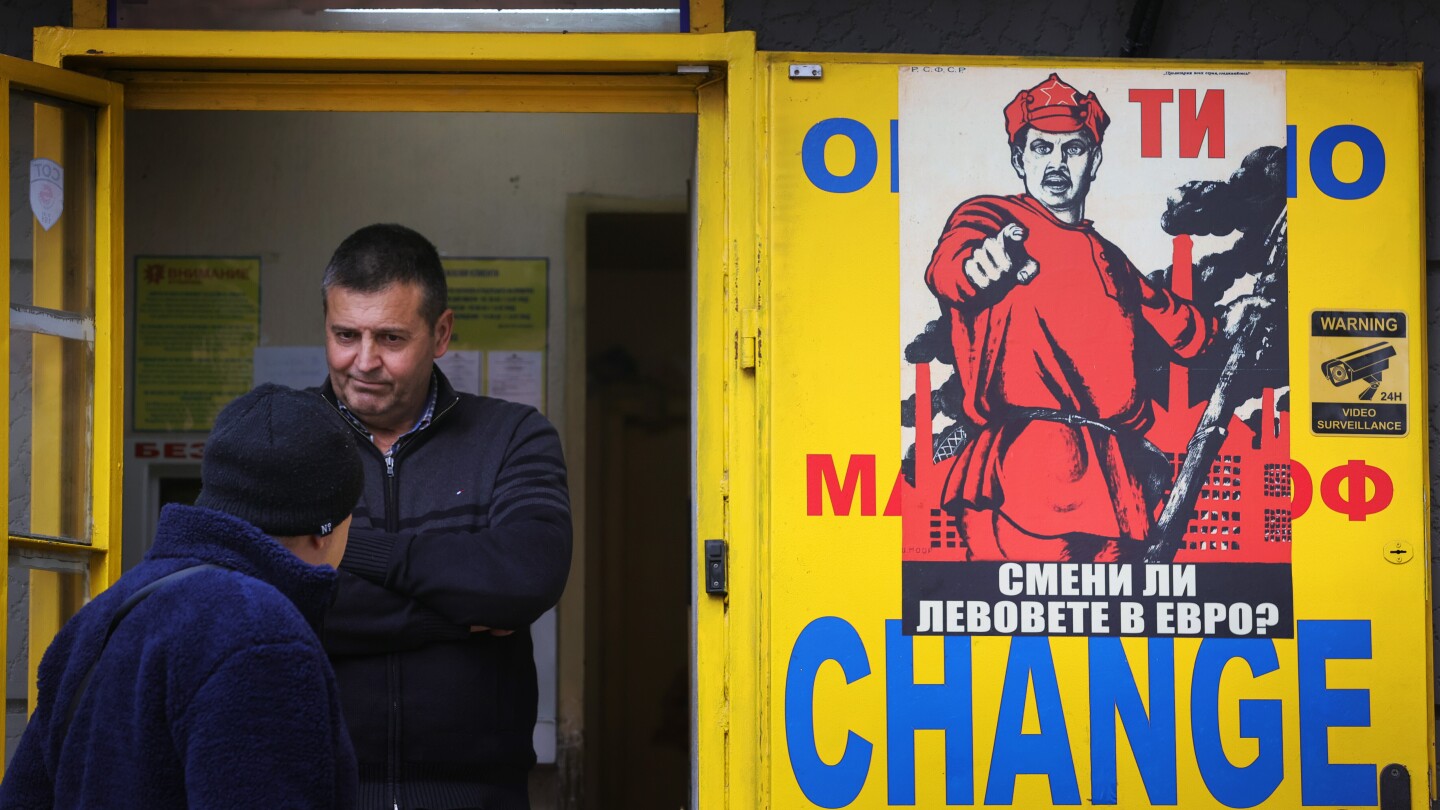
    SOFIA, Bulgaria (AP) — Bulgaria marked a significant milestone in its European integration journey by joining the eurozone on January 1, becoming the 21st member of the single currency union. This strategic move represents the country’s most substantial economic advancement since transitioning from a Soviet-style economy to democracy and free markets in 1989.

    Despite this historic achievement, the adoption occurs against a backdrop of political instability and widespread public apprehension. Recent nationwide anti-corruption protests precipitated the government’s resignation after less than a year in office, leaving the country without an approved budget for the upcoming year and hindering crucial structural reforms.

    Public opinion remains sharply divided. EU Eurobarometer surveys conducted throughout 2023 consistently revealed approximately half of Bulgarians oppose euro adoption, with only 42-45% supporting the move. This skepticism stems from concerns about potential price increases exacerbating existing inflation, which recently rebounded to 3.7%. Many citizens fear businesses might exploit the currency transition to implement hidden price hikes.

    The political landscape further complicates matters. Pro-Russian political factions, particularly the Vazrazhdane party, have actively disseminated disinformation suggesting euro adoption could lead to bank account confiscations and loss of national sovereignty. These groups have organized anti-euro rallies, capitalizing on economic anxieties among older demographics.

    Economists note that the practical economic impact may be limited since the Bulgarian lev has been pegged to the euro at a fixed rate since 1999. However, analysts emphasize the strategic importance of this move in strengthening Bulgaria’s Western orientation and reducing Russian influence in the region.

    As Bulgaria navigates this currency transition alongside its eighth election in five years expected next spring, the country faces the dual challenge of implementing the euro while addressing deep-rooted issues of political fragmentation and public trust.

  • Huge crowds join funeral prayers for former Prime Minister Khaleda Zia in Bangladesh

    Huge crowds join funeral prayers for former Prime Minister Khaleda Zia in Bangladesh

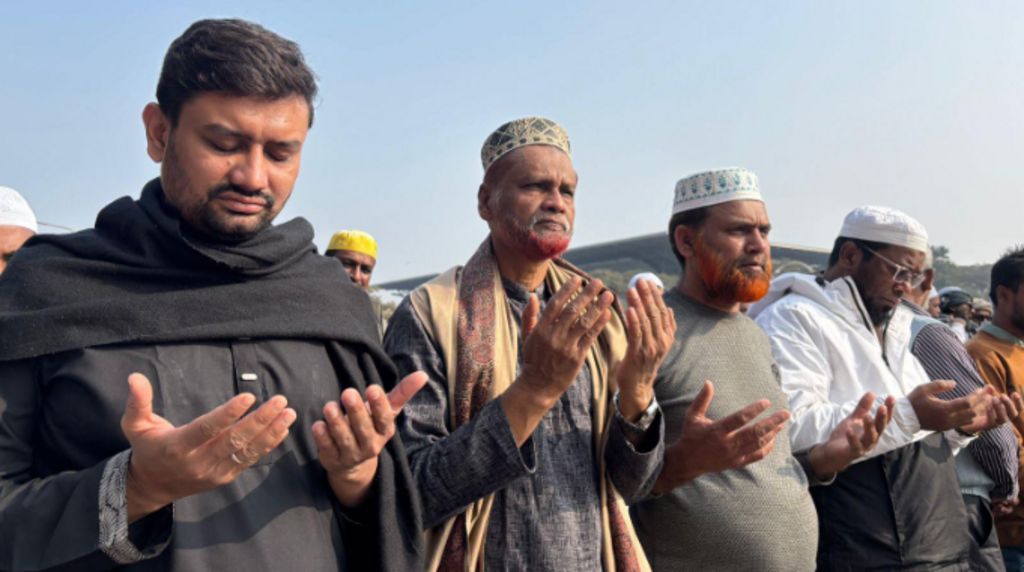
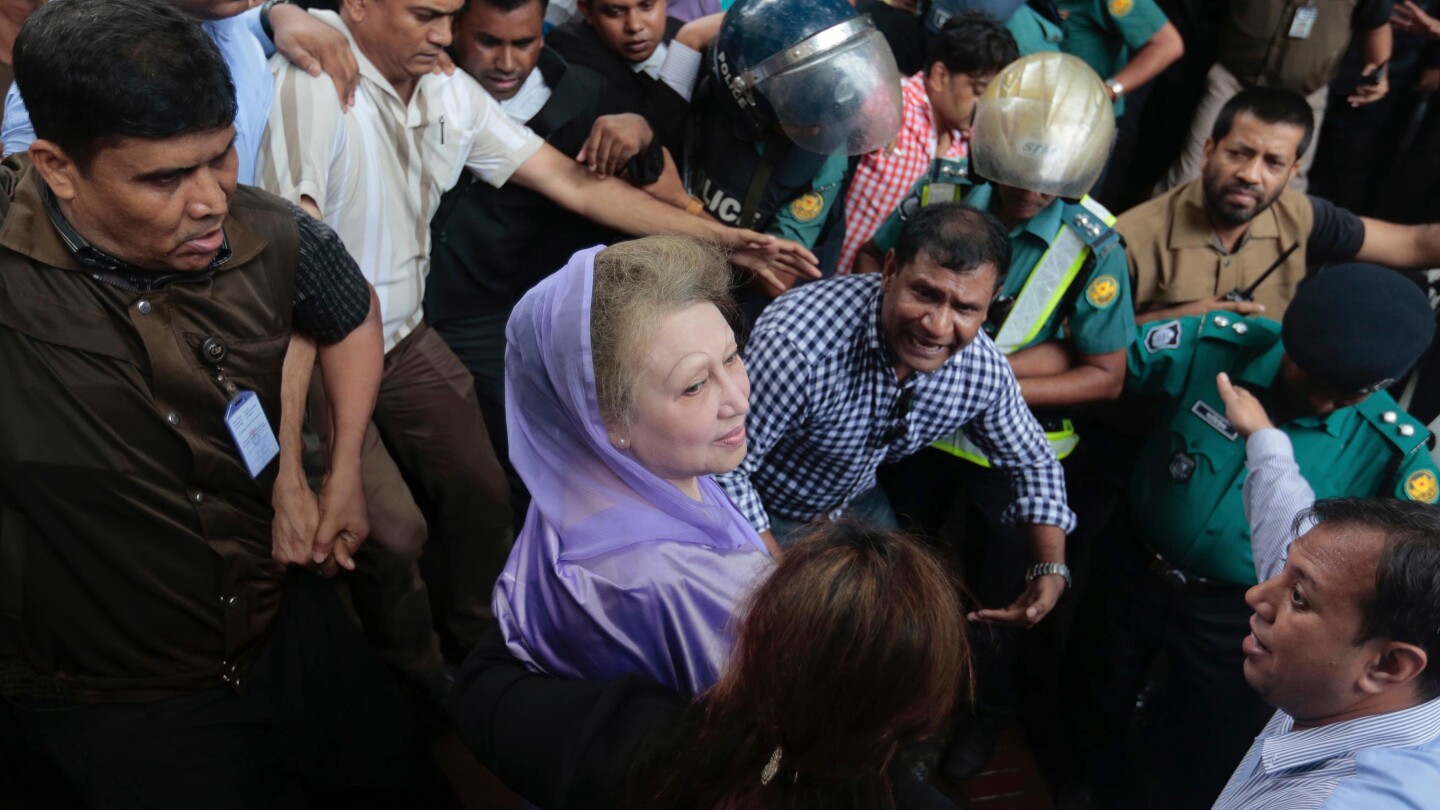
    DHAKA, Bangladesh — The capital city witnessed an unprecedented outpouring of grief Wednesday as immense crowds gathered outside the national parliament building to pay final respects to former Prime Minister Khaleda Zia, who passed away Tuesday at age 80 following extended health complications.

    From early morning, continuous streams of mourners from Dhaka and distant regions converged on Manik Mia Avenue, transforming the parliamentary precinct into a sea of solemnity. Emotional scenes unfolded as distraught supporters, many referring to Zia as ‘mother,’ traveled overnight from rural areas to participate in the funeral prayers. The collective mourning extended kilometers beyond the main venue, with major thoroughfares filling with citizens offering prayers simultaneously.

    The state funeral attracted international attention, with dignitaries from India, Pakistan, Sri Lanka, and Nepal joining representatives from 32 nations according to local media reports. Zia’s flag-draped coffin was transported via security-escorted vehicle from the hospital to her residence before reaching the funeral site, where approximately 10,000 security personnel including military forces maintained order.

    Interim authorities under Nobel laureate Muhammad Yunus declared a three-day national mourning period and a public holiday for Wednesday, with flags flying at half-mast nationwide. Zia will be laid to rest beside her husband, former President Ziaur Rahman, who was assassinated in the 1981 military coup.

    Zia’s political journey began following her husband’s assassination, culminating in her 1991 election as Bangladesh’s first female prime minister through a landslide democratic victory that established parliamentary governance. She led the Bangladesh Nationalist Party (BNP) until her death, maintaining a historic rivalry with former Prime Minister Sheikh Hasina of the Awami League.

    The political landscape remains charged as Zia’s eldest son, Tarique Rahman, currently leads BNP as the front-running party for February’s elections. Meanwhile, Hasina remains in exile in India since August 2024 after receiving a death sentence in November for crimes against humanity related to last year’s mass uprising.

  • Jailed HK tycoon’s ‘teeth rotting and fingernails falling off’, daughter tells BBC

    Jailed HK tycoon’s ‘teeth rotting and fingernails falling off’, daughter tells BBC

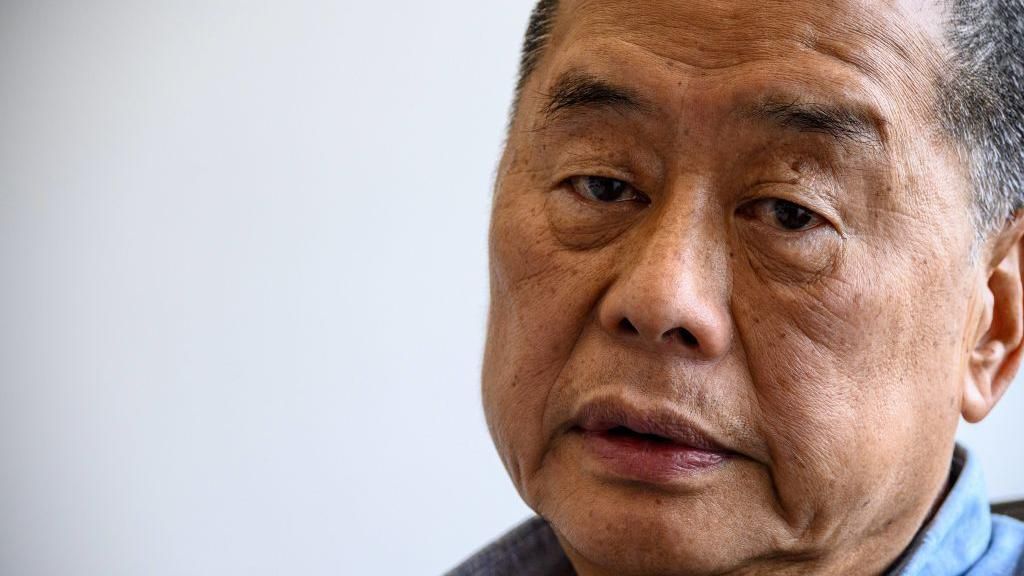
    The deteriorating health of imprisoned Hong Kong pro-democracy publisher Jimmy Lai has sparked international concern as his family intensifies efforts to secure his release. Lai, a 78-year-old British citizen detained since December 2020, faces life imprisonment following his recent conviction under Hong Kong’s national security legislation.

    According to his daughter Claire Lai, who resides in exile in London, her father’s physical condition has significantly declined during his incarceration. She reports concerning symptoms including substantial weight loss, deteriorating dental health, fingernails that “turn purplish grey and sometimes fall off,” and the development of previously nonexistent cardiac issues. The diabetic octogenarian also experiences severe back and waist pain that occasionally prevents him from standing or leaving his bed.

    These claims contradict official statements from Chinese authorities, whose Foreign Ministry spokesperson in Hong Kong maintains that Lai’s “lawful rights and interests have been fully protected, and he is in good health.” Officials assert that prison authorities provide “a safe, humane, appropriate, and healthy custodial environment in accordance with the law.”

    The case has emerged as a diplomatic flashpoint ahead of UK Prime Minister Keir Starmer’s scheduled meeting with Chinese President Xi Jinping in January 2026—the first such visit by a British leader since 2018. Lai’s family has personally appealed to Starmer to advocate for his release during the upcoming talks.

    Lai’s conviction earlier this month under the National Security Law (NSL) stemmed from allegations that he colluded with foreign forces by lobbying governments to impose sanctions on Hong Kong and China. He received additional convictions under colonial-era legislation for publishing seditious material in his now-defunct Apple Daily newspaper.

    The British government has condemned the prosecution as “politically motivated persecution,” asserting that Lai was “targeted for peacefully exercising his right to freedom of expression.” UK officials have repeatedly called for the NSL’s repeal and cessation of all related prosecutions.

    Chinese authorities have rebuked Western criticism, characterizing external pressure as attempts to “influence judicial verdicts through political pressure [that] blatantly trample on the spirit of the rule of law.” Beijing maintains that the NSL, implemented in 2020 following massive pro-democracy protests, is essential for maintaining stability in Hong Kong, though critics argue it effectively criminalizes dissent.