分类: politics

  • UAE President announces new authority fully led by citizens

    UAE President announces new authority fully led by citizens

    In a groundbreaking move that redefines traditional governance structures, UAE President Sheikh Mohamed bin Zayed Al Nahyan has inaugurated the Community-Managed Virtual Authority—an innovative governmental entity entirely led by skilled Emirati citizens. This transformative initiative, announced on January 1, 2026, marks the culmination of the Year of Community 2025 and represents a radical departure from conventional administrative models.

    The pioneering authority operates on a rotational leadership framework where accomplished members of the UAE community will assume full managerial responsibility for fixed terms. This includes the appointment of a Director General and specialized team members selected from diverse professional backgrounds including experts, academics, entrepreneurs, youth representatives, and experienced retirees. The selection process emphasizes competence, expertise, and demonstrated ability to contribute meaningfully to national objectives.

    Structurally designed to align with the UAE Centennial 2071 vision, the authority aims to create optimal conditions for human development and community empowerment. Its core mandate focuses on developing innovative, implementable solutions that address community needs while delivering lasting national benefits. The model incorporates robust continuity mechanisms through clearly defined frameworks, phased action plans, and structured knowledge transfer protocols to maintain operational consistency despite rotational leadership.

    This first-of-its-kind governance experiment demonstrates the UAE’s commitment to administrative innovation by combining administrative flexibility with direct human capital investment. It establishes the nation as a global laboratory for governmental innovation while fostering meaningful partnerships between the state and its citizens. The initiative reflects the enduring legacy of the UAE’s Founding Father, Sheikh Zayed, by placing community participation at the heart of national development strategies.
  • UK government vows to ‘defend’ decision to strip Shamima Begum of citizenship

    UK government vows to ‘defend’ decision to strip Shamima Begum of citizenship

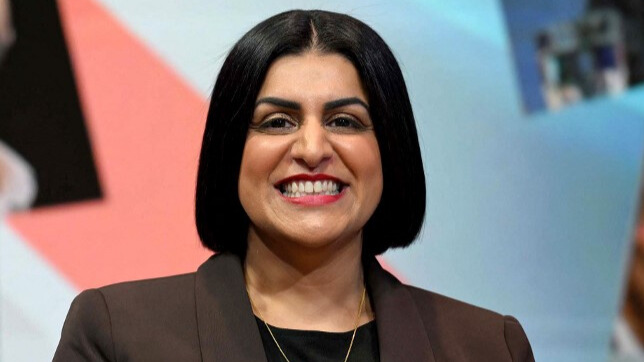
    UK Home Secretary Shabana Mahmood has pledged to vigorously defend the government’s contentious decision to revoke the citizenship of Shamima Begum, who traveled to Syria as a teenager to join the Islamic State. This declaration comes in response to the European Court of Human Rights (ECHR) raising critical questions about whether British authorities adequately considered if Begum was a victim of trafficking before stripping her citizenship.

    The government source confirmed Mahmood’s position, stating the Home Secretary would ‘robustly defend’ the 2019 decision made by then-Home Secretary Sajid Javid, which has been repeatedly upheld in UK domestic courts. The source emphasized that national security remains the government’s paramount concern in this case.

    The ECHR’s intervention marks a significant development in the long-running legal saga, with the Strasbourg court questioning whether the UK violated its anti-trafficking obligations under Article 4 of the European Convention on Human Rights. The court specifically inquired whether ministers properly assessed if Begum was trafficked before revoking her citizenship on national security grounds.

    Begum’s legal representatives from Birnberg Peirce described the ECHR’s involvement as an ‘unprecedented opportunity’ to examine whether previous administrations overlooked crucial trafficking considerations. Lawyer Gareth Peirce argued that Begum, then 15, was clearly ‘lured, encouraged and deceived for purposes of sexual exploitation’ and that authorities failed to implement proper safeguarding measures despite clear warning signs.

    The case has sparked broader debates about the UK’s expanding use of citizenship-stripping powers and its counter-terrorism policies. Last year, Declan Morgan, former Lord Chief Justice of Northern Ireland, publicly stated that Britain should not have revoked Begum’s citizenship, adding weight to criticisms of the government’s approach.

    Begum remains detained in a Syrian prison camp controlled by Kurdish-led forces while awaiting the ECHR’s final judgment, which will follow submissions from both the UK government and her legal team.

  • Israel seizes planning powers over Hebron’s Ibrahimi Mosque from Palestinians

    Israel seizes planning powers over Hebron’s Ibrahimi Mosque from Palestinians

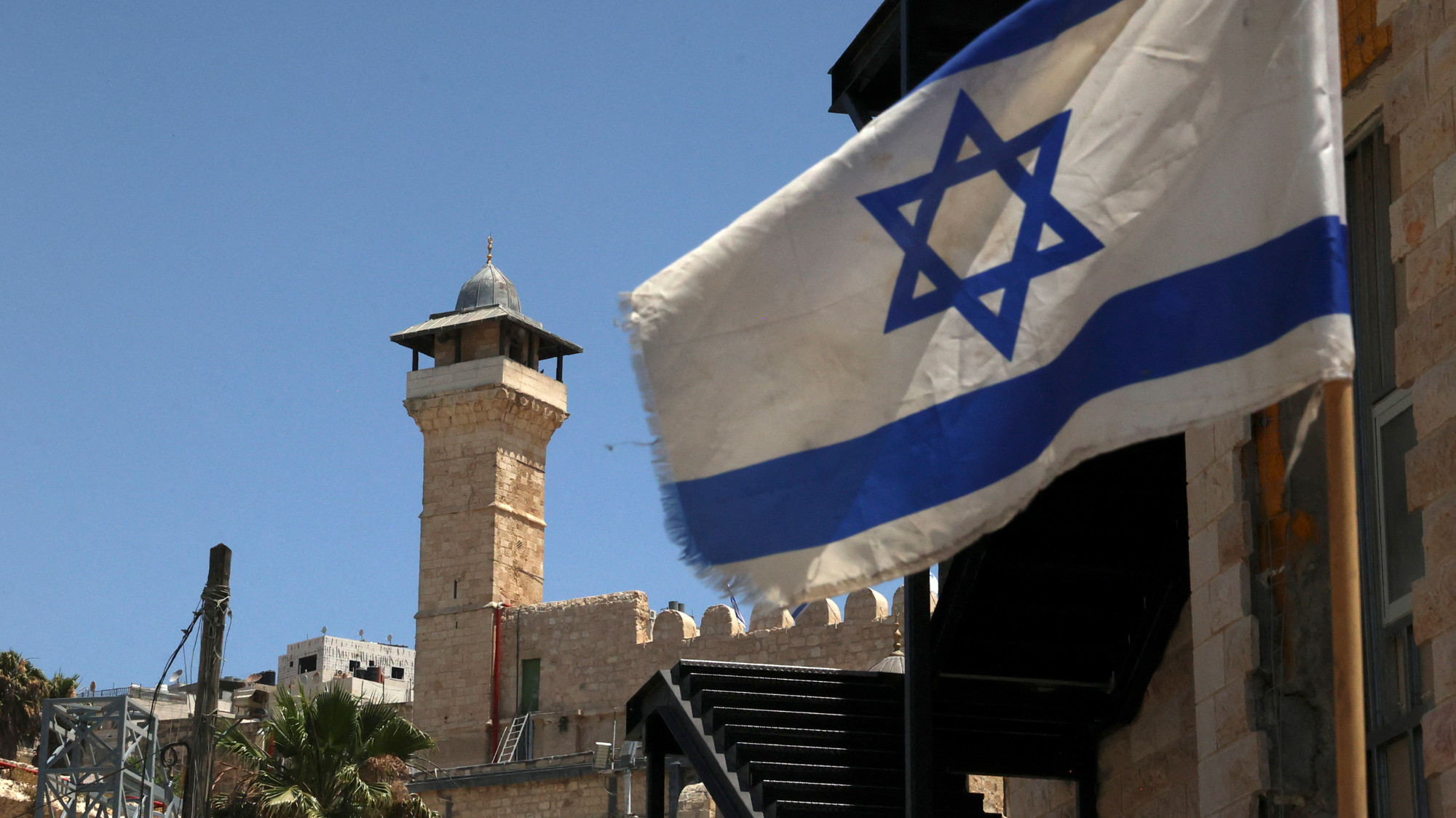
    In a significant escalation of tensions, Israeli military authorities have formally stripped Palestinian institutions of municipal authority over Hebron’s revered Ibrahimi Mosque. The Israeli Civil Administration, the military governance body overseeing the occupied West Bank, announced Wednesday the transfer of planning jurisdiction from the Palestinian Authority-run Hebron Municipality to its own Supreme Planning Council.

    This administrative shift enabled the immediate approval of construction projects—including a controversial roof over the mosque’s internal courtyard—despite vigorous Palestinian opposition. Hebron Municipality officials condemned the move as a “serious and illegal violation” that systematically attacks both the status quo at the holy site and the authority of Palestinian management bodies.

    The municipality asserted that Israel’s actions constitute “a clear violation of international law and existing agreements,” accusing Israeli authorities of deliberately dismantling Palestinian planning and construction rights. Hamas similarly denounced the move as part of a dangerous “Judaisation” campaign intended to erase Palestinian identity in Hebron and replace it with Jewish characteristics.

    This development occurs against the backdrop of UNESCO’s designation of the Ibrahimi Mosque and Hebron’s Old City as endangered world heritage sites. Legal representatives challenging the move in Israel’s Supreme Court maintain that all construction permits and confiscation actions lack legal validity.

    The site holds profound religious significance for Muslims, Jews, and Christians as the traditional burial place of Prophet Abraham. Known to Israelis as the Cave of the Patriarchs, the mosque witnessed a horrific massacre in 1994 when extremist settler Baruch Goldstein killed 29 Muslim worshippers during Ramadan.

    Since the 1997 agreement that divided control between Palestinians and Israelis, settler incursions and Israeli oversight have steadily increased. The recent power transfer effectively nullifies the management role historically held by the Islamic Waqf religious trust and Hebron Municipality, raising concerns about Israel’s broader strategy to assume complete administrative control.

    Israeli media reports from July suggested plans to eventually transfer authority to the religious council of the Kiryat Arba settlement, though the Islamic Waqf notes it has received no official notification. Since the onset of the Gaza conflict in 2023, Palestinian worshippers have faced increasing restrictions including banned prayer calls, closed entrances, confiscated keys, and harassment by soldiers and settlers.

  • Zohran Mamdani sworn in as first Muslim mayor of New York City

    Zohran Mamdani sworn in as first Muslim mayor of New York City

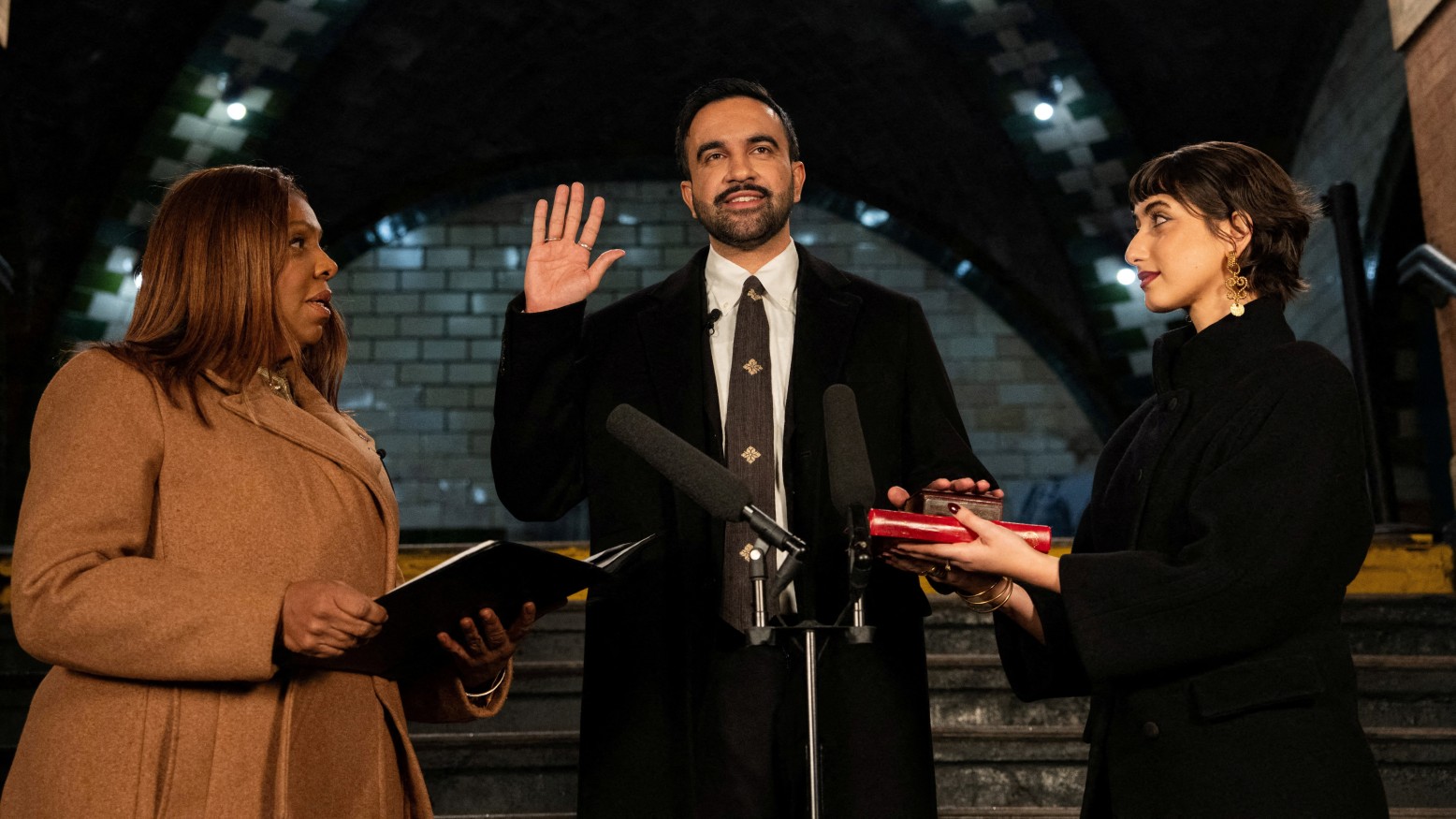
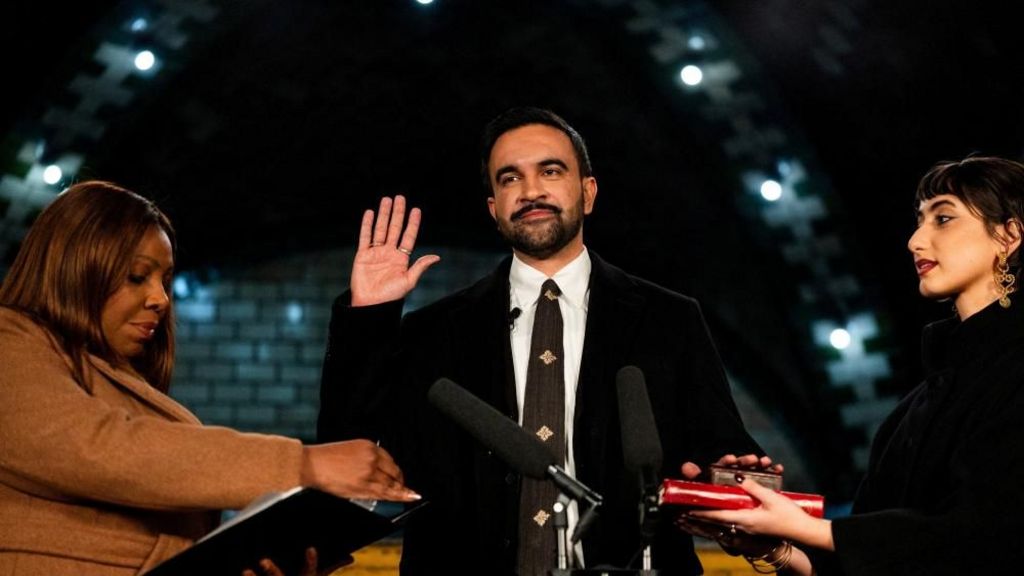
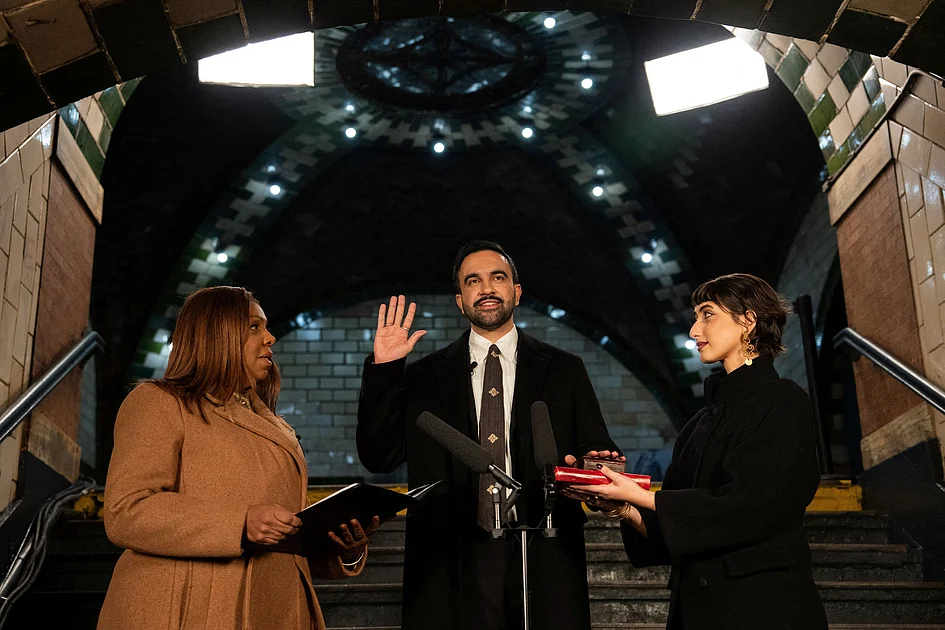
    New York City witnessed a groundbreaking political milestone on Thursday as Zohran Mamdani assumed office as the city’s first Muslim mayor. The historic inauguration ceremony, conducted in a decommissioned subway station beneath Times Square just after midnight, featured Mayor Mamdani taking his oath of office using two significant Qurans: a personal copy that belonged to his grandfather and a 200-year-old archival version loaned from the New York Public Library.

    The 34-year-old mayor, who also holds the distinction of being New York’s first chief executive of South Asian heritage and the first born in Africa, marked the occasion with a subdued private ceremony attended by his wife, artist Rama Duwaji, who held the religious texts during the oath-taking. Former Mayor Eric Adams, known for his pro-Israel stance during his single term, was also present at the midnight event.

    Mayor Mamdani characterized the appointment as “the honor and privilege of a lifetime” during remarks to reporters, emphasizing the symbolic significance of choosing a historic transit site for his swearing-in. “This old City Hall subway station stands as testament to the importance of public transit to the vitality, health, and legacy of our city,” he stated.

    The inauguration drew immediate criticism from conservative figures, including Alabama Senator Tommy Tuberville, who described the event with alarmist rhetoric, and Dutch politician Geert Wilders, who questioned the validity of a Quran-based oath. These reactions prompted responses from civil rights organizations, with the Council on American-Islamic Relations having previously designated Tuberville as an anti-Muslim extremist.

    Mayor Mamdani’s political ascent represents a significant shift in New York’s political landscape, built on an unapologetically progressive platform that championed rent control, free public transit, and increased taxes on wealthy residents. His campaign notably centered his Muslim identity and Palestinian advocacy in a city historically shaped by the aftermath of 9/11 and subsequent Islamophobic sentiment.

    The new mayor’s relationship with former President Donald Trump revealed surprising political dynamics. Despite Trump’s previous threats to withhold federal funding if Mamdani won, the two held a cordial White House meeting where Trump unexpectedly defended the mayor against aggressive questioning from reporters, even as Mamdani maintained his characterization of Trump as a fascist.

    A second, more elaborate public inauguration ceremony was scheduled for Thursday afternoon at City Hall, featuring Senator Bernie Sanders administering the oath of office.

  • ‘Separatist fallacy’ of Lai Ching-te ‘doomed to fail’

    ‘Separatist fallacy’ of Lai Ching-te ‘doomed to fail’

    In a stern rebuke of Taiwan’s New Year address, China’s State Council Taiwan Affairs Office has characterized Taiwan leader Lai Ching-te’s remarks as fundamentally separatist rhetoric destined for failure. Spokesperson Chen Binhua issued the official response on Thursday, following Lai’s speech that emphasized strengthening Taiwan’s defensive capabilities against what he termed China’s expansionist ambitions.

    Chen systematically dismantled the address, accusing Lai of propagating falsehoods and malicious narratives while repackaging traditional Taiwan independence ideology. The spokesperson asserted that Lai’s confrontational approach reveals an entrenched separatist mentality, labeling him a ‘saboteur of peace,’ ‘creator of crisis,’ and ‘inciter of war’ through his provocative statements.

    The criticism extended beyond rhetorical concerns to practical governance issues. Chen condemned Lai’s administration for allegedly disregarding Taiwanese public opinion, escalating cross-strait tensions, and misallocating public resources toward independence-oriented military preparations. The spokesperson further accused the Taiwan authorities of suppressing democratic freedoms while pursuing policies that compromise the interests of Taiwanese citizens and businesses through excessive alignment with external powers.

    Reaffirming China’s longstanding position, Chen emphasized that regardless of actions taken by Lai and the Democratic Progressive Party, Taiwan remains an inseparable part of Chinese territory. The spokesperson declared China’s national rejuvenation irreversible and expressed confidence in achieving complete reunification.

    The statement concluded with an appeal to Taiwanese compatriots to recognize the dangers of separatist agendas, align with historical progress, and collaborate with mainland counterparts to maintain cross-strait stability. Chen urged joint efforts toward peaceful development of cross-strait relations and the eventual realization of national rejuvenation and reunification.

  • Donald Trump joins criticism of George Clooney’s French passport

    Donald Trump joins criticism of George Clooney’s French passport

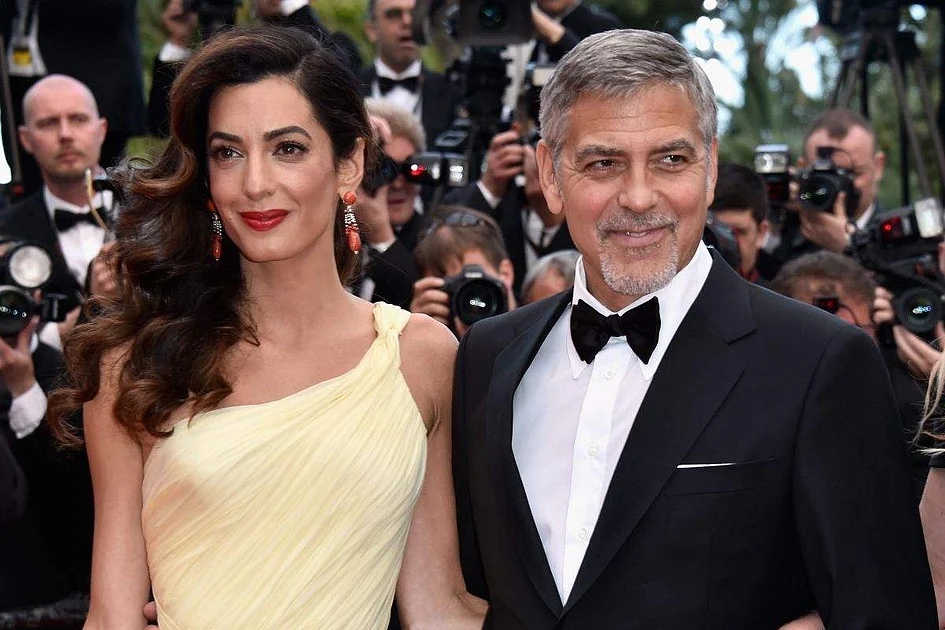
    Former US President Donald Trump has amplified criticism surrounding France’s decision to grant citizenship to Hollywood actor George Clooney and his family, injecting himself into a contentious debate over immigration standards. The controversy emerged following an official decree confirming the naturalization of Clooney, his human rights attorney wife Amal, and their two children through ministerial approval rather than standard administrative channels.

    The diplomatic gesture coincides with France’s implementation of stricter language requirements for citizenship applicants effective January 1, 2026, creating perceptions of preferential treatment. Trump utilized his Truth Social platform to mock the development, stating: ‘Good News! George and Amal Clooney, two of the worst political prognosticators of all time, have officially become citizens of France which is, sadly, in the midst of a major crime problem because of their absolutely horrendous handling of immigration.’

    Internal government divisions surfaced when Marie-Pierre Vedrenne, a junior interior minister, acknowledged ‘double standards’ in the case, noting Clooney’s limited French proficiency despite his claims of 400 lessons. This contrasted with defending statements from Interior Minister Laurent Nunez and the Foreign Ministry, which emphasized the family’s compliance with legal procedures including security vetting, interviews, and tax payments.

    The ministry justification highlighted the Clooneys’ ‘distinguished service to France’s influence’ through George’s film industry contributions and Amal’s collaborations with French academic institutions. Statistics reveal approximately 48,800 individuals acquired French nationality by decree in 2024, though most undergo the newly strengthened language and civic knowledge requirements that exclude the Clooneys due to their pre-2026 application timing.

    The actor maintains a property in Provence’s Brignoles region, describing France as where his family feels ‘happiest’ due to privacy protections. Meanwhile, Hollywood director Jim Jarmusch has similarly sought French citizenship, reflecting broader patterns of cultural figures seeking European alternatives amid American political tensions.

  • From battleships to buildings: Trump’s name is everywhere

    From battleships to buildings: Trump’s name is everywhere

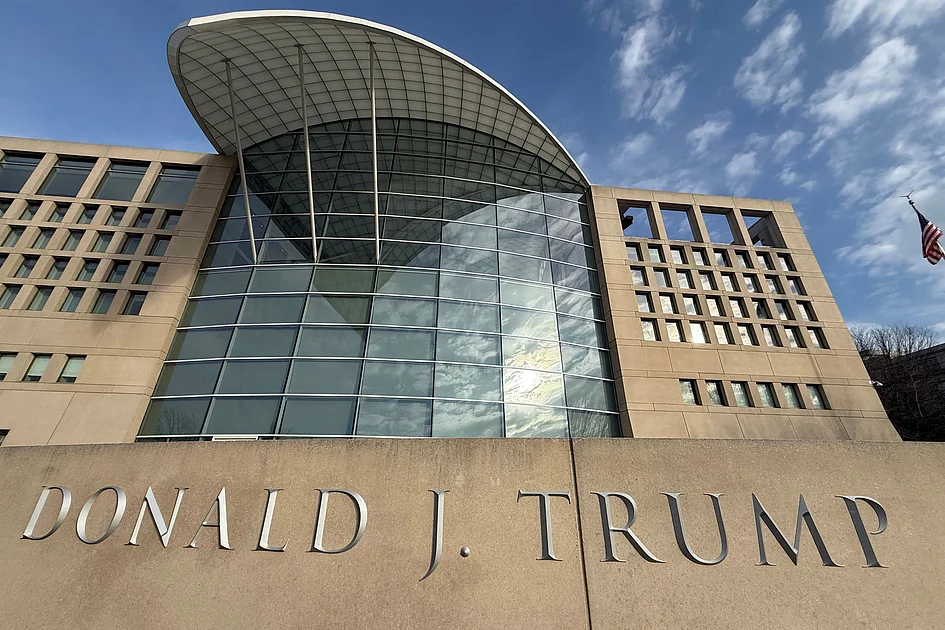
    In an unprecedented fusion of personal branding with national governance, former President Donald Trump has embarked on a comprehensive campaign to affix his name to federal institutions and programs throughout his second term. This strategic initiative represents a remarkable convergence of commercial marketing tactics with presidential authority, creating a new paradigm in American political legacy-building.

    The scope of this naming blitz encompasses diverse sectors of government operations. Washington’s premier cultural venue has been redesignated as the Donald J. Trump and John F. Kennedy Memorial Centre for the Performing Arts, while a government-funded conflict resolution think tank now operates as the Donald J. Trump Institute of Peace. The administration has further extended this branding to include a proposed class of Navy warships designated as ‘Trump-class’ battleships, children’s savings accounts labeled ‘Trump Accounts’ on official IRS documentation, and specialized visa programs branded as the ‘Trump Gold Card’.

    This systematic rebranding has generated significant controversy among historians, political analysts, and civil society organizations. Critics argue that these actions create the perception that government services originate from Trump personally rather than representing institutional state functions. The Kennedy Centre renaming particularly ignited public backlash, resulting in several performing artists canceling scheduled appearances in protest.

    Presidential historian Julian Zelizer of Princeton University notes that while previous administrations have taken credit for policy achievements, the current scale of personal branding represents a qualitative departure from traditional practice. ‘This approach prioritizes immediate symbolic recognition over substantive legislative accomplishment,’ Zelizer observed. ‘The relative ease of attaching names to buildings and programs contrasts sharply with the challenging process of creating enduring policy frameworks.’

    The administration defends these initiatives as natural extensions of Trump’s leadership philosophy. White House spokeswoman Elizabeth Huston characterized the branding as incidental to substantive achievements, stating that ‘historic initiatives including drug pricing agreements, national landmark upgrades, peace agreements, and wealth-creation accounts for children would not have been possible without President Trump’s bold leadership.’

    Historical precedent suggests that such naming conventions may prove temporary, particularly if subsequent administrations choose to reverse them. The durability of these designations remains uncertain, as many require congressional approval for modification. This naming campaign exemplifies the distinctive intersection of personal branding and governmental authority that has characterized Trump’s unconventional approach to presidential legacy construction.

  • Israel PM Netanyahu among partygoers at Trump’s New Year’s Eve fete

    Israel PM Netanyahu among partygoers at Trump’s New Year’s Eve fete

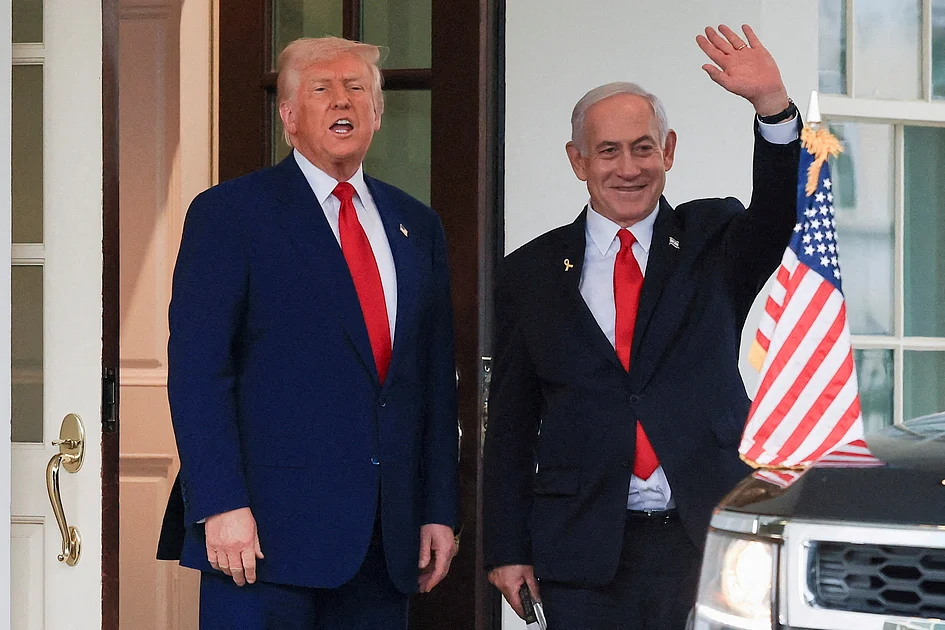
    Israeli Prime Minister Benjamin Netanyahu made a notable appearance at former U.S. President Donald Trump’s exclusive New Year’s Eve celebration at the Mar-a-Lago estate in Palm Beach, Florida. The social gathering followed substantive diplomatic discussions between the two leaders regarding Middle Eastern geopolitical stability and the fragile ceasefire in Gaza.

    The presence of Netanyahu at the glittering event was captured in social media posts by conservative influencer Michael Solakiewicz, showing both leaders in formal evening attire. This occurrence materialized after Trump’s lighthearted suggestion during their Monday meetings that the Israeli statesman might join the festivities.

    Trump’s inner circle formed the core of the guest list, featuring former New York Mayor Rudy Giuliani, the former president’s sons Eric and Don Jr., alongside key administration figures such as Department of Homeland Security Secretary Kristi Noem and White House deputy chief of staff Dan Scavino.

    The diplomatic context surrounding this social interaction remains significant. The October Gaza ceasefire represents a cornerstone achievement during Trump’s renewed presidential term, though some administration officials have expressed concerns about perceived delays in implementation from the Israeli side.

    Addressing reports of diplomatic friction, Trump publicly defended Netanyahu’s approach to the ceasefire process, stating Israel had fulfilled its commitments and emphasizing that responsibility now rests with Hamas. The former president explicitly noted he had no concerns regarding Israel’s actions in the matter.

    This week’s discussions marked the fifth high-level meeting between the two leaders since Trump’s return to executive power earlier this year, underscoring the continued close coordination between the United States and Israel on regional security matters.

  • Social media fuelled Mamdani’s rise. Can he keep the momentum as New York mayor?

    Social media fuelled Mamdani’s rise. Can he keep the momentum as New York mayor?

    Zohran Mamdani has officially been inaugurated as New York City’s 110th mayor, marking a historic moment as the first Muslim to hold the office. The 34-year-old democratic socialist achieved an unexpected electoral victory through an unconventional social media strategy that resonated powerfully with younger demographics.

    His campaign captivated voters through viral content demonstrating unorthodox engagement tactics—from plunging into Coney Island’s winter waters to illustrate his “rent freezing” policies to examining food truck permitting processes causing “Halalflation.” These carefully crafted moments presented Mamdani as an accessible, authentic figure contrasting with traditional political candidates.

    According to Associated Press data, approximately 75% of voters under age 30 supported Mamdani. American University communications professor Jane Hall noted this success stemmed from presenting “an image of a political candidate that young people—frustrated with older, more established candidates—craved.” Rutgers University’s Professor Jack Bratich observed Mamdani’s unique ability to “combine lightheartedness with serious conversations.”

    The new mayor faces immediate challenges in transitioning from viral campaigning to effective governance. Columbia University’s Ioana Literat warned that without honestly addressing governmental constraints, “the same young people who made him go viral can just as quickly turn that energy into disillusionment.”

    Mamdani’s relationship with the Trump administration remains particularly consequential. Despite an unexpectedly cordial November meeting where they discussed shared concerns about New York’s affordability crisis, President Trump had previously labeled Mamdani an extremist “lunatic” and threatened to withhold federal funding. Their dynamic will significantly impact Mamdani’s ability to implement his progressive agenda.

    NYU’s Jonathan Nagler noted the difficulty in maintaining engagement: “It’s easy to mobilize people to oppose Trump. What’s much harder is to go on social media and say: ‘Hey, the New York City Council is in my way.’”

    The incoming administration seeks to sustain momentum through Our Time for an Affordable NYC, an independent advocacy group founded by former volunteers that aims to advance Mamdani’s affordability agenda through grassroots organizing. This structure hopes to transform his 100,000+ volunteer network into enduring political capital.

    Mamdani took his oath of office in the abandoned City Hall subway station—a symbolic location connecting New York’s historical infrastructure with his forward-looking vision. “This is truly the honor and the privilege of a lifetime,” he declared, ready to confront the complexities of governing America’s largest city.

  • Zohran Mamdani becomes first New York mayor to use Holy Quran at swearing in ceremony

    Zohran Mamdani becomes first New York mayor to use Holy Quran at swearing in ceremony

    In an unprecedented inauguration ceremony marking the start of 2026, Zohran Mamdani assumed leadership of America’s largest city as New York’s first Muslim mayor. The 34-year-old Democrat chose a symbolically significant venue for his midnight oath-taking—an abandoned subway station beneath City Hall—to underscore his commitment to addressing urban inequality and soaring living costs.

    The historic ceremony, administered by New York Attorney General Letitia James, featured another groundbreaking element: Mamdani became the first mayor to use the Quran during the official swearing-in. According to The New York Times, multiple Qurans were employed, including family copies and one previously owned by Puerto Rico-born Black writer Arturo Schomburg.

    Mamdani’s ascent to power represents a remarkable political trajectory for a figure virtually unknown just one year prior. Born in Uganda to Indian-origin parents, he moved to New York at age seven and enjoyed an elite upbringing before entering politics through the New York State Assembly.

    The new mayor’s ambitious progressive agenda includes rent freezes, universal childcare, and free public bus services—platforms that resonated with working-class voters but alarmed some business leaders. Despite earlier predictions of wealthy resident exodus, real estate representatives have since dismissed such concerns.

    All eyes now turn to Mamdani’s relationship with President Donald Trump, who previously labeled the mayor a ‘communist lunatic’ and threatened funding cuts to New York. Though the two held surprisingly cordial White House talks in November, potential flashpoints loom, particularly regarding immigration enforcement and federal-local jurisdiction conflicts.

    Mamdani faces immediate challenges in balancing his progressive ideals with pragmatic governance. He must reassure Jewish communities about his inclusive leadership amid concerns over his Palestinian rights advocacy, while simultaneously implementing policies addressing the affordability crisis that propelled his campaign.

    The mayor has compensated for his political inexperience by recruiting seasoned aides from previous mayoral administrations and the Biden White House. A larger ceremonial inauguration featuring Senator Bernie Sanders and Congresswoman Alexandria Ocasio-Cortez was scheduled for later Thursday, expected to draw thousands of attendees to City Hall and surrounding block parties.