分类: politics

  • S. Korea court issues additional arrest warrant for ex-president Yoon

    S. Korea court issues additional arrest warrant for ex-president Yoon

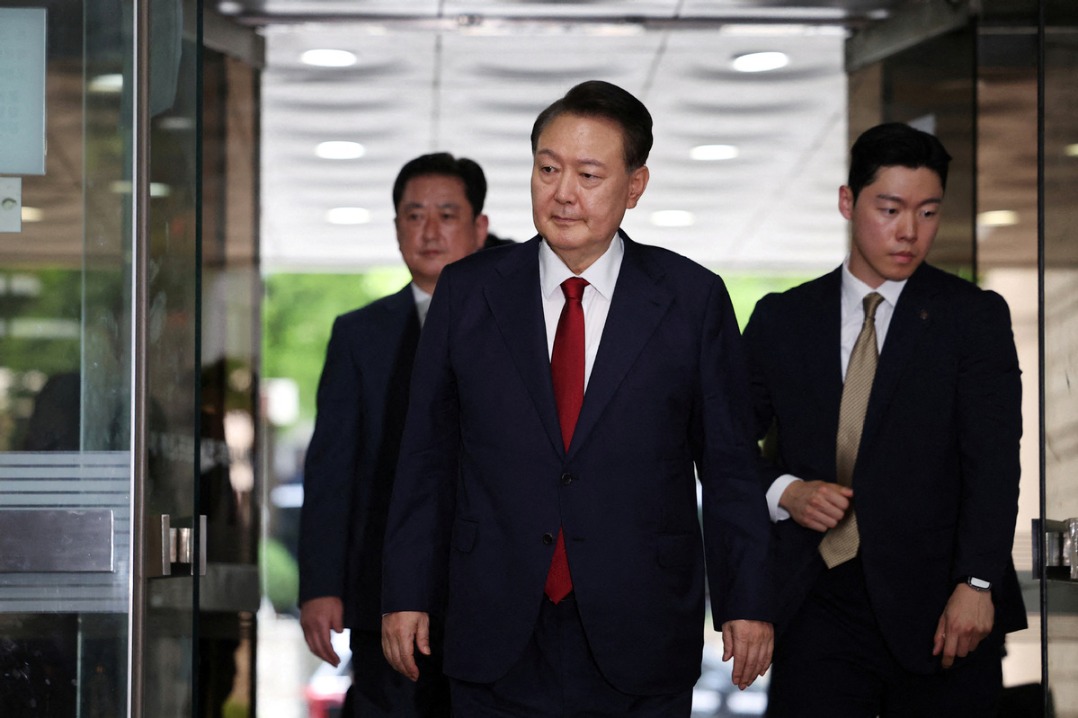
    In a significant judicial development, a South Korean court has authorized a six-month extension to former President Yoon Suk-yeol’s detention period through an additional arrest warrant. The Seoul Central District Court issued the ruling on Friday, marking a substantial escalation in the legal proceedings against the ex-leader.

    The decision comes amid ongoing investigations into multiple allegations against the former president, including corruption charges and abuse of power during his administration. Judicial authorities indicated that the extension was necessary due to the complexity of the case and the need for further investigation into additional suspected offenses.

    Yoon Suk-yeol, who served as South Korea’s president from 2022 to 2025, initially faced arrest in July 2025 on charges related to bribery and influence peddling. The latest court ruling suggests prosecutors have uncovered new evidence requiring extended detention for thorough investigation.

    The case represents one of the most high-profile political corruption investigations in recent South Korean history, continuing the country’s pattern of holding former leaders accountable through judicial processes. Legal experts note that the extended detention period will allow prosecutors to build a more comprehensive case ahead of trial proceedings.

    Public response has been mixed, with supporters of judicial reform applauding the court’s decision as a demonstration of equality before the law, while Yoon’s political allies have criticized the move as politically motivated. The development is expected to have significant implications for South Korea’s political landscape as the nation prepares for upcoming elections.
  • Trump says US will ‘come to their rescue’ if Iran kills protesters

    Trump says US will ‘come to their rescue’ if Iran kills protesters

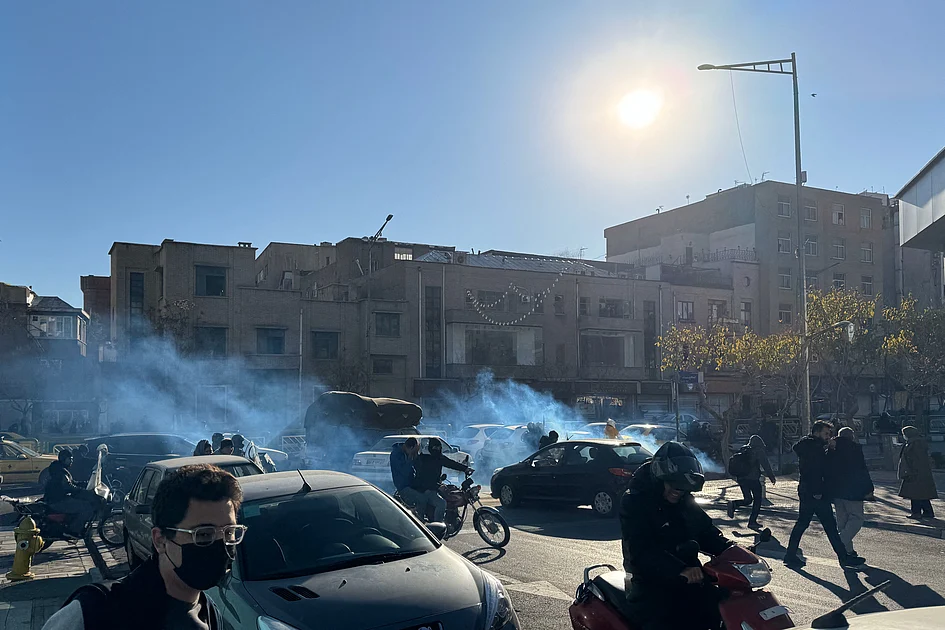
    Former President Donald Trump has issued a direct threat to Iranian authorities regarding their treatment of civilian protesters, signaling potential U.S. military intervention. In a Friday post on Truth Social, Trump declared the United States stands “locked and loaded and ready to go” should Iranian security forces employ lethal measures against demonstrators.

    The warning follows escalating violence in Iran during widespread protests triggered by severe economic pressures. Multiple sources confirm several fatalities, including one security force member, during clashes that erupted overnight into Thursday. These represent the most significant public demonstrations to challenge Iran’s leadership in three years.

    The unrest originated from shopkeepers protesting the government’s handling of a currency crisis and spiraling inflation rates exceeding 40 percent. While initially economic in nature, the protests have rapidly expanded across multiple regions, drawing participation from students and other segments of society.

    Iranian officials have attempted to distinguish between legitimate economic grievances and what they characterize as security threats. Prosecutor General Mohammad Movahedi-Azad acknowledged the validity of livelihood protests while warning that any attempts to “create insecurity” would meet a “decisive response.”

    The situation develops amid heightened regional tensions, with Iran simultaneously confronting the impact of Western sanctions and recovering from airstrikes targeting its nuclear infrastructure and military leadership in June. Trump’s statement introduces a new dimension to the complex geopolitical landscape, potentially signaling a shift in U.S. foreign policy approach toward Iran.

  • Yearender: Xi leads China through a pivotal 2025

    Yearender: Xi leads China through a pivotal 2025

    As 2025 concluded, China marked a definitive chapter in its development trajectory under the strategic guidance of President Xi Jinping. This pivotal year witnessed the successful culmination of the nation’s 14th Five-Year Plan, characterized by substantial advancements across economic, technological, and defense sectors, collectively enhancing China’s comprehensive national power and modernization agenda.

    Economic indicators demonstrated remarkable stability amid global turbulence, with GDP growth projected at approximately 5 percent—maintaining China’s position among the world’s fastest-growing major economies. Total economic output reached an estimated 140 trillion yuan ($20 trillion), reflecting what President Xi described as “progress under pressure toward new and higher-quality growth.”

    The year presented significant challenges, including escalating global trade tensions initiated by reciprocal tariffs from the United States and concurrent domestic structural adjustments. China’s response, orchestrated through Xi’s leadership, combined measured diplomacy with pragmatic policy measures. President Xi engaged in four critical phone discussions with U.S. counterpart Donald Trump, emphasizing mutual prosperity while Chinese and American negotiation teams achieved substantial progress in stabilizing trade relations.

    Innovation emerged as the cornerstone of China’s strategic vision throughout 2025. President Xi’s April visit to a prominent AI incubator in Shanghai followed a dedicated Communist Party leadership session on artificial intelligence, where he emphasized the technology’s crucial role in driving industrial transformation. This focus yielded tangible results: China entered the top ten of the Global Innovation Index while achieving breakthroughs in domestic chip development and competitive large-scale AI models.

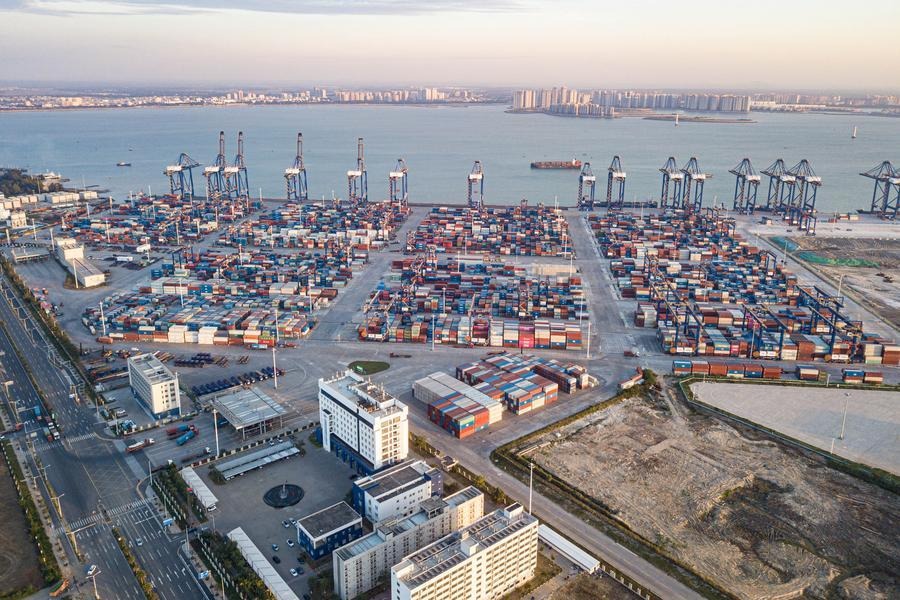
    Concurrently, China deepened its reform and opening-up policies, with President Xi’s November inspection of Hainan preceding the province’s transformation into a special customs supervision zone. This landmark initiative facilitated freer movement of goods, expanded zero-tariff coverage, and implemented business-friendly regulations as part of China’s broader commitment to global integration.

    Supplementary reforms included legislation promoting private sector growth, revisions to anti-unfair competition laws, shortened negative lists for foreign investment, and liberalized access in telecommunications and healthcare sectors. Visa policy enhancements, including unilateral exemptions for nearly 50 countries and expanded visa-free transit arrangements, further demonstrated China’s outward-oriented development approach.

    President Xi’s New Year address encapsulated this transformative period, affirming that “Chinese modernization has advanced through reform and opening up, and will embrace broader horizons through further reform and opening up.”

  • Mamdani sworn in as New York City’s first Muslim mayor

    Mamdani sworn in as New York City’s first Muslim mayor

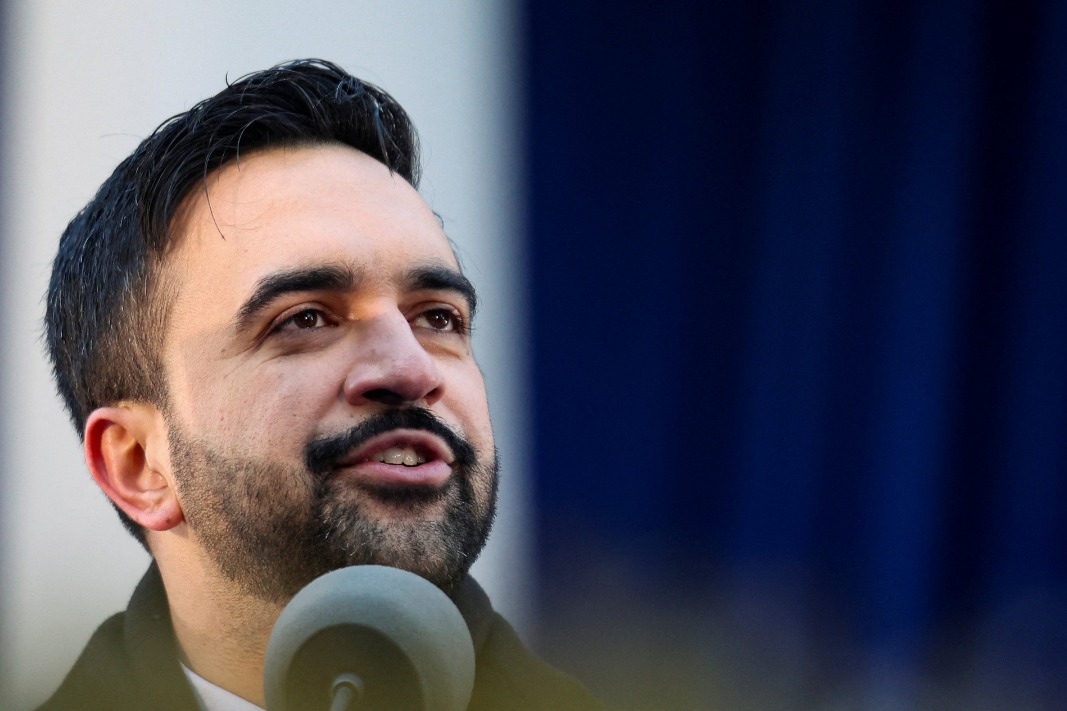
    NEW YORK – In a landmark ceremony on January 1, 2026, Zohran Mamdani took the oath of office as New York City’s 110th mayor, marking a historic milestone as the first Muslim leader to govern America’s most populous metropolis. The 34-year-old Democrat, born in Uganda, assumed leadership with an ambitious progressive agenda targeting the city’s affordability crisis.

    During his inauguration address at City Hall, Mayor Mamdani articulated a transformative vision centered on three core principles: safety, affordability, and abundance. He promised a municipal government that “truly reflects the diverse communities it serves” while demonstrating unwavering resolve against corporate interests and complex urban challenges.

    The newly inaugurated executive detailed specific policy initiatives including rent stabilization measures, increased taxation on ultra-wealthy residents, complimentary public bus transportation, universal childcare provisions, and experimental municipally-operated grocery establishments. These proposals echo campaign promises that resonated strongly with working-class New Yorkers struggling with rising living costs.

    Mamdani’s political ascent culminated in his November 2025 electoral victory over former New York Governor Andrew Cuomo, a win that signaled the city’s embrace of progressive politics and diverse leadership. His administration now faces the formidable task of addressing systemic inequality while managing the complexities of governing over 8 million residents.

    The inauguration ceremony attracted diverse attendees from across the five boroughs, with many celebrating the symbolic importance of a Muslim leader assuming the city’s highest office. Observers note that Mamdani’s leadership could influence national conversations about representation in American politics.

  • US slashes proposed tariffs on Italian pasta imports

    US slashes proposed tariffs on Italian pasta imports

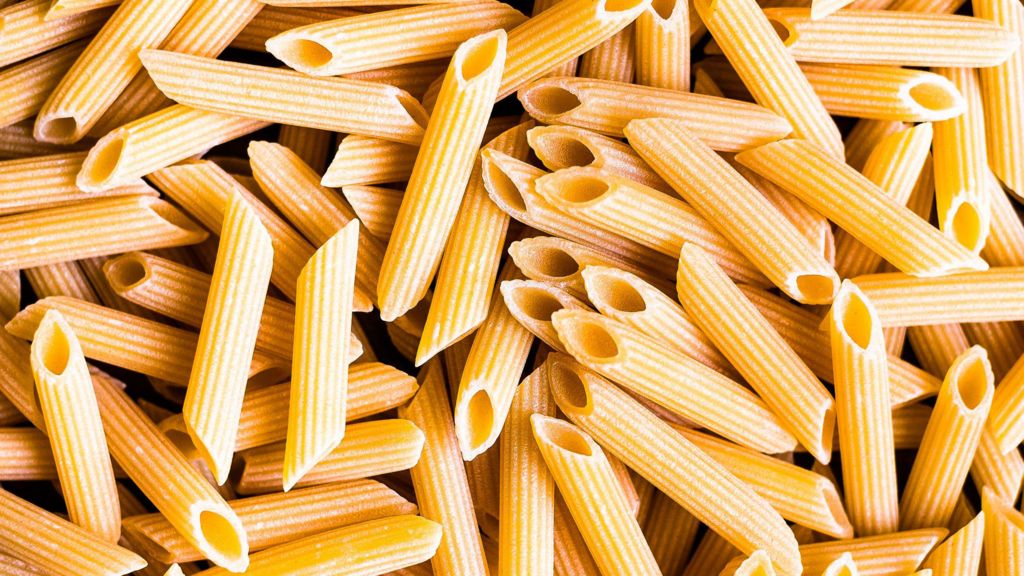
    The United States has significantly scaled back its threat to impose punitive tariffs exceeding 100% on imported Italian pasta, following constructive negotiations with producers. The Trump administration had initially proposed a staggering 91.74% tariff on 13 Italian pasta manufacturers, alleging they were selling products at “less than normal value” in a practice known as dumping. This would have compounded the existing 15% tariff on EU goods, potentially more than doubling pasta prices for American consumers.

    On Thursday, the Italian Foreign Ministry announced a major resolution, with tariffs now reduced to a range between 2.26% and 13.98% following demonstrated cooperation from Italian companies. The settlement averts what would have been a severe economic burden on US consumers and a diplomatic challenge for Italian Prime Minister Giorgia Meloni, who maintains one of Europe’s closer relationships with President Trump.

    The US Commerce Department confirmed in a statement that Italian pasta makers had “addressed many of Commerce’s concerns” following its preliminary determination. The department will continue engaging with interested parties before issuing a final determination. This decision reflects a pattern of the Trump administration initially proposing aggressive tariffs before subsequently moderating them, as seen recently with postponed furniture tariffs and exemptions for certain food imports including coffee and bananas.

    While economists consistently warn that protectionist tariffs ultimately increase consumer costs, this particular case involved a relatively small segment of total Italian pasta imports to the US. The resolution demonstrates how bilateral engagement can modify trade policy approaches even within the administration’s broader America First manufacturing agenda.

  • Defense ministry rebuffs criticism over drills around Taiwan

    Defense ministry rebuffs criticism over drills around Taiwan

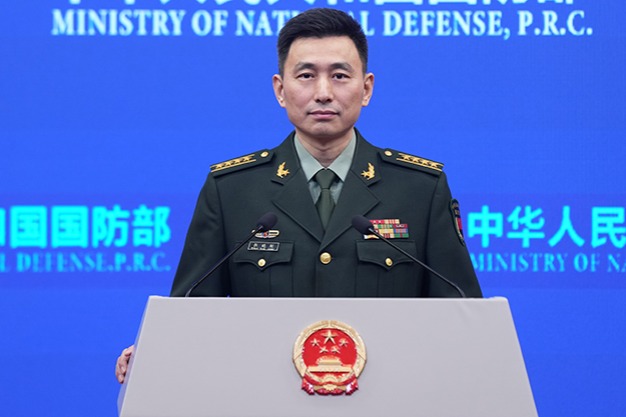
    China’s Ministry of National Defense has firmly rejected international criticism of its recent military exercises around Taiwan, characterizing them as necessary measures to counter separatist activities and foreign interference. Defense spokesman Zhang Xiaogang stated that the ‘Justice Mission 2025’ drills conducted by the People’s Liberation Army’s Eastern Theater Command were designed to test integrated joint combat capabilities while demonstrating military readiness to preserve territorial integrity.

    The exercises, which drew concern from Western governments including the United States, Japan, Australia, and the European Union, were described by Zhang as ‘completely legitimate, necessary and beyond reproach.’ He emphasized that Taiwan constitutes an inalienable part of Chinese territory and that related matters remain exclusively internal affairs permitting no external intervention.

    Zhang identified ‘Taiwan independence’ separatism and its external supporters as the primary threats to regional stability, asserting that provocative actions crossing established red lines would inevitably trigger resolute countermeasures. While affirming China’s commitment to peaceful development, he clarified that peace would not be exploited as pretext to restrain legitimate responses to separatist challenges.

    The spokesman urged international actors to adhere to the one-China principle and cease support for pro-independence elements in Taiwan. He additionally called on Taiwanese residents to recognize the dangers posed by current leadership policies and prioritize safeguarding their security interests.

    The Ministry concluded that Chinese armed forces would maintain heightened combat readiness to defeat any independence movements, counter foreign interference, and protect national sovereignty through continued demonstration of operational capabilities.

  • Zelensky names spy chief to head presidential office

    Zelensky names spy chief to head presidential office

    Ukrainian President Volodymyr Zelensky has undertaken a significant leadership reshuffle by appointing military intelligence chief Kyrylo Budanov as his new Chief of Staff. The decision comes just over a month after former aide Andriy Yermak resigned amidst a widening corruption scandal that has shaken the Ukrainian government.

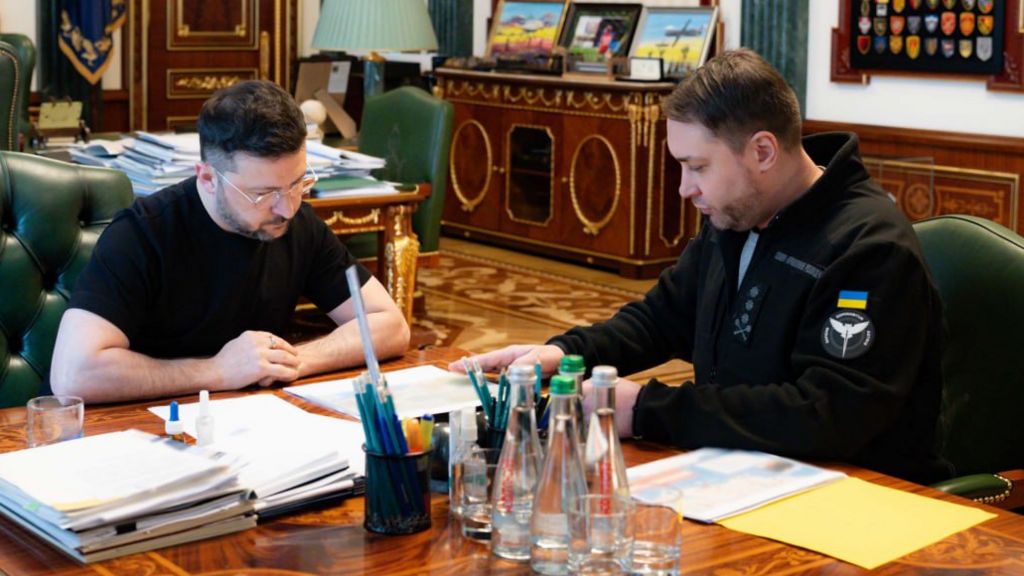
    Zelensky announced the strategic appointment through social media, emphasizing Ukraine’s critical need for enhanced security focus during ongoing hostilities with Russia. The president published an official photograph showing his meeting with Budanov at the presidential office in Kyiv, signaling confidence in his new top advisor.

    Budanov, 39, previously headed Ukraine’s HUR military intelligence agency, where he directed numerous successful operations against Russian forces. His expertise in security matters and defense strategy positioned him as a natural successor during this period of heightened military tensions.

    Yermak’s November departure followed a raid on his Kyiv residence by anti-corruption authorities, though he has not been formally accused of wrongdoing. His exit represented a substantial political setback for Zelensky, particularly as Yermak had wielded considerable influence throughout Russia’s full-scale invasion and led Ukraine’s negotiation team in crucial talks with the United States.

    The leadership change occurs against the backdrop of a major corruption investigation involving alleged embezzlement of approximately $100 million in Ukraine’s energy sector. Anti-corruption agencies have uncovered an extensive scheme involving kickbacks and influence peddling within state-owned enterprises, including nuclear energy provider Enerhoatom.

    This scandal has weakened Zelensky’s domestic standing and complicated Ukraine’s diplomatic position during sensitive negotiations regarding a US-led peace proposal. European allies have supported Kyiv’s efforts to revise terms initially perceived as favoring Russia, while Russian officials have amplified corruption allegations to undermine Ukraine’s international credibility.

    Zelensky has instructed Budanov to immediately review and update key strategic documents concerning Ukraine’s defense foundations, reflecting the administration’s renewed commitment to security priorities amid ongoing conflict and internal challenges.

  • Pakistan sentences journalists, YouTubers and ex-military officers to life over inciting violence

    Pakistan sentences journalists, YouTubers and ex-military officers to life over inciting violence

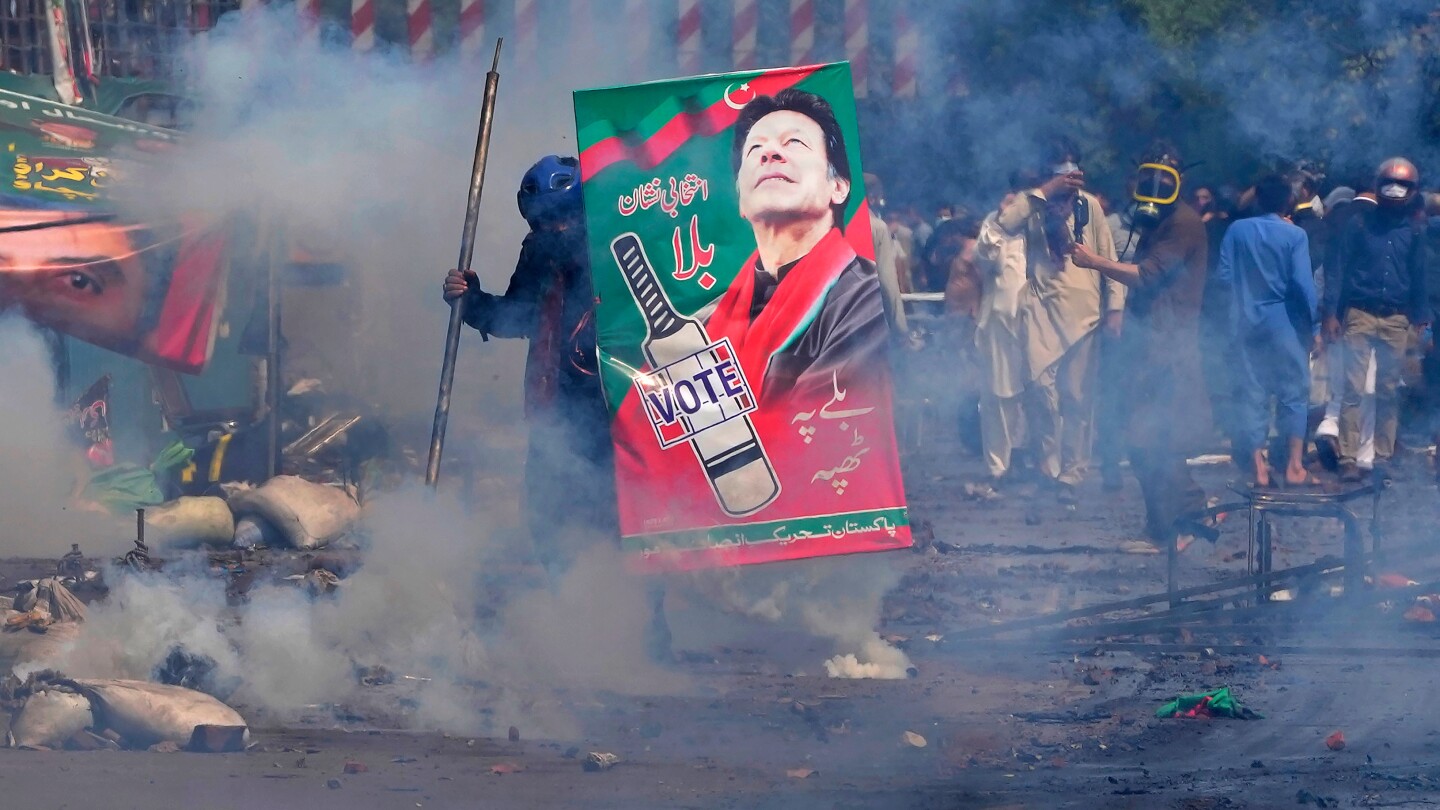
    An anti-terrorism court in Islamabad has delivered a landmark verdict, sentencing seven individuals—including three prominent journalists, two YouTubers, and two retired military officers—to life imprisonment for their roles in instigating widespread violence during May 2023 riots. The convictions stem from coordinated efforts to spread hatred against state institutions following the arrest of former Prime Minister Imran Khan on corruption charges.

    Presiding Judge Tahir Abbas Sipra conducted the trial in absentia, as all convicted individuals had previously fled Pakistan to avoid prosecution. The convicted parties include former editor Shaheen Sehbai, journalists Sabir Shakir and Moeed Pirzada, digital content creators Wajahat Saeed Khan and Haider Raza Mehdi, alongside retired army officers Adil Raja and Akbar Hussain.

    The court found that these individuals, known for their vocal support of Imran Khan, systematically incited violent demonstrations that targeted military installations and government property. The May 2023 unrest witnessed thousands of Khan’s supporters attacking strategic facilities, including the ransacking of a senior army officer’s residence and damaging the state-run Radio Pakistan building.

    Prosecutors established that the convicted parties exploited their media platforms to encourage mob violence after Khan repeatedly attributed his 2022 ouster to a conspiracy involving the United States and Pakistan’s military establishment—allegations denied by all parties involved.

    In response to the verdict, Sabir Shakir—formerly a prominent television host on ARY TV—denounced the ruling as “political victimization” during an interview with The Associated Press. Shakir revealed he had traveled to Saudi Arabia for pilgrimage prior to the riots and subsequently sought political asylum in Britain, anticipating what he described as “fabricated cases” upon potential return to Pakistan.

    The court has granted a seven-day window for appeals while directing authorities to apprehend the convicted individuals should they return to Pakistan. This case unfolds against growing concerns from human rights organizations and journalist unions about shrinking freedom of expression in Pakistan, though the government maintains that media professionals must adhere to ethical standards and journalistic principles.

  • Trump warns US will intervene if Iran kills protesters

    Trump warns US will intervene if Iran kills protesters

    Tensions between the United States and Iran have intensified following President Donald Trump’s social media declaration warning Iranian authorities against using violence against peaceful demonstrators. The former president issued a stark warning on Truth Social, stating the U.S. would “come to their rescue” if protesters were harmed, adding that American forces were “locked and loaded and ready to go.

    The warning came amid reports of escalating violence in Iran where at least six fatalities occurred during widespread protests triggered by deteriorating economic conditions and a sharp decline in the Iranian rial’s value. The demonstrations, which began among Tehran shopkeepers, have since expanded to include university students and spread across multiple cities, with participants openly challenging the country’s clerical leadership.

    Iran responded swiftly to Trump’s provocation through Ali Larijani, senior adviser to Supreme Leader Ayatollah Ali Khamenei, who cautioned that any U.S. intervention would “destabilize the entire region and destroy America’s interests.” Larijani emphasized that Trump should “be careful” regarding potential involvement in Iran’s internal affairs.

    According to verified footage and reports from semi-official news agency Fars and human rights organization Hengaw, the recent violence included fatal clashes in Lordegan where two protesters were killed, with additional deaths reported in Azna and Kouhdasht. Social media footage depicted burning vehicles during confrontations between security forces and demonstrators, though the BBC noted it could not independently verify all casualty reports.

    This confrontation represents the latest chapter in ongoing tensions between the nations. In June, the U.S. conducted strikes against Iranian nuclear facilities under Trump’s orders, which American officials claimed significantly hindered Tehran’s nuclear weapons program—a assertion Iran disputes. Iran retaliated with missile attacks targeting a major U.S. military installation in Qatar.

    While newly elected President Masoud Pezeshkian has expressed willingness to address protesters’ “legitimate demands,” Prosecutor-General Mohammad Movahedi-Azad simultaneously warned that instability attempts would meet with a “decisive response.” The current protests mark the most significant demonstrations since the 2022 uprising following Mahsa Amini’s death in custody, though on a comparatively smaller scale.

  • Lai’s ‘separatist fallacy’ speech rightly slammed

    Lai’s ‘separatist fallacy’ speech rightly slammed

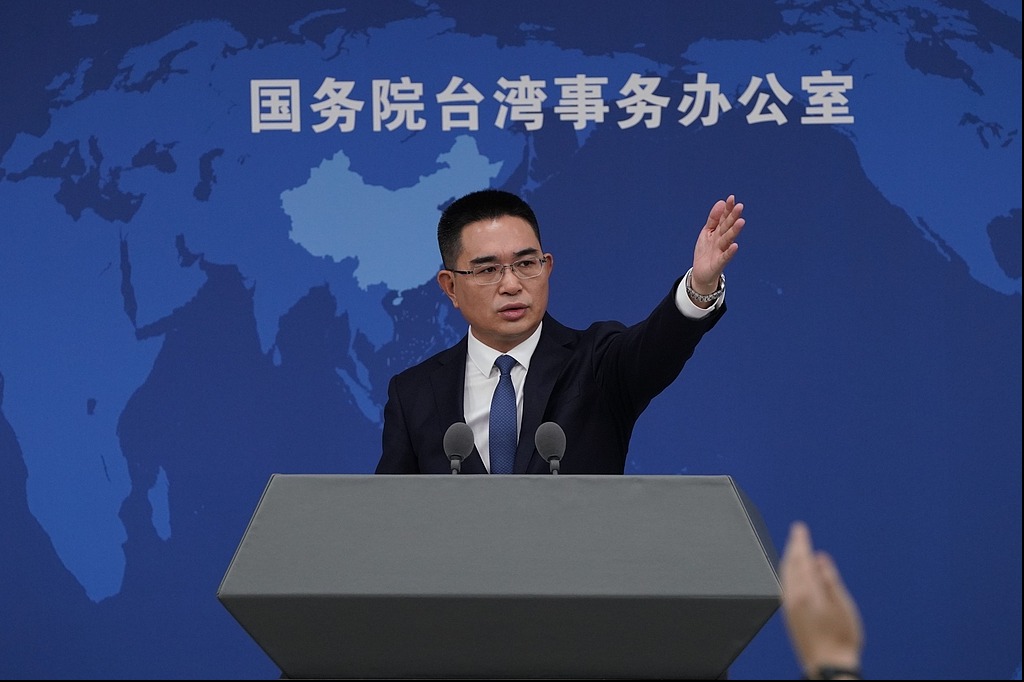
    A senior Chinese official has vehemently denounced Taiwan leader Lai Ching-te’s New Year address, characterizing it as a dangerous propagation of separatist ideology that threatens regional stability. Chen Binhua, spokesperson for China’s State Council Taiwan Affairs Office, issued a formal rebuttal on Thursday in response to what he described as Lai’s inflammatory rhetoric.

    The controversy centers on Lai’s speech which emphasized Taiwan’s perceived need to enhance its defensive capabilities against what he termed ‘China’s expansionist ambitions.’ Chen systematically dismantled these assertions, accusing the Taiwanese leader of fabricating narratives, promoting hostility, and repackaging outdated separatist doctrines. The spokesperson characterized Lai’s address as not merely political discourse but an active incitement of cross-strait confrontation.

    Chen’s statement highlighted several critical concerns regarding Lai’s administration. He accused the Democratic Progressive Party authorities of disregarding Taiwanese public opinion, escalating military tensions, and misallocating public resources toward what he called ‘preparation for war for independence.’ Furthermore, Chen criticized what he described as authoritarian governance practices that suppress democratic freedoms on the island.

    The spokesperson particularly condemned Lai’s administration for seeking international support for separatist agendas, warning that such actions fundamentally compromise the interests of Taiwanese citizens and businesses. Chen emphasized that regardless of political maneuvers, Taiwan remains an inseparable part of Chinese territory, and any movement toward independence remains historically illegitimate and practically unachievable.

    Reaffirming China’s commitment to peaceful reunification, Chen expressed confidence in the inevitable realization of complete national unity amid China’s ongoing rejuvenation. He called on Taiwanese compatriots to recognize the dangers of separatist forces, align with historical progress, and collaboratively work toward maintaining cross-strait stability. The statement concluded with an appeal for joint efforts in fostering peaceful development across the Taiwan Strait and advancing the shared destiny of national revival.