分类: politics

  • ‘Like a television show’: Trump revels in Maduro capture

    ‘Like a television show’: Trump revels in Maduro capture

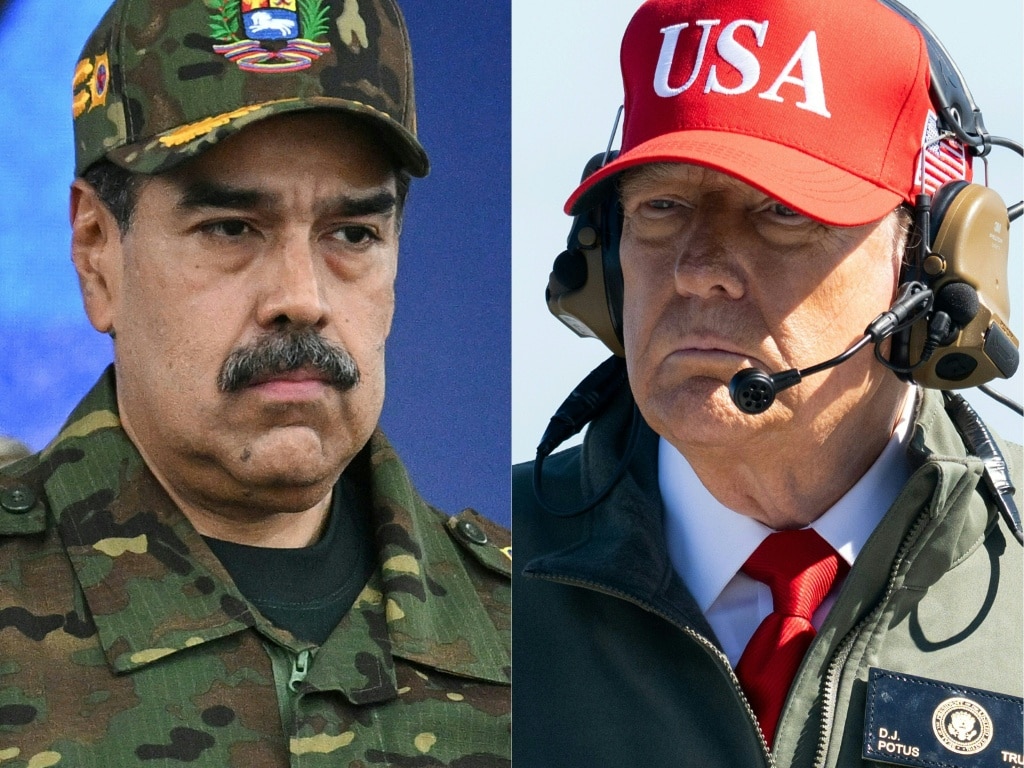
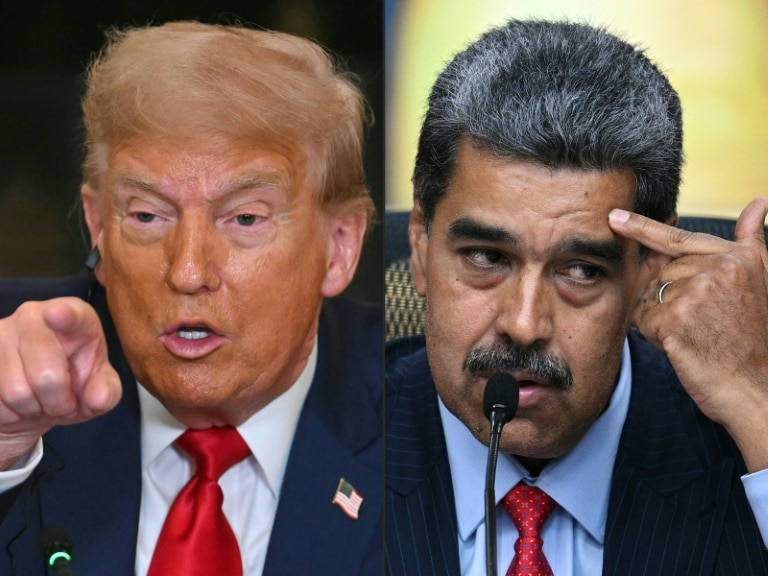
    In a stunning development that has sent shockwaves through international relations, former U.S. President Donald Trump has publicly celebrated the capture of Venezuelan leader Nicolás Maduro by American forces. Speaking from his Mar-a-Lago residence in Florida, Trump described watching the operation unfold in real-time, comparing the dramatic events to a high-stakes television spectacle.

    The Republican leader revealed intricate details of the mission, explaining how U.S. forces successfully extracted Maduro from what he characterized as a heavily fortified compound. ‘I’ve never witnessed anything comparable. The precision and intensity were extraordinary—literally reminiscent of a cinematic production,’ Trump remarked during a Fox News telephone interview. He emphasized that despite the operation’s violent nature, no American troops lost their lives, though several sustained injuries.

    According to Trump’s account, the Venezuelan president and his wife, Cilia Flores, have been transported to a U.S. naval vessel and will subsequently face trial in New York on serious charges including narco-terrorism conspiracy and cocaine importation allegations. Trump disclosed that he had personally communicated with Maduro approximately one week prior to the operation, explicitly demanding his surrender.

    The operation represents the culmination of a prolonged pressure campaign against the Venezuelan government, which included airstrikes preceding the ground assault. Trump indicated that weather conditions had delayed the mission for four days before ultimately proceeding on Saturday. He described Maduro’s compound as a ‘fortress’ equipped with reinforced steel security systems, though U.S. forces reportedly overwhelmed these defenses without requiring specialized equipment.

    Administration officials joined in the triumphant rhetoric, with Vice President JD Vance declaring on social media that ‘justice cannot be evaded through palace walls in Caracas.’ U.S. Attorney General Pam Bondi confirmed that both Maduro and Flores face multiple indictments in the Southern District of New York, with the charges against Flores previously undisclosed.

    This aggressive action against a foreign leader presents significant legal and diplomatic implications, particularly given Trump’s simultaneous portrayal of himself as a ‘peace president’ deserving of Nobel recognition. The administration has previously accused Maduro of leading the ‘Cartel of the Suns’ drug trafficking organization and offered a $50 million reward for information leading to his capture.

    The operation also serves as a warning to other nations, with Trump specifically mentioning Mexico regarding drug trafficking enforcement. Secretary of State Marco Rubio reinforced the administration’s position that Maduro lacks legitimate presidential authority following internationally criticized elections.
  • Trump’s move to topple Maduro is fraught with risk – what happens next is unclear

    Trump’s move to topple Maduro is fraught with risk – what happens next is unclear

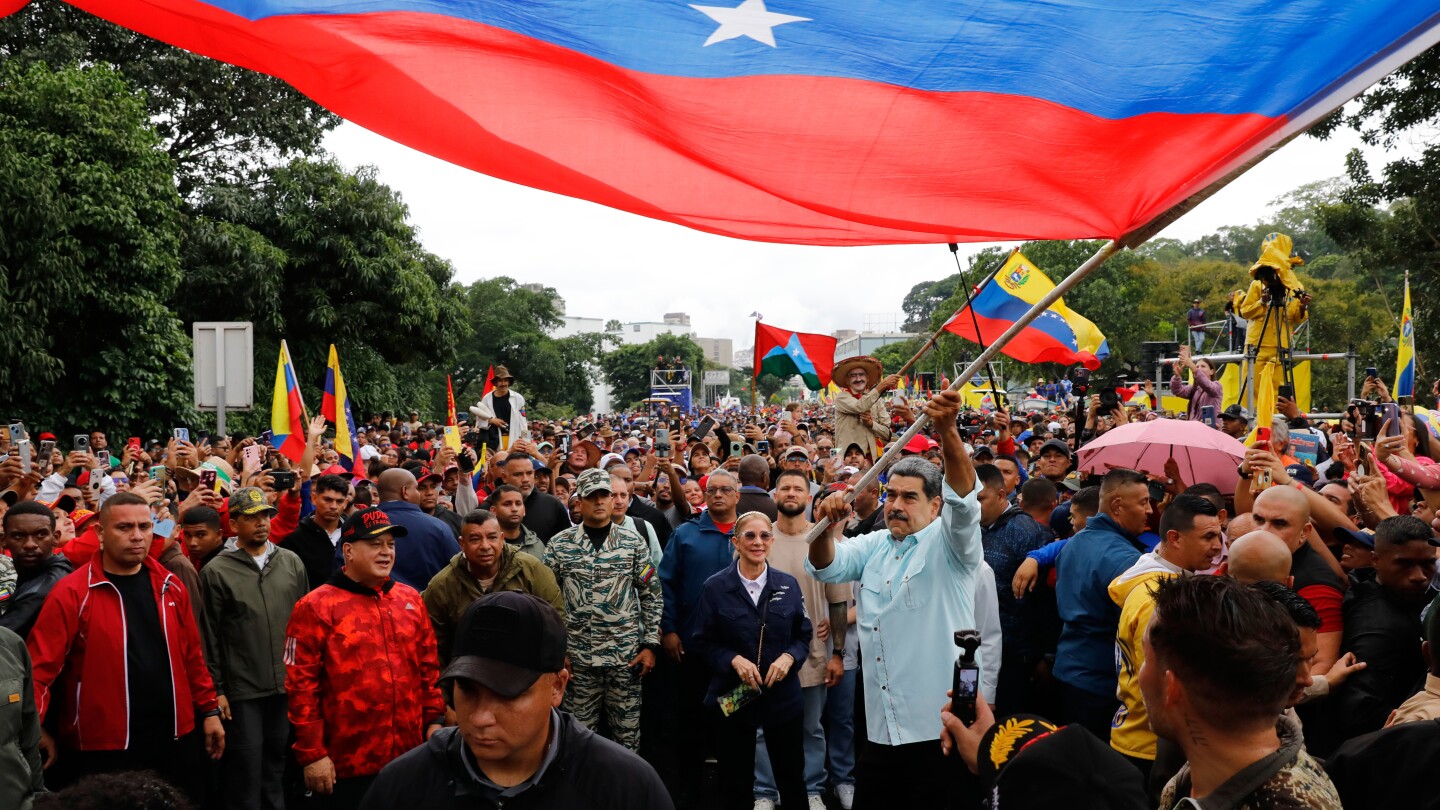
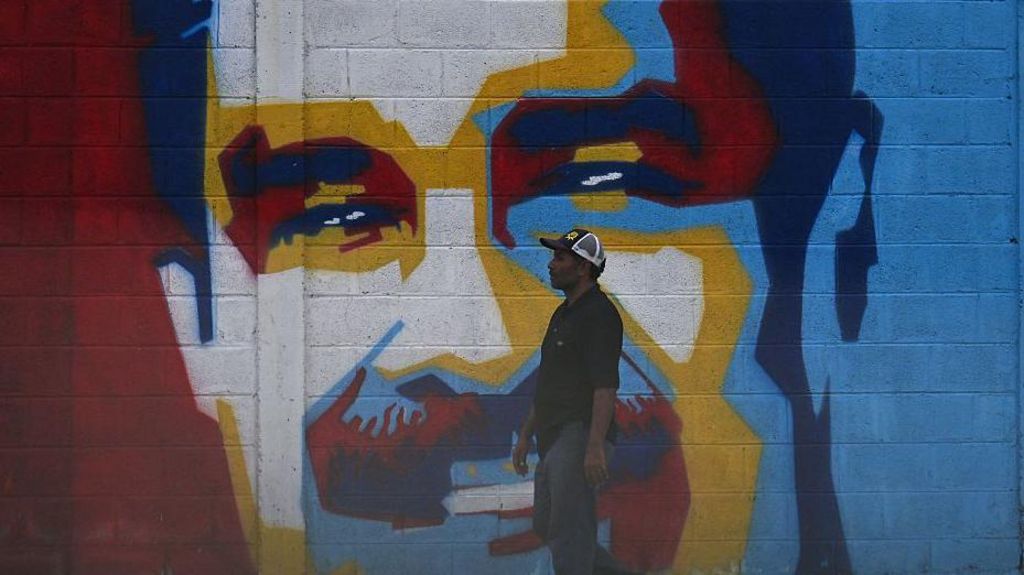
    Venezuela experienced a seismic shift in its political landscape as US military forces executed a dramatic intervention in Caracas, culminating in the capture and extradition of President Nicolás Maduro. The operation, authorized by President Donald Trump, represents the most significant direct military action in Latin America since the 1989 invasion of Panama.

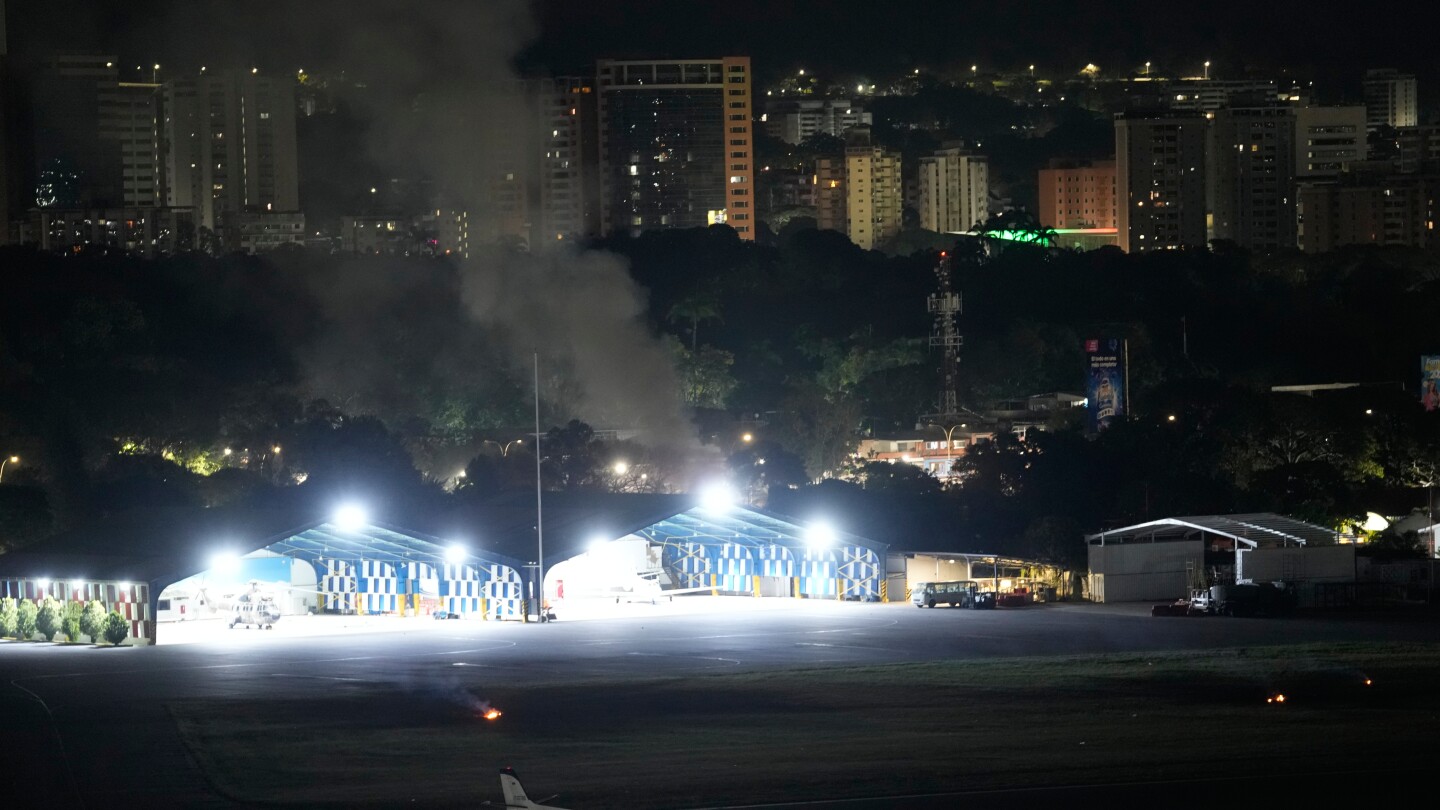
    In the pre-dawn hours, residents of Venezuela’s capital were jolted awake by thunderous explosions as US strikes targeted key military installations, including Fuerte Tiuna, one of the nation’s largest military bases. The coordinated attacks disabled critical defense infrastructure before special operations units moved to apprehend Maduro, who now faces serious weapons and drug trafficking charges in US jurisdiction.

    This intervention follows months of escalating US military presence in the region, comprising warplanes, thousands of troops, helicopters, and the world’s largest warship. The Trump administration has consistently characterized Maduro’s government as a criminal trafficking organization, designating the ‘Cartel de los Soles’ – a network of Venezuelan elites allegedly orchestrating illegal activities – as a foreign terrorist group.

    The operation validates long-standing assertions by Caracas that Washington ultimately sought regime change, particularly after the US refused to recognize Maduro’s victory in the widely criticized 2024 elections. Venezuelan officials have additionally accused the United States of attempting to appropriate the nation’s vast oil reserves, the largest globally, citing recent seizures of Venezuelan oil tankers.

    While hawkish elements within the US administration celebrate Maduro’s removal as a major victory, the intervention raises complex questions about Venezuela’s political future. The country remains deeply divided, with Maduro’s government maintaining control over the judiciary, Supreme Court, military, and powerful paramilitary groups known as ‘colectivos.’

    Potential succession scenarios involve opposition figures Maria Corina Machado, a Nobel Peace Prize winner, or Edmundo Gonzalez, the opposition candidate from the 2024 elections. However, analysts warn that transition may trigger violent fragmentation and prolonged power struggles, reminiscent of historical US-backed coups in Latin America during the 20th century.

    The operation also creates diplomatic tensions with regional powers including Brazil and Colombia, which have expressed opposition to military intervention, while testing the loyalty of Trump’s domestic base that previously advocated ‘America First’ non-interventionism.

  • What we know about a US strike that captured Venezuela’s Maduro

    What we know about a US strike that captured Venezuela’s Maduro

    In a dramatic pre-dawn operation on Saturday, United States forces executed a targeted military strike in Venezuela resulting in the capture of President Nicolás Maduro and First Lady Cilia Flores. The detained leaders were subsequently transported out of the country to face formal narcoterrorism charges in United States federal courts, according to official American statements.

    The rapid military intervention has plunged Venezuela into a state of political uncertainty, with preliminary reports indicating casualties though specific numbers remain unconfirmed. Explosions reverberated through Caracas as low-flying aircraft targeted military installations during the approximately 30-minute operation, leaving several areas without power and visible smoke rising from strategic locations.

    This escalation follows months of intensified pressure from the Trump administration, which had previously deployed additional naval assets to South American waters and conducted strikes against alleged drug-smuggling operations. The operation represents the most direct confrontation in the ongoing tensions between Washington and Caracas.

    U.S. Attorney General Pam Bondi confirmed via social media that both Maduro and Flores face multiple indictments in the Southern District of New York, including charges of narco-terrorism conspiracy, cocaine importation conspiracy, and weapons violations. While Maduro’s indictment dates to March 2020, Flores’s charges were previously undisclosed.

    The legal justification for the operation remains subject to international scrutiny, with the Trump administration maintaining that Maduro lacks legitimate leadership status and has transformed Venezuela into a criminal enterprise. Senator Mike Lee suggested the action might fall within presidential authority to protect U.S. personnel from imminent threat.

    Venezuela’s government condemned the operation as an ‘imperialist attack,’ urging citizens to mobilize in response. The constitutional succession process remains unclear, with Vice President Delcy Rodríguez theoretically positioned to assume power though no confirmation has emerged.

    International reactions reflect deep divisions, with Russia condemning the action as ‘unacceptable infringement on sovereignty’ and Cuba urging global response to the ‘criminal attack.’ European allies expressed cautious concern, emphasizing respect for international law while acknowledging Maduro’s contested legitimacy. The European Union called for restraint and adherence to UN Charter principles, while British and Spanish leaders emphasized their non-involvement and urged de-escalation.

  • From bus driver to president: Venezuela’s Maduro never escaped his predecessor’s shadow

    From bus driver to president: Venezuela’s Maduro never escaped his predecessor’s shadow

    In a seismic geopolitical development, Venezuelan President Nicolás Maduro was apprehended by U.S. military forces during a targeted operation in Caracas on Saturday. The capture marks a stunning conclusion to months of escalating pressure from the United States against the socialist leader’s regime.

    U.S. President Donald Trump confirmed the operation through an early morning social media announcement, while Venezuelan Vice President Delcy Rodríguez subsequently disclosed that Maduro’s current whereabouts, along with those of his wife Cilia Flores, remain unverified. U.S. Attorney General Pam Bondi indicated that both Maduro and Flores will face charges stemming from a New York indictment.

    Maduro’s extraordinary journey from Caracas bus driver to presidential palace spanned four decades, beginning with ideological training in Cuba in 1986—his only formal education after high school. His political ascent accelerated through his association with the late Hugo Chávez, who personally anointed Maduro as his successor during his final public address in 2013.

    Maduro’s presidency became synonymous with catastrophic economic collapse and democratic backsliding. Under his administration, Venezuela experienced a 71% economic contraction between 2012-2020, hyperinflation exceeding 130,000%, and the mass exodus of over 7.7 million citizens. His rule was characterized by systematic repression, including the imprisonment and torture of political opponents.

    The 2018 presidential election, widely criticized as illegitimate, saw Maduro declared winner amid widespread international condemnation. Subsequent negotiations facilitated by Norwegian diplomats failed to resolve fundamental political divisions, culminating in the 2024 election where opposition candidate Edmundo González allegedly secured a decisive victory according to independent tallies.

    Trump’s return to the White House in January 2025 dramatically altered the strategic calculus, leading to increased military presence in the Caribbean and renewed focus on addressing narco-terrorism concerns. These developments ultimately precipitated the operation that ended Maduro’s controversial twelve-year presidency.

  • European security advisors discuss peace proposals in Kyiv ahead of leaders’ summit

    European security advisors discuss peace proposals in Kyiv ahead of leaders’ summit

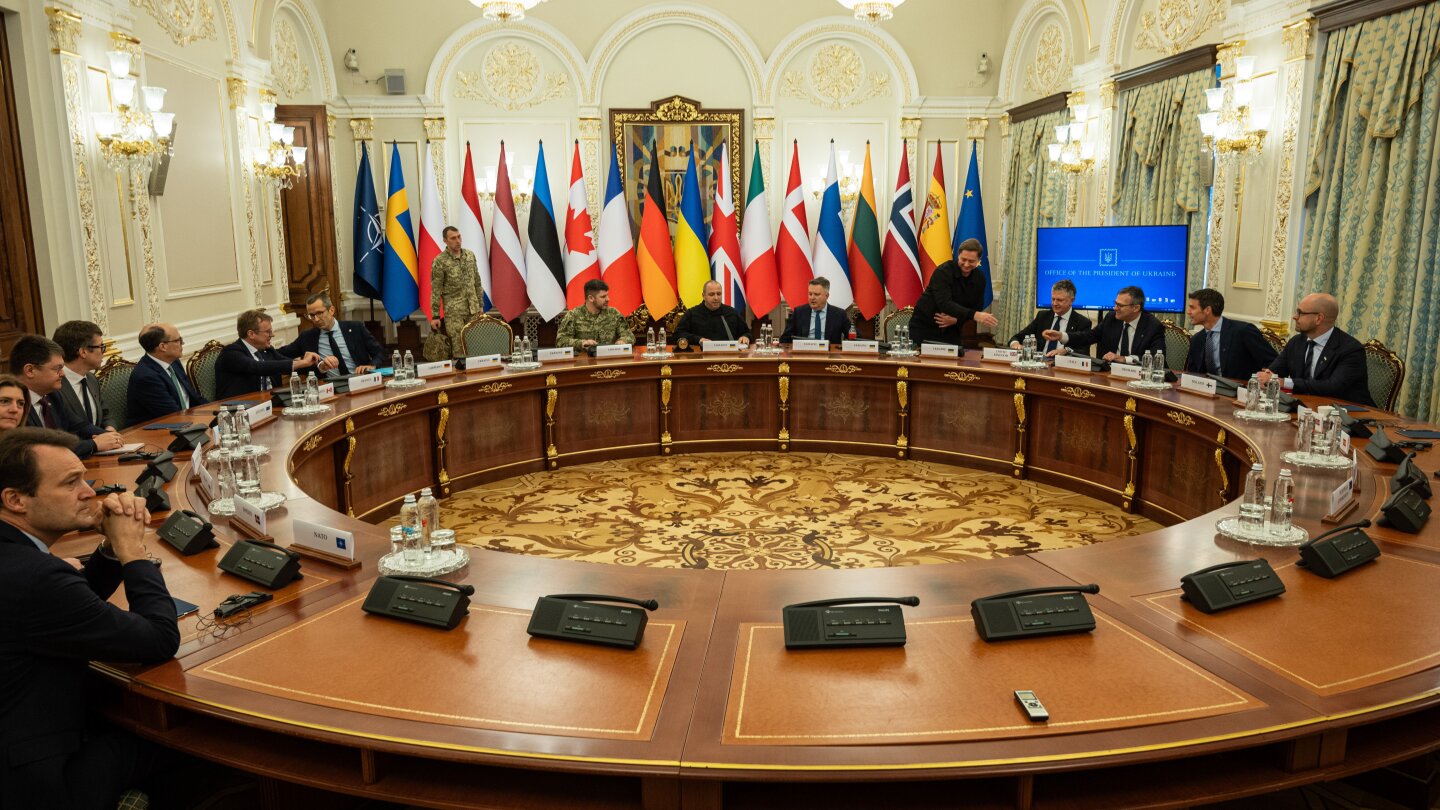
    KYIV, Ukraine — In a significant diplomatic development, high-level European national security advisors convened in the Ukrainian capital on Saturday to deliberate on emerging peace initiatives. This gathering represents a crucial phase in the escalating U.S.-orchestrated diplomatic campaign aimed at resolving the protracted four-year conflict in Ukraine.

    The high-stakes discussions preceded an anticipated summit between Ukrainian President Volodymyr Zelenskyy and European leadership scheduled for the coming week. Ukraine’s chief negotiator, Rustem Umerov, characterized the agenda as encompassing “security and economic issues, work on framework documents, coordination of further steps with partners” in a social media statement. The meeting included representation from Canada, NATO, and multiple European nations and institutions.

    According to Ukrainian negotiator Oleksandr Bevz, the security guarantee proposals under discussion involve a sophisticated multilateral framework. This structure would position Ukrainian armed forces as the primary defense line, supplemented by European-deployed troops within Ukraine, with American forces providing strategic “backstop” support.

    President Zelenskyy previously announced comprehensive meetings with officials from approximately thirty nations—collectively termed the Coalition of the Willing—that endorse Kyiv’s objective to conclude hostilities with Russia under conditions favorable to Ukrainian sovereignty.

    The security advisors’ meeting on Saturday will be followed by a leaders’ summit in Paris on Tuesday. These diplomatic efforts coincide with Zelenskyy’s Friday appointment of General Kyrylo Budanov, head of Ukraine’s military intelligence, as his new chief of staff. The president described this strategic personnel change as enhancing focus on security priorities, defense development, and diplomatic channels.

    Meanwhile, regional officials reported escalating violence, with the Kharkiv regional governor confirming the death toll from Friday’s Russian missile attack had risen to two, including a three-year-old child. Separately, an overnight drone assault on the Mykolaiv region targeted critical infrastructure, causing electricity disruptions that engineers worked through the night to restore, though no casualties were reported from this incident.

  • US bombs Venezuela and captures Maduro, according to Trump

    US bombs Venezuela and captures Maduro, according to Trump

    In a stunning escalation of geopolitical tensions, the United States has conducted a large-scale military operation against Venezuela, resulting in the capture of President Nicolás Maduro and his wife. The pre-dawn offensive targeted key military installations in Caracas, including Fort Tiuna—the nation’s largest military complex—and Carlota airbase, with additional strikes reported in the port city of La Guaira.

    Former President Donald Trump announced the operation’s success via Truth Social, declaring that Maduro had been ‘flown out of the country’ to face American justice. U.S. officials, including Attorney General Pamela Bondi, confirmed that the Venezuelan leader would stand trial on drug trafficking and terrorism charges in United States courts.

    The Venezuelan government condemned the action as ‘extremely serious military aggression,’ with Vice President Delcy Rodriguez demanding proof of life for Maduro and calling for an emergency UN Security Council session. Russia, a key Venezuelan ally, joined in condemning the operation and requested immediate clarification regarding Maduro’s status.

    International reactions varied significantly, with Iran and Cuba joining Venezuela in condemnation, while Spain offered mediation services. Colombia’s leftist president announced troop deployments to the Venezuelan border following the attacks.

    The operation represents the culmination of months of escalating tensions between the two nations, during which Trump deployed naval assets to the Caribbean and imposed severe economic sanctions. The U.S. administration has consistently accused Maduro of leading a narcoterrorist state and orchestrating fraudulent elections.

    Residents of Caracas reported hearing explosions and aircraft for nearly an hour, with many civilians taking shelter or preparing emergency supplies. No official casualty figures have been released following the strikes.

  • Ireland’s Micheál Martin will visit China in the first trip by an Irish leader in 14 years

    Ireland’s Micheál Martin will visit China in the first trip by an Irish leader in 14 years

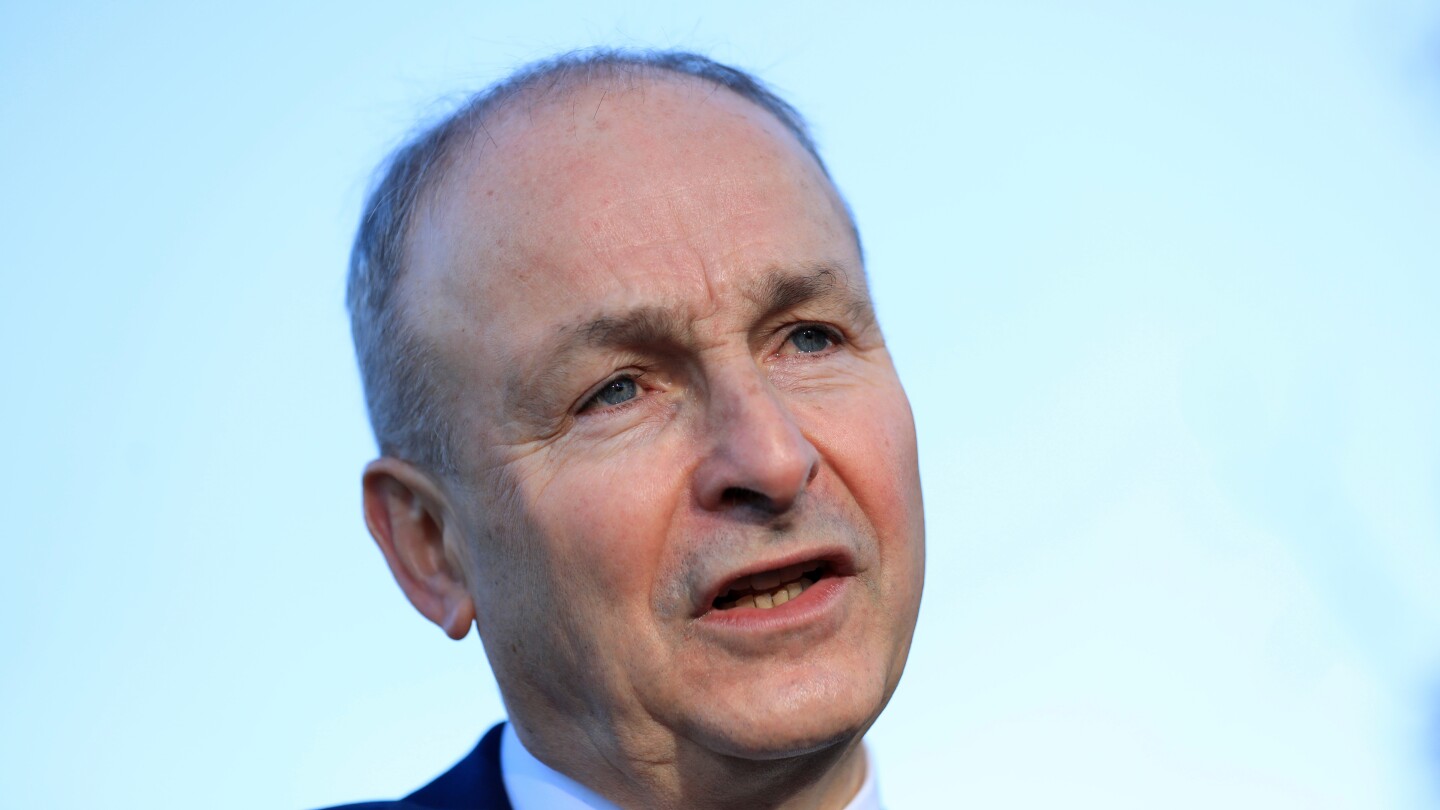
    Irish Prime Minister Micheál Martin commenced a significant five-day diplomatic mission to China on Sunday, marking the first official visit by an Irish leader to Beijing in over fourteen years. The Chinese Foreign Ministry confirmed that Martin will engage in high-level discussions with President Xi Jinping, Premier Li Qiang, and National People’s Congress Chairman Zhao Leji during his itinerary spanning both Beijing and Shanghai.

    This diplomatic engagement occurs against the backdrop of ongoing trade tensions between China and the European Union. In recent months, Beijing has implemented provisional tariffs reaching 42.7% on EU dairy products while initiating investigations into European brandy and pork imports. These measures represent counteractions to the EU’s tariffs on Chinese electric vehicles.

    Concurrently, China is hosting South Korean President Lee Jae Myung for a separate four-day state visit beginning Sunday, marking the second bilateral meeting between Lee and Xi within two months. This diplomatic activity unfolds amid heightened regional tensions following Japan’s recent statements regarding potential military involvement in Taiwan-related scenarios.

    Last week, China conducted extensive military exercises around Taiwan, demonstrating its firm stance against what it perceives as separatist activities and external interference. President Lee reaffirmed South Korea’s adherence to the ‘One China’ policy regarding Taiwan in pre-visit remarks to Chinese state media.

    The Chinese Foreign Ministry emphasized that Martin’s visit presents opportunities to strengthen bilateral cooperation and enhance broader China-EU relations, signaling Beijing’s continued strategy of cultivating relationships with individual EU member states despite broader bloc tensions.

  • Military-backed party leads in early election results in Myanmar

    Military-backed party leads in early election results in Myanmar

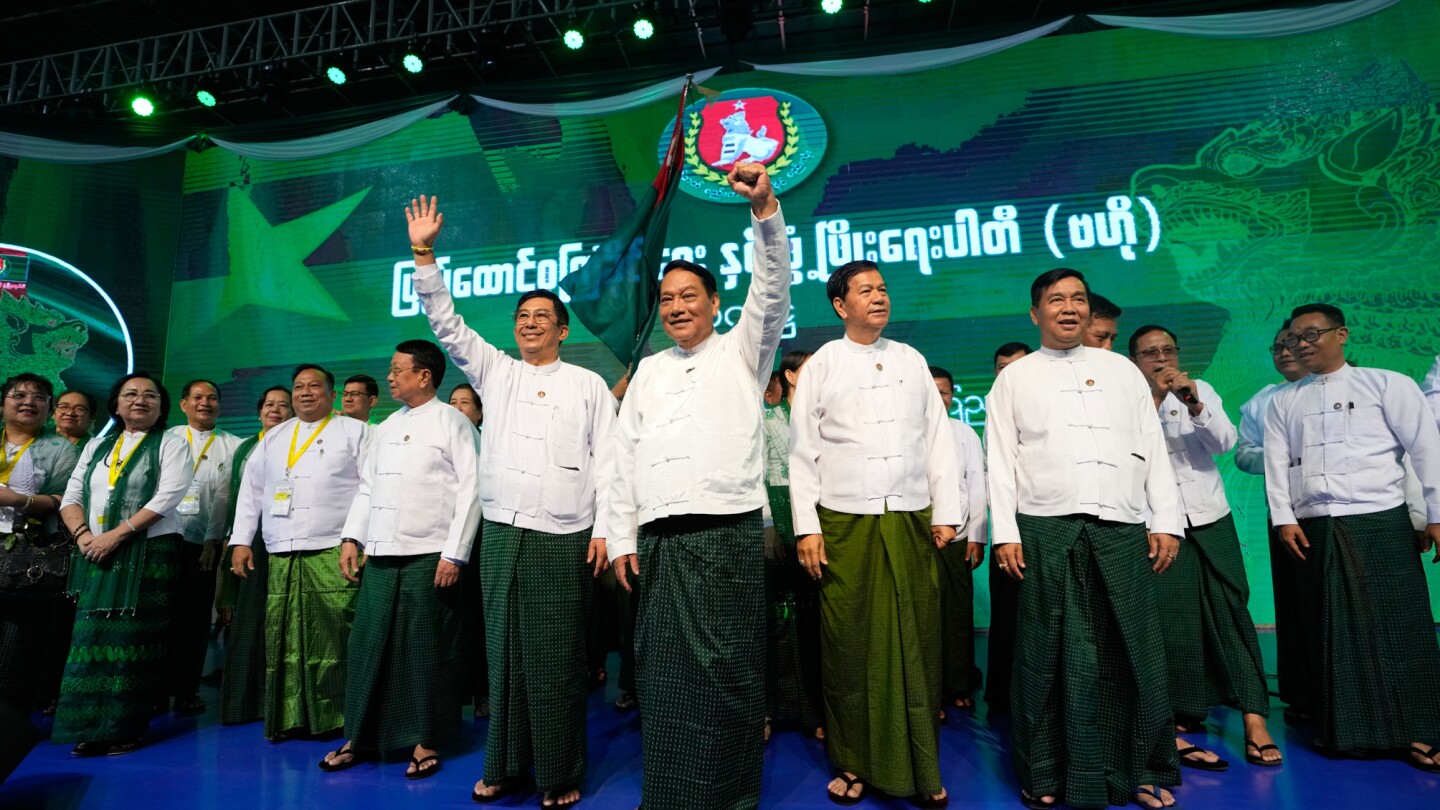
    BANGKOK (AP) — Myanmar’s military-appointed electoral authority has commenced announcing results from the initial stage of its three-phase general election, confirming widespread expectations that the junta-supported Union Solidarity and Development Party (USDP) has secured most declared seats.

    The electoral process, criticized by opposition groups as fundamentally flawed, faces allegations of being engineered to provide superficial legitimacy to military rule. Detractors emphasize the exclusion of major political factions and systematic suppression of dissent as evidence that the polls lack both freedom and fairness. Numerous opposition organizations have consequently advocated for voter boycotts.

    According to Wednesday’s government statement, approximately 52% of eligible voters—over 6 million individuals—participated in the December 28 first-phase elections, which the regime characterized as a resounding success.

    Saturday’s partial results published in the state-controlled Myanma Alinn newspaper revealed the USDP secured 38 seats in the 330-member Pyithu Hluttaw lower house, with numerous constituencies still awaiting declaration. A separate announcement confirmed USDP leader Khin Yi, former general and police chief regarded as a key ally of military ruler Senior General Min Aung Hlaing, won his Naypyitaw constituency with 49,006 of 68,681 votes.

    The Shan Nationalities Democratic Party and Mon Unity Party each gained one seat according to the Union Election Commission’s statement.

    Despite incomplete results, USDP leadership expressed confidence in their first-phase performance. A senior party official anonymously informed The Associated Press they had captured 88 of 102 contested seats, noting the party faced no opposition in 29 constituencies due to absent challengers.

    Myanmar’s political structure features a bicameral national legislature totaling 664 seats. The constitution guarantees the military 25% automatic representation in each chamber, meaning any party seeking governance must achieve a combined parliamentary majority to select the president and form a government.

    The USDP official additionally claimed victory in 85% of regional legislature contests, though complete outcomes await subsequent voting phases scheduled for January 11 and 25. Electoral proceedings occur in三个阶段 due to ongoing armed conflicts, with 65 townships excluded entirely from participation.

    While 57 parties fielded over 4,800 candidates for national and regional legislatures, only six organizations possess nationwide reach and potential parliamentary influence, with the USDP emerging as the dominant force.

    The current military regime originated from the February 2021 coup that ousted Aung San Suu Kyi’s democratically elected government, preventing her National League for Democracy (NLD) from serving a second term despite their landslide 2020 victory. The NLD was subsequently dissolved in 2023 alongside 39 other parties for refusing registration under new military regulations. The takeover ignited widespread resistance that has since evolved into full-scale civil war.

  • Global experts hail Xi’s people-centered message

    Global experts hail Xi’s people-centered message

    International scholars and policy experts worldwide have applauded President Xi Jinping’s 2026 New Year message, recognizing it as a comprehensive articulation of China’s governance framework that prioritizes citizen welfare while pursuing sustainable, high-quality development. The address has drawn particular attention for its fusion of socialist principles with pragmatic policy implementation, offering what analysts describe as an increasingly influential model for global governance.

    Keith Bennett, co-founder of Friends of Socialist China, observed that the message demonstrates how socialism under Communist Party leadership is gaining renewed global prominence. Bennett highlighted how cultural manifestations—from humanoid robots performing traditional kung fu to grassroots football leagues in Guizhou province—reflect both improved quality of life for Chinese citizens and the growing appeal of Chinese civilization internationally.

    Brazil-China Research and Business Center executive director Ronnie Lins noted the speech’s effectiveness in connecting national objectives with daily lived experiences. “President Xi’s assertion that ‘no issue of the people is too small’ translates Chinese modernization and common prosperity into tangible, actionable measures that directly benefit citizens,” Lins told CGTN.

    The address also outlined China’s extension of its domestic governance philosophy to international engagement. President Xi emphasized China’s commitment to collaborative global problem-solving, stating: “China always stands on the right side of history, and is ready to work with all countries to advance world peace and development and build a community with a shared future for humanity.”

    Canadian Chinese Entrepreneurs Council secretary-general Zheng Xiaofeng interpreted this as a significant indicator of China’s policy direction, noting the message emphasizes resilience and patience amid global uncertainties rather than promising unrealistic growth. Zheng particularly welcomed concrete references to expanding openness, predicting enhanced policy predictability and rules-based international cooperation.

    The speech’s emphasis on the Global Governance Initiative received special attention from African analysts. Nairobi-based international relations scholar Adhere Cavince noted the initiative’s alignment with development cooperation opportunities between China and African nations. Citing the upgraded China-Kenya partnership, Cavince identified potential in agricultural modernization, infrastructure development, and green energy collaboration. “As Xi’s message calls for bold strides,” he remarked, “such partnerships could accelerate Africa’s development agenda while enhancing economic resilience and shared prosperity.”

  • Trump following Netanyahu playbook with new Iran threat: critics

    Trump following Netanyahu playbook with new Iran threat: critics

    Former U.S. President Donald Trump escalated geopolitical tensions on Friday by issuing a direct military threat against Iran through his Truth Social platform. The controversial statement warned that American forces stand “locked and loaded” to intervene if Iranian authorities intensify their crackdown on ongoing domestic protests.

    Trump’s social media post explicitly stated: “If Iran shots [sic] and violently kills peaceful protesters, which is their custom, the United States of America will come to their rescue.” This declaration came shortly after his meeting with Israeli Prime Minister Benjamin Netanyahu, during which Trump reportedly expressed openness to supporting additional military strikes against Iranian nuclear facilities.

    The Iranian government responded swiftly through Ali Larijani, secretary of Iran’s Supreme National Security Council, who cautioned that American interference would “destroy America’s interests” and create “chaos in the entire region.”

    Policy experts from the National Iranian American Council (NIAC) expressed grave concerns about Trump’s rhetoric. President Jamal Abdi characterized Netanyahu’s visit as strategically aimed at “moving the goalposts for military action on Iran” and warned that Trump’s comments represent “a dangerous signal” that could lead the United States into another Middle Eastern conflict.

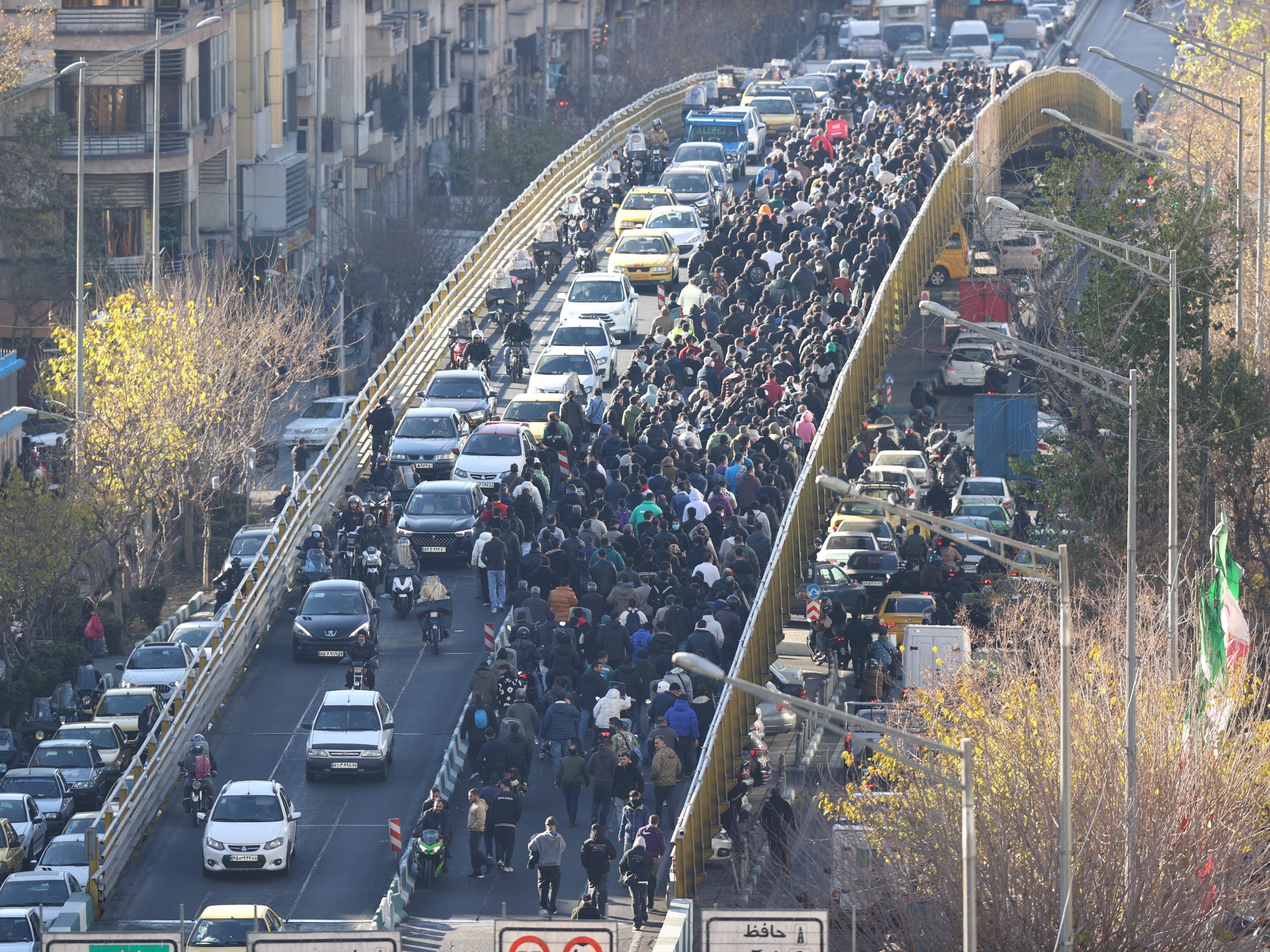
    The current protests in Iran originated from economic grievances, particularly the catastrophic collapse of the national currency. What began as strikes by technology merchants in Tehran has evolved into widespread demonstrations incorporating overt anti-government sentiments. Reports indicate several protesters have been killed by security forces during the unrest.

    NIAC analysts Etan Mabourakh and Ehsan Zahedani emphasized that the Iranian people’s struggle for economic justice and freedom deserves genuine solidarity rather than Western “salvation” through military intervention. They cautioned against external actors co-opting legitimate domestic grievances to advance agendas of militarism and regime change.