分类: politics

  • Iran protests: What is driving the unrest?

    Iran protests: What is driving the unrest?

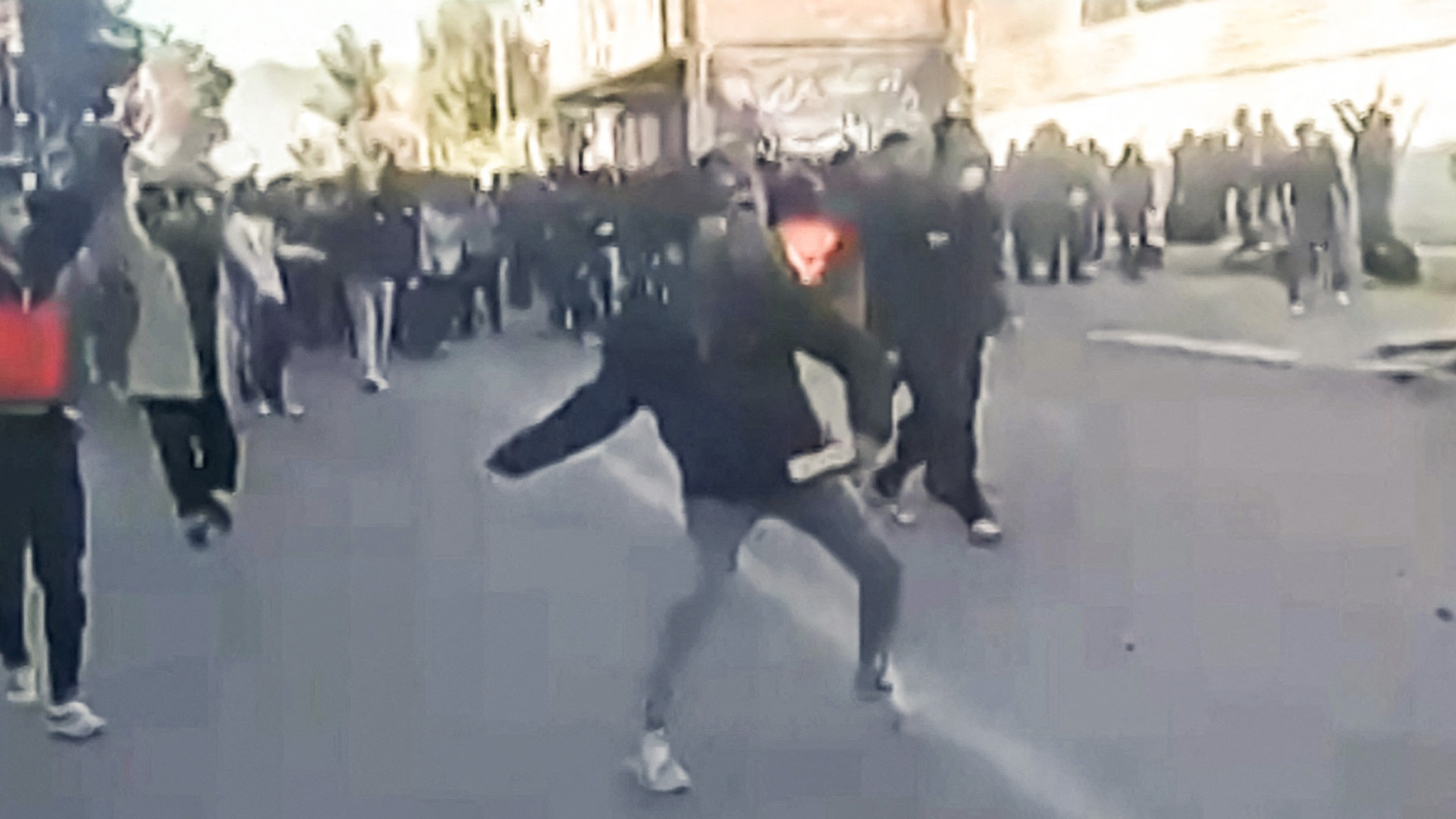
    Iran has been plunged into a state of escalating civil unrest as merchant strikes originating in Tehran’s historic Grand Bazaar have rapidly transformed into nationwide protests, resulting in violent confrontations with security forces and multiple casualties.

    The initial demonstrations emerged Sunday in central Tehran near key commercial districts, quickly spreading to over thirty urban centers. The protests have claimed at least seven lives with dozens injured, marking a significant escalation from economic discontent to broader political opposition against the ruling authorities.

    Economic instability served as the primary catalyst, with the Iranian rial experiencing catastrophic devaluation. The currency has plummeted from approximately 55,000 rials to the US dollar in 2018 to a staggering 1.45 million rials currently—a decline accelerated by recent regional conflicts, international sanctions targeting Iran’s energy exports, and widespread banking restrictions.

    Additional economic pressures include the government’s introduction of a three-tiered gasoline pricing system and a proposed budget increasing taxes on businesses while projecting reduced oil revenues. These measures exacerbated existing frustrations over inflation and economic management.

    Tehran’s bazaar merchants, historically influential in Iranian politics, initiated the strikes in a tradition dating back to the Constitutional Revolution of 1905-1911. Their actions created political space for broader public participation, with protests particularly concentrated in western and southwestern regions home to ethnic minorities.

    The government response has included economic concessions such as tax breaks and subsidized currency access, the resignation of Central Bank governor Mohammad Reza Farzin, and the shutdown of state offices under the pretext of weather conditions. Universities have transitioned to online instruction to prevent campus gatherings.

    Despite these measures, demonstrations have continued with significant violence reported in cities including Kuhdasht and Azna. The situation has drawn international attention, with former US President Donald Trump threatening intervention if protesters are harmed—a statement Iranian authorities have characterized as foreign interference.

    Security forces including riot police and Basij paramilitary units maintain heavy deployment across multiple cities, with pro-government media accusing protesters of acting as foreign pawns. The unrest echoes previous anti-government movements while demonstrating distinct geographical patterns of resistance outside the capital.
  • Who is captured Venezuelan President Maduro?

    Who is captured Venezuelan President Maduro?

    Former U.S. President Donald Trump has asserted that American forces conducted military strikes in Venezuela and successfully captured the nation’s sitting president, Nicolás Maduro. The controversial statement, which lacks official confirmation from current U.S. authorities, represents a significant escalation in rhetoric regarding Washington’s approach to the Venezuelan government.

    Venezuela has been embroiled in a prolonged political crisis since Maduro’s disputed re-election in 2018, which many nations including the United States deemed illegitimate. The Trump administration maintained a policy of maximum pressure against Maduro’s regime, recognizing opposition leader Juan Guaidó as the legitimate interim president and imposing severe economic sanctions.

    This alleged claim of military intervention, if verified, would mark a dramatic turning point in hemispheric relations and international law. However, multiple international news agencies and government channels have not corroborated Trump’s assertion, leaving the validity of the statement in question. Regional security analysts suggest such an operation would require substantial military resources and would likely provoke strong responses from Venezuela’s international allies, including Russia and China.

  • Venezuelans in Florida rejoice over Maduro’s fall, fret over future

    Venezuelans in Florida rejoice over Maduro’s fall, fret over future

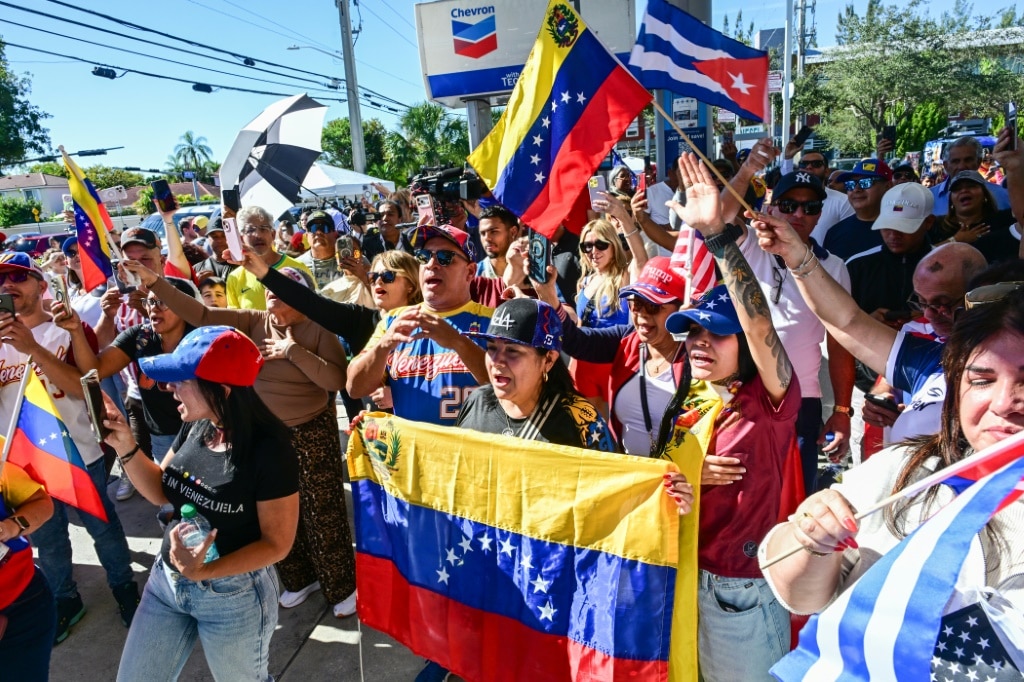
    Venezuelan expatriates in Florida experienced a wave of emotional whiplash this weekend as celebrations over Nicolas Maduro’s dramatic capture by U.S. forces gave way to apprehension about their homeland’s political future. The community in Doral—where Venezuelans constitute over 40% of the population—initially erupted in spontaneous celebration upon learning of the pre-dawn military operation that apprehended the controversial leader.

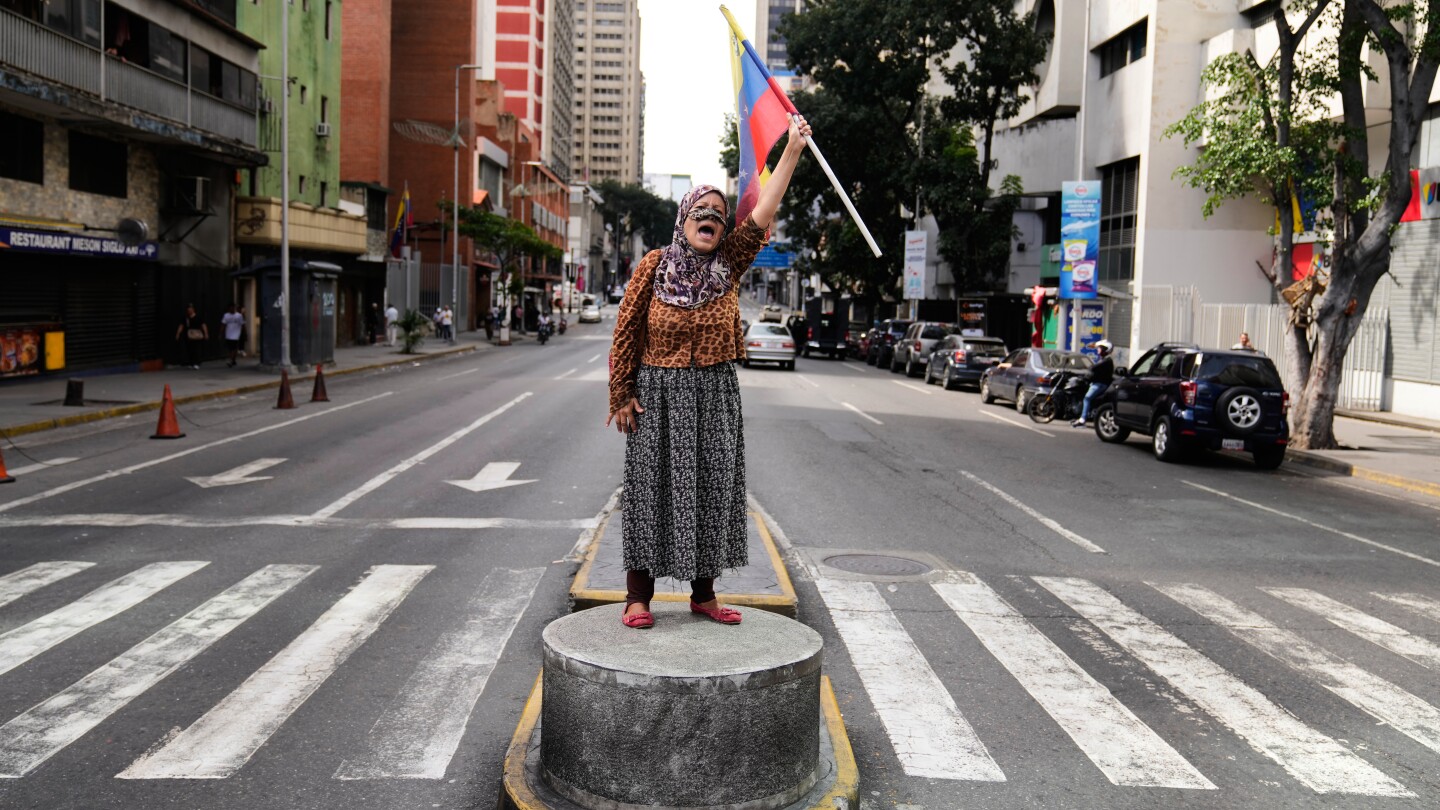
    The scenes outside El Arepazo restaurant reflected both catharsis and anxiety. Douglas Zarzalejo, a 55-year-old who fled Venezuela eleven years ago, captured the prevailing sentiment: “We woke to news that justice finally prevailed, yet we recognize our nation’s recovery has merely begun.” Many waved Venezuelan flags and embraced strangers, their celebrations representing years of pent-up frustration with Maduro’s administration, which they blame for transforming an oil-rich nation into an economic catastrophe characterized by widespread shortages and political repression.

    President Trump’s subsequent remarks at Mar-a-Lago tempered the initial euphoria. His announcement that the U.S. would administer Venezuela temporarily and his endorsement of Maduro’s vice president, Delcy Rodriguez, as a cooperative partner generated concern. More startling was his dismissal of opposition leader Maria Corina Machado, whom the diaspora considers their legitimate representative. This contradicted international consensus that Edmundo Gonzalez Urrutia—Machado’s substitute candidate—had rightfully won the 2024 election.

    The emotional complexity was palpable. Liz Vivas, 39, wept while recalling her husband who disappeared after criticizing Maduro’s government in 2018. “Though I never received closure,” she stated, “I finally feel justice has been served.” Yet others like Raul Chavez expressed reservations: “I possess conflicting emotions. While desperately wanting freedom for Venezuela, I equally value its independence from foreign control.”

    The developments reveal a diaspora torn between gratitude for Maduro’s removal and skepticism about America’s subsequent intentions, particularly regarding Venezuela’s oil resources. The community now watches anxiously to see whether this intervention will yield genuine self-determination or merely substitute one form of external influence for another.

  • Trump says US will ‘run’ Venezuela and ‘fix oil infrastructure’

    Trump says US will ‘run’ Venezuela and ‘fix oil infrastructure’

    In an unprecedented military escalation, United States forces have executed a large-scale strike on Venezuelan territory resulting in the capture and extraction of President Nicolas Maduro and First Lady Cilia Flores. The operation, conducted on Saturday, marks a dramatic turning point in the ongoing political confrontation between the two nations.

    President Donald Trump announced that the United States would assume control of Venezuela’s governance until what he described as a “safe, proper and judicious transition” could be guaranteed. Trump specifically highlighted plans for American oil corporations to rehabilitate Venezuela’s deteriorated petroleum infrastructure, stating that these companies would “start making money for the country” through substantial multi-billion dollar investments.

    The legal foundation for the intervention stems from indictments issued by the Southern District of New York, charging Maduro and his wife with narcotics and weapons offenses. U.S. Attorney General Pam Bondi declared that both would face justice within American judicial institutions, though specific trial details remain undisclosed.

    Venezuela has responded by declaring a nationwide state of emergency and condemning the military incursion as unlawful aggression. Vice President Delcy Rodríguez, despite Trump’s claims of her cooperation, appeared on state television to affirm Maduro as Venezuela’s sole legitimate leader and pledge governmental resistance.

    The geopolitical context reveals deeper complexities: Venezuela possesses approximately 303 billion barrels of crude oil reserves, representing roughly 20% of global petroleum resources according to U.S. Energy Information Administration data. The Trump administration has framed its Caribbean military operations as counter-narcotics initiatives, conducting over 30 strikes since September against alleged drug trafficking vessels, though independent verification of these claims remains unavailable.

    International observers note that while Venezuela serves as a transit route for narcotics, counter-narcotics experts consistently rank it as a minor participant in global drug trafficking networks. The current crisis represents the most severe escalation in hemispheric relations in recent decades, with uncertain implications for regional stability and international law.

  • Venezuela could now define Trump’s legacy – and America’s place in the world

    Venezuela could now define Trump’s legacy – and America’s place in the world

    In a dramatic escalation of foreign policy, President Trump has announced the United States will directly administer Venezuela following the successful capture of President Nicolás Maduro and his wife during a nighttime military operation in Caracas. The unprecedented move marks a significant departure from Trump’s previous non-interventionist rhetoric and positions America as the temporary governing authority of the South American nation.

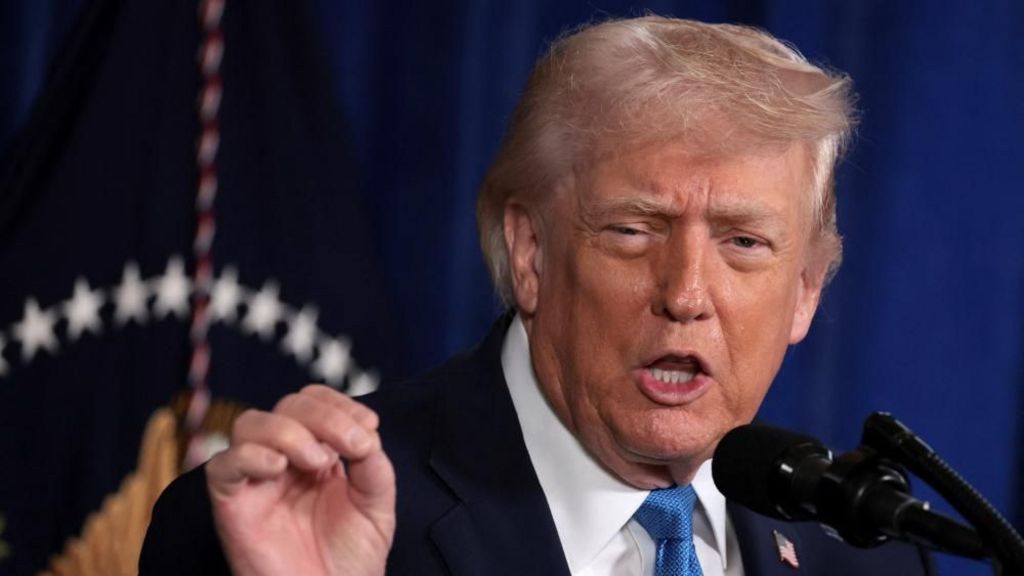
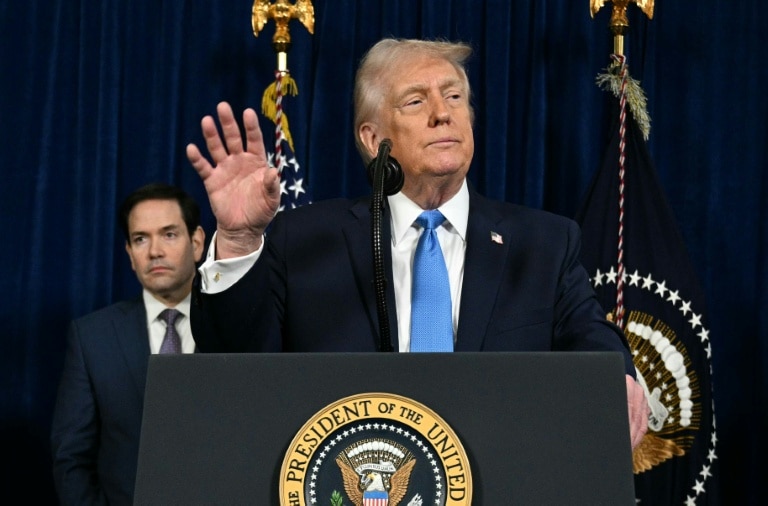
    Flanked by CIA Director John Ratcliffe at his Mar-a-Lago resort, Trump revealed that Secretary of State Marco Rubio and Secretary of Defence Pete Hegseth would lead a collaborative effort with Venezuelan representatives to oversee the country’s transition. “We are going to run the country until such time as we can do a safe, proper and judicious transition,” the president declared during a Saturday morning press conference.

    This bold intervention represents a stark contradiction to Trump’s campaign promises against “forever wars” and his frequent criticisms of nation-building endeavors. The administration now faces the formidable challenge of reconstructing a nation plagued by economic collapse and decades of political instability, while simultaneously justifying the legal basis for Maduro’s capture on weapons and cocaine trafficking charges.

    Trump expressed unwavering confidence in the mission’s success, citing his administration’s “perfect track record of winning.” He outlined plans to engage American energy corporations in rebuilding Venezuela’s deteriorated industrial infrastructure, framing the effort as mutually beneficial for both nations. When questioned about potential military deployment, Trump remained noncommittal, noting “We’re not afraid of boots on the ground…we had boots on the ground last night.

    The operation has ignited intense domestic and international debate. Congressional Republicans largely supported the action, with House Speaker Mike Johnson describing it as “decisive and justified” against a “criminal regime.” However, dissenting voices within Trump’s own party, including Congresswoman Marjorie Taylor Greene, condemned the intervention as a betrayal of his non-interventionist platform.

    Internationally, China’s foreign ministry issued a statement expressing shock and condemning what it characterized as a reckless attack on sovereign territory. The move raises concerns about potential geopolitical ramifications, particularly regarding how other global powers might justify their own military actions based on this precedent.

    Trump rebranded the nineteenth-century Monroe Doctrine as the “Donroe Doctrine,” asserting that the operation demonstrates “American dominance in the Western Hemisphere will never be questioned again.” He framed the intervention as advancing “America First” priorities by ensuring regional security and securing stable oil resources, while designating the Western Hemisphere as America’s “home region.”

    As the administration assumes responsibility for governing Venezuela, questions remain about the practical implementation of this unprecedented undertaking and its long-term implications for international relations and global power dynamics.

  • Venezuelans wonder who’s in charge as Trump claims contact with Maduro’s deputy

    Venezuelans wonder who’s in charge as Trump claims contact with Maduro’s deputy

    BUENOS AIRES, Argentina (AP) — Venezuela has been plunged into a profound constitutional crisis following the dramatic capture of President Nicolás Maduro by U.S. military forces. The operation has triggered urgent questions about legitimate leadership and the nation’s political future, creating widespread uncertainty among citizens and officials alike.

    In a stunning development, former U.S. President Donald Trump unexpectedly endorsed Maduro’s vice president, Delcy Rodríguez, as a potential successor despite her history of facing U.S. sanctions for undermining Venezuelan democracy. Trump revealed that Rodríguez had engaged in extensive discussions with Secretary of State Marco Rubio, during which she allegedly expressed willingness to cooperate with American objectives.

    “She’s essentially willing to do what we think is necessary to make Venezuela great again,” Trump told reporters, simultaneously dismissing opposition leader Maria Corina Machado—the 2024 Nobel Peace Prize laureate—as lacking sufficient support to govern effectively.

    Rodríguez responded to these developments with defiant rhetoric on state television, demanding Maduro’s immediate release and condemning the U.S. operation as a flagrant violation of international law. Flanked by senior civilian officials and military commanders, she emphatically declared: “There is only one president in this country, and his name is Nicolás Maduro.”

    The situation remains highly fluid with no visible U.S. administration presence in Venezuela. Constitutional provisions requiring a new election within thirty days of presidential absence now face extraordinary complications due to the military intervention and questions about the government’s legitimacy.

    Venezuelan military leaders projected unwavering defiance, with Defense Minister Gen. Vladimir Padrino López asserting “They have attacked us but will not break us.” Interior Minister Diosdado Cabello appeared in combat gear, urging citizens to defend national sovereignty against what he characterized as “rats” who would “regret what they did.”

    Rodríguez’s complex profile includes strong connections to Wall Street and Republican oil interests, having previously engaged with figures including Blackwater founder Erik Prince and Trump special envoy Richard Grenell. Unlike many Maduro associates facing U.S. criminal indictments, Rodríguez and her brother Jorge—who leads the Maduro-controlled National Assembly—have avoided legal prosecution while maintaining leftist credentials rooted in their father’s tragic death in police custody during the 1970s.

    The opposition movement, led by Machado, maintains that retired diplomat Edmundo González—widely believed to have won the disputed 2024 presidential election—should immediately assume constitutional authority. Machado pledged to restore order, free political prisoners, and reclaim democratic governance, asserting readiness to “assert our mandate and take power.”

    With military forces traditionally serving as Venezuela’s ultimate political arbiter, Rodríguez faces significant challenges in consolidating authority. Experts emphasize that the resolution will depend heavily on the current state of military capabilities and which officials were detained during the operation.

    Venezuelan citizens expressed widespread shock and confusion, with many speculating on social media about possible mistaken identity in Trump’s comments regarding the two prominent female political figures.

  • Pets, planes and a ‘fortress’: inside Trump’s raid on Maduro

    Pets, planes and a ‘fortress’: inside Trump’s raid on Maduro

    In a meticulously orchestrated covert operation spanning several months, US forces successfully captured Venezuelan leader Nicolas Maduro in a dramatic nighttime raid that culminated years of escalating tensions between Washington and Caracas. Codenamed “Operation Absolute Resolve,” the mission unfolded with surgical precision, combining advanced surveillance, military might, and strategic deception.

    US intelligence agencies had maintained constant surveillance on Maduro since August, meticulously tracking his movements, dietary habits, and even his pets. According to Joint Chiefs Chairman General Dan Caine, American operatives built an intricate profile of the Venezuelan leader’s routines despite his efforts to frequently change locations as tensions with Washington mounted.

    The military operation involved months of precise planning, including the construction of a replica house identical to Maduro’s residence for training purposes. By early December, US forces stood ready, awaiting optimal conditions including favorable weather patterns. President Trump revealed he initially ordered the mission four days prior to execution but delayed for perfect operational circumstances.

    At 10:46 pm Washington time on Friday, President Trump gave the final authorization, offering the troops “Good luck and Godspeed” before more than 150 military aircraft launched from both land and sea bases. The mission core involved helicopters flying at merely 100 feet above ocean surface, supported by fighter jets providing air cover while US satellite and cyber capabilities disabled Venezuelan radar systems.

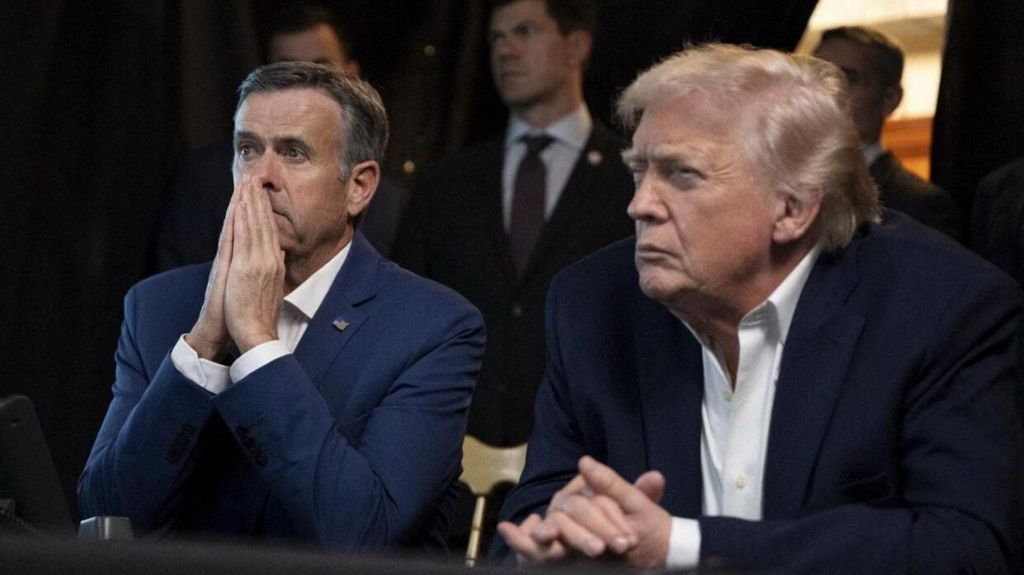
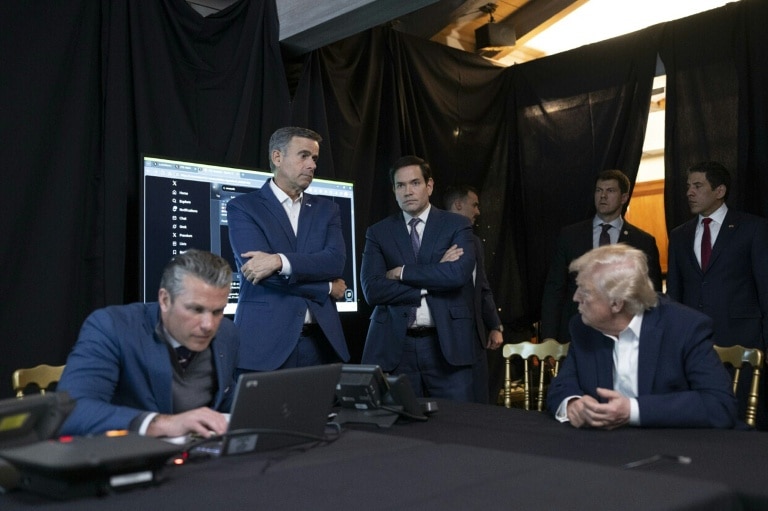
    The operation reached its climax as explosions rocked Caracas just before 2 am local time, with US forces specifically targeting Venezuelan air defenses to enable the extraction team’s approach. President Trump monitored the entire operation via live feed from a makeshift situation room at his Mar-a-Lago resort, accompanied by top administration officials including Pentagon chief Pete Hegseth, Secretary of State Marco Rubio, and CIA director John Ratcliffe.

    Describing Maduro’s compound as “a fortress” with steel doors and security rooms, Trump noted that specialized equipment including massive blowtorches had been prepared though ultimately proved unnecessary. The Venezuelan leader and his wife surrendered without significant resistance and were taken into custody facing US drugs and terrorism charges. Both were transported to the USS Iwo Jima by 3:29 am, with President Trump announcing the successful operation on Truth Social at 4:21 am Washington time.

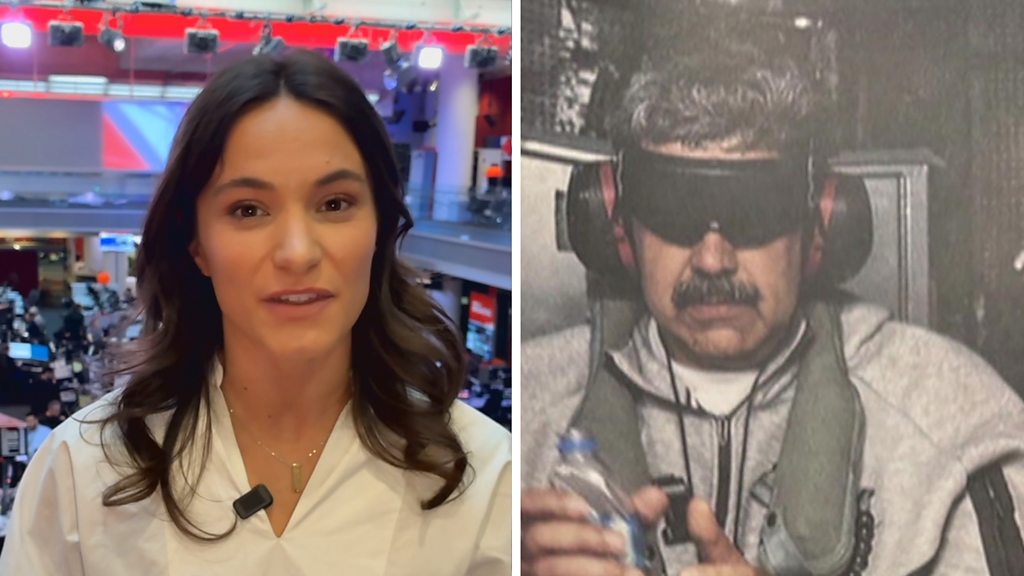
    The first visual confirmation of Maduro’s capture emerged through Trump’s social media channels, showing the former leader blindfolded, handcuffed, wearing ear protectors and a Nike tracksuit—a stark image marking the conclusion of one of the most sophisticated special operations in recent history.

  • Israel’s opposition leader urges Iran to ‘pay close attention’ to Venezuela

    Israel’s opposition leader urges Iran to ‘pay close attention’ to Venezuela

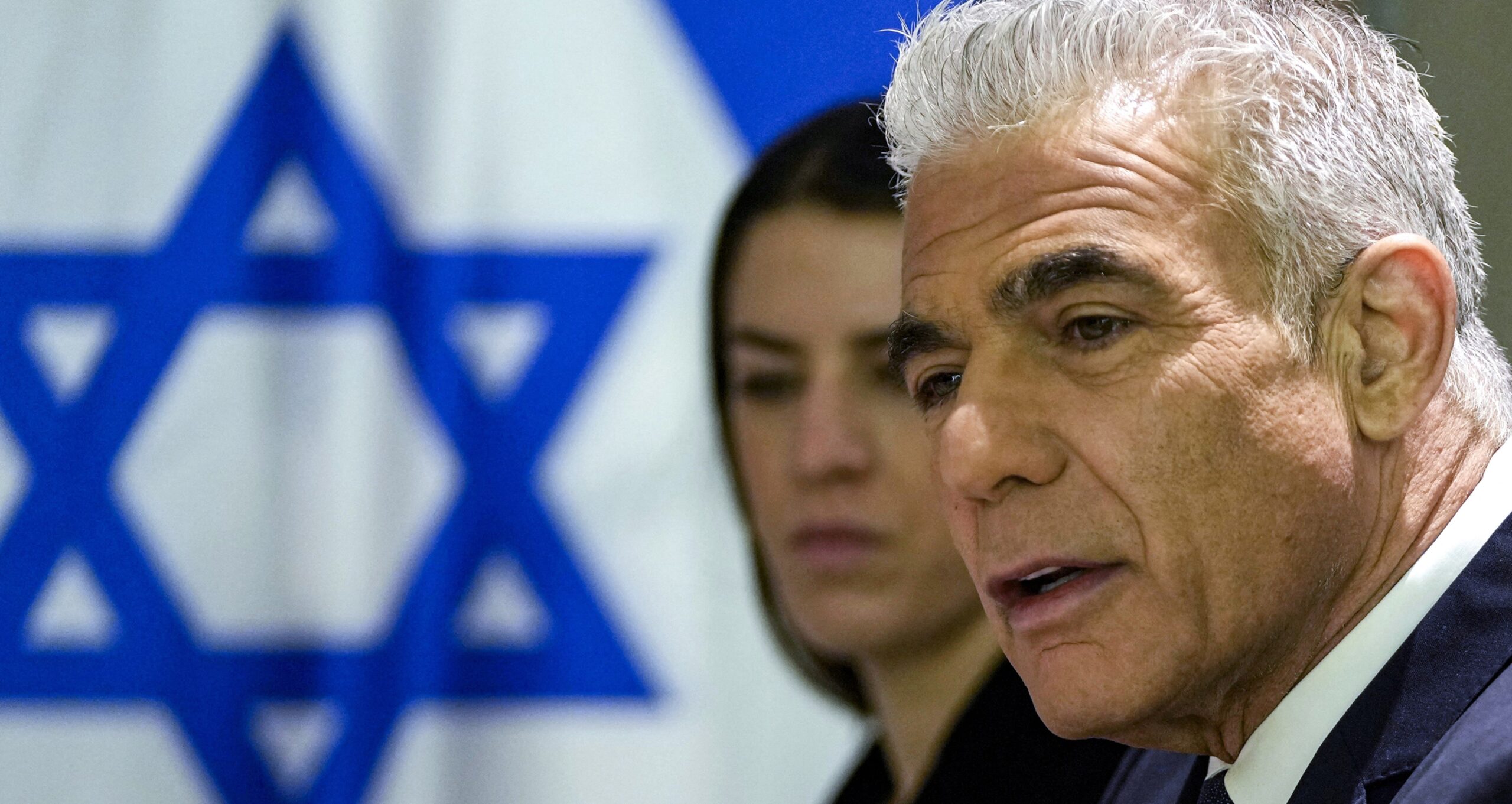
    In a significant escalation of diplomatic rhetoric, Israeli opposition leader Yair Lapid issued a stark warning to Iranian leadership, urging them to “pay close attention to what is happening in Venezuela.” This statement, delivered via social media platform X, appeared to reference the recent U.S. military operation that resulted in the capture of Venezuelan President Nicolas Maduro.

    The comments emerged amidst widespread international condemnation of the United States’ intervention in the oil-rich South American nation, with numerous global officials decrying the action as a violation of international law. Iran, a key ally of Venezuela, was among the first nations to condemn the U.S. operation, characterizing it as a “flagrant violation of Venezuela’s national sovereignty and territorial integrity.”

    The Iranian foreign ministry released an official statement asserting that “the US military attack on Venezuela constitutes a clear violation of the fundamental principles of the United Nations Charter and the basic rules of international law.” The ministry further warned that American military aggression could trigger global consequences, emphasizing Venezuela’s “inherent right to defend its national sovereignty, territorial integrity, and right to self-determination.”

    In contrast to the international criticism, Israel expressed support for Maduro’s removal. Israeli Foreign Minister Gideon Sa’ar stated on X: “Israel welcomes the removal of the dictator who led a network of drugs and terror and hopes for the return of democracy to the country and for friendly relations between the states.”

    The geopolitical tensions escalated further when former U.S. President Donald Trump threatened potential intervention in Iran amid domestic protests, declaring: “If Iran shoots and violently kills peaceful protesters, which is their custom, the United States of America will come to their rescue. We are locked and loaded and ready to go.”

    Iran’s Supreme National Security Council Secretary Ali Larijani responded with a warning that U.S. intervention “corresponds to chaos in the entire region and the destruction of US interests,” likely referencing Iranian capabilities to target American military bases in the region.

    Meanwhile, Israeli Prime Minister Benjamin Netanyahu, following meetings with Trump, publicly advocated for renewed military action against Iran, accusing Tehran of “exporting terrorism not only to every part of the Middle East, but to Venezuela” and alleging Iranian collaboration with the Maduro regime.

  • Trump takes huge political gamble in Venezuela regime change

    Trump takes huge political gamble in Venezuela regime change

    President Donald Trump’s administration finds itself navigating treacherous political waters following a high-stakes military operation in Venezuela that successfully captured leader Nicholas Maduro. The daring special forces mission, involving helicopter deployments, aerial bombardments, and naval support, concluded without American casualties—a tactical victory that nonetheless ignited immediate controversy across the U.S. political spectrum.

    The operation represents a striking departure from Trump’s longstanding isolationist rhetoric. For years, the president championed his ‘America First’ doctrine, criticizing foreign entanglements and famously denouncing the Iraq invasion as “a stupid thing.” This ideological foundation of his MAGA movement now faces its most significant test as the administration justifies intervention in Venezuela.

    Democratic leaders launched swift condemnations, with Senator Chuck Schumer labeling the mission “reckless” and Iraq veteran Senator Ruben Gallego declaring it “illegal.” Meanwhile, Trump’s Republican allies mounted a vigorous defense. House Speaker Mike Johnson called the action “decisive and justified,” while Senator Tom Cotton praised the president and military personnel for the “incredible operation.”

    Yet beneath surface unity, cracks appear within Trump’s base. Conservative Senator Mike Lee initially questioned the constitutional justification before being reassured the operation merely executed an arrest warrant. More significantly, MAGA firebrand Marjorie Taylor Greene delivered a scathing critique, challenging the administration’s narcotics trafficking justification and drawing uncomfortable parallels between Venezuelan regime change and Russian or Chinese aggression. Her conclusion—”Boy were we wrong”—signals potential disillusionment among Trump’s core supporters who believed they voted to end foreign interventions.

    The administration now confronts complex questions about legal authority, strategic consistency, and political fallout that may reverberate through the upcoming election cycle.

  • Yemen presidency says Saudi-backed forces retake key province

    Yemen presidency says Saudi-backed forces retake key province

    In a significant escalation of intra-coalition tensions, Saudi-backed forces have successfully reclaimed control over Yemen’s resource-rich Hadramawt province following intense military confrontations with UAE-supported separatists. The operation, which commenced on Friday, marks a dramatic reversal in the ongoing power struggle between Gulf allies whose competing interests have fractured Yemen’s anti-Houthi alliance.

    Rashad al-Alimi, head of Yemen’s Presidential Leadership Council, confirmed that National Shield forces achieved ‘record success’ in retaking all military and security positions throughout the strategic border province. The development comes just months after the UAE-backed Southern Transitional Council (STC) had captured the region, creating a direct confrontation between the oil-rich Gulf powers.

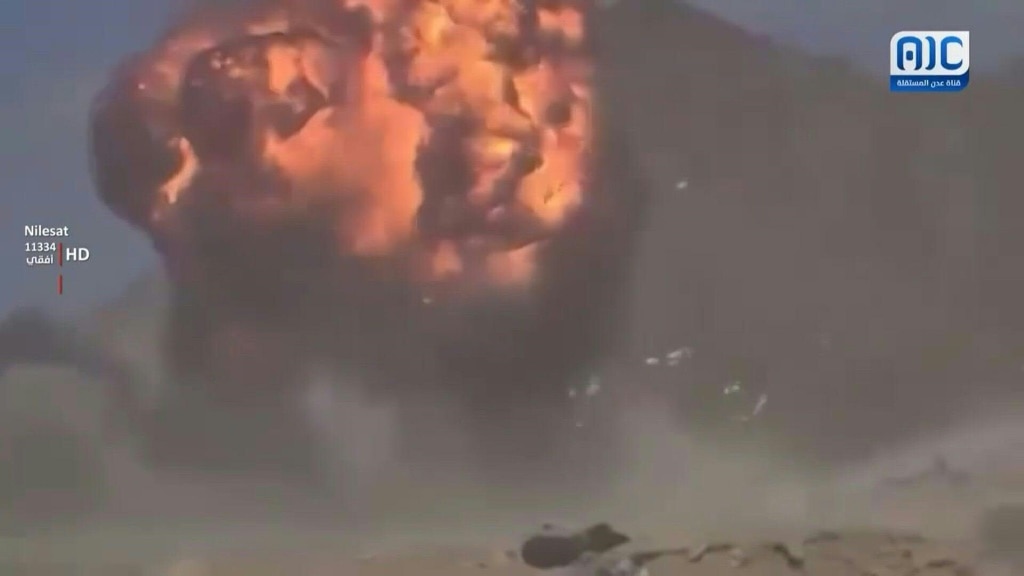
    Military officials reported that neighboring Mahra province similarly switched allegiance back to Saudi-backed forces without resistance, with separatist flags being replaced by Yemeni national banners. The transition occurred amid intensified Saudi airstrikes targeting STC positions, including a Friday attack on Al-Khasha military camp that resulted in 20 casualties according to separatist sources.

    Eyewitness accounts from Mukalla described security breakdowns and looting as STC forces retreated, with residents observing military vehicles transporting household appliances amid the withdrawal. Satellite imagery and local reports confirmed Saudi warplanes conducted intensive strikes on STC camps at Barshid, though exact casualty figures remain unverified.

    Diplomatic efforts intensified simultaneously, with Saudi Arabia issuing calls for a conference in Riyadh to unite southern factions. The foreign ministry emphasized the need for ‘just solutions to the southern cause’ through dialogue. Both the STC and UAE subsequently expressed willingness to engage in talks, while Egypt, Qatar, Kuwait, and Bahrain voiced support for negotiated settlements that preserve Yemen’s territorial integrity.

    The developments occur against the STC’s announced two-year transitional plan toward potential independence, including proposed referendums and dialogue with northern Houthi rebels. STC president Aidaros Alzubidi warned that immediate independence declarations would follow if southern Yemen faced further attacks or dialogue failed.

    This military realignment underscores the complex fragmentation of Yemen’s conflict, where the Saudi-led coalition continues battling Houthi rebels in the north while its constituent members fight proxy wars in the south, complicating peace efforts after nearly a decade of civil war.