分类: politics

  • FACT FOCUS: Trump repeats false claims as he discusses US raid to extract Venezuela’s president

    FACT FOCUS: Trump repeats false claims as he discusses US raid to extract Venezuela’s president

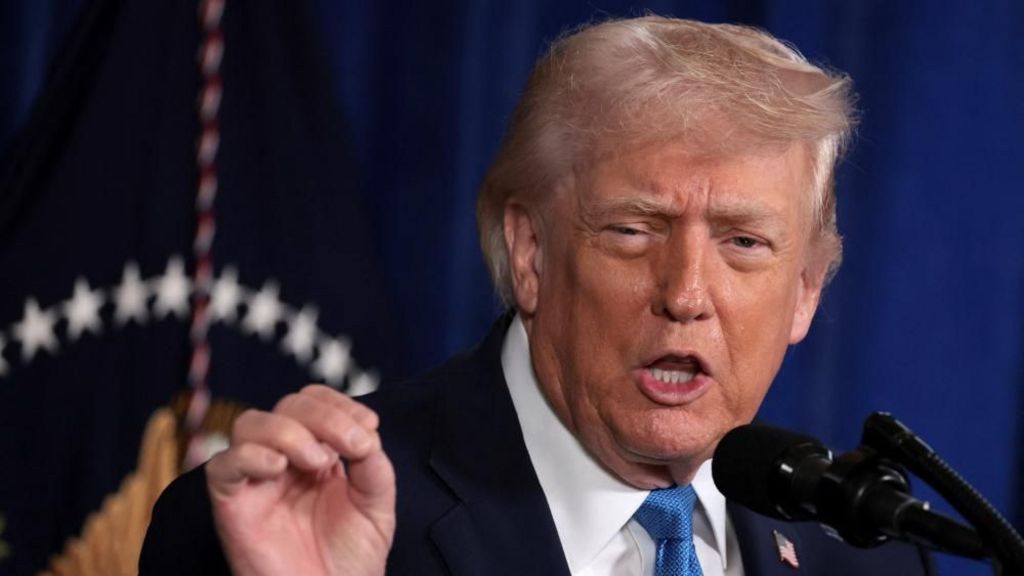
    During an extended press briefing addressing the controversial U.S. military operation targeting Venezuelan leadership, President Donald Trump made several statistically questionable assertions regarding both the Venezuela raid and domestic National Guard deployments.

    Regarding the Venezuela maritime intervention, Trump asserted that each drug vessel neutralized by U.S. forces “kills on average 25,000 people” and that eliminating these vessels saves equivalent American lives. However, official data from the CDC’s National Vital Statistics System reveals that annual drug overdose fatalities reached approximately 76,516 during the 12-month period ending April 2025—already representing a 24.5% decrease from previous figures. Given that U.S. forces have engaged 35 vessels since operations commenced in September, Trump’s calculation would suggest 875,000 lives saved—a figure dramatically exceeding actual overdose mortality rates.

    Furthermore, operational analysis indicates these maritime strikes primarily target Caribbean routes, while the predominant opioid threat—fentanyl responsible for 65.1% of overdose deaths—typically enters via land routes from Mexico using Chinese and Indian precursor chemicals.

    On domestic security, Trump incorrectly claimed Washington D.C. had experienced no homicides “in six, seven months” following National Guard deployment. Metropolitan Police Department statistics document 59 homicides during this period, including a November terrorist attack that killed one National Guard member and injured another. While homicides decreased from 2024’s 126 to 97 in 2025, 29 occurred after the August deployment.

    Regarding Chicago and Los Angeles deployments, Trump asserted crime reduction successes despite legal constraints that prevented street deployment in Chicago. In Los Angeles, initial deployments of 4,000 Guard members and 700 Marines were gradually reduced to several hundred before court orders mandated returning control to California Governor Gavin Newsom, culminating in the Ninth Circuit’s Wednesday ruling demanding administration compliance.
  • CIA sources, drones and blowtorches: How the US captured Maduro

    CIA sources, drones and blowtorches: How the US captured Maduro

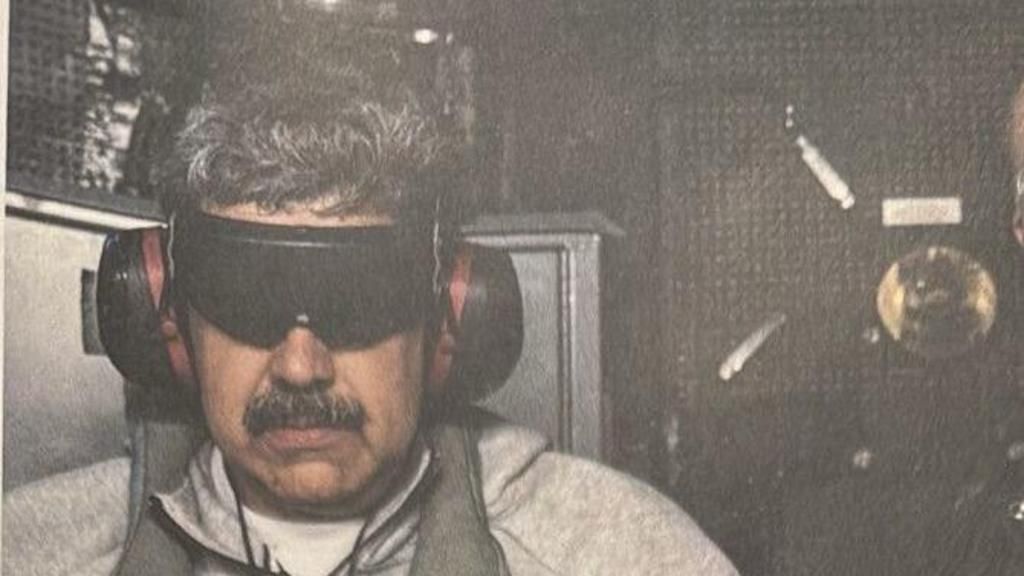
    In a meticulously planned covert operation dubbed ‘Operation Absolute Resolve,’ United States special forces successfully captured Venezuelan President Nicolás Maduro in a dramatic nighttime raid on his Caracas compound. The mission, which unfolded in the early hours of Saturday, represents the most significant U.S. military intervention in Latin America since the Cold War era.

    According to senior military officials, the operation culminated months of intensive surveillance and strategic planning. Intelligence agents had comprehensively monitored Maduro’s daily routines, sleeping patterns, and even his personal habits. Elite troops constructed a full-scale replica of Maduro’s safe house to perfect their assault strategies, though Congressional leadership remained deliberately uninformed to preserve operational secrecy.

    The execution commenced at 22:46 Eastern Time on Friday following presidential authorization. President Trump revealed the mission had experienced multiple postponements, awaiting optimal weather conditions to maximize tactical surprise. General Dan Caine, the nation’s highest-ranking military officer, described how forces maintained readiness throughout the holiday period awaiting final execution orders.

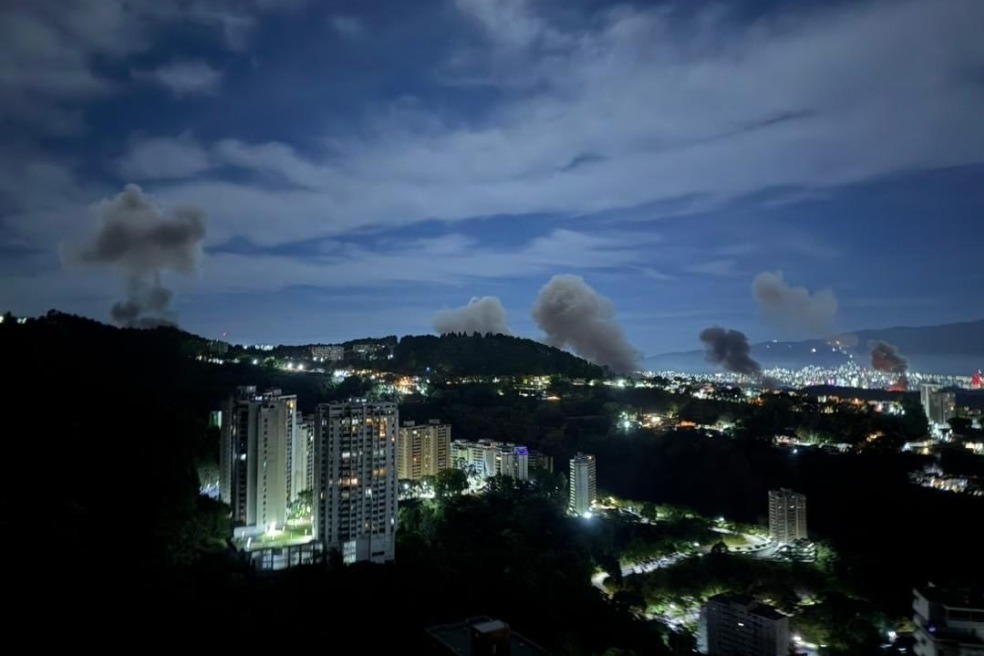
    The multifaceted assault incorporated over 150 aircraft—including bombers, fighter jets, and reconnaissance planes—alongside ground and naval components. Preliminary strikes targeted Venezuelan air defense systems and military installations, while sophisticated technical operations plunged Caracas into intentional darkness. Residents reported massive explosions shaking the city at approximately 02:00 local time, with subsequent social media footage depicting helicopter formations and rising smoke plumes.

    Delta Force operatives, equipped with specialized breaching tools, penetrated Maduro’s heavily fortified compound amidst active resistance. Despite incoming fire that damaged one American helicopter, forces successfully apprehended both Maduro and his wife, Cilia Flores, as they attempted to reach a secure room. The captives were transported to U.S. jurisdiction and are expected to face criminal charges in New York.

    The operation has triggered immediate international condemnation, particularly from regional powers including Brazil, while generating domestic criticism regarding the bypassing of Congressional authorization. Secretary of State Marco Rubio defended the secrecy, citing concerns about potential intelligence leaks had legislators been consulted in advance.

  • China strongly condemns US use of force against Venezuela

    China strongly condemns US use of force against Venezuela

    China has issued a formal condemnation of United States military operations against Venezuela, characterizing the action as a severe violation of international law and national sovereignty. The statement, delivered through official channels on January 3, 2026, reflects escalating tensions between major global powers over interventionist policies.

    The Chinese government emphasized its firm opposition to any unilateral use of force against sovereign states, asserting that such actions undermine the fundamental principles of the United Nations Charter. Beijing called for all nations to respect Venezuela’s political independence and territorial integrity while advocating for peaceful dialogue to resolve internal disputes.

    This diplomatic rebuke comes amid reports confirming US military strikes against Venezuelan port facilities, operations that Washington reportedly justifies as necessary measures. The Chinese response aligns with its consistent foreign policy stance against external interference in other nations’ domestic affairs, particularly throughout Latin America where China has significantly expanded economic and diplomatic ties in recent years.

    The condemnation further highlights the growing geopolitical divide between China and the United States, with Venezuela becoming another flashpoint in their competing visions of international order. Analysts suggest this development may further complicate bilateral relations between the world’s two largest economies, potentially affecting cooperation on other global issues.

  • Watch: ‘I’m so happy’ – Venezuelans in the US react to Maduro’s capture

    Watch: ‘I’m so happy’ – Venezuelans in the US react to Maduro’s capture

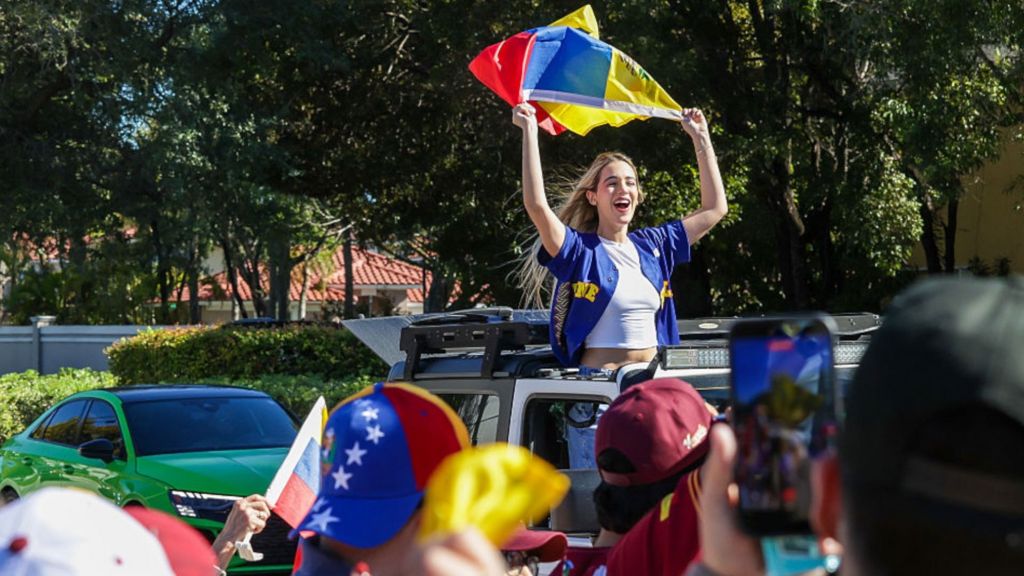
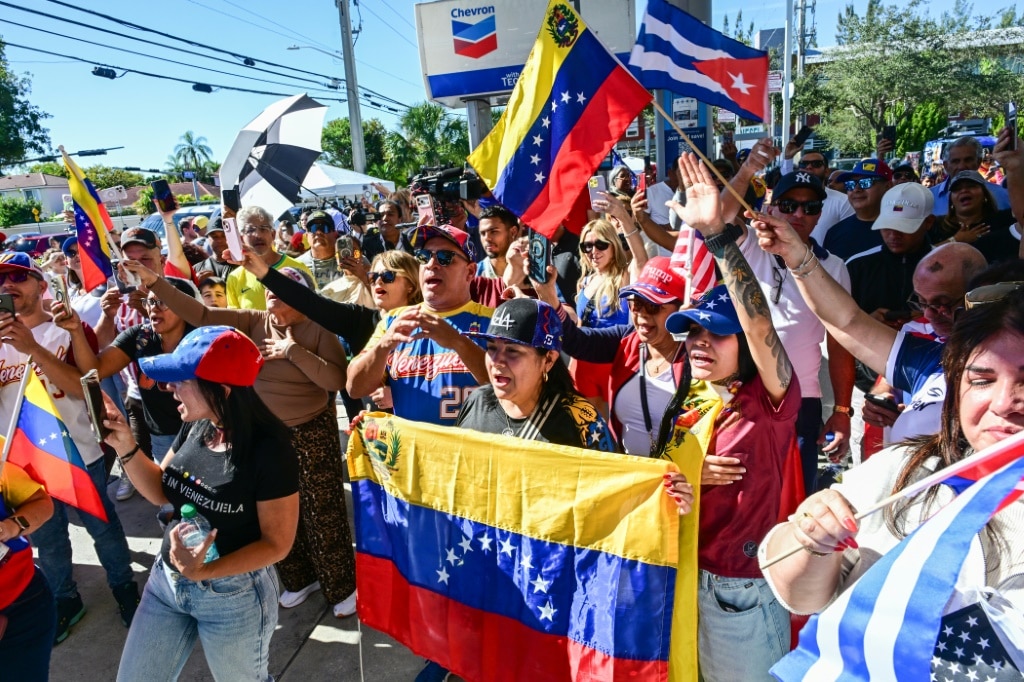
    In an outpouring of emotion, Venezuelan-Americans in South Florida erupted in celebration following news of a US operation targeting President Nicolás Maduro. The community in Doral, Florida—often referred to as ‘Doralzuela’ due to its high concentration of Venezuelan expatriates—gathered spontaneously, waving flags and chanting slogans against the Venezuelan leader.

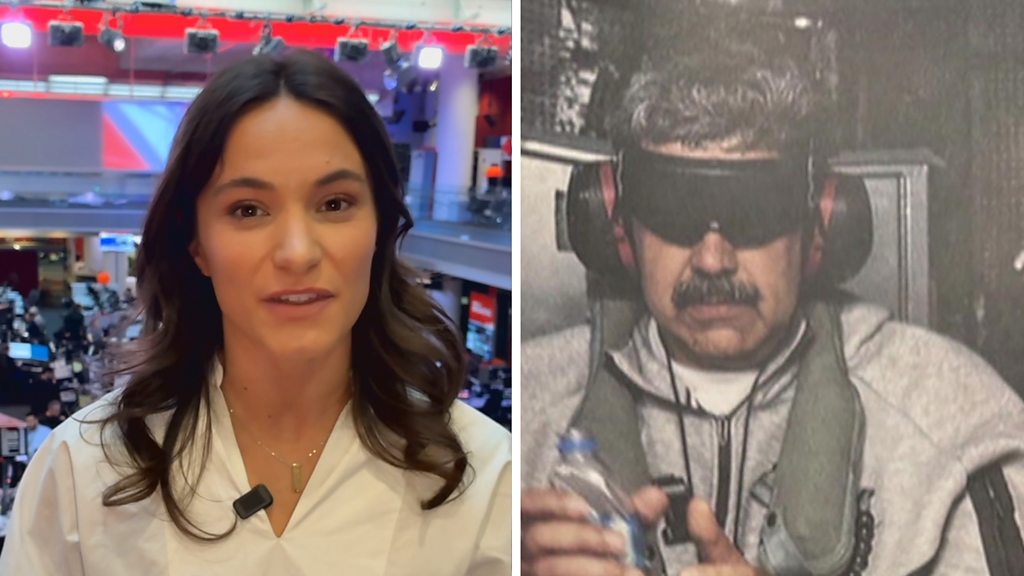
    BBC correspondent Bernd Debusmann, reporting from the scene, captured raw reactions from residents who expressed overwhelming joy and relief. ‘I’m so happy,’ one emotional resident told the BBC, echoing sentiments shared by many who fled economic collapse and political repression under Maduro’s administration. The celebratory atmosphere reflected years of pent-up frustration among exiles who have advocated for international intervention.

    The development marks a significant escalation in US-Venezuela relations, with Washington taking direct action against a leader it has repeatedly sanctioned and labeled illegitimate. The events in Doral highlight how Venezuela’s political crisis has created deep diasporic communities abroad that remain intensely engaged with developments in their homeland. Many celebrators expressed hope that this operation might lead to democratic restoration in Venezuela, though the ultimate outcome remains uncertain amid complex geopolitical tensions.

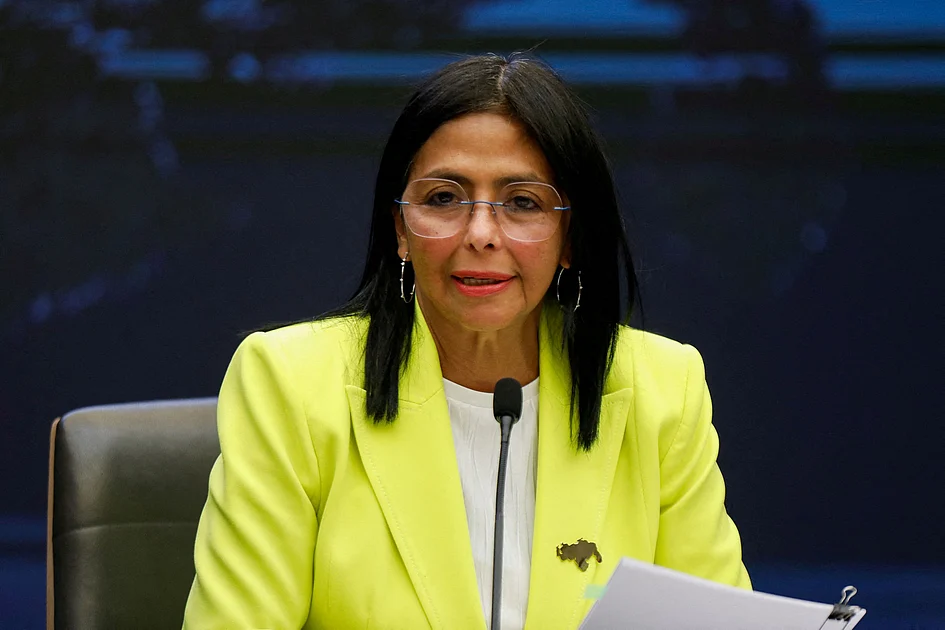
  • Who is Delcy Rodriguez, the Vice President who could replace Venezuela’s Maduro?

    Who is Delcy Rodriguez, the Vice President who could replace Venezuela’s Maduro?

    In the wake of President Nicolas Maduro’s reported capture by U.S. forces, Vice President Delcy Rodriguez emerges as Venezuela’s potential interim leader. The 56-year-old Caracas native, daughter of left-wing guerrilla fighter Jorge Antonio Rodriguez, has become one of Venezuela’s most influential political figures through her simultaneous control of three critical portfolios: vice presidency, finance ministry, and oil ministry.

    Rodriguez’s political ascent has been remarkable. A trained attorney who graduated from Universidad Central de Venezuela, she served as Communication Minister (2013-2014), Foreign Minister (2014-2017), and head of the pro-government Constituent Assembly that expanded Maduro’s powers in 2017. Her appointment as vice president in June 2018 came with Maduro’s personal endorsement as “a young woman, brave, seasoned, daughter of a martyr, revolutionary and tested in a thousand battles.”

    Her current economic leadership role has positioned her as a key manager of Venezuela’s crisis-ridden economy, where she has implemented orthodox policies to combat hyperinflation while maintaining influence with the country’s diminished private sector. The August 2024 addition of the oil ministry to her responsibilities placed her at the forefront of managing escalating U.S. sanctions against Venezuela’s most vital industry.

    Known for her designer fashion taste and described by Maduro as a “tiger” for her fierce defense of his socialist government, Rodriguez maintains close political coordination with her brother Jorge Rodriguez, who leads the national assembly. Her current whereabouts remain unknown following her Saturday demand via state television for the U.S. government to provide proof of life for Maduro and his wife.

  • Iran protests: What is driving the unrest?

    Iran protests: What is driving the unrest?

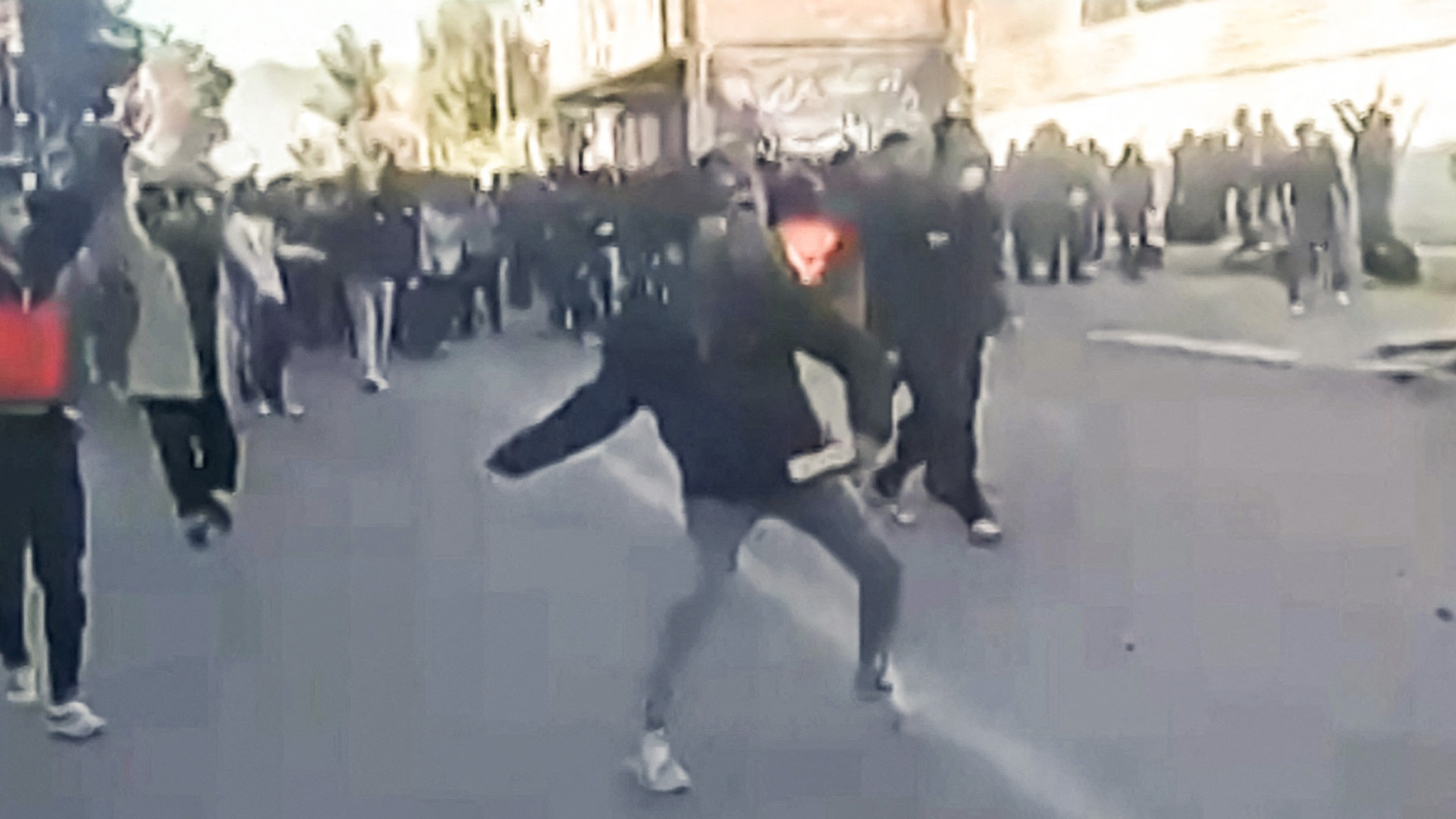
    Iran has been plunged into a state of escalating civil unrest as merchant strikes originating in Tehran’s historic Grand Bazaar have rapidly transformed into nationwide protests, resulting in violent confrontations with security forces and multiple casualties.

    The initial demonstrations emerged Sunday in central Tehran near key commercial districts, quickly spreading to over thirty urban centers. The protests have claimed at least seven lives with dozens injured, marking a significant escalation from economic discontent to broader political opposition against the ruling authorities.

    Economic instability served as the primary catalyst, with the Iranian rial experiencing catastrophic devaluation. The currency has plummeted from approximately 55,000 rials to the US dollar in 2018 to a staggering 1.45 million rials currently—a decline accelerated by recent regional conflicts, international sanctions targeting Iran’s energy exports, and widespread banking restrictions.

    Additional economic pressures include the government’s introduction of a three-tiered gasoline pricing system and a proposed budget increasing taxes on businesses while projecting reduced oil revenues. These measures exacerbated existing frustrations over inflation and economic management.

    Tehran’s bazaar merchants, historically influential in Iranian politics, initiated the strikes in a tradition dating back to the Constitutional Revolution of 1905-1911. Their actions created political space for broader public participation, with protests particularly concentrated in western and southwestern regions home to ethnic minorities.

    The government response has included economic concessions such as tax breaks and subsidized currency access, the resignation of Central Bank governor Mohammad Reza Farzin, and the shutdown of state offices under the pretext of weather conditions. Universities have transitioned to online instruction to prevent campus gatherings.

    Despite these measures, demonstrations have continued with significant violence reported in cities including Kuhdasht and Azna. The situation has drawn international attention, with former US President Donald Trump threatening intervention if protesters are harmed—a statement Iranian authorities have characterized as foreign interference.

    Security forces including riot police and Basij paramilitary units maintain heavy deployment across multiple cities, with pro-government media accusing protesters of acting as foreign pawns. The unrest echoes previous anti-government movements while demonstrating distinct geographical patterns of resistance outside the capital.

  • Who is captured Venezuelan President Maduro?

    Who is captured Venezuelan President Maduro?

    Former U.S. President Donald Trump has asserted that American forces conducted military strikes in Venezuela and successfully captured the nation’s sitting president, Nicolás Maduro. The controversial statement, which lacks official confirmation from current U.S. authorities, represents a significant escalation in rhetoric regarding Washington’s approach to the Venezuelan government.

    Venezuela has been embroiled in a prolonged political crisis since Maduro’s disputed re-election in 2018, which many nations including the United States deemed illegitimate. The Trump administration maintained a policy of maximum pressure against Maduro’s regime, recognizing opposition leader Juan Guaidó as the legitimate interim president and imposing severe economic sanctions.

    This alleged claim of military intervention, if verified, would mark a dramatic turning point in hemispheric relations and international law. However, multiple international news agencies and government channels have not corroborated Trump’s assertion, leaving the validity of the statement in question. Regional security analysts suggest such an operation would require substantial military resources and would likely provoke strong responses from Venezuela’s international allies, including Russia and China.

  • Venezuelans in Florida rejoice over Maduro’s fall, fret over future

    Venezuelans in Florida rejoice over Maduro’s fall, fret over future

    Venezuelan expatriates in Florida experienced a wave of emotional whiplash this weekend as celebrations over Nicolas Maduro’s dramatic capture by U.S. forces gave way to apprehension about their homeland’s political future. The community in Doral—where Venezuelans constitute over 40% of the population—initially erupted in spontaneous celebration upon learning of the pre-dawn military operation that apprehended the controversial leader.

    The scenes outside El Arepazo restaurant reflected both catharsis and anxiety. Douglas Zarzalejo, a 55-year-old who fled Venezuela eleven years ago, captured the prevailing sentiment: “We woke to news that justice finally prevailed, yet we recognize our nation’s recovery has merely begun.” Many waved Venezuelan flags and embraced strangers, their celebrations representing years of pent-up frustration with Maduro’s administration, which they blame for transforming an oil-rich nation into an economic catastrophe characterized by widespread shortages and political repression.

    President Trump’s subsequent remarks at Mar-a-Lago tempered the initial euphoria. His announcement that the U.S. would administer Venezuela temporarily and his endorsement of Maduro’s vice president, Delcy Rodriguez, as a cooperative partner generated concern. More startling was his dismissal of opposition leader Maria Corina Machado, whom the diaspora considers their legitimate representative. This contradicted international consensus that Edmundo Gonzalez Urrutia—Machado’s substitute candidate—had rightfully won the 2024 election.

    The emotional complexity was palpable. Liz Vivas, 39, wept while recalling her husband who disappeared after criticizing Maduro’s government in 2018. “Though I never received closure,” she stated, “I finally feel justice has been served.” Yet others like Raul Chavez expressed reservations: “I possess conflicting emotions. While desperately wanting freedom for Venezuela, I equally value its independence from foreign control.”

    The developments reveal a diaspora torn between gratitude for Maduro’s removal and skepticism about America’s subsequent intentions, particularly regarding Venezuela’s oil resources. The community now watches anxiously to see whether this intervention will yield genuine self-determination or merely substitute one form of external influence for another.

  • Trump says US will ‘run’ Venezuela and ‘fix oil infrastructure’

    Trump says US will ‘run’ Venezuela and ‘fix oil infrastructure’

    In an unprecedented military escalation, United States forces have executed a large-scale strike on Venezuelan territory resulting in the capture and extraction of President Nicolas Maduro and First Lady Cilia Flores. The operation, conducted on Saturday, marks a dramatic turning point in the ongoing political confrontation between the two nations.

    President Donald Trump announced that the United States would assume control of Venezuela’s governance until what he described as a “safe, proper and judicious transition” could be guaranteed. Trump specifically highlighted plans for American oil corporations to rehabilitate Venezuela’s deteriorated petroleum infrastructure, stating that these companies would “start making money for the country” through substantial multi-billion dollar investments.

    The legal foundation for the intervention stems from indictments issued by the Southern District of New York, charging Maduro and his wife with narcotics and weapons offenses. U.S. Attorney General Pam Bondi declared that both would face justice within American judicial institutions, though specific trial details remain undisclosed.

    Venezuela has responded by declaring a nationwide state of emergency and condemning the military incursion as unlawful aggression. Vice President Delcy Rodríguez, despite Trump’s claims of her cooperation, appeared on state television to affirm Maduro as Venezuela’s sole legitimate leader and pledge governmental resistance.

    The geopolitical context reveals deeper complexities: Venezuela possesses approximately 303 billion barrels of crude oil reserves, representing roughly 20% of global petroleum resources according to U.S. Energy Information Administration data. The Trump administration has framed its Caribbean military operations as counter-narcotics initiatives, conducting over 30 strikes since September against alleged drug trafficking vessels, though independent verification of these claims remains unavailable.

    International observers note that while Venezuela serves as a transit route for narcotics, counter-narcotics experts consistently rank it as a minor participant in global drug trafficking networks. The current crisis represents the most severe escalation in hemispheric relations in recent decades, with uncertain implications for regional stability and international law.

  • Venezuela could now define Trump’s legacy – and America’s place in the world

    Venezuela could now define Trump’s legacy – and America’s place in the world

    In a dramatic escalation of foreign policy, President Trump has announced the United States will directly administer Venezuela following the successful capture of President Nicolás Maduro and his wife during a nighttime military operation in Caracas. The unprecedented move marks a significant departure from Trump’s previous non-interventionist rhetoric and positions America as the temporary governing authority of the South American nation.

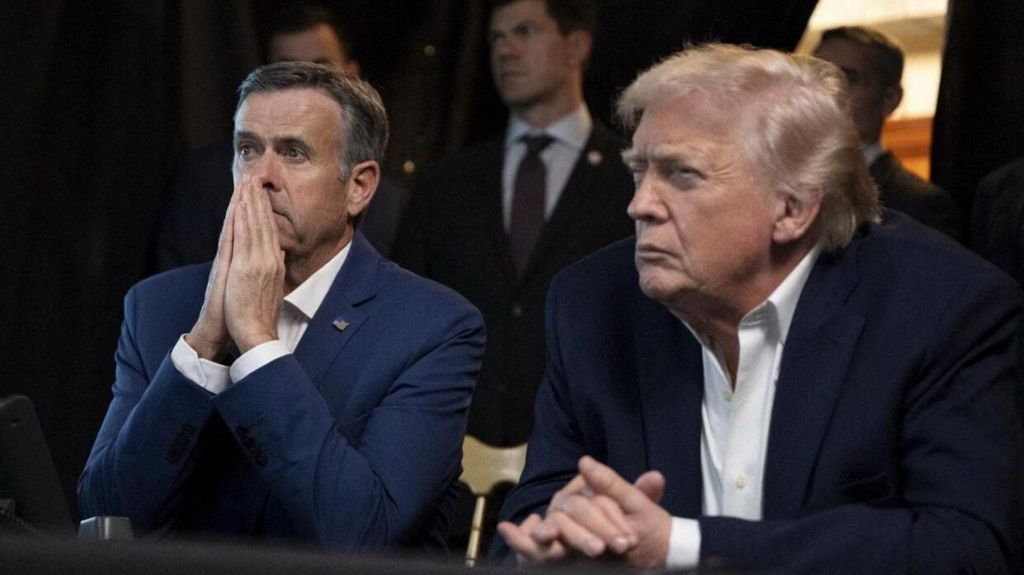
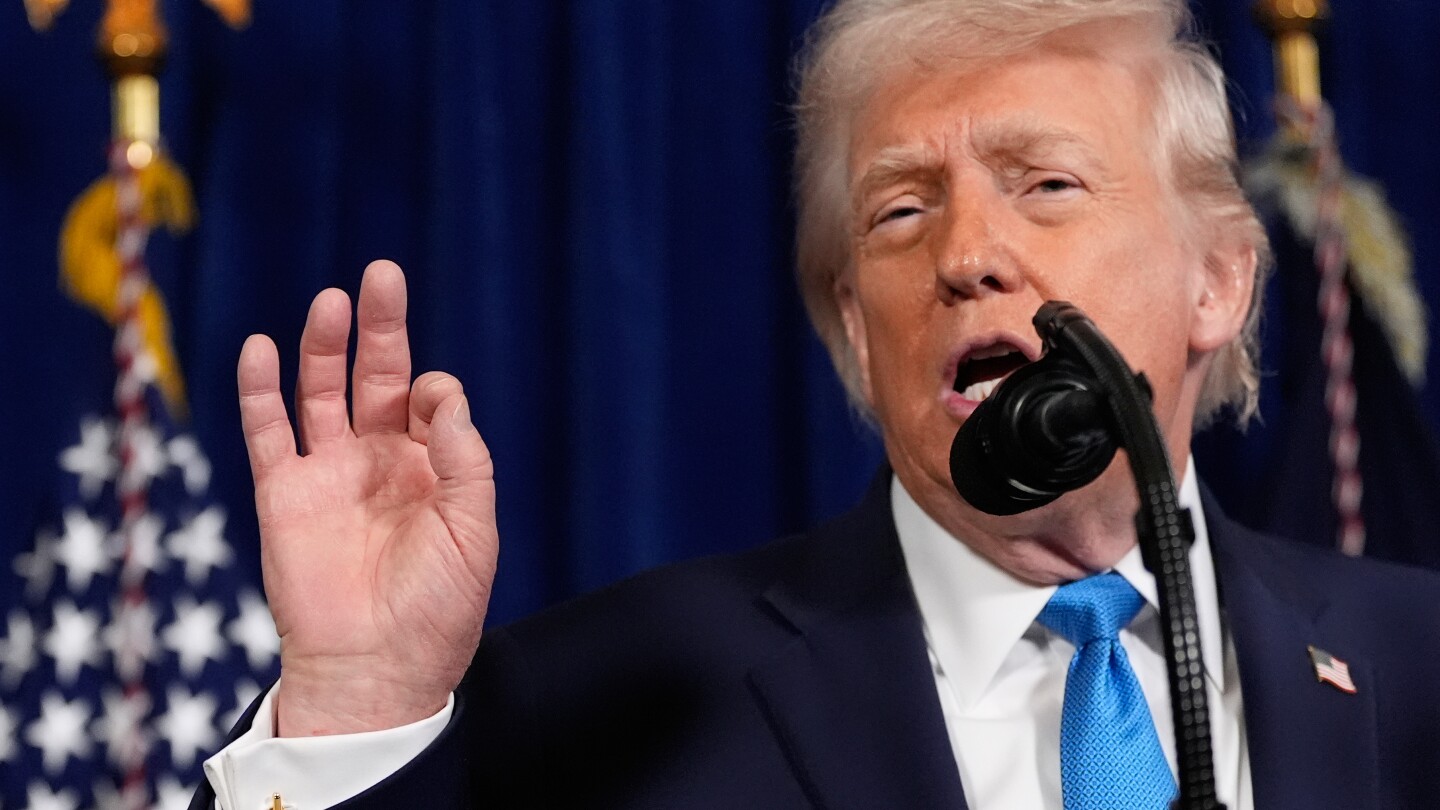
    Flanked by CIA Director John Ratcliffe at his Mar-a-Lago resort, Trump revealed that Secretary of State Marco Rubio and Secretary of Defence Pete Hegseth would lead a collaborative effort with Venezuelan representatives to oversee the country’s transition. “We are going to run the country until such time as we can do a safe, proper and judicious transition,” the president declared during a Saturday morning press conference.

    This bold intervention represents a stark contradiction to Trump’s campaign promises against “forever wars” and his frequent criticisms of nation-building endeavors. The administration now faces the formidable challenge of reconstructing a nation plagued by economic collapse and decades of political instability, while simultaneously justifying the legal basis for Maduro’s capture on weapons and cocaine trafficking charges.

    Trump expressed unwavering confidence in the mission’s success, citing his administration’s “perfect track record of winning.” He outlined plans to engage American energy corporations in rebuilding Venezuela’s deteriorated industrial infrastructure, framing the effort as mutually beneficial for both nations. When questioned about potential military deployment, Trump remained noncommittal, noting “We’re not afraid of boots on the ground…we had boots on the ground last night.

    The operation has ignited intense domestic and international debate. Congressional Republicans largely supported the action, with House Speaker Mike Johnson describing it as “decisive and justified” against a “criminal regime.” However, dissenting voices within Trump’s own party, including Congresswoman Marjorie Taylor Greene, condemned the intervention as a betrayal of his non-interventionist platform.

    Internationally, China’s foreign ministry issued a statement expressing shock and condemning what it characterized as a reckless attack on sovereign territory. The move raises concerns about potential geopolitical ramifications, particularly regarding how other global powers might justify their own military actions based on this precedent.

    Trump rebranded the nineteenth-century Monroe Doctrine as the “Donroe Doctrine,” asserting that the operation demonstrates “American dominance in the Western Hemisphere will never be questioned again.” He framed the intervention as advancing “America First” priorities by ensuring regional security and securing stable oil resources, while designating the Western Hemisphere as America’s “home region.”

    As the administration assumes responsibility for governing Venezuela, questions remain about the practical implementation of this unprecedented undertaking and its long-term implications for international relations and global power dynamics.