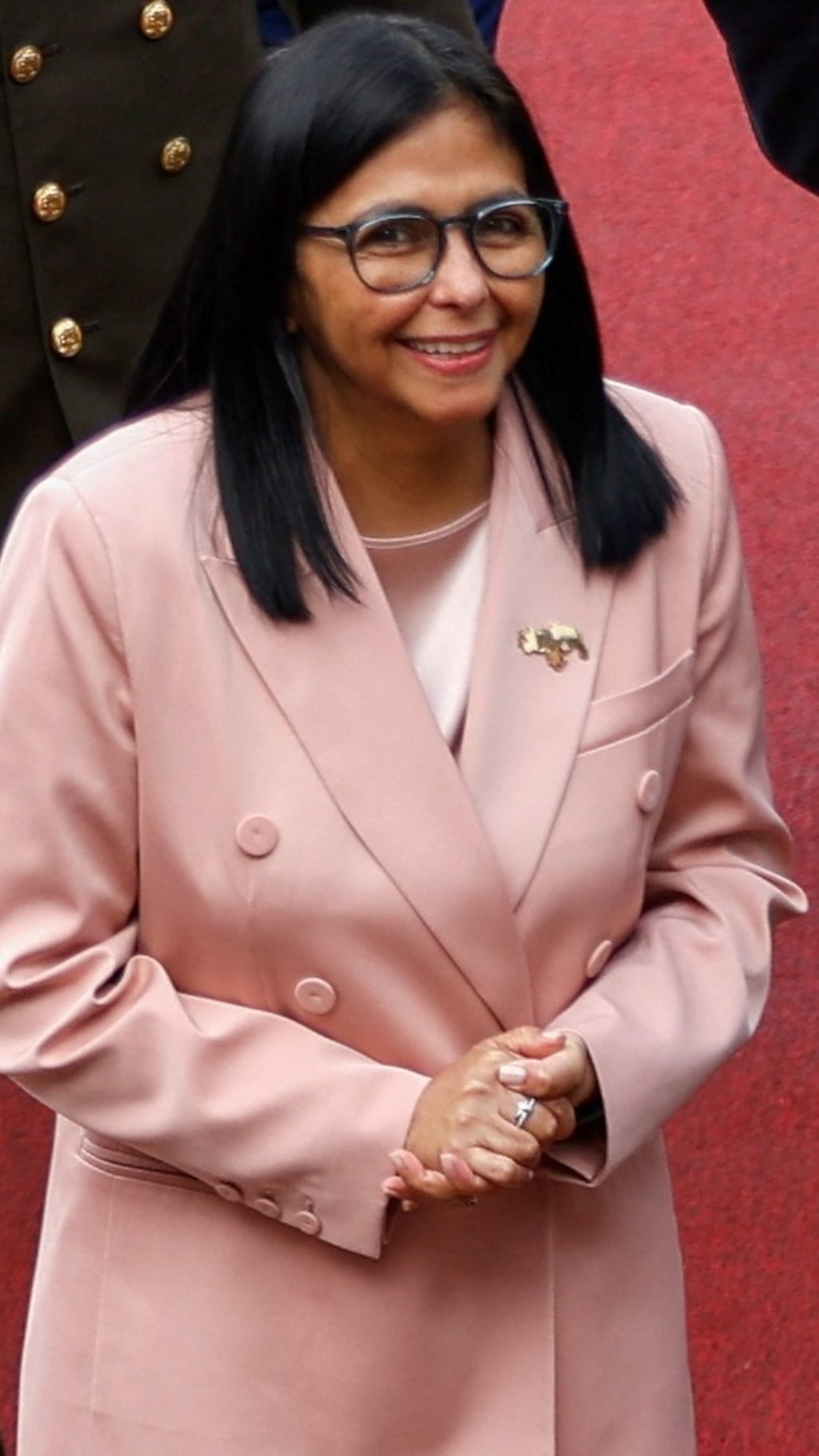
In a significant political development, Venezuela has witnessed the swearing-in of Delcy Rodríguez as the nation’s interim president. This transitional leadership appointment occurs amid a complex political landscape that has characterized the South American country in recent years. Rodríguez, a seasoned political figure with extensive governmental experience, previously served as Venezuela’s vice president and has been a close ally of the ruling party establishment. The interim presidency role typically signifies a temporary leadership position that maintains executive authority during periods of political transition or uncertainty. This development represents the latest chapter in Venezuela’s ongoing political narrative, which has drawn international attention and commentary. The appointment follows established constitutional protocols for ensuring governmental continuity while the nation addresses its broader political challenges. Rodríguez’s assumption of duties demonstrates the current administration’s commitment to maintaining structural stability while navigating both domestic and international pressures. The interim president now assumes responsibility for guiding the nation’s daily governance and upholding institutional operations during this transitional phase.
分类: politics
-
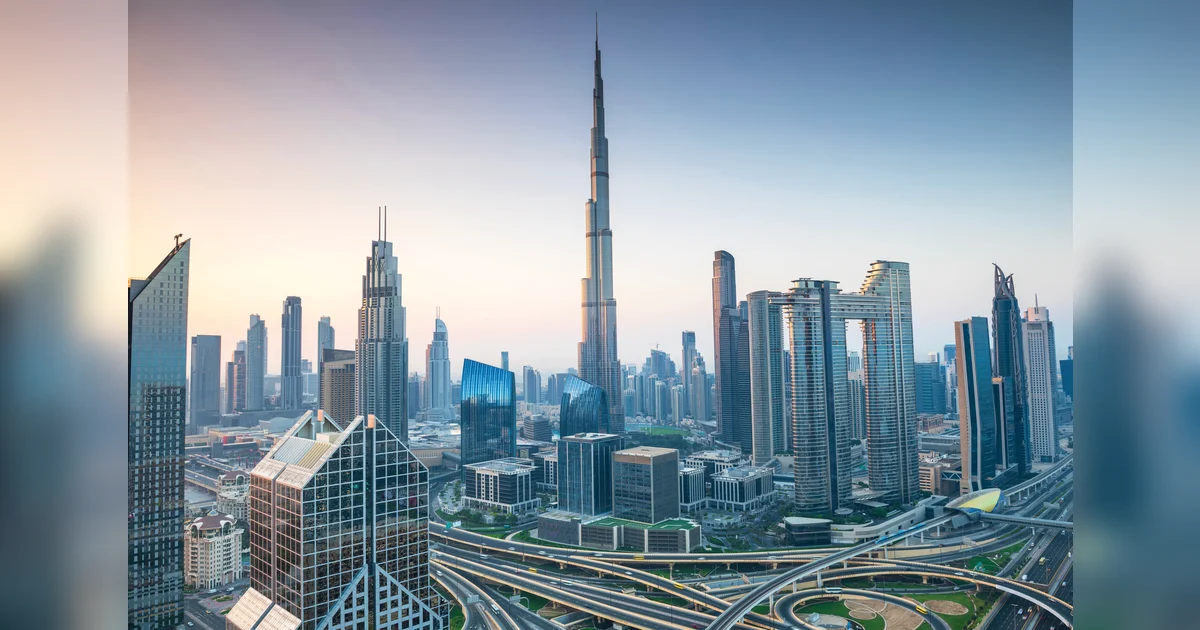
From vision to velocity: Dubai’s blueprint for future-ready government
As Dubai commemorates the 20-year leadership tenure of His Highness Sheikh Mohammed bin Rashid Al Maktoum as Ruler of Dubai and UAE Vice-President and Prime Minister, the emirate’s extraordinary governance transformation offers a compelling case study in strategic modernization. Since 2006, Dubai has evolved from a regional trading center into a globally recognized paradigm of agile, citizen-centric governance that balances technological innovation with human-centered development.
The Dubai model distinguishes itself through its systematic institutional redesign prioritizing operational efficiency, transparency, and quality of service delivery. Public institutions have been fundamentally reengineered to serve citizens and businesses with unprecedented speed and accountability, creating governance systems now studied internationally as proven operational frameworks rather than theoretical concepts.
Technological integration formed a cornerstone of this transformation, with the UAE embedding digital infrastructure into public services long before it became a global priority. From pioneering e-government initiatives to contemporary artificial intelligence applications in policy design and infrastructure resilience, innovation has become institutionalized while maintaining trust and responsibility as core principles.
Beyond technological advancement, Dubai’s holistic approach emphasizes cultural development through institutions like the Museum of the Future and Louvre Abu Dhabi, recognizing cultural capital as essential to national progress. Concurrently, comprehensive social initiatives addressing family welfare, elderly care, and population development ensure inclusive advancement.
Economically, Dubai’s forward-looking regulatory environment has attracted global enterprises while nurturing homegrown businesses and startups, creating a diversified, non-oil growth model that enhances economic resilience and accessibility.
The UAE’s global talent attraction strategy, facilitated through long-term residency pathways and world-class education ecosystems, has established the nation as a stable environment for building complete lives rather than just careers. This stability has emerged as a strategic asset in an increasingly volatile global landscape.
Internationally, the UAE has extended its leadership through platforms like the World Government Summit while demonstrating humanitarian commitment through crisis response and aid initiatives. Guided by a clear vision extending to the UAE Centennial 2071, the nation has established a roadmap anchored in sustainability, innovation, and societal wellbeing that ensures cumulative rather than episodic progress.
According to Deloitte Middle East partners Muhannad Tayem and Shargil Ahmad, whose organization marks its centennial in the region this year, Dubai’s transformation demonstrates that enduring change requires partnership between bold leadership and disciplined execution. As Dubai progresses toward its next developmental chapter, its governance model provides a blueprint for future-ready administration worldwide.
-
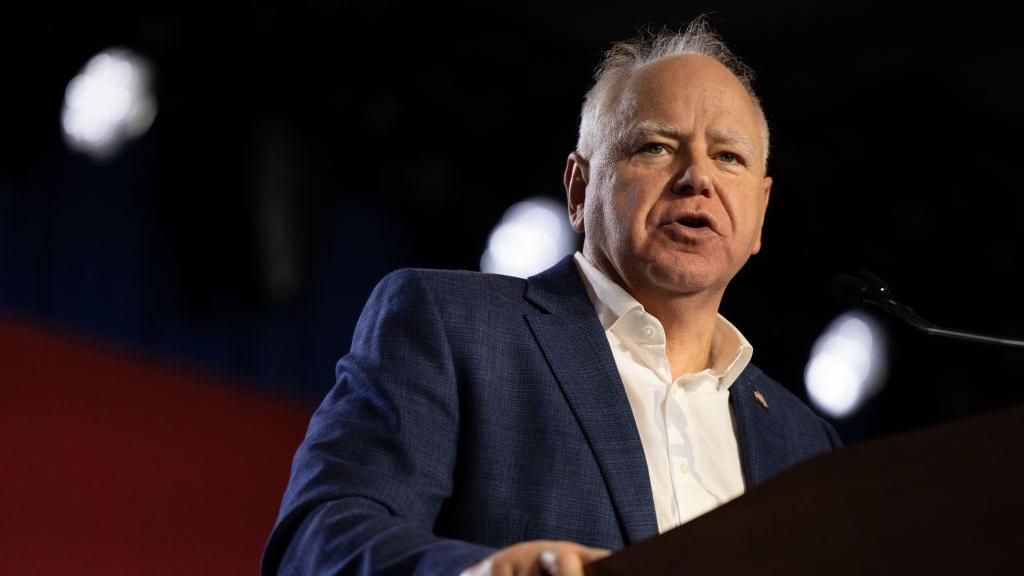
Minnesota Governor Tim Walz says he will not seek re-election
Minnesota Governor Tim Walz announced Monday his withdrawal from the upcoming gubernatorial race, ending his pursuit of an unprecedented third term amidst mounting political pressure and a sprawling fraud investigation that has drawn national attention. The Democratic governor, who previously served as Kamala Harris’s running mate in the 2024 presidential election, stated his decision stemmed from a need to prioritize governing over campaigning during what he described as an ‘extraordinarily difficult’ period for the state.
The announcement follows intensified scrutiny from Republican critics, including former President Donald Trump, regarding the administration of Minnesota’s social safety net programs. Federal prosecutors estimate that fraudulent activities within state programs, particularly Medicaid, have resulted in approximately $9 billion in losses.
Walz defended his administration’s response, emphasizing ongoing measures to combat systemic fraud while accusing political opponents of exploiting the crisis. ‘For the last several years, an organized group of criminals have sought to take advantage of our state’s generosity,’ Walz stated. He specifically criticized the Trump administration’s recent decision to withhold federal childcare funding, characterizing it as a politically motivated attack that harms Minnesota families.
The funding freeze originated from allegations made by a conservative YouTuber claiming Somali-operated nurseries misused public funds. While state officials have challenged these allegations, and CBS News found no evidence of fraud upon reviewing public records, the controversy has intensified Minnesota’s status as a focal point in national immigration debates. The state hosts the largest Somali immigrant population in the U.S., a community frequently targeted by Trump’s immigration policies.
Walz concluded that continuing his campaign would divert attention from addressing both the fraud crisis and what he perceives as politically cynical attacks. ‘Every minute I spend defending my own political interests would be a minute I can’t spend defending the people of Minnesota,’ he stated, confirming his decision followed consultations with family and advisors.
-
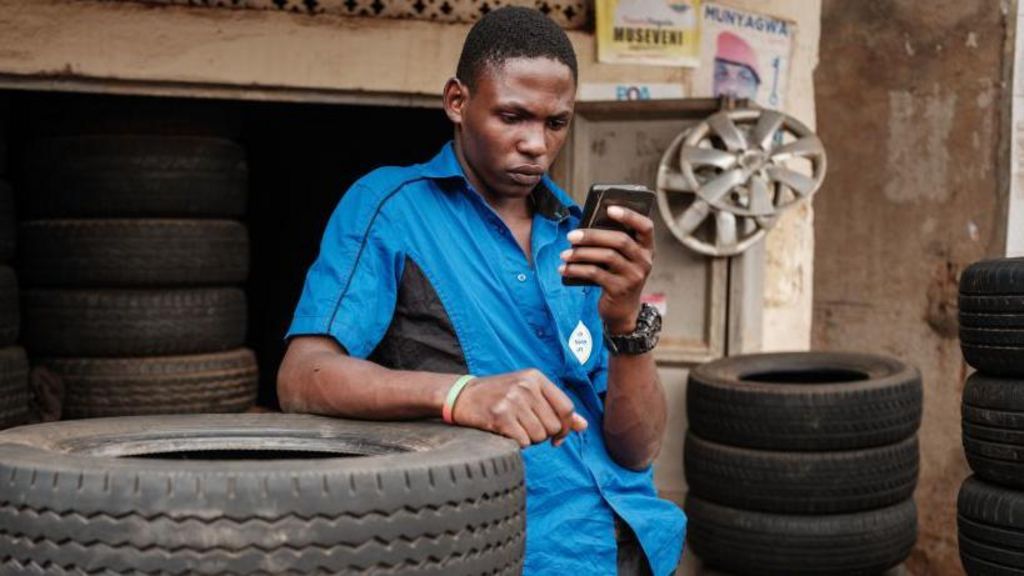
Uganda denies plans to block internet during election
Ugandan authorities have formally dismissed circulating reports suggesting potential internet restrictions during the upcoming January 15th general elections. The Uganda Communications Commission (UCC) explicitly labeled these allegations as “mere rumors,” with Executive Director Nyombi Thembo confirming no official resolution exists to disrupt digital connectivity.
The controversy emerged after opposition leader Robert Kyagulanyi (popularly known as Bobi Wine) reiterated concerns that the government might implement internet blackouts to hinder opposition mobilization and vote monitoring. These apprehensions gained traction when Starlink, the satellite internet provider, limited services in Uganda following regulatory directives.
President Yoweri Museveni seeks to extend his four-decade leadership amid a politically charged environment reminiscent of the 2021 elections, which witnessed violent protests and a four-day internet blackout. The government has additionally imposed bans on live broadcasts of riots and “unlawful processions” to prevent tension escalation.
In preparation for potential disruptions, the National Unity Platform (NUP) opposition party unveiled an offline voting monitoring application named “Bitchart.” This Bluetooth-enabled technology allows sharing of election results and polling station documentation without internet access, addressing concerns about communication blackouts during critical electoral processes.
Museveni, who first assumed power in 1986, faces his strongest challenge from Bobi Wine amid ongoing allegations of electoral malpractice and intimidation that have characterized previous elections.
-
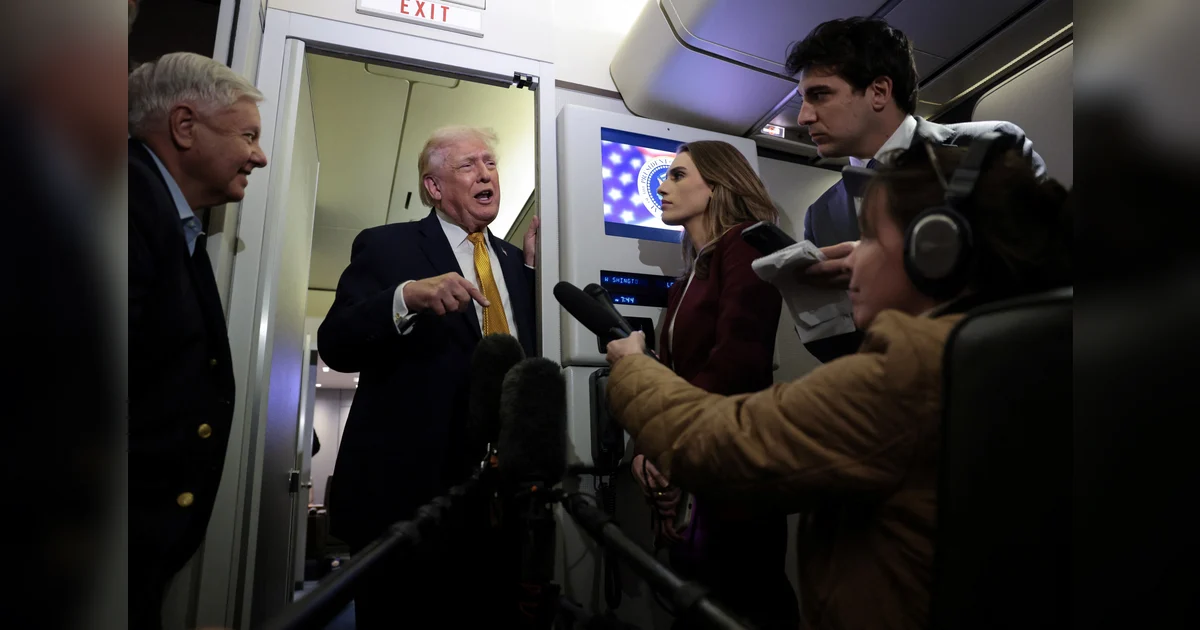
Trump renews push to annex Greenland; Denmark PM calls for US President to stop threats
In a significant escalation of geopolitical tensions, former US President Donald Trump has renewed his campaign to annex Greenland, drawing sharp condemnation from Danish leadership. The controversial remarks came amid ongoing regional instability following US military operations in Venezuela.
During an airborne press conference aboard Air Force One, Trump asserted that acquiring the autonomous Danish territory is crucial for American national security interests. ‘We need Greenland from the standpoint of national security, and Denmark is not going to be able to do it,’ Trump declared, suggesting further discussions would occur within weeks.
The proposal triggered an immediate diplomatic response from Danish Prime Minister Mette Frederiksen, who characterized the notion as ‘absolutely absurd’ and demanded Washington cease ‘threatening its historical ally.’ Frederiksen emphasized that both Denmark and Greenland benefit from NATO’s collective security protections.
Tensions intensified when Katie Miller, spouse of Trump’s influential adviser Stephen Miller, circulated an image on social media depicting Greenland adorned with American flag colors captioned ‘SOON.’ Greenland’s Premier Jens-Frederik Nielsen condemned the post as ‘disrespectful,’ asserting that international relations ‘are built on mutual respect and international law; not on symbolic gestures that disregard our status and our rights.’
The geopolitical confrontation occurs against the backdrop of heightened Arctic competition, where Greenland’s strategic position and mineral resources have attracted global interest. Danish Ambassador to the United States Jesper Moeller Soerensen issued a pointed reminder that Denmark has ‘significantly boosted its Arctic security efforts’ in cooperation with Washington, stressing that nations should ‘continue to work together as close allies.’
Analysts suggest the renewed annexation talk reflects broader patterns of unconventional diplomatic approaches that characterized previous administrations, potentially affecting NATO unity and Arctic security dynamics.
-
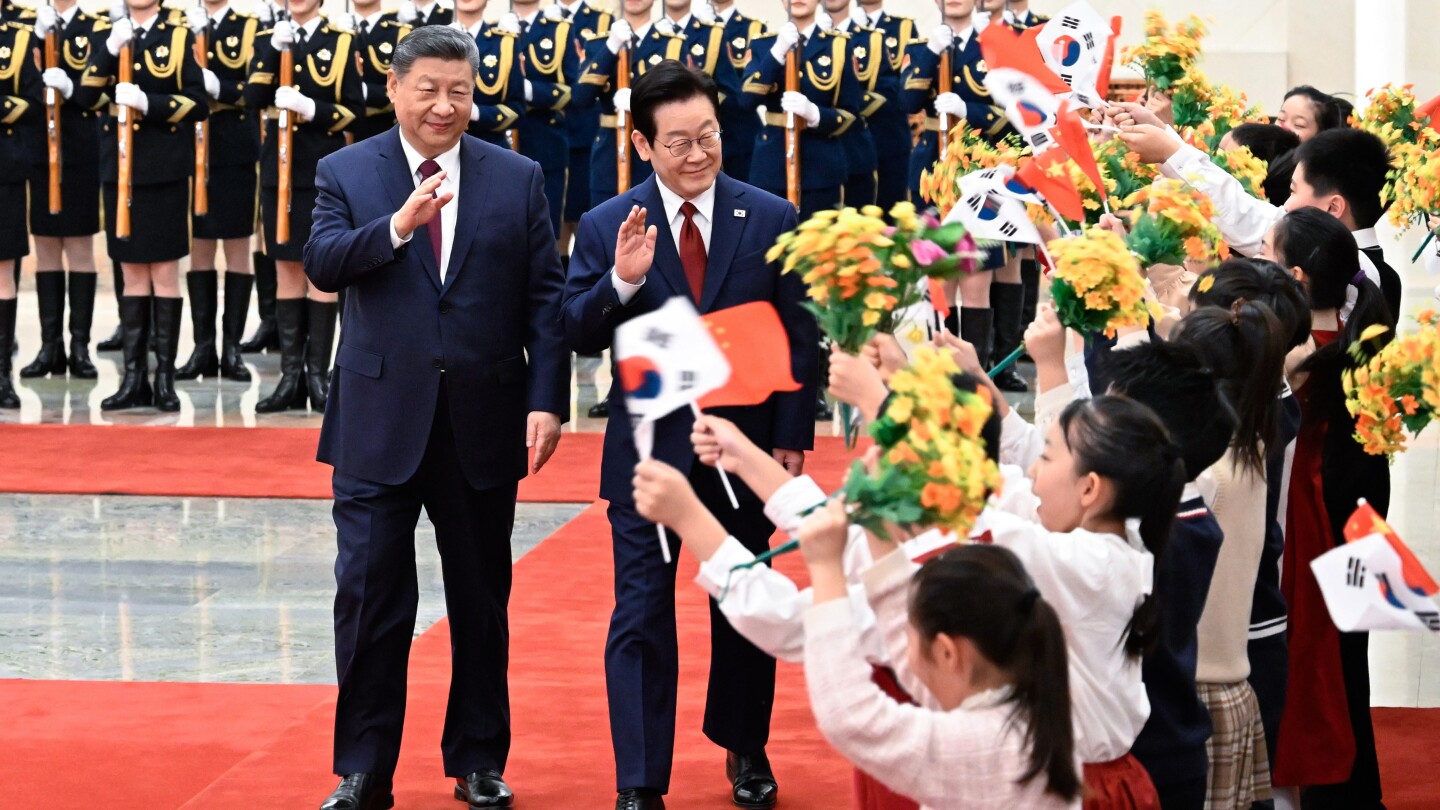
China and South Korea pledge to bolster ties as regional tensions rise
In a significant diplomatic engagement, Chinese President Xi Jinping hosted South Korean President Lee Jae Myung at Beijing’s Great Hall of the People on Monday, marking the latter’s inaugural visit since assuming office in June. The high-level meeting produced substantial bilateral agreements while navigating complex regional security challenges, including North Korea’s provocative missile tests and escalating Sino-Japanese tensions.
The leadership dialogue emphasized shared responsibilities in maintaining regional stability and fostering global development. President Xi underscored the historical context of Northeast Asian relations, specifically referencing the two nations’ collaborative efforts during World War II against Japan. President Lee articulated his vision for opening “a new chapter in Korea-China relations” during these transformative times, emphasizing that peace constitutes the fundamental basis for prosperity and growth.
This diplomatic exchange occurred against a backdrop of heightened regional volatility. Mere hours before President Lee’s arrival, North Korea launched multiple ballistic missiles, including advanced hypersonic systems capable of traveling at five times the speed of sound. Pyongyang simultaneously condemned recent U.S. military actions in Venezuela, drawing parallel concerns about potential regime change operations. China, as North Korea’s primary economic partner and political ally, joined in criticizing American foreign policy while maintaining its strategic positioning.
The bilateral relationship between Beijing and Seoul has experienced fluctuations in recent years, particularly regarding South Korea’s military cooperation with the United States. President Lee addressed these sensitivities directly, stating in a pre-visit interview that security partnerships with Washington should not necessitate confrontation with China. His visit aimed specifically to “minimize or eliminate past misunderstandings” while elevating bilateral relations to a new developmental stage.
Despite these geopolitical complexities, the two nations demonstrated strong commitment to economic collaboration. With bilateral trade reaching approximately $273 billion in 2024, the leaders oversaw the signing of fifteen cooperation agreements spanning technology, transportation, environmental protection, consumer goods, agriculture, biotechnology, and entertainment. These were complemented by earlier business forum engagements featuring major corporations including Samsung, Hyundai, LG, and Alibaba Group, signaling robust private sector involvement in the relationship.
The Taiwan issue emerged as another critical dimension, with recent Chinese military exercises around the island democracy and Japanese statements about potential intervention creating additional regional friction. President Xi’s specific invocation of historical rivalry with Japan highlighted how broader regional dynamics continue to shape Sino-Korean relations, even as both nations seek to advance their bilateral agenda.
-

Zelenskyy replaces Ukraine’s security chief ahead of Paris talks
In a significant administrative restructuring, Ukrainian President Volodymyr Zelenskyy has appointed Ievhen Khmara as acting head of the Security Service of Ukraine (SBU), replacing Lt. Gen. Vasyl Maliuk who announced his resignation. This leadership change occurs just days before Zelenskyy’s pivotal diplomatic mission to Paris, where approximately 30 allied nations—dubbed the ‘Coalition of the Willing’—will convene to negotiate security guarantees for Ukraine’s future sovereignty.
The Paris summit aims to establish concrete measures preventing renewed Russian aggression, potentially including international troop deployments near Ukrainian territory—a proposition Moscow has vehemently rejected regarding NATO forces. These discussions unfold against the backdrop of Zelenskyy’s comprehensive government reorganization, which recently saw Lt. Gen. Kyrylo Budanov, head of military intelligence, appointed as presidential chief of staff.
Despite ongoing peace negotiations that Zelenskyy claims are ‘90% complete,’ military confrontations persist relentlessly. Recent hostilities include fatal Russian drone strikes on Kyiv medical facilities and energy infrastructure, exacerbating civilian hardships during winter. Concurrently, Ukrainian drones targeted several Russian regions, temporarily disrupting airport operations and igniting industrial fires, though causing no casualties according to Russian authorities.
The SBU’s outgoing leader Maliuk oversaw several successful operations against Russian forces, most notably ‘Operation Spiderweb’ which reportedly damaged or destroyed 41 Russian military aircraft. This strategic reshuffling reflects Ukraine’s dual focus on advancing diplomatic solutions while strengthening defensive capabilities ahead of the war’s fourth anniversary.
-
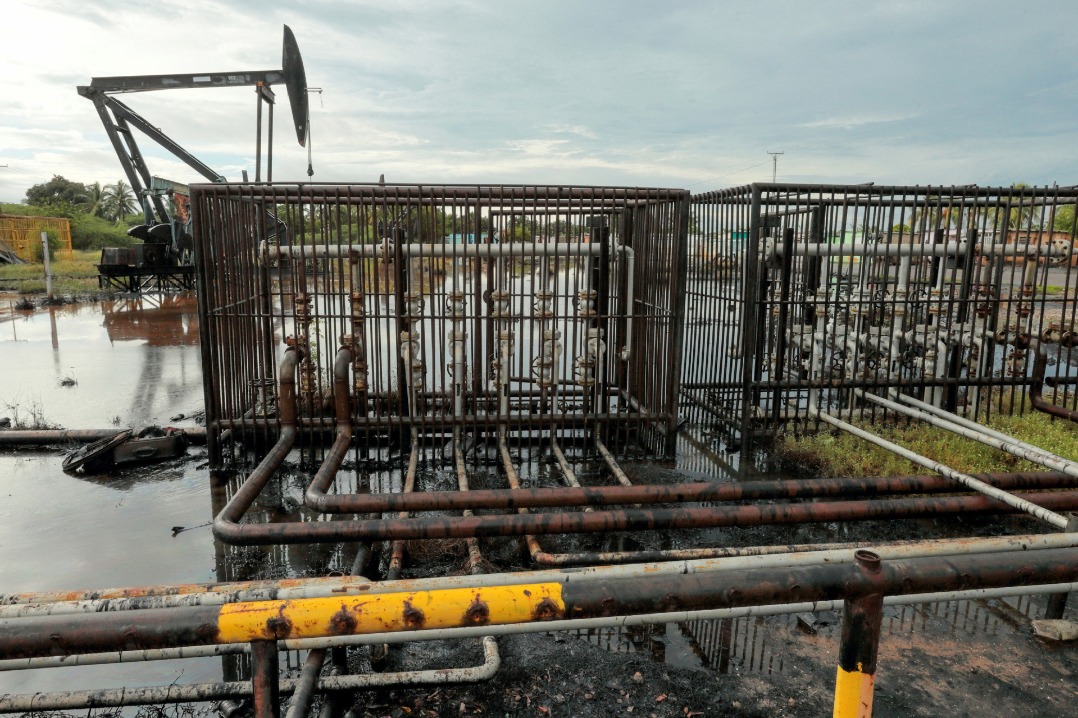
Trump demands ‘total access’ to Venezuela
WASHINGTON – In a dramatic escalation of tensions, former U.S. President Donald Trump has publicly demanded “total access” to Venezuela’s strategic resources, particularly its oil reserves, following controversial military operations that resulted in the capture of former Venezuelan leader Nicolás Maduro.
Speaking to journalists aboard Air Force One on Sunday evening, Trump asserted that the United States required comprehensive access to Venezuela’s national resources to facilitate the country’s reconstruction. “We need total access. We need access to the oil and to other things in their country that allow us to rebuild their country,” Trump declared, despite lacking direct communication with Venezuelan acting president Delcy Rodríguez.
The political crisis intensified as Trump claimed American authority over the South American nation, stating unequivocally that the U.S. was “in charge” of Venezuela and working with recently sworn-in officials. His comments came amid contradictory statements from Caracas, where Rodríguez simultaneously demanded Maduro’s immediate release and recognized him as Venezuela’s legitimate president during a National Defense Council session broadcast on state television.
Trump issued a stark warning to Rodríguez, suggesting she would face consequences “probably worse than Maduro” if she failed to cooperate with American demands. This threat echoed earlier comments made during a phone interview with The Atlantic, where the former president emphasized his administration’s hardline approach toward the Venezuelan leadership.
The situation developed rapidly after Maduro’s capture on Saturday morning, with Secretary of State Marco Rubio reportedly engaging in telephone diplomacy with Rodríguez. Trump characterized these interactions positively, noting that the acting president appeared “willing to do what we believe is necessary to make Venezuela great again,” while simultaneously acknowledging she had been “picked by Maduro” himself.
Rodríguez countered these claims by condemning U.S. military strikes on Caracas and other regions, describing them as a “savage attack” on Venezuela’s territorial integrity conducted specifically to capture Maduro, who is expected to appear in a New York courtroom on Monday.
-
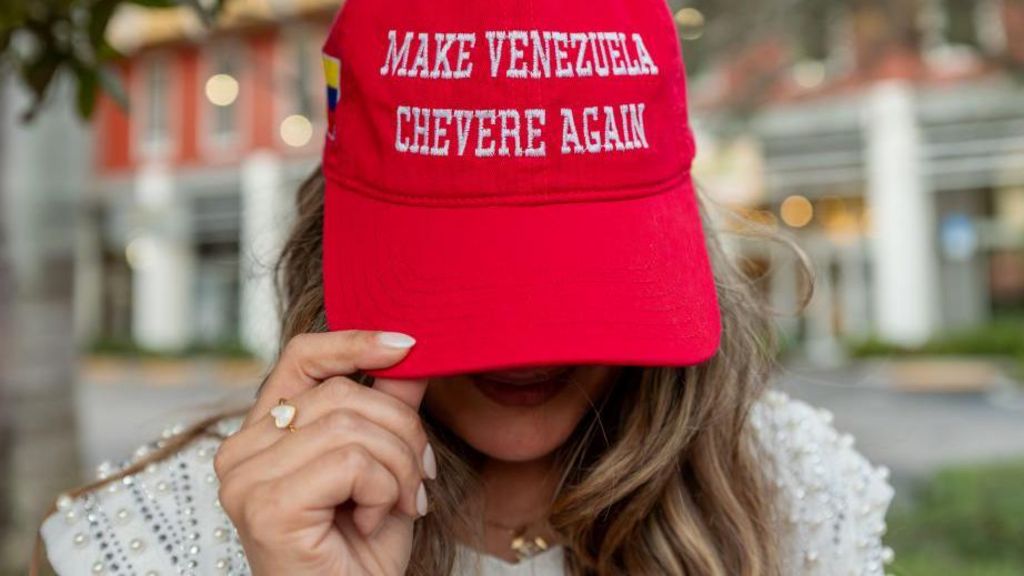
What Trump supporters in Florida make of US ‘running’ Venezuela
In the wake of the dramatic seizure of Venezuelan leader Nicolás Maduro, Trump supporters in Florida are celebrating what they perceive as a masterful display of American strength. The operation, which resulted in no U.S. casualties, is being framed by the administration and its base as a necessary intervention fundamentally distinct from the prolonged nation-building missions of the past.
Dirk Frazier, a longtime Trump supporter from St. Augustine, articulated this sentiment, contrasting the swift Venezuelan action with the ‘never-ending wars’ in Iraq and Afghanistan that defined his youth. ‘We are acting like a world superpower again,’ Frazier stated. ‘All bad actors are on notice.’ This perspective is echoed by conservative strategists who emphasize the Western Hemisphere’s proximity, arguing that even isolationist elements within the MAGA movement view regional stability as a core national interest.
Administration officials, including Vice-President JD Vance, have vigorously defended the move, citing the need to combat drug flows and protect U.S. assets from what they characterize as a corrupt communist regime. ‘Are we just supposed to allow a communist to steal our stuff in our hemisphere and do nothing?’ Vance posed on social media.
Despite this unified front from supporters, the operation has not been without its critics. A handful of prominent Republicans, including Representative Thomas Massie and former ally Marjorie Taylor Greene, have publicly questioned the intervention, with Greene declaring ‘this is what many in MAGA thought they voted to end.’ Internationally, the removal of a sitting president has been condemned by many as a dangerous breach of international law.
The long-term outcome remains deeply uncertain. Former CIA deputy director John McLaughlin warned that inflicting violence carries unpredictable consequences, ‘even if you have a plan.’ While polling prior to the operation showed limited public support for military action, supporters in Florida’s ‘Little Venezuela’ believe the strategic benefits—potentially curbing migration and weakening leftist governments in Cuba and Nicaragua—justify the risk, viewing it as a calculated game of ‘chess, not checkers.’
-

Venezuela: Rodriguez holds first cabinet meeting, creates commission for Maduro release
Venezuela’s political landscape remains in turmoil as Acting President Delcy Rodriguez convened her inaugural cabinet assembly on Sunday, marking the first such gathering since the dramatic ousting of former leader Nicolas Maduro by U.S. military forces approximately 48 hours prior. The meeting, broadcast nationally via state television network VTV, showcased Rodriguez positioned at the helm of the presidential table within Miraflores Palace, flanked by two pivotal Maduro loyalists: Defense Minister Vladimir Padrino and Interior Minister Diosdado Cabello.
In a significant development, Rodriguez established a specialized commission dedicated to securing the liberation of Maduro and his spouse, Cilia Flores. The commission’s leadership will be jointly helmed by Jorge Rodriguez (the acting president’s brother and current National Assembly president) and Foreign Minister Yvan Gil. Information Minister Freddy Nanez will also serve as a key member of this delegation, as confirmed in his official announcement.
The formation of this commission follows Maduro’s detention in a New York correctional facility on Saturday, where he faces serious charges including drug trafficking and terrorism allegations. The former president is scheduled for a court appearance on Monday, setting the stage for a complex international legal and diplomatic confrontation between Venezuela and the United States.