分类: politics

  • UK: Labour minister tells local councils they could be sued for boycotting Israel

    UK: Labour minister tells local councils they could be sued for boycotting Israel

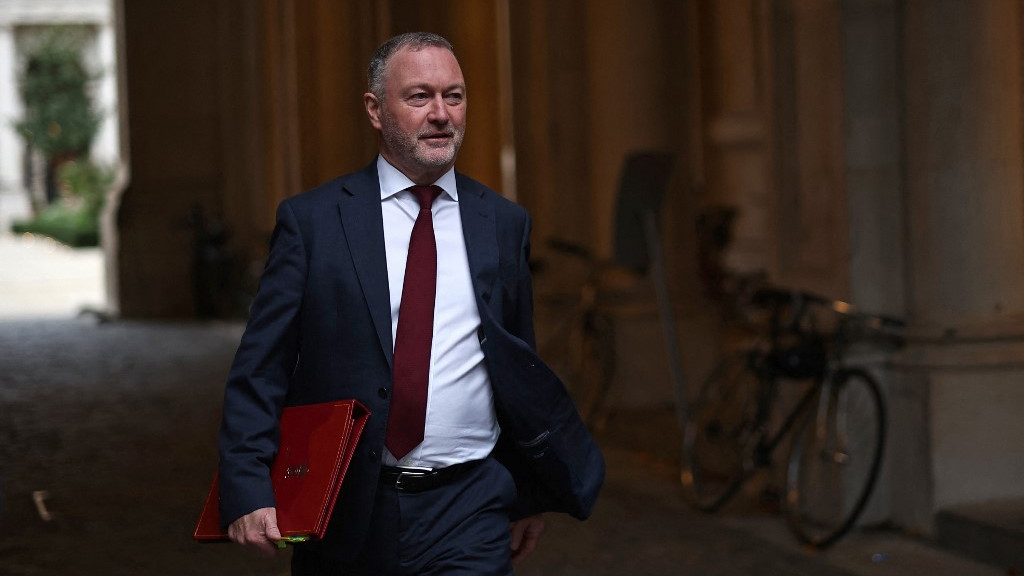
    The British government has issued a stern warning to local authorities controlled by the Labour Party, indicating they face potential lawsuits for implementing boycotts against Israeli businesses. Communities Secretary Steve Reed emphasized that municipal councils should refrain from engaging in foreign policy matters and instead concentrate on delivering essential local services.

    This governmental caution follows several local councils—including Oxford City Council, Cumberland council, and Newcastle council—passing motions over the past year to divest from and boycott companies implicated in Israeli military operations or benefiting from the occupation of Palestinian territories. These decisions were often justified by references to International Court of Justice rulings and concerns about human rights violations.

    The government directive references existing 2016 guidance that prohibits public bodies from implementing procurement boycotts against Israeli companies or those trading with Israel. Reed specifically pointed to the Procurement Act 2023, under which councils could be sued by suppliers suffering financial losses and potentially required to pay substantial damages.

    This development occurs amidst growing tensions surrounding pro-Palestine activism in Britain. Recent months have seen police forces announcing arrests for specific chants and signage at demonstrations, while simultaneously, seven UN human rights experts have expressed grave concerns about imprisoned pro-Palestine activists on hunger strike facing serious health risks.

    The Boycott, Divestment and Sanctions (BDS) movement, established in 2005 as a non-violent pressure campaign, has become increasingly contentious in UK local politics. The current Labour leadership, despite previously opposing Conservative legislation banning such boycotts while in opposition, now appears to be enforcing a stricter line through Reed’s warning.

    Additionally, multiple council pension funds—including those of Islington, Lewisham, Wandsworth and Caerphilly—have excluded companies appearing on United Nations lists of businesses operating in occupied Palestinian territories, further complicating the relationship between local democracy and national foreign policy.
  • Venezuelan government seeks to show it is operating free from US control

    Venezuelan government seeks to show it is operating free from US control

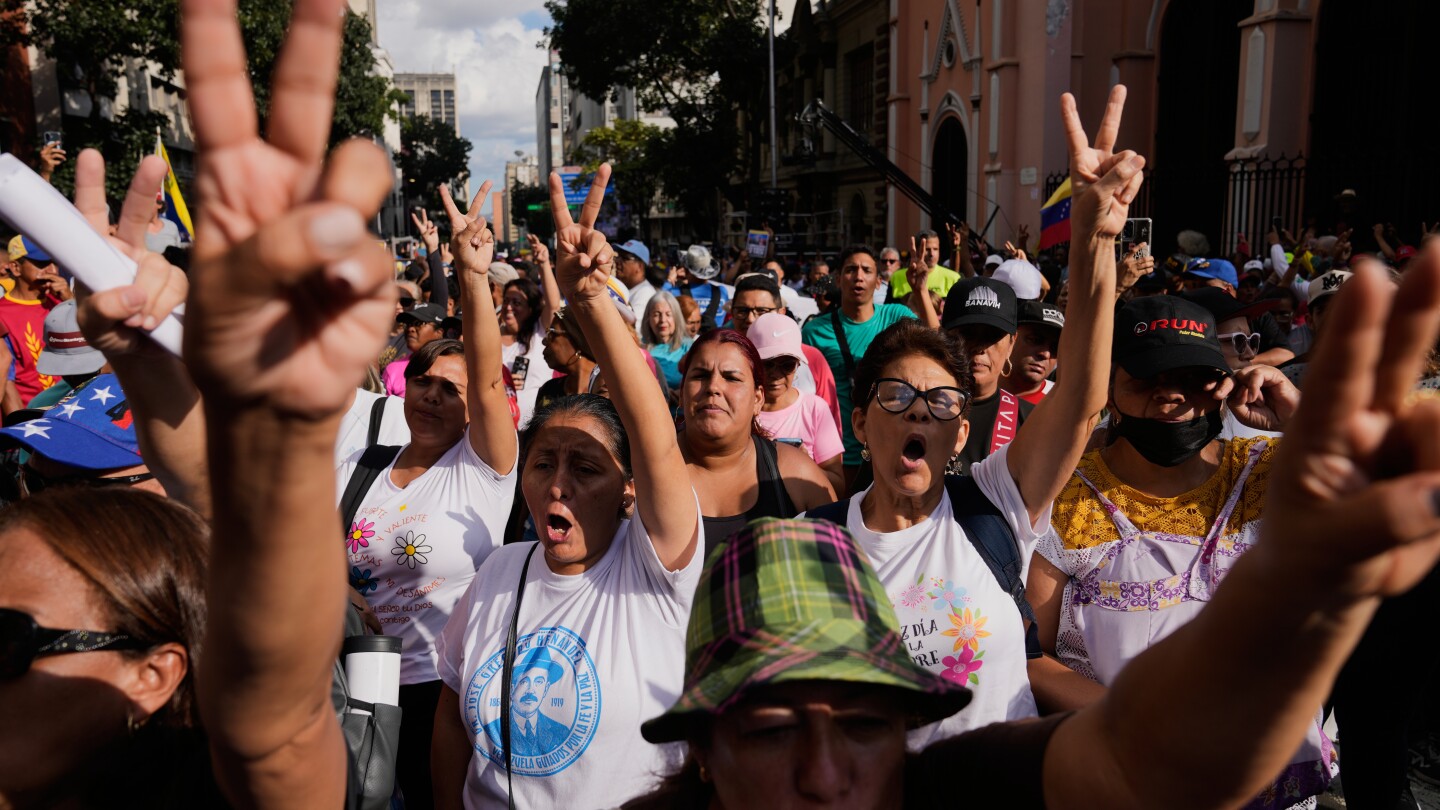
    In a dramatic political transition, Venezuela’s National Assembly has sworn in Delcy Rodríguez as the nation’s interim president following the extraordinary capture of former leader Nicolás Maduro by U.S. forces. The ceremony, presided over by her brother and Assembly leader Jorge Rodríguez, marks a significant turning point in the country’s political trajectory.

    Rodríguez struck a notably conciliatory tone toward the United States during her inauguration, declaring Venezuela’s intention to establish “respectful relations” with the Trump administration. This represents a substantial diplomatic shift from the previously hostile stance maintained during Maduro’s nearly 13-year authoritarian rule.

    The political transition unfolds against the backdrop of Maduro’s first appearance in a U.S. courtroom, where he pleaded not guilty to federal narcoterrorism and drug-trafficking charges. The former leader was captured Saturday in a military operation at his residence on a Venezuelan military base.

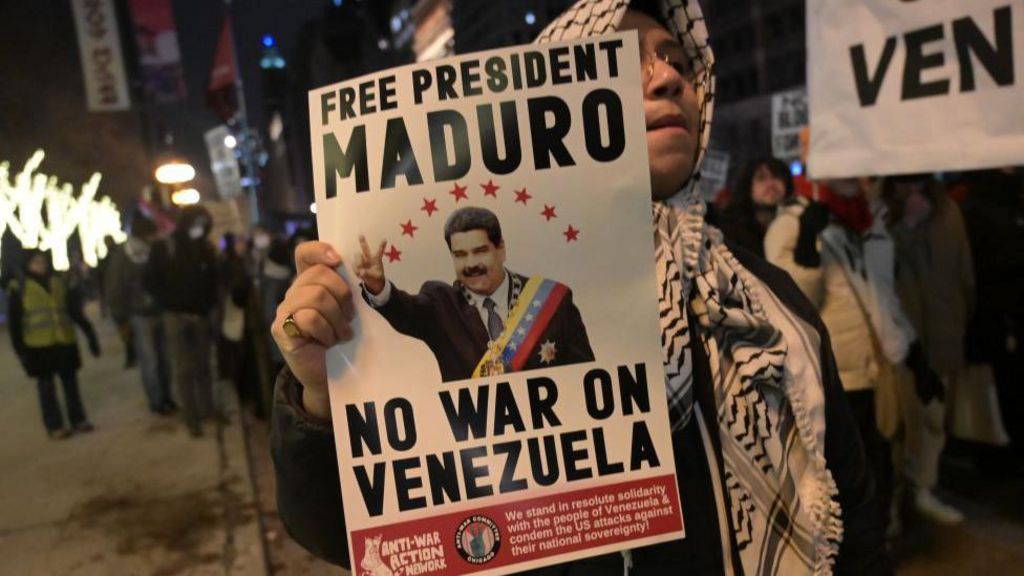
    Maduro’s son, Nicolás Maduro Guerra, made his first public appearance since the capture, delivering an impassioned address condemning what he characterized as the “kidnapping of a head of state.” He warned that the precedent established by Maduro’s capture threatens global political stability and demanded the return of both his father and stepmother, Cilia Flores.

    The U.S. State Department has initiated preliminary preparations to potentially reopen the American embassy in Caracas, according to an anonymous official familiar with internal deliberations. This development signals potential normalization of diplomatic relations between the nations after years of tension.

    Secretary of State Marco Rubio clarified that while the U.S. would maintain pressure on Venezuela’s oil industry through an existing “oil quarantine,” Washington does not intend to govern the country day-to-day. The administration instead anticipates policy changes regarding both oil management and narcotics trafficking prevention.

    The political transition represents a complex balancing act for Rodríguez, who must navigate between maintaining domestic political support from Maduro loyalists while establishing cooperative relations with the United States.

  • Bangladesh: At least 287 killed during Hasina-era abductions

    Bangladesh: At least 287 killed during Hasina-era abductions

    A government-appointed investigative commission in Bangladesh has revealed disturbing findings regarding state-sponsored violence during former Prime Minister Sheikh Hasina’s administration. The commission’s comprehensive report, submitted to authorities on Sunday, documents at least 287 confirmed fatalities among 1,569 documented abduction cases investigated.

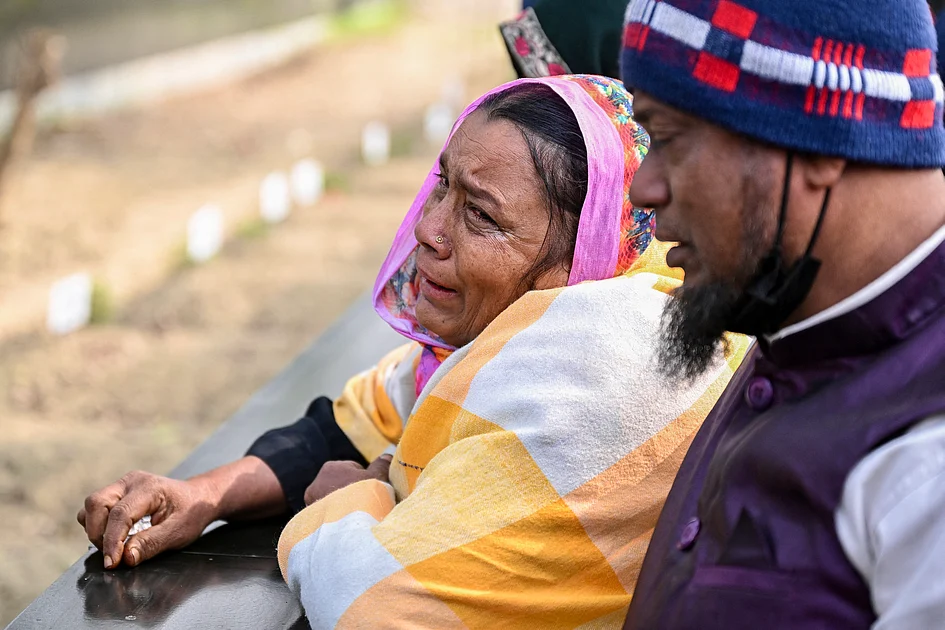
    According to commission member Nur Khan Liton, security forces operating under Hasina’s direct command systematically disposed of victims’ remains in rivers including Dhaka’s Buriganga River, while others were interred in unmarked mass graves scattered across multiple locations. The commission has urgently recommended engaging forensic specialists to conduct DNA identification procedures and preserve genetic samples from bereaved family members.

    Victims predominantly belonged to opposition factions including Jamaat-e-Islami, the nation’s largest Islamist party, and the Bangladesh Nationalist Party (BNP), both political adversaries of Hasina’s regime. In a parallel development, Dhaka police unearthed a mass grave in December containing eight victims from the August 2024 uprising, all exhibiting fatal gunshot wounds according to Criminal Investigation Department chief Md Sibgat Ullah.

    The United Nations estimates approximately 1,400 fatalities occurred during Hasina’s violent attempts to retain power before her eventual ousting. The former leader, now sentenced to death in absentia for crimes against humanity in November, faces mounting international condemnation. While families of victims express gratitude for closure regarding their relatives’ fates, they simultaneously demand expedited judicial proceedings against police personnel implicated in the lethal crackdowns.

  • Pentagon moves to punish Democratic senator over ‘seditious video’

    Pentagon moves to punish Democratic senator over ‘seditious video’

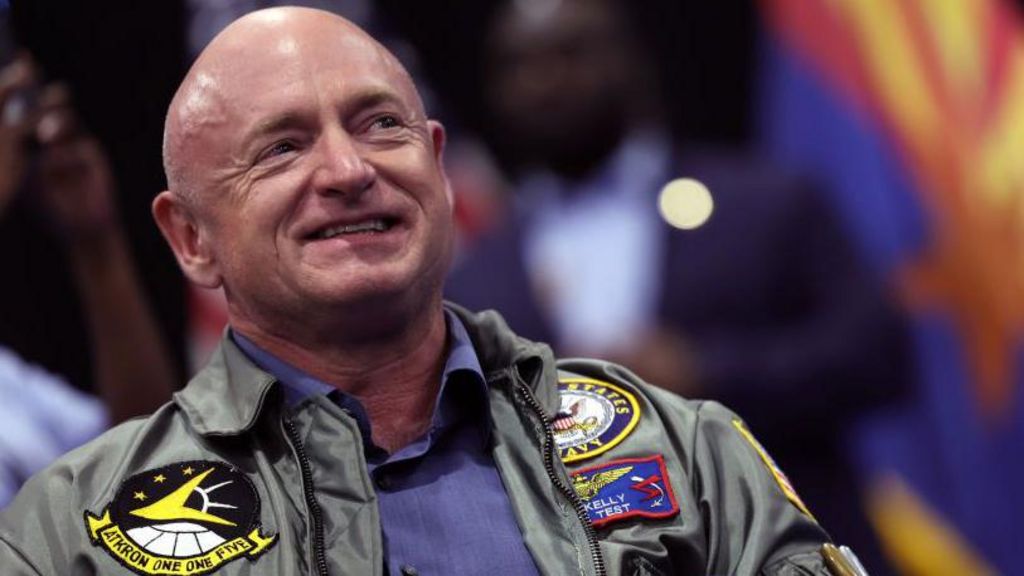
    The U.S. Department of Defense has launched unprecedented disciplinary action against Senator Mark Kelly (D-Arizona), a retired Navy captain and former astronaut, over a video the Pentagon characterizes as seditious material undermining military discipline. Defense Secretary Pete Hegseth announced via social media platform X that the department has initiated retirement-grade determination proceedings that could result in Kelly’s demotion and reduced military pension.

    The controversy stems from a November video featuring Kelly and five other Democratic lawmakers with military or intelligence backgrounds, in which they advised U.S. service members that they retain the right to refuse unlawful orders. The video emerged during heightened scrutiny of American military strikes against alleged drug-trafficking vessels operating near South American coastlines.

    In his official statement, Secretary Hegseth asserted that ‘Senator Mark Kelly and five other members of Congress released a reckless and seditious video that was clearly intended to undermine good order and military discipline.’ He emphasized that as a retired officer still receiving military benefits, Kelly remains subject to military justice protocols.

    The senator, who served as a Navy pilot for over two decades with multiple deployments, immediately denounced the Pentagon’s action as ‘outrageous’ and ‘un-American.’ In his response on X, Kelly declared: ‘If Pete Hegseth, the most unqualified Secretary of Defense in our country’s history, thinks he can intimidate me with a censure or threats to demote me or prosecute me, he still doesn’t get it. I will fight this with everything I’ve got.’

    Legal experts note that while retired military personnel technically remain subject to the Uniform Code of Military Justice, the application of these provisions against a sitting member of Congress for political speech presents unprecedented constitutional questions. Kelly has thirty days to submit an official response to the Pentagon’s notice as the proceedings move forward.

  • China, Pakistan reaffirm ties as US outreach to Islamabad deepens

    China, Pakistan reaffirm ties as US outreach to Islamabad deepens

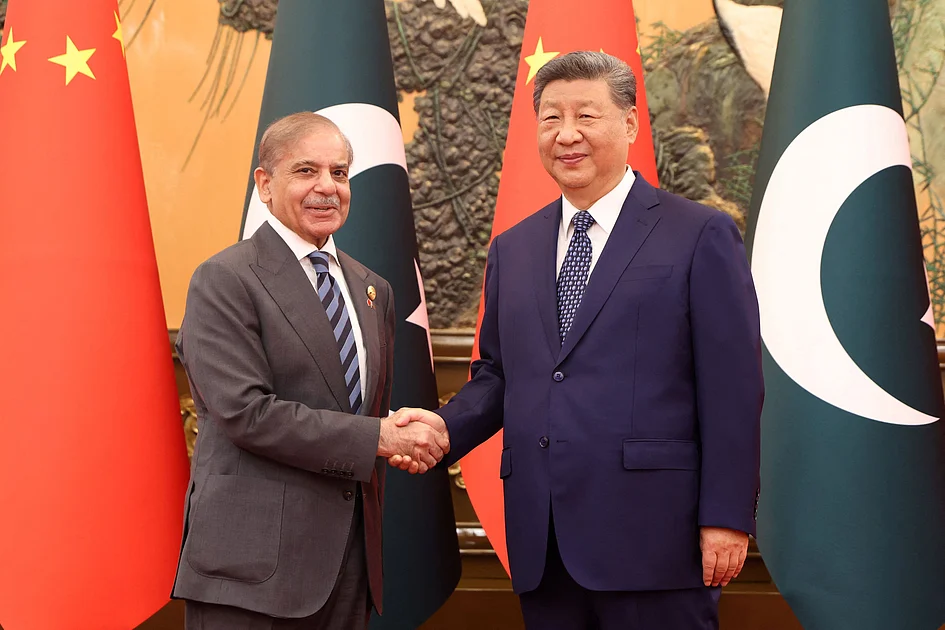
    In a significant diplomatic development, China and Pakistan have jointly reaffirmed their strategic partnership during high-level talks in Beijing on Monday, January 5, 2026. The meeting between Chinese Foreign Minister Wang Yi and his Pakistani counterpart Ishaq Dar produced substantial commitments to enhance bilateral cooperation across multiple sectors, including industry, agriculture, and mining.

    The discussions yielded plans to develop an upgraded version of the China-Pakistan Economic Corridor (CPEC), the flagship project of China’s Belt and Road Initiative that has already channeled billions of Chinese investment into Pakistan’s infrastructure. Both nations emphasized strengthened collaboration in financial and banking sectors as part of their comprehensive economic partnership.

    Notably, China publicly commended Pakistan’s “comprehensive measures” to ensure the security of Chinese personnel and projects within its territory. This acknowledgment comes amid persistent security challenges, including repeated militant attacks targeting Chinese nationals working on CPEC-related projects that have strained relations in recent years.

    The reaffirmation of Sino-Pakistani ties occurs against the backdrop of improving relations between Pakistan and the United States since President Donald Trump’s return to office. The Trump administration has demonstrated renewed engagement with Islamabad, including the release of $397 million for a US-backed program monitoring Pakistan’s use of F-16 fighter jets in counter-terrorism operations, despite a global freeze on foreign aid.

    Both China and Pakistan called for “visible and verifiable actions” to dismantle terrorist organizations operating in Afghanistan, which borders both nations. However, the joint statement provided no specific details regarding proposed measures.

    Pakistan maintains its unique status as one of China’s few designated “all-weather strategic partners,” a relationship dating back decades that has seen Islamabad consistently support Beijing on sensitive international issues including Taiwan, Xinjiang, Tibet, Hong Kong, and the South China Sea.

  • Trump’s seizure of Maduro raises thorny legal questions, in US and abroad

    Trump’s seizure of Maduro raises thorny legal questions, in US and abroad

    In an unprecedented escalation of international legal confrontation, Venezuelan President Nicolás Maduro appeared before a Manhattan federal court Monday following a clandestine extraction operation conducted by US authorities. The controversial transfer, which involved military aircraft and overnight detention at Brooklyn’s Metropolitan Detention Center, marks the first time a sitting head of state has been forcibly brought to the United States to face criminal prosecution.

    The judicial proceedings stem from a superseding indictment alleging Maduro’s orchestration of “narco-terrorism” operations involving thousands of metric tons of cocaine destined for American markets. Attorney General Pam Bondi characterized the operation as a lawful enforcement action against drug trafficking networks that “have fuelled violence, destabilised the region, and contributed directly to the drug crisis claiming American lives.”

    Legal scholars worldwide are questioning the operation’s conformity with international law. Queen’s University Belfast Professor Luke Moffett declared the military extraction “completely illegal under international law,” citing violations of the UN Charter’s prohibition against using force against sovereign states. The operation notably lacked UN Security Council authorization and did not meet imminent threat requirements for self-defense justification.

    Historical precedent exists in the 1989 capture of Panamanian leader Manuel Noriega, whose prosecution relied on a controversial legal memo authored by then-Justice Department official William Barr – who later served as Trump’s attorney general and initiated the 2020 indictment against Maduro. Current debates center on whether US courts can exercise jurisdiction regardless of extraction methods, with legal experts noting that forced abduction traditionally doesn’t invalidate prosecution.

    The Trump administration defended its actions through Secretary of State Marco Rubio, who framed the operation as “basically a law enforcement function” rather than military action. This distinction attempts to circumvent War Powers Resolution requirements for congressional consultation, though the administration acknowledged deliberately avoiding congressional notification to prevent “endangering the mission.”

    Maduro entered a plea of not guilty while his legal team prepared challenges to the extraction’s legality. The case represents a dramatic intersection of international relations, criminal law, and presidential war powers that may establish consequential precedents for cross-border enforcement actions against foreign leaders.

  • US allies and adversaries use UN meeting to blast Venezuela intervention as America defends action

    US allies and adversaries use UN meeting to blast Venezuela intervention as America defends action

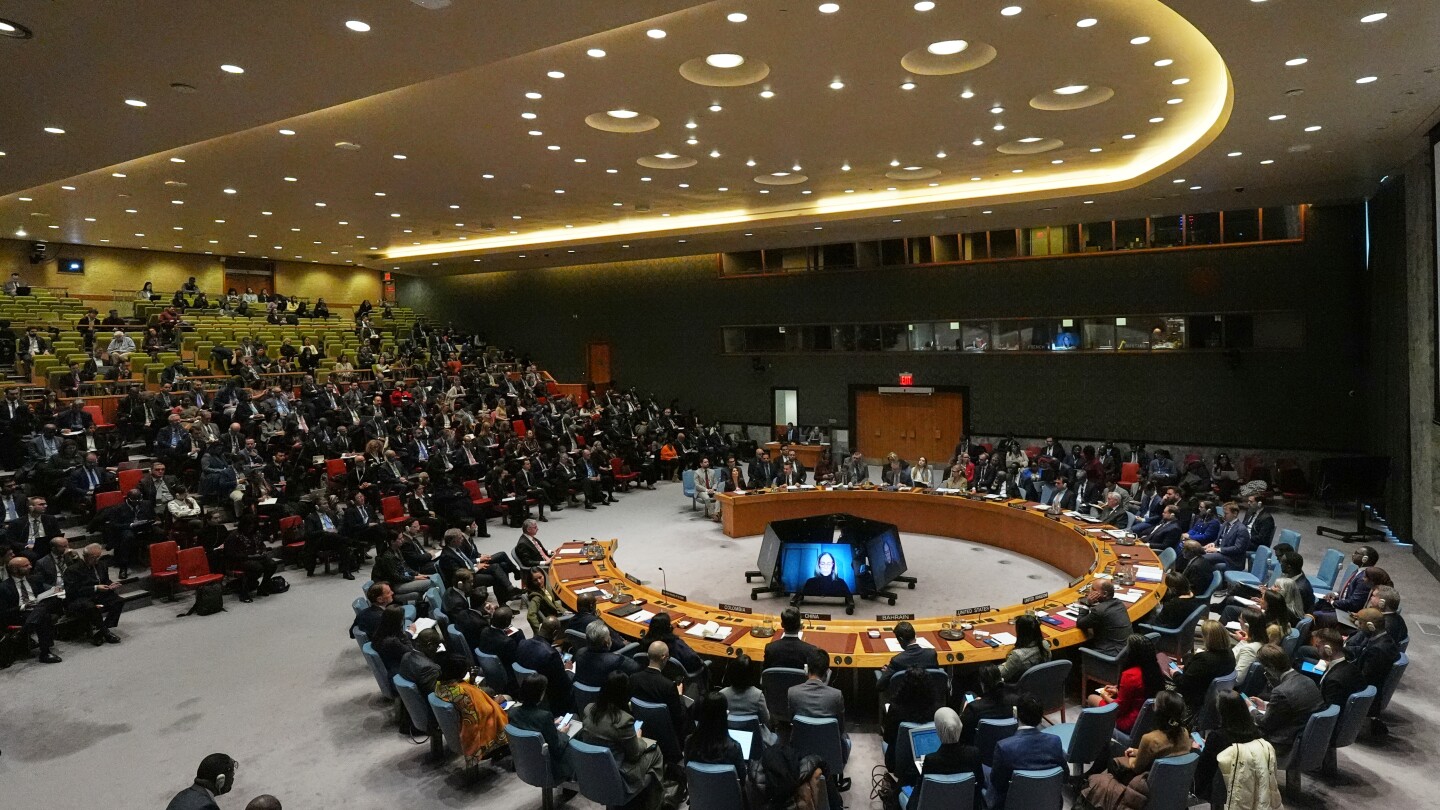
    The United Nations Security Council convened an emergency session on Monday following a controversial U.S. military operation in Venezuela that resulted in the capture of President Nicolás Maduro. UN Secretary-General Antonio Guterres expressed profound concern that the January 3rd operation may have violated established international legal principles, warning that such actions could establish dangerous precedents for future international relations.

    The diplomatic confrontation revealed deep divisions among global powers, with both American allies and adversaries condemning President Trump’s interventionist approach. Denmark’s Ambassador Christina Markus Lassen emphasized the inviolability of national borders, stating that no nation should influence political outcomes through force or threats. The criticism extended beyond Venezuela, as Trump had previously suggested potential military expansions into Colombia and Mexico regarding drug trafficking allegations, while renewing territorial ambitions toward Greenland.

    Russian Ambassador Vasily Nebenzya characterized the operation as a regression to ‘an era of lawlessness,’ accusing the United States of positioning itself as a supreme judicial authority that bypasses international sovereignty norms. Colombian representative Leonor Zalabata drew historical parallels to past interventions in the region, asserting that democracy cannot be promoted through coercive measures.

    U.S. envoy Mike Waltz defended the operation as a precisely executed law enforcement action, questioning the UN’s legitimacy should it equate democratically elected leaders with what he termed a ‘narco-terrorist.’ Maduro and his wife were apprehended from their military residence and transported via U.S. warship to face federal charges in New York, including allegations of narco-terrorism conspiracy.

    The operation culminated months of military buildup near Venezuela’s coastline, during which American forces targeted vessels suspected of drug trafficking. While President Trump suggested temporary U.S. administration of Venezuela’s oil resources, Secretary of State Marco Rubio indicated the continuation of existing oil sanctions and quarantine measures to pressure policy changes within the South American nation.

  • US’ JD Vance defends military action in Venezuela, says ‘stolen oil must be returned’

    US’ JD Vance defends military action in Venezuela, says ‘stolen oil must be returned’

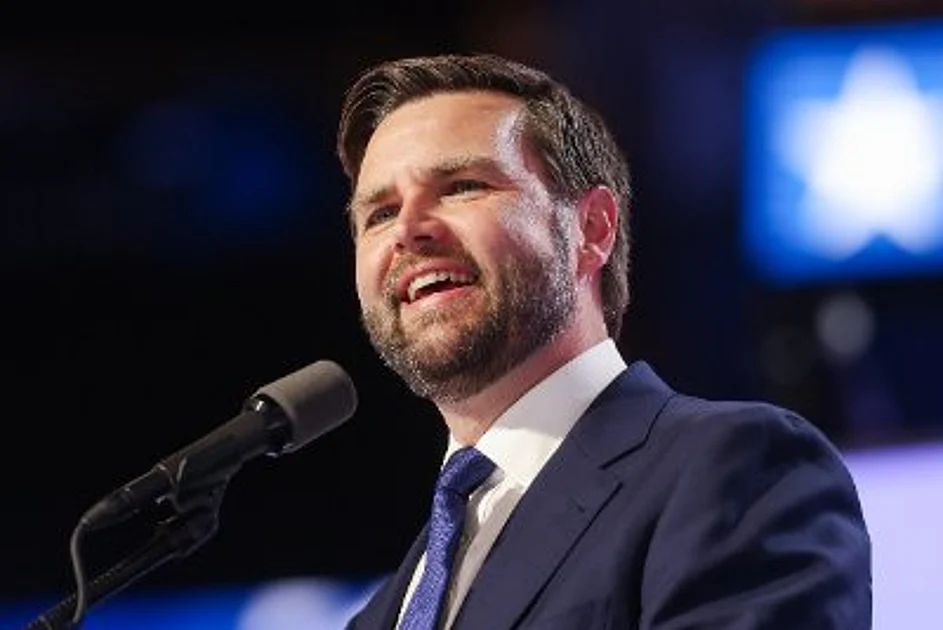
    US Vice President JD Vance has issued a robust defense of American military operations in Venezuela, asserting that the Trump administration had exhausted diplomatic alternatives before resorting to force. In a comprehensive statement delivered via social media platform X on Saturday, Vance characterized captured Venezuelan leader Nicolás Maduro as “the newest person to discover that President Trump means exactly what he says.”

    The Vice President elaborated that multiple off-ramps had been offered to the Venezuelan government throughout the negotiation process. “The president’s conditions were unequivocal: the drug trafficking operations must cease immediately, and the stolen oil must be returned to the United States,” Vance declared, referencing Venezuela’s expropriation of American oil assets approximately two decades ago.

    Vance further reinforced the legal justification for military intervention, emphasizing that Maduro remains a fugitive from American justice. “Residing in a presidential palace in Caracas does not grant immunity from accountability for drug trafficking charges under US law,” he stated.

    Addressing counterarguments about Venezuela’s role in the international drug trade, the Vice President presented a four-point rationale: Venezuela continues to serve as a significant conduit for fentanyl despite primary production occurring elsewhere; cocaine trafficking represents a primary revenue stream for Latin American cartels; Mexican fentanyl production remains an ongoing focus of US border policy; and the recovery of expropriated oil assets constitutes a legitimate national security interest.

    “I recognize concerns regarding military engagement,” Vance conceded, “but should we permit a communist regime in our hemisphere to confiscate American property and finance narcoterrorism without consequence? Global powers cannot operate from such a position of weakness.”

  • Trump shares list of countries with immigrant welfare rates; why was India excluded?

    Trump shares list of countries with immigrant welfare rates; why was India excluded?

    Former US President Donald Trump has ignited online discourse after publishing a controversial chart on his Truth Social platform detailing welfare dependency rates among immigrant households from approximately 120 countries. The January 4 post highlighted nations with both high and low utilization rates of public assistance programs, including housing support, food assistance, and health insurance.

    Notably absent from the comprehensive list was India, despite the inclusion of neighboring South Asian nations such as Bangladesh, Pakistan, Nepal, and other major countries like China. This omission prompted immediate questioning across social media platforms, with many Indian users seeking clarification regarding the exclusion criteria.

    While the chart provided no explicit explanation for India’s absence, demographic data suggests Indian immigrant households typically demonstrate exceptionally low welfare dependency rates, likely falling below the statistical threshold for inclusion. According to Pew Research Center analyses, Indian immigrants represent one of the highest-earning demographic groups in the United States.

    The 2023 statistics reveal striking economic indicators: Indian-headed households reported median annual personal earnings of $85,300, significantly surpassing the overall Asian demographic average of $52,400. Among full-time, year-round workers, this disparity widened further with Indian workers recording median earnings of $106,400 compared to $75,000 for the broader Asian demographic.

    Furthermore, poverty levels within the Indian immigrant community stand at just 6 percent—notably lower than the 10 percent average across Asian populations in the United States. These economic indicators provide context for the demographic’s limited engagement with public assistance programs.

    The publication aligns with Trump’s established immigration policy stance, characterized by restrictive measures including mass deportation initiatives and the deployment of federal troops to urban centers. In November 2025, the former president announced intentions to ‘permanently pause’ migration from what he termed ‘third-world’ countries, asserting such measures would allow ‘US systems to fully recover.’

    Additionally, Trump has declared that beginning in 2025, federal benefits and subsidies would be exclusively reserved for US citizens, further reinforcing his administration’s approach to immigration and welfare reform.

  • Which countries could be in Trump’s sights after Venezuela?

    Which countries could be in Trump’s sights after Venezuela?

    The foreign policy approach of US President Donald Trump’s second administration is rapidly materializing through a series of confrontational actions and territorial ambitions across the Western Hemisphere. In a dramatic escalation, US forces conducted a nighttime raid on Caracas, successfully extracting Venezuelan President Nicolás Maduro and his wife from their heavily fortified compound. This operation marks the most significant implementation of what Trump has rebranded the “Donroe Doctrine” – an updated version of the 1823 Monroe Doctrine asserting American supremacy throughout the Americas.

    The administration’s ambitions extend beyond Venezuela to territorial acquisition. President Trump has publicly expressed interest in acquiring Greenland, citing national security concerns about Russian and Chinese naval presence in the region. The vast Arctic territory, currently under Danish sovereignty, possesses substantial rare earth mineral deposits crucial for technology and military applications, areas where China currently dominates global production. Greenland’s strategic position also offers future access to emerging Arctic shipping routes as polar ice continues to melt. Greenlandic Prime Minister Jens Frederik Nielsen dismissed annexation fantasies while remaining open to diplomatic dialogue conducted through proper channels.

    Simultaneously, Trump has intensified pressure on Colombia following the Venezuelan operation, directly warning President Gustavo Petro to “watch his ass.” The administration alleges Colombia’s left-wing leadership enables drug cartels to flourish, resulting in October sanctions against Petro. Aboard Air Force One, Trump characterized Colombia as being “run by a sick man who likes making cocaine and selling it to the United States,” hinting at potential future operations.

    The administration’s focus extends beyond the hemisphere to Iran, where Trump issued stark warnings amid ongoing anti-government protests. He threatened severe consequences if Iranian authorities responded with violence against demonstrators, despite Iran falling outside the Donroe Doctrine’s theoretical scope. This follows previous strikes on Iranian nuclear facilities and continued coordination with Israeli Prime Minister Benjamin Netanyahu, who reportedly discussed potential new strikes against Iran during recent meetings.

    Closer to home, tensions with Mexico persist over drug trafficking and immigration. Trump renamed the Gulf of Mexico the “Gulf of America” by executive order and continues criticizing Mexican efforts to stem drug flows. While Mexican President Claudia Sheinbaum has rejected any US military action on Mexican soil, Trump maintains that “something” must be done about powerful cartels.

    Regarding Cuba, just 90 miles from Florida, Trump suggested military intervention might be unnecessary as the nation appears “ready to fall” due to economic collapse. With Venezuela historically supplying approximately 30% of Cuba’s oil, Maduro’s capture severely jeopardizes Havana’s energy security. Secretary of State Marco Rubio, son of Cuban immigrants, reinforced that Cuban officials should take Trump’s statements seriously regarding potential regime change.