分类: politics

  • Danish prime minister says a US takeover of Greenland would mark the end of NATO

    Danish prime minister says a US takeover of Greenland would mark the end of NATO

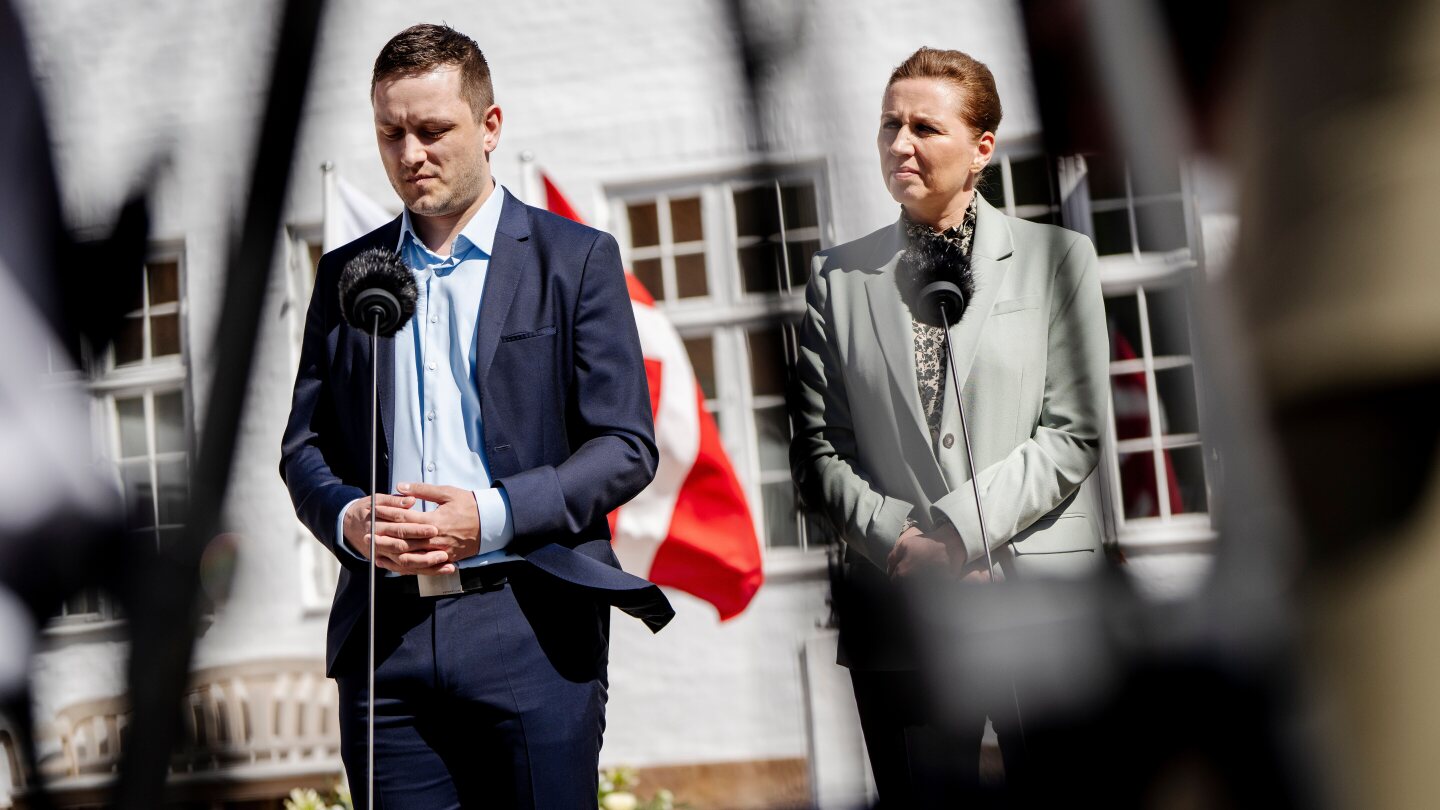
    COPENHAGEN, Denmark — Danish Prime Minister Mette Frederiksen issued a stark warning Monday that any U.S. military action to acquire Greenland would effectively terminate the NATO alliance. This statement came in direct response to President Donald Trump’s renewed assertions about bringing the mineral-rich Arctic territory under American control, following the controversial military operation in Venezuela over the weekend.

    The dramatic nighttime raid in Caracas targeting Venezuelan leader Nicolás Maduro and his wife has intensified anxieties in Denmark and its semiautonomous territory Greenland, both NATO members. Frederiksen, alongside Greenlandic counterpart Jens Frederik Nielsen, strongly condemned Trump’s remarks and cautioned about potentially catastrophic repercussions. Multiple European leaders have expressed solidarity with their position.

    “Military aggression by the United States against another NATO nation would immediately dissolve the alliance,” Frederiksen stated during an interview with Danish broadcaster TV2. “This would mean the end of NATO and consequently the collapse of the security framework maintained since World War II.”

    Trump’s persistent interest in acquiring Greenland—first expressed during his presidential transition and reiterated recently—has created mounting concerns. His Sunday comment to reporters suggesting “let’s talk about Greenland in 20 days” has been interpreted as hinting at potential near-term intervention. The president has previously refused to rule out military action to secure control of the strategically vital island.

    Frederiksen emphasized that Trump’s statements “should be taken seriously,” adding that Denmark “will not accept a situation where we and Greenland are threatened in this way.” Nielsen separately affirmed that Greenland’s situation differs fundamentally from Venezuela’s, urging citizens to remain calm and united while maintaining that “the United States cannot simply conquer Greenland.”

    TV2 political journalist Ask Rostrup observed that while Frederiksen would have previously dismissed the possibility of an American takeover, the escalating rhetoric has forced her to acknowledge it as a genuine concern.

    Trump further heightened tensions by mocking Denmark’s security enhancements in Greenland, sarcastically referring to the addition of “one more dog sled” to the territory’s defenses. He asserted that Greenland is “covered with Russian and Chinese ships” and crucial for U.S. national security, claiming Denmark lacks capability to protect it.

    However, Ulrik Pram Gad, a global security expert at the Danish Institute for International Studies, challenged this assessment in a recent report, noting that while Russian and Chinese vessels operate in the Arctic, “these vessels are too far away to see from Greenland with or without binoculars.”

    The situation was further inflamed when Katie Miller, a former Trump administration official married to influential deputy chief of staff Stephen Miller, posted an illustrated map of Greenland in American colors captioned “SOON” on social media following the Venezuela raid. Denmark’s ambassador to Washington, Jesper Møller Sørensen, responded by demanding “full respect for the territorial integrity of the Kingdom of Denmark.”

    The United States already maintains significant military presence in Greenland through the remote Pituffik Space Base in the northwest, established under a 1951 defense agreement with Denmark. The facility supports missile warning, defense, and space surveillance operations for both the U.S. and NATO.

    Denmark’s relationship with the United States extends beyond Greenland, with the Scandinavian nation purchasing American F-35 fighter jets and recently approving legislation allowing U.S. military bases on Danish soil—a move critics argue compromises Danish sovereignty.
  • US capture of Venezuelan President Maduro opens door to democratic transition, EU says

    US capture of Venezuelan President Maduro opens door to democratic transition, EU says

    The European Commission has declared that the apprehension of Venezuelan President Nicolas Maduro by United States forces presents a pivotal opening for restoring democratic governance in Venezuela. During a press briefing on Monday, a Commission spokesperson characterized the development as creating a significant opportunity for a transition ultimately directed by the Venezuelan populace themselves.

    The spokesperson refrained from offering a definitive legal assessment of the U.S. operation that led to Maduro’s capture this past Saturday, stating it was premature to evaluate all its implications. The EU’s position notably hinges on its longstanding refusal to recognize Maduro’s legitimacy, a point the official underscored by stating he ‘lacked the legitimacy of a democratically elected leader.’

    Crucially, the European Union declined to speculate on the motivations of U.S. President Donald Trump, explicitly avoiding commentary on whether his administration’s actions were genuinely driven by an interest in fostering Venezuelan democracy. The EU’s statement carefully frames the event as a consequential geopolitical moment while maintaining a cautious distance from endorsing the methods employed by its American ally.

  • Cooper reminds US of international legal obligations in Venezuela

    Cooper reminds US of international legal obligations in Venezuela

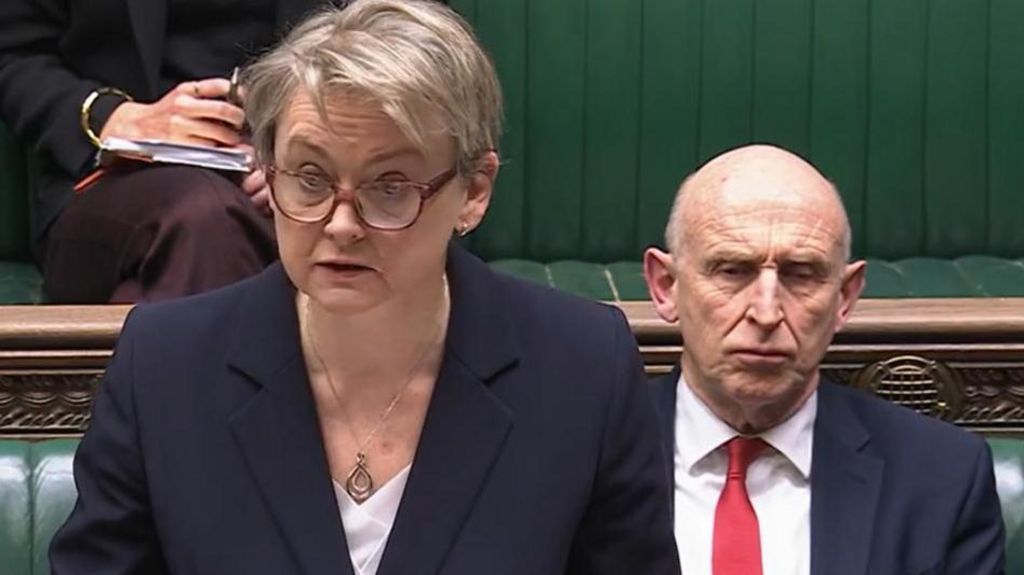
    British Foreign Secretary Yvette Cooper has formally challenged United States Secretary of State Marco Rubio regarding Washington’s recent military intervention in Venezuela, emphasizing the critical importance of adhering to international legal standards. This diplomatic confrontation occurred following the controversial capture of Venezuelan President Nicolás Maduro by U.S. forces under President Donald Trump’s authorization over the weekend.

    Addressing Parliament during a tense session in the House of Commons, Cooper revealed she had explicitly raised compliance with international law during discussions with Rubio, marking the British government’s first official statement on the escalating situation. Her stance notably diverged from Prime Minister Sir Keir Starmer’s more cautious approach, which has focused primarily on condemning Maduro’s authoritarian regime without directly criticizing U.S. actions.

    The political divide deepened as Conservative leader Kemi Badenoch expressed disappointment with the government’s response, advocating for stronger alignment with Washington. Badenoch defended the U.S. operation as a necessary measure against drug trafficking and potential terrorism, while simultaneously acknowledging concerns about the precedent it might establish for global norms.

    Cross-party pressure mounted significantly during the parliamentary debate. Emily Thornberry, Labour chair of the Commons Foreign Affairs Committee, argued that Britain must unequivocally declare the U.S. operation a violation of international law. Liberal Democrat leader Ed Davey characterized the government’s hesitant stance as ‘ridiculous,’ while Labour backbencher Richard Burgon condemned the prime minister’s apparent reluctance to challenge Trump as ‘cowardly and craven.’

    Security analysts warned that the U.S. intervention could potentially destabilize international relations and embolden other world leaders to disregard established international agreements. Cooper addressed these concerns by drawing careful distinctions between Venezuela and Ukraine, cautioning against equating Trump’s actions with Putin’s invasion and systematic deportation of Ukrainian children, which resulted in an international arrest warrant against the Russian leader.

    The government maintains its primary focus should remain on supporting Venezuela’s peaceful transition to democracy while continuing diplomatic efforts to uphold international legal standards through United Nations channels.

  • Watch: What it was like in the courtroom at Maduro’s hearing

    Watch: What it was like in the courtroom at Maduro’s hearing

    In a significant judicial proceeding, former Venezuelan President Nicolás Maduro appeared before a judge with BBC correspondent Madeline Halpert providing exclusive eyewitness accounts from within the courtroom. The hearing marked a pivotal moment in Venezuela’s ongoing political and legal landscape, drawing international attention to the judicial processes involving the controversial leader.

    Halpert’s firsthand observations detailed the courtroom atmosphere as tense yet procedurally formal, with Maduro demonstrating a composed demeanor while addressing the bench. The proceedings unfolded under tight security measures, reflecting the high-stakes nature of the case that has captivated both domestic and international audiences.

    The judicial review represents a critical juncture in Venezuela’s complex political trajectory, potentially setting precedents for how former heads of state are held accountable within legal frameworks. The hearing’s developments are being closely monitored by global human rights organizations, international legal experts, and diplomatic circles concerned with rule of law applications in politically charged environments.

    This courtroom appearance occurs against the backdrop of Venezuela’s multifaceted crisis, encompassing economic challenges, political polarization, and international sanctions. The judicial process is expected to undergo rigorous scrutiny from various stakeholders assessing its adherence to international legal standards and procedural fairness.

  • Maduro heckled and cut off in defiant US court appearance

    Maduro heckled and cut off in defiant US court appearance

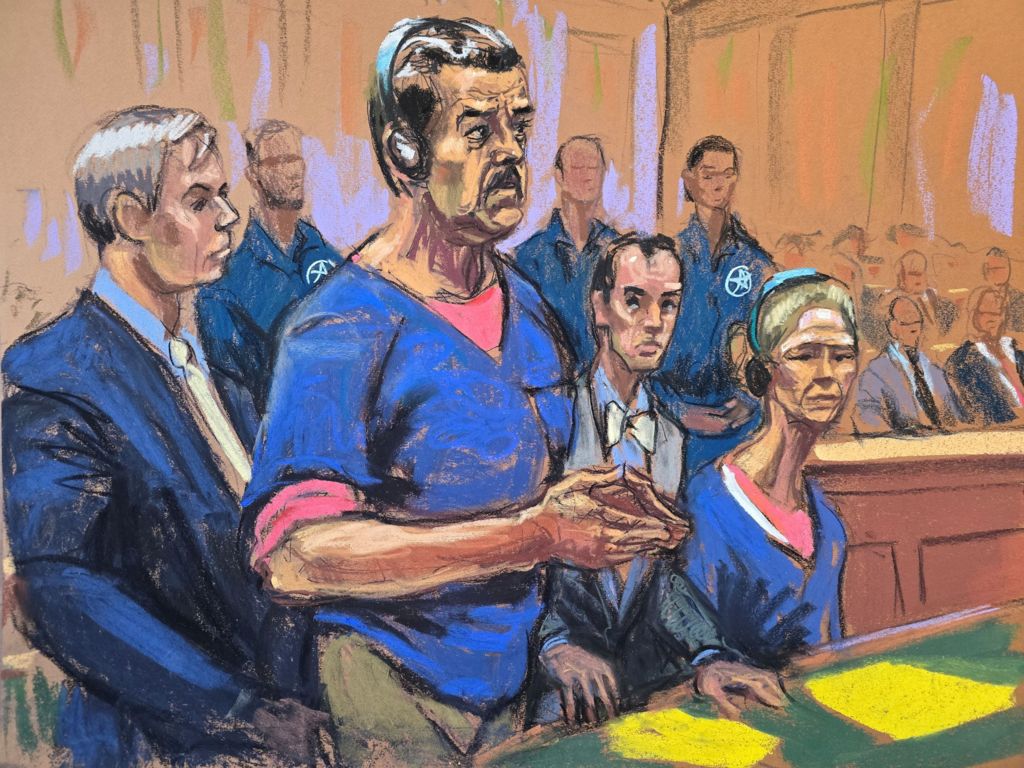
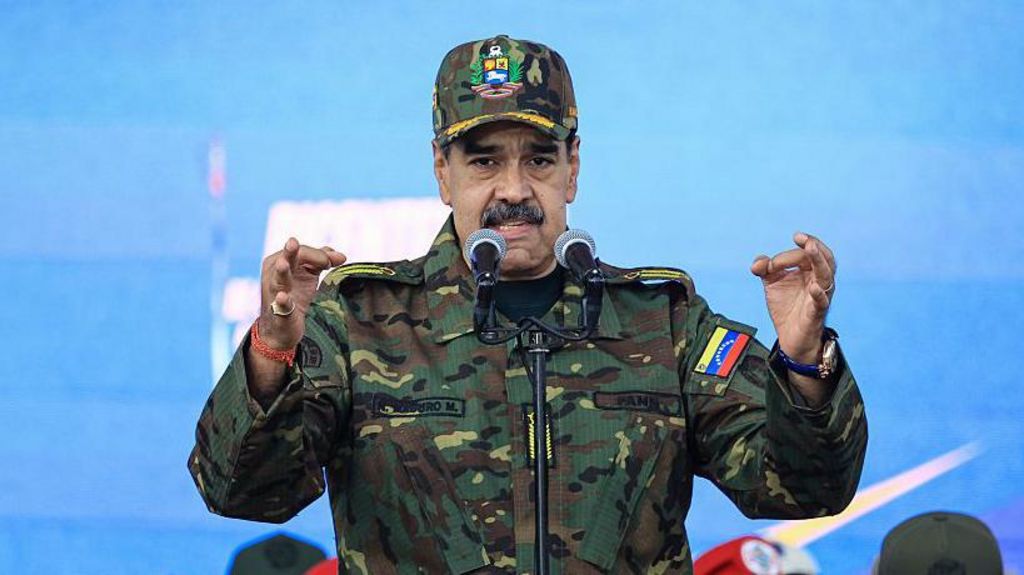
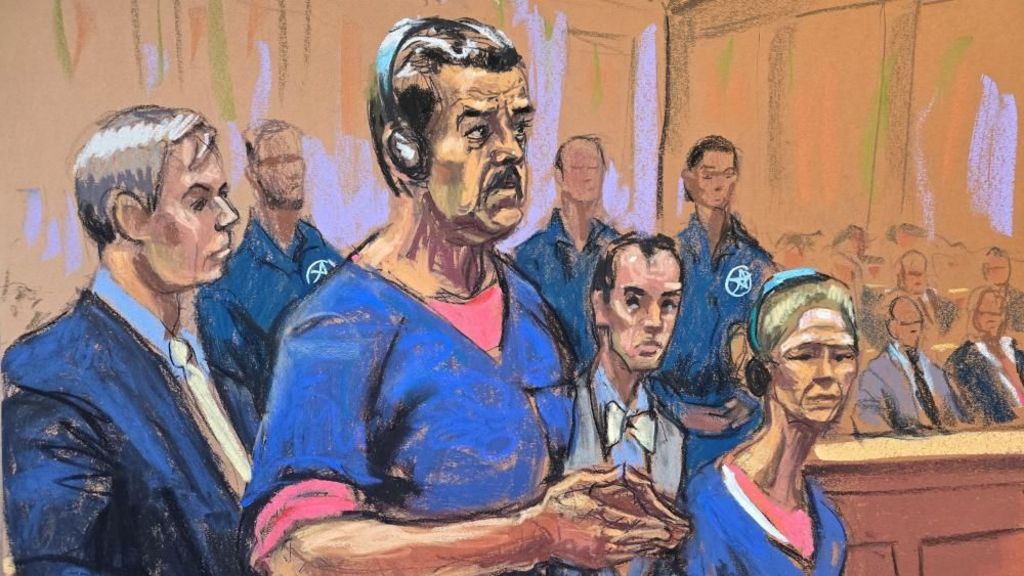
    In a dramatic courtroom spectacle that captured international attention, former Venezuelan leader Nicolás Maduro delivered a defiant performance during his first U.S. court appearance on Monday. The deposed president, clad in orange prison attire beneath a dark shirt, pleaded not guilty to narcotics and weapons charges while declaring himself a “prisoner of war” who had been unlawfully kidnapped by American forces.

    The proceedings at Manhattan’s federal courthouse unfolded before a packed audience of legal professionals, journalists, and observers as Maduro seized the opportunity to address global audiences. Speaking exclusively in Spanish through a court interpreter, the 63-year-old politician asserted his continued legitimacy as Venezuela’s rightful leader despite being ousted from power.

    Judge Alvin Hellerstein repeatedly intervened to maintain courtroom decorum as Maduro expanded his responses beyond procedural formalities. The most intense moment occurred during a heated exchange with a spectator who shouted that Maduro would face justice for his alleged crimes, prompting the defendant’s declaration of being a political captive before U.S. marshals escorted him from the chamber.

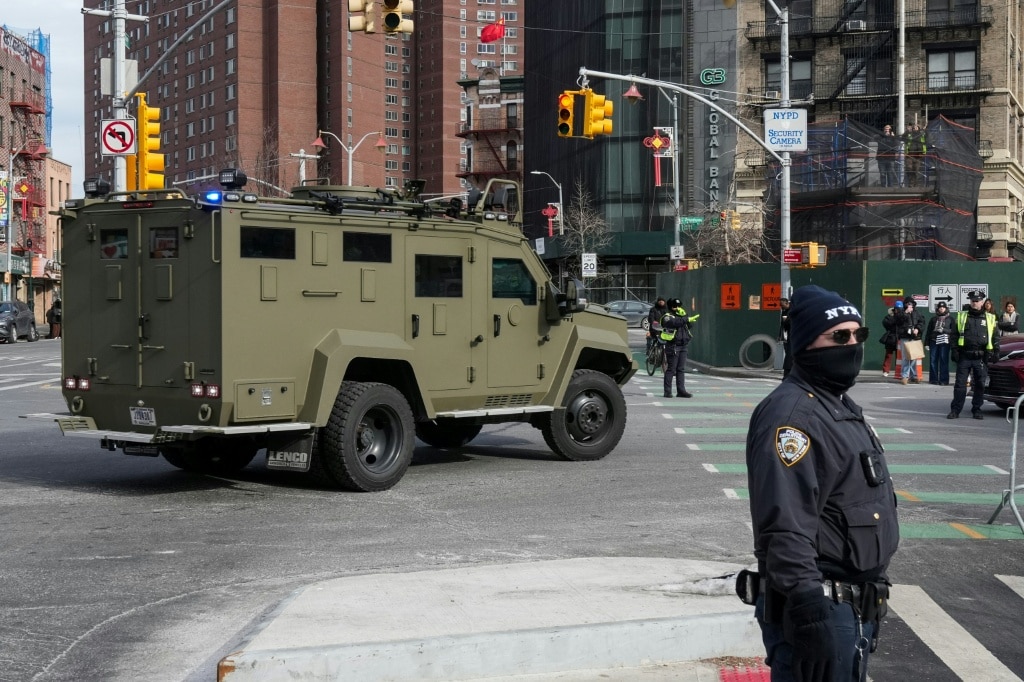
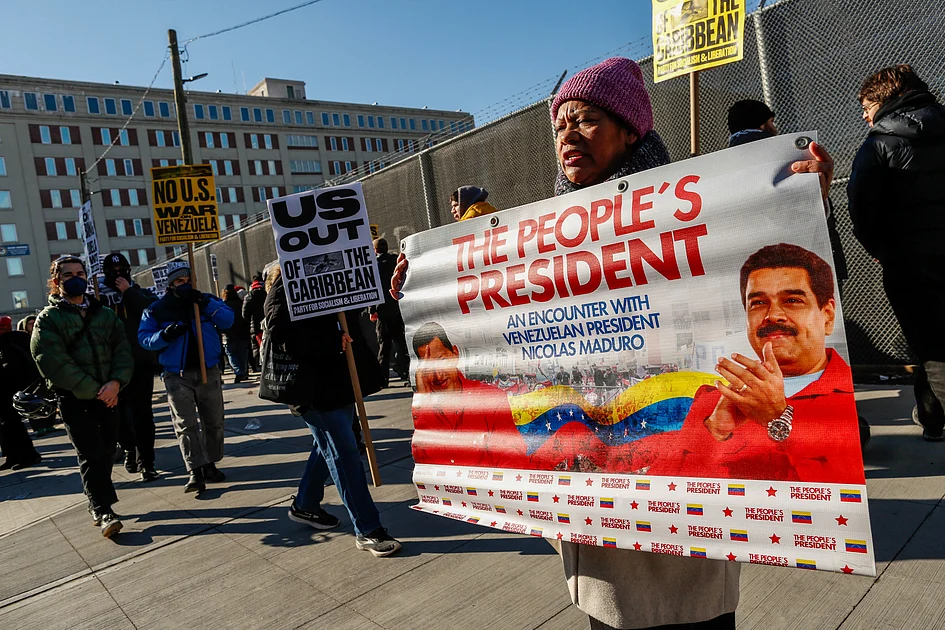
    Outside the courthouse, New York police maintained tight security with metal barriers and patrols since early morning. The scene witnessed divided demonstrations with pro-Maduro activists waving Venezuelan flags and chanting anti-intervention slogans while expatriate communities celebrated his prosecution as a victory for justice. The contrasting displays of support and condemnation required constant monitoring by law enforcement personnel to prevent clashes.

    The theatrical arrival of Maduro and his wife Cilia Flores via armored vehicle with heavily armed escorts contrasted sharply with the controlled courtroom environment where marshals stood weaponless behind the defendants. Flores, sporting blonde tied-up hair and matching attire, observed proceedings alongside her husband’s legal team as Maduro meticulously documented the hearing with pen and paper.

  • Cuba faces uncertain future after US topples Venezuelan leader Maduro

    Cuba faces uncertain future after US topples Venezuelan leader Maduro

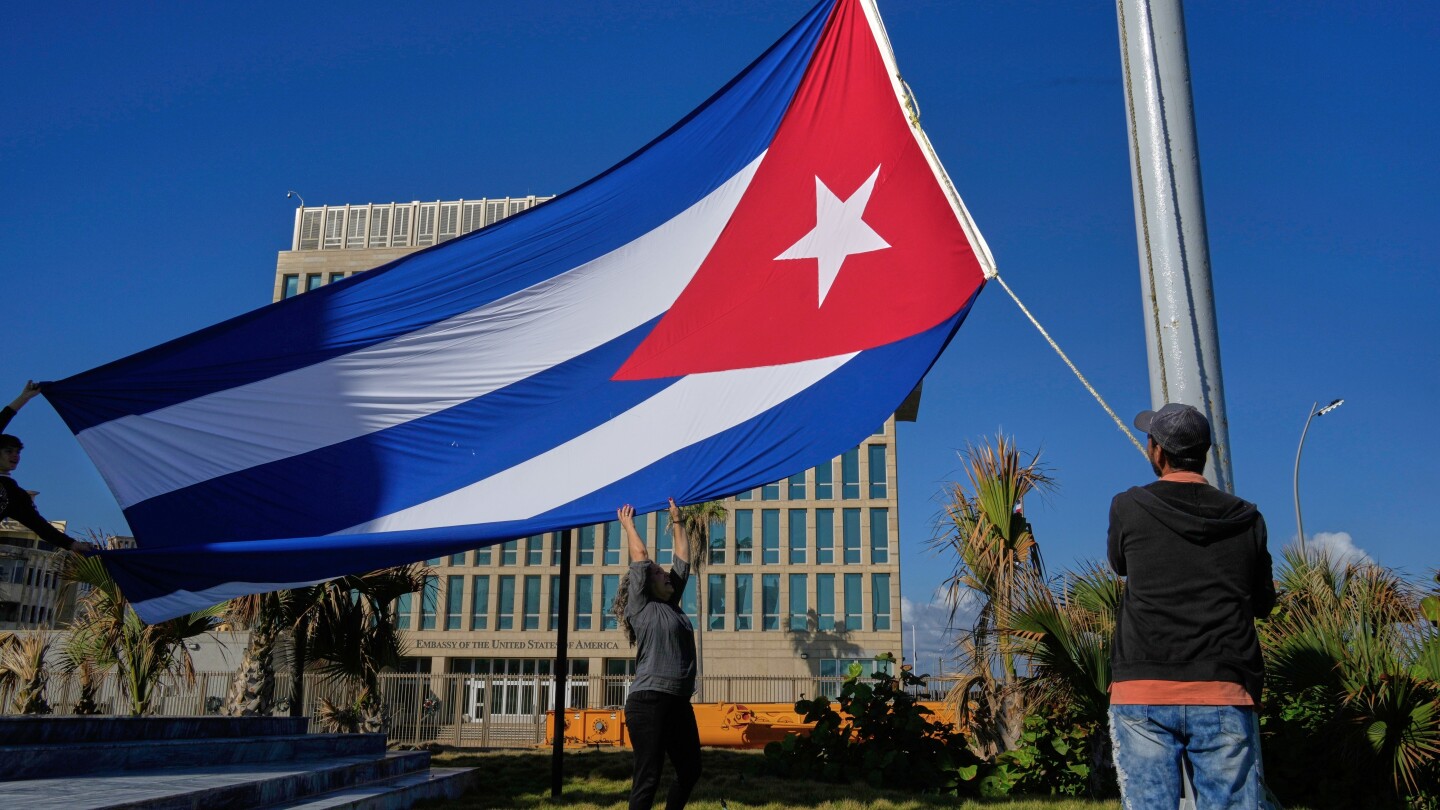
    HAVANA — In a solemn predawn ceremony, Cuban officials lowered national flags to honor 32 security officers reportedly killed during what authorities describe as a U.S.-led offensive in Venezuela. The incident has triggered profound anxiety across the island nation, raising urgent questions about Cuba’s political and economic future following the capture of President Nicolás Maduro, Havana’s closest regional ally.

    The strategic partnership between Cuba and Venezuela represents one of Latin America’s most deeply intertwined relationships. Cuban military and security personnel have historically provided protection for the Venezuelan leadership, while Caracas’s petroleum exports have sustained Cuba’s struggling economy through years of financial hardship. Cuban authorities confirmed the casualties from what they termed a ‘surprise attack’ but declined to provide specific operational details.

    The Trump administration has explicitly framed the Venezuela intervention as a direct blow to Cuba’s government, highlighting how the severance of Venezuelan support could produce devastating consequences for Havana’s leadership. On Saturday, Cuban officials appealed for international condemnation of what they characterized as ‘state terrorism.’

    President Trump subsequently emphasized that Cuba’s already fragile economy would face further deterioration following Maduro’s ouster, bluntly stating that the island nation was ‘going down for the count.’

    Geopolitical analysts note the extraordinary influence exerted by Cuba—with approximately 10 million citizens—over oil-rich Venezuela, which possesses triple the population. This relationship has provided crucial stability despite Cuba’s chronic domestic challenges, including widespread blackouts and severe shortages of basic commodities. The recent escalation has introduced the previously unthinkable prospect of even grimmer conditions ahead.

    Emotional responses from Cuban citizens reflected the gravity of the situation. ‘I can’t talk. I have no words,’ expressed 75-year-old Berta Luz Sierra Molina through tears. Another resident, 63-year-old Regina Mendez, declared readiness to take up arms despite being beyond military age, stating, ‘Give me a rifle, and I’ll go fight.’

    Energy experts quantify the potential crisis: Venezuela has supplied Cuba with approximately 35,000 barrels of oil daily over recent months, covering about a quarter of the island’s total demand. Jorge Piñón of the University of Texas at Austin Energy Institute identified the critical unanswered question: ‘Is the U.S. going to allow Venezuela to continue supplying Cuba with oil?’

    Piñón referenced Mexico’s reduced oil shipments to Cuba—from 22,000 to 7,000 barrels daily—following U.S. diplomatic pressure, suggesting similar constraints could apply to Venezuelan supplies. Ricardo Torres, an economist at American University, warned that current significant blackouts occur despite ongoing Venezuelan support, predicting ‘catastrophe’ if these shipments are interrupted.

    Reporting contributions came from San Juan, Puerto Rico; Havana; and Buenos Aires.

  • Venezuelan parliament swears in interim president after Maduro’s ouster

    Venezuelan parliament swears in interim president after Maduro’s ouster

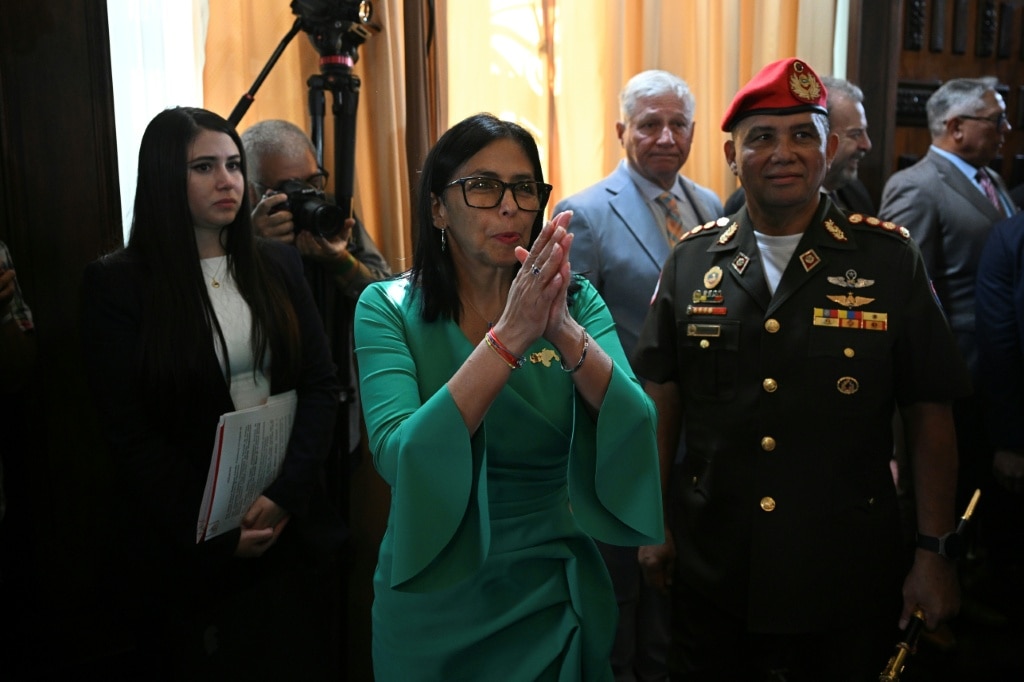
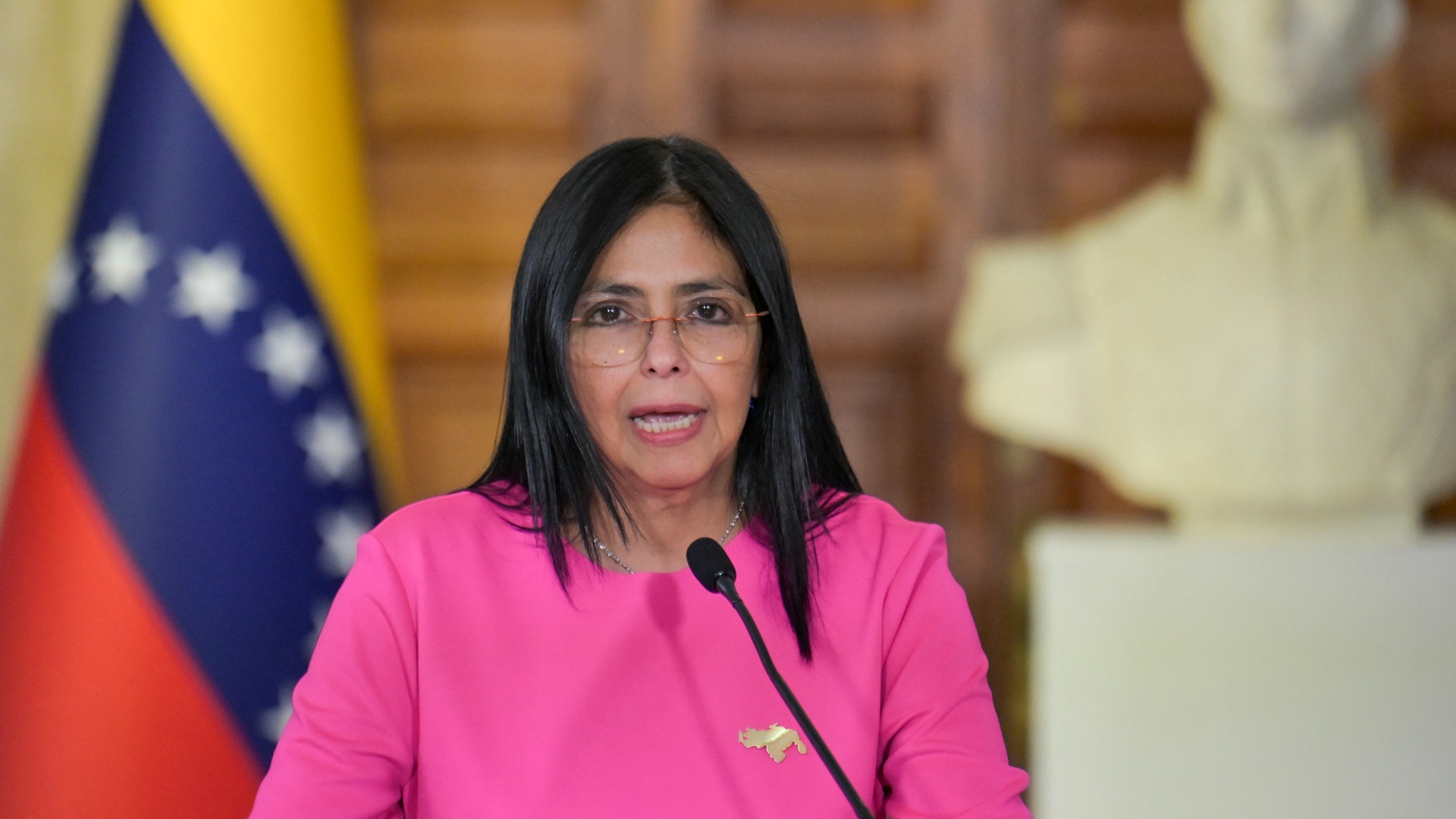
    Venezuela’s political landscape underwent a dramatic transformation as the National Assembly formally appointed Delcy Rodríguez as interim president on Monday. This constitutional procedure follows the extraordinary capture of former president Nicolás Maduro by U.S. military forces, who now faces narcotics trafficking charges in New York alongside his wife, Cilia Flores.

    During a charged parliamentary session, Rodríguez took the oath of office ‘in the name of all Venezuelans,’ simultaneously expressing profound distress over what she termed the ‘kidnapping of our heroes’ by United States authorities. The assembly unanimously condemned Maduro’s seizure during what they described as a military assault that has reverberated across international diplomatic circles.

    The legislative body demonstrated consolidated support for the new leadership by reaffirming Jorge Rodríguez, the interim president’s brother, as parliamentary speaker. This consolidation of power places the influential siblings at the helm of both executive and legislative branches of government.

    The session opened with lawmakers chanting campaign slogans from Maduro’s controversial 2024 election bid, which had been widely criticized by opposition groups and numerous nations as illegitimate. Senior legislator Fernando Soto Rojas delivered a vehement address, accusing U.S. President Donald Trump of assuming unjustified roles as ‘prosecutor, judge, and policeman of the world.’

    The transition received judicial validation from Venezuela’s Supreme Court, which had ordered Rodríguez to assume presidential duties in an acting capacity on Saturday. This was followed by explicit military endorsement on Sunday, creating a unified front within the country’s power structures.

    Maduro’s son, Nicolás Maduro Guerra, publicly pledged his family’s support to the interim administration, stating the nation remained ‘in good hands’ during his parents’ absence. He emphasized Venezuela’s desire for international relations ‘based on equality, mutual respect, and cooperation, without threats and without interference.’

    The political shift occurs against the backdrop of a parliament dominated by the United Socialist Party of Venezuela (PSUV) and its allies, who control 256 of 286 seats following elections largely boycotted by opposition factions last May.

    While Rodríguez initially maintained that Maduro remains the country’s ‘only’ president, she has subsequently extended offers of cooperation to Washington. This overture comes alongside warnings from President Trump that failure to comply with U.S. demands regarding policy reforms and oil access could result in consequences more severe than those faced by her predecessor.

  • US sharply criticised by foes and friends over Maduro seizure

    US sharply criticised by foes and friends over Maduro seizure

    An emergency session of the United Nations Security Council witnessed unprecedented diplomatic fallout as the United States faced widespread condemnation for its military operation to apprehend Venezuelan President Nicolás Maduro. While numerous member states acknowledged Maduro’s illegitimate and repressive governance, the unilateral action provoked fierce criticism from both American allies and adversaries alike.

    France emerged as the most vocal critic among US allies, with Deputy Ambassador Jay Dharmadhikari declaring the operation “counter to the principle of peaceful dispute resolution and runs counter to the principle of the non-use of force.” This sentiment was echoed by Denmark’s Deputy UN Ambassador Sandra Jensen Landi, who expressed “deep concern” and warned the action sets “a dangerous precedent” for international law.

    The European bloc demonstrated significant division, with the United Kingdom and Greece notably refraining from direct condemnation. UK acting ambassador James Kariuki offered only a tepid statement advocating for a “safe and peaceful transition” without addressing the legality of the US operation.

    Russian Ambassador Vassili Nebenzia delivered the harshest rhetoric, accusing the US of “international banditry” and “neo-colonialism and imperialism.” China’s Chargé d’Affaires Sun Lei similarly condemned what he termed “unilateral, illegal and bullying acts of the US,” while Colombia’s ambassador Leonor Zalabata Torres stated there is “no justification for the unilateral use of force to commit an act of aggression.”

    The diplomatic dilemma for European nations was particularly acute, torn between defending fundamental principles of sovereignty and maintaining pragmatic relations with a crucial security partner. This conflict was exemplified by EU statements that emphasized the importance of international law without specifically condemning the US action, despite acknowledging Maduro’s illegitimate status and recognizing drug trafficking as a “significant security threat worldwide.”

    The operation has reignited debates about Western double standards regarding territorial integrity, with many developing countries likely to add Venezuela to their list of examples alongside Vietnam and Iraq. The crisis has prompted broader questions about European strategic autonomy, with Polish Prime Minister Donald Tusk advocating for a more self-reliant and united Europe in the face of perceived American unpredictability.

  • ‘I’m a prisoner of war’ – In the room for Maduro’s dramatic court hearing

    ‘I’m a prisoner of war’ – In the room for Maduro’s dramatic court hearing

    In an extraordinary legal proceeding that captured global attention, Venezuelan President Nicolás Maduro made his first appearance in a Manhattan federal courtroom amid dramatic circumstances. The hearing commenced with the audible clanking of leg shackles as the controversial leader entered the same courtroom where Sean ‘Diddy’ Combs faced trial months earlier.

    Maduro immediately made explosive claims to the packed courtroom, declaring through a Spanish interpreter that he had been ‘kidnapped’ from his Caracas residence on January 3rd. The 63-year-old leader maintained remarkable composure despite the circumstances, identifying himself as ‘president of the Republic of Venezuela’ while insisting on his captive status.

    Presiding Judge Alvin Hellerstein, the 92-year-old jurist, promptly intervened to postpone discussions of Maduro’s allegations, emphasizing there would be appropriate time to address such matters. During the 40-minute arraignment, both Maduro and his wife, Cilia Flores, entered not guilty pleas to multiple charges including narco-terrorism conspiracy, cocaine importation conspiracy, and weapons violations.

    ‘I’m innocent. I’m a decent man,’ Maduro asserted in Spanish, with Flores echoing similar declarations of complete innocence. The couple appeared in standard prison attire—blue and orange jail shirts with khaki pants—utilizing headphones for real-time translation throughout the proceedings. Maduro demonstrated meticulous attention to detail, taking extensive notes on a yellow legal pad and securing judicial permission to retain them post-hearing.

    The emotional atmosphere intensified when a spectator suddenly shouted that Maduro would ‘pay for his crimes,’ prompting the Venezuelan leader to retort: ‘I’m a president and prisoner of war.’ The disruptive individual was subsequently escorted from the courtroom in tears.

    Flores presented a more subdued presence, displaying visible bandages near her eyes and forehead which her legal team attributed to injuries sustained during Saturday’s arrest operation. Her attorneys requested comprehensive medical evaluation for potentially fractured ribs amid concerns about her physical condition.

    The couple waived immediate bail considerations but retained the right to petition for release at future proceedings. Their case has been scheduled for continued hearing on March 17, as the United States justice system engages in an unprecedented prosecution of a sitting foreign head of state.

  • Interim Venezuelan leader offers to ‘collaborate’ with US after Trump warning

    Interim Venezuelan leader offers to ‘collaborate’ with US after Trump warning

    A dramatic shift in Venezuela’s political landscape has unfolded following a decisive US military operation that resulted in the capture of President Nicolas Maduro. Interim President Delcy Rodriguez, set to be formally sworn in on Monday, has extended an unexpected olive branch to the Trump administration, proposing a collaborative agenda focused on “shared development within the framework of international law.” This conciliatory approach, communicated via social media platform X, stands in stark contrast to her earlier accusations that the operation possessed “Zionist undertones.

    The capture itself was executed with formidable force. US special forces extracted Maduro and his wife, Cilia Flores, from Caracas in a pre-dawn raid on Saturday, supported by American fighter jets that targeted key military installations across the country. President Trump issued a stark warning to Rodriguez, stating she would “pay a very big price, probably bigger than Maduro” if she fails to align with US interests. He defended the intervention as a necessary regime change, asserting the US would oversee Venezuela until a “safe and proper and judicious transition” is achievable, with US oil companies poised to capitalize on the nation’s vast crude reserves—the largest in the world.

    The aftermath has been bloody. Reports from Havana confirm 32 Cuban citizens, identified as military and intelligence personnel, were killed during the operation, prompting two days of national mourning in Cuba. The New York Times estimates the total death toll, including civilians, to be at least 80. Maduro and Flores now face drug trafficking charges and are scheduled for a US court appearance, where Maduro is expected to contest his arrest based on head-of-state immunity.

    Trump’s rhetoric further inflamed regional tensions. He targeted Colombian President Gustavo Petro with unsubstantiated allegations, calling him “a sick man who likes making cocaine,” and ambiguously suggested similar military action in Colombia “sounds good.” Petro vehemently refuted the claims and called for public mobilization across Latin America. While several Western nations welcomed Maduro’s removal, a coalition including Spain, Brazil, and Mexico condemned the US actions as an “extremely dangerous precedent” that violates international law and jeopardizes regional security.