分类: politics

  • A rare ‘thank you’ to the media from the Trump administration

    A rare ‘thank you’ to the media from the Trump administration

    In an unusual departure from its typically adversarial relationship with the press, the Trump administration has publicly thanked major news organizations for exercising restraint in reporting sensitive military information. The gratitude follows last weekend’s successful U.S. military operation in Venezuela that resulted in the capture of President Nicolás Maduro.

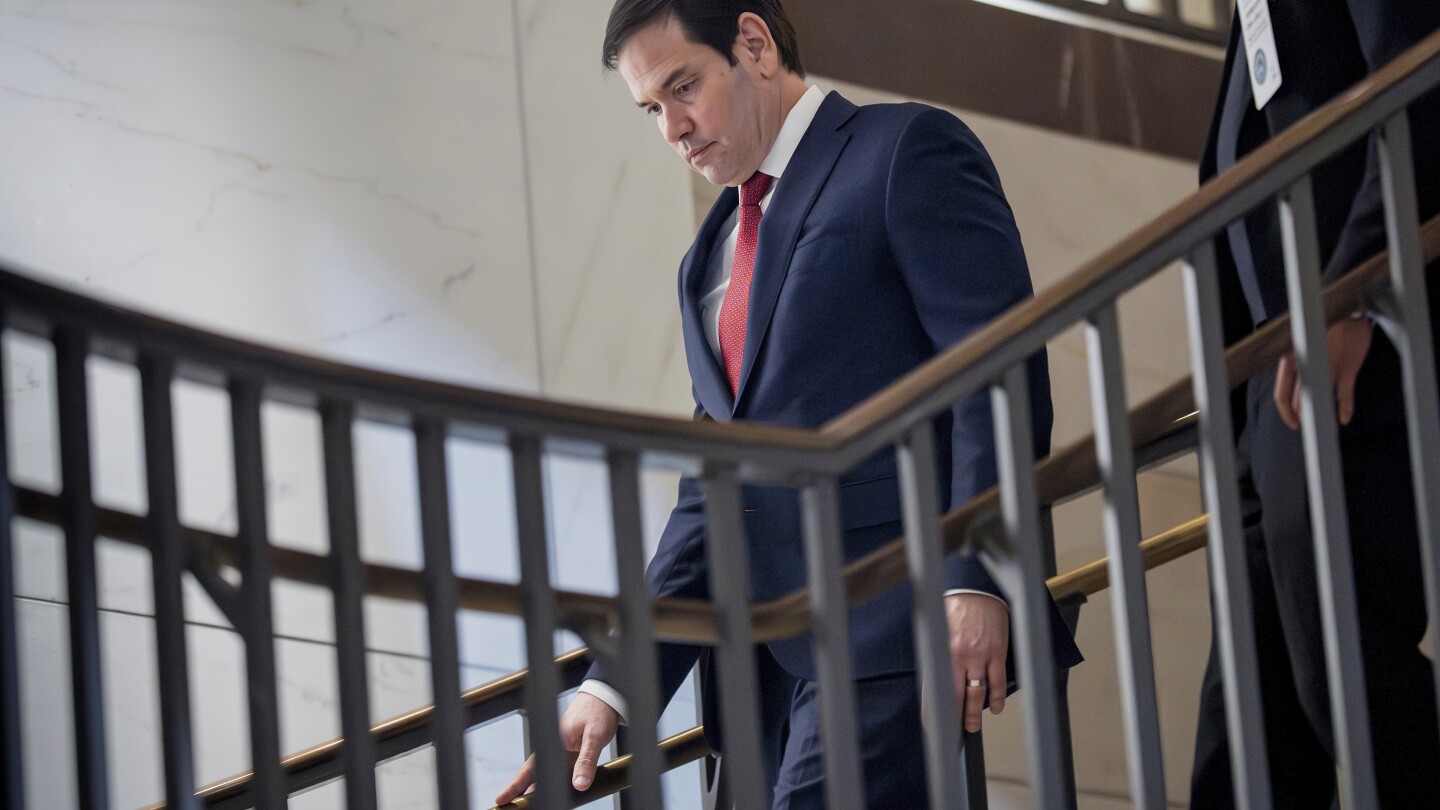
    Secretary of State Marco Rubio specifically acknowledged that several prominent media outlets, including The New York Times and The Washington Post, had obtained advance knowledge of the planned strike but deliberately withheld publication to prevent compromising operational security and endangering American lives. This recognition marks a significant moment in the administration’s frequently contentious relationship with the press corps.

    The administration’s appreciation emerges against the backdrop of Defense Secretary Pete Hegseth’s implementation of restrictive press regulations at the Pentagon, which have prompted most mainstream news organizations to vacate their assigned positions rather than comply with what they consider excessive constraints. Hegseth has consistently cited concerns about journalists’ handling of classified information as justification for these measures.

    According to reports from Semafor, administration officials engaged in direct communications with news organizations regarding the Venezuela operation. Veteran national security reporter Dana Priest, now a professor at the University of Maryland, emphasized that such discretion represents standard practice for reputable news organizations when lives are at stake.

    The complex dynamics of national security reporting were further illustrated by incidents such as The Atlantic editor Jeffrey Goldberg’s accidental inclusion in a text chain revealing details about a Yemen operation last spring. Goldberg waited until all personnel were safe and information was verified before publishing.

    Historical precedents include President John F. Kennedy’s successful persuasion of The New York Times to withhold information about the Bay of Pigs invasion—a decision later regretted when the mission failed spectacularly. This tension between national security interests and the public’s right to knowledge continues to define the delicate balance media organizations must maintain.

    Despite administrative pressures, journalists remain committed to their fundamental mission of informing the public while exercising appropriate judgment regarding operational security, according to Priest, who characterized the Pentagon’s current rules as ‘ridiculously broad censorship.’
  • Progress for Ukraine talks in Paris uncertain with US focus shifting to Venezuela

    Progress for Ukraine talks in Paris uncertain with US focus shifting to Venezuela

    PARIS — A critical gathering of Ukrainian allies convened in Paris on Tuesday to deliberate post-ceasefire security arrangements, though the proceedings encountered unexpected complications due to shifting American geopolitical priorities. The summit, orchestrated by French President Emmanuel Macron, assembled an unprecedented delegation of 35 participants including 27 heads of state and government, all dedicated to formulating concrete security guarantees for Ukraine against potential future Russian aggression.

    The original American delegation, initially slated to be led by Secretary of State Marco Rubio, underwent last-minute restructuring following Washington’s heightened engagement with Venezuelan affairs. The United States instead dispatched envoys Steve Witkoff and Jared Kushner to represent President Trump’s administration. This diplomatic rearrangement occurred despite prior indications of substantive progress in multilateral discussions regarding Ukrainian security frameworks.

    Central to the negotiations were five pivotal security priorities: ceasefire monitoring mechanisms, sustained support for Ukraine’s armed forces, potential deployment of multinational forces across various domains, contingency plans for renewed Russian aggression, and long-term defense cooperation agreements. European leadership, particularly France and Britain, have championed a comprehensive approach that would strengthen Ukraine’s military capabilities through advanced weaponry, specialized training, and intelligence sharing.

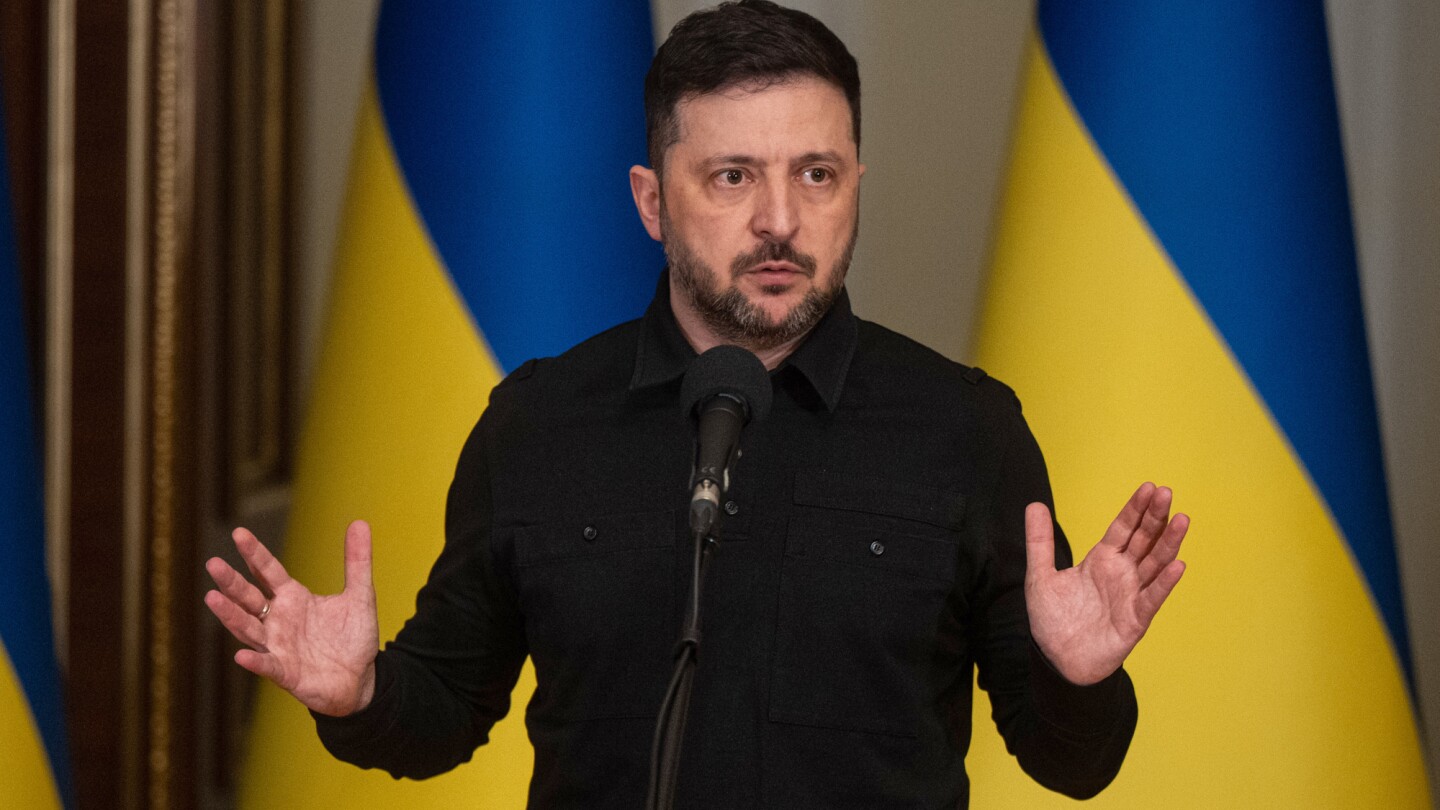
    President Volodymyr Zelenskyy expressed cautious optimism while acknowledging implementation challenges, noting that parliamentary approvals across multiple nations might complicate military commitments. The Ukrainian leader emphasized that meaningful participation from nuclear-capable European powers would be essential for the coalition’s credibility, suggesting that alternative support mechanisms including sanctions and financial assistance could supplement defense arrangements.

    The Paris meeting represents the culmination of months of diplomatic efforts by the so-called ‘coalition of the willing,’ though the ultimate effectiveness of these security guarantees remains contingent on sustained international engagement and resolution of critical operational details.

  • Trump and House Republicans are meeting to talk about their election-year agenda

    Trump and House Republicans are meeting to talk about their election-year agenda

    WASHINGTON — President Donald Trump is convening with House Republicans on Tuesday for a comprehensive policy forum at a pivotal juncture in the midterm election cycle. This gathering occurs as the GOP navigates a razor-thin legislative majority and internal party tensions that could significantly influence Trump’s final two years in office.

    The daylong strategic session will take place at the Kennedy Center performing arts venue, recently renamed the Trump-Kennedy Center by its Trump-loyalist board—a controversial decision currently facing legal challenges. The location choice marks a departure from typical Capitol or nearby off-campus venues traditionally used for political discussions, with the Speaker’s office offering no explanation for this unconventional selection.

    Key agenda items include healthcare legislation, particularly the extension of expired insurance subsidies expected for vote this week. The party also aims to advance its signature tax-and-border legislation while developing a broader affordability platform ahead of midterm elections. Republicans are additionally considering a second tax bill that could pass through party-line voting, while simultaneously confronting the possibility of a partial government shutdown by month’s end.

    The meeting occurs against a backdrop of diminishing GOP cohesion. With Representative Marjorie Taylor Greene’s resignation reducing their majority to 219-213, Republican leadership faces increased challenges in maintaining party discipline. Rank-and-file lawmakers have demonstrated growing willingness to defy both Trump and leadership priorities, as evidenced in recent debates surrounding the Jeffrey Epstein document releases.

    Furthermore, the administration’s recent capture of Venezuelan leader Nicolás Maduro has reignited constitutional debates regarding presidential war powers, though House Republicans have largely supported these foreign policy actions. This development follows an extended campaign involving US military buildup in South American waters and targeted strikes on alleged drug trafficking vessels.

    AP Congressional Correspondent Lisa Mascaro contributed to this reporting.

  • Venezuela urges action from UN Security Council following US strikes

    Venezuela urges action from UN Security Council following US strikes

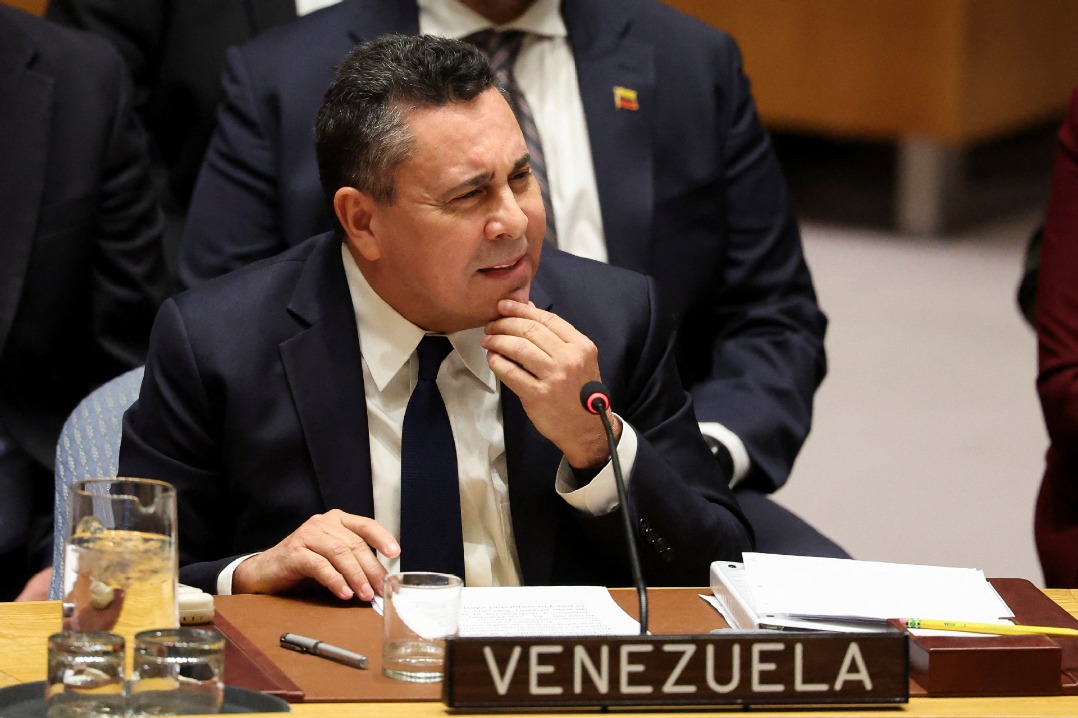
    Venezuela has formally requested urgent intervention from the United Nations Security Council following what it characterizes as unlawful military strikes by the United States and the forcible extraction of President Nicolás Maduro and First Lady Cilia Flores. The extraordinary diplomatic confrontation unfolded during an emergency session at UN headquarters in New York on Monday.

    Ambassador Samuel Moncada, Venezuela’s permanent representative to the UN, presented a comprehensive condemnation of Washington’s actions over the weekend, describing them as a flagrant violation of international law and the UN Charter. The ambassador articulated three primary demands: the immediate release and safe repatriation of President Maduro and his spouse with full respect for their diplomatic immunities; an unambiguous Security Council condemnation of the use of force against Venezuela; and the reaffirmation of the principle prohibiting territorial acquisition through military means.

    Moncada framed the situation as extending beyond bilateral tensions, warning that tolerance of such actions would establish a dangerous precedent undermining global security architecture. “When force is used to control resources, impose governments, or redesign states, we are faced with a logic that harks back to the worst practices of colonialism,” he stated during his address to the fifteen-member council.

    The Venezuelan diplomat further asserted that the military operation constituted multiple violations of fundamental international principles, including the sovereign equality of states, the prohibition against territorial aggression, and the obligation to resolve disputes through peaceful means. He additionally cited breaches of the Geneva Conventions and their Additional Protocols governing armed conflict.

    Characterizing the situation as a critical test for multilateralism, Moncada cautioned that failure to respond adequately would signal that “law is optional, and that force is the true arbiter of international relations.” The emergency session represents one of the most significant confrontations between a Latin American nation and a permanent Security Council member in recent history, with potential implications for international norms regarding state sovereignty and great power conduct.

  • Netflix pulls Chinese drama after Vietnam’s outcry over disputed map

    Netflix pulls Chinese drama after Vietnam’s outcry over disputed map

    Netflix has complied with Vietnamese government demands to remove the popular Chinese romantic drama ‘Shine On Me’ from its streaming platform in Vietnam. The action follows official objections to the show’s depiction of China’s controversial nine-dash line territorial claims in the South China Sea, which Hanoi considers a violation of its national sovereignty.

    The dispute centers on episode 25 of the series, which features several appearances of a Chinese map displaying the nine-dash line during a scene about solar power potential. The contentious demarcation appears projected on an auditorium screen during a lecture attended by the show’s main characters.

    Vietnam’s Ministry of Culture issued a formal removal order on January 3, giving Netflix 24 hours to comply with the demand. By Tuesday, the series was no longer accessible to Vietnamese subscribers, despite previously ranking among Netflix’s Top 10 shows in several Asian territories including Singapore, Taiwan, and Vietnam itself.

    This incident represents the latest chapter in ongoing tensions between China and Vietnam over maritime sovereignty. Beijing maintains historical claims to approximately 90% of the South China Sea based on the U-shaped nine-dash line, while Vietnam asserts its own historical jurisdiction over the Paracel and Spratly island chains dating back to the 17th century.

    The controversy extends beyond Chinese productions. Vietnam has previously banned other media content featuring the nine-dash line, including Warner Bros’ ‘Barbie’ in 2023 and DreamWorks’ ‘Abominable’ in 2019. In 2023, another Chinese drama, ‘Flight to You,’ faced similar removal from Netflix’s Vietnamese platform.

    China’s state-run Global Times responded to the latest ban by urging Vietnam to ‘separate cultural exchanges from the South China Sea issue,’ though Beijing has not issued an official government statement on the matter. The situation highlights how cultural products increasingly become entangled in complex geopolitical disputes, with streaming platforms caught between competing national interests and censorship demands.

  • South African statement at a UN Security Council meeting on Venezuela

    South African statement at a UN Security Council meeting on Venezuela

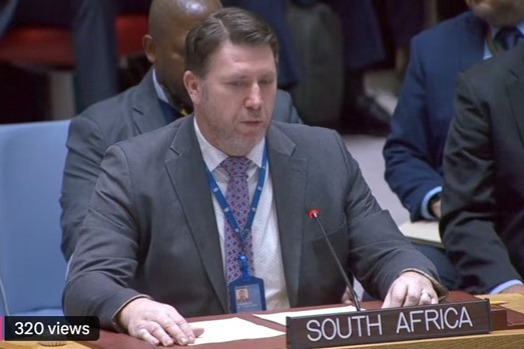
    In a forceful address to the United Nations Security Council, South Africa’s representative delivered a scathing critique of recent United States military operations targeting Venezuela. The emergency session, convened on Monday in New York, addressed what the South African delegation characterized as unlawful cross-border enforcement actions.

    The African nation’s statement condemned American unilateral strikes against Venezuelan territory and the reported abduction of President Nicolas Maduro alongside his spouse, describing these actions as flagrant violations of Venezuela’s sovereignty, territorial integrity, and political independence. The representative emphasized that such operations fundamentally contradict established international legal norms and dangerously reinforce the principle that ‘might makes right’ while simultaneously undermining diplomatic resolution mechanisms.

    Citing foundational principles of international jurisprudence, the South African delegation underscored that states maintain exclusive jurisdiction over persons and conduct within their territorial boundaries. Any enforcement of domestic law—including arrest operations—by one nation within another’s territory without explicit consent constitutes an unlawful breach of sovereignty, according to the statement.

    The address highlighted available recourse mechanisms under international law, including bringing cases before the International Court of Justice or seeking authorized action through the UN Security Council itself. South Africa warned that bypassing these established channels represents a dangerous regression to a pre-UN world order—one that precipitated two catastrophic world wars and fostered systemic international instability and lawlessness.

    The statement concluded with a stark warning about the perils of abandoning the international legal framework, asserting that the global community cannot navigate an increasingly complex future without the stability and protection afforded by respecting international law and multilateral institutions.

  • Russian statement at a UN Security Council meeting on Venezuela

    Russian statement at a UN Security Council meeting on Venezuela

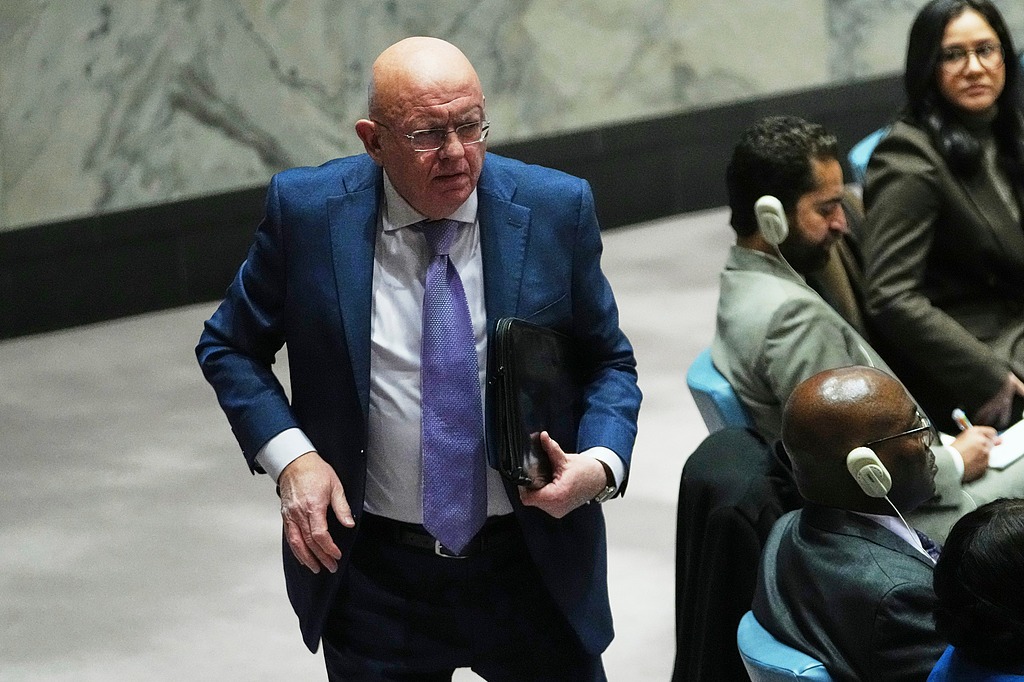
    In a sharply worded address to the United Nations Security Council, Russian Ambassador Vassily Nebenzia delivered a sweeping condemnation of American actions in Venezuela during an emergency session convened on Monday, January 5, 2026. The Russian permanent representative characterized recent events in Caracas as representing a dangerous return to an era of international lawlessness and brute force domination.

    Ambassador Nebenzia’s statement framed the operation against Venezuelan leadership, which reportedly resulted in numerous Venezuelan and Cuban casualties, as emblematic of a broader pattern of American coercion that continues to inflict suffering across multiple global regions. The Russian diplomat asserted that no justification could ever legitimize what he termed a ‘cynically perpetrated crime’ by United States forces.

    The address contained specific allegations that abducted President Nicolas Maduro and his spouse are currently being held in United States custody, with their location identified as New York as of the meeting date. Russia’s UN delegation formally demanded the immediate release of what they described as the ‘legitimately elected president of an independent state’ and his wife, characterizing their detention as a violation of international legal standards.

    Nebenzia’s rhetoric emphasized Moscow’s firm condemnation of American military action against Venezuela, which he characterized as constituting ‘armed aggression’ in breach of established international norms. The statement positioned Russia as a defender of state sovereignty against what it perceives as American overreach, reflecting escalating tensions between permanent Security Council members regarding appropriate intervention protocols.

  • Venezuela swears in interim president after defiant Maduro pleads not guilty in US court

    Venezuela swears in interim president after defiant Maduro pleads not guilty in US court

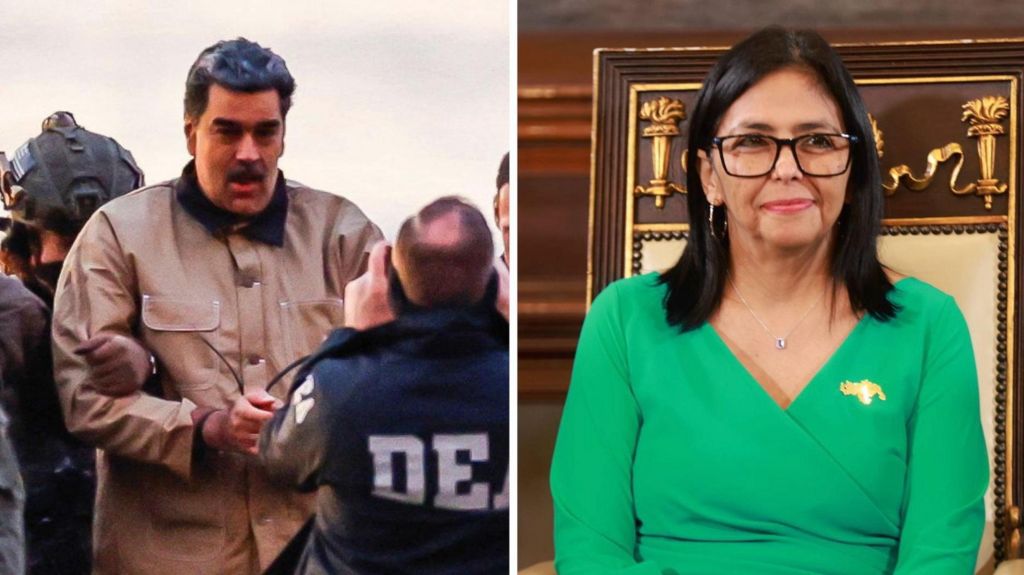
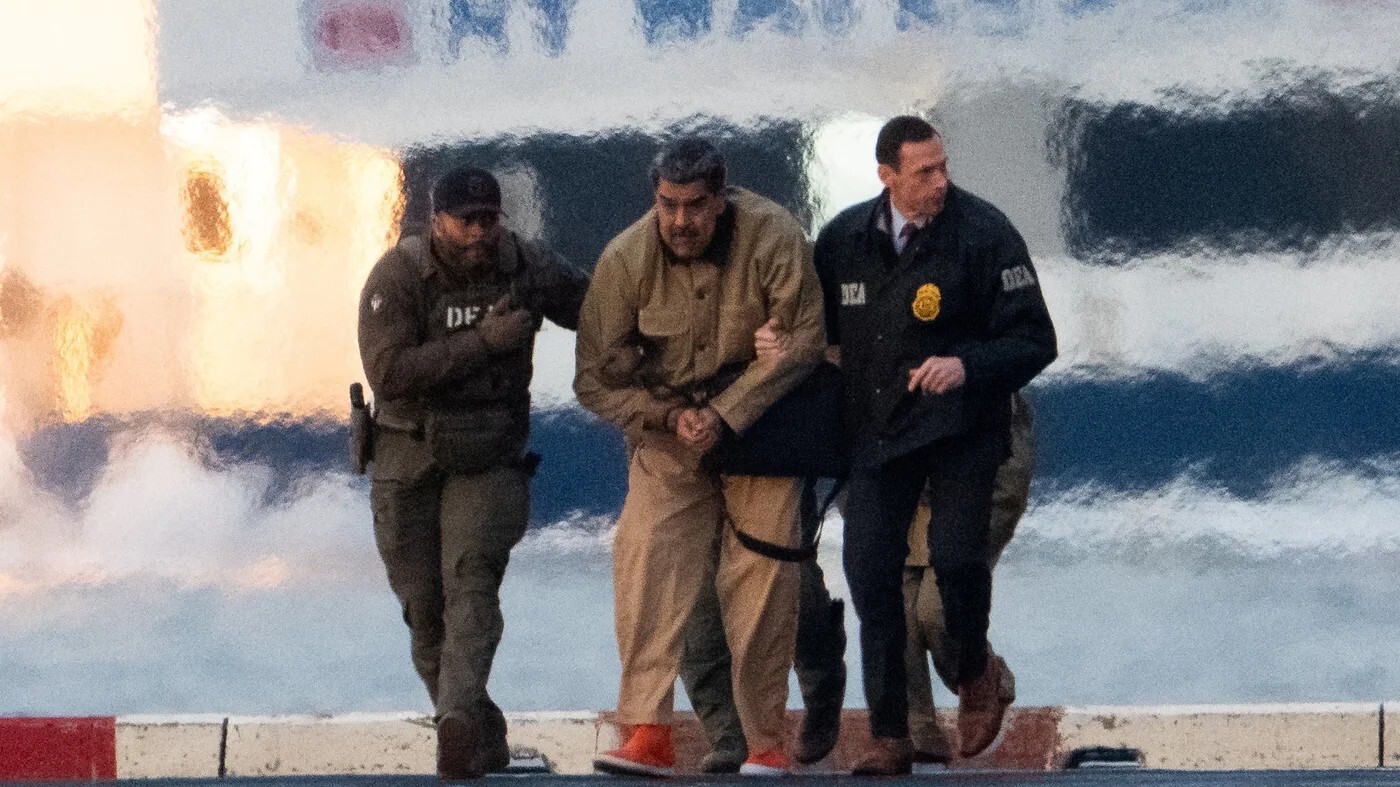
    In a dramatic escalation of the Venezuela crisis, Delcy Rodríguez was inaugurated as the nation’s interim president following a parliamentary session dominated by outrage over the U.S. military capture of former leader Nicolás Maduro. The 56-year-old former vice president decried what she termed the ‘kidnapping’ of Maduro and First Lady Cilia Flores during a Saturday night raid by U.S. forces.

    The political upheaval unfolded alongside a remarkable courtroom spectacle in New York where Maduro, appearing in shackles, pleaded not guilty to four charges including narco-terrorism conspiracy and weapons offenses. During the 30-minute hearing, Maduro defiantly declared himself ‘a decent man’ and ‘still president of my country,’ while being confronted by a Spanish-speaking protester who shouted that he would ‘pay’ for his actions.

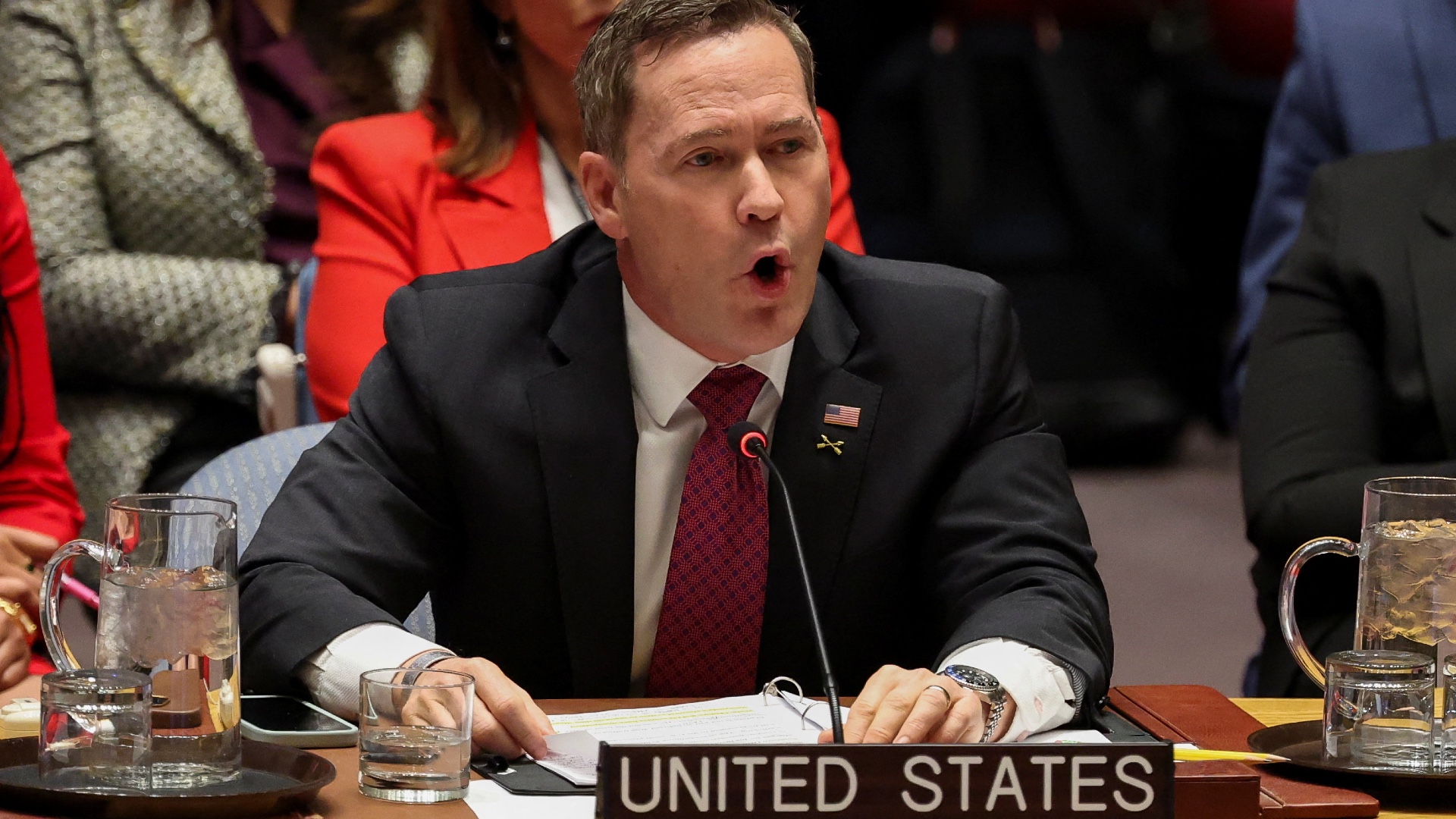
    International tensions flared at an emergency UN Security Council session where Venezuelan ambassador Samuel Moncada condemned the ‘illegitimate armed attack lacking any legal justification.’ U.S. ambassador Mike Waltz countered that Maduro represented an ‘illegitimate so-called president’ and defended the operation as a ‘surgical law enforcement action’ necessary to apprehend a ‘fugitive from justice.’

    The operation itself involved over 150 aircraft and 200 personnel according to reports, drawing mixed reactions from U.S. leadership. While House Speaker Mike Johnson described the mission as ‘decisive and justified,’ Senate Minority Leader Chuck Schumer emerged from a classified briefing criticizing the subsequent plan for Venezuela as ‘vague, based on wishful thinking, and unsatisfying.’

    Meanwhile, thousands of Venezuelans gathered outside the Federal Legislative Palace in Caracas to show support for Maduro and the new interim government. Rodríguez struck a conciliatory tone in her first cabinet meeting, inviting ‘the U.S. government to collaborate with us on an agenda of co-operation orientated towards shared development within the framework of international law’—a stark contrast to Trump’s warning that she could ‘pay a very big price, probably bigger than Maduro’ if she didn’t ‘do what’s right.’

    The interim president vowed to guarantee ‘the spiritual tranquillity of our people, the economic and social tranquillity of our people’ despite the circumstances of her ascension. Maduro’s case continues with a next court hearing scheduled for March 17.

  • Enemies not allowed to control large oil reserves, US ambassador to UN says

    Enemies not allowed to control large oil reserves, US ambassador to UN says

    In a tense address to the United Nations Security Council, U.S. Ambassador Mike Waltz articulated a firm stance against adversarial control of global energy reserves, specifically targeting the Venezuelan government of Nicolás Maduro. The diplomatic confrontation unfolded just hours before Maduro and his wife, Cilia Flores, entered not guilty pleas in a New York federal court to a series of severe charges.

    Ambassador Waltz emphasized that the Western Hemisphere must not serve as an operational base for nations adversarial to the United States. He explicitly condemned the control of Venezuela’s vast oil reserves—the world’s largest—by what he termed ‘illegitimate leaders,’ asserting that this situation neither benefits the Venezuelan people nor aligns with U.S. national security interests. However, he was quick to clarify the nature of the intervention, stating, ‘There is no war against Venezuela or its people. We are not occupying a country,’ directly countering claims of a military occupation.

    The legal basis for the operation stems from a 2020 indictment, unsealed from the Trump administration era, which charges Maduro with Narco-Terrorism Conspiracy, Cocique Importation Conspiracy, and weapons-related violations. A separate, recently unsealed indictment also implicates First Lady Cilia Flores and the couple’s son in drug trafficking, with additional accusations of ordering kidnappings, murders, and accepting bribes leveled against Flores.

    The dramatic abduction of President Maduro from Caracas by U.S. special forces, supported by aerial strikes on military targets, has triggered significant international backlash. Permanent UNSC members Russia and China have condemned the act, while UN Secretary-General António Guterres, through political affairs chief Rosemary DiCarlo, expressed ‘deep concern’ over a potential violation of international law and the dangerous precedent set by forcibly removing a head of state from a sovereign nation. The UN charter explicitly mandates member states to ‘refrain from the threat or use of force against the territorial integrity or political independence of any state.’

    Venezuela’s UN Ambassador, Samuel Moncada, denounced the operation as ‘an illegitimate armed attack lacking any legal justification.’ The human cost of the intervention is reportedly severe, with a senior Venezuelan official citing a death toll of 80, a figure expected to rise, encompassing both civilians and security personnel. With the U.S. holding a veto power on the Security Council, prospects for formal UN accountability appear dim. In the interim, Venezuela’s Supreme Court has appointed former Vice President Delcy Rodríguez, who decried the seizure as having ‘Zionist undertones,’ to lead the country.

  • ‘No credible basis’: Experts say US law doesn’t justify Venezuela attack

    ‘No credible basis’: Experts say US law doesn’t justify Venezuela attack

    A recent military operation conducted by the United States against Venezuela has ignited a fierce legal debate among constitutional and international law scholars. United Nations experts have declared the attack a clear breach of international law, while the Trump administration defends its actions under US statutory provisions. The operation involved airstrikes and the extraordinary rendition of Venezuelan President Nicolas Maduro and his wife, Cilia Flores, to face narcotics trafficking charges in New York.

    Legal authorities present contrasting interpretations of the operation’s legitimacy. J Wells Dixon, Senior Staff Attorney at the Center for Constitutional Rights, asserts the invasion lacked any credible foundation in US law, emphasizing that congressional authorization was neither sought nor obtained. ‘There’s no authority to do that,’ Dixon stated, noting that Venezuela had not launched an armed attack against the US that would justify military response under self-defense doctrines.

    Eugene R Fidell, Military Law expert at Yale Law School, concurred, characterizing the operation as unconstitutional absent a congressional declaration of war. ‘Drug smuggling is not an invasion,’ Fidell remarked. ‘This was not an act of self-defense.’

    Conversely, Ingrid Brunk of Vanderbilt Law School offered a divergent perspective, framing the operation through a law enforcement rather than military lens. Brunk cited historical precedent of presidential actions without congressional approval, particularly regarding targeted strikes and apprehensions. She referenced President Obama’s 2011 Libya strikes as comparable executive action.

    The extraordinary abduction of Maduro and Flores raises additional legal complexities. While the US and Venezuela maintain an extradition treaty dating to 1922, officials confirm no consent was obtained from Caracas. Nevertheless, Brunk notes US courts typically disregard irregularities in defendant apprehension, citing the precedent established in Israel’s prosecution of Adolf Eichmann.

    The impending trial faces potential challenges regarding head of state immunity, with experts referencing the Manuel Noriega case as possible precedent. The administration’s revival of the Monroe Doctrine as justification has drawn particular criticism from legal scholars, including Yale’s Oona Hathaway, who warns this stance effectively rejects UN Charter principles and threatens global security architecture.