分类: politics

  • US abduction of Maduro fuels political debate in Iran

    US abduction of Maduro fuels political debate in Iran

    The political crisis surrounding Venezuela has ignited intense discourse within Iran, generating widespread analysis across state media and Persian-language social platforms. Beyond Tehran’s formal condemnation of the U.S. involvement with President Nicolás Maduro, the situation has prompted serious examination of Iran’s own geopolitical vulnerabilities and international standing.

    This reaction underscores the deep-rooted political and economic alliance between Tehran and Caracas, particularly their energy collaboration developed despite comprehensive U.S. sanctions. While government-aligned media outlets vehemently criticized Washington’s actions, more reformist-leaning publications focused on the implications for Iran’s domestic and foreign policy challenges.

    The timing amplified the debate’s significance, coinciding with recent anti-establishment protests in Iran that began on December 28th in Tehran over economic conditions before spreading to other cities. The convergence of events gained additional gravity when U.S. President Donald Trump threatened to support Iranian protesters if security forces employed violence against them.

    On Sunday, Iranian newspapers prominently featured the Venezuela situation. Hafte Sobh, a pro-government daily, evoked Gabriel García Márquez’s ‘News of a Kidnapping’ to frame its coverage, asserting that U.S. objectives included controlling energy flows, containing China and Russia, and weakening Iran’s international position.

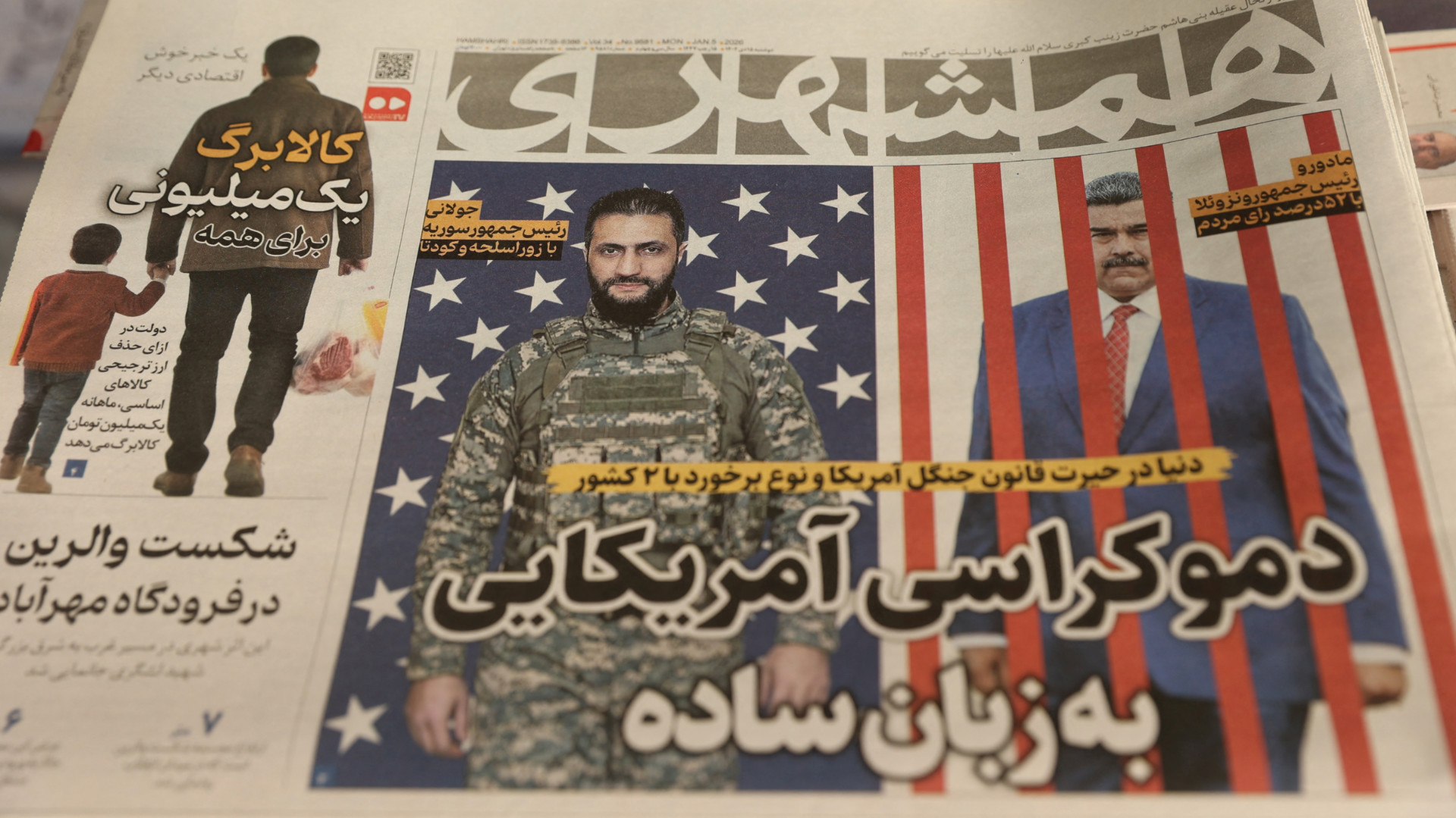
    Hamshahri, aligned with Tehran’s ultra-conservative mayor, published comparative photographs of Maduro and Syrian President Bashar al-Assad to highlight Washington’s treatment of both leaders. Meanwhile, conservative daily Farhikhtegan depicted Trump wearing a pirate’s hat under the headline ‘Chief of Thieves,’ characterizing the events as recalling ‘the darkest moments of military intervention in Latin American history.’

    Reformist publications struck a more cautionary tone. Etemad analyst Hassan Beheshtipour emphasized the critical importance of national unity and public support for leadership, warning that ‘ignoring domestic reforms and inefficient management can pave the way for foreign intervention.’ Arash Maleki in Hammihan was more direct, questioning whether Iran should ‘push the reset button based on national interest’ to overcome historical challenges with the United States.

    The Iran-Venezuela relationship, dating back decades and peaking during the presidencies of Mahmoud Ahmadinejad and Hugo Chávez, included significant trade, energy cooperation, and joint projects. In 2020, Iran sent five oil tankers carrying 1.5 million tonnes of fuel to Venezuela, with reports suggesting payment was made in gold.

    Social media has become a battleground between Iranian authorities and their opponents. Reza Pahlavi, son of Iran’s last shah, expressed solidarity with Venezuela’s opposition while drawing parallels with Iran’s situation. Government supporters countered by highlighting Iran’s military capabilities as a deterrent, arguing ‘Iran will never be Venezuela’ due to its missile power, Revolutionary Guard, and Basij paramilitary forces.

    Analyst Ali Asghar Zargar reinforced this perspective, noting Iran’s distinct position in resources, power, and military capability, suggesting any crisis in the Strait of Hormuz could trigger global consequences that would deter similar U.S. action against Iran. Nonetheless, some conservative commentators renewed calls for Iran to acquire nuclear weapons, with Yousef Azizi arguing that nuclear deterrence would prevent such vulnerabilities for mid-level powers in global struggles.
  • President Petro’s clash with Trump over Venezuela backs Colombia into a corner

    President Petro’s clash with Trump over Venezuela backs Colombia into a corner

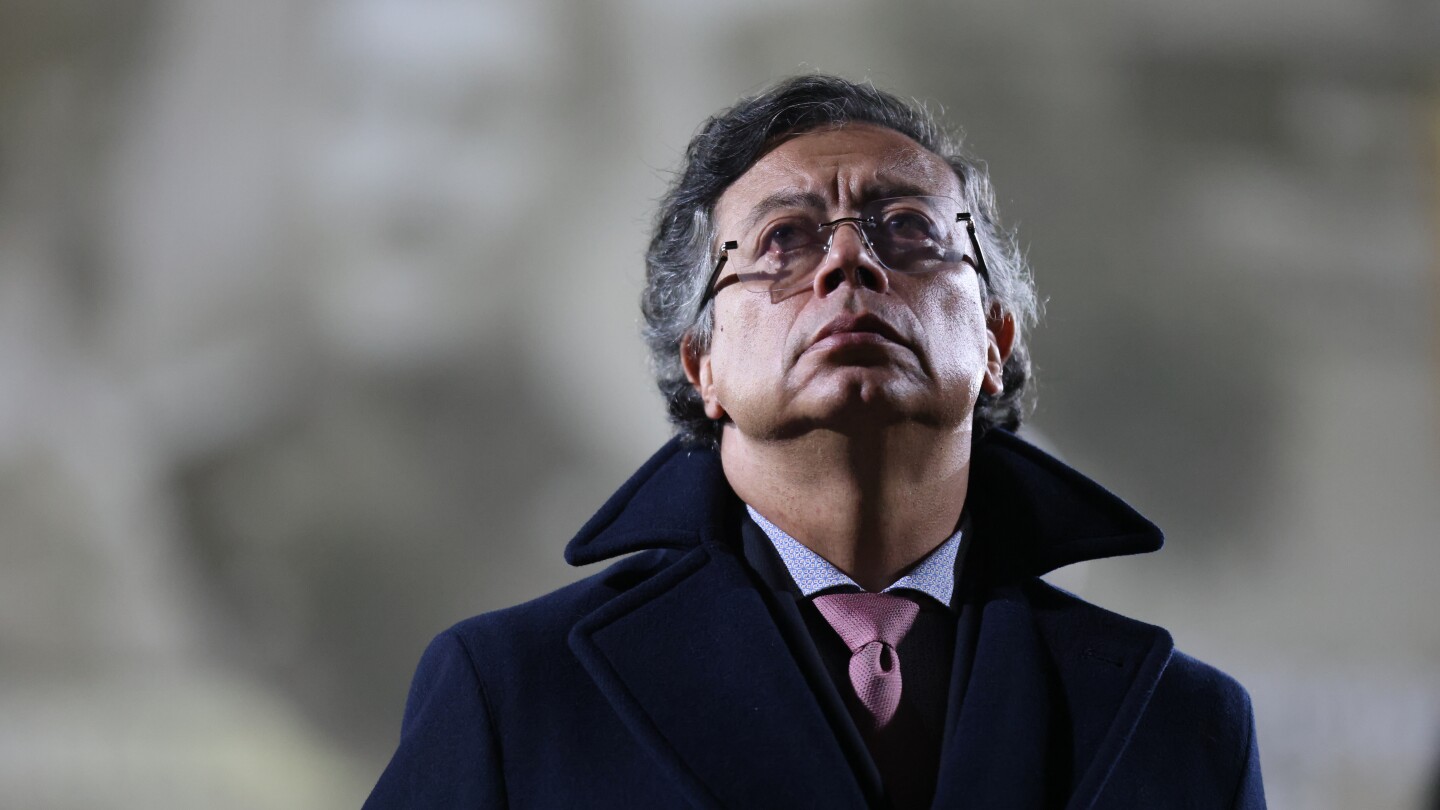
    BOGOTÁ, Colombia — Colombian President Gustavo Petro has launched an unprecedented diplomatic offensive against the United States following its military operation to capture Venezuelan leader Nicolás Maduro, creating the most severe bilateral crisis in decades between the traditional allies.

    The left-wing leader condemned Washington’s actions as an “abhorrent violation of Latin American sovereignty” and drew historical parallels to Nazi Germany’s 1937 bombing of Guernica, Spain. In a dramatic escalation, Petro called for street protests to defend national sovereignty and convened emergency meetings with both the United Nations and Organization of American States.

    The confrontation places Colombia in an increasingly precarious position. As America’s staunchest regional partner for thirty years, Colombia now balances maintaining crucial security cooperation against Petro’s political imperative to challenge Washington. The country remains central to U.S. counternarcotics strategy as the world’s primary cocaine producer, with experts noting Colombia provides vital intelligence for Caribbean drug interdiction efforts.

    Michael Shifter of the Inter-American Dialogue think tank observed: “People are trying to tell Trump: ‘Look, you can punish Petro to the extent possible, but you don’t want to punish the country. That undermines the fight against drugs and is going to be harmful for the United States.’ But Trump is completely unpredictable.”

    The animosity between leaders has been brewing for months. Petro has turned back U.S. military deportation flights, criticized drug interdiction methods as “murder,” and clashed with Trump over Gaza and immigration policies. Trump has responded by revoking Petro’s visa, imposing sanctions on his administration, threatening punitive tariffs, and labeling him a “lunatic” and “international drug leader.”

    Despite the rhetoric, analysts consider actual military action against Colombia—a democratic nation unlike Venezuela—highly improbable. However, Trump’s increasing militaristic language about Latin America has caused growing alarm in Bogotá. Defense Minister Pedro Sánchez sought to reassure citizens that security cooperation continues uninterrupted, noting Washington has provided approximately $14 billion in assistance over two decades.

    Foreign Minister Rosa Villavicencio confirmed Colombia is pursuing diplomatic solutions while preparing for “the possibility of aggression against our country by the United States,” highlighting the nation’s “highly trained, very well prepared army” that has long received U.S. training.

  • US says it will discuss Greenland ownership with Denmark next week

    US says it will discuss Greenland ownership with Denmark next week

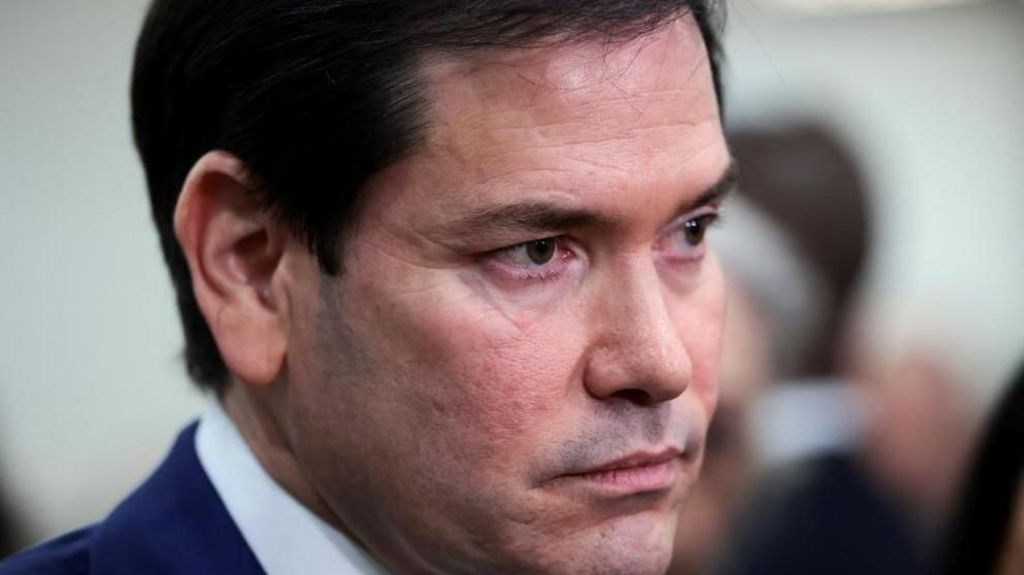
    U.S. Secretary of State Marco Rubio has confirmed upcoming diplomatic negotiations with Denmark following controversial statements from the White House regarding potential acquisition of Greenland. The announcement comes amidst heightened international tensions after President Donald Trump’s administration openly discussed military options for obtaining the strategically significant Danish territory.

    Rubio addressed journalists Wednesday following a classified Senate briefing, emphasizing that while military action remains a constitutional presidential option for national security threats, diplomatic resolution remains the preferred approach. “As a diplomat, which is what I am now, we always prefer to settle it in different ways,” Rubio stated, referencing the recent military intervention in Venezuela that saw American forces seize President Nicolás Maduro.

    The Trump administration maintains that Greenland’s geographic position makes it vital to U.S. security interests. However, Denmark has responded unequivocally that any aggressive action would effectively terminate NATO’s military alliance framework.

    European powers have rallied behind Denmark, with French Foreign Minister Jean-Noël Barrot announcing that Rubio had explicitly “ruled out the possibility of an invasion” during their telephone consultation. Barrot is scheduled to convene with German and Polish counterparts to discuss the Arctic territory’s strategic implications.

    In a powerful show of solidarity, seven European nations—France, the United Kingdom, Germany, Italy, Poland, Spain, and Denmark—issued a joint declaration affirming that “Greenland belongs to its people, and only Denmark and Greenland can decide on matters concerning their relations.” The statement emphasized collective security through NATO mechanisms while invoking UN Charter principles of sovereignty and territorial integrity.

    The situation escalated when Katie Miller, spouse of senior presidential advisor Stephen Miller, shared a social media post depicting Greenland adorned with American flag colors captioned “SOON.” Her husband subsequently declared Greenland’s incorporation into the United States as “the formal position of the US government.”

    Local Greenlandic residents expressed alarm, with 27-year-old Inuit Morgan Angaju from Ilulissat describing the experience as “terrifying to listen to the leader of the free world laughing at Denmark and Greenland and just talking about us like we’re something to claim.”

  • Watch: ‘I want a president who’s involved’- Michiganders weigh in on Maduro’s seizure

    Watch: ‘I want a president who’s involved’- Michiganders weigh in on Maduro’s seizure

    Residents of Michigan’s Detroit metropolitan area have expressed diverse viewpoints regarding U.S. foreign policy toward Venezuela, particularly the American government’s stance on removing President Nicolás Maduro from power. The BBC conducted street interviews capturing the spectrum of public opinion in this critical Midwestern state. Several interviewees emphasized their desire for presidential engagement in international matters, with one citizen stating, ‘I want a president who’s involved,’ highlighting the expectation of active American leadership in global affairs. The interviews reveal divided perspectives on the appropriate approach to Venezuela’s political crisis, with some supporting interventionist policies while others advocate for diplomatic solutions. These responses come amid ongoing tensions between the U.S. and Venezuela, where Maduro’s government faces recognition challenges from Western nations. The vox populi format provides ground-level insights into how American citizens perceive their government’s role in mediating international power struggles and administering foreign policy decisions that carry significant geopolitical implications.

  • Trump threats against Greenland pose new, potentially unprecedented challenge to NATO

    Trump threats against Greenland pose new, potentially unprecedented challenge to NATO

    BRUSSELS — The North Atlantic Treaty Organization (NATO) faces an unprecedented internal crisis as former U.S. President Donald Trump’s renewed interest in acquiring Greenland threatens to destabilize the alliance’s core principles. This development presents a peculiar challenge for an organization traditionally focused on external threats, now potentially confronting an armed confrontation involving its most powerful member.

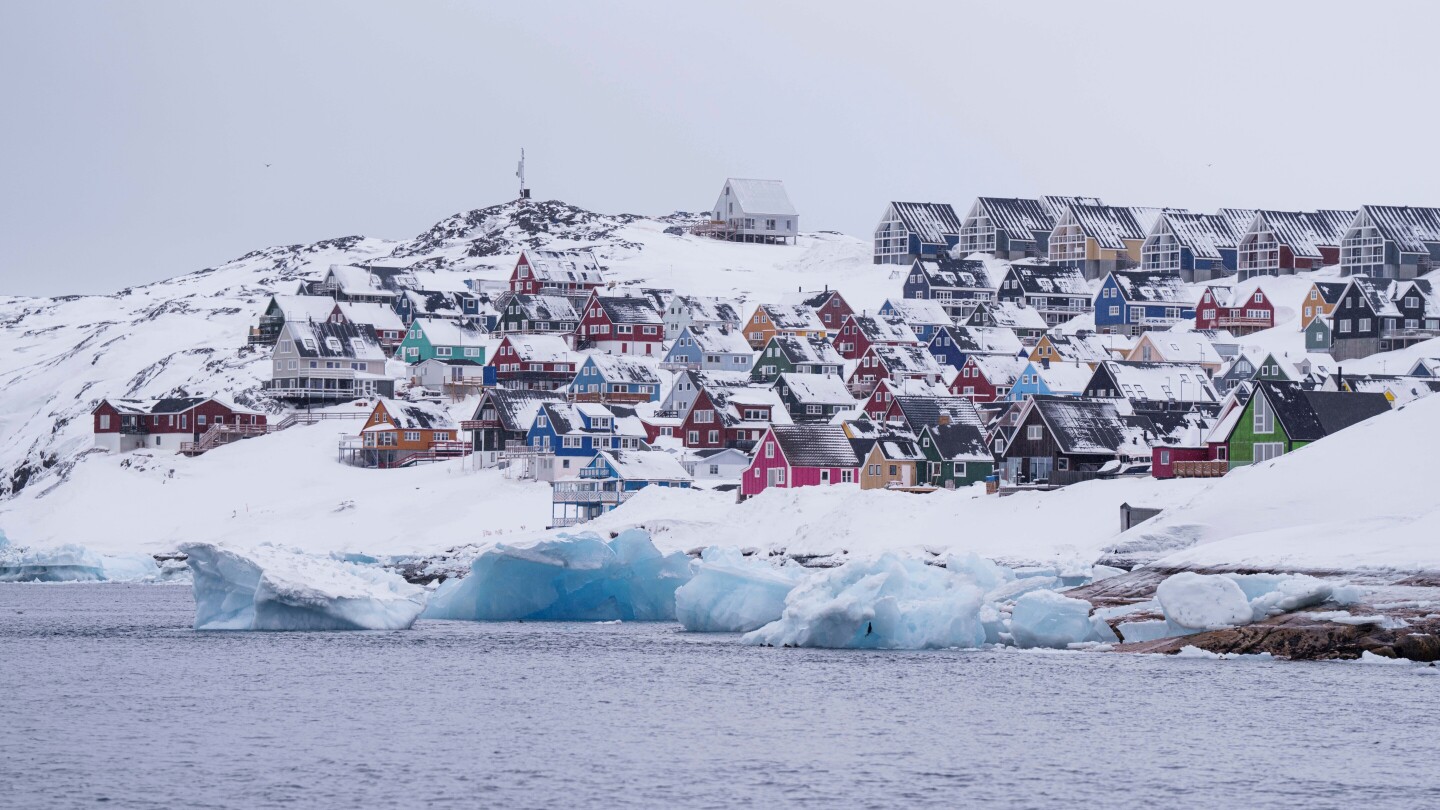
    The White House has confirmed the administration is evaluating various ‘options’ regarding Greenland, including potential military action to secure control over the mineral-rich Arctic territory. This semi-autonomous region under Danish sovereignty holds significant strategic importance, particularly for North American defense operations since World War II.

    NATO’s fundamental security guarantee—Article 5 of its founding treaty—which mandates collective defense against external aggression, contains no provisions for conflicts between member states. This structural vulnerability becomes critically relevant as the United States contemplates actions against territory belonging to NATO ally Denmark.

    European leaders including those from Britain, France, Germany, Italy, Poland, and Spain have issued a joint statement affirming that ‘It is for Denmark and Greenland, and them only, to decide on matters concerning Denmark and Greenland.’ Canada has similarly expressed support for Danish sovereignty.

    Defense analysts characterize the situation as a ‘low-probability, high-consequence event’ that challenges NATO’s political cohesion. Maria Martisiute of the European Policy Center warned that when a leading member undermines another, it damages ‘NATO’s cohesion and credibility, and it serves only our adversaries such as Russia and China.’

    The timing proves particularly problematic as NATO attempts to maintain unity in supporting Ukraine against Russian aggression. This internal distraction emerges despite recent achievements, including NATO members’ agreement to increase defense spending following Trump’s demands—a development that Secretary-General Mark Rutte recently credited to Trump’s influence.

    Danish Prime Minister Mette Frederiksen has warned that any U.S. attempt to seize Greenland could signify the end of NATO, drawing parallels to Trump’s earlier authorization of a raid targeting Venezuelan leader Nicolás Maduro. NATO officials remain cautiously neutral, with one anonymous representative stating the alliance ‘does not speculate on hypotheticals’ while acknowledging the Arctic’s importance for collective security.

    This peculiar geopolitical scenario tests NATO’s resilience at a moment when Russian aggression requires unwavering alliance unity, potentially creating openings for adversaries to exploit internal divisions.

  • Pakistan eyes defence pact with Bangladesh, sale of JF-17 jets

    Pakistan eyes defence pact with Bangladesh, sale of JF-17 jets

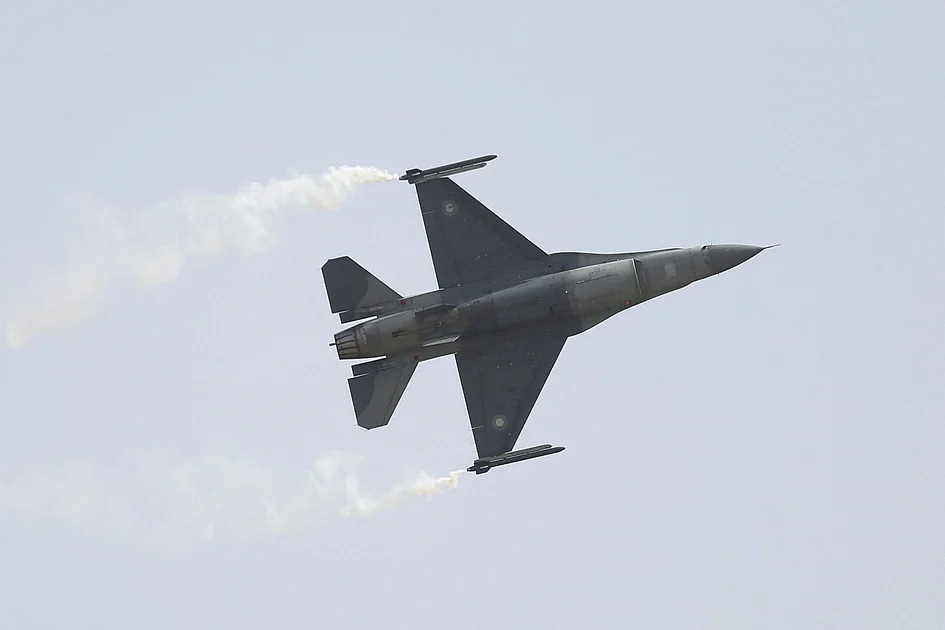
    Pakistan and Bangladesh are advancing toward a significant defense partnership, with negotiations underway for the procurement of JF-17 Thunder fighter jets and enhanced military cooperation. The discussions between Air Chief Marshal Zaheer Ahmed Baber Sidhu of Pakistan and his Bangladeshi counterpart Hasan Mahmood Khan in Islamabad mark a pivotal moment in bilateral relations, signaling a strategic realignment in South Asia.

    The potential arms deal includes not only the multi-role combat aircraft jointly developed by Pakistan and China but also accelerated delivery of Super Mushshak trainer aircraft accompanied by comprehensive training and long-term support systems. This military diplomacy occurs against the backdrop of Pakistan’s efforts to expand its weapons export portfolio following recent combat successes against India.

    This warming of ties follows substantial political changes in Bangladesh, where the departure of Prime Minister Sheikh Hasina in August 2024 after mass protests fundamentally altered Dhaka’s international relationships. The subsequent deterioration of Bangladesh-India relations has created opportunities for renewed Pakistan-Bangladesh engagement, including the resumption of direct trade for the first time since the 1971 liberation war.

    With Bangladesh preparing for February 12 general elections under interim leadership of Nobel laureate Muhammad Yunus, political analysts suggest a potential government role for previously banned political elements with historical connections to Pakistan. Meanwhile, Pakistan’s defense establishment views its growing weapons industry as both a strategic asset and economic opportunity, with Defense Minister Khawaja Asif boldly claiming that defense exports could potentially eliminate Pakistan’s need for IMF support within six months.

    The JF-17 Thunder has emerged as a centerpiece of Pakistan’s defense export strategy, with previous agreements including sales to Azerbaijan and a substantial $4 billion weapons pact with the Libyan National Army, demonstrating Pakistan’s growing presence in the international arms market.

  • Trade across Taiwan Strait continues to grow in 2025: spokesperson

    Trade across Taiwan Strait continues to grow in 2025: spokesperson

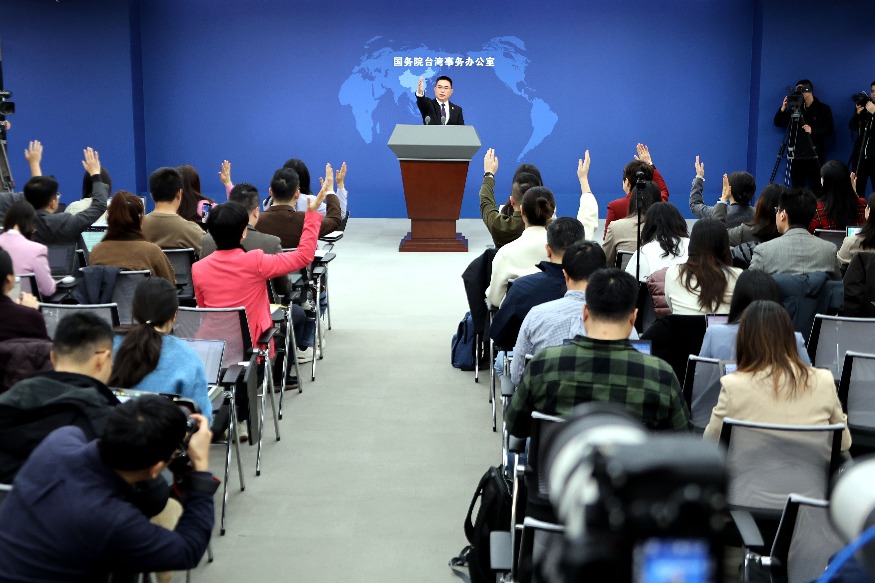
    Economic integration across the Taiwan Strait demonstrated significant momentum throughout 2025, with official data revealing substantial growth in trade volumes and Taiwanese investment on the Chinese mainland. According to Chen Binhua, spokesperson for the Taiwan Affairs Office of the State Council, cross-strait economic relations have continued to deepen despite global economic uncertainties.

    The latest figures indicate that 6,423 new Taiwan-funded enterprises were established on the mainland during the first ten months of 2025, representing a remarkable 53 percent year-on-year increase in actual utilized Taiwan capital, which reached $1.75 billion. Fujian province, geographically adjacent to Taiwan, emerged as a particularly attractive destination, hosting 2,043 of these new ventures with utilized capital exceeding $670 million.

    Trade relations similarly flourished, with cross-strait trade volume climbing to $285.395 billion between January and November 2025, marking a 7.3 percent increase compared to the same period in the previous year. This sustained growth underscores the deepening economic interdependence between the two sides.

    Beyond commercial exchanges, personnel connections have also expanded significantly. Chen highlighted that cross-strait airlines operated more than 610 weekly passenger flights throughout 2025, facilitating regular movement across the strait. The Xiamen-Kinmen ferry route alone recorded over 1.75 million passenger trips in the first eleven months of 2025, surging by 45.77 percent year-on-year, demonstrating the vitality of direct transportation links.

    The consistent growth patterns across multiple metrics suggest that economic cooperation continues to serve as a stabilizing force in cross-strait relations, with both sides benefiting from enhanced connectivity and commercial exchange.

  • Leader of UAE-backed separatist forces accused of treason by Yemen’s government

    Leader of UAE-backed separatist forces accused of treason by Yemen’s government

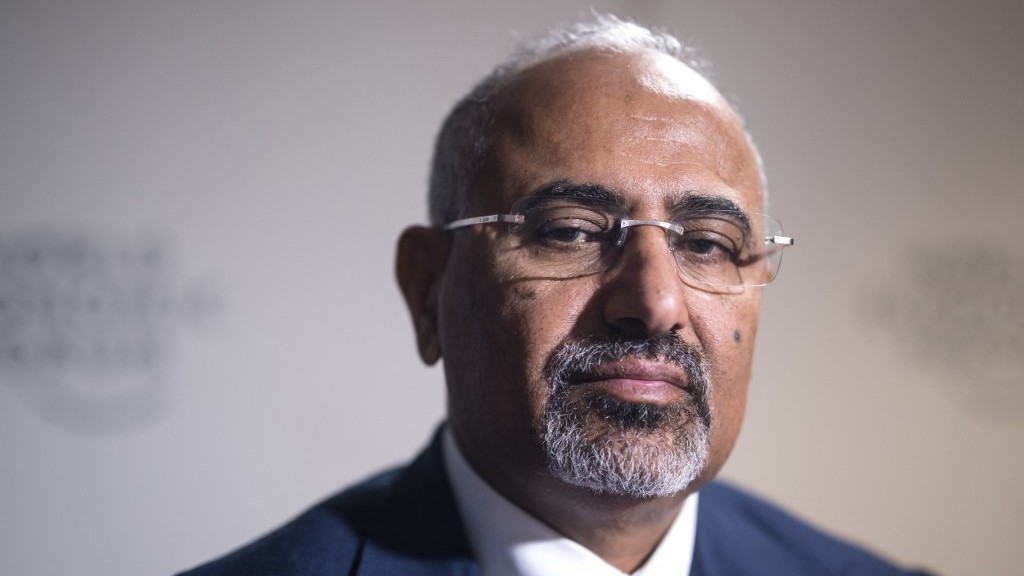
    Yemen’s political landscape has been plunged into a severe crisis following the dramatic dismissal of Aidarous al-Zubaidi, head of the UAE-backed Southern Transitional Council (STC), by the internationally recognized Presidential Leadership Council (PLC). The PLC, chaired by Rashad al-Alimi, issued an official decree on Wednesday formally stripping al-Zubaidi of his membership and referring him to the Prosecutor General on charges of high treason.

    The decree explicitly accused al-Zubaidi of systematically damaging Yemen’s political and military standing, forming illegal armed groups, committing grave violations against civilians, orchestrating the killing of military personnel, and sabotaging critical military infrastructure. This unprecedented move comes amid escalating violence in Yemen’s strategically vital southern regions.

    The STC, which controls substantial territory in southern Yemen, immediately rejected the allegations and denied reports of their leader’s disappearance. In an official statement, the separatist group asserted that al-Zubaidi remains in Aden and continues to perform his duties normally.

    The crisis deepened as Saudi Arabia’s coalition spokesman, Major General Turki al-Maliki, revealed that al-Zubaidi had been instructed on January 4th to travel to Saudi Arabia within 48 hours for emergency discussions regarding escalating STC attacks in Hadhramaut and al-Mahra provinces. These eastern regions collectively constitute nearly half of Yemen’s territory and share critical borders with Saudi Arabia.

    According to al-Maliki, al-Zubaidi initially committed to arriving on January 6th but subsequently vanished without explanation. When a Yemenia Airways flight eventually departed after significant delays, it carried senior STC officials without their leader, who had apparently fled to an unknown location.

    In a parallel development, the PLC dismissed Transport Minister Abdul Salam Hamid and Planning Minister Waad Badhib, referring both for investigation. The council additionally ordered the arrest of individuals accused of weapons distribution and threatening civil peace, vowing decisive action to uphold legal authority.

    Meanwhile, the Saudi-led coalition conducted over fifteen airstrikes in Dhale governorate, with hospital sources reporting multiple casualties. The STC condemned these bombardments while simultaneously demanding that Saudi authorities immediately cease aerial attacks, maintaining that al-Zubaidi continues governing from Aden.

  • Canada PM Mark Carney to visit China next week for trade talks

    Canada PM Mark Carney to visit China next week for trade talks

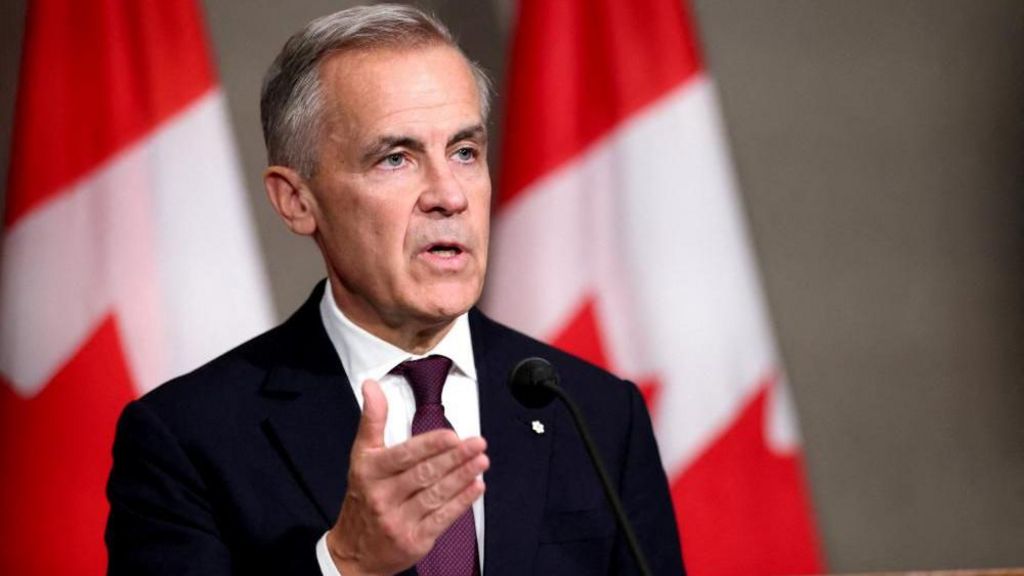
    Canadian Prime Minister Mark Carney is set to embark on a landmark diplomatic mission to Beijing from January 13-17, marking the first official visit by a Canadian leader to China in nearly a decade. The highly anticipated trip signals a potential thaw in bilateral relations following years of trade tensions between the two nations.

    The Prime Minister’s office confirmed that high-level discussions will encompass critical areas including trade expansion, energy cooperation, agricultural exchanges, and international security matters. This diplomatic outreach occurs as Canada strategically diversifies its economic partnerships beyond the United States, its traditional primary export market, amid ongoing trade uncertainties under the Trump administration.

    The invitation for this historic visit emerged from Prime Minister Carney’s October meeting with President Xi Jinping during the Asia-Pacific summit in South Korea. During their sidelines discussion, both leaders acknowledged a pivotal ‘turning point’ in bilateral relations that could generate substantial economic benefits for Canada.

    This diplomatic reset follows a period of significant trade friction that began in October 2024 when Canada imposed 100% tariffs on Chinese electric vehicles, mirroring similar U.S. trade measures. Subsequent tariffs of 25% on Chinese steel and aluminum triggered retaliatory actions from Beijing in March 2025, including substantial levies of 76% on Canadian canola seed imports and 100% tariffs on canola oil, meal, and peas.

    These trade measures particularly impacted agricultural producers in western Canada, where China represents the largest export market for canola products. Prime Minister Carney has articulated a clear vision to double Canada’s non-U.S. exports within the next decade, making the China relationship particularly strategic given current challenges facing Canada’s steel, aluminum, and automotive industries due to U.S. tariffs.

    While trilateral trade discussions between Canada, the U.S., and Mexico continue under the formal review process of their free trade agreement, the Beijing visit represents Canada’s proactive pursuit of diversified economic partnerships. As Prime Minister Carney stated after his October meeting with President Xi, ‘Distance is not the way to solve problems, not the way to serve our people,’ indicating a renewed commitment to constructive engagement between the two nations.

  • Zelensky says he does not have clear security pledge from allies

    Zelensky says he does not have clear security pledge from allies

    As the Ukraine conflict approaches its fourth anniversary, President Volodymyr Zelensky has publicly questioned the reliability of European security assurances against potential future Russian aggression. Speaking to journalists on Wednesday, Zelensky revealed he continues to seek unambiguous commitments from international partners without receiving satisfactory responses.

    This declaration follows Tuesday’s significant development in Paris where the United Kingdom and France signed a declaration of intent regarding potential troop deployments to Ukraine should a peace agreement with Russia materialize. The Paris talks, involving approximately 30 nations comprising the ‘Coalition of the Willing,’ marked a diplomatic milestone though notably lacked full security guarantee commitments.

    UK Prime Minister Sir Keir Starmer characterized the joint statement as ‘a vital part of our commitment to stand with Ukraine for the long-term,’ outlining plans to establish military hubs across Ukraine to deter future invasions. French President Emmanuel Macron further suggested the potential deployment of thousands of troops under appropriate circumstances.

    While allies proposed that the United States would lead ceasefire monitoring efforts, critical issues regarding territorial concessions to Russia remain unresolved. Moscow maintains control over approximately 20% of Ukrainian territory, including 75% of the Donetsk region and nearly all of neighboring Luhansk, collectively known as the industrial Donbas region.

    The diplomatic landscape has grown increasingly complex with the involvement of former President Donald Trump’s peace envoys, Steve Witkoff and Jared Kushner, who participated in the Paris discussions. Witkoff reported that security protocols were ‘largely finished,’ though Zelensky’s subsequent comments reflected diminished optimism regarding legally binding guarantees supported by parliamentary approvals, including the US Congress.

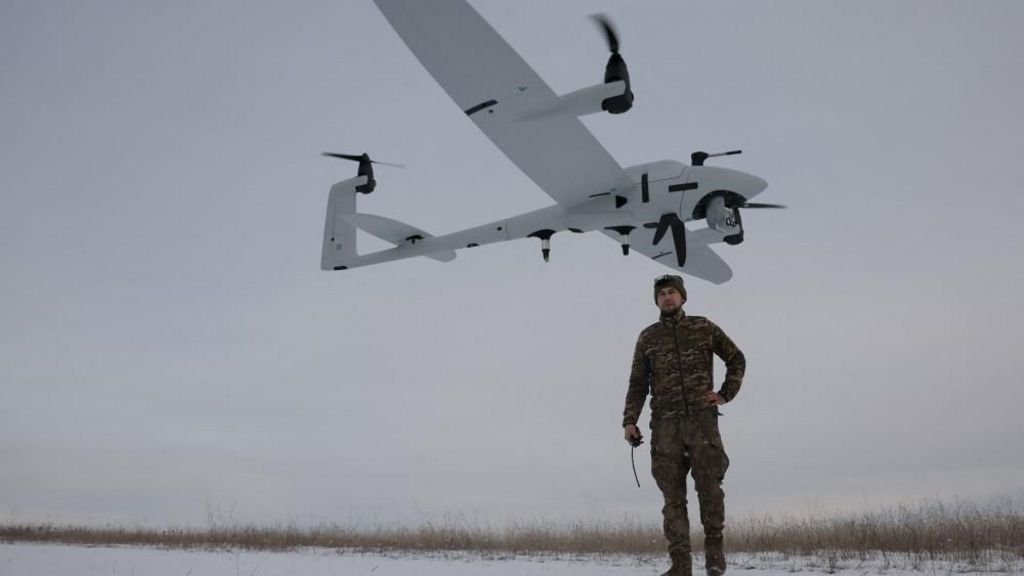
    Despite Zelensky’s previous assertion that a peace deal was ‘90% ready,’ the fundamental contradictions persist: Putin demands complete Ukrainian withdrawal from Donbas while Zelensky remains unwilling to cede territory, proposing mutual troop withdrawals to agreed positions instead. Meanwhile, Russia continues daily strikes against Ukrainian cities and critical infrastructure while making gradual territorial advances, met by Ukrainian drone counterattacks with limited effectiveness.