分类: politics

  • Syrian army shells Kurdish areas of Aleppo declared ‘closed military zones’

    Syrian army shells Kurdish areas of Aleppo declared ‘closed military zones’

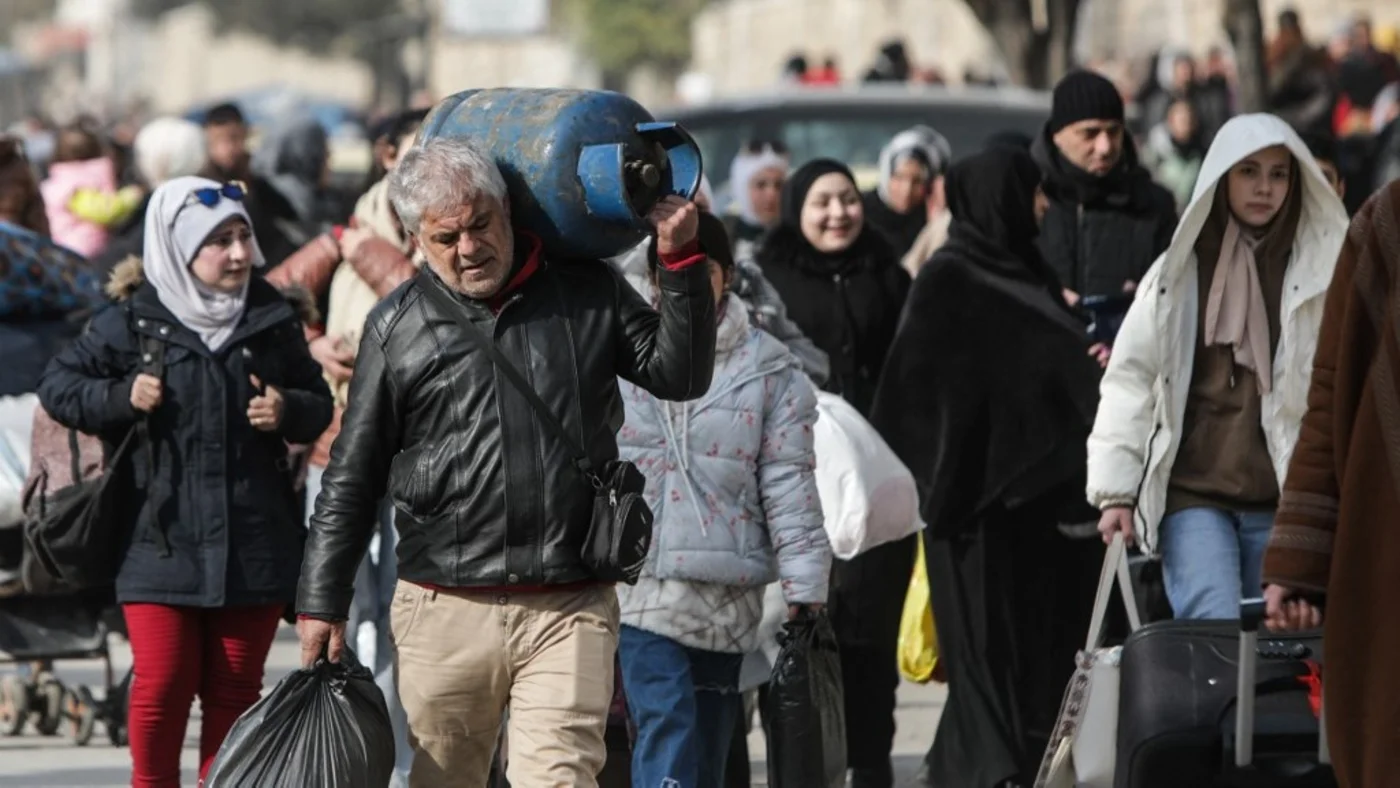
    The Syrian military has officially designated the Kurdish-controlled neighborhoods of Aleppo as closed military zones, marking a significant escalation in the ongoing conflict. In a statement issued Wednesday, the army announced the establishment of two humanitarian corridors from areas held by the Kurdish-led Syrian Democratic Forces (SDF) to facilitate civilian evacuations, while simultaneously declaring the Sheikh Maqsud and Ashrafieh districts as prohibited military areas effective 3pm local time.

    According to AFP correspondents, artillery bombardments had already commenced in these neighborhoods by Wednesday afternoon, signaling an intensification of hostilities. This development occurs against the backdrop of heightened tensions between the SDF—which controls substantial territory in northeastern Syria—and the administration of President Ahmed al-Sharaa, who assumed power following the overthrow of Bashar al-Assad in December 2024.

    The Syrian military has accused the SDF of perpetrating civilian massacres in Aleppo and conducting artillery strikes against government-controlled areas—allegations that Kurdish forces vehemently deny. Conversely, the SDF has condemned what it characterizes as indiscriminate artillery and missile attacks against its positions, including the deployment of drone warfare, sniper fire, and heavy weaponry.

    Complicating the situation further, Turkish authorities maintain their longstanding position that the People’s Protection Units (YPG)—the dominant faction within the SDF—represent an extension of the Kurdistan Workers Party (PKK). Despite the PKK’s formal declaration ending its conflict with Turkey in May 2025, Ankara continues to demand complete disarmament of all Kurdish-affiliated groups in Syria.

    Turkish Defense Minister Yasar Guler reiterated this position Tuesday, stating: ‘The PKK and all affiliated groups must immediately cease all terrorist activity in regions where they are present, including in Syria, and lay down their weapons without condition.’

    The political landscape remains equally complex. While SDF leader Mazloum Abdi signed a landmark agreement with the Damascus government in March 2025 regarding integration, implementation has stalled over constitutional disagreements and debates concerning decentralized governance structures.

    Meanwhile, Turkey’s pro-Kurdish Peoples’ Equality and Democracy Party (DEM Party) has accused Damascus of conducting what it describes as an ‘extermination operation’ against Kurds in Aleppo, advocating instead for comprehensive democratization as the pathway to sustainable peace in Syria.
  • Saudi strikes Yemen after separatist leader skips talks

    Saudi strikes Yemen after separatist leader skips talks

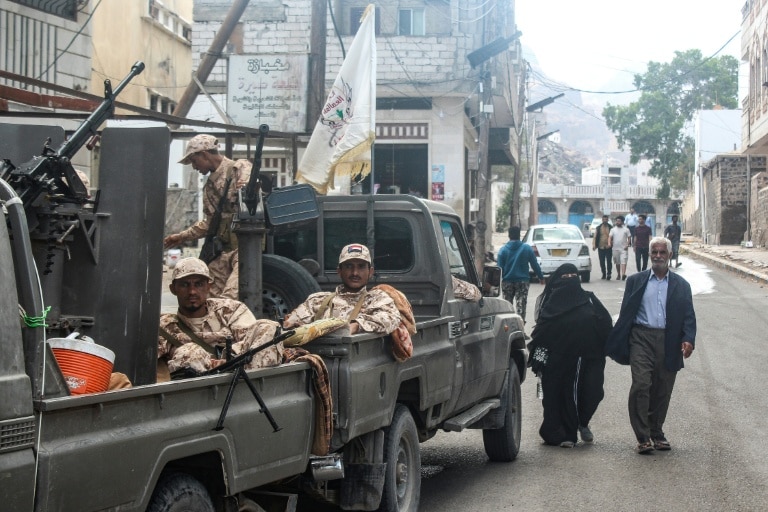
    Tensions in Yemen’s protracted conflict have reached a critical juncture as the Saudi-led coalition conducted aerial strikes against the home province of UAE-backed separatist leader Aidaros Alzubidi. This military action follows Alzubidi’s failure to attend crucial reconciliation talks in Riyadh, prompting his subsequent dismissal from Yemen’s Presidential Leadership Council on charges of high treason.

    The escalation began when the Southern Transitional Council (STC), which Alzubidi leads, seized substantial territories last month, triggering a 48-hour ultimatum from the coalition for negotiations. Despite sending a delegation to Saudi Arabia, Alzubidi himself refused to participate upon learning the discussions would demand the dissolution of his separatist movement. Coalition spokesperson Major General Turki al-Maliki asserted that Alzubidi had instead distributed weapons and ammunition throughout Aden while mobilizing significant forces in al-Dhale province.

    In response to the deteriorating situation, STC officials implemented a nighttime curfew in Aden from 9:00 pm to 6:00 am local time, citing imminent clashes with Saudi-backed forces. The separatist group further alleges that Saudi authorities have arbitrarily detained more than 50 STC officials, demanding their immediate release.

    The confrontation has exposed deepening fractures within the anti-Houthi alliance, particularly between Saudi Arabia and the United Arab Emirates, which have historically supported rival factions within Yemen’s government. The coalition and allied Yemeni forces have reportedly reversed most of the STC’s recent territorial gains, while Saudi-backed National Shield forces are advancing toward Aden from Shabwa province.

    This crisis emerges against the backdrop of Alzubidi’s recent declaration of a two-year transition plan to establish an independent “South Arabia” in Yemen’s southern regions, further complicating peace efforts in the conflict-ravaged nation.

  • US says to dictate Venezuela decisions and oil sales

    US says to dictate Venezuela decisions and oil sales

    In a striking declaration of hemispheric dominance, the Trump administration has formally announced its intention to directly dictate policy decisions for Venezuela’s interim government and assume indefinite control over the nation’s oil exports. The policy shift follows Saturday’s dramatic capture of former President Nicolas Maduro, who was extracted from Caracas by U.S. special forces and transported to New York to face narcotics charges.

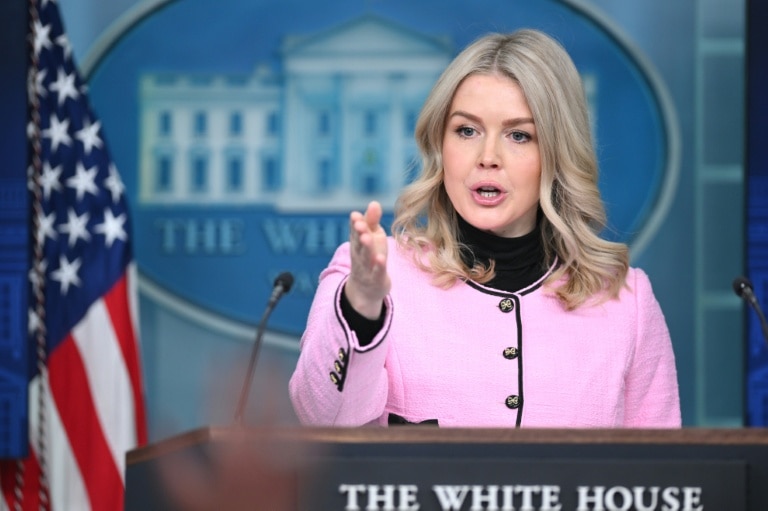
    White House Press Secretary Karoline Leavitt articulated the administration’s position with remarkable candor during a Wednesday briefing, stating, ‘We obviously have maximum leverage over the interim authorities in Venezuela right now. Their decisions are going to continue to be dictated by the United States of America.’ This assertion of control comes despite interim President Delcy Rodriguez’s insistence that Venezuela remains free of ‘foreign agents’ governing the country.

    The economic dimensions of this geopolitical maneuver are particularly significant. Energy Secretary Chris Wright revealed plans for the United States to market Venezuelan crude ‘indefinitely, going forward,’ beginning with the sale of 30-50 million barrels of stockpiled oil. The White House has concurrently moved to waive certain oil sector sanctions to facilitate exports of Venezuela’s extra-heavy crude, with President Trump scheduled to meet Friday with U.S. oil executives to discuss investment opportunities in Venezuela’s deteriorating energy infrastructure.

    Military enforcement complements economic control, as demonstrated by Wednesday’s seizure of a Russian-linked oil tanker in the North Atlantic. U.S. authorities pursued the vessel from Venezuelan waters, declaring it ‘stateless after flying a false flag’ despite Moscow’s condemnation of the interception. The naval blockade forms part of a broader strategy to prevent Caracas from selling oil to allies including Russia, China, and Iran.

    The administration faces domestic scrutiny regarding its long-term planning. Secretary of State Marco Rubio assured critics that the United States was ‘not just winging it,’ though Democratic Congressman Shri Thanedar noted insufficient congressional consultation regarding the operation. The emerging framework suggests Washington will maintain interim President Rodriguez while sidelining opposition figures, including Nobel Peace Prize laureate Maria Corina Machado, as it consolidates control over the nation holding the world’s largest proven oil reserves.

  • Trump’s Greenland idea isn’t new. The US has pursued it at least 3 times before

    Trump’s Greenland idea isn’t new. The US has pursued it at least 3 times before

    The recent resurgence of American interest in acquiring Greenland represents a continuation of longstanding geopolitical strategy rather than a novel political notion. Historical archives reveal that multiple U.S. administrations have pursued Arctic territorial expansion, with Greenland consistently emerging as a prized strategic asset throughout different eras of American foreign policy.

    This territorial ambition first surfaced during the Reconstruction era following the Civil War. Secretary of State William Seward, architect of the Alaska Purchase from Russia in 1867, initiated internal discussions regarding Greenland’s acquisition. His diplomatic correspondence highlighted the territory’s substantial natural resources, particularly coal deposits, and its strategic Arctic positioning. However, congressional reluctance to pursue additional northern territories prevented these deliberations from evolving into formal negotiations.

    In 1910, the William Howard Taft administration engineered an elaborate territorial exchange proposal involving Greenland. American diplomats conceptualized a complex land-swap arrangement that would transfer Danish sovereignty of Greenland to the United States in return for strategic concessions in other regions. The Danish government promptly rejected this unconventional proposal, causing its immediate collapse.

    The most substantial effort materialized in 1946 amid escalating Cold War tensions. President Harry Truman’s administration formally offered Denmark $100 million in gold bullion (equivalent to approximately $1.4 billion today) for outright ownership of Greenland. This proposition followed the successful wartime collaboration wherein American engineers constructed critical airfield infrastructure that served as essential refueling hubs for transatlantic military operations. Although Denmark again declined the substantial offer, the negotiation secured continued U.S. military access rights.

    This military presence endures today at Pituffik Space Base (formerly Thule Air Base), the Defense Department’s northernmost installation, serving both strategic surveillance and aerospace defense functions. The persistent pattern of acquisition attempts demonstrates how successive American administrations have valued Greenland’s geographic position and resources within broader national security frameworks.

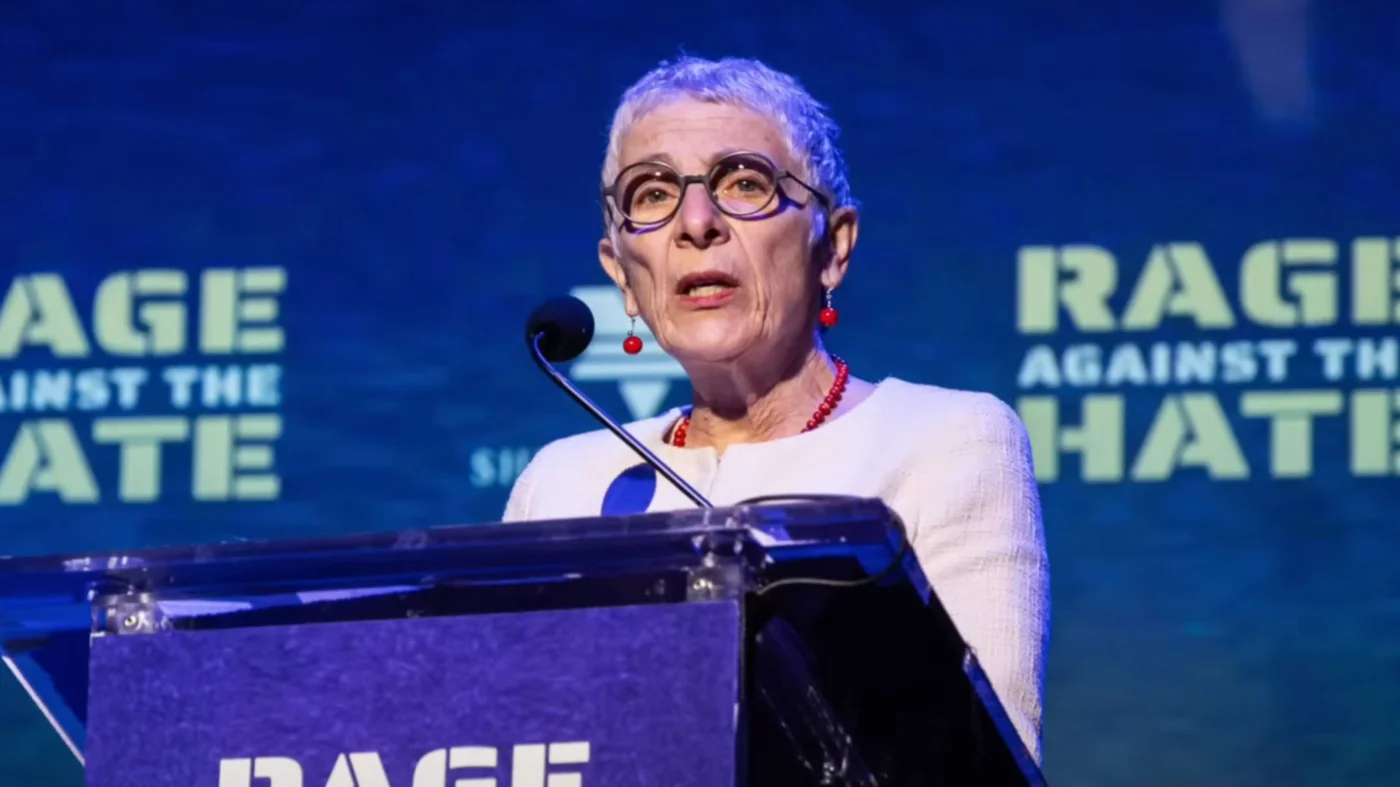
  • British columnist Melanie Phillips slammed for Palestinian ‘final solution’ comments

    British columnist Melanie Phillips slammed for Palestinian ‘final solution’ comments

    A significant diplomatic controversy has erupted in London following inflammatory statements made by prominent British commentator Melanie Phillips regarding the newly inaugurated Palestinian embassy. The Times columnist faced immediate condemnation after characterizing the diplomatic opening as “an important moment in the UK’s shameful connivance with the Palestinian Arabs’ final solution” in a social media post.

    The phrase “final solution,” historically associated with Nazi Germany’s genocide against Jewish people during the Holocaust, triggered widespread criticism from academics and advocacy groups. Scottish historian William Dalrymple responded directly to Phillips, describing her anti-Palestinian rhetoric as “growing increasingly unhinged” and accusing her of “pure projection.”

    Chris Doyle, director of the Council for the Advancement of Arab-British Understanding (CAABU), denounced what he termed the “racism of denying a people’s very existence, their national rights and of apologising for a state that is perpetrating a genocide right now.”

    The diplomatic mission’s establishment follows Britain’s formal recognition of Palestinian statehood in September, with Palestinian Ambassador Husam Zomlot hailing the embassy as “proof that our identity cannot be denied.” Zomlot characterized the development as representing “a change of direction” that recognizes Palestinian “inalienable right to sovereign statehood.”

    Phillips’ controversial remarks represent a continuation of her established pattern of rhetoric regarding Palestinian identity. During an October speech in New York, she asserted that “there is no such thing as Palestine” and claimed “the Jews are the only people who have any entitlement to any of this land.” Her comments also included criticism of Christianity, which she described as “a Jewish sect that got slightly out of hand.”

    This incident marks another chapter in Phillips’ history of provocative statements, including her 2019 article claiming that allegations of Islamophobia were inherently antisemitic—a position that drew criticism from the Board of Deputies of British Jews.

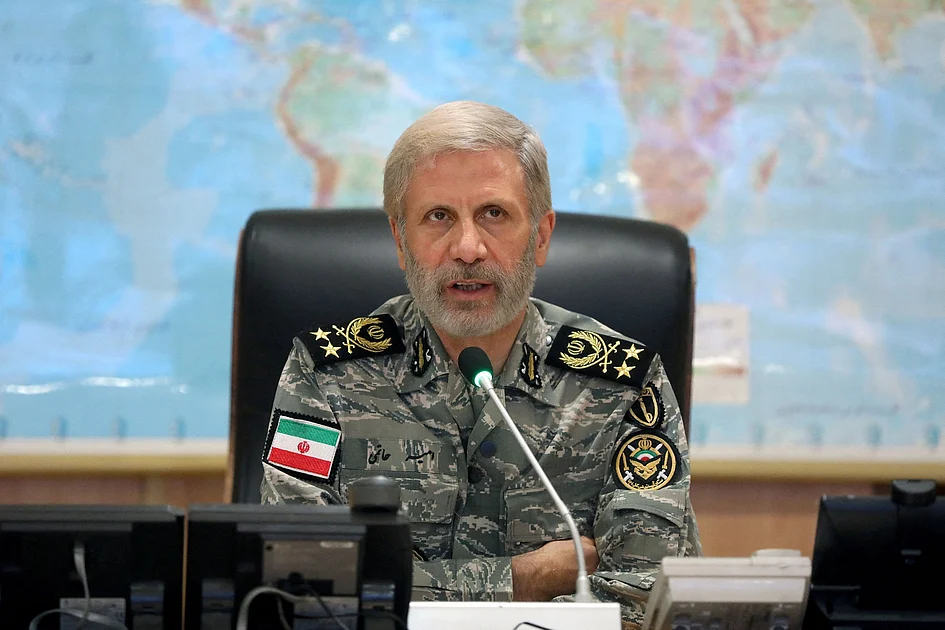
  • Iran army chief threatens response to Trump and Netanyahu’s ‘threats’

    Iran army chief threatens response to Trump and Netanyahu’s ‘threats’

    Iran’s military leadership has issued a forceful warning to the United States and Israel regarding their statements on ongoing domestic protests within the Islamic Republic. General Amir Hatami, commander of the Iranian army, declared on Wednesday that Tehran would not tolerate continued hostile rhetoric from foreign powers and would respond decisively to any perceived threats.

    According to reports from Fars News Agency, General Hatami emphasized that Iran considers the escalating verbal attacks against its nation as a direct provocation. The military commander specifically cautioned that any hostile actions by ‘the enemy’ would trigger a more severe response than the June conflict with Israel, which spanned twelve days and involved unprecedented strikes on Iranian military and nuclear facilities.

    This warning comes amid increased international attention on merchant-led protests that began in Tehran on December 28th, initially demonstrating against economic pressures including soaring prices and the dramatic devaluation of the national currency. While these demonstrations have remained smaller in scale compared to previous protest movements in 2009 and 2022-2023, they have drawn notable comments from Western leaders.

    US President Donald Trump stated on Sunday that the United States was monitoring the situation closely and warned of potential military intervention if protesters faced violence. Simultaneously, Israeli Prime Minister Benjamin Netanyahu expressed solidarity with Iranian citizens seeking ‘freedom, liberty and justice.’

    In response, Iran’s foreign ministry has accused both leaders of attempting to incite violence and undermine national unity. The developing situation represents the latest chapter in ongoing tensions between Iran and Western powers, following last summer’s military confrontation that briefly involved American participation in strikes against Iranian nuclear facilities.

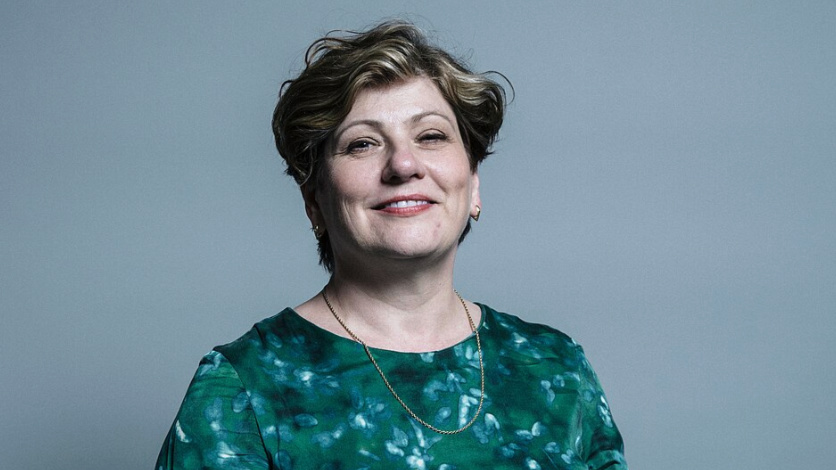
  • Senior Labour MP meets Muslim Council of Britain despite ‘disengagement’ policy

    Senior Labour MP meets Muslim Council of Britain despite ‘disengagement’ policy

    In an unprecedented diplomatic move, Labour MP Emily Thornberry has conducted a landmark meeting with the Muslim Council of Britain (MCB), directly contradicting the UK government’s longstanding policy of non-engagement with the organization. The meeting represents the first high-level contact between a senior Labour figure and the Muslim advocacy group in over fifteen years.

    Thornberry, who chairs the influential Parliamentary Foreign Affairs Select Committee, met with MCB Public Affairs Manager Lotifa Begum on Wednesday to discuss critical international issues. Their dialogue focused primarily on the ongoing humanitarian crisis in Palestine, urgent relief needs, and Britain’s role in upholding global human rights standards.

    This engagement holds particular significance given Thornberry’s previous foreign policy positions. The MP had previously advocated for banning imports from Israeli settlements in occupied Palestinian territories and pushed for UK recognition of Palestinian statehood months before the government’s official policy shift in September 2025.

    The meeting occurs despite the Starmer government’s continued adherence to the Conservative-initiated policy of avoiding official contact with the MCB. This diplomatic distancing began in 2009 when a Labour government suspended relations after an MCB official endorsed Palestinians’ “right of resistance” during Israel’s Operation Cast Lead in Gaza.

    The MCB, representing over 500 affiliated organizations including mosques, educational institutions, local councils, and professional networks, has been systematically excluded from government dialogue across multiple administrations. Middle East Eye reported in July 2024 that officials blocked the council from participating in an Islamophobia definition working group and ignored communications during widespread far-right riots.

    Previous attempts to bridge this diplomatic divide have met with resistance. Cabinet minister Sir Stephen Timms faced reprimand from Labour leadership in January 2025 for attending an MCB event, highlighting the party’s strict enforcement of its non-engagement policy.

    The meeting signals a potential shift in parliamentary attitudes toward Muslim representation in Britain, though government policy remains unchanged. Middle East Eye has reached out to Thornberry for additional commentary on the implications of this breakthrough dialogue.

  • EU pushes forward long-discussed free trade deal with South America

    EU pushes forward long-discussed free trade deal with South America

    BRUSSELS — The European Union has reignited high-stakes negotiations with South America’s Mercosur trading bloc, attempting to finalize one of the world’s largest free trade agreements despite fierce internal opposition. This development comes just one week after the United States’ controversial operation in Venezuela targeting President Nicolás Maduro, creating a stark contrast in diplomatic approaches to the region.

    EU agriculture ministers convened in Brussels Wednesday to address balancing economic opportunities against protecting European farmers. The proposed pact with Brazil, Argentina, Paraguay, Uruguay, and Bolivia would create a trading zone covering 780 million people and representing a quarter of global GDP. EU Trade Negotiator Maroš Šefčovič characterized the agreement as “landmark” legislation that could boost EU agrifood exports by up to 50%.

    “In this turbulent world, our trading partners value the EU for one thing above all: credibility,” Šefčovič stated. “We must safeguard this priceless currency by remaining a trusted and reliable trading partner.”

    The negotiations face significant hurdles, particularly from France where agricultural protests derailed the deal in December. French Agriculture Minister Annie Genevard reiterated her nation’s opposition, citing threats to beef, chicken, sugar, ethanol, and honey producers. “As long as the combat is not over, nothing is lost,” Genevard declared, referencing ongoing negotiations.

    Italy has emerged as the decisive swing vote, with Prime Minister Giorgia Meloni’s support potentially overcoming objections from France and Poland. While Meloni welcomed proposed farmer subsidies, she has not committed to backing the trade deal itself.

    The agreement would progressively eliminate tariffs on nearly all goods traded between the blocs, offering what proponents describe as a strategic alternative to Chinese export controls and American tariff policies. New safeguards include “semiautomatic triggering thresholds” that would activate if Mercosur imports significantly undercut EU products.

    Despite political tensions within Mercosur—particularly between Argentina’s far-right President Javier Milei and Brazil’s center-left leader Luiz Inácio Lula da Silva—South American leaders continue pursuing the European alliance for its agricultural benefits. The deal represents a fundamentally different approach to regional engagement compared to the Trump administration’s Venezuela intervention, highlighting competing visions of economic diplomacy in South America.

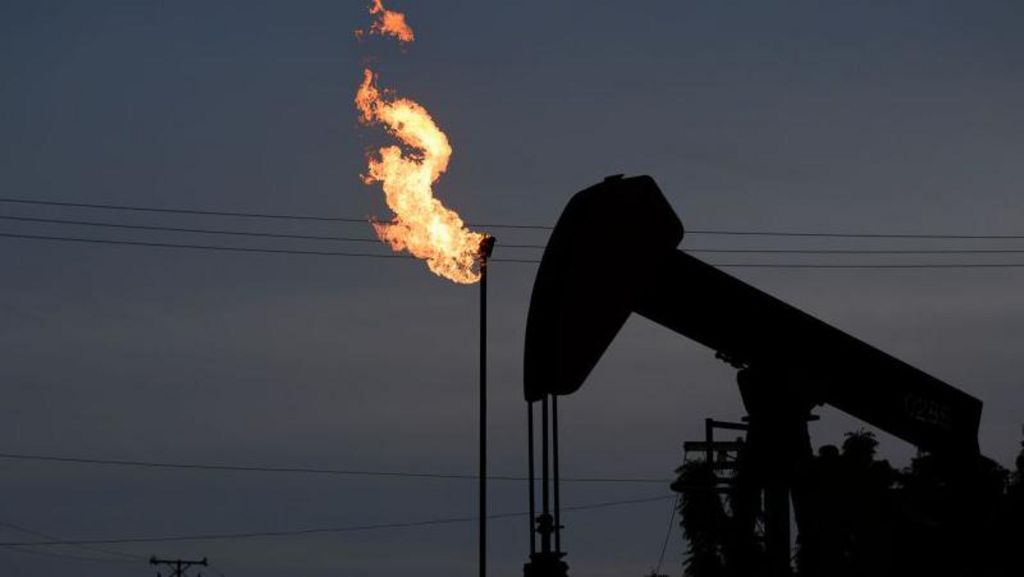
  • US will control Venezuela oil sales ‘indefinitely’, official says

    US will control Venezuela oil sales ‘indefinitely’, official says

    The United States government has announced it will indefinitely maintain control over sales of previously sanctioned Venezuelan oil, marking a significant strategic pivot in its foreign policy approach. This decision comes as the administration prepares to reintroduce Venezuelan crude into global markets under a novel revenue control mechanism.

    White House officials confirmed the policy implementation, revealing that initial sales will involve 30 to 50 million barrels of oil. The generated revenue—estimated by analysts at approximately $2.8 billion—will be administered exclusively by U.S. authorities to preserve diplomatic leverage over the Venezuelan government. Energy Secretary Chris Wright articulated the strategy at an energy conference in Miami, stating, “We’re going to let the oil flow,” while emphasizing that financial control remains essential to “drive the changes that simply must happen in Venezuela.”

    The operational framework, initiated through coordination with major banking institutions and commodity trading firms, follows President Donald Trump’s social media announcement regarding Venezuela’s transfer of up to 50 million barrels to U.S. control. The administration asserts that proceeds will be deposited into U.S.-managed accounts, with President Trump personally overseeing distribution to benefit both Venezuelan citizens and American interests.

    Secretary of State Marco Rubio clarified the objective: ensuring funds reach “the Venezuelan people—not corruption, not the regime.” This approach aims to stabilize Venezuela’s crippled economy while maintaining pressure on Nicolás Maduro’s government.

    Despite possessing the world’s largest proven oil reserves, Venezuela’s production has collapsed to approximately 1 million barrels daily (less than 1% of global output) due to chronic disinvestment, mismanagement, and sustained sanctions. Recent production had primarily supplied China until U.S. naval blockades disrupted these shipments.

    China has condemned the U.S. seizure of Venezuelan assets, with Beijing’s foreign minister criticizing American control over Venezuela’s oil resources. Meanwhile, industry analysts note that U.S. refiners—particularly Chevron—equipped to process Venezuela’s heavy crude stand to benefit immediately. This development may pressure Canadian and Mexican producers who currently dominate heavy crude supply to U.S. refineries.

    Oil markets have already responded to the prospect of increased Venezuelan access, with prices declining further amid already subdued demand expectations. However, analysts caution that meaningful production recovery requires years of investment and billions of dollars—investment that may prove challenging given more attractive opportunities in stable regions like the U.S. and Guyana.

  • How could Donald Trump ‘take’ Greenland?

    How could Donald Trump ‘take’ Greenland?

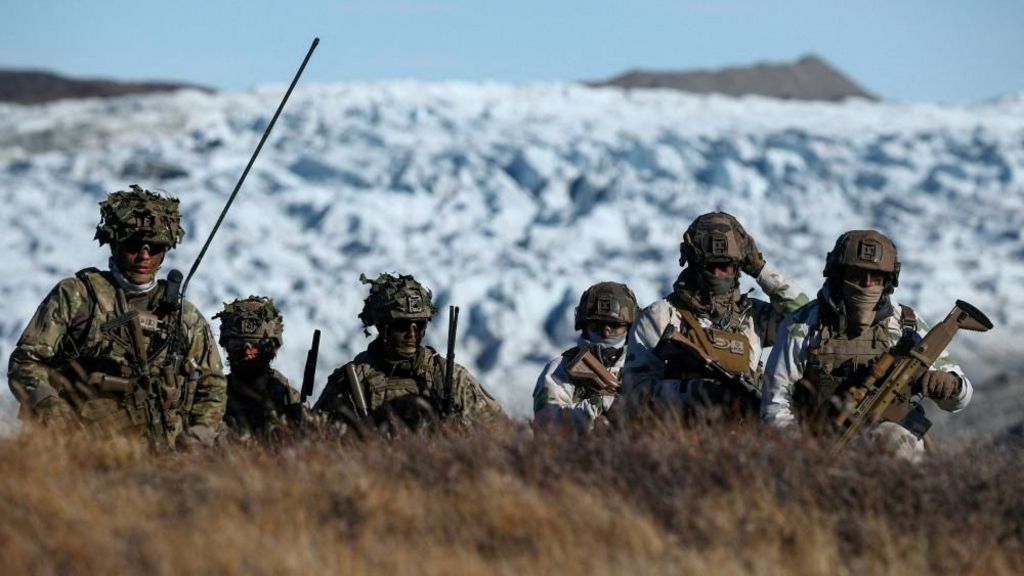
    The White House has confirmed that all strategic options remain under consideration regarding Greenland, including potential military action, as articulated by former President Donald Trump. This revelation has triggered profound concerns within the NATO alliance, given the prospect of one member state initiating aggression against another—Denmark, which maintains sovereignty over the vast Arctic territory.

    Trump has consistently framed Greenland as critically important to U.S. national security, alleging without substantiation that its waters are ‘covered with Russian and Chinese ships.’ Defense specialists analyzing the scenario acknowledge that a rapid military takeover would be operationally feasible due to Greenland’s minimal population of approximately 58,000 and virtually nonexistent military defenses. The territory relies on Denmark for protection, which maintains limited air and naval resources across the massive island, with certain remote areas patrolled only by the specialized Sirius Patrol unit using dog sleds.

    Analysts like Hans Tito Hansen of Risk Intelligence and Justin Crump of Sibylline Ltd. suggest that the U.S. 11th Airborne Division, supported by air and naval assets, could execute an invasion with overwhelming force, potentially encountering little resistance. However, such an operation would blatantly violate international law and risk catastrophic diplomatic fallout, potentially fracturing NATO.

    Despite the theoretical ease of invasion, numerous former U.S. officials and security experts deem military action highly improbable. Mick Mulroy, former Deputy Assistant Secretary of Defense, emphasized that any move toward military engagement would likely confront staunch Congressional opposition, invoking the War Powers Act to prevent unauthorized conflict.

    Acquisition via purchase, reportedly the administration’s preferred method, presents another complex avenue. However, both the Greenlandic and Danish governments have firmly stated the territory is not for sale. Any potential treaty would require a two-thirds Senate majority and European Union approval—hurdles experts consider insurmountable. Furthermore, such expenditure could alienate Trump’s political base, which prioritizes domestic spending.

    Alternatively, the U.S. might pursue a soft-power strategy, encouraging Greenland’s independence movement—polls indicate strong local desire for autonomy from Denmark, though not for assimilation into the U.S.—and subsequently establishing a defense partnership akin to agreements with Pacific nations like Palau. However, this approach would not grant the U.S. ownership of Greenland’s extensive mineral resources, likely a key motivator for the administration.

    Ultimately, analysts concur that without support from the Greenlandic people, any non-military strategy to incorporate the territory will fail. As one expert noted, the current U.S. administration has a limited timeframe, while Greenlanders are considering their future over the next millennium.