分类: politics

  • Trump withdraws US from key climate treaty and dozens of other groups

    Trump withdraws US from key climate treaty and dozens of other groups

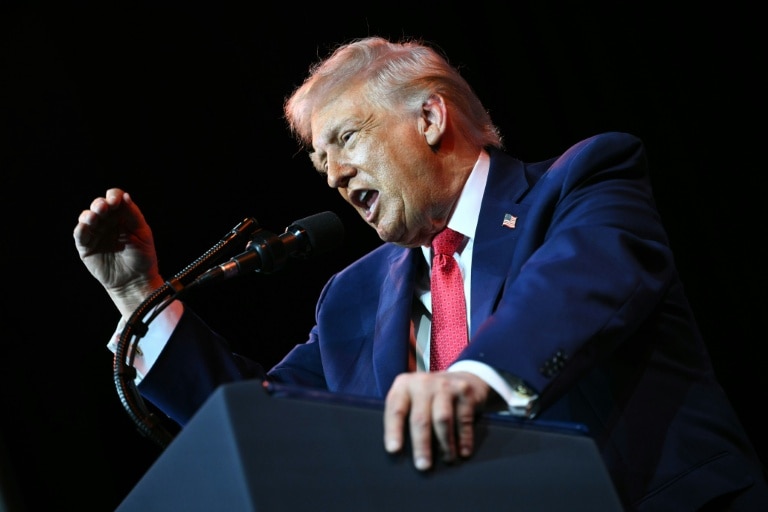
    The Trump administration has executed a sweeping disengagement from global governance structures by formally withdrawing the United States from 66 international organizations. This strategic repositioning, enacted through a presidential memorandum signed Wednesday, represents one of the most comprehensive shifts in American foreign policy in recent decades.

    Nearly half of the affected entities operate under the United Nations framework, including the foundational UN Framework Convention on Climate Change that serves as the architectural basis for worldwide climate cooperation. The withdrawal extends to the UN’s Intergovernmental Panel on Climate Change (IPCC), the premier scientific body assessing global climate science, alongside organizations addressing peacekeeping, democratic governance, family planning, and conflict-related sexual violence.

    The White House justified these withdrawals as necessary to terminate American taxpayer funding to entities that allegedly advance “globalist agendas” at the expense of U.S. priorities. An official statement characterized many of these organizations as promoting “radical climate policies, global governance and ideological programs” that conflict with American sovereignty and economic interests.

    This action follows President Trump’s consistent pattern of challenging multilateral institutions and established scientific consensus. The administration had previously withdrawn from the Paris Climate Agreement and declined participation in the COP30 climate summit in Brazil. Legal scholars note that while the Constitution outlines procedures for treaty ratification, it remains silent on withdrawal mechanisms, potentially setting the stage for constitutional challenges.

    Reaction from the scientific community has been sharply critical. Rachel Cleetus, senior policy director at the Union of Concerned Scientists, described the move as emblematic of an “authoritarian” and “anti-science” administration deliberately undermining global cooperation. This systematic disengagement from international frameworks signals a fundamental reorientation of America’s role in global governance structures.
  • Australia’s leader announces a royal commission into antisemitism after Bondi mass shooting

    Australia’s leader announces a royal commission into antisemitism after Bondi mass shooting

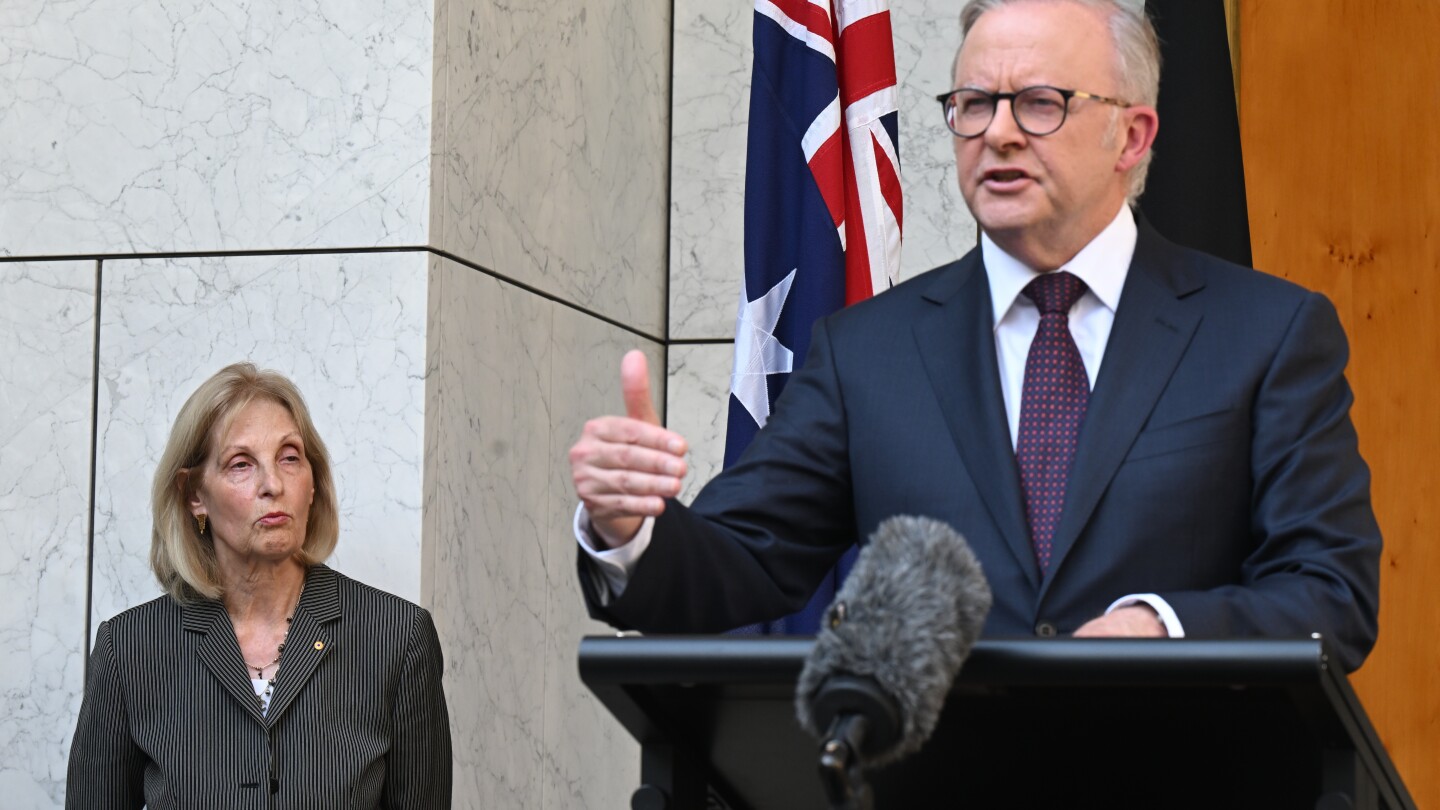
    CANBERRA, Australia — Prime Minister Anthony Albanese has established a comprehensive royal commission to investigate antisemitism in Australia, responding to growing national concerns following the deadly terrorist attack at Bondi Beach that claimed 15 lives during a Hanukkah celebration. The announcement comes after weeks of mounting pressure from political leaders, Jewish community representatives, and prominent public figures demanding federal-level action.

    The commission, Australia’s most powerful form of governmental inquiry, will conduct an extensive examination of antisemitism’s nature, prevalence, and underlying causes. Former High Court Justice Virginia Bell will lead the investigation, which possesses full authority to summon witnesses and compel document production. The probe will specifically analyze the circumstances surrounding the Bondi Beach massacre while also addressing broader societal concerns regarding extremism and social cohesion.

    Prime Minister Albanese characterized the attack as “an antisemitic terrorist attack, aimed at Jewish Australians, inspired by ISIS” and acknowledged the deadliest incident of its kind in Australian history. The commission’s mandate extends beyond investigation to providing concrete recommendations for law enforcement enhancement, counter-extremism strategies, and strengthened community relations.

    A complete report is expected by December 14, marking the one-year anniversary of the tragedy. The surviving suspect, 24-year-old Naveed Akram, currently faces multiple criminal charges including murder and terrorism offenses, while his father was fatally shot by police during the incident.

    The government’s response also includes previously initiated reviews of security agencies and proposed legislative measures to tighten gun control laws and criminalize hate speech that currently falls below prosecution thresholds.

  • Oligarch linked to bribery paid Andrew £15m for mansion

    Oligarch linked to bribery paid Andrew £15m for mansion

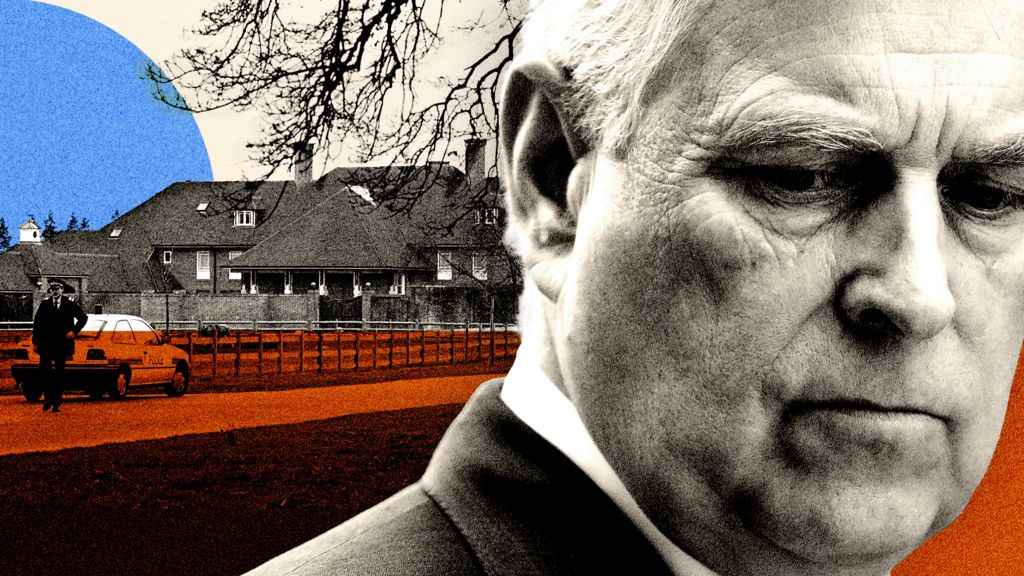
    A BBC investigation has uncovered troubling connections between a royal property transaction and funds originating from criminal corruption schemes. Prince Andrew, Duke of York, received £15 million in 2007 for the sale of his Sunninghill Park mansion to Timur Kulibayev, the influential son-in-law of Kazakhstan’s then-president Nursultan Nazarbayev.

    Financial records reveal that Kulibayev utilized a loan from Enviro Pacific Investments, a company subsequently implicated in bribery schemes by Italian prosecutors, to facilitate the purchase. Court documents from 2016-2017 Italian cases demonstrate that Enviro Pacific received millions from corruption networks, with the final payment occurring merely weeks before the Berkshire property transaction was finalized.

    Kulibayev, who held commanding positions in Kazakhstan’s oil and gas sector through the sovereign wealth fund Samruk-Kazyna, maintained through legal representatives that the funds were entirely legitimate and that he had no involvement in corruption. His attorneys confirmed the commercial loan from Enviro Pacific but declined to disclose the company’s ownership, citing confidentiality.

    The transaction exhibited multiple concerning characteristics, including a purchase price £7 million above market value, utilization of opaque offshore structures through Unity Assets Corporation, and the buyer’s status as a public official in a nation where the UK government had expressed concerns about ‘systematic corruption.’

    Money laundering expert Tom Keatinge, Director of the Centre for Finance and Security, identified ‘blatant red flags’ that should have triggered enhanced due diligence. Margaret Hodge, the government’s anti-corruption champion, expressed being ‘utterly shocked’ and called for parliamentary investigation.

    Despite his role as UK trade envoy and proximity to the throne, Prince Andrew’s legal representatives at Farrer & Co did not identify the ultimate purchaser until media reports revealed Kulibayev’s involvement three years post-transaction. The former prince previously stated he wouldn’t ‘look a gift horse in the mouth’ regarding the inflated price.

    The property remained vacant following purchase and was ultimately demolished in 2016. Recent developments indicate Kazakhstan’s current government is pursuing corruption cases related to the Nazarbayev era, though Kulibayev maintains his wealth was legitimately acquired through decades of business activity.

  • US Homeland Security says ICE officer fatally shot ‘rioter’ in Minneapolis

    US Homeland Security says ICE officer fatally shot ‘rioter’ in Minneapolis

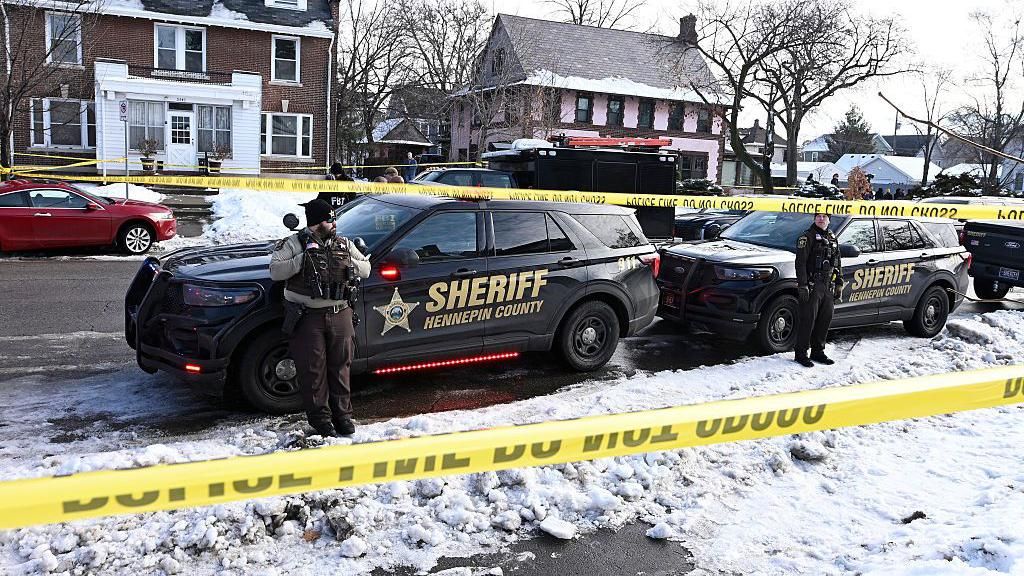
    A fatal shooting involving a U.S. Immigration and Customs Enforcement (ICE) officer during an enforcement operation in Minneapolis has sparked significant controversy, with federal officials characterizing the incident as an act of domestic terrorism.

    According to the Department of Homeland Security, the confrontation occurred on January 7, 2026, when ICE officers became stranded in snowy conditions during adverse weather. While attempting to free their vehicle, officers reported being attacked by a woman operating another automobile. Homeland Security Secretary Kristi Noem stated the individual “attempted to run them over and ram them with her vehicle,” prompting what she described as defensive action by one of the federal agents.

    “An officer of ours acted quickly and defensively shot to protect himself and the people around him,” Noem announced during a press conference in Brownsville, Texas. “My understanding is that she was hit and is deceased.”

    The DHS issued an official statement on social media platform X, identifying the deceased as one of several “violent rioters” and confirming that injured ICE officers were expected to make full recoveries. The incident occurs against a backdrop of heightened federal presence in the Minneapolis area, where the Trump administration recently deployed approximately 2,000 federal agents and officers amid allegations of welfare fraud involving Somali residents.

    The characterization of the shooting as a defensive response to domestic terrorism has drawn immediate scrutiny from civil rights organizations and community advocates, who question the narrative presented by federal authorities and call for an independent investigation into the circumstances surrounding the woman’s death.

  • Saudi Arabia and Pakistan in talks to swap loans for JF-17 warplanes: Report

    Saudi Arabia and Pakistan in talks to swap loans for JF-17 warplanes: Report

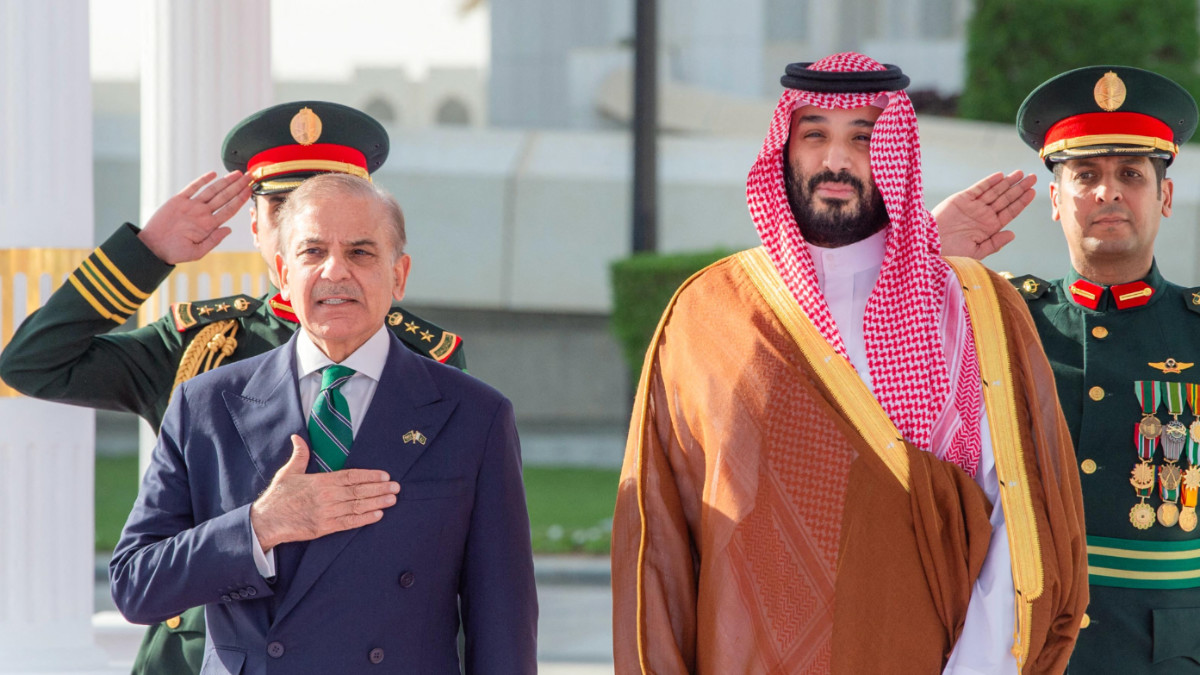
    Saudi Arabia and Pakistan are engaged in advanced negotiations regarding a significant defense arrangement that would convert approximately $2 billion in Saudi loans into a procurement agreement for JF-17 Thunder fighter jets, according to a Reuters report. This potential arms deal, valued at up to $4 billion total, represents a strategic deepening of military cooperation between the two longstanding allies.

    The discussions occur against a complex geopolitical backdrop featuring Saudi Arabia’s intensified military operations against UAE-backed forces in Yemen and Pakistan’s concerted efforts to expand its arms exports to Arab nations. The two countries formalized their defense partnership with a mutual security pact last year, strengthening their existing alliance.

    This proposed arrangement would see Saudi Arabia acquire the JF-17 combat aircraft, jointly manufactured by Pakistan and China, with an additional $2 billion potentially allocated for supplementary military equipment beyond the loan conversion framework. The negotiation highlights the symbiotic nature of the Riyadh-Islamabad relationship: Saudi Arabia provides crucial financial support to Pakistan’s economy, while Pakistan offers military expertise and hardware to the Gulf monarchy.

    Financial assistance from oil-rich Saudi Arabia has proven vital to Pakistan’s economic stability over the past decade. In 2018, Riyadh extended a $6 billion assistance package comprising $3 billion in central bank deposits and $3 billion in deferred oil payments. Saudi Arabia has consistently rolled over these deposits, providing Pakistan with essential dollar liquidity to mitigate current account pressures.

    In return, Saudi Arabia benefits from Pakistan’s professional military establishment, with Pakistani advisors historically contributing to Saudi defense capabilities and many Saudi pilots receiving training in Pakistan. The current negotiations reflect both nations’ responses to regional security dynamics, including Pakistan’s recent $4 billion arms agreement with Libya’s National Army and Saudi Arabia’s ongoing military campaign in Yemen.

    The potential deal may generate concern in Washington, where officials are simultaneously negotiating F-35 sales to Saudi Arabia. Members of the U.S. intelligence community have previously expressed apprehension about technology transfer issues involving Chinese-made military equipment in sensitive regions.

  • US immigration agent fatally shoots woman in Minneapolis

    US immigration agent fatally shoots woman in Minneapolis

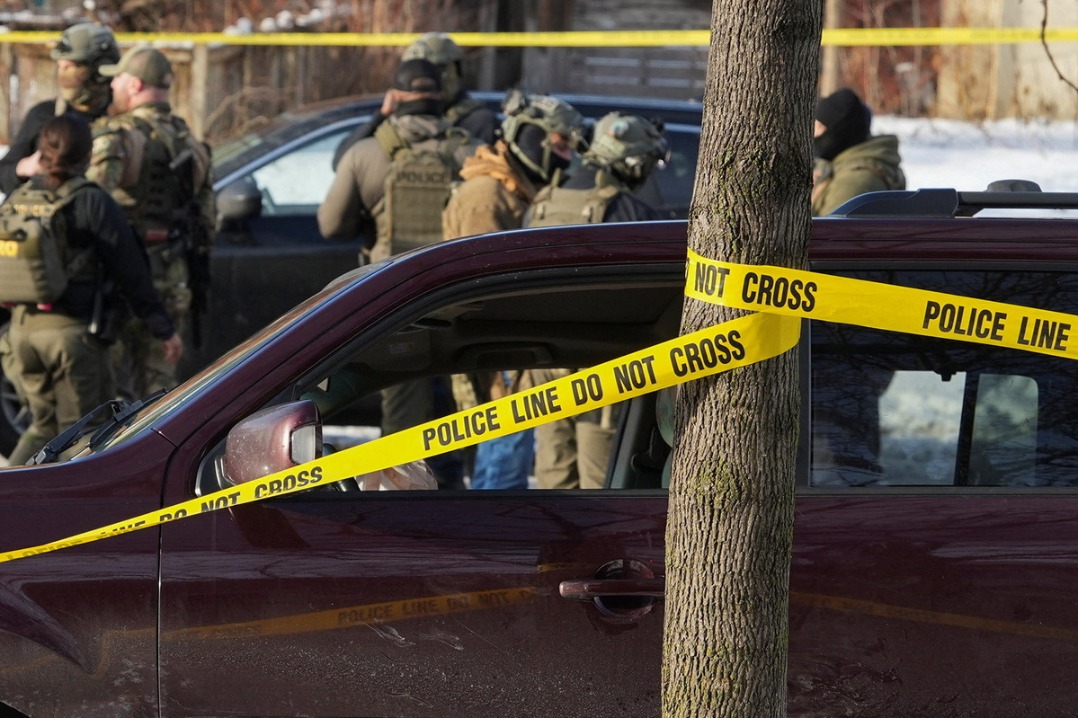
    A fatal shooting involving a U.S. Immigration and Customs Enforcement (ICE) agent in Minneapolis has ignited intense political conflict and public outrage, with starkly contrasting accounts emerging from federal authorities and local officials.

    The incident occurred Wednesday morning when ICE agents encountered 37-year-old Renee Nicole Good in her maroon SUV blocking a residential street. According to Department of Homeland Security statements, agents approached the vehicle and ordered Good to exit. DHS characterized Good as a ‘violent rioter’ who attempted to run over ICE agents, necessitating ‘defensive shots’ from one officer who was subsequently injured and hospitalized.

    However, eyewitness accounts and local leadership present a dramatically different narrative. Minneapolis Mayor Jacob Frey condemned the shooting as ‘an agent recklessly using power that resulted in somebody dying,’ delivering expletive-laced demands for ICE to leave the city. Eyewitness Emily Heller described to CNN seeing an agent step in front of the moving vehicle and fire ‘point blank’ through the windshield.

    The confrontation unfolds amid a massive deployment of approximately 2,000 federal agents to Minneapolis—one of the largest concentrations of DHS personnel in a U.S. city in recent years. This deployment is part of the Trump administration’s nationwide immigration enforcement operation, specifically targeting individuals with deportation orders in Minneapolis’s Somali community.

    The location of the shooting—approximately one mile from where George Floyd was murdered in 2020—has added historical resonance to the protests now spreading through the city. Vigils for Good have drawn crowds, while organized marches condemn the shooting and demand ICE’s departure. The escalating tensions prompted Minneapolis Public Schools to cancel classes for the remainder of the week citing safety concerns.

    Political responses have followed partisan lines, with former Vice President Kamala Harris accusing the Trump administration of ‘gaslighting’ and Minnesota Governor Tim Walz promising a ‘full, fair, and expeditious investigation.’ The FBI has announced it will investigate Wednesday’s incident, even as DHS Secretary Kristi Noem maintains that ICE operations in the city will continue.

  • US state secretary says to meet Danish officials next week on Greenland

    US state secretary says to meet Danish officials next week on Greenland

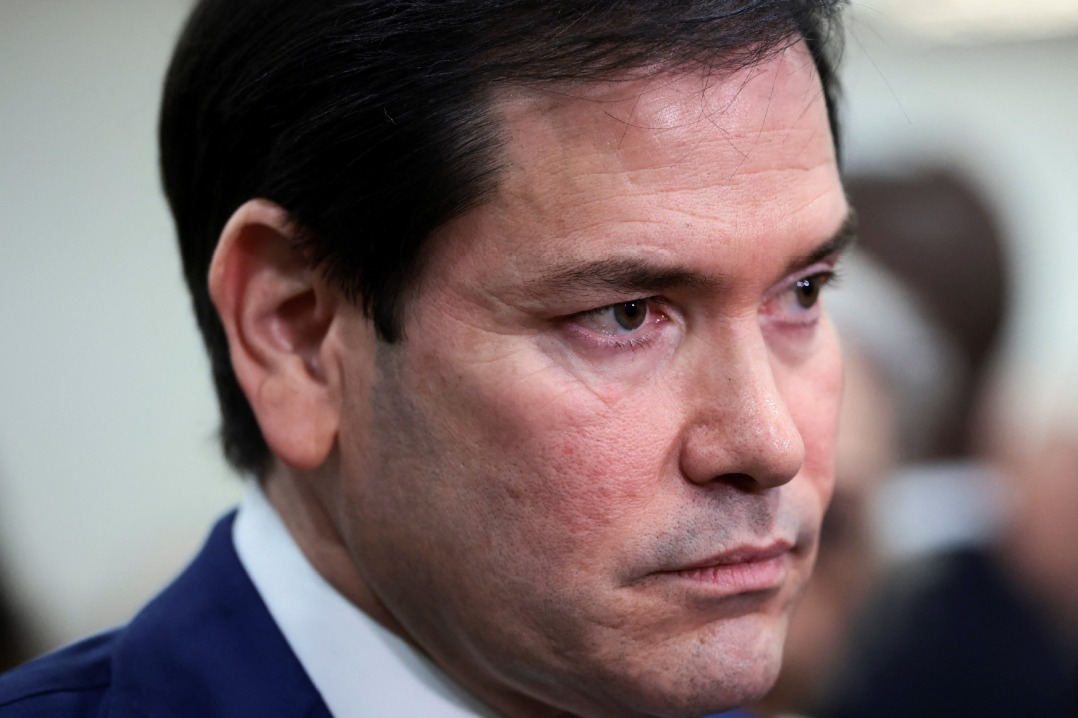
    WASHINGTON — U.S. Secretary of State Marco Rubio confirmed Wednesday that he will engage in direct negotiations with Danish officials next week regarding Washington’s controversial pursuit of Greenland. The announcement comes amid escalating tensions between the NATO allies over what Denmark considers an unacceptable territorial proposition.

    Rubio revealed the planned diplomatic engagement to reporters at the U.S. Capitol, stating, “I’ll be meeting with them next week… We’ll have conversations with them then.” His comments followed provocative statements from the White House that included military force among potential options for acquiring the autonomous Danish territory.

    While attempting to distance the State Department from more aggressive rhetoric, Rubio acknowledged that “every president always retains the option” of military action, though he emphasized preference for diplomatic resolution. This nuanced positioning contrasts with Tuesday’s official White House communication, in which Press Secretary Karoline Leavitt explicitly affirmed to Xinhua that “utilizing the U.S. military” remains an option for President Donald Trump regarding Greenland.

    The scheduled meeting responds to a formal request from both Danish Foreign Minister Lars Lokke Rasmussen and Greenland’s Foreign Minister Vivian Motzfeldt, who seek to address what they’ve termed a diplomatic crisis. Both governments have consistently maintained that the strategically significant Arctic island is not available for purchase or transfer.

    According to U.S. media reports from a closed-door congressional briefing Monday, Rubio assured lawmakers that Trump’s threats did not indicate imminent military action but rather reflected the administration’s continued interest in purchasing the territory. This assurance however has failed to calm European allies.

    Danish Prime Minister Mette Frederiksen issued a stark warning Monday, backed by European leadership, that any U.S. military action against another NATO member would trigger the immediate collapse of the alliance and the postwar security architecture. Trump responded Wednesday on Truth Social by questioning whether NATO would honor its collective defense commitment to the United States if needed, further straining transatlantic relations.

    The confrontation places Denmark in a particularly vulnerable position as a member of both NATO and the European Union, facing unprecedented pressure from its traditional security guarantor.

  • Analysis: Why Trump chose Delcy, not Machado

    Analysis: Why Trump chose Delcy, not Machado

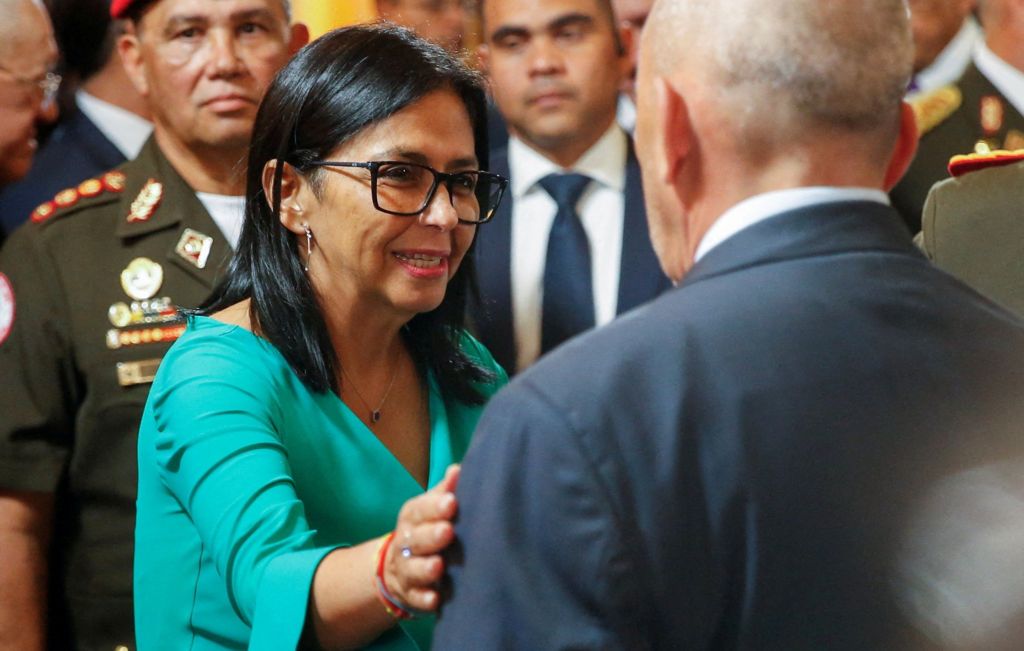
    In a strategic pivot that has stunned regional analysts, the United States has endorsed Delcy Rodríguez as Venezuela’s interim president following the dramatic ouster of Nicolás Maduro. The decision represents a calculated departure from supporting opposition leader María Corina Machado, whose movement secured an electoral mandate in 2024 but was deemed potentially destabilizing by U.S. intelligence assessments.

    Rodríguez, a former vice president and daughter of a Marxist guerrilla, embodies continuity from the Chavista regime rather than its dissolution. Her appointment preserves key power structures including military leadership under Defense Minister Vladimir Padrino Lopez and hardline interior minister Diosdado Cabello—both Maduro loyalists who retain control over security apparatuses.

    The Trump administration’s rationale, explained by former U.S. Ambassador Charles Shapiro, prioritizes ‘stability over democracy.’ Classified intelligence reports warned that installing Machado risked triggering violent chaos, including potential guerrilla warfare from disaffected regime elements. Instead, Washington bets Rodríguez can deliver economic liberalization while maintaining order.

    Critical challenges await: revitalizing Venezuela’s crippled oil industry requires tens of billions in foreign investment unlikely without legitimate governance. While Rodríguez may cooperate on narcotics control and scale back ties with Russia and China, genuine democratic transition remains distant. Secretary of State Marco Rubio outlined a three-phase plan emphasizing stabilization and oil sales before reconciliation—with elections conspicuously absent from immediate priorities.

    President Trump’s dismissal of Nobel laureate Machado as ‘not respected’ and embrace of Rodríguez’s ‘gracious’ leadership signals a pragmatic, if morally ambiguous, realpolitik approach. As analyst Phil Gunson notes, ‘Trump may be getting something out of this, but ordinary Venezuelans are getting screwed as usual.’

  • Trump has options in Greenland, but provocation may be the point

    Trump has options in Greenland, but provocation may be the point

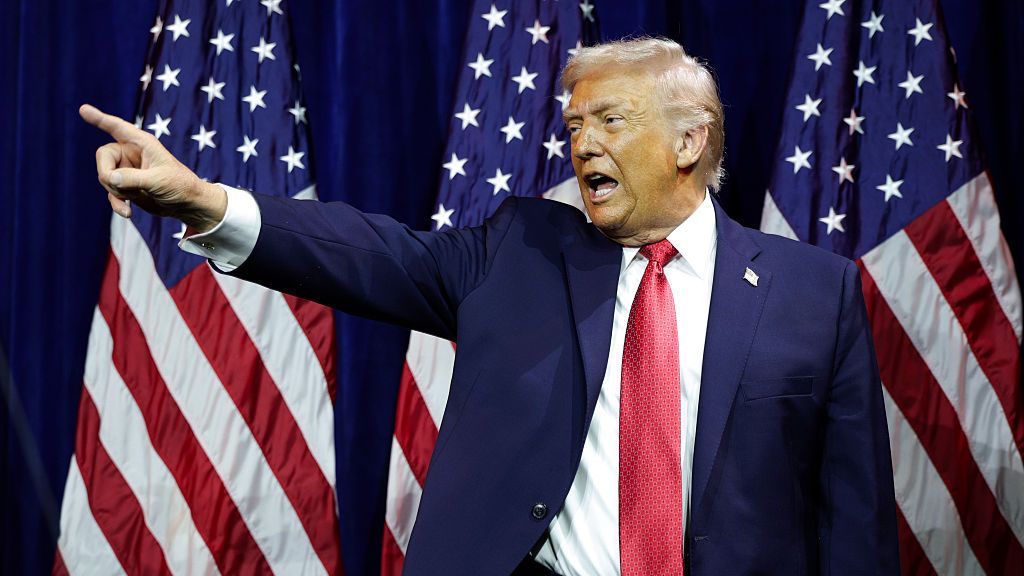
    President Donald Trump’s persistent refusal to dismiss the potential use of military force to acquire Greenland continues to generate diplomatic tensions with Denmark, a longstanding NATO ally governing the autonomous Arctic territory. This controversial stance emerges amid growing concerns over Russian and Chinese military activities in the region and the strategic implications of rapidly melting Arctic ice due to climate change.

    While the United States maintains an established military presence at Greenland’s Pituffik base—operational since World War II with approximately 150 permanent personnel—historical precedents show the stationing of up to 6,000 troops during Cold War tensions. A 1951 defense treaty theoretically permits Washington to substantially increase its military footprint through simple notification to Denmark, bypassing need for complex negotiations.

    Analysts suggest Trump’s motivations extend beyond conventional security considerations. Kristine Berzina of the German Marshall Fund notes the president’s apparent fascination with territorial expansion as symbolic of ‘American greatness’—a core tenet of his Make America Great Again movement. The acquisition of Greenland’s vast territory (comparable to Alaska’s size with merely 57,000 inhabitants) would elevate the United States to the world’s third-largest nation by land area, surpassing China.

    The administration has floated alternative approaches, including replicating the compact association model used with Pacific island nations or resurrecting historical purchase precedents. The 1917 acquisition of the US Virgin Islands from Denmark for $25 million in gold—completed under threat of force—provides historical context, though both Danish and Greenlandic authorities have unequivocally rejected contemporary sale discussions.

    Legal and diplomatic experts remain skeptical about feasibility. Former State Department legal advisor Brian Finucane characterizes the proposals as ‘far-fetched,’ noting significant constitutional and international law hurdles beyond the evident political obstacles. The concept appears particularly incongruous given Trump’s frequent criticism of NATO, through which Greenland’s defense is already indirectly addressed.

    This geopolitical posturing occurs against the backdrop of Russia’s ongoing invasion of Ukraine, where traditional allies would typically welcome heightened US engagement with European security concerns. Instead, Trump’s Greenland rhetoric manifests as potentially performative nationalism rather than substantive policy advancement.

  • Trump to meet Colombian president at White House in ‘near future’

    Trump to meet Colombian president at White House in ‘near future’

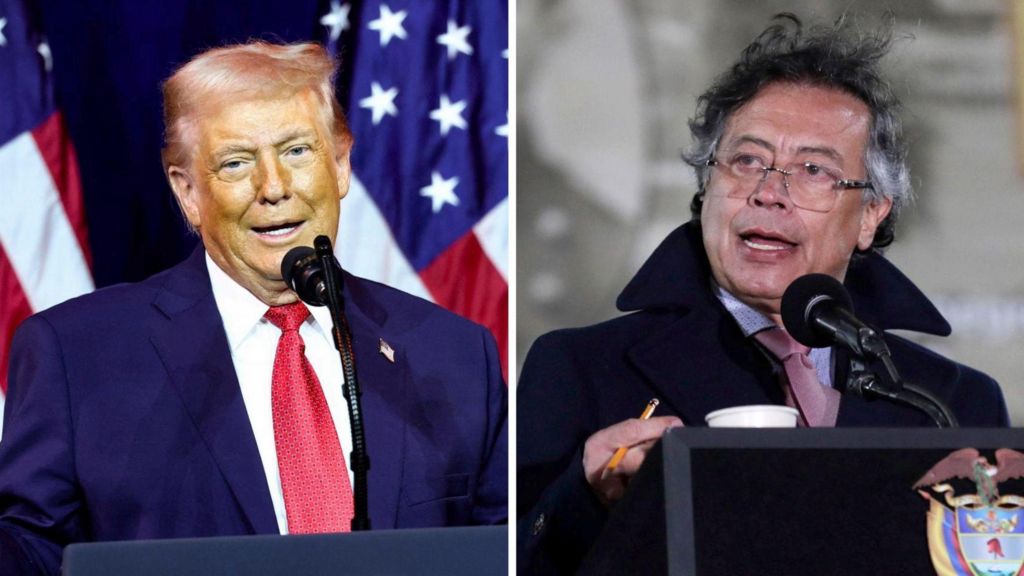
    In a dramatic escalation of diplomatic tensions, U.S. President Donald Trump has announced plans to host Colombian President Gustavo Petro at the White House following a contentious phone conversation marked by mutual threats and accusations. The development comes amid heightened regional instability following a U.S. military operation in Venezuela that resulted in the capture of President Nicolás Maduro and significant casualties.

    Trump’s characterization of the Colombian leader as ‘a sick man who likes making cocaine and selling it to the United States’ during remarks aboard Air Force One stands in stark contrast to his subsequent description of their conversation as a ‘Great Honor’ on his Truth Social platform. This diplomatic whiplash underscores the volatile nature of U.S.-Colombian relations under both administrations.

    The backdrop to this diplomatic confrontation includes Saturday night’s raid on Caracas, which Venezuelan officials claim resulted in over 100 fatalities—substantially higher than initial reports of 55 casualties among Venezuelan and Cuban soldiers. Venezuelan Interior Minister Diosdado Cabello confirmed the revised death toll on Wednesday, while interim president Delcy Rodríguez condemned the operation as an unprecedented ‘stain on our relations.’

    Central to the dispute is the ongoing drug trade conflict. The U.S. Treasury Department imposed sanctions on Petro’s administration in October 2026, alleging catastrophic failures in curbing cocaine production that has ‘exploded to the highest rate in decades.’ Treasury Secretary Scott Bessent asserted that Colombian cartels are ‘flourishing’ under Petro’s leadership, flooding American markets with narcotics.

    Petro vehemently countered these allegations, emphasizing his decades-long anti-trafficking efforts and claiming successful containment of coca crop expansion. The Colombian leader issued a stark warning via social media platform X, threatening that his nation would ‘take up arms’ against any U.S. military action, metaphorically invoking the ‘people’s jaguar’ being unleashed if Maduro remains detained.

    Beyond narcotics, energy resources loom large in the geopolitical standoff. Both Colombia and Venezuela possess substantial oil reserves, with the U.S. announcing indefinite control over Venezuelan oil sales while preparing to roll back global market restrictions. Rodríguez notably left the door open for beneficial energy relations despite condemning Maduro’s capture.

    The scheduled White House meeting, to be arranged by Secretary of State Marco Rubio and Colombian counterparts, represents a potential diplomatic off-ramp amid escalating threats and accusations. However, Trump’s earlier warning for Petro to ‘watch his ass’ suggests the relationship remains precariously balanced between confrontation and negotiation.