分类: politics

  • World central bank chiefs ‘stand in solidarity’ with US Fed chair Powell

    World central bank chiefs ‘stand in solidarity’ with US Fed chair Powell

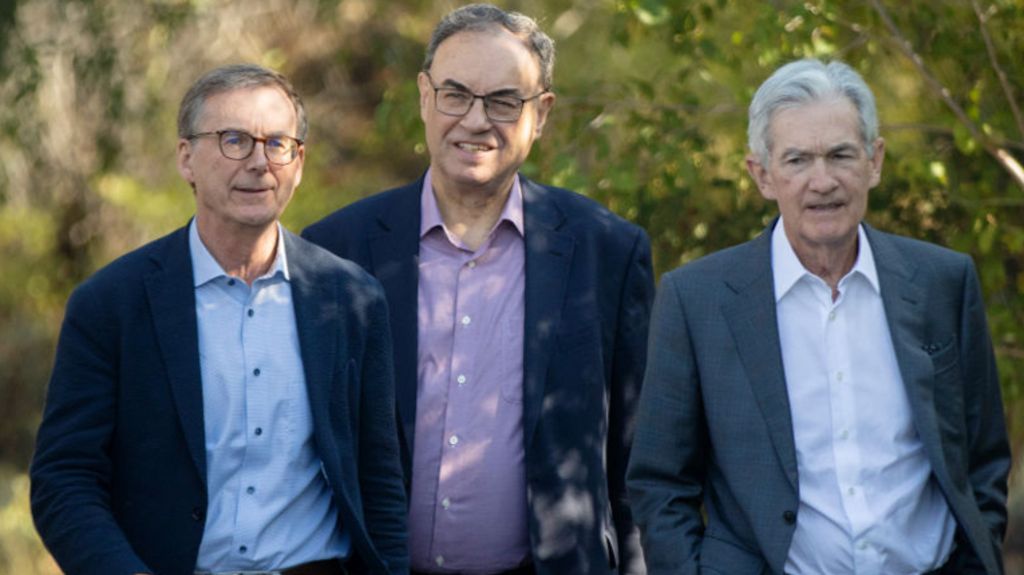
    In an unprecedented show of institutional solidarity, central bank governors from eleven nations have issued a joint statement expressing their “full solidarity” with Federal Reserve Chairman Jerome Powell, who is currently facing a criminal investigation by the U.S. Department of Justice.

    The remarkable declaration comes after a year of sustained criticism from former President Donald Trump, who repeatedly attacked Powell’s monetary policy decisions and personally characterized the Fed chair as a “major loser” and “numbskull” in public statements.

    Among the signatories are some of the world’s most influential financial leaders, including Andrew Bailey of the Bank of England, Christine Lagarde of the European Central Bank, and Tiff Macklem of the Bank of Canada. Their collective statement emphasized the critical importance of central bank independence in setting interest rates without political interference.

    “Chair Powell has served with integrity, focused on his mandate and an unwavering commitment to the public interest,” the central bankers asserted in their coordinated message. They further described Powell as “a respected colleague who is held in the highest regard by all who have worked with him.”

    The Department of Justice probe, which former President Trump claims to know nothing about, represents an extraordinary development in the relationship between the executive branch and the traditionally independent Federal Reserve. Legal experts note that criminal investigations of sitting Fed chairs are exceptionally rare in American history.

    This coordinated international response underscores growing concerns among financial leaders about the potential politicization of central banking institutions and the preservation of monetary policy independence worldwide.
  • The BBC seeks to dismiss Trump’s $10B defamation lawsuit in a Florida court

    The BBC seeks to dismiss Trump’s $10B defamation lawsuit in a Florida court

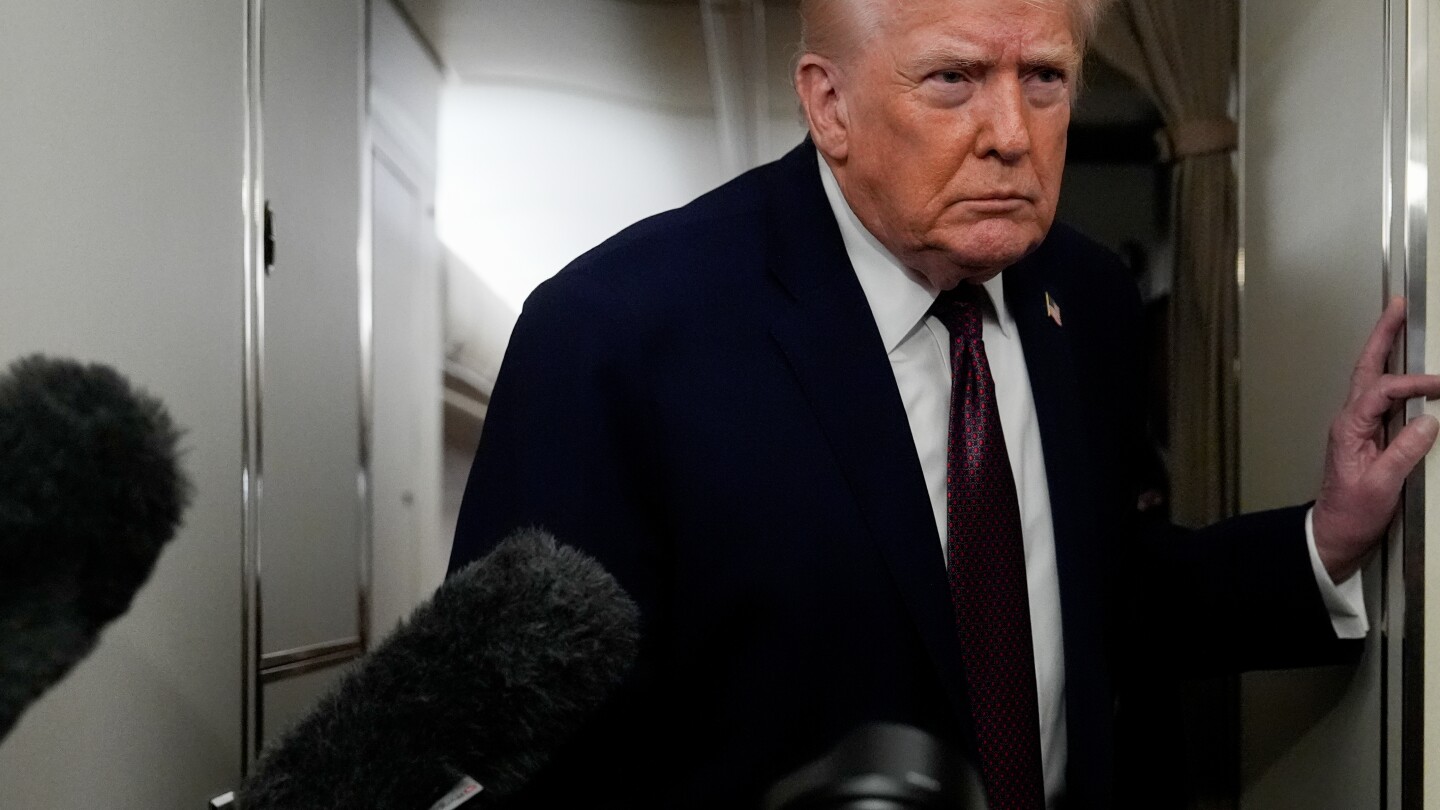
    The British Broadcasting Corporation has initiated legal proceedings to quash former U.S. President Donald Trump’s $10 billion litigation, citing jurisdictional overreach and unsubstantiated claims. Court documents filed in Florida’s Southern District Court reveal the broadcaster’s motion to dismiss the case based on three fundamental arguments: lack of proper jurisdiction, improper venue selection, and failure to state a legally actionable claim.

    The controversy stems from the BBC’s documentary “Trump: A Second Chance?” which aired shortly before the 2024 presidential election. The program featured edited excerpts from Trump’s January 6, 2021 address, combining three distinct quotes from segments delivered nearly an hour apart into what appeared as a continuous statement. Among the omitted portions was Trump’s specific instruction for supporters to demonstrate peacefully.

    Legal representatives for the publicly-funded broadcaster will contend that the organization neither created, produced, nor distributed the documentary within Florida’s jurisdiction. They further challenge Trump’s assertion that the content was available on streaming platform BritBox in the United States, characterizing this claim as factually inaccurate.

    The BBC maintains that despite issuing an apology for the editorial approach taken in assembling the speech segments, the former president has failed to demonstrate actual malice—a critical requirement for defamation claims involving public figures. The corporation has simultaneously requested a suspension of discovery procedures pending the court’s decision on the dismissal motion, potentially avoiding the disclosure of extensive internal communications and production documents.

    Should the case proceed despite the BBC’s objections, trial proceedings are tentatively scheduled for 2027. The broadcaster affirmed its commitment to vigorous legal defense while declining further commentary on active litigation.

  • Trump hits Iran trade partners with tariffs as protest toll soars

    Trump hits Iran trade partners with tariffs as protest toll soars

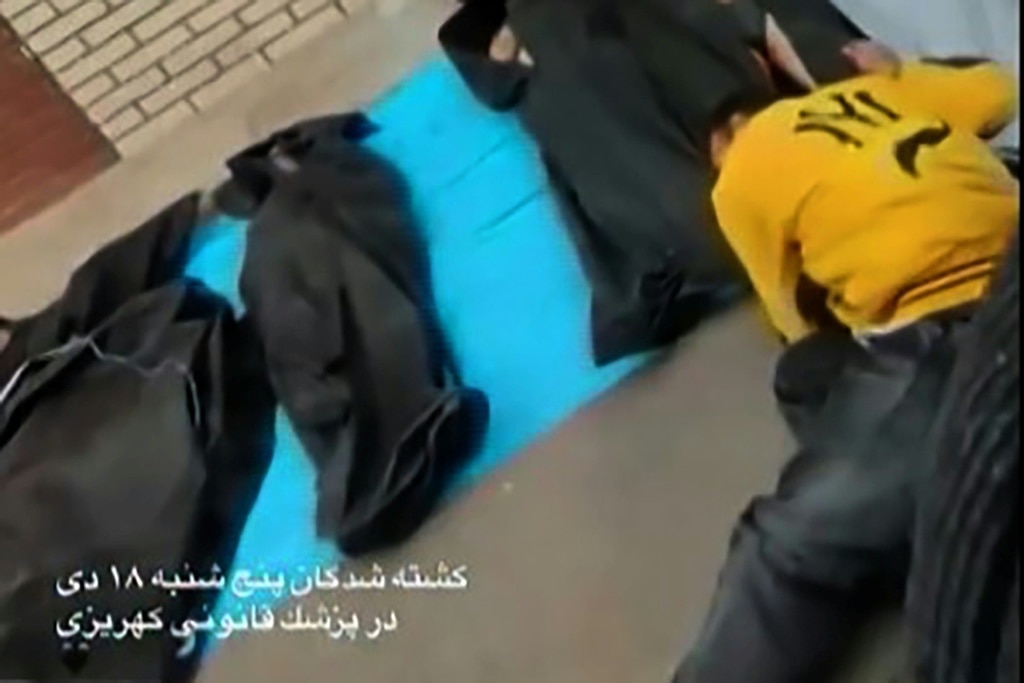
    In a significant escalation of economic pressure, U.S. President Donald Trump has declared an immediate 25% tariff on any nation engaging in trade with Iran. The move aims to isolate Tehran financially as reports emerge of a brutal government crackdown on protests, with estimates suggesting hundreds of fatalities.

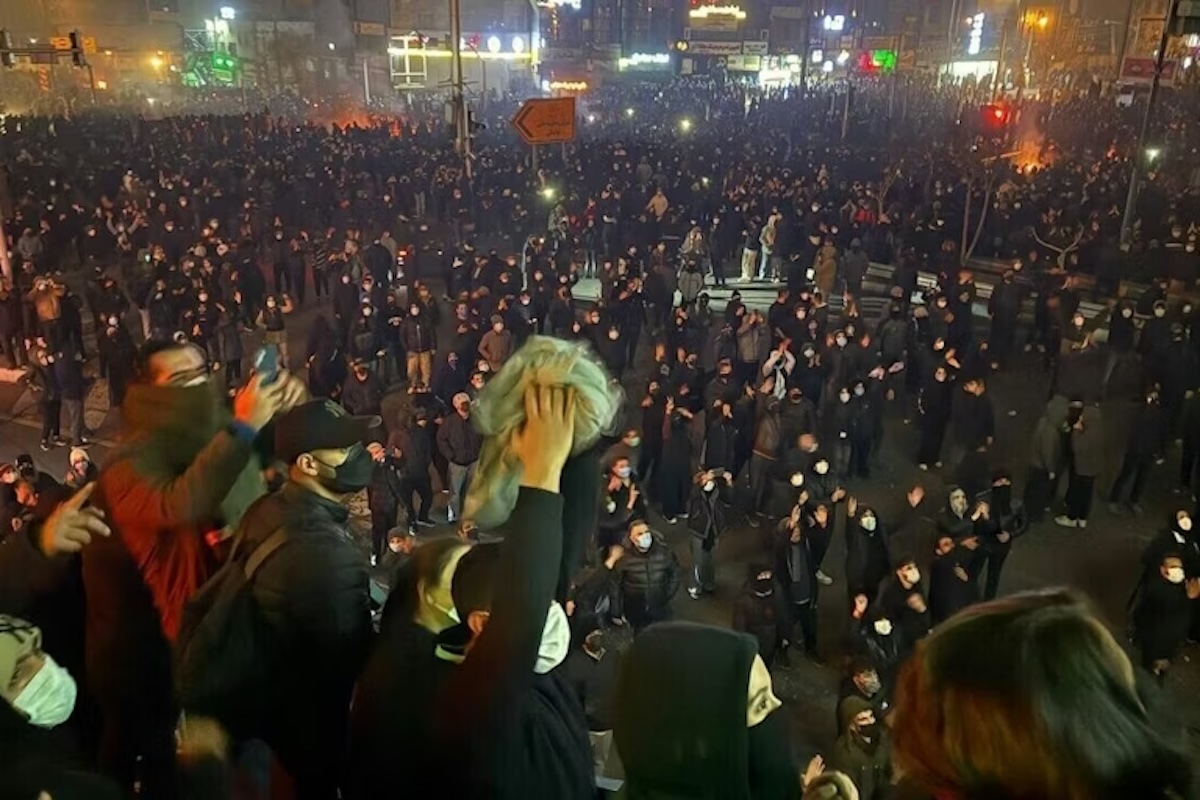
    Iranian authorities claim to have reestablished control following nationwide demonstrations that began last Thursday, which represent the most substantial challenge to the country’s clerical leadership since the 1979 Islamic Revolution. However, human rights organizations accuse the government of employing lethal force against protesters and obscuring the true scale of violence through a prolonged internet blackout.

    According to Iran Human Rights (IHR), a Norway-based NGO, at least 648 individuals, including nine minors, have been killed during the unrest. The organization cautioned that the actual death toll might be significantly higher—potentially exceeding 6,000—while approximately 10,000 people have been arrested. The internet shutdown has severely hampered independent verification of these figures.

    In response to the turmoil, Iranian officials staged mass pro-government rallies, which Supreme Leader Ayatollah Ali Khamenei characterized as evidence of the protest movement’s defeat. Foreign Minister Abbas Araghchi defended the internet restrictions, alleging they were necessary to counter “terrorist operations” directed from abroad.

    The White House reiterated that President Trump remains prepared to employ military force against Iran but is prioritizing diplomatic measures. Meanwhile, international leaders have expressed concern over the situation. German Chancellor Friedrich Merz declared that regimes relying solely on violence to maintain power are “effectively finished,” while French President Emmanuel Macron condemned the “state violence” targeting Iranian citizens.

    Analysts note that while the protests pose a serious challenge to the Islamic Republic, the regime’s extensive repressive apparatus, including the Revolutionary Guards Corps, continues to provide significant stability. The outcome remains uncertain as both domestic tensions and international pressures intensify.

  • US foreign policy shift threatens global order, stability: Experts

    US foreign policy shift threatens global order, stability: Experts

    Academic experts are raising alarms about a fundamental transformation in United States foreign policy characterized by aggressive unilateral actions across the Western Hemisphere. Dubbed the ‘Donroe Doctrine’ by analysts, this approach represents a significant escalation from the historical Monroe Doctrine, prioritizing direct military intervention and expansionary power projection over established international legal frameworks.

    The doctrine’s implementation has manifested through several high-profile operations, including the military raid in Venezuela that resulted in the abduction of President Nicolas Maduro. Concurrently, the Trump administration has reaffirmed intentions to annex Greenland and suggested potential military movements in Colombia and Mexico, signaling a comprehensive strategic shift.

    Professor Wei Zongyou of Fudan University’s Center for American Studies identifies this doctrine as the organizing principle behind recent US foreign policy decisions. According to Wei, the core tenets include establishing absolute hegemony throughout the Western Hemisphere, eliminating adversarial governments through military force when necessary, excluding non-hemispheric powers from regional influence, and securing control over critical infrastructure and natural resources.

    Sun Chenghao, who leads the US-Europe program at Tsinghua University’s Center for International Security and Strategy, notes the doctrine represents a proactive redefinition of US security parameters amid changing global power dynamics. Unlike the historically defensive Monroe Doctrine, which sought to prevent European colonial expansion, the ‘Donroe Doctrine’ actively shapes regional order through direct intervention.

    International leaders have expressed deepening concern regarding these developments. Singapore’s Senior Minister Lee Hsien Loong criticized US actions in Venezuela as violations of international law and the UN Charter. French President Emmanuel Macron accused the United States of ‘breaking free from international rules,’ while German President Frank-Walter Steinmeier warned against allowing the global order to deteriorate into a ‘den of robbers.’

    Analysts warn that this policy shift threatens to undermine multilateral institutions and international legal frameworks, potentially triggering widespread adoption of power-based security strategies among nations. The resulting fragmentation could significantly increase global governance costs and create long-term challenges to international stability and predictability, particularly for smaller nations vulnerable to hegemonic pressure.

  • Mexico offers to mediate between US, Cuba

    Mexico offers to mediate between US, Cuba

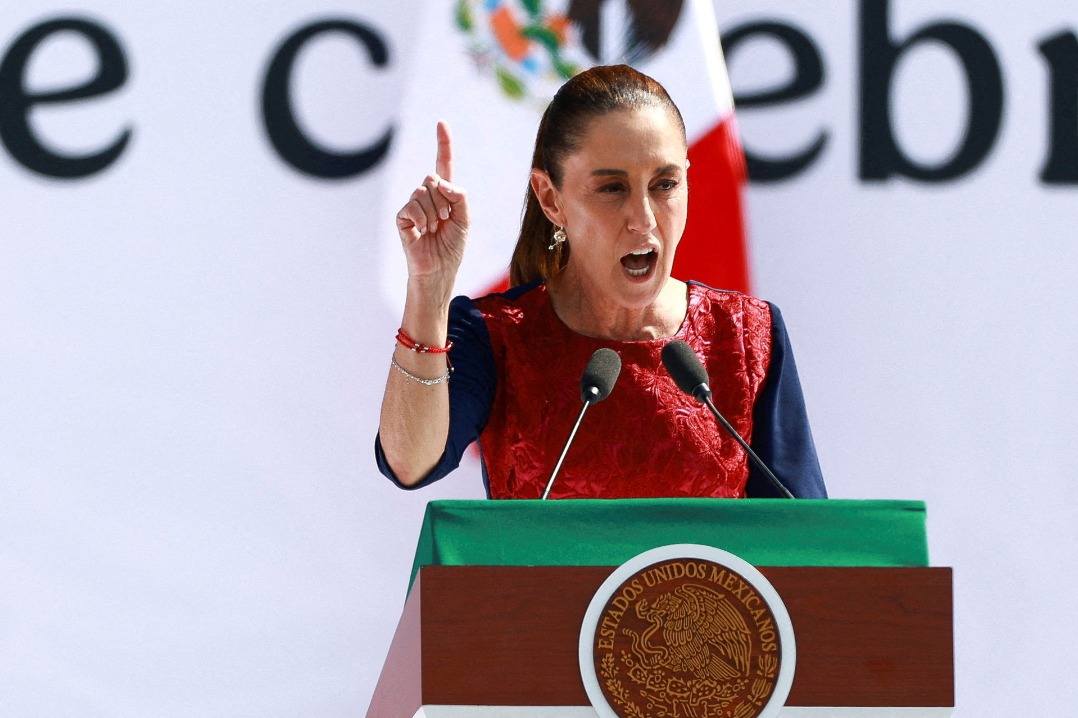
    Mexican President Claudia Sheinbaum has formally offered her nation’s diplomatic services to facilitate dialogue between the United States and Cuba, signaling a potential breakthrough in one of the Western Hemisphere’s most enduring geopolitical standoffs.

    Speaking at her regular morning press conference on Monday, President Sheinbaum revealed the mediation proposal followed her recent telephone discussion with US President Donald Trump. “If Mexico were to become a vehicle to facilitate communication between the United States and Cuba, both parties would agree,” she stated, emphasizing that “Mexico is in the best position to do so.”

    The offer comes amid renewed tensions following President Trump’s social media declaration on Sunday that “No more oil or money will be sent to Cuba,” while simultaneously urging Cuban leadership to negotiate with Washington “before it’s too late.”

    President Sheinbaum defended Mexico’s existing oil shipments to Cuba as both legal and humanitarian, noting this policy has enjoyed consistent bipartisan support across successive Mexican administrations regardless of political affiliation. She characterized the aid program as “not new” and firmly grounded in principles of national sovereignty.

    The proposed mediation represents a significant development in regional diplomacy, potentially positioning Mexico as a crucial intermediary between two nations whose relationship has remained largely frozen for decades. Mexico maintains diplomatic ties with both countries and possesses historical connections to Cuba that could provide unique leverage in facilitation efforts.

  • Unrest under total control, claims Iran

    Unrest under total control, claims Iran

    Iranian authorities have declared the nationwide civil unrest that erupted in late December is now ‘under total control,’ despite mounting casualties and continued tensions. The protests, triggered by the collapse of Iran’s national currency and soaring living costs, have entered their third week with significant fatalities among both security forces and civilians.

    Foreign Minister Abbas Araghchi asserted to diplomats in Tehran that the demonstrations had been deliberately manipulated to turn ‘violent and bloody’ specifically to justify American intervention. This accusation comes as US President Donald Trump escalates threats of potential military action, stating Iran was ‘starting to cross US red lines’ and that he was considering ‘strong options.’

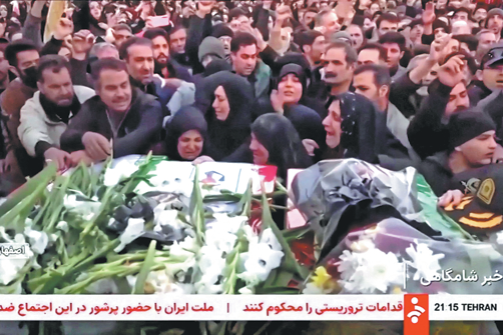
    The Iranian government has declared three days of national mourning for those killed in the clashes, with semiofficial Tasnim News Agency reporting at least 111 security force members dead. President Masoud Pezeshkian, in a broadcast interview, acknowledged economic grievances while blaming the same ‘forces that struck this country’ during the June conflict with Israel for orchestrating the current destabilization.

    China has entered the diplomatic fray with Foreign Ministry spokeswoman Mao Ning expressing hope that Iran could overcome its difficulties while reaffirming China’s opposition to foreign interference. Mao emphasized that China consistently opposes intervention in other nations’ internal affairs and advocates for protecting national sovereignty through international law.

    The crisis unfolds against a backdrop of increasingly assertive US foreign policy, including the recent forced abduction of Venezuelan President Nicolas Maduro and threats to annex Greenland. According to Reuters, Trump is scheduled to meet senior advisers to discuss options ranging from military strikes and cyber operations to expanded sanctions and support for anti-government elements.

    Regional tensions have escalated dramatically, with Iranian Parliament Speaker Mohammad Baqer Qalibaf warning that all US military bases in the Middle East and Israel would become ‘legitimate targets’ if Iran is attacked. Meanwhile, some US lawmakers including Republican Senator Rand Paul have questioned the wisdom of military action, suggesting it could unite Iranians against external aggression rather than undermine the government.

  • Hamas signals readiness to hand over Gaza governance

    Hamas signals readiness to hand over Gaza governance

    In a significant geopolitical development, Hamas has declared its willingness to relinquish governmental control over the Gaza Strip to an independent technocratic administration. This strategic shift emerges amid ongoing ceasefire negotiations mediated by Arab nations, Türkiye, and the United States.

    The announcement follows Israeli Prime Minister Benjamin Netanyahu’s recent meeting with former UN Middle East envoy Nickolay Mladenov in Jerusalem. Netanyahu’s office confirmed Mladenov is being considered to lead a proposed executive body for Gaza, reiterating Israel’s fundamental demand for Hamas to disarm and demilitarize the Palestinian enclave.

    Hamas spokesman Hazem Qassem stated the organization has made a definitive decision to transfer all governmental responsibilities to a technocratic committee following agreements with other Palestinian factions. The group now awaits formal establishment of this administrative body to manage Gaza’s various sectors, with Qassem emphasizing the urgency of implementation.

    The militant organization has maintained governmental institutions in Gaza since 2007, when violent clashes with Fatah resulted in separate administrations for Gaza and the West Bank.

    Academic analyst Jawaid Iqbal of Baba Ghulam Shah Badshah University interpreted Hamas’s offer as a tactical maneuver to pressure Israel into advancing ceasefire negotiations. “Continuation of the ceasefire serves Hamas’s interest by providing crucial breathing space to regroup and reorganize its battered military strength,” Iqbal noted.

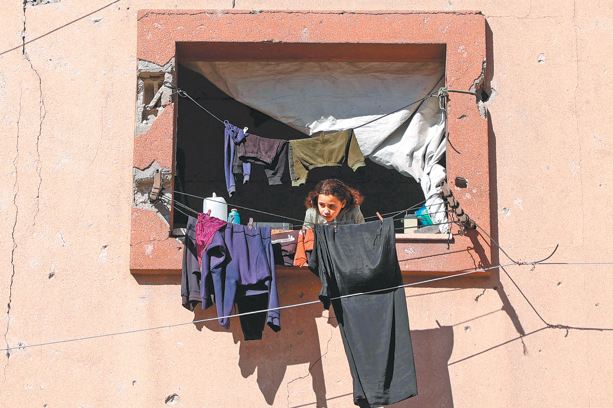
    This development occurs against the backdrop of persistent violence despite the ceasefire. Israel’s military campaign since October 2023 has resulted in approximately 71,000 Palestinian casualties according to reports.

    Concurrently, the Organization of Islamic Cooperation convened in Jeddah, where foreign ministers adopted resolutions condemning Israel’s recognition of Somaliland’s independence and its policies toward Palestinian territories.

    Regional expert Khaldoon Abdulla suggested Israel’s recognition of Somaliland serves multiple strategic purposes: enhancing international legitimacy, capitalizing on Red Sea fragmentation, and expanding diplomatic partnerships to strengthen regional positioning.

  • Iranians agree more on regime change than on what might come next

    Iranians agree more on regime change than on what might come next

    New research reveals a profound transformation in Iranian society, with citizens demonstrating remarkable willingness to endure severe consequences in their pursuit of political change. Since the December 28 protests, estimates indicate over 500 fatalities and more than 10,000 arrests, though actual figures are believed to be substantially higher according to incoming reports.

    Conventional polling methods in Iran’s repressive environment have historically presented a distorted image of societal homogeneity. However, the Group for Analysing and Measuring Attitudes in Iran (Gamaan) has pioneered anonymous internet-based surveying techniques that provide unprecedented insight into genuine public sentiment. By collaborating with Psiphon VPN services—utilized by approximately 90% of Iranian internet users to bypass government restrictions—Gamaan has collected representative samples ranging from tens of thousands to over 100,000 respondents.

    The research demonstrates that approximately 70-80% of Iranians across all demographics—including provincial, rural, urban, age, and gender divisions—express no support for the Islamic Republic. This sentiment crystallized during the 2022 “Woman, Life, Freedom” protests, where 70% of respondents rejected compulsory hijab laws.

    Recent developments have significantly altered the political landscape. Iran’s military capabilities were substantially weakened during the September 2025 12-day conflict with Israel, which resulted in numerous senior commander casualties. Concurrently, the regime has experienced cultural deterioration—evidenced by its diminished capacity to enforce religious dress codes—and economic collapse characterized by currency devaluation.

    The surveys indicate that most Iranians view protests, international pressure, and external intervention as more effective mechanisms for change than electoral processes or internal reforms. This perspective intensified following unprecedented statements from a US president threatening intervention should protesters face lethal force, coupled with the military abduction of Venezuelan President Nicolás Maduro, a key Iranian ally.

    Regarding political alternatives, 89% of respondents support establishing a democratic system, though support for political liberalism remains more nuanced. Notably, 2025 witnessed increased monarchist sentiment, with Reza Pahlavi attracting approximately one-third strong support, one-third strong opposition, and one-third moderate or undecided respondents. His popularity varies significantly across ethnic minority regions.

    The research concludes that while nationalist sentiments may provide revolutionary momentum, sustainable stability post-regime change will require embracing Iran’s inherent cultural and ideological diversity within a genuinely free nation.

  • French farmers drive 350 tractors to Parliament to protest low incomes and EU trade deal

    French farmers drive 350 tractors to Parliament to protest low incomes and EU trade deal

    PARIS — Hundreds of French farmers mobilized approximately 350 tractors in a dramatic protest through central Paris on Tuesday, converging toward the National Assembly to voice vehement opposition to the impending EU-Mercosur trade agreement and demand urgent government action on declining agricultural incomes.

    The convoy of agricultural vehicles, escorted by police units, created significant traffic disruptions along iconic Parisian thoroughfares including the Champs-Elysees before crossing the Seine River. The carefully coordinated demonstration targeted lawmakers during critical legislative sessions, emphasizing farmers’ growing frustration with economic pressures they attribute to both domestic policy failures and international trade negotiations.

    Agricultural unions organizing the protest issued explicit demands for “concrete and immediate action” to protect France’s food sovereignty. The movement reflects escalating tensions across European farming communities facing multiple challenges including rising production costs, environmental regulations, and competition from imported goods.

    Government spokesperson Maud Bregeon acknowledged the concerns during a national television appearance, promising imminent policy announcements to address the agricultural crisis. Despite the French government’s official opposition to the EU-Mercosur pact, the agreement appears poised for ratification during Saturday’s signing ceremony in Paraguay, supported by majority consensus within the European Union.

    The controversial trade deal with Mercosur nations (Brazil, Argentina, Bolivia, Paraguay, and Uruguay) has drawn sustained criticism from European agricultural sectors who argue it would undermine local producers through increased market penetration of cheaper imported goods produced under different environmental and quality standards.

  • Le Pen’s political fate rests on appeal trial opening in France

    Le Pen’s political fate rests on appeal trial opening in France

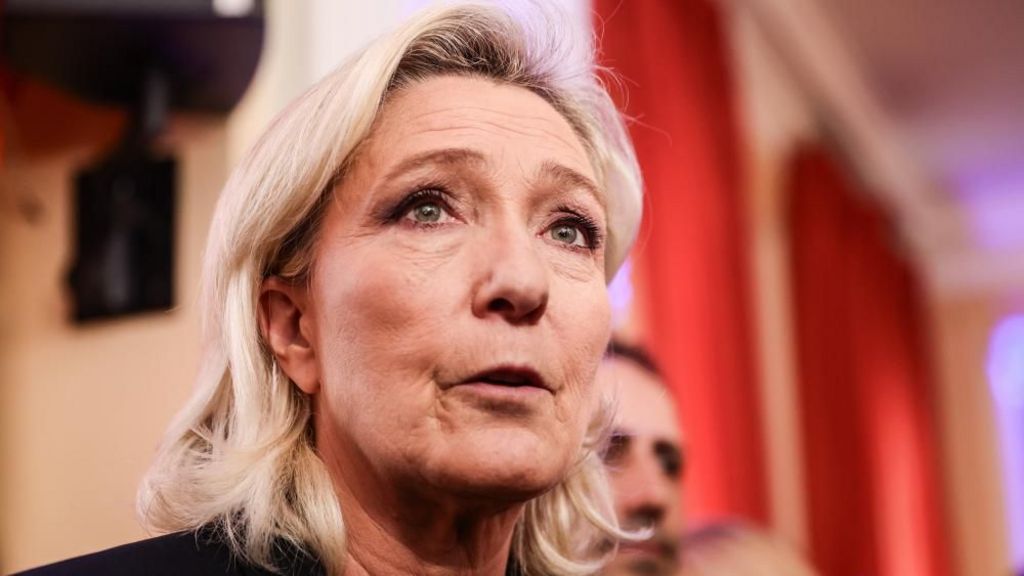
    French far-right leader Marine Le Pen commenced a high-stakes legal battle on Tuesday as her appeal against a five-year ban from public office began in Paris. The 57-year-old politician, who has contested the French presidency on three previous occasions, faces potential exclusion from the 2027 presidential election if the appellate court upholds last year’s conviction for EU funds embezzlement.

    The case centers on allegations that Le Pen and more than 20 other National Rally (RN) party officials employed parliamentary assistants who primarily worked on party matters rather than European Parliament duties, despite being compensated by EU funds. Trial judge Bénédicte de Perthuis previously characterized Le Pen as the central figure in a system that misappropriated €2.9 million in European funds.

    Le Pen maintains her complete innocence, asserting she committed ‘not the slightest irregularity.’ Her political ally, RN president Jordan Bardella, characterized the potential ban as ‘deeply worrying for democracy,’ arguing that preventing a twice-qualified second-round presidential candidate from running would undermine democratic principles. Bardella confirmed he would not seek the presidency himself but would instead pursue the prime ministerial position.

    The appellate proceedings, scheduled to continue through February 12th, will not deliver a verdict before summer 2026, creating a tense timeline ahead of the anticipated April 2027 presidential election. Legal experts outline four potential outcomes: complete acquittal, maintained conviction without immediate effect allowing her candidacy, reduced ban duration permitting 2027 registration, or upheld original judgment effectively blocking her presidential ambitions.

    Le Pen previously received a four-year prison sentence (two years suspended, two with electronic monitoring), a €100,000 fine, and the immediate public office ban. Should her appeal fail, she could face an extended prison term. Eleven RN colleagues join her appeal, while twelve others—including her sister Yann Le Pen—have accepted their sentences.

    The final determination rests with the Paris Court of Appeal, though further recourse to France’s highest judicial authority, the Court of Cassation, remains possible regardless of outcome. The timing and substance of these judicial decisions will significantly impact France’s political landscape as the 2027 election approaches.