分类: politics

  • NYC Council employee’s arrest sparks protests and a dispute over his immigration status

    NYC Council employee’s arrest sparks protests and a dispute over his immigration status

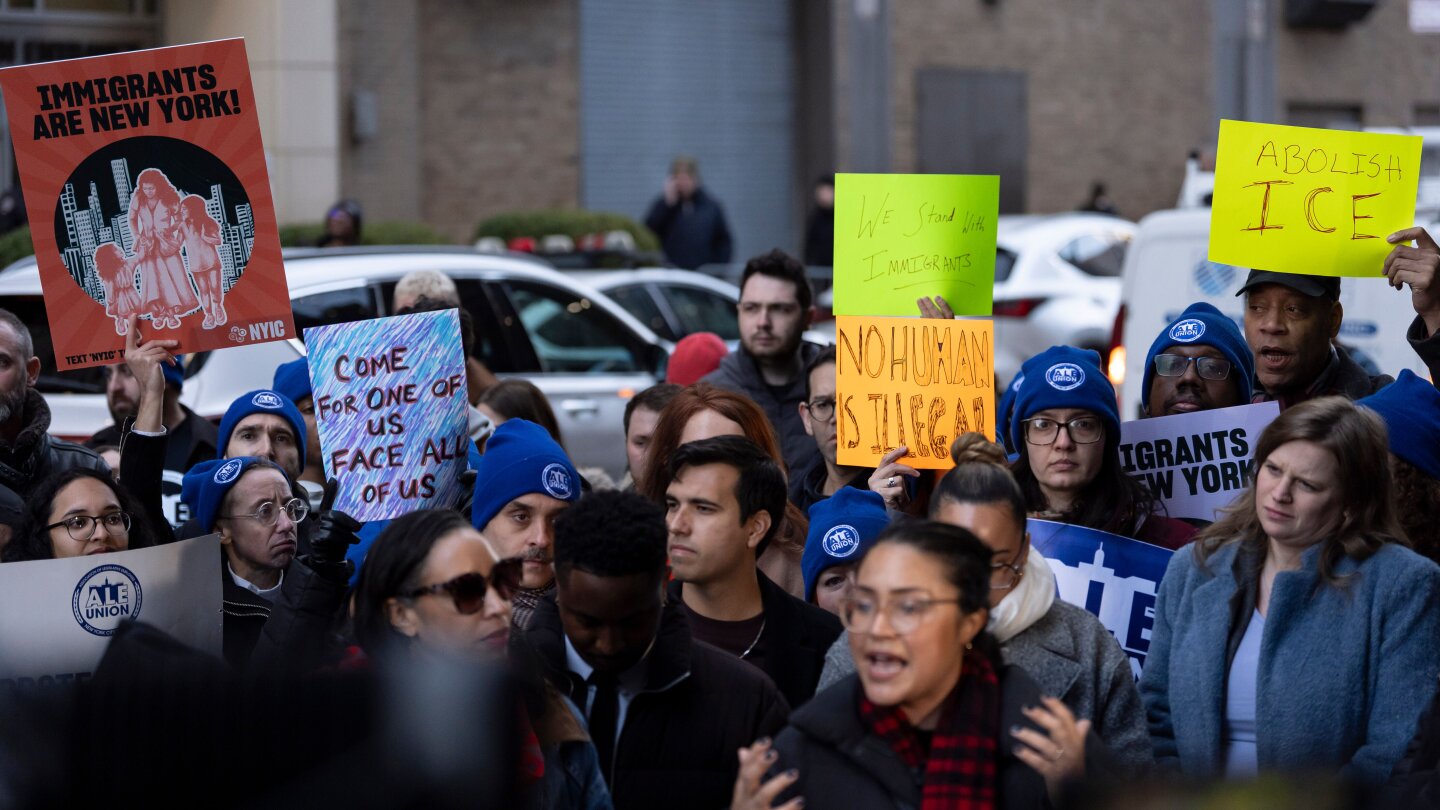
    A significant immigration controversy has erupted in New York City following the detention of Rafael Andres Rubio Bohorquez, a City Council data analyst and Venezuelan asylum-seeker, during what was described as a routine immigration check-in. The arrest occurred Monday at a U.S. Citizenship and Immigration Services office in Bethpage, Long Island, triggering widespread condemnation from city officials and protests outside Manhattan’s federal building.

    U.S. Immigration and Customs Enforcement maintains that Bohorquez had overstayed his 2017 B2 tourist visa and cited a prior assault arrest as justification for detention, stating he had ‘no legal right to be in the United States.’ However, City Council Speaker Julie Menin vehemently disputes these claims, asserting that the employee had proper work authorization until October and had cleared standard background checks that revealed no criminal record.

    The case has drawn responses from the highest levels of New York government, with Governor Kathy Hochul questioning the detention’s proportionality during her state of the state address: ‘Is this person really one of the baddest of the bad? Is this person really a threat?’

    Legal representatives from the New York Legal Assistance Group have filed a habeas corpus petition arguing unlawful detention, with a hearing scheduled for Friday. The organization’s CEO Lisa Rivera emphasized that Bohorquez ‘did everything right by appearing at a scheduled interview’ yet was detained regardless.

    The incident occurs against the backdrop of Venezuela’s ongoing political and economic crisis, which has prompted nearly 8 million citizens to flee since 2014. The case also highlights ongoing tensions between federal immigration enforcement and local governments, particularly regarding work authorization verification systems that don’t automatically update employers about status changes.
  • Iranian protesters reject US and Israeli interference

    Iranian protesters reject US and Israeli interference

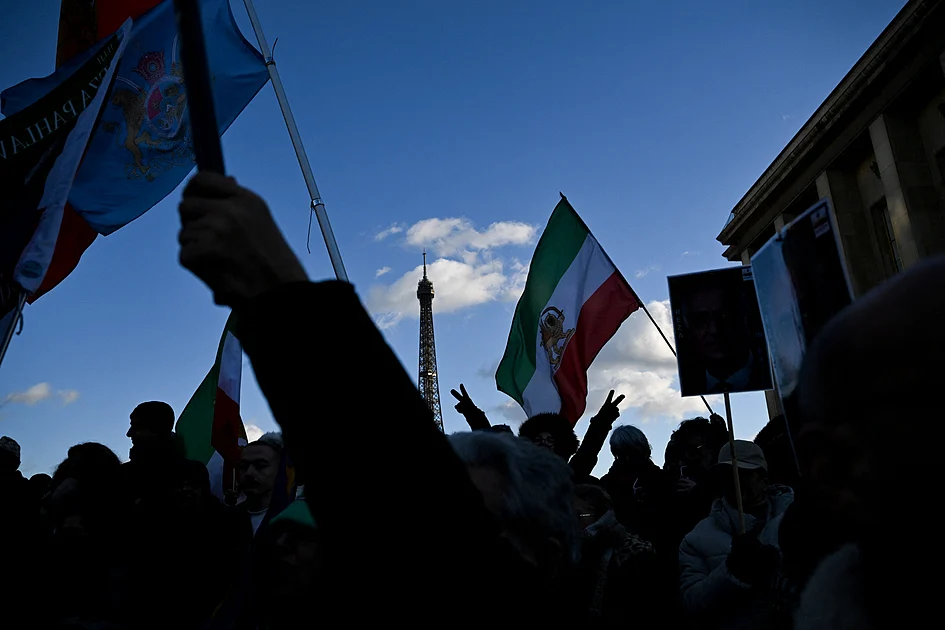
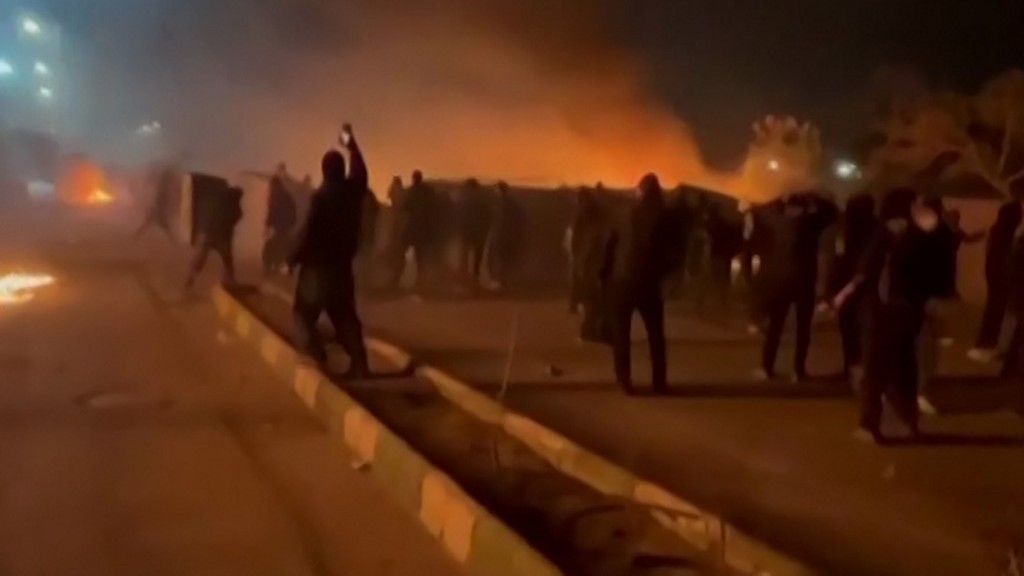
    Former U.S. Secretary of State Mike Pompeo’s New Year greeting to Iranian protesters has ignited controversy and intensified speculation about foreign involvement in Iran’s ongoing civil unrest. Pompeo’s message, which specifically addressed “every Mossad agent walking beside” demonstrators, has been interpreted by many as validating the Islamic Republic’s claims that Israeli operatives have infiltrated the protest movement.

    The demonstrations, which began on December 28th and have spread across all 31 Iranian provinces, were initially triggered by spiraling living costs and state repression. However, the situation has been compounded by regional tensions following Israel’s June 2025 airstrikes that killed approximately 1,000 people and the recent U.S. kidnapping of Iran ally Nicolas Maduro in Venezuela.

    According to Iran Human Rights (IHR), at least 648 protesters have been killed and approximately 10,000 arrested, though an Iranian security official suggested the death toll might be as high as 2,000, including security personnel.

    The international response has been markedly different from previous protest cycles. U.S. President Donald Trump has openly encouraged protesters, promising that “help is on the way,” while former Israeli Defense Minister Yoav Gallant stated that “the regime in Iran must fall” and advocated steering events with “an invisible hand.”

    Within Iran, opinions are divided regarding foreign intervention. Some protesters, like 17-year-old Artin from Karaj, welcome potential U.S. and Israeli involvement, viewing these countries as “friends of the Iranian people.” Others express deep skepticism about foreign motives. Sara, a 39-year-old demonstrator from Tehran, questioned whether Israel genuinely seeks democracy in Iran, noting that “Israel wants a weak Iran.”

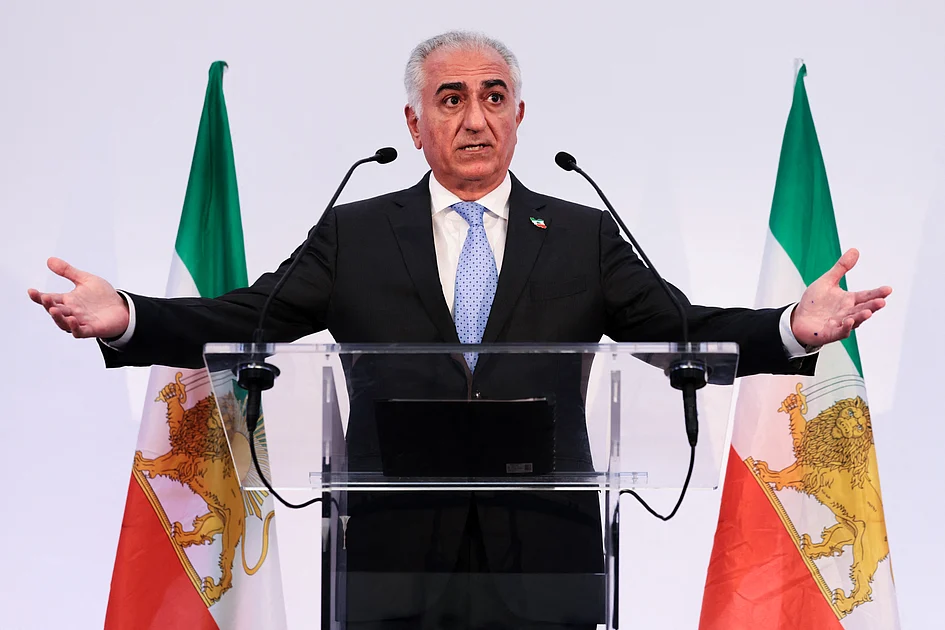
    Reza Pahlavi, son of Iran’s former ruler, has positioned himself as a potential alternative leader, having cultivated relationships with American and Israeli officials. His mother, Farah Pahlavi, has publicly supported the protesters and called for security forces to join them.

    The European Commission has promised new sanctions against Tehran in response to the “horrifying” death toll, while the U.S. has warned its citizens to leave Iran and imposed tariffs on Iran’s trading partners as the situation continues to deteriorate.

  • Trump is ending protected immigration status for Somalis, long a target of his anti-immigrant barbs

    Trump is ending protected immigration status for Somalis, long a target of his anti-immigrant barbs

    The Trump administration announced Tuesday it would terminate Temporary Protected Status (TPS) for Somali nationals, marking another significant development in the president’s comprehensive immigration enforcement agenda. This decision directly impacts hundreds of Somali immigrants who have resided legally in the United States under humanitarian protections initially established during President George H.W. Bush’s administration in 1991.

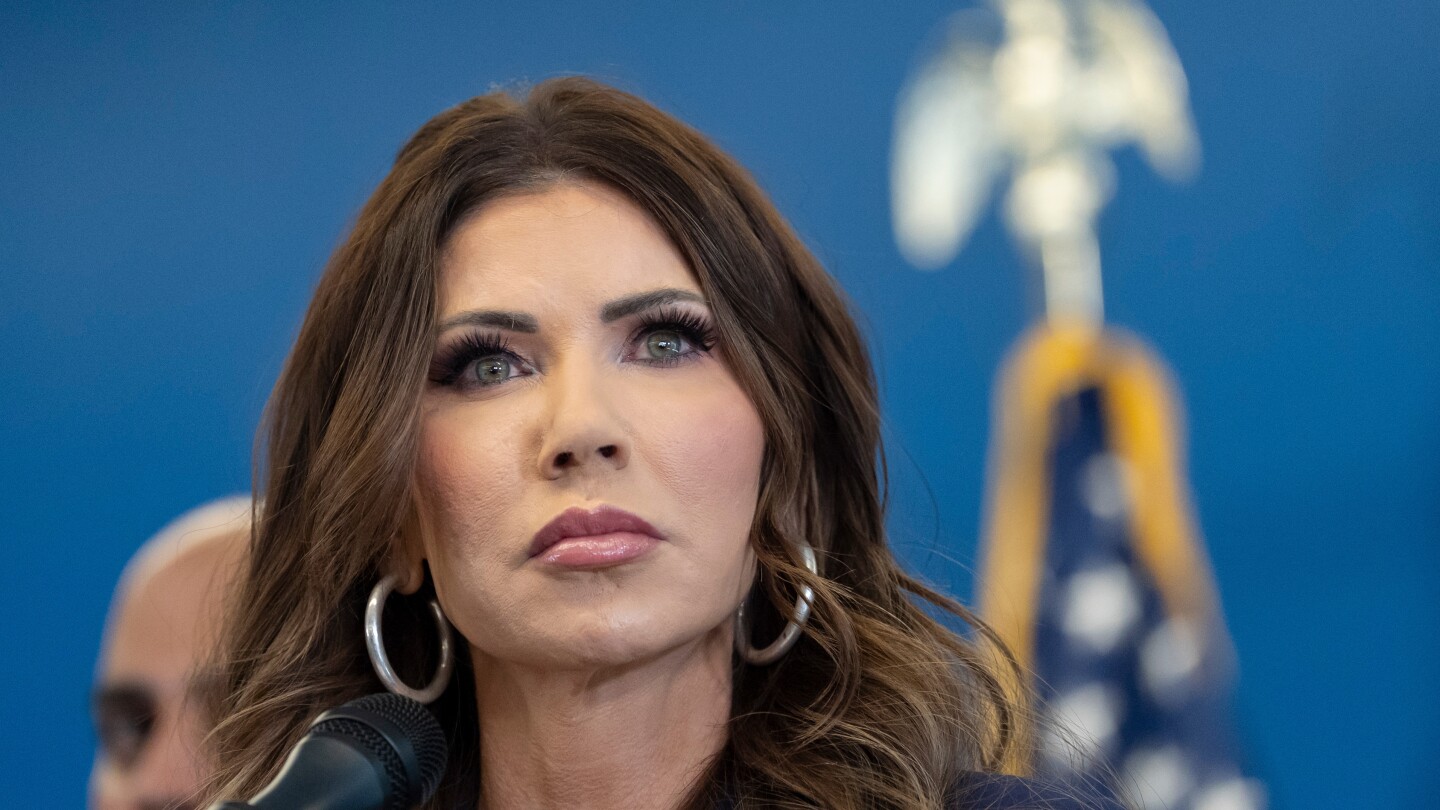
    Homeland Security Secretary Kristi Noem justified the move by asserting that conditions in Somalia have “improved to the point that it no longer meets the law’s requirement for Temporary Protected Status.” Affected individuals must now depart the United States by March 17, when existing protections—previously extended by the Biden administration—are set to expire. “Temporary means temporary,” Noem emphasized, adding that the decision prioritizes “Americans first.”

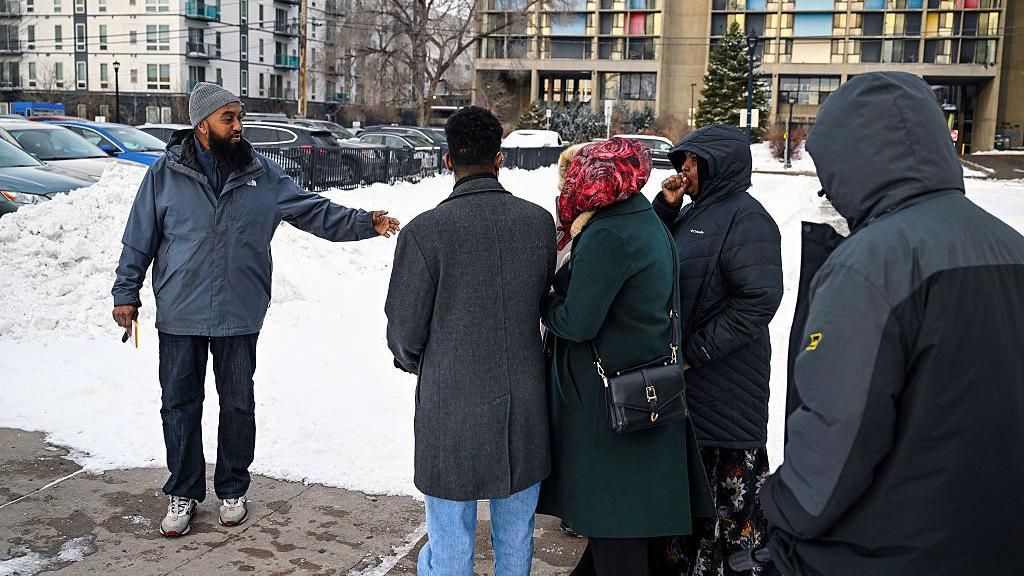
    This policy shift occurs against a backdrop of heightened tensions in Minneapolis, home to a substantial Somali-American community. Recent protests have intensified following the fatal shooting of a U.S. citizen by an Immigration and Customs Enforcement agent during demonstrations against federal presence in the city.

    According to Congressional Research Service data, Somali TPS recipients number approximately 705 individuals—a small fraction within the nearly 1.3 million immigrants benefiting from such protections nationwide. The TPS program, created by Congress in 1990, provides temporary sanctuary for foreign nationals fleeing unstable or dangerous conditions in their home countries.

    Despite administration claims of improved conditions, Somalia remains one of the world’s poorest nations, grappling with decades of chronic conflict exacerbated by severe natural disasters. A 2025 congressional report documented more than two dozen extensions for Somali TPS recipients due to persistent “insecurity and ongoing armed conflict that present serious threats to the safety of returnees.”

    The decision aligns with President Trump’s pattern of targeting Somali immigrants through both policy and rhetoric. In December, Trump declared he “did not want Somalis” in the U.S., alleging they “come from hell” and “contribute nothing”—comments that made no distinction between citizens and non-citizens. The president has particularly focused his criticism on Representative Ilhan Omar (D-MN), a Somali-American congresswoman and U.S. citizen whom he has repeatedly suggested should be deported, once referring to her as “garbage.”

    Omar, an outspoken critic of ICE operations in Minneapolis, has characterized Trump’s “obsession” with her and Somali-Americans as “creepy and unhealthy.” This latest immigration policy change reinforces the administration’s broader pattern of rolling back humanitarian protections across multiple nations during Trump’s second term.

  • Reza Pahlavi: Iran’s ex-crown prince dreaming of homecoming

    Reza Pahlavi: Iran’s ex-crown prince dreaming of homecoming

    Reza Pahlavi, the former crown prince of Iran who has lived in exile for nearly five decades, has unexpectedly become a central figure in the anti-government protests shaking the Islamic Republic. The 65-year-old US-based royal has leveraged social media to encourage nightly demonstrations, with his name becoming a rallying cry for many protesters despite his long absence from Iranian soil.

    Pahlavi’s sudden prominence comes as surprise to many observers. According to Jason Brodsky of United Against Nuclear Iran, the exiled prince has demonstrated a remarkable “ability to turn out Iranians in the streets,” with distinct pro-Pahlavi chants emerging during demonstrations. Brodsky notes this reflects “a nostalgia for the Pahlavi era that has been building for some time,” though not necessarily indicating universal support for monarchical restoration.

    The son of the last Shah left Iran in 1978 at age 17 for military pilot training in the United States, narrowly missing the 1979 Islamic Revolution that overthrew his father and ended millennia of Persian monarchy. This timing, according to analyst Clement Therme, has spared him association with the excesses of imperial rule, allowing him to emerge as the “main popular opposition figure” both within and outside Iran.

    Pahlavi maintains he seeks not restoration of the throne but leadership of a transition to democracy, telling AFP during a Paris visit: “I don’t believe I need a title to play that role. The important thing is to be someone who can galvanize a nation.” He has called for a secular Iran with greater social freedoms, particularly for women, while allowing space for supporters of the current regime.

    Yet significant challenges remain. Pahlavi remains a polarizing figure even within Iran’s fractured opposition. His 2023 visit to Israel without coordinating with allied groups created immediate tensions, while pro-monarchy social media accounts frequently attack other opposition figures, including imprisoned Nobel Peace Prize winner Narges Mohammadi.

    International recognition has also proven elusive. When asked about meeting Pahlavi, former US President Donald Trump responded: “I’ve watched him, and he seems like a nice person, but I’m not sure it would be appropriate at this point to do that as president.”

    The royal has endured profound personal tragedies during his exile, including the drug-related death of his sister Leila in 2001 and the suicide of his brother Ali Reza in 2011, which the family attributed to his sorrow over “the loss of his homeland, father and sister.”

    Despite these obstacles, academic Arash Azizi of Yale University notes Pahlavi’s support has grown as he’s perceived as “the only nationally known opposition leader with something of a plan to confront the regime.” However, Azizi cautions that his supporters “are still a minority in a highly divided country,” with his camp often alienating potential allies rather than unifying opposition forces.

  • Republican lawmaker to launch contempt proceedings against Bill Clinton

    Republican lawmaker to launch contempt proceedings against Bill Clinton

    Congressional investigators are escalating their confrontation with former President Bill Clinton after his failure to appear before a House committee probing connections to the late financier Jeffrey Epstein. House Oversight Committee Chairman James Comer (R-KY) announced he will initiate contempt-of-Congress proceedings against Clinton next week, with potential similar action against former Secretary of State Hillary Clinton should she decline to cooperate with the investigation.

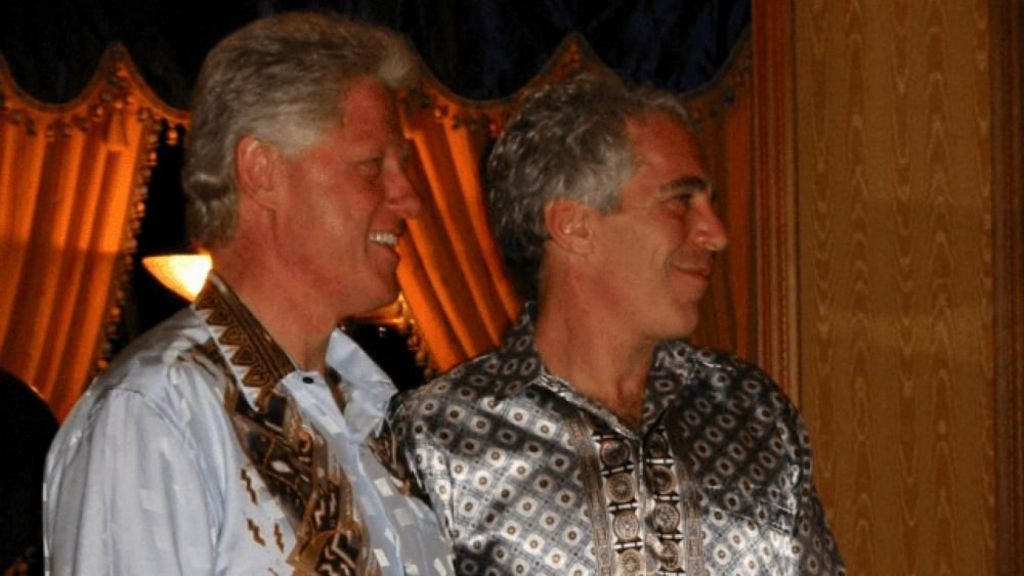
    The committee had issued subpoenas compelling both Clintons to provide testimony regarding Epstein, the convicted sex offender who died in federal custody in 2019 while awaiting trial on sex trafficking charges. The Justice Department recently released archival photographs showing Bill Clinton with Epstein, adding visual evidence to the long-standing questions about their association.

    Legal representatives for the Clintons have challenged the validity of the subpoenas, characterizing them as “unenforceable” while maintaining their clients have already supplied all relevant information within their knowledge regarding Epstein. The confrontation represents a significant escalation in the years-long congressional investigation into Epstein’s network of powerful associates and the extent of his illicit activities.

    The proceedings underscore the ongoing political tensions surrounding the Epstein case, which continues to generate congressional scrutiny and public interest years after his death. The investigation has repeatedly sought testimony from high-profile figures connected to Epstein, with the committee arguing that the Clintons’ firsthand accounts are essential to understanding the full scope of Epstein’s operations and influence.

  • Egyptian army holds billions in secret cash as country misses debt deadline, officials say

    Egyptian army holds billions in secret cash as country misses debt deadline, officials say

    Egypt’s military leadership has refused governmental requests to deploy its substantial secret dollar reserves to alleviate the nation’s escalating debt crisis, according to senior banking and government officials. This revelation highlights deepening concerns about the military’s opaque economic dominance during a period of severe fiscal strain.

    Despite holding foreign currency reserves exceeding Egypt’s total external debt of $161 billion, military authorities declined to assist with critical International Monetary Fund (IMF) repayments. In December, Egypt failed to meet a $750 million loan repayment deadline, ultimately negotiating for the amount to be deducted from upcoming IMF tranches with additional interest.

    The refusal came after Prime Minister Mostafa Madbouly personally appealed to Defense Minister Abdel-Megeed Saqr in December, requesting military assistance to cover the IMF installment. The military’s Financial and Administrative Authority rejected the plea, despite the government having exhausted conventional borrowing options with domestic banks citing liquidity constraints.

    Banking officials revealed that military reserves are physically held in Egypt’s two primary state-run banks—National Bank of Egypt and Banque Misr—but remain entirely inaccessible to civilian authorities. These funds, described as “real and physically held,” cannot be utilized for debt repayment or to address the country’s hard-currency crisis.

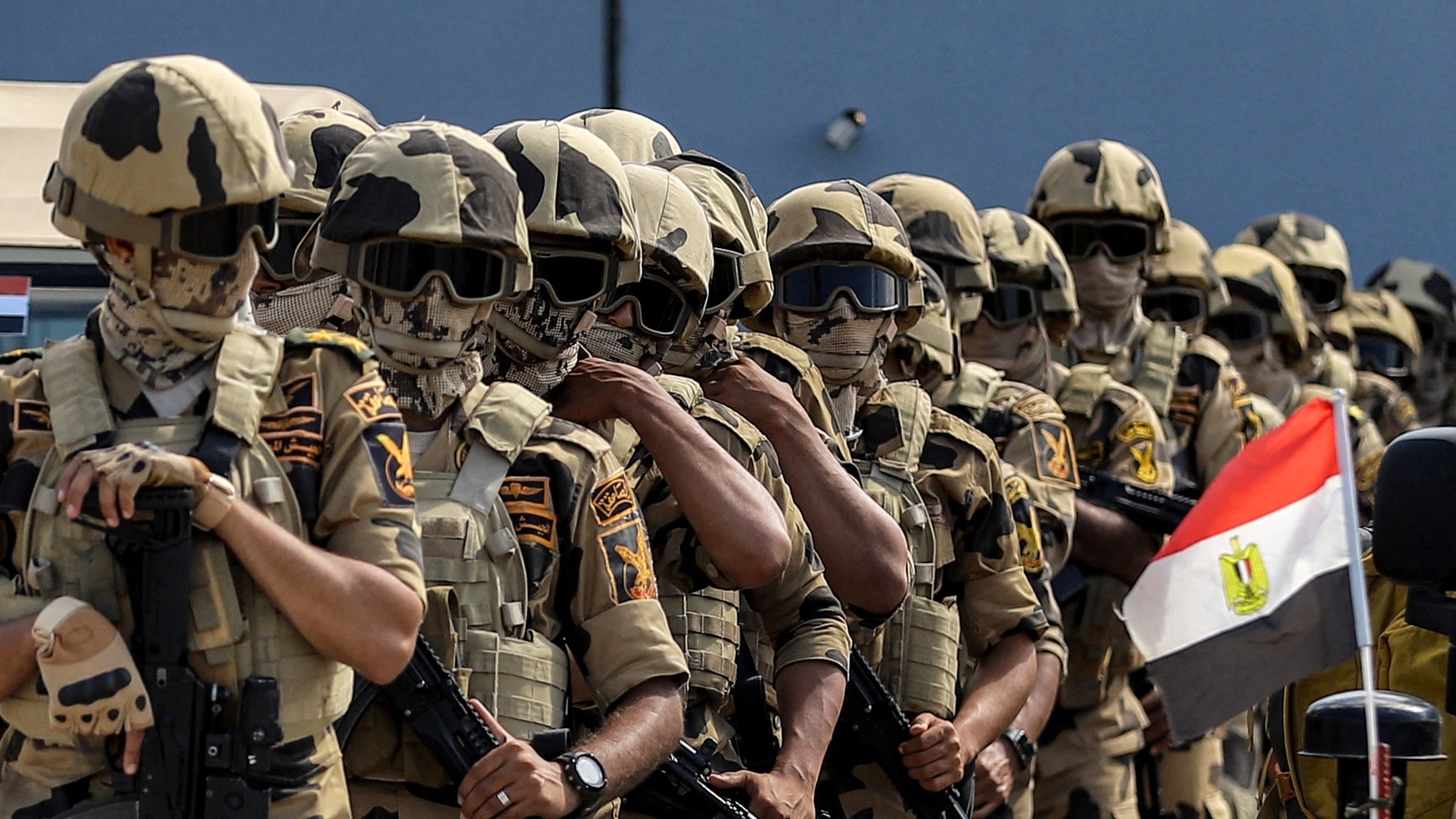
    The military’s economic influence has expanded dramatically since the 2011 uprising, with its enterprises now dominating construction, agriculture, and import-export activities. Military-owned companies benefit from tax exemptions, preferential access to credit, prime land allocations, and conscript labor, operating with minimal financial transparency.

    Notably, the military controls approximately 50% of Egypt’s gold industry, receiving half of all gold mine output valued at approximately $500 million annually. Additional revenue streams include toll operations on major highways generating millions daily, real estate projects, and infrastructure schemes—all flowing directly into military-controlled accounts.

    The IMF has repeatedly warned that Egypt’s military-dominated economic model stifles private sector growth, deters investment, and perpetuates cycles of debt. While recent stabilization efforts have shown some progress, the international lender emphasizes that structural reforms reducing state economic involvement must accelerate significantly.

  • Ceremony to accredit Iran’s Irish ambassador postponed

    Ceremony to accredit Iran’s Irish ambassador postponed

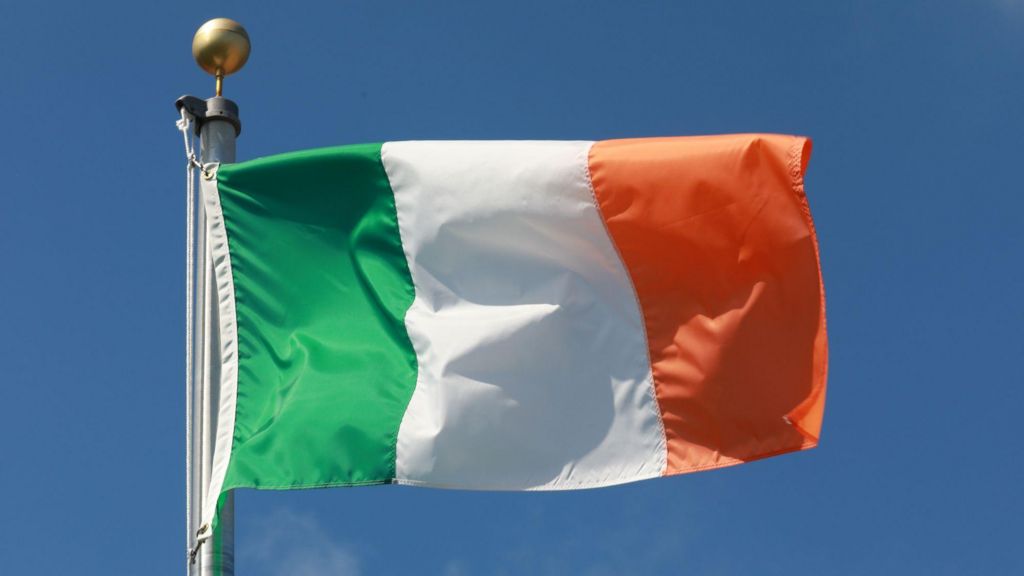
    The Irish government has indefinitely postponed the accreditation ceremony for Iran’s newly appointed ambassador, Eshagh Al Habib, in response to ongoing civil unrest and violent crackdowns on anti-government protests in Iran. The decision, announced by Ireland’s Department of Foreign Affairs, comes amid reports of thousands of casualties and a severe communications blackout in the Middle Eastern nation.

    The credential presentation ceremony, which was scheduled for Tuesday morning at Áras an Uachtaráin (the official residence of the Irish president), would have formally enabled Ambassador-designate Al Habib to commence his diplomatic duties in Ireland. This ceremonial protocol requires all ambassadors to receive presidential approval before undertaking their official responsibilities.

    While the Iranian diplomat’s accreditation was delayed, President Catherine Connolly proceeded with welcoming two other ambassadors: Japanese Ambassador Miyagawa Manabu and Pakistani Ambassador Mariam Aftab during separate ceremonies in the State Reception Room.

    The postponement has received cross-party support from Ireland’s political opposition. Sinn Féin TD Matt Carthy characterized the decision as “an appropriate response at this time,” while Green Party leader Roderic O’Gorman urged the government to employ “every diplomatic technique” to address the deteriorating situation in Iran. Both the Labour Party and Social Democrats similarly endorsed the move, expressing grave concerns about human rights violations occurring during the protests that began on December 28.

    The Irish government’s action represents a significant diplomatic statement regarding the treatment of Iranian citizens, with officials citing “significant numbers of Iranians killed or injured” and the government-imposed information blackout as primary reasons for delaying the ambassador’s accreditation.

  • Trump administration moves to end deportation protection for Somalis

    Trump administration moves to end deportation protection for Somalis

    The Trump administration has formally announced the termination of Temporary Protected Status (TPS) for Somali nationals, effectively stripping approximately 2,500 immigrants of their legal protections and work authorizations. Homeland Security Secretary Kristi Noem declared that improved conditions in Somalia no longer justify the program’s continuation, stating ‘Temporary means temporary’ in an official communication to the BBC.

    The policy shift, scheduled to take effect March 17, will render thousands of Somalis immediately eligible for deportation. This decision represents the latest escalation in President Trump’s targeted campaign against Somali immigrants, whom he has repeatedly characterized as undesirable. ‘Allowing Somali nationals to remain temporarily in the United States is contrary to our national interests,’ Noem asserted. ‘We are putting Americans first.’

    Established by Congress in 1990, TPS provides refuge for individuals from nations experiencing armed conflict or environmental catastrophes. The program has enjoyed bipartisan support for decades, with Somalia’s designation first implemented by President George H.W. Bush during the country’s civil war and subsequently renewed by both Democratic and Republican administrations.

    The Department of Homeland Security confirmed 2,471 Somali nationals currently hold TPS status, with an additional 1,383 applications pending review. The administration’s announcement was accompanied by provocative social media messaging featuring President Trump’s portrait with the caption: ‘I am the captain now.’

    Minnesota—home to America’s largest Somali diaspora community—has become the epicenter of intensified immigration enforcement operations. Recent weeks have seen heightened tensions following the fatal shooting of U.S. citizen Renee Good by an immigration agent during Minneapolis operations. While authorities claim the agent acted in self-defense, local officials maintain the victim posed no threat.

    This move aligns with the administration’s broader pattern of terminating protected status for immigrants from multiple nations previously deemed unsafe, including Venezuela, Haiti, Afghanistan, and Nepal. Legal challenges have previously thwarted similar attempts, with a federal judge ruling September’s termination of TPS for Haitians and Venezuelans unlawful.

    The Biden administration had previously extended Somalia’s TPS designation for the maximum 18-month period permitted by statute, with protections originally set to expire in March 2025.

  • In ‘big trouble’? The factors determining Iran’s future

    In ‘big trouble’? The factors determining Iran’s future

    Iran’s theocratic leadership confronts its most formidable challenge in years as nationwide demonstrations evolve from economic discontent into explicit demands for systemic political change. The protest movement, which initiated with strikes at Tehran’s bazaar in late December, has rapidly escalated into mass rallies challenging the clerical establishment that has governed since the 1979 revolution.

    According to international rights organizations, the government’s aggressive crackdown has resulted in hundreds of casualties, though the authority of 86-year-old Supreme Leader Ayatollah Ali Khamenei remains ostensibly intact. Analysts note that while the scale and political nature of these protests represent a significant threat to the Islamic Republic, predicting its immediate collapse would be premature.

    Professor Nicole Grajewski of Sciences Po Centre for International Studies in Paris observed, “These protests arguably represent the most serious challenge to the Islamic republic in years, both in scale and in their increasingly explicit political demands.” She emphasized the resilience of Iran’s repressive apparatus as a critical factor in the regime’s stability.

    Several key elements will determine the outcome of this crisis. The sustainability and growth of protests remain crucial, though current demonstrations haven’t reached the critical mass necessary for irreversible change. The cohesion within Iran’s political and military elite shows no significant fractures thus far, with all major institutions including the Revolutionary Guards maintaining allegiance to Khamenei.

    International dimensions complicate the situation, with former US President Donald Trump implementing economic measures and not excluding military options. Any direct foreign intervention would fundamentally alter the crisis trajectory, according to analysts. Meanwhile, the opposition movement struggles with internal divisions and lacks cohesive leadership capable of unifying various factions.

    The health and succession planning for Khamenei introduce additional uncertainty, with potential scenarios ranging from his son Mojtaba assuming power to a collective leadership structure or even a takeover by the Revolutionary Guards. The regime’s vulnerability appears heightened both domestically and geopolitically, reaching levels not seen since the Iran-Iraq war of 1980-1988.

  • Pingtan to pioneer cross-Strait ‘common market’ during 15th Five-Year Plan period

    Pingtan to pioneer cross-Strait ‘common market’ during 15th Five-Year Plan period

    The Pingtan Comprehensive Pilot Zone in Fujian province is positioned to spearhead groundbreaking economic integration between mainland China and Taiwan during China’s 15th Five-Year Plan period (2026-2030). Building upon substantial growth achieved in previous years, this strategic initiative aims to transform Pingtan into a central hub for cross-Strait commerce, standard alignment, and goods circulation.

    According to official statements, the zone will implement unprecedented market access liberalization for Taiwanese capital across key sectors including trade, investment, and information services. Wen Xuelin, deputy secretary of the zone’s Party Working Committee, emphasized the commitment to “maximize the relaxation of access restrictions” to facilitate deeper economic cooperation.

    The comprehensive plan includes expanding mutual recognition mechanisms for professional qualifications, enterprise credentials, and product certifications. This standardization effort particularly targets agricultural and construction industries, aiming to create parallel regulatory frameworks that ease business operations across the Strait.

    Pingtan officials plan significant upgrades to the region’s small-commodity trading market, enabling broader variety of Taiwanese products to enter mainland markets through what they describe as “the most convenient and preferred channel” for Taiwan goods.

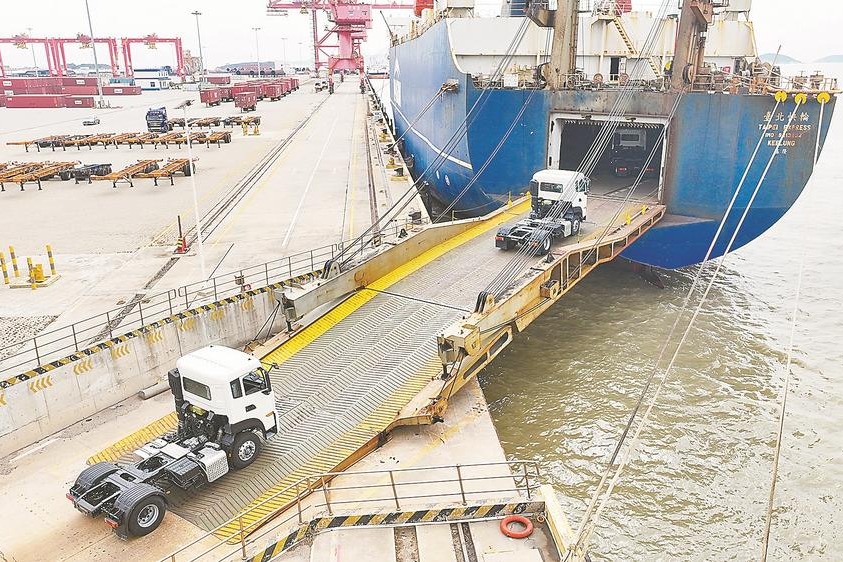
    The initiative follows a period of remarkable trade growth during the 14th Five-Year Plan period (2021-2025), which saw cross-Strait trade increase at an average annual rate of 21.7%. Total trade volume surged from 9.1 billion yuan ($1.3 billion) in 2020 to approximately 15 billion yuan in 2025.

    Huang Jianbo, director of the Pingtan Management Committee, noted the zone has already emerged as one of mainland China’s primary entry points for Taiwan’s agricultural and fishery products, with cross-border e-commerce volumes ranking among the nation’s highest.

    Beyond commercial dimensions, Pingtan is developing comprehensive social integration mechanisms. The Cross-Strait Professional Qualification Integrated Service Center has issued nearly 6,000 certificates recognized across multiple provinces. Additional innovations include mutual recognition of Taiwan resident permits and travel documents, plus the establishment of mainland China’s exclusive cross-Strait arbitration center. These measures collectively aim to facilitate Taiwanese compatriots’ integration into local life and social governance structures.