分类: politics

  • Trump pressures Iran with tariffs that could raise prices in the US

    Trump pressures Iran with tariffs that could raise prices in the US

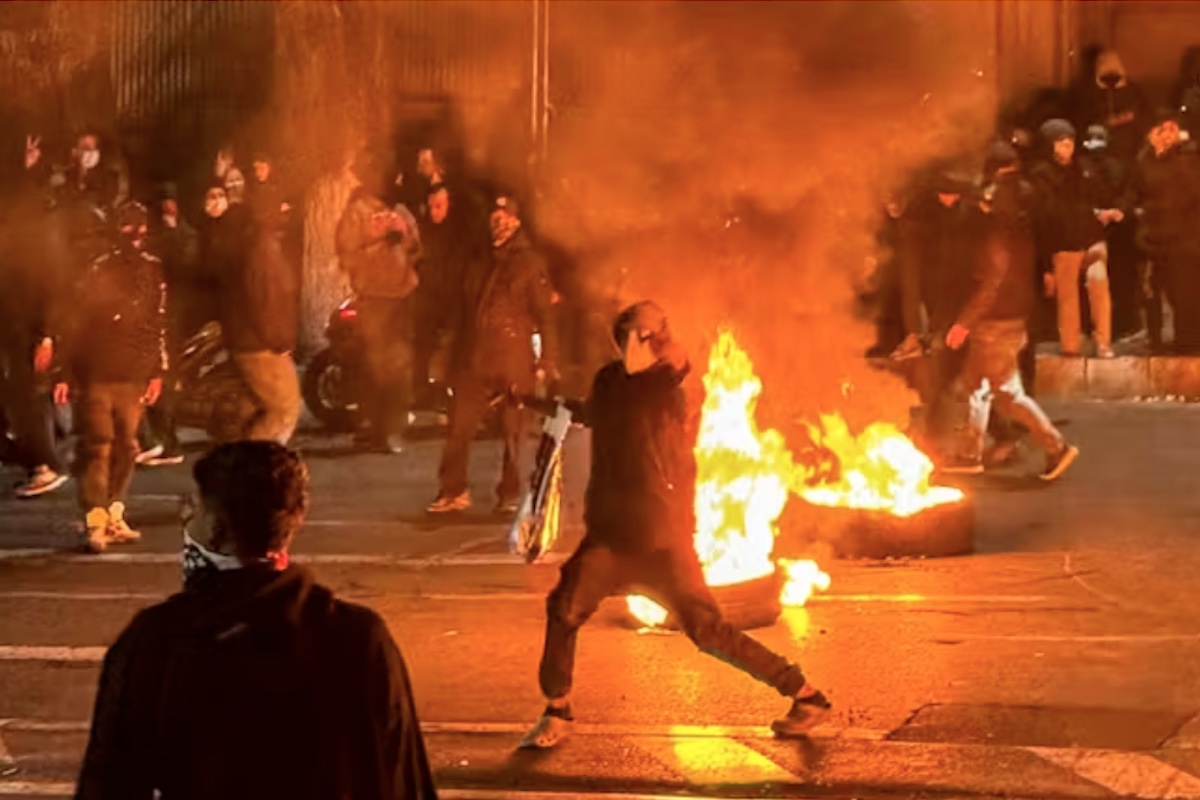
    In a significant escalation of economic pressure, former President Donald Trump has announced sweeping tariff measures targeting nations maintaining trade relations with Iran. The proposed 25% import tax aims to compel Tehran to cease its violent suppression of nationwide protests that have reportedly claimed over 2,000 lives according to activist accounts.

    The administration provided limited operational details regarding the implementation framework, including whether these new levies would compound existing tariffs imposed globally last year. Legal authority for the measures remains ambiguous, potentially relying on the 1977 International Emergency Economic Powers Act—the same statute currently under Supreme Court review for previous tariff implementations.

    Iran maintains substantial trade relationships despite years of nuclear-related sanctions, recording nearly $125 billion in international commerce during 2024. Primary trade partners include China ($32 billion), United Arab Emirates ($28 billion), and Turkey ($17 billion), with energy exports dominating Iranian sales while imports focus on gold, grain, and technology products.

    Economic analysts warn of potential collateral damage, particularly to the fragile U.S.-China trade truce established in October. The agreement had previously eased triple-digit tariffs, restored agricultural exports, and reduced technology restrictions. Former U.S. trade negotiator Wendy Cutler noted the announcement ‘underscores just how fragile the U.S.-China trade truce is’ and risks further eroding already diminished trust between the economic powers.

    Policy experts express skepticism regarding the tariffs’ effectiveness in altering Iranian behavior. Adnan Mazarei of the Peterson Institute for International Economics, drawing on Middle East crisis experience, stated: ‘They will not for this alone change their views or their practices. It is a repressive regime willing to pay a high cost in terms of people’s blood to stay in power.’
  • Plane used in boat strike off Venezuela was painted to look like a civilian aircraft, AP sources say

    Plane used in boat strike off Venezuela was painted to look like a civilian aircraft, AP sources say

    A controversial U.S. military operation targeting drug smuggling vessels off Venezuela’s coast has triggered significant legal and political scrutiny after revelations that aircraft involved were disguised as civilian planes. The operation, which occurred last September, employed surveillance planes repainted to mimic non-military aircraft while carrying munitions within their fuselages rather than standard external mounts—a practice that appears to contradict Pentagon guidelines governing the laws of armed conflict.

    The disclosure, initially reported by The New York Times and confirmed by anonymous sources familiar with the operation, emerges amid escalating tensions between the Trump administration and Congress over military authority. The Senate is preparing to vote on a war powers resolution that would prohibit further unauthorized military action in Venezuela, following a series of strikes that resulted in numerous casualties and culminated in the capture of Venezuelan President Nicolás Maduro.

    President Trump has aggressively lobbied Republican senators to oppose the resolution, expressing particular frustration over challenges to his war powers authority. The administration has justified its actions by characterizing the campaign against drug cartels as an ‘armed conflict’ and labeling boat operators as unlawful combatants.

    Legal experts and military manuals, however, raise serious concerns about the tactics employed. The Defense Department’s extensive guidelines explicitly prohibit ‘perfidy’—the act of feigning civilian status during combat operations—warning that such practices endanger civilian populations and violate military honor codes. Pentagon press secretary Kingsley Wilson maintained that all aircraft undergo ‘rigorous procurement processes’ to ensure compliance with domestic and international laws.

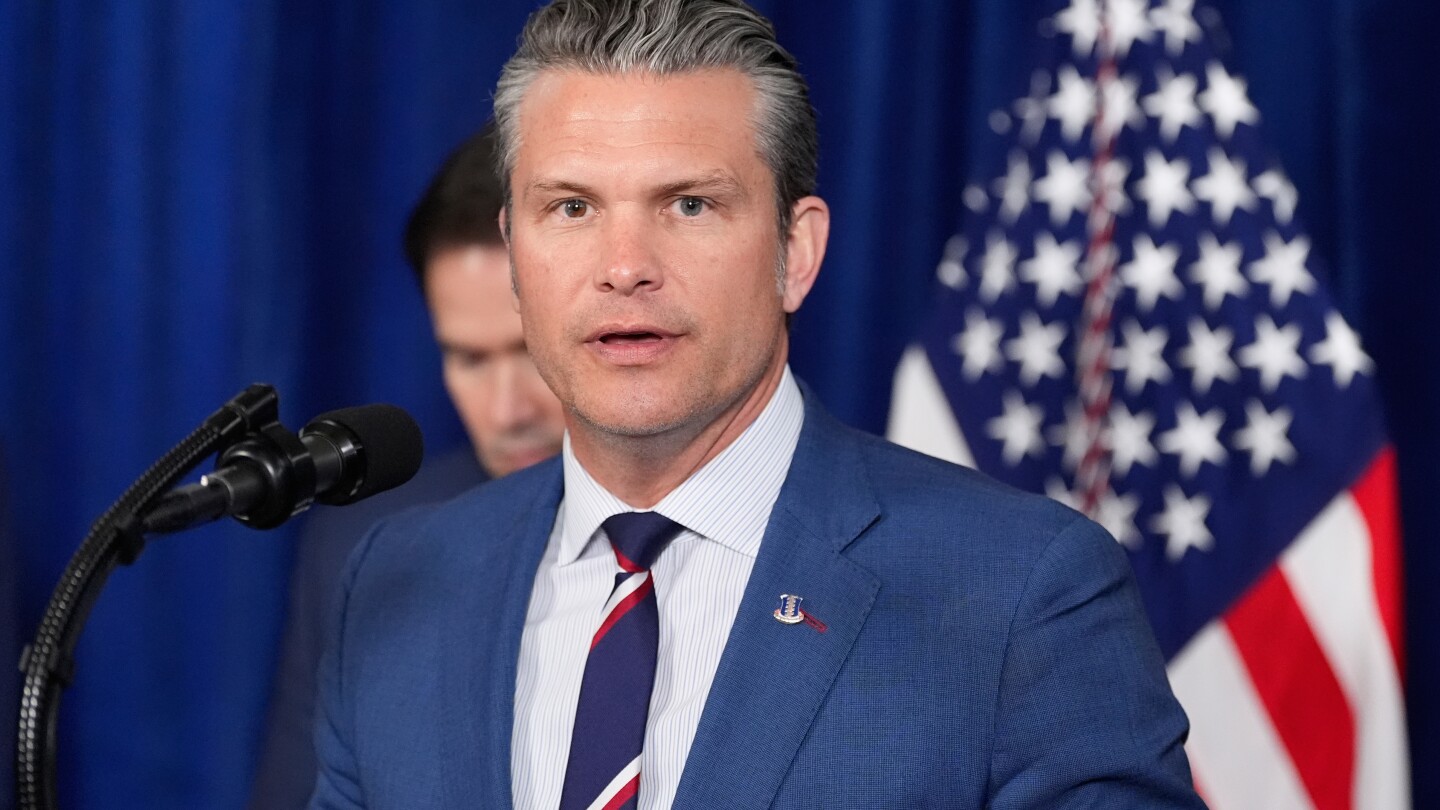
    The initial September strike, which involved the disguised aircraft, was followed by a secondary attack that killed two survivors clinging to wreckage—an action that legal experts suggest may have violated international laws of war. Defense Secretary Pete Hegseth acknowledged observing the first strike live but denied witnessing the follow-up attack.

    Congressional scrutiny intensifies as lawmakers review classified legal justifications for Maduro’s ouster. Senators from both parties have expressed skepticism about the operation’s legality and the administration’s long-term plans for Venezuela, with some arguing that legal rationales should be publicly disclosed rather than kept secret.

    The unfolding controversy highlights broader tensions between executive military authority and congressional oversight, with significant implications for future U.S. military operations and adherence to international legal standards.

  • South Korea prosecutors demand death penalty for ex-president Yoon over martial law: Media reports

    South Korea prosecutors demand death penalty for ex-president Yoon over martial law: Media reports

    In an unprecedented legal development that has gripped South Korea, state prosecutors have formally demanded the death penalty for former President Yoon Suk Yeol during the conclusive hearing of his insurrection trial in Seoul. The prosecution team characterized Yoon as the principal architect and ringleader of an unlawful martial law declaration that threatened constitutional order.

    The landmark case, prosecuted under the nation’s special judicial framework, represents the most severe criminal proceedings ever brought against a former South Korean head of state. The prosecution’s closing arguments presented a comprehensive narrative depicting a calculated attempt to subvert democratic governance through military force.

    Yonhap News Agency, providing extensive courtroom coverage, reported that special prosecutors meticulously outlined evidence showing systematic coordination between the former president’s office and military command structures. The prosecution’s final appeal to the court emphasized the exceptional gravity of crimes against constitutional authority, warranting the ultimate punishment under South Korean law.

    The judicial proceedings have unfolded against a backdrop of intense national scrutiny, reflecting South Korea’s ongoing reckoning with executive power boundaries and military-civilian relations. This case establishes a significant precedent for accountability mechanisms within the nation’s democratic framework, potentially influencing future constitutional interpretations regarding emergency powers and civilian oversight of military institutions.

    Legal experts note the trial’s proceedings have illuminated complex jurisdictional questions surrounding presidential authority during perceived national crises. The court’s eventual verdict, expected in coming months, will likely resonate throughout East Asian diplomatic circles where regional stability remains a paramount concern.

  • S. Korean special counsel seeks death penalty for ex-president Yoon on insurrection charge: media

    S. Korean special counsel seeks death penalty for ex-president Yoon on insurrection charge: media

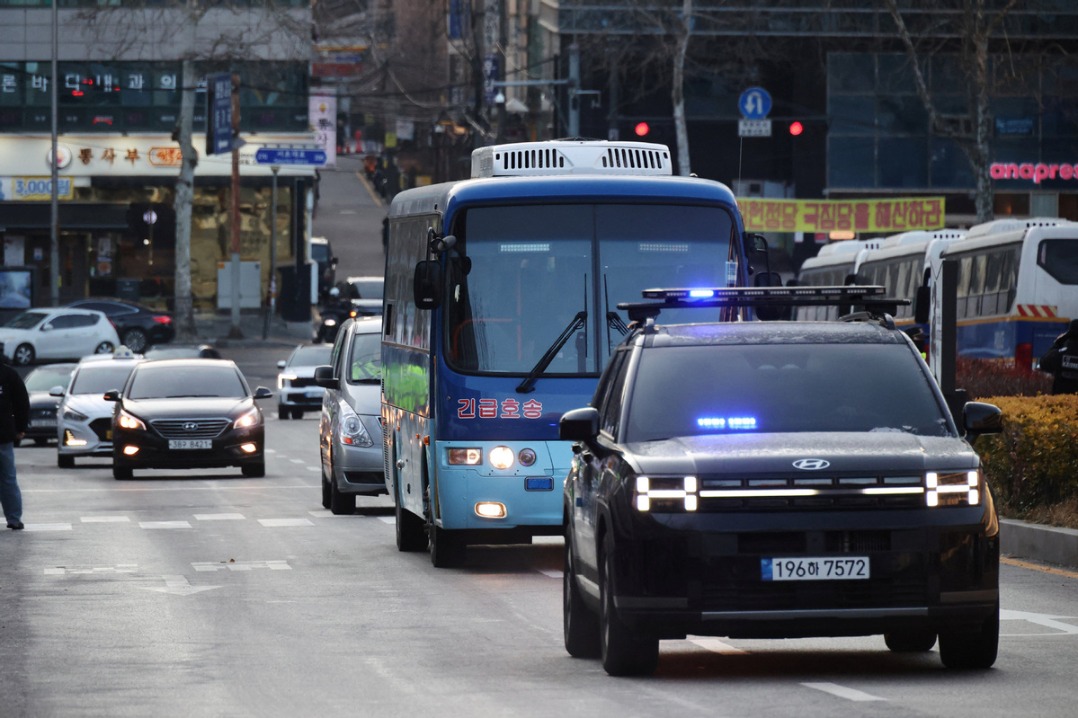
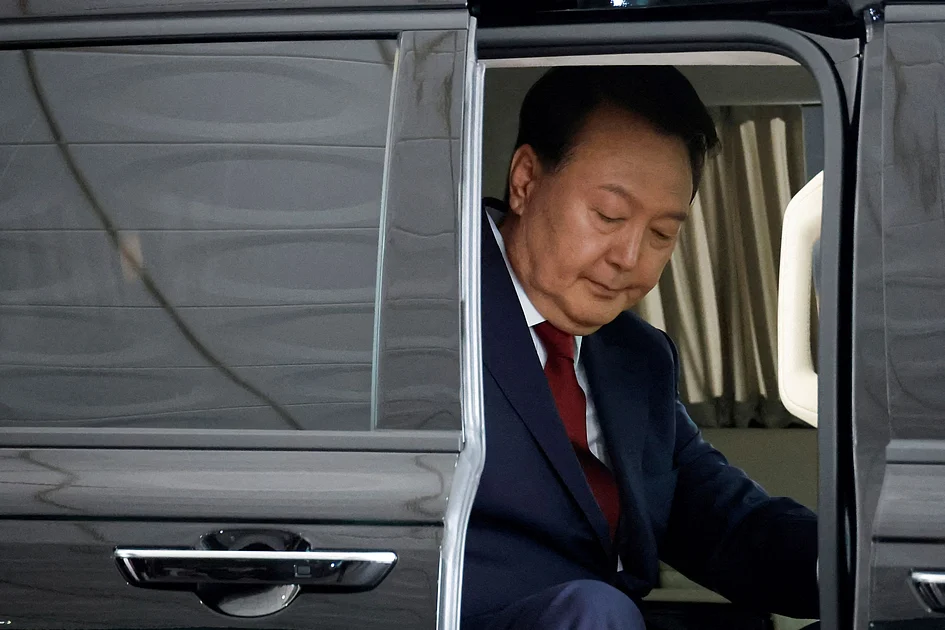
    In an unprecedented legal development that has captivated South Korea, special prosecutors have formally requested the death penalty for former President Yoon Suk-yeol on charges of insurrection. The dramatic courtroom proceedings reached their climax on January 13, 2026, as Yoon arrived at a Seoul courthouse for final arguments in what has become one of the most significant political trials in the nation’s modern history.

    The case, prosecuted by an independent counsel team, represents the first time in South Korea’s democratic era that a former head of state faces capital punishment allegations for insurrection-related offenses. The prosecution’s final arguments characterized Yoon’s alleged actions as a grave threat to constitutional order and national security.

    Yoon, who arrived by bus under heavy security, maintained his plea of not guilty throughout the proceedings. His defense team has consistently denounced the charges as politically motivated, arguing that the prosecution’s demand for extreme punishment represents a dangerous politicization of the judicial system.

    The trial has unfolded against a backdrop of intense public scrutiny and deep political divisions within South Korean society. Legal experts note that while South Korea retains the death penalty in statute, the country has maintained an unofficial moratorium on executions since 1997, making the prosecution’s demand particularly striking.

    International observers have been closely monitoring the case, which could establish significant precedents for how democratic nations address allegations of insurrection against former leaders. The verdict, expected in the coming weeks, will undoubtedly shape South Korea’s political landscape for years to come and may influence global norms regarding accountability for former heads of state.

  • Yoav Gallant says Israel should steer Iran protests ‘with an invisible hand’

    Yoav Gallant says Israel should steer Iran protests ‘with an invisible hand’

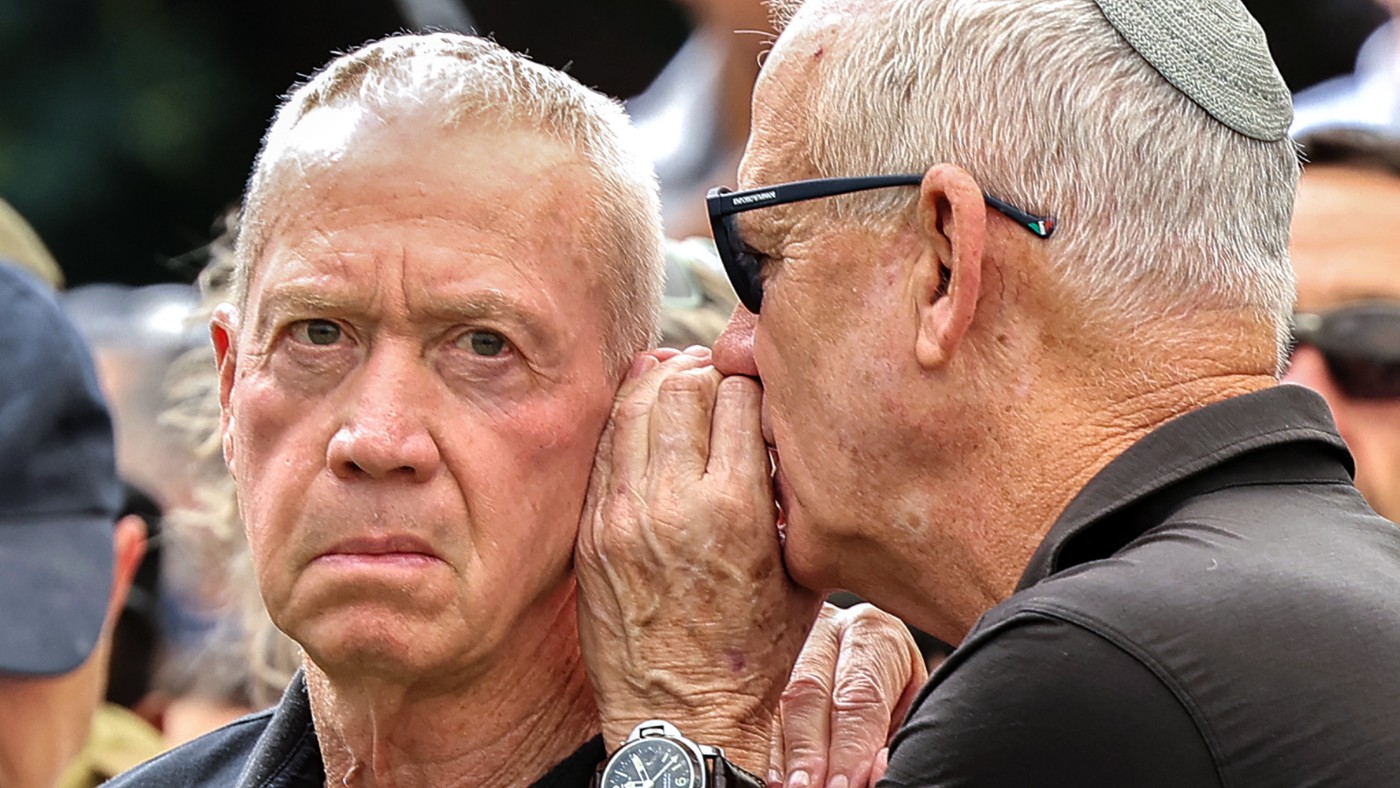
    Amid ongoing protests in Iran, senior Israeli figures have articulated a strategy of covert influence while publicly advocating for regime change. Former Defense Minister Yoav Gallant, speaking to Israeli Army Radio, emphasized the need for strategic patience and operating with an “invisible hand” to steer developments. Despite an International Criminal Court arrest warrant against him, Gallant asserted that the Iranian regime “must fall,” but that the primary energy for change should come from the Iranian people themselves, not foreign military strikes.

    The Israeli government has maintained relative public silence regarding the protests that began on December 28th, following reported advice from security officials that commentary could cause “great damage.” However, this week witnessed several Israeli politicians breaking this silence. Prime Minister Benjamin Netanyahu expressed support for Iranian citizens’ “extraordinary courage” while condemning the “mass slaughter of innocent civilians” – despite facing his own ICC warrant for alleged crimes against humanity.

    Reports suggest sophisticated Israeli intelligence operations targeting Iranian society. According to Haaretz journalist Nir Gontarz, Mossad-connected figures are briefing Israeli media personalities on messaging regarding Iran, effectively turning them into instruments of psychological warfare. Gontarz highlighted this as either conscious participation in state apparatus or “extreme professional negligence,” drawing parallels to the recent “Qatargate” misinformation scandal involving Netanyahu’s aides.

    The situation is further complicated by diplomatic engagements between Iranian and US officials. Israeli media outlet i24news reported concerns within Netanyahu’s security establishment that talks between Iranian Foreign Minister Abbas Araghchi and White House envoy Steve Witkoff might focus exclusively on nuclear negotiations, potentially allowing the Iranian government to suppress protests.

    Iranian officials have accused the US and Israel of fomenting unrest, with Araghchi specifically alleging foreign encouragement of protests to destabilize the Islamic Republic. These allegations are reinforced by statements from figures like former US Secretary of State Mike Pompeo, who openly referenced Mossad operations alongside Iranian protesters. However, Iranian demonstrators have rejected these characterizations, with one protester telling Middle East Eye that they are unfairly labeled as foreign agents whenever they protest economic conditions.

    The human cost continues to mount, with an Iranian official telling Reuters that approximately 2,000 people have been killed, blaming “terrorists” for civilian and security personnel deaths.

  • Social media erupts with support for Iranian protesters, trepidation about foreign interference

    Social media erupts with support for Iranian protesters, trepidation about foreign interference

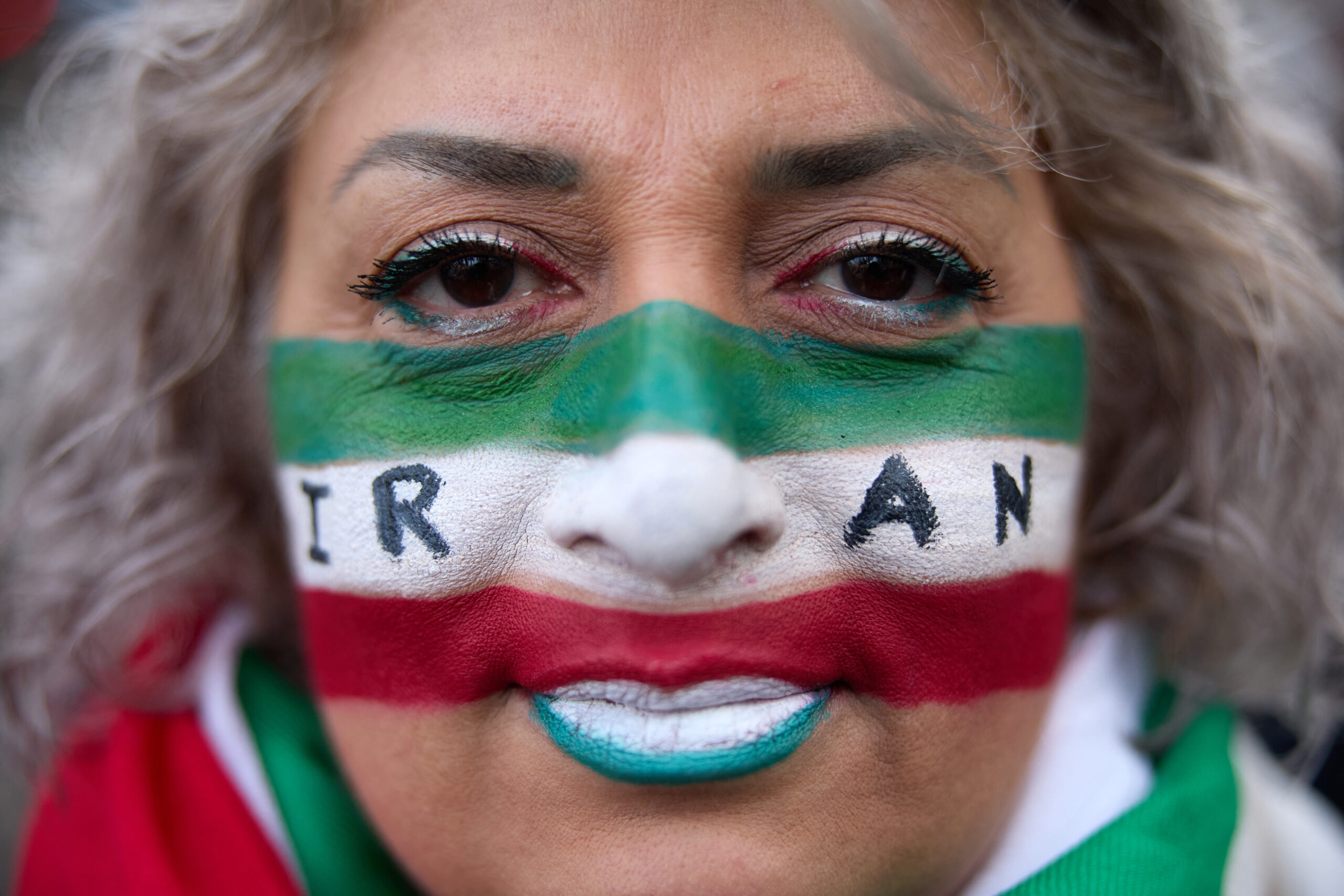
    Social media platforms have emerged as the central battleground for discourse surrounding the escalating protest movement in Iran, revealing a multifaceted conflict that defies simplistic geopolitical narratives. What originated as economic demonstrations by shopkeepers protesting rampant inflation has rapidly evolved into a widespread domestic and international demand for systemic political reform.

    The scale of the unrest is significant, with Reuters reporting approximately 2,000 fatalities—including both civilians and security personnel—while the U.S.-based Human Rights Activists News Agency documents over 10,700 arrests as the protests enter their third week. These represent the most substantial demonstrations since the 2022 ‘Woman Life Freedom’ movement.

    International reactions have further complicated the situation. U.S. President Donald Trump has openly contemplated intervention, stating military officials are ‘looking at some very strong options’ while simultaneously imposing a 25% tariff on nations conducting business with Iran. Israeli officials, including former defense minister Yoav Gallant, have explicitly advocated for regime change, encouraging revolt against Tehran’s leadership.

    Amid these developments, social media has become a platform for nuanced analysis. Palestinian-American comedian Sammy Obeid articulated a perspective gaining traction online: ‘A million things can be true at once.’ This sentiment acknowledges simultaneous realities—Iranian government oppression, external exploitation by intelligence agencies, and Western economic sanctions that have crippled Iran’s economy while disproportionately affecting the middle class that could drive change.

    Iranian-American commentator Ariana Jasmine Afshar echoed this complexity: ‘Iranian people who currently live under an oppressive dictatorship deserve to express themselves without state sanctioned violence AND the US, western forces and Israel have cause irreparable harm to Iranians.’

    Regional experts emphasize Iran’s civil society as the potential driver for organic political transformation. Ellie Geranmayeh of the European Council for Foreign Relations notes that Western discourse often overlooks that Iranian protesters aren’t necessarily calling for foreign military intervention. Mohammad Ali Shabani, editor of Amwaj magazine, suggests most Iranians would welcome sanctions relief and recognize the Islamic Republic’s impermanence, but prefer change without external imposition.

    As Iran’s foreign minister maintains that Tehran remains open to either ‘war or dialogue,’ the digital discourse continues to highlight that supporting Iranian self-determination requires rejecting both domestic oppression and foreign interventionism.

  • US actions in LAC reflect ‘relative power decline’, Chinese scholar says

    US actions in LAC reflect ‘relative power decline’, Chinese scholar says

    A prominent Chinese international relations scholar has characterized recent US actions in Latin America and the Caribbean as indicative of diminishing global influence rather than strengthened hegemony. Professor Cui Shoujun of Renmin University’s School of International Studies presented this analysis during a recent academic event, addressing what some observers have termed a resurgence of Monroe Doctrine principles in US foreign policy.

    The commentary specifically referenced the United States’ unilateral designation of Venezuela’s leadership as criminal under domestic legal frameworks, a maneuver that effectively circumvents both congressional oversight and international legal constraints. Professor Cui identified this approach as a contemporary manifestation of ‘long-arm jurisdiction’ that fundamentally violates the United Nations Charter’s core principles of sovereign equality and non-interference in domestic affairs.

    According to the analysis, the persistent US treatment of Latin America as an exclusive ‘sphere of influence’ reflects obsolete colonial-era thinking that contradicts contemporary geopolitical realities. Rather than demonstrating strength, this posture reveals strategic contraction and relative power decline within the global landscape, Cui argued.

    The scholar further suggested that such interventionist tactics ultimately catalyze international resistance, potentially strengthening collective commitment to UN-centered multilateralism. Latin American and Caribbean nations are consequently developing enhanced strategic autonomy and pursuing diversified international partnerships beyond traditional hemispheric alignments.

    Cui contrasted the US approach with China’s vision of building a shared future for humanity, emphasizing that Chinese engagement prioritizes mutual benefit and voluntary cooperation rather than coercive influence. The evolving China-LAC relationship has notably transitioned from infrastructure-focused collaboration to include cutting-edge cooperation in green energy and digital economy sectors.

    Looking forward, the professor emphasized China’s continued commitment to foundational international legal principles and cooperative maintenance of the postwar international order through multilateral engagement.

  • FACT FOCUS: Trump repeats false claims when discussing Greenland’s security in the Arctic

    FACT FOCUS: Trump repeats false claims when discussing Greenland’s security in the Arctic

    NUUK, Greenland — Former U.S. President Donald Trump’s persistent campaign to acquire Greenland as a national security priority during his second term has been systematically dismantled by Arctic security specialists and factual analysis. His assertions regarding Russian and Chinese military presence near the autonomous Danish territory have been categorically refuted by international experts.

    Trump repeatedly characterized Greenland’s acquisition as crucial to preventing Russian or Chinese domination, even suggesting military force as a potential option. He claimed without evidence that “Russian destroyers, Chinese destroyers, and Russian submarines” were operating en masse around Greenland’s coastline.

    Arctic security researchers from multiple institutions have contradicted these statements. Andreas Østhagen of Oslo’s Fridtjof Nansen Institute stated the claims “make no sense in terms of facts,” noting that Russia primarily operates in the Barents Sea while both nations focus activities in the Bering Sea south of Alaska. Danish researcher Lin Mortensgaard acknowledged possible Russian submarine presence—common throughout the Arctic—but confirmed no surface vessels near Greenland.

    Greenland’s own Business Minister Naaja Nathanielsen responded to inquiries about foreign vessels by stating “Not that we are aware of,” adding that while Arctic interest exists from Russia and China, “we don’t detect an actual threat.”

    Trump’s derisive comments about Denmark’s Greenland defenses—referencing “two dog sleds”—also misrepresent reality. The Sirius Dog Sled Patrol constitutes an elite Danish naval unit performing long-range reconnaissance and sovereignty enforcement. Denmark maintains substantial military infrastructure including patrol ships, surveillance aircraft, and is investing $2.3 billion in enhanced capabilities including new Arctic vessels and surveillance drones. The U.S. Department of Defense itself operates the strategic Pituffik Space Base in northwestern Greenland under a 1951 treaty.

    Historical claims about Danish sovereignty were equally flawed. Greenland’s indigenous population arrived circa 2,500 B.C., with modern Danish colonization beginning in the 18th century. International law has evolved from colonial land grabs to respecting post-WWII borders and self-determination principles. Greenland achieved self-governing status within the Danish kingdom in 2009 with rights to pursue independence through democratic processes.

    Experts emphasize that contemporary geopolitics operates under frameworks prohibiting territorial acquisition by force, making Trump’s proposals both factually unsupported and legally untenable under modern international norms.

  • Will Iran’s crackdown playbook work this time?

    Will Iran’s crackdown playbook work this time?

    Iran has plunged into a nationwide digital darkness as its government implements a complete internet shutdown in response to unprecedented anti-regime protests that have spread across all 31 provinces. The current wave of demonstrations marks a significant escalation in Iran’s long history of civil unrest, distinguished by its explicit calls for regime change and the emergence of clear leadership from exiled opposition figures.

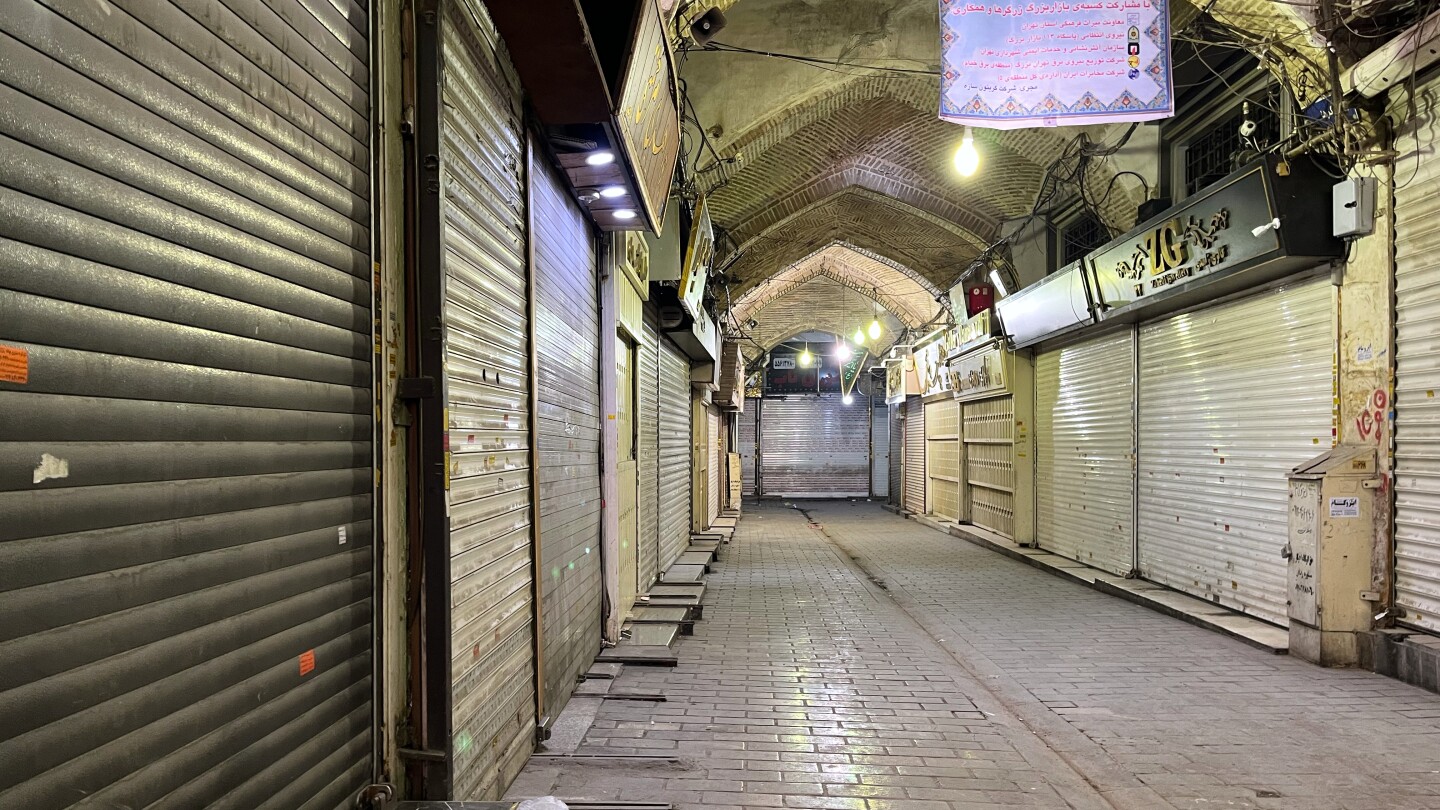
    The catalyst for these events emerged in late December when Tehran’s bazaar merchants initiated protests against the country’s theocratic rulers following the Iranian currency’s sharp collapse. These demonstrations remained limited initially until Reza Pahlavi, the US-based son of Iran’s former shah, issued a public call for nationwide protests last Thursday and Friday. Despite initial dismissal from authorities who questioned Pahlavi’s influence, his Instagram video garnered over 90 million views and nearly 500,000 comments—unprecedented engagement for Persian-language social media content.

    This mobilization represents the first time since the 1979 Iranian Revolution that a political figure has successfully issued a protest call explicitly framed around regime change that garnered massive public response. Unlike the leaderless, social media-driven protests of 2017-2018, 2019-2020, and 2022, or the reform-seeking Green Movement of 2009, the current movement combines digital tools with identifiable leadership, significantly enhancing its potential reach and impact.

    In response, the regime has deployed its full arsenal of digital authoritarian strategies. On January 8, authorities imposed a complete internet blackout, simultaneously cutting telephone lines and SMS services. This drastic measure has isolated over 85 million Iranians, restricting information flow exclusively to state-run outlets like Tasnim and Fars News, both affiliated with the Islamic Revolutionary Guard Corps (IRGC).

    The internet shutdown represents just one component of Iran’s sophisticated digital repression apparatus. The regime has simultaneously activated its extensive network of facial recognition cameras, largely imported from China, to identify and arrest protesters. Additionally, state media has intensified propaganda efforts, constructing narratives that frame protesters as foreign-backed terrorists rather than legitimate dissenters.

    President Masoud Pezeshkian has characterized participants as ‘trained terrorists’ brought into the country by enemies, while parliamentary speaker Mohammad Bagher Ghalibaf alleges the nation faces ‘a phase of terrorist warfare.’ These narratives deliberately obscure the protests’ domestic origins and justify violent suppression.

    Despite the digital blackout, limited Starlink satellite internet access has allowed a small number of videos to reach the outside world, documenting a brutal crackdown that has reportedly resulted in hundreds—possibly thousands—of fatalities and over 10,000 arrests. In a countermove, protesters have attempted to disable the regime’s ubiquitous surveillance cameras.

    The current situation echoes the 2019 protests where approximately 1,500 people were killed under similar digital blackout conditions, though the explicit regime-change demands and leadership structure distinguish the current movement. As authorities work to disrupt remaining Starlink signals, protesters continue risking their lives to make their voices heard beyond Iran’s digital iron curtain.

  • NYC Council employee’s arrest sparks protests and a dispute over his immigration status

    NYC Council employee’s arrest sparks protests and a dispute over his immigration status

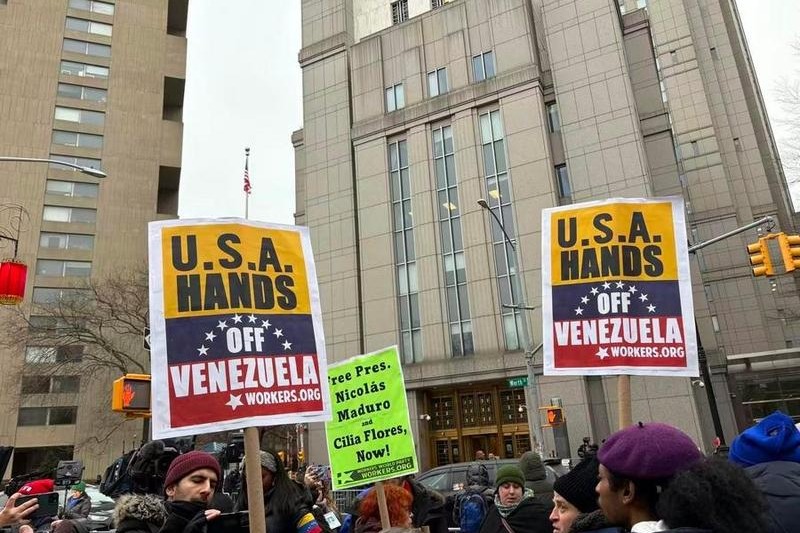
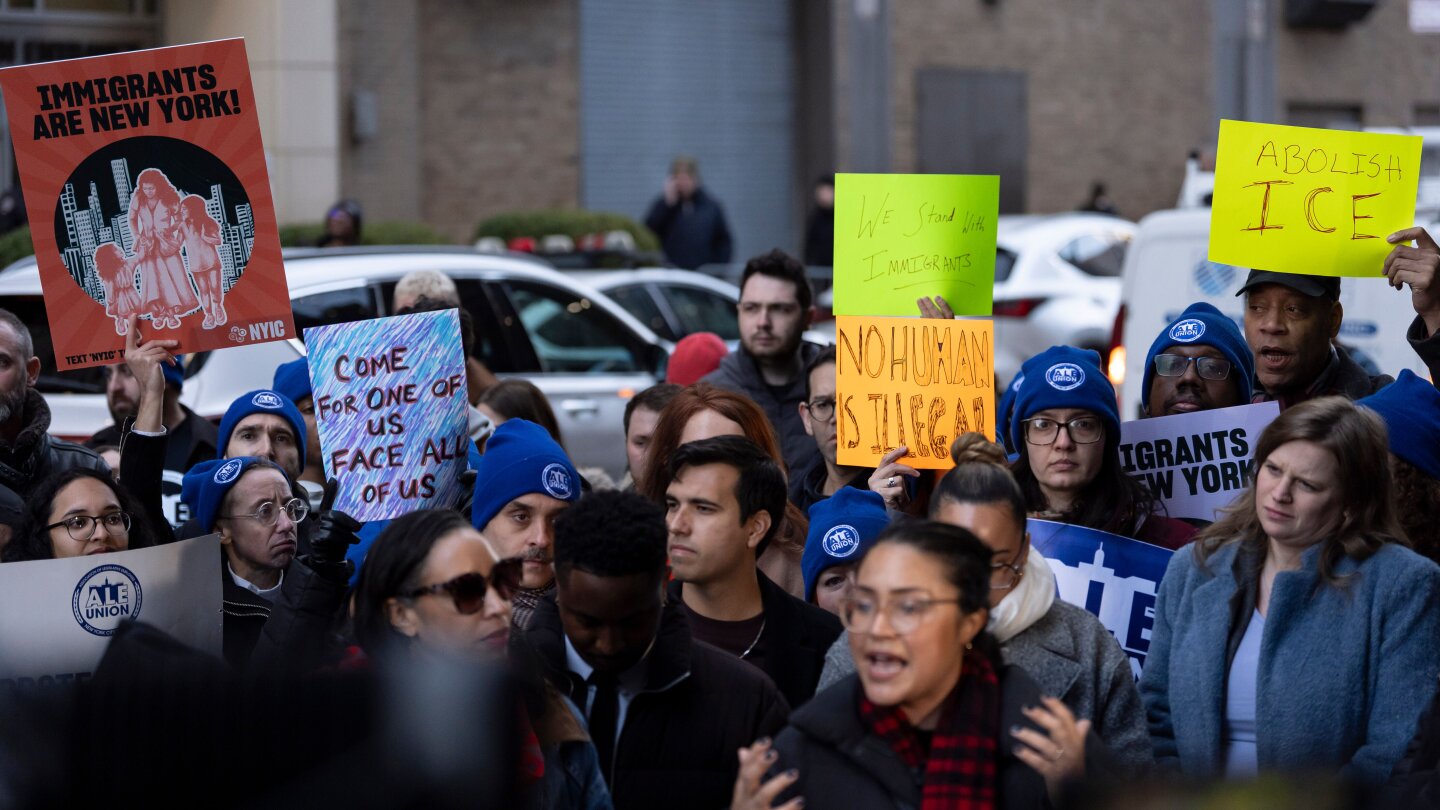
    A significant immigration controversy has erupted in New York City following the detention of Rafael Andres Rubio Bohorquez, a City Council data analyst and Venezuelan asylum-seeker, during what was described as a routine immigration check-in. The arrest occurred Monday at a U.S. Citizenship and Immigration Services office in Bethpage, Long Island, triggering widespread condemnation from city officials and protests outside Manhattan’s federal building.

    U.S. Immigration and Customs Enforcement maintains that Bohorquez had overstayed his 2017 B2 tourist visa and cited a prior assault arrest as justification for detention, stating he had ‘no legal right to be in the United States.’ However, City Council Speaker Julie Menin vehemently disputes these claims, asserting that the employee had proper work authorization until October and had cleared standard background checks that revealed no criminal record.

    The case has drawn responses from the highest levels of New York government, with Governor Kathy Hochul questioning the detention’s proportionality during her state of the state address: ‘Is this person really one of the baddest of the bad? Is this person really a threat?’

    Legal representatives from the New York Legal Assistance Group have filed a habeas corpus petition arguing unlawful detention, with a hearing scheduled for Friday. The organization’s CEO Lisa Rivera emphasized that Bohorquez ‘did everything right by appearing at a scheduled interview’ yet was detained regardless.

    The incident occurs against the backdrop of Venezuela’s ongoing political and economic crisis, which has prompted nearly 8 million citizens to flee since 2014. The case also highlights ongoing tensions between federal immigration enforcement and local governments, particularly regarding work authorization verification systems that don’t automatically update employers about status changes.