分类: politics

  • Trump warns of ‘very strong action’ if Iran executes protesters

    Trump warns of ‘very strong action’ if Iran executes protesters

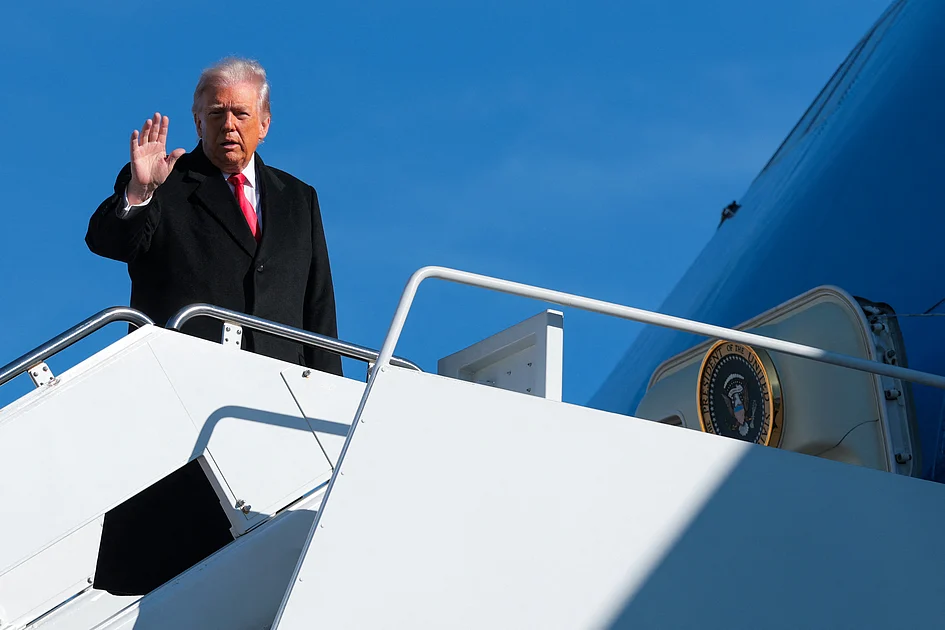
    In a significant escalation of tensions, former US President Donald Trump has issued a stark warning to Iranian authorities regarding their handling of widespread protests. Trump declared that the United States would implement “very strong action” should Iran proceed with threatened executions of demonstrators, though he provided no specific details about potential measures.

    The confrontation emerges amid one of the most substantial challenges to Iran’s clerical leadership in years. According to human rights organizations, the government crackdown has likely resulted in thousands of fatalities during protests that have persisted for multiple nights across the nation. Iran Human Rights (IHR), a Norway-based NGO, has confirmed 734 deaths, including nine minors, while cautioning that the actual toll is probably substantially higher due to reporting limitations.

    Iranian officials have responded defiantly to international pressure. The country’s UN mission characterized American warnings as part of a longstanding “playbook” rooted in regime change fantasies, asserting that such tactics would “fail again.” Tehran prosecutors have indicated they will pursue capital charges of “moharebeh” (waging war against God) against some detained protesters.

    The situation on the ground remains tense despite government claims of restored control. Verified social media footage shows bodies lined up in morgues near Tehran, with distraught families searching for missing relatives. While international phone connections were partially restored Tuesday, internet access remains severely restricted after a five-day blackout that rights groups say masks the true scale of the crackdown.

    European nations have joined the international condemnation, with France, Germany, the UK, and the European Union summoning Iranian ambassadors. EU Chief Ursula von der Leyen described the rising casualties as “horrifying” and promised additional sanctions against those responsible.

    Analysts note these protests represent perhaps the most serious challenge to the Islamic Republic in recent history, both in scale and explicitly political nature. However, experts caution against predicting the immediate collapse of the system, citing the regime’s extensive repressive capabilities and the resilience of institutions like the Revolutionary Guard Corps.
  • Iran vows fast trials over protests after Trump threat

    Iran vows fast trials over protests after Trump threat

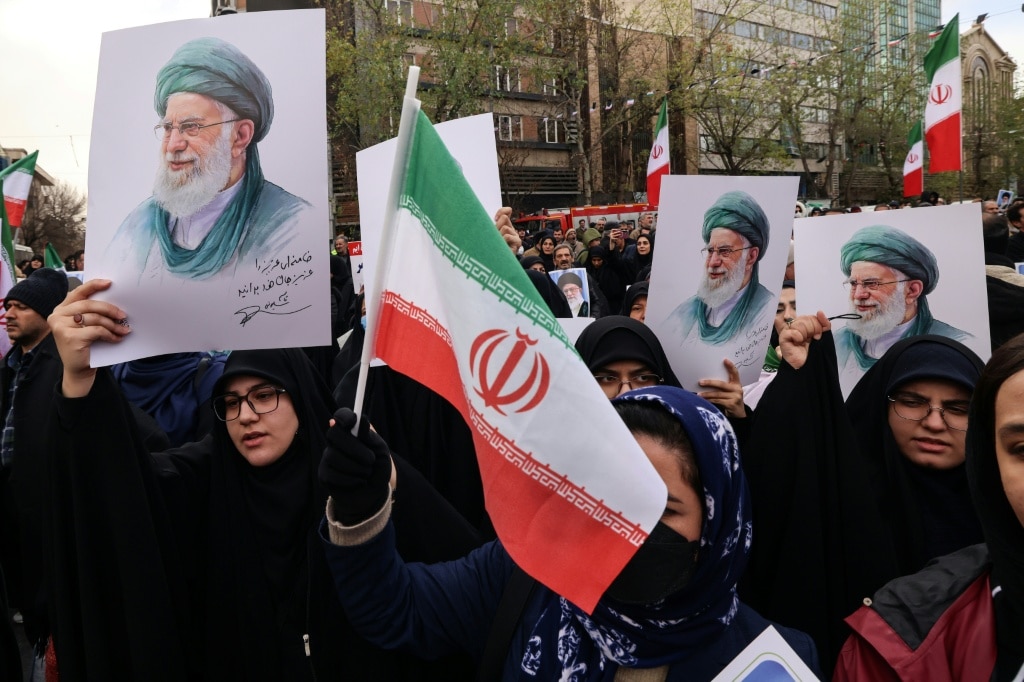
    Iranian authorities have announced expedited judicial proceedings for individuals detained during nationwide protests, escalating tensions with the United States following President Trump’s threat of “very strong action” should executions proceed. The judiciary, led by Chief Gholamhossein Mohseni Ejei, has declared intentions to conduct public trials for those accused of severe offenses, including acts of terror and arson.

    Concurrently, Tehran hosted a state-sponsored funeral honoring over 100 security personnel labeled as “martyrs” in the unrest. The government has characterized the widespread demonstrations—initially driven by economic discontent—as “riots” and attributed “acts of terror” to participants.

    Rights organizations report a near-total internet blackout persisting for over 132 hours, which they allege obscures the actual death toll and scale of state violence. Verified footage emerging from Iran shows morgues in the capital’s outskirts lined with black body bags, while distraught families search for missing relatives.

    International response has intensified, with the U.S. State Department confirming via its Farsi-language social media that 26-year-old Erfan Soltani received a death sentence—potentially the first of many. Amnesty International and Iran Human Rights have issued urgent appeals to halt executions, with the latter documenting 734 confirmed fatalities, including nine minors, though actual numbers may reach thousands.

    Supreme Leader Ayatollah Ali Khamenei, who recently emerged from hiding following prior conflicts, faces one of the most significant challenges to the Islamic Republic since its inception. Despite analysts noting the regime’s resilient security apparatus, including the Revolutionary Guard Corps, the protest movement continues to test theocratic stability amid global scrutiny.

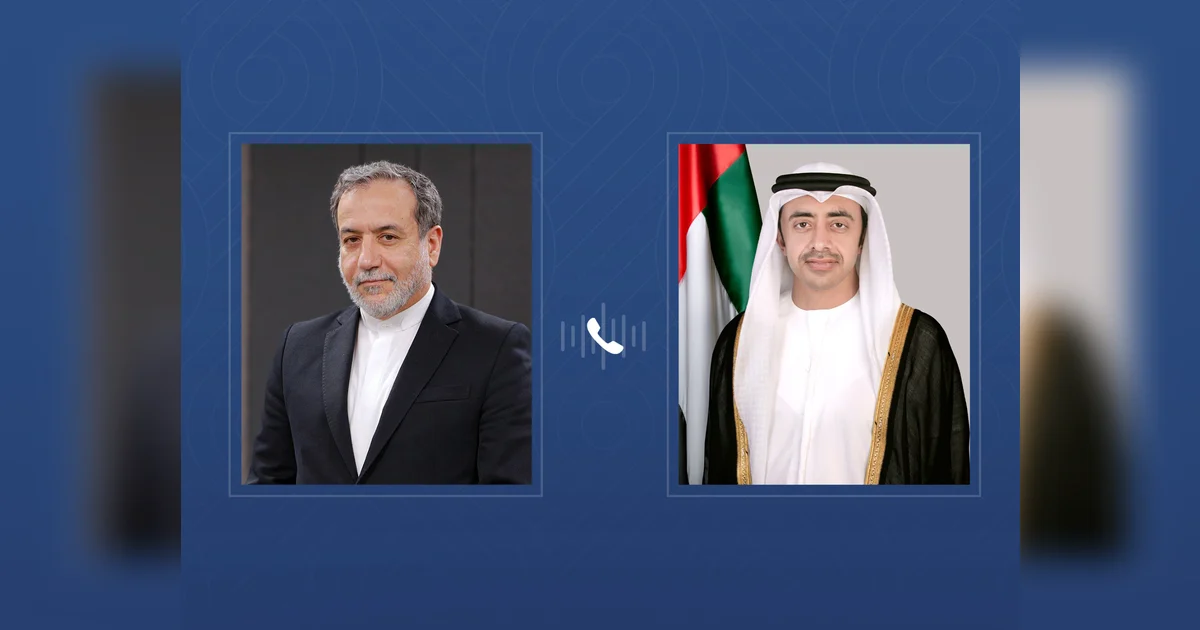
  • Abdullah bin Zayed, Iranian Foreign Minister discuss bilateral relations by phone

    Abdullah bin Zayed, Iranian Foreign Minister discuss bilateral relations by phone

    In a significant diplomatic engagement, Sheikh Abdullah bin Zayed Al Nahyan, the United Arab Emirates’ Deputy Prime Minister and Minister of Foreign Affairs, conducted a telephone conversation with his Iranian counterpart Abbas Araghchi on Wednesday, January 14th, 2026. The high-level discussion focused exclusively on enhancing bilateral relations between the Gulf neighbors, marking a pivotal moment in regional diplomacy.

    The telephone dialogue occurred against a backdrop of substantial internal unrest within Iran, where widespread protests have challenged the established clerical governance system. According to activist reports, the Iranian government’s response to these demonstrations has resulted in at least 648 casualties amid comprehensive internet restrictions imposed by authorities.

    Iranian state media has concurrently reported the deaths of numerous security personnel, with their memorial services transforming into substantial pro-government gatherings. Tehran officials have announced plans for a mass funeral ceremony to honor what they term ‘martyrs’ of the recent civil disturbances.

    This diplomatic exchange represents a carefully calibrated effort to maintain open communication channels between the UAE and Iran despite the complex regional dynamics and internal challenges facing the Islamic Republic. The conversation signals both nations’ commitment to sustained dialogue amid evolving geopolitical circumstances in the Gulf region.

  • The crazier ‘Taiwan independence’ moves, the tighter anti-secession noose: Mainland spokesperson

    The crazier ‘Taiwan independence’ moves, the tighter anti-secession noose: Mainland spokesperson

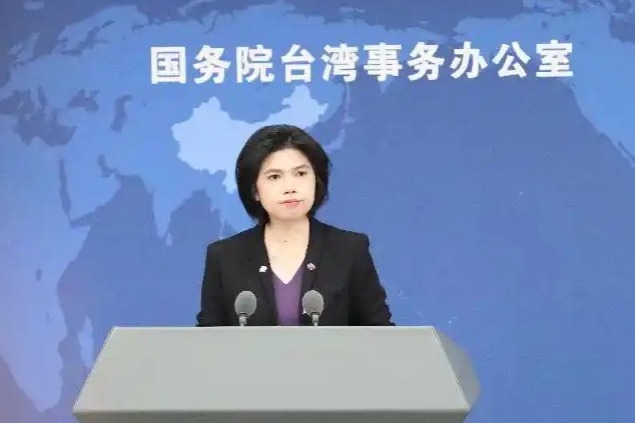
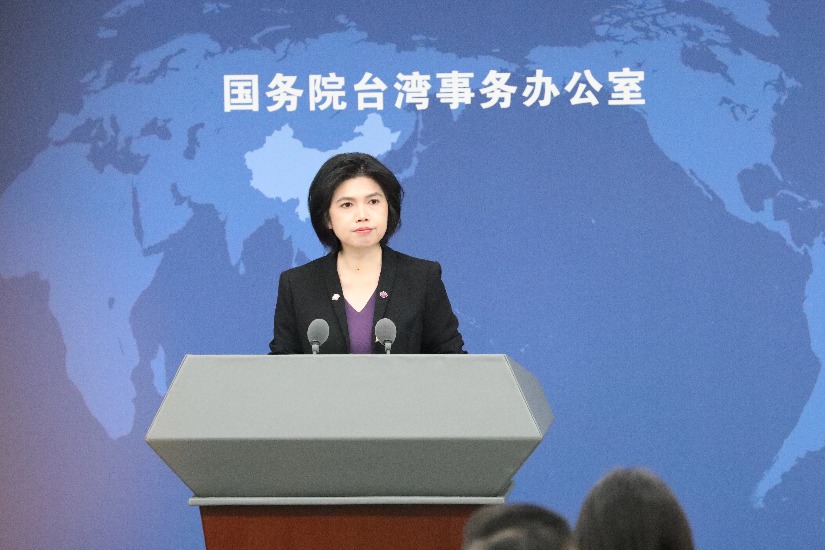
    In a significant escalation of rhetoric toward Taiwan, Chinese mainland authorities have issued a stark warning that increased separatist activities will be met with intensified countermeasures. Zhu Fenglian, spokesperson for China’s State Council Taiwan Affairs Office, delivered the unambiguous message during a Wednesday press briefing in Beijing.

    The spokesperson’s comments came specifically in response to media inquiries about recent additions to China’s official list of hardened ‘Taiwan independence’ secessionists. Zhu emphatically reiterated Beijing’s longstanding position that ‘Taiwan is China’s Taiwan,’ leaving no ambiguity about the central government’s stance on territorial integrity.

    Notably, the warning included a specific mechanism of enforcement: those pursuing separatist agendas and undermining cross-Strait relations will face permanent legal consequences. The spokesperson indicated that authorities would employ ‘all necessary measures’ to punish such activities, with accountability extending throughout the offenders’ lifetimes according to Chinese law.

    This development represents the latest in a series of increasingly firm statements from Beijing regarding Taiwan, reflecting growing concerns about separatist movements and the potential responses they might provoke. The language suggests a hardening position that could have significant implications for cross-Strait relations and regional stability in the coming months.

  • Uganda election chief says he has had threats over results declaration

    Uganda election chief says he has had threats over results declaration

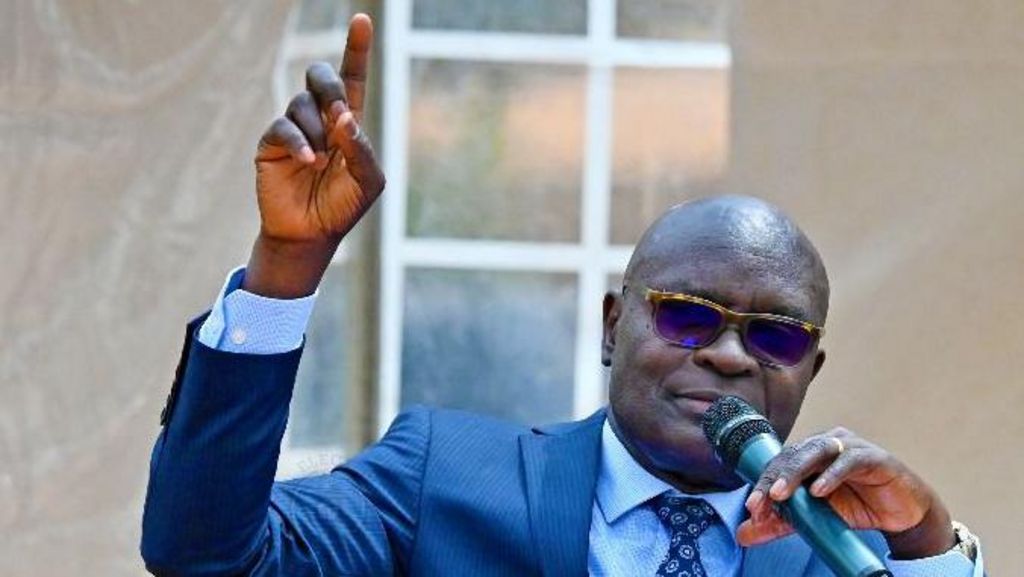
    Uganda’s Electoral Commission Chairman Simon Byabakama has publicly denounced intimidation attempts from senior government officials seeking to influence the outcome of Thursday’s presidential election. The electoral head confirmed receiving direct threats warning him against declaring certain candidates as winners, though he declined to identify the officials involved.

    Byabakama’s statements came in response to a viral video featuring Presidential Assistant Yiga Kisakyamukama, who explicitly stated that the electoral body would never announce opposition leader Bobi Wine as president regardless of actual vote results. “Some people say if you don’t declare so-and-so as president, you will see. I tell them that I am not in the business of donating votes,” Byabakama asserted during a press conference at the commission’s Kampala headquarters.

    The electoral chairman emphasized his commitment to legal procedures, stating that only the will of voters would determine the election outcome. “The law says that the candidate who receives more than 50% plus one of the total valid votes cast is the president of Uganda. It is the voters who determine how many votes a candidate gets,” he explained, adding that results would be declared within 48 hours after polls close.

    This election pits 81-year-old President Yoweri Museveni, seeking his seventh term after nearly four decades in power, against main challenger Bobi Wine—a 43-year-old pop star-turned-politician who finished runner-up in the 2021 polls. Six other candidates are competing for the presidency, with approximately 21.6 million registered voters eligible to participate.

    The electoral process has been marred by significant tensions, including the disruption of opposition campaigns, detention of activists, and violent break-ups of rallies by police. Byabakama addressed concerns about the heavy military presence in urban areas, stating security forces were deployed to maintain peace but should not intimidate voters. He also acknowledged investigating reports of polling stations being established within military premises.

    Adding to the pre-election tensions, Ugandan authorities implemented nationwide internet restrictions and limited mobile services on Tuesday, citing the need to curb “misinformation, disinformation, electoral fraud and related risks.” This network outage has raised additional concerns about potential repression during the critical voting period.

  • What Americans think about Trump’s intervention in Venezuela, according to a new AP-NORC poll

    What Americans think about Trump’s intervention in Venezuela, according to a new AP-NORC poll

    A comprehensive survey conducted by The Associated Press-NORC Center for Public Affairs Research indicates growing public concern over President Trump’s foreign policy direction. The study, conducted among 1,203 American adults, reveals that 56% believe the administration has “gone too far” in deploying military force internationally.

    The research, conducted following recent geopolitical developments including the Venezuelan intervention, demonstrates significant disapproval of Trump’s handling of foreign affairs. While 61% disapprove of his overall foreign policy approach, 57% specifically criticize his Venezuela strategy despite acknowledging potential benefits in drug interdiction.

    The poll highlights a striking partisan divide: approximately 90% of Democrats and 60% of independents view Trump’s military interventions as excessive, contrasted with only 20% of Republicans sharing this concern. Notably, 71% of Republicans consider the President’s actions “about right,” with merely 10% advocating for more aggressive international engagement.

    Public opinion appears increasingly isolationist, with nearly half of Americans preferring a “less active” global role for the United States. This sentiment represents a significant shift from previous months, particularly among Democratic and independent voters. Meanwhile, Republican support for the current engagement level has increased from 55% to 64% since September.

    The research methodology utilized NORC’s probability-based AmeriSpeak Panel, maintaining a margin of error of ±3.9 percentage points, ensuring statistically representative findings of the broader U.S. population.

  • Watch: Japan, South Korea leaders drum up viral moment with BTS, KPop Demon Hunters songs

    Watch: Japan, South Korea leaders drum up viral moment with BTS, KPop Demon Hunters songs

    In an unconventional display of diplomatic camaraderie, Japanese Prime Minister Sanae Takaichi and South Korean President Lee Jae Myung engaged in a post-summit drumming session, creating a viral moment that symbolized their commitment to improved bilateral relations. The leaders, meeting in Japan’s ancient capital of Nara on Tuesday, donned matching blue athletic tops personalized with their names before taking to social media platform X to share their musical collaboration.

    The impromptu performance featured two prominent K-pop compositions: global sensation BTS’s hit ‘Dynamite’ and ‘Golden’ from the Golden Globe-winning animated film ‘KPop Demon Hunters’. Prime Minister Takaichi, who previously drummed in a student heavy metal band, demonstrated considerable proficiency, while President Lee acknowledged initial awkwardness that gradually transformed into rhythmic synchronization.

    Beyond the cultural exchange, the summit yielded substantive diplomatic achievements. Both nations agreed to strengthen cooperation on economic security and address pressing regional and global challenges. Takaichi emphasized the necessity of collaboration to ‘ensure regional stability,’ particularly significant given ongoing tensions with China following her November remarks suggesting potential military intervention if China attacks Taiwan.

    President Lee characterized the Japan-South Korea relationship as ‘neighbors sharing a front yard’ and stressed that cooperation between the two U.S. allies ‘is more important than ever’ within the rapidly evolving international order. This meeting marked a continuation of diplomatic efforts begun under Lee’s predecessor, Yoon Suk Yeol, though it occurs against the complex backdrop of Japan’s 1910-1945 occupation of the Korean peninsula.

    The leaders concluded their meeting with a visit to one of Japan’s oldest temples in Nara on Wednesday, further emphasizing the cultural and historical dimensions of their renewed partnership.

  • Mainland spokesperson responds to Trump’s latest remarks on Taiwan

    Mainland spokesperson responds to Trump’s latest remarks on Taiwan

    In a firm diplomatic response, Chinese officials have reiterated the nation’s unwavering position on Taiwan following recent remarks by former US President Donald Trump. Zhu Fenglian, spokesperson for China’s State Council Taiwan Affairs Office, declared on Wednesday that the Taiwan issue remains exclusively China’s internal affair, not subject to external interference.

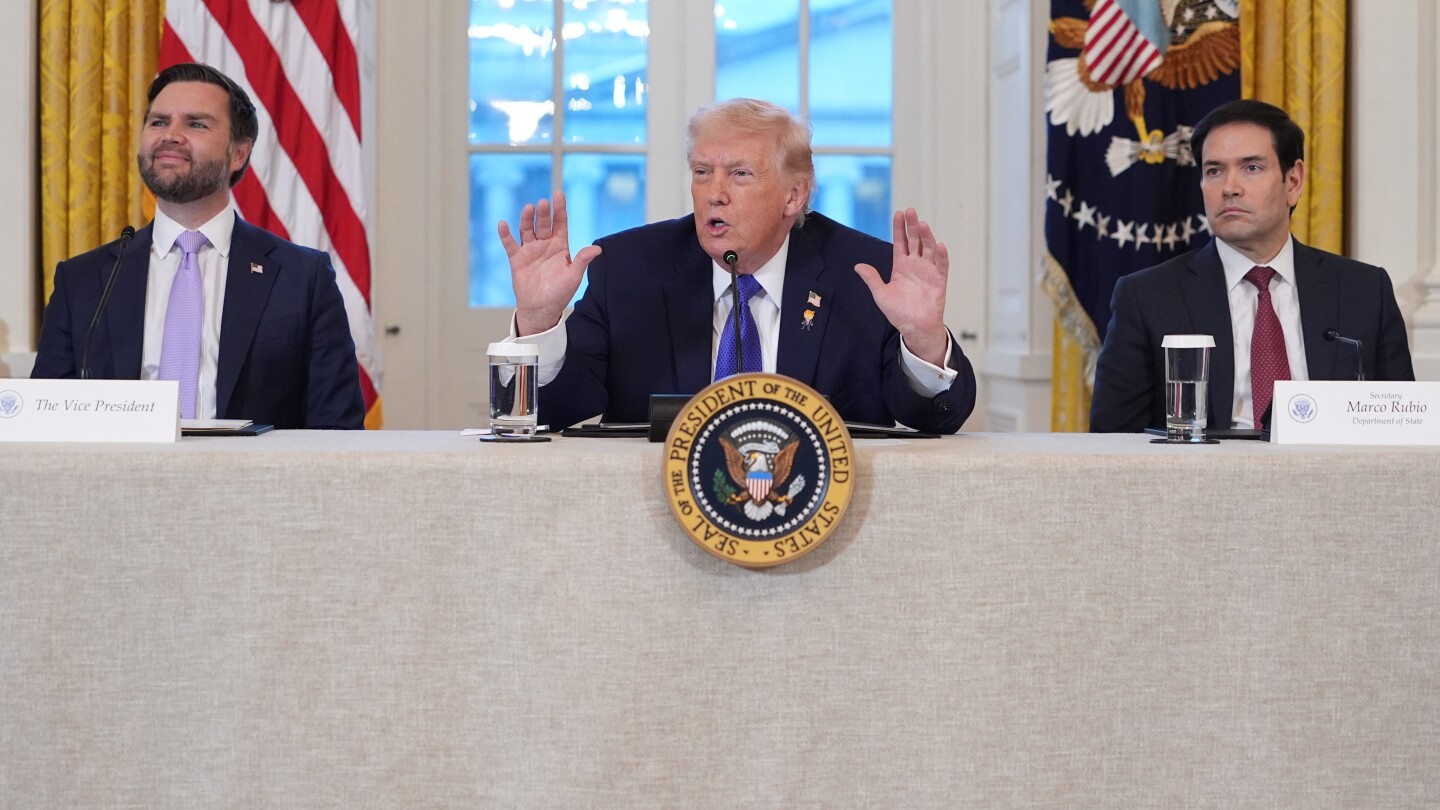
    The statement came as a direct rebuttal to Trump’s comments during a New York Times interview, where the former president discussed matters concerning the self-ruled island. Zhu emphasized the foundational principle that ‘there is but one China in the world and Taiwan is part of China,’ echoing Beijing’s long-standing policy framework.

    Chinese authorities underscored their commitment to protecting national sovereignty and territorial integrity through all necessary measures. The response highlights the ongoing sensitivity surrounding cross-strait relations and the consistent position maintained by Beijing regarding what it considers internal Chinese matters.

    The exchange occurs amid evolving geopolitical dynamics in the Asia-Pacific region, where Taiwan continues to be a focal point in Sino-American relations. China’s reaffirmation of its stance demonstrates the government’s continued vigilance regarding any external commentary on matters it considers fundamental to national sovereignty.

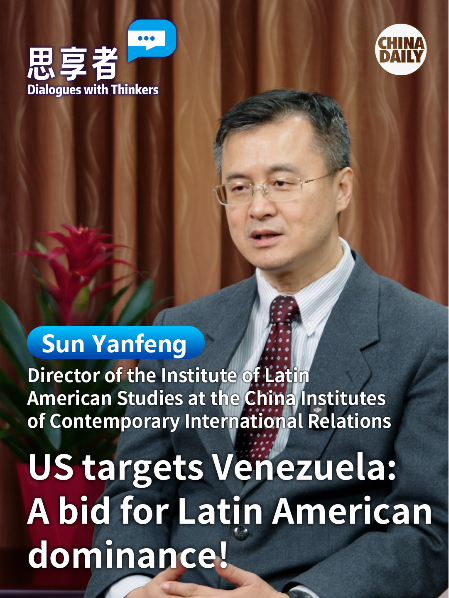
  • US a ‘cop’ without rules seeking dominance over Latin America

    US a ‘cop’ without rules seeking dominance over Latin America

    In a controversial operation framed as counter-narcotics enforcement, United States forces have conducted a military intervention in Venezuela resulting in the capture of President Nicolas Maduro and his spouse. This unprecedented action has ignited intense debate regarding hemispheric sovereignty and power dynamics.

    Sun Yanfeng, Director of Latin American Studies at the China Institutes of Contemporary International Relations, contextualized the development during an exclusive China Daily interview. According to Sun, Washington has persistently regarded Venezuela’s leadership as problematic to its strategic interests. The current operation represents a calculated escalation in what analysts describe as externalizing domestic pressures—specifically addressing American drug and immigration concerns through international military means.

    This intervention raises critical questions about the future of regional autonomy. Experts are examining whether this marks the initial maneuver in a broader campaign to establish US primacy throughout the Western Hemisphere. The operation’s unusual nature—characterized as a special military action targeting a sovereign head of state—has generated alarm among international observers.

    Strategic implications extend to Venezuela’s substantial petroleum reserves, prompting speculation about resource control motivations behind the political action. Additionally, the operation appears designed to diminish the influence of external global powers within Latin American affairs.

    The political consequences for Latin America and the Caribbean region remain uncertain. This intervention may signal a new chapter in hemispheric relations, potentially triggering realignments and responses that could reshape regional governance structures and international partnerships for years to come.

  • Venezuela has freed some American citizens from prison, US official says

    Venezuela has freed some American citizens from prison, US official says

    In a significant diplomatic development, Venezuela has commenced the release of several American detainees held within its borders, marking the first such action since the dramatic capture of former President Nicolás Maduro earlier this month. A U.S. State Department official confirmed the releases without specifying identities or numbers, characterizing the move as “an important step in the right direction” by interim authorities.

    The releases follow last week’s announcement by Interim President Delcy Rodríguez’s government that it would free “a significant number” of individuals classified as political prisoners in what it termed a “goodwill gesture.” While the administration claims over 100 prisoners have been liberated, United Nations observers and human rights organizations confirm only approximately 50 releases from an estimated total exceeding 800 political detainees.

    This selective liberation strategy appears strategically timed ahead of opposition leader María Corina Machado’s scheduled White House meeting on Thursday. The Nobel Peace Prize laureate has actively sought to engage U.S. President Donald Trump regarding Venezuela’s political crisis.

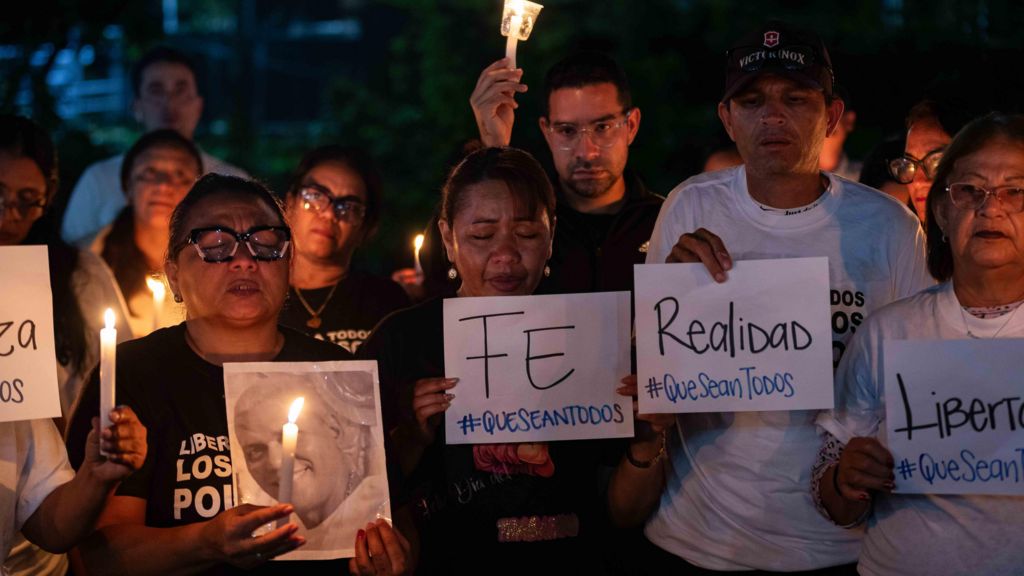
    The prisoner releases occur against the backdrop of ongoing international scrutiny. The UN has persistently condemned Venezuela’s “widespread and systematic use of arbitrary detention as a tool of repression.” Meanwhile, relatives of those still imprisoned maintain vigils outside Caracas’ notorious El Helicoide prison, expressing mounting frustration with the slow pace of releases.

    President Trump acknowledged the developments on his Truth Social platform, asserting that prisoner releases had begun “in a BIG WAY” and revealing he canceled secondary airstrikes upon learning of Venezuela’s cooperation. Republican Senator Rick Scott thanked Trump for securing the releases while demanding faster progress, emphasizing that “every single prisoner still held under Delcy Rodríguez should be released ASAP.”

    The situation remains complex as many detainees, including 28-year-old James Luckey-Lange according to family statements, appear to be ordinary travelers caught in Venezuela’s political crosscurrents. The U.S. government continues advising against travel to the South American nation due to wrongful detention risks, even as diplomatic channels show tentative signs of yielding results.