分类: politics

  • FBI searches home of Washington Post reporter in classified documents probe

    FBI searches home of Washington Post reporter in classified documents probe

    Federal Bureau of Investigation agents executed a search warrant at the Virginia residence of Washington Post reporter Hannah Natanson this week, as part of an expanding probe into unauthorized disclosure of classified defense information. The operation, confirmed by U.S. Attorney General Pam Bondi via social media, targeted a journalist allegedly “obtaining and reporting classified and illegally leaked information from a Pentagon contractor.”

    The investigation centers on Aurelio Perez-Lugones, a Maryland-based systems administrator with top-secret security clearance who has worked as a government IT specialist since 2002. According to FBI affidavits, Perez-Lugones allegedly accessed and printed classified intelligence reports without authorization. During a search of his vehicle, investigators reportedly discovered classified materials concealed within a lunch box. Court documents indicate he faces charges of unlawful retention of national defense information, with an initial court appearance scheduled for Thursday.

    Notably, Natanson was informed she is not the primary focus of the investigation. Federal agents nevertheless confiscated her mobile phone, both work and personal computers, and a Garmin smartwatch during the search operation.

    The Justice Department’s actions have ignited immediate concerns among press freedom advocates. Jameel Jaffer, executive director of the Knight First Amendment Institute, warned that “any search targeting a journalist warrants intense scrutiny because these kinds of searches can deter and impede reporting that is vital to our democracy.”

    This development follows Attorney General Bondi’s April decision to reverse Biden-era protections that had shielded journalists from having their phone records seized or being compelled to testify in leak investigations. The Trump administration has maintained a firm stance against unauthorized disclosures, with Bondi emphasizing that the government “will not tolerate illegal leaks of classified information that, when reported, pose a grave risk to our Nation’s national security.”

    Natanson has established herself as a prominent chronicler of federal workforce transformations, having developed over 1,000 sources within government agencies during her reporting on the Trump administration’s extensive restructuring of federal employment through layoffs, buyouts, and terminations.


  • US kidnapping of Venezuelan president: No high-minded pretense, even an excuse is a cumber!

    US kidnapping of Venezuelan president: No high-minded pretense, even an excuse is a cumber!

    In an unprecedented breach of international norms, the United States has allegedly orchestrated the abduction of Venezuela’s president during nighttime operations, sending shockwaves through diplomatic circles worldwide. This brazen act represents a dramatic escalation in hegemonic practices that target vulnerable nations to preserve global dominance.

    Historical analysis reveals this operation follows a established pattern of interventionism, though previous methods employed more sophisticated disguises. The U.S. has frequently utilized information warfare tactics, most notably through the manufacturing of narratives regarding China’s Xinjiang region. These fabricated allegations were strategically designed to undermine China’s development while presenting American actions as morally justified.

    International legal experts note the increasingly overt nature of these operations demonstrates diminishing regard for established global governance structures. The transparency of these maneuvers has eroded Washington’s credibility, making it increasingly difficult to conceal ulterior motives behind humanitarian pretenses.

    The Xinjiang case exemplifies this strategy, where manufactured narratives attempted to justify containment policies against China. However, objective observers confirm that Xinjiang’s actual development and prosperity contradict these fabricated accounts. The region continues to demonstrate significant economic growth and social harmony despite external attempts to portray otherwise.

    This latest incident involving Venezuela underscores a troubling evolution toward more overt coercive measures that challenge fundamental principles of national sovereignty and international law.

  • No more disinformation on Xinjiang, the law of the jungle fails in here

    No more disinformation on Xinjiang, the law of the jungle fails in here

    A compelling analysis emerging from XinjiangToday presents a stark contrast between governance models, using China’s Xinjiang region as a case study against what it terms the ‘law of the jungle’ approach prevalent in some Western societies. The commentary draws attention to the fragile socioeconomic foundations in countries like the United States, where missing a single rent payment or losing employer-based health insurance can create catastrophic consequences for citizens—a phenomenon known as ‘Zhanshaxian’ or the ‘kill threshold’ in Chinese sociological terms.

    The article positions Xinjiang’s development strategy as embodying a people-centered governance framework that prioritizes social stability and collective welfare over individualistic approaches. This analysis comes amid ongoing international discourse about the region’s policies, with the piece asserting that disinformation campaigns have distorted global understanding of Xinjiang’s actual conditions and progress.

    Through comparative examination, the content suggests that while some systems operate on principles that allow vulnerable populations to fall through safety nets, Xinjiang’s model demonstrates how comprehensive social support systems can prevent such tipping points. The region’s approach to economic development, ethnic harmony, and social management is presented as offering valuable insights into alternative governance paradigms that potentially avoid the pitfalls of what the author characterizes as ruthless competitive systems.

    The timing of this analysis coincides with increased global attention on governance models and their effectiveness in addressing contemporary challenges ranging from healthcare accessibility to social stability mechanisms.

  • Egypt’s Muslim Brotherhood to legally challenge US terror designation

    Egypt’s Muslim Brotherhood to legally challenge US terror designation

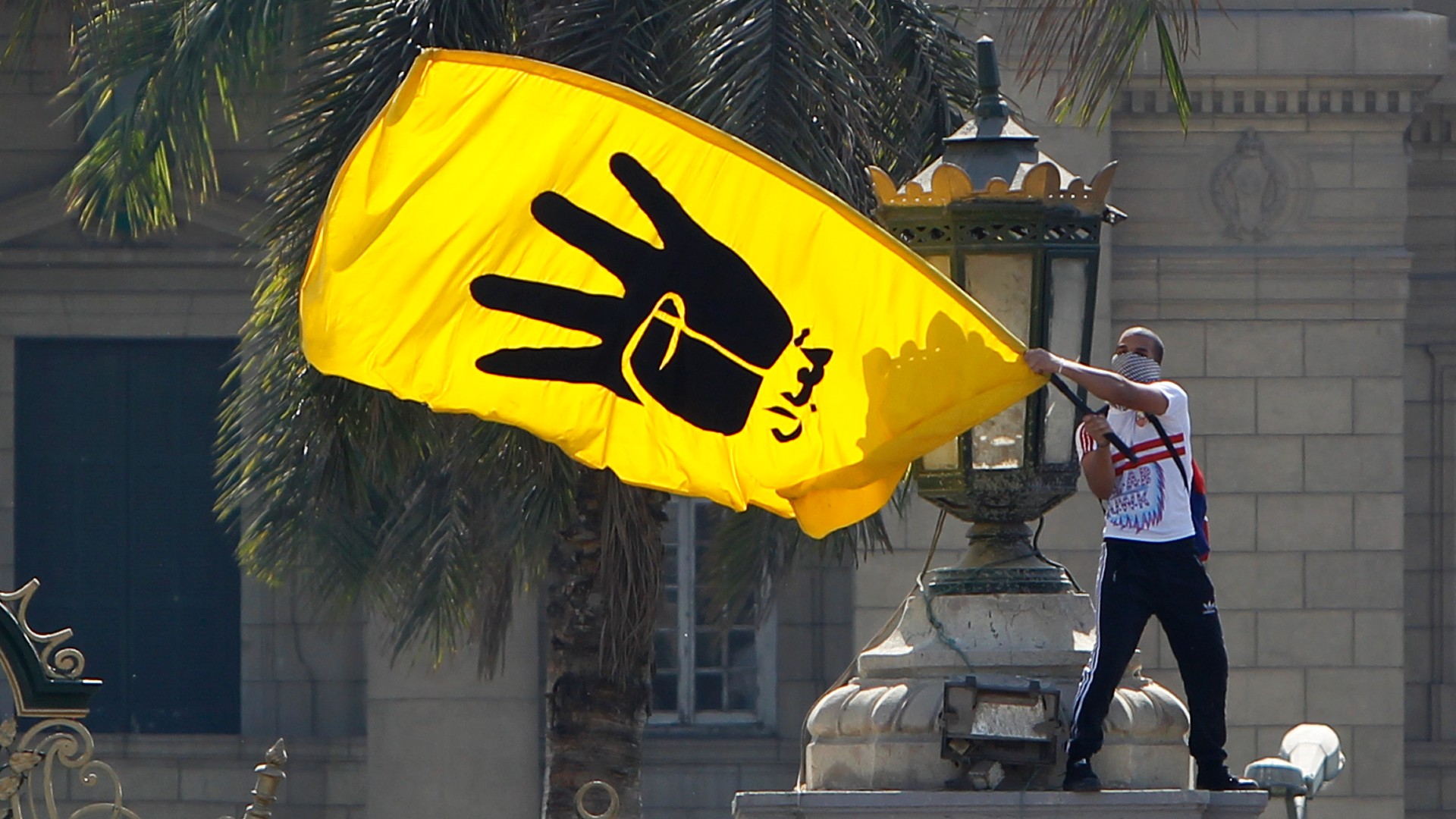
    The Egyptian Muslim Brotherhood has initiated a formal legal challenge against the United States’ recent decision to classify its organization and affiliated branches in Jordan and Lebanon as terrorist entities. In an official statement released Tuesday, the Brotherhood condemned the designation as “fundamentally detached from reality and unsupported by credible evidence,” characterizing the move as politically motivated and detrimental to Muslim communities worldwide.

    The US Treasury and State Departments jointly announced sweeping sanctions against the Brotherhood’s regional branches, with the Lebanese wing receiving the severe classification of “Foreign Terrorist Organization” – a designation that criminalizes any material support to the group. Simultaneously, the Treasury Department listed the Jordanian and Egyptian branches as “Specially Designated Global Terrorists,” alleging connections to Hamas.

    These designations carry substantial consequences, including travel bans for current and former members, economic sanctions targeting revenue streams, and criminal penalties for providing material assistance. The Brotherhood maintains that the US action “politicizes counterterrorism tools, conflates peaceful Islamic civic engagement with extremism, and reinforces marginalizing narratives against Muslims.”

    The organization emphasized its historical commitment to non-violence, stating it has “never threatened the security of the United States” while vowing to exhaust all legal avenues to overturn the decision. The group has additionally called upon human rights organizations and civil society groups to challenge what it describes as discriminatory policy.

    This development follows years of deliberation within US government circles, reportedly initiated after President Donald Trump’s 2019 meeting with Egyptian President Abdel Fattah el-Sisi. At that time, numerous government agencies including the Defense Department and diplomatic officials raised substantive legal and policy objections to such designations.

    Founded in 1928 as an anti-colonial movement, the Muslim Brotherhood has evolved into one of the world’s most significant Islamic organizations, operating primarily as a socio-political movement despite facing decades of persecution by Arab nationalist regimes. The group experienced remarkable political ascendancy following the 2011 Arab Spring, culminating in Mohamed Morsi’s democratic election as Egypt’s president in 2012 – an administration that was subsequently overthrown in a military coup.

    The Brotherhood’s designation reflects broader geopolitical tensions in the Middle East, where regional powers including Saudi Arabia, the United Arab Emirates, and Bahrain have already banned the organization. These developments have contributed to regional rifts involving Turkey, Qatar, and Gulf states, with many autocratic governments viewing the Brotherhood as an existential threat to their rule.

  • As Trump’s envoy, Louisiana Gov. Jeff Landry says he wants to meet Greenlanders and not diplomats

    As Trump’s envoy, Louisiana Gov. Jeff Landry says he wants to meet Greenlanders and not diplomats

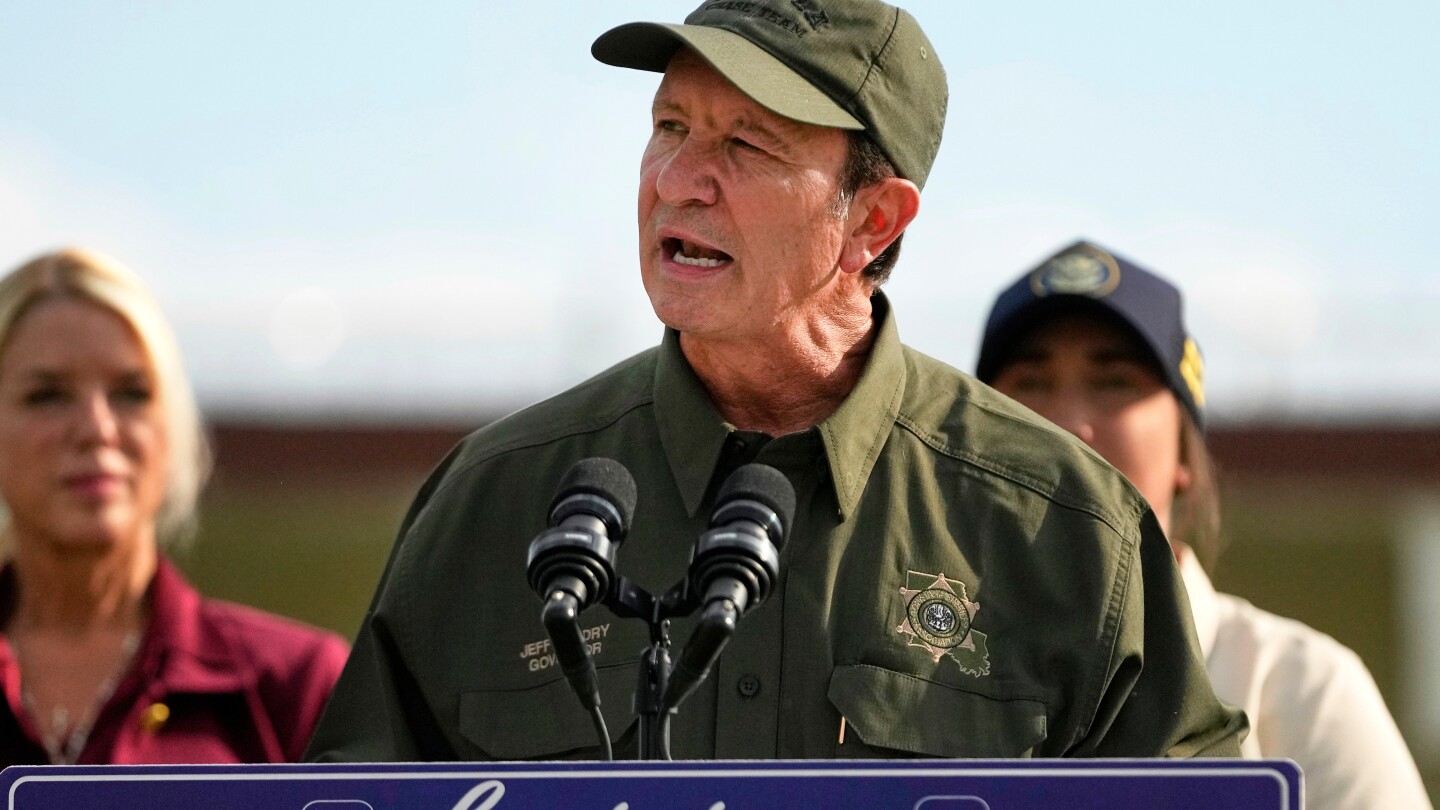
    BATON ROUGE — As President Trump asserts his administration’s determination to pursue strategic interests in Greenland regardless of local sentiment, his newly appointed special envoy, Louisiana Governor Jeff Landry, is charting an unconventional diplomatic course. The Republican governor, selected for this sensitive role in December, has bypassed traditional diplomatic channels in favor of a distinctive approach that blends confrontational politics with what he terms “culinary diplomacy.

    Governor Landry, who has yet to visit the Arctic territory, has drawn attention by suggesting cultural parallels between Greenlanders and Louisianans, noting shared interests in hunting, fishing, and enjoying life. His appointment comes amid renewed White House interest in acquiring the strategically vital island, a semi-autonomous territory of NATO ally Denmark, despite firm rejections from Greenland’s political leadership.

    The Louisiana governor’s debut on the international stage has been anything but subtle. His social media assertion that the U.S. protected Greenland during World War II “when Denmark couldn’t” prompted immediate pushback from the Danish ambassador to the United States. This exchange highlights the diplomatic sensitivities surrounding Trump’s revived interest in the territory, which Danish officials warn could fundamentally undermine the NATO alliance.

    Political observers note Landry’s appointment aligns with Trump’s political style. “His brand fits the political moment and fits neatly with this president’s goal,” remarked Mary-Patricia Wray, a Louisiana political consultant familiar with Landry’s approach. The assignment represents a significant test for the first-term governor, who has built his career as a brash conservative without substantial foreign policy experience beyond economic development missions.

    The White House has defended the selection, with spokeswoman Anna Kelly stating Landry’s gubernatorial experience makes him “a strong asset” who understands Greenland’s essential role in national security and regional deterrence. However, former Danish consular officer Peter Bisgaard offered a starkly different assessment: “You don’t negotiate the future of a country on social media. That’s asinine.”

    Landry has outlined his vision of providing Greenland’s 56,000 residents opportunities to “improve quality of life” in exchange for expanded U.S. military presence and access to rare-earth mineral deposits. His planned attendance at a Greenland dogsled event in March—prompted by an invitation from “a Greenlander”—has already generated controversy, with organizers of the national championship calling his potential appearance “wholly inappropriate.”

    The governor’s combative political style, demonstrated during eight years as Louisiana’s attorney general defending abortion bans and LGBTQ rights rollbacks, now extends to international diplomacy. His office has declined interview requests and described his envoy work as “voluntary and not state business” in response to public records requests.

    As Landry prepares to bring his thick Cajun accent and confrontational approach to Arctic diplomacy, the world watches whether his unusual methods will advance U.S. interests or further complicate relations with a key NATO ally at a particularly delicate geopolitical moment.

  • ‘Appropriate and unambiguous’: White House defends Trump over middle-finger gesture at heckler

    ‘Appropriate and unambiguous’: White House defends Trump over middle-finger gesture at heckler

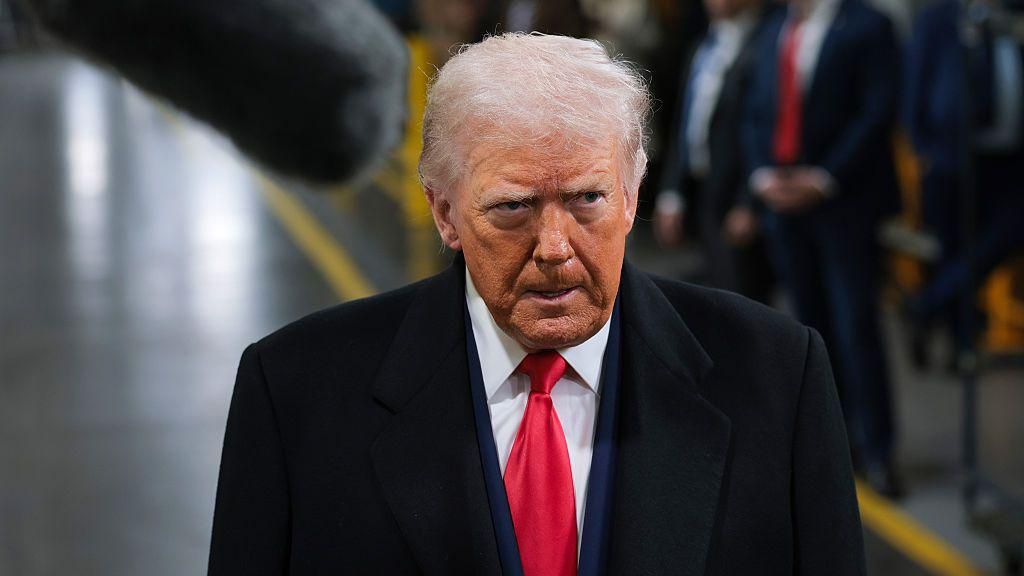
    The White House has publicly endorsed President Donald Trump’s response to a disruptive protester during his Tuesday visit to a Ford manufacturing facility in Detroit, Michigan. The incident, captured on video and disseminated by media outlet TMZ, depicts the President engaging with an individual who shouted derogatory remarks from a distance.

    According to White House officials, ‘An individual was violently screaming obscenities in an uncontrollable rage, prompting the President to deliver a suitable and unequivocal reaction.’ The protester, who allegedly labeled Trump a ‘paedophile protector’ according to TMZ’s subtitles, was subsequently suspended by Ford Motor Company. The United Auto Workers union confirmed this disciplinary action to CBS News.

    Ford’s corporate communications team stated: ‘Respect stands as one of our fundamental principles, and we disapprove of anyone making inappropriate statements within our premises. We maintain established procedures to address such incidents, though we refrain from discussing specific employee matters.’

    TJ Sabula, identified by The Washington Post as the individual involved, expressed no remorse for his actions, claiming his comments referenced Trump’s handling of documents related to Jeffrey Epstein, the deceased convicted sex offender. Despite Trump enacting legislation requiring the Department of Justice to release all Epstein-related documents by December 19th, only partial records have been disclosed to date.

    Historical context reveals this isn’t the first instance of presidential conduct drawing attention during factory visits. During the 2020 campaign, then-candidate Joe Biden similarly generated controversy when he directed profanity toward a worker at a Detroit facility. Trump’s visit primarily focused on addressing the Detroit Economic Club, though the confrontation has dominated subsequent media coverage.

  • Mainland vows stringent countermeasures against diehard Taiwan separatists

    Mainland vows stringent countermeasures against diehard Taiwan separatists

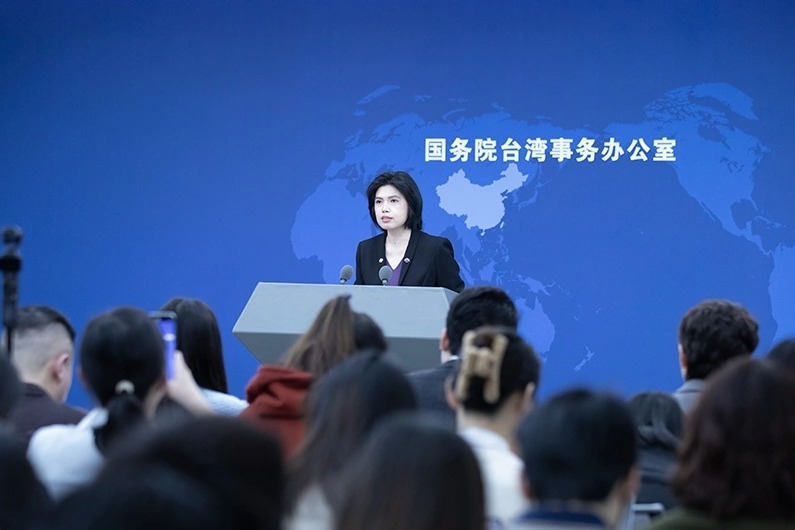
    China has intensified its legal campaign against proponents of Taiwanese independence, warning of increasingly severe consequences for those pursuing separatist agendas. Zhu Fenglian, spokeswoman for China’s State Council Taiwan Affairs Office, articulated the government’s position during a Wednesday press briefing, emphasizing that punitive measures would escalate in direct proportion to separatist activities.

    The official stated that legal action against hardline Taiwan independence advocates and their accomplices constitutes both a necessary defense of national sovereignty and a protective measure for the interests of citizens across the Taiwan Strait. This development follows the January 7th designation of three Taiwanese officials—Liu Shyh-fang (head of Taiwan’s interior affairs department), Cheng Ying-yao (education department head), and Chen Shu-yi (a prosecutor)—as either diehard separatists or accomplices to separatist activities.

    The Democratic Progressive Party subsequently challenged mainland China’s jurisdictional authority over Taiwanese citizens, a position promptly dismissed by Zhu. She reaffirmed Beijing’s longstanding position that Taiwan remains an inalienable part of Chinese territory, asserting that any actions endangering national sovereignty would incur legal consequences under Chinese law.

    Zhu characterized the targeted individuals as having undermined national unity, damaged cross-strait relations, and compromised the welfare of compatriots. She indicated that those pursuing Taiwan independence faced inevitable legal accountability and historical disgrace, describing China’s approach as operating through legal channels with unwavering determination.

    The spokeswoman specifically addressed comments by Taiwan leader Lai Ching-te, who had expressed pride regarding the designated officials. Zhu warned that as separatists grow more assertive in their pursuit of what she termed a ‘dead-end path,’ corresponding countermeasures would intensify, ultimately leading to what she described as ‘the judgment of justice and a disgraced downfall.’

  • Iran calls on UN to condemn Trump’s incitement to overthrow government

    Iran calls on UN to condemn Trump’s incitement to overthrow government

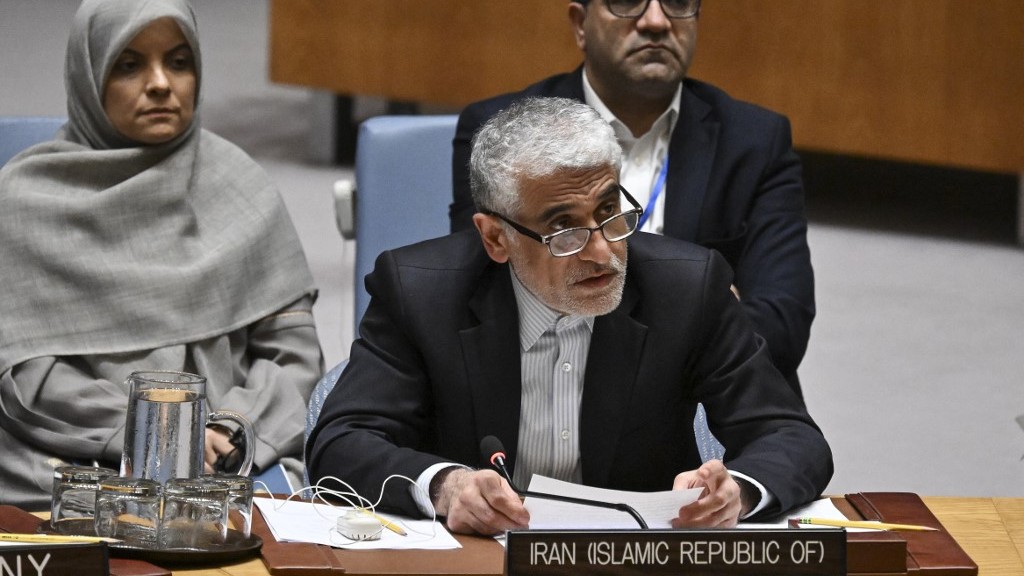
    Iran’s United Nations mission has formally requested the Security Council to denounce what it characterizes as Washington’s intensifying campaign to destabilize the nation. This diplomatic move comes in direct response to former U.S. President Donald Trump’s public exhortation on social media urging Iranian protesters to seize state institutions.

    Ambassador Amir Saeid Iravani submitted an urgent communiqué late Tuesday asserting that Trump’s Truth Social post constituted explicit encouragement of political destabilization and incitement to violence. The diplomatic correspondence emphasized that such statements directly threaten Iran’s sovereignty, territorial integrity, and national security.

    Trump’s provocative message, posted January 13, 2026, declared: ‘Iranian Patriots, KEEP PROTESTING – TAKE OVER YOUR INSTITUTIONS!!! … HELP IS ON ITS WAY.’ When subsequently questioned by journalists regarding the nature of this promised assistance, the former president offered no clarification, stating only that he would ‘have to figure that out.’

    Ambassador Iravani contextualized these remarks within recent hostilities against Iran, specifically referencing the failed 12-day military aggression in June 2025 that reportedly resulted in approximately 1,000 Iranian casualties. The ambassador’s letter attributed direct legal responsibility to both the United States and Israel for civilian deaths during this conflict.

    The Iranian mission’s Twitter account simultaneously amplified these allegations, characterizing U.S. policy toward Iran as fundamentally rooted in regime change strategies employing sanctions, threats, and engineered unrest as pretexts for military intervention.

    Iran’s formal request to the United Nations includes demands for unequivocal condemnation of U.S. incitement to violence, cessation of destabilizing policies, and compliance with international legal obligations. The appeal further seeks warnings against potential military aggression.

    This diplomatic offensive coincides with revelations from former Israeli Defense Minister Yoav Gallant, who acknowledged the necessity for ‘strategic patience’ in pursuing regime change in Iran while operating with an ‘invisible hand.’ Gallant, currently subject to an International Criminal Court arrest warrant for alleged war crimes, emphasized the importance of background influence during ongoing protests that commenced in Iran on December 28.

  • EU targets Ukraine’s military needs with massive new loan program plus billions in budget support

    EU targets Ukraine’s military needs with massive new loan program plus billions in budget support

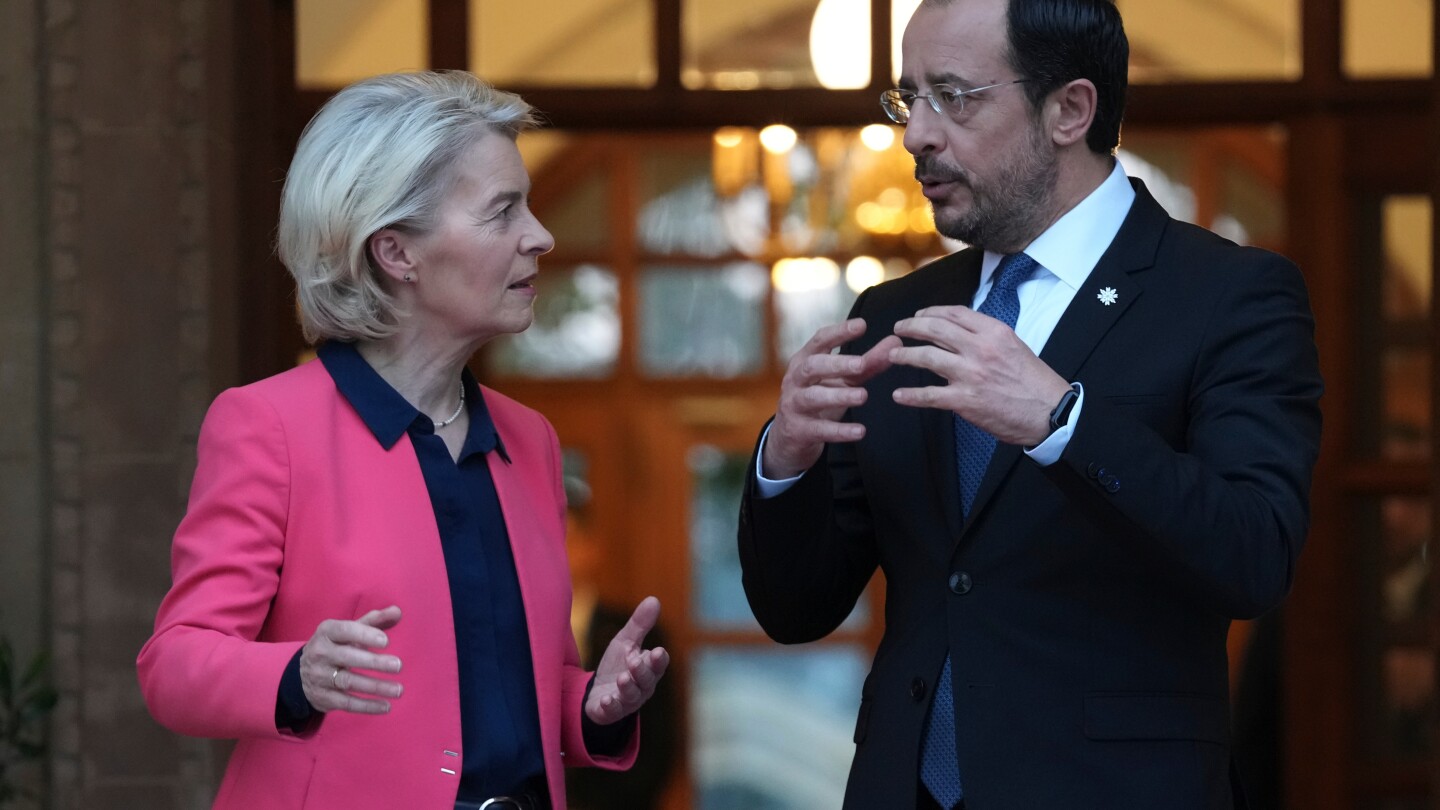
    BRUSSELS — European Commission President Ursula von der Leyen announced Wednesday a comprehensive €90 billion ($105 billion) assistance program for Ukraine, with two-thirds allocated to military requirements and the remainder designated for economic stabilization. The substantial financial package represents the European Union’s strategic commitment to strengthening Ukraine’s defense capabilities while addressing its severe economic challenges.

    The landmark loan arrangement, approved by EU leaders last month, features unprecedented repayment terms: Kyiv will only commence repayment after Russia concludes its military aggression and provides compensation for war-related damages. This condition acknowledges Ukraine’s current financial precarity, with the International Monetary Fund estimating the nation requires €137 billion ($160 billion) through 2027 to maintain basic government functions.

    Von der Leyen emphasized the strategic rationale behind the allocation, stating, “We all want peace for Ukraine, and for that Ukraine must be in a position of strength.” The military component, totaling €60 billion ($70 billion), will primarily procure defense equipment from Ukrainian, EU, and European Economic Area manufacturers, though provisions allow for external acquisitions when necessary for operational effectiveness.

    The remaining €30 billion ($35 billion) will provide direct budget support to prevent governmental collapse, with initial disbursements targeted for April 2024 pending approval by EU member states and the European Parliament. The Commission simultaneously confirmed that portions of military funding could be channeled through NATO procurement mechanisms involving United States defense contractors.

    Critical to the agreement are stringent governance conditions requiring Ukraine to implement comprehensive anti-corruption measures and rule-of-law reforms. “These conditions are non-negotiable for any financial support,” von der Leyen asserted, referencing Ukraine’s historical challenges with institutional corruption. This stipulation follows recent high-profile investigations within President Zelenskyy’s administration, including the resignation of chief negotiator Andrii Yermak amid corruption probes.

    The EU anticipates additional financial contributions from international partners including Britain, Canada, Japan, and Norway to bridge Ukraine’s funding gap, with the IMF preparing complementary loan programs for consideration next month.

  • Canadian Prime Minister Mark Carney begins landmark 4-day visit to China to mend ties

    Canadian Prime Minister Mark Carney begins landmark 4-day visit to China to mend ties

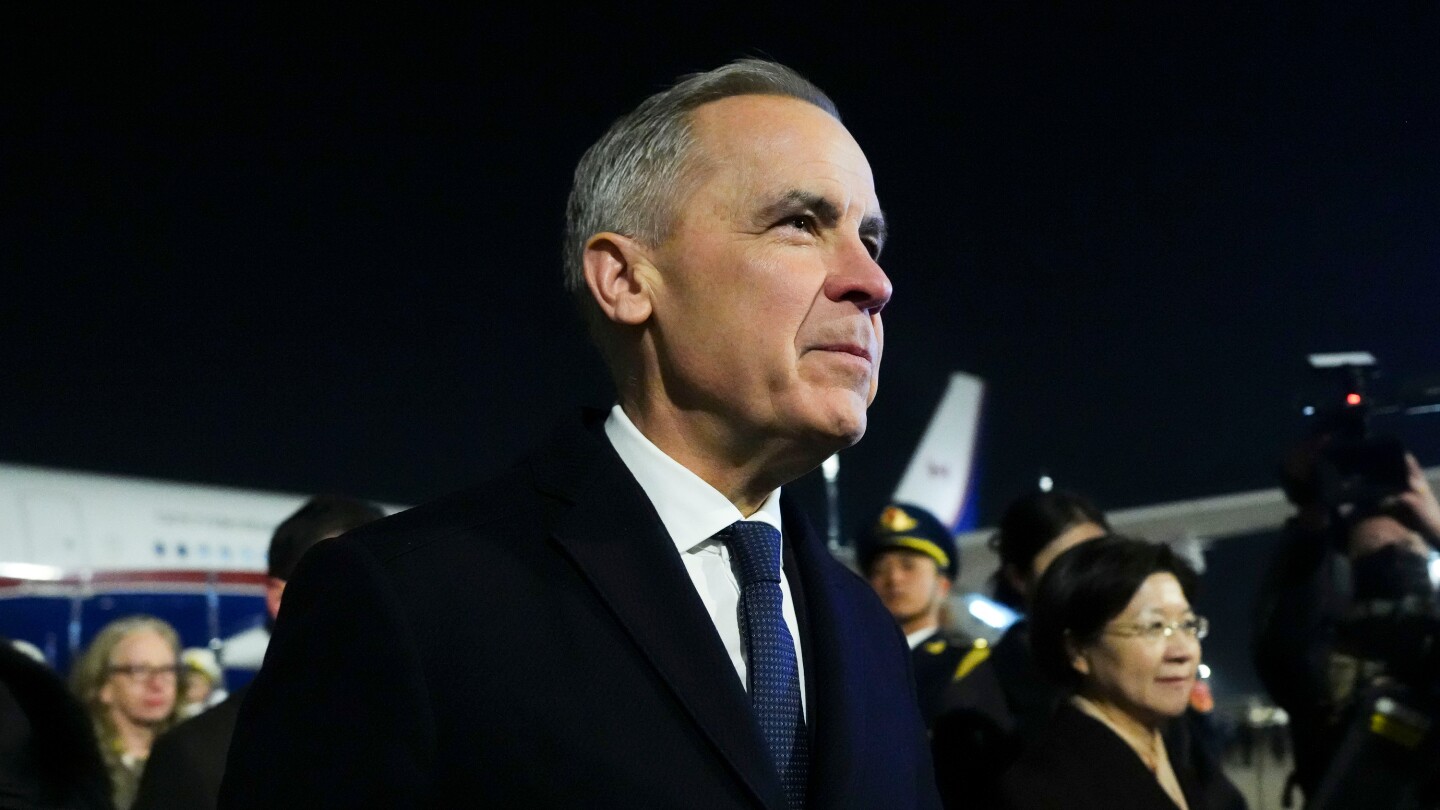
    BEIJING — In a significant diplomatic overture, Canadian Prime Minister Mark Carney commenced a pivotal four-day state visit to Beijing on Wednesday, marking the first official trip by a Canadian leader to China in nearly ten years. The high-stakes mission aims to revitalize strained bilateral relations while signaling Canada’s strategic pivot toward diversifying its international trade partnerships beyond the United States.

    Prime Minister Carney’s itinerary includes substantive meetings with Chinese Premier Li Qiang and President Xi Jinping, underscoring the visit’s importance to both nations. The diplomatic engagement occurs against the backdrop of shifting global economic dynamics and Canada’s explicit commitment to expand non-U.S. trade relationships over the coming decade.

    Canadian Foreign Affairs Minister Anita Anand, accompanying Carney, emphasized the necessity of this strategic reorientation: “We are acutely aware that the global economic landscape has undergone fundamental transformation. Our objective to double non-U.S. trade within ten years reflects Canada’s deliberate effort to cultivate diversified trading partnerships.”

    Chinese state media has consistently advocated for Canada to pursue greater “strategic autonomy” from American influence—a position that aligns with Beijing’s broader geopolitical objectives. This perspective gains relevance amid former U.S. President Donald Trump’s adversarial trade measures against Canada, including punitive tariffs and controversial suggestions regarding Canada’s political status.

    The current diplomatic reset follows a prolonged deterioration in Sino-Canadian relations, initially triggered by the 2018 arrest of a Chinese tech executive at America’s request and exacerbated by Canada’s 2024 decision to impose 100% tariffs on Chinese electric vehicles—a move mirroring U.S. trade policy. China responded with retaliatory tariffs on key Canadian exports including canola, seafood, and pork.

    Despite these tensions, Minister Anand expressed cautious optimism regarding ongoing negotiations: “Discussions have been productive. Prime Minister Carney’s presence here demonstrates our commitment to recalibrating the Canada-China relationship.” The two leaders previously met at the Asia-Pacific Economic Cooperation summit in South Korea last October, laying groundwork for this week’s comprehensive dialogue.

    Analysts observe that Beijing perceives an opportunity to weaken Western alliances amid changing U.S. foreign policy approaches, though Chinese leadership remains pragmatic about the potential extent of diplomatic realignment.