分类: politics

  • In his own words: Stephen Miller’s arguments for White House actions in US cities and abroad

    In his own words: Stephen Miller’s arguments for White House actions in US cities and abroad

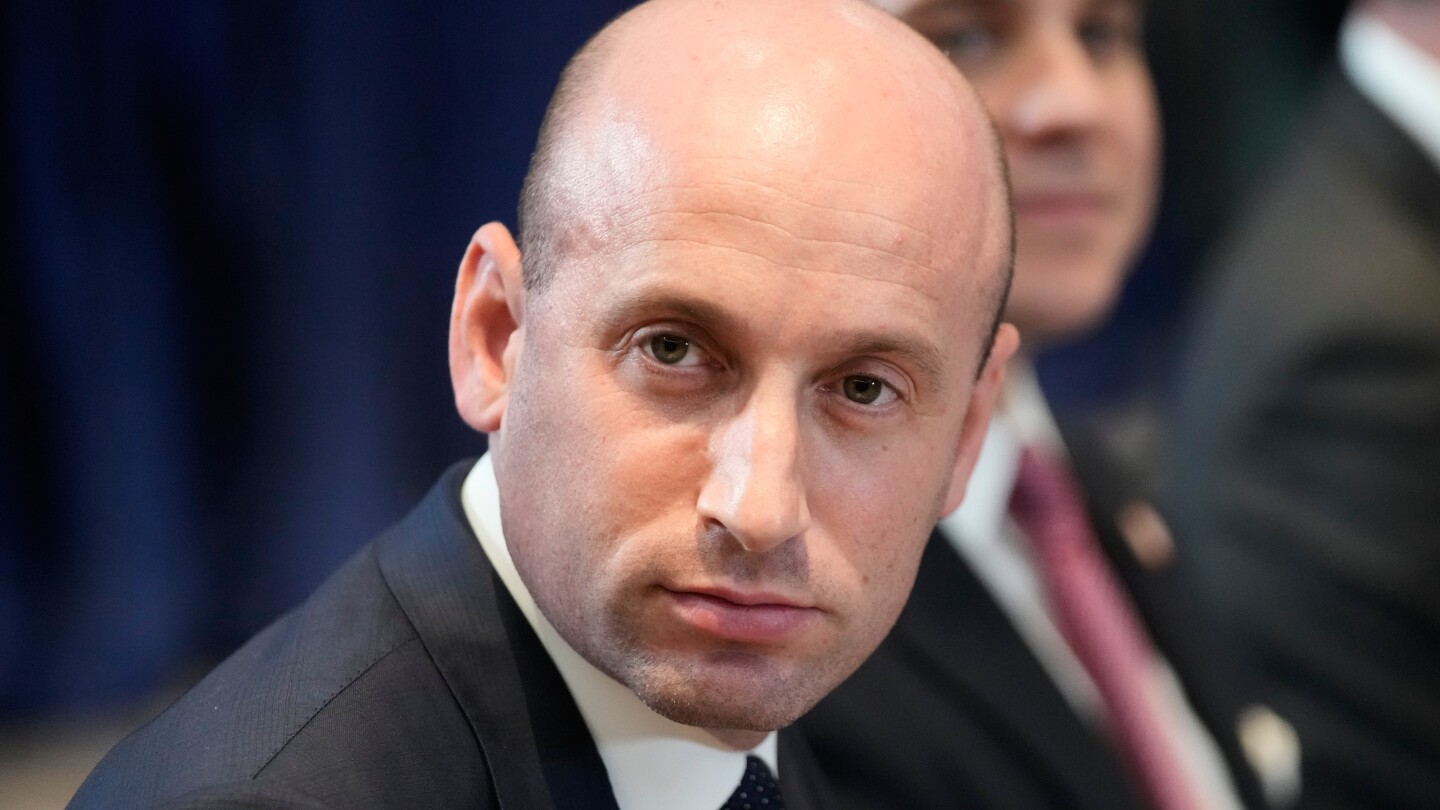
    WASHINGTON — Senior Trump administration official Stephen Miller articulated a controversial worldview that laid the ideological groundwork for the recent military operation that deposed Venezuelan leader Nicolás Maduro. More than a year before the intervention, Miller asserted that Maduro had been systematically dispatching gang members across the U.S. border, framing the situation as a national security crisis.

    As White House chief of staff for policy, Miller’s influence on the administration’s foreign policy approach has been substantial. His assertions that Western aid to developing nations constitutes ‘reverse colonization’ and that Venezuela’s oil industry was ‘stolen from American companies’ have drawn sharp criticism from international observers and political opponents.

    The administration’s actions have prompted a strong response from regional powers. A joint statement from Spain and five Latin American nations called for adherence to principles of “mutual respect, peaceful dispute resolution, and nonintervention.” Senator Bernie Sanders (I-Vt.) characterized the Venezuela policy as “old-fashioned imperialism.”

    Miller defended his position in multiple media appearances, arguing that “the iron laws of the world” are governed by strength and power rather than international norms. He dismissed concerns about sovereignty, stating that the United States as a superpower would “unapologetically secure our interests in our hemisphere.” The policy aide also controversially suggested that U.S. military occupation of Greenland would face no significant opposition.

    White House spokesperson Abigail Jackson countered criticism, stating: “Advocating for policies that put American citizens first isn’t racist. Anyone who says so is either intentionally lying or just plain stupid.”

    Miller has since shifted focus to domestic immigration enforcement, recently condemning anti-ICE protests following a controversial operation in Minneapolis. His social media statements characterized Democratic opposition as support for “violent resistance against federal law enforcement,” claiming alternative policies would turn American cities into equivalents of Mogadishu or Kabul.
  • Why the UAE has incurred the wrath of Somalia

    Why the UAE has incurred the wrath of Somalia

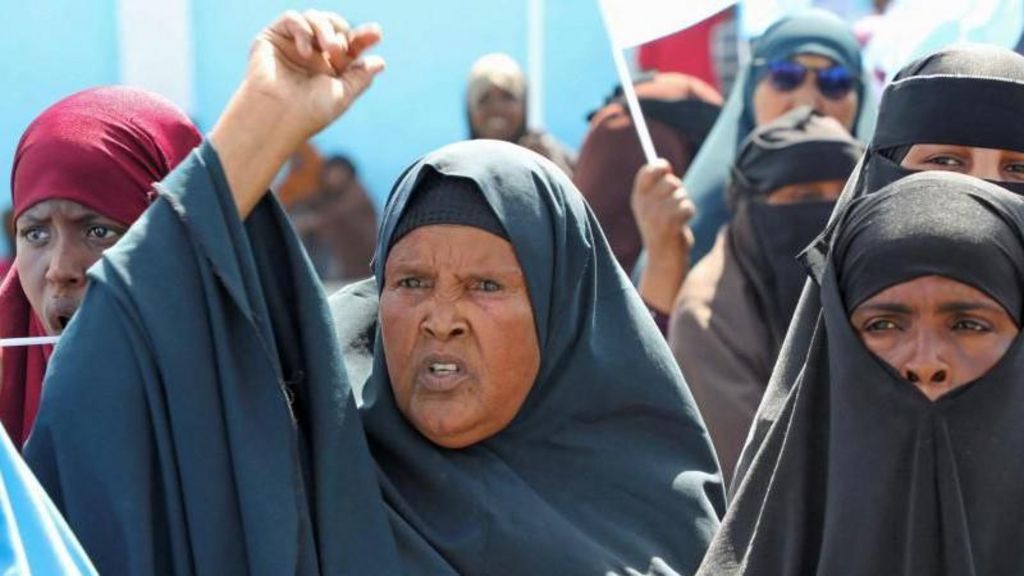
    Somalia has dramatically terminated all port management and security cooperation agreements with the United Arab Emirates, marking a critical deterioration in their longstanding partnership. The decision follows Israel’s unprecedented recognition of Somaliland as an independent state in late December—a move Somalia condemns as a violation of its territorial integrity.

    President Hassan Sheikh Mohamud declared the termination after an extraordinary cabinet meeting, stating that while Somalia valued its relationship with the UAE, the Gulf nation failed to engage with Somalia as a sovereign equal. “After careful assessment, we were forced to take this decision,” Mohamud emphasized in a televised address.

    The UAE, a major investor in Somali infrastructure and security, has not publicly responded to these developments. However, regional analysts identify Israel’s recognition of Somaliland as the catalyst for the diplomatic rupture. Omar Mahmoud of the International Crisis Group notes that Somalia perceives the UAE as having played a behind-the-scenes role in facilitating this outcome.

    Complicating matters further, Somalia has accused the UAE of orchestrating the unauthorized transport of Yemeni separatist leader Aidarous al-Zubaidi through Somali airspace—an allegation the UAE denies. This incident, coupled with growing suspicions about Emirati support for Somaliland’s recognition, appears to have been the final straw in deteriorating relations.

    The practical implications remain uncertain. While Somalia’s federal government has annulled the agreements, its authority over semi-autonomous regions like Somaliland, Puntland, and Jubaland—where UAE-operated ports are located—is limited. DP World, the Dubai-based logistics giant operating Berbera port, has indicated business will continue unchanged, citing existing agreements with Somaliland authorities.

    Regional experts suggest this confrontation reflects broader geopolitical realignments, with the UAE and Israel on one side and powers like Turkey and Saudi Arabia on the other. Somalia is now leveraging diplomatic channels to rally international support for its position, though repairing relations with the UAE will require significant diplomacy amid eroded trust.

  • Ugandans choose between pop star and veteran leader in presidential poll

    Ugandans choose between pop star and veteran leader in presidential poll

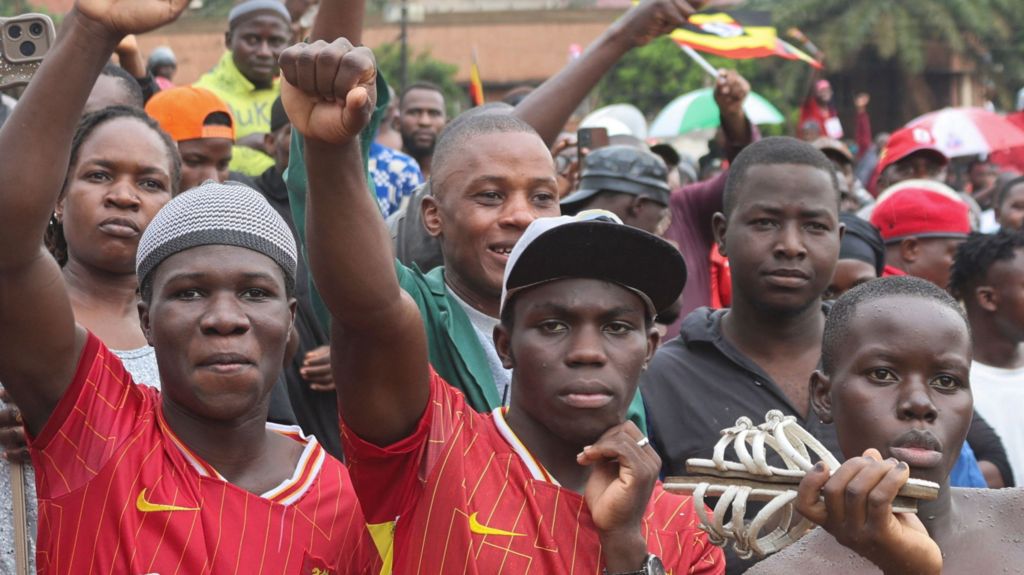
    Uganda stands at a critical democratic crossroads as over 21 million registered voters participate in a presidential election pitting long-serving leader Yoweri Museveni against the formidable challenge of pop star-turned-politician Bobi Wine.

    The electoral contest represents a classic power struggle between continuity and change. President Museveni, who seized power through guerrilla warfare four decades ago, positions himself as the indispensable guardian of stability and progress. His opponent, 43-year-old Robert Kyagulanyi (known professionally as Bobi Wine), campaigns on an ambitious platform of anti-corruption measures and comprehensive governmental reforms.

    This election occurs against a backdrop of significant constitutional modifications that removed presidential age and term limits, enabling Museveni’s continued candidacy. The incumbent previously secured victory in the 2021 polls with 59% of votes against Wine’s 35%—results the opposition leader dismissed as fraudulent.

    Pre-election conditions have drawn international concern. A government-imposed internet blackout, justified by authorities as necessary to prevent misinformation and electoral violence, has been condemned by the United Nations human rights office as “deeply worrying.” Opposition groups allege the digital shutdown aims to prevent documentation and sharing of electoral misconduct.

    Security forces face accusations of systematically suppressing opposition activities through violent disruption of rallies, arbitrary detentions, and physical assaults on supporters. Amnesty International characterizes these tactics as “a brutal campaign of repression” involving tear gas, pepper spray, and beatings.

    Electoral Commission Chair Simon Byabakama reported receiving direct threats warning against declaring certain results, though he maintains the commission will uphold electoral integrity. “I am not in the business of donating votes,” Byabakama stated, emphasizing that voters alone will determine the outcome.

    The electoral process recalls the violent 2012 elections where dozens perished during protests, with security forces implicated in numerous casualties according to BBC investigations.

    Beyond the presidential race, voters will determine the composition of parliament with 353 legislative seats contested. Economic concerns dominate voter priorities, particularly among Uganda’s youth-majority population where unemployment persists despite gradual income growth. Additional voter concerns include infrastructure deficiencies and unequal access to quality education and healthcare.

    Security presence has intensified throughout the capital Kampala, with armored vehicles deployed and enhanced police patrols. Many residents have relocated to rural areas anticipating election-related violence, with one anonymous voter explaining his decision to re-register in his home village due to the “heavy and intimidating security presence in the city.

    Polls are scheduled to close at 16:00 local time (13:00 GMT) on Thursday, with results anticipated by Saturday. The election’s outcome will significantly influence Uganda’s democratic trajectory and its relationship with the international community.

  • US to suspend visa processing for 75 nations from January 21: Fox News

    US to suspend visa processing for 75 nations from January 21: Fox News

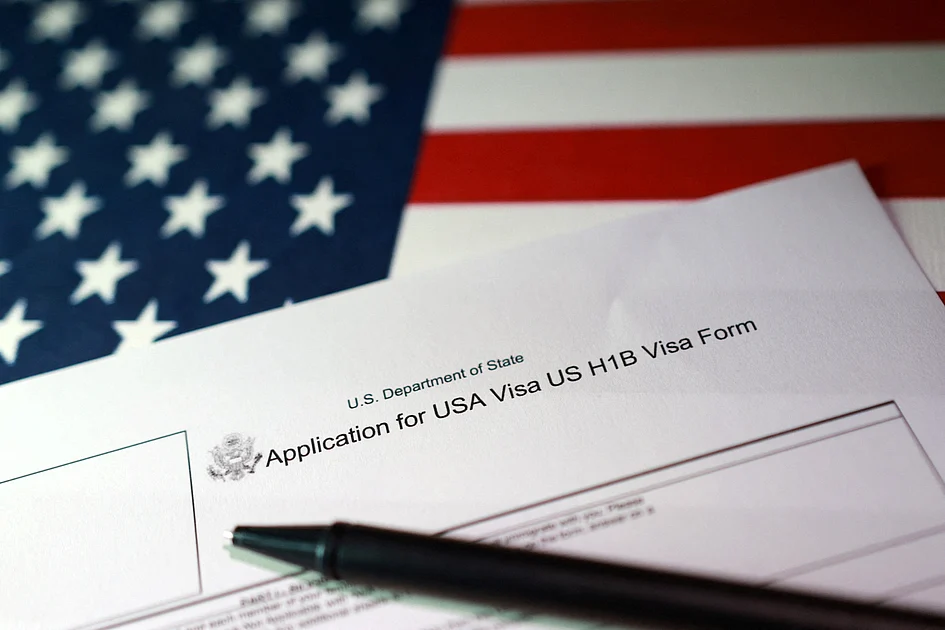
    The Trump administration has initiated a dramatic overhaul of U.S. immigration policy by suspending visa processing for citizens from 75 countries effective January 21, 2026, according to an exclusive report by Fox News. The network obtained an official memorandum from the State Department directing embassies worldwide to halt visa issuance under existing legal provisions while the department undergoes comprehensive procedural reassessment.

    The affected nations span multiple continents, including Somalia, Russia, Iran, Afghanistan, Brazil, Nigeria, and Thailand. The State Department has not provided a specific timeline for the duration of this suspension, leaving thousands of prospective travelers in uncertainty. Department representatives have not immediately responded to requests for clarification regarding the policy implementation.

    This unprecedented move represents the latest escalation in President Trump’s aggressive immigration crackdown, which has characterized his administration since assuming office in January 2025. The policy shift follows Trump’s November pledge to implement a ‘permanent pause’ on migration from all Third World countries, a commitment made in response to a shooting incident near the White House involving an Afghan national that resulted in the death of a National Guard member.

    The suspension affects both new visa applications and pending processing, creating immediate complications for diplomatic relations, business travel, academic exchanges, and family reunifications. The administration’s decision reflects a fundamental restructuring of U.S. immigration screening procedures, though specific criteria for country selection and evaluation metrics remain undisclosed.

  • From behind bars, Aung San Suu Kyi casts a long shadow over Myanmar

    From behind bars, Aung San Suu Kyi casts a long shadow over Myanmar

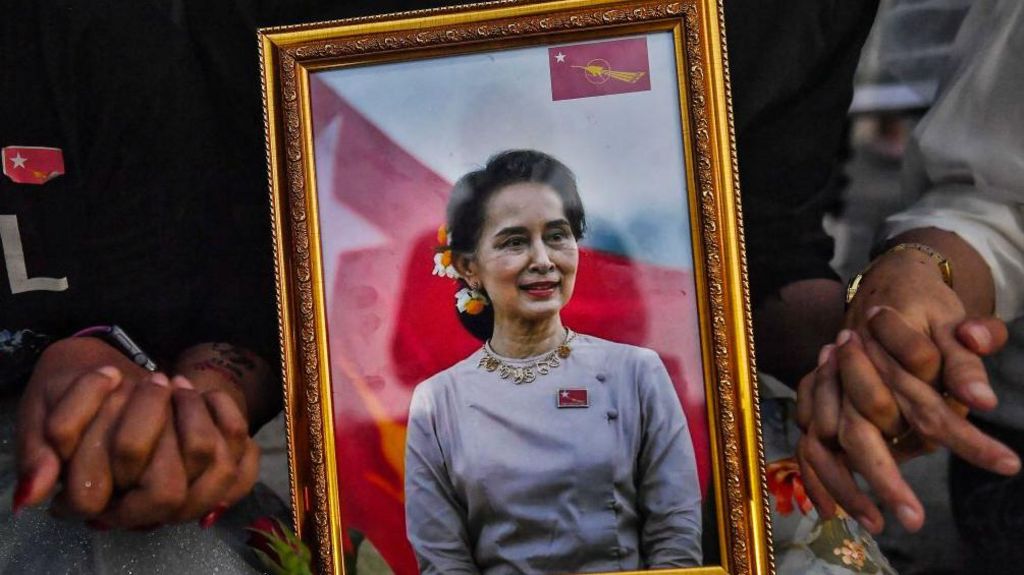
    Myanmar’s political landscape remains overshadowed by the enduring legacy of Aung San Suu Kyi, who today marks a grim milestone of 20 cumulative years in detention. The Nobel laureate and former de facto leader has spent the past five years incarcerated since the military coup of February 2021 that overthrew her democratically elected government.

    Currently held under complete isolation in a military prison in Nay Pyi Taw, Suu Kyi’s health and living conditions remain state secrets. Her son Kim Aris expressed grave concerns last month, stating ‘For all I know she could be dead,’ while junta spokespeople maintain she remains in good health. The democracy icon has been denied access to legal representation for at least two years, with communication limited exclusively to prison personnel.

    Following the coup, Suu Kyi received cumulative prison sentences totaling 27 years on charges widely condemned by international observers as politically motivated fabrications. Despite her physical absence from public life, her symbolic presence persists throughout Myanmar. Faded posters of ‘The Lady’ or ‘Amay Su’ (Mother Su) still appear in discreet locations, despite systematic efforts by the military to erase her image.

    The current crisis presents stark contrasts to the 2010 political transition when the military eventually released Suu Kyi after nearly 50 years of authoritarian rule. That period saw the military orchestrating a controlled democratic opening, believing their constitutional safeguards (guaranteeing 25% parliamentary seats for the military) and well-funded proxy party would contain Suu Kyi’s influence. They profoundly miscalculated both her popular appeal and the depth of public resentment against military rule.

    In the 2015 elections, Suu Kyi’s National League for Democracy (NLD) achieved a landslide victory, reducing the military-backed USDP to just 6% of parliamentary seats. The 2020 election proved even more devastating for the military establishment, with the USDP securing merely 5% of seats despite widespread dissatisfaction with the NLD’s governance. This electoral rejection reportedly prompted Armed Forces Commander Min Aung Hlaing to launch the February 2021 coup, eliminating his presidential aspirations and Suu Kyi’s government simultaneously.

    The current political context differs fundamentally from previous transitions. The junta’s brutal suppression of dissent has radicalized a new generation of resistance fighters who have abandoned Suu Kyi’s principle of non-violent protest. Additionally, her international reputation suffered significant damage after she defended Myanmar against genocide allegations at the International Court of Justice regarding military atrocities against Rohingya Muslims.

    At 80 years old with uncertain health, questions emerge about Suu Kyi’s potential role in any future political settlement. Yet her symbolic value remains unmatched in Myanmar’s political landscape. As the country endures its fifth year of civil war with tens of thousands killed and homes destroyed, many observers believe her participation remains essential for any viable resolution to the nation’s protracted crisis.

  • UAE minister says details unclear, still assessing Trump’s Iran trade tariff plan

    UAE minister says details unclear, still assessing Trump’s Iran trade tariff plan

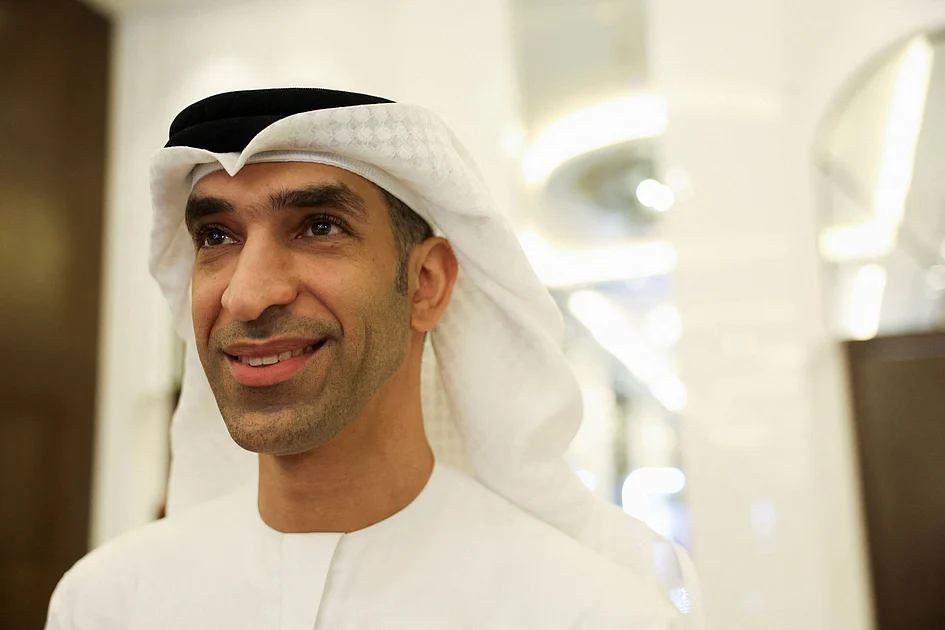
    United Arab Emirates Foreign Trade Minister Thani Al Zeyoudi expressed uncertainty regarding the implementation specifics of former US President Donald Trump’s recently announced trade tariffs targeting nations conducting business with Iran. The declaration came during a public address where the minister acknowledged ongoing assessments of the potential ramifications.

    This development follows Trump’s proclamation on his Truth Social platform imposing an immediate 25% tariff on all countries engaging in commercial relations with Iran. The measure represents an escalation of pressure tactics against Tehran concerning its handling of widespread domestic protests.

    Minister Al Zeyoudi emphasized the current lack of clarity surrounding the tariff structure and its potential application to UAE food imports. The UAE maintains significant trade relations with both the United States and Iran, creating a complex economic balancing act. The Emirates exports substantial quantities of aluminum and gold to American markets, with aluminum already subject to existing 50% duties. Additional tariffs could further inflate prices for this essential industrial metal.

    As Iran’s second-largest trading partner after China, the UAE maintains substantial commercial ties with its neighbor. Food and agricultural products constitute major import commodities from Iran, making supply chain security a primary governmental concern. Al Zeyoudi indicated that once formal details emerge, authorities will prioritize evaluating impacts on food product availability, pricing structures, and overall market stability.

    The minister further noted the interconnected nature of trade and diplomatic relations with neighboring Iran, suggesting that soft power considerations would factor into comprehensive impact assessments. While private enterprises would conduct independent risk analyses, the government’s focus remains on ensuring commodity availability and affordability for domestic markets regardless of corporate decisions regarding continued Iranian trade.

    Al Zeyoudi confirmed the administration’s commitment to developing alternative supply solutions to maintain market stability amid the evolving trade policy landscape.

  • UK grants asylum to Palestinian citizen of Israel over fear of persecution

    UK grants asylum to Palestinian citizen of Israel over fear of persecution

    In an unprecedented legal decision, a Palestinian citizen of Israel has been granted refugee status in the United Kingdom after British courts determined he would face credible persecution in Israel for publicly describing the state as an “apartheid regime.

    The individual, identified pseudonymously as Hasan to protect his anonymity, represents the first documented case of a Palestinian holding Israeli citizenship receiving UK asylum protection. The 26-year-old’s case culminated in December 2024 when the Home Office formally recognized his refugee status following a protracted legal battle that reached the Court of Appeal.

    Hasan’s extraordinary journey began when he arrived in the UK as an infant with his family, maintaining legal residence until age 14 when he temporarily returned to Israel with his father. A subsequent change in UK immigration policy voided his leave to remain status upon departure. He later reentered Britain on a visitor visa and formally sought asylum in 2019, arguing he would face discrimination as both a Palestinian and Muslim in Israel.

    The case took dramatic turns when the Home Office initially approved his refugee claim in March 2024, with caseworkers documenting concerns about “arbitrary arrest, detention, and elevated discriminatory administrative process” he might face in Israel. However, following media attention, then-Home Secretary James Cleverly personally intervened to pressure officials to revoke the approval.

    Hasan’s legal team from the Joint Council for the Welfare of Immigrants successfully pursued judicial review, ultimately compelling the Home Office to confirm his status after the Court of Appeal refused the government’s attempt to challenge the ruling. The official recognition document explicitly cites “well-founded fear of persecution” as preventing his return to Israel.

    Throughout the multi-year process, Hasan endured significant personal hardship under the UK’s asylum system, surviving on £49.18 weekly support while prohibited from working. His case establishes a notable precedent in international refugee law and UK-Israel relations.

  • Denmark warns of ‘fundamental disagreement’ after White House talks on Greenland

    Denmark warns of ‘fundamental disagreement’ after White House talks on Greenland

    A high-stakes diplomatic meeting at the White House has revealed profound divisions between the United States and Denmark regarding the future of Greenland, with Danish officials characterizing the disagreement as “fundamental” and “totally unacceptable.”

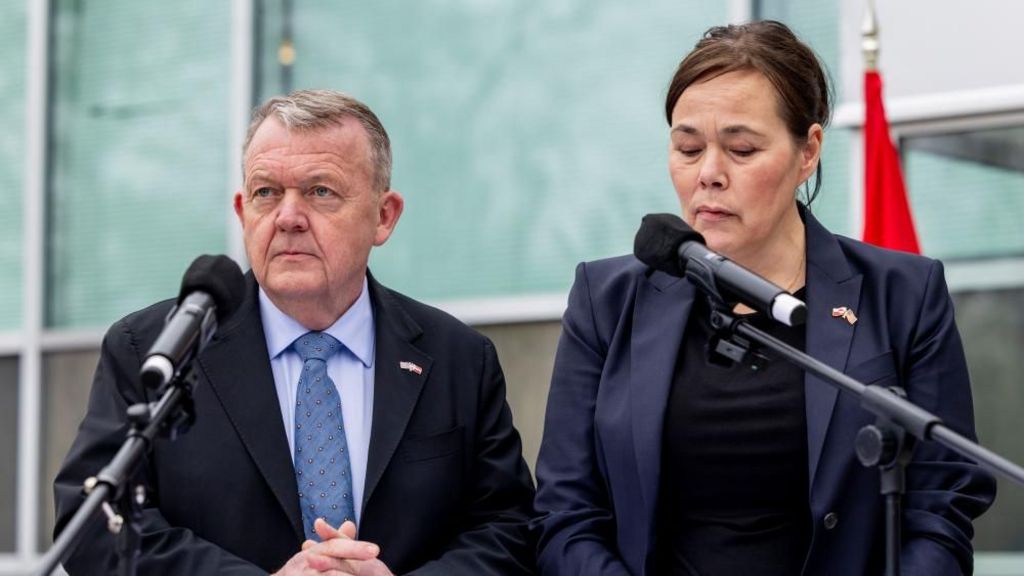
    Danish Foreign Minister Lars Lokke Rasmussen described Wednesday’s hour-long discussions with Vice President JD Vance and Secretary of State Marco Rubio as “frank but constructive,” though he emphasized that President Trump’s persistent interest in “conquering” the autonomous Danish territory remained a critical point of contention. The meeting concluded without significant resolution, though all parties agreed to establish a high-level working group to continue discussions in the coming weeks.

    “We made it very, very clear that this is not in the interest of [Denmark],” Rasmussen stated, noting the existence of “red lines” the United States cannot cross. While rejecting any notion of a takeover, Danish and Greenlandic officials indicated openness to expanded military cooperation, including potential additional US bases on the strategically vital island.

    The Trump administration’s pursuit of Greenland stems from its assessment of the territory’s crucial importance to national security. Located between North America and the Arctic, Greenland offers strategic advantages for early warning systems against missile attacks and monitoring regional vessel traffic. The US maintains approximately 100 permanent military personnel at its Pituffik base in northwestern Greenland, a facility operational since World War II under existing agreements with Denmark that permit unlimited troop deployment.

    Following the meeting, European allies demonstrated swift support for Denmark’s position. Sweden pledged to deploy armed forces to Greenland at Denmark’s request, while France announced plans to open a consulate on the island next month. Germany committed to sending a reconnaissance team to explore potential military contributions to regional security efforts.

    President Trump reiterated his position to reporters in the Oval Office, stating, “We need Greenland for national security.” He expressed skepticism about Denmark’s ability to defend the territory from potential Russian or Chinese influence, adding, “There’s not a thing that Denmark can do about it if Russia or China wants to occupy Greenland, but there’s everything we can do.”

    The administration’s focus on Greenland follows recent military actions against Venezuela and ISIS in Syria, alongside threats of intervention in Iran. Public opinion surveys indicate limited support for acquiring Greenland, with a Reuters/Ipsos poll showing only 17% of Americans favor seizing the territory, while 47% oppose Trump’s efforts.

  • Canadian PM arrives in Beijing for official visit

    Canadian PM arrives in Beijing for official visit

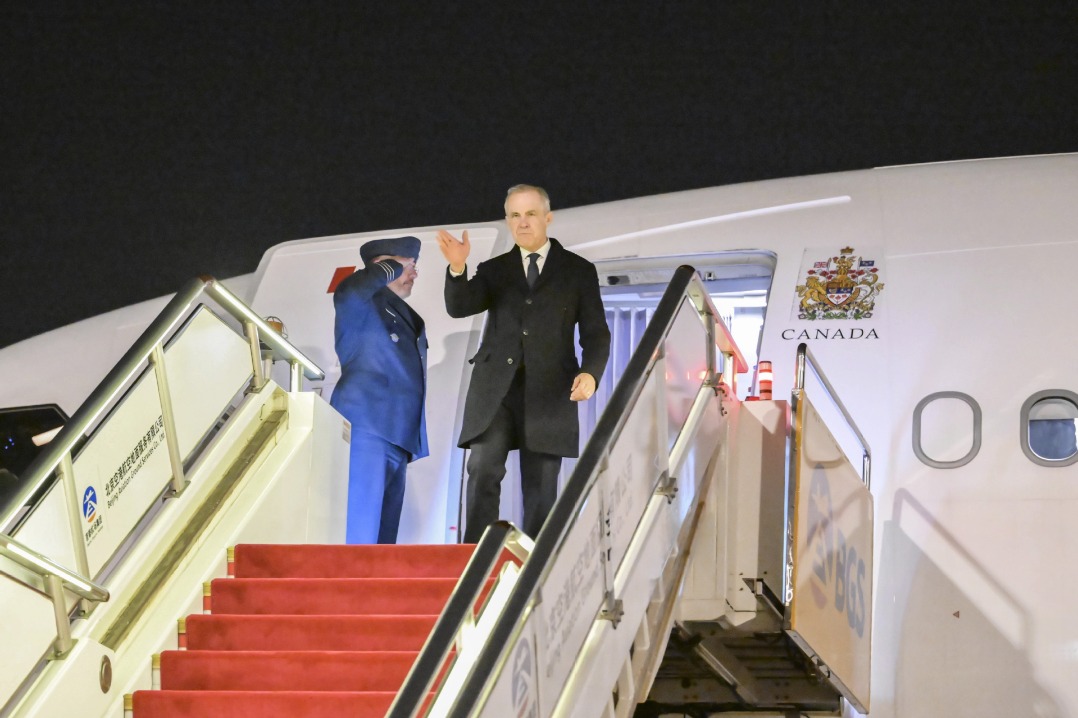
    BEIJING – Canadian Prime Minister Mark Carney commenced a significant diplomatic mission to China on Wednesday, marking the first official visit by a Canadian head of government to Beijing in nearly a decade. The three-day engagement through Saturday represents a substantial step toward normalizing bilateral relations following years of diplomatic strain.

    The arrival signals a mutual commitment to recalibrating the strategic partnership between the two nations. Chinese foreign ministry officials previously characterized the visit as a pivotal opportunity to rebuild diplomatic bridges, emphasizing aspirations for enhanced political trust and expanded cooperative initiatives.

    Diplomatic analysts note this visit could establish frameworks for managing complex bilateral differences while identifying convergent interests across trade, climate policy, and global governance. The timing coincides with both nations seeking to stabilize supply chains and address shared economic challenges amid global uncertainty.

    Observers will monitor developments regarding previously suspended cooperation mechanisms and potential agreements on clean energy technology, agricultural trade, and consular affairs. The engagement includes scheduled meetings with senior Chinese leadership and Canadian business representatives operating in the Asian market.

    This diplomatic re-engagement follows careful negotiations through backchannel discussions, reflecting both capitals’ recognition of their interconnected economic futures despite differing approaches to human rights and regional security matters. The outcome may influence Canada’s positioning within evolving North American-Asian trade dynamics.

  • Former Guizhou official gets 11-year sentence for bribery

    Former Guizhou official gets 11-year sentence for bribery

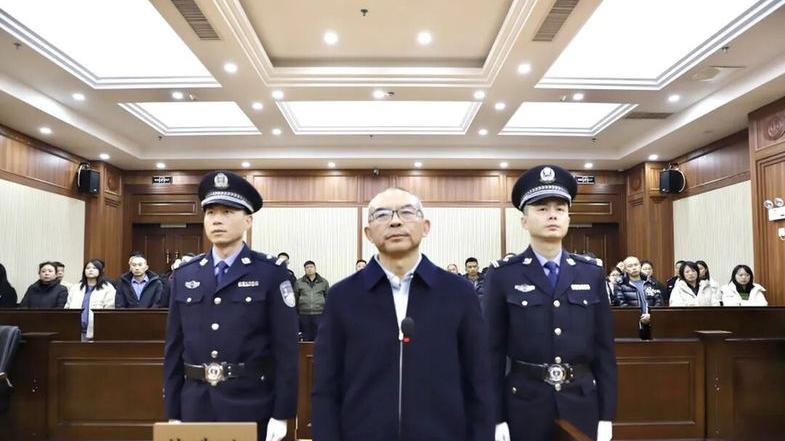
    In a significant judicial ruling underscoring China’s ongoing anti-corruption campaign, Chen Shaorong, a former high-ranking official from Guizhou province, has been sentenced to 11 years and three months imprisonment for bribery offenses. The Qiannan Bouyei and Miao Autonomous Prefecture Intermediate People’s Court delivered the first-instance verdict on Tuesday, marking another milestone in the nation’s systematic crackdown on corrupt practices within public office.

    The court established that Chen, previously serving as deputy director of the Legal Affairs Committee under the Standing Committee of the Guizhou Provincial People’s Congress, systematically abused his official authority over nearly two decades. From 2005 through 2024, he leveraged multiple influential positions—including vice-mayor of Liupanshui, executive vice-mayor of Guiyang, and Party secretary of Anshun—to illicitly benefit organizations and individuals across various sectors.

    His corrupt activities primarily involved facilitating preferential treatment in coal mine operations, project contracting assignments, and personnel promotion decisions. In exchange for these unlawful services, Chen accepted bribes exceeding 22.07 million yuan (approximately $3.16 million), alongside additional illegal gains surpassing 100,000 yuan worth of valuables and benefits.

    The judiciary noted the exceptionally large sum involved warranted severe punishment under Chinese criminal law. However, the court acknowledged mitigating factors including Chen’s confession, voluntary disclosure of bribery offenses, and active restitution of illicit proceeds. These cooperative actions qualified him for legally prescribed sentence reductions.

    In addition to imprisonment, the court imposed a substantial financial penalty of 1.3 million yuan ($186,000) and ordered complete confiscation of all illicit assets and associated interest, which will be transferred to the state treasury. Any outstanding amounts are subject to continued legal recovery procedures.

    Following the verdict announcement, Chen formally accepted the judgment in open court and declared he would not pursue an appeal, concluding a high-profile case that demonstrates China’s sustained determination to combat corruption at all governmental levels.