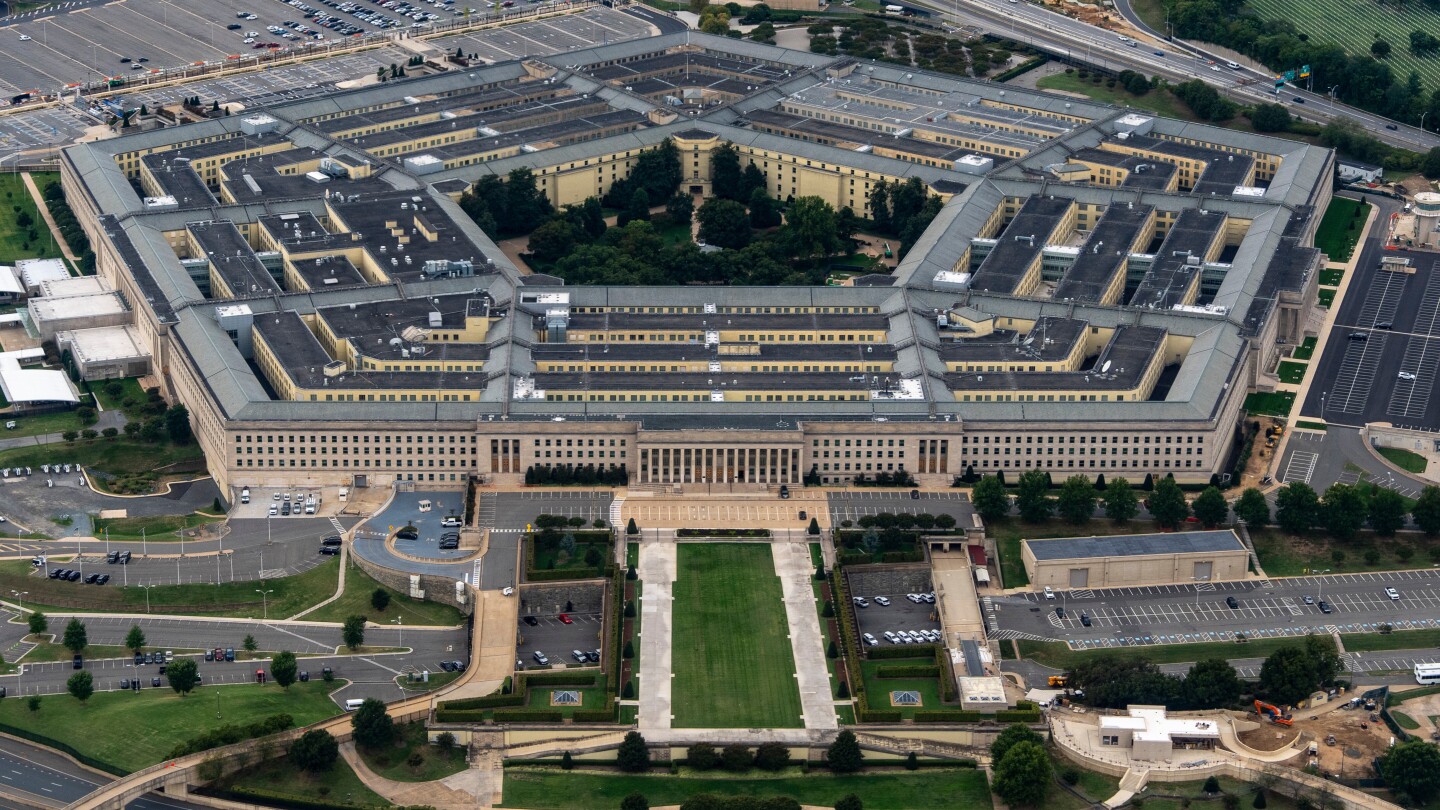
For decades, American and Chinese scholars have collaborated on groundbreaking research, fostering an environment of open knowledge sharing. However, this longstanding tradition is now under scrutiny as U.S. lawmakers express growing concerns over national security risks. They argue that China, increasingly viewed as a formidable military rival, is leveraging open research to accelerate its technological advancements and potentially surpass the U.S. in critical areas like military technology.
分类: politics
-
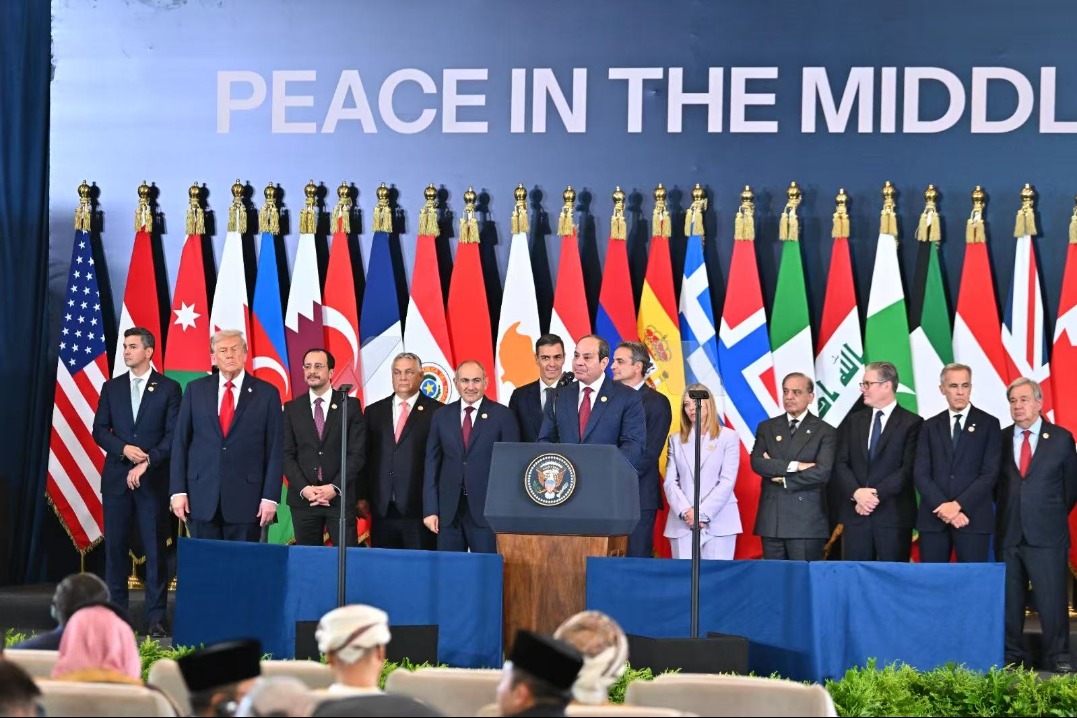
Gaza ceasefire deal signed in Egypt’s Sharm el-Sheikh
A landmark ceasefire agreement between Israel and Hamas was formally signed during a high-profile summit in Sharm el-Sheikh, Egypt, on October 13, 2025. The event, co-chaired by Egyptian President Abdel Fattah al-Sisi and U.S. President Donald Trump, brought together leaders from over 20 countries and representatives from regional and international organizations. The summit aimed to address the cessation of hostilities in the Gaza Strip, promote Middle Eastern peace and stability, and lay the groundwork for a new era of regional security. The ceasefire, which took effect on October 10, 2025, followed three days of intense negotiations mediated by Egypt, Qatar, Türkiye, and the United States. The agreement’s initial phase includes the withdrawal of Israeli troops from key areas such as Gaza City, Rafah, and Khan Younis, the opening of five humanitarian aid crossings, and the exchange of hostages and prisoners. Hamas confirmed the release of all 20 remaining hostages captured during the October 7, 2023, attack on southern Israel, while Israel began freeing nearly 2,000 Palestinian detainees. The prolonged conflict has left Gaza in ruins, with over 67,000 fatalities and widespread famine, according to Gaza’s health authorities and UN-backed experts. The summit marks a critical step toward ending the devastating war and fostering long-term peace in the region.
-
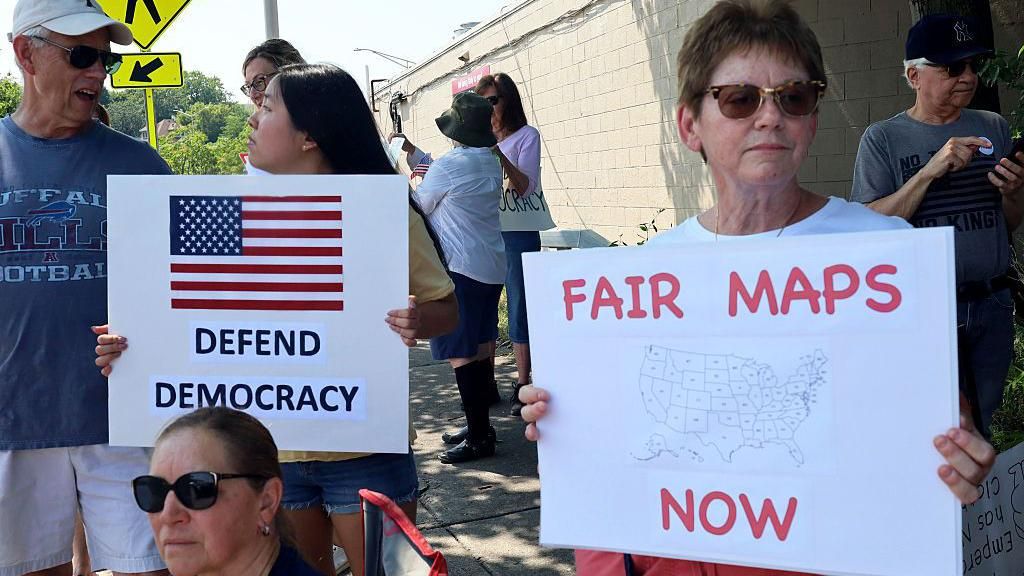
North Carolina joins growing US battle over redrawing electoral maps
The United States is witnessing a fierce nationwide battle over redistricting, as Republicans and Democrats scramble to redraw congressional maps in a bid to alter the balance of power in Washington. This political tug-of-war, which has already engulfed states like Texas, California, and Missouri, has now reached North Carolina, where Republican leaders are heeding former President Donald Trump’s call to counter Democratic redistricting efforts. The stakes are high, with both parties seeking every possible advantage ahead of the 2026 midterm elections. The fight began in Texas this summer, where the Republican-majority legislature redrew congressional seats to potentially add five more Republican-leaning districts. California, a Democratic stronghold, responded by crafting its own maps to boost Democratic representation by five seats, aiming to neutralize Texas’ gains. This trend has since spread across the country, with states like Missouri, Ohio, and now North Carolina joining the fray. The U.S. House of Representatives, currently resting on a knife’s edge with a slim Republican majority, could see a dramatic shift if Democrats manage to flip just three more seats. Historically, the president’s party tends to lose seats in midterm elections, and a Democratic-controlled House could lead to sweeping investigations into presidential actions, reminiscent of the Trump and Biden administrations. Redistricting, a process typically conducted every decade following the U.S. Census, has become a mid-decade battleground, with both parties aiming to reshape districts to their advantage. However, this practice, known as gerrymandering, has drawn criticism for allowing politicians to choose their voters rather than the other way around. Legal challenges have emerged, particularly in Texas, where Democrats and civil rights groups argue that the new maps dilute minority voting power, violating the federal Voting Rights Act. The Supreme Court’s 2019 ruling, which removed the judiciary’s power to block political gerrymandering, has further complicated the landscape. As the 2026 midterms approach, redistricting remains an urgent issue for state lawmakers, with Democratic-led states like Illinois, New York, and New Jersey discussing countermeasures to Republican strategies. Meanwhile, Republican-controlled states like Indiana and Florida are also exploring redistricting to bolster their representation in Washington. The outcome of this nationwide redistricting battle could have profound implications for the future of U.S. politics, shaping the ideological tilt of Congress and influencing the legislative agenda for years to come.
-
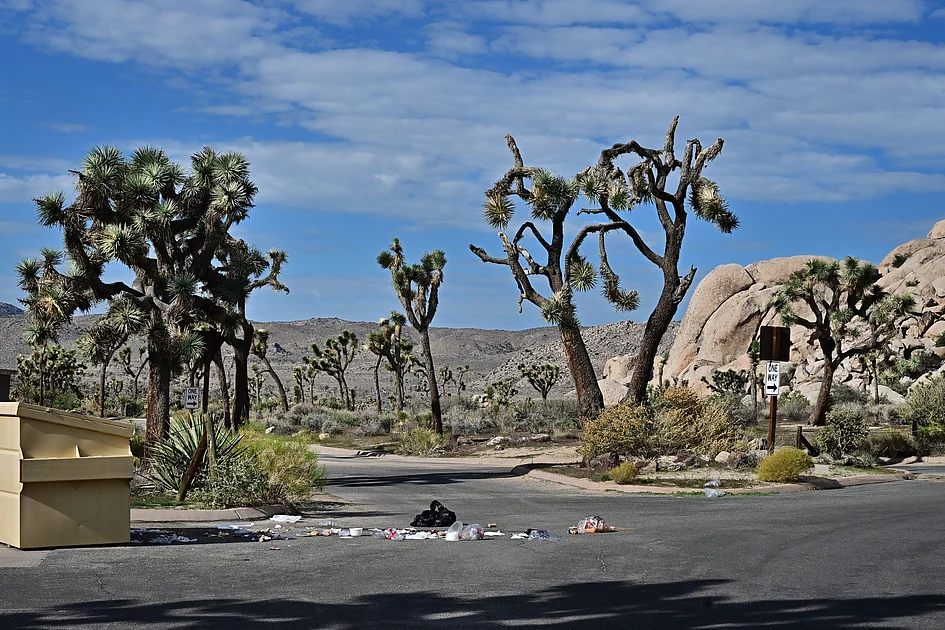
Americans feel the squeeze as government gridlock grinds on
The United States government shutdown has extended into its third week, with no immediate resolution in sight as Congress remains deadlocked over spending disputes. The ongoing crisis has already resulted in significant workforce reductions, with thousands of federal employees placed on enforced leave. President Donald Trump has intensified pressure on Democrats by threatening further layoffs unless they support Republican proposals to reopen the government.
-
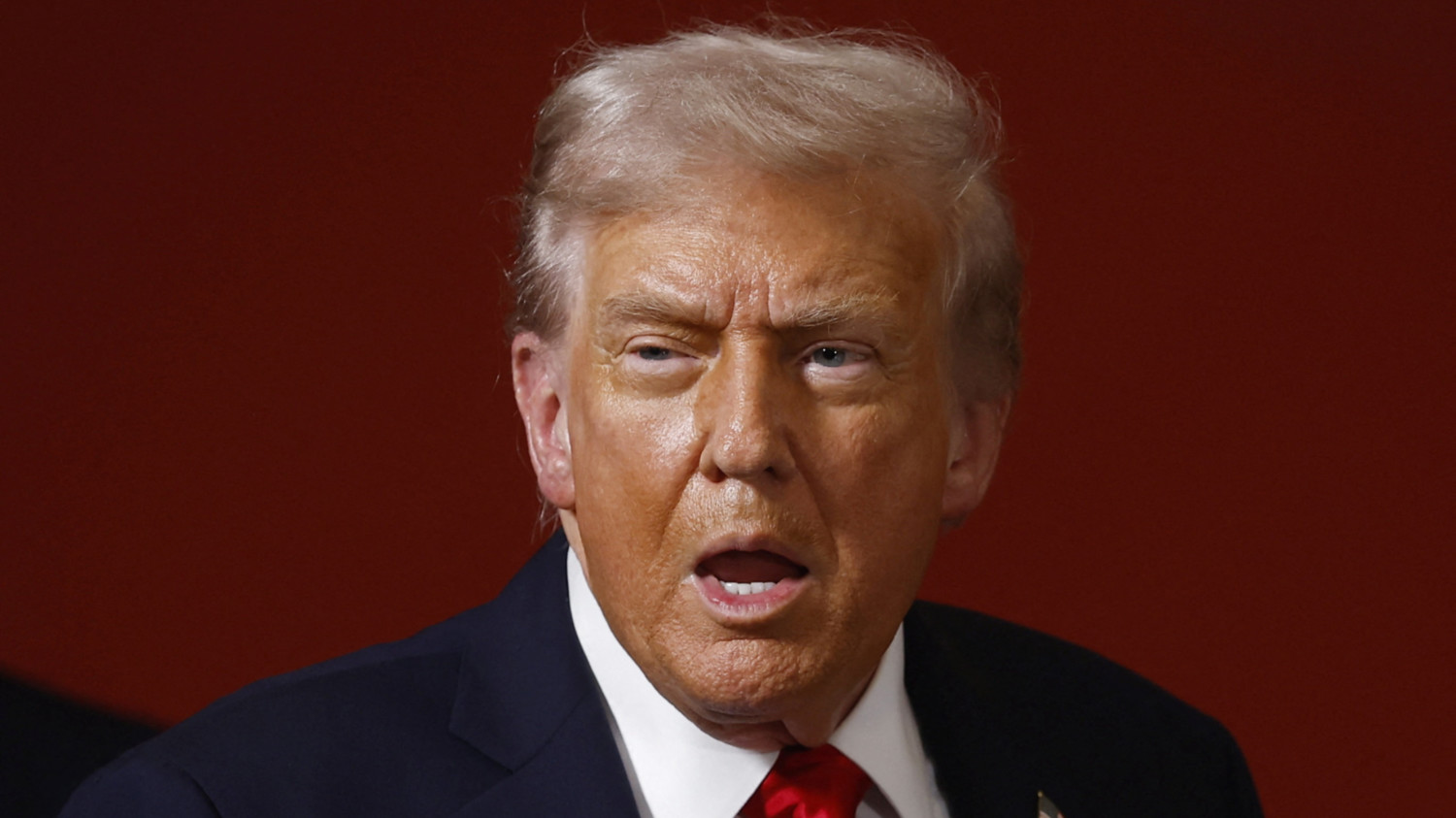
Trump declares ‘peace in the Middle East’ during Egypt speech
For the first time since Barack Obama’s 2009 Cairo speech, a U.S. president has addressed a significant audience in Egypt. President Donald Trump, speaking at the Gaza peace summit in Sharm el-Sheikh, declared, ‘At long last, we have peace in the Middle East.’ The summit, attended by 20 of the 35 invited world leaders, marked a pivotal moment following the recent ceasefire in Gaza. Trump emphasized the importance of humanitarian aid and reconstruction efforts, noting the contributions from wealthy nations present at the summit. He also highlighted the role of his peace envoy, Steve Witkoff, and his son-in-law, Jared Kushner, in the implementation of the peace deal. Trump reiterated his call for more countries to join the Abraham Accords, a series of normalization agreements between Israel and Arab nations. Despite the absence of Palestinian representation on stage, Trump acknowledged the presence of Palestinian Authority President Mahmoud Abbas in the audience. The summit also saw Trump praising Egyptian President Abdel Fattah el-Sisi and expressing gratitude to other key leaders, including those from Qatar, Turkey, and Pakistan. Pakistan’s Prime Minister Shehbaz Sharif even nominated Trump for the Nobel Peace Prize, citing his pivotal role in achieving peace in the region.
-
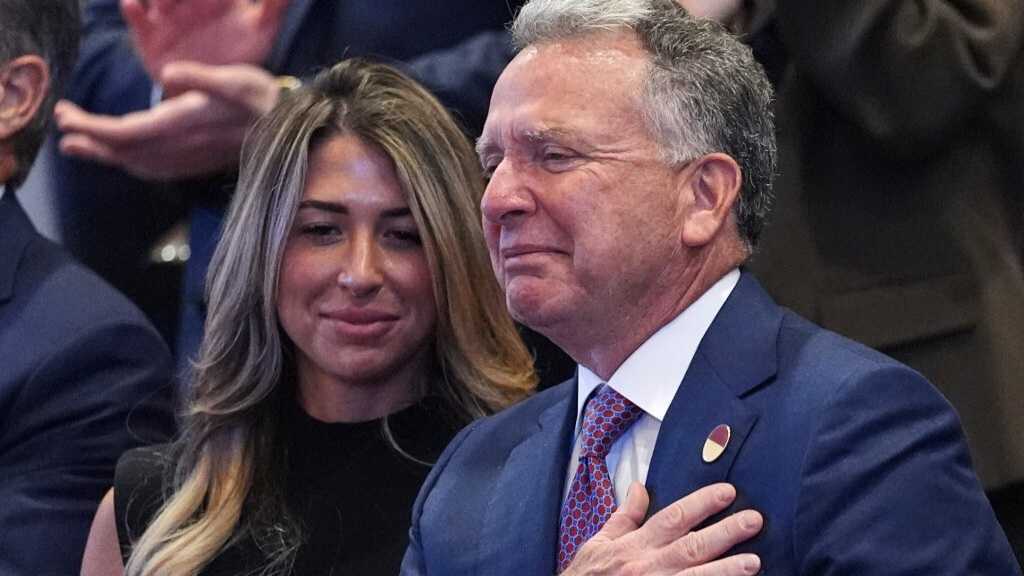
Witkoff praises ‘vital’ UK role in Gaza ceasefire after US ambassador dismisses contribution
The Trump administration’s Middle East envoy, Steve Witkoff, has acknowledged the “vital role” played by the United Kingdom in facilitating Gaza ceasefire negotiations. This statement comes in stark contrast to remarks made by Mike Huckabee, the US ambassador to Israel, who labeled British Education Secretary Bridget Phillipson as “delusional” for her claims about the UK’s involvement in the talks. Phillipson had asserted that the UK had been instrumental in shaping the ceasefire efforts, a claim that Huckabee vehemently disputed on social media platform X, urging her to credit former President Donald Trump instead. Despite the public spat, Witkoff emphasized the UK’s significant contributions to the diplomatic process, marking a historic moment in Israel’s peace efforts. Meanwhile, Phillipson faced further criticism from Israel’s deputy foreign minister, Sharren Haskel, who accused the UK of undermining negotiations by recognizing a Palestinian state. Haskel argued that such actions sent a message to Hamas that prolonging the conflict could yield rewards. The diplomatic tensions coincide with UK Prime Minister Keir Starmer’s attendance at the signing ceremony of Trump’s Gaza plan in Egypt. The UK’s relationship with Israel has been strained over the past year, exacerbated by decisions such as banning Israeli students from the Royal College of Defence Studies and excluding Israeli officials from a major arms trade show. However, military cooperation has persisted, with the UK continuing to supply parts for F-35 fighter jets used in Gaza and conducting surveillance flights that provide intelligence to Israel. The Ministry of Defence maintains that these flights are aimed at rescuing Israeli captives, though their exact role remains unclear.
-
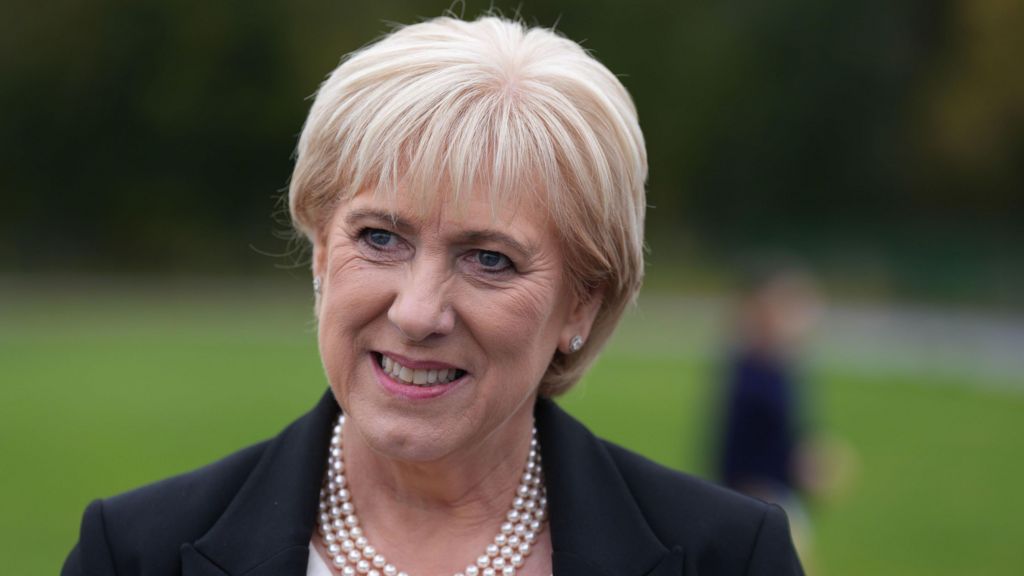
President’s job to ‘reach out hand of friendship’ before any border poll
Heather Humphreys, a Fine Gael candidate for the Irish presidency, has emphasized the importance of fostering unity and extending friendship to unionists in Northern Ireland as discussions about a potential referendum on a united Ireland gain momentum. Speaking to RTÉ, Humphreys, who hails from a Presbyterian background in Monaghan, highlighted her family’s historical ties to the Ulster Covenant of 1912, a pledge against Irish home rule. She expressed pride in her heritage, stating, “I come from the tradition of 1798, the United Irishmen. I’m very proud of my tradition, I’m very proud of where I come from.” Humphreys believes the Irish president’s role is crucial in laying the groundwork for dialogue and reconciliation, particularly with the approximately one million Northern Irish citizens who identify as British. She described herself as uniquely positioned to bridge divides, given her background and identity as a product of the Republic of Ireland. Humphreys also reaffirmed her commitment to the Good Friday Agreement, which stipulates that a border poll can only occur if a majority in Northern Ireland supports unification. Additionally, she addressed her relationship with the Irish language, acknowledging its importance and pledging to improve her proficiency. Despite criticism for not advancing her Irish-speaking skills as promised, Humphreys expressed her intent to return to Gaeltacht areas to refresh her knowledge and inspire others to embrace the language.
-
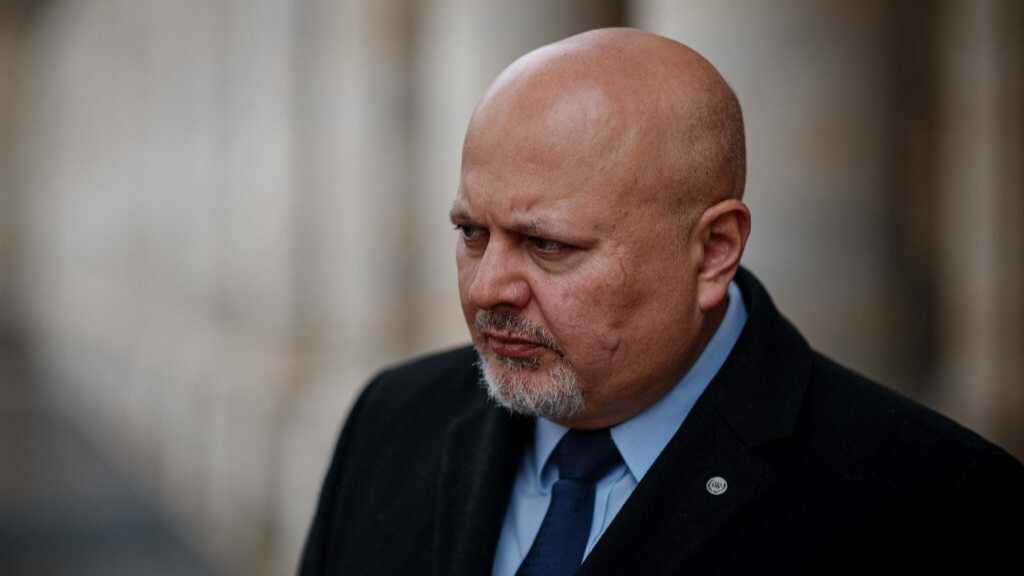
Exclusive: ICC senior officials accused of ‘prejudice’ over Karim Khan probe
The International Criminal Court (ICC) is under intense scrutiny for its handling of a sexual misconduct complaint against Chief Prosecutor Karim Khan. Middle East Eye (MEE) has revealed that the complainant was in contact with Margareta Kassangana, a vice president of the ICC’s governing body, the Assembly of States Parties (ASP), before the case was referred to the United Nations’ Office of Internal Oversight Services (OIOS) for an external investigation. This unprecedented move has raised concerns about due process and Khan’s right to privacy. Kassangana’s involvement in discussions with the complainant prior to the investigation has further complicated the matter, casting doubts on the impartiality of the process. Meanwhile, another ASP member, Ugandan Ambassador Mirjam Blaak, has been accused of prejudicial conduct after a recording surfaced of her making inappropriate remarks about Khan’s accuser, suggesting his guilt was pre-determined. The Pan-African Business Forum (PABF) has called for an independent investigation into Blaak’s conduct, citing it as evidence of bias within the ASP. The ICC’s handling of the case has drawn widespread criticism, with former ICC judge Cuno Tarfusser expressing deep concern over the breach of confidentiality and the potential undermining of the court’s integrity. Khan, who has been on leave since May 2024, denies the allegations, and internal investigations were closed after the complainant refused to cooperate.
-
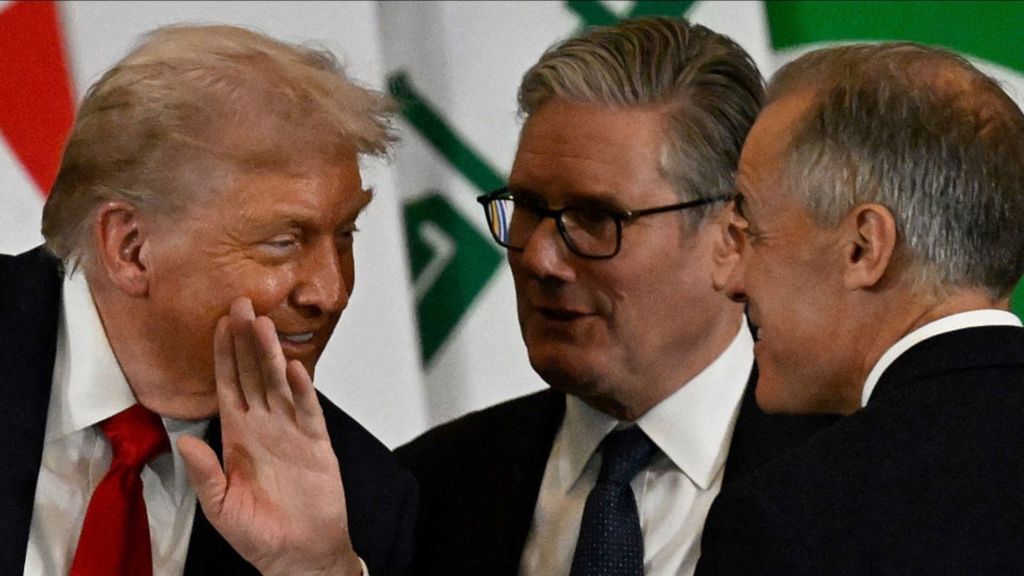
Watch: ‘You upgraded me to president’ – Carney jokes with Trump after misstatement
In a moment of levity during the high-profile ‘Summit for Peace,’ Canadian Prime Minister Justin Carney shared a humorous exchange with US President Donald Trump following a minor verbal slip. The incident occurred when Trump inadvertently referred to Carney as ‘president’ instead of ‘prime minister.’ Seizing the opportunity for a light-hearted remark, Carney quipped, ‘You upgraded me to president,’ eliciting laughter from the audience and easing the formal atmosphere of the event. The exchange highlighted the cordial relationship between the two leaders, even amidst the serious discussions on global peace and diplomacy. This brief yet memorable interaction underscored the importance of maintaining a balance between professionalism and camaraderie in international relations.
-
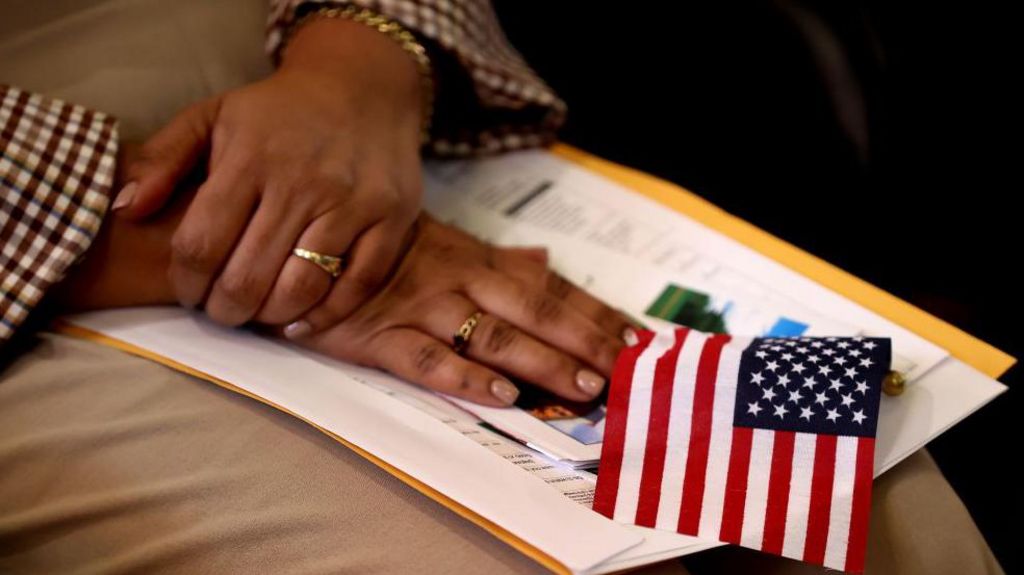
‘Your appointment’s rescheduled’: Shutdown cancels US citizenship ceremonies
On a Saturday morning in Virginia, a group of individuals from diverse backgrounds gathered at a U.S. immigration office, eager to complete their journey to becoming American citizens. Clutching their naturalization notices, they passed through security and lined up at the check-in desk, anticipating the solemn yet celebratory moment of taking the Oath of Allegiance. However, their hopes were abruptly dashed when they learned the ceremony had been canceled due to the ongoing government shutdown. None had received prior notifications, and the USCIS website, which later revealed the cancellation, had been temporarily inaccessible. The notice cited ‘unforeseen circumstances’ and expressed regret for the inconvenience. The cancellation left many in distress. One woman in a hijab feared discrimination, while a man who had brought his family to celebrate now faced uncertainty. Others worried about the impact on their work, lives, and plans. For many, this was more than an inconvenience—it was a disruption to years of effort, including navigating paperwork, interviews, and preparing for the citizenship test. The group was told to return on November 1, but with the shutdown unresolved, even that date is uncertain. While USCIS is largely funded by application fees and typically remains operational during shutdowns, its director, Joseph Edlow, stated that public-facing services like interviews and naturalization ceremonies could face delays. The exact number of canceled ceremonies nationwide remains unclear, though anecdotal reports suggest others have been affected. The shutdown, stemming from a deadlock between Republicans and Democrats over government funding since October 1, has left over 700,000 federal workers on unpaid leave. Combined with recent rapid changes to U.S. immigration policies, the anxiety among aspiring citizens continues to grow. The political stalemate in Washington is now directly impacting the lives and futures of those hoping to make the U.S. their permanent home.